Home Blog Page 1901

UN reports details ways cities can adapt to floods, storms

0

A newly-released UN report has detailed practical ways of adapting to climate change impacts such as increased flooding or intensifying storms in human settlements, from mega cities to villages.
Lagos flood
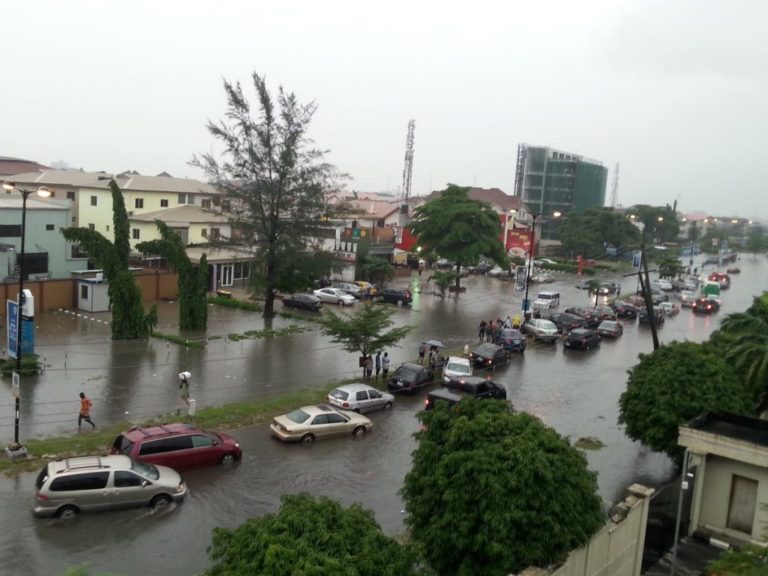
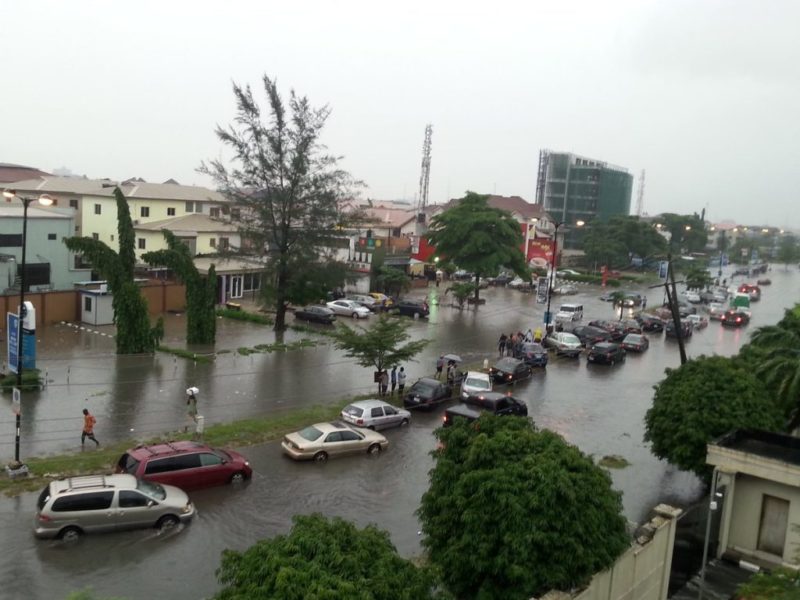
A street overrun by flood on Victoria Island, Lagos

Importantly, the report provides hands-on tools that national and subnational governments can use to build climate resilience in collaboration with communities, civil society organisations, research centres and the private sector.

Released by UN Climate Change and prepared under the Nairobi work programme, the report, titled: “Adaptation in human settlements: key findings and way forward”, aims to share good practices and lessons learned to date and will be taken forward at an event at the May Climate Change Conference in Bonn, Germany.

The report is said to be timely as both the contribution to climate action by cities as well as urbanisation are increasing world-wide. Already, more than 50% of the world’s population lives in urban areas, a number which is expected to near 70% by 2050.

Climate change is reportedly exacerbating the vulnerability of human settlements to natural and human-made hazards globally to a disproportionate degree, especially in developing countries, coastal and delta regions and Small Island developing States (SIDS).

Increasing the climate resilience of human settlements is thus an important measure to protect lives and livelihoods, preserve development gains, and promote sustainable development, according to experts.

Cities around the world have begun realising this and more and more are taking action to increase resilience. Yet given the rate of urbanisation around the globe, more is needed to protect people and infrastructure going forward, says the UNFCCC.

This often includes the need to close knowledge gaps around the issue for decision-makers and planners at the national and local levels.

The report – available in all six UN languages – synthesises the latest experiences of resilience-building in human settlements by governments and organisations, as well as the latest research in this area.

Its key findings concentrate on the following areas:

  • Assessing vulnerability and integrating short and long-term climate considerations into adaptation planning;
  • The role of national governments in supporting local adaptation, including through national adaptation plans;
  • City to-city partnerships on adaptation to climate change;
  • A key event to build on the report as a launch-pad for boosting resilience in cities, towns and villages

During the May Climate Change Conference that commenced on Monday, April 30, 2018, a side event will take place to build on the report and its findings and to take it forward in concrete terms.

The side event, tagged: “Closing knowledge gaps on Human Settlements and Adaptation: The way forward“, will discuss opportunities to close knowledge gaps related to human settlements and adaptation for decision-makers and planners at the local and national levels.

The aim of the event, it was gathered, is to identify concrete proposals with partners to address knowledge needs in the short and medium term.

The report and the side event are the result of a seven-step approach that aims at advancing resilience in cities, towns and villages through knowledge.

Three-quarters of Lake Victoria life risks extinction – Study

0

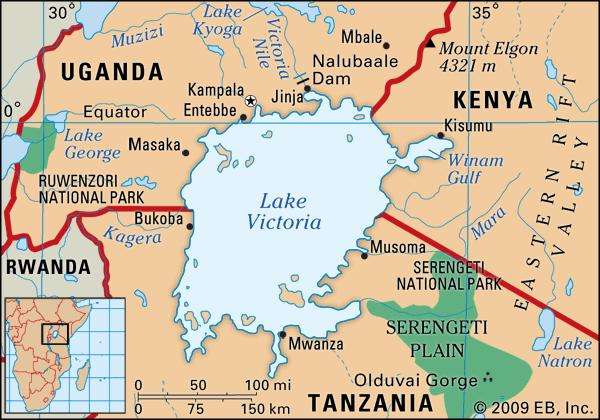
Three-quarters of animals and plants, living in Lake Victoria in East Africa, are threatened with extinction, according to a study published on Monday, April 30, 2018.

Lake Victoria
Some 40 million people in Kenya, Uganda and Tanzania depend directly or indirectly on the Lake Victoria

The International Union for Conservation of Nature (IUCN) said about 76 per cent of living organisms, including fish, crabs, dragonflies and aquatic plants, found in Lake Victoria and the surrounding area, are at risk.

Industries and agriculture have polluted the lake while overfishing and invasive species are also to blame, the study said.

The developments could be “disastrous” for people, who rely on the lake for food and income, said the IUCN’s Will Darwall, co-author of the study.

According to the World Bank, some 40 million people in Kenya, Uganda and Tanzania depend directly or indirectly on the lake.

The IUCN said it had investigated the risk of extinction of 651 freshwater species.

The study showed 204 of them could be found in the Lake Victoria Basin.

Lake Victoria is the largest lake in Africa and the second-largest freshwater lake in the world in terms of area.

Nigeria to launch two satellites soon

0

The Nigeria Communication Satellite Limited on Monday, April 30, 2018 said that it was collaborating with China Great Wall Industry Cooperation (CGWIC) to launch two additional satellites.

NigcomSat-1R
The NigcomSat-1R

Mr Samson Osagie, the Executive Director, Marketing and Business Development of the organisation said this in an interview with the News Agency of Nigeria (NAN) in Abuja on Monday that the satellites would be deployed in the next 36 months.

Osagie explained that the durability of a satellite was 15 years, and that the Nigeria’s current satellite was seven years old.

“NIGCOMSAT is collaborating with China Great Wall Industry Cooperation and we are negotiating to launch additional two satellites in 36 months.

“Presently Nigeria does not have the capital to build and finance its own satellite which is why the collaboration is needed.

“The first satellite by Nigeria was launched in 2007 but had issues and was de-orbited. It was later re-launched in 2011 which makes it seven years now.

“The life span of a satellite is 15 years, which means that the first one is still functional and it is important to note that negotiations for projects like this take time,” Osagie said.

According to him, the additional satellites will meet the needs of telecommunication, maritime, defence, broadcast media, Africa, parts of Asia and others.

He said that the two satellites would be launched separately, adding that negotiations on their operations were ongoing simultaneously.

NAN reports that NIGCOMSAT-1, the first satellite was originally launched in May 2007, but de-orbited due to malfunctioning of the Solar Array Deployment Assembly.

The satellite was later re-launched in 2011 as NIGCOMSAT-1R and had been in the orbit since then.

Ugandan issues flood risk alert as rain season reaches peak level

0

The Government of Uganda has issued a flood risk alert, warning the public to take caution as the rain season in the east African country enters peak levels.

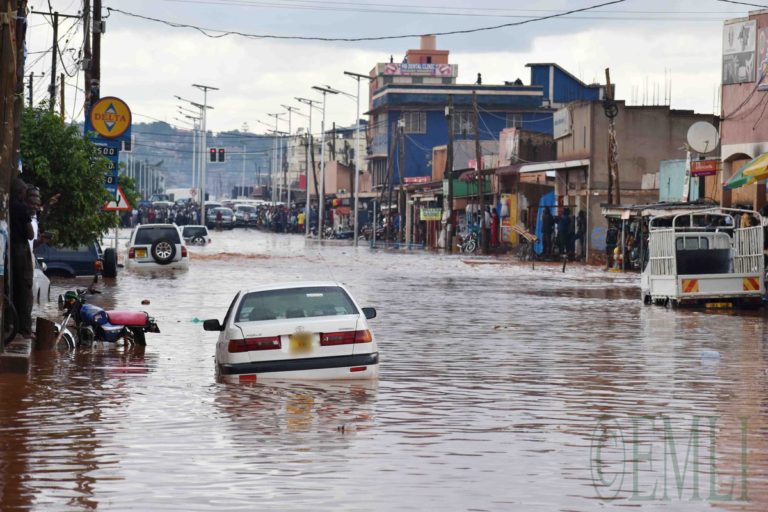
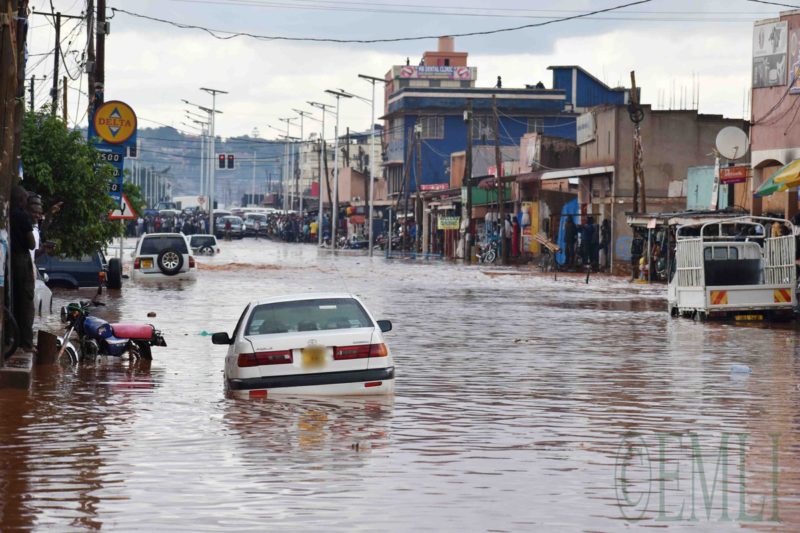
Uganda flood
A flooded street in Uganda

The Ministry of Disaster Preparedness in a statement said people are strongly advised not to walk or allow a driver to take them through a flooded road or bridge even when the floods appear below the knee or the rim of the car.

The statement comes days after heavy rains caused flooding, cutting off road access to some parts of the capital Kampala on Friday, April 27, 2018.

The weather department in its outlook for the months of March, April and May warned that parts of the country may face sporadic flash floods, leading to loss of lives and destruction of property.

The Uganda National Meteorological Authority warned that some mountainous parts of the country may experience landslides.

NAN reports that, in August 2017, severe flooding was reported in northern Uganda, leaving 2,000 people displaced and 15 people dead.

Heavy rain in Northern Region caused a river to overflow on Aug. 22, 2o17, flooding the town of Elegu in Amuru district, a trading post close to the border with South Sudan.

As many as 3,000 people have been affected and 2,000 have been displaced.

Uganda Red Cross says that crops in the area have suffered damage and transport has been severely disrupted in the area. Several bridges have been destroyed or damaged.

Martin Owor, Commissioner, Ministry of Disaster Preparedness, told local TV that the town of Elegu, its market, bank and customs post have all been damaged in the floods.

He added that relief supplies have been dispatched and those displaced are receiving assistance.

Owor said that northern Uganda normally sees heavy rain during August and September and more rainfall can be expected.

Heavy rains, landslides kill 100 in Kenya

0

Hiribae Mame stood waist-deep in water outside her wrecked house in eastern Kenya, one of around 200,000 people forced to flee by weeks of floods, landslides and heavy rains.

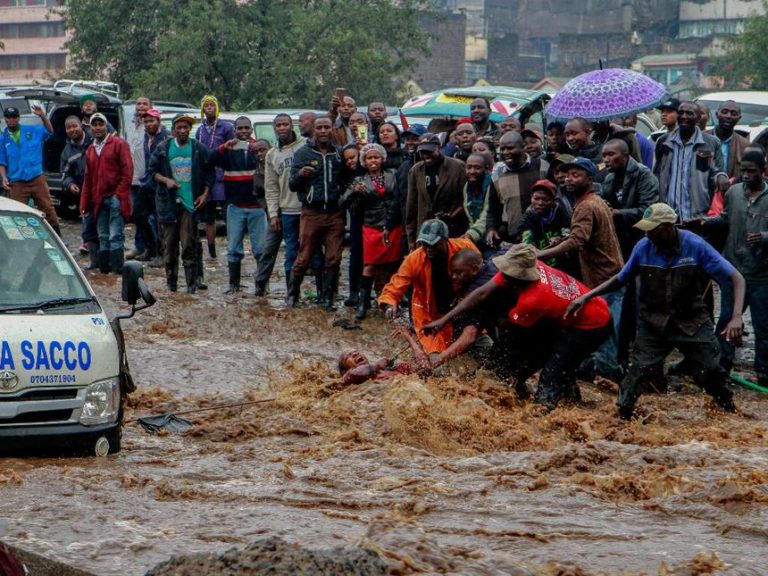
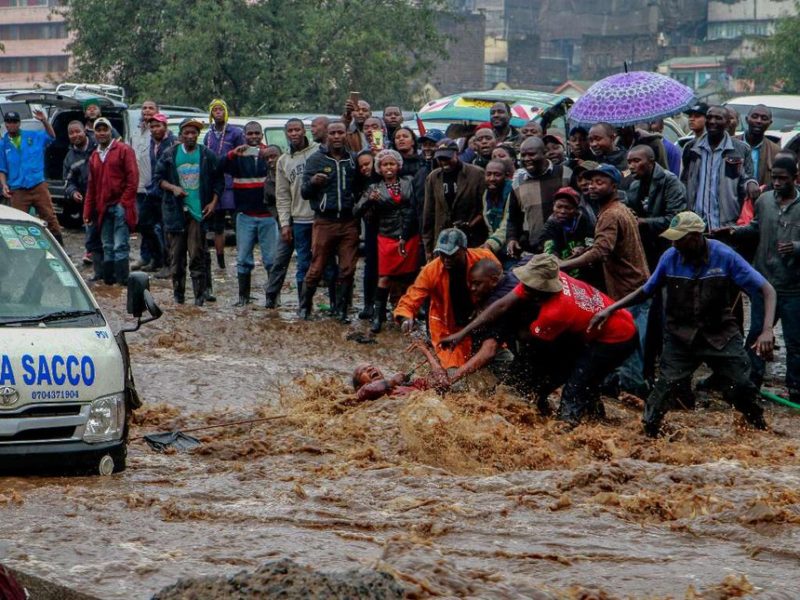
Kenya flooding
A passenger is rescued from a submerging Matatu along Grogon area, near Kirinyaga Road following heavy downpour witnessed in Nairobi and its outskirts on March 15, 2018. Photo credit: Enos Teche

Kenya’s Red Cross estimates at least 100 have also died in the downpours since early April, a humanitarian disaster that it says needs emergency funding.

“I have lost 12 chicken and four goats. We were not able to save all of them and I can’t access the house because the door can’t open,” said the mother-of-four in the town of Tana River in lower Coast region.

Her youngest daughter clung to her neck, the girl’s feet just touching the water. Mattresses and wreckage floated by as handmade boats ferried people, animals and goods to safer ground.

Floods have blocked major roads across central and northern Kenya and coastal areas – the route from the capital Nairobi to the main port Mombasa was under water as at Friday, April 27, 2018.

Eight people were killed when mudslides destroyed their homes as they slept in the hilly central region of Murang’a on Friday night, said Kenya Red Cross Secretary-General, Abbas Gullet.

Gullet said the military and police had deployed helicopters for rescue missions but more efforts were needed.

He said outbreaks of water-borne diseases were another concern across Kenya.

“We would urge the national government to declare this a national disaster, so that deliberate effort can be made and resources mobilised to help the affected people,” Gullet told reporters in the capital on Sunday.

“We need a national disaster management fund set up.”

Bonn talks: Time running out for climate inaction, says ACT Alliance

0

As another round of interim climate change negotiations starts on Monday, April 30, 2018 in Bonn, Germany, ACT Alliance has reiterated its call for urgent action to address climate change and its impacts.

Rudelmar Bueno de Faria
Rudelmar Bueno de Faria, ACT Alliance’s General Secretary

“The international community must now take bold action to address climate change and to adequately respond to its impacts. We cannot afford any delays or to waste any time,” said Rudelmar Bueno de Faria, ACT Alliance’s General Secretary.

At the top of the agenda for the Bonn Session is the Talanoa Dialogue that will encourage sharing between parties and stakeholders on progress made towards their climate commitments, the Paris Rulebook that will outline the modalities, procedures and guidelines for the implementation of the Paris Agreement, and the Suva Expert Dialogue on support for climate induced loss and damage.

“There is now every indication that we have just a few years before surpassing the 1.5 degree global warming target, which means that our policies and actions towards a more volatile climate must be ambitious and unequivocal. The Talanoa Dialogue must quickly translate into building resilience, supporting the most vulnerable and ensuring a higher mitigation ambition,” said Bueno de Faria.

The Suva Expert Dialogue on loss and damage support is expected to advance the discussions on climate finance and other means necessary to respond to the adverse impacts of climate change that go beyond the ability of communities to adapt. Recently, ACT Alliance made a Submission to the UNFCCC in which it called for clarity and a greater allocation of financial, capacity, and technological support towards the protection of vulnerable people, communities, and countries from loss and damage.

“Because there are already serious and exponential climate induced losses and damages, particularly affecting vulnerable people in developing countries, we would like to see a constructive Suva Expert Dialogue. It must lead to concrete outcomes including the reaffirmation of solidarity. Loss and damage must not be sidelined,” said Bueno de Faria.

On the modalities of the implementation of the Paris Agreement, ACT Alliance expressed concern about the slow progress of the Paris Rulebook. “By the end of this year, we need a robust Paris Rulebook with a strong inclusion of transparency and accountability at all levels,” said Martin Vogel, Chair of the ACT Alliance Climate Change Group, and head of ACT’s delegation to the Bonn Session.

“Transparency and accountability in climate action and support are keys for building trust and confidence among countries and must be seen as the hallmark of the guidelines for the implementation of the Paris Agreement,” said Vogel.

It is imperative that climate action is transparent in all aspects related to the provision and use of financial support and in emissions reductions. Every country must make an effort. The Paris Rulebook must be a win-win for all, and the Bonn Session will play a significant role in setting the foundation for this.

Bonn talks: LDC group demands all-embracing climate action

0

The UN climate change negotiations holding from April 30 to May 10, 2018 in Bonn, Germany come at a critical time as countries work to finalise the rules and processes to operationalise the Paris Agreement, even as the impacts of climate change continue to intensify.

Gebru Jember Endalew
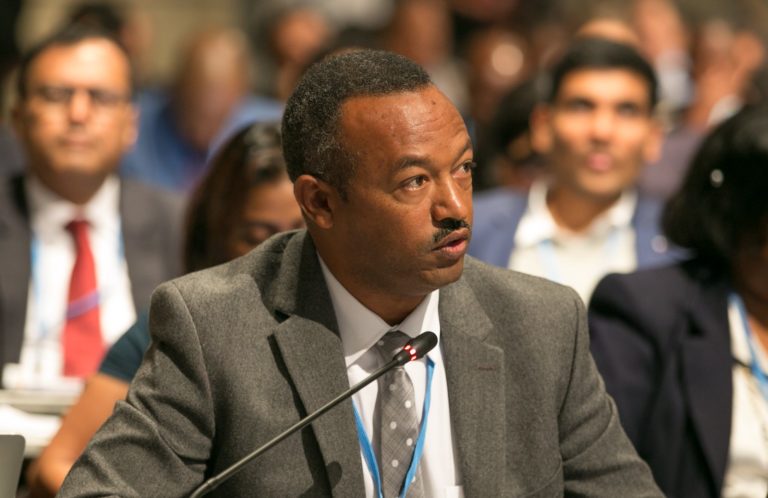
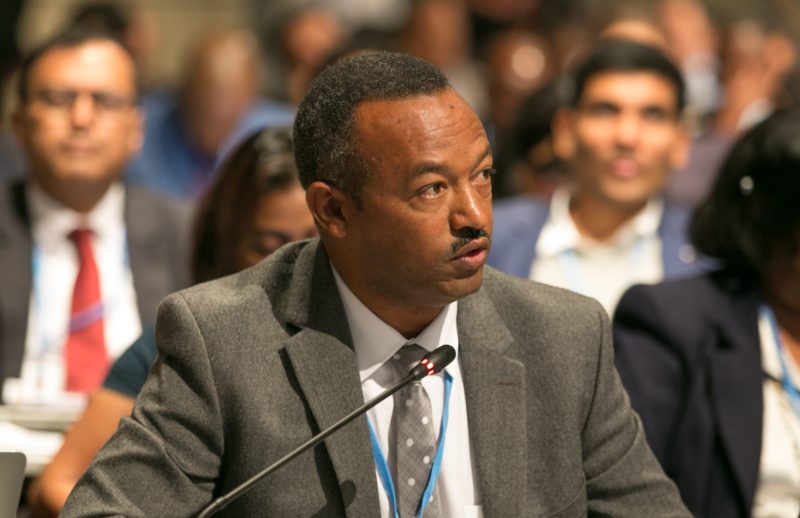
Chair of the Least Developed Countries (LDC) group, Gebru Jember Endalew

The Least Developed Countries (LDC) group believes that delegates need to leave Bonn with a strong basis to begin textual negotiations and greater clarity around the Talanoa Dialogue process and outcome.

Chair of the Least Developed Countries (LDC) group, Gebru Jember Endalew, said: “Climate change is a critical issue and an urgent, global response is required. Lives and livelihoods across the world are on the line, particularly in the LDCs. We have a very small window of time left to develop a set of clear, comprehensive, and robust rules to enable full and ambitious implementation of the Paris Agreement before the December 2018 deadline. At this Bonn negotiation, and as a matter of urgency, countries need to build on the foundations laid in Paris and agree on a strong architecture to implement the Paris Agreement that catalyses fair and ambitious action to steer the world away from dangerous climate change.

“Keeping global temperature increase below 1.5 degrees Celsius is a matter of survival. The LDCs look forward to the Talanoa Dialogue resulting in more ambitious action and support, as science tells us that even full implementation of current commitments under the Paris Agreement will not be enough to reach the 1.5 degree temperature goal. Countries must take immediate action to rapidly reduce emissions in line with their respective capacities and responsibilities for causing climate change and prepare for a sustainable future.

“As LDCs, we are particularly vulnerable to the impacts of climate change, and we also face the new challenge of developing to lift our people out of poverty sustainably by leapfrogging to renewables rather than relying on fossil fuels. LDCs and other developing countries cannot adequately protect our communities from the impacts of climate change or reduce our emissions without the appropriate tools and resources. There remains a vast gap between the support needed and support received. The LDCs call on developed countries to finally deliver on their longstanding promise to mobilise at least $100 billion a year and bridge the ever-widening finance gap before the distance becomes too great.

“The international community must act now to ensure our Paris goals do not slip out of reach. The world cannot afford to sit idle until the Paris Agreement’s 2020 implementation period kicks off. Action needs to be taken, support provided, and ambition increased without delay. The more countries do now, the less severe the impacts of climate change will be.

“The international community needs to face up to the increasing loss and damage caused by climate change. Climate impacts are already all around us. The severity and frequency of floods, storms, droughts, sea level rise and other impacts is only increasing and hundreds of millions of people are at risk of being displaced. The LDCs look forward to sharing their experiences in the upcoming Suva Expert Dialogue, continuing to work towards a concrete finance plan for loss and damage, and establishing a permanent place for discussions around this important issue.

“The LDC group was pleased to see the Gender Action Plan adopted at COP23 last year. We now need to see gender considerations incorporated into all elements of the Paris Agreement rulebook. Women and children are often the worst impacted by climate change, but despite this continue to be key agents of change, leading their communities and nations to a prosperous and sustainable future.”

Bonn talks: Civil society sets out expectations for climate discussions

0

The current climate talks in Bonn, Germany must pave the way for key outcomes at the COP24 at the end of the year, civil society operatives have said.

Mark Lutes
Mark Lutes, Senior Global Climate Policy Advisor, Climate and Energy, WWF

This, according to them, includes significant progress on the implementation guidelines for the Paris Agreement, the Talanoa Dialogue, and on finance for climate action. They underlined the need for countries to step up in 2018 with commitments to enhance ambition and to limit the huge gap in emissions between current pledges and what the science indicates is necessary to limit warming to 1.5 degrees C.

Mark Lutes, Senior Global Climate Policy Advisor, Climate and Energy, WWF, stressed the importance of these talks to bring the Paris Agreement to life in 2018.

“By the end of COP24 in December, we need decisions in a number of areas, including agreed elements of the nationally determined contributions to ensure consistency and comparability across national commitments. Among other issues, we need to know how the ongoing ambition cycle – the global stocktakes – will work. We need to know how implementation will be transparent and accountable through the transparency framework. We need to know how scaled up finance and technology support will be mobilised,” he stressed.

At the intersessional meeting in Bonn, Li Shuo, Senior Global Policy Advisor, Greenpeace, said countries would need to accelerate progress on a range of technical issues, from the national climate targets to adaptation to compliance. By the end of the session, he expected no less than a “clear legal text with options and strong ownership from parties.”

“Countries need to sort out certain tasks under the transparency framework, namely whether – and how – flexibility should be granted to developing countries that need that. The other dimension (of the politics) is ambition. A lot of the Paris rules are about gradually enhancing ambition. I want to highlight that the ambition part of the politics is also very important and has been rather neglected at the expense of differentiation and flexibility.

Finance is a cornerstone to achieving the goals of the Paris Agreement, said Lucile Dufour, International Policy and Development Adviser, Climate Action Network-France. “If in 2018 countries really want to make a change and are committed to making the Paris Agreement robust, sustainable and fair finance cannot be left behind,” stated Dafour.

The growing impacts of climate change around the world were clearly seen throughout 2017, but there has been insufficient progress on finance to come to terms with these growing needs.

“The first reason why finance needs to be central in these discussions is that it can help enhance trust and confidence between developed and developing countries. Finance can help create the conditions for success at COP24 and secure smooth progress on the Talanoa dialogue, the Paris rulebook and discussion on pre-2020 ambition.”

Conversely, a lack of progress on finance could become a bone of contention, she added.

Global youth gather to spur action on climate change

0

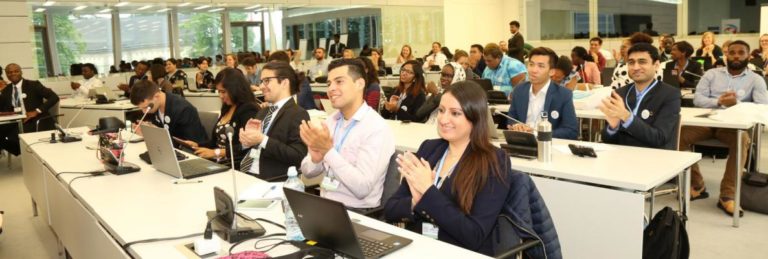
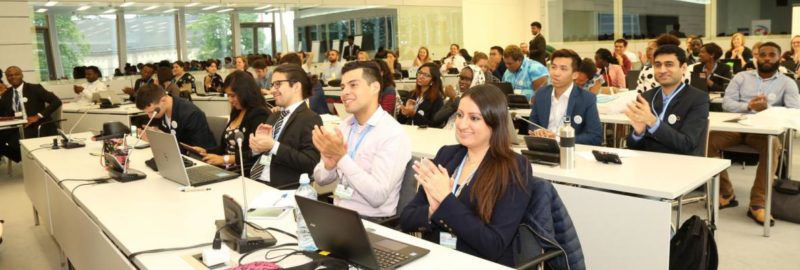
Youth climate change delegates from around the world have been gathering in Bonn to share ideas, coordinate their efforts and urge negotiators meeting in Bonn, Germany over the next two weeks to take strong climate action in order to safeguard their future.

ACE Youth Forum
A session during the ACE Youth Forum

At a the first ever ACE (Action for Climate Empowerment) Youth Forum at the week-end, just before the start of the 2018 UN Climate Change Conference in Bonn, youth delegates from 70 countries came up with a wide range of suggestions“Youth are an essential part of the climate change solution, so the youth must be active and heard in the international negotiations,” said United Nations Climate Change Executive Secretary, Patricia Espinosa, at the forum. “The role of the youth constituency is growing, and this is good for the international negotiating process and for the planet.”

Break-out groups at the forum brainstormed on ways to increase the effectiveness of ACE activities. Suggestions included linking youth ACE activities internationally, supporting ACE national focal points, pushing for more funding for ACE activities and holding ACE festivals to create interest and awareness about the need for climate action.

These and other points will be combined, refined and put before government negotiators at a workshop from where they could find their way into negotiating text and a possible draft decision on ACE destined for consideration when nations meet in Katowice, Poland, in December of this year.

The ACE Youth Forum was an idea of Fiji, which holds the presidency Conference of the Parties (COP), since the 23rd COP, held in Bonn in November 2017. Mr. Inia Seruiratu, High-level Climate Champion and Fiji’s Minister for Agriculture, Rural and Maritime Development and National Disaster Management and Meteorological Services, told delegates: “Our young people the world over are powerful agents for change. The stakes couldn’t be higher.”

“Fiji is urging the global community to commit itself to achieving the most ambitious goal of the Paris Agreement, which is to limit the average global temperature increase to 1.5 degrees Celsius above that of the pre-industrial age.

“To achieve this, young people the world over must demand action. To raise their voices and force their politicians to take the tough decisions that are necessary. And also point out the wonderful opportunities that are out there if we make the shift from fossil fuels to renewable energy, and fast-track the development of the emerging technologies,” he added.

Under the UN Framework Convention on Climate Change, countries recognised the critical importance of education, training, public awareness, public participation, public access to information and international cooperation to the success in tackling climate change. The youth constituency is central to the work.

“This forum is unprecedented in the way it brought together non-State actors, youths – more than half from the global South – UN Climate Change and the presidency of the Conference of the Parties to help shape matters under negotiation,” said Yugratna Srivastava, a youth co-organiser of the ACE Youth Forum. “The process is moving in the right direction.”

In Paris in 2015, countries committed to limiting global temperature rise to 2 degrees Celsius and to work towards the safer target of 1.5 degrees Celsius. Countries are now negotiating the Paris Agreement Work Programme, which they plan to adopt in Katowice.

The YOUNGO (youth NGO) constituency took the lead in organising the ACE Youth Forum, which was co-organised by UN Climate Change and United Nations Development Programme and supported financially by the Government of Canada.

Don develops cattle feed that boosts milk yield

0

A Professor of Animal Production at the University of Ilorin, Moshood Belewu, has developed new cattle feed pellets that are capable of increasing the quantity and quality of milk produced by lactating cows.

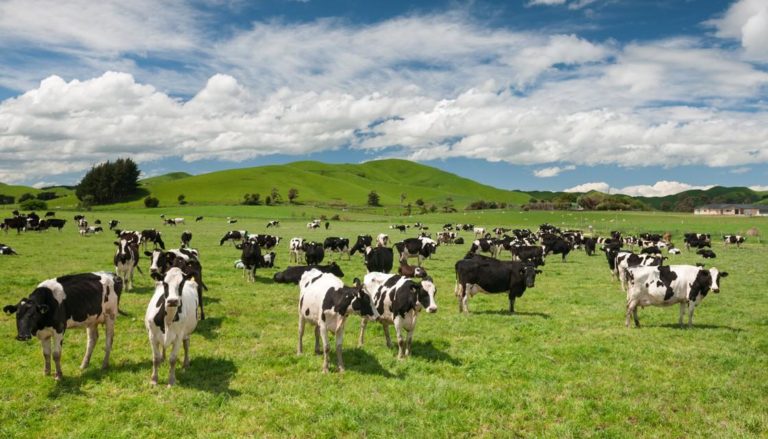
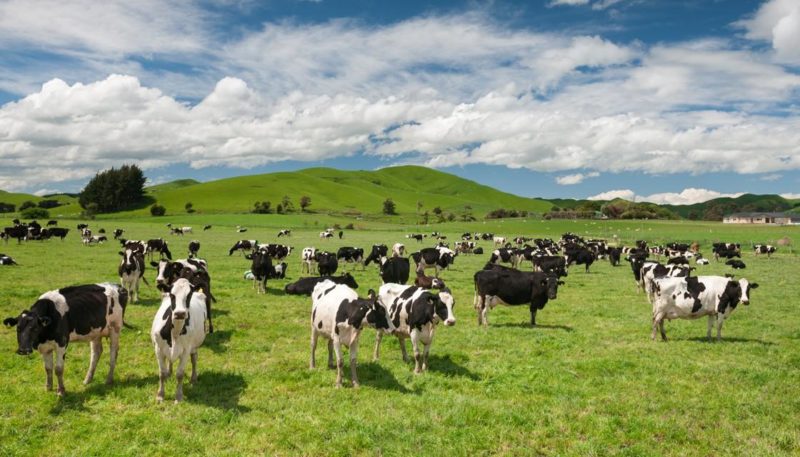
New Zealand cattle
Cattle

The University of Ilorin Bulletin, which was issued on Monday, April 30, 2018, stated that Prof Belewu of the Department of Animal Production, Faculty of Agriculture, disclosed the innovation in a report he sent to the Vice-Chancellor of the university, Prof. Sulyman Abdulkareem.

The publication said that the new feed was the outcome of Belewu’s research visit to Uka Tarsadia University, India, on the platform of the N. G. Patel Fellowship grant which was recently won by the Professor of Animal Production.

It stated that, on arrival at the Uka Tarsadia University, Prof Belewu obtained the needed materials for the research work and the animal feed was consequently formulated.

“A dairy farm with enough dairy animals was identified (Sumul Vanskul Animal Breeding) at Bardoli, Maliba area of Gujurat,” he said.

Belewu noted that the dairy farm, which was nearly 10km from Uka Tarsadia University, housed more than 40 cows and buffaloes, adding that lactating Gir cows were used for the study.

The professor said that the tested novel feed was modelled into pellets and used to nourish the lactating cows, adding that three feed pellet samples were developed, when compared with the popular conventional cow pellet.

He said that the three designed cow feed pellet samples would boost the income of livestock farmers, as their price per kilogramme was found to be quite cheaper, if compared with the conventional feed pellet samples.

He said that the research feat was well-received by the management of Uka Tarsadia University, adding that the university authorities were even proposing to patent the product.

Belewu urged the management of the University of Ilorin to consider the patenting and commercialisation of the developed feed pellet samples.

He said that the fellowship grant had helped him in forming new relationship and partnership with academics in Uka Tarsadia University and other persons.

He also said that the grant had also stimulated the formation of a bilateral research group, involving academics from University of Ilorin and Uka Tarsadia University, so as to boost cross-fertilisation of ideas and innovation.

He said that the breakthrough in animal production had the potential of increasing the income of livestock farmers in Nigeria, if well-utilised.

By Fatima Mohammed-Lawal