Visionscape Sanitation Solutions (VSS) has refuted claims that it is mentioned in the revised environmental laws of Lagos State.
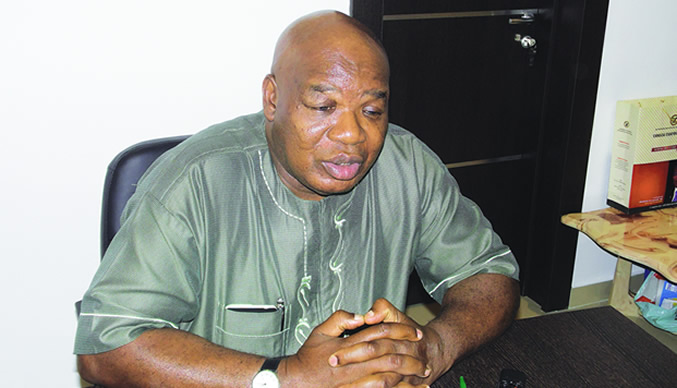
Chief Executive Officer of Visionscape, Mr John Irvine
An online news medium had in a news report quoted an opposition politician in Lagos who claimed that Visionscape was included in the environmental laws of Lagos.
But, in a statement, Visionscape says it rejects the statement it describes as false.
“Visionscape Sanitations Solutions has learnt of the false report circulating in the media regarding the inclusion of its name/parent company name in the recently ratified Environmental Law of Lagos State.
“The above statement is false and the Visionscape Group and Visionscape Sanitation Solutions strongly reject this statement in its entirety.
“While Visionscape chooses not to engage routinely in reference to defamatory statements, the company has deemed it necessary to state unequivocally that neither Visionscape Group nor any of its subsidiaries had ever been written into or named in the laws of Lagos State or any other state in Nigeria. To allude to this implicitly or explicitly is mischievous and divisive,” it stated.
The renewable energy industry created more than 500,000 new jobs globally in 2017, a 5.3 per cent increase from 2016, according to figures released by the International Renewable Energy Agency (IRENA) on Tuesday, May 9, 2018.
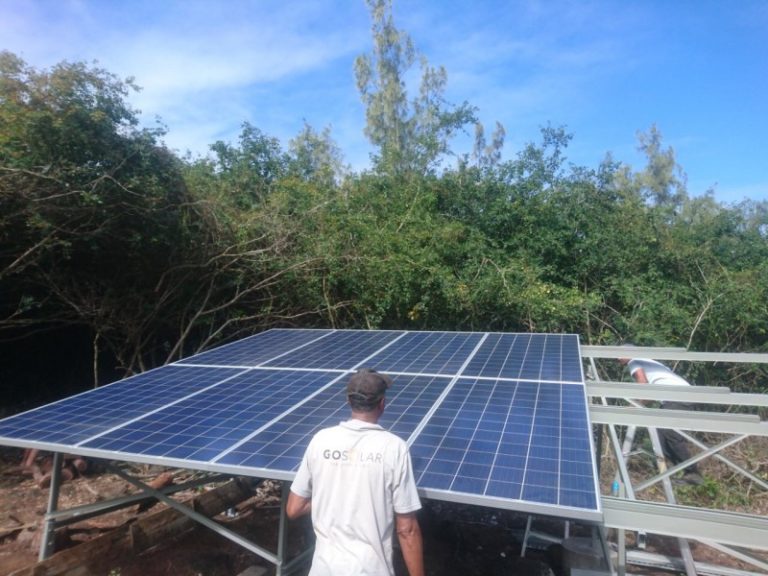
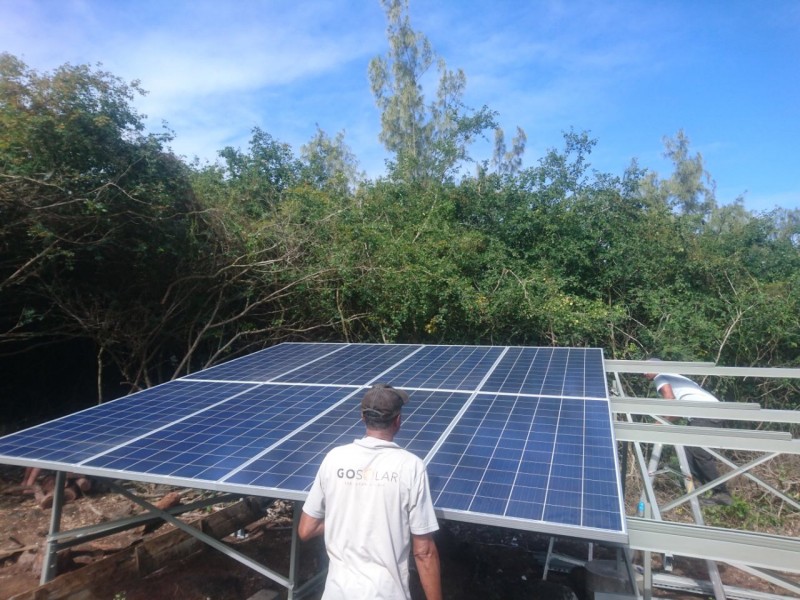
Employment: Installation of solar panels
According to the fifth edition of Renewable Energy and Jobs – Annual Review, launched at IRENA’s 15th Council in Abu Dhabi, the UAE, the total number of people employed in the sector (including large hydropower) now stands at 10.3 million globally, surpassing the 10 million figure for the first time.
China, Brazil, the United States, India, Germany and Japan remain the world’s largest renewable energy employers, representing more than 70 per cent of all industry jobs globally. Although growing numbers of countries are reaping the socio-economic benefits of renewables, the bulk of manufacturing takes place in relatively few countries and domestic markets vary enormously in size. Sixty per cent of all renewable energy jobs are in Asia.
“Renewable energy has become a pillar of low-carbon economic growth for governments all over the world, a fact reflected by the growing number of jobs created in the sector.” said Adnan Z. Amin, Director-General of the International Renewable Energy Agency.
“The data also underscores an increasingly regionalised picture, highlighting that in countries where attractive policies exist, the economic, social and environmental benefits of renewable energy are most evident,” continued Mr. Amin. “Fundamentally, this data supports our analysis that decarbonisation of the global energy system can grow the global economy and create up to 28 million jobs in the sector by 2050.”
The solar PV industry remains the largest employer of all renewable energy technologies, accounting for close to 3.4 million jobs, up almost 9 per cent from 2016 following a record 94 gigawatts (GW) of installations in 2017. China was estimated to account for two-thirds of PV jobs – equivalent to 2.2 million – representing an expansion of 13 per cent over the previous year.
Despite a slight dip in Japan and the United States, the two countries followed China as the largest markets for solar PV employment in the world. India and Bangladesh complete a top five that accounts for around 90 per cent of global solar PV jobs.
Jobs in the wind industry contracted slightly last year to 1.15 million worldwide. While wind jobs are found in a relatively small number of countries, the degree of concentration is lower than in the solar PV sector. China accounts for 44 per cent of global wind employment, followed by Europe and North America with 30 and 10 per cent, respectively. Half of the top ten countries with the largest installed capacity of wind power in the world are European.
“The energy transformation is one of improving economic opportunity and a rise in social wellbeing as countries implement supportive policies and attractive regulatory frameworks to fuel industrial growth and sustainable job creation,” said Dr. Rabia Ferroukhi, Head of IRENA’s Policy Unit and Deputy Director of Knowledge, Policy and Finance.
“By providing policy makers with this level of detail about the composition of renewable energy employment and skills requirements, countries can make informed decisions on several important national objectives, from education and training, to industrial policies and labour market regulations,” continued Dr. Ferroukhi. “Such considerations will support a fair and equitable transition to a renewables based energy system.”
An environmentalist, Mr Paul Akporowho, on Thursday, May 10, 2018 called for stiffer measures to effectively address issues of gas flaring in the oil and gas sector.
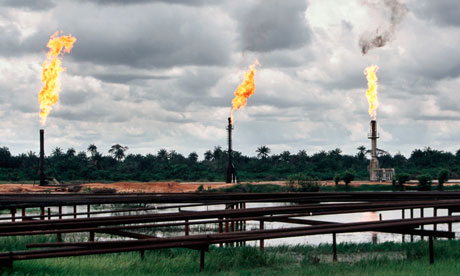
Gas flaring in Ogoniland, Nigeria. Photo credit: premiumtimesng.com
Akporowho, who spoke with the News Agency of Nigeria (NAN) in Warri, called on the Federal Government to take decisive measures through viable legislations to nip the “illegalities” on the bud.
He said that the fall out of environmental pollution emanating from hydrocarbon emissions would persist until firm measures were taken to tackle the situation.
According to him, oil multinationals need to devise better means of evacuating their gas instead of flaring them into the atmosphere, thereby causing environmental and health hazards to people.
The environmentalist said that the hydrocarbon processing plants were heavy pollutants and needed to be regulated for a healthy environment.
“Only the Federal Government has the sole responsibility of monitoring and regulating the oil and gas industry.
“Recently, Port Harcourt was taken over by black sooth pollution and it is of a great concern, particularly to the people of the Niger Delta. There should be proper ways of evacuating gas.
“The development is capable of causing myriads of health problems including respiratory disease like asthma, cardiovascular disease and skin cancer,’’ the former National Secretary, Nigerian Environmental Society (NES), said.
Akporowho said: “It can also cause environmental damage to both the terrestrial and aquatic animals like fish, periwinkles and birds, among others, aside the peoples’ means of livelihood.
“The issue is not peculiar to Port Harcourt alone; we also have them in Warri where gasses are flared and illegal bunkering activities are perpetually carried out.
“So, Federal Government, being responsible for the monitoring and regulating the oil industry, needs to tackle these anomalies head-on through good legislation.”
A lecturer in the Department of Geography, Gombe State University, Mr Iliya Musa, says Nigerian farmers are more vulnerable to the consequences of climate change.
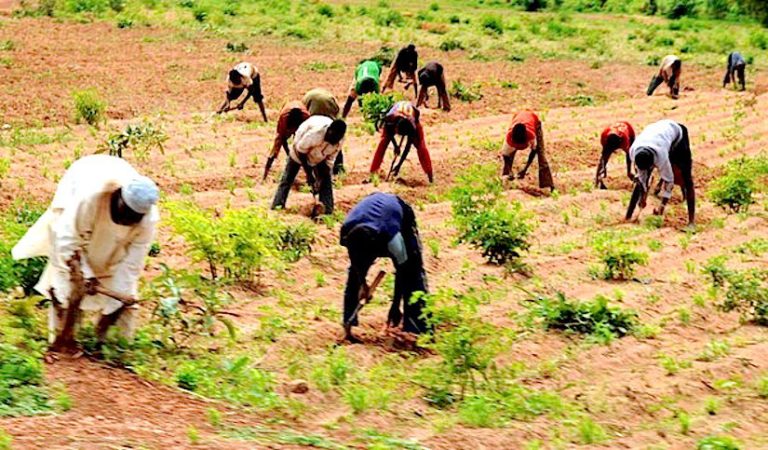
In northern Nigeria, farming faces challenges related to desertification and drought
Musa told News Agency of Nigeria (NAN) on the sidelines of a media roundtable on climate change in Gombe, organised by Africa Media Development Foundation.
He said that Nigeria’s agricultural sector was very much threatened by the consequences of climate change, adding that the situation appeared grim as the sector gave employment to over 70 per cent of the country’s population.
He stressed that the consequences of climate change were a global phenomenon, adding, however, that all stakeholders in Nigeria, including government, citizens and organisations, should make concerted efforts to address climate change issues.
“Nigerian farmers are particularly vulnerable because a larger portion of the citizenry, that is 70 per cent of the population, is engaged in agriculture as their means of livelihood.
“These people are dependent on climate-sensitive natural resources for their livelihood and are, thus, more at risk of being affected by climate change.
“Already, temperature increase of about 0.2 degree Celsius to 0.3 degree Celsius per decade has occurred in the various ecological zones of the country, while persistent drought has characterised the southern Sudan-Sahel region since late 1960s.
“The Savannah areas of Northern Nigeria now have less rainfall, with increase in temperature, and this has reduced soil moisture. If soil moisture is affected, even with the application of fertiliser, you may not have good harvests.
“The change in temperature and rainfall patterns, especially in Savannah areas of Northern Nigeria, every year is leading to poor agricultural output in these areas.
“The impact of climate change on crop production in Nigeria would have tremendous impact on income, employment and food production,’’ he said.
Musa said that climate change had made it very difficult for farmers and even weather agencies to predict the onset of the rainy season and rainfall patterns in the country, adding that the development had affected crop cultivation timetables across the country.
He commended the Federal Government’s efforts to mitigate the impact of climate change by developing the National Policy on Climate Change and ratifying the 2017 Paris Agreement on Climate Change.
He, however, urged the government at all levels to expedite action on domesticating all international agreements to which Nigeria was a signatory.
The don also called on Nigerians to cultivate the habit of planting trees so as to mitigate the impact of climate change and safeguard the environment for posterity.
NAN recalls that President Muhammadu Buhari on March 28, 2017, signed the instrument ratifying Paris Agreement on Climate Change in Abuja to affirm Nigeria’s commitment to the global efforts to tackle the effects of climate change.
The World Health Organisation (WHO) says that with declining numbers and only a handful of confirmed cases reported in recent weeks, the critical phase of Nigeria’s largest Lassa fever outbreak is under control.
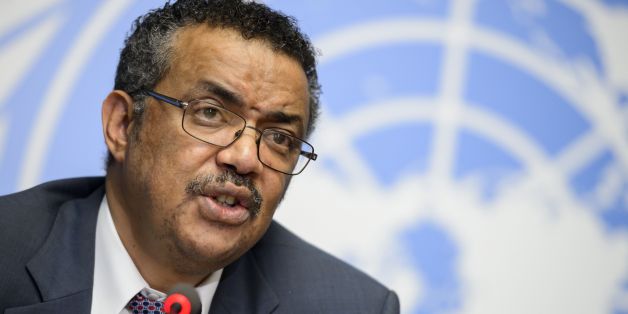
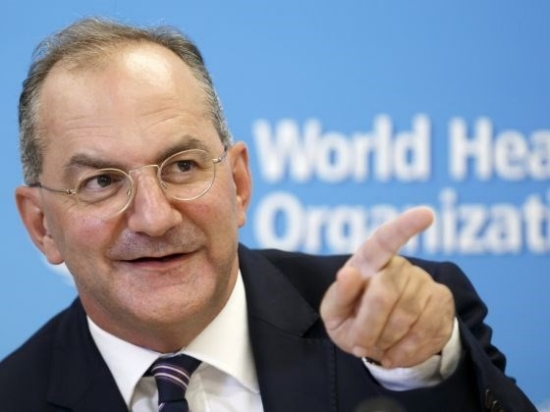
Dr Tedros Adhanom Ghebreyesus, Director-General of the World Health Organisation (WHO). Photo credit: AFP / FABRICE COFFRINI / Getty Images
According to a statement issued by WHO’s Communication Officer, Ms Charity Warigon in Abuja on Friday, May 11, 2018, continued vigilance is, however, needed as the country is still Lassa fever endemic.
She said that, this year, 423 confirmed cases, including 106 deaths, had been reported but that national case numbers had consistently declined in the past six weeks.
The spokeswoman said that the numbers had dropped below levels considered to be of national emergency when compared with data from previous outbreaks.
Warigon said that in the week ending May 6, only three new confirmed cases of Lassa fever were reported, stating that people could still be infected throughout the year hence the need for continued vigilance.
The UN agency congratulated Nigeria for reaching a milestone in the fight against Lassa fever but urged the country not to “let its foot off the pedal”.
It assured the Federal Government its continuous support in maintaining intensified response to the outbreak.
“WHO continues to help states that have reported new cases by strengthening their capacity to conduct disease surveillance, treat patients, implement infection prevention and control measures, laboratory diagnostics and engaging with communities.
“Communities are encouraged to remain vigilant and report any rumour to the nearest health facility because early diagnosis and treatment can save lives.
“Thirty-seven health workers have been infected with Lassa fever and eight have died.
“This highlights the need to implement standard infection prevention and control precautions with all patients regardless of their diagnosis.
“Health workers are urged to maintain a high index of suspicion for Lassa fever when handling patients with fever, headache, sore throat and general body weakness, especially when malaria has been ruled out with a Rapid Diagnostic Test.”
The world body also urged health workers to adhere to standard precautions by wearing protective equipment like gloves, face masks, face shields and aprons when handling suspected Lassa fever patients.
The News Agency of Nigeria (NAN) recalls that WHO in its Emergency Report, issued in April stated that in March less than 20 cases were reported each week while only five new cases were reported in the week ending April 15.
These figures, according to WHO compare with earlier reports issued in January, the beginning of the outbreak, to Feb. 18, when the number of weekly reported Lassa fever cases increased from 10 to 70.
The General Manager, Lagos State Environmental Protection Agency (LASEPA), Mr Antonio Ayodele, on Thursday, May 11, 2018 rated Alimosho as the highest noise pollution local government area in the state in 2017.
The Lagos State Commissioner for Environment, Mr Babatunde Durosinmi-Etti
Ayodele made the remark at the 3rd Annual Stakeholders Interactive Session on Noise Pollution Control in Lagos State, organised by the agency.
The News Agency of Nigeria (NAN) reports that the session is entitled: “Noise Pollution Abatement Evaluation in an Emerging Smart City – 2 Years Retrospect”.
The general manager said that coming after Alimosho were Shomolu, Surulere, Lagos Mainland, Ikeja, Kosofe, Ikorodu, Eti-Osa, Agege, and Mushin.
He said that there had been an increase in noise pollution from both indoor and outdoor activities of hotels, bars, clubs, lounges, pubs and event centres in recent times.
According to him, this increase became a source of concern to the state government, especially where residential houses are converted for such purposes without necessary approvals.
“Going back memory lane in 2014, noise pollution complaints emanating from industrial facilities were merely 19 in number; religious houses recorded a total of 183, and residential houses had 221, making a total of 423.
“’Little did we know that residents are merely tolerating environmental infractions exposed to them by their neighbours, majority being noise pollution.
“This significant increase in 2015 to 955 resulted in 125.8 per cent increment in one year, thereby complementing the series of enlightenment campaigns of the agency,” he said.
Ayodele said that with the series of campaigns, residents got to know where to find respite, as the number of complaints treated on noise pollution increased significantly.
He said that the sector with the highest noise pollution complaint was the worship centres, closely followed by the entertainment industry.
“In 2016 and 2017, the local government areas with the highest noise complaints were Agege and Alimosho respectively.
“Record sellers on the streets of Lagos have continued to disturb other users of the environment, causing deleterious health effects to them, due to long term exposure.
“The telephone vendors, who tend to generate noise pollution during activities of products, have been closely monitored and guided by the operational guidelines of the agency,” he said.
Ayodele said that, reflecting on the past activities of noise pollution management, the agency had taken several troubleshooting strategies, which included monitoring and evaluation over the years.
He said that there had been increase in nightlife activities, especially the once quiet Lekki, Ikoyi and Victoria Island areas of Lagos State.
Ayodele said that there had been proliferation of religious houses in residential areas and power outage, which played the lead to increased use of noisy generators, among others.
According to him, the interactive session with the stakeholders would better promote the synergy required to mitigating noise pollution in Lagos State.
“We must, therefore, come together to redress noise pollution in the state, and develop a culture of sustainable management in all sectors of the economy.
“Birds and animals abound in Lagos State, and the agency looks forward to having once again a Lagos that could hear the chirpings and singing of birds in the early hours of the day and at evenings, as well as the cockcrow at dawn!
“We also want to hear the waves of the ocean and the sound of trees, blowing and swaying along our medians.
“Noiseless Lagos” is achievable by you and I. Please join us to stop noise pollution in Lagos State, to have a serene and safe environment,” he said.
The World Health Organisation (WHO) said on Friday, May 11, 2018 that it hopes to deploy an experimental Ebola vaccine to tackle an outbreak in a remote area of Congo to prevent it spreading, particularly to the provincial capital of one million people.
Peter Salama, WHO’s Deputy Director-General of Emergency Preparedness and Response
Congo reported the outbreak on Tuesday, with 32 suspected, probable or confirmed cases of the disease since April 4, including 18 deaths. A new suspected case was reported on Friday.
The WHO appears to be moving quickly, having been criticised for bungling its response to a 2014-2016 outbreak that killed more than 11,300 people in Guinea, Sierra Leone and Liberia.
“We are very concerned and planning for all scenarios, including the worst case scenario,” Peter Salama, WHO’s Deputy Director-General of Emergency Preparedness and Response, told a regular U.N. briefing in Geneva.
The outbreak area is 15 hours by motorbike from the closest town and has “absolutely dire” infrastructure, Salama said, so the WHO wants to send in 20 to 40 experts by helicopter this weekend and then clear an airstrip for more supplies.
“This is going to be tough and it’s going to be costly to stamp out this outbreak,” he said.
The immediate risk was to the provincial capital Mbandaka, with about one million inhabitants, but Congo’s nine neighbours have also been put on high alert in case the disease crossed a border, especially by river to the Republic of Congo or Central African Republic.
Normally a remote setting would reduce the chance of the disease spreading. But already there are three separate locations covering 60 km or more, and some of the victims were healthcare workers, potentially “an amplification factor” for outbreaks, Salama said.
The local culture, with traditional healers and communal burials where there was close contact with the deceased, could cause “super-spreading” of Ebola, which kills up to 90 per cent of sufferers, he said.
Salama said he spoke to Congo’s Health Minister Oly Ilunga on Thursday and hoped to get approval within days to use a vaccine developed by Merck in 2016.
Although highly effective, it is still experimental, has not been licensed, and must be kept at -60 to -80 degrees Celsius (-76°F to -112°F).
“This is a highly complicated, sophisticated operation in one of the most difficult terrains on earth,” Salama said.
It can be used to protect people who have had contact with Ebola victims, stopping the spread of disease, but that requires intensive contact tracing, which Salama said could take a week or two just for the cases already documented.
Ilunga said on Thursday that the risk to urban areas and cases among healthcare workers made the outbreak worrisome, and that health workers might be the priority for vaccination.
Salama said that WHO was preparing for the green light and hoped to have a mobile laboratory operational over the weekend, and that both WHO and the medical charity Medecins Sans Frontieres already had a team on the ground.
“The cold chain is on standby, the stockpile is on standby, the teams have been put on standby including up to 40 people that conducted the initial ring vaccination trial in Guinea.”
Salama also said there was no evidence of a link between the outbreak and eight deaths that occurred in January and February in the same area, which had not been confirmed as Ebola.
Kenya on Friday, May 11, 2018, launched its first locally produced satellite into space, hoping “to go into the books of history.”
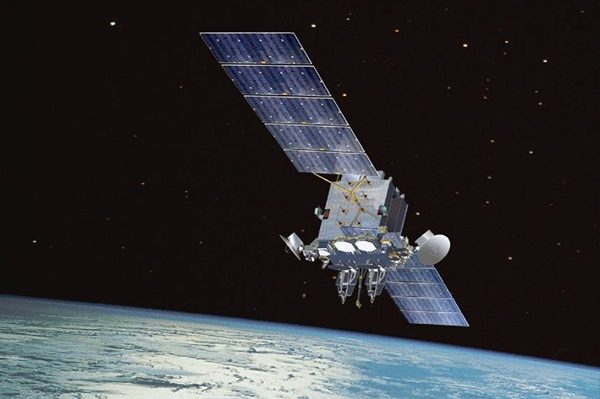
Kenya has launched its first locally produced satellite into space
The nano satellite precursor flight (1KUNS-PF) will be the first outer space object registered by Kenya, the University of Nairobi, whose team developed the satellite, said in a statement.
The team was hoping “to make history” by venturing into space science, said the university’s vice chancellor, Peter Mbithi.
The satellite, which is only 10 centimetres high and able to provide limited earth observation and audio broadcast, was launched by the Japan Space Agency in Tokyo at 1000 GMT.
If the flight is successful, the scientists of the university plan to develop bigger, high-resolution satellites “with serious scientific and technological value for the country,” according to the statement.
Kenya is now hoping to launch its own space programme at the cost of between 500,000 dollars and one million dollars per year, the university said.
Commercial satellites have considerable economic potential for Kenya, including earth mapping, land use, weather forecasting, food security mapping, disaster management, coastline and border monitoring, forest management and wildlife monitoring.
Kenyan scientists are already collaborating the with United Nations Office for Outer Space Affairs, the Japan Aerospace Exploration Agency and University of Rome in Italy to boost innovation in Kenya.
As talks wrapped up in Bonn, Germany on Thursday, May 10, 2018, observers believe that countries must have a laser focus on advancing discussions towards a strong Rulebook.
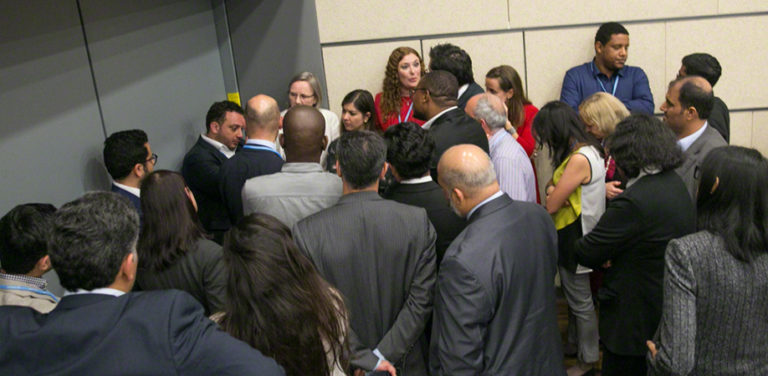
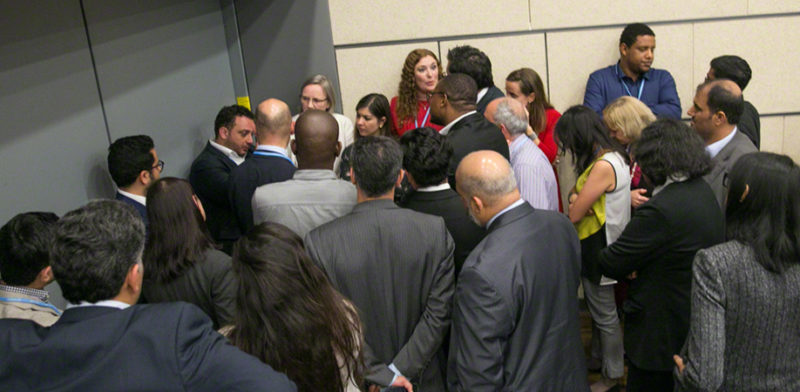
Delegates huddle during informal consultations
According to them, a fair, robust and transparent Rulebook must inspire confidence among countries to step up and commit to enhanced national climate targets by 2020.
To unlock the ambition cycle, which is at the heart of the Paris Agreement and tackle climate impacts, meaningful progress and clear commitments on finance is said to be vital and what is needed.
While discussions are said to have been substantive, tangible progress on specific areas need political intervention. The Polish presidency has a great responsibility to steer this through in the coming months along with other countries, delegates say, adding that high-level ministerial meetings such as the G7 leaders’ summit, MOCA and the Petersberg Dialogue can unblock political differences ahead of the additional session in Bangkok in September.
The Talanoa Dialogue is described as a promising start towards fostering trust and breaking down boundaries in an unconventional setting, showcasing the substantial commitments from cities, businesses and community organisations on climate action. Observers want it translated into a clear political process, stressing that it has been and continues to be about raising ambition. The format, it is said, inspired discussion
between countries not as negotiating blocs but as one of people to people. Listening to each other and assessing the situation is the first step towards finding common ground for solutions to ramp up ambition and the support that
is needed to do so.The Fiji Presidency has reportedly kickstarted the innovative process, which observers say the Polish Presidency must take up the baton and work with all countries towards a political outcome for stronger national targets by 2020.
The adoption of the IPCC report on 1.5°C this October, they opined, will be an important moment accelerate political momentum. They want the report to inform the Talanoa Dialogue process in 2018 and drive in the urgency of action that is needed: to ramp up ambition by 2020 and to deliver on finance.
Even as the impacts of climate change become increasingly devastating, the outcome from Suva Expert Dialogue to discuss finance to address loss and damage is said to be disappointing. They insist however that the next round of discussions must outline a clear path to mobilise money to address loss and damage ahead of the Warsaw International Mechanism review in 2019.
Sven Harmeling, Global Lead on Climate Change Advocacy, CARE International Climate Change & Resilience Platform: “Despite some technical progress in Bonn, climate change impacts will not wait for slow-paced government negotiations. Without stronger political leadership, it will be an uphill battle to achieve the major milestones envisaged for COP24 in Katowice, Poland, particularly on the Paris Rulebook.
“The heat is on for developed countries to increase finance for vulnerable people in developing countries to minimise and address loss and damage. Countries with high CO2 emissions need to undertake additional measures to reverse continued emissions’ growth and limit climate disruption to 1.5°C. It is essential that climate ambition not fall behind commitments made in the Paris Agreement.”
Mohamed Adow, International Climate Lead, Christian Aid: “This gathering in Bonn was always going to be a very technical meeting and the technical negotiations around the rulebook have actually progressed largely as expected. But what has become clear has been the need from poorer countries for much stronger signals that the funding they have been promised to implement their emissions reductions plans will be delivered.
“The radio silence on money has sown fears among poor countries that their wealthier counterparts are not serious about honouring their promises. This funding is not just a bargaining chip, it is essential for delivering the national plans that make up the Paris Agreement. For the Paris Agreement to be a success we need the Katowice COP to be a success. And for the Katowice COP to be a success we need assurances that sources of funding will be coming.”
Li Shuo, Senior Global Policy advisor, Greenpeace: The Paris Agreement cannot be a one-off achievement which is left like a trophy in a box to be admired but never acted on. The box needs to be unlocked, it needs to happen in 2018 and the key to that is trust. Trust has to be built at a ministerial level through exchanges on important issues such as differentiation and finance. In the months before Bangkok, ministers must engage to start a dynamic process that leads to a robust rulebook and much greater ambition.
“The architecture is there for ambition to be raised, the Talanoa Dialogue, which has led to a real spirit of cooperation, getting beyond the finger-pointing to remind everyone that we all share the same planet and we all need to do more to protect it. The mood created by Talanoa has to start delivering tangible results in the form of enhanced national targets, and we look forward to the EU and China taking an early lead on this.”
Mark Lutes, Head of Delegation, WWF: “We have seen steady, if uneven, progress in the negotiations. Pieces are falling in place for the full implementation of the Paris Agreement. This is evident both with the rules, and closing the emissions gap. But finance is key to getting a good outcome in Katowice. Meeting the $100 billion commitment and getting a signal by COP24 for the upcoming Green Climate Fund funding round will be vital if countries are to collective agree to present more ambitious climate plans by 2020.”
Krishneil Narayan, Climate Change Consultant, Fiji and the Pacific Islands Region: “As a Fijian, it was wonderful to see the Talanoa Dialogue off to a positive start. The important task, however, is to now translate these stories into a meaningful way that ramps up ambition for turning around the climate impacts. With the addition of another round of talks scheduled for Bangkok in September, countries and all involved in the climate talks, including the non-state actors must focus to ensure that we are able to deliver a strong and effective Paris Rulebook at COP24 in December. The Paris Agreement recognised Loss and Damage as the third pillar of climate action but it is still facing difficulty in finding a space for itself in these talks.
“Implementation of the entire Paris Agreement in a holistic manner means also addressing loss and damages. Countries must ensure the meaningful inclusion of Loss and Damage in textual negotiations at Bangkok. Perhaps more Fijian kava-fueled zest needs to be injected into the formal negotiations sessions itself to help negotiators guide the future course of action.”
Catherine Abreu, Executive Director, Climate Action Network Canada said: “Negotiators came here to work and have achieved measured progress in Bonn. The addition of a session in Bangkok signals Parties’ intention to get the job done in 2018. Doing so will require not only a tremendous amount of technical work in the coming months; getting the job done also necessitates strong political will that capitalises on a series of upcoming moments to secure the Paris Agreement and show that countries are committed to implementing and strengthening it. These moments include Canada’s G7 leaders’ summit, the Petersberg Dialogue, and the Ministerial on Climate Action – hosted by the EU, China, and Canada.
“The global community will be looking to Canada here to back up its narrative of climate leadership with tangible results. Through these events, Ministers will have to deepen their understanding of how to land an outcome at COP24 that best serves the implementation of the Paris Agreement and sends the political signals necessary to work through sticky and complex issues. It will also mean a concerted effort to demonstrate that donor countries will deliver the financial support required to unlock ambition. We talk a lot about leadership in this space and leadership will always be necessary. But what I’m looking for in 2018 is conviction. Conviction from countries to do what it takes to hold true to their Paris promise of protecting the world’s most vulnerable and holding average temperature rise to 1.5oC.”
Hannah McKinnon, Director, Energy Futures and Transitions, Oil Change International, said: “What is currently on offer in these negotiations isn’t cutting it. Countries have been negotiating for decades without ever getting serious about tackling fossil fuel production. It is time to embrace climate leadership that says ‘no’ to approving and financing new fossil fuel projects, and demand that the wealthy fossil fuel producers who have committed to action, begin an equitable and just managed transition off of oil, gas, and coal production.”
On climate finance, Harjeet Singh, Global Climate Lead, ActionAid International said: “The issue of finance underpins so many different parts of climate negotiations, because poor countries simply can’t cover the triple costs of loss and damage, adaptation and mitigation on their own.
“But with developed countries refusing to move on finance, lots of pieces are still unfinished. This is holding up the whole package, which is supposed to be finalised at the end of this year. Issues are piling up, and it’s a dangerous strategy to leave everything to the last minute.
“Finance is too important to be used as a bargaining chip. If we’re to see any progress on the so-called ‘Paris rulebook’, wealthy countries need to provide real money for climate action.”
On the Talanoa Dialogue, Teresa Anderson, Climate policy officer, ActionAid International said: “What was special about the Talanoa Dialogue was that it allowed people to engage with each other as humans with hearts, rather than as governments with agendas. People genuinely cried at eachothers’ stories of climate impacts. This was a powerful first chapter in the Talanoa story.
“But we need to remember that the original purpose and mandate of this process was not emotional release. The world agreed that a process to take stock of efforts to limit global warming to 1.5°C would take place in 2018. Now all eyes are on the Fijian and Polish presidencies to map out the political phase over the course of the year.
“The next round of negotiations in Bangkok, as well as the upcoming IPCC special report on 1.5°C is key opportunities for countries to assess the need for action and finance, so that they can announce increased climate commitments at COP24 climate talks in Poland at the end of the year.”
Camilla Born, Senior Policy Adviser, E3G: “Negotiations went better than expected. Parties showed they are serious about delivering the Paris Agreement so in Bonn they got down to serious business. The next challenge is to mobilise the political will to get the COP24 outcomes over the line in Katowice. This won’t be easy but the Polish Presidency has the chance to up their game and make the most of moments like the Petersburg Dialogue, MOCA and the UN General Assembly.
“With negotiations now moving to text the pressure is on the likes of EU, China and Canada to come good on the universality of the Paris Agreement at the MOCA even whilst the US is for now missing in action.”
Tracy Carty, Climate Policy Lead, Oxfam International: “Bonn sent a concerning message on finance – the options on the table are not enough, and the risk of gridlock at COP24 is high. For developing countries raising mitigation ambition, NCD implementation, and dealing with increasingly ferocious climate impacts all come back to finance. Finance they need and have been promised. Developed countries need to get serious about the need to improve predictability of climate finance, and put new commitments to real money on the table by COP24, including for adaptation and for the Green Climate Fund. They also need to be prepared to commit to fair and robust rules for the $100 billion commitment that are due to be agreed in Katowice.”
Paula Caballero, Global Director, Climate Program, World Resources Institute: “Climate negotiators kept up a good pace this week, but will be leaving Bonn with a lot more ground to cover to get to the finish line in Poland this December. At the next negotiation session in Bangkok delegates will need to maintain that same focused approach to turn the corner on the politics and policy.
“The UN climate summit in Katowice will be the most consequential political moment for climate action since the Paris Agreement was adopted in 2015. By the time the final gavel is struck, all countries should adopt an action and support package that will put the Paris Agreement fully into motion. Success must be three-fold: finalise guidelines for implementing the Paris pact, make clear that countries will strengthen national climate commitments by 2020 and signal that support for developing countries will also continue to ramp up.
“All eyes now turn to the Polish COP presidency, who must show the forward-looking leadership necessary to drive the world to an outcome that reflects the urgency, seriousness and scale of effort necessary to tackle the climate challenge.
“The Talanoa Dialogue session was a collective reality check on the state of climate action, highlighting how far we have left to go but also the transformational solutions the world needs. The inclusive discussion was a reminder that governments cannot tackle climate change alone – they need the extra muscle of businesses, civil society and cities to turn the promise of the Paris Agreement into a reality. As a number of delegates made clear, now the Talanoa needs to lay the foundation for COP24 to signal that countries will enhance their national climate plans by 2020.
“Leaders must demonstrate political leadership at a number of key moments this year to get where we need to go, including the Petersberg Dialogue, UN General Assembly, and the World Bank/IMF Annual Meetings.”
Sébastien Duyck, Senior Attorney, Centre for International Environmental Law (CIEL), said: “Progress towards a comprehensive set of guidelines to implement the Paris Agreement was slow but paves the way for productive negotiations towards a successful outcome at the COP-24. We welcome the fact that the draft guidance for national commitments retains an invitation for Parties to consider the relevance of human rights, the rights of indigenous peoples, gender equality and a just transition. These guiding principles are necessary for reaching 1.5 degrees Celsius. Also, we have heard during the Talanoa Dialogue many governments and stakeholders highlight opportunities for increasing mitigation action. We now look forward to a strong political signal at the COP-24 calling for Parties to enhance their commitments in line with the imperative of limiting global temperature rise to 1.5 degrees C.”
Rixa Schwarz, Team Leader International Climate Policy at Germanwatch: “We were positively surprised how clearly the most crucial issue was discussed in Bonn: we need more ambition in order to reach the objectives of the Paris Agreement. The Talanoa Dialogue showed that more ambition in the next years is both necessary and possible and that the countries by 2020 need to submit enhanced NDCs for 2030. A solid rulebook on implementation guidelines for comparability and transparency must provide for NDC enhancement starting next year. Progress was made on the implementation guidelines but at the following meeting in Bangkok in September a decision text must be negotiated with greater pace in order to reach decisions on robust guidelines in Katowice in December. The lack of sufficient climate finance became evident at Bonn. Climate finance is required for developing countries’ ambition on mitigation and on managing the non-avoidable climate impacts.
“The success of 2018 in international climate policy also depends on the German chancellor Merkel: she will host ministers from across the world at the Petersberg Dialogue on 18 June – a great chance to prepare a success of COP24 in Katowice. For this, Germany needs to deliver: Merkel must make sure that German greenhouse gas emissions decrease again and that the national mitigation targets are met. Also, she must take concrete steps towards realising her promise to double Germany’s contributions to international climate finance by 2020.”
Alden Meyer, Director of Strategy and Policy, Union of Concerned Scientists: “All countries must come to Katowice prepared to adopt a robust, comprehensive rulebook to fully implement the Paris Agreement, and send clear signals they intend to increase the ambition of their national actions, as is required to avoid the worst impacts of climate change. Developed countries must provide greater confidence on how they’ll meet their commitment to mobilise $100 billion in annual support for developing country actions by 2020, and actively develop strategies to ramp up assistance to the most vulnerable countries already experiencing devastating climate impacts.
“While some headway was made in Bonn on several more technical topics, sharp political differences remain on a handful of issues, especially on climate finance and the amount of differentiation in the Paris Agreement rules for countries at varying stages of development. These issues are above the pay grade of negotiators in Bonn, and will require engaging ministers and national leaders to resolve them. The Petersburg Dialogue in Berlin and the Ministerial on Climate Action meeting in Brussels, held back-to-back in mid-June, are excellent opportunities for ministers to start providing some of that leadership.
“As the incoming presidency of COP 24, Poland also needs to step up its game in providing firmer guidance on ways to resolve the crunch issues, ensuring a successful meeting in Katowice. Having hosted two previous climate summits, Poland knows what the role requires; now they need to play their part.”
Ulriikka Aarnio, International Climate Policy Coordinator at Climate Action Network (CAN) Europe: “Throughout this round of UN climate talks the EU has been giving positive signals about the need to revise current climate targets by 2020. The constructive role that the EU has played in Bonn needs now to be turned into a clear political statement by ministers meeting at the Petersberg Dialogue and the Ministerial on Climate Action next month. The ministers need to provide the much-needed political guidance on how to increase climate pledges, overcome political differences over the Paris Agreement rules and deliver clarity on finance by COP24. We maintain hope that the Polish COP Presidency will raise to the challenge and secure a successful outcome at COP24, despite their negative approach to climate policy at home and at the EU level.”
Jesse Bragg, Media Director, Corporate Accountability: “Over the past two weeks, the issue of Big Polluters’ corrosive interference in climate policymaking once again dominated the talks. Over the course of five days, Global South governments representing nearly 70 percent of the world’s population stood steadfast and determined to reach a mandate for a conflict of interest policy.
“Developing countries led by Ecuador and Cuba put forward draft recommendations which would initiate a process to address the growing problem of polluting industries undermining the talks. However, the U.S. led other developed countries in opposition. The issue will be revisited next year.
“Once again, the United States and its pro-fossil fuel allies are on the wrong side of history, putting Big Polluters before people and the planet. But this week’s results prove that no amount of obstruction from the U.S. and its Big Polluter allies will ultimately prevent this movement from advancing.
“And while Global North obstructionism mired these talks in delays, obstruction and censorship, Global South leaders prevailed in securing a clear path forward for the conflict of interest movement, ensuring the issue will be front and centre next year.”
United Nations climate change talks edged slightly closer to completing the Paris Agreement Work Programme, including guidelines on how to put the agreement into practice, despite rich countries persistently blocking progress on key issues like finance.
Participants during the in-session workshop on gender and climate change in Bonn
Without advances in the talks over the commitment of future financial support from rich countries to developing nations, who are already facing devastating climate impacts, it became difficult for other areas of the negotiations to progress.
Harjeet Singh of ActionAid International explained: “The issue of finance underpins so many different parts of climate negotiations, because poor countries simply can’t cover the triple costs of loss and damage, adaptation and mitigation on their own.”
“But with developed countries refusing to move on finance, lots of pieces are still unfinished. This is holding up the whole package, which is supposed to be finalised at the end of this year. Issues are piling up, and it’s a dangerous strategy to leave everything to the last minute,” he added.
Speaking to a growing trust deficit in the talks, Christian Aid’s Mohamed Adow said “the radio silence on money has sown fears among poor countries that their wealthier counterparts are not serious about honouring their promises.”
“This funding is not just a bargaining chip, it is essential for delivering the national plans that make up the Paris Agreement.”
The meeting also saw the Fijian COP23 Presidency launch a process, dubbed the “Talanoa Dialogue,” to assess and – crucially – improve those national plans. Even if fully implemented, the nationally determined contributions would still result in a global average temperature rise of around 3℃.
However, civil society expressed some dissatisfaction with the dialogue, which adopted a storytelling approach and explicitly discouraged singling any one country or group of countries out for putting forward inadequate plans.
“The time for stories has long since passed,” said Meena Raman of Third World Network. “We live in a world with over 1℃ warming and the devastation is already severe. We cannot allow for that warming to go beyond 1.5℃ and we need a political process to prevent that.”
“The story of climate violence is full of villains who for decades have grown rich off their polluting activities. They bear a historical responsibility – and they owe the rest of the world a debt.”
Raman continued, “Going forward, Fiji must ensure that the Talanoa Dialogue fulfils its mandate by leading to an improvement in the climate mitigation and finance plans put forward by countries. Developed countries have broken their commitment to revise their pre-2020 pollution cuts – they must not do the same with their post-2020 efforts.”
With countries slow to reduce their emissions, more attention is turning to the area of “loss and damage” which refers to the impacts of today’s climate change. An expert dialogue was held in Bonn and saw many vulnerable nations and campaign groups make the case for greater attention to finance to deal with these impacts“There has been a strong call for the badly needed finance for loss and damage this session, but little movement to deliver it,” said Rachel Kennerley of Friends of the Earth England, Wales, and Northern Ireland.
“The longer it takes to provide dedicated financial support for loss and damage, and the slower emissions cuts, the greater impacts of climate change will be and the bigger the bill in the end.”
Another emerging major issue in the talks was the role of non-governmental observers and particularly those who may have a conflict of interest. Developing countries led by Ecuador and Cuba put forward draft recommendations which would go some way towards inhibiting polluting industries from weakening climate policy. However, the U.S. led other developed countries in opposition. The issue may be revisited next year.
Jesse Bragg of Corporate Accountability expressed both frustration and determination on the part of campaigners, saying: “Once again, the United States and its pro-fossil fuel allies are on the wrong side of history, putting Big Polluters before people and the planet. But today’s results prove that no amount of obstruction from the U.S. and its Big Polluter allies will ultimately prevent this movement from advancing.”
“And while Global North obstructionism mired these talks in delays, obstruction and censorship, Global South leaders prevailed in securing a clear path forward for the conflict of interest movement, ensuring the issue will be front and centre next year.”
At the conclusion of the session, Chair of the Least Developed Countries (LDC) Group, Mr. Gebru Jember Endalew, said: “The LDC Group came to Bonn ready to shift gears and make concrete progress on the numerous issues that need to be addressed this year to translate the Paris Agreement from concepts to actions. The Group hoped that the negotiations would advance further at this meeting, and we are disappointed that many vital topics are still at conceptual stages. The Group is concerned by the lack of urgency we are seeing to move the negotiations forward. It is time to look at the bigger picture, see the severe impacts that climate change is having across the world, and rise to the challenge.
“Finance is key to meeting the goals of the Paris Agreement. In the face of climate change, poor and vulnerable countries are forced to address loss and damage and adapt to a changing climate, all while striving to lift their people out of poverty without repeating the mistakes of an economy built on fossil fuels. This is not possible without predictable and sustainable support.
“Countries have failed to deliver on pre-2020 commitments and global temperatures are dangerously close to 1.5 degrees. Countries need to shoulder their fair share of the effort to increase ambition and support in line with their responsibilities for this climate crisis and their capabilities to respond.”
On the Talanoa Dialogue, Mr. Endalew said, “The LDC group valued the opportunity to engage with governments and civil society to share our stories through the Talanoa Dialogue. To be meaningful, this Dialogue must deliver concrete outcomes that drive an increase in ambition and support to put us on track to achieving the 1.5 degree temperature goal set in Paris, guided by equity and science.
“A robust, balanced and comprehensive package of guidelines to implement the Paris Agreement must be delivered at COP24. The LDCs will arrive in Bangkok prepared to engage in concrete, textual negotiations, and expect other countries to do the same. Steady progress needs to be made throughout 2018 on all issues so that poor and vulnerable countries can engage effectively. A last-minute rush at COP24 risks leaving developing countries behind.”
Talks resume from September 3-8, 2018 in Bangkok, Thailand, where negotiators will pick up “informal notes” forwarded by this session. They will attempt to turn these notes and various inputs from countries into the basis for a negotiating text ahead of COP24 in Katowice, Poland.