Home Blog Page 1883

World Oceans Day: Preserving oceans vital for world – Fijian president

0

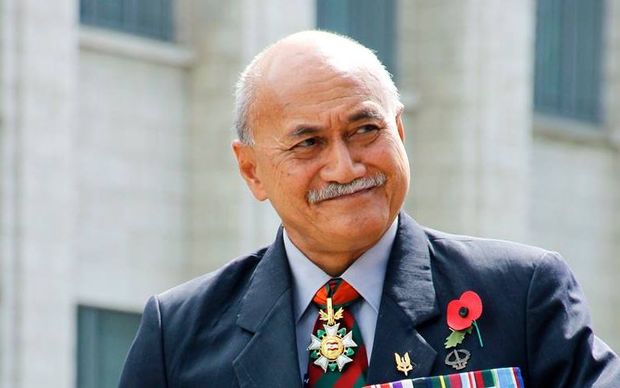
On World Oceans Day, Fijian President Jioji Konrote on Friday, June 8, 2018 stressed the importance of preserving the ocean for the world.
Jioji Konrote
Fijian President, Jioji Konrote

The president also noted that Fiji’s leadership on the preservation of the world’s oceans is one of the most important tasks the nation has ever undertaken.

“The World Oceans Day is not only an opportunity to highlight the importance of the struggle to protect and preserve the oceans.

“It is also a celebration of the millions of men, women and children around the world who have committed themselves to making a difference in this struggle,’’ Konrote said on the World Oceans Day.

The president said that he is determined to persuade the nations of the world to take much more decisive actions to save the oceans.

“I know many of you have been directly involved in our global campaign for action on oceans, whether it was the UN World Oceans Conference in New York a year ago or the Oceans Pathway launched at COP23 that we will continue to co-chair with Sweden until 2020.

“And many of the same people have also been spearheading our fight for climate action across a broad front through Fiji’s Presidency of COP23, including the Talanoa Dialogue that is a cornerstone of that effort,’’ he said.

According to him, this is evidence in itself of the inextricable link between climate change and the health of our oceans. It is a simultaneous battle on two fronts.

“And whether you are part of Fiji’s national effort or our collective Pacific effort, you are all foot soldiers and standard bearers in this struggle,’’ he added.

In July, Pacific leaders will gather in Suva for the Climate Action Pacific Partnership Event and a Pacific Talanoa Dialogue as a prelude to the Talanoa Dialogue.

Fiji will preside over with Poland at COP24 (the 24th session of the Conference of the Parties to the United Nations Framework Convention on Climate Change) in December.

While stressing that it will all be about raising ambition in the climate struggle, he appealed to the leaders of all the Pacific nations to join Fiji in Suva to set an example for the whole world of building a consensus for more ambition.

The president urged Fijians to conserve and preserve marine areas, such as the 250 traditional tabu sites protected by the Fiji Locally Managed Marine Areas Network.

His message on the World Oceans Day 2018 was oriented around conservation and preservation and of ambitious climate action.

In a related development, Meg Taylor, secretary general of the Pacific Islands Forum Secretariat, also urged the Pacific Islanders to make a pledge for healthier oceans.

“We share one ocean, we benefit from it immensely, from food on our tables to our economies as forum members, and I believe we should feel some sense of responsibility for its well-being.

“The Ocean is our home and will be key for our children’s and young people’s future,’’ Taylor noted.
Government urged to place deposit charge on plastic containers, wrappers

0

In order to curb the menace of plastic waste pollution, Nigeria has been called upon to adopt a scheme whereby a premium is placed on all plastics containers and wrappers.

Babajide Alo
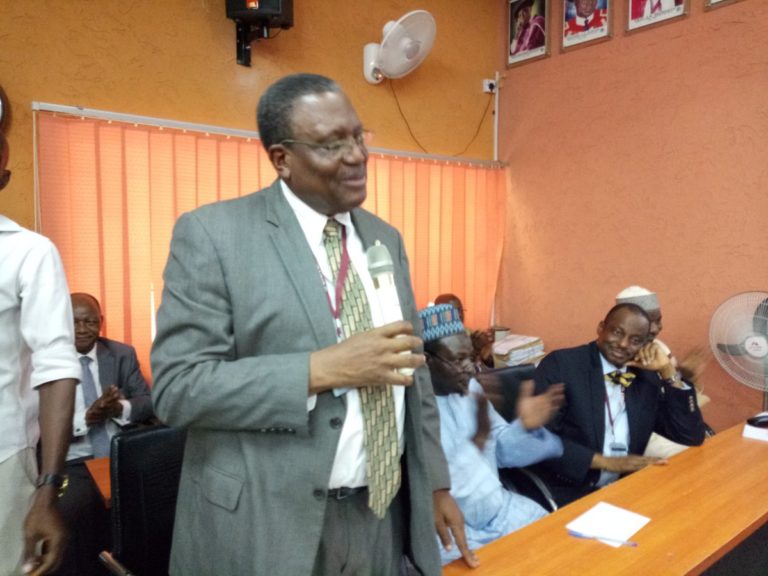
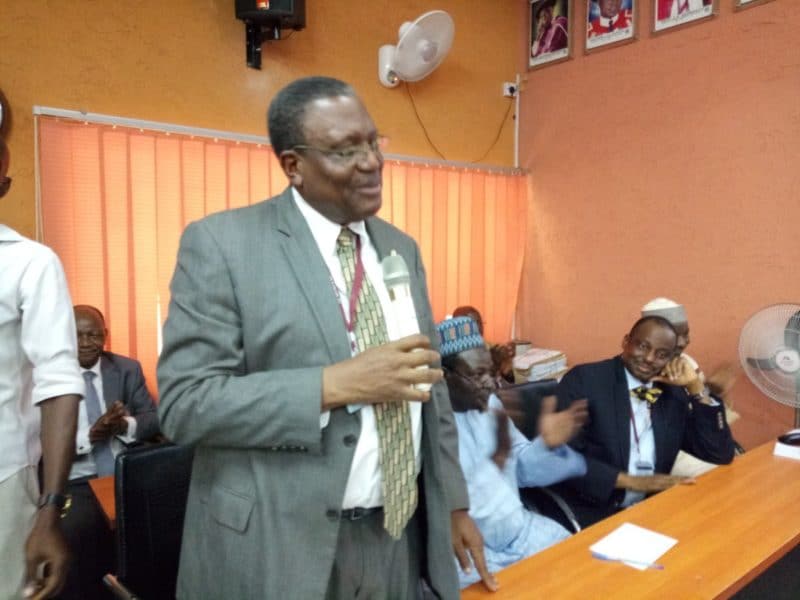
Prof. Babajide Alo

Prof. Babajide Alo of the University of Lagos, Akoka, who made the call at a forum in Lagos on Tuesday, June 5, 2018 to mark the World Environment Day, suggested that, henceforth, a deposit should be put on plastic containers as it is with bottled drinks.

“Under this initiative, no one should be sold new plastic containing water unless he/she brings a crate of empties. Similarly, anyone to wants to buy a bag of pure water sachets should come with a bag of empties or pay a deposit again. This kind of policy will certainly reduce the menace of plastic containers,” said the environmentalist and Professor of Chemistry.

In a presentation titled: “Beating the plastic pollution”, Prof Alo emphasised that plastic bottles, cups, food wrapping, carrier bags and straws, which account for a substantial percentage of plastic wastes, should be substituted with reuseable ones.

According to him, more tax should be placed on packages made of plastic materials, and that the tax so realised could be dedicated to plastics’ clean-up activities.

“Also, tax breaks/other financial incentives could be instituted for manufacturing concerns who have successfully substituted plastics with biodegradable utilities,” he recommended, pointing out that products containing microbeads, such as cosmetics, soap and other personal care products, should be phased out.

Prof Alo further suggested that strict production screening should be instituted to eliminate microplastics in food and packaged water, stressing that an incentive should be provided by the government to attract investment on bidegradable plastics production especially from corn starch.

His words: “Plastic items that can’t be reused should always be recycled to ensure they do not end up in the environment and to avoid producing more plastic unnecessarily. The education and public awareness on the separation of wastes to enhance recycling must be taken to the grassroots with commensurate reward if possible. Recycling of plastics should be instituted as a policy backed laws rather than the existing resort to “good will” of the people to recycle.”

Alo spoke at an event organised by the Federal Airports Authority of Nigeria (FAAN) in collaboration with the Nigerian Environmental Society (NES).

Campaigners seek clarification on water privatisation from Lagos

0

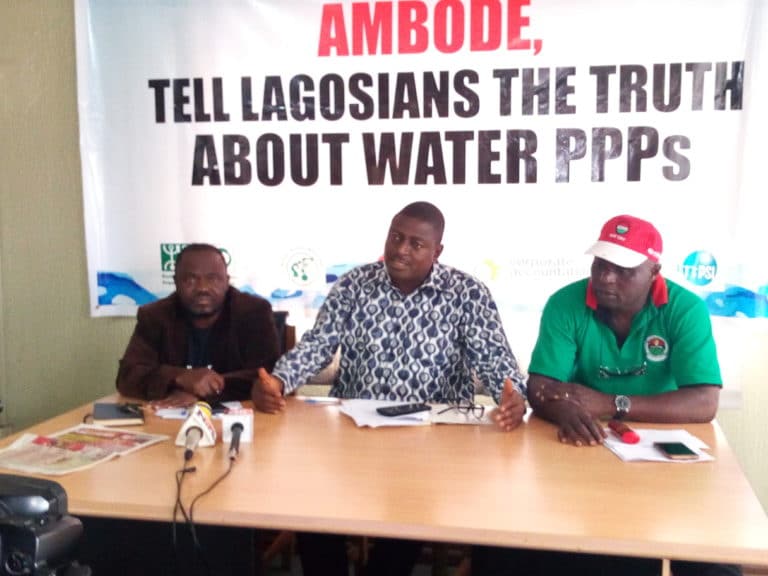
Akinbode Oluwafemi, deputy executive director, Environmental Rights Action/Friends of the Earth Nigeria (ERA/FoEN), in statement during a media briefing in Lagos on Thursday, June 7, 2018, attempts to alert Lagosians on seemingly conflicting reports regarding private sector related water projects allegedly undertaken by the state government

Lagos water privatisation
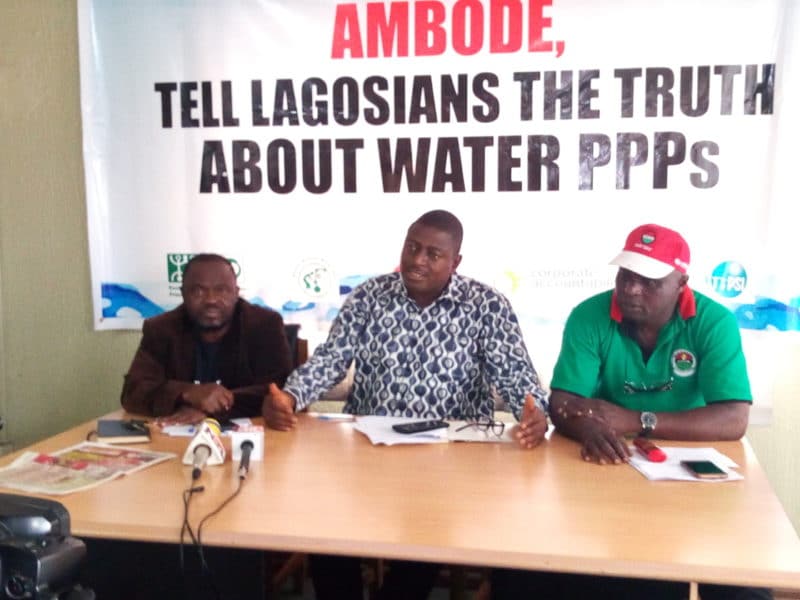
L-R: Activist, Ayodele Akele; Akinbode Oluwafemi of ERA/FoEN; and Taiwo Opaleye, chair of Lagos chapter of Amalgamated Union of Public Corporations Civil Service Technical and Recreational Services Employees (AUPCTRE), at the briefing

On Wednesday, May 9, 2018 when the World Bank team visited Governor Ambode, the governor was said to have remarked that the various budget support initiatives of the bank in the water sector in Lagos had supposedly resulted in “stronger ties with the institution” and urged the bank to plough more funds into water and other key projects in the state.

At the time we had cautioned that the Ambode administration continues to present Lagos as a state ready for any form of private investment with water being one of the sectors it is pushing for so-called investors to take control of.

Our fears that something was in the offing was confirmed on May 15, barely a week after that visit, when Global Water Intelligence magazine – a high value business information for the water industry – disclosed that multiple PPP projects are in the works for Lagos, some moving quickly.

Surprisingly, no such disclosure was on the Lagos Water Corporation (LWC) website as we speak. Some of the identified projects – Adiyan II, Igbonla, Yewa I, Odomola II, Ibeshe I, Ibeshe II and Yewa II – have project lengths of up to 35 years were only updated on GWI water tracker a week after the World Bank execs visit and Engr. Mumuni Badmus, the helmsman of the LWC, is personally listed as the contact person for the project listing on GWI.

Lagos State has a target of 745 million gallons per day water treatment capacity by 2020. We are worried that if these PPP projects should move forward it will translate to private control of a gripping 57% of the entire Lagos water system target capacity.


Corruption and lack of transparency intertwined?

With the GWI revelations, the Lagos State Government has awarded the Igbonla project to   Brio Resources Technologies and ACUAMED. The project, ironically, is listed as a water treatment plant in GWI but described as a desalination plant by Brio Resources Technologies.

In addition, Brio Resources Technologies is also claiming that they are in “Ongoing PPP Development with the Lagos Water Corporation” on the Odomola II project, with Acuamed and a corporation called Tramasa (also Spanish) as the technical partners.

Brio says that this Odomola II project is for a 25 year concession to build a desalination plant, at an estimated cost of $288 million. Brio says it is a desalination plant and GWI says it is a water treatment plant. What this shows is a lack of transparency from the LWC management on these projects. This conflicting information, plus the fact that Acuamed is under investigation over allegations of corruption by the Spanish government and the European Union’s European Anti-Fraud Office (OLAF), should cause Lagosians to worry. Several executives of the company were arrested in 2016 in relation to the allegations. In April 2017, the Spanish parliament called for reform and eventual replacement of Acuamed following the scandal.

The EU’s OLAF launched a case to coordinate with Spanish investigators because of the alleged use of EU funds in the alleged corruption scandal.


Visionscape Again

Many here are now conversant with the drama over refuse management. Our own Lagos is now home of filth. But here comes the real bad news! Among the list of companies handpicked by the Lagos government to manage Adiyan II, which is anticipated to deliver millions of gallons of water to residents when it becomes operational, the name Visionscape has popped up again.  In GWI the Adiyan II project is listed “to be awarded June/July 2018. This is strange to us.

The consortium of Visionscape Water Solutions Limited/Metito is listed among other consortiums of shortlisted firms for PPP. Others are AG Gold Trust Nigeria Limited, Vision Scape Water Solutions Limited/Metito, Veolia/Shoreline Group and Abegoa and Naston & Partners.

As must have been observed, the waste management sector was practically handed over to Visionscape in 2017 when the Lagos government paved the way for the company to take over waste management under a PPP arrangement after it introduced a bill that merged all waste management agencies in the state into one.

Nearly one year into its operations, the streets of Lagos are replete with uncollected waste littering major roads and front of residences in inner streets. Most residents have been on an endless wait for their refuse to be evacuated, to no avail. The situation has equally sparked fears of a major epidemic if nothing is done soonest.

The prospects of a Metito-Visionscape consortium to manage Adiyan II are very bleak. The Our Water Our Right Coalition will not relent in the use of all legitimate means to demand that our water remain within public and democratic control.


The TRUTH is what Lagosians want

The corruption ties and conflicting statements above have bolstered our demand for absolute transparency from the government on these projects. The Our Water Our Right Coalition uses this medium to ask Governor Ambode to now come out in public and inform Lagos citizens his plans for the Lagos water sector.

We are demanding:

  • Full disclosure of its PPP projects in the water sector and a halt to the projects
  • Disclosure of all IFC and World Bank activity and discussions with Lagos government officials regarding water, including formal and informal advisory roles.
  • Broad public participation in developing plans to achieve universal access to clean water and the need for the state government to hearken to our demands that it uphold the human right to water as an obligation of the government, representing the people.
  • The Lagos government builds the political will to prioritise water for the people, through a comprehensive plan that invests public funds in the water infrastructure necessary to provide universal water access, which will create jobs, improve public health, and invigorate the Lagos economy.

1.3m engage in open defecation in Edo, says UNICEF

The United Nations Children’s Fund (UNICEF) on Thursday, June 7, 2018 said 1.3 million of Edo State population still practised open defecation, and attributed it to low level awareness on healthy living and sanitation among residents.

Godwin-Obaseki
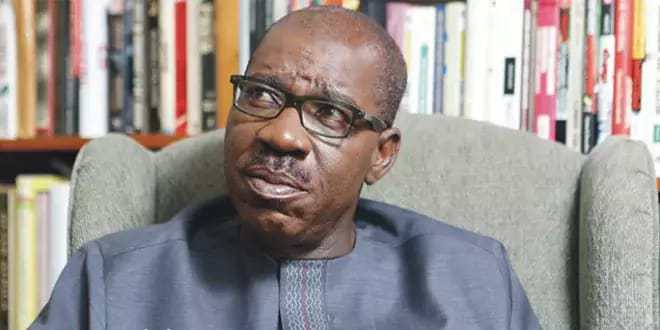
Governor Godwin Obaseki of Edo State

Mrs Mohsema Ishan, a Water, Sanitation and Hygiene (WASH) Specialist in the world body, made this known in Benin City, the state capital, at a sensitisation on the implementation of WASH project for stakeholders.

She said that children needed water, sanitation and hygiene to survive, adding that much needed to be done in Edo to improve access to potable drinking water.

Ishan said that six out of 10 households either had their drinking water from contaminated sources or got it contaminated during handling.

She called on community leaders to effectively sensitise their subjects on the need to embrace good sanitation culture and eschew open defecation.

The UNICEF official disclosed that 495 rural communities in five selected local government areas in the state would benefit from EU-UNICEF Niger Delta Support Programme (NDSP).

Earlier, the state’s Ministry of Energy and Water Resources had said that three other local government areas would benefit from ongoing N600 million EU-UNICEF Rural Water Sanitation and Hygiene Project in the state.

The Commissioner in the ministry, Mr Yekini Idaiye, named the council areas as Orhionmwon and Uhunmwode in Edo South and Owan-West in Edo North senatorial districts, respectively.

Idaiye, who was represented by the Permanent Secretary in the ministry, Mrs Akongie Oboh, said that WASH was being implemented under the EU-UNICEF-NDSP to improve rural sanitation institutions in the state.

He said that the project was already running well in Estako West and Ovia South-West areas of the state and would be extended to the three identified local government areas to take development closer to the grassroots.

Idaiye said that the present administration had invested N600 million in the WASH project and called on benefitting communities in the new council areas to embrace the programme with an open mind and key into it.

He urged stakeholders at the meeting to build toilets and stop open defecation, and protect all government investments in their domain.

By Joy Odigie

Collective effort needed to stop open defecation, says government

Deputy Director, Sanitation, Federal Ministry of Water Resources, Mr Emmanuel Eze, has called for collective action to end open defecation practice, saying the Federal Government alone cannot do it.

suleiman adamu kazaure
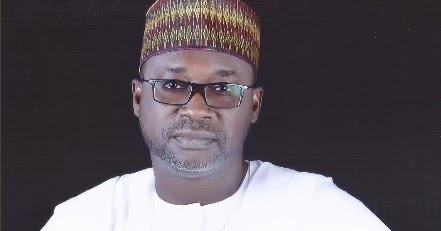
Suleiman Adamu Kazaure, Water Resources Minister

Eze, who said this at the end of a two-day Workshop on Validation of ODF Communities in Nigeria on Thursday, June 7, 2018, said that all hands must be on deck if Nigeria must meet the SDG 6 on Water and Sanitation by 2030.

He stressed that Federal Government was working to see that faeces was not seen in the open, saying this was a leading cause of food and water contamination.

According to him, part of the strategy is the development of the Partnership for Expanded Water Sanitation and Hygiene (PEWASH) Programme to implement programmes and policies to scale up access to water and Sanitation.

“Nigeria is working to see the containment of Open Defecation; faeces ought not to be seen in the open, as it remains the leading cause of food and water contamination.”

The deputy director noted that water safety plans included the citing of Water sources to at least 30 metres away from toilets, saying it was important for this practice to be adhered to.

The facilitator, Mrs Yemisi Akpa, called on all stakeholders in the Sanitation and Hygiene sector to uphold the guidelines of the Open Defecation Free (ODF) Protocol while validating ODF certified communities across the country.

She said it was important for Nigeria to scale up access to sanitation as this was a requirement for inclusive development and health promotion.

She noted that the training was an avenue to enlighten ODF Validators on what was acceptable, code of conduct and its importance.

According to her, validators are those that have been assigned the role of quality assessment, saying they must not compromise standards at any given time.

“As a validator, you must abide by the code of conducts at all time, you must dress decently, be courteous, don’t promise what you cannot give to the communities.

“You must not compromise standards at any time; this is because your name is at stake, so you must do the right thing always.”

Akpa said the overall goal of Communities Led Total Sanitation (CLTS) principle is to eliminate open defecation practice and achieving and sustaining total sanitation, saying with behaviour change, this was possible.

She however stressed the need for a collective action towards ending open defecation practice in the country, saying it would go a long way to reduce spread of preventable diseases through poor hygiene practices.

By Tosin Kolade

Ambode demands collaborative action to address climate change

0

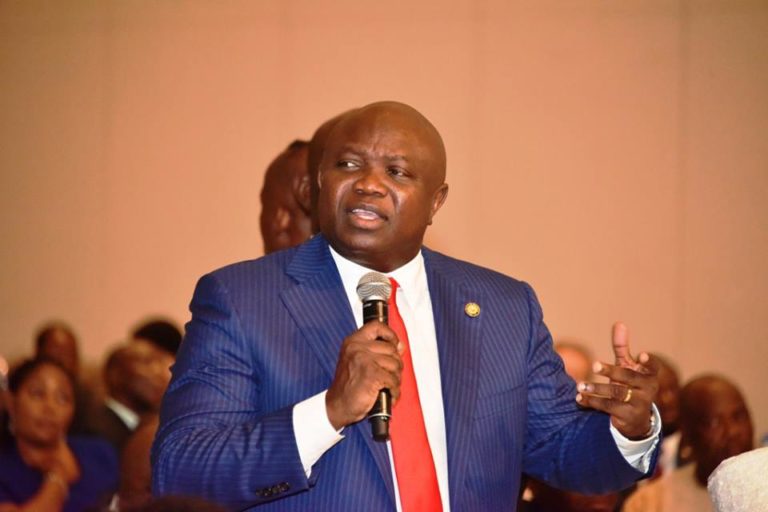
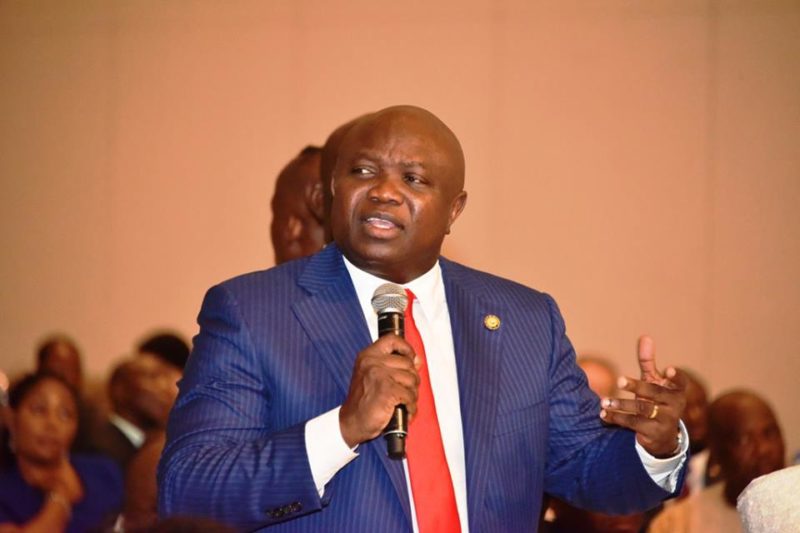
Gov. Akinwunmi Ambode of Lagos State on Thursday, June 7, 2018 called for collaboration to reverse the negative effects of climate change to preserve humanity and save future generations from jeopardy.

Akinwunmi Ambode
Governor Akinwunmi Ambode of Lagos State

Ambode, represented by the Deputy Governor, Dr Idiat Adebule, made the call at the launching of the Nigerian Green Bond Market Development Programme, organised by FMDQ OTC Securities Exchange.

The programme was in partnership with Financial Sector Deepening Africa (FSD Africa) and Climate Bonds Initiative, in Lagos.

He said the Green/Climate Bond Initiative was one of the initiatives developed to address the problems of climate change and make the planet safer for humans.

“The greatest threat to the sustainability of the planet earth is the negative effect of climate change and if nothing meaningful is done to reverse the trend, the existence of future generations will be in jeopardy.

“In the quest to save planet earth and preserve humanity, various initiatives, such as the ‘Green/Climate Bond’ initiative have been developed to address the problems of climate change.

“The initiative being launched today is one of the world fastest economic power house in West Africa and it is a window opportunity for financing of developmental projects that promote healthy and sustainable environment to make our cities livable.

“As we are aware, Lagos State is susceptible to the negative effects of climate change; we are also aware of its status and negative impact on the overall well-being and prosperity of present and future generations,’’ he said.

“This is why the state government has been in the forefront of the campaign to make the environment healthy and sustainable via implementation of eco-friendly policies and programmes.

“As a government, we will take advantage of the profitable investment opportunities and benefits presented in the Green Bond Initiative.

“We will partner with both local and foreign investors for the execution of climate friendly projects which will impact positively on the well-being and prosperity of our people.’’

Mr Joseph Okwu Nnanna, Deputy Governor, Economic Policy, Central Bank of Nigeria (CBN), said the green bond programme would pave way for development of the renewable energy sector which had huge prospects in Nigeria.

He said the green bond programme, if well-articulated and implemented, would unlock the potential of the Nigerian renewable energy sector.

“There is the need to seriously consider the option of developing the country’s renewable energy resource as Nigeria is blessed with abundant renewable resources.

“These resources range from adequate sunlight for solar power, vast land for agriculture to support bio-fuels, water, and many more.

“We cannot afford to fold our arms and watch other countries develop their renewable energy resources only to import such resources from them later.

“We must avoid the mistakes of the past in the development of our renewable energy sector and the time to start is now,’’ Nnanna said.

“We also need to develop a sustainable capital to fund this sector, this is where the green bond market development programme comes in to create an effective market for green financing with appropriate instruments to energise investment and growth of the sector.

“The CBN will continue to work tirelessly to create the enabling environment for the sustainability of the Nigerian financial system needed for the successful implementation of Nigerian Bond programme.’’

Contributing, Mr Tajudeen Yusuf, Chairman, House Committee on Capital Market and Institutions, said the initiative was an innovative idea to empower the financial market in support of the Nigerian economy.

“The National Assembly has realised that there is nowhere in the world where you will find an economy providing support that is required for the citizenry without a capital market, deepened and strategically positioned to provide the missing link.

“The growth of Dubai that we have today was made possible because the capital market played a major role in the transition. I’m glad our capital market is keying into this initiative,’’ Yusuf said.

In her presentation, entitled “The Rise of Green Bonds – Global Trends and the Opportunity for Nigeria’’, Mrs Justine Leigh-Bells, Director, Market Development, Climate Bonds Initiative, said there was the need for the collaboration of stakeholders in the capital market to drive the Climate Bond Initiative in Nigeria.

She said that such collaboration would make the nation’s economy prosper.

“The issue with climate change is a global economic issue as every country in the world, Nigeria inclusive, is going through one form of climate change problem or the other.

“The Green Bond Initiative is a high investment product that all stakeholders should be a part of.

“What we need to do is to bridge structures that will allow private investors to manage risk and understand that it is about jobs, growth and liveable cities,’’ she said.

By Lucy Osuizigbo and Chinyere Joel-Nwokeoma

Gambian governor seeks safe utilisation of refrigerants

0

Governor of the Upper River Region (URR) in the Gambia, Fatou Jammeh Touray, has reiterated that her office is committed to ensuring that the environment is clean and being protected from any form of emission particularly from substances produced from domestic and local industrial activities especially from cooling systems. She noted that the Government of the Gambia has environment on top of her development agenda and would endeavour to sustainably improve the environment for all.

Gambia
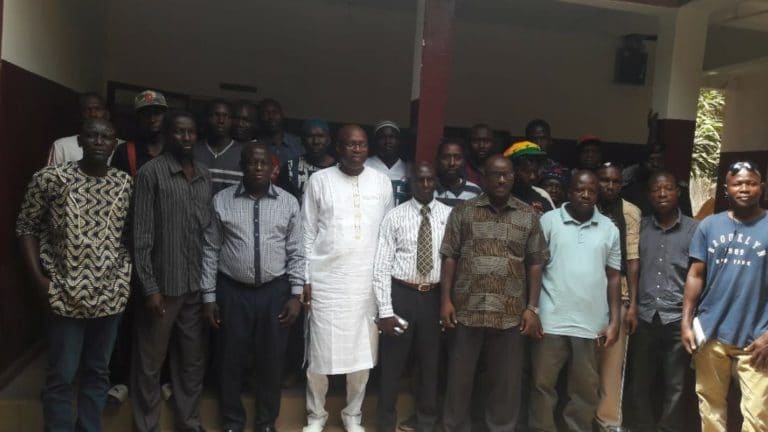
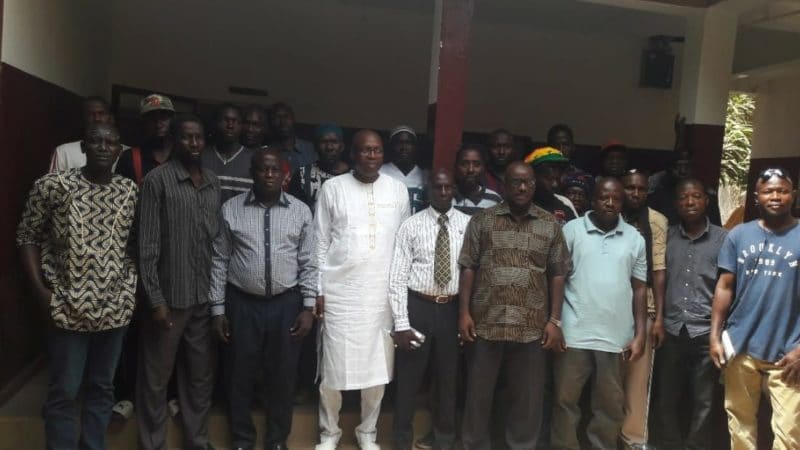
Participants at the event

She made these remarks during the opening ceremony of a four-day training workshop organised by the National Environment Agency (NEA) for refrigeration and air conditioning technicians on the handling of refrigerants, flammability and safety, held at the Basse Area Council chambers, URR. She enjoined the participants to be professional with their job and be cautious in handling flammables refrigerants that are substitute to gaseous ozone depleting substance (ODS).

“It is therefore important for you to actively participate in this capacity building training where you will discover new skills and innovations which will serve you in your profession as technicians.  Try to share the new ideas you are going to discover with those that could not have the opportunity to attend,” she pointed out.

Delivering the governor’s speech on her behalf, Momodou Billo Jallow, the region’s Population Officer, posited that technicians are very important players in the phasing out of ODS and refrigerants that contribute to the warming of the earth, so they must therefore collaborate to get rid of such substances that will not only destroy the environment but threaten man’s very existence.

In his opening statement, the Director of Administration and Finance at the NEA, revealed that the training workshop came at a time when the refrigeration and air conditioning subsectors are experiencing a lot of transformation in terms of technology and the introduction of new refrigerants in a bid to replacing the ones that are ozone depleting, which are potent greenhouse gases that contribute to the warming of the earth.

Gases like Hydro-Chloro-Fluoro-Carbons (HCFC) and Hydro Fluoro-Carbons (HFC) like refrigerant 22 and HFCs used mainly in air conditioning systems and fish processing factories do not only deplete the Ozone layer but contribute to global warming consequences of which are currently being experienced in the form of heat waves, extreme cold seasons as in Europe and other parts of the world, sea level rise resulting to coastal erosion and inundation, to name but a few.

Muhammed Denton called for concerted effort in curbing negative practices in refrigeration management.

“All of us here present have a role to play in reducing the production and consumption of such refrigerants threatening our survival and our very existence on earth. As technicians and major stakeholders in the servicing sector, you should encourage end-users to convert to Ozone friendly refrigerants like R290 which is now available in our markets and can be used in our air conditioning systems. Importers also need to support us by importing such alternatives to gradually phase out the said refrigerants. This will ensure our compliance to the Montreal protocol obligations on substances that deplete the Ozone Layer,” he said.

He posited, as Article Five parties, Gambia needed to adjust to the compliance requirements of the international agreements like the Vienna Convention and the Montreal protocol on substances that deplete the Ozone Layer, whilst being committed in ensuring that new technologies are adopted for a cleaner environment.

This, he said, is a challenge all Gambians have to face and, with the usual political support from the Government of the Gambia and donor partners like the United Nations Environment Programme (UNEP), United Nations Industrial Development Organization (UNIDO) and Global Environment Facility (GEF), there is assurance of compliance as article five countries.

He said that is why the training and the ones to come would concentrate more on safety and how to handle such refrigerants because one currently used in the market are flammables. He concluded by commending UNIDO for providing funds to conduct the training and many more to come.

According to the agency’s ODS officer, Alhagie Sarr, the objectives of the training is to identify technology needs, country-specific barriers and requirements for the application of such technologies, formulation of a roadmap to promote green cooling and inter regional technology transfer. Adding on, he said it is also to promote natural refrigerants including carbon dioxide, ammonia and hydrocarbon technology and to share information on low global warming technologies.

By Sheikh Alkinky Sanyang

What we miss while in Nigeria, by Cameroonian refugees

0

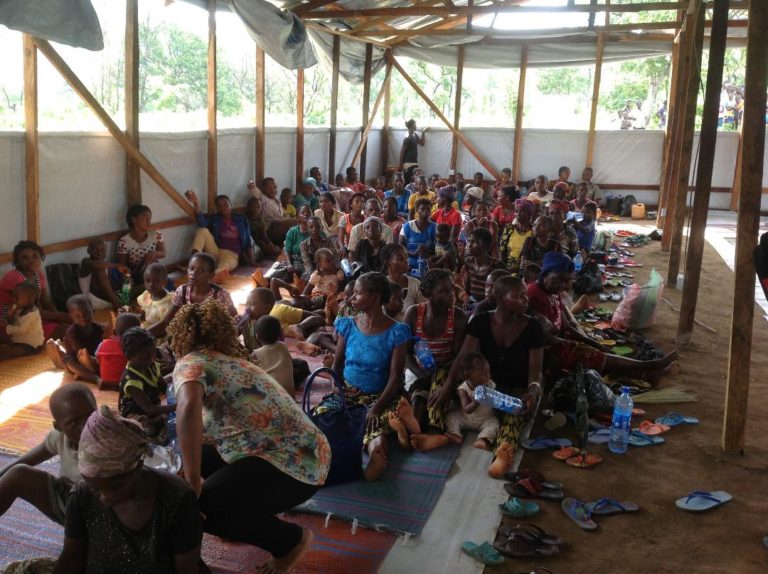
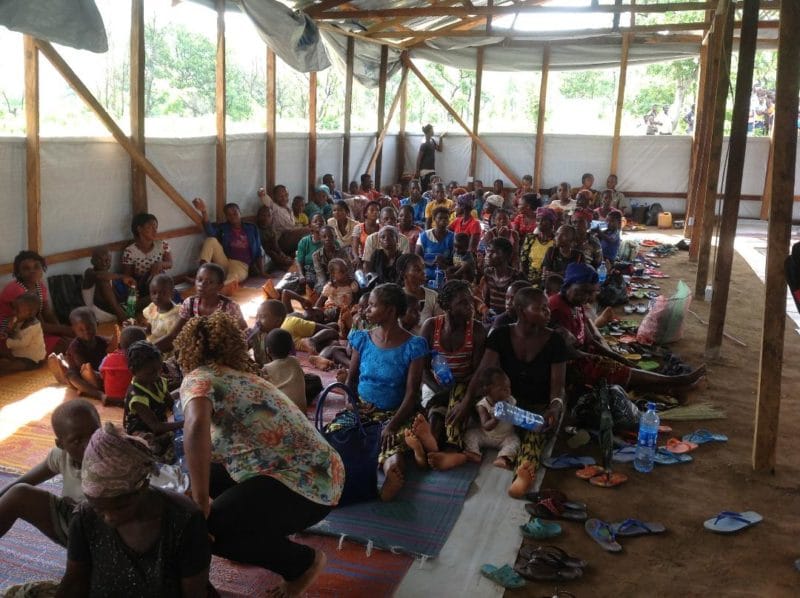
Cameroonian refugees who were staying in Abande, a Benue State border community with Cameroon, have said they were missing their natural food items.

Cameroonian refugees
The Cameroonian refugees

The refugees, who were relocated to Anyake, Kwande Local Government Area of the state recently by the United Nations High Commission of Refugees (UNHCR) in conjunction with the Benue State Government, said they missed their natural food service, especially plantains, bananas, and cocoyam, among others.

Mrs Phoebe Aboshi, a refugee, said that though succour had come their way, they preferred their place because, there, they were eating only natural food items, whereas at their temporary settlements they would be fed with processed foods which would not be of much benefit to their bodies.

Aboshi said that their desire was for the crisis to cease so that they could go back to their permanent places of abode, stressing that there is no place like home.

She blamed the crisis that is rocking the country on marginalisation of the Anglophone citizens, stating that more opportunities including employment were given to the Francophone citizens,  while the Anglophone citizens did not have such opportunities.

She further lamented that most of the mineral deposits in Cameroon were found in only the two Anglophone regions, stressing that despite the huge mineral deposits in those regions, they were completely backward as compared to the eight Francophone regions.

”It was on that basis that the Anglophone citizens decided to request for their independence and that did not go down well with the powers that be.

”We are in this situation because the Cameroonian authority is against our demand for independence and it is not ready to make life worth living for us,” she said.

Also, Mr Julius Ekwa, Josephine Aboshi and Napoleon Egumu, all refugees, said that despite what they were passing through in the hands of the Cameroonian authorities, they still preferred their place because they lack most of their natural food items in their new settlements.

They said that they preferred to eat their plantains, cocoyam among others because they were so much used to them.

The trio called on the international community to wade into the matter so that peace would be restored and they could go back to their country.

In another development, while relocating the Cameroonian refugees who fled to Nigeria, the Head of UNHCR on Relocation of the Refugees in Kwande LGA, Benue, Mr Thomas Faustini, said the relocation was necessary because Abande was less than 50km to Cameroon and it was against the International Refugee Protection Principle.

He disclosed that the international refuge protection principle insisted that refugees should not be kept less than 50km to the country where they were fleeing from, adding that adequate security and safety as well as feeding should be given to them.

He added that they would be monitoring them very closely so as to identify their challenges and tackle them.

He said that the refugees willingly accepted to the request of relocating them to a safer community, stressing that they were not coerced into accepting to relocate.

”The refugees voluntarily accepted the decision of the government and UNHCR to relocate them to a more safer and conducive environment.

”In addition to the principle, where they are staying for now is a complete dislocated area because of distance and the area was prone to flooding, hence, the need to relocate them to a more safer and conducive place,” he said.

Also, the Health Officer, State Emergency Management Agency (SEMA), Mr Terhemen Kuhe, lamented that there were no adequate health personnel officers to take care of the refugees, stressing that he alone covered three different locations where the refugees were staying.

Kuhe further lamented that it was very strenuous alternating from one location to the other, in order to render health services to the refugees because the three locations were too far apart and the terrain was very rough.

”As a result of the bad road network, it was not possible for us to make referrals and the only referral allocated to us which is the General Hospital, Adikpo was on strike,” he said.

A cross section of the refugees who spoke to press men expressed happiness that relief and succour had come their way, stating that their present situation would be far better than where they were.

”There we were staying in classes of a primary school where mosquitoes were feasting on us because some of the classes had no windows,” they said.

The Clan Head, Ityuwa in Menev District of Ikyurav-Ya, Kwande LGA of the State, Chief Moses Chile, appealed to the government to construct the only access road in the area, adding that it should also provide them with other amenities to make life worth living for them.

Nigeria loses forests at rate of 11.1% annually

0

The Regional Centre of Expertise on Education on Sustainable Development (RCE) says Nigeria loses its forests at the rate of 11.1 per cent annually, making it the highest on earth.

deforestation-Peru
Deforestation

Prof. Albert Olayemi, the Focal Person of the RCE, made the disclosure on Thursday, June 7, 2018 at the University of Ilorin, Ilorin, Kwara State.

He spoke while signing a document backing the Kwara House of Assembly on its proposed amendments to improve the law governing the operations of chainsaw men and the law that governs the charcoal economy in the state.

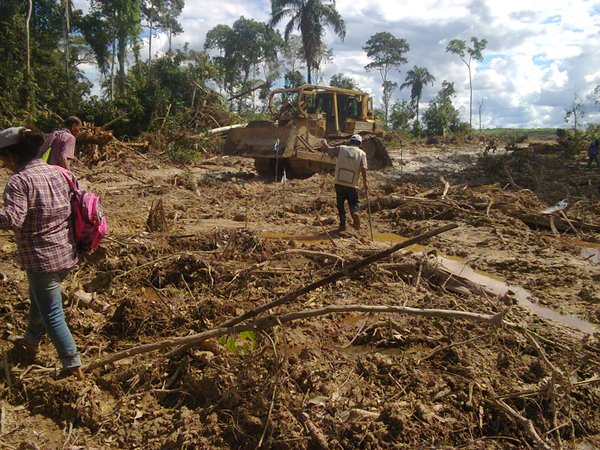
According to him, an estimated 13 million hectares of land is deforested each year in the tropical region of the world.

“There is enormous evidence on the devastating effect of deforestation and charcoal production on the environment.

“Forests are being cleared for logging, timber sale, subsistence agriculture and collection of wood for fuel which remains a problem in Nigeria,’’ he said.

The RCE focal person explained that, in Kwara, fuel wood and charcoal were the main sources of energy for many households.

“They are important sources of income and employment for the rural households.

“Also, this sector is informal, as it employs a large number of people in production and trade and contributes substantially to rural household economy,’’ he said.

On some of the effects of deforestation, the don said: “The loss of biodiversity, depletion of water resources, atmospheric pollution and environmental calamities such as acid rain, desertification and flood are some of the effects of deforestation.

“Soil erosion, soil destabilisation, migration of animal species and increase in reflected solar radiation are also effects of deforestation.

“In the light of these negative effects, the centre expresses its wholehearted support for the new initiative of the Kwara State House of Assembly’’.

He, however, disapproved of the existing effort to stop deforestation in the state, describing it as “half hearted” and “half spirited”.

“The current law enjoins fellers to plant trees as replacements for the ones felled, while there is shortage of tree seedlings in the state.

“The law is also silent on the number of trees to be planted for each tree removed,’’ Olayemi said.

According to him, RCE proposes the creation of forest reserves, conservation processes, improved rainforest management and forestation programmes as ways to combat the challenge of deforestation in Nigeria.

“The centre wants at least 10 tree seedlings planted for each tree felled.

“We also propose the establishment of plantations dedicated to charcoal production because charcoal is now an export commodity in Nigeria, with a large market in the EU, USA and Asia,’’ Olayemi said.

The News Agency of Nigeria reports that RCE centre is located inside the University of Ilorin and members include all universities operating in Kwara.

By Fatima Mohammed-Lawal

24b tons of top soil lost to plastic pollution annually

0

A don, Prof. Dele Olowokudejo, says that plastic pollution leads to loss of 24 billion tons of top soil annually worldwide.

Prof. Dele Olowokudejo

Olowokudejo, who is of the Department of Botany at the University of Lagos, Akoka, made the remark during the Lagos State Environmental Protection Agency (LASEPA) World Environment Day event on Thursday, June 7, 2018 in Ikeja, Lagos.

“Plastics are taking over our oceans, they are ruining our lands. Plastics pollution leads to loss of 24 billion tons of top soil every year.

“Plastic accounts for about 10 per cent of the total waste generated. Production of plastic uses about 8 per cent of the world’s oil production.

“About 500 billion plastic bags are used annually worldwide,” Olowokudejo said.

The academician, however, proposed a solution on how to surmount the problem of plastic pollution in the country, as he called for a concerted effort of all stakeholders on the environment.

“There should be a formulation of a National Policy on Plastic Waste Management, an implementation of a National Plastic Waste Recycling Programme in partnership with manufacturers and critical stakeholders.

“Individuals, families, communities, companies must agree to implement practices that reduce waste at every level.

“We must get rid of bottled water recommended for single use and buy reusable water bottles,” he said.

He further called for the enforcement of existing environmental laws and policies to curtail the impact of plastic pollution in the state.

“The enacted laws to address environmental challenges in Nigeria must be fully applied.

“The National Environmental Regulations, 2009 Prohibits persons from dropping litter (polyethene bags inclusive) on roads, public space, drainages or other undesignated places through National Environmental Standards and Regulations Enforcement Agency (NESREA).

“The issue is that implementation/ enforcement is weak,” he said.

The professor however, urged the government, regulatory bodies and other critical stakeholders to brace up in tackling plastic pollution in the country.

“We are indeed privileged to be a part of the current movements of Homo sapiens who have recognised their ecological limits and are willing to respect boundaries in order to save our planet.

“We have seen the danger signs of our destructive activities and are willing to take corrective actions. Therefore, while we should always think globally and cooperate regionally, we must continue to act locally.

“Let’s rise above plastics and the time is now,” Olowokudejo said.