The National Space Research and Development Agency (NASRDA) said it had concluded discussion with Landmark University, Omu-Aran in Kwara State, for the successful launch of a second nanosatellite, code-named EDUSAT-2.
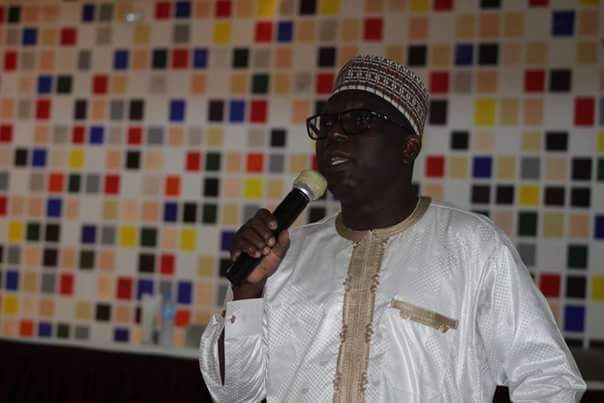
A nanosatellite
Mr Felix Ale, the Head of Media and Corporate Communications of the agency, disclosed this in a statement on Friday, June 1, 2018 in Abuja.
Prof. Seidu Mohammed, the Director-General of the Space Agency, made this remark when the management team of the university visited NASDRA’s headquarters in Abuja.
Mohammed said that the collaboration was being pursued as a result of the genuine interest and commitment of the management of the university to existing memorandum of understanding between the agency and the university.
According to him, the proposed project is in fulfilment of its mandate which includes development of satellites, provision of necessary technology and information for universities to develop capabilities in satellite technology.
He said that the nanosatellite would lay emphasis on agricultural development.
He said the satellite would have an infrared camera feature to detect diseased crops to monitor large agricultural areas to understand crop characteristics and for other agricultural purposes.
He also reaffirmed the commitment of the agency to consolidate on the government’s economic growth plan through the development of satellite technology.
The D-G, however, called on experts from both institutions to bring on their expertise toward the effective implementation of the project.
Prof. Adeniyi Olayanju, the Vice Chancellor of Landmark University said the launch of the satellite would be a major breakthrough for research and educational development in the country.
“Landmark University is agriculture based and indeed very desirous to develop technologies that will improve the sector in Nigeria.’’
“Agricultural technology cannot be achieved without developing engineering that can promote mechanised and automated technology for it,” he said.
The VC said using facilities in the space agency would aid the development of agricultural technology.
The News Agency of Nigeria (NAN) reports that the agency’s first nanosatellite was launched in May 2017.
Nigeria Erosion and Watershed Management Project (NEWMAP) has donated working tools to the Gombe State Emergency Management Agency (SEMA) to control flood in the state.
Salisu Dahiru, National Project Coordinator of NEWMAP
Mr Bala-Dozen Nayaya, NEWMAP State Project Management Coordinator, made the presentation of the working tools to SEMA officials on Friday, June 1, 2018 in Gombe, the state capital.
Nayaya said the aim of the donation was to strengthen the capacity of SEMA to respond rapidly and effectively to disaster situations whenever they occur and to control flood in the state.
“Our decision to embark on this was necessitated by the need to support SEMA to strengthen its capacity to improving their service daily.
“As the agency responsible for providing immediate relief to disaster victims, it is our firm conviction that these tools will enable SEMA respond rapidly and effectively to disaster situations like flood,” he said.
NAN reports that NEWMAP presented 10 stretchers, 30 rubber hand gloves, one carton of face masks, one carton of dispensable hand gloves, 50 pieces of crash helmet and 50 rain boots.
Others include 45 body bags, 50 first aid kits, 50 wheel barrows, 50 shovels, 50 SEMA T/shirts and 50 rain coats.
Mrs Sa’adatu Mustapha, Commissioner for Environment and Forest Resources in Gombe State, commended NEWMAP for the donation of the tools to SEMA.
She said that it would enhance the capacity of SEMA to render humanitarian service to the people of Gombe State.
While receiving the tools, Mr Mohammed Garba, Head of Resettlement, SEMA, assured NEWMAP that the tools would be judiciously utilised to mitigate the impact of flood on the people and the environment
He appealed to the government to fight desertification in its entire ramification, adding that desertification was another insurgency that needs urgent attention.
NAN recalls that SEMA confirmed the death of an Imam and four others, with over 20 houses destroyed from the flash flood that occurred following heavy rains in Gombe on Monday, May 28.
South Africa’s next round of bids for renewable energy agreements with independent power producers would begin in November, the energy minister said on Friday, June 1, 2018.
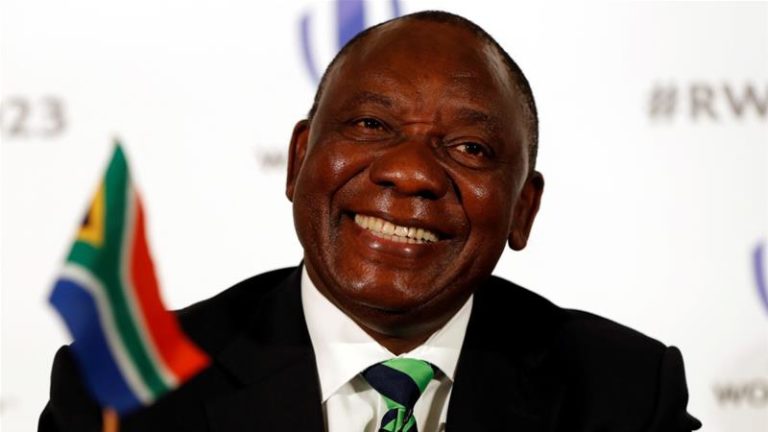
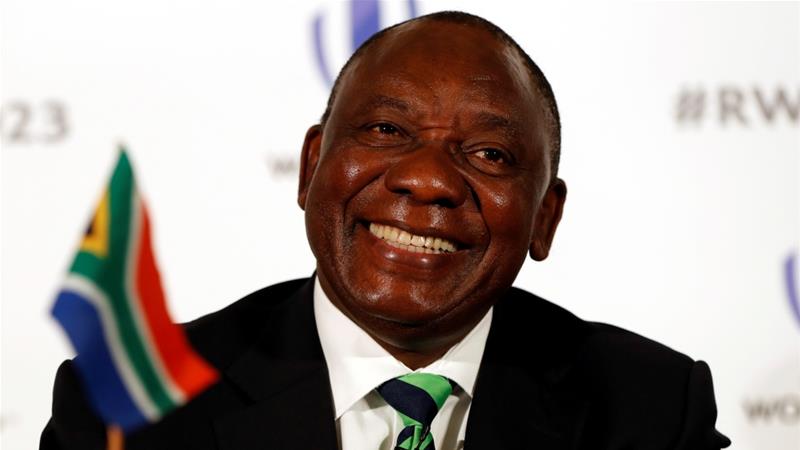
President Cyril Ramaphosa of South Africa
Jeff Radebe said in Johannesburg that the bid could unlock investment worth up to R50 billion ($3.95 billion).
Radebe said projects from the new bidding round would bring another 1,800 MW of power to the grid.
Renewable energy contracts worth 56 billion were signed in April, the first major investment deal under President Cyril Ramaphosa who has promised to kick-start economic growth.
So far, 27 mostly solar and wind projects that were stalled under former president Jacob Zuma, who favoured plans to build new nuclear plants, had been signed, adding 2,305 MW to the grid.
Radebe said that liquefied natural gas was a “very high priority” as a gas strategy would be released in July or August.
Tanzania and Mozambique have huge gas reserves that South Africa is keen to tap as it seeks to reduce reliance on coal.
Coal accounts for more than 85 per cent of the power generated in South Africa.
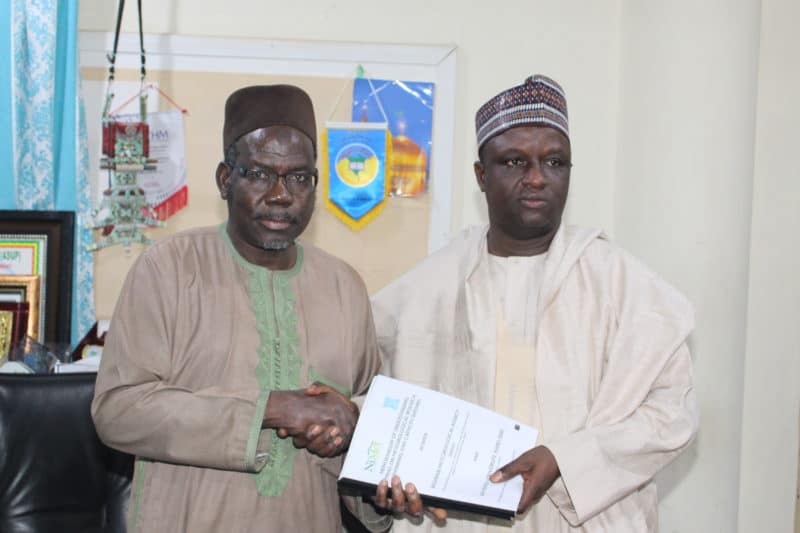
The Nigerian Meteorological Agency (NiMet) has signed a Memorandum of Understanding (MoU) with Bayero University Kano (BUK) to establish more meteorological stations in the country.
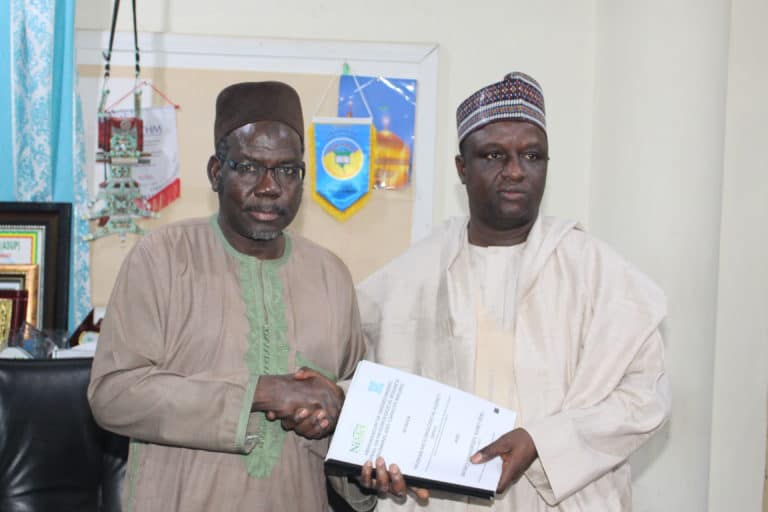
Prof. Sani Mashi, D-G, Nigerian Meteorological Agency (NiMet), and the Vice Chancellor, Bayero University, Kano, Prof. Muhammad Bello, at the signing of MoU in Kano
Prof. Sani Mashi, NiMet’s Director-General, disclosed this in a statement signed by Mr Muntari Ibrahim, General Manager, Public Relations, NiMet, on Friday, June 1, 2018 in Abuja.
Mashi said the MoU was borne out of the need for a mutually beneficial synergy between the agency and tertiary institutions in Nigeria to meet the ‘one station in every 100 kilometres’ requirement of the World Meteorological Organisation (WMO).
According to him, NiMet will continually provide weather and climate advice to sectors that require the services in order to ensure that development under any guise is sustained.
He said that the agency’s partnership with tertiary institutions in Nigeria would increase its density of meteorological stations.
“To actualise this, we need partnerships. Bayero University, Kano, is a second generation university, which informed our decision to include her among the list of 34 Universities to kick start the phase one programme of partnerships.
“With these collaborations, the negative effects associated with weather and climate would be reduced due to the efficacy of forecast issued by NiMet.
“The collaboration between the Nigerian Meteorological Agency, NiMet, and Bayero University, Kano, will also involve training of staff of the University on Instrumentation and accurate weather forecasting.
“It also includes hands-on training on observation by making effective use of the weather station installed for them at the University by NiMet,” he said.
The Vice-Chancellor of the University, Prof. Muhammad Bello, who restated his commitment to work with NiMet, promised to adhere to all the obligations prescribed in the MoU.
The News Agency of Nigeria (NAN) recalls that the agency had recently formalised the synergy with Ahmadu Bello University, Zaria, where it inaugurated a meteorological station.
The International Indian Treaty Council (IITC) and the Yaqui Tribe Traditional Authorities of Loma de Bácum, in Sonora, México on Monday, May 28, 2018, filed an Urgent Action to various UN Special Rapporteurs requesting their intervention to halt ongoing human rights violations being carried out by the government of México against that community.
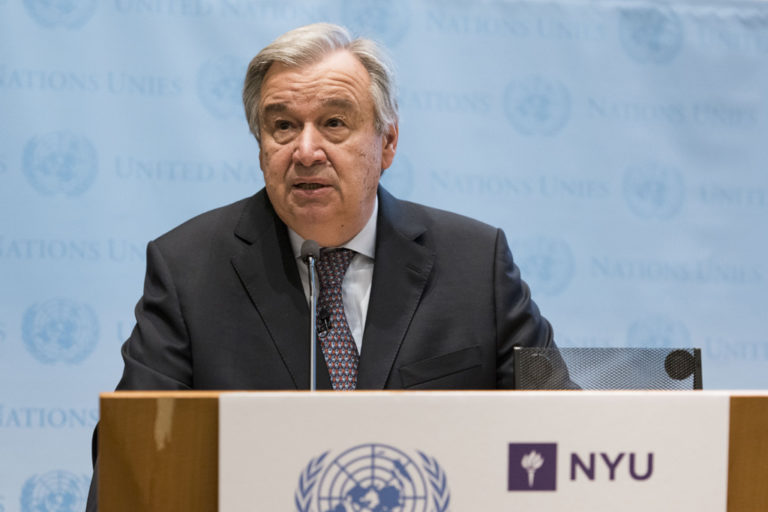
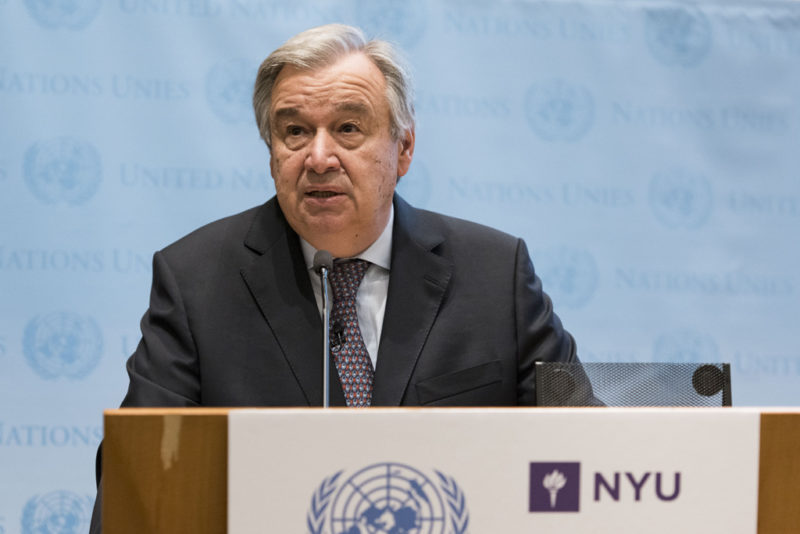
UN Secretary-General, António Guterres. Photo credit: UN /Mark Garten
Among the examples presented in the Urgent Action, the community claims they have endured armed attacks in their territories that have resulted in death, injuries, kidnapping, harassment, illegal incarceration, and intimidation, including by low-level helicopter flights over their territory, as well as death threats to Traditional Authorities, their Legal Counsels and technicians, and human rights defenders.
The community members of Pueblo de Bácum or Loma de Bácum have actively opposed the construction of the Megaproject known as “Gasoducto del Noroeste”, in its fraction/section Guaymas-El Oro, which crosses the territory of the Yaqui Nation by 90 kilometres in length and 6 kilometres in width, encompasses 54 hectares, which would then be occupied for a period of 25 to 30 years, with compensation of only $60 million pesos as payment for this term, which equates to $1,111.11 pesos by hectare (11 cents by square metre), a value that represents dispossession of territory. Additionally, there is a risk of explosion of the pipeline to the communities that are within the reach of direct and indirect effects of this gas pipeline.
The Traditional Authorities of the Heroic Pueblo of Loma de Bácum, which belong to the Yaqui Tribe, Sonora, México, appealed to the applicable federal authorities and won a demand of Protection to halt the construction of said mega-project in their territory, as per the resolution emitted by the Judge of the 7th District in the City of Obregón, Sonora, México, and in favour of the Yaqui Peoples of Loma de Bácum.
Although they have this judicial resolution, federal, state of Sonora’s and municipal authorities have violated its disposition and have continued to move towards the construction of this mega-project, and have also committed acts of aggression against the Pueblo of Loma de Bácum. Said project has been made violating the right to self-determination and without the Free, Prior and Informed Consent of the Indigenous Peoples of Loma de Bácum and the entire Nation of the Yaqui Tribe.
The Urgent Action also calls for justice for the Indigenous relatives assassinated: Cruz Buitimea Piñas and Víctor Adolfo Molina Vázquez; calls for the release of Fidencio Aldama Pérez, incarcerated unjustly; and that any investigation file against the Traditional Authorities of the Heroic Pueblo of Loma de Bácum, their technical advisors and human rights defenders that defend the sacred territory of the Yaqui Tribe be cancelled. Also, that the delinquent actions that occurred with the illegal imprisonment and disappearance of Human Rights Defenders of the Yaqui Nation, María Anabela Carlón, and Isabel Lugo Molina, be sanctioned.
The Urgent Action request was directed to the following UN Special Rapporteurs on: the rights of Indigenous Peoples, the situation of human rights defenders, extrajudicial, summary or arbitrary executions, hazardous substances and wastes, safe drinking water and sanitation, so they can exercise their mandates and call on the Government of México to put a halt to the wave of violence, repression and violation to their fundamental Human Rights that the federal, state and municipal authorities have been carrying out against the Heroic Pueblo of Loma de Bácum, hence the Yaqui Tribe.
Soil degradation results in a loss of crop production as well as an increase in production costs. As a result, there is a direct link between climate change, soil degradation and food security, especially in many African and developing countries.
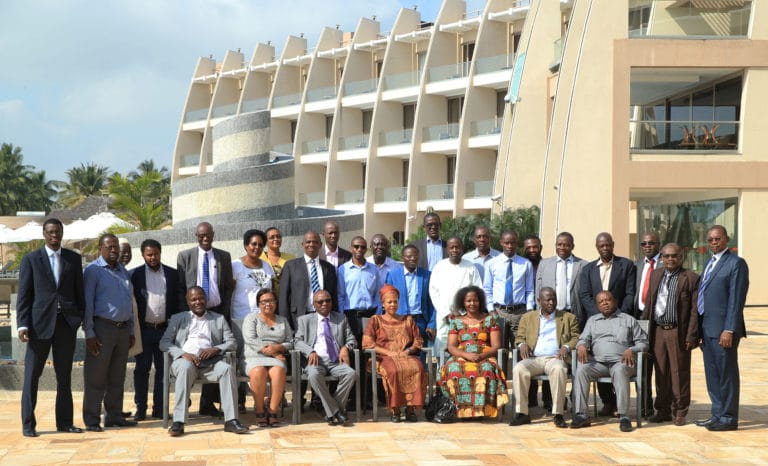
Participants at the AfriOCAT forum
Scientists strongly believe that the way forward is to invest heavily in more directed research to better understand how other elements such as water quality, forest land quality, rangeland quality, land contamination and pollution tie in with other factors such as land management, economic viability, system resilience, and social equity and acceptability to better determine what practices and technologies need to be adopted in the future.
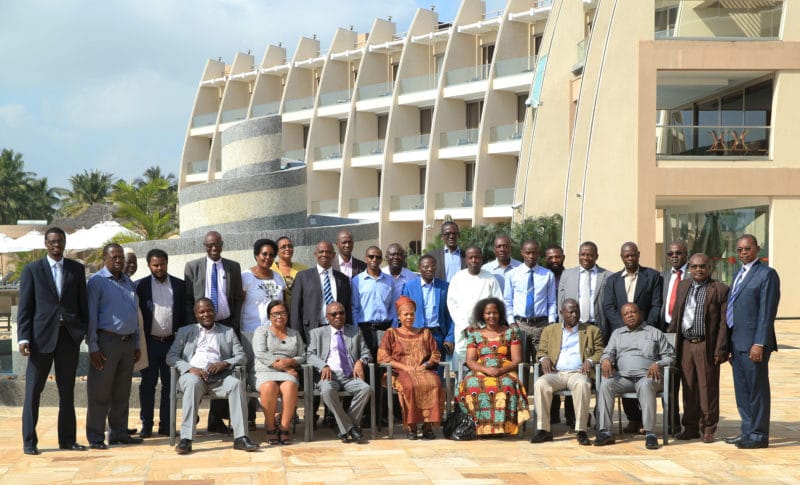
The NEPAD Agency’s TerrAfrica Partnership during the week brought together 28 African countries, strategic partners and non-governmental organisations (NGOs) to Dar Es Salaam led by Tanzania Government’s Ministry of Agriculture Food Security & Cooperatives for the operationalisation of the Africa Overview of Conservation Approaches and Technologies (AfriOCAT).
AfriOCAT is a network of organisations and individuals committed to sharing information on best practices and approaches for sustainable land and water management across the African continent. It is an affiliate of the World Overview of the Conservation Approaches & Technologies (WOCAT) and was founded primarily to raise the profile of practitioners and scientists in the drive to avert the impacts of land degradation on the lives of the rural communities within African landscapes.
“The idea of establishing AfriOCAT is to internalise World Overview of Conservation Approaches and Technologies (WOCAT) tools and processes within the African context with regard to Sustainable Land and Water Management (SLWM). It’s never meant to replace existing SLWM platforms or networks but to add value in terms of harmonising knowledge generation and sharing at country, sub-regional, regional and continental level,” said Mr. Zwide Jere, Co-Founder/Managing Director and Interim Chair of AfriOCAT.
The three-day meeting sought to improve collaboration, networking, learning and sharing of WOCAT techniques and approaches in the areas of Sustainable Land and Water Management across the African continent while increasing the productivity of natural resources of African landscapes for sustained and improved livelihoods of its inhabitants.
“The role of information and knowledge on technologies, approaches and best practices on SLWM to address the scourge of land degradation cannot be underestimated. It is critical for shifting mind-sets towards behavioural change that will result in commensurate action, not only by practitioners, but by policy makers alike,” said Rudo Makunike, TerrAfrica Partnership Project Manager at NEPAD Agency.
The pillars of sustainable land management are to maintain and enhance production, reduce the level of production risk, and enhance soil capacity to buffer against degradation processes, protect the potential of natural resources and prevent degradation of soil and water quality, ensuring economic viability and social acceptability, and overall assure access to the benefits from improved land management.
TerrAfrica is a NEPAD-led partnership present in 31 countries on the African continent that supports innovative solutions to sustain landscapes, address land and water degradation and adapt to a changing climate.
Global temperatures will very likely exceed the target of a 1.5-degree increase agreed to under the Paris climate accord, and a 3-degree rise is a more likely outcome, said Robert Nasi, Director General of the Centre for International Forestry Research (CIFOR), at the Global Landscapes Forum (GLF) event hosted by the World Bank in Washington. That means the world needs to prepare now to begin adapting to a warmer planet by investing to restore degraded forests, agricultural land and other landscapes.
Robert Nasi, Director General of the Centre for International Forestry Research (CIFOR)
“We need to stop talking and thinking and acting like we are going to hit these targets. We will not,” Nasi told the audience of about 200 at the International Finance Corp. in Washington. “We must all begin the work of adapting to a much warmer and more uncertain global climate.”
Making fundamental changes to the way business operates provides the greatest opportunities for holding back the rise of the global temperatures, Nasi said. That includes far-reaching changes to energy use, soil and forest management and involving communities in decision making.
For private capital to be effective, fund managers and businesses need to better understand the opportunities for investing in landscape restoration, said Jennifer Pryce, president and chief executive officer of Calvert Impact Capital. Collaboration among investors and learning to deploy all kinds of capital are critical, she said.
“We need to collaborate effectively and learn how to put capital to work,” Pryce told participants in Washington. “The challenge is to really capitalise on the financial infrastructure.”
In addition, the scale of investment needs to be much larger and restoration projects must become an asset class, speakers said. Technology like digital currencies and innovative management will make an important contribution, but alone will not be enough.
“If we end up with a 4-degree world, we’re going to have a four-letter outcome,” said the World Agroforestry Centre Director General Tony Simons. “It is important to get really serious about it now.”
Robert Nasi of CIFOR said: “We must now play the long game and shift the investment of public and private funds towards preparation for a 3°C-warmer world.”
Laura Tuck, Vice President, Sustainable Development, World Bank: “Natural capital is a critical element of the wealth countries have, especially developing ones. We must preserve it so that it continues to perpetually generate benefits.”
Jennifer Pryce, President and CEO, Calvert Impact Capital: “The big issue [with investing in sustainable landscapes] is how we create an asset class the traditional financial market can invest in, the way we did with renewable energies.
“To move billions we need to start collaborating effectively. To achieve this, each actor needs to understand his role in the financial supply chain.
“I think we have great potential to leverage the existing financial infrastructure we have in place and to accelerate the flow of capital enormously.”
Gustavo Fonseca, Director of Programmes, Global Environment Facility (GEF): “We studied national biodiversity and climate commitments. The top priority for all countries was restoration, with 90% of countries having restoration targets. This helped the GEF decide where to invest.
“The GLF event was supported by the GEF, which is increasingly working on food, land and restoration issues. These and other pressing environmental topics will be on the agenda of the sixth GEF Assembly in Da Nang, Vietnam, next month.”
Paola Agostini, Lead Environmental Economist, Environment and Natural Resources Global Practice, World Bank: “When I started working on the interface between forest and landscape about 20 years ago, only innovative capital like GEF was promoting the linkages between production and conservation. Later we started to have IDA, IBRD, and IFC. But today is a very special day. Having the private sector and the banking sector investing in sustainable landscapes is a revolution.”
Michael Jenkins, Founding President and CEO, Forest Trends: “We must shift away from supporting individual projects (in sustainable landscape finance) towards a much larger scale, so that we are really creating an asset class.”
Tony Simons, Director General, World Agroforestry Centre: “Opportunity costs are always in favour of land-use conversion, so we need to assess the value of ecosystems to make the investment case for landscapes.”
Chris Brett, Lead Agribusiness Specialist, World Bank: “It is key to bring externalities into the balance sheet. If there was an invoice sent by nature, business models would change much faster. The public and private sectors should work closer together to see how these invoices might look like.”
Paula Guimaraes, Head of Forest Certification and Conservation, The Navigator Company: “In Mozambique, we work to replicate the responsible forest management model we already implement in Portugal. To access the land, we must engage with customary land right holders.”
Chris Brown, Vice President Corporate Responsibility and Sustainability, Olam: “We would love to see a global carbon price, and companies that innovate on this distinguishing themselves from others.
“We want to move from implementing (sustainability) activities to measuring impact and how we are maintaining the natural capital. This would offer such a big opportunity for competitive advantage.”
Bas Ruter, Director of Sustainability and Lead on the Forest Protection and Sustainable Agriculture Fund, Rabobank: “Markets are changing. More and more large (industry) players need (sustainability) certification schemes to protect their brands.”
Vikram Widge, Global Head, Climate Finance & Policy, International Finance Corporation: “By pricing the externality and giving companies a chance to green its supply chain, we can start building an asset class for landscapes.”
Juergen Voegele, Senior Director, Food and Agriculture Global Practice, World Bank: “What matters [for restoration projects] is that there is clarity on land ownership, whether customary or not. Otherwise, there is little you can do.”
Nabil Fawaz, Sector Manager for Agribusiness, Manufacturing and Services, Multilateral Investment Guarantee Agency (MIGA) – World Bank Group: “We assist private sector investors in managing risks in countries with uncertain business climates; for example, as a result of new laws or land tenure issues.”
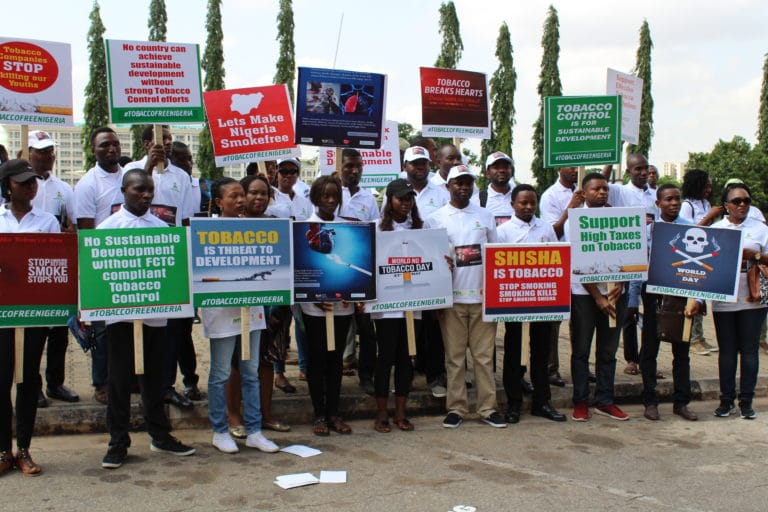
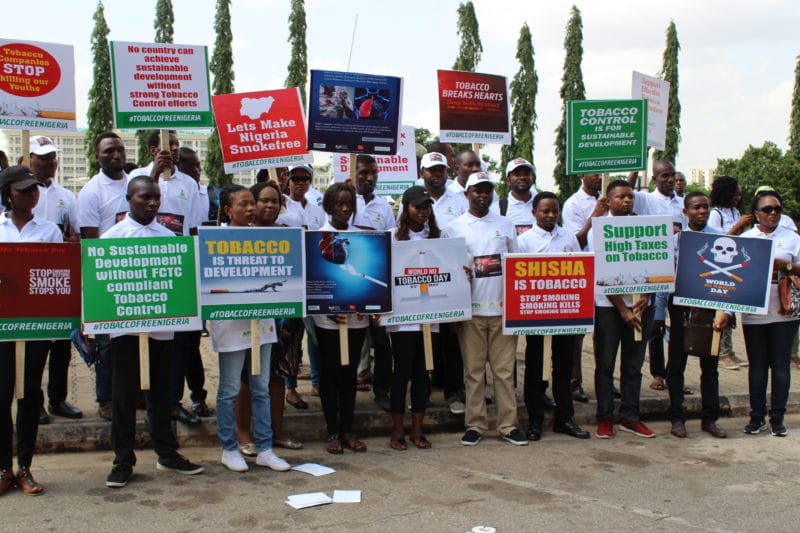
The 2018 World No Tobacco Day Commemoration went colourful in Abuja as civil society and student groups marched through the major streets of the federal capital city, demanding that government enforce the ban on smoking in public places, among a host of provisions of the National Tobacco Control Act which was signed into law in 2015.
Civil society and student groups members during the rally
Groups that participated in the march convened by the Ministry of Health and the Nigeria Tobacco Control Alliance (NTCA) include Environmental Rights Action, Cedars Foundation, Gatefield, Smoke-free Club UniAbuja and other youth groups.
Before the kick-off of the march, Dr. Malau Toma of the Ministry of Health explained that the thrust of the exercise was to sensitise the public on the dangers of tobacco and solicited their support for the NTC Act.
He also explained that the theme of the 2018 WNTD which was “Tobacco and Heart Disease” made it imperative to also make the public realise the dangers in second hand smoke, which the World Health Organisation (WHO) blamed for 600,000 deaths annually.
At the Garki ultra-modern market where the activists addressed the public in the three major languages, Akinbode Oluwafemi of the ERA/FoEN listed some of the ailments that smokers and non -smokers could become susceptible to.
Chibuike Nwanirrinaya of the NTCA also spoke in Igbo explaining that tobacco was the gateway to other substances abused by the youths such as cannabis, heroine, marijuana and in Nigeria, tramadol, among others.
At a press briefing subsequently, Hilda Ochefu of the Campaign for Tobacco Free Kids (CTFK) and Oluseun Esan of NTCA emphasised the role of government in ensuring that non-smokers are not exposed to tobacco harms.
Oluwafemi also emphasised that, to properly implement the NTC Act, the Nigerian government must establish the Tobacco Control Fund as contained in Part III of the NTC Act and commence the enforcement of the nine provisions of the Act announced by Minister of Health, Prof. Isaac Adewole in 2017. The provisions announced by the minister include ban on smoking in public places, restriction on underage access and ban of sale in single sticks, among others.
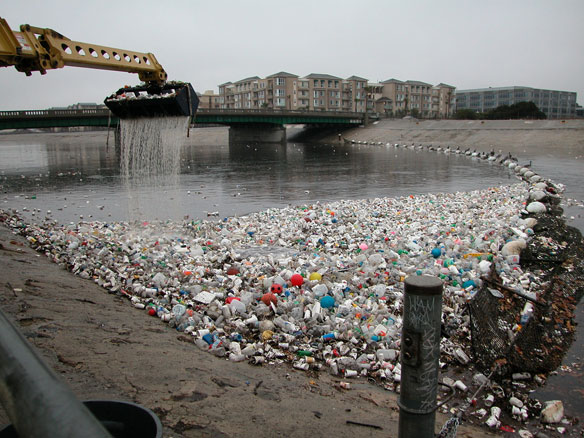
The Global Environmental Facility (GEF) on Thursday, May 31, 2018 urged the government, civil society organisations (CSOs) and relevant agencies in the environment sector to start aggressive campaigns against plastic pollution in the country.
Plastic pollution
Mrs Ibironke Olubamise, the National Coordinator of GEF Small Grant Programme (GEF-SGP), gave the advice in an interview with News Agency of Nigeria (NAN) in Abuja.
NAN reports that the 2018 World Environment Day, which has “Beat Plastic pollution’’ as its theme, will be celebrated on June 5.
Olubamise said that existing plans to tackle plastic pollution would be successful if aggressive awareness creation campaigns were executed.
“The fact remains that the use of plastics has brought much ease to our lives and living but ignorantly with much untold health consequences.
“Only if people are aware of the danger of plastic to humans and the environment will there be any willingness to do something about it.
“Due to the need for concerted efforts, the government, the CSOs and other relevant agencies ought to work together to address plastic pollution, which is one of the most important environmental challenges facing us these days,’’ she said.
She said that GEF-SGP, which is being implemented by the United Nations Development Programme (UNDP) in Nigeria, focuses its attention on the campaign, while supporting pollution-related projects with over $150,000 to support efforts to address pollution, including plastic pollution.
Launched in 2009, GEF-SGP supports non-governmental and community-based organisations in Nigeria in efforts to protect the environment, while generating sustainable livelihoods for poor and marginalised people in developing countries.
GEF-SGP is implemented by UNDP on behalf of GEF and executed by the United Nations Office for Project Services (UNOPS).
With its presence in over 25 states, GEF-SGP has executed more than 110 community-based projects, while supporting projects that would maintain equilibrium between human needs and environmental conditions.
The Youth Action on Tobacco Control and Health (YATCH) says tobacco smoking has been linked to 15 different kinds of known cancers.
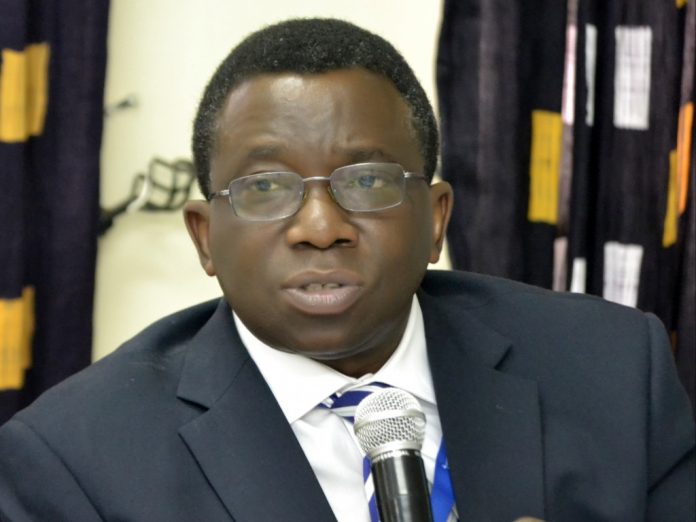
Minister of Health, Isaac Adewole
Mr Seye Omiyefa, the Executive Director of YATCH, made the disclosure on Thursday, May 31 at an awareness campaign and walk to mark the 2018 World No Tobacco Day.
This year’s campaign focuses on the important link between tobacco and heart disease with the theme: “Tobacco Breaks Heart: Choose Health Not Tobacco.’’
Omiyefa said: “Tobacco use has been linked to over seven million deaths worldwide and causes a lot of deaths related to non-communicable diseases including cancers, cardiovascular diseases and stroke every year.
“Today’s marking of the World No Tobacco Day is to inform the public about the dangers of tobacco use, the abusive practices of tobacco corporations and what people can do to claim their right to health and healthy living and to protect future generations.”
According to him, there is low level of awareness on the risks that tobacco smoking constitute to the human heart.
He called on the Federal Government to expedite actions that would ensure the immediate implementation of the National Tobacco Control Act.
“More than 19,000 people die from tobacco use or second hand smoke exposure every day.
“Unfortunately, most tobacco-related deaths occur in low and middle income countries where the population is target of intensive tobacco industry marketing.
“The tobacco industry continues to aggressively promote the use of tobacco products and to conceal the dangers of tobacco use; but, we are fighting back to help prevent this ongoing devastation,” he said.
“It is shocking that with just a puff of cigarette, a smoker breathes more than 4,000 chemicals including arsenic which is used in rat poison and formaldehyde used to embark dead bodies.
“Other harmful substances found in tobacco include hydrogen cyanide used as a poison gas, ammonia used in household cleaning and phenol used in disinfectants.
“These are just a few among others and most are cancerous,” he said.
Omiyefa said that every year, Nigeria loses all cadres of manpower and all categories of statesmen to tobacco-related deaths.
“Nigeria is at risk of losing its workforce if steps are not taken to sign the Global Tobacco Control Treaty into law.
“We are also calling on government to raise taxes on tobacco products to make them less affordable.
“Cigarette is so cheap in the country, you even see minors buying it.
“To feed their insatiable hunger for profit, tobacco making companies are preying on young people in the country and they seek to lure them to a lifetime of addiction to their toxic products.
“Good business for them translates to a colossal and ever growing global public health disaster that our government must urgently act to contain,” Omiyefa said.
NAN reports that the walk started from the University of Ibadan and terminated at Ojoo.
The campaigners carried placards bearing inscriptions including “The Effects of Tobacco not only Affects you, It takes a Turn on your Friends, Family and Life” and “Smoking Affects Every Part of the Body.”