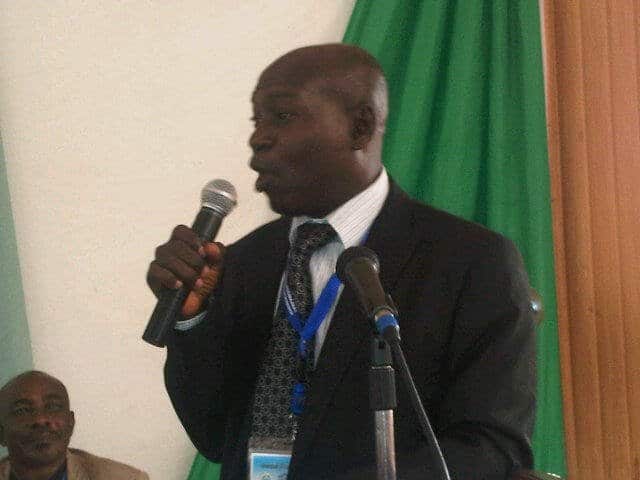
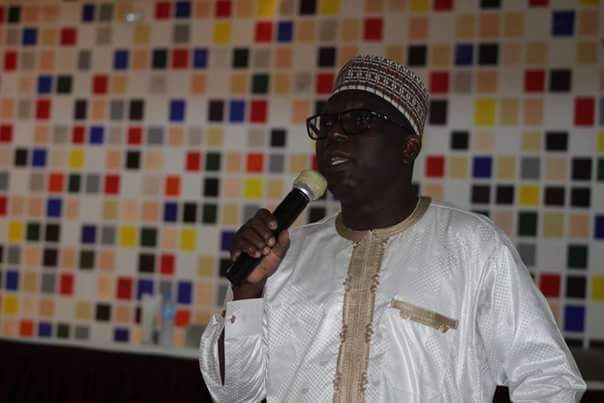
It was an admixture of tears and tributes as Dr Ifedayo Daramola, a journalism teacher, was laid to rest on Saturday, June 2, 2018 at his Ajipowo community in Akure, Ondo State.
Dr Ifedayo Daramola
Daramola, until his death, was the acting Head of Mass Communication Department, Adekunle Ajasin University, Akungba (AAUA), Ondo State.
At a well-attended lying in state and funeral service held in Ajipowo, family members, colleagues and well-wishers paid him their last respects.
Daramola published several books which are now being used in Mass Communication and Journalism Departments in several Nigerian institutions.
Daramola died on May 19 during a brief illness at age 60 and is survived by a wife and three children.
In his sermon, Assembly Pastor of St. Williams Christ Apostolic Church, Pastor Moses Adeoye, urged Nigerians to live an exemplary life and touch the lives of others.
“Above all, be of good character, desist from evil ways as we will all end up in the grave where termites will consume us,” he said.
Adeoye described the deceased as a man who had deep passion for education and had helped many to achieve their academic pursuits.
His colleague, Prof. Akinsola Agofi, who described the deceased as a hardworking, pleasant and loving scholar, said he had impacted greatly on his generation.
One of his students, who identified herself as Ronke Adetola, said the deceased was a jovial lecturer who made classes interesting with comic relief.
“He is one of the lecturers who had a large heart and made classes interesting through his jovial means of teaching.
“He built academic excellence in us, ” she said.
The deceased began his career as newscaster at Radio Lagos in 1983 and later joined Punch newspapers as a sub-editor.
He was also a lecturer at the Nigeria Institute of Journalism, Lagos, Lagos State Polytechnic and AAUA.
Until his death, Daramola had a Ph.D in Mass Communication from Babcock University as well as BSC and MSc in Mass communication from the University of Lagos.
The insurance industry, a sector with assets worth around $15 trillion, needs to urgently step up its low-carbon investments and prepare its portfolios for climate-related financial risks, according to an Asset Owners Disclosure Project report.
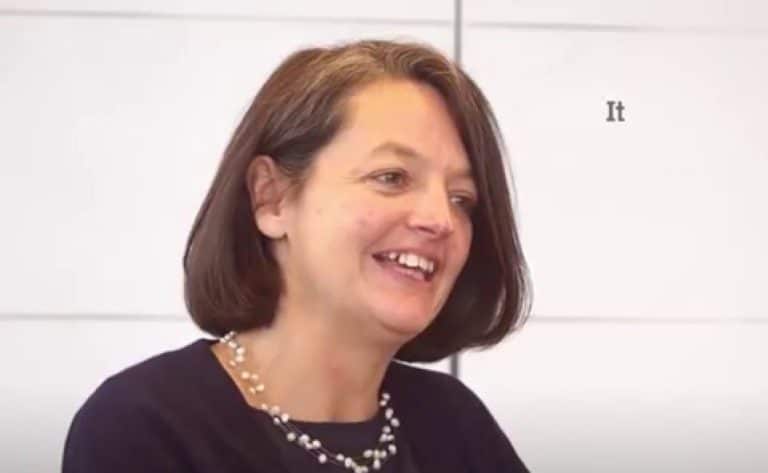
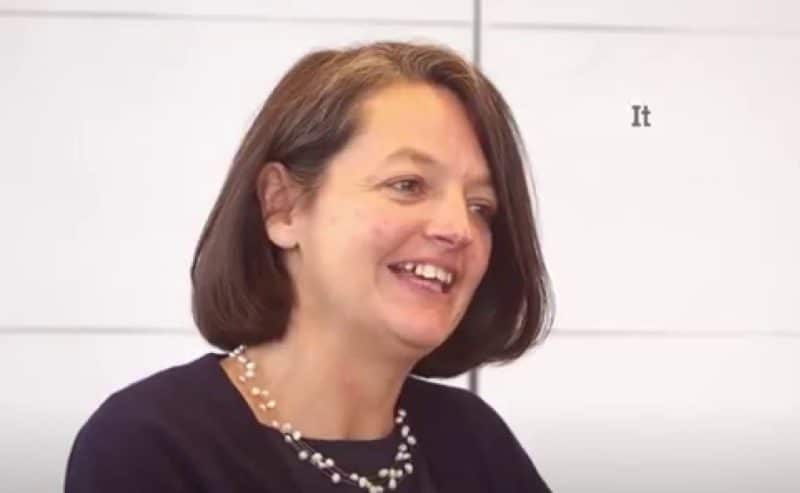
Zelda Bentham, Group Head of Sustainability, Aviva
Nine out of 10 investment strategies in the insurance industry are still not aligned with the central goals of the Paris Climate Change Agreement, which is to limit the global average temperature rise to less than 2 degrees Celsisus in order to avoid the worst impacts of human-induced climate change.
Such impacts, which include severe droughts, storms and flooding, are already costing the insurance industry billions in damages.
“It is clear from the report that there is much more to do. Increased action on addressing climate risk is needed throughout the insurance sector value chain, on both the asset and liability side, if we are to continue in our role as society’s risk manager,” said Zelda Bentham, Group Head of Sustainability at Aviva.
Two years ago, the then UN Secretary General Ban Ki-moon urged the insurance industry to address climate risks by doubling sustainable energy investments, decarbonising existing portfolios and supporting the Sustainable Development Goals.
AODP’s analysis found that the majority of assessed insurers still have to push further in order to meet these challenges.
The Asset Owners Disclosure Project analyzed 80 of the world’s largest insurers’ disclosures based on industry (TCFD) recommendations covering: climate strategy, climate risk management, and targets. Insurers are rated AAA if they showed climate leadership, D if their approach is limited and an X if they still haven’t addressed climate issues.
Results show that the UK takes two of the top four spots in the climate leaders category. The top-rated insurance firms are AXA followed by Aviva, who received a AAA rating, and Allianz and Legal & General, who were awarded AA.
Katharina Latif, Head of Corporate Responsibility at Allianz, said, “Climate action is a strategic priority for us and we, therefore, engage investee companies as well as international policy-makers to walk the talk. Our recent climate action announcements are another proof point for Allianz’s leadership position in AODP’s ranking. We hope the report helps more peers develop ambitious climate strategies.”
Japanese insurers have improved their ratings since 2017, driven by their transparency on climate-related risks. Over a third of assessed Japanese insurers have jumped to a higher rating band, with Tokio Marine joining the leaderboard as the only non-European insurer.
In Europe, an active debate around climate disclosures as well as pressure from civil society helps to explain why European insurers continue to dominate the 2018 leaderboard. Mark Carney, the Governor of the Bank of England singled out the industry as fundamental to economic and social stability in the face of climate change.
With one third of European insurers and considerably fewer American and Asian insurers reporting publicly on low carbon investments, there is much to be done before the insurance sector can be aligned with Paris Agreement objectives. Christiana Figueres, a former Executive Secretary of the UN Climate Change, issued a challenge to institutional investors to allocate one per cent of their total assets into clean technologies and renewable energy by 2020.
Sue Reid, Vice-President for Climate & Energy at Ceres, says: “If major US insurers continue to lag behind their global peers on addressing climate-related risks, they will be unable to deliver on their promise of providing a crucial safety net for their customers. This report provides a compelling wake-up call: to build resilience, insurers in the US and around the world must integrate climate risk considerations into their products and investments alike, without further delay.”
Insurers are some of the world’s largest institutional investors; their actions affect a multitude of communities and economies. Top insurers, such as the ones indicated in AODP’s leader category, have the unique opportunity to lead the insurance sector in aligning business activities with the globally agreed 1.5 degree goal.
Environmental groups on Friday, June 1, 2018 warned that Cameroon could face worsening urban flooding and droughts due to the cutting of thousands of hectares of forest to build stadiums,
hotels, roads and housing to host the 2019 Africa Cup of Nations.
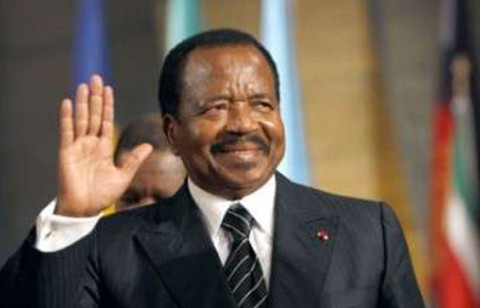
Cameroon’s President, Paul Biya
Environment experts criticised the decision to build on forested areas, saying urban trees must be protected if the country is to avoid worsening impacts of climate change, including flooding and droughts.
“Forests are very important in regulating city climate, thus their loss or degradation is a major source of emissions of carbon dioxide, which contributes to climate change and is a big threat to the livelihood of the population,” said Samuel Nguifo, executive director of the Centre for Environment and Development, a Yaounde-based environmental non-profit.
He said forests act as “air conditioners” for cities, cooling residents suffering increasingly hot weather.
Cameroon has in recent years seen large areas of forest cut for mining projects, new ports, hydroelectric dams and other projects under the country’s Vision 2035 project.
That economic development plan aims to slash widespread unemployment and cut Cameroon’s poverty rate from 40 percent in 2007 to less than 20 percent by 2035.
Between 2001 and 2016, Cameroon lost nearly 900,000 hectares of trees – a 2.8 percent reduction in the country’s forests, according to 2017 data from Global Forest Watch, a forest monitoring initiative.
More than half of all the tree losses were in the Centre, South, East and Littoral regions where most new investment projects are concentrated, the data showed.
Adding football infrastructure has now made the pressure on Cameroon’s existing “deforestation hotspots” worse, forest experts said.
“These new sports infrastructure projects will only increase the susceptibility of these cities to the effects of climate change,” said Julius Tieguhong, a forest researcher with the African Forest Forum.
Tieguhong said the cities of Douala, Yaounde and Limbe have in recent years faced worsening water shortages, floods and rising temperatures – all problems likely to become worse as forest is cut.
In 2017, some roads and buildings in Cameroon’s economic hub, Douala, were submerged following days of heavy rains, while in Yaounde the sight of women and children trekking across the city to fetch scarce drinking water has become increasingly common.
In Yaounde, the capital, about 34 hectares of trees were cut to build the new Olembe stadium, about 13 km from the centre of the city.
In Limbe, 30 hectares of forests were removed to create space for a stadium and a sport training facility.
Much more land has been cleared to build other facilities related to the 2019 competition, including roads, hotels and large new tracts of housing, environmentalists say.
Cameroon’s government, however, is hopeful that teaming up with city authorities to plant more urban trees can offset some of the damage.
Cameroon’s legendary World Cup soccer player Roger Milla, a sports ambassador for the country, said forested areas had to give way to improve the country’s sporting facilities, noting that “to make omelets one has to break eggs”.
“Cameroon is a lead football nation in Africa but paradoxically without modern sports infrastructure. We have been waiting for this for a long time,” said Milla, whose foundation Coeur d’Afrique has taken part in tree planting efforts in Yaounde since 2016.
“Cameroon’s ability to host the 2019 Africa football Cup of Nations depends on the availability of adapted modern infrastructure,” said Oumarou Tado, secretary general of Cameroon’s Ministry of Sports and Physical Education.
“It is regrettable that many of these new projects have led to vast deforestation – but we had to meet the strict (guidelines) of the African football confederation,” he told the Thomson Reuters Foundation.
Trust and credibility survey among the Nigerians in the mainstream institutions of government, business, media and non-governmental organisations has revealed that 72 per cent of Nigerians rank trust in an organisation as number one consideration above other factors when buying a product or relating with an organisation.
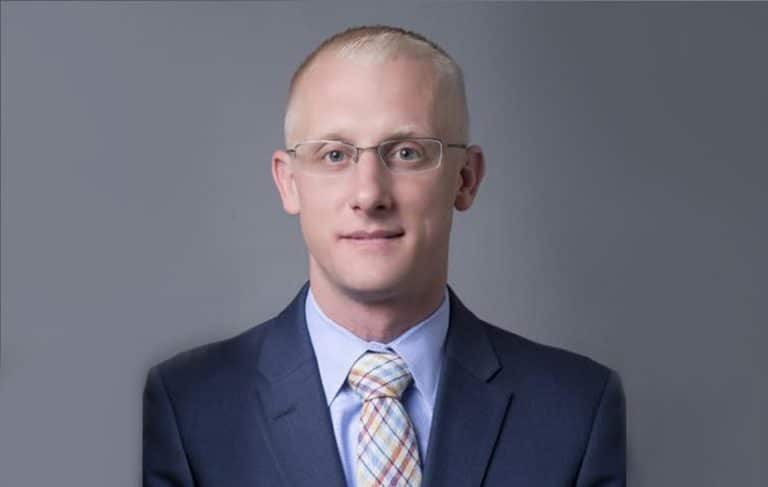
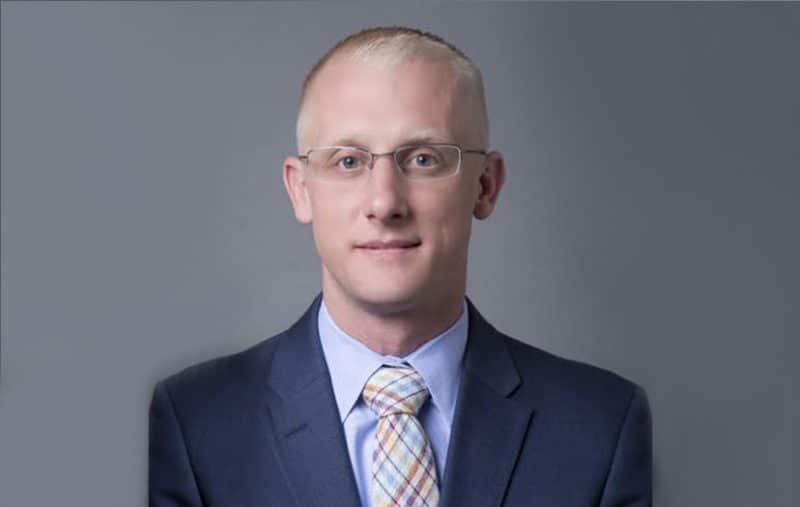
Jordan Rittenberry
In the first ever 2018 Edelman Trust Barometer Report unveiled in Lagos, Nigeria on Thursday, May 31, 2018 at Eko Hotel & Suites, Victoria Island, Lagos, Nigerians sampled in the survey said although a good reputation may get them to try a product, but unless they trust the company behind the product, they will soon stop buying it regardless of its reputation.
“Eighty-seven per cent of the respondents say companies that only think about themselves and their profits are bound to fail,” the report indicated, noting that respondents’ expectation is that businesses should be the driver of economic prosperity rather than mining profits to themselves only.
“Fifty-seven per cent agree that driving the economic prosperity of our country is one of the most important things businesses should do,” it affirmed.
The presentation of the 2018 Edelman Trust Barometer in Nigeria by Edelman was organised by Chain Reactions Nigeria, Edelman’s Exclusive Nigerian Affiliate and the Preferred West African Partner, with the theme: “The Battle for Truth.”
Speaking at the presentation of the global data from the report, Managing Director, Edelman South Africa, Jordan Rittenberry, expressed concern that the overall global assessment of the four mainstream institutions showed declines in trust about business and non-governmental organisations in 14 of the 28 countries sampled, and therefore called on key decision makers in the respective organisations to be deliberate in building their trust asset through increased investment.
Rittenberry said: “Over time trends have shown there is low trust in business and non-governmental organisations, so it is important that people in these institutions pay more attention to how the citizens trust them.”
Rittenberry added that “media is now least trusted institution” as a result of the menace of fake news which he noted has moved from being just a phenomenon to a key factor in shaping perception.
“People define media as both content and platforms, so nearly seven in 10 worry about false information or fake news being used as a weapon,” he declared.
The Managing Director/Chief Strategist, Chain Reactions Nigeria, Israel Jaiye Opayemi, in a welcome speech enthused that the inclusion of Nigeria in the annual survey for the first in the 18-year-old history of Edelman Trust Barometer was in fulfilment of the company’s promise last year to ensure Nigeria was in focus among the comity of nations of reckon annually sampled by Edelman.
Opayemi said: “Trust sits at the heart of social capital. For those who were here last year, we made a promise that Nigeria would be included in the 2018 deck of the Edelman Trust Barometer. I am happy to announce that we are here today to fulfil that promise.”
Speaking on the Nigerian data from the survey, which showed that government was the least trusted of the four institutions of the Nigerian society, Opayemi counselled against a quick condemnation of government by stakeholders.
He cautioned that rather than condemnation, government requires help from communications professionals to help redesign the architecture of government communications in Nigeria.
He likened the current situation in most government communications departments to a hospital that is manned by a pharmacist where people with cardiac conditions go to for help simply because the pharmacist is a product of a medical school.
He said: “A pharmacist and a doctor who specialises in cardiology may have passed through the same medical school, but their specialties are different. In human resources practice, the rule is, the job description dictates the hire. Let us therefore help those in government articulate the job descriptions, skill sets and requirements for the office of strategic communications in all government houses at the federal and state levels.
Such offices must be presided over by professionals in strategic communications who will work with Journalists, Policy Analysts, Digital Analysts, and Infographics Specialists amongst others. That office is not just about putting the penchant to put the President and the Governors in the news; it is about asymmetric communications. The structure being used to run government communications in most government houses is not only dysfunctional but also outdated.”
Opayemi therefore advocated engagement of communications professionals by key occupiers of government positions like the president and governors in order to overcome the challenges around trust and credibility assets of government.
Interestingly, the report showed the media and non-governmental organisations in Nigeria as trustworthy with 78 per cent of Nigerians saying they still trust the media despite the rise of fake news, while 81 per cent affirmed their trust in NGOs.
The trust score for business is 62 per cent, while government has 60 per cent.
Opayemi while expatiating on these indices said trust in NGOs was indicative of the fact that people acknowledge social interventions and humanitarian services rendered by non-governmental organisations in Nigeria, especially during some of the major disasters the country has witnessed rendering thousands homeless.
He however cautioned that businesses and governments are already sitting in what he called “the cusp of the neutral zone” and so must urgently improve on their trust asset so they do not slide into what he called “negative zone”.
He said: “From what we have seen in the survey, Nigerians place a high premium on trust. It is therefore important for the business leaders to ensure that the company is trusted; that it communicates regularly with clients and customers, and their products and services are of high quality. They must also communicate regularly with employees and the CEOs must champion the effort.”
The Special Guest of Honour and Deputy Governor of Lagos State, Dr. Idiat Adebule, in her remarks commended Chain Reactions Nigeria for doing the country proud by ensuring the inclusion of Nigeria on the list of the countries surveyed by Edelman, and expressed confidence that the insights from the report would go a long way in better understanding how trust can be leveraged as an asset to improve relations between the government and the governed as well as service delivery from the government to the people.
Represented by the Director-General, Office of Education Quality Assurance, Lagos State Ministry of Education, Ronke Shoyobo, the deputy governor said: “No doubt, this year’s report and the debate of its implications by eminent representatives of the Nigerian government, the business community, the media and non-governmental organisations here today will strengthen the fabric of healthy relations and communications in our nation, particularly government intervention policies and programmes.”
The President, Public Relations Consultants’ Association of Nigeria, John Ehiguese, and President, Africa Public Relations Association, Yomi Badejo-Okusanya, in their goodwill messages affirmed that trust is everything in today’s world and organisations must do everything possible to build trust and credibility and maintain same in order to remain attractive to their stakeholders.
They also decried the growing menace of fake news and post-truth as a threat to building trust and positive reputation and urged organisations to seek the services of competent communications professionals to navigate the curve.
The highpoint of the event was the panel discussion on the report and its implications for Nigeria by a panel comprising seasoned business executives, media practitioners, government officials and civil society activists.
Moderated by Data Analyst, Channels Television, Babajide Ogunsanwo, members of the panel included Lagos State Commissioner for Information and Strategy, Kehinde Bamigbetan; Shoyobo; respected Financial and Investment Analyst and CEO of Financial Derivatives, Bismarck Rewane; Lead Consultant/CEO of Thistle Praxis, Ini Abimbola; and Executive Head of Marketing and Communications, Stanbic IBTC Bank Plc, Nkiru Olumide-Ojo.
Others were seasoned journalist and Editor of BusinessDay newspaper, Anthony Osae-Brown; President, Guild of Corporate Online Publishers, Dotun Oladipo; Executive Chairman, Centre for Anti-Corruption and Open Leadership, Comrade Debo Adeniran; and Public Affairs commentator, Comrade Nelson Ekujumi.
Dignitaries at the presentation ceremony cut across the four mainstream institutions of the Nigerian society such as government, business, media and non-governmental organisations as well as the Nigerian marketing communications sector.
They included Lagos State Commissioner for Energy and Mineral Resources, Wale Oluwo, represented by a Director in the Ministry, Adebayo Ajisebutu; Vice President, Centre for Value and Leadership, Adegbenro Rasheed; Chairman, Nigerian Institute of Public Relations, Lagos State Chapter, Olusegun McMedal; Chairman/CEO, C&F Porter Novelli and past president of PRCAN, Nn’emeka Maduegbuna; CEO, Blueflower Communications, Chido Nwakanma; CEO, SY &T Communications, Simon Tumba; CEO, TruContact, Dr. Ken Egbas; Chief Operating Officer, Soulcomms Publicis, Moji Saka; Chief Operating Officer, BlackHouse Media, Moruff Adenekan; and Lead Consultant, StepCraft, Eniola Mayowa.
Edelman Trust Barometer is the annual global trust and credibility survey conducted by Edelman Intelligence, the independent research arm of the Edelman – the world’s largest PR firm with presence in 65 countries across the globe.
The survey consists of 25-minute online interviews whereby respondents are asked questions on how much they trust the four mainstream institutions of society like government, business, media and non-governmental organisations to do what is right.
Since 2001, Edelman has been measuring trust in the four critical institutions in 27 countries, but this year is the first time Nigeria has been included in the survey.
The inclusion of an exclusive deck on Nigeria by Edelman Intelligence is on the heels of the significant impressions recorded last year when Chain Reactions hosted the presentation of the 17th edition of the annual global survey in Lagos, the first time ever in the history of Nigeria and since the survey was established in 2001.
The Vatican will host executives of the world’s top oil companies for a conference on June 8 and June 9, 2018 on climate change and the transition away from fossil fuels, a Vatican source said on Friday, June 1.
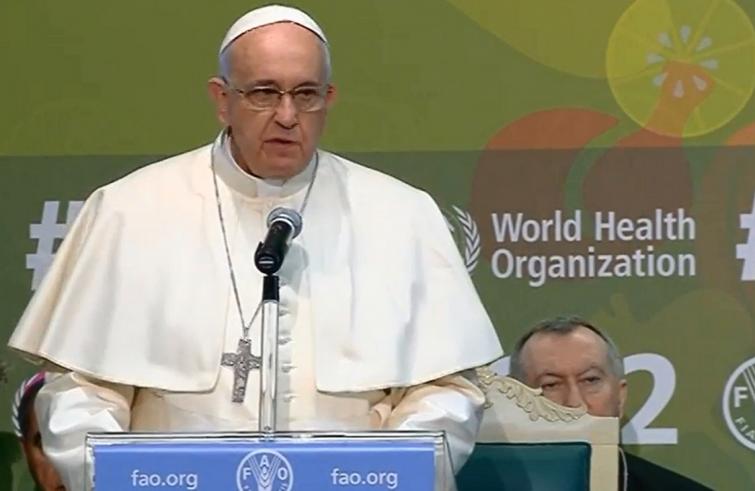
Pope Francis
Pope Francis, who wrote a major document on protection of the environment from global warming in 2015, is expected to address the group during the conference.
The source said the conference, organised by Notre Dame University in the United States, is expected to be attended by the heads or senior executives of companies including ExxonMobil, Eni, BP, Royal Dutch Shell and Pemex.
The oil and gas industry has come under increasing pressure from investors and activists to play a bigger role in reducing the emissions of greenhouse gasses in order to meet goals set out in a 2015 climate agreement signed in Paris.
Companies are betting on increased demand for gas, the least polluting fossil fuel and to a lesser extent on renewable power such as wind and solar to meet global targets of net zero emissions by the end of the century.
The conference, titled “Energy Transition and Care for Our Common Home”, will be held in the Pontifical Academy of Sciences, a 16th century villa in the Vatican gardens known as the Casina Pio IV.
In the 2015 encyclical, called “Laudato Si (Praise Be), On the Care of Our Common Home”, Francis, the first pope from a developing nation, advocated a change of lifestyle in rich countries steeped in a “throwaway” consumer culture and an end to an “obstructionist attitudes” that sometimes put profit before the common good.
In several passages in the six-chapter encyclical, Francis confronted head on both climate change doubters and those who say it is not man-made.
He said there was a “very solid scientific consensus” that the planet was warming and that people had to “combat this warming or at least the human causes which produce or aggravate it” because greenhouse gases were “released mainly as a result of human activity.”
Francis called for policies to drastically reduce polluting gases, saying technology based on fossil fuels “needs to be progressively replaced without delay” and sources of renewable energy developed.
One of the key architects of the pope’s encyclical, Cardinal Peter Turkson, head of the Vatican’s department on promoting human development and a firm backer of the need to stem global warming, will address the group, the source said.
In 2017, Francis, who strongly supported the Paris agreement on climate change, implicitly criticized the United States for pulling out of the accord.
The chancellor of the academy where the conference will be held, Bishop Marcelo Sanchez Sorondo, called the U.S. withdrawal a “huge slap in the face” for the Vatican.
The National Space Research and Development Agency (NASRDA) said it had concluded discussion with Landmark University, Omu-Aran in Kwara State, for the successful launch of a second nanosatellite, code-named EDUSAT-2.
A nanosatellite
Mr Felix Ale, the Head of Media and Corporate Communications of the agency, disclosed this in a statement on Friday, June 1, 2018 in Abuja.
Prof. Seidu Mohammed, the Director-General of the Space Agency, made this remark when the management team of the university visited NASDRA’s headquarters in Abuja.
Mohammed said that the collaboration was being pursued as a result of the genuine interest and commitment of the management of the university to existing memorandum of understanding between the agency and the university.
According to him, the proposed project is in fulfilment of its mandate which includes development of satellites, provision of necessary technology and information for universities to develop capabilities in satellite technology.
He said that the nanosatellite would lay emphasis on agricultural development.
He said the satellite would have an infrared camera feature to detect diseased crops to monitor large agricultural areas to understand crop characteristics and for other agricultural purposes.
He also reaffirmed the commitment of the agency to consolidate on the government’s economic growth plan through the development of satellite technology.
The D-G, however, called on experts from both institutions to bring on their expertise toward the effective implementation of the project.
Prof. Adeniyi Olayanju, the Vice Chancellor of Landmark University said the launch of the satellite would be a major breakthrough for research and educational development in the country.
“Landmark University is agriculture based and indeed very desirous to develop technologies that will improve the sector in Nigeria.’’
“Agricultural technology cannot be achieved without developing engineering that can promote mechanised and automated technology for it,” he said.
The VC said using facilities in the space agency would aid the development of agricultural technology.
The News Agency of Nigeria (NAN) reports that the agency’s first nanosatellite was launched in May 2017.
Nigeria Erosion and Watershed Management Project (NEWMAP) has donated working tools to the Gombe State Emergency Management Agency (SEMA) to control flood in the state.
Salisu Dahiru, National Project Coordinator of NEWMAP
Mr Bala-Dozen Nayaya, NEWMAP State Project Management Coordinator, made the presentation of the working tools to SEMA officials on Friday, June 1, 2018 in Gombe, the state capital.
Nayaya said the aim of the donation was to strengthen the capacity of SEMA to respond rapidly and effectively to disaster situations whenever they occur and to control flood in the state.
“Our decision to embark on this was necessitated by the need to support SEMA to strengthen its capacity to improving their service daily.
“As the agency responsible for providing immediate relief to disaster victims, it is our firm conviction that these tools will enable SEMA respond rapidly and effectively to disaster situations like flood,” he said.
NAN reports that NEWMAP presented 10 stretchers, 30 rubber hand gloves, one carton of face masks, one carton of dispensable hand gloves, 50 pieces of crash helmet and 50 rain boots.
Others include 45 body bags, 50 first aid kits, 50 wheel barrows, 50 shovels, 50 SEMA T/shirts and 50 rain coats.
Mrs Sa’adatu Mustapha, Commissioner for Environment and Forest Resources in Gombe State, commended NEWMAP for the donation of the tools to SEMA.
She said that it would enhance the capacity of SEMA to render humanitarian service to the people of Gombe State.
While receiving the tools, Mr Mohammed Garba, Head of Resettlement, SEMA, assured NEWMAP that the tools would be judiciously utilised to mitigate the impact of flood on the people and the environment
He appealed to the government to fight desertification in its entire ramification, adding that desertification was another insurgency that needs urgent attention.
NAN recalls that SEMA confirmed the death of an Imam and four others, with over 20 houses destroyed from the flash flood that occurred following heavy rains in Gombe on Monday, May 28.
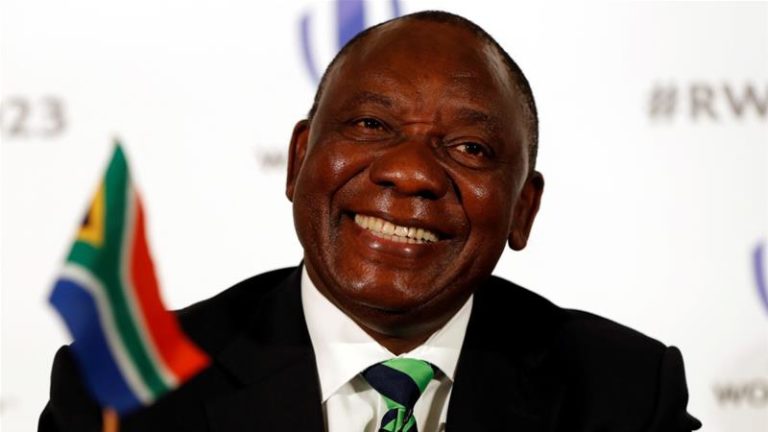
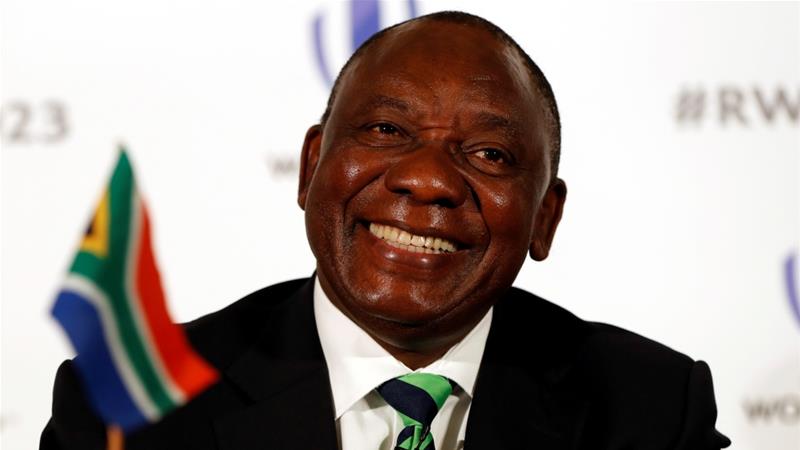
South Africa’s next round of bids for renewable energy agreements with independent power producers would begin in November, the energy minister said on Friday, June 1, 2018.
President Cyril Ramaphosa of South Africa
Jeff Radebe said in Johannesburg that the bid could unlock investment worth up to R50 billion ($3.95 billion).
Radebe said projects from the new bidding round would bring another 1,800 MW of power to the grid.
Renewable energy contracts worth 56 billion were signed in April, the first major investment deal under President Cyril Ramaphosa who has promised to kick-start economic growth.
So far, 27 mostly solar and wind projects that were stalled under former president Jacob Zuma, who favoured plans to build new nuclear plants, had been signed, adding 2,305 MW to the grid.
Radebe said that liquefied natural gas was a “very high priority” as a gas strategy would be released in July or August.
Tanzania and Mozambique have huge gas reserves that South Africa is keen to tap as it seeks to reduce reliance on coal.
Coal accounts for more than 85 per cent of the power generated in South Africa.
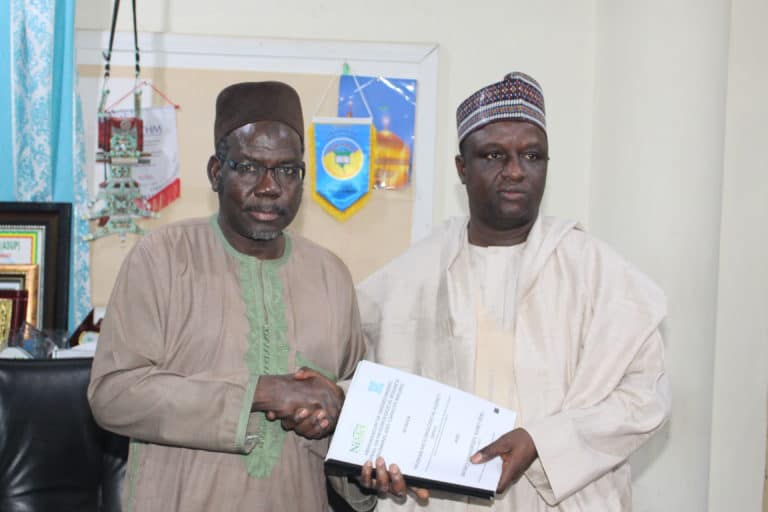
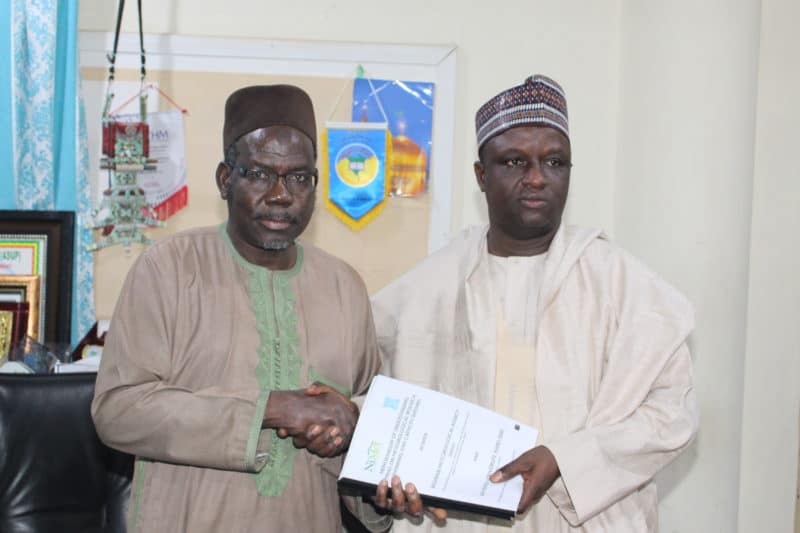
The Nigerian Meteorological Agency (NiMet) has signed a Memorandum of Understanding (MoU) with Bayero University Kano (BUK) to establish more meteorological stations in the country.
Prof. Sani Mashi, D-G, Nigerian Meteorological Agency (NiMet), and the Vice Chancellor, Bayero University, Kano, Prof. Muhammad Bello, at the signing of MoU in Kano
Prof. Sani Mashi, NiMet’s Director-General, disclosed this in a statement signed by Mr Muntari Ibrahim, General Manager, Public Relations, NiMet, on Friday, June 1, 2018 in Abuja.
Mashi said the MoU was borne out of the need for a mutually beneficial synergy between the agency and tertiary institutions in Nigeria to meet the ‘one station in every 100 kilometres’ requirement of the World Meteorological Organisation (WMO).
According to him, NiMet will continually provide weather and climate advice to sectors that require the services in order to ensure that development under any guise is sustained.
He said that the agency’s partnership with tertiary institutions in Nigeria would increase its density of meteorological stations.
“To actualise this, we need partnerships. Bayero University, Kano, is a second generation university, which informed our decision to include her among the list of 34 Universities to kick start the phase one programme of partnerships.
“With these collaborations, the negative effects associated with weather and climate would be reduced due to the efficacy of forecast issued by NiMet.
“The collaboration between the Nigerian Meteorological Agency, NiMet, and Bayero University, Kano, will also involve training of staff of the University on Instrumentation and accurate weather forecasting.
“It also includes hands-on training on observation by making effective use of the weather station installed for them at the University by NiMet,” he said.
The Vice-Chancellor of the University, Prof. Muhammad Bello, who restated his commitment to work with NiMet, promised to adhere to all the obligations prescribed in the MoU.
The News Agency of Nigeria (NAN) recalls that the agency had recently formalised the synergy with Ahmadu Bello University, Zaria, where it inaugurated a meteorological station.
The International Indian Treaty Council (IITC) and the Yaqui Tribe Traditional Authorities of Loma de Bácum, in Sonora, México on Monday, May 28, 2018, filed an Urgent Action to various UN Special Rapporteurs requesting their intervention to halt ongoing human rights violations being carried out by the government of México against that community.
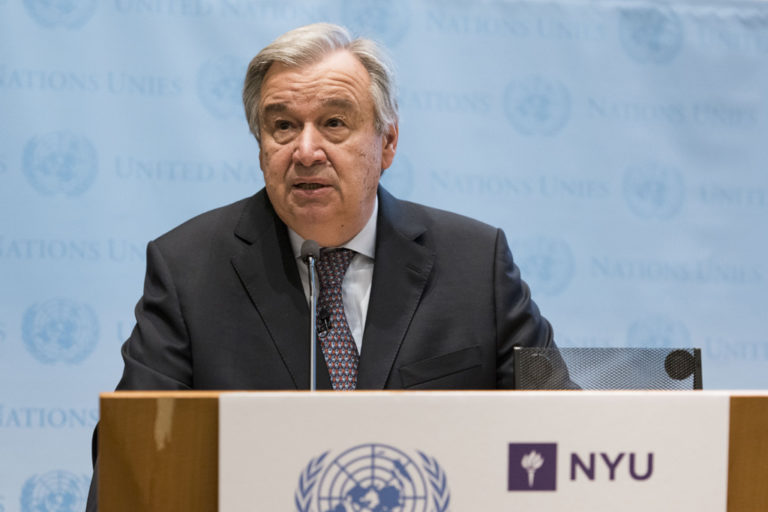
UN Secretary-General, António Guterres. Photo credit: UN /Mark Garten
Among the examples presented in the Urgent Action, the community claims they have endured armed attacks in their territories that have resulted in death, injuries, kidnapping, harassment, illegal incarceration, and intimidation, including by low-level helicopter flights over their territory, as well as death threats to Traditional Authorities, their Legal Counsels and technicians, and human rights defenders.
The community members of Pueblo de Bácum or Loma de Bácum have actively opposed the construction of the Megaproject known as “Gasoducto del Noroeste”, in its fraction/section Guaymas-El Oro, which crosses the territory of the Yaqui Nation by 90 kilometres in length and 6 kilometres in width, encompasses 54 hectares, which would then be occupied for a period of 25 to 30 years, with compensation of only $60 million pesos as payment for this term, which equates to $1,111.11 pesos by hectare (11 cents by square metre), a value that represents dispossession of territory. Additionally, there is a risk of explosion of the pipeline to the communities that are within the reach of direct and indirect effects of this gas pipeline.
The Traditional Authorities of the Heroic Pueblo of Loma de Bácum, which belong to the Yaqui Tribe, Sonora, México, appealed to the applicable federal authorities and won a demand of Protection to halt the construction of said mega-project in their territory, as per the resolution emitted by the Judge of the 7th District in the City of Obregón, Sonora, México, and in favour of the Yaqui Peoples of Loma de Bácum.
Although they have this judicial resolution, federal, state of Sonora’s and municipal authorities have violated its disposition and have continued to move towards the construction of this mega-project, and have also committed acts of aggression against the Pueblo of Loma de Bácum. Said project has been made violating the right to self-determination and without the Free, Prior and Informed Consent of the Indigenous Peoples of Loma de Bácum and the entire Nation of the Yaqui Tribe.
The Urgent Action also calls for justice for the Indigenous relatives assassinated: Cruz Buitimea Piñas and Víctor Adolfo Molina Vázquez; calls for the release of Fidencio Aldama Pérez, incarcerated unjustly; and that any investigation file against the Traditional Authorities of the Heroic Pueblo of Loma de Bácum, their technical advisors and human rights defenders that defend the sacred territory of the Yaqui Tribe be cancelled. Also, that the delinquent actions that occurred with the illegal imprisonment and disappearance of Human Rights Defenders of the Yaqui Nation, María Anabela Carlón, and Isabel Lugo Molina, be sanctioned.
The Urgent Action request was directed to the following UN Special Rapporteurs on: the rights of Indigenous Peoples, the situation of human rights defenders, extrajudicial, summary or arbitrary executions, hazardous substances and wastes, safe drinking water and sanitation, so they can exercise their mandates and call on the Government of México to put a halt to the wave of violence, repression and violation to their fundamental Human Rights that the federal, state and municipal authorities have been carrying out against the Heroic Pueblo of Loma de Bácum, hence the Yaqui Tribe.