Home Blog Page 1850

Extreme weather continues in 2018

0

Global temperatures for the first five months of 2018 have been the highest on record for a La Niña year, according to the US National Oceanic and Atmospheric Administration.
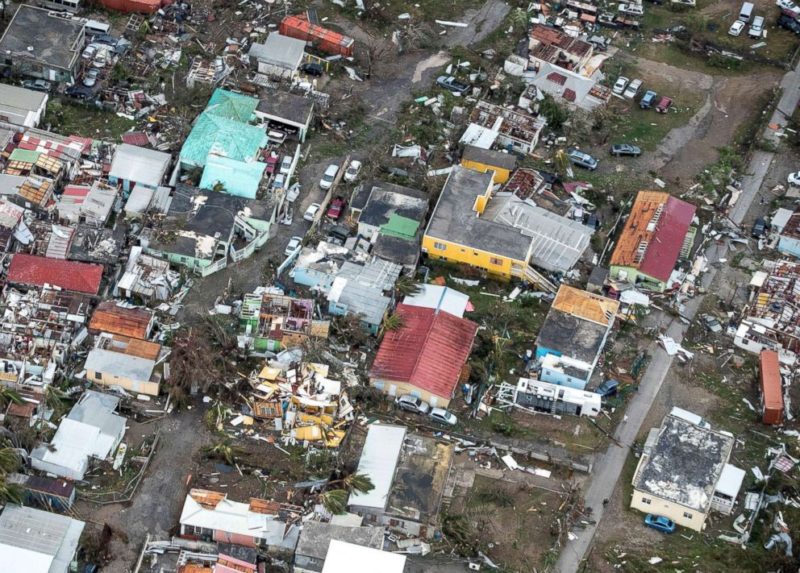
Hurricane Irma
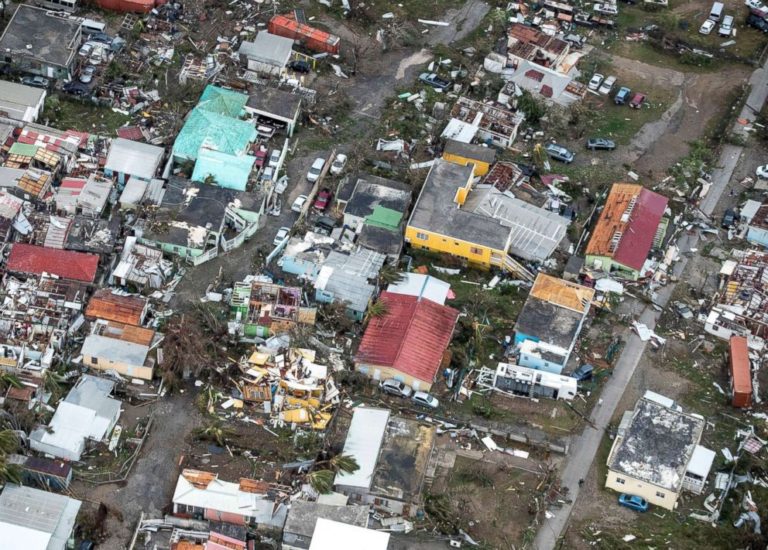
A view of the aftermath of Hurricane Irma on Sint Maarten Dutch part of Saint Martin island in the Caribbean, Sept. 6, 2017. The Caribbean is preparing for yet another hurricane season while still trying to recover from the 2017 devastating season

La Niña is the positive phase of the El Niño Southern Oscillation and is associated with cooler-than-average sea surface temperatures in the central and eastern tropical Pacific Ocean. El Niño is the warm phase of the El Niño Southern Oscillation and is associated with a band of warm ocean water that develops in the central and east-central equatorial Pacific, including off the Pacific coast of South America.

Higher temperatures lead to more frequent and long-lasting heat waves causing adverse environmental impacts. Extreme temperatures, for instance, affect human health in the form of heat strokes, heat cramps, and even death; the agricultural sector faces retarded crop growth; and the energy sector experiences difficulties coping up with the increasing use of cooling during high temperatures. Moreover, extreme weather affects water supplies, plants, animals and ecosystems, and forests.

Addressing the dangers associated with extreme weather conditions, the Executive Secretary of the UN Climate Change, Patricia Espinosa, said: “We must keep an eye on the future. As the superstorms and monsoon flooding of last year and the extreme heat and extreme cold of this year show – we still have a long way to go to deliver on the promise of the Paris Climate Change Agreement.”

May 2018 was the fourth warmest May on record, the 42nd consecutive May and the 401st consecutive month above the 20th century average. The US space agency NASA, which uses a slightly different analysis, also found that May was the fourth warmest May on record, whilst the European Centre for Medium Range Weather Forecasting Copernicus Climate Change Service ranked it as third.

This year, record warmth was observed across parts of North America, Europe and Asia, as well as the Atlantic, Pacific and Indian Oceans. Record cold May temperatures were limited to north-eastern Canada and the northern Atlantic Ocean, off the southern coast of Greenland.

Rankings of individual months – or even years – are less important than the long-term warming trend as a result of record high concentrations of greenhouse gases in the atmosphere. The year 2017 was the third warmest year on record and the warmest with an El Niño event. The year 2018 started with a weak La Niña – which tends to have a cooling effect.

The May average Arctic sea ice extent was the second smallest after 2016 in the 40-year record, 8.1 percent below the 1981-2010 average, according to an analysis by the US National Snow and Ice Data Center. This was mostly due to much-below-average sea ice in the Bering and Chukchi Seas.

Antarctic sea ice extent during May was the third smallest May extent on record, 8.6 percent below the 1981-2010 average. Ice losses from Antarctica have tripled since 2012, increasing global sea levels by 0.12 inch (3 millimeters) in that timeframe alone, according to a major new international climate assessment funded by NASA and ESA (European Space Agency).

The study published in the journal Nature showed that ice losses from Antarctica are causing sea levels to rise faster today than at any time in the past 25 years. Results of the Ice Sheet Mass Balance Inter-Comparison Exercise (IMBIE).

According to NASA, “Antarctica’s potential contribution to global sea level rise from its land-held ice is almost 7.5 times greater than all other sources of land-held ice in the world combined. The continent stores enough frozen water to raise global sea levels by 190 feet (58 meters), if it were to melt entirely. Knowing how much ice it’s losing is key to understanding the impacts of climate change now and its pace in the future.”

In addition to long-term climate change indicators, high-impact weather events also continued unabated during the first five months of the year. The start of the South-Asian monsoon season brought unusually heavy rainfall to Bangladesh, adding to the misery of hundreds of thousands of refugees.

Floods affected many other people and killed dozens in East Africa. Rare tropical cyclones hit Somalia, Djibouti, Yemen and Oman. Sand and dust storms in India killed several hundred people, whilst Pakistan suffered successive heatwaves.

Unusually high temperatures and lack of rainfall have combined to pose a risk of wildfires in Scandinavia and the Baltic region, whereas other parts of Europe such as France have seen new daily rainfall records this month.

The Caribbean is preparing for yet another hurricane season while still trying to recover from the 2017 devastating season, which was the costliest on record.
Creating aggressive campaigns to end plastic pollution

0

Some environmentalists have called on the government and other stakeholders in the environment to start aggressive campaigns to change the public attitude and behaviour toward the use and disposal of plastics.

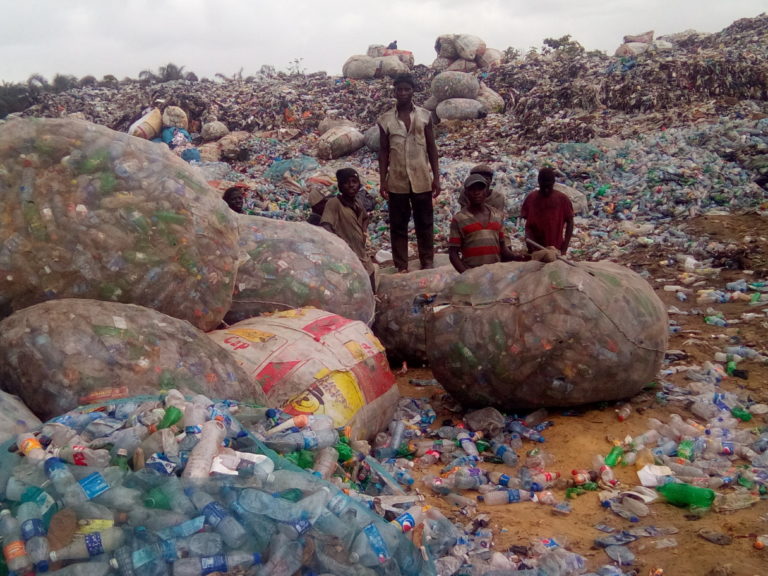
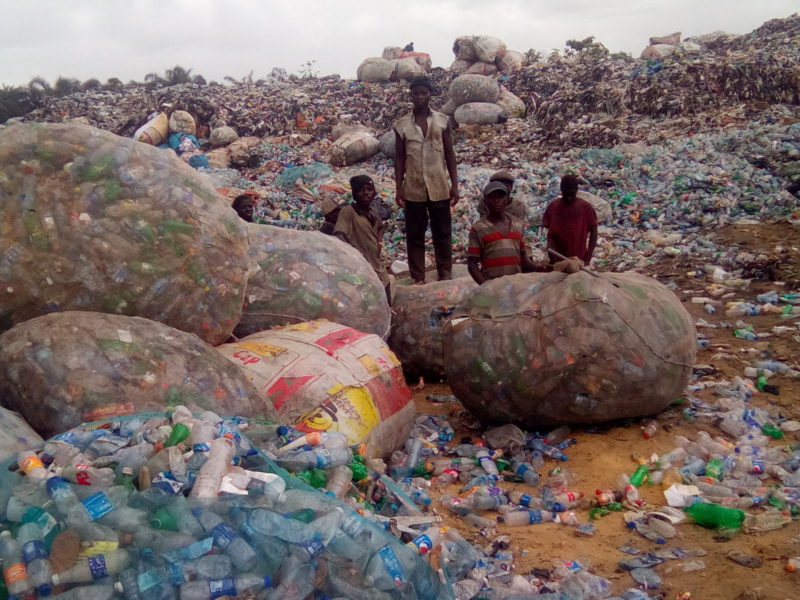
Plastic bottle scavengers
Plastic bottle scavengers and their wares at the Epe Landfill Site/EcoPark in Lagos, Nigeria

They proffered solutions to plastic pollution in line with the theme of the 2018 World Environment Day which is: “Beat Plastic Pollution’’.

Mr Richard Inyamkume, the Senior Programme Officer, Climate Change Mitigation and Adaptation Initiative, said that the government and citizens should evolve practical strategies that would reduce the menace of plastic waste in communities.

Inyamkume said that other methods of tackling the environmental issue involved public activism and legislation.

“I believe in change of attitude as it can increase public consciousness about the impact of plastics on the environment while prompting alternative considerations for the use of plastics in the country.

A campaign against improper plastic waste disposal can begin in the home-setting before going into the streets; it should make high impact and encourage plastics reuse, recycling and substitution,’’ he said.

Inyamkume, however, underscored the need for the citizens to understand their specific roles in the campaign for a plastic-free environment.

He noted that they should also be encouraged to organise regular community cleanup activities to clear plastic waste.

“Besides, government and policymakers ought to review national legislation and policies so as to discourage the production of single-use disposable plastic materials, while encouraging the production and importation of environment-friendly products.

“Plastic pollution occurs where plastic materials are indiscriminately dumped in an area in such a way that it begins to impact negatively on the ecosystem,’’ he said.

He said that the global community was planning to achieve clean, sustainable and pollution-free cities by 2030 and as such, efforts were underway to address plastic pollution.

“In Nigeria, plastic pollution has increased over time due to the proliferation of plastics producing factories and a corresponding increase in the demand for plastic materials by the public.

“These increases have come with attendant environmental consequences such as plastic pollution, mostly in urban and commercial areas, and there has not been enough public awareness or sensitisation on the proper methods of disposing plastics.

“What usually constitutes plastic pollution includes but is not limited to single-use plastics such as plastic bags, water bottles, straws, cups, utensils, dry cleaning bags, take-away containers or disposable plastic materials,’’ he said.

The environmentalist said that if not properly managed, plastic waste could affect life on land and in oceans or rivers.

Inyamkume said that Nigeria should to join the global crusade to end plastic pollution because of its hazards to the environment.

In his view, Mr David Michael, the Executive Director, Global Initiative for Food Security and Ecosystem Preservation, a non-governmental organisation, called for a total ban on single-use plastics if they could not be re-used or recycled.

“We are advocating for a total ban of single use of plastics in Nigeria because plastics do not decay; they remain in the soil, river and ocean for years,’’ he said.

Michael urged producers of plastic packages to use biodegradable materials such as paper bags and leaf to package consumable products.

He said that his organisation organised the neighbourhood clean-up in Jabi community, in collaboration with the Government Secondary School students in the FCT, to sensitise them to the need to control plastic waste in the country.

“Plastics here in the Jabi community run off to Jabi Lake. If you see the quantity of plastics in Jabi Lake, you will never believe it.

“That is why we chose this community that is very close to the Jabi Lake because all the wastes of the residents overflow to the lake; we want the students to understand that it is important to dispose waste safely.

Clara Okpala, a student of Government Secondary School, Jabi, underscored the need to ban the production and utilisation of single-use plastics, observing that waste could harm and kill fishes and other marine creatures.

Martins Obi, another student of the school, said that plastic waste often blocked water channels, thereby causing floods which displaced people from their homes.

Oyedepo Joshua, a student and member of Eco-Club in Government Science and Technical College, Garki, said that the re-use of plastics through environmental creative arts would assist in the efforts to reduce plastic pollution in the country.

Joshua, who used plastic bottles to create a chair, said that the re-use of plastics would assist in the efforts to address plastic pollution in the country.

Vincent Davies, a student of Model Secondary School, Maitama, said that indiscriminate dumping of used nylon and plastics had been rampant on the school premises, calling for the erection of waste-bin stands to promote healthy environment.

Expressing concern about water pollution, Mr Sunday Agbontaen, the Head of Reservoir and Production Department, FCT Water Board Lower Usuma Dam, said that pollutants coming from Mpape community had increased the cost of water treatment.

Agbontaen said pollutants in the water attracted toxins which were dangerous to human health, observing that the dam’s facilities had the capacity to screen the solid pollutants and disinfect the water for human consumption.

“When the water comes in, even at the catchment area up the Mpape zone, we monitor the water quality; we also monitor non-water quality to know the type of treatment the water will go through.

“So, in the treatment process, we will be able to understand that this amount of pollutant is higher in the water.

“We need the number of chemicals to treat it in accordance to World Health Organisation and Nigeria Standard Organisation,’’ he said.

The dam official said that a new plant would be designed to address the emerging pollutants such as plastics, steels and other pollutant substances.

In efforts at checking pollution, the Ministry of State for Environment, Alhaji Ibrahim Jibril, said that the Federal Government was developing a national plastic waste recycling programme to establish plastic waste recycling plants across the country in partnership with state governments.

“At present, a total of eight plants have already been completed and handed over to the states while 18 others are at various stages of completion.

“In addition, the Federal Government is also collaborating with state governments to establish plastic waste recycling plants under the community-based waste management programme in the ministry.

“Therefore, two plants have been completed in Ilorin, one in Lokoja, while work on another is ongoing in Karu Local Government Area of Nasarawa State,’’ he said.

Jibril advised officials of Food and Beverages Companies Alliance and some waste management stakeholders to implement the Extended Producer Responsibility policy.

He explained that the policy was designed to promote the integration of environmental costs associated with goods throughout their life cycles into the market price of the products.

Jibril also said that the implementation of the policy would go a long way in supporting efforts to clean the environment and make it pollution free.

He urged food and beverages companies to set aside a certain percentage of their profits for a campaign to sensitise Nigerians to the need to collect and recycle plastics and plastic bottles.

The minister urged the companies to encourage the recycling of plastic bottles and devise strategies that would motivate consumers to return the used bottles for recycling.

Also, Mr Clem Ugorji, the Director, Public Affairs and Communications, West Africa Business Unit, Coca-Cola Nigeria, said that Food and Beverages Companies Alliance was working to create a framework that would ensure effective collection and recycling of bottles.

Ugorji said that the alliance was working to become Extended Producer Responsibility-compliant, while making it mandatory for all food and beverages companies to discharge their social corporate responsibility.

In the same vein, Prof. Oladele Osibanjo, the National President, Waste Management Society of Nigeria, said that the society was collaborating with the alliance to organise a workshop to proffer solutions to the menace of plastic pollution in the country.

Osibanjo, who said that the workshop would be held in Lagos, said that it would attract relevant stakeholders in the waste management sector.

By Deji Abdulwahab

Nigeria, India partner in renewable energy

0

Nigeria and India are set to explore opportunities in renewable energy development in line with international agreements signed by both countries, the Indian High Commissioner to Nigeria, Mr Nagabhushana Reddy, said on Thursday, June 21, 2018.

ADB-rooftop solar
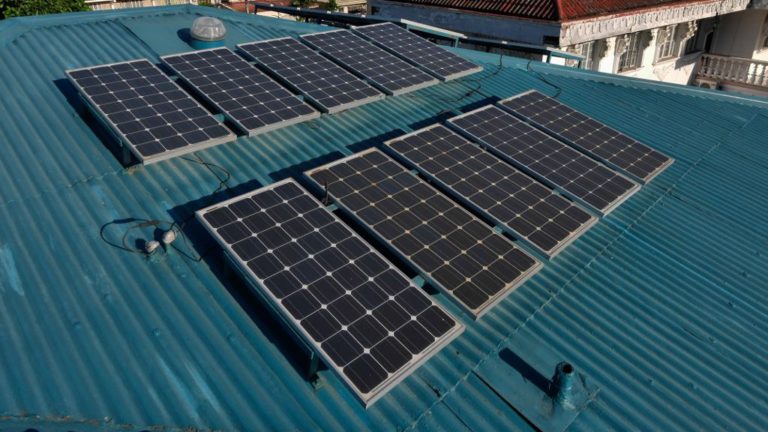
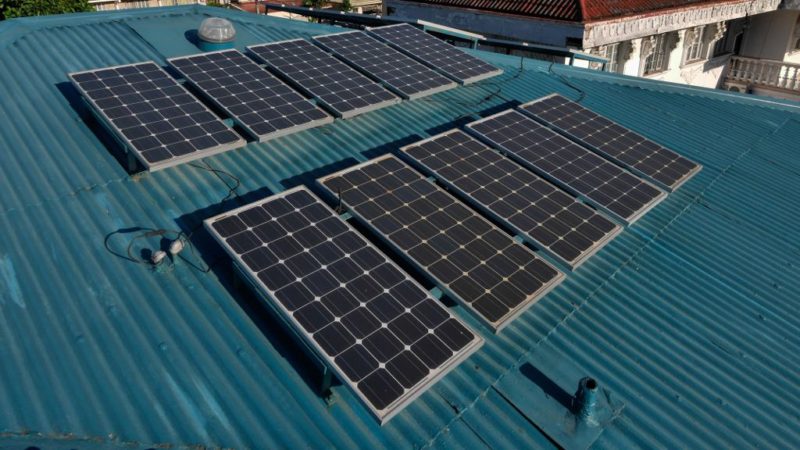
Renewable energy: Rooftop solar panels

The high commissioner, who made the disclosure at a business meeting in Abuja, said that exploring areas of cooperation in renewable energy would build on existing partnerships between both countries.

Reddy said that Nigeria, as a member of the International Solar Alliance (ISA), had indicated the country’s commitment to diversify its energy sources.

ISA, an inter-governmental organisation, aims to provide dedicated platform for cooperation among solar resource rich countries and mobilise $1 trillion in funds for future solar generation, storage and technology across the world.

The alliance, launched at the UN Climate Change Conference in Paris in 2015 by the President of France and the Prime Minister of India, sought to increase the use of solar energy and reduce its members’ dependence on fossil fuels.

The ISA Framework of Agreement had been signed by 65 countries and ratified by 33 countries.

The envoy added that the Indian Government was committed to supporting Nigeria in achieving its target of 30 per cent of its energy needs from renewables by 2030.

He said: “We are opening a new chapter of India-Nigeria economic engagement by moving into the power sector relating to renewable energy.

“India had been present in Nigeria in the power sector mostly in the areas of distribution and transmission.”

Reddy said that both countries would sign a Memorandum of Understanding in the renewable sector to create a joint working group to develop projects for enhanced and effective collaboration.

The business meeting, organised by the Indian High Commission, Associated Chambers of Commerce and Industry of India and the Abuja Chamber of Commerce and Industry, was aimed at establishing partnerships among stakeholders in the renewable energy sector.

The President of Abuja Chamber of Commerce and Industry, Mr Adetokunbo Kayode, called on the Federal Government to harmonise policies on renewable energy.

Kayode also urged government to create single body for the implementation of relevant policies.

He said: “There has to be clarity in policies and we need all the advantages solar power and renewable energy can offer.

“Government should just take the issues of renewable energy and put it in one agency that has multi-sectoral approach so all other relevant agencies can work together as a team.”

He added that promoting synergy among stakeholders would create jobs and fast track economic development in line with the government’s economic growth plan.

A representative of the Nigerian chapter of Associated Chambers of Commerce and Industry of India, Mr Rajneesh Gupta, said that there were ongoing enlightenment campaigns on promoting renewable energy.

He said: “Simba Solar has been educating Nigerians that renewable energy technologies can deliver value.

“We are also providing training to electricians and budding entrepreneurs so more people can key into these technologies to the end users.”

Electricity generation in the country had been fluctuating this year, peaking 5,090 megawatts as
Federal Government continue to show determination to produce an energy mix with 30 per cent component of renewable energy out of the gross energy produced by 2030.

By Temitope Ponle

815m people hungry globally – UN report

0

No fewer than 815 million people are hungry in the world, the Sustainable Development Goals (SDGs) Report 2018 has revealed.

internally-displaced-persons-NEMA
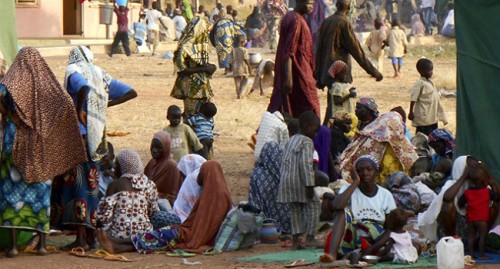
Women and children in a IDPs camp. The displacement was informed by the Boko Haram insurgency. Photo credit: channelstv.com

The report stated that conflict and climate change were major contributing factors to increased hunger and forced displacement, among other challenges.

“For the first time in more than a decade, the number who are not getting enough to eat is trending upwards, and there are now approximately 38 million more hungry people in the world: rising from 777 million in 2015, to 815 million a year later,” the report stated.

According to the UN report, conflict is now one of the main drivers of food insecurity in nearly 20 countries.

While more people are leading better lives than a decade ago, persistent poverty and hunger, as well as rapid urbanisation, are challenging global efforts to create a more just and equitable world, the report found.

The study provided a snapshot of progress towards achieving the 17 SDGs, adopted by world leaders in 2015.

“With just 12 years left to the 2030 deadline, we must inject a sense of urgency,” UN Secretary-General Antonio Guterres said in a forward to the report.

The report however, pointed out some good news, such as the significant decline in the number of people living on less than $2 a day.

That number fell from 26.9 per cent in 2000, to 9.2 per cent in 2017, while the mortality rate for children under-five also has dropped, by almost 50 per cent in the world’s least developed countries.

However, 2.3 billion people still lacked basic sanitation, while more than 890 million worldwide continue to practice open defecation, according to the report.

The report also found that whereas there were 210 million cases of malaria in 2013, the number jumped to 216 million just three years later.

Francesca Perucci, Assistant Director, UN’s Statistics Division of the Department of Economic and Social Affairs, pointed to the importance of timely data collection and analysis to monitor SDGs progress.

“The report highlights the need for political leadership, adequate resources and commitment to further expand on tools available for data collection, production and dissemination, to ensure that all countries have rigorous evidence and comprehensive data to guide programmes and efforts towards 2030,” she said.

By Prudence Arobani

Don calls for effective management to curb plastic pollution

0

A university don, Prof. Dele Olowokudejo, has called for the effective management of plastic waste, to stem the spate of plastic pollution in the country.

Plastic wastes on waterways
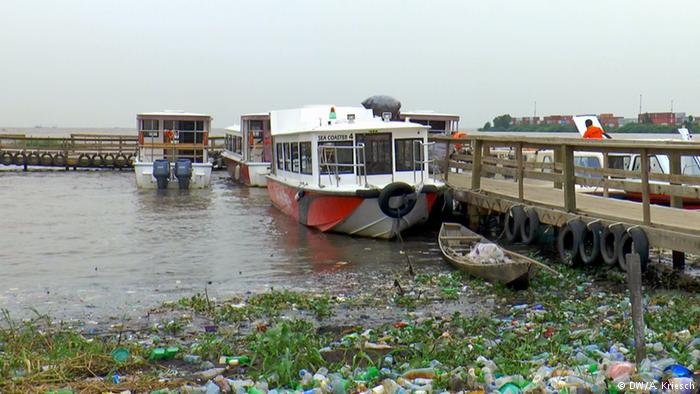
Plastic wastes on waterways pose a treat to small boats

Olowokudejo, a professor of Botany and Biodiversity at the University of Lagos, made the call in an interview with the News Agency of Nigeria (NAN) on Thursday, June 21, 2018 in Lagos.

The academician stressed that effective management was vital in curbing plastic pollution in the country, rather than an outright ban on plastics.

“Stemming plastic pollution in Nigeria requires effective management. We cannot ban the use of plastics just with a stroke of the pen.

“We should rather convince everybody about the negative impact of plastics in our lives, then gradually, Nigerians will see the need of limiting themselves to single-use plastics.

“With these steps, we will gradually escape the cycle of plastic pollution we all now find ourselves, because plastics have invaded and colonised our environment,” he said.

Olowokudejo also called for the ban of certain household plastic items, to be replaced with their wooden substitutes, so as to avoid further degradation of the environment.

“To ban plastics completely will not be practicable in one go but we can embark on advocacy, sensitise the populace, and ban it gradually.

“We can begin with items like straws, cutlery, and plates made of plastics; they can be banned and replaced with wood or metal substitutes that will not degrade our environment.

“An action plan should be evolved as regards other waste elements like bottles, components from electronic appliances, and other items, whereby they are withdrawn from circulation.

“These elements should also go through a recovery plan where they are recycled and turned into other useful objects that would benefit the environment.

“That would be a more effective way of addressing the pervasive problem of plastic pollution in the country,” Olowokudejo told NAN.

The don also called for the enforcement of environmental laws by government regulators, to stem the growing rate of plastic pollution.

“We have environmental laws but these laws are not enforced. The regulations have weak implementation.

“It is possible to put laws in place but if they are not being enforced, it will just be a waste of the paper on which they are written.

“The manufacturers of plastics should, therefore, have a robust discussion with the regulators on how their activities can be better regulated under strict guidance by the government.

“Manufacturers of plastics should also categorize and tag plastics appropriately, so that they can be actively involved in their recovery and in the eventual cleanup of the littered environment.

“We need to urgently fashion out how we can manage and regulate plastics in our country,” he said.

Plastic pollution is the accumulation of plastic products in the environment that adversely affects wildlife, wildlife habitat, or humans.

Plastics that act as pollutants are categorized into micro-, meso-, or macro debris, based on size.

By Mercy Okhiade

Abidjan Convention builds GIS technicians’ capacity on database management

0

The Abidjan Convention is a comprehensive umbrella agreement, which came into force in 1984, for the protection and management of the marine and coastal areas of the South-Eastern Atlantic Ocean from Mauritania to the western seaboard of South Africa. Pollution from the atmosphere and from ships, dumping, land-based activities, exploration and exploitation of the seabed are among its pressing concerns and issues which require control.

Abidjan Convention
Participants at the event

The Convention has also identified environmental management issues for which cooperative efforts are needed. These include coastal erosion, specially protected areas, combating pollution in cases of emergency and environmental impact assessment. The Convention also has articles on scientific and technological cooperation, liability and compensation.

Indeed, the marine and coastal areas within the Abidjan Convention area are under tremendous stress due to the activity of millions of people living along its fragile coasts and the enormous offshore hydrocarbon exploration and exploitation activity in the area. One offshoot of human activity is marine litter, which has now begun to pose a serious health threat to the tens of millions of people in 22 Abidjan Convention area countries; and threatens the viability of marine goods and services.

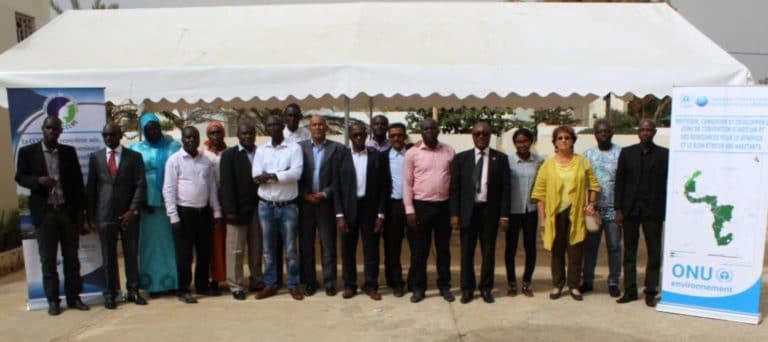
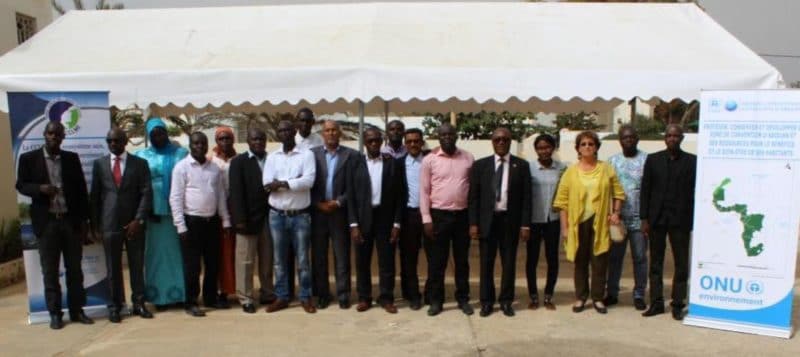
In an effort to protect marine ecosystem, the Convention organised a technical training workshop for national Geographic Information Systems (GIS) experts on database transfer. The event held at the Centre de Suivi Ecologique (CSE) in Fann, in the Senegalese capital of Dakar.

Speaking at the forum, Communication Assistant to the Abidjan Convention, Marylène Vanessa Ahouadjiro, said the objectives of the workshop is to fill database with geographic information produced by national institutions and harmonise the data presented with those available in the Trans-boundary Diagnostic Analysis (TDA ) document of CCLME; Train GIS technicians in the use of the database designed by the Spanish Institute of Oceanography; transfer the database designed by the Spanish Institute of Oceanography to the Abidjan Convention Secretariat; and finally present the achievement of the modules to stakeholders.

According to the coordinator of CCLME at the Abidjan Convention Prof. Jacques Abe, the CCLME project provides vital food and economic resources for coastal populations bordering the Large Marine Ecosystem (LME) and for much of West Africa.

“It provides one of the largest fishing productions among African countries and it also provides important goods and services to coastal countries, including critical habitats for fish, wood from mangroves and spaces for coastal and marine ecosystems for agriculture, aquaculture, urban development, tourism and transportation,” he said.

Abe revealed that the project presents originality due to its strategic approach combining fisheries and governance in ecosystem management and it aims to enable participating countries to address priority trans-boundary problems of declining fisheries, associated threats to biodiversity and water quality through governance reforms, investment and management programmes.

Furthermore, it also aims to promote cooperation among countries and project partners in monitoring the state of CCLME based on the scientific results, he stated.

Participants drawn from Cape Verde, Gambia, Guinea, Guinea-Bissau, Morocco, Mauritania and Senegal all committed to working together in the project to fight against the trend of degradation of the large Canary marine ecosystem caused by overfishing, habitat changes, changes in water quality, and adopting an ecosystem approach.

They comprised GIS Specialists, Ocean Biogeographic Information System Experts and M&E Specialist representing central governments, research and civil society organisations in expertise areas of remote sensing, GIS, Data Management, mapping, databases and Monitoring and Evaluation.

At the end of the training, participants would be made familiar with the geo-referenced database and use it in the scientific output of their country, while Abidjan Convention would host the geo-referenced database accessible to all member countries.

The third component of the project, according to Ahouadjiro, promotes the strengthening of basic knowledge, capabilities and policies necessary for trans-boundary assessment, management of habitats, biodiversity and water quality which are essential for fishing.

Three results are expected at this component: the reduction of knowledge gaps in relation to critical habitats; biodiversity and water quality for the purposes of the TDA; and the Strategic Action Plan in designing activities of this basic geo-referenced data.

It will be recalled that the Abidjan Convention signed an agreement with the Spanish Institute of Oceanography for the implementation of this activity. The advantage of using or providing links to these databases is the automatic updating of these databases without the need for on-going maintenance.

By Sheikh Alkinky Sanyang (Dakar, Senegal)

Wildlife criminals hit by month-long transcontinental operation

0

An international operation against the illegal trade in wild animals and plants including timber has seen hundreds of seizures worldwide as well as arrests of suspects.

Seized rhino horns
Rhino horns seized in South East Asia

Code-named “Thunderstorm” and targeting the people and networks behind global wildlife crime, the operation involved police, customs, border, wildlife, forestry and environment agencies from 92 countries and resulted in millions of dollars-worth of seizures.

The month-long operation, from May 1 to 31, has so far brought 1,974 seizures and the identification of some 1,400 suspects, triggering arrests and investigations worldwide. Further arrests and prosecutions are foreseen as ongoing investigations unfold.

According to INTERPOL, total worldwide seizures reported to date include:

  • 43 tonnes of wild meat (from bear, elephant, crocodile, whale and zebra etc.)
  • Three tonnes of raw and processed elephant ivory
  • 27,000 reptiles (including approximately 869 alligators/crocodiles, 9,590 turtles and 10,000 snakes)
  • almost 4,000 birds, including pelicans, ostriches, parrots and owls
  • several tonnes of wood and timber
  • 48 live primates
  • 14 big cats (tiger, lion, leopard and jaguar)
  • the carcasses of seven bears, including two polar bears

The operation saw eight tonnes of pangolin scales seized worldwide, including almost four tonnes by Vietnamese maritime authorities on board a ship arriving from the Democratic Republic of the Congo.

Two flight attendants were arrested in Los Angeles attempting to smuggle live spotted turtles to Asia in their personal baggage.  Both suspects have been charged with smuggling CITES-protected species and a transnational investigation has been opened between the countries concerned.

A man was arrested in Israel and awaits deportation to Thailand after his hunting photograph on social media led to the seizure of multiple wildlife items at his home including fox, jackal and mongoose bodies.  Follow-up inquiries have revealed that the suspect was also engaged in people smuggling and illegal employment.

Canadian authorities intercepted a container holding 18 tonnes of eel meat arriving from Asia.  Thought to be poached from Europe originally, the juvenile glass eels had been reared in Asia before being dispatched to North American markets for consumption.


An integrated global response

The second in a global “Thunder” series initiated by the INTERPOL Wildlife Crime Working Group, Operation Thunderstorm was coordinated by INTERPOL and the World Customs Organisation (WCO) in conjunction with the International Consortium on Combating Wildlife Crime (ICCWC), which includes the Convention on International Trade in Endangered Species of Wild Fauna and Flora (CITES) Secretariat, UNODC and the World Bank.

“Operation Thunderstorm has seen significant seizures at global level, showing how coordinated global operations can maximise impact,” said INTERPOL Secretary General Jürgen Stock.

“By revealing how wildlife trafficking groups use the same routes as criminals involved in other crime areas – often hand in hand with tax evasion, corruption, money laundering and violent crime – Operation Thunderstorm sends a clear message to wildlife criminals that the world’s law enforcement community is homing in on them,” added the Secretary General.


An intelligence-driven operation

Investigative crime intelligence was gathered ahead of the operation to help target specific hotspots for action, including land and airport border points and wildlife parks.

Cars, trucks, boats and cargo transporters suspected of moving illicit products were also targeted with searches carried out by officers, often with specialist sniffer dogs and x-ray scanners.

“By leveraging the global network of worldwide environmental law enforcement experts and customs community’s commitment to protecting wildlife, WCO and its partners have clearly illustrated the power and effectiveness of international cooperation in keeping our natural heritage safe, both now and for future generations,” said WCO Secretary General, Kunio Mikuriya.

“Operation Thunderstorm clearly demonstrates that by pooling our transnational law enforcement collaboration in the field, WCO and INTERPOL firmly contribute to making sure that borders everywhere divide criminals but connect customs and law enforcement as a whole to make the world a safer place,” added Dr Mikuriya.

Results will continue to be analysed globally to generate intelligence which will be used as guidance in future national, regional and international law enforcement efforts.


Organised wildlife crime: everybody’s business

The organised crime groups behind wildlife crime target high-value animal and plant specimens, and operate through complex global criminal networks.  Driven by profit, the activities of these groups can have devastating economic, social and environmental impacts.

Ben Janse van Rensburg, CITES Secretariat Chief of Enforcement Support, said: “No one country, region or agency can tackle illegal wildlife trade alone.  Collective action across source, transit and destination states is essential. On behalf of all ICCWC partner agencies, I commend the excellent work done in member countries – Operation Thunderstorm is testimony to what can be achieved if we all work together.”

Senior officer Grant Miller of the UK Border Force and head of the UK national CITES enforcement team, said: “Through Operation Thunderstorm, criminals have seen the products they need to ply their trade seized and their illegal profits targeted. Organised crime groups engaging in wildlife crime will feel the impact of this operation for a long time.”

Mr. Miller is also chair of the INTERPOL Wildlife Crime Working Group, which leads a number of projects to combat the poaching, trafficking, or possession of legally protected flora and fauna.

Communities donate land for Ogoni clean-up

0

Project Coordinator, Hydrocarbon Pollution and Remediation Project (HYPREP), Dr Marvin Dekil, has commended Ogoni communities for donating several hectares of land to the body.

Ogoniland cleanup
Ogoniland clean-up

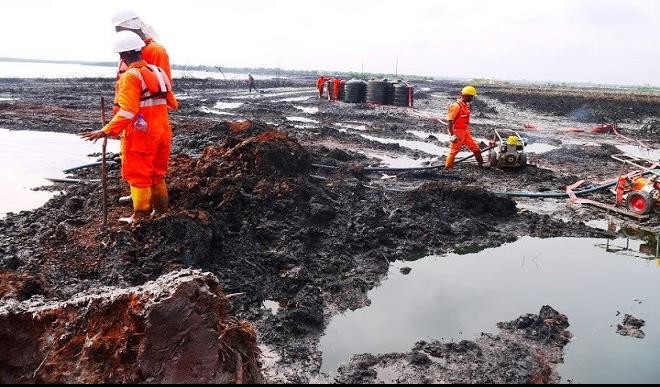
Dekil gave the commendation at a ceremony to mark handover of the expansive land to HYPREP in Lumene-Bangha, Khana Local Government Area of Rivers State on Wednesday, June 20, 2018.

Represented by Mr Isa Wasa, HYPREP’s Head of Communication, Dekil said the expansive landed property would enable HYPREP to fast track clean-up of oil impacted sites in Ogoniland.

He said: “The landed property will be used for the training of Ogoni women and youths for creation of wealth on agro-allied skills in fish farming, feed mills and cropping, among others.

“We pledge to carry everyone along in the clean-up process and in the livelihood restoration programme that is slated to commence soon.”

Dekil told traditional rulers in the area that the project would soon provide potable water to hydrocarbon impacted communities as recommended by United Nations Environment Report (UNEP) on Ogoni.

He explained that companies have submitted bids for the water project and clean-up exercise and assured that the best companies would be hired for the jobs.

“We thank the Nyo-Khana and Ken-Khana kingdoms for giving us the land. This gesture is not just for us (HYPREP) but for the Federal Government.

“HYPREP’s mandate is to clean Ogoniland and restore its livelihoods; and we are committed to carrying out this mandate,” he assured.

Dekil urged other communities in the area to emulate Nyo-Khana and Ken-Khana communities to enable HYPREP fast track the clean-up process.

He said the project would carry out survey on the parcels of land to determine its size.

Speaking, Dr Melford Eguru, Gbenemene of Ken-Khana Kingdom in Khana LGA, said the land was big enough to accommodate any project that would be sited on it.

He urged the Federal Government to accommodate traditional rulers in the clean-up exercise due to the role they play in maintaining peace in the communities.

On his part, the Gbenemene of Nyo-Khana, HRM Suanu Baridam, pledged to support and cooperate with authorities to fast track the remediation process.

Baridam cautioned against the use of the clean-up exercise by some politicians to drive regional and religious sentiments.

By Desmond Ejibas

Benue promises adequate fertiliser for 2018 farming season

0

The Benue State Government says it has put in place plans for adequate provision of fertiliser to farmers in the 2018 farming season.

Benue-anti-grazing-law
Benue State governor, Samuel Ortom

This was made known Wednesday, June 20, 2018 at the Synergos organised AVG/AIG meeting in the Benue State capital, Makurdi, by the Director,  Planning and Statistics, Ministry of Agriculture, Mr Lucky Izobo. He revealed that the ministry had procured 180 trucks of fertilisers for farmers and five trucks of granulated organic fertiliser.

According to him, the ministry is doing all it can to sell the fertiliser to farmers at a subsidised rate and also to sell improved seeds at reduced price, in order to encourage farming and support good yields.

He further urged farmers to try and pay back loans taken from government to enable it access more loans for them, and advised them to veer into planting of stimulants like ogbono and bitter kola to create more wealth opportunities for themselves in the agriculture market linkage.

Also speaking, Mr Felix Odife from the Federal Ministry of Agriculture said training was ongoing at the ministry for pig and grasscutter farmers and that the training is free.

He further urged farmers to explore other relevant options to enable the state grow in agricultural business.

In another remark, Mr Donald Akule, President, Prime Multipurpose Cooperative, urged farmers who have access to social media to try and advertise their products on groups.

He said they should also organise lectures online for youths who want to also venture into farming to enable them know the dos and don’ts of farming, as well as what to start with and the benefits.

In his submission, Mr Philip Ogoji from Technoserve while interacting with farmers at the meeting charged them on the way forward to promote market linkage.

According to him, farmers need to promote market linkage with their farm produce.

However, most of the participants blamed the low sale of their products on bad roads, climate change and lack of fertile land.

To that end, they pleaded with the state government to lessen the pre-application process for farmers to enable them access loans for their farms.

By Damian Daga

Policy combination needed to achieve climate targets along with SDGs

0

A broad combination of policies might be best suited to help achieve both climate stabilisation targets as well as most of the UN Sustainable Development Goals (SDGs). These policies reach from straightforward CO2 pricing to regulation of water and forest protection, to lifestyle changes such as eating less meat, a new study shows.

Ottmar Edenhofer
Ottmar Edenhofer, Chief Economist at the Potsdam Institute for Climate Impact Research (PIK)

The scientists highlight the complex interplay between the different targets. A policy focused only on CO2 pricing would cost the least, they show, but would likely trigger substantial land-use changes.

“To keep global warming risks within the limits agreed by governments in the Paris Agreement, we need to fundamentally rebuild our energy systems,” says lead-author Christoph Bertram from the Potsdam-Institute for Climate Impact Research (PIK, member of Leibniz Association). “This will have profound effects in other areas that are relevant for the United Nations’ Sustainable Development Goals, creating both benefits and risks that are very immediate to the people, like on the one hand reduced air pollution and on the other hand higher prices for food and energy.”

Assessing these trade-offs is crucial information for decision-makers. “This is the first study to analyse the impact of different policies on a range of sustainability elements,” says Bertram. “We find that a package of policies can greatly enhance the sustainability benefits of greenhouse-gas mitigation, and reduce the risks.”


The competition for land

The competition for land is one of the key issues here. “Without additional regulation, climate-only polices of a rapid phase-out of fossil-fuelled power generation would for example boost farming plants for generating bioenergy from them,” says co-author Alexander Popp from PIK. “This would reduce greenhouse-gas emissions, since burning the plants only releases the CO2 they have taken up while growning – yet it would also mean large-scale transformation of agricultural land otherwise used for food production, or for ecosystems that safeguard biodiversity. In the worst case, up to one third of today’s cropland area could be used for bioenergy plantations.”

“Some sustainability issues such as food security and access to affordable energy are more salient to the public than climate change – simply because the most severe impacts of global warming will occur in the future. Our study shows that both challenges can be tackled at once: It is possible to design smart climate policy packages that also ensure crucial progress in other key dimensions of human development,” says co-author Jan Minx from the Mercator Research Institute on Global Commons and Climate Change (MCC). “This is good news for governments and society: There is not one but a range of options.”

The researchers analysed 16 policy elements and 12 indicators related to 10 out of the 17 SDGs, using computer simulations, explains Minx. “Scientists need to point out the specific benefits and disadvantages of different policies so that policy makers can make informed decisions.”


Even the best policy package comes with a trade-off

Even the policy package that scores best in most of the analysed sustainability indicators comes with a trade-off: a broad combination of sustainability policies costs more money in the short-term than CO2 pricing alone. The pricing-only policy would keep energy generation costs in check and would in this respect be most cost-effective. Yet such a policy could lead to an increase of food prices by about one third in 15 years due to the use of land for climate change mitigation. In the end, this could potentially run counter the sustainable development goal of zero hunger. To avoid this unintended effect, additional policies would be needed.

The scientists emphasise that a higher cost of a broad combination of sustainability policies, compared with climate-only policy, is not the full picture. The analysis does not spell out climate damage costs that would arise if no policy action at all is taken – yet it is clear that the costs of non-action, both in terms of money and of human suffering, would be tremendous.

Both sustainability benefits and risks increase if ambition is raised to limiting global warming to 1.5 degrees, the aspirational goal mentioned in the Paris Agreement.

“On the one hand, for instance coral reefs might be saved and a risk of long-term complete Greenland melting, resulting in substantial sea-level rise, would be reduced,” says co-author Gunnar Luderer from PIK. “On the other hand, economic short-term costs could triple and long-term costs double. This is because we would have to reduce fossil fuel use much faster, and also rapidly scale up the availability of CO2 removal from the atmosphere by using for instance carbon capture and storage technologies, CCS.”


Lifestyle changes turn out to be one of the most efficient pathways

“Yet, if CO2 pricing would be combined with dedicated policies, the sustainability challenges can be greatly reduced. To our great surprise, such dedicated policies can more than overcompensate the negative side-effects on for instance food and energy prices from strengthening the warming limit from 2 degrees to 1.5 degrees,” says Luderer. “This is an important insight: while more ambitious climate policy certainly is more expensive and hence consumes money needed for other sustainability goals such as poverty reduction, combining the climate policy with other policies can close the sustainability gap.”

Lifestyle changes turn out to be one of the most efficient pathways to complement CO2 pricing. If people reduce for instance air flight travel and meat consumption, this could be offsetting the higher short-term costs of early climate action.

“While options to bring about such lifestyle changes often are very contentious and thus are not at the centre of current policy discussions, these changes appear to have greatest potential for reducing sustainability risks and maximizing co-benefits of mitigation,” says Luderer. “Together, policies and people can achieve more than they think.”