Beginning with an official opening ceremony to be addressed by the President of Colombia on Saturday, March 17, 2018, leading experts from around the world will convene in Medellin for eight days with policymakers from more than 115 countries to finalise landmark reports from five major expert assessments, focused on biodiversity, nature’s contributions to people and issues of land degradation and restoration.
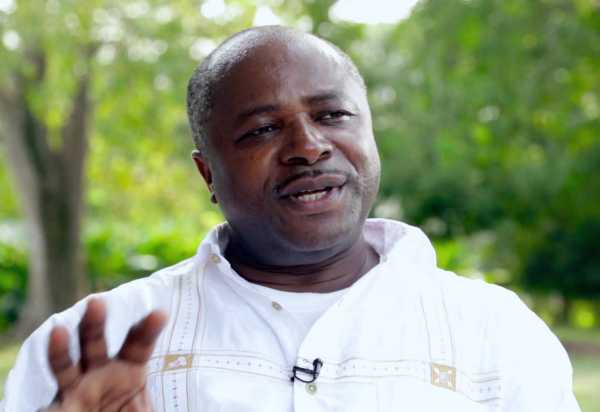
Sir Robert Watson, Chair of IPBES
An estimated 750 delegates will participate in the sixth session of the Plenary of the Intergovernmental Science-Policy Platform on Biodiversity and Ecosystem Services (IPBES6), chaired by Sir Robert Watson.
“Taken together, these five peer-reviewed assessment reports represent the single most important expert contribution to our global understanding of biodiversity and ecosystem services of the past decade,” said Watson. The assessments will provide unprecedented insights into the status of global biodiversity and land quality, both of which are essential to quality of life and healthy, productive ecosystems.
Often called “the IPCC for biodiversity”, IPBES is the global science-policy platform tasked with providing the best-available evidence to inform better decisions about nature.
The reports being launched at IPBES6 were completed over three years by 550 scientists and experts from more than 100 countries.
Four of the studies present the state of biodiversity and nature’s contributions to people in the Americas, Asia and the Pacific, Africa, Europe and Central Asia. The fifth assessment report assesses the global problem of land degradation and available remedies.
The five reports will be key inputs to a comprehensive IPBES global assessment report on biodiversity and ecosystem services, due for release in 2019, the first such global evaluation since the authoritative 2005 Millennium Ecosystem Assessment.
In addition to helping decision makers evaluate lessons learned and progress on major global development commitments – such as the Sustainable Development Goals, the Aichi Biodiversity Targets and the Paris Agreement on climate change – the reports will also provide vital information for setting biodiversity targets for the period after 2020.
“Biodiversity and nature’s contributions are essential to sustain the economic well-being, food security and quality of life of all people,” said Watson. “As one of the most biodiverse countries on Earth, Colombia provides the ideal setting for IPBES6, and we thank the Government and people of Colombia for extending their warm and generous hospitality for these vital global discussions.”
Speaking about the confluence of so many important environmental activities, the Executive Secretary of IPBES, Dr. Anne Larigauderie, said: “There is a rising awareness of the need for nature and the environment to be at the heart of all development planning – IPBES is proud to be able to offer decision makers around the world evidence they need for better policies and more effective action for the sustainable future we want.”
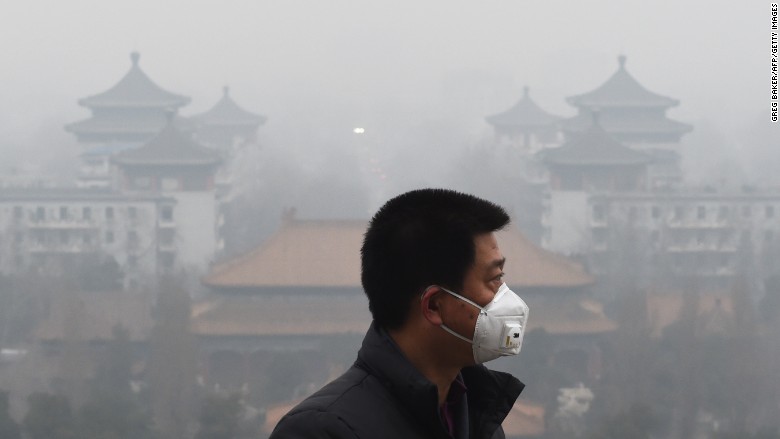
Chinese cities combating smog have significantly cut serious air pollution in the past four years, a study by a University of Chicago team has found.
Air pollution in China
“The data is in – China is winning its war against pollution,” said Michael Greenstone, a professor in economics and director of the Energy Policy Institute at the University of Chicago.
According to the analysis conducted by Greenstone’s team, based on data from more than 200 government monitors throughout China, air pollution has decreased across the board in China’s most populated areas.
Chinese cities on average have cut concentrations of fine particulates PM2.5, widely considered the deadliest form of air pollution, by 32 percent in just four years, said the paper made public on Monday.
“By winning this war, China is due to see dramatic improvements in the overall health of its people, including longer lifespans, if these improvements are sustained,” Greenstone added.
The study found that the most populated cities saw some of the greatest declines: Beijing cut air pollution by 35 percent; Shijiazhuang, the Hebei Province’s capital city, cut pollution by 39 percent; and Baoding, China’s most polluted city as of 2015, cut pollution by 38 percent.
If China sustains these reductions, Greenstone said he believes that Chinese residents in the polluted areas can see their lifespans extended by 2.4 years on average.
The study contributed the remarkable progress to China’s “aggressive, and in some cases extraordinary, measures” to reduce its pollution in a relatively short time span.
With the global car fleet due to triple by 2050 and greenhouse gas emissions from transport growing faster than any other sector, West African states have set sights on 2050 to phase out dirty and inefficient fuel.
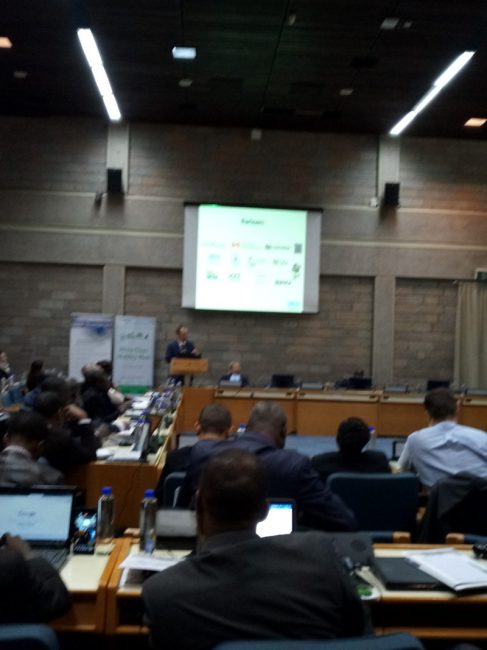
Participants at the African Clean Mobility Week in Nairobi, Kenya
Bernard Koffi of the Economic Community of West African States (ECOWAS) made the disclosure on Thursday, march 15, 2018 at the ongoing African Clean Mobility Week taking in Nairobi, Kenya.
West Africa is believed to be Africa’s sub-region with the least fuel efficiency and economy levels as 80% of the vehicles across the sub-region are used vehicles while 72% of the vehicles used in ECOWAS countries are imported.
The challenges of attaining fuel efficiency and economy in West Africa, according to Koffi include absence of policies and strong fiscal measures against the importation of vehicles that are over the age limit; and high age limits for the importation of used vehicles. Age limit for the importation of used light duty vehicles (LDVs) in most West African states hover between eight and 15 years.
Other extant challenges include poor fuel quality, and road congestion leading to high carbon emissions.
These challenges notwithstanding, ECOWAS is confident of achieving fuel efficiency and economy at least by 50% by the year 2050 through the implementation of its Air Quality Agreement signed by ECOWAS ministers in 2009, and the Nationally Determined Contributions (NDCs) of all ECOWAS member states to the Paris agreement.
Mr. Koffi believes that the sub-region can achieve the target even before the target year by harmonising carbon emission standards and fuel specification, promoting clean vehicles and fuel economy, and strengthening institutional and regulatory frameworks on fuel consumption and carbon emissions.
“An example of these measures is the recent ban placed on the importation of dirty diesel by five West African countries,” he said.
It will be recalled that Benin, Ghana, Ivory Coast, Nigeria and Togo in 2016 announced measures to end the practice of European oil firms and traders who export to Africa, highly polluting fuels (derogatorily dubbed “African quality”) that could never be sold in Europe.
Effective July 1, 2017, the five West African states banned the importation of high-sulphur diesel fuels making the permitted levels of sulphur in imported diesel to fall from as high as 3,000 parts per million (ppm) to 50ppm. Meanwhile, Europe since 2009 fixed the maximum permitted level at 10ppm.
Speaking at the African clean mobility week, Erik Solheim, Executive Director of the United Nations Environment Programme (UNEP), commended the ban by the West African states.
“West Africa has sent a strong message that it is no longer accepting dirty fuels from Europe. Their decision to set strict standards for cleaner, safer fuels and advanced vehicle emission standards shows they are placing the health of their people first,” Solheim said.
The Lagos Water Corporation (LWC) says it has formulated a strategy to ensure increased drive in its revenue generation.
LWC Managing Director, Mr Muminu Badmus
The LWC Managing Director, Mr Muminu Badmus, said this at the launch of the corporation’s Service Intensive Mechanism (SIM) in Lagos on Thursday, March 15, 2018.
According to him, under the initiative, SIM, which is to improve on the corporation’s revenue generation, individual staff members and zonal offices, will receive financial rewards for generating the highest revenue.
”The High impact, Short term and Quick Win Performance Enrichment Programme (PEP) launched in partnership with 2ML Consultant in July 2017, increased our monthly revenue generation to N80 million.
”We follow this with Performance Enrichment Sustainable Programme (PESP) in October 2017 to sustain the existing PEP.
”We are witnessing a successor to PESP, SIM programme, designed to appreciate individual efforts towards improved service delivery and revenue generation,” he said.
Badmus said that the workers had been trained on the new mechanism.
Mr Deji Johnson, the LWC Chief Operation Officer (COO), said that the new mechanism was aimed at achieving commercial independence for the Corporation.
He said that PEP and PESP had helped the corporation to improve on production and distribution of potable water in the state.
Johnson said that it was the responsibility of the whole staff to ensure that the Corporation was able to generate reveune to meet its financial obligations.
Mr Suraj Ijaiya, the LWC Executive Director, Engineering and Technical Services, said that the corporation had not relented in its drive for research and development.
He said that SIM was a product of its R/D, adding that it would measure the sustainability of all the projects being executed by the corporation in terms of revenue drive.
Mr Sikiru Ogunana, the Head, Strategy and Projects, said that the corporation recorded over 500 leakages within six months with the improvement in water supply to private and commercial residents.
He said that the leakages were mainly due to old pipes which the commercial department had been working hard to replace.
Ogunana said that with improvement in supply, there was need to ensure that water consumers paid up water bills owed to the corporation.
He said that SIM was another way forward for the organisation, adding that workers should embrace and support it.
Dr Williams Muhairwe, the Chief Consultant, 2ML Consultancy, said innovation like SIM showed that the issue for the corporation was no longer water supply but billing.
He said the corporation must have a cost recovery process by ensuring that customers paid for the water supply to their residents.
Muhairwe said that his expectation was for the corporation to be able to generate 100 per cent of its revenue to march its water production and distribution.
Cassava Weed Management Project (CWMP) and Building an Economically Sustainable Integrated Seed System for Cassava (BASICS) of IITA will soon to unveil their scientific results in cassava production to policymakers.
Dr Nteranya Sanginga, Director General of the IITA
Dr Alfred Dixon, IITA-CWMP Project Leader, made this known on Wednesday, March 14, 2018 in a document presented to News Agency of Nigeria (NAN) in Abuja.
“The results from the two projects will be presented to policymakers, researchers and other partners for possible scaling out to other states in Nigeria,’’ he said.
The document said that the presentation of the scientific results was part of the lead-up to the BASICS meeting in Ibadan from March 14 to March 16 and the IITA-CWMP meeting, also in Ibadan, between March 19 and March 20.
Dixon said that the five-year BASICS programme, which was inaugurated in 2014 and funded by the Bill & Melinda Gates Foundation, was aimed at addressing the weed challenge facing cassava farming systems.
“The overall goal is to raise the productivity of cassava, improve incomes, enhance environmental sustainability, support better health for women, children and create wealth,’’ he said.
The project leader said that in the last four years, the project had developed weed control options, drawing strength from the use of best agronomic practices, the use of motorised weeders and the use of safe and environmentally friendly herbicides.
He said that the BASICS project would also share with researchers and policymakers the latest findings in cassava seed systems, including activities from the semi-autotrophic hydroponics and the village seed entrepreneur model of seed multiplication and multiplication.
“Generally, seeds are the bedrock of the quest to increase agricultural productivity.
“In cassava, the seed system is weak, yet with great potential,’’ he said.
Dixon said that the planting of improved seeds and proper weed management would be beneficial to farmers, as it would boost productivity and, at the same time, reduce the drudgery of hoe-weeding.
He, however, said that although cassava was grown by more than four million people and a major source of livelihood to millions of people in the country, it had yet to attain full productivity.
He said that this was because the productivity of cassava has been stymied over the years by poor weed control, weak or nonexistent seed systems and poor understanding of the agronomy of the crop.
Dixon pledged that the project would intensify efforts to ensure that cassava farmers were aware of good weed management technologies, as CWMP teams were planning to establish more than 100 demonstration farms across the country.
Prof. Friday Ekeleme, one of the researchers, said that participating farmers in the project recorded an average cassava root yield of 22 to 27 tonnes per hectare across the four participating states in the country.
“The Food and Agriculture Organisation (FAO) declared that the figure is more than double the national average of 8 tonnes per hectare,’’ he said.
He said that the high yields were achieved with the aid of some of the identified safe and environmentally friendly herbicides.
“The herbicides were screened from 41 in 2014 to 11 in 2017.
“We also found that tillage and increasing the density of cassava by planting 12,500 stands per hectare, using vigorous growing varieties such as TME 419, could also control weed pressure and help farmers to go above the national yield threshold of eight tonnes per hectare,’’ he said.
The IITA Director-General, Dr Nteranya Sanginga, lauded the work by the team of researchers working under the IITA-CWMP, where more than 85 per cent of plots demonstrated that best-bet agronomic practices had raised cassava yields above the national average.
He noted that such discoveries by the IITA-CWMP had underscored the importance of IITA research to the agricultural transformation of Africa.
Sanginga emphasised that the focus of IITA on research and the people were two cardinal objectives that would never be compromised.
Dr Hemant Nitturkar, the Project Director of BASICS, said that the knowledge generated by the IITA-CWMP and BASICS would redefine the narrative of cassava in Africa by impacting positively on cassava yields at farm level.
NAN reports that IITA-CWMP is collaborating with National Root Crops Research Institute (NRCRI) Umudike, the Universities of Agriculture in Makurdi and Abeokuta as well as private and public extension service providers across Abia, Benue, Ogun and Oyo states, representing key cassava growing areas in the country.
The FADAMA III Second Additional Financing (AFII) Programme will, before the end of March, disburse $9 million to 60,480 direct beneficiaries of its food and livelihoods scheme in the north-east.
Dr Adetunji Oredipe, World Bank Task Team Leader for the FADAMA III Programme
Mr Ibrahim Alkali, North-east Desk Officer of FADAMA III (AFII) programme, disclosed this in an interview with News Agency of Nigeria (NAN) in Abuja on Thursday, March 15, 2018.
He said that the World Bank and the Federal Government had given the programme the permission to use the money to fund 189 Community Action Plans (CAPs) across the six states in the north-east.
He said that, out of the figure, Borno had 40 CAPs; Yobe, 50; Adamawa, 29; Bauchi State, 25, Gombe State, 22 and Taraba, 23. He added that the target was 7,560 households and 60,480 direct beneficiaries.
NAN reports that the FADAMA III AFII programme, a World Bank intervention project, has been receiving wide commendations for its efforts to restore the livelihoods of the people in the north-east.
Alkali said that the project, known as the North-east Food Security and Livelihood Emergency Support Project, which started its first funds disbursement in October 2016, had really achieved its objectives.
Alkali said that the project was expected to close its disbursement in the first quarter of this year but due to the fluctuation in foreign exchange rates, the project made extra money which amounted to about $9 million.
The desk officer said that the money would go a long way to help those people who hitherto had not benefited from the project.
Alkali said that most of the new beneficiaries had been appealing to the World Bank and the Federal Government to incorporate them in the programme.
“The project has restored the beneficiaries’ joy after their harrowing experiences during the Boko Haram insurgency because they were once hopeless.
“They were overwhelmed with joy because of the abundant supply of food items, livestock and agricultural inputs by the project.
“We also involve more women and youths in project. We re-orientated the youths, even the young ladies, because they also passed through some trauma and they are happy now.
“This second phase will really go a long way in restoring the livelihoods of our beneficiaries and improving the people’s lives in every area,’’ he said.
Alkali, however, commended the state governments for paying their counterpart funds to support the project.
He urged those states that were defaulting to pay up so as to enable more people to benefit from the programme.
NAN recalls that the total amount earmarked for the project in the six beneficiary states of Borno, Adamawa, Yobe, Taraba, Bauchi and Gombe is $50 million.
The official closing date of FADAMA (AF II) programme is December 2019.
Nepal on Thursday, March 15, 2018 banned from the roads vehicles older than 20 years across the country in a bid to control worsening air quality and to ease traffic congestion, officials said.
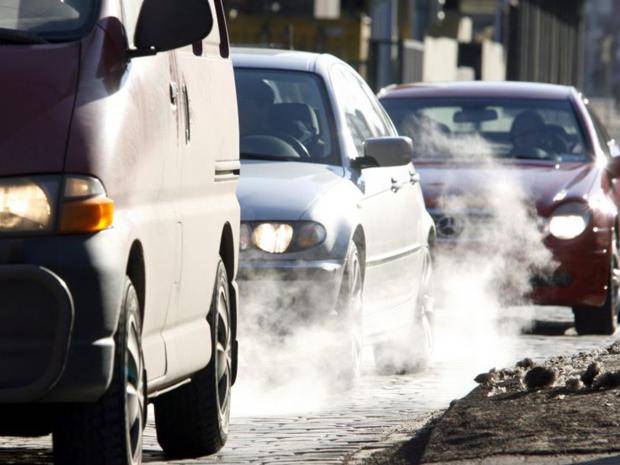
Old vehicles with high levels of emission in Nepal
The government decision, which followed a similar campaign in the capital Kathmandu a year ago, has forced more than 5,000 ageing vehicles, including buses and trucks, off the road.
But an organisation representing transport businessmen criticised the government move.
“We were not consulted before the authorities took the decision. They don’t have any plan on what to do with the vehicles,” said Dharma Rimal, an official at the Federation of Nepalese National Transport Entrepreneurs.
“Vehicles older than 20 years still ply the rural roads. I don’t think it will be fully implemented,” he said.
In a notice published in newspapers on Thursday, the Department of Transport Management said if such vehicles were found plying the roads, officials would seize them.
Authorities have also banned cars from core parts of Kathmandu to reduce congestion.
The global Environmental Performance Index released earlier this year ranked Nepal’s air quality as one of the worst in the world.
The Lagos State Government looks to have buckled under pressure when, on Thursday, March 15, 2018, it announced the reduction of all levies for its new Land Use Charge (LUC) that had attracted public outcry in the state.
Akinyemi Ashade, Lagos State Commissioner for Finance and Special Adviser to the Governor on Taxation and Revenue, making the announcement
The reduction came two days after the Ikeja branch of the Nigeria Bar Association (NBA) marched against the new law, with its chairman, Mr Adeshina Ogunlana, describing the protest as a demonstration against “oppressive” tax regime in Lagos State.
The News Agency of Nigeria (NAN) reports that Committee for Defence of Human Rights, Joint Action Front and the Human and Environmental Agenda joined the protest in solidarity with the lawyers.
The NBA chapter had also submitted a letter to Governor Akinwunmi Ambode dated March 12 and titled “Call For A Re-think and Review of The Land Use Charge Tax, All Other Excessive Taxes, Levies and Charges in Lagos State.”
Earlier, several groups, including the Manufacturers Association of Nigeria (MAN) had also kicked against the new land charges.
Consequently, the authorities, on Thursday, cut commercial charges by 50 per cent, owner-occupier with third party, including industries and manufacturing concerns by 25 per cent.
It also waived penalty for late payments across board and tax credits for LUC charges already paid, and introduced Instalmental Payment System.
The News Agency of Nigeria (NAN) reports that Mr Akinyemi Ashade, the state Commissioner for Finance and Special Adviser to the Governor on Taxation and Revenue, announced the government’s new position at Alausa.
He spoke at a media briefing which had all members of the executive council members except the governor in attendance.
Ashade said the review was in line with the desire of government to build infrastructure and improve the well-being of its citizens.
“In line with this administration’s tradition of inclusive governance and civic engagement, and as a government that is committed to the welfare of its citizens and understands the importance of continuously engaging the populace, we undertook extensive dialogue with various stakeholders on the Land Use Charge (LUC) revised Law and its implementation.
“Consequently, we received a wide range of responses from our dialogue with various stakeholders on the amended LUC Law 2018.
“The stakeholders included the Organised Private Sector, Nigeria Bar Association, Real estate investors & developers, Landlord & Resident Associations, Community Development Associations, Civil Society Organisations, Lagos Chamber of Commerce and Industries (LCCI), Nigeria Institute of Estate Surveyors and Valuers and several other professional groups.
“These various interactions formed the subject of extensive deliberations at the meeting of the Lagos State Executive Council on Wednesday, March 14th, 2018.
” The Lagos State Executive Council chaired by His Excellency, Mr Akinwunmi Ambode, therefore resolved as follows:
“1. Commercial Property: Commercial Property owners, who are undoubtedly the stakeholders mostly impacted by this amended Law will be granted 50% discount. This means a commercial property valued at N20 million which was earlier billed N91,200 will now pay N45,600 per annum.
“2. Property Occupied by Owner and Third Party & Property Used for Industrial and Manufacturing Purposes: These categories of property will now enjoy 25% discount. This means that a N20 million property expected to pay N30,720 will now pay N23,040 per annum.
“3. Owner-occupied Property: This category of property will enjoy 15% discount. For a N20 million property, this used to be N9,120. Now, it is N7,752 per annum.
“4. The penalty regime for late payment of LUC has been waived completely. Therefore, LUC payers who have received their bills will no longer be penalised for late payment of bills issued in 2018, thereby providing additional relief to LUC payers.
“5. Other rates and reliefs, apart from the ones stated above, will remain unchanged and will be implemented as stipulated by the Law. These include 40% general relief, 10% for 70 years and above, 10% for properties owned by persons living with disability and 10% for properties that are 25 years old and so on and so forth.
“6. Owners of Property across all categories will now be allowed to make payments by instalments. This will help to reduce the burden of taxation on our citizens,” he said.
The Commissioner said that those who had already paid the new LUC would be awarded tax credits to the extent of the excess amount paid and carried forward to the following year.
He said that a regulation would be sent to the Lagos State House of Assembly for review and passage, and urged stakeholders to participate in the legislative proceedings.
The Commissioner for Justice, Mr Adeniji Kazeem, said dispute resolution mechanism of the law was also reviewed.
“This new amended law provides for the establishment of five tribunals in the five divisions of Lagos State,” he said.
Kazeem explained that there had been only one tribunal, but the executive council had granted approval and four more be added to accommodate the new amendment.
The new Land Use Charge Law (LUCL) 2018, which applies to real and landed property in the state, had consolidated all property and land-based rates/charges into a single property charge and set modalities for levying and collection of the charge.
In a new study released on Wednesday, March 14, 2018, researchers identified significant flaws in ambitious forest preservation projects underway in a densely-forested region of the Democratic Republic of the Congo (DRC), where a decision on future investment by the World Bank’s Forest Carbon Partnership Facility (FCPF ) is imminent.
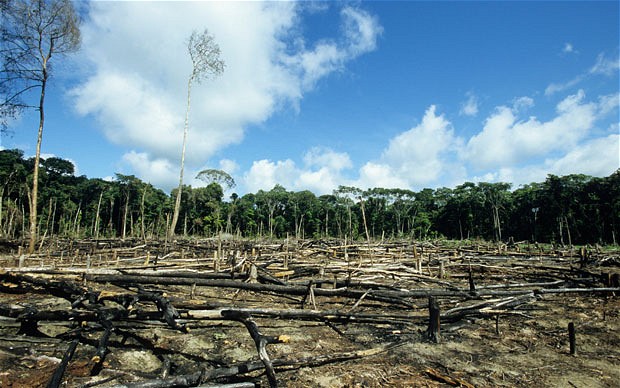
The international climate scheme si designed to halt forest destruction, reduce greenhouse gas emissions and reward the indigenous and other local peoples. Photo credit: telegraph.co.uk
The DRC province of Mai-Ndombe has been a testing ground for the international climate schemes designed to halt forest destruction, reduce greenhouse gas emissions and reward the indigenous and other local peoples who care for the forests and depend on them for their food and incomes.
But the new study released by the Rights and Resources Initiative (RRI) reveals that the climate funds known as REDD+ risk harming their intended beneficiaries, while failing to stop deforestation in the province where an estimated $90 million has been either dispersed or committed to projects.
“Our findings show that DRC is not yet ready for REDD+ investment,” said Andy White, coordinator of the RRI. “Our report analysed 20 existing and planned projects in DRC and concluded that projects already underway are not respecting the rights of local peoples or delivering on their goal of protecting forests. The evidence from other countries shows that REDD+ and similar payment schemes will work only if governments recognise and support community land rights.”
Citing weak recognition of community land rights in the province, as well as an environment of corruption and poor governance, the authors argue that channeling additional investments into the area for REDD+ programmes would exacerbate conflict and fail to protect the forests.
The findings come at a particularly urgent moment, as the countries that fund the World Bank’s Forest Carbon Partnership Facility (FCPF) prepare to make a decision on a payment agreement that would insert millions of dollars into REDD+ programmes in DRC.
Funders of the FCPF are planning to approve the payment agreement with DRC within the year – the final step before funds are dispersed and implementation begins. DRC, which contains the majority of the world’s second biggest tropical rainforest, would become the first country to sign a payment agreement with the World Bank under REDD+.
“If the programme in Mai-Ndombe is approved without ensuring that local peoples’ rights are respected, it would set a terrible precedent for REDD+ and make a bad situation worse,” said Alain Frechette, researcher and director of strategic analysis at RRI. “Strong indigenous and community land rights and a clear understanding of who owns forest carbon are vital prerequisites for climate finance to succeed in its goals of reducing poverty and protecting forests.”
The report also finds that projects already underway – among them those funded by Wildlife Works Carbon, Novacel, the World Wildlife Fund, and the Forest Investment Programme – have not adequately included communities in governance of the projects, nor have they made plans for benefiting the forest peoples. Instead, the authors reported, the lack of legal safeguards and accountability in the current system could channel benefits from REDD+ – legally and illegally – to private sector representatives and others with little incentive to champion forests or local peoples.
A second paper released on Wednesday by the RRI analyses the legal systems of 24 of the 50 developing countries preparing to participate in the global carbon market, revealing that only five have established national legal frameworks to regulate their trade in carbon. So far, none of the 24 countries has set up a system for sharing the benefits earned on the carbon market with local forest communities, despite evidence that the best guardians of the forests are forest peoples themselves.
“It is crucial that the 17 countries working on draft legislation regarding carbon rights – and other countries preparing to enter the carbon market – protect and enforce the rights of forests peoples,” Frechette said. “Otherwise, they risk displacing thousands of people and fueling the violence and deforestation that is usually associated with the expansion of agro-industry and mining operations.”
“Communities depend on the forests for their lives and livelihoods – especially rural women,” said Chouchouna Losale, vice-coordinator and programme officer for the Coalition of Women for the Environment and Sustainable Development in DRC. “Yet these projects were developed in Kinshasa before being shared with communities, that therefore did not participate in drafting these projects or give their consent to them. To succeed, these projects must include the communities that have managed these forests for generations.
Despite plans that include transforming former logging zones into conservation areas and paying locals to plant acacia trees on a stretch of degraded savannah, the projects currently underway in DRC suffer from conflicts and mismanagement. The report traces these troubles back to weak public governance and inadequate adherence to international standards. The national REDD+ steering committee has not met since it formed in 2012. Project organizers have often committed to guidelines that require safeguards and consultation with local communities, but have neglected to fully implement them.
While details of the REDD+ mechanism are still being negotiated under the United Nations Framework Convention on Climate Change (UNFCCC), more than 50 developing countries have initiated programmes to enter the carbon market. REDD+ is the only solution to forest protection laid out in the Paris Agreement; it is also included in many national plans for reducing greenhouse gas emissions.
“REDD+ was created to both halt deforestation and benefit local communities – yet the current projects inMai-Ndombe fail to address both objectives,” said Marine Gauthier, a lead author on the DRC report. “Countries engaging in REDD+ must ensure secure community land rights for Indigenous Peoples and local communities. These are fundamental to reversing the deforestation crisis and delivering long-overdue benefits to the guardians of the forest.”
The report details how projects in DRC are failing to tackle forces driving deforestation. The authors argue that the country will need to prioritise resolving land conflicts, respecting the rights of local communities and Indigenous Peoples, and enabling these communities to participate directly in REDD+ programmes to succeed.
“The people of Mai-Ndombe – whose median income is only $.24 per day – are largely to thank for keeping the world’s second largest tropical forest intact. But their success has made the province a magnet for carbon profiteers as well as timber and oil companies,” said Solange Bandiaky-Badji, director of RRI’s Africa and gender justice program. “DRC must respect its international human rights commitments, especially the tenure rights of Indigenous Peoples and local communities, as a starting point for the success of any climate finance or development initiative moving forward.”
The government of Mai-Ndombe province, located in the west of the country, officially became a province in 2015, 10 years after the national government first drew its boundaries through the forests of DRC, and one year after the implementation of DRC’s Forest Code. The Forest Code recognises the legal right of Indigenous Peoples and local communities to ownership of forest areas up to 50,000 hectares. In Mai-Ndombe, the Mushie and Bolobo communities have requested formal title to 65,308 hectares of land, but only 3,900 hectares have been legally recognised.
Over the same period, more than $90 million has been committed for 20 REDD+ projects in the province. It was expected that the estimated 73,000 Indigenous Peoples who live in Mai-Ndombe would be among the beneficiaries of these initiatives.
In the second study, RRI researchers reveal that few countries preparing to take part in REDD+ have developed the legal and regulatory frameworks required to ensure these programmes will live up to their promises. According to the report, £Uncertainty and Opportunity: The Status of Forest Carbon Rights and Governance Frameworks”, without governance in place, it’s unclear who has legal rights over the carbon.
“Critically, of the 24 countries analysed, only Brazil, Costa Rica, Ecuador, Peru and Vietnam have established national legal frameworks to regulate their trade in carbon,” said RRI’s Alain Frechette. “And, of this group, only Brazil, Costa Rica and Peru have also established legal definitions for carbon rights, demonstrating the potential for other countries to clarify these rights.”
The authors caution that the lack of clarity opens the way for major conflicts over natural resources and threatens to undermine the customary rights of Indigenous Peoples and local communities to their lands and resources.
“And, after more than a decade of engagement, the concept of carbon rights remains shrouded in legal ambiguities – separated from forest ownership or land rights – even though clear rights are essential for a system that financially rewards those who protect forests,” Frechette continued.
Scientists estimate that forests and “other natural science solutions” offer up to 37 percent of the solution needed by 2030 to keep a global temperature increase below 2°C – the target stated in the Paris Climate Agreement. A growing body of evidence shows that indigenous and local communities – when their rights are recognised and protected – are peerless protectors of tropical forests. Increasingly, forest peoples and the forests they care for are being recognised as vital to addressing climate change, as scientists continue to report the dearth of affordable carbon capture technologies that can safely be scaled up.
“In DRC and worldwide, conflicts over agriculture, logging, livestock, mining, and conservation are mounting,” said RRI’s Coordinator Andy White. “Instead of empowering Indigenous Peoples, communities, and women in the forest communities, the REDD+ programmes in Mai-Ndombe are not adequately respecting the rights of local peoples and are failing to protect forests.”
“But all is not lost,” White added. “Countries that fund the Forest Carbon Partnership Facility have an opportunity to postpone this project until community rights are respected and the government demonstrates progress on recognition – or to cancel it altogether if DRC does not correct course. It is not too late. Recognising community land rights and engaging local communities would ensure that this grand experiment underway in the world’s remote rainforests can succeed, unlocking all of the benefits that come with strong forests and forest protectors.”
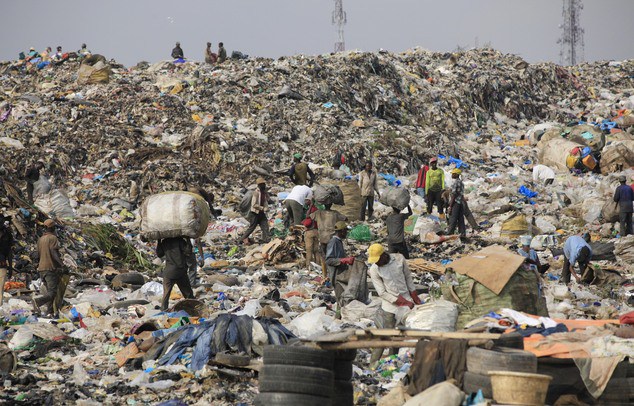
Metropolitan Lagos’ most famous dumpsite at Olusosun in Ojota has been gutted by fire, leaving residents, motorists and commuters panicky.
Scavengers at the Olusosun dumpsite in Lagos
Huge fireballs and smoke could be seen far from the site, located near the old Lagos Toll Gate.
Mr Adesina Tiamiyu, the General Manager of the Lagos State Emergency Management Agency (LASEMA), told the News Agency of Nigeria (NAN) on Wednesday, March 14, 2018 that the cause of the fire outbreak was yet to be ascertained.
Tiamiyu said that what was of utmost importance was to stop the fire, so that it does not extend to the LAGBUS Terminus.
He said that the fire started around 4pm and there was no casualty.
According to him, the emergency response team, the Lagos Fire Service, the Lagos Waste Management Authority (LAWMA) were at the site to curtail the fire.
NAN reports that the Lagos State Government has said that the Olusosun and other dumpsites will be closed down, as part of the Cleaner Lagos Initiative (CLI).
The government, through an environmental utility firm, Visionscape Sanitation Solutions, has commenced the construction of the first engineered sanitary landfill in Epe, to ensure better waste management.
“Cleaner Lagos”, a Twitter handle of the Ministry of Environment, explained the possible cause of fire, saying: ”It is necessary to clarify that the fire at Olusosun dumpsite wasn’t deliberately set by the Lagos State Government or any individual. It broke out as a result of the pockets of unstable gases caused by indiscriminate dumping and further compounded by dry weather.”