Home Blog Page 1844

Saying ‘no’ to palm oil won’t halt biodiversity loss – IUCN

0

Banning palm oil would most likely increase the production of other oil crops to meet demand for oil, displacing rather than halting the significant global biodiversity losses caused by palm oil, the International Union for the Conservation of Nature (IUCN) warned in a report published on Tuesday, June 26, 2018.
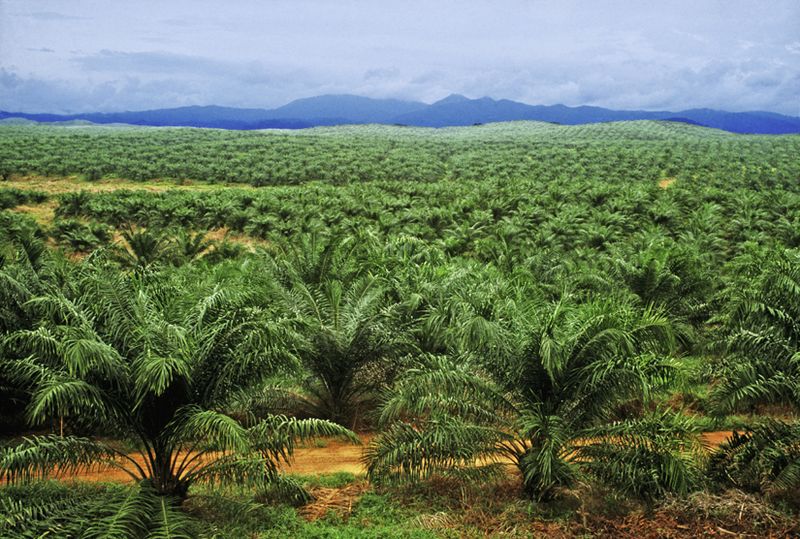
A palm oil plantation

The IUCN report, titled: “Palm Oil and Biodiversity”, is an analysis of palm oil impacts on global biodiversity and possible solutions.

Given other oil crops require up to nine times as much land to produce than palm oil, its replacement would significantly increase the total land area used for vegetable oil production to meet global demand. Avoiding further palm oil-related deforestation will deliver the biggest gains for biodiversity by far, the report found.

“When you consider the disastrous impacts of palm oil on biodiversity from a global perspective, there are no simple solutions,” said IUCN Director General, Inger Andersen. “Half of the world’s population uses palm oil in food, and if we ban or boycott it, other, more land-hungry oils will likely take its place. Palm oil is here to stay, and we urgently need concerted action to make palm oil production more sustainable, ensuring that all parties – governments, producers and the supply chain – honour their sustainability commitments.”

The report found that palm oil is damaging global biodiversity, with 193 species assessed as threatened on the IUCN Red List affected, and orangutans, gibbons and tigers among species suffering severe harm. Palm oil impacts on biodiversity currently converge in Malaysia and Indonesia, but could spill over to tropical Africa and America as production expands to meet demand, according to the report. Because palm oil is grown in the species-rich tropics, this could have catastrophic effects on global biodiversity. Areas into which palm oil could potentially expand are home to half (54%) of the world’s threatened mammals, and almost two thirds (64%) of all threatened birds, the report found. If other oil crops replaced palm oil, the damage could shift to ecosystems such as the South American tropical forests and savannahs.

Oil palms produce 35% of the world’s vegetable oil on under 10% of the land allocated to oil crops, with most palm oil consumed in India, China and Indonesia. Three-quarters of all palm oil is used for food, as cooking oil and in processed foods, with the rest used in cosmetics, cleaning products and biofuel. The authors used satellite data to estimate the total planted area at 18.7 million hectares for industrial palm oil only, which gives at least 25 million hectares when smallholder plantations are included. This is higher than the area reported by producer countries, which adds up to 21 million hectares for all palm oil.

“Palm oil is decimating South East Asia’s rich diversity of species as it eats into swathes of tropical forest,” said report lead author and Chair of IUCN’s Oil Palm Task Force, Erik Meijaard. “But if it is replaced by much larger areas of rapeseed, soy or sunflower fields, different natural ecosystems and species may suffer. To put a stop to the destruction we must work towards deforestation-free palm oil, and make sure all attempts to limit palm oil use are informed by solid scientific understanding of the consequences.”

Solutions need to focus on improved planning of new oil palm plantations to avoid the clearing of tropical forest or peatland areas, and better management of forest patches left untouched in plantations, known as set-asides. Certified palm oil has so far proven to be only marginally better in terms of preventing deforestation than its non-certified equivalent, but the approach is relatively new and holds potential for improving sustainability.

More efforts are needed to ensure that sustainability commitments are honoured and that their reporting is transparent, but also that there remains a demand for certified palm oil. Government policies should protect forests in countries producing palm oil as well as other oils, and limit demand for non-food uses of palm oil, such as biofuel, the authors recommended. Improved consumer awareness in the top consuming countries – India, China and Indonesia – could greatly increase demand for certified palm oil.

Written by the IUCN Oil Palm Task Force (OPTF) in response to a 2016 resolution adopted by IUCN’s government and non-governmental members, the report aims to provide a constructive path to improving sustainability in the palm oil industry. This report only looks at the impacts of palm oil on biodiversity, and does not consider social or economic impacts, which the task force aims to study in 2019.
CVF summit offers fresh hope for climate accord implementation – Stakeholders

0

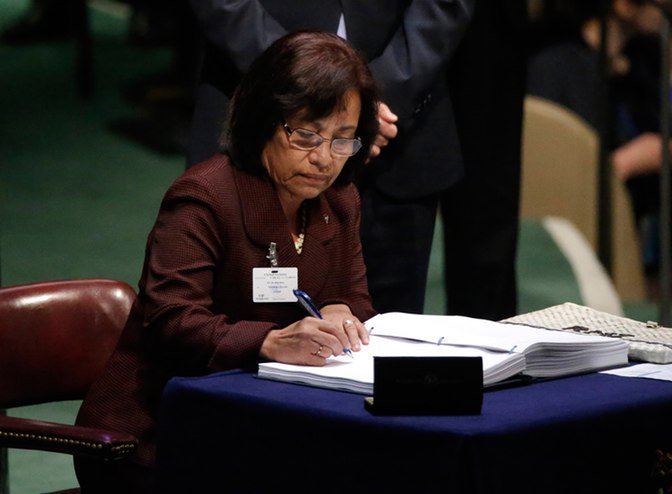
President of the Republic of the Marshall Islands and incoming Chair of the Climate Vulnerable Forum (CVF), Dr. Hilda C. Heine, on Wednesday, June 27, 2018 announced the first ever carbon-free online summit of world leaders on November 22, 2018.

Hilda-Heine
Hilda Heine, President of Marshall Islands

The announcement, says the Climate Action Network (CAN), gives new hope that the world will attain a critical decision by all countries to step up ambition at the next climate talks in Katowice, Poland, in December.

“This decision is a critical outcome that CAN and its partners have been working towards as 2018 is a key year and dubbed as the ‘Step Up year’ or ‘trigger year’. It is the first important test of the Paris Agreement and the ratchet up mechanism constituting its core. For the Paris Agreement to reach its goal of keeping warming below 1.5C, countries must revise, update and enhance their Nationally Determined Contributions (NDCs) every five years. The next round is 2020. But for countries to come prepared to submit new NDCs in 2020 they need to start the process with national consultations as early as January 2019,” says the group.

The CVF Summit comes after key international moments including the Global Climate Action Summit (GCAS) and the release of the Special Report on 1.5C by the International Panel on Climate Change (IPCC).

At the GCAS non-state actors are expected to demonstrate what they are doing to curb emissions and keep warming in check and the release of the IPCC report is expected to tell governments that they need to do a lot more to reach the temperature goal of 1.5C, otherwise vulnerable countries and cities will suffer and face an ill fate.

“Warming beyond the limit set in Paris will threaten global security and the economy,” warns CAN. “The report will tell governments that transitioning to 100% renewable energy is the only road to salvation and to achieve optimum health, prosperity, jobs and security. The CVF Summit will come to stress this and it would be the time when at least 50 governments will demonstrate to the world that climate solutions exist, are possible to adopt and economically productive.”

Reacting to the development, climate stakeholders described the CVF Summit as the moment of leadership they have been waiting for.

California Governor, Edmund G. Brown Jr.: “President Heine will help carry the torch of climate action from this year’s Global Climate Action Summit to the United Nations Conference of the Parties in Poland this December.”

Hoesung Lee, Chair of the IPCC: The IPCC is working hard to complete the Special Report on Global Warming of 1.5ºC, to be released in early October subject to approval. As IPCC Chair I am delighted to hear that the Climate Vulnerable Forum is organising its first carbon-free summit in November. I hope that our report will provide a valuable scientific evidence base for your discussions, as well as informing the negotiations at COP24 a couple of weeks later.”

Winnie Byanyima, Oxfam International Executive Director: “The countries least responsible for causing climate change are taking matters into their own hands. They are showing the rest of the world the way to fight climate change. This is the true spirit of the Paris Agreement, and the kind of leadership that people on the front lines of extreme weather demand.”

Jennifer Morgan, Greenpeace International Executive Director: “This Summit is a call to action for the world’s leaders to step up and prove that they’ve heard the voices of the world’s vulnerable and that they too will act with the responsibility and urgency demanded of them.

“It puts the biggest polluters to shame that the countries who will be hit hardest by climate change are also the ones leading the fight against global warming. Other countries need to wake up and act because our collective fate will be sealed by the actions taken today.”

Esther Watts, Country Director of CARE International in Ethiopia: “Climate change is a major development challenge in Ethiopia. How the country and,  its diverse peoples, communities, and households respond to the multi-faceted impacts of climate change determine Ethiopia’s prospects for growth and transformation, gender equality, and livelihood resilience and sustainability. Recognising this, the Government of Ethiopia, CARE and other development partners have been making considerable efforts to respond to climate change impacts. The CVF summit will be an important opportunity to raise awareness of climate actions taken, and to trigger further cooperation to scale them up.”

Naoko Ishii, CEO and Chairperson, Global Environment Facility: “It is the poorest and most vulnerable countries that are hit the hardest from climate change.  At this critical time, we all need to raise our climate ambition and the GEF is committed to transformational change.  We all share one planet in common, and in its new four-year investment strategy the GEF puts a strong emphasis on financing for Least Developed Countries and Small Island Developing States. The CVF Leaders’ Summit is an important opportunity to accelerate action towards a low carbon future.”

Elhadj As Sy, Secretary General, International Federation of Red Cross and Red Crescent Societies (IFRC): “The IFRC welcomes the announcement of the CVF Summit as an opportunity to bring greater attention to rising climate risks that are affecting the most vulnerable communities in the world. The impacts of climate change are here, now, and we will continue to see devastating humanitarian consequences unless urgent action is taken. For this reason we look forward to the Summit resulting in increased ambition, solidarity and urgency to build resilience and achieve all the goals of the Paris Agreement.”

Tomás Insua, Executive Director, Global Catholic Climate Movement: “The poor and future generations most suffer the consequences of climate change, even though they least contribute to its causes.  Plain and simple, this is an issue of justice. The nations that are most vulnerable to the climate crisis are calling for us to act, and our faith tells us that standing with them is a moral opportunity. Loving our neighbors is a courageous act. In response to Pope Francis’ call, we are committed to making the choices today that will step up our ambition and keep us below the 1.5 C degree threshold.”

Manuel Pulgar-Vidal, Leader of WWF’s global climate and energy programme: “Climate change is the greatest challenge facing our world, threatening the delicate web of life that sustains ecosystems and the lives and livelihoods of millions of people. Our leaders have the power to change this, to be part of history as we shift to a low-carbon world. This starts with increasing climate action reflected in individual country climate plans (or Nationally Determined Contributions, NDCs). So the Climate Vulnerable Forum Summit is a welcome initiative, coming at just the right time. In this year of stepping up climate action, world leaders need to be bold, to act now and at scale, to help ensure that they keep the promise of a 1.5°C degree world alive.”

May Boeve, 350.org Executive Director: “This is a powerful call to action that must resonate around the world. With their commitment to reach 100% renewable energy, climate vulnerable countries are leading the way to a fossil free future. Their bold actions put to shame the delay and denial we see from so many rich countries like the United States. The message from the Climate Vulnerable Forum is clear: if you’re still building fossil fuel projects, you’re endangering the very survival of these nations. No matter where we live, the climate movement stands in solidarity with all vulnerable communities who are on the frontlines of this crisis. Together, we can end the age of fossil fuels and create a just and sustainable world for all.”

Talanoa Dialogue offers unique opportunity for better future – Espinosa

0

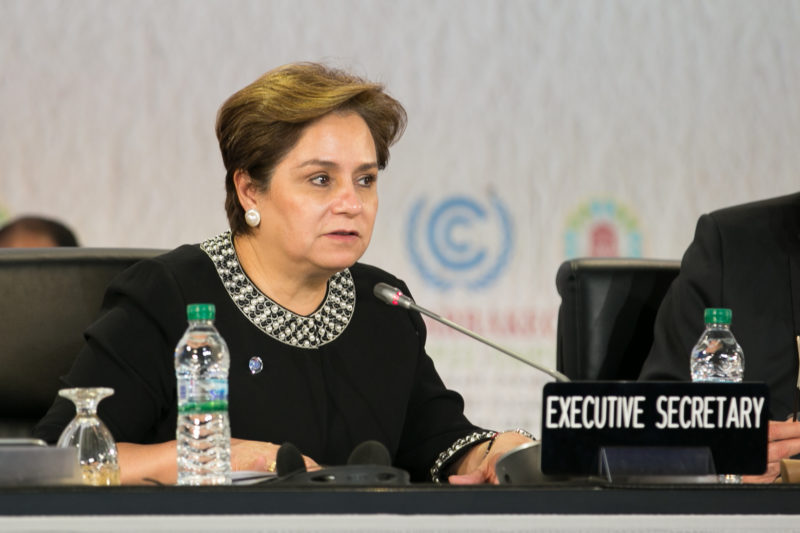
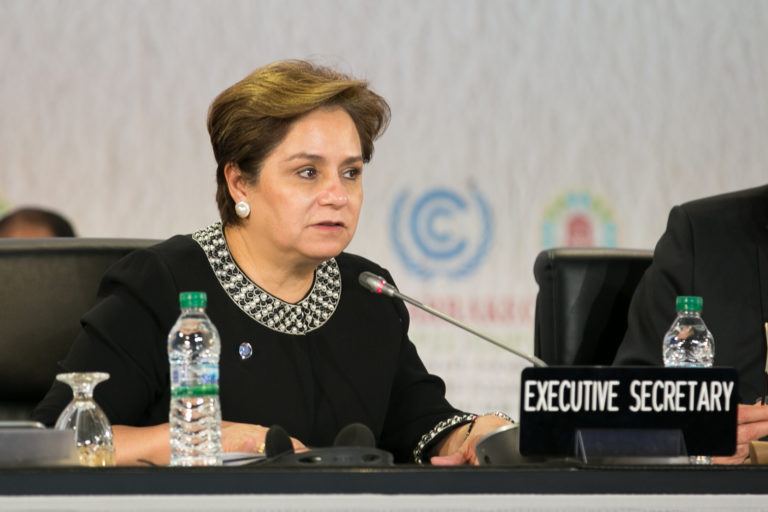
UN Climate Change Executive Secretary, Patricia Espinosa, has said that the upcoming political phase of the Talanoa Dialogue to be held in December at the UN Climate Change Conference in Katowice, Poland, will be an unprecedented opportunity for visualising and realising a climate-safe future. Ms. Espinosa spoke at the EU for Talanoa Conference in Brussels, convened by the European Union

patricia-espinosa
Patricia Espinosa, executive secretary of the UNFCCC

The Talanoa Dialogue and everything we’re doing in this crucial year leading up to COP24 in Poland – including your work here – is about greater confidence, courage and raising ambition.

Confidence that we have determination to meet the goals of the Paris Agreement and that, in doing so, we will deliver a better future for all.

This includes for those who will be affected by the changes that need to be put in place.

Courage to take on the challenge, to work hard and to withstand the difficulties we may encounter in the road towards a low-emissions and climate-resilient future.

And, finally, enhance ambition, as a response to the fact that we are far from meeting the goals of Paris.

This means taking more action to reduce emissions and have those reflected in nationally-determined contributions.

This year, the Talanoa Dialogue has brought government and non-government actors together to share stories about climate change and climate action.

It’s about visualising the future and identifying ways to making it a reality.

The political phase of the dialogue is an unprecedented opportunity.

In it, ministers and non-Party leaders will take this information and generate the necessary political momentum to move forward.

The stories shared so far have been both concerning and encouraging.

They all make a strong case for enhancing ambition.

Some have described how the impacts of extreme weather are leading to loss of lives and livelihoods.

Small Island states, for example, have described the devastation caused by extreme weather events.

Counties in Africa have referred to the impact of drought on food security while, at the same time, urban centres are overwhelmed by flooding.

At the same time, we’ve been encouraged by stories from national and sub-national governments, businesses, civil society and others, on steps they are taking to address climate chance.

A broad area has been covered.

This includes policy, policy, regulatory frameworks and incentive programmes by governments.

It includes science-based targets by industries.

And it includes positive and active campaigns and programmers by civil society.

Equally encouraging were the stories not only about cooperation between governments, but also between governments and non-government actors.

These have focused on regulation, incentive programmes, research and finance.

Despite all this progress, the scientific community also has a story to tell.

And that’s the story of how our current ambition does not set us on track to limiting temperature rise well below 2C, and even less to below 1.5 C.

In fact, these stories raise the alarm of a world warming above 3-degrees Celsius, or more.

This is what underlies everything we do – this urgency that presses us forward, keeps us grounded in the present while looking to the future.

And that brings us a final set of stories describing the world we envisage.

These are inspiring stories – ones we look to draw both lessons and hope.

Stories describing countries or businesses that run 100% on renewable energy.

Stories about communities that have halted deforestation, stories about cities where electric vehicles are the norm and many more.

These stories share a similar message: citizens across the world demand a world free of greenhouse gas emissions.

And they believe such future is absolutely possible – with available and planned technologies.

The stories also reinforce the idea that no single individual or group can achieve the goals of Paris on its own.

If we act in isolation, we’ll never get to where we need to be. But if we work together, we can accomplish anything.

This is where the Talanoa Dialogue comes in. And, so far, it has been incredibly successful.

But now let’s look to where we go from here.

The political phase of the dialogue will take place at COP 24, through a series of meetings and round tables.

This is where all the information collected, including from meetings like this, will provide the base for discussions.

Its where, during the ministerial round tables, ministers, CEOs, heads of agencies and leaders from the civil society will consider the question of “how do we get there?”

This exercise will be the first of its kind.

It has the potential of generating the necessary courage, confidence and greater ambition on climate change action.

I am optimistic about this process.

The Presidencies, Poland and Fiji, have a great willingness and a great responsibility to lead the political discussions in the right direction…

…one that brings us all together and encourages all nations to act.

I also believe it’s a good opportunity to develop a common vision for the short term…

…one that connects important milestones such as the upcoming requirements for NDCs and long term strategies in 2020, and the first global stock take in 2023.

What should that vision include?

First, a strong determination to increase ambition in reducing emissions and increasing resilience in view of the current gap to meet the Paris Agreement’s goals.

We must remember that, in the context of the Paris Agreement, ambition is a global obligation.

Finance is another key area where we need a serious investment of ambition.

We need to increase the financing and investment needed to make our climate goals under the Paris Agreement happen, in line with the current financing pledges.

Government action through regulation will also be key to guide the transformation towards a low emissions and climate resilient society.

Such regulation should reflect what many businesses and citizens are calling for.

Technology cooperation, both for dissemination and research is equally important.

The vision should shed light on where countries should be putting their short and medium term efforts on technology dissemination and research.

Businesses will need clear signals and encouragement to act.

Ideally, the vision should point to near and medium term directions, building on what some businesses are already doing.

We also need signals to increase technical cooperation.

There is much to learn from each other as there are great challenges to be addressed. We should be able to identify where cooperation will yield best benefits in the few years to come.

Finally, we need to encourage the civil society to continue to be engaged and be a motor of the transformation.

This dialogue has been and must continue to be a process about our common aspirations and aims.

Let it continue to inspire our work and our ongoing vision. Not only to fulfil the goals of the Paris Agreement, or to increase ambition – although these are all very important but to help us achieve our ultimate goal, and that is to build a world that is cleaner, greener and more prosperous for all.

Agricultural production, biodiversity protection key to 2030 Agenda attainment

0

Executive Secretary, Secretariat of the Convention on Biological Diversity (CBD), Cristiana Pașca Palmer, has said that that strengthened agricultural production and protecting biodiversity are key “intertwined challenges” at the heart of the 2030 Agenda.

Biodiversity
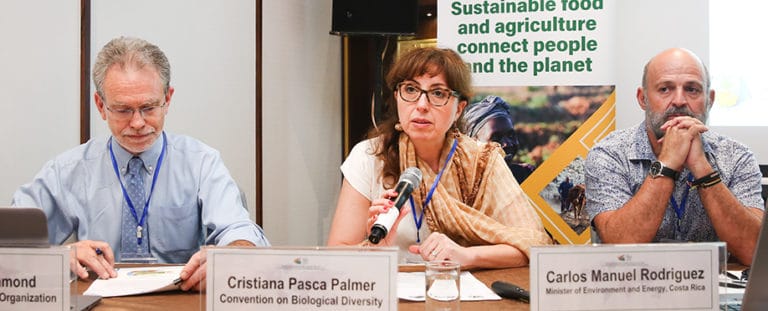
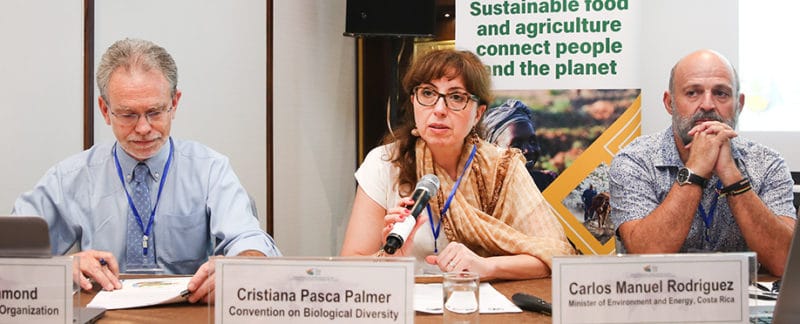
L-R: Thomas Hammond, Director, Climate and Environment Division, FAO; Cristiana Pașca Palmer, Executive Secretary, Secretariat of the Convention on Biological Diversity (CBD); and Carlos Manuel Rodriguez, Minister of Environment and Energy, Costa Rica, at the Food and Agricultural Organisation (FAO) Side Event during the Global Environment Facility (GEF) 54th Council Meeting holding in Da Nang, Viet Nam

Palmer, who made the submission on Monday, June 25, 2018 at the Food and Agricultural Organisation (FAO) Side Event during the Global Environment Facility (GEF) 54th Council Meeting holding in Da Nang, Viet Nam, noted that agriculture remains the major driver of ongoing biodiversity loss.

She expressed however optimism about positive information sharing outcomes at the Multi-stakeholder Dialogue on Biodiversity Mainstreaming across Agricultural Sectors held in Rome from May 29 to 31, 2018, the first major activity of the FAO’s Biodiversity Mainstreaming Platform.

Carlos Manuel Rodriguez, Minister of Environment and Energy, Costa Rica, described the challenges at governmental level between the different ministries of environment and agriculture, which often see each other as adversaries instead of as colleagues. He noted the importance of planning together and defining the investments jointly.

Palmer agreed with him about sharing the same experiences at national level and called for a paradigm shift away from the concept that “conservation takes away natural resources from the agricultural sector.”

Mark Zimsky, Biodiversity Focal Area Coordinator, the GEF, presented on lessons learned from previous CBD projects, highlighting that there aren’t yet many completed projects to draw conclusions from.

He indicated that mainstreamed programmes work best where there are: democratic transparent and stable governance systems; strong institutional capacity; availability and use of science-based biophysical and socio-economic spatial information systems; and phased in over an extended period. He added that these features are therefore reflected, where possible, in GEF 7 CBD projects.

Carlos Manuel Jimenez, Deputy Director-General of Environmental Financial Schemes, Ministry of Environment (SEMARNAT), Mexico, reflected on the impact of the CBD’s 13th Conference of the Parties, held in Cancun in 2017, outlining: the four natural resource sectors of fisheries, forestry, agriculture and biodiversity signed an agreement to integrate strategies; and the creation of the world’s first Mainstreaming Biodiversity Centre.

As integrated results, he highlighted: fulfilled the natural protected areas objective of 10 to 20% national territory under protection; biodiversity Finance Initiative (BIOFIN Mexico), analysis of public and institutional policies on biodiversity in the country; analysis of federal public spending for biodiversity; and costing of the National Biodiversity Strategy of Mexico (ENBioMex).

Kim Thuy Ngoc, Institute of Strategy on Natural Resources and Environment, Ministry of Natural Resources and Environment, Vietnam, outlined her country’s efforts to address biodiversity loss, including through declaration of protected areas and a series of national conservation plans.

She expressed appreciation for FAO’s recent Multistakeholder Dialogue in Rome, noting that it will be increasingly important to demonstrate the “economic value” of biodiversity for it to be taken seriously by mainstream ministries.

Chris Brown, Vice President, Corporate Social Responsibility, Olam International, highlighted the potential for millions of farmers to drive enhanced biodiverse outcomes if appropriate incentives enable them to see benefits in sustainable farming practices.

He also outlined actions which Olam International is undertaking to value its biodiverse resources, including: participating in Gabon’s dialogue on forests, bringing in all relevant stakeholders to assess operational best practice for production in an area that is biodiversity-rich.

In response to questions from the audience at the close of the event, speakers agreed that the business case for improving biodiversity outcomes needed to be better articulated, including reflecting the impact of externalities which are currently socialised across the community or passed on to the next generation.

Minister Rodriguez concluded discussion by hypothesising that, in future, once full costs and benefits have been appropriately assessed, then there would not be a need for separate food and agriculture and environment ministers as there will be greater recognition that the two are inextricably linked.

Apart from raising awareness about the recently launched Biodiversity Mainstreaming Platform which aims to build bridges between sectors, the event was also aimed at identifying synergies, align goals and develop integrated cross-sectoral approaches in the agriculture, forestry and fisheries sectors.

Thomas Hammond, Director, Climate and Environment Division, FAO, who moderated the session, noted that the FAO would continue to aim to bridge the gap between the natural resources and agriculture sectors, having launched the Biodiversity Mainstreaming Platform.

Emirates Airline, US firm to build $40m vertical farm

0

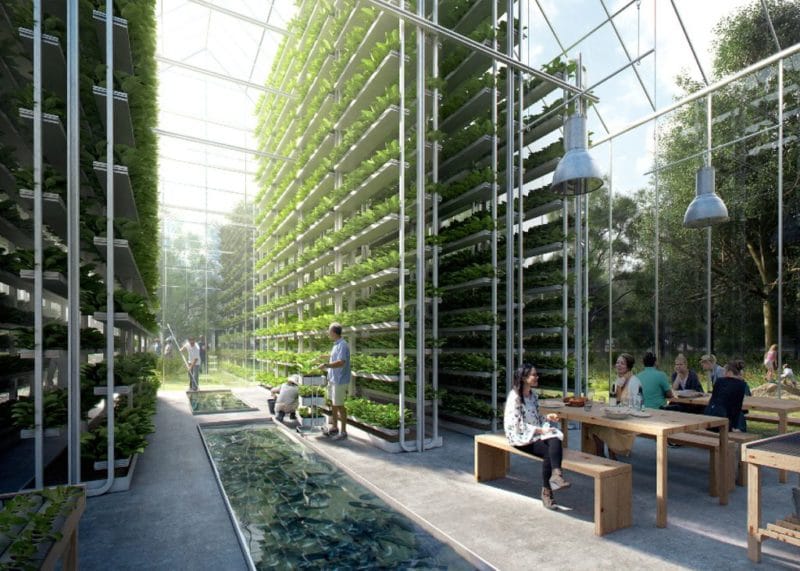
The United Arab Emirates (UAE) flagship carrier, Emirates Airline, has launched a joint project with U.S. Crop One Holdings, to build the world’s largest vertical farming facility.

vertical farming
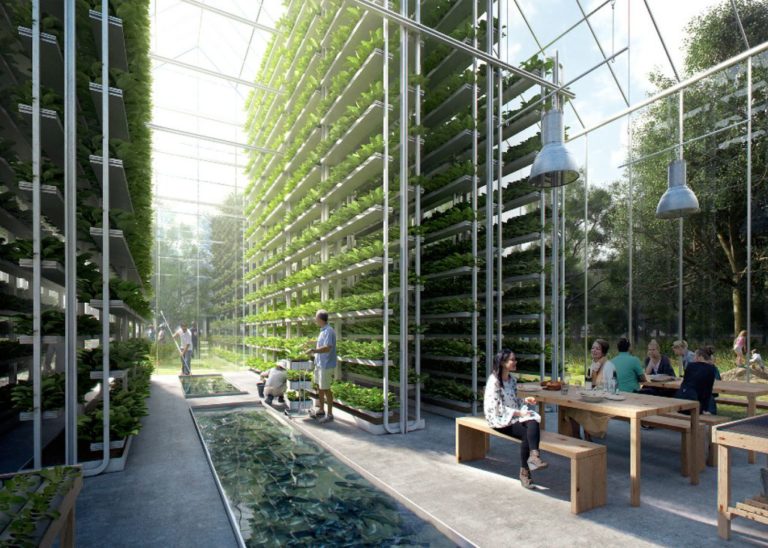
An impression of a vertical farming facility

The facility would be near Dubai’s Al Maktoum International Airport, Emirates said in a statement on Tuesday, June 26, 2018.

“Emirates Flight Catering (EKFC), the flight catering division of Emirates, and Crop One, a leading global vertical farm operator, will co-invest $40 million in the large project,’’ the statement said.

Sheikh Ahmed bin Saeed Al Maktoum, chairman and Chief Executive Officer of Emirates, said the massive investment “aligns with the UAE’s drive for more agricultural self-sufficiency.’’

“The introduction of ground-breaking technology at the facility also enhances Dubai’s position as a global innovation hub,’’ he added.

When complete, the vertical farm facility will cover an area of 12,077 square metres with an output equivalent to 3.64 million square metres of farmland.

“Our proven business model has demonstrated profitable commercial production longer than any other major vertical farmer,’’ Sonia Lo, Chief Executive Officer of Crop One Holdings, said.

According to the statement, at full production, the facility will harvest 2,700 kilogramme of high-quality, herbicide and pesticide-free leafy greens daily, using 99 per cent less water than outdoor fields.

The construction of the facility is scheduled to start in November and will take around one year to complete.

The first products are expected to be delivered to EKFC’s customers, including 105 airlines and 25 airport lounges, in December 2019.

Ebola outbreak under control in Congo, says WHO

0

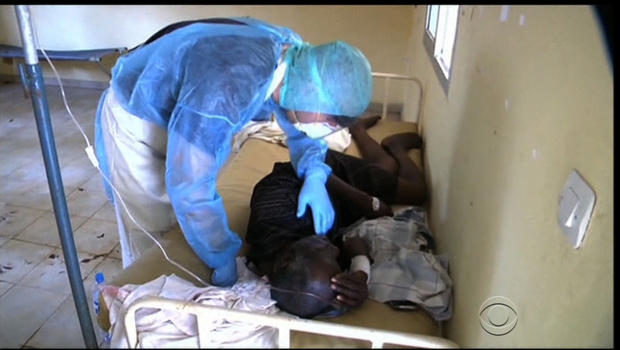
The spread of Ebola seems to have been stopped in Congo, less than three months after the outbreak of the deadly disease was declared, the World Health Organisation (WHO) reported on Tuesday, June 26, 2018.

ebola-patient
An Ebola virus patient being attended to

“The UN agency is cautiously confident that the outbreak has been contained,’’ a spokesman told a news conference in Geneva.

The last infection was confirmed on June 6, bringing the total of confirmed cases to 38.

The outbreak has claimed 28 lives in the Central African country.

The spokesman said that Congo’s health authorities would remain vigilant since a single new case in a densely populated city could trigger a new chain of infections.

A report says after the outbreak became known, the WHO and other UN agencies raced to contain the virus, which leads to fever, diarrhoea, vomiting and bleeding.

Almost 3,300 people, who came into contact with patients, were immunised.

During the 2014 to 2015 epidemic, which left over 11,000 dead in Liberia, Guinea and Sierra Leone, the WHO had been criticised for its slow response.

Solar energy: ECOWAS to enhance electricity access in 19 countries

0

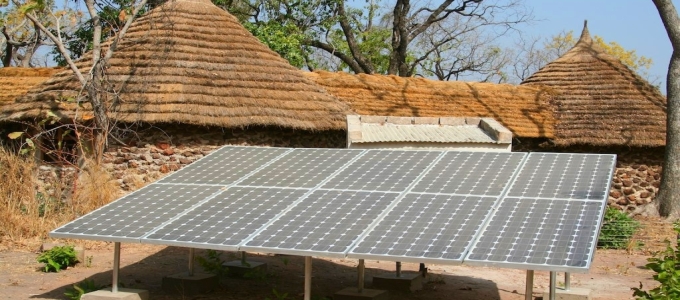
The Economic Community of West African States (ECOWAS) is set to enhance sustainable electricity access through solar in 19 West African countries and the Sahel region to promote development in the region.

Off-grid lighting Africa
Off-grid lighting in Africa. Photo credit: unep.org

Stakeholders from the energy sector in the region, therefore, gathered in Accra, Ghana on Tuesday, June 26, 2018 at a regional workshop to develop modalities to implement the Regional Off-Grid Electrification Project (ROGEP).

ROGEP aims to enhance electricity access in West Africa and the Sahel region through standalone solar systems, including solar lanterns, solar home systems, solar water pumps and solar mills.

The ECOWAS Commissioner for Energy and Mines, Mr Sédiko Douka, said only 40 per cent of the population within the region had access to electricity supply.

He added that the objective of the meeting was to work out modalities for the implementation of the project because close to 200 million people had no access to electricity in the region.

He said “our team at the ECOWAS Commission resumed in March and within our four-year mandate, our objective is to increase electricity access to at least 60 per cent of the population in the region.

“We have been having several energy meetings within the energy sector and on Thursday, we will have the meeting of all ECOWAS ministers of energy.”

Douka added that the project, sponsored by the World Bank, would kick-off in 2019.

He noted that the project, with an estimated overall budget of $200 million, would cover
19 countries.

He listed the countries as Nigeria, Benin, Burkina Faso, Cabo Verde, Cote d’Ivoire, Gambia, Ghana, Guinea, Guinea Bissau, Liberia, Mali and Niger.

Others are Sierra Leone, Senegal, Togo, Cameroon, Central African Republic, Chad and Mauritania.

Wendy Hughes, the Practice Manager, Energy and Extractive Global Practice of the World Bank Group, said that the off-grid technology would provide “real and sustainable alternative to grid electricity.”

Hughes added that the cooperation of member countries in building “a large, unified off-grid solar market will increase access to these modern energy devices.

“Adopting common quality standards for solar off-grid products that are uniform across the entire region will in effect create a single large market that will be far more attractive to private solar companies.”

She advised member states to work together to develop a comprehensive regional standard that would identify individual country’s priorities.

The project, developed in December 2015, would be implemented by the ECOWAS Centre for Renewable Energy and Energy Efficiency (ECREEE) in January 2019.

Mr Mahama Kappiah, the Executive Director of ECREEE, said modalities had been worked out to train local entrepreneurs in the energy sector to ensure ownership of the project and affordable energy for member states.

He said: “One way we are trying to make energy affordable through this project is using our local entrepreneurs, not foreign entrepreneurs or those who call themselves expatriates and pay themselves very high salaries we have to pay for.

“We are also providing finance to these entrepreneurs and for the first phase, we have $140 million as credit line that will go to these local entrepreneurs which they can contract through the commercial banks at very low interest rate.”

Kappiah said that training had begun with 48 entrepreneurs from the 19 countries on adopting effective models to ensure the viability of the project.

He noted that the World Bank was supporting the first phase of the project with $200 million, saying that member states would not financially support the project “for now”.

“Financial support is only from a credit line scheme that we have negotiated with the World Bank that we put at the disposal of our private enterprises solely for this job.

“From January 2019, the $140 million will kick in from monies available by the World Bank,” Kappiah added.

By Temitope Ponle

500 children died of lead poisoning in 2010 – Zamfara

0

Gov. AbdulAziz Yari of Zamfara State has said that no fewer than 500 children died as a result of lead poisoning in eight villages in 2010, as against 400 reported.

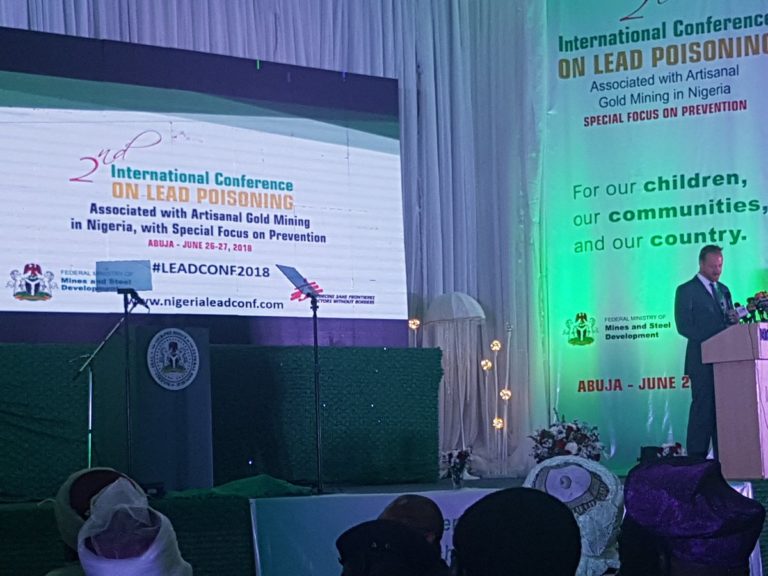
Lead
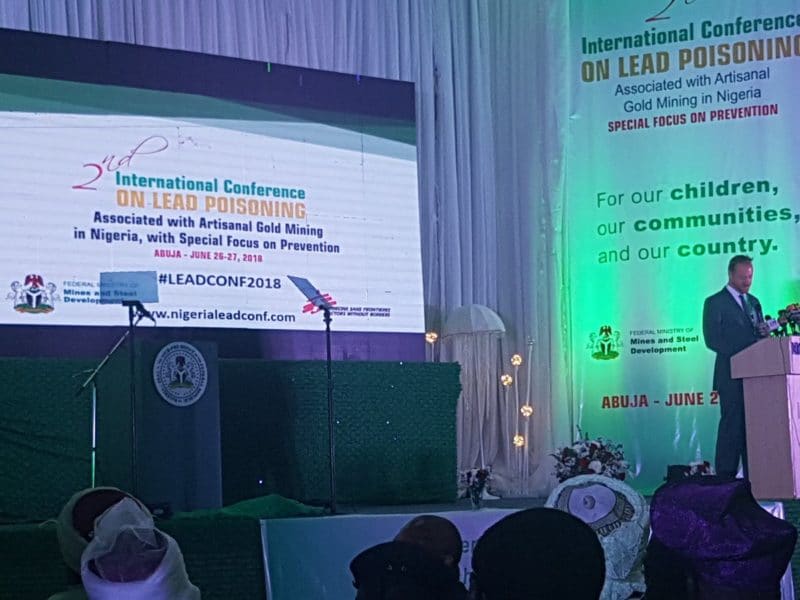
A session at the 2nd International Conference on Lead Poisoning Associated with Artisanal Gold Mining

Yari made this known during a two-day event on the 2nd International Conference on Lead Poisoning Associated with Artisanal Gold Mining in Nigeria on Tuesday, June 26, 2018 in Abuja.

Yari, who was represented by Prof. Abdullai Shikafe, the secretary to the state government, said most of the children affected were under the age of five.

He said some of the affected children that underwent treatment were still suffering memory retardation.

The News Agency of Nigeria (NAN) reports that lead is a toxic metal found in the earth’s crust.

It is a cumulative toxicant that affects multiple body systems and is particularly harmful to young children, as it is stored in the teeth and bones where it accumulates over time.

Yari said the lead poisoning occurred barely a week before he assumed office as governor of the state.

He said the state responded quickly and mobilised stakeholders to sensitise communities on the dangers associated with lead poisoning.

He added that the Federal Government, relevant ministries and Doctors Without Borders also came to their rescue.

Gov. Abubakar Bello of Niger State said the conference was organised to bring together key stakeholders to underscore the need for collaboration in preventing lead poisoning.

Bello commended the Federal Government and other stakeholders for supporting the state during the lead poisoning outbreak that affected two villages in Niger in 2015.

He said the state had continuously engaged in enlightenment campaigns on safer mining, and that miners and staff of ministries of minerals, environment and health were being trained and retrained on best mining practices.

Gov. Abubakar Bagudu of Kebbi State said artisanal mining was rampant in his state, and that youths and women dominated the illegal occupation.

Bagudu, who was represented by his Chief of Staff, Mr Suleiman Argungu, said Kebbi would continue to partner with the ministry to sensitise miners in his state on safer mining practices.

NAN also reports that there was an outbreak of lead poisoning in Zamfara in 2010, which killed no fewer than 400 people, mostly children.

In 2016, there was another outbreak of lead poisoning in Niger that also killed more than 28 children.

However, the Medicine Sans Frontiers, known as Doctors without Borders, were able to curtail the spread in the two states, in collaboration with relevant ministries and the Federal Government in terms of funding and technical support.

The cost of the first phase of remediation of lead poisoning in two villages in Zamfara was N150 million and it was funded by the state government.

The second phase of remediation in five villages in the same state cost $2 million, sponsored by the United Nations.

In 2016, the Federal government also spent N250 million to remediate lead poisoning in two villages in Niger.

By Francisca Oluyole

UK temperatures to hit June highs

0

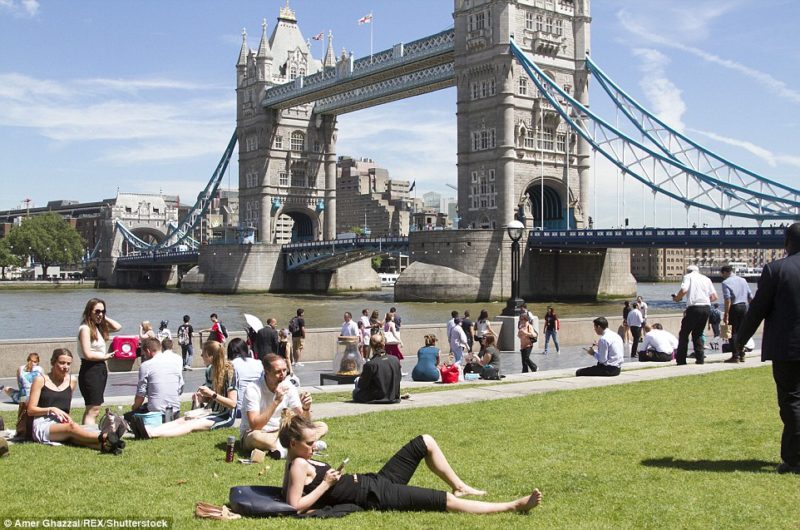
Britons enjoyed sweltering heat for the third day running on Tuesday, June 26, 2018 with temperatures reaching 30 degrees Celsius in Wales.

UK high temperatures
Tuesday saw temperatures reaching over 30C

The temperature is possibly set to hit record June highs this week, the Meteorological Office said.

Twitter and Facebook were replete with dogs bathing in fountains and rivers, some even wearing sunglasses and hats.

The Meteorological Office said: “With temperatures into the low thirties over the next couple of days, there is a chance we could beat Northern Ireland’s all-time record of 30.8 degrees and Scotland’s June record of 32.2 degrees.”

Portmadog in North Wales was the hottest place at 30.6 degrees, with Tuesday in general only a shade below Monday’s highs, while temperatures are expected to peak on Thursday at around 32 degrees.

Britain’s highest-ever temperature for June was 35.6 C recorded in the southern port of Southampton in 1976.

A high pressure system is expected to stay over most of Britain into next week and health and emergency services are offering tips on staying cool.

Police were issuing open-water warnings to stop people tempted to bathe unsafely and several wildfires were reported in northern England.

The heatwave had yet to reach Scotland’s northernmost Shetland Islands, however, where temperatures were around 15 C and skies cloudy.

Shetland Library tweeted: “Went out for an ice cream at lunchtime, to celebrate that everyone ELSE in the country is having a #scorchio #heatwave.”

How national water bill will be beneficial to Nigerians, by government

0

The Federal Government says the National Water Resources Bill will be beneficial to all Nigerians, whenever it is signed into law.

Suleiman Adamu
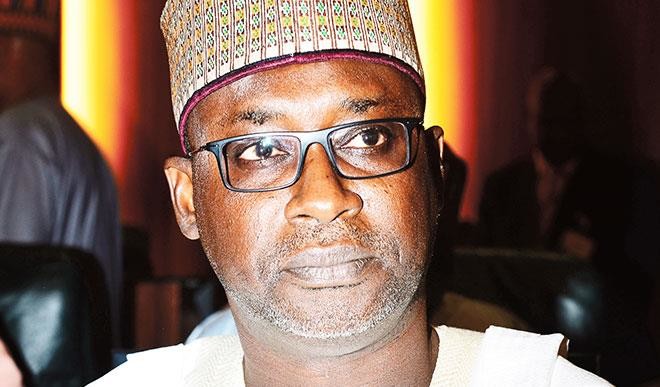
Suleiman Adamu, Minister of Water Resources

Minister of Federal Ministry of Water Resources, Alhaji Suleiman Adamu, said this on Tuesday, June 26, 2018 at the National Consultative Conference on Water-Use Regulations, Compliance, Monitoring and Enforcement Framework in Abuja.

Adamu said that the bill would regulate the water sector in the country, adding, however, that even though water laws had been in existence since 2006, the bill was drafted in 2008.

“I have made a statement on this bill to the media some time ago.

“Also, other stakeholders in the water sector have been commenting in the media, trying to explain what this bill is all about.

“It appears that many people have not even read about the bill; they don’t understand it before coming out to comment publicly about it.

“We have said that there is nothing new about it, as we have existing water laws; there are four existing laws that we have been consolidated into the new document.

“The laws include the Water Resources Act of 2014, the National Water Resources Institute Act, the River Basin Act and Nigeria Hydrological Services Act.

“We just introduced the concept of Nigeria Integrated Water Resources Management, in line with the new water resources policy,’’ he said.

Adamu said that members of the Senate had asked all the relevant questions about the bill, while the key officials of the ministry had also responded to the enquiries.

He added that the Senate President, Dr Bukola Saraki, had already set up committees to look at all the issues presented by the ministry concerning the content of the bill.

The minister commended the chairmen and members of the Senate and House of Representatives Committees on Water Resources for their interest and enthusiasm in the National Water Bill.

Adamu said that the conference was apt, as it would address some of the critical issues which were also captured in the bill.

“The conference is being organised at the right time; its theme is apt; this is further reinforced with the approval of the Water Use and Licence Regulation of 2016.

“This regulation has spelt out water licensable activities and gave the responsibility of issuing licences to the Nigeria Integrated Water Resource Management Commission (NIWRMC).

“The commission has drawn up relevant criteria for the issuance of such water permits for the corporate governance of the water sector in the country.

“The criteria are to protect, conserve, control water resources for equitable and sustainable socio-economic development as well as to maintain environmental integrity.

“Also, the criteria are to ensure that public water services were supplied efficiently and economically, in accordance with standards that reasonably meet the social, industrial and commercial needs of Nigerians across the nation,’’ he said.

Also speaking, Mr Reuben Habu, the Executive Director, NIWRMC, said that the regulation of the water resources sector derived its origin and power from Section 19 of the Water Resources Act.

Habu also said that there was nothing new in the National Water Resources Bill.

He noted that the bill was already before the National Assembly, adding that it was an amalgamation of all the extant laws on water resources in the country.

He said that NIWRMC, in the course of carrying out its statutory responsibilities, observed that there were some overlapping functions and responsibilities among different government agencies.

“The commission, therefore, saw the need to bring together all relevant stakeholders to rub minds and understand each other’s distinct roles and responsibilities.

“The commission also recognised the need to synergise for improved efficiency in water sector regulation in Nigeria,’’ he said.

Also, Dr Lawrence Anukam, Director-General, National Environmental Standards and Regulations Enforcement Agency (NESREA), said that NESREA was also monitoring pollution as part of its mandate in the water resources sector.

Anukam said that the effort was to protect watersheds and catchment areas by controlling activities which were inconsistent with good land management practices in vulnerable areas across the country.

News Agency of Nigeria (NAN) reports that the conference, which was organised by NIWRMC, had “Regulating Water Resources for Sustainable Development in Nigeria’’ as its theme.

By Okon Okon