Home Blog Page 1833

Herders-farmers conflicts becoming more sophisticated, deadlier – UN envoy

0

The Special Representative of UN Secretary-General for West Africa and the Sahel, Mohamed Ibn Chambas, says the conflicts between herdsmen and farmers in Nigeria are becoming more sophisticated and deadlier.
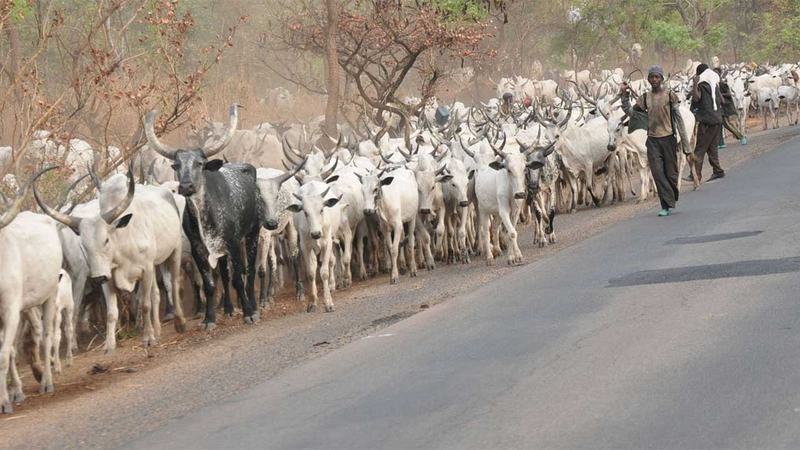
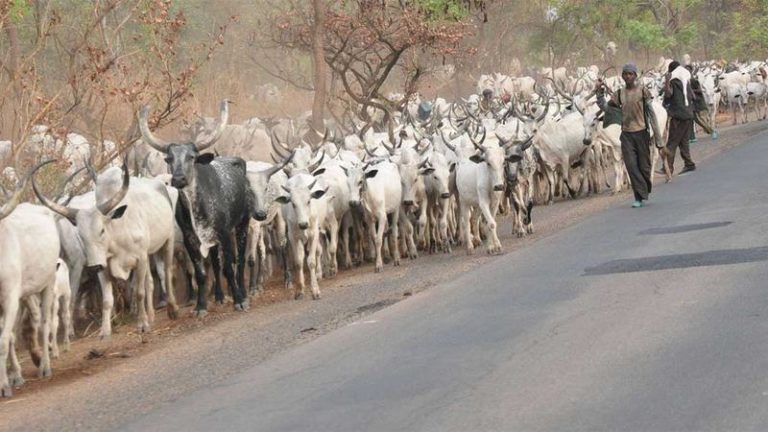
Herdsmen
Herdsmen

Chambas, who is Head, UN Office for West African and the Sahel (UNOWAS), in a report presented to the UN Security Council, said the violence was a major security threat in the region, warning that it risks changing into terrorist attacks.

“Violence between farmers and herders is increasingly a major security threat in the region and risks morphing into the terrorist attacks that have defined the security landscape.

“Farmer-herder conflicts are becoming more sophisticated and deadlier, especially in Nigeria’s Middle Belt.

“During four days in June, new spates of attacks and retribution killings between herders and farmers in this region resulted in scores of deaths,’’ the UN envoy for said.

In the Lake Chad Basin, Chambas said despite gains made by the Nigerian armed forces and the Multinational Joint Task Force, Boko Haram remained active.

The UN envoy for West Africa and the Sahel said: “The trend of Boko Haram, using female suicide bombers continues, and reportedly almost one in five suicide bombers is a child.

“The most recent attacks on a Nigerian military garrison in Yobe and the ambush of a military convoy in Borno are the latest manifestations of the threats still posed by Boko Haram.

“There is a need for increased support to diplomatic, security and humanitarian responses to Boko Haram, in a holistic manner.

“To this end, UNOWAS is providing technical support for a joint summit of the Economic Community of West African States (ECOWAS) and the Economic Community of Central African States (ECCAS), on July 30, as called for by Security Council resolution 2349 (2017).

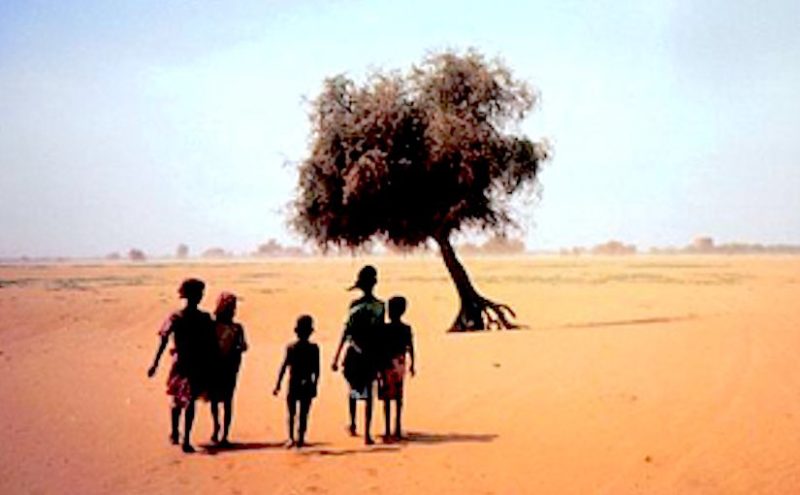
He explained that the severe depletion of Lake Chad had led to environmental degradation, socio-economic marginalisation and insecurity for 45 million people.

According to him, an estimated 2.3 million people remain displaced by the aggregate effects of insecurity and climate change.

He appealed to Member States to support the humanitarian response to the Lake Chad crisis, which remains critically underfunded and revitalisation of the Lake Chad Basin.

“Let me stress that any military response to security challenges in the region needs to be matched by the implementation of comprehensive strategies linking security and humanitarian interventions to development and human rights initiatives.

“There is also need to increase our collective efforts to address the challenges facing the Sahel region with actions that combine politics, security and development,’’ Chambas stressed.

He said the period under review saw an upsurge in popular discontent in the region manifested through often violent demonstrations calling for political and economic reforms.

“The sometimes violent conduct of security forces, notably in dealing with popular demonstrations, has also fuelled political tensions.

“Commitment by countries of the region and support from the international community will be key to ensuring the effectiveness and accountability of security sector institutions as part of broader security sector reform efforts.

“Several countries continue to struggle with justice, national reconciliation and human rights challenges.

“Among those is the concerning number of high-profile arrests, judicial prosecutions and convictions against political and civil society actors.

“We must collectively continue to urge Member States to provide an enabling environment for the exercise of the freedoms of expression and assembly, which are critical in consolidating democracy and good governance,’’ the UN envoy said.

He said UNOWAS would continue to closely monitor the situation with forthcoming elections in Nigeria, Mauritania and Senegal.

“In some countries of the region, including Nigeria, UNOWAS is working closely with ECOWAS and other partners to support the establishment of national peace architectures that can provide a systematic and inclusive approach to the prevention, management and resolution of conflict.’’

By Prudence Arobani
Lack of cooling access threatens health, prosperity, climate

0

Some 1.1 billion people around the world face immediate risks from lack of access to cooling, says a report from Sustainable Energy for All released at the High-Level Political Forum (HLPF) on Sustainable Development in New York City on Monday, July 16, 2018.

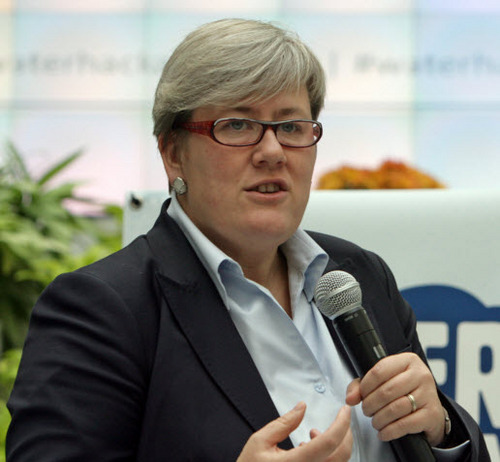
Rachel Kyte
Rachel Kyte, CEO and Special Representative of the UN Secretary-General for Sustainable Energy for All (SE4ALL)

Cooling is crucial for a variety of often overlooked functions including safe storage of vaccines and drugs, cool office buildings in hot climates, and transportation of fish to market.

The report, titled: “Chilling Prospects: Providing Sustainable Cooling for All”, highlights access to cooling as an important emerging opportunity in climate adaptation innovation.

“In a world facing continuously rising temperatures, access to cooling is not a luxury – it’s essential for everyday life. It guarantees safe cold supply chains for fresh produce, safe storage of life-saving vaccines, and safe work and housing conditions,” said Rachel Kyte, CEO and Special Representative to the United Nations Secretary-General for Sustainable Energy for All.

To close the gap in access to cooling, “we ask cities, communities and country leaders to think about cooling action plans. This can be an output of work on NDCs (Nationally Determined Contributions) under the Paris Agreement,” she added.

“Companies that produce HFC free, affordable air conditioning appliances are looking at market opportunity of multiple billions of people,” she said. “The market opportunity is…enormous.”

HFCs are an important chemical used in refrigeration, but also an extremely potent greenhouse gas. Depending on the type of HFC compound, the refrigeration chemical is 150- 11,000 times more powerful as a greenhouse gas than carbon. It is estimated that cooling is now responsible for about 10% of climate change and growing rapidly. Future choices about refrigerants, the efficiency of cooling technologies, and how cooling is powered will have a significant impact on achieving the Paris Climate Change Agreement.

Access to cooling will be more important in the future as climate change impacts amplify. The study shows that the impacts of access to cooling are a fundamental equity issue. Of 1.1 billion people at risk, 470 million people are in poor rural areas without access to safe food and medicine and 630 million are in hotter, poor urban slums with insufficient cooling to protect them against heatwaves.

These at-risk populations are also concentrated in nine countries across Asia, Africa and Latin America: India, Bangladesh, Brazil, Pakistan, Nigeria, Indonesia, China, Mozambique and Sudan.

This year’s High-Level Political Forum on Sustainable Development is reviewing progress on Sustainable Development Goal (SDG) 7: Access to affordable Reliable, sustainable and modern energy for all.

Cooling is a complex issue and it is essential to achieving many other (SGDs). But cooling also requires energy, and increased cooling from HFCs and fossil fuel powered energy drives climate change which will make cooling even more important.

The report projects that by 2050, global work-hour losses for increased heat are expected to be as high as 12% in some regions like West Africa and South Asia which will translate into as much as 6% of annual GDP lost.

More broadly, despite improved access to electricity globally, close to one billion people continue to live without electricity. Moreover, approximately three billion people lack access to clean-cooking solutions and are exposed to dangerous levels of air pollution.

China, EU reaffirm commitment to Paris Agreement

0

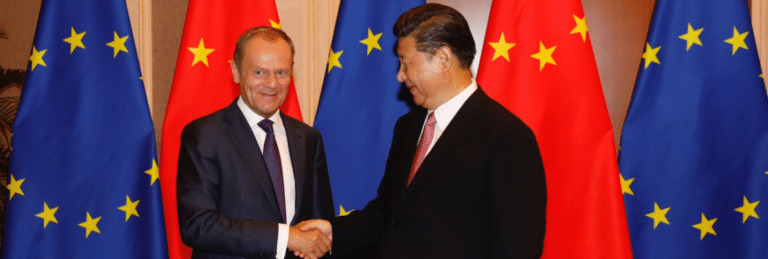
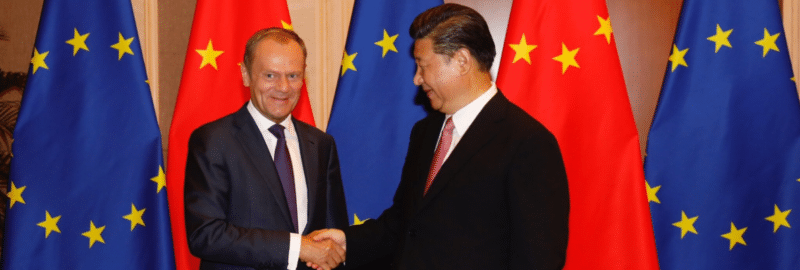
China and the European Union reaffirmed their commitment to the Paris Agreement in a joint statement on Monday, July 16, 2018 after the 20th EU-China Summit held in Beijing.

China EU
European Council President, Donald Tusk (left), with Chinese Premier, Li Keqiang, in Beijing

During the summit, leaders highlighted the importance of tackling climate change and called other nations to step up climate action. This effort is said to have become more urgent than ever because of the disastrous effects of climate change. The leaders expressed their commitment to advance cooperation on the implementation of the Paris Agreement and fully support the upcoming UN Climate Change Conference (COP24), which will take place in December 2018 in Katowice, Poland.

President of the European Commission, Jean-Claude Juncker, said: “We have underlined our joint, strong determination to fight climate change and demonstrate global leadership. It shows our commitment to multilateralism and recognises that climate change is a global challenge affecting all countries on earth. There is no time for us to sit back and watch passively. Now is the time for decisive action.”

The 16-point joint statement and the annex on climate change and clean energy was agreed on by the European Council President Donald Tusk, European Commission President, Jean-Claude Juncker, and Chinese Premier, Li Keqiang.  The statement highlighted the impact of climate change and underscored the need for rapid action to fight against it.

Among other important points related to tackling climate change, the statement talked about the promotion of a global clean and low-carbon energy transition, especially towards sustainable, affordable, reliable and modern energy services.

Leaders also expressed their joint support for other important areas like human rights, trade and foreign and security cooperation. Based on the principles of respect, trust, equality and mutual benefit, leaders agreed to further deepen their partnership for peace, growth, reform and civilisation by comprehensively implementing the EU-China 2020 Strategic Agenda for Cooperation.

Governments embark on transformative agenda to achieve global biodiversity targets

0

Inspired by discussions on the possibilities of transformational change, a keynote address by Canadian astronaut Roberta Bondar, and a celebration of indigenous culture, more than 1,000 delegates from around the world concluded two critical meetings of the UN Convention on Biological Diversity (CBD) in Montreal, Canada.

Cristiana Paşca Palmer
Cristiana Paşca Palmer, Executive Secretary of the Convention on Biological Diversity (CBD)

The meeting resulted in recommendations to accelerate and scale up actions needed to achieve existing global biodiversity targets by 2020 (the Aichi Biodiversity Targets). Governments also addressed the process for negotiating a new and more effective global biodiversity framework for the post-2020 period.

Dr. Cristiana Paşca Palmer, UN Assistant Secretary-General and CBD Executive Secretary, noted that “The results in Montreal reflect governments’ awareness of the need for accelerated actions to achieve the Aichi Biodiversity Targets.  The outcomes of these meetings identified key areas that require additional attention. What we need now is to turn these discussions into effective and inclusive actions on the ground.”

The 22nd meeting of the Convention’s Subsidiary Body on Scientific, Technical and Technological Advice (SBSTTA-22) and the second meeting of the Subsidiary Body on Implementation (SBI-2), which were held from 2 to 13 July 2018, represented the last preparatory processes before the UN Biodiversity Conference 2018 being held in Sharm El Sheikh, Egypt this November.


An Atmosphere to Inspire Transformational Change

The negotiations took place in an atmosphere shaped by a desire to bring about transformational change and achieve the goals of building a future of life in harmony with nature. A seminar, organised by the Secretariat in the weekend between the two subsidiary body meetings, brought together social scientists, representatives of the World Economic Forum, governments and a full range of stakeholders active in the Convention process, for a “deep dive” into possible sustainability transitions pathways for systemic change.

During the open dialogue, Dr. Paşca Palmer invited participants to reflect on solutions for moving away from the linear way of thinking and path dependencies, to take a systems view approach in our relationship with nature and biodiversity. She framed the discussion around the question: “How do we empower the agents of change and frontrunners to build new pathways or accelerate transition to sustainability?” The resulting discussion provided a variety of insightful perspectives on the possibilities for change.

Delegates to the SBI meeting were also inspired by the words of Canadian astronaut and member of the order of Canada, Roberta Bondar, who delivered a keynote address featuring breath-taking images of the earth from space.  Dr. Bondar said “I envy all of you because you are in a position to create change… and encourage others to make change.  We know we can do it, we just have to keep our energy alive.”

The government of Canada sponsored a reception at the opening of the SBI meeting, where indigenous traditions, culture and music were shared with the delegates, providing a lived experience of the key role that traditional knowledge plays in building a future of life in harmony with nature.


Looking beyond 2020:  Setting the Stage for Negotiations

Inspired by the overall possibilities and the need for urgent action, delegates assessed progress under the Convention, and advanced a proposal for the negotiating path towards the post-2020 global biodiversity framework. Stressing that “2020 is just around the corner,” the CBD Executive Secretary observed that the process for designing the post-2020 biodiversity framework needs to be science-based, transparent, and inclusive. The meeting requested inputs from Parties and stakeholders on ways to move forward with the process by August 15.


Meetings Outcomes

Delegates recognised the need to leverage emerging new scientific research including the work of the Intergovernmental Science-Policy Platform on Biodiversity and Ecosystem Services (IPBES), such as the recently released regional assessments. Parties also invited greater collaboration between the IPBES and the Intergovernmental Panel on Climate Change (IPCC).

A major topic addressed at the meeting was mainstreaming of biodiversity into sectors that depend on biodiversity, and whose actions cause potential adverse impacts to ecosystems and species. Governments recommended a package of actions for governments, businesses and other stakeholders, to facilitate the incorporation of biodiversity considerations into the energy, mining, infrastructure, manufacturing and processing, and health sectors.


Advances in the Implementation of the Nagoya Protocol

Countries noted considerable progress in setting access and benefit-sharing frameworks. However, the delegates underlined, that further efforts are needed to make the Protocol fully operational. The meeting also addressed the way forward for advancing on a global multilateral benefit-sharing mechanism, and on the question of specialised international instruments related to access and benefit-sharing in the context of Article 4.4 of the Protocol.


Digital Sequence Information

Governments generally recognised the positive contribution of digital sequence information on genetic resources for the conservation and sustainable use of biodiversity, but important divergences in views remain with respect to the implications of this issue for the fair and equitable sharing of benefits arising from the utilization of genetic resources. The understanding of the different perspectives achieved during the meeting will underpin the important decisions to be taken on this topic in Egypt, decisions that could influence the future work of the Convention and its Nagoya Protocol.


Synthetic Biology

On the question of synthetic biology, due to uncertainty around the impacts of organisms with engineered gene drives, countries were called to apply a precautionary approach for the release of such organisms, including when it comes to experimental releases. Underlining that more research and analysis are needed, governments called for broad international cooperation to assess the possible impacts on biodiversity of this technology.

On risk assessment of living modified organisms, including organisms containing engineered gene drives, countries agreed on a process for identifying topics that may warrant the development of international guidelines. Delegates requested the CBD Executive Secretary to commission a study on organisms containing engineered gene drives and modified fish.

On a few elements, consensus was not possible and further discussions were tabled for the November meeting.


Other Thematic and Cross Cutting Issues

Countries looked at the question of mechanisms for conservation of biodiversity that extend beyond existing notions of protected areas and recommended that the definition ‘other effective area-based conservation measures’ be considered by the COP, along with technical advice on guiding principles.

A methodology and a set of principles to guide the assessment of the role and contribution of indigenous peoples and local communities to the overall implementation of the Convention was also addressed in a draft decision to be taken up by the COP in November.

Governments recognised that, as new scientific information continues to emerge, there may be a need to modify existing ecologically or biologically significant marine areas (EBSAs). Countries also identified the need for agreed-upon means and approaches to describe new EBSAs in areas where EBSA workshops have already been held. A proposal for processes to revise existing, and describe new, EBSAs was advanced to the COP.

Delegates recommended that COP 14, this November, adopt the global action plan 2018-2030 for the conservation and sustainable use of pollinators. Governments urged the engagement of businesses, indigenous peoples and local communities, and other relevant actors, involved in production landscapes, to address the drivers of loss of wild and managed pollinators in all ecosystems.

Lagos seeks stakeholders’ collaboration on Apapa clean-up

0

The Lagos State Government has called for collaborative effort from stakeholders to improve sanitation in the Apapa area of the state.

Babatunde Hunpe
Special Adviser to Lagos State Governor on the Environment, Mr. Babatunde Hunpe

Mr Babatunde Hunpe, the Special Adviser to the Governor on the Environment, made the call on Wednesday, July 18, 2018 at a stakeholder meeting in Lagos.

The meeting was between the Lagos State Ministry of the Environment, the Nigeria Union of Petroleum and Natural Gas Workers (NUPENG), the Apapa Ports Authorities.

Tank Farm Owners, National Association of Road Transport Owners (NARTO), Community Development Associations (CDAs) and Apapa Local Government were also part of the meeting.

Hunpe said that the meeting was held to foster ownership of the sanitation initiatives in the area.

He said that there had been pervasive disorder and attendant environmental infractions in the Apapa area.

The Special Adviser said that the infractions made the Lagos State Government, through the Ministry of Environment, to intervene to restore sanity in the sector.

According to him, the cooperation of all stakeholders is necessary to achieve a cleaner environment and restore the beauty of the area.

Hunpe said that the concerned associations within the port authority should come together to form a strong team that would own and sustain the ongoing efforts of the government.

He said that to address indiscriminate waste disposed along the road, government had decided to add two additional Waste Collection Operators to mop up waste from the road, while refuse bins would be placed at strategic locations.

Hunpe said that several environmental infractions such as littering and open defecation were outcomes of the undue presence of trailers on the road.

“Under normal circumstances, the expressway ought to be free.

“But the anomalies in this area, which keeps trailers perpetually on the road, and hawkers who have taken advantage of the situation, have contributed largely to the abuse of the environment,” Hunpe said.

He urged all stakeholders to cooperate with Commercial Waste Operators and ensure the provision of mobile toilets.

According to him, NUPENG should enlighten tanker drivers on the value of clean environment.

Hunpe said that the ministry would also prevail on the Public Works Corporation to assist in clearing the drainage.

Port Manager of Tin Can Island, Mr Emmanuel Akparere, thanked the Lagos State Government for its efforts and promised to bring together all stakeholders to ensure a cleaner Apapa.

Akparere said that the state government had done well by showing concern for the wellbeing of Lagos residents.

He said that the Port Authority had identified the root cause of the degeneration of the environment to be non-provision of holding bays by the shipping companies.

According to him, the Port has strategies to ensure the provision of the important facility.

By Florence Onuegbu

Lawmakers query environment commissioner over refuse heaps in Jos

0

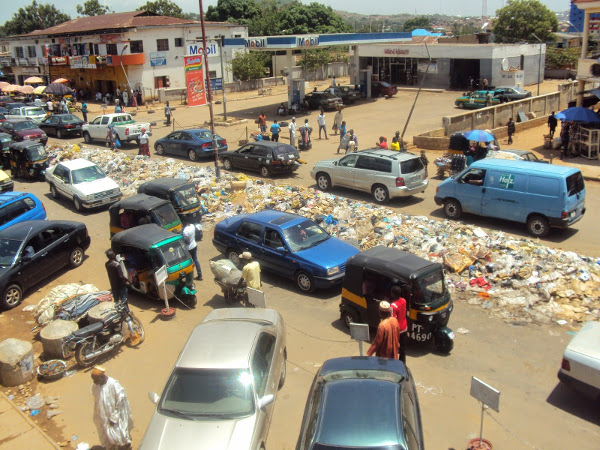
Worried by the heaps of refuse on Jos and Bukuru streets, members of the Plateau House of Assembly on Wednesday, July 18, 2018 invited environment commissioner Abdullahi Abbas to explain the situation.

Jos
Refuse in the streets of Jos

The News Agency of Nigeria (NAN) recalls that the lawmakers, at their plenary on Thursdays, directed the standing committee on environment to investigate why the refuse heaps had not been cleared.

Mr Gideon Dashe, chairman of the committee, who presented the lawmakers’ concerns to the commissioner, wondered why the refuse dumps had not been collected, and expressed fear of a possible epidemic if the situation persisted.

“This ugly trend is particularly worrisome because of its health implications. Practically every corner has been taken over by uncleared refuse. We cannot continue like this.

“We are not here to reprimand anybody; we only want to find out why the refuse dumps are not being cleared.

“When refuse is left uncollected, ailments like cholera can spread very fast,” he said.

Responding, Abbas said that the state contracted waste collection to private waste operators in 2016.

“Recently, however, my ministry realised that the operators lacked the capacity to carry out the job. We found that many of them do not have the needed equipment.

“Aside the operators’ inability to handle the task, members of the public have worsened the situation by disposing waste indiscriminately,” he said.

Abbas assured the legislators that the ministry would step up efforts toward ridding Jos and Bukuru of dirt “within the shortest possible time”.

By Polycarp Auta

EU, Oxfam move to battle desertification in Katsina

0

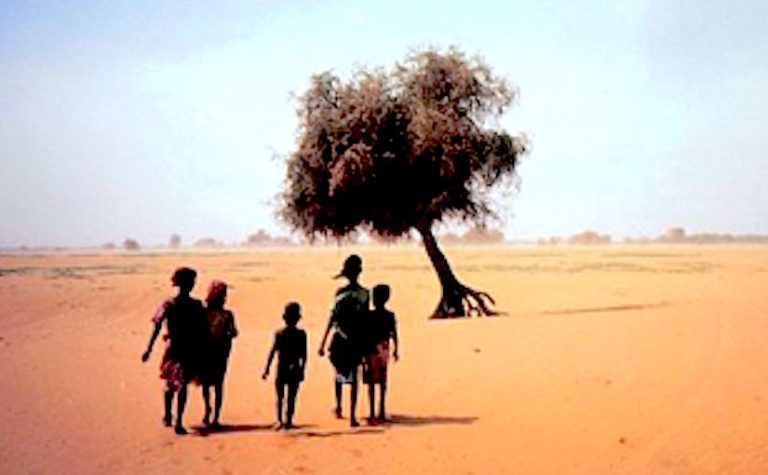
The European Union (EU) and Oxfam have distributed agricultural inputs worth N120 million to farmers in Katsina State for the second phase of the Fuel Wood Balance Programme (FUWOBA) sponsored by the two bodies.

Desertification
Desertification

Dr Christo Marry-Udokang, the state project manager, told the News Agency of Nigeria (NAN) in Daura on Wednesday, July 18, 2018 that the inputs were distributed to farmers across the seven participating Local Government Areas (LGAs) of the state.

Marry-Udokang explained that the inputs included 700 animal plough,1400 sprayers, 1,400 bottles of Cypermathrin liquid insecticides, 4,600 enamel-made watering cans, 1,500 bags of NPK fertiliser and 1,500 mud efficient clean cook stoves.

He said the LGAs and community leaders would be directly involved in the distribution of the inputs to deserving farmers.

Marry-Udokang described the initiative as strong motivation to encourage an all-inclusive participation in fighting desertification, combating negative effect of climate change among others.

The project manager said the gesture was also aimed at inculcating in farmers and communities the culture of environmental protection and conservation.

He commended traditional rulers and stakeholders in benefiting communities for their support towards actualising the project’s objectives through team work approach.

The FUWOBA was inaugurated in September 2014 in seven LGAs of Daura, Baure, Dutsi, Maiadua, Sandamu, Mashi and Zango with the aim of fighting desertification.

The beneficiaries under the project have so far planted and maintained 6.5 million variety of trees through the Farmer Managed Natural Regeneration (FMNR) approach.

By Auwalu Yusuf

Death toll rises to 90 as landslides, floods engulf Nepal

0

Five people were killed in Nepal on Wednesday, July 18, 2018 by landslides and flooding brought on by monsoon rains, bringing the death toll to 90 across the country.

Nepal
Landslide in Nepal

“A woman and her two children, one of them an infant, were killed when a landslide struck their home in a village in north-central Nepal’s Gorkha district,’’ local Police Officer, Mahendra Nepal, said.

Parbat Police Officer, Rabindra Kumar Shrestha, said in the district of Parbat, a teenage boy was buried alive and a man was swept away by a flooded river after a landslide engulfed seven houses.

According to Nepal’s Home Ministry, over 55 people have been injured and 18 have gone missing in the monsoon-induced disasters in last one month.

CVF nations forge ahead with Implementing Marrakech renewable energy vision

0

Two years after the Climate Vulnerable Forum (CVF) announced a vision to achieve “100% domestic renewable energy production as rapidly as possible while working to end energy poverty and protect water and food security”, the Forum under the Presidency of Ethiopia and in collaboration with the International Renewable Energy Agency (IRENA), Sustainable Energy for All (SEforALL) and Climate Action Network (CAN) is bringing that vision to life by convening the first CVF Energy Dialogue focussed on implementation of the 100% renewable energy vision.

Adnan Z. Amin
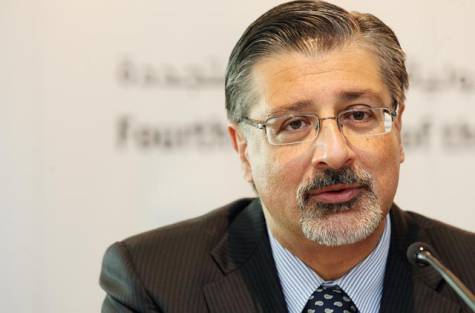
Director-General, International Renewable Energy Agency, Adnan Z. Amin

Attended by more than 30 members of the Forum and various partners who are in support to the CVF long-term vision, the Dialogue is being held alongside the United Nations High-Level Political Forum (UNHPLF) currently underway in New York. It aims to mobilise the necessary technical capacity, resources and partnerships to complete the energy transition. The discussions are focussing on taking stock of the current situation and considering how CVF members may progress the renewable energy agenda together.

In 2018 the UNHLPF is considering progress on Sustainable Development Goal 7, notably to “ensure access to affordable, reliable, sustainable and modern energy for all.” This is of particular relevance to CVF countries where access to modern energy services is an enormous challenge despite it being the backbone of development and prosperity (UNDP 2009).

As renewables become cheaper, there is a unique opportunity for CVF countries to transform their energy systems and reap the fruits of the various co-benefits that renewables provide in terms of economic growth, jobs and health. In transitioning to renewables, CVF countries would immediately benefit from modern energy access, socio-economic gains, combating climate change and building resilient societies.

According to the United Nations Development Programme (UNDP), the International Energy Agency and other international organisations, 1.1 billion people are still without electricity and 2.8 billion currently suffer from lack of access to clean cooking facilities.

In a reaction, Ethiopia Environment, Forest and Climate Change Minister H.E Dr Gemedo Dalle, comments: “We are extremely excited about this decisive moment. It proves that we are adamant to concretise what we promised two years ago, and we hope that other countries will be at least faithful to what they committed to in Paris in 2015. We are doing this to save ourselves but also to prove that transitioning to 100% renewable energy is feasible and beneficial. We are also moving forward with the right partners, so we are sure to win on all levels. Ethiopia has prioritised the 100% RE vision during its chairmanship of the CVF, and we commit to continue prioritising this vision through our engagement in the Forum.”

Ethiopia Water Irrigation and Electricity Minister, Sileshi-Bekele, says: “This is an important historical milestone for us as we move into materialising the Marrakech vision on 100% renewables. We strongly believe that 100% renewables are our only hope to build resilient societies and fight climate change while at the same time develop soundly and steadily. We believe also that with the right partnerships this leap of faith will be successful and provide an unbeatable paradigm that will build the necessary confidence in renewables that will allow others to rapidly follow suit.”

RMI Ambassador: “We support the goal of this meeting – to take stock of the current situation and discuss, with partners here today, how to proceed. At the UNFCCC in Marrakech nearly two years ago, the CVF committed to strive to meet a goal of 100 percent domestic renewable energy production as soon as possible, while also working on other policy goals, such as ending poverty. Also, as very vulnerable countries, we also have a dual challenge – to boost renewable energy and work towards climate resilience.

“A major political driver behind this energy commitment is also to try to encourage the efforts of larger nations who are not in the CVF – to not just say it but do it – and to send a message that “if we can do it, so can you”. But to be successful, our discussion must go beyond words. Today we want to focus on action, to “walk the walk” and not just “talk the talk”.

Adnan Amin, Director General, IRENA: “CVF Vision 2050 provides a compass for a prosperous and resilient future for its members, powered by indigenous renewable energy sources which provide an immense opportunity to leapfrog to a sustainable energy future, while unlocking substantial socioeconomic benefits and meeting long term climate objectives. We applaud Ethiopia for making renewables a high priority in its leadership of CVF and look forward to working with the incoming chair, the Marshall Islands and the CVF members, as well as other like-minded partners, to support this remarkable initiative.”

Rachel Kyte, CEO and Special Representative to the United Nations Secretary-General for Sustainable Energy for All: “CVF member countries face the dual challenge of undergoing a renewable energy transition that is also climate resilient in light of increasing occurrence of the devastating effects of climate change. We commend these countries for their leadership and providing an example all countries must follow as a global community to achieve sustainable energy for all.”

Wael Hmaidan, Executive Director, Climate Action Network: “There is a consensus among all key businesses, cities and other non-state actors that 100% renewable energy is a must to tackle climate change. We are all ready to support CVF countries in their pursuit of this vision in these crucial times where climate change impacts are deeply felt yet renewable energy is a sure bet to lead us to growth, more jobs and a modern world. We are eager to accompany and see these countries move forward in all areas towards clean, advanced and reliable energy systems and societies as well as prosperous economies and secured access to energy, food and water.”

Ondo wants government to save coastal communities from surge, erosion

0

Barely a week after the Nigerian Conservation Foundation (NCF) appealed to the Federal Government to intervene to curb the fast eroding Lagos shoreline, the authorities are confronted with yet another daunting task.

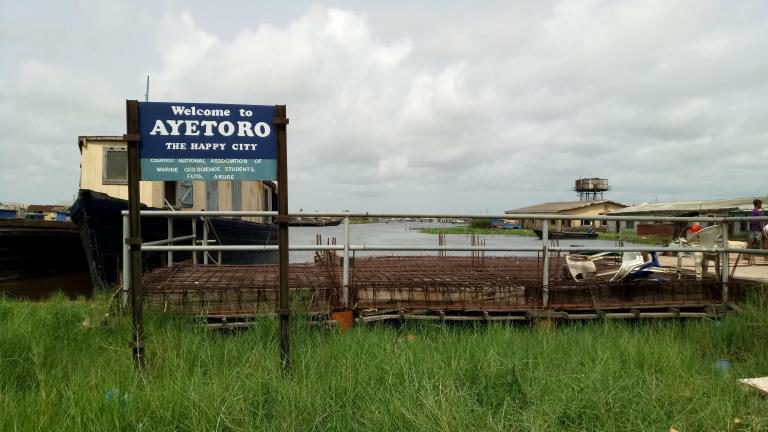
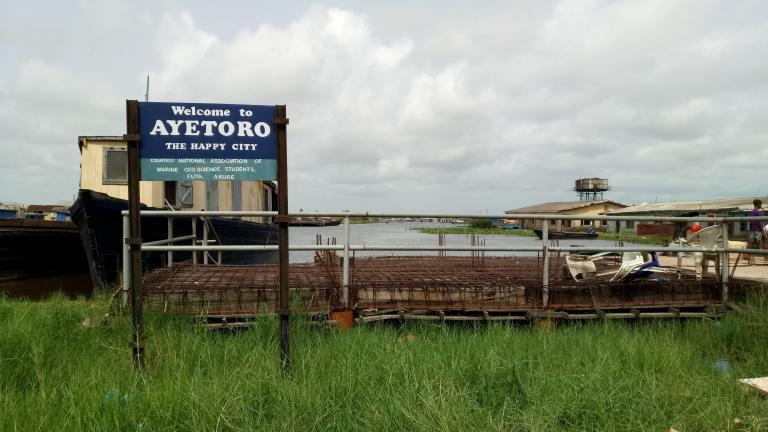
Ayetoro Ondo State
The happiness in the coastal city of Ayetoro in Ondo State may have been disrupted by the recent ocean surge

The SOS call, this time around, is coming from the Ondo State Government, which wants the central government to urgently stop the incessant surge of the Atlantic Ocean, which is affecting coastal communities of the state.

Gov. Oluwarotimi Akeredolu made the appeal on Tuesday, July 17, 2018 in Ayetoro, Ilaje Local Government Area, after inspecting the damage caused by the sea surge in the coastal community.

Akeredolu was represented by his deputy, Mr Agboola Ajayi.

The deputy governor was accompanied by the Secretary to the State Government, Mr Ifedayo Abegunde; Commissioner for Environment, Mr Funso Esan; and the Chairman, Ondo State Oil Producing Areas Development Commission, Mr Gbenga Edema.

Akeredolu sympathised with the residents who were directly affected by the ocean surge.

The governor bewailed the loss of houses and other property during the disaster, while soliciting the Federal Government’s assistance in efforts to protect the oil-producing community from the sea surge.

The News Agency of Nigeria (NAN) reports that the sea surge, which occurred on July 14, destroyed more than 25 buildings, including the only secondary school in the community.

NAN also reports that over 200 persons were rendered homeless due to the consequences of the natural disaster.

Speaking for himself, the deputy governor underscored the need to use modern technology to check the menace of ocean surge in the coastal areas of the country.

“I remember when I was a member of the House of Representatives, I personally led members of the Niger Delta Development Commission (NDDC) to this community. I also travelled to the Netherlands to look at some modern technology, which we felt would be able to solve the problem.

“As I am here now, you should know that Ondo State is here. The Secretary to the State Government is here, the Chairman of Ilaje Local Government Council is also here; all of us are here.

“As a matter of fact, the governor would have been here personally, but he is away with President Muhammadu Buhari in the Netherlands.

“He directed us to be here today to express our feeling and assess the level of damage, while looking for the best way to prevent future occurrence.

“Certainly, you can see this has gone beyond the capacity of the Ondo State Government.

“We will make noise and let the whole world know that Ayetoro is in danger, Ondo State is in danger and the Federal Government should rescue this oil-producing community.

“Probably, what they did in Lagos would solve this problem.

“Look at Eko Atlantic City, the government was able to stop sea incursion and people are able to drive around freely; not only this, they are even building houses on top of the sea.

“In this community, a lot of houses have been washed away and the children cannot go to school.

“So, we are worried, but we are assuring our people that we will not relent in our efforts to stop this disaster,’’ he added.

In their complaint, NCF officials stated that Eko Atlantic City has not entirely addressed coastal erosion along the Bar Beach and adjoining shoreline but appears to have, instead, transferred the ocean’s aggression elsewhere.

By Segun Giwa