Home Blog Page 181

Africa Climate Summit opens with calls for collaboration, investment in Africa-led climate solutions

0

The Second Africa Climate Summit (ACS2) kicked off on Monday, September 8, 2025, in Addis Ababa with powerful calls from African leaders for deeper collaboration, bold action, and investment to accelerate climate solutions across the continent.

In his opening remarks, President William Ruto of Kenya and host of the inaugural Africa Climate Summit warned against isolation in addressing the climate crisis, underscoring the urgent need for bold and sustained collaboration at the regional and global levels in the face of the escalating climate crisis.
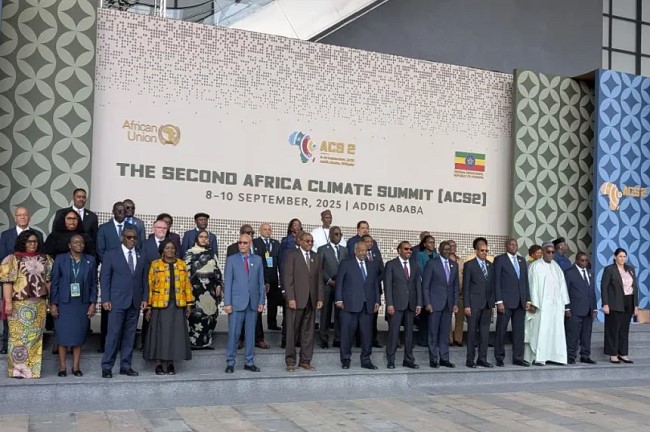
Second Africa Climate Summit (ACS2)
Leaders at the opening of the Second Africa Climate Summit (ACS2) in Addis Ababa on Tuesday, September 8, 2025

The host of the summit, Ethiopian Prime Minister Abiy Ahmed, highlighted the continent’s potential to drive climate solutions and proposed the launch of an African Climate Innovation Compact bringing together universities, startups, rural communities, and innovators across the continent to deliver 1,000 African solutions by 2030 in areas such as energy, agriculture, transport, and resilience.

Prime Minister Abiy further emphasised the need for Africa to be viewed as an investment partner, urging global partners to invest in visionary African climate solutions, and replace climate aid with climate investment.

As the Summit begins, it sets the stage for critical discussions on finance, implementation, and Africa’s leadership in shaping global climate solutions. Leaders have also emphasised the importance of linking climate action with debt reform, fiscal space, nature restoration, and industrial transformation to ensure fair value for Africa’s resources and secure a resilient future.

The calls for collaboration from African leaders and references to improved investment and the intersecting climate and debt crises strengthen the case for international cooperation through the proposed Fossil Fuel Treaty. The Fossil Fuel Treaty proposal calls for global collaboration for a fair and financed transition from fossil fuels – specifically through debt alleviation, improved investment for renewable energy and alternatives for fossil fuel dependent nations. The Treaty would reinforce the Paris Agreement by providing a clearer pathway to transition within the 1.5C climate target.

Seble Samuel, Head of Africa Campaigns & Advocacy, Fossil Fuel Non-Proliferation Treaty Initiative, said: “It is clear that there is no shortage of solutions to the climate crisis on the African continent. We have an abundance of renewable energy potential to power our communities, drive development, while protecting our communities and ecosystems and equitably shifting away from fossil fuels. But Africa’s opportunities to harness its massive potential are mired by systemic barriers. As emphasised by President Ruto, the scale of the climate crisis calls for greater collaboration at all levels, to enhance partnerships that support local innovation.

“The proposed Fossil Fuel Treaty can be the platform to build meaningful, just, international cooperation to make the equitable phase out of fossil fuels possible. The Treaty will prioritise mechanisms to finance a just transition to renewable energy in the Global South, while bringing communities, governments and other stakeholders closer together in a collective vision of change. The proposed Fossil Fuel Treaty could unlock finance needed to scale African innovation, and secure investments into solutions geared at a just transition to renewable energy.”

The proposal for a Fossil Fuel Treaty is anchored in three pillars – a global just transition away from fossil fuels where wealthy nations provide technical support and finance for developing nations to transition and equitably expand renewable energy access, diversify their economies and harness alternative development pathways,  a fair phase out which would require wealthy nations to phase out existing fossil fuel extraction first and fastest while providing support to fossil fuel dependent developing nations, and an end to the expansion of new fossil fuel projects. 

Africa Climate Summit: Greenpeace calls for binding mechanisms to finance climate solutions

0

As the 2nd Africa Climate Summit opens, Greenpeace Africa demands urgent action to implement a Global Polluter Pays Pact, and direct forest finance to Indigenous communities, positioning Africa as a moral leader in climate justice.

Dr. Oulie Keita, Executive Director of Greenpeace Africa, said: “Africa stands at a crossroads: either continue bearing the brutal costs of a crisis we did not create, or demand real justice. The world cannot preach climate justice while Africans pay with their lives and livelihoods. Climate justice without financial justice is an empty promise. Those who profited from pollution must pay for the damage — not trap Africa in debt.

Dr. Oulie Keita

“At the Africa Climate Summit, we demand binding taxes, polluter-pays rules, and direct access to climate finance. With 40% of the world’s renewable resources and unparalleled indigenous wisdom, Africa can and must  lead the way in proving that climate justice is not charity, but accountability.”

Koaile Monaheng, Pan African Strategist at Greenpeace Africa, emphasised: “Illicit financial flows bleed $89 billion yearly from Africa – enough to build climate-resilient futures. The UN Tax Convention must end tax havens shielding polluters, while ensuring mobilised revenues are ringfenced to support just transitions across our communities, fill in the gap in climate finance and phase out fossil fuels. This isn’t charity; it’s restitution for ecological debt accumulated through exploitation.”

Central to Greenpeace Africa’s demands is a binding international mechanism to hold fossil fuel companies accountable for the climate crisis- The Polluter Pays Pact. With just 100 corporations responsible for 71% of global emissions since 1988, and over 80% of people across 13 countries supporting polluter accountability, the Pact would ensure these entities contribute to Adaptation and Loss and Damage Funds needed to help frontline communities address the impacts of the climate crisis especially for African countries bearing the brunt of these climate disasters.

Amos Wemanya, Responsive Lead for Greenpeace Africa, stated: “While families bury loved ones after climate-fueled extreme weather events like floods and tornadoes, fossil fuel giants celebrate record profits. A binding tax treaty must force these corporations to pay into Loss and Damage Funds. Our polling shows over 80% global support – politicians must stop protecting polluters and start protecting people.”

Greenpeace Africa also calls for high-integrity forest solutions, recognising that African forests store approximately 171.8 billion tonnes of carbon and are best protected by indigenous peoples and local communities.

“Communities protect forests better than governments or carbon markets. Yet they receive pennies of climate finance. True forest solutions reject ‘degradation offsets’ and prioritise Indigenous rights,” Wemanya added.

These interconnected demands – tax justice, polluter accountability, and forest protection – form a comprehensive blueprint for climate justice at the Africa Climate Summit. Greenpeace Africa urges African leaders to commit to these mechanisms for a just transition.

“Without these three pillars, climate summits become performative theatre while Africa burns. Real solutions demand systemic courage – starting here, starting now,” concluded Dr. Keita.

Sustainability Institute to champion green industrialisation at Africa Climate Summit

0

The Africa Green Economy and Sustainability Institute (AGESI), a pioneering “do-tank” launched with its first office in Nigeria, is set to make a significant impact at the Second Africa Climate Summit (ACS2). The summit, which takes place in Addis Ababa from September 8-10, 2025, is a critical platform for accelerating climate action and financing Africa’s green development.

AGESI, known for its focus on translating climate ambition into tangible action, will be a key participant, contributing to the summit’s central theme of accelerating global climate solutions.

Eugene Itua
Dr. Eugene Itua, Executive Director of AGESI

AGESI’s Role at the Summit

AGESI’s engagement at ACS2 will highlight its strategic initiatives and actionable frameworks, particularly its new Africa Green Opportunity Index (GOI), designed to reframe Africa’s green transition from a narrative of vulnerability to one of economic opportunity. This index provides a new lens for investors and policymakers, helping to unlock the continent’s vast renewable energy and critical mineral potential.

In line with the summit’s objectives, AGESI will also participate in high-level discussions on mobilising climate finance and fostering cross-regional partnerships. The institute’s presence underscores its commitment to ensuring that Africa’s voice is unified and impactful in shaping global climate negotiations, particularly in the lead-up to COP30 in Belém, Brazil.

Through visionary leadership, policy reform, and sustainable investment, AGESI empowers leaders and communities to build a resilient and prosperous future. The institute was launched in Nigeria and works across the continent to turn climate commitments into tangible projects and scalable solutions.

Convened by the African Union Commission and the Government of Ethiopia, the Second Africa Climate Summit brings together heads of state, development partners, the private sector, and civil society to advance African-led climate solutions. The summit’s theme is “Accelerating Global Climate Solutions: Financing Africa’s Resilient and Green Development.”

By Adaobi Ogbuani

Borno killings: UN reaffirms commitment to support people affected by conflict

0

The United Nations (UN) has reaffirmed its commitment to continue supporting people affected by conflict to complement Government efforts.

Nigeria Humanitarian Coordinator, Mohamed Fall, made the submission in a statement on Sunday, September 7, 2025, against the backdrop of the killing of scores of civilians in Bama, Borno State.

Mohamed Fall
United Nations Resident and Humanitarian Coordinator, Mr. Mohamed Fall

He expressed dismay over Friday’s reported killing of dozens of civilians in Darajamal Village, Bama Local Government Area (LGA), in Borno State in north-east Nigeria, saying: “I am deeply appalled and saddened. Civilians should never be a target!”

According to him, preliminary reports indicate that more than 50 civilians were killed when suspected members of a non-state armed group (NSAG) attacked Darajamal on the evening of September 5.

“An unknown number of people were also allegedly abducted, with others fleeing with injuries. At least 28 houses were also reportedly burned during the attack. The number of casualties is expected to change as more information becomes available,” he stated, adding:

“On behalf of the United Nations in Nigeria, I convey my heartfelt condolences to the families of those killed and those affected, and to the Government and the people of Borno State and wish the injured a speedy recovery.

“I call on security authorities to apprehend the perpetrators of this heinous attack and swiftly bring them to justice. I also call for the immediate release of all those abducted.”

He went further: “This recent killing of civilians is yet another grim reminder of the toll of rising violent attacks and insecurity in Borno State this year. Multiple attacks against civilians have been recorded, leading to the deaths of hundreds of civilians in Borno alone.

“The attacks, ranging from targeted attacks on communities to internally displaced persons (IDP) camps, using improvised explosive devices, suicide bombings and other tactics have targeted civilians including farmers, fishermen, travelers and traders.

“Deadly attacks against civilians have also been recorded in neighbouring Adamawa and Yobe states with a rural health centre, grain stores and a market among targeted areas.

“I reiterate my call to parties to the conflict to protect civilians as well as their property and to adhere to international humanitarian and human rights law.”

Heirs Energies, World Literacy Foundation seek to transform literacy in Rivers

0

In commemoration of World Literacy Day 2025, Heirs Energies Ltd., Africa’s leading indigenous integrated energy company, and the World Literacy Foundation (WLF), a global non-profit dedicated to eradicating illiteracy, on Sunday, September 7, 2025, announced the launch of the Sun Books Literacy Initiative in Rivers State, Nigeria.

The initiative will directly benefit more than 500 pupils at Central State Primary School, Omuohia-Igwuruta, and Umuebulu Primary School, Umuebulu, both located within Heirs Energies’ OML 17 host communities. Pupils will receive solar-powered Sun Books tablets, preloaded with culturally relevant, curriculum-aligned literacy content and interactive learning modules.

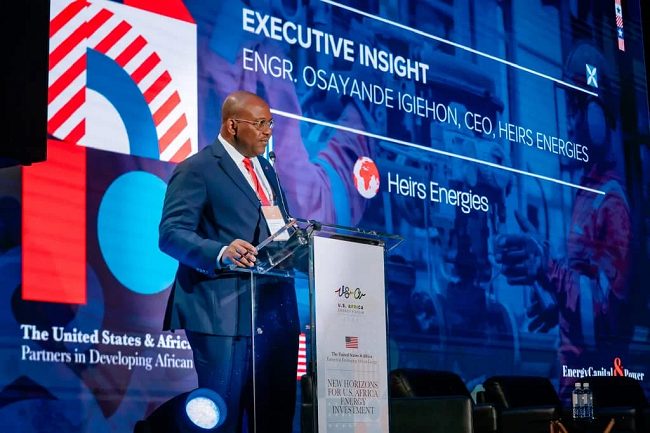
Osa Igiehon
Chief Executive Officer of Heirs Energies, Mr. Osa Igiehon

Solar panels will also be installed in the schools to ensure uninterrupted power for the devices and classrooms, creating sustainable access to education in resource-limited environments.

Globally, more than 770 million people still lack basic literacy skills, with millions of African children facing barriers to education daily. In Nigeria, UNESCO estimates that one in three children cannot read or write at the expected level by age 10, with rural areas and girls most severely affected.

The Sun Books programme is designed to address these structural gaps by providing offline-first digital learning tools that work in low-infrastructure settings. Teachers in participating schools will also receive hands-on training to integrate digital literacy into classroom instruction, ensuring continuity of learning and stronger long-term outcomes.

Originally piloted in Uganda, Sun Books has already reached over 17,000 children, trained more than 280 teachers, and supported over 48,000 families across Nigeria, Kenya, Uganda, and South Africa.

Osa Igiehon, CEO of Heirs Energies, reaffirmed the company’s long-term vision for community empowerment:

“As an integrated energy company, we know that renewable and sustainable energy must serve a greater purpose – building stronger, more resilient communities. Our investment in literacy is an investment in the next generation of leaders, innovators, and problem-solvers. This initiative reflects our Africapitalism philosophy – creating social good while delivering economic value. With Sun Books, we are empowering children to dream beyond their circumstances and equipping teachers with tools to make learning engaging and inclusive.”

Mr. Andrew Kay, CEO of the World Literacy Foundation, underscored the global significance of the collaboration: “This partnership with Heirs Energies demonstrates the power of cross-sector collaboration. By combining renewable energy and digital learning, we are providing children with the opportunity to learn, grow, and succeed – regardless of geography or circumstance. Together, we are closing the literacy gap in underserved communities and preparing the next generation for the digital economy.”

Adding the community perspective, Dr. Samuel Amaechi, Chairman of the Board of Trustees, OML 17 Host Communities Development Trust (HCDT) Board of Trustees, said: “This initiative shows what is possible when companies listen to their host communities and act in partnership. Education is the greatest legacy we can give our children. With the Sun Books programme, our schools now have the tools to prepare them for the future. We thank Heirs Energies and the World Literacy Foundation for investing in our children and in the long-term prosperity of our communities.”

The Sun Books Literacy Initiative serves as the launchpad for Heirs Energies’ Power Schools Initiative, which aims to deploy clean energy and digital infrastructure across schools in its host communities.

It also aligns with the UN Sustainable Development Goals (SDG 4: Quality Education and SDG 7: Affordable and Clean Energy), reinforcing both organisations’ shared commitment to building inclusive, sustainable, and knowledge-driven societies.

International Day of Clean Air: What to know about air pollution

0

Car exhaust. Factory smoke. Wildfire haze. Chances are, no matter where on Earth you live, you’re exposed to some form of air pollution almost every day.

The consequences of this pollution can be debilitating – and deadly. Air pollution caused 8.1 million premature deaths in 2021 alone, found one prominent study.

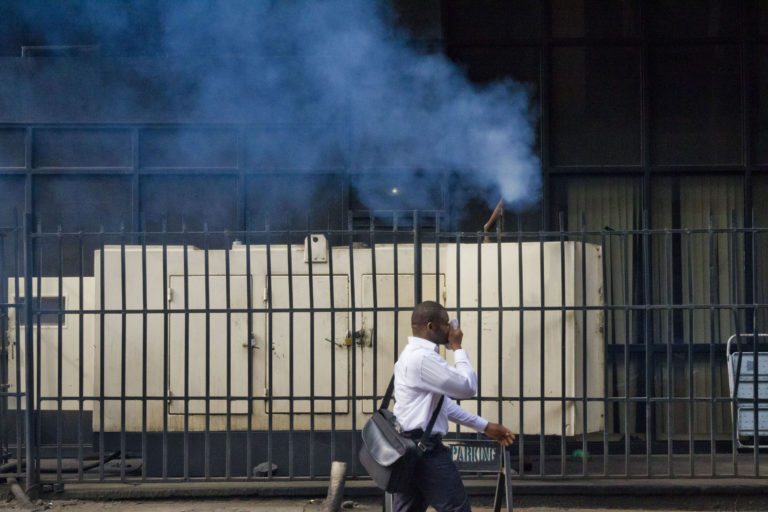
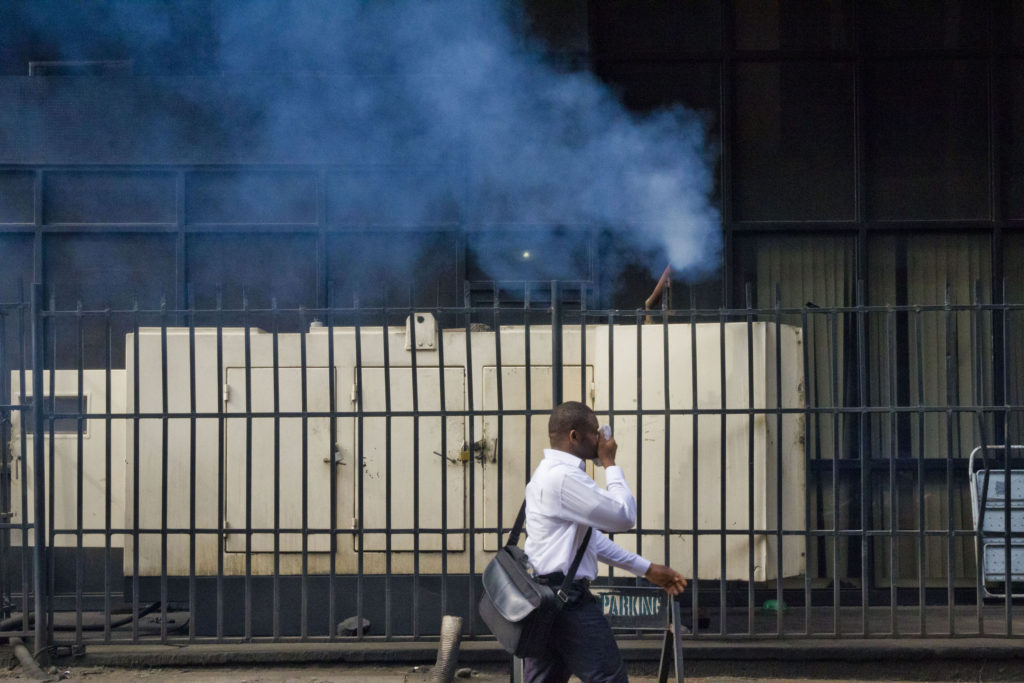
Generator Pollution
The WHO says that, in one year, 46,750 persons died as a result of outdoor pollution in Nigeria

On Sunday, September 7, 2025, the world celebrated the International Day of Clean Air for blue skies, which showcases solutions to air pollution. The theme this year is “Racing for Air”, which reflects the urgent need to address what United Nations Secretary-General, António Guterres, has called a “global emergency.” It is also a nod to the growing support for clean air among sports associations.

Designated by the United Nations General Assembly in 2019, the day aims to strengthen international cooperation in improving air quality and reducing air pollution, recognising the critical importance of clean air for human health and the environment. It emphasises the need for collective efforts from governments, corporations, and individuals to address air quality issues and promote sustainable practices.

“Just like athletes, we all need clean air to move, perform and thrive,” says Steven Stone, the Deputy Director of the Industry and Economy Division of the United Nations Environment Programme (UNEP). “Clean air supports healthy people, resilient communities, strong economies and a healthier planet.” 

As the world commemorates the International Day of Clean Air, here’s a look at what air pollution is, why it’s harmful and what can be done about it. 

  1. Air pollution comes in many forms 

There are two main types of air pollution: indoor and outdoor.  

Indoor air pollution comes chiefly from the burning of wood, charcoal, animal dung and other so-called “solid fuels” which are used by billions around the world for cooking. When these fuels are set ablaze, they release microscopic specs of dust, soot and black carbon, which are collectively known as fine particulate matter.  

Outdoor air pollution comes from an array of sources, including factories, motor vehicles – even forest fires and dust storms. Experts say the most concerning pollutants are: 

  • PM 10 and its smaller cousin PM 2.5, two types of fine particulate matter that often spring from the burning of fossil fuels; 
  • carbon monoxide, an odourless gas that commonly comes from the combustion of wood, kerosene and charcoal; 
  • ground-level ozone, a major component of smog that is created when sunlight comes into contact with certain gasses; and 
  • nitrogen dioxide and sulfur dioxide, two compounds often produced by fossil-fuel-burning factories and vehicles. 
  1. Air pollution is everywhere 

Ninety-nine per cent of people on Earth breathe air the World Health Organisation considers polluted.  

  1. Air pollution is terrible for human health 

Particles less than 10 microns in size – also known as PM10 – can penetrate deep into the lungs, causing inflammation and damaging the lining of the respiratory tract. PM2.5 is even more problematic. These particles are small enough to enter the bloodstream, where they can affect every organ in the body. Air pollution has been linked to a range of serious health problems, including pneumonia, heart disease, stroke, lung cancer and stillbirths.  

  1. Air pollution can be deadly  

In 2021, air pollution led to more than 8.1 million premature deaths, found a study by the non-profit Health Effects Institute. That is more than one in eight deaths worldwide. More than 700,000 of the fatalities were in children under five. 

  1. Air pollution can make popular pastimes, like playing sports, impossible. 

Air pollution has imperiled major sports events everywhere from Canada to India, with spiking levels of contaminants like PM2.5 posing a risk to players. That’s in part why sports governing bodies have joined the push for cleaner air, including World Athletics, which sanctions track and field events. It has installed air quality sensors around stadiums to detect poor air quality, especially risky to runners.  

  1. Air pollution feeds the climate crisis 

Many of the same substances that make people sick also trap heat near the Earth’s surface, stoking climate change. In fact, research suggests these so-called super pollutants – which include methane and black carbon – are responsible for a large percentage of global warming to date. 

  1. Reducing air pollution can save lives and help achieve the Sustainable Development Goals (SDGs) 

The 17 goals are humanity’s blueprint for a better future and several hinge on reducing air pollution. Reining in airborne toxins can, obviously, help improve public health (SDG3). It can also counter poverty (SGD1) by allowing workers to be more productive and reducing the number of lost work days. It can help reduce inequalities (SDG10) because vulnerable groups, including children and the elderly, tend to suffer the most from dirty air. Tackling air pollution can even help counter hunger (SDG2). One common airborne pollutant, ground-level ozone, inhibits the growth of crops.  

  1. Ending air pollution requires international cooperation 

Air pollutants can travel across borders, with ozone and some types of particulate matter capable of radiating out hundreds or thousands of kilometres from their source. That’s why experts say the only way to tackle air pollution at scale is for countries to share their knowledge, align their strategies and mobilize their resources in partnership with each other.  

  1. Air pollution is avoidable 

Since air pollution comes in many forms, there is no one-size-fits-all solution. But there are some simple, cost-effective things cities and countries can do to begin to address the problem. Those include: 

  • build robust air pollution monitoring systems to inform data-driven policies and early warning systems;  
  • share real-time air quality data with the public in an easy-to-understand way; 
  • limit emissions from known sources of pollution through laws and regulations; 
  • map out the economic benefits of addressing air pollution, which often far exceed the costs; and 
  • strengthen the institutions designed to address air pollution. 

Businesses and individuals also have an important role to play in the campaign against air pollution, says UNEP’s Stone. 

“We’re going to need everyone pulling together if we’re going to win the race to clean air,” he says. 

A recent report from the World Bank found that integrated policies targeting the heating, cooking, transportation, agriculture and waste sectors could halve the number of people globally exposed to dangerously high levels of air pollution. 

  1. The United Nations is working hard to counter air pollution 

The UN has spent decades helping countries, cities and communities tackle this crisis. Partnerships among key stakeholders have been powerful in supporting efforts to beat air pollution. Those initiatives include the Climate and Clean Air Coalition and BreatheLife

The UN has also come together under the Common Approach to a Pollution-Free Planet. This framework is designed to help UN bodies collectively address pollution challenges through their respective mandates, thus leading to more impact, with the goal of ensuring a clean, healthy, sustainable environment for everyone on Earth.

PETROAN joins NUPENG, issues strike notice over Dangote CNG trucks

0

The Petroleum Products Retail Outlets Owners Association of Nigeria (PETROAN) has announced a three-day forewarning of suspension of lifting and dispensing of petroleum products commencing from the early hours of Tuesday, September 9, 2025.

PETROAN’s National President, Dr Billy Gillis-Harry, in a statement issued on Sunday, September 7, 2025, said the forewarning on suspension of dispensing petroleum products was in advocacy for healthy competition as against any form of monopoly in the sector.

Dangote Refinery
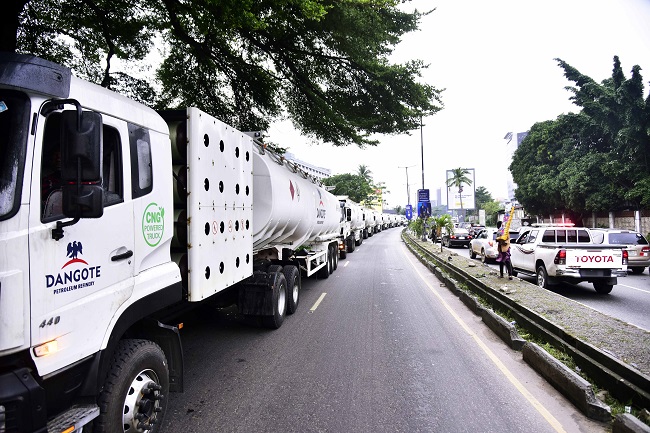
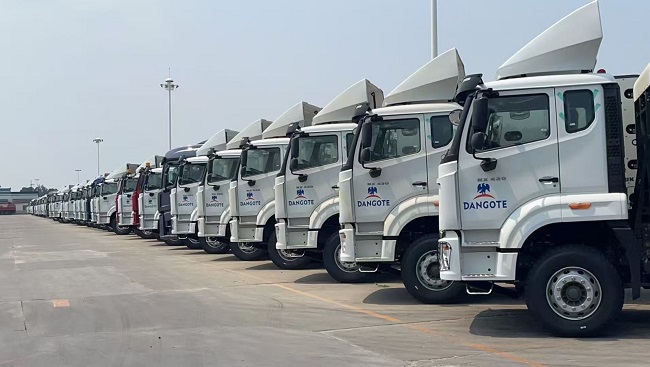
Dangote Refinery CNG trucks

The Nigeria Union of Petroleum and Natural Gas Workers (NUPENG) had announced that its members would commence a nationwide strike from Monday, Sept. 8.

The strike is in protest against what it described as anti-union labour practices, linked to the deployment of newly imported Compressed Natural Gas (CNG) trucks by the Dangote Refinery, for direct distribution of petroleum products.

Dangote’s programme on direct distribution of petroleum products to end users is aimed at eliminating logistics costs, enhancing energy efficiency, promoting sustainability and supporting Nigeria’s economic development.

Gillis-Harry emphasised that the action of NUPENG would be both lawful and peaceful, underscoring the association’s commitment to promoting workers’ rights and benefits through constructive engagement.

“PETROAN underscores its commitment to advancing the interests of Nigerian citizens in the pricing stability of the petroleum sector and promoting a stable and productive industry,” he added.

He called on President Bola Tinubu, Minister of State for Petroleum (Oil), and the Authority Chief Executive, Nigerian Midstream and Downstream Petroleum Regulatory Authority (NMDPRA), to intervene in the proposed actions of NUPENG and PETROAN.

He also called on the Group CEO of Nigerian National Petroleum Company Limited (NNPC Ltd.), the Director-General of DSS and the Inspector General of Police to intervene urgently in the actions.

The intervention, he said, would avert potential hardship and pain on citizens arising from the suspension of lifting and dispensing of petroleum products.

He appealed to the President to find a solution to the crisis and ensure the smooth operation of the oil and gas sector to minimise disruptions to the nation’s economy.

Gillis-Harry further said that pump attendants at PETROAN-member filling stations were equally registered members of NUPENG, hence, the strike by NUPENG would mean these attendants would be absent from duty.

He warned filling station owners not to discipline or sack any pump attendant who would be absent from duty until the end of the strike.

He said that PETROAN had earlier advocated for healthy competition in the oil and gas sector, as opposed to monopolistic tendencies, adding that the aggressive business strategies of Dangote Refinery would have far-reaching consequences.

He listed the consequences to include pushing private depot owners, modular refinery operators, marketers, retail owners, truck owners, and truck drivers out of business.

These, he said would trigger millions of unemployment nationwide, with devastating effects on the economy and livelihoods.

He advised Nigerians to view any initial strategy aimed at gaining monopoly as a “Father Christmas” promise, cautioning them not to forget the events that unfolded in the cement industry.

“Nigerians should be vigilant and not be swayed by promises that may seem beneficial in the short term but could have long-term negative consequences.

“In a bid to mediate on the proposed shutdown, PETROAN held an emergency ordinary national general meeting, where it resolved to hold consultations on Sunday and Monday.

“In the event of no fruitful outcome, the PETROAN Congress agreed not to sack any employee who participates at all retail outlets nationwide by the early hours of Tuesday.

“To enforce this decision, a 120-man compliance team will be mobilised as watchdogs to ensure safety of our member’s facilities.

“As a critical player amongst stakeholders, PETROAN will join other stakeholders in ensuring healthy competition in the oil and gas sector to promote a conducive environment for workers, foster sector growth, and ultimately benefit the Nigerian economy,” the expert said.

Meanwhile, the Nigeria Labour Congress (NLC) has called on President Bola Tinubu to promptly intervene in the face-off between the Nigeria Union of Petroleum and Natural Gas Workers (NUPENG) and the Dangote Group,

The congress specifically called on the President to call on the Dangote Group to comply with labour laws and international conventions.

NLC made the call in a statement signed by its President, Mr. Joe Ajaero, which was made available to newsmen in Abuja.

The statement was sequel to the announcement by NUPENG that it would commence a nationwide strike from Sunday, over what it described as Dangote’s “anti-union practices, monopolistic agenda, and indecent industrial relations strategies.”

Ajaero called on the President to “immediately call Aliko Dangote and Alhaji Sayyu Dantata to order” and impress on them to respect the nation and international law

Ajaero added that the government must not look the other way while a few individuals privatise the nation’s energy future and enslave its workforce, stressing,

The NLC President accused Dangote Group of exploiting Nigerian workers while disregarding their constitutional rights to unionise and bargain collectively.

“The NLC unequivocally condemn the anti-union, anti-worker, and monopolistic practices of the Dangote Group and its affiliates.

“Nigerian workers are not slaves and cannot be serially abused without consequences,” he said.

Ajaero said the congress further demanded the immediate unionisation of Dangote Refinery and all its subsidiaries.

Accordig to him, preparations are underway for a united resistance in solidarity with NUPENG, including possible industrial action.

“If Dangote continues on this reckless anti-union path, we will move beyond words to action.

“Our solidarity is not negotiable. We will fight because we must.

“The working class must not be sacrificed on the altar of corporate greed,” he said.

But the Federal Government has appealed to the National Union of Petroleum and Natural Gas Workers (NUPENG) to suspend its planned nationwide strike scheduled for Monday, Sept. 8, 2025.

Mr. Muhammad Dingyadi, Minister of Labour and Employment, made the appeal in a statement issued on Sunday in Abuja and signed by Ms. Patience Onuobia, Head of Press and Public Relations in the ministry.

Dingyadi urged the union to reconsider its decision, warning that shutting down the petroleum sector would severely cripple the Nigerian economy and worsen the hardship faced by citizens.

“I have intervened in this matter and invited all parties for a conciliation meeting,” he said.

The minister also appealed to the Nigeria Labour Congress (NLC) to withdraw its red alert directing affiliate unions to prepare for solidarity action with petroleum workers.

“The petroleum sector is the core of our economy.

“Even a day’s strike will cause heavy revenue losses, running into billions, and bring untold hardship to Nigerians,” he added.

He assured the public that the dispute between NUPENG and the Dangote Group over unionisation rights would be resolved peacefully to avoid any disruption in the vital oil and gas industry.

“I plead with the unions to give peace a chance.

“This matter will be resolved amicably, to the satisfaction of all parties involved,” he added.

By Emmanuella Anokam and Joan Nwagwu

Lokpobiri, Ekpo, Adelabu, Komolafe, Ojulari, others to lead talks at NAEC Energy Conference 2025

0

On Thursday October 9, 2025, high profile stakeholders in the Nigerian oil & gas, power, mines, steel and solid minerals sectors including ministers, regulators, and operators will converge on Eko Hotel Lagos for the Annual NAEC Energy Conference 2025 organised by the Association of Energy Correspondents of Nigeria (NAEC).

NAEC has noted that Senator Heineken Lokpobiri, Minister of State for Petroleum Resources (Oil); Ekperikpe Ekpo, Minister of State for Petroleum Resources (Gas); Chief Adebayo Adelabu, Minister of Power; Gbenga Komolafe, Chief Executive, Nigerian Upstream Petroleum Regulatory Commission (NUPRC); Farouk Ahmed, Chief Executive, Nigerian Midstream and Downstream Petroleum Regulatory Authority; and Bashir Bayo Ojulari, GCEO of the NNPC Limited, will be among the speakers at the NAEC Energy Conference 2025.

Ministers
Minister of State, Petroleum Resources (Oil), Sen. Heineken Lokpobiri (left) with Minister of State, Petroleum Resources (Gas), Ekperipe Ekpo

A statement released on Sunday, September 7, 2025, jointly signed by Mr. Ugo Amadi, NAEC Chairman, and Dr. Adeola Yusuf, Chairman, Conference Planning Committee, said the theme of the conference is “Nigeria’s Energy Future: Exploring Opportunities and Addressing Risks for Sustainable Growth.

According to the statement, the slated speakers include Lokpobiri, Ekpo, Adelabu, Komolafe, Ahmed, and Ojulari, who will be presenting special keynote addresses and goodwill messages to set the tone of discussions at the event.

The Association also announced that Dr. Uche Ogah, President of Masters Energy Group, would serve as the confab chairman.

The organisers explained that the 2025 edition of the annual NAEC Energy Conference would bring together policymakers, regulators, operators, and stakeholders across the oil, gas, and power sectors for robust discussions on the future of Nigeria’s energy industry.

According to the programme schedule, the conference will have three panel sessions coming up immediately after the opening ceremony. 

The first panel session will centre around the upstream sector of the petroleum industry, with the topic, “Actualising Nigeria’s Energy Future: Optimizing opportunities and investments for Oil and Gas Production Growth.”

The second panel session focuses on trends in the oil refining, gas processing, product marketing and distribution space, with the topic, “Driving Sustainable Energy Future through Investment in Midstream and Downstream Infrastructure.”

The third and last panel session will explore issues in the power generation, transmission and distribution segments as well as renewable energy penetration under the topic, “Unlocking Power Sector Potential: Infrastructure, Investment, and Innovation for Sustainable Future.”

Besides, NAEC has announced that the 2025 conference would feature the ‘NAEC Industry Awards’, with a streamlined format that will have some merit categories and winners

The statement quoted the association’s chairman to have explained that the move reflects NAEC’s commitment to promoting accountability and inclusivity in the sector, giving professionals and citizens alike the opportunity to actively recognize excellence within the industry.

On his part, Yusuf noted that the NAEC Conference has built a strong reputation as one of Nigeria’s most respected platforms for policy dialogue, knowledge exchange, and networking. 

He added that this year’s innovation in the awards segment would set a new benchmark for transparency and industry recognition.

He confirmed that registration for the conference is now open through NAEC’s official website.

 Yusuf hinted that the 2025 edition would also feature a pre-conference workshop for NAEC members, sponsored by a leading Nigerian energy company, before the end of this month.

Other expected dignitaries to drive robust conversations on Nigeria’s energy future include: Felix Ogbe, Executive Secretary, Nigerian Content Development and Monitoring Board (NCDMB); Dr. Orji Ogbonnaya Orji, Executive Secretary, Nigeria Extractive Industries Transparency Initiative (NEITI); Chichi Emenike, Acting MD/Gas Asset Manager, Neconde Energy Limited; Ed Ubong, Coordinating Director, Decade of Gas Programme;Tony Attah, MD/CEO, Renaissance; Mr. Roger Brown, MD, Seplat Energy Plc.

Others are: Dr Chris Offokansi, Head of Industrial Relations and Resources, Sterling Oil Exploration and Energy Production Company Limited (SEEPCO); Suresh Kumar, MD, NIPCO; Ademola Adeyemi-Bero, MD/CEO, FIRST E&P; Mr. Adegbite Falade, MD. Aradel Holdings Plc; Mrs. Moroti Adedoyin-Adeyinka, Executive Director, Sahara Group; Dr. Alex Irune, CEO, Oando Energy Resources; and Folake Soetan, MD/CEO, Ikeja Electric.

Also, on the discussion rosters are Mr. Akachukwu Nwokedi, President, Nigerian Gas Association (NGA); Dr. Gabriel Ogbechie, Group Managing Director, Rainoil Limited; Ogbemi Ofuya, Group CEO, Axxela Group; Mrs. Rekhiat Momoh, MD/CEO, EKEDC; Johnbosco Uche, President, Nigerian Association of Petroleum Explorationists (NAPE); and Dr. Phillip Mshelbila, CEO, NLNG.

Besides, amongst the prime speakers are Wole Ogunsanya, Chairman, Petroleum Technology Association of Nigeria (PETAN;) Osa Igiehon, CEO, Heirs Energies Ltd; Jennifer Adighije, MD/CEO, Niger Delta Power Holding Company (NDPHC); Mokhtar Bounour, MD/CEO, Egbin Power Plc; Mr. Abba Aliyu, MD, Rural Electrification Agency (REA); and Mr. Clement Isong, CEO, Major Energies Association of Nigeria (MEMAN).

HEDA to train media, communicators on transforming climate narratives into action

0

In a bid to close the gap between the lived realities of climate change and the urgent need for more innovative, impactful storytelling that can influence policies and drive climate-smart local action in frontline communities, the Human and Environmental Development Agenda (HEDA Resource Centre) has announced a four-day media training programme.

The initiative is designed to equip journalists, creatives, and digital storytellers with the skills to move climate change narratives beyond abstract headlines and transform them into compelling stories that inspire action and accountability.

Sulaimon Arigbabu
Executive Secretary of HEDA, Sulaimon Arigbabu

In a statement signed by HEDA’s Executive Secretary, Sulaimon Arigbabu, the free capacity-strengthening programme, structured as a certificate course, will run from September 16 to 19, 2025. The training will feature leading experts working at the intersection of climate justice, media, gender equality, creative arts, and digital technology.

According to Arigbabu, the programme underscores the critical role of the media and creative sectors in shaping public understanding of climate issues. He noted that while floods, droughts, and extreme weather events increasingly disrupt communities, environmental stories in the media are often underreported or lack the depth required to galvanize meaningful action.

“This initiative therefore seeks to provide participants with the tools to tell compelling, inclusive, and relatable stories that not only inform but also mobilize communities and influence decision-makers,” he said.

The training will explore how emerging opportunities in data, technology, and digital platforms can be harnessed to cut through misinformation, amplify marginalised voices, and push for accountability in climate governance. Sessions will cover a wide range of topics, including the science and impacts of climate change, the role of technology in shaping climate decisions, media framing of environmental issues in Nigeria and Africa, and the human rights dimensions of climate justice.

Additional modules will examine the impact of climate shocks on Nigerian communities, the African context of climate justice, storytelling for advocacy, and the use of digital media tools for effective campaigns.

HEDA disclosed that the workshop is open to journalists, artists, filmmakers, writers, social media influencers, and other creatives across Nigeria and Africa. Successful participants will receive certificates upon completion. Interested applicants are encouraged to register via the official link: https://bit.ly/climatecreatives.

HEDA Resource Centre further disclosed that the virtual masterclass will serve as a prelude to its full immersive residential bootcamp on climate storytelling, scheduled for later in September.

FCT Department, engineers partner on engineering systems for disaster management

The FCT Emergency Management Department (FEMD) has forged partnership with the Council for the Regulation of Engineering in Nigeria (COREN) on engineering systems to enhance disaster management in Abuja.

The Acting Director-General of FEMD, Abdulrahman Mohammed, made this known when he paid a courtesy visit on the Registrar of COREN, Prof. Okorie Uche, in Abuja.

COREN
Acting Director-General of FEMD, Abdulrahman Mohammed, with the Registrar of COREN, Prof. Okorie Uche, in Abuja

According to Abdulrahman, engineering system is failing, and when it fails, it causes disasters particularly on roads.

He attributed the rising incidents of petrol tanker accidents to carrying above the approved capacity and the absence of weigh-in bridge on the roads.

“COREN must police the system to make our work easier.

“We must collaborate in terms of rules and regulations so that we can sanitise the system.

“Plane crashes, refinery collapse or dam failure are major engineering system failures and when they fail they cause disasters.

“So, we need you to put us in your regulations particularly the Engineering Regulations Monitoring (ERM), to enhance emergency preparedness and management,” he said.

Responding, Prof. Okorie Uche, assured that COREN would collaborate with FEMD technically to ensure public health safety and the environment.

“We need to check a lot of things for public safety.

“In this 21st, we should not be having petrol tanker explosions, it means we did not study the safety lines,” he said.

By Angela Atabo