Home Blog Page 1807

Agriculture holds key to solve youth unemployment in Africa – Experts

0

Experts on Monday, August 20, 2018 said encouraging and supporting African young people to venture into agriculture and agri-business can potentially create wealth and address youth unemployment on the continent.
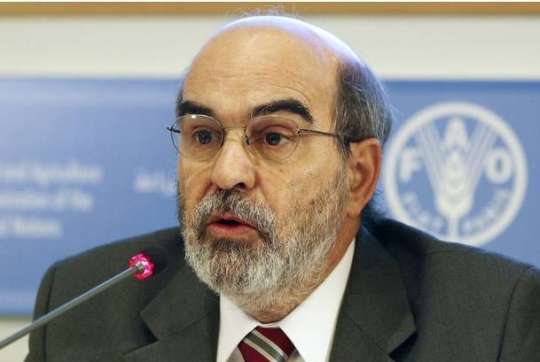
Jose Graziano da Silva
Jose Graziano da Silva, Director General of the FAO

They spoke at the opening of the Africa youth event in the Rwandan capital, Kigali, dubbed: “Youth Employment in Agriculture as a solid solution to ending hunger and poverty in Africa.”

Rwanda hosts the two-day conference with much emphasis on engaging African youth to take part in agriculture transformation on the continent through Information and Communication Technologies (ICTs) and Entrepreneurship.

“Investing in agriculture and making it attractive to young people has a big potential to solve joblessness among African youth,” said Jose Graziano da Silva, director general of Food and Agriculture Organisation (FAO).

He noted that agriculture is a huge wealth-creating sector that remains largely untapped by the African young entrepreneurs.

According to him, youth in Africa have the potential to revolutionise the food and agriculture sector and generate economic growth which can boost employment and the economic transformation on the continent.

The two-day conference has brought together participants from across Africa and beyond including representatives from governments, development partners, the private sector, youth and women organisations, civil society organisations, research and academia.

According to the oganisers, the high-level youth event also aims to foster exchange among stakeholders on knowledge and best practices regarding the interfaces between agriculture, youth employment, entrepreneurship and ICT innovations.

According to Josefa Sacko, African Union Commissioner for rural economy and agriculture, Africa has the world’s youngest and fastest growing population with less interest in agricultural initiatives which has resulted into massive youth unemployment on the continent.

“African leaders and policy need to support all efforts geared towards engaging young people to venture into agriculture in order address poverty and create meaningful jobs for youth,” she added.

According to the African Development Bank’s 2018 African Economic Outlook, in 2015, Africa was home to 226 million youth and the number is projected to increase by 42 per cent in 2030.

Speaking at the event, Geraldine Mukeshimana, Rwandan minister of agriculture and animal resources, said that sustainable solutions for decent youth employment in agriculture in Africa must address issues of making agriculture attractive to youth while maximising financial returns.

“Young people are moving away from agriculture because they consider it unattractive, unprofitable and labour-intensive.

“We need to make them love agriculture and turn these challenges into opportunities,” she added.

The conference features a high-level interactive panel involving policy makers, youth leaders, business and innovation leaders, as well as key partners.

It will also discuss solutions that offer new opportunities for youth entrepreneurship, including on-farm and beyond, along the agricultural value chains.
Nigeria to join global Green List Programme on environment

0

The Federal Government says it is on the processes of joining the global Green List Programme for Conservation and Protected Areas (GLPCA), an International Union for the Conservation of Nature (IUCN), to achieve biodiversity.

FMEnv Retreat
The Conservator-General, National Parks Service, Alhaji Ibrahim Goni

Alhaji Ibrahim Goni, the Conservator General, National Parks Service (NPK) disclosed this at a stakeholders’ workshop on Monday, August 20, 2018 in Abuja.

He said, “The Secretariat of the Green List Nigeria will be domicile at the National Park Service, Headquarters, Nigeria.

“The pilot protected areas for GL include four parks namely Old Oyo, Cross River, Kainji Lake and Ghashaka Gumti National Parks and two conservation areas in Cross River state.’’

Also, Ms Beatrice Chataigner, Africa Coordinator, the Green List, said that the workshop organised by IUCN was to prepare Nigeria to engage in the Green List process.

Chataigner said that the workshop would provide Nigerian stakeholders with the understanding of the whole Green List processes.

“It is designed to assist national governments and their partners in conservation to meet the commitments embodied in the CBD Strategic Plan for Biodiversity and particularly Target 11.

“Although, the IUCN Green List standard has been developed first and foremost as the basis of a certification process.

“There is a strong interest in also using it as a framework to support learning and adaptive management and for monitoring change over time.

“Therefore, this workshop will highlight the requirements of Green List (GL) and a requirement of this target is the effective and equitable management of protected areas.

“This is not only to measure the Protected Areas (PAs) performance against the GL standards but also to diagnose the causes of their challenges in order to set up appropriate solutions that will enable the PA to finally meet the IUCN GL standards.

The News Agency of Nigeria (NAN) reports that the IUCN Green List of Protected Areas (Green List) is an initiative that measures the success of protected areas in reaching good standards of management.

NAN also reports that the workshop was attended by representatives of Federal Ministry of Environment, FAO, USA Embassy, NTDC among others.

The participants pledged their support and assistance to the green List programme in Nigeria.

By Ebere Agozie

World Mosquito Day: U.S. reaches 570m people in 24 countries

0

On World Mosquito Day, the U.S. Government says it has reached 570 million people in 24 “malaria endemic” countries with malaria treatment and prevention services.

Malaria-anopheles
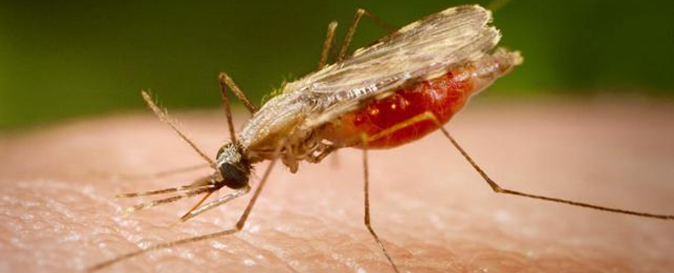
The malaria-causing anopheles mosquito feeding on a victim

The U.S. Agency for International Development (USAID) on its official Twitter handle on Monday, August 20, 2018 stated that it had been able to reach countries through the U.S. President’s Malaria Initiative (PMI).

Using the #WorldMosquitoDay hashtag, the USAID added that malaria “is the leading cause of death in children under five years old.

“In sub-Saharan Africa, malaria is the leading cause of death in children under five years old.

“The PMI and partners have reached 570 million people in 24 malaria endemic countries with malaria treatment and prevention services.”

USAID also noted that, through the PMI, more than 268 million insecticide-treated nets had been distributed in 27 countries since 2005.

The agency added that treated bed nets were responsible for two-thirds of the seven million lives saved between 2000 and 2015 worldwide.

“We look for these numbers to climb as more people get nets and net technology continues to advance.”

The News Agency of Nigeria (NAN) reports that mosquitoes kill about 445,000 people each year, through the transmission of malaria.

The PMI report stated that some estimates showed that eliminating malaria could save 11 million lives and yield an estimated $2 trillion in economic benefits from gains in productivity and health savings.

“The last decade has brought a number of advances in fighting malaria-carrying mosquitoes, including long-lasting insecticide treated nets and new insecticides for indoor residual spraying.

“New uses of technology, such as mobile phones and internet, can enhance timeliness and quality of relevant data and improve decision-making.

“In the coming years, we anticipate innovations in insecticides and a possible malaria vaccine,” the report stated.

Also, in its 12th Annual Report to the US Congress, released in April 2018, it stated that malaria remained a major public health challenge, despite the progress recorded in malaria interventions.

It added that the challenge could slow down progress made.

“Malaria prevention and control remains an important U.S. foreign assistance priority.

“Foreign assistance investments by the U.S. Government empower people, communities, and economies to progress on the path to self-reliance, and malaria interventions are among the most cost-effective.”

NAN reports that the PMI and other global partners have continually supported governments to prevent malaria mortality, morbidity and ensuring its elimination through a five-year strategy.

The strategy, which spans 2015 till 2020, aims at creating a world without malaria.

World Mosquito Day, observed annually on 20 August, is a commemoration of Sir Ronald Ross’ discovery in 1897 that female mosquitoes transmit malaria between humans.

Ross is responsible for the annual observance, having declared shortly after his discovery that the day should be known as World Mosquito Day in the future.

By Temitope Ponle

World Mosquito Day: Group sensitises Kaduna destitutes on malaria prevention

0

The Women-for-Women Foundation, a not-for-profit organisation, on Sunday, August 19, 2018 began the sensitisation of Almajiris and other destitutes in Kaduna on ways to prevent malaria and other diseases caused by an unclean environment.

Malaria-anopheles
The malaria-causing anopheles mosquito feeding on a victim

Chairperson of the foundation, Dr Maryam Abubakar, said the campaign was part of activities designed by the organisation to mark the 2018 World Mosquito Day.

She said that the focus was on the poor, who are prone to all forms of diseases due to their poor economic status and inability to properly safeguard their health.

Abubakar stressed that once people are knowledgeable about preventive measures, it would be easier for them avoid situations that would make them victims of mosquito bites and malaria.

According to her, malaria remains a major health problem in Nigeria and causes death and illness in children and adults, especially pregnant women.

“This is also a way to see how they can contribute toward raising awareness to other children, in order to prevent them against all forms of diseases associated with mosquito,” she said.

Abubakar, who is also the Medical Director, Fatimah Clinic in Kaduna, said the fight against malaria in Nigeria requires collective action including awareness of where mosquitoes breed, feed, host and where they rest in order to design appropriate control measures.

She noted that hundreds of Nigerian children and women die annually from malaria caused by mosquito bite, but said continued intervention by UNICEF, WHO, Federal Government and other humanitarian organisations have reduced the threat.

Mohammed Zakariyya, Director, African Climate Reporters, said in his comments at the event that the measure taken by the foundation was novel as it targeted the most vulnerable in the society to impart knowledge to them on protection against malaria.

According to him, malaria remains a major public health problem in the country causing deaths and illnesses in children and adults. He tasked the Ministry of Environment to double its efforts in tackling environmental issues breeding mosquitoes.

Observed annually on August 20, the World Mosquito Day is a commemoration of British doctor Sir Ronald Ross‘s discovery in 1897 that female mosquitoes transmit malaria between humans. Ross is responsible for the annual observance, having declared shortly after his discovery that the day should be known as World Mosquito Day in the future.

Our aim is to offer consumers better alternatives to smoking – Poggiali

0

At the recently held Africa Reporters Workshop on Harm Reduction held in Johannesburg, South Africa, Alessandro Maria Poggiali, Vice President, Corporate Affairs EEMA and Duty Free at Philip Morris International (PMI), told EnviroNews that, for those who continue to go for tobacco, the e-cigarette or smokeless cigarette is the better alternative in terms of harm reduction to health and the environment

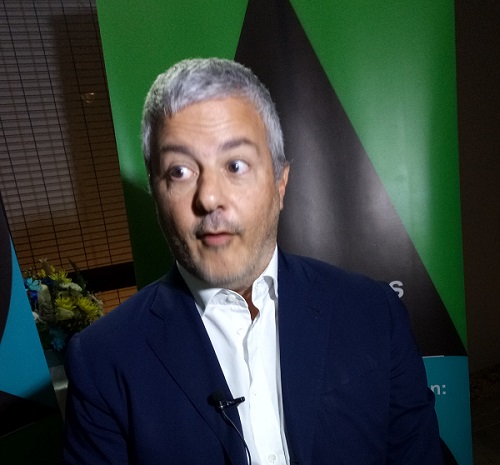
Alessandro Maria Poggiali

Media executives across Africa are gathered here to deliberate on issues related to harm reduction in tobacco use. What sort of engagement would you like to see from them vis-à-vis this campaign?

We have embarked on a great journey. We want to transform ourselves and the industry by offering consumers better alternatives to smoking, and I think the media have a very important role to play. Our job is to inform the consumer, inform the authorities, and inform the media. Overall, we have a role in making the consumers aware of what is going on.


In terms of the alternatives to smoking, how well have you been able to take them across the continent and beyond?

We have launched these products including our flagship product iQos e-cigarette in more than 38 countries all over the world in the last two years, and that’s an incredibly exciting moment for us because we have already such a limited time span.

More than five million smokers will decide to go for a better alternative and, in Africa, I’m very proud that the first African country which launched the iQos is South Africa. Similarly, we launched in Palestine in the Middle East region, and we are very happy for the reaction of consumers. And definitely it’s a better alternative for those who continue to go for tobacco.


A source of concern is that these alternatives appear to be out of the reach of the ordinary people. How affordable are these alternatives?

Those product pricing is normally paramentalised to the product pricing worldwide. There is a great difference in the market and the country and we have that point very much in mind. Our scientific and developmental effort has produced a different number of platforms to meet the different consumer needs and demands. So, we are confident we will have the right option for every type of consumer and eagerly here in South Africa, I will like one day to see South Africa becoming a smoke-free country.


Do you think that these alternatives can lead to a healthy and safer environment?

We believe that those are better for the consumer, better for the society, and better for those who are around the consumer; the millions of men and women who smoke, and their family and their friends who are around them. So, those are definitely better alternatives.


You said you’ve launched in South Africa. What plans do you have for other parts of Africa?

Our goal is to make this product available to all smokers all over the world, and it’s a strong commitment that our CEO has taken. Clearly, we are starting with our existing consumer base, and eagerly we will like to make this product available everywhere.

Oil spill: We’re making progress in Aghoro, Odimodi clean-up – Shell

0

The Shell Petroleum Development Company of Nigeria Limited (SPDC) says it has recovered over 95 percent of spilled oil from the recent spill incidents on sections of the Trans Ramos Pipeline (TRP) in Aghoro community, Bayelsa State, and in Odimodi community in Delta State.

Oil spill pollution
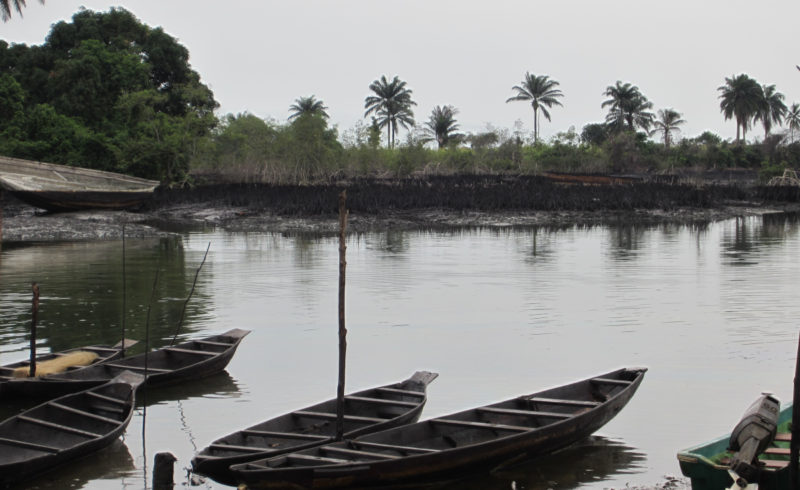
A water body in the Niger Delta polluted by crude oil

The pipeline, which has remained shut-in since the incidents, supplies crude to the SPDC Joint Venture-owned Forcados Oil Terminal in western Niger Delta for export.

In a statement, a spokesperson for SPDC acknowledged the spills as very regrettable, adding that in line with the standard operating procedures of SPDC, the TRP was shut down immediately the incidents were reported, and the Oil Spill Response and the Emergency Response teams were activated to manage the incidents and prevent further spillage.

“As soon as clean-up and site assessment are completed, we are committed to starting the immediate remediation of the impacted areas in Aghoro and Odimodi,” the spokesperson said.

According to the spokesperson, details of the cause and impact of the spills will be captured in the Joint Investigation Visits (JIV) reports, which will be released after sign-off by all parties.

“The JIV is a multi-party exercise involving the regulators, the community, representatives of the state government, security agencies, and representatives of SPDC. The outcome is then signed off by the stakeholders to authenticate the findings,” the spokesperson explained.

CSDevNet, GERI advocate safe spaces for youths at Benue IDP camp

0

In commemoration of the 2018 United Nations International Youth Day, Gender and Environmental Risk Reduction Initiative (GERI) in partnership with Climate and Sustainable Development Network (CSDevNet), organised an interactive session for youths at one of the internally displaced persons (IDP) camps in Benue State. The IDP Camp at Abagena in Makurdi was the venue of the activity held on Friday, August 17, 2018.

International Youth Day
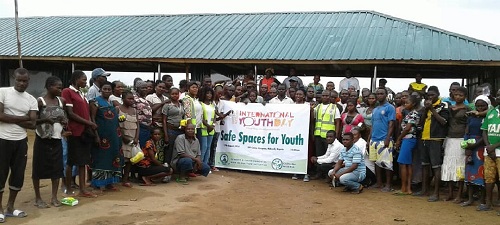
Participants at the event

The theme for this year’s international youth day, “Safe Spaces for Youths”, was the focus of the interactive session for the youths at the IDP Camp.

Executive Director of GERI, Elizabeth Jeyiol, who also doubles as the North Central Coordinator of the Climate and Sustainable Development Network (CSDevNet), said: “We decided to mark this year’s International Youth Day with young people at the IDP Camp because their present situation and circumstances appear hopeless and they seem to have been forgotten by the large society with their voices lost in the never ending search for an end to the crisis. We are here today so they can feel safe again and be motivated to hope for a return to their original homes.”

In a message to commemorate the 2018 International Youth Day, Atayi Babs, CSDevNet’s National Network Coordinator, stated: “The Goal 11 of the SDGs specifically emphasises the need for the provision of space towards inclusive and sustainable urbanisation. Furthermore, the New Urban Agenda (NUA) reiterates the need for public spaces for youth to enable them to interact with family and have constructive inter-generational dialogue.

“As more and more youth grow in a technologically connected world, they aspire to engage deeper in political, civic and social matters, and the availability and accessibility of safe spaces becomes even more crucial to make this a reality hence the need to assure these young ones, especially those in the IDP camps that they would not be left behind.”

In his remarks, John Igbayima, a Programme Officer at GERI, stated: “We saw the need to come and mark this special day with you and talk about safe spaces for youths, because, we are aware that this is not the safest place for you right now, but we need to share ideas and learn from you about to create safe spaces for youths and how it affects our society generally. This interactive session affords us the opportunity to amplify your voices.”

The interactive session featured presentations and discussions on the theme “Safe Spaces for Youths” in relation to governance and leadership, community development, environment and gender equality.

Some of the participants responded and made contributions to the discussions.

Juliana Jijigi said: “If youth form cooperative societies and are working together with a common motive, they will create safe spaces for themselves.”

Another youth, John Orsar, responded: “The responsibility of creating safe space hinges on youth themselves. If youth can mobilise themselves and have a common voice that, enough is enough, they will take over from the old leaders who are refusing to retire. By so doing, they already know the plight of youth and what is good for their communities. This will give everybody freedom to his or her self.”

In concluding the session, the participants agreed that although government and other stakeholders have roles to play, creating safe spaces for youths begins from the youths themselves getting involved in their own lives.

World Humanitarian Day: UN, NEMA urge protection of humanitarian workers

1

The UN Office for the Coordination of Humanitarian Affairs (UNOCHA) and the National Emergency Management Agency (NEMA) have called for the protection of humanitarian workers who have become targets and victims of conflicts.

Edward-Kallon
Mr. Edward Kallon, the UNDP Resident Representative to Nigeria

They made the call on Saturday, August 18, 2018 in Abuja as they commenced activities to commemorate the 2018 World Humanitarian Day with the theme “Not a target: Protection of Civilian’’.

This year’s celebration marks the 15th anniversary since the UN designated Aug. 19 to celebrate World Humanitarian Day following the attack on the UN Office in Baghdad, Iraq, in 2003.

The attack left 22 UN staff dead including the UN High Commissioner for Human Rights and the Special Representatives of the UN Secretary-General to Iraq.

Mr Edward Kallon, UN Resident Coordinator to Nigeria, said that since 2003, 4,000 humanitarian workers had been killed, injured, detained or kidnapped across the globe, an average of 300 cases every year.

Kallon, who was represented by Ms Edem Wosornu, OCHA Head of Office, Nigeria, urged Nigerian leaders to do everything in their power to protect people caught up in conflict.

“Since the start of the conflict in 2009, more than 26,000 people have been killed; thousands of women and girls have been abducted and children continue to be used as so-called ‘suicide’ bombers.

“Thousands of families have been forced to flee their villages and communities; at the same time, aid workers and medical workers who care for people affected by violence suffer the consequences of insecurity.

“Three aid workers were killed and three abducted in March this year in Rann, an aid worker was killed in Ngala in May, and a staff member of NEMA was killed in Damasak just last week.

“These fatalities are a stark reminder of this dangerous reality for all humanitarians. Let us not forget that the vast majority of humanitarians working to provide life-saving aid to people in need are themselves Nigerians.

“The United Nations condemns the killing and abduction of aid workers and urges parties in conflict not to hinder the work of humanitarian workers, and facilitate their access to people in need, in line with International Humanitarian Law.

“The United Nations also calls for the release of the aid workers who have been abducted,” Kallon said.

The UN Resident Coordinator also urged all concerned to join the campaign at worldhumanitarianday.org to show that civilians are NotATarget.

Also speaking, Mr Mustapha Maihaja, NEMA Director-General, said that in line with the theme of this year’s celebration, humanitarian workers should not be the target of any form of attack.

He said that the day was set aside to support humanitarian workers and to remember those that had lost their lives while providing humanitarian services to the vulnerable.

He said that the day was also designated to honour those that had survived various threats.

“They are working for humanity; they are neutral and impartial.

“But since 2003, many more humanitarian and aid workers have been killed and attacked all over the world in the course of their duties.

“In 2017 alone, major incidents of violence against humanitarian operations were recorded in 22 countries and 313 aid workers were affected.

“Nigeria has also recorded ugly incidents of attacks. Starting with the 2011 bombing of the United Nations building in Abuja where 21 people were killed and over 60 wounded.

“In March 2018, four humanitarian workers were killed, and others are still missing in Rann, Borno State.”

Maihaja also noted that a NEMA staff providing support services for the internally displaced people in Borno State was killed.

The News Agency of Nigeria (NAN) reports that the activities to mark this year’s celebration began with a morning walk by stakeholders.

By Lizzy Okoji

FCTC COP8 agenda and harm reduction

0

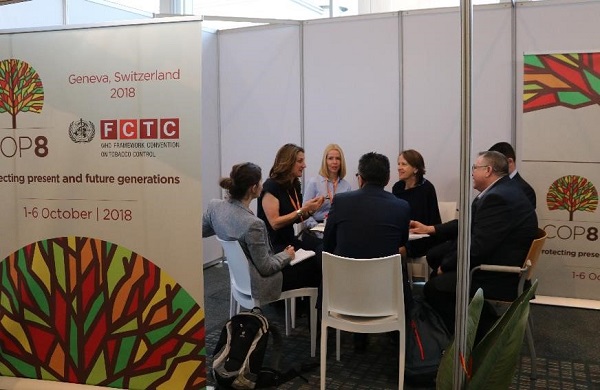
The Eighth Session of the Conference of the Parties (COP8) to the WHO Framework Convention on Tobacco Control (WHO FCTC) is two months away. Taking place in Geneva, Switzerland from October 1 to 6, 2018, it will focus on topics such as the shaping of a medium-term strategic framework, which will determine the actions to be taken by the Parties over the next five years, and the advances and challenges revealed in the Global Progress Report on Implementation of the WHO Framework Convention on Tobacco Control.

WHO FCTC
Delegates preparing for the WHO FCTC COP8

The conference will also be the starting point for a wider application of the WHO FCTC not only for tobacco control, but also as an international treaty to support sustainable development, fight climate change and defend human rights.

Indeed, various steps in the production and disposal of tobacco products harm the environment and contribute to global warming. Parties have engaged in promoting sustainability what has prompted UN member states to include the WHO FCTC as a target in the 2030 Agenda for Sustainable Development.

Tobacco harm reduction can accelerate the achievement of some of the SDGs. The most immediately relevant are the following:

  • Goal 3: Ensure healthy lives and promote well-being for all at all ages.
  • Goal 12: Ensure sustainable production and consumption patterns.
  • Goal 13: Take urgent action to combat climate change and its impacts
  • Goal 15: Protect, restore and promote sustainable use of terrestrial ecosystems, sustainably manage forests, combat desertification, and halt and reverse land degradation and halt biodiversity loss
  • Goal 14: Conserve and sustainably use the oceans, seas and marine resources for sustainable development

Vaping products are playing a huge role in achieving SDG 13,14 and 15. We all know that cigarette butts are the most littered item in the world. Over 4.5 trillion cigarettes are littered worldwide each year. Smoking is costly to our environment. Littered cigarette butts leach toxic chemicals into the environment and can contaminate water. The toxic exposure can poison fish, as well as animals who eat cigarette butts. The plastic fibers in cigarettes are non-biodegradable, meaning they won’t organically break down from living organisms. Once vaping products phase out traditional cigarettes we will see a welcomed improvement of the climate.

Since E cigarettes are an aid in smoking cessation, harm reduction can help in achieving SDG 3. If by 2030, we are to “reduce by one third premature mortality from non-communicable diseases through prevention and treatment”, tobacco harm reduction should definitely be on the agenda. Tobacco related diseases are responsible for killing up to 7 million people every year. With harm reduction products like e-cigarettes being at least 95% safer than cigarettes, they should be encouraged.

A multi-pronged approach to tobacco harm reduction in the low-and middle-income countries of sub-Saharan Africa, that incorporates both tobacco consumption and production, is needed. Harm reduction has multiple benefits for the smoker, non-smoker, economy and environment as well. It is high time WHO FCTC embraced harm reduction in the fight against smoking.

By Joseph Magero (Director, Campaign for Safer Alternatives)

Flood kills three, displaces hundreds in Adamawa

0

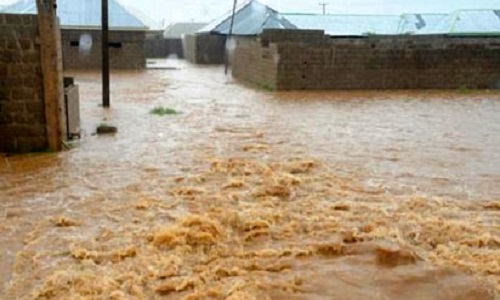
No fewer than three people have been killed and hundreds of people displaced following a monsoon rainfall in Yola, the Adamawa State capital.

Flooding in Nigeria
Flooding in Nigeria

The News Agency of Nigeria (NAN) reports that a heavy rainfall was recorded in some areas of the state on Thursday, August 16, 2018.

NAN gathered that the affected areas included Yolde-Pate, Jambutu and Loko in Yola South, Yola North and Song Local Government Areas of the state, respectively.

Reacting to the development, Dr Muhammad Suleiman, the Executive Secretary, Adamawa State Emergency Management Agency (ADSEMA), however said that only one person lost his live in the flood.

“One person lost his life, while over one hundred people mostly women and children displaced in the recent flood at Yolde-Pate in Yola South Local Government Area.

“Many people are also affected by the flood in Loko village and Jambutu area in Song and Yola North Local Government Areas of the state,” Suleiman said.

He said that Internally Displaced Persons (IDPs), especially from Yolde-Pate, were camped at the primary school in the area.

The scribe said that the agency has provided relief materials to the victims and appealed to humanitarian actors in the country to come to the aid of the victims.

By Muhammad Auwal