Home Blog Page 1777

Rights defenders gain increased protection under new RSPO policy

0

Communities defending their human rights in areas of certified palm oil plantation will now be better protected under new policy announced by the RSPO at the Global Land Forum in Indonesia
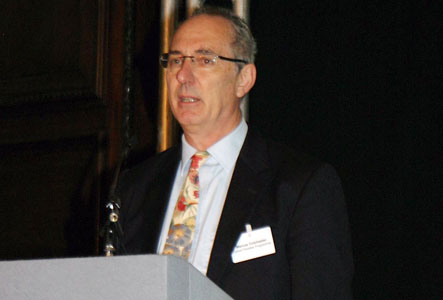
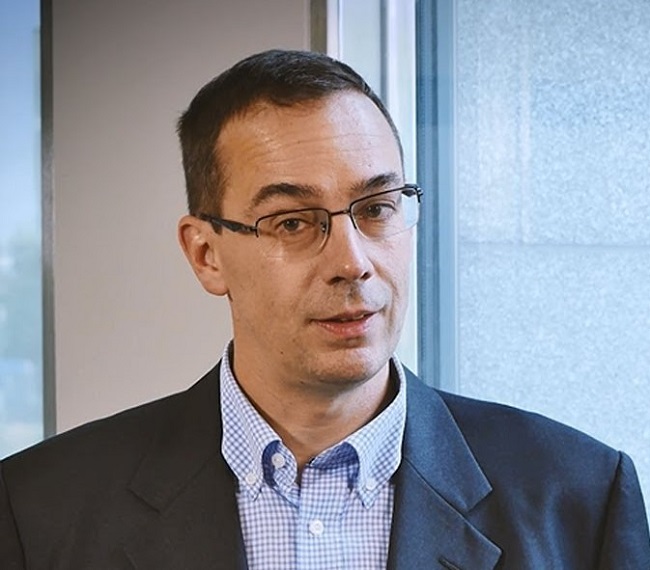
marcus-colchester
Marcus Colchester, Senior Policy Advisor of Forest Peoples Programme

The global palm oil certification system (the Roundtable on Sustainable Palm Oil, RSPO) has adopted a new policy to provide anonymity and security to human rights defenders, in the areas of its members’ operations.

The policy requires all RSPO members to adopt measures to give this policy effect, meaning financiers, manufacturers, retailers and NGOs not just plantation companies. It sets up a discrete hot-line to receive complaints in anonymity, provides for pre-emptive risk-screening to identify geographical areas where violence and intimidation are prevalent. It applies to human rights defenders, complainants, whistle-blowers and community spokespersons, within the limits of national laws and judicial processes.

The policy also sets out measures to enhance protection of those at risk of reprisal who raise their concerns with the RSPO’s Complaints Panel.

Mina Beyan of Social Entrepreneurs for Sustainable Development in Liberia said: “RSPO’s commitment to only acquire peoples’ lands for palm oil development, subject to their Free, Prior and Informed Consent, is all too often put at risk by intimidatory actions of those with vested financial interests, and when people complain they become targets for discrimination and worse. Let’s hope this new policy will bring this to a halt, at least among RSPO members.”

Jamer Agustín López of the Federation of Native Communities of Ucayali in Peru said: “Since the community Santa Clara de Uchunya and our organisation FECONAU presented our formal complaint against Plantaciones de Pucallpa, member of the RSPO, in December 2015, for seizing and destroying our forests, our leaders and their families have experienced death threats, intimidation, gunshots and defamation.

“In response, we have sought collective protection for ourselves and our territory from the government, the police and the UN, but we continue pushing for definitive solutions.

“Now the company has quit the RSPO, but mills belonging to the Romero Group, another RSPO member, carry on buying their fruit while the death threats and deforestation continue.

“It is urgent that this policy be implemented so that all of the companies involved take proactive measures to protect forest and human rights defenders.”

Marcus Colchester, Senior Policy Advisor of the Forest Peoples Programme, a member of RSPO who helped develop this policy in coordination with the RSPO’s Human Rights Working Group, said: “This demonstration of RSPO’s leadership among commodity certification schemes needs follow up by other such schemes – for timber, pulpwood, beef, soya, coffee and all.

“Meanwhile we look forward to further collaboration to see this policy implemented by all RSPO members. It is on the ground that change is so desperately needed.”
AfDB invests $24b in African agriculture

0

The African Development Bank (AfDB) will be investing $24 billion in the African agriculture over the next 10 years to lift one billion people out of hunger globally.

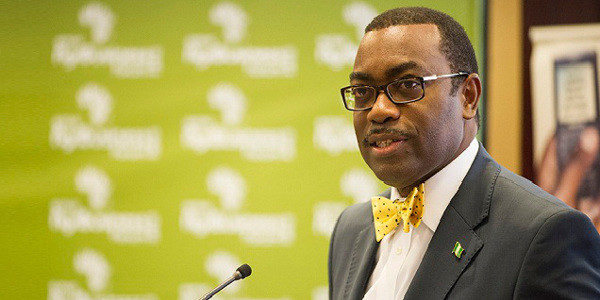
Akinwumi Adesina
Dr. Akinwumi Adesina, President of the African Development Bank (AfDB)

Dr Akinwumi Adesina, AfDB President, who disclosed this on Wednesday, September 26, 2018 at an agriculture conference at Purdue University, Indianapolis, challenged global partners to join hands to lift one billion people worldwide out of hunger.

The report, which was released to the News Agency of Nigeria (NAN) in Abuja, described the fund as the largest of such effort ever.

The bank’s president stressed that all must come together to fight the war.

He noted that the recent five UN agencies’ World Food Security and Nutrition statistics showed a decline in the global population living on less than two dollars per day.

Adesina however said that the statistics in reality showed that the number of hungry people in the world had increased from 777 million in 2015 to 815 million in 2016.

The bank leader warned the stakeholders not to get carried away because they were not winning the war against global hunger.

He told the audience including researchers, implementing organisations, business leaders, policymakers and donors that simple technical and scientific methods were already making a difference in farm yields and income in Africa.

“While such technologies to deliver Africa’s green revolution exist, they are mostly just sitting on the shelves.

“The release of water efficient maize varieties now allows farmers to harvest good yields in the face of moderate drought.

“Today, rice varieties exist that can give yields of 8 tonnes per hectare; cassava varieties exist with yields of up to 80 tonnes per hectare.

“Also, there are heat tolerant and disease resistant livestock and technologies for ramping up aquaculture,’’ he said.

Adesina said what was needed urgently was deployment of supportive policies to ensure technologies were cascaded down to millions of farmers.

“All Africa needs to do is to harness the available technologies with the right policies and rapidly raise agricultural productivity and incomes for farmers and assure lower food prices for consumers.

He said that the bank had launched its $1 billion initiative for Technologies for African Agricultural Transformation (TAAT), to extend the use of farm technologies.

Adesina said that TAAT was currently engaging seed companies, public and private entities, and financial institutions in 27 countries to make technology available to a total of 40 million African farmers.

He said that the situation in sub-Saharan Africa particularly needed urgent intervention due to the ravages of climate change.

According to him, a recent report by the International Food Policy Research Institute estimated that Africa would add 38 million to its number of hungry people by 2050 as a result of climate change.

“The institute also forecast that Africa will experience major food shortages by 2020 and beyond, while malnutrition will be on the rise over the next 20 years.

By Hawa Lawal

EU, FAO contribute $70m to strengthen global partnership against hunger

0

The European Commission (EU) and Food and Agriculture Organisation (FAO) have contributed $70 million to scale up efforts to boost resilience to food crises and strengthen global partnership against hunger.

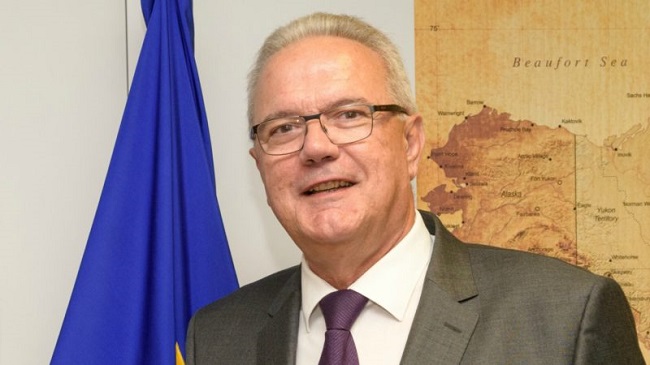
Neven Mimica
Neven Mimica, EU Commissioner for International Cooperation and Development

This is disclosed in a report released in New York on Wednesday, September 26, 2918 at the ongoing UN General Assembly.

The report, which was e-mailed to News Agency of Nigeria (NAN) in Abuja, said that the organisations had strengthened their partnership to boost the resilience of millions of people struggling with severe, prolonged or recurrent food crises around the world.

The report said that the partnership agreement signed by Neven Mimica, EU Commissioner for International Cooperation and Development and José Graziano da Silva, the Director-General of FAO, was a major contribution to the Global Network against Food Crises designed to promote sustainable solutions to food crises.

Mimica was quoted as saying in the report that the $70 million contribution had become imperative because it would further bolster the partnership and speed up the Network’s efforts to tackle hunger globally.

“In 2017, the Global Network against Food Crises allowed us to take concrete and concerted steps to mitigate food crises and avert famine in northern Nigeria, South Sudan, Somalia and Yemen. And we need to scale this up.

“This will, however, involve strengthening links between humanitarian, development and peace actors, as recommended by the UN Security Council Resolution 2417,’’ he said.

UN Security Council Resolution 2417 condemns the starvation of civilians as a method of warfare and it signals a shared ambition to prevent and eradicate conflict-induced hunger across the world.

Also speaking, Graziano da Silva said that the EU contribution would ultimately make hunger-stricken rural communities stronger in the face of emerging food crises, saying: “Investing in resilience is key to fighting hunger today and in the future.”

He said that in view of the magnitude and persistence of food crises, there was a need to invest more in resilience interventions and create stronger alliances with all parties – humanitarian, development and peace actors — working together to stem hunger.

However, the report said that the extra funding would enable the EU, FAO and their partners to roll out resilience interventions wherever they were needed.

“It will also allow us to produce food security and resilience analyses to better target actions against hunger; and to strengthen coordination, policy, prevention and response mechanisms at country and global level to better tackle deepening food crises,’’ the report said.

It, however, said that the agreement would complement interventions in 12 countries that were mostly affected by food crises to address the root causes of hunger there.

Besides, the report said that the EU contribution came at a time when conflicts and extreme climatic events were on the rise, leaving millions of people hungry and forcing not less than 68 million people to leave their land and homes.

“Over 120 million people in 51 countries were affected by acute food insecurity in 2017; this is 11 million more people than the figure the year before.

“Acute food insecurity means hunger so severe that it poses an immediate threat to lives or livelihoods,’’ it said.

The EU, FAO and UN World Food Programme (WFP) launched the Global Network against Food Crises at the World Humanitarian Summit in 2016.

The Network, which has since been expanding, is aimed at becoming the engine behind the promotion of closer coordination between humanitarian, development agencies and peace actors.

By Hawa Lawal

Nigeria, Austria collaborate on renewable energy, Namibia optimises opportunities

0

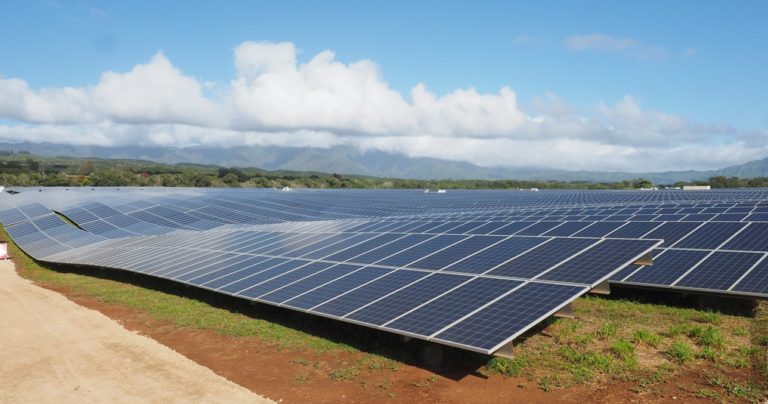
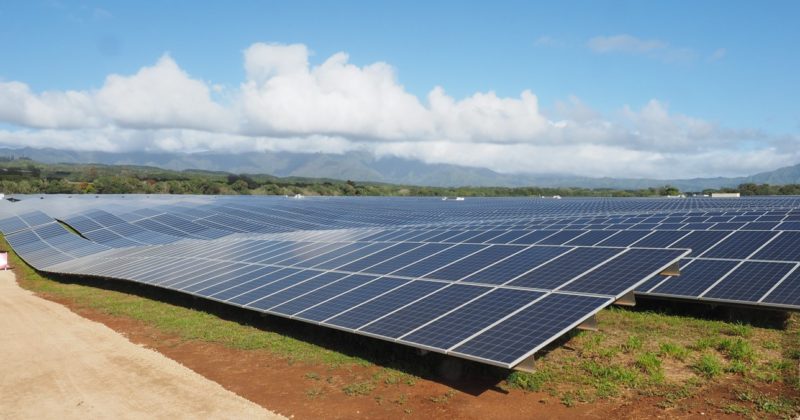
Nigeria is set to partner with Austria on renewable energy as part of efforts to deepen bilateral trade between the two nations.

Tesla-solar-Hawaii
Renewable energy: Solar panels

Mr Vivian Okeke, Nigeria’s Ambassador to Austria, stated this in an Interview with the Europe correspondent of the News Agency of Nigeria (NAN) at a conference in Zurich.

Okeke said that Austria was very strong in renewable energy- and that such partnership would ensure a transfer of technology to Nigeria.

According to her the partnership is in line with government’s effort in diversifying from the oil sector which accounts for a large percentage of the nation’s GDP.

The envoy also listed trade in machineries, agricultural produce and seedlings as new areas of partnership.

While speaking on the cordial relations between the two countries, Okeke said that the proposed areas of partnership would further boost the current trade volume which stands at 300 million Euros.

NAN reports that the trade volume is in favour of Nigeria with the bulk of the money being from sales in oil and gas.

Nigeria and Austria established formal diplomatic ties in 1962, but their relationship dated back to 1909 when the then Austria-Hungary opened a consulate in Lagos.

In a related development, a recently constructed solar plant in Namibia will feed additional 5.78 MW electricity to the country’s national grid, local media reported on Wednesday, September 26, 2018.

“The additional electricity will lessen the country’s dependency on imports which are pegged at around 60 per cent,’’ it noted.

Bank Windhoek, financiers of the Trekkopje’s Solar Project, located in the Erongo region, said the solar project in the region is part of the development of solar parks in Namibia.

The project, which has a life span of 25 years was constructed by a multinational industrial company specialising in renewable energy, Enertronica Group.

“The project has a combined output of 5.78 Megawatts.

“But we expect it to be a bit higher because of the high performance of the technology adopted for this specific plant,’’ the lead consultant of the project, Maurizio Decinti, said.

Decinti said: “This is the first plant where Enertronica Group’s patented trackers are mounted on the structures which means that the modules will follow the sun during the day optimising the already high irradiation.’’

“Although, the output from the plant is dedicated to feeding into the NamPower grid.

“Enertronica Group has committed to building three smaller solar technology facilities to serve schools of the surrounding communities,’’ he added.

Namibian government’s target is to provide 70 per cent of the country’s energy mix from renewable resources by the year 2030.

Burkinabe farmer, others win ‘alternative Nobel prize’

0

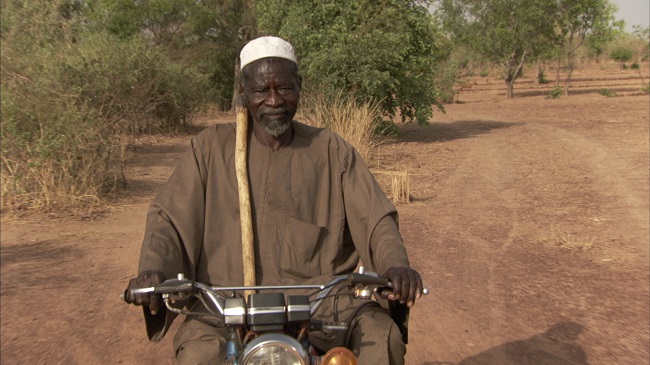
A farmer from Burkina Faso who popularised an ancient farming technique to reverse desertification is among the winners of Sweden’s “alternative Nobel prize”, announced on Monday, September 24, 2018.

Yacouba Sawadogo
Yacouba Sawadogo

Yacouba Sawadogo shared this year’s award with three Saudi human rights activists and an Australian agronomist. The SEK (Swedish Krona) 3 million ($341,800) prize honours people who find solutions to global problems.

Sawadogo is known for turning barren land into forest using “zai” – pits dug in hardened soil that concentrate water and nutrients, allowing crops to withstand drought.

The technique has been used to restore thousands of hectares of dry land and in doing so reduce hunger in Burkina Faso and Niger since he began to teach it in the 1980s, according to the Right Livelihood Award Foundation.

Sawadogo said he hoped he would be able to “use the award for the future”.

“My wish is for people to take my knowledge and share it. This can benefit the youth of the country,” he told the Thomson Reuters Foundation by phone from his village in Burkina Faso.

Sawadogo further commented: “I am very honoured to receive the Right Livelihood Award, which will allow me to persist in my efforts to protect the forest and the wildlife. I hope that the legitimacy provided by this prize will help inspire and encourage many others to regenerate their land for the benefit of nature, local communities and future generations.”

The country dips into a semi-arid zone below the Sahara Desert known as the Sahel, where climate change and land overuse are making it increasingly difficult to farm, experts say.

“Yacouba Sawadogo vowed to stop the desert – and he made it,” said Ole von Uexkull, executive director of the Right Livelihood Award Foundation.

“If local communities and international experts are ready to learn from his wisdom, it will be possible to regenerate large areas of degraded land, decrease forced migration and build peace in the Sahel.”

Last year, erratic rains left nearly a million people in need of food aid across the country.

Sawadogo initially faced resistance for his unconventional technique, based on an ancient method that had fallen out of practice. Now “zai” have been adopted by aid agencies working to prevent hunger in the region.

Sawadogo told his story in a 2010 film called “The Man Who Stopped the Desert”.

Besides Sawadogo, the two other cash awardee Laureates will be decorated.

The civil and human rights defenders Abdullah al-Hamid, Mohammad Fahad al-Qahtani and Waleed Abu al-Khair (Saudi Arabia) share an Award “for their visionary and courageous efforts, guided by universal human rights principles, to reform the totalitarian political system in Saudi Arabia”. It is the first time that a Right Livelihood Award goes to Laureates from Saudi Arabia.

The Laureates are all currently in jail. In 2013, al-Hamid and al-Qahtani were sentenced to 11- and 10-years’ imprisonment on charges including “inciting disorder by calling for demonstrations” and “forming an unlicensed organisation”. Abu al-Khair was sentenced to 15 years’ imprisonment in 2014 for charges including “disobeying the ruler” and “harming the reputation of the state by communicating with international organisations”.

The agronomist Tony Rinaudo (Australia) is recognised by the Jury “for demonstrating on a large scale how drylands can be greened at minimal cost, improving the livelihoods of millions of people”.

Rinaudo commented: “Receiving the Right Livelihood Award is a great honour and I am humbled. Even though this simple, low cost and rapid method of reforestation has had a very significant impact on the lives of millions of people, globally it is little known to national governments, donors, or communities who need it the most. It is my hope that the spotlight now, through this prize, being shone on farmer-managed natural regeneration methods will result in exponential uptake and increase the spread of it globally.”

The 2018 Honorary Award however goes to anti-corruption champions Thelma Aldana (Guatemala) & Iván Velásquez (Colombia) “for their innovative work in exposing abuse of power and prosecuting corruption, thus rebuilding people’s trust in public institutions.”

Thelma Aldana commented: “The Right Livelihood Award is a recognition of the struggle of the Guatemalan people against corruption, and that it is possible to combat these criminal activities. The construction of a true democracy in Guatemala requires an independent and strengthened judicial system.”

Iván Velásquez commented: “This prize comes at a particularly dramatic moment in the fight against impunity and corruption. It is very important because it will turn the eyes of the world to Guatemala, and hopefully also provide international solidarity with those who are committed to the transformation of the country.”

The announcement was made at the International Press Centre at the Swedish Ministry for Foreign Affairs by Ole von Uexkull, Executive Director of the Right Livelihood Award Foundation, and Amelie von Zweigbergk, board and jury member of the Foundation, following the decision by an international Jury that considered 107 nominations from 50 countries.

Ole von Uexkull commented: “The Laureates’ trailblazing work for accountability, democracy and the regeneration of degraded land gives tremendous hope and deserves the world’s highest attention. At a time of alarming environmental decline and failing political leadership, they show the way forward into a very different future.”

The three cash awards are worth SEK 1 million (EUR 96,000) each and will be used to support the Laureates’ successful work. The prize money is not for personal use.

The Award Presentation will take place in Stockholm on November 23, followed by public events and high-level meetings in Geneva, Zurich and Berlin.

Nigeria committed to faithful SDGs implementation, says Buhari

0

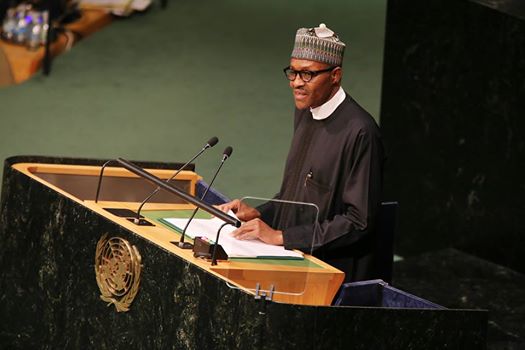
President Muhammadu Buhari has said that Nigeria is committed to the faithful implementation of the Sustainable Development Goals (SGDs).

Buhari
President Muhammadu Buhari addressing 72nd Session of UN General Assembly in September 2017

Buhari stated this on Tuesday, September 25, 2018 in his solidarity message on the Global Day to Act for the SDGs in New York, according to a statement issued in New York by his spokesperson, Mr Femi Adeshina.

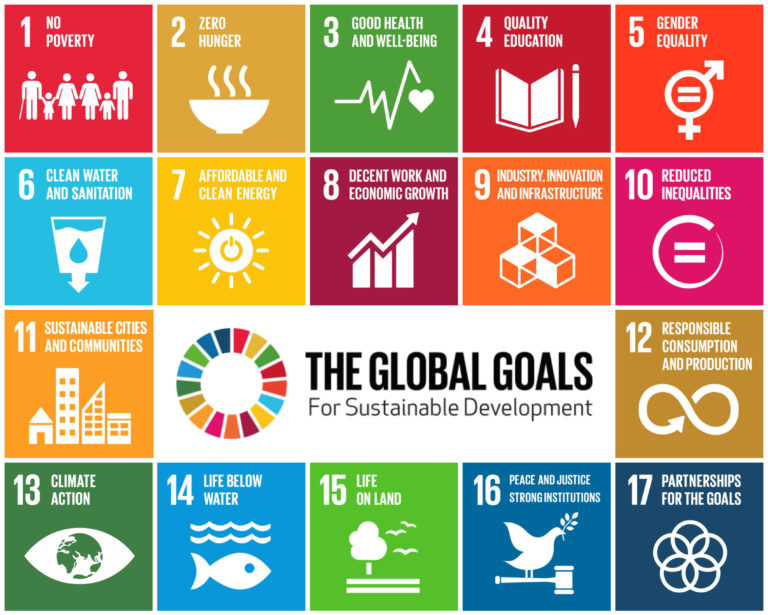
The Global Day to Act for the SDGs coincided with the third anniversary of the adoption by Member States of the United Nations of the 2030 Agenda for Sustainable Development and commitment to the implementation of the 17 SDGs.

Buhari said: “On this anniversary of the adoption of the SDGs, I want to reiterate our commitment to working for a prosperous, peaceful and sustainable world, ensuring that no woman, man, girl or boy is left behind.”

He stressed that, as a committed member of the comity of Nations, Nigeria “will continue to work with multi-stakeholders including the United Nations System, civil society, development partners, private sector and the academia in the implementation of the SDGs.”

Further reaffirming Nigeria’s commitment, Buhari said: “We are faithfully committed to our Country Transition Strategy and the Economic Recovery and Growth Plan, both of which are guiding our National efforts.”

The president emphasised that these efforts “at promoting accountable governance and fighting corruption, will provide for institutional effectiveness and increased resources to achieve the SDGs in the medium and long terms.”

The president further noted that the “SDGs provide us with an opportunity to work together to give present and future generations, a world without poverty, hunger and inequalities, and a planet which can sustain lives and ensure prosperity for all”.

He joined the UN SDG Action Campaign to call on all stakeholders “to commit to achieving the historic 2030 Agenda and the Sustainable Development Goals.

“Working in partnership, we have every opportunity more than before to ensure access to quality education and healthcare, to fight inequalities and ensure inclusive economic development, and to sustainably explore, manage and preserve our environment for present and future generations,” Buhari said.

By Prudence Arobani

Government selects firms to clean polluted Ogoniland

0

The Hydro Carbon Pollution Remediation Project (HYPREP) says it has commenced process to select pre-qualified companies for the clean-up of oil impacted communities in Ogoniland.

Ogoni clean-up
Opening of bids for the 21 clean-up sites

Dr Marvin Dekil, Project Coordinator of HYPREP, made this known in Port Harcourt, River State, on Tuesday, September 25, 2018 at the opening of technical and commercial bid for the 21 clean-up sites in Ogoniland.

HYPREP had a fortnight ago announced that 183 out of 400 companies had scaled through to next round of bid for the remediation exercise.

Dekil said that 21 out of the 183 companies that scaled through the initial stage would be selected based on their technology, competence and viability.

“The 183 companies are here today, and we are further screening them by carrying out commercial and technical assessment of their capabilities.

“So, today, we are opening their bids which they submitted to show their competence, commercial, financial and technical capability to do the job.”

He said the pre-qualified phase was the last stage that would lead to commencement of the clean-up exercise slated to start before the end of the fourth quarter of 2018.

“This exercise is the beginning of the last phase of activities to select competent companies that will be deployed to site in compliance with the public procurement act.

`Also, we will further set up a team to re-assess what they are doing, according to the public procurement act,” he said.

Dekil gave the assurance that HYPREP and its partners were committed to making the process tight, competitive and transparent.

He said the final selection phase was a milestone achievement of the Federal Government’s commitment to the project.

“We have 21 sites to clean-up, so at the end of the day, we will have 21 companies handling the sites.

“That a company did not make it does not mean such company is not competent. It’s just that we have to give it to the very best,” he said.

Minister of Environment, Mr Ibrahim Jibril, assured that the selection process would be competitive, transparent and devoid of bias.

Jibril, who was represented by Dr Ishayaku Mohammed, Senior Technical Assistant to the minister, said the Federal Government was passionate to address years of neglect of environmental pollution in the Niger Delta.

`I concur with everything that Dr Marvin Dekil has said; but in addition, the conclusion of this process will lead to actual implementation of the UN Environment Programme Report.

“It is not just remediation but cleaning up and restoration of the devastated lands in Ogoniland. Its success will ensure that the entire Niger Delta region is covered.

“Hopefully, this exercise will signal commencement of healing and catalyst for prosperity of the Niger Delta and the entire country,” he said.

By Desmond Ejibas

1m people in 1,300 cities, 150 countries celebrate SDGs at three

0

On Tuesday, September 25, 2018, the 3rd anniversary of the Sustainable Development Goals, over a million people mobilised on the Global Day to Act for the SDGs in over 1,300 cities in 150  countries in actions led by over 1,200 SDG Action partners in a worldwide mass mobilisation for the Sustainable Development Goals to show world leaders that people and organisations everywhere are standing behind the Goals and expect their leaders to do the same.

Sustainable Development Goals
Sustainable Development Goals (SDGs)

Three years ago, on 25 September, world leaders adopted the 17 Sustainable Development Goals: a universal and transformative pathway to end poverty, hunger, and inequalities whilst tackling climate change, gender equality and other key sustainable development objectives.

Today, a global movement for the SDGs is raising: institutions, organisations, businesses and individuals everywhere are engaged, developing new solutions for the SDGs, and making positive change through their work and in their personal lives.

“If everyone acts and joins in a global movement for the SDGs we will end poverty, reduce inequalities, and tackle climate change together. Therefore, on 25 September, we showed the world the creativity, passion and commitment for the SDGs,” says Mitchell Toomey, director of the UN SDG Action Campaign.

Over 1,500 organisations have joined the movement so far, organising mobilisations in more than 1,300 cities in 150 countries: SDG marches in Ireland, mangrove restoration in Rio de Janeiro, beach cleaning in the Maldives, the world largest photo book featuring SDG stories in Nigeria, SDG storytelling trainings in Mali, or a marathon for the SDGs in Belarus are some of the SDG actions that held across the world on September 25.

The thousands of SDG Actions will be brought into the UN General Assembly. All actions will be highlighted in a real-time and interactive global map of SDG Actions and the most inspiring and impactful ones will be featured at the UN HQ in New York on the Opening Day of the UN General Assembly. The Global day to Act4SDGs is part of the Global Goals Week, held from September 22 to 29, with events taking place in New York and around the world.

The world unites to end TB by 2030

0

The UN High-Level Meeting on Tuberculosis has kicked off at the United Nations Headquaters in New York as world leaders, including President Mohammadu Buhari, arrived for the historic event to commit to global efforts to curb the global menace of tuberculosis (TB).

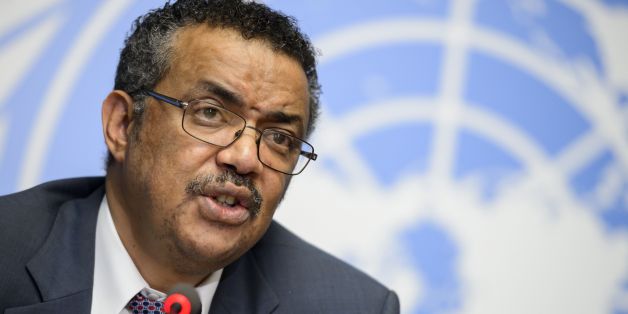
Dr Tedros Adhanom Ghebreyesus
Dr Tedros Adhanom Ghebreyesus, Director-General of the World Health Organisation (WHO). Photo credit: AFP / FABRICE COFFRINI / Getty Images

The event was organised by numerous partners and TB stakeholders, including but not limited to the Stop TB Partnership, World Health Organisation (WHO), United States Agency for International Development (USAID), United Nations Children’s Fund (UNICEF), Joint United Nations Programme on HIV/AIDS (UNAIDS), African Union and a host of others. The Heads of State and Government are expected to, for the first time in UN history, discuss and adopt the Political Declaration on the Fight against Tuberculosis during a dedicated high-level meeting on Wednesday, September 26, 2018.

There has been no real progress against the infection in the last two years.  According to the latest Global TB Report launched by the WHO this month, TB is one of the top 10 causes of death and the leading cause from a single infectious agent (above HIV/AIDS). Millions of people continue to fall sick with TB each year.

The Stop-TB Partnership stated that there are still 10 million people who get sick with TB every year. TB remains the most significant single infectious disease killer, causing 1.6 million deaths in 2017. We still miss roughly 4 million people with TB. There are still more than half a million people who got sick with drug-resistant TB. TB incidence continue to decrease at a very slow pace of around 2% a year, woefully insufficient to reach the milestones we have set towards ending TB.

The WHO report stated that there were cases in all countries (including Nigeria) and age groups, but  overall 90% were adults (aged ≥15 years), 9% were people living with HIV (72% in Africa) and two thirds were in eight countries: India (27%), China (9%), Indonesia (8%), the Philippines (6%), Pakistan (5%), Nigeria (4%), Bangladesh (4%) and South Africa (3%). These and 22 other countries in WHO’s list of 30 high TB burden countries accounted for 87% of the world’s cases. Only 6% of global cases were in the WHO European Region (3%) and WHO Region of the Americas (3%).

By Akin Jimoh, New York City

New vaccine helps prevent active pulmonary TB in HIV negative adults

0

GSK and Aeras on Tuesday, September 25, 2018 reported that GSK’s M72/AS01E candidate vaccine significantly reduced the incidence of pulmonary tuberculosis disease in HIV-negative adults with latent tuberculosis infection in an ongoing phase IIb clinical trial testing.

Emmanuel Hanon
Dr Emmanuel Hanon, Senior Vice-President and Head of R&D, Global Vaccines GSK

These primary results published in the New England Journal of Medicine after two years of trial are said to demonstrate an overall vaccine efficacy of 54%, with varied response rates observed in different demographic sub-groups. The candidate vaccine had an acceptable safety and reactogenicity profile.

Tuberculosis is the leading cause of death through infectious disease worldwide and represents a significant public health threat with 1.6 million attributed deaths in 2017. It is estimated that one-quarter of the global population has latent tuberculosis infection, of whom approximately 10% will develop active pulmonary tuberculosis disease.

Currently, multi-drug resistant strains of tuberculosis are emerging globally, and the only currently available vaccine against tuberculosis, BCG, does not provide proven and consistent protection in adults in tuberculosis endemic countries. Without a more effective vaccine, it will not be possible to achieve the WHO target of decreasing the number of new cases by 90% and the number of tuberculosis deaths by 95% between 2015 and 2035.

Dr Emmanuel Hanon, Senior Vice-President and Head of R&D, Global Vaccines GSK, said: “These initial findings represent a significant innovation in the development of a new and much-needed vaccine and advance the scientific understanding of tuberculosis. This scientific breakthrough – one of the very few in tuberculosis vaccine development for almost 100 years – has been made possible by our strategic partnership with Aeras, in which GSK is providing the innovation expertise and technology platforms, such as the proprietary AS01 adjuvant.”

The study assesses the safety and efficacy of M72/AS01E protecting adults with latent tuberculosis infection against developing pulmonary tuberculosis disease. The ongoing trial is conducted in tuberculosis endemic regions (Kenya, South Africa and Zambia) and involves 3,573 HIV-negative adults. For this analysis, participants who received two doses of either M72/AS01E or placebo 30 days apart have been followed up for at least 2 years to detect evidence of pulmonary tuberculosis disease.  In the vaccine group, 10 participants developed active pulmonary tuberculosis compared to 22 participants in the placebo group.

Jacqui Shea, Chief Executive Officer of Aeras, which contributed to the partnership their decades long experience in tuberculosis vaccine clinical development, clinical operations capabilities and strong links with African clinical sites and patient communities, said: “This ground-breaking study shows – for the first time – that a subunit vaccine can significantly reduce the incidence of pulmonary tuberculosis in healthy, HIV-negative adults with latent tuberculosis infection, and that more effective vaccines against tuberculosis are achievable. Given the overwhelming public health need, the importance of these promising results, which need to be confirmed through additional clinical research, cannot be overstated. An effective vaccine, able to reduce transmission, would be by far the most impactful new intervention to end the global tuberculosis epidemic.”

The study is still ongoing and a final analysis including all efficacy, safety, reactogenicity and immunogenicity data will be performed in 2019 after all participants have completed three years of follow up.