Home Blog Page 1776

Government selects firms to clean polluted Ogoniland

0

The Hydro Carbon Pollution Remediation Project (HYPREP) says it has commenced process to select pre-qualified companies for the clean-up of oil impacted communities in Ogoniland.
Ogoni clean-up
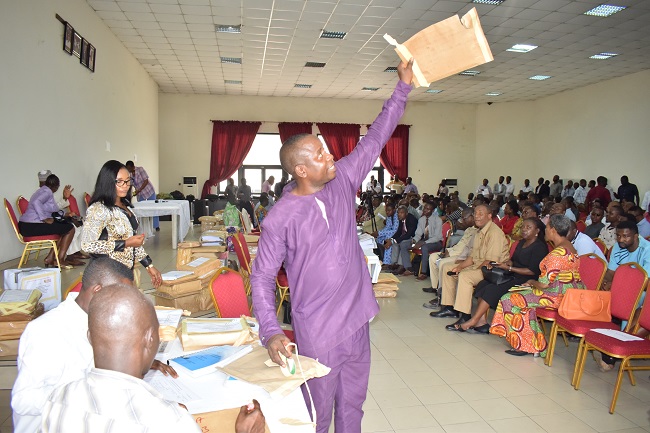
Opening of bids for the 21 clean-up sites

Dr Marvin Dekil, Project Coordinator of HYPREP, made this known in Port Harcourt, River State, on Tuesday, September 25, 2018 at the opening of technical and commercial bid for the 21 clean-up sites in Ogoniland.

HYPREP had a fortnight ago announced that 183 out of 400 companies had scaled through to next round of bid for the remediation exercise.

Dekil said that 21 out of the 183 companies that scaled through the initial stage would be selected based on their technology, competence and viability.

“The 183 companies are here today, and we are further screening them by carrying out commercial and technical assessment of their capabilities.

“So, today, we are opening their bids which they submitted to show their competence, commercial, financial and technical capability to do the job.”

He said the pre-qualified phase was the last stage that would lead to commencement of the clean-up exercise slated to start before the end of the fourth quarter of 2018.

“This exercise is the beginning of the last phase of activities to select competent companies that will be deployed to site in compliance with the public procurement act.

`Also, we will further set up a team to re-assess what they are doing, according to the public procurement act,” he said.

Dekil gave the assurance that HYPREP and its partners were committed to making the process tight, competitive and transparent.

He said the final selection phase was a milestone achievement of the Federal Government’s commitment to the project.

“We have 21 sites to clean-up, so at the end of the day, we will have 21 companies handling the sites.

“That a company did not make it does not mean such company is not competent. It’s just that we have to give it to the very best,” he said.

Minister of Environment, Mr Ibrahim Jibril, assured that the selection process would be competitive, transparent and devoid of bias.

Jibril, who was represented by Dr Ishayaku Mohammed, Senior Technical Assistant to the minister, said the Federal Government was passionate to address years of neglect of environmental pollution in the Niger Delta.

`I concur with everything that Dr Marvin Dekil has said; but in addition, the conclusion of this process will lead to actual implementation of the UN Environment Programme Report.

“It is not just remediation but cleaning up and restoration of the devastated lands in Ogoniland. Its success will ensure that the entire Niger Delta region is covered.

“Hopefully, this exercise will signal commencement of healing and catalyst for prosperity of the Niger Delta and the entire country,” he said.

By Desmond Ejibas
1m people in 1,300 cities, 150 countries celebrate SDGs at three

0

On Tuesday, September 25, 2018, the 3rd anniversary of the Sustainable Development Goals, over a million people mobilised on the Global Day to Act for the SDGs in over 1,300 cities in 150  countries in actions led by over 1,200 SDG Action partners in a worldwide mass mobilisation for the Sustainable Development Goals to show world leaders that people and organisations everywhere are standing behind the Goals and expect their leaders to do the same.

Sustainable Development Goals
Sustainable Development Goals (SDGs)

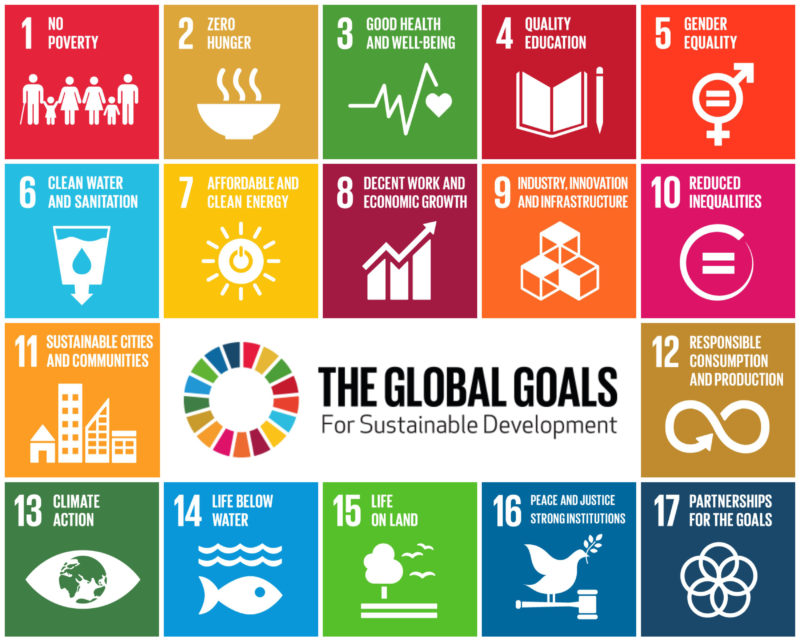
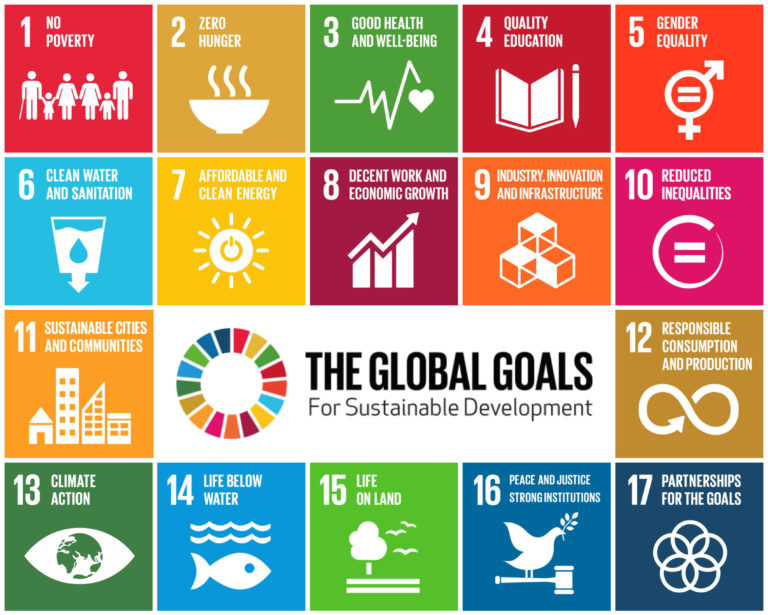
Three years ago, on 25 September, world leaders adopted the 17 Sustainable Development Goals: a universal and transformative pathway to end poverty, hunger, and inequalities whilst tackling climate change, gender equality and other key sustainable development objectives.

Today, a global movement for the SDGs is raising: institutions, organisations, businesses and individuals everywhere are engaged, developing new solutions for the SDGs, and making positive change through their work and in their personal lives.

“If everyone acts and joins in a global movement for the SDGs we will end poverty, reduce inequalities, and tackle climate change together. Therefore, on 25 September, we showed the world the creativity, passion and commitment for the SDGs,” says Mitchell Toomey, director of the UN SDG Action Campaign.

Over 1,500 organisations have joined the movement so far, organising mobilisations in more than 1,300 cities in 150 countries: SDG marches in Ireland, mangrove restoration in Rio de Janeiro, beach cleaning in the Maldives, the world largest photo book featuring SDG stories in Nigeria, SDG storytelling trainings in Mali, or a marathon for the SDGs in Belarus are some of the SDG actions that held across the world on September 25.

The thousands of SDG Actions will be brought into the UN General Assembly. All actions will be highlighted in a real-time and interactive global map of SDG Actions and the most inspiring and impactful ones will be featured at the UN HQ in New York on the Opening Day of the UN General Assembly. The Global day to Act4SDGs is part of the Global Goals Week, held from September 22 to 29, with events taking place in New York and around the world.

The world unites to end TB by 2030

0

The UN High-Level Meeting on Tuberculosis has kicked off at the United Nations Headquaters in New York as world leaders, including President Mohammadu Buhari, arrived for the historic event to commit to global efforts to curb the global menace of tuberculosis (TB).

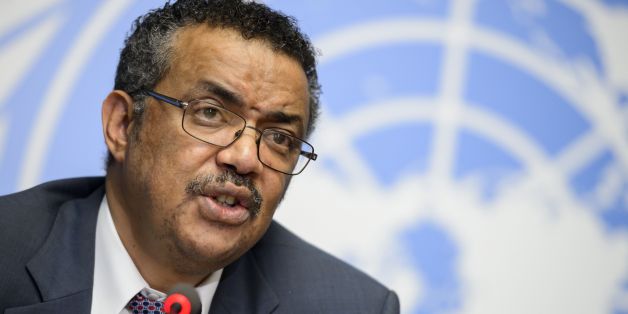
Dr Tedros Adhanom Ghebreyesus
Dr Tedros Adhanom Ghebreyesus, Director-General of the World Health Organisation (WHO). Photo credit: AFP / FABRICE COFFRINI / Getty Images

The event was organised by numerous partners and TB stakeholders, including but not limited to the Stop TB Partnership, World Health Organisation (WHO), United States Agency for International Development (USAID), United Nations Children’s Fund (UNICEF), Joint United Nations Programme on HIV/AIDS (UNAIDS), African Union and a host of others. The Heads of State and Government are expected to, for the first time in UN history, discuss and adopt the Political Declaration on the Fight against Tuberculosis during a dedicated high-level meeting on Wednesday, September 26, 2018.

There has been no real progress against the infection in the last two years.  According to the latest Global TB Report launched by the WHO this month, TB is one of the top 10 causes of death and the leading cause from a single infectious agent (above HIV/AIDS). Millions of people continue to fall sick with TB each year.

The Stop-TB Partnership stated that there are still 10 million people who get sick with TB every year. TB remains the most significant single infectious disease killer, causing 1.6 million deaths in 2017. We still miss roughly 4 million people with TB. There are still more than half a million people who got sick with drug-resistant TB. TB incidence continue to decrease at a very slow pace of around 2% a year, woefully insufficient to reach the milestones we have set towards ending TB.

The WHO report stated that there were cases in all countries (including Nigeria) and age groups, but  overall 90% were adults (aged ≥15 years), 9% were people living with HIV (72% in Africa) and two thirds were in eight countries: India (27%), China (9%), Indonesia (8%), the Philippines (6%), Pakistan (5%), Nigeria (4%), Bangladesh (4%) and South Africa (3%). These and 22 other countries in WHO’s list of 30 high TB burden countries accounted for 87% of the world’s cases. Only 6% of global cases were in the WHO European Region (3%) and WHO Region of the Americas (3%).

By Akin Jimoh, New York City

New vaccine helps prevent active pulmonary TB in HIV negative adults

0

GSK and Aeras on Tuesday, September 25, 2018 reported that GSK’s M72/AS01E candidate vaccine significantly reduced the incidence of pulmonary tuberculosis disease in HIV-negative adults with latent tuberculosis infection in an ongoing phase IIb clinical trial testing.

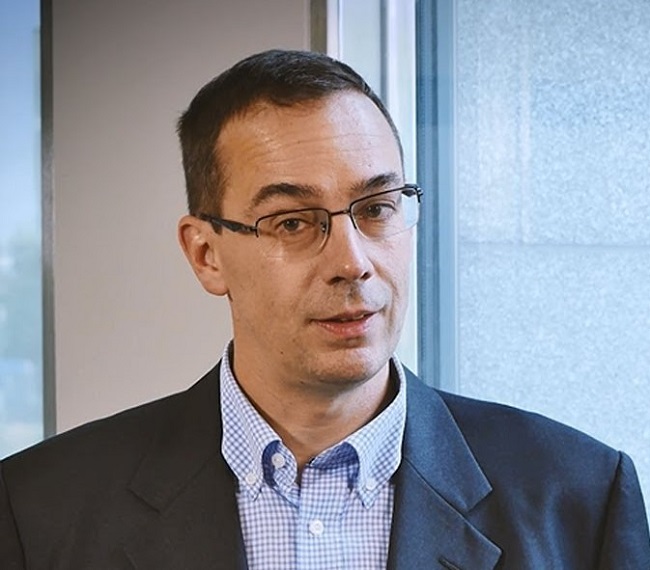
Emmanuel Hanon
Dr Emmanuel Hanon, Senior Vice-President and Head of R&D, Global Vaccines GSK

These primary results published in the New England Journal of Medicine after two years of trial are said to demonstrate an overall vaccine efficacy of 54%, with varied response rates observed in different demographic sub-groups. The candidate vaccine had an acceptable safety and reactogenicity profile.

Tuberculosis is the leading cause of death through infectious disease worldwide and represents a significant public health threat with 1.6 million attributed deaths in 2017. It is estimated that one-quarter of the global population has latent tuberculosis infection, of whom approximately 10% will develop active pulmonary tuberculosis disease.

Currently, multi-drug resistant strains of tuberculosis are emerging globally, and the only currently available vaccine against tuberculosis, BCG, does not provide proven and consistent protection in adults in tuberculosis endemic countries. Without a more effective vaccine, it will not be possible to achieve the WHO target of decreasing the number of new cases by 90% and the number of tuberculosis deaths by 95% between 2015 and 2035.

Dr Emmanuel Hanon, Senior Vice-President and Head of R&D, Global Vaccines GSK, said: “These initial findings represent a significant innovation in the development of a new and much-needed vaccine and advance the scientific understanding of tuberculosis. This scientific breakthrough – one of the very few in tuberculosis vaccine development for almost 100 years – has been made possible by our strategic partnership with Aeras, in which GSK is providing the innovation expertise and technology platforms, such as the proprietary AS01 adjuvant.”

The study assesses the safety and efficacy of M72/AS01E protecting adults with latent tuberculosis infection against developing pulmonary tuberculosis disease. The ongoing trial is conducted in tuberculosis endemic regions (Kenya, South Africa and Zambia) and involves 3,573 HIV-negative adults. For this analysis, participants who received two doses of either M72/AS01E or placebo 30 days apart have been followed up for at least 2 years to detect evidence of pulmonary tuberculosis disease.  In the vaccine group, 10 participants developed active pulmonary tuberculosis compared to 22 participants in the placebo group.

Jacqui Shea, Chief Executive Officer of Aeras, which contributed to the partnership their decades long experience in tuberculosis vaccine clinical development, clinical operations capabilities and strong links with African clinical sites and patient communities, said: “This ground-breaking study shows – for the first time – that a subunit vaccine can significantly reduce the incidence of pulmonary tuberculosis in healthy, HIV-negative adults with latent tuberculosis infection, and that more effective vaccines against tuberculosis are achievable. Given the overwhelming public health need, the importance of these promising results, which need to be confirmed through additional clinical research, cannot be overstated. An effective vaccine, able to reduce transmission, would be by far the most impactful new intervention to end the global tuberculosis epidemic.”

The study is still ongoing and a final analysis including all efficacy, safety, reactogenicity and immunogenicity data will be performed in 2019 after all participants have completed three years of follow up.

Nigerians asked to give environment palatable treatment

0

Some Environmentalists and stakeholders in the environment sector on Tuesday, September 25, 2018 advised Nigerians to join the fight in combating environmental degradation by giving the environment a palatable treatment.

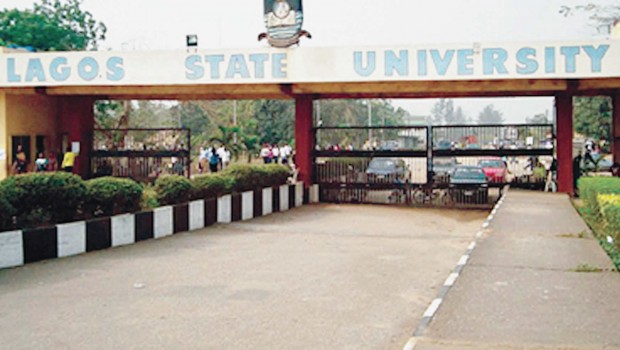
Lagos State University
Lagos State University, Ojo

They spoke at a one-day conference organised by the Geography and Planning Students’ Association of the Lagos State University (LASU), Ojo.

The title of the conference was: “Environmental Management and Advocacy – A tool for sustainable development”.

Ayo Tella, Acting Rector, Moshood Abiola Polytechnic, Abeokuta, said Nigerians were not doing enough as individuals, group or corporate entity to control or address issued of environmental deficit.

Tella said evolution of more cities and mega city within the country had promoted the consumption of more energy and increase in heat production.

He said while 50 per cent of people in the world today live in cities, 75 per cent of carbon is generated in cities, hereby, causing global warming.

According to him, there is need to transform the cities and megacity to a smart city, which is largely driven by technology and observe green habit.

“Green habit is friendly to the environment because all waste generated is recycled and places such as Dubai, Abu Dhabi and Eko Atlantic are examples of smart cities,” he said.

Ayo Tella
Ayo Tella, Acting Rector, Moshood Abiola Polytechnic, Abeokuta

Tella also noted that plastic pollution and indiscriminate waste disposal, among other habit were creating huge menace in our environment.

He said indiscriminate disposal of plastic such as bottles, synthetic cloth, polythene, tyres and waste causes blocked water channel and a spill-over effect of blocked channel is what causes flood.

“Flood causes death, electrocution, injury, infection, affect power supply and business,” he said.

The Acting Rector called for upgrade of slums, urban planning, promotion of public transport, efficient use of natural resources, reduced food losses and waste generation.

He also urged Nigerians to conserve energy consumption by using energy saving bulbs in place of incandescent bulbs, using energy saving devices and also put off lights and other appliances when not in use.

Tella emphasised that environmental sustainability was a collective responsibility and conserving nature was inevitable for as long as we continue to exist.

Also, Mr Babatunde Hunpe, Special Adviser to Gov. Akinwunmi Ambode of Lagos State on Environment, represented by Mr Michael Bankole, said Nigerians must do everything possible to ensure that our existence was sustainable.

Hunpe said that there was no chance for living, if we do not take care of the environment.

“Our activities are not sustaining the environment, because our activities are not palatable to the environment.

“The relationship between the duo is that environment is the host and we are the parasite; it means those PEP bottles, sachets you throw about is detrimental to the environment,” he said.

Speaking in the same vein, Mrs Bilkiss Adebiyi, General Manager, LASPARK, represented by Mrs Funmilayo Daudu, an official of the agency, said the citizens had a lot to do in combating the scourge of environmental degradation.

Adebiyi urged Nigerians to partner with the government in the area of preserving the environment and cultivate the habit of reducing refuse and recycle of waste disposal.

“Inculcate sustainability system into your children, live good, ensure cleaner, healthier Lagos and do not leave everything for the government and PSP to do,” she said.

President, Geography and Planning Student Association, LASU, Mr Ezekiel Olajolo said the conference was organised to provide answers to the sustainable existence of man on earth and also promote a cleaner Lagos.

“If you do not take care of mother earth, she will take care of herself and it will be disastrous to nature and mankind when she does so,” he said.

By Rukayat Adeyemi

Activists mark SDGs anniversary, urge Goal 6 prioritisation

0

The Civil Society Coalition on Sustainable Development (CSCSD) has called on governments to prioritise Goal Six of the Sustainable Development Goals (SDGs) in their water and sanitation projects.

suleiman adamu kazaure
Suleiman Adamu Kazaure, Water Resources Minister

The coalition made the call on Tuesday, September 25, 2018 in Abuja at a roundtable on the National Water Resources Bill, which is currently pending before the Senate, in commemoration of the third anniversary of the introduction of the SDGs.

The gathering, which attracted stakeholders from different organisations, presented an opportunity for civil society to contribute to efforts to create the way forward for Nigeria in the new global development order.

Some 17 SDGs were adopted by the UN General Assembly on Sept. 25, 2015, to replace the Millennium Development Goals (MDGs) which commenced in 2000.

Goal Six of the SDGs is targeted at achieving universal and equitable access to safe and affordable Water, Sanitation and Hygiene (WASH) for all by 2030.

Dr Tola Winjobi, National Coordinator of CSCSD, in his address, said that civil society organisations (CSOs) in the water sector found it expedient to join the global civil society to mark the third anniversary of SDGs.

According to him, anniversary is celebrated simultaneously across the world by governments, CSOs and professional associations, among others.

Winjobi, therefore, urged the federal, state and local governments in the country to prioritise the WASH sector in their governance projects.

He said that as part of efforts to achieve this, there was a need for the opponents of the Water Resources Bill to have a rethink because of the importance of the bill in the management of the country’s water sector.

He stressed that the achievement of Goal Six of the SDGs was largely dependent on the political will of the nation’s political leaders, adding that the prioritisation of the water sector was imperative, considering its roles in the fulfilment of all the SDGs.

Winjobi said that Nigeria had the wherewithal to attain the SDGs, particularly Goal Six which related to the water sector.

“One of the goals that needs to be prioritised is Goal Six, which mandates the governments to ensure the availability, sustainability as well as management of water and sanitation for all before 2030,’’ he said.

He lamented that the self-centredness of some leaders, coupled with endemic corruption, had been the bane of the development of the waster sectors over time.

He said that the bill, when passed, would be a compendium of all water-related bodies that were already in existence such as the National Inland Waterways and the National Water Resources Institute.

Winjobi underscored the need for all stakeholders in the water sector to join hands with government to educate the public on the benefits of the bill.

He highlighted some of the benefits as economic development, social welfare and environmental sustainability, land and water resources management, among others.

Also speaking, Rev. Father Patrick Ngoyi, Chairman of Board of Trustees, CSCSD, called for a synergy between government officials and stakeholders in the water sector to address perceptible misunderstandings on the bill.

Ngoyi also urged media to undertake enlightenment campaign through their reportage to sensitise Nigerians to the importance of the water bill.

Mr Reuben Habu, Executive Director, Nigeria Integrated Water Resources Management Commission, thanked the stakeholders for considering issues surrounding the bill during the third anniversary of the SDGs.

He said that while Nigeria appeared to have abundant water resources, the sustainability of the resources seemed to be threatened by land degradation, deforestation, climate change and other socio-economic factors.

Habu noted that all these challenges had placed tremendous pressure on the country’s water resources system, adding, however, that the bill had the capacity to address some of these challenges when passed into law.

By Okon Okon

NEMA confirms death of pastor, wife in Imo flood

0

Head of Imo/Abia Operations Office, National Emergency Management Agency (NEMA), Mr Evans Ugoh, has confirmed that a pastor and his wife died in Monday’s massive flood in a community in Imo State.

Mustapha Maihaja
Mustapha Maihaja, Director General, NEMA

Ugoh confirmed the incident on Tuesday, September 25, 2018 in an interview with the News Agency of Nigeria (NAN) in Owerri, the state capital.

NAN reports that the flood swept away some homes and farmlands in Oguta, the headquarters of Oguta Local Government Area (LGA) of Imo.

The NEMA official, who did not disclose the identities of the deceased couple, blamed the incident on the alleged neglect of the agency’s early warning.

He said that the agency gave evacuation notice early enough but regretted that it was ignored by the community.

Ugoh said that he led a team of NEMA officials to Oguta and Ohaji/Egbema LGAs to monitor the sea level in the wake of increasing cases of flood in the area.

“When we discovered that there was an unusual rise in the sea level, we immediately issued evacuation notice to seven communities in the area,” he said.

He said that the agency also advised the communities likely to be affected to monitor the sea regularly and report to the agency for prompt action.

The head of operations regretted that the couple died barely one week after the evacuation notice was issued.

Reacting to the incident, the Traditional Ruler of Oguta community, Eze Nani Nzeribe, told NAN that flood had been a major problem in the area.

Nzeribe said that the couple died in the flood while attempting to recover some of their farm produce.

He said, “When the flood submerged most of the farmlands and homes in the community, the pastor and his wife moved into their farm to recover some items.

“Unfortunately, before they could get to safety, their overloaded canoe capsized leading to their death.

He appealed to NEMA and the Federal Government to urgently come to the aid of the community to forestall a repeat occurrence.

By Ikechukwu Iweajunwa

Don calls for more research to address climate change issues

0

A university lecturer, Prof. Emmanuel Oladipo, has called on the relevant research institutions to conduct more research that would address the issues of climate change in the country.

Prof. Emmanuel Olukayode Oladipo

Oladipo, who is of the Department of Geography, University of Lagos, told the News Agency of Nigeria (NAN) in Abuja on Tuesday, September 25, 2018 that such research should be included in the nation strategic plan.

He made the call on the sideline of a two-day 11th Global Environmental Facility (GEF) National Steering Committee Meeting in the federal capital city.

“The role of climate change in addressing the complex development challenge being witnessed in many parts of Nigeria, and particularly in the northern part, needs to be properly researched.

“It should also be included in future strategic policy options that are being considered for solving the problem.

“Unless this is done, and appropriate adaptation strategies are put in place, climate change-induced resource scarcity will continue to reinforce the cycle of poverty in the affected areas,’’ Oladipo said.

According to him, it can also reinforce existing feelings of grievance or mistrust between groups.

He said that climate change contributed to or intensified natural disasters such as floods or droughts, which could have socio-economic impacts, such as migration, displacement, and market collapse and infrastructure destruction.

According to him, the resulting complex emergency can create a vacuum of security and rule of law.

“During this time, armed groups or criminals can seize the opportunity to use violence to their advantage.

“The scale, scope, and duration of the violence depend upon the fragility or resilience of the state and official security forces.’’

According to him, the northern part of Nigeria is already environmentally stressed and lacks capacities and robust institutions for managing its vulnerabilities and maintaining law and order.

These, he added, might continue to hard hit on the society with persistent conflicts.

The don said that adapting to the increasing precarious climatic conditions would ensure the sustainable use of the nation’s natural resources for meaningful development and national stability.

By Deji Abdulwahab

Social science forum on sustainable futures’ security opens

0

The 2018 World Social Science Forum was officially opened on Tuesday, September 25, 2018 by Their Imperial Highnesses the Crown Prince and Crown Princess of Japan. In his opening speech, Crown Prince Naruhito noted the importance of the Forum as an international arena for social scientists, adding that the creation of the International Science Council was “of great significance”.

Shinzo Abe
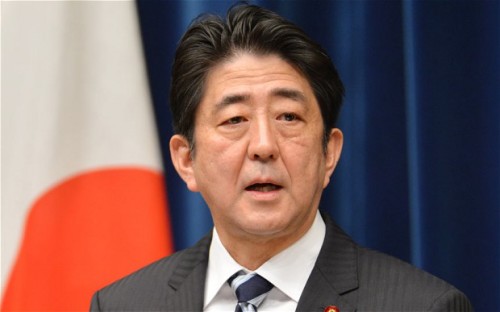
Japanese Prime Minister, Shinzo Abe. Photo credit: telegraph.co.uk

Under the theme of “Security and Equality for Sustainable Futures” the four-day conference gathers world-leading experts to debate the question of security in all its dimensions. In a pre-recorded message to delegates, Shinzo Abe, Prime Minister of Japan, added his wishes for the success of the Forum.

“Security has become one of the defining questions of our times,” said Daya Reddy, President of the International Science Council, in his opening remarks, adding:

“Societies worldwide are facing new forms of conflicts and wars, disruptive environmental change, a digital revolution which raises a multitude of security issues at different levels, and deep, persistent inequalities shaping how people experience these phenomena and respond to them. As members of the global scientific community, we must further develop our ability to address and respond to these challenges, and increasingly consider how they interact and condition one another.”

Over the next three days, approximately 1,000 participants from all over the world will discuss topics such as conflicts in Southeast Asia and elsewhere, transnational terrorism, human security, Artificial Intelligence, and climate and energy security. Plenary speakers include renowned social scientist Craig Calhoun; Kate Raworth, author of “Doughnut economics”; Katsumi Emura, Executive Vice-President of the NEC Corporation; and prize-winning war correspondent, Hoda Abdel-Hamid.

A round-table held in partnership with UNESCO will highlight policy questions for dealing with security issues in the context of the Sustainable Development Goals (SDGs), while a session with government science advisors will look at social security developments in the age of Big Data.

The Forum is organised by the International Science Council together with a consortium of local partners led by Kyushu University.

Chair of the local organising committee, Kazuo Miyamoto, Senior Vice-President of Kyushu University, said: “It is an honour to host the World Social Science Forum in Fukuoka. Kyushu University has long been a hub for international collaboration and pioneering research across the social and natural sciences, and this international event will help to mobilise researchers in the region and further afield. The discussions here truly demonstrate that the contributions of the social sciences are vital for solving the most pressing challenges of the 21st century, and that Japanese social sciences are well placed to be at the forefront of international efforts.”

Government threatens to revoke licences of oil firms flaring gas

0

The Minister of State for Petroleum Resources, Dr Ibe Kachikwu, says the Federal Government will from 2019 commence the revocation of the licences of oil companies that fail to stop gas flaring in their operations in the country.

Gas flaring in Ogoniland Nigeria
Gas flaring in Ogoniland, Nigeria. Photo credit: premiumtimesng.com

Kachikwu made this known while speaking at the 2018 Buyers’ Forum/Stakeholders’ Engagement organised by the Gas Aggregation Company of Nigeria (GACN) in Abuja, on Monday, September 24, 2018

He said that the Federal Government had been locked in a battle with upstream oil companies over the issue of gas flaring.

He noted that the Federal Government was keen on ending gas flaring, but oil companies still give lot of reasons why gas flaring cannot be ended.

“Government wants to end flaring while oil companies still give lot of reasons why it cannot be ended.

“Bottom line is cash call and money. But the reality is that whether or not we deal with cash call issues, it is not an optional agenda, it is a compulsive immediate agenda.

“It is destructive to the populace; it is intolerable in developed country and it should not be tolerated here either,’’ he said

He added that any oil company that could not find a way to ending its flare ought not to be producing.

“And I have said to the Department of Petroleum Resources (DPR), beginning from next year, we are going to get quite frantic about this and companies that cannot meet with extended periods — the issue is not how much you pay in terms of fines for gas flaring, the issue is that you would not produce.

“We need to begin to look at foreclosing of licences. This is very urgent,” he added

The Minister stressed that the quest to discourage gas flaring led the Federal Government to initiate the gas flare commercialisation programme.

He said that future renewals of oil and gas licences would involve the assessments of the gas components and gas flare rate of each company seeking renewals.

“Some of the ones that have come recently for renewals have insisted that they are building massive gas processing plants and we are going to follow this right through so that the supply obligation, the processing facility, the treatment of gas; their submissions are very accurate and very aggressive,” he noted.

On domestic supply obligation, he said that there was the need for a critical implementation, adding that it would be extended for both gas and crude oil.

Kachikwu said that the country needed to move away from the point of just producing these commodities, throwing it into the vessel and shipping it out, to the point of processing as much of it locally as much as possible.

According to him, it is only through this that the country will we be able to create more jobs, create better profit and returns on investments.

“It will also help to achieve better pricing and address the challenges of local industries and industrialisation,’’ he said.

The Minister disclosed that the Federal Government would launch the infrastructure revamp programme in November.

This, he said, has the potential of attracting between 20 billion and 30 billion dollars of investments into the petroleum industry and also help address the infrastructural deficiencies in the industry.

Also speaking, Managing Director of GACN, Mr. Morgan Okwoche, highlighted the need for optimum collaboration among industry players in the development of the gas sector.

He called on the DPR to expedite action on the issuance/renewal of the five-year rolling Domestic Supply Obligation (DSO) volumes which will help in effective project planning.

By Edith Ike-Eboh