Home Blog Page 1772

Group flays plans to authorise test for GM mosquitoes in Mali

0

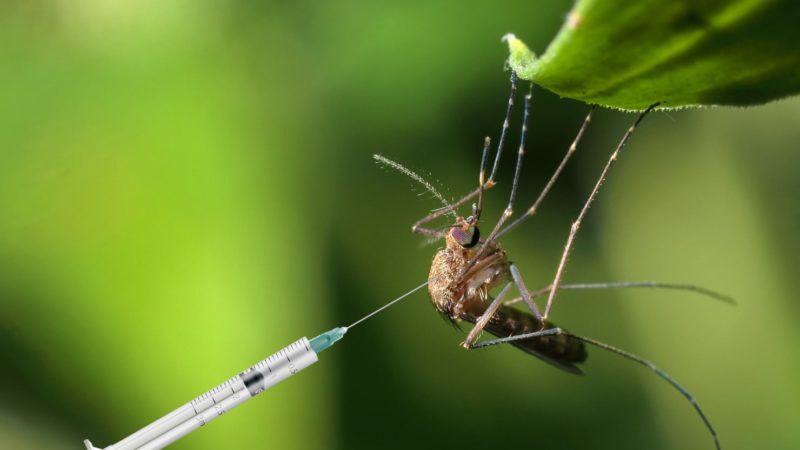
COPAGEN Mali, a member organisation of the West African Global Convergence for Land, Water and Seeds, is frowning at an apparent plan by the Malian authorities to authorise test for genetically modified (GM) mosquitoes in the country.
GM mosquitoes
Before the current case in Mali, the National Biosafety Agency of Burkina Faso had been under pressure not to release sterile genetically modified male mosquitoes as planned

Under the nation’s “Target Malaria” project, which COPAGEN Mali claims is being funded by the Bill and Melinda Gates Foundation, the National Biosafety Committee had planned to meet to evaluate the dossier application for a test authorisation with GM mosquitoes in the fight against malaria under the Ministry of the Environment, Sanitation and Sustainable Development.

The request for authorisation reportedly came from the Centre for Training and Research against Malaria whose experimental laboratory is located at Point G at the Faculty of Medicine and Odontostomatology (MRSC / FMOS) of Bamako.

But COPAGEN Mali has declined to endorse the meeting, saying that it does not seem to comply with the provisions of Law No. 08-042 on Biotechnology Security in Mali and its implementing decree setting the powers, the composition and the operating procedures of the National Biosafety Committee (Decree No. 10-683 / P-RM of December 30, 2010).

In a statement made available to EnviroNews, COPAGEN Mali disclosed that, according to Article 6 of the decree, an order of the Minister of the Environment sets the list of the members of the National Biosafety Committee on the proposal of the respective bodies. The group notes that the decree has not been taken to date.

The statement, titled: COPAGEN’s Declaration on the “Target Malaria” project and the process of its authorisation in Mali, adds: “In addition, Article 3 of the same decree stipulates that the Committee is composed of about 40 members whereas only 14 persons were invited to the meeting which is currently held in Selingué (from September 24 to 29, 2018) to rule on the application for authorisation of experimentation of genetically modified mosquitoes.

“No meeting of the persons from the Committee’s member bodies can take the place of a meeting of the Committee unless these persons have been duly mandated through an official appointment of the Minister of the Environment, who cannot, therefore, make legally valid recommendations to the competent national authority. So, any decision from the authority, in this case the Ministry of the Environment, based on these recommendations has no legal value and is therefore null and void.

“Furthermore, we disapprove of this project, which we consider to be a false solution to the eradication of malaria. Since any genetic manipulation forced by biotechnology involves risks to health and the environment, we warn public opinion.

“This project involves a lot of uncertainties and its erroneous vision will deviate us from real strategies for fighting malaria. Among them, sanitation remains the most effective. It is fundamentally essential and should be the priority target of the Ministry of the Environment, Sanitation and Sustainable Development.

“While Mali has hardly requested authorisation for the experimentation in a confined environment, which we refuse, things are even more serious in Burkina Faso. As they are still recovering from their disappointment with BT cotton, the Burkinabè people are again being used as “guinea pigs” after the authorisation to release genetically modified mosquitoes in the region of Bobo-Dioulasso, which is a threat to our entire subregion.

“Our silence will make us guilty victims, so let’s act!”

Nnimmo Bassey, Director, Health of Mother Earth Foundation (HOMEF), commented: “Experimenting with genetically engineered mosquitoes in villages in Burkina Faso is an utter disregard of the safety of the people and their right to dignity and their right to have comprehensive and comprehensible information on this risky and untested technology. Using Burkinabes as guinea pigs is an assault on our collective sensibilities. The experiments must be halted.”

Wetlands disappearing three times faster than forests, warns report

0

Wetlands, believed to be the most economically valuable and among the most biodiverse ecosystems in the world, are disappearing three times faster than forests with severe consequences for our future unless urgent action is taken to ensure their survival, warns a new report released by the Ramsar Convention on Wetlands on Thursday, September 27, 2018.

National-Arts-Theatre
The National Arts Theatre in Iganmu, Lagos is bordered by a wetland

Approximately 35 per cent of the world’s wetlands were lost between 1970-2015 with annual rates of loss accelerating from 2000, according to the first-ever “Global Wetland Outlook” of the Ramsar Convention, a global treaty ratified by 170 countries to protect wetlands and promote their wise use.  The report shows every region is affected.

Losses have been driven by megatrends such as climate change, population increase, urbanisation, particularly of coastal zones and river deltas, and changing consumption patterns that have all fuelled changes to land and water use and to agriculture.

Wetlands, which include lakes, rivers, marshes and peatlands as well as coastal and marine areas such as estuaries, lagoons, mangroves and coral reefs, are currently estimated to cover more than 12.1 million km2, an area greater than Greenland. Between 13-18 per cent of them are on the Ramsar List of Wetlands of International Importance, which are protected sites.

Wetlands are critical to human and planet life. Directly or indirectly, they provide almost all the world’s consumption of freshwater. More than one billion people depend on them for a living and 40 per cent of the world’s species live and breed in wetlands. They are a vital source for food, raw materials, genetic resources for medicines, and hydropower; they mitigate floods, protect coastlines and build community resilience to disasters, and they play an important role in transport, tourism and the cultural and spiritual well-being of people.

Studies show the economic value of services provided by wetlands far exceeds those of terrestrial ecosystems. Inland wetlands, for example, have a total economic value five times higher than tropical forests, the most valuable terrestrial habitat.

Wetlands are also essential to efforts to regulate the global climate. Peatlands store twice as much carbon as the world’s forests despite accounting for just three per cent of the world’s land surface, with salt marshes, sea grass beds and mangroves also carbon-dense ecosystems. However, wetlands produce 20-25 per cent of global methane emissions and rising temperatures from climate change are expected to increase greenhouse gases from wetlands, particularly in permafrost regions.

Despite this, wetlands remain dangerously undervalued by policy and decision-makers in national plans. An inexplicable omission given the pivotal role wetlands play in delivering global commitments on climate change, sustainable development, biodiversity and disaster risk reduction, with wetlands contributing to 75 indicators of Sustainable Development Goals (SDGs) alone.

The persistent and growing threat to the world’s remaining wetlands from water drainage, pollution, unsustainable use, invasive species, disrupted flows from dams and sediment dumping from deforestation and soil erosion upstream is detailed in the GWO, released ahead of the 13th Meeting of the Conference of the Parties (COP13) in Dubai, UAE.

Water quality trends are worsening with nearly all fresh water sources in the world compromised to some extent. Water pollution and nutrient loading from fertilizers are among the biggest challenges. According to the UN, more than 80 per cent of waste water is released into wetlands without adequate treatment while fertilizer use in 2018 is likely to be 25 per cent higher than in 2008, exacerbating excessive wetland plant growth and levels of decomposition resulting in oxygen starvation for flora and fauna alik

The biodiversity crisis is just as alarming. More than 25 per cent of all wetlands plants and animals are at risk of extinction. The IUCN’s Red List Index which assesses survival probability using available data has identified negative trends for wetland mammals, birds, amphibians and corals, an indication they are heading for extinction. Coral reefs are declining fastest due to rising sea temperatures, while amphibians have the lowest numbers and are the most threatened. Wetland fish, reptiles and large mammals are also vulnerable with every turtle species globally threatened and a third critically endangered.

“The Global Wetland Outlook is a wake-up call – not only on the steep rate of loss of the world’s wetlands but also on the critical services they provide. Without them, the global agenda on sustainable development will not be achieved,” says Martha Rojas Urrego, Secretary General of the Ramsar Convention on Wetlands. “We need urgent collective action to reverse trends on wetland loss and degradation, and secure both the future of wetlands and our own at the same time.”

The Parties to the Ramsar Convention have committed to the conservation and wise use of all wetlands. Although they have designated more than 2,300 sites of international importance so far, making the Ramsar List one of the world’s largest networks of protected areas, designating new sites for protection is not enough.

The GWO emphasises the necessity of developing effective wetland management plans and integrating wetlands into the planning and implementation of national plans on sustainable development, climate change and other key global commitments.

The report also stresses good governance and effective institutions at local, national and regional levels as a crucial factor in preventing, ending, and reversing trends in wetland loss and degradation.  More accurate data on wetland extent and wetland inventories is needed to help countries identify priority sites for restoration. Indigenous and local knowledge as well as citizen scientists are already invaluable resources on the state of wetlands and can be used more.

Drawing on successful examples across the world, the report recommends using existing funding mechanisms to apply economic and financial incentives for communities and business to protect wetlands through tax benefits. Perverse incentives for farmers and business such as subsidies to agriculture that encourage wetland conversion or pollution should be ended.

Additional recommendations include identifying solutions for wise use of wetlands that draw upon all expertise, ranging from hard science to traditional knowledge, to secure wide engagement on wetland protection and wise use and ensure sound decision-making. The GWO’s findings are expected to inform discussions and decisions at the Ramsar COP13, which holds from October 21 to 28.

“There is a slow awakening to the value of wetlands. Across the globe, legislative bodies need to integrate wetlands into policy programs and make investments into their sustainability. We need to educate the world on the critical importance of this most rapidly disappearing ecosystem. Without the world’s wetlands, we all hang in the balance,” asserts Rojas Urrego.

UN passes resolution adopting peasant rights declaration

0

Seventeen years of long and arduous negotiations later, peasants and other people working in rural areas are only a step away from having a UN Declaration that could defend and protect their rights to land, seeds, biodiversity, local markets and a lot more.

La Via Campesina
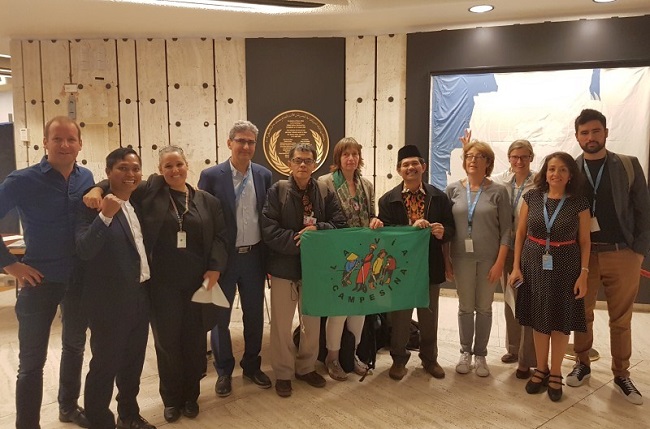
Members of the La Via Campesina in a group photo

On Friday, September 28, 2018 in a commendable show of solidarity and political will, member nations of United Nations Human Rights Council passed a resolution concluding the UN Declaration for the Rights of Peasants and Other People Working in Rural Areas. The resolution was passed with 33 votes in favour, 11 abstentions and three against.

The declaration now goes before the upcoming 3rd Committee session at UN General Assembly in New York in October. From there, in November 2018, the Declaration will be up for voting and adoption by all Member States of the United Nations. Once adopted, the UN Declaration will become a powerful tool for peasants and other people working in rural areas to seek justice and favourable national policies around food, agriculture, seeds and land keeping in mind the interests of millions of rural food producers comprising all genders and youth.

After several rounds of international consultation process, La Via Campesina – a global movement of peasants, indigenous people, pastoralists and migrant workers – adopted in 2008 a Declaration of Rights of Peasants – Women and Men. With the support of civil society groups like CETIM and FIAN International, La Via Campesina presented this proposal to the Human Rights Council in 2008.

“This has been a long tough path but as peasants, as people who have seen the worst of poverty and neglect, we are tough too and we never give up,” says Elizabeth Mpofu, the General Coordinator of La Via Campesina.

Observers say that peasants and others working in rural areas have insufficient recourse in the face of the discrimination they suffer and the other challenges they confront when seeking an adequate standard of living when subjected to forced displacement and marginalisation. However, with this win in Geneva, they believe that peasants a step closer to getting their rights recognised and protected.

According to Elizabeth, “This includes the right to life and adequate standards of living, the right to land, to seeds, to information, justice and equality between women and men” For her, it is a turning point for peasant struggles around the world. “Today, we are just a step away from acceptance by all member nations of the United Nations.” She added.

This UN Declaration can provide a global framework for national legislation and policies to:

  • better protect the rights of peasants – women and men – and improve livelihoods in rural areas;
  • reinforce food sovereignty, the fight against climate change and the conservation of biodiversity
  • take actions to implement comprehensive agrarian reform and a better protection against land-grabbing;
  • realise the right of peasants to conserve, use, exchange and sell their seeds;
  • ensure remunerative prices for peasant production and rights for agricultural workers;
  • recognise the rights of peasant women and bring about social justice for people of all origin, nationality, race, colour, descent. Sex, language, culture, marital status, property, disability, age, political or other opinion, religion, birth or economic, social or other status without discrimination

“While all of the member states said they are committed to human rights for all, the no votes and also abstentions are abysmal,” says Ramona Duminicioiu from Via Campesina Europe. “The nos and abstentions mean that these countries are not up to the protection of human rights of peasants and rural populations. They are against a bigger picture: eradication of poverty, food sovereignty, and the effort to reduce inequalities,” lamented Ramona.

“Our campaign for food sovereignty and people’s agrarian reform in Indonesia has received an important and much-needed boost,” says Henry Saragih, the Chairperson of Serikat Petani Indonesia. Indonesia has just passed a Presidential Decree in support of agrarian reform that favours peasants.

“Once the resolution is adopted at the UN General Assembly in New York, we will take the message of the Declaration to our people back home and elaborate its significance and how it could strengthen our struggles against privatisation, criminalisation and more. The more we educate and inform our people back home, the stronger our movements become. It will enable us to demand better policies and laws that will consider the rural realities of the developing world,” added Henry.

“At this point, despite producing the bulk of the food we eat – peasants are subjected to extreme forms of violence. Those who resist are either murdered or arrested. This criminalisation of peasant struggles has to stop, and this Declaration is a step forward in that direction,” says Diego from Movimiento Nacional Campesino Indígena (MNCI) Argentina CLOC-Vía Campesina.

Observers contend that the adoption of such a Declaration and the recognition of rights contained in the proposed legal instrument can contribute to better protect the rights of peasants and improve livelihoods in rural areas in the long term and at the global level. It will, according to them, fill existing normative gaps in protection and should also be forward-looking to deal with emerging gaps and thus end discriminatory practices by giving them more visibility and coherence.

Concern over India’s impending ODF status

0

As India gets ready to mark the Mahatma’s 150th birth anniversary this year with celebrations about the nation’s impending open defecation free ODF status, a new analysis by Centre for Science and Environment (CSE) and Down To Earth magazine has called for a drastic reality check.

India ODF
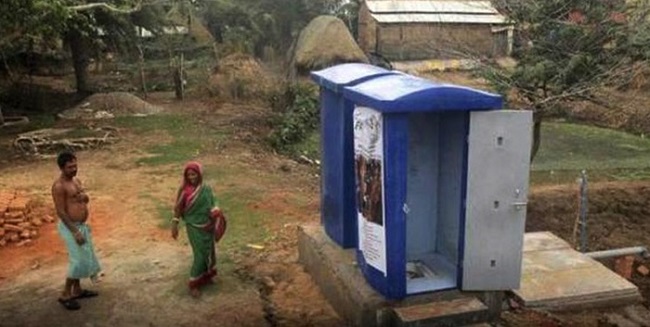
Millions of toilets are being built to make India Open Defecation Free by 2019

By February 2019, as per the government, India will lay claim to be an open defecation free nation. Under the flagship scheme Swachh Bharat Mission (SBM), 76 per cent of India’s villages have been declared ODF. Around 83.8 million toilets have been built.

Says CSE director general Sunita Narain: “This means the infamous distinction of having the world’s largest number of people going out to defecate in the open is all set to be history. This switchover – involving a generation old behaviour of some 600 million people – is no mean feat.”

But, she adds, building toilets is only the first – and perhaps the easiest – step towards attaining a “clean India” status. “It cannot be seen as the ultimate yardstick of success. What happens to the immense amounts of solid and liquid waste that these millions of new toilets would generate? If human excreta is not handled carefully – safely disposed of or reused – it will add to our health burden and negate all the work done to build the toilets.”


A sea of sewage

The CSE-Down To Earth analysis gives a taste of exactly how monumental the problem would be: 1,00,000 tonne of excreta every day produced by 720 million people using 144 million household toilets – just to give a sense of scale, more than 5,200 trucks would be needed every day to transport this amount of excreta! CSE has based this estimate on the standard calculation that on an average, an individual produces 128 gram of excreta every day.

Says Sushmita Sengupta, programme manager, rural water-waste management, CSE: “This could turn out to be a far bigger problem than that of open defecation. If not managed properly, the mind-boggling amounts of waste that these toilets will spew forth close to people’s homes can severely contaminate the land and water sources.”

“It is clear that toilets must be built keeping in mind the safe disposal and reuse of waste. Without this, we will not get the benefits of safe sanitation – the reduction in disease burden because of safe disposal of human waste,” Narain adds. “This is the challenge that we must keep our focus on.”

What compounds the problem is the manner in which the entire process of making villages ODF has been carried out. The CSE-Down To Earth analysis notes major gaps in the process. To declare India’s 0.6 million villages ODF, the Census 2011 involved 2.7 million officials, ostensibly working in collaboration with 3.6 million village residents. However, the rush to achieve targets has led to false claims. The analysis quotes the reports of the Comptroller and Auditor General of India on Gujarat and Uttarakhand, which have exposed cases of fudging of data.

For verification of the ODF process, the Union ministry of drinking water and sanitation recommends that concerned state officials/departments should be involved in the process for nine months. During this period, they would be expected to focus on things like availability of water, cleanliness of water sources and water bodies, decentralised waste management, maintenance of school and anganwadi toilets, etc. But the states have modified these guidelines (sanitation is a state subject) and have concentrated largely – and merely – on the construction of toilets, without paying much attention to the other aspects.

The CSE-Down To Earth analysis has found anomalies in the way the toilets have been constructed. Poorly designed and built, many of these toilets have added to the burden. For instance, in those built in flood-prone areas, the stored faeces pose a major pollution and health hazard during monsoons. The high density of pit latrines and poorly made and maintained septic tanks can render the shallow aquifer water unfit for drinking because of nitrate and bacterial contamination.

Says Narain: “Post-2019, the sanitation questions in India will be different, and yet the same. The challenge will remain: how to ensure that the toilets continue to be maintained and used and how to make sure that human excreta is safely handled. If this is not done, the massive investment of counting toilets could go waste – worse, governments would now believe that their task is done, and priorities will change. But the expected health outcome, which requires not just building and using toilets but ensuring that water is not contaminated, will not be realised. This clearly must be avoided at all costs. For the Indian toilet success to have a sustainable future, monitoring and public scrutiny must continue.”

IPCC commences meeting to consider 1.5 degrees report

0

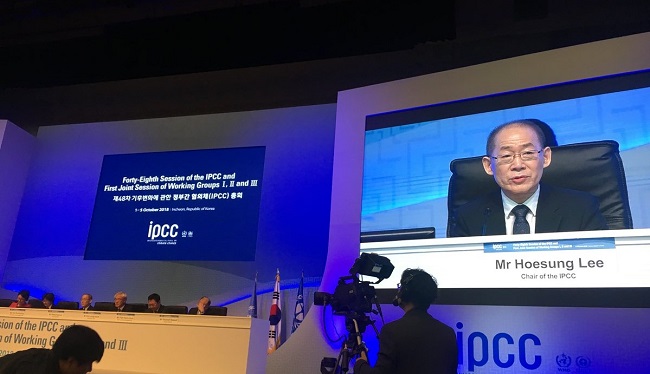
The Intergovernmental Panel on Climate Change (IPCC) opened a meeting on Monday, October 1, 2018 to consider its Special Report on “Global Warming of 1.5 ºC”.

IPCC 48th session
Opening ceremony of IPCC 48th session in the Republic of Korea

Representatives of the IPCC’s 195 members governments will work with scientists from the IPCC from October 1 to 5 to finalise the Summary for Policymakers of the report, whose full name is “Global Warming of 1.5 ºC, an IPCC special report on the impacts of global warming of 1.5 ºC above pre-industrial levels and related global greenhouse gas emission pathways, in the context of strengthening the global response to the threat of climate change, sustainable development, and efforts to eradicate poverty”.

Governments invited the IPCC to prepare the report in 2015 when they adopted the Paris Agreement to combat climate change. The report, known as SR15, will be the main scientific input at the Talanoa Dialogue in the Katowice Climate Change Conference (COP24) in December this year in Poland.

“Governments have asked the IPCC for an assessment of warming of 1.5 ºC, its impacts and related emissions pathways, to help them address climate change,” IPCC Chair, Hoesung Lee, said. “Together we will produce a strong, robust and clear Summary for Policymakers that responds to the invitation of governments three years ago while upholding the scientific integrity of the IPCC,” he told the meeting.

The Paris Agreement sets a long-term goal of holding the increase in the global average temperature to well below 2 °C above pre-industrial levels and pursuing efforts to limit it to 1.5 °C.

Subject to approval, the IPCC will release the Summary for Policymakers of the report at a press conference on Monday, October 8.

African Landscape Forest Restoration initiative celebrates 111m ha of commitments

0

Twenty-seven nations across the continent have committed to restore 111 million hectares of degraded land as part of the African Forest Landscape Restoration Initiative (AFR100) and the Bonn Challenge – exceeding the 100-million-hectare AFR100 target. In realising these commitments, countries will spur climate resilience, economic growth and more.

Wanjira Mathai
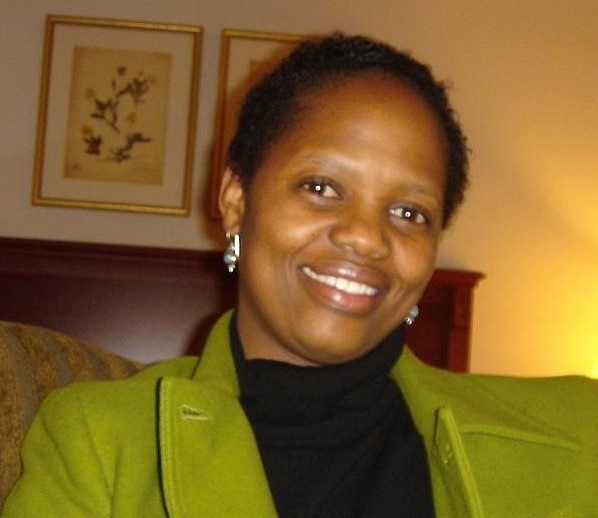
Wanjira Mathai, Senior Advisor, WRI and Co-Chair, Global Restoration Council

AFR100 was launched in 2015 in response to the African Union (AU) mandate to bring 100 million hectares of land into restoration by 2030. The initiative is led by the African Union’s NEPAD Agency in partnership with 27 participating countries, 27 technical and 12 financial partners. Founding partners include NEPAD, the German Ministry of Economic Cooperation and Development (BMZ), World Resources Institute (WRI), GIZ, the International Union for the Conservation of Nature (IUCN), and the World Bank.

During the 3rd Annual AFR100 Partners Meeting in Nairobi on August 2018, member country representatives, as well as technical and financial partners supporting implementation, reaffirmed that the initiative is a powerful lever to bring forest landscape restoration to scale.

“It is a testament to the continuing political will to restore landscapes across Africa that the AFR100 partnership has exceeded its 100-million-hectare target in commitments. We must sustain this momentum and move from pledges to implementation. There are already many examples of restoration success underway in African communities from which we can collectively learn, to realise these commitments,” said Wanjira Mathai, Senior Advisor, WRI and Co-Chair, Global Restoration Council.

In the margins of the meeting, two countries pledged to restore a combined 19.6 million hectares of land towards the 100-million-hectare target: Burkina Faso (5 million hectares) and the Republic of Sudan (14.6 million hectares). These pledges follow commitments made by Togo (1.4 million hectares) and Tanzania (5.2 million hectares) in the weeks prior to the meeting.

“Sudan is delighted to be able to commit to restore 14.6 million hectares of degraded land as part of AFR100. Restoration in Sudan will support in the reduction of youth immigration and food security for the poorest communities, as well as help the country to respond to international commitments,” said Ali Hamid Osman, Monitoring and Evaluation Specialist for the Sudan Sustainable Natural Resources Management Project and Sudan’s AFR100 Focal Point.

“The fight against desertification and land degradation is a major challenge for Burkina Faso’s sustainable development and economic vitality. Our 5-million-hectare commitment to the AFR100 Initiative will improve food security and create more robust livelihoods, both of which are conducive to resilient restoration and productive agro-ecosystems. In our context, special attention and effort should be given to sustainable employment and entrepreneurship for young people and women, to provide economic opportunities through the restoration of our lands and forests,” added Adama Doulkom, Coordinator of the Great Green Wall Initiative for the Sahara and the Sahel, Burkina Faso.

“Indeed, of all the Bonn Challenge’s regional platforms, AFR100 is the most successful, contributing over half of the current global commitment of 170 million hectares. Ideas can only take root if they are owned and while many have contributed to this momentum we must recognize the fundamental role that NEPAD has played in making this an African led and owned initiative, and particularly the inspiring work of Mamadou Diakhite and his team.” stated Stewart Maginnis, Global Director, Nature-based Solutions Group, IUCN.

Restoration is widely understood as a key pathway to meet climate change, desertification, biodiversity and sustainable development goals in Africa, and to secure vital food, water, and energy resources.

“In times of ever-increasing pressure on land, water, and biodiversity, the restoration of degraded forests and lands is more urgent than ever. Bringing back trees into the land offers multiple benefits for sustainable development, the fight against poverty and hunger, for conserving biodiversity and for adaptation to climate change. Restoration is spectacular in that every $1 invested there is the potential for $27-$35 in return. Seeing communities who restore their land reap a share of their restoration proceeds, is an honour,” said Mamadou Diakhite, Sustainable Land and Water Management (SLWM) Team Leader at the NEPAD Agency, home to the AFR100 Secretariat.

“It was a great success that the Global Landscapes Forum conference in Nairobi took place back-to- back with the third annual AFR100 partners meeting at the end of August there. We have sent a strong signal for the integration of reforestation, restoration and sustainable rural development. The broad concept of landscape restoration provides us with strong ideas in the fight against hunger and poverty through implementing the entire Agenda 2030 – and mainly SDG2 (zero hunger) and SDG15 (life on land),” said Bernhard Worm, Senior Policy Officer at the German Federal Ministry for Economic Cooperation and Development (BMZ).

Participants of the recent AFR100 meeting also endorsed the motion to have the United Nations General Assembly (UNGA) declare a UN Decade of Ecosystem Restoration, first proposed in March 2018 by El Salvador’s Ministry of Environment and Natural Resources – intended to increase the visibility of and resourcing for countries’ restoration efforts.

Radio Report: Independence Day and environmental challenges

0

Nigeria marks its independence on Monday, October 1, 2018 in the face of some environmental disasters especially flooding which has become a yearly occurrence, threatening lives, property and sources of livelihoods.

Incidentally, as at independence in 1960, the country was considered as among the safest abodes on earth, as there were no record-breaking environmental disasters whether man-made or natural.

In this report, Innocent Onoh looks at some of the contemporary environmental problems affecting Nigerians, their causes and ways of checking them.

Climate Diplomacy Week: EU, others urge positive global climate action

0

Following a week-long series of activities by the European Union and partners, the Climate Diplomacy Week 2018 in Nigeria was rounded off in Abuja on Friday, September 28, 2018.

Ketil Karlsen
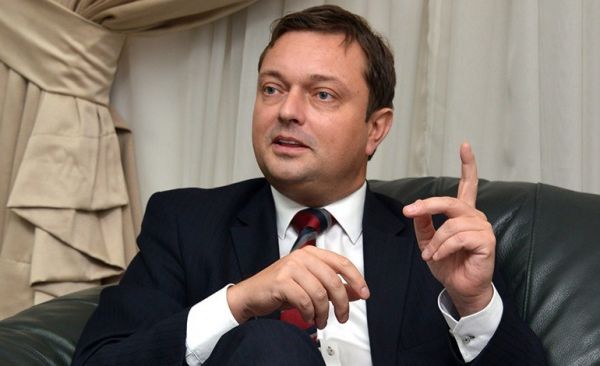
Head of Delegation to Nigeria and ECOWAS, Ambassador, Ketil Karlsen

The European Union delegations around the world utilised the Climate Diplomacy Week as a time to reach out to communities and partner organisations to highlight positive global action and collaboration on climate change. The focal areas of the programmes were on renewable energy, food security, water management, waste management, youth engagements, and environmental degradation as it relates to climate change.

The week opened in Abuja on Monday, September 24 with a policy dialogue and panel discussion on Energy Efficiency and Renewable Energy potentials. In attendance were the European Union, Head of Delegation to Nigeria and ECOWAS, Ambassador Ketil Karlsen; Regine Hess, Deputy Head of Mission, Embassy of the Federal Republic of Germany, Abuja; Representatives from the Federal Ministry of Environment, civil society organisations, corps members and members of the public.

In line with the central theme for the EU climate diplomacy week 2018, “Talanoa Dialogue”, a panel session focused on Youth Involvement in Climate Action held on Thursday, September 27. The panel, which was moderated by ‘Seyifunmi Adebote, had as panelists Climate Change and Sustainability expert, Linda Akpami; Climate Reality Leader, Abdullahi Ali Buhari; and Femi Akanji, CEO of Dapper ESL. The interactive session ended with the audience pledging to take six different climate actions towards Nigeria achieving her Nationally Determined Contribution (NDC).

The event ended on Friday, September 28 with a dialogue on waste management. Maria Yetano Roche of the Wuppertal Institute for Climate, Environmental and Energy made a presentation on “Climate Change and Waste in Nigeria: Challenges and Opportunities”; Funto Boroffice, CEO of Chanja Datti Recycling Limited, made a presentation on “Integrating Economic Incentives to Promote Environmental Consciousness”; and Manuina Maibe, Head of Product Development, Sustainability and CSR of Visionscape Group Nigeria, made a presentation on “Sustainable Systems for Waste Management in Emerging Markets”.

There were exhibitions and presentations by a number of resource persons and schools, movie screenings and other activities as other lineup of the week’s activities. The Climate Diplomacy Week 2018 in Nigeria by the European Union Delegation in Nigeria and ECOWAS, the Embassies of Germany, Sweden, and France, One Environment, Stop Don’t Drop, Chanja Datti and #PickThatTrash has been able to raise public awareness, open platforms for further discussions, and promote policies and practices for a climate-resilient future.

By ‘Seyifunmi Adebote, Abuja

150,000 persons displaced by flood in Bayelsa

0

No fewer than 150,000 persons have been displaced by flood in Bayelsa State, the National Emergency Management Agency (NEMA) disclosed on Sunday, September 30, 2018.

Yenagoa
Flooding in Yenagoa, Bayelsa State

Mr Yakubu Suleiman, Co-ordinator, Emergency Operation Centre E, Rivers/Bayelsa Territory of NEMA disclosed this in an interview with the News Agency of Nigeria (NAN) in Yenagoa, the state capital.

Suleiman said that several homes, farmlands, schools and churches were submerged in the affected communities across eight Local Government Areas (LGAs) of the state.

He said the agency was taking inventory of the affected persons to ensure that they were free from diseases.

Suleiman said that the displaced persons have been evacuated to the Internal Displaced Persons (IDPs) camp in Biseni, while some tents have been mounted at the Egbebiri Community, all in Sagbama LGA.

“We have carried out assessment on the affected communities, and we discover that no fewer than 150, 000 persons have been displaced and the number keep growing because the water is rising daily.

“Several communities have been submerged; markets, schools, hospitals and churches are already under the water.

“We have cleared some portions of lands for the IDPs at Biseni and we have mounted some tents at Egbebiri Community, all in Sagbama LGA.

“We have over 110 tents to be mounted in different locations; the emergency monitoring team is working round the clock to ensure that every affected home is assisted.

“The medical teams are on ground from the Federal and State Ministries of Health, to be assisted by members of the Red Cross Society, to avoid spread of diseases because of polluted water.

“On portable water for the affected persons, we have brought water treated plants to be installed in the camp, so, that the people will have access to portable water,” he said.

The mostly affected communities are in Adagbabiri, Anibeze, Biseni, and Trofani in Sagbama LGA.

By Christian Ogbonna

World Habitat Day: Effectively managing community waste

0

The state of Lagos in Nigeria is currently having its fair share of waste management challenges, which is giving the government as well as the governed a cause for concern.

waste managers
Waste management: Lagos waste PSP operators at work

But solid waste management is a global issue that affects everyone, the United Nations has said. According to the global body, the amount of waste produced by individuals is growing daily and often costs local authorities a large proportion of their budget.

The UN is bothered by the fact that poor solid waste collection and disposal can lead to serious health problems from uncontrolled dump sites and waste burning. It also leads to polluted air and water.

This is topic of focus as the world observes the 2018 World Habitat Day on Monday, October 1. This year’s theme is “Municipal Solid Waste Management” with the main global observance taking place in Kenya.

The UN designated the first Monday of October of every year as World Habitat Day to reflect on the state of our towns and cities, and on the basic right of all to adequate shelter. It also reminds us we all have the power and the responsibility to shape the future of our cities and towns.

According to the UN, a change in public attitudes to minimise waste and stop littering, the regularisation of informal waste pickers, increased recycling and reusing, sufficient funding, solid waste planning including adequate landfill sites, can help cities to improve the current state of solid waste management and save money to become “waste-wise cities”.