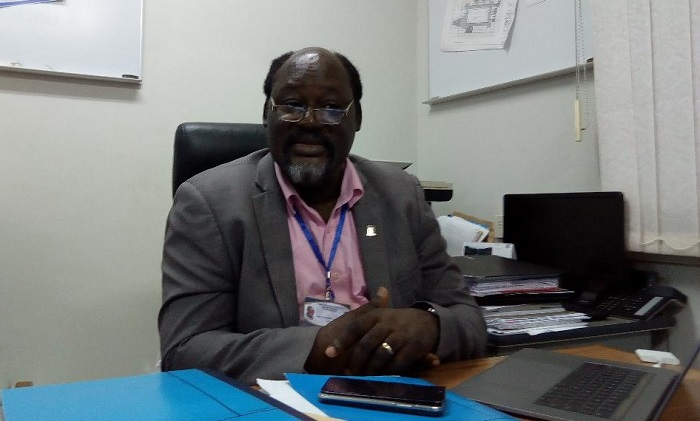
The Lagos-based ITB Construction Nigeria Limited has called for the digitisation of the construction industry in the country. Managing Director of ITB, Mr. Ramzi Chidiac, made the call recently at the firm’s office on Victoria Island.
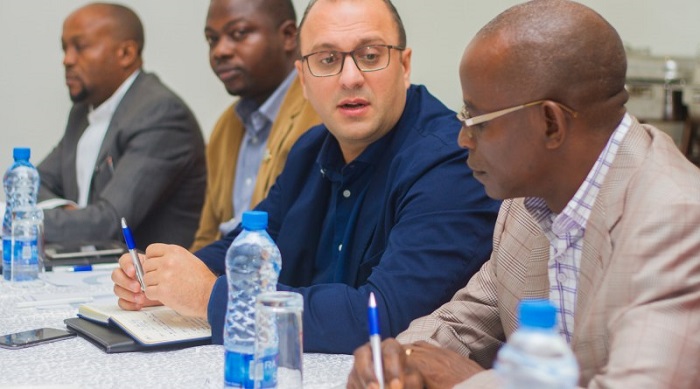
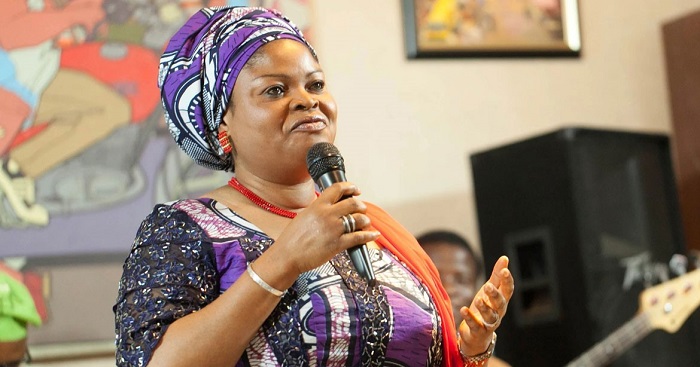
Managing Director of ITB, Mr. Ramzi Chidiac (second right), in the company of some of his managers during a recent forum in Lagos
Chidiac noted that digital technology would foster the growth of the construction industry, minimise project delays, reduce the occurrence of accidents, and guarantee cost effective building projects. In addition, the adoption of digital technology would pave way for the emergence of green and smart buildings, which brings about positive benefits for the environment, he said.
His words: “If adequate and collective attention is given to the value of technology in construction, we can better control the quality and standards upheld in engineering. As Nigeria moves closer to its vision 2020, it is imperative that all sectors are challenged to uphold the best standards. I believe that the way forward for the construction industry is to embrace digitisation.
“At ITB, we recognise the huge benefits that technology can bring to human lives and to the environment, and that is why we are committed to providing advanced building solutions. Evidenced by our use of steel and concrete, and the construction of the first Leadership in Energy and Environmental Design (LEED) certified building in Nigeria, we continually seek efficient ways to adopt new technology to improve the standard of living.”
ITB Nigeria, he further disclosed, has made an appreciable mark in the country with several projects, and continues to advocate for smart buildings and green architecture. The full range of services is constantly challenged by the desire to revolutionise how buildings are erected and the effect they have in the overall aesthetics of the city and its environment, Chidiac disclosed.
Connected Development (CODE) has secured a working relationship with the media for its policy advocacy activities on the National Action Plan on Business and Human Rights (NAPBHR).
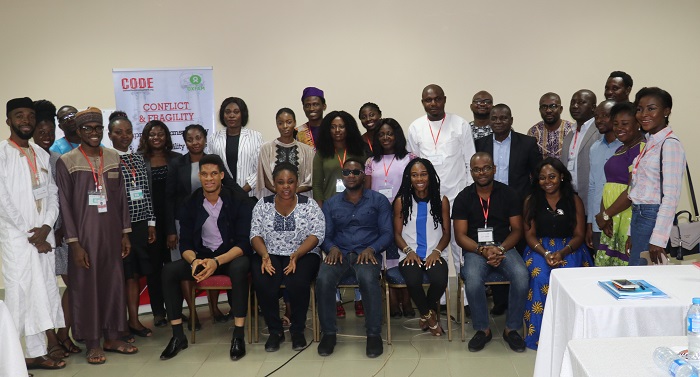
Participants at the Roundtable
The development emerged after following a two-day roundtable in Abuja for the media on the organisation’s campaigns around the NAPBHR in the oil and gas sector, especially as it affects host communities and the corporate social responsibility expectation of these communities; as well as the economic, social and environmental sustainability compliance of these operators.
The roundtable came on the heels of community outreaches to at least two host communities of oil wells and flow stations in Delta and Akwa Ibom states respectively in the Niger Delta. The roundtable provided media professionals an avenue to share their experiences relating to story collection in the Niger Delta, as well as access to knowledge resources on the UN Guiding Principles on Business and Human Rights, and the timeline of the National Action Plan to adopt it in Nigeria.
There were also discussions on legal instruments for regulating the oil and gas sector in Nigeria, and deliberations on a strategy for the media to work with CODE to tell human interest stories of the people of host communities and highlight the fragility and conflict that arises from the activities of operators in their communities.
Through its “Follow the Money” model, CODE provides marginalised and vulnerable communities with resources to amplify their voices with independence and integrity; as well as information that ushers social and economic development through online and offline platforms that close the feedback loop between citizens and the government to enhance social contracting and accountability.
Since 2012, CODE has worked in over 100 local communities across Nigeria, The Gambia and Kenya; impacting over 1,500,000 marginalised lives by engaging national and sub-national governments. It also tracked some N3 billion ($10 million) in budgeted sums for contracts, to provide education, health and WASH (water, sanitation and hygeine) essential supplies and amenities for the communities direly in need.
An environmental economist, Ms. Ivonne Higuero, has been named as the new Secretary-General of the Convention on International Trade in Endangered Species of Wild Fauna and Flora (CITES).
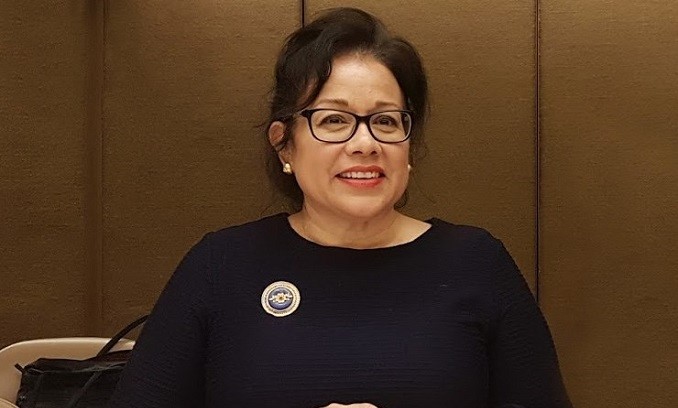
Ms. Ivonne Higuero
She replaces John E. Scanlon, who left the position on Friday, April 6, 2018 after eight years in service. Scanlon has taken on the role of Special Envoy for African Parks.
With a career spanning 26 years in international organisations in the area of sustainable development, Higuero, a national of Panama, has experience working at the global, regional and national levels, and engaging with stakeholders across the public and private sectors.
During her 24 years with the UN, she has held varied roles managing financial and human resources, overseeing the implementation of programmes of work and the provision of secretariat services to intergovernmental bodies.
Ms Higuero served at the UN Environment headquarters in Nairobi and the Regional Office for Europe, as the Coordinator of the Pan-European Biological and Landscape Diversity Strategy and as the focal point for biodiversity related and regional sea conventions, amongst other natural resource management roles between 1994 and 2014.
Between 2014 and 2018, she served in the United Nations Economic Commission for Europe, most recently as the Director of the Economic Cooperation and Trade Division where she led and supervised programmes on trade facilitation, access to markets, innovation and competitiveness policies and public-private partnerships. Prior to this, she was Director of the Commission’s Forests, Land and Housing Division and Chief of the Operational Activities and Review Section of the Environment Division.
She holds a Bachelor of Science degree in Biology from the University of Missouri (United States of America) and a Masters’ of Environmental Management Degree in Natural Resource Economics and Policy from Duke University (United States of America).
Commenting on her appointment, Ms Higuero said: “It is an honour and a privilege for me to have been selected for this exciting assignment. The preamble to the Convention, noting the ever-growing value of wild fauna and flora from aesthetic, scientific, cultural, recreational and economic points of view, has never been truer and it fits very well with Agenda 2030 and the Sustainable Development Goals. I look forward very much to assisting the Parties to implement CITES to the highest standard”.
Carolina Caceres, representing Canada as current Chair of the CITES Standing Committee, welcomed the appointment, saying: “CITES Parties will be delighted that the post of Secretary-General has been filled and impressed with the long and broad experience of Ivonne Higuero. On behalf of the Parties, I would like to warmly welcome her to CITES and wish her every success with her new appointment.”
An environmental economist, Ms. Ivonne Higuero, has been named as the new Secretary-General of the Convention on International Trade in Endangered Species of Wild Fauna and Flora (CITES).
She replaces John E. Scanlon who left the position on Friday, April 6, 2018 after eight years in service. Scanlon has taken on the role of Special Envoy for African Parks.
With a career spanning 26 years in international organisations in the area of sustainable development, Higuero, a national of Panama, has experience working at the global, regional and national levels, and engaging with stakeholders across the public and private sectors.
During her 24 years with the UN, she has held varied roles managing financial and human resources, overseeing the implementation of programmes of work and the provision of secretariat services to intergovernmental bodies.
Ms Higuero served at the UN Environment headquarters in Nairobi and the Regional Office for Europe, as the Coordinator of the Pan-European Biological and Landscape Diversity Strategy and as the focal point for biodiversity related and regional sea conventions, amongst other natural resource management roles between 1994 and 2014.
Between 2014 and 2018, she served in the United Nations Economic Commission for Europe, most recently as the Director of the Economic Cooperation and Trade Division where she led and supervised programmes on trade facilitation, access to markets, innovation and competitiveness policies and public-private partnerships. Prior to this, she was Director of the Commission’s Forests, Land and Housing Division and Chief of the Operational Activities and Review Section of the Environment Division.
She holds a Bachelor of Science degree in Biology from the University of Missouri (United States of America) and a Masters’ of Environmental Management Degree in Natural Resource Economics and Policy from Duke University (United States of America).
Commenting on her appointment, Ms Higuero said: “It is an honour and a privilege for me to have been selected for this exciting assignment. The preamble to the Convention, noting the ever-growing value of wild fauna and flora from aesthetic, scientific, cultural, recreational and economic points of view, has never been truer and it fits very well with Agenda 2030 and the Sustainable Development Goals. I look forward very much to assisting the Parties to implement CITES to the highest standard”.
Carolina Caceres, representing Canada as current Chair of the CITES Standing Committee, welcomed the appointment, saying: “CITES Parties will be delighted that the post of Secretary-General has been filled and impressed with the long and broad experience of Ivonne Higuero. On behalf of the Parties, I would like to warmly welcome her to CITES and wish her every success with her new appointment.”
Minister of State for Environment, Alhaji Ibrahim Jibril, says the Federal Government will spend N10.6 billion Green Bond to execute its Energising Education Programme.
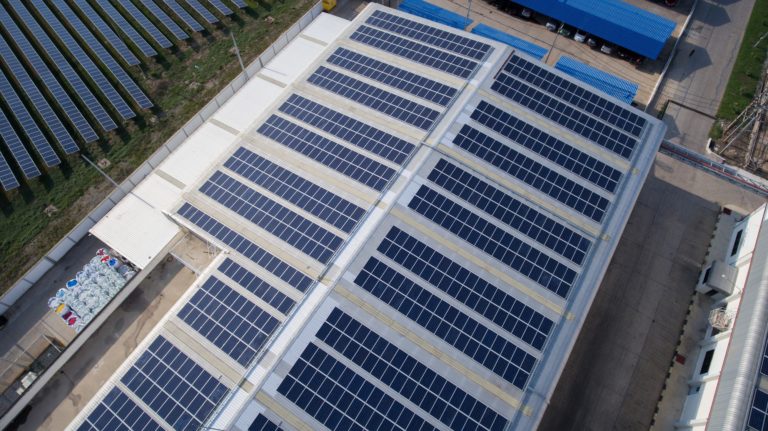
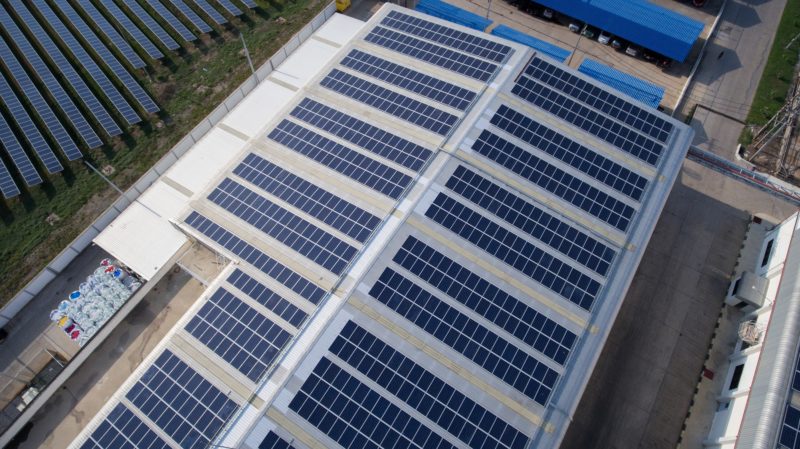
Aerial view of solar panels on rooftop. Energising Education Programme will be executed through provision of solar power in higher institutions
Jibril told the News Agency of Nigeria (NAN) in Abuja on Thursday, October 25, 2018 on the sideline of the ministry’s preparation for the 12th National Council on Environment meeting that it would be executed through provision of solar power in higher institutions.
The meeting is to hold between Oct. 29 and Oct. 31, in Akure, Ondo State.
According to him, the Federal Ministry of Environment is partnering the Federal Ministry of Works, Power and Housing in its Energising Education Programme to provide solar power in the nation’s higher institutions.
“We have already raised N10.6 billion when we launched green bond last December. This money is targeted towards renewable energy.
“Therefore, we are partnering the Federal Ministry of Works, Power and Housing in its Energising Education Programme to provide solar power in the institutions of higher learning.
“This will serve as alternative means of raising fund to address climate related issues,” the minister said.
He said that the ministry issued the Green Bond as alternative source of funding because of the huge capital outlay required to finance the nation’s renewable energy projects.
Jibril expressed optimism that the bond would boost the nation’s economy and protect the environment.
he Federal Ministries of Environment and Finance, in collaboration with Green Bond Advisory Group, launched the green bond in December 2017.
Director-General, Debt Management Office (DMO), Ms Patience Oniha, said the Federal Government borrowed the N10.6 billion, in line with its borrowing agenda as stated in the 2017 budget.
Newly appointed finance minister Tito Mboweni’s maiden speech in the current ‘technical recession’ will be a task to keep the country from succumbing to mounting pressure on the economy.
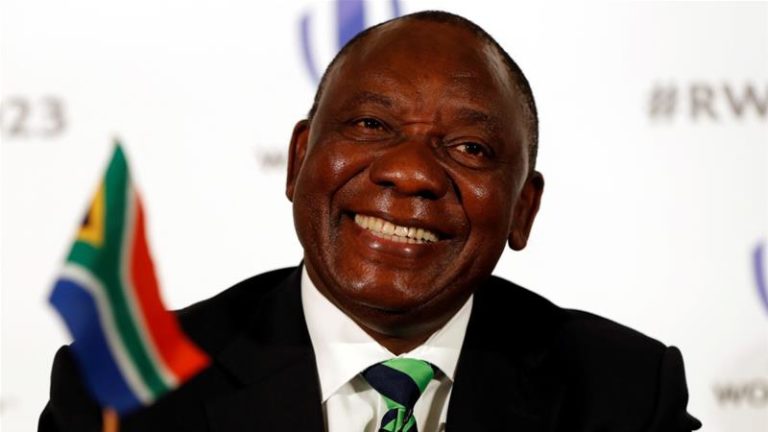
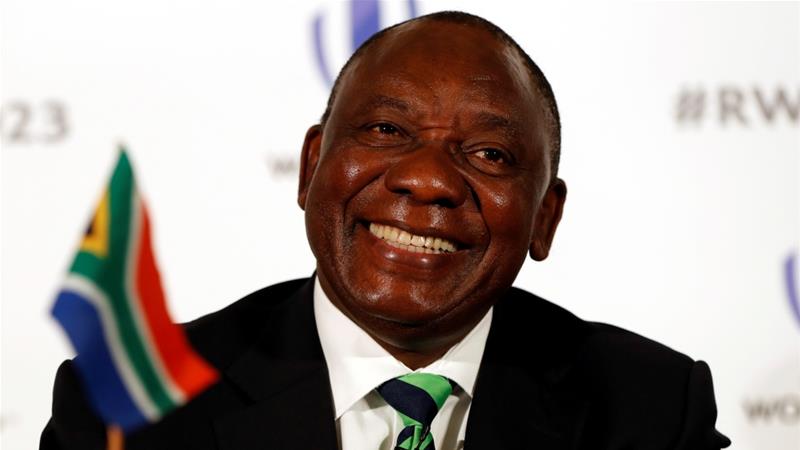
President Cyril Ramaphosa of South Africa
350Africa.org is calling on the new finance minister to re-examine budget forecasts in Wednesday’s speech, and urge the Development Bank of Southern Africa (DBSA) to commit to not financing the proposed coal power plants.
Inclusion of new coal in the 2018 draft IRP will cost South Africa nearly R20 billion, according to the Energy Research Centre (ERC). This is said to be more than the country needs to spend on energy infrastructure and will make electricity more expensive for all South Africans – since the costs will be passed on to consumers.
Ahmed Mokgopo, 350Africa.org’s Divestment campaigner, said: “The country does not need new coal. We need public finance institutions like DBSA which invest public money into development projects to commit to not putting their money into dirty energy that will come at a great cost for South Africans. The DBSA and other development banks should take their cue from the World Bank which recently announced their decision not to finance a coal plant in Kosovo.”
Climate change and environmental issues are putting constraints on South Africa’s economic growth, says 350Africa.org. Eskom, a coal intensive giant, is the biggest risk to the country’s economy, according to Goldman Sachs.
“As a progressive force and development economist in Ramaphosa’s cabinet, Mr Mboweni cannot ignore the challenges posed by government’s approach to sideline issues of people’s health, the environment and climate change.”
350Africa.org said it commissioned a comparative study into the financial cost burden of the IPP’s against the 2018 national budget on Social Development. A key finding showed that the additional costs of the coal Independent Power Producers (IPPs), when set against the Department of Basic Educations School Infrastructure Backlogs budget, could be allocated to eradicate dangerous school buildings, provide sanitation and decentralised electricity to schools. This budget was cut by R 3.6 billion over the next three years. R19.68 billion rand, the standard reference scenario used in the study, could be allocated to eradicate pit latrines (a legal requirement since 2016) and replace unsafe school buildings and electrify schools without electricity.
“South Africa has become a prime destination for renewable and decentralised energy investments, this has been largely driven by the Renewable Energy Independent Power Producer Procurement Programme (REIPPP). The latest bid round of the REIPPP, announced in April 2018, has resulted in R56 billion in FDI for the production of 2300 MW of renewable energy via solar PV and CSP, wind and biomass to be added to the grid over the next five years. This is a huge milestone not only for the renewable energy sector, but also a good indication of investor confidence following years of uncertainty regarding management of the economy,” according to 350Africa.
An estate surveyor and valuer is referred to in Nigeria as a professional member of NIESV (the Nigerian Institution of Estate Surveyors and Valuers) who is also registered and empowered by law through the Estate Surveyors and Valuers Registration Board of Nigeria (ESVARBON) to carry out property valuation tasks in the interest of the owner/prospective owner and the society.
Rowland Abonta, President of the Nigerian Institution of Estate Surveyors and Valuers (NIESV)
With a combination of efforts from the government, investors and, most importantly, a estate surveyor and valuer, landed properties in every area of the society (rural and urban) can be put to optimal use once they are properly managed.
His services extend beyond the regular acquisition and disposal of landed properties, but with a vast knowledge covering the major areas of property development in its entirety and its immediate impact in the society, they are better placed to make policies that will foster development in any rural or urban society.
Having good infrastructure, of course is one of the prerequisites for development in any society, having the right long-term maintenance strategy will go a long way in sustaining those infrastructures. With the wealth of experience at the disposal of estate surveyors and valuers, formulating and implementing a strong maintenance policy should be a cakewalk.
By joining hands with the government, estate surveyors and valuers are also able to advise the government on the best way to develop a locality by mapping out some areas which will be perfect for residence, industrial or commercial buildings. Due to their involvement in the development of that master plan, the community will most likely experience speedy and healthy growth.
Estate surveyors, in conjunction with other like-minded bodies (independent investors or a government-backed subsidised fund), also come together in some occasions to implement projects that will not only benefit the initiator, but also the host community.
For instance, it is a well-known fact that the houses in the Abuja metropolis cannot cater for the teeming population. Worse still, the majority cannot afford a decent home due to the relatively high cost of living. Professionals in the real estate industry saw this as an opportunity to invest in the suburban region of the city. The aftermath of this investment birthed affordable housing in relatively new areas like Kubwa, Zuba, Gwarimpa, Suleja among many other areas.
These new houses were not only beneficial to the owners, they also:
benefitted the government by decongesting the municipal
increased the government’s source of revenue.
improved commercial activities in the host communities.
From the above, it can be deduced that an estate surveyor and valuer is capable of significantly boosting the development of any community due to the cross-disciplinary knowledge he/she possesses about landed properties in its entirety and its impact on the community.
In addition to the above, estate surveyors and valuers also handle other activities like feasibility and viability appraisals, facilities management, project management and general real estate consultancy services.
Chiamaka Abraham is a hygiene hero from Ikom LGA, Cross River state, South-south Nigeria. She attends Holy Trinity Academy and she is eight years old.
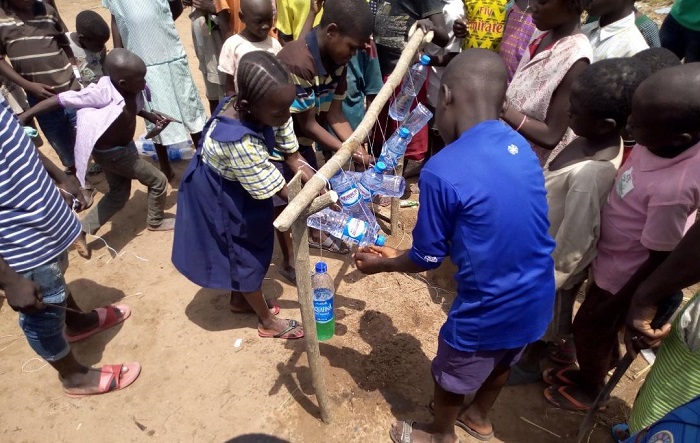
Chiamaka and others during the Global Handwashing Day celebrations
Chiamaka recently visited another school in her neighbourhood (PCN Primary School, Ikom) to talk about the importance of handwashing with soap or ash and the implication of not practicing handwashing at critical times. She demonstrated how to and supported in constructing a handwashing gallery for the school. She also demonstrated the steps to proper handwashing to the host pupils.
At the end of her discourse and demonstrations, she entertained questions from the school kids, and boldly advised the management of PCN Primary school to encourage good hygiene practices such as effective handwashing in the school.
On what motivates her, she informed the WASH unit staff that she would not want to contact germs that would lead to illness for her, making her parent spend money in the hospital or she dying as a result.
She further said, “I want to be part of the campaign to save other children’s lives. I want to advice all children to always wash their hands with soap and water, else they contact germs. If they contact germs, they will fall sick, spend money in the hospital or die.
“Today, I visited PCN primary school to tell them the importance of handwashing. I will continue to preach this message to all children around me, to save their lives and save mine too.”
Global Handwashing Day (October 15), together with its cousin World Toilet Day (November 19), brings attention to the most basic issues – hygiene and sanitation – that to our shame still account for two million child deaths a year.
A third of the world’s population – 2.4 billion people – live with poor sanitation and hygiene which, according to the World Bank, costs countries $260 billion annually.
Everyday, 2,000 children die before reaching their fifth birthday due to diarrheal diseases, the vast majority caused by poor sanitation and hygiene. Diarrhea alone has killed far more young children in Nigeria over the last 12 months – around 150,000 – than Boko Haram’s slaughtering and the wars in Syria combined. Whilst we continue the daily search for even a hint of a resolution to these two brutal and complex conflicts, we already know the simple solution to tackling hygiene and sanitation-related diseases.
We know that handwashing with soap is the most effective and inexpensive way to prevent diarrheal diseases – reducing incidence by up to 47% – and combined with improved sanitation, this is boosted to 68%. We know that in countries with the highest child mortality rates, as few as 1% of people wash their hands effectively and that the global average is only 19%.
Most frustratingly, effective tools and participatory methods are readily available, and it is estimated that interventions that promote handwashing could save close to a million lives.
So why is hygiene promotion not a focus of most development projects?
The relative lack of attention in both development and media circles is why we need days such as Global Handwashing Day and World Toilet Day to remind us of how simple the solutions to serious issues can be. They can also be used creatively to launch an outreach campaign or to celebrate behavior change achievements.
In Nigeria, United Purpose’s month-long Global Handwashing Day campaign brings together famous musicians, local leaders, and a soap company to empower thousands of school children as hygiene promoters called hygiene heores in communities already committed to improving sanitation.
United Purpose and PZ Cussons expanded the GHD celebration reach this year by holding events across 12 LGAs In Benue and Cross River states from October 4 to 9, 2018. These events were held in the United Purpose’s WASH programme LGAs for Rural Sanitation and Hygiene Promotion in Nigeria (RUSHPIN) and Community-led Health Improvement through Sanitation and Hygiene Promotion in Nigeria (CHISHPIN).
Over 43,000 children participated in several events held from October 9 to 15, 2018.
Participating schools were pre-selected and participating kids from each school were Environmental Health Clubs (EHCs) members in their various schools. The EHCs are sanitation and hygiene clubs established in schools to enhance existing skills of participants especially school teachers in life skills-based hygiene education using child to child approach to bring about sustainable behavioural changes at school, family and community levels.
At the events, the theme of the 2018 Global Handwashing Day, “Clean Hands a Recipe for Health” was highlighted and the kids were engaged in fun handwashing themed activities and games which demonstrated the importance of handwashing with soap. At the conclusion of the events, over 2,000 kids from 12 local government areas became hygiene heroes who were equipped to take the handwashing message back to their various schools and communities.
On October 15, which was GHD proper, the Hygiene Heroes from the LGA events facilitated handwashing with soap at their various schools, thus enabling other kids in their school join in celebrating the global handwashing day. They re-enacted the setting up handwashing stations in their schools, the lessons learnt from the GHD celebration they attended, and they demonstrated the steps to proper handwashing. An estimated 36,000 schools’ kids from 240 primary schools were reached through this activity alone.
To ensure non-participating schools were not left out, some vibrant hygiene heroes were selected in each LGA to visit one or two other schools who did not participate in the GHD celebration to spread the handwashing message.
This event encouraged a peer-to-peer learning approach which saw the hygiene heroes having discussions with their peers in other schools about the importance of handwashing with soap. The hygiene heroes not only discussed but also demonstrated how to construct group handwashing stations using materials available locally and the proper way to wash hands. This approach is used because kids learn better when they listen to their peers.
For the fifth consecutive year, United Purpose and PZ Cussons has jointly facilitated Nigeria’s largest Global Handwashing Day (GHD) Campaign.
Global Handwashing Day, celebrated on October 15, is an annual global advocacy day dedicated to increasing awareness and understanding about the importance of handwashing with soap as an easy, effective, and affordable way to prevent diseases and save lives.
With this message, United Purpose and PZ Cussons have engaged thousands of school children and reached millions of people in Nigeria and globally – and will continue to share the vitally important message of handwashing with soap with many more.
To successfully deliver on the targets of the Sustainable Development Goals, conscious and strategic efforts must be made by leaders at public and private sectors to systematically address the perennial challenges of extreme poverty.
Senior Special Assistant to the President on Sustainable Development Goals, Princess Adejoke Orelope-Adefulire
The call was made by the Senior Special Assistant to the President on Sustainable Development Goals, Princess Adejoke Orelope-Adefulire, in her message to mark the International Day for the Eradication of Poverty.
According to the presidential aide, stakeholders must endeavour to take steps and put modalities in place to rid the society of forces and practices that hinder the reduction of poverty, adding that ideals that promote social inclusion, social justice, wealth creation, sustained growth and human capacity development should continuously remain at the centrepiece of the national life.
Princess Orelope-Adefulire noted that in the overall quest of the government to build a future that is desired by all, strategic efforts have been made by the Buhari Administration to alleviate poverty, foster economic growth and empower the youth and women. In particular, she maintained that huge investment made by the government in Social Intervention Programme is a clear testimony to the commitment of the government to deal decisively with the challenge of extreme poverty. She added that this is in line with the global thinking for elites to come together with those furthest behind to build an inclusive world of universal respect for human rights and dignity.
Globally, October 17 is set aside to galvanise efforts towards the eradication of poverty with a belief that the fundamental connection between extreme poverty and human rights, and that people living in poverty are disproportionately affected by many human rights violations.
The global community believe that government policies alone cannot create the social inclusion that is fundamental to reaching those left furthest behind and overcoming poverty in all its dimensions. The commemoration of October 17 each year, when people living in poverty take the floor and share their experiences, demonstrates how the world can achieve greater social inclusion by enabling people from all walks of life to come together to respect the human rights and dignity of the downtrodden.
The German government said it had registered 15 cities with high pollution levels with the European Union.
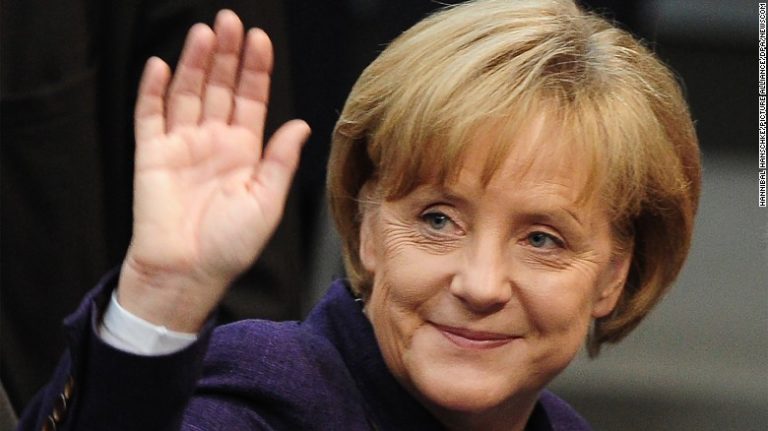
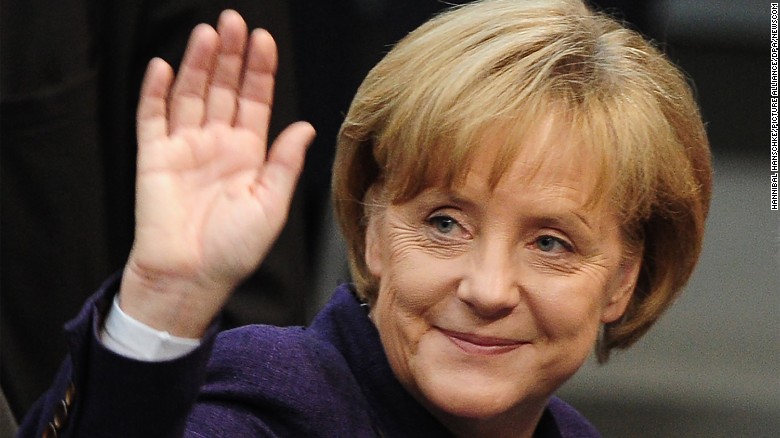
Angela Merkel, German Chancellor
The city of Frankfurt is now included, German Chancellery Chief, Mr Helge Braun, said on Wednesday, October 24, 2018.
Braun said the country’s cabinet would decide on Nov. 7 on changes to the Emission Control Act, which regulated parts of German environmental law.
Germany would ensure that cities which exceeded pollution levels by only a little were not subject to diesel bans.
“We are convinced that driving bans can be avoided in most of the 65 affected cities with the package of measures,” Braun said.
His reference was to the agreement between Chancellor Angela Merkel’s Conservatives and the Social Democrats earlier in the month, aimed at reducing pollution in German cities.
The on-going debate on biotechnology and genetically modified organisms (GMOs) has, in recent times, been given a new twist focused on the public posture of National Biosafety Agencies in both Ghana and Nigeria. The National Biosafety Management Agency (NBMA) of Nigeria and Ghana’s National Biosafety Authority (NBA) have been basically accused of reneging on their mandates to protect human health and the environment and disregarding due process in the application approval process.
Director of University of Ghana’s Noguchi Memorial Institute for Medical Research, Prof. Kwabena Mante Bosompem
These accusations highlight the need to examine the nature of the mandates of Biosafety institutions and whether these mandates are in line with national aspirations for socio economic development. Some Ghanaian professionals from different backgrounds with expertise on or knowledge of biotechnology, shared their perspectives on the issue in separate interviews, and essentially agreed that the regulators are currently delivering their legal mandates, nationally and internationally.
The Director of University of Ghana’s Noguchi Memorial Institute for Medical Research, Prof. Kwabena Mante Bosompem, said, the setting up of biosafety regulatory systems forms part of the international requirements set forth in the UN Convention on Biological Diversity and the Cartegena Protocol for the safe transfer, application and use of GMOs.
“So, the role of biosafety regulatory agencies such as the NBA and NBMA, is to serve as an impartial regulatory platform to facilitate the safe selection of GMOs that are good,” he added.
According to Prof. Bosompem, “all nations recognize the potential of biotechnology and genetic engineering or modification as one of the scientific technologies to advance their economies, therefore nations have it as a policy that whichever GMO products are good, should be positively exploited to advance their socio-economic development.”
He continued: “The only way to determine a good GMO from a bad one is to have appropriate regulation and a body to administer it, which is what the NBA and NBMA are established to do.”
Prof. Bosompem explained that the selection of a good GMO is done through a thorough appraisal of applications by the Technical Advisory Board and competent regulatory institutions including the Food and Drugs Authority and the Ghana Standards Board. After which, approval is given for laboratory and field testing. He further explained that following initial approval for testing, a particular GMO trait or event is subjected to laboratory and field tests that are more rigorous and meticulous, than that of conventional crops.
Prof. Bosompem opinioned that shunning such scientific tools will only lead to underdevelopment. “Otherwise, then you close your doors and be left out of the development equation. You know the result of that will be poverty, starvation and death. That one is not a debatable issue. Eventually any nation who does not want to use technology to develop, will be left out and wither away. So for lack of knowledge our people perish.”
He admitted that people have the right to dislike the technology. “But trying to prevent its use in our countries, means they want to have their own way and this is not good for us…in this world it’s just not a matter of having your own. It’s a matter of allowing regulations and best practices to work,” Prof. Bosompem noted.
He explained that Biosafety agencies do not grant permits just for the sake of it nor are they interested in GMOs that will not positively benefit the country. So, a GMO crop that passes the laboratory tests, but fails during the field trial stage will not receive the final approval. “This is because you will not want to allow any GMO crops into the country that will take unnecessary resources from farmers without replenishing their income,” Prof. Bosompem stated.
He was certain that “requests that fall within the expectations of using GMOs to advance the nation’s socio-economic development will receive approval. For instance, the NBA will be very much interested in an application for a GMO that can be used to remove oil from the sea, the coastal shorelines and clean up the beaches, after an oil spillage.”
Prof. Bosompem stated: “Yes, the NBA will grant permit for such a GMO, as it is a scientific innovation that will fully work for the nation,”
A legal consultant, George Agyemang Sarpong, said the NBA’s main concern should be about ensuring safety in the biotechnology field. “This is because ensuring the safety of biotechnology processes and products is part of the NBA’s legal mandate spelt out under the Biosafety Act, 2011 (Act 831).”
He pointed out that per the Act, the NBA is also supposed to educate the public and create awareness about its mandates and about the biosafety processes. Mr. Sarpong explained that in performing that assignment, the NBA also has to talk about what biotechnology is. “To educate the public, means giving the two sides of the coin, since biosafety processes have been introduced because of biotechnology.”
He added that the work of the NBA is guided by rules and procedures spelt out under the Act, “and if the NBA flouts them, then we have cause to worry.” Mr. Sarpong said biotechnology should be seen as providing the means to addressing in innovative ways, complex agricultural related problems such as the Fall Army Worm invasion that have so far defied all conventional methods of handling pests.
For his part, the Country Coordinator of the Programme for Biosafety Systems (PBS), Daniel Osei Fosu urged “countries and especially regulators in their awareness programmes, should highlight the laws and structures in place to safeguard the environment and humans.”
On the issue of regulators supporting GMOs, he was of the view that they should support products they have approved. “Regulators should not shy away from supporting those products they have approved. The support should come from trusting that they have done a great job with review of applications,” he declared.
Ghana’s NBA and Nigeria’s NBMA have in recent times been bashed by some civil society for not living up to expectation. The Health of Mother earth Foundation (HOMEF) and the Alliance for Food Sovereignty in Africa (AFSA) accused the NBMA of not ensuring sufficient safeguards for the people and the environment. During a media training session on promoting biosafety in Nigeria, the two organisations said the NBMA approves nearly every application brought to it without due consideration of the impact of proposed activities or of the concerns raised by the public.
In Ghana, the Peasant Farmers Association of Ghana issued a statement expressing disappointment in the National Biosafety Authority over the handling of activities relating to GMOs in the country. The statement accused the NBA of relegating its mandate and desperately working to deceive Ghanaians into accepting GMOs.