The Federal Government says it will reclaim all land lost to
gully erosion and assist flood-prone communities in the country.
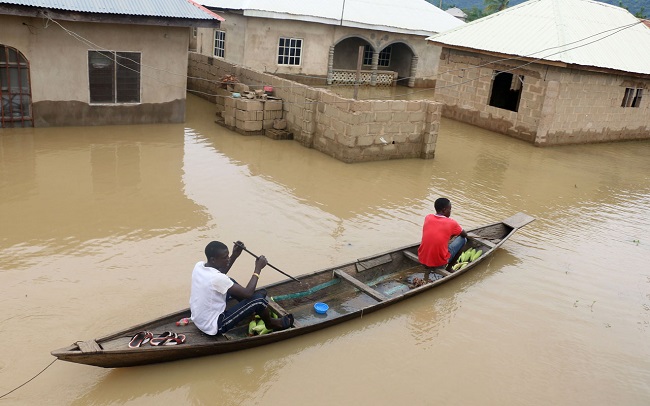
Residents steer a dugout canoe past flooded houses following heavy rain in the Nigerian town of Lokoja, in Kogi State, on September 14, 2018. Photo credit: AFP / Sodiq Adelakun
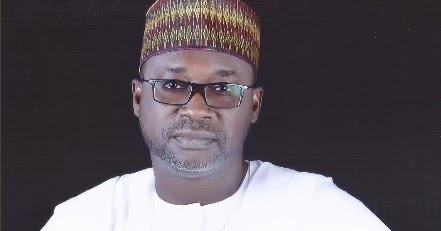
The information is in a statement issued by Mr AbdulGaniyu
Aminu, the Head of Public Relations, Federal Ministry of Science and Technology
(FMST).
Aminu stated that the Minister of Science and Technology, Dr
Obgonnaya Onu, made the disclosure at the launch of gully erosion control works
at Okwohia, Obowo/Ihitte Uboma Local Government Area of Imo on Thursday.
He quoted the minister as saying that the intervention of
Federal Government would usher a huge relief to the Okwohia community which had
for long been devastated by ecological challenges.
Onu said “the approval of the project is a clear testimony
to the present administration’s resolve to ensure that no part of the country will
be allowed to suffer any neglect due to geographical location.
“To further consolidate on the gains of this stride, the
Federal Government’s execution of projects across the country also demonstrates
the sincerity of purpose of APC-led administration toward promoting equity and
fair play to all and sundry.”
According to him, the project will improve the standard of
living of the community and its environs.
He added that the project would at the same time reduce the
danger posed to lives and property associated with erosion and persistent
flooding experienced in recent times.
He affirmed that Federal Government would continue to
implement genuine government policies, agreements and contracts at both
national and international levels that were aimed at laying solid foundation for
virile and prosperous nation.
The Permanent Secretary, Ecological fund Office, Dr Habiba
Lawal, said that the project was initiated through a request for an urgent
intervention forwarded to the Ecological Fund Office.
She explained that the request was forwarded by Sen.
Benjamin Uwajumobi representing the Imo North District at the upper chamber of
the National Assembly.
Lawal, who was represented by Mr Mathias Eluma, said that
the launch and hand over of the project to the benefiting community would enable
the people to take over and ensure its maintenance and sustainability.
The FADAMA III Project in Jigawa says it has given various farm inputs to no fewer than 15,000 farmers in the state in 2018.
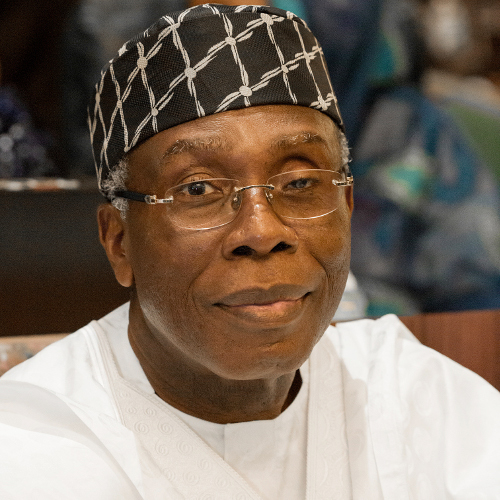
Minister of Agriculture and Rural Development, Chief Audu Ogbeh
Alhaji Aminu Isa, the Project Coordinator in the state,
disclosed this to newsmen in Dutse, the capital city, on Friday, January 4,
2019.
He said the beneficiaries consisted of 14,287 males and 713
females that produced rice and sorghum.
“Some 232 production clusters were registered under the project
with 163 as rice production clusters and 397 sorghum production clusters.
“The clusters consisted of 1,500 production groups with
1,103 as rice production groups and 397 sorghum production groups.
“1,500 business plans, with 1,103 for rice production and
397 for sorghum production, were developed by 232 production clusters with 163
for rice production clusters and 69 for sorghum production clusters.
“Of the 1,500 business plans, 1,137 business plans representing
75.8 per cent were approved and fully implemented with 787 for rice and 350 for
sorghum,’’ Isa said.
He said that the farmers were supported with 38,500 kg of
rice seeds, 105,000 kg of sorghum seeds and 1,760,000 kg of assorted
fertilisers.
“68,670 litres of Agro-chemicals were given to both rice and
sorghum production groups; 3,655 water pumps and 3,393 sprayers were also
provided.
“680 tube wells and 6,466 wash bores were drilled,’’ the
project coordinator disclosed.
According to him, 44 rice milling machines were given to 16
production groups, 48 bags of paddy rice were distributed to women and youth
agro-processing groups as starter for operations.
Isa added that 19 tricycles, 17 power tillers were also
given to nine youth groups and 25 sorghum milling machines were given to
production groups, which comprised seven women and five youth groups.
According to Isa, 61 thrasher machines were given to 50
production clusters and six production groups, comprising four youth and two
women groups.
“548 smart farmers were used to train the beneficiaries on
improved agricultural practices.
“Also, 480 Personal Protective Equipment (PPE) were given to
125 rice production clusters, 68 sorghum production clusters and 47 processing
groups,’’ the coordinator said.
Isa said that when compared with the 2017 yields, the farm
input support led to a noticeable increase in yield level.
The war against malaria has been on for long, but still
seems far from ending as malaria remains endemic and life-threatening in
developing countries including Nigeria.
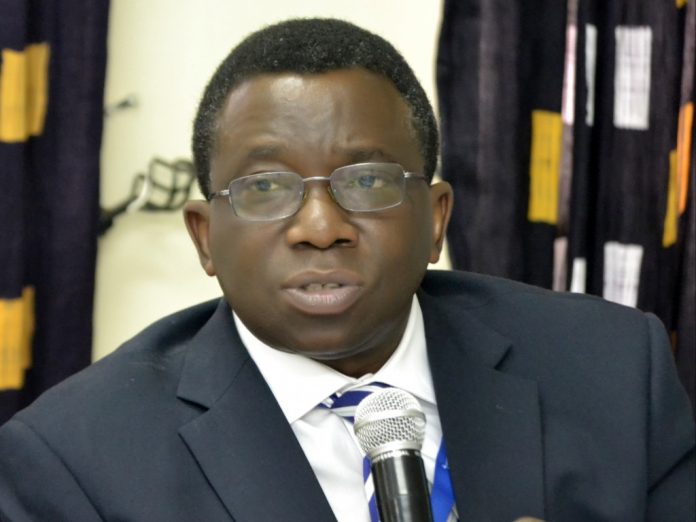
Minister of Health, Isaac Adewole
Medical experts blame malaria prevalence on several factors including inadequate funds, drug counterfeiting, malaria resistance to drugs, mosquito’s resistance to insecticides and global warming.
Analysts also identified dearth of research into malaria
cure, as a major factor.
Mr Chukwu Okoronkwo, Head, Advocacy, Communication and Social
Mobilisation, National Malaria Elimination Programme, Federal Ministry of
Health, is worried that although some donor-agencies have strongly supported
malaria elimination, Nigeria still has huge gaps.
“Quite a lot of donor-partners are supporting malaria elimination
in the country, but we still have huge gaps, which is why malaria is still
endemic in Nigeria.
“We are appealing to more donor-agencies to come in;
governments should also increase their funding for malaria elimination,’’
Okoronkwo says.
According to the World Malaria Report 2017, Nigeria
contributes 27 per cent of the global 216 million malaria cases and 24 per cent
of the 445,000 deaths due to malaria annually.
This means that about three of 10 persons suffering malaria
in the world live in Nigeria, while one of four deaths from malaria globally
occurs in Nigeria.
According to analysts, Nigeria’s annual record of over 54
million malaria cases in the last three years gives room for concern and the
need for wider research to find innovative ways to reduce the burden.
The 2015 National Malaria Indicator Survey shows that the
North West has 37 per cent prevalence rate, North Central 32 per cent, North
East 26 per cent, South South 19 per cent, South West 17 per cent, and South
East 14 per cent.
The World Health Organisation believes that advanced
research efforts, sustained financing and political will are among major
strategies that can be applied to win the war against malaria.
Dr Sam Awolola, Deputy Director and Head, Malaria Research
Programme, Nigeria Institute of Medical Research (NIMR), is of the opinion that
contributions of African governments to malaria research funding is low
compared with the burden of the disease.
“Today, Africa still harbours the burden of the disease.
Yet, funding for malaria research is donor-dependent.
“The statistics of funding malaria research by African
governments is precarious and the Nigerian situation is pathetic.
“An assessment of funding malaria at NIMR from 2007 to 2016
shows shocking statistics with above 80 per cent provided through external
support, while Nigerian Government through the Federal Ministry of Health
offered less than seven per cent.
“If we ignore the responsibilities of today, we cannot elude
the challenges of tomorrow,” he warns.
Awolola notes that despite the low funding, malaria has been
a topical issue for some Nigerian researchers, some of whom, he said have made
some impacts.
An epidemiologist from the University of Ibadan, Prof.
Ikeoluwapo Ajayi, who carried out a research in collaboration with two others
on “Improving Home and Community Management of Malaria: Providing the Evidence
Base,’’ says findings from the research show that non-medical people can handle
community and home management of malaria in children, if well selected and trained.
“We were able to get to the community and reach out to
mothers, the caregivers, who would usually do something when their children are
sick.
“We were able to understand their practices and perception
of illness.
“We were able to engage them in getting to know early
symptoms of malaria, what to do when a child has fever and the right drug and
dose to give to such a child.
“One unique thing is that we actually trained some members
of a community chosen by the community to take up the management of these
children whenever they fall ill with malaria fever,’’ he says.
Ajayi, a Public Health Consultant, carried out the research in
collaboration with Prof. Bidemi Yusuf, a Medical Statistician, and Prof.
Ayodele Jegede, Health Scientist, both also from the University of Ibadan.
He says engaging such non-medical people will reduce delay
in taking children to hospitals as well as reduce cases of severe malaria,
while those with uncomplicated malaria will get treated.
“The community medicine distributors we trained even went on
to diagnose malaria using the Rapid Diagnostic Test, which many people think
that lay people should not be allowed to use or may not be able to use.
“We have been able to prove that if lay people who are well
selected and trained are given the opportunity, they can actually perform this
role.’’
According to Ajayi, performing this function at the
community level does not mean that the selected and trained community members
are taking up the job of health workers.
“They are just complementing the work of the health
workforce for our children not to die at home as a result of delayed treatment
or not having money.
“This is because throughout the programme, the drugs were
given free or at a subsidised rate.
“The research was done in the South West, and we have handed
over our findings to the National Malaria Elimination Programme.
“We believe that they will make use of the findings to scale
up community and home management of malaria in children in Nigeria and reduce
morbidity and mortality from malaria,” Ajayi says.
Prof. Olugbenga Mokuolu of the University of Ilorin notes
that there is the need for better understanding of what is responsible for
malaria resistance to the currently recommended Artemisinin compounds.
Mokuolu conducted a research on “Multifaceted Efforts at
Malaria Control in Research: Management of Malaria of Various Grades and
Mapping Artemisinin Resistance’’.
He is optimistic that his submission made impressive
contributions in the area of management of severe malaria and monitoring of
molecular markers of Artemisinin resistance.
According to him, detection of molecular markers of
resistance to any chemotherapeutic drug provides the earliest evidence of
emerging resistance before manifestation of clinical failure.
The consultant paediatrician and malaria treatment expert is
convinced that the understanding is essential since efforts in malaria
treatment will be wasted if resistance is not curtailed.
“Though the current malaria statistics are scary, they have
reduced significantly from where we used to be.
“Therefore, we must not allow resistance to make us to lose
our previous gains; that is why it is important to have a mapping of
Artemisinin resistance that can help us to continue to curtail the spread and
reverse any adverse action stemming from that,’’ he says.
For Dr Chukwuma Agubata, a pharmacist and lecturer,
ineffective drug delivery is a major hindrance to malaria treatment.
Agubata, who teaches in the Faculty of Pharmaceutical
Sciences, University of Nigeria, Nsukka, developed novel lipid microparticles
for effective delivery of Artemether anti-malarial drug, using (ogbono) a
locally-sourced irvingia fat from the nuts of Irvingia gabonensis var excelsa
grown in Nigeria.
He conducted a research on ‘`Novel Lipid Microparticles for
Effective Delivery of Artemether Anti-Malaria Drug Using a Locally-Sourced
Irvingia Fat from Nuts of Irvingia
Gabonensis Var Excelsa (Ogbono).
Agubata believes his work demonstrates productive scientific
research by identifying the potency of the use of “ogbono” oil to ensure well
absorption of antimalaria drugs.
He says good absorption will lead to high blood levels which
in turn will increase cure rates and reduce the chances of resistance.
“Malaria is an endemic disease and a major cause of
morbidity and mortality; we also know that most malaria drugs are administered
by mouth – the Artemether Anti-Malaria drugs.
“But there is a major challenge which is the low water
solubility of the drug which limits it dissolution and absorption into the
blood stream; this affects the efficacy of the drug.
“What we have done in this research is to improve the
anti-malaria efficacy of Artemether drugs by formulating with Irvingia Fat
(Ogbono) which is locally-sourced so that there can be improved delivery and
efficacy.
“In our research, we got very good results, and this shows
that our local materials can actually improve the efficacy of some drugs that
already exist,’’ he argues.
The researcher explains that the Ogbono was formulated as
micro particles, where the fat from it was used to trap the drug so that it
becomes a carrier of the drug to the blood stream.
“So, if you take Ogbono soup while taking Artemether, there
should be an improvement as it will assist the drug to pass through all the
barriers to get to its destination in the body and start working properly.’’
Agubata calls for support from governments and private
organisations to take the research to the next level.
“We intend to take this research to the next level with the
support of corporate organisations and governments.
“We will be able to do local mobilisation and mass produce
the locally-sourced materials so that Nigerians will benefit.
“There is hope in reducing the burden of malaria with this
research,’’ he says.
Analysts urge scaling up of research into malaria cure to
get Nigeria to the next level in its fight against the scourge.
Environmentalists claim that million metric tonnes of
plastic pollute the environment annually with little effort at making the world
free of plastic pollution and its toxic impacts on humans, animals, waterways,
oceans and the environment.
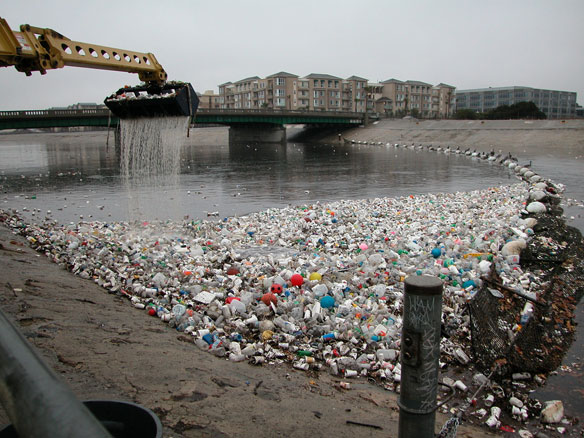
Plastic pollution
An environmentalist, Mr Richard Inyamkume, therefore, calls
on the government and other stakeholders to intensify campaign against plastic
pollution in the country.
Inyamkume, Senior Programme Officer, Climate Change
Mitigation and Adaptation Initiative, a non-governmental organisation, said
that government and other stakeholders needed to intensify campaign to change
public attitude and behaviour towards the use and disposal of plastics.
He said that government and citizens should evolve practical
strategies that would reduce the menace of plastic waste in communities.
“There are many ways of addressing environmental issues of
this nature; one way is to raise advocacy that will change public attitudes and
behaviour towards the use and disposal of plastics’’, he said.
Inyamkume said that other methods of tackling the
environmental issue involved public activism and legislation.
“I believe in change of attitude as it can increase public
consciousness about the impact of plastics on the environment, while prompting
alternative considerations for the use of plastics in the country.
“A campaign against improper plastic waste disposal can
begin in the home-setting before going into the streets; it should make high
impact and encourage plastics re-use, re-cycling and substitution,’’ he said.
He, however, underscored the need for the citizens to
understand their specific roles in the campaign for a plastics-free
environment.
He noted that citizens should also be encouraged to organise
regular community clean-up activities to clear plastic waste.
“Besides, government and policymakers ought to review
national legislation and policies so as to discourage the production of single-use
disposable plastic materials while encouraging the production and importation
of environment-friendly products.
“The World Environmental Day is set to address plastic
pollution which has been a serious environmental concern among other issues.
“Plastic pollution occurs where plastic materials are
indiscriminately dumped in an area in such a way that it begins to impact
negatively on the ecosystem,” he said.
He said that the global community was planning to achieve
clean, sustainable and pollution-free cities by 2030 and as such, efforts were
underway to address plastic pollution.
Inyamkume observed that plastic pollution in Nigeria was increasing
due to the proliferation of plastics producing factories and a corresponding
increase in the demand for plastic materials by the public.
“There ought to be enough public awareness or sensitisation
on the proper methods of disposing of plastics to prevent its consequences such
as plastic pollution mostly in urban and commercial areas.
“Dumped plastic bags, water bottles, straws, cups, utensils,
dry cleaning bags, take-away containers and disposable plastic materials
constitute.
“If not properly managed, plastic waste could affect life on
land and in oceans or rivers; and as a concerned environmentalist, I think there
is need for concerted efforts to address plastic pollution globally,’’ he said.
In his view, Mr David Michael, the Executive Director,
Global Initiative for Food Security and Ecosystem Preservation, a
non-governmental organisation, called for a total ban on single-use plastics if
they could not be re-used or re-cycled.
He said that because plastic pollution had been a serious
environmental menace all over the world, the organisation decided to organise
the neighbourhood clean-up, in collaboration with the students of Government
Secondary School, Jabi, Abuja, to sensitise the students to the importance of managing
used plastic materials.
“Plastics here in the Jabi community run off to Jabi Lake.
If you see the quantity of plastics in Jabi Lake, you will never believe it.
“That is why we chose this community that is very close to
Jabi Lake because all the wastes of the residents flow to the lake; we want the
students to understand that it is important to dispose of waste efficiently.
“We are also saying that you can re-use any plastic
materials because single-use plastic materials are contaminating the environment.
“We are advocating for a total ban of single use of plastic
materials in Nigeria because plastics do not decay; they remain in the soil,
river and ocean for years,’’ he said.
Michael also urged producers of plastic packages to use
bio-degradable materials such as paper bags and leaf to package consumables.
He said that the production of paper bags would boost
people’s interest in tree planting, while creating jobs for chemical engineers
and other Nigerians.
Miss Clara Okpala, a student of Government Secondary School,
Jabi, underscored the need to ban the production and utilisation of single-use
plastics because whenever plastic waste got into rivers, it harmed and killed
the fish and other marine creatures.
Martins Obi, another student of the school, said that
plastic waste, because of its inability to decompose, often blocked water
channels, thereby causing floods which displaced people from their homes.
In the same vein, Oyedepo Joshua, a student of Government
Science and Technical College, Garki, said that the re-use of plastics would
assist in the efforts to address plastic pollution in the country.
Similarly, Master Vincent Davies, a student of Model
Secondary School, Maitama, called for the erection of waste bin stands to
promote healthy environment.
Davies said that indiscriminate dumping of used nylon and
plastics had been rampant on the school premises.
Expressing concern about plastic pollution, Mr Sunday
Agbontaen, the Head of Reservoir and Production Department, FCT Water Board
Lower Usuma Dam, said that the dam was spending additional cost to evacuate the
pollutants embedded by the side of the dam.
Agbontaen, nonetheless, said that a new plant would be
designed to address the emerging pollutants such as plastics, steels and other
pollutant substances.
According to him, pollutants coming from Mpape community of
Abuja have increased the cost of water treatment.
“But all the same, that is why we have the treatment plant
to eliminate the pollutants in the water.
“That is why when the water comes in, even at the catchment
area up the Mpape zone, we monitor the water quality.
“When it comes to the plant, we also monitor non-water
quality. That will now give us the standard of what type of treatment the water
will go through.
“So, in the treatment process, we will be able to understand
that this amount of pollutant is higher in the water.
“We need the number of chemicals to treat it in accordance
to World Health Organisation and Nigeria Standard Organisation,’’ he said.
Giving an insight to government’s commitment to ridding
Nigeria of plastic wastes, Alhaji Ibrahim Jibril, the immediate past Minister
of State for Environment, said that the Federal Government was working on a
national policy on plastic waste management.
Jibril said that the policy was to regulate use and disposal
of plastic waste in the country, noting that the Federal Ministry of
Environment in collaboration with critical stakeholders had also developed a
national strategy for the phase-out of non-bio-gradable plastics.
According to him, the ministry is also developing a national
plastic waste recycling programme, to establish plastic waste recycling plants
across the country in partnership with state governments.
“At present, a total of eight plants have already been
completed and handed over to the states while 18 others are at various stages
of completion.
“In addition, the Federal Government is also collaborating
with state governments to establish plastic waste recycling plants on the
platform of community-based waste management programme in the ministry.
“Two plants have been completed in Ilorin, one in Lokoja,
while work on another is ongoing in Karu Local Government Area of Nasarawa
State, Bola Jari in Gombe State and Leda Jari in Kano State,’’ Jibril said.
He also said that the establishment of the plants would assist
to turn waste to wealth and ensure the sustainability of the environment.
The minister, therefore, solicited the support of the media
to educate Nigerians on the effects of plastic pollution and the need to
reduce, reuse and recycle plastics.
As part of efforts to boost India’s campaign against open
defecation and its sanitation coverage, Indian Prime Minister Shri Narendra
Modi launched the “Swachh Bharat’’ Mission on Oct. 2, 2014.
Suleiman Adamu Kazaure, Water Resources Minister
The five-year “Swachh Bharat’’ (Clean India) project was conceived
and executed as a fitting tribute to India’s founding father, Mahatma Gandhi,
on his 150th birth anniversary.
Since the inception of the “Swachh Bharat’’
project, over 9,13,74,190 household toilets have been constructed across
the Asian country.
Current statistics indicate that 27, out of the 29 states of
India, are now Open Defecation-Free (ODF), with no fewer than 540,860 ODF
communities.
Stakeholders in the environment sector, therefore, believe
that Nigeria’s anti- open defecation campaign will be more successful and
purposeful if the country can adopt strategies that are akin to those of the
“Clean India’’ mission.
A major feature of the Indian anti-open defecation campaign
entails the construction of household and community toilets as well as the
establishment of a good mechanism for monitoring toilet use.
With a population of 182 million, Nigeria is Africa’s
largest country and one of the fastest-growing economies in sub-Saharan
Africa. On the economic front, Nigeria’s Gross Domestic Product (GDP) has
quadrupled between 2005 and 2015.
Experts, nonetheless, moan that the rapid economic growth of
Nigeria has not translated into rapid poverty reduction, thereby making the
nation to lag in the accumulation of physical and human capital, even as poor
access to water, sanitation and hygiene (WASH) services remains a big
challenge.
It is, however, true that the whole sub-Saharan Africa
region has limited access to WASH services, but the experts insist that
Nigeria’s levels of access lag far behind those of other peer countries.
According to them, this is because 57 million people
in Nigeria continue to live without access to improved water supply, while
130 million people rely on unimproved sanitation facilities.
Alarmingly, a large body of evidence suggests that limited
or no access to WASH services has several damaging effects on human
development outcomes.
For instance, it adversely affects individuals’ health,
limits their access to educational and economic opportunities, while
hampering their work efficiency and productivity.
The situation has somewhat compelled stakeholders to declare
that Nigeria’s sanitation sector is in a precarious state, as the country has
failed to meet the sanitation targets of the UN Millennium Development Goals
(MDGs), thus witnessing an overall decline in access to improved sanitation.
The National Action Plan for Revitalisation of Nigeria’s
WASH Sector reveals that at the national level, there has been a decrease
of 9 percentage points in access to improved sanitation.
The plan states that access to improved sanitation decreased
from 38 per cent in 1990 to 29 percent in 2015, while the people’s access to
improved sanitation in urban and rural neighbourhoods, which both stood at 38
percent in 1990, decreased to 33 percent in urban areas and 25 percent in rural
areas in 2015.
“Approximately 46 million Nigerians — 25 percent of the
country’s population — practise open defecation.
“At the national level, open defecation rates remained
relatively stable, with an increase of 1 percentage point during the
25-year period.
“However, open defecation more than doubled in urban
areas — from 7 per cent in 1990 to 15 percent in 2015,’’ the document said.
These alarming statistics, perhaps, compelled President
Muhammadu Buhari to declare a state of emergency in the WASH sector on Nov. 8,
2018, as part of calculated efforts to galvanise action and investments in the
sector.
The declaration comes amid rising concerns that Nigeria has
been falling behind, in terms of the citizens’ access to water and sanitation.
“The declaration means that there is political will, at the
highest level, to commit more investment and encourage the states – the main
targets of the initiative — to follow suit and prioritise WASH projects,”
Buhari said at the launch of the action plan.
The Minister of Water Resources, Alhaji Suleiman Adamu,
said that the state of emergency, which was expected to last for 18 months,
signalled the onset of a 13-year National WASH Action Plan.
He warned that if India was able to exit from its number one
position among countries practising open defecation by the middle of 2019, it
would be a “national shame” for Nigeria to still remain on the list of those
countries.
“I was in India recently and the country has been mobilised
on the issues of sanitation and open defecation. It is a civil responsibility
on all of us.
“Three years ago, only 40 per cent of Indians were using
toilets; now, 95 per cent of Indians are practising full sanitation practices.
“They have not only stopped to defecate in the open, they
are also re-cycling their waste products; they have undergone a lot of
transformation within three years.
“In the last three years, they have built 80 million
toilets; we need this kind of quantum leap in our country.
“By next year (2019), wherever you go in the world, you may
hear that Nigeria is number one among open defecation countries, and that is a
national shame which we must not allow to happen,’’ he said.
The minister, however, said that the Federal Government
would soon enter technical cooperation with India to address the Nigerian
situation.
He described the recent launch of the National Action Plan
for Revitalisation of the WASH Sector by President Buhari as a new
beginning in the country’s efforts to attain an open defecation-free status.
Adamu noted that the action plan would bring about
purposeful collaboration in all activities aimed at boosting access to potable
water, sanitation and hygiene for all Nigerians, with a renewed commitment
towards achieving open defecation free nation by 2025.
“If this is not done, we stand the chance of taking the
centre-stage of open defecation countries when India would have exited by
mid-2019,” he said.
Besides, the minister said that the Federal Government was
setting up a WASH Fund to pool and increase resources for the WASH sector and
the funding of WASH projects.
He underscored the need for greater collaboration with the
private sector so as to improve performance, insisting that the federal and
state governments could not do it alone.
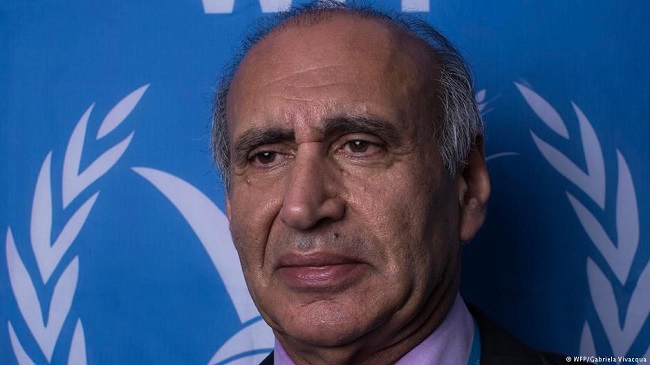
Nevertheless, Mr Zaid Jurji, Chief of WASH for UNICEF, said
that 122,000 Nigerians, including 87,000 children below the age of five years,
died from diarrhoea every year; blaming nearly 90 per cent of the deaths on the
dearth of WASH facilities.
“Without toilets, the people are left with the option of
defecating in the open, an act that leads to exposure to diseases such as
diarrhoea, cholera, viral hepatitis, typhoid, polio and dysentery,’’ he said.
He urged the Federal Government to accomplish the goals of
its action plan on the WASH sector by increasing its budget for the water and
sanitation sector.
Jurji pledged that UNICEF would continue to support those
projects that were particularly targeted at reaching underserved communities
across the country.
Similarly, Dr Priscilla Achakpa, the National Coordinator,
Water Supply and Sanitation Collaboration Council (WSSCC) Nigeria, said that
the government at all levels should show pragmatic commitment to executing the
action plan on the WASH sector.
According to her, Nigeria, being a signatory to the UN
Sustainable Development Goals (SDGs), must ensure that it demonstrates enough
political will to change the current narratives on its WASH sector.
Sharing similar sentiments, Dr Aniagolu-Okoye, the Country
Director of WaterAid, underscored the need for the government to demonstrate a
strong political will in efforts to address the water and sanitation crises
facing Nigerians.
“With one in three Nigerians without clean water, and two in
three Nigerians without decent household sanitation, our expectation is that
state governments will follow suit by developing action plans to address the
water and sanitation crises in their respective states.”
She said that poor sanitation was estimated to have cost affected
countries the equivalent of 0.9 per cent of their GDP and “in Nigeria, this
amounts to $3.38 billion a year.’’
All in all, experts believe that Nigeria can improve
the health, education and economic outcomes for its poor and vulnerable
populations via a purposeful implementation of the National Action Plan for the
Revitalisation of the WASH Sector.
They insist that several countries have demonstrated the
fact that the adoption of pragmatic plans to expand the people’s access to improved
WASH facilities would inevitably boost the living standards of the citizens.
They, therefore, urge the government to invest more
resources in promoting the wellbeing of its citizens – the greatest asset of
the country.
An environmentalist, Miss Gloria Bulus, has harped on the
need to practice carbon neutrality to mitigate climate change issues in the
country.
Gloria Bulus
Bulus, founder of Bridge-that-Gap Initiative, disclosed this
in an interview with the News Agency of Nigeria (NAN) on Thursday, January 3,
2019 in Lagos.
Carbon Neutrality is acting to reduce greenhouse gas
emissions to zero, and then offsetting an equivalent amount of any remaining
emissions.
It is used in the context of carbon dioxide releasing
processes associated with transportation, energy production, and industrial processes
such as production of carbon neutral fuel.
The environmentalist said that carbon neutral environment
required concerted effort of the government and all environmental stakeholders.
“Being carbon neutral allows individuals, groups, and
organisation to be actively part of climate change solution.
“If we can see and understand the need to protect our
environment by changing our lifestyles by reducing our carbon footprint, then
we can achieve a carbon neutral environment.
“To achieve climate neutrality there must be an
understanding of what it means, its impact and solutions.
“It requires cooperation from individuals, organisations,
government and even political will,” she told NAN.
Bulus also harped on the role of sensitisation and advocacy
to achieve a carbon neutral environment.
“Carbon neutrality can be achieved by individual conscious
of the need to mitigate climate change.
“This can be built through sensitisation, awareness, and
advocacy campaigns.
“The government can also help achieve this through
implementation of relevant environmental laws and policies.
“Environmental regulatory bodies still have so much to do.
We still have a lot to learn in terms of environmental protection.
“The impact of such bodies needs to be felt and seen at all
levels, the mass media, civil societies and the government must build a
coalition for the purpose of a carbon neutral country,” Bulus said.
The environmentalist also highlighted the benefits of a
carbon neutral country, adding: “Zero carbon footprint helps mitigate climate
change impacts and build environmental protection.’’
“Its contribution directly to water resources will improve
its quality and promoting sustainable use.
“Carbon neutrality practice will promote environmentally
responsible companies, sustainable agriculture, reduction of air and land
pollution and biodiversity.
“These are some of the reasons that stir up our action
against climate change,” she said.
The United Nations World Food Programme (WFP) said it has
received $7 million contribution from China to bolster its food and nutrition
assistance in South Sudan where some five million people are food insecure.
Adnan Khan, WFP country director in South Sudan
Adnan Khan, WFP country director in South Sudan, said in a
statement on Thursday, January 3, 2019 that the contribution would enable UN
food agency to purchase rice, pulses and other commodities.
Khan noted that it will also be used to provide school meals
and general food rations to over 126,000 people in areas most affected by
conflict and food insecurity.
He said the Chinese contribution came at a critical time
when WFP is appealing for more resources to respond to increasing needs.
“In particular, the support to our school meals activity is
an invaluable investment in the next generation and the country’s overall
development,’’ he added.
WFP South Sudan said it urgently required $179 million to
ensure continued assistance for the first six months of 2019 and allocate food
in remote locations that are cut off during the rainy season.
“WFP notes with appreciation that China’s support to its
operations has grown significantly in recent years.
“With Chinese contributions in 2015 and 2017, WFP in South
Sudan was able to purchase about 4,600 metric tons of food that covered
emergency food rations to about 290,000 people,’’ the UN agency said.
He Xiangdong, Chinese Ambassador to South Sudan, said
Beijing would stand with the people of South Sudan at this time of food crisis.
“This new contribution is part of our commitment to support
the efforts by the government of South Sudan and humanitarian agencies to
provide adequate food to South Sudanese facing hunger,’’ He said.
The UN agency said it supported about five million
crisis-affected and vulnerable people in South Sudan in 2018 with 259,000
metric tonnes of food and $24.5 million in cash transfers.
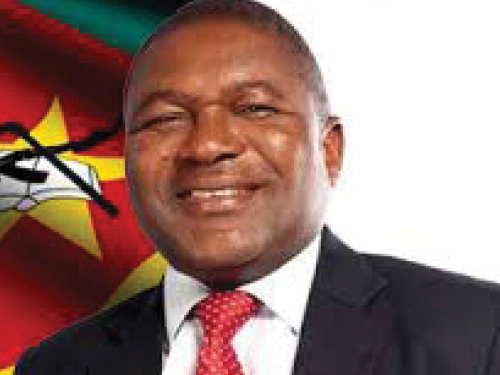
Mozambican health authorities on Thursday, January 3, 2019 in Maputo launched a contingency plan to prevent water-borne diseases particularly cholera, by activating treatment centres and awareness campaigns as the second rainy season began in January.
Filipe Nyusi, President of Mozambique
Sheila Castro, the Chief Medical Officer of the Maputo City
Health Directorate, made the disclosure.
“We have started with campaigns in different neighbourhoods,
particularly those where cases of cholera are common, to inform community
members about the need and importance to observe individual and collective
hygiene practices to avoid the disease,” Castro said.
The sensitisation campaigns are a continuation of a process
initiated in September 2018 before the first rainy season, and health
authorities have currently activated eight health units ready to respond to
water-borne diseases.
The medical officer said medical staff were fully on alert
and there were enough medicines for three months in case of an outbreak.
The preventive methods are supported by international organisations
such as UNICEF and WHO.
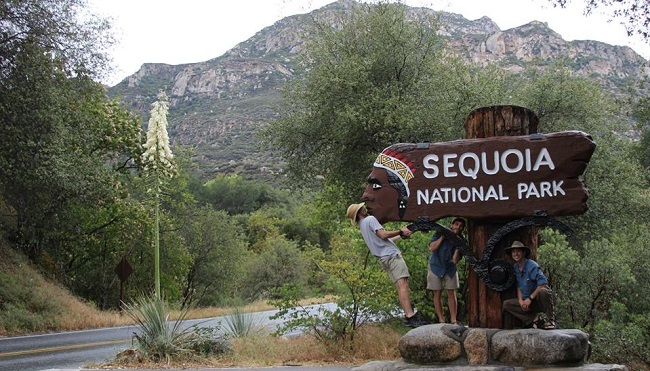
Officials have announced that they are closing sections of
Sequoia and Kings Canyon National Parks because of the partial shutdown of the
Federal Government.
The Sequoia National Park
The announcement, made earlier, follows a similar closure
announced for Joshua Tree National Park.
In both cases, park officials said the government shutdown
has prevented them from maintaining conditions that are safe for park visitors.
In Sequoia and Kings Canyon, about 250 miles North of Los
Angeles, furloughed park employees have been unable to maintain the safety of
roads and certain walking paths in winter conditions.
In Joshua Tree, 209 kilometres east of Los Angeles, workers
have been unable to empty vault toilets, which are near capacity.
Sequoia and Kings Canyon officials said that they had closed
the Generals Highway at Hospital Rock.
The closure extends through Giant Forest and Lodge pole,
through to Lost Grove.
“Trash receptacles are overflowing, resulting in litter
dispersal throughout the area and a threat to wildlife,’’ the park service said
in a news release.
“Vehicular congestion, motor vehicle accidents, and icy
roadways have led to up to three-hour delays on the Generals Highway.’’
Popular walking paths have also become more hazardous: “The
Grant Tree Trail, normally minimally maintained by sanding, has become
extraordinarily slick.
The ice and snow have become compressed, glazed because of
heavy traffic, causing multiple falls and at least one injury.’’
The park service said some privately-operated facilities in
these areas would also have to close.
“It is likely these closures will remain in effect for the
duration of the government shutdown,’’ the agency said in a release.
To be sure, areas of the parks would be closed anyway
because of winter weather conditions.
Cedar Grove Lodge and Bearpaw High Sierra Camp fall into
this category, as does the mountain road linking the two parks.
The lodges that would normally remain open have tried to
remain so.
Their employees are not directly affected by the government
shutdown because they work for a private company.
But visitor centres are closed, and roadside facilities are
not being maintained.
At the privately run Wuksachi Lodge, a manager of the
off-site reservation centre said that the park service was allowing guests to
stay at the lodge through Tuesday, January 1, 2019 but on Wednesday the lodge
would close.
In the meantime, guests were not allowed to hike on nearby
trails.
As of Tuesday, John Muir Lodge and some of the Grant Grove
cabins in Kings Canyon were to remain open.
The status of all facilities would be reviewed on a
day-to-day basis, said the manager, who requested anonymity because the person
was not authorised to speak on behalf of the park or the private operator.
The partial shutdown is the result of a standoff between
President Trump and Congress over the federal budget.
The bad political weather in Washington has wreaked havoc in
the economy surrounding the parks, said Nicky French, owner of Buckaroo Diner and
the Ol’ Buckaroo food truck in nearby Three Rivers. She called the situation
“chaos.’’
“All of the services that go into maintaining public land
are not being done,’’ French said.
Some tourists who were unaware of the shutdown have tried
driving into the park on icy roads and quickly turned around.
Others are canceling Airbnb reservations and other
accommodations.
“The town has lost thousands and thousands of dollars. “It’s
a very small economy, and it’s an economy that relies on tourism,’’ French
said.
To the south, in Joshua Tree, campgrounds will close at noon
on Wednesday.
Officials say they are basing the closure on health and
safety concerns.
The park’s vault toilets are near capacity. Also, park
visitor centres, flush toilets, water-filling stations and dump stations are
all closed because of the shutdown.
Nigeria Erosion and Watershed Management Project (NEWMAP)
says it has spent N100 million to conserve the forest reserve in Kanawa Village
of Yamaltu-Deba Local Government Area of Gombe State.
Salisu Dahiru, National Project Coordinator of NEWMAP
Malam Mohammed Garba, Project Coordinator NEWMAP, disclosed
this in an interview with the News Agency of Nigeria (NAN) in Gombe, the state
capital, on Wednesday, January 2, 2019.
He said the 64 hectares of the forest reserve was fenced and
three solar power boreholes were constructed for the purpose of water supply
into the plantation.
Garba said the forest which was gazetted by the defunct
government of northern region Kaduna in 1953 was being encroached before NEWMAP
came to conserve it.
“We have spent N100 million to fence the 64 hectares of the
forest aimed at conserving the endangered species,” he said
He said they had also employed some people, paying them to
look after the reserve.
He said higher institutions of learning in the country had
started visiting the place to conduct researches on the diversities of the trees.
For example, he said NEWMAP had collaboration with
University of Jos, with the university advising them on the kind of trees to
plant.
The coordinator said NEWMAP would be monitoring the reserve
for the next one year before handling it over to the Gombe State Ministry of
Environment for proper use.
Mr Zebulon Wasa, state Commissioner Ministry of Culture and
Tourism, said the state government had a plan of converting the forest into a
resort.
NEWMAP is a World Bank-assisted project of the Federal
Ministry of Environment.