The Nigerian Meteorological Agency (NiMet) has predicted varying weather conditions, including dust haze and rainfall, across different parts of the country between Monday, October 27 and Wednesday, October 29, 2025, urging residents to stay alert.
In its weather outlook released on Sunday in Abuja, NiMet projected slight dust haze with good visibility over Borno, Zamfara, northern Kaduna, Yobe, Jigawa, Kano, and Katsina states on Monday.
The agency added that isolated thunderstorms with light rain were likely in parts of Taraba and Adamawa States during the afternoon or evening hours on Monday.
Rainfall
NiMet forecast sunny skies with patches of clouds over the central region, with prospects of isolated thunderstorms and light rain in the FCT, Nasarawa, and Kogi states later in the day.
“Cloudy conditions are expected in the southern region on Monday morning, with isolated thunderstorms and light rains over parts of Cross River, Rivers, and Akwa Ibom states.
“Later in the afternoon and evening, thunderstorms with moderate rainfall are anticipated in Imo, Abia, Ebonyi, Ondo, Osun, Lagos, Ekiti, Ogun, Edo, Bayelsa, Delta, Rivers, and Akwa Ibom states.
“On Tuesday, NiMet forecast continued slight dust haze in good visibility over northern states, while Taraba and Adamawa may experience isolated thunderstorms and light rain throughout the day.
“Sunny skies with intermittent clouds are predicted in the central region, alongside chances of early morning thunderstorms in Benue and later moderate rain across FCT, Nasarawa, and Kogi states.”
NiMet also projected cloudy skies across the southern states, with moderate rainfall over Rivers, Cross River, Ebonyi, and Akwa Ibom in the morning, intensifying later in the day.
The agency warned of possible flooding in parts of Akwa Ibom, Rivers, and Cross River states, urging local authorities to activate emergency response measures where necessary.
For Wednesday, NiMet anticipated sunny skies across the northern region, with isolated thunderstorms and light rain expected later in the day, particularly over parts of Taraba State.
“The central region will experience sunny skies with patches of clouds, while isolated thunderstorms with light rain are likely over Kogi and the Federal Capital Territory.
“In the south, cloudy conditions are expected in the morning, followed by thunderstorms with moderate rains later in the afternoon and evening across Lagos, Ogun, Rivers, Delta, and Akwa Ibom.”
NiMet reiterated a high risk of flash floods, urging motorists to exercise caution when driving in rain and for authorities in vulnerable areas to implement flood response measures immediately.
The agency also advised individuals with asthma and respiratory conditions to limit outdoor exposure due to dust particles suspended in the atmosphere over the northern parts of the country.
Airline operators were urged to obtain airport-specific weather reports from NiMet for flight planning, while the public was encouraged to follow updates via the agency’s website and communication channels.
At the European Council summit on Thursday, October 23, 2025, EU Heads of State reached a long-awaited decision on “competitiveness and the twin transition”, taking a decisive hurdle on the bloc’s 2040 climate target ahead of COP30 in Belém.
Following the EU Commission’s proposal for a 90% reduction target, European Heads of State tasked the EU Commission to “develop the necessary enabling conditions to support European industry and citizens in achieving the 2040 intermediate target”.
While Heads of State provided some additional guidance and included a revision clause, the decision marked a de facto green lighting for ministers to agree on the proposed 2040 target.
European Council summit
However, the European Union has yet to agree it’s crucial climate target.
Summit discussions centred on outlining how Europe intends to strengthen its global market position while advancing its decarbonisation agenda. Leaders debated how to reconcile industrial competitiveness, energy security, and the green transition.
This decision will shape not only the EU’s internal climate architecture but also paves the way to recover its credibility as a global climate leader, as the EU has already missed two UN deadlines to submit its enhanced Nationally Determined Contribution (NDC) under the Paris Agreement before COP30.
In a reaction to the development, Fanny Petitbon, France Team Lead, 350.org, said: “Today the EU took a major hurdle for Europe’s energy independence, green competitiveness, and climate leadership. However, the EU still has to actually agree on its new climate target and must do so urgently.
“While leaders included the option for a review later on, de facto aligning with the EU Commission proposal for a 2040 climate target sends a long-awaited signal to citizens and businesses alike that Europe is serious about scaling renewables, boosting jobs, and securing prosperity in a decarbonised future.
“The next step is for EU ministers to translate this commitment into action by submitting an updated 2035 EU climate target ahead of COP30 in Belém in line with a 72% emissions-reduction goal. The clock is ticking. Europe has shown ambition today; now it must deliver.”
For more than 50 years, gas flaring has scarred the Niger-Delta.
Flames rent the skies, wealth is burnt, air and water poison released as a natural resource that many countries crave is wasted.
According to experts, gas flaring is a deliberate and controlled burning of natural gas; it goes hand-in-hand with oil extraction.
The root cause of gas flaring is dearth of infrastructure to capture, transport, or process the gas arising from oil extraction.
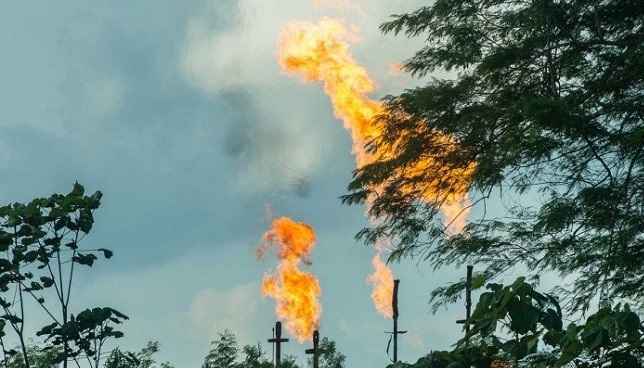
Gas flaring. Photo credit: Neil Ever Osbourne
In the process, harmful pollutants are released into the air.
As the case of Nigeria’s oil-producing riverine Niger-Delta, humans and aquatic lives are threatened.
For a region that is still underserved, industry wise, many are left aghast as flared gas is capable of powering an industrial revolution in the region.
Its multiplier effect in terms of job creation and impact on the lives of the people of the area can only be imagined.
Statistics indicate that this practice has cost Nigeria billions in lost revenue, damaged ecosystems, and deprived local communities of economic benefits.
Each year, Nigeria flares billions of cubic feet of natural gas, fueling climate change, worsening health risks, and eroding economic potential.
In spite of repeated government pledges and the inauguration of the Nigerian Gas Flare Commercialisation Programme (NGFCP), the problem persists.
To discourage gas flaring and encourage oil companies to put the gas arising from their extractive activities to good use, the Federal Government initiated the penalties for gas flaring.
However, the move has not stopped the menace even as many oil companies fail to pay the fines.
Nigeria has lost 1.4 billion dollars to unpaid gas royalties and gas flaring penalties, according to a new report by the Nigeria Extractive Industries Transparency Initiative (NEITI).
Ogbonnaya Orji, the executive secretary of NEITI, provided further insights during a roundtable event organised by BudgIT Foundation, a non-governmental organisation, on tracking energy transition costs and transparency in the budgeting.
Orji said that the situation was unfortunate.
Nigeria lost 443.8 million dollars, about N710.08 billion to gas flaring in four months, says the National Oil Spill Detection and Remediation Agency (NOSDRA)
In its gas flare report for January to April, NOSDRA stated that the value of gas flared in the first four months of the year was 19.88 per cent higher than the 370.2 million dollars, approximately N592.32 billion, lost to gas flaring in the same four-month period in 2024.
This is because marginal oil fields often produce small, scattered volumes of gas that large pipelines and LNG plants cannot profitably absorb.
For operators, it is still cheaper to burn gas than to monetise it.
Between 2022 and 2024, an average of 187 billion standard cubic feet of gas was flared annually, enough to generate 27 to 29 terawatt-hours of electricity each year.
In 2024 alone, Nigeria’s electricity generation averaged 4,000 to 4,500 megawatts, or about 35 to 40 terawatt-hours per year, this is abysmal for a country that wastes gas, a major source of electricity.
Flaring releases 14 to 15 million tonnes of carbon dioxide annually making it one of the world’s top gas flarers despite holding Africans largest natural gas reserves, increasing emissions and undermining Nigeria’s energy transition goals.
Mr Charles Deigh, an petroleum engineer and environmentalist, said Nigeria had great potential and should optmise the waste business in maximising its energy and power potential.
According to him, other countries have shown that small-scale gas-to-power plants and micro-LNG facilities can capture waste gas and turn it into electricity, fuel, and jobs; Nigeria must adapt these models to its own reality.
He said that the amount of gas flared annually between 2022 and 2024 estimated at 187 billion standard cubic feet of gas was capable of powering over 2 million homes.
Deigh said if properly utilised, flared gas could have supplied 70 to 80 percent of the generated 35 to 40 terawatt-hours per year.
However, small-scale, modular gas monetisation, supported by improved policy alignment and financial risk mitigation, offers a practical solution.
“Large LNG projects require steady, high-volume flows and marginal fields cannot deliver that; what they can support are modular technologies, micro-LNG plants that liquefy 5–50 million standard cubic feet per day for transport to power plants, factories, or export hubs.
“Equally, small gas-to-power plants can sit close to host communities, feeding mini-grids and industrial clusters; these models bring three big advantages:
“Government initiatives like the Nigerian Gas Flare Commercialisation Programme and the Petroleum Industry Act aim to address flaring by incentivising gas conversion.
However, progress has stalled due to weak community governance, currency risk, regulatory challenges in gas pricing, and slow policy recognition of informal market demand.
“The first challenge is social legitimacy; the Host Community Development Trust, created to promote local participation, has struggled with elite capture and limited transparency, without genuine community involvement, operational risks like vandalism rise, discouraging investment.
He emphasised that Greater transparency and local accountability were essential to win this fight against wastage and devalue of our gas flaring potential.
More so, Dr Cabel Nwaogwugwu ,an environmentalist, has highlighted financing as a major barrier in harnessing the gas-to-power plants industry.
“While small-scale modular plants cost less than large LNG projects, investors face significant foreign exchange risk.
“Revenues are in naira, but most loans are in dollars, creating a mismatch that threatens project viability.
“Recent interventions have helped, but funding needs still exceed available resources,” he said.
Dr Bariza Nubel, a petroleum engineer, also noted that regulatory misalignment was another challenge in the face of stabilising electricity costs through gas flaring
He explained that prices for power were set at 2.42 dollars per MMBtu to stabilise electricity costs, but approved tariffs did not reflect actual expenses.
“This gap prevents cost recovery, leads to debt, and discourages both gas supply and new investment in flare-gas generation.
“In spite of these challenges, the informal energy sector has shown strong demand for gas.
“After the petrol subsidy was removed in 2023, adoption of compressed natural gas and LPG increased for generators and transport; households, businesses, and transport unions are ready to buy gas if supply infrastructure is developed.
“This shift alters the investment landscape. Nigeria now faces a supply infrastructure challenge rather than a demand problem.
“Rapid deployment of modular, decentralised midstream infrastructure, micro-LNG plants, mini gas processing hubs, CNG trucking networks, and embedded power solutions is needed for communities and industrial clusters,” he said.
According to him, these commercially viable models are quick to deploy and well-suited to the dispersed, low-pressure flare volumes of marginal fields.
These experts agree that with supportive policies, streamlined permitting, increased CBN-backed gas infrastructure loans, and inclusive community governance, Nigeria can transform gas flaring from a liability into a driver of development.
Effective flare monetisation will result in cleaner air, more reliable electricity for local industries, job creation, and new revenue from taxes, royalties, and potential carbon credits.
The question they say is no longer if Nigeria can stop flaring gas, but how quickly it can turn this wasted resource into value.
By sharpening focus on monetisation, modular technology, and targeted risk mitigation, policymakers have a clear route to unlock growth; execution, alignment, and inclusion are now critical.
Nigeria is at a pivotal moment; with decisive action, experts say the country can transform a history of waste into one of prosperity.
Environmental activists, civil society groups, and community representatives across the Niger Delta have demanded an urgent review of Nigeria’s Petroleum Industry Act (PIA) to set a definite deadline for ending gas flaring.
The demand formed part of the resolutions from the Climate Justice Assembly held on Friday, October 24, 2025, in Benin City during the launch of “Yasunize and Ogonize the World for Socio-Ecological Wellbeing.”
The assembly was organised by the Health of Mother Earth Foundation (HOMEF).
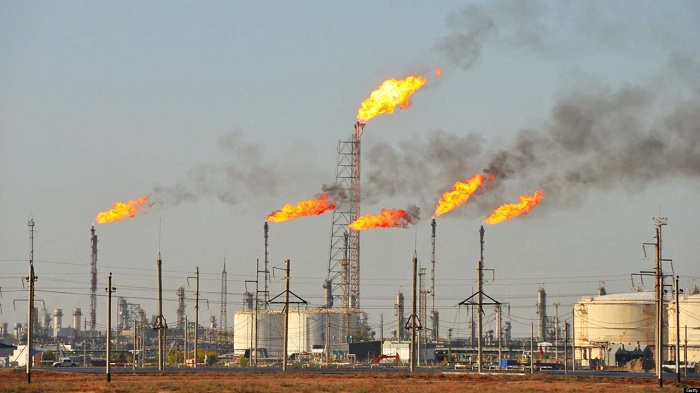
Gas flaring
The stakeholders described the current provisions as unjust and environmentally destructive.
In a declaration signed by Mr. Stanley Egholo, Cadmus Atake-Enade, and Kome Odhomor, the groups accused the PIA of “failing the region by permitting gas flaring and unfairly blaming communities for pipeline protection.”
They called on the National Assembly to amend the law by removing the power to grant gas-flaring permits from regulatory agencies.
They called for a legislation that fix a date for ending gas flaring, allowing exceptions only for rare and clearly defined emergencies.
“Gas flaring fines should be equal to the market value of the gas and directed to host community funds,” the statement read.
“Remove community responsibility for protecting oil installations. Remove laws criminalizing community protests. Let host communities, not oil companies, control development funds,” the coalition said.
The coalition also demanded a comprehensive audit of the environmental, health, and economic impacts of oil and gas extraction across the Niger Delta.
They referenced the 2011 UNEP Report on Ogoniland, which revealed massive pollution and environmental degradation.
“The destruction across the entire Niger Delta requires immediate clean-up, restoration of damaged ecosystems, and reparations for 64 years of harm,” they said .
They further called for reforms to the Niger Delta Development Commission (NDDC), urging the government to release the commission’s forensic audit report and prosecute offenders.
“Projects must be based on community-approved needs assessments. Prioritise completing abandoned projects over starting new ones,” the resolution added.
Speaking at the event, Dr Nnimmo Bassey, Executive Director of HOMEF, said the campaign aligned with global calls for climate justice and community-centered ecological recovery.
“Continuing extraction while promoting cleaning up is total foolishness.
“The major drivers of the climate crisis are greed and convenience.
“This meeting feeds into frontline communities’ demands ahead of COP30 in Brazil.
“Although we are not expecting much from COP, we must not give up on advocacy and our demands,” Bassey said.
The HOMEF director added that the “Yasunise and Ogonise” social media campaign aims to connect local struggles for environmental justice in Africa with similar movements in Latin America and Southeast Asia.
Other speakers included Dr Osagie Obayuwana, Celestine Akpobari of Miideekor Environmental Development Initiative (MEDI), and representatives of the Edo Civil Society Coalition (EDOCSO) and Gelegele community.
Academic perspectives were shared by Dr Ofuani Sokolo of the University of Benin, who spoke on “Gender, Climate Change and Community Mobilisation.”
HOMEF’s Stanley Egholo and Cadmus Atake-Enade, discussed “Understanding NDAC Manifesto and NSAC Charters” and “Centering Community Voices for Climate Justice.”
The Health of Mother Earth Foundation (HOMEF) has commenced a campaign to halt oil extractions and ensure conservation and restoration in Ogoni in Nigeria and Yasuni in Ecuador.
HOMEF announced the commencement of the campaign in a statement on Saturday, October 25, 2025, by its Media/Communications Lead, Miss Kome Odhomor
The campaign in Nigeria and Ecuador is pioneering tools for Environmental Justice and Resilience
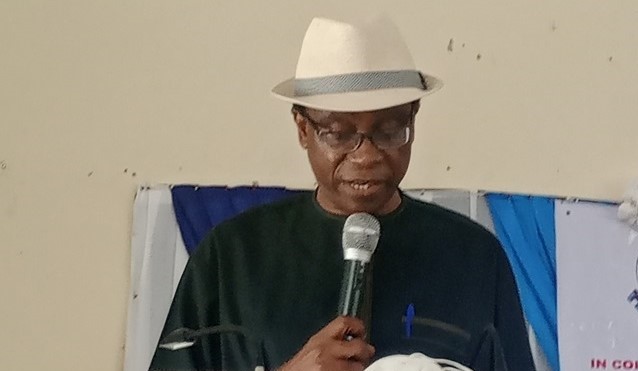
Director, Health of Mother Earth Foundation (HOMEF), Nnimmo Bassey
HOMEF, an ecology focused think-tank said it envisions a world where companies are held responsible for environmental damages, and communities thrive by protecting nature.
“That is the vision behind two inspiring movements gaining momentum worldwide: Ogonize and Yasunize.
“This campaign is inspired by the struggles of the Ogoni people in Nigeria, who have faced decades of environmental devastation and halted oil extraction in their territory in 1993, and the struggle of the people of Ecuador to stop oil extraction at Yasuní-ITT, one of the most biologically diverse places on Earth.
“The people of Ecuador voted massively against crude oil extraction at Yasuni ITT in a national referendum in August 2023.
“The campaign aims to advance environmental justice, protect biodiversity, and build resilience in the face of a changing climate. It is powered by people on the ground , activists, community groups, and allies around the globe who are demanding that corporations and governments clean up their mess and help communities heal.
The statement quoted Dr Nnimmo Bassey, HOMEF Executive Director and a passionate environmental activist, as saying: “Ogonize is more than a campaign; it is a fight for what is right. We want to ensure that communities impacted by environmental disasters are heard, that their land is restored, and that future generations inherit a healthy planet.
“Yasunize is about rethinking our relationship with nature. It is recognising that some places are too valuable to exploit and that we need to prioritise the health of our planet over short-term profits.”
Bassey further stated that “Together, Ogonize and Yasunize paint a picture of a world where environmental justice and sustainability are not just ideals, but realities. They challenge the status quo and insist that protecting the environment and ensuring social fairness go hand-in-hand.
“These campaigns remind us that real change comes from community-led solutions and global cooperation.” HOMEF stated.
It maintained that the advocacy focuses on making sure those responsible for environmental damage pay reparations and face legal consequences, while shielding biodiversity hotspots and indigenous territories from harmful activities,”.
HOMEF explained that the campaign is investing in the restoration of ecosystems and creating sustainable ways for affected communities to make a living, as well as encouraging the use of renewable energy.
The efforts also aim at making sure the voices of marginalised communities are heard in global environmental discussions, while creating international solidarity for countries and communities committed to protecting their natural resources.
“As the world grapples with an increasingly urgent climate crisis, the Ogonize and Yasunize campaigns offer a pathway forward.
“Governments, organisations, and individuals are invited to join the movement, stand with affected communities, and advocate for policies that prioritise justice and halt ecocide. We call on you to join this campaign for the protection of vital ecosystems and the rights of indigenous peoples,” HOMEF stated.
A Consultant Cardiologist, Dr Adisa Adams, has decried the increasing number of Nigerian young adults in their 30s being diagnosed with hypertension, describing the condition as a threat to their lives and future.
Adams, who works with the Lagos University Teaching Hospital (LUTH), made the assertion on Sunday in an interview in Lagos.
A report from the World Health Organisation shows that no fewer than 1.3 billion adults globally live with hypertension, with nearly half unaware of their condition and only one in five achieving controlled blood pressure.
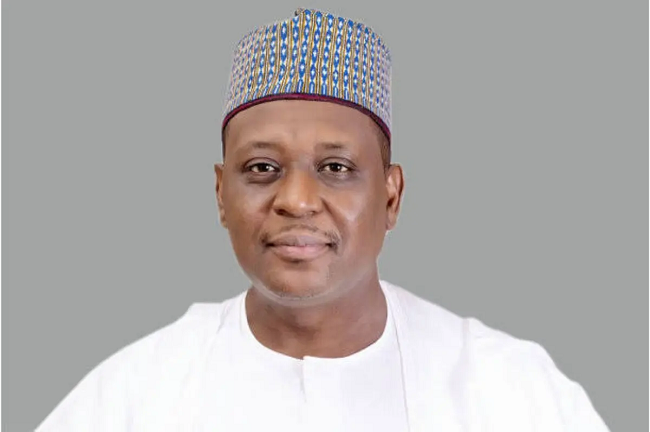
Muhammad Ali Pate, the Coordinating Minister of Health & Social Welfare
In Nigeria, the situation is dire, with studies showing that approximately 25 per cent of emergency hospital admissions in urban areas stem from hypertension-related complications such as stroke, kidney failure, and heart attacks.
Adams, who described hypertension as a silent killer, decried that it was now common among young people unlike before when majorly old people of 50 years and above were seen with hypertension.
According to him, the death of most young Nigerians can be linked to heart-related challenges caused by undetected and unmanaged hypertension.
He said, “There have been instances of young Nigerians dying with cardiovascular/heart-related diseases.
“In my earlier years of practice, high blood pressure is mostly an issue of the mature and old folk starting from 50 year, but now we see 28 to 35-year-old hypertensive patients”.
Adams, who decried the rate of sudden deaths among Nigerian young adults, blamed the development on young life mentality syndrome and lack of preventive measures among the younger people.
He added that lack of proper information and education about the disease were other contributing factors.
“The first issue with the younger generation is the false and unwise belief that they are young and thus, do not need to regularly check themselves.
“The second is the fact that they are not taking preventive measures, well as lack of public information and sensitisation about the dangers associated with hypertension and even low blood pressure,” he said.
The cardiologist advised that young adults should embrace preventive measures and lifestyle changes that could help to live healthy life, to thereby, curb the prevalence of hypertension.
He advised Nigerians to imbibe the culture of going for medical checkups from the age of 28, as absence of symptoms did not mean it wasn’t present.
“We have had some cases of young men dying of cardiac arrest during a tennis match, while jogging, and even as they went to bed.
“This could have been prevented if they knew they had heart problems.
“When you do a comprehensive health assessment, abnormalities in the body may be detected and corrected,” he said.
A Lagos-based businessman, Mr Jude Madukwe, recounted how his brother-in-law, Alex Obiora, had heart attack and died in course of watching a football match.
He explained that Obiora, aged 39, slumped in 2024 while watching the semi-final match between the Super Eagles of Nigeria and Bafana Bafana of South Africa, in the Africa Cup of Nations (AFCON), in Cote D’Ivoire.
According to him, the demise of Obiora left a big vacuum in their family, as his wife has yet to recover from the shock.
Another consultant cardiologist, Dr Ramon Moronkola, said that sudden emotional surge either extreme excitement or sadness could put a lot of pressure on the cardiovascular system of an individual.
Moronkola, who works with the Lagos State University Teaching Hospital (LASUTH), explained that underlying untreated cardiovascular health conditions could trigger causes that might lead to sudden death of an individual.
According to him, if this individual has no underlying morbidity – that’s, the heart is fine, the vessels are okay; usually it doesn’t cause much problem, but in a situation where the individual already has some malfunctions in the system, it can result to sudden cardiac attack.
“There are situations where people die suddenly during emotional surge, because that’s definitely what happened. In that situation, it can happen when an individual is extremely happy or grieved.
“Similarly, during football match, people are really tensed, there are a lot of emotional commitment/assertion; this may put a lot of pressure on individual’s cardiovascular system.
“If such individual has no underlying health conditions, it usually doesn’t cause problem, but in a situation that such individual has underlying cardiovascular disease, maybe the person is hypertensive or diabetic and he doesn’t or he knows, but not managing it well.
“With the underlying cardiovascular diseases and the person is exposed to emotional surge, he/she can develop heart attack or heart failure and die,” he said.
Spurred by the resurgence of big-ticket investments and new projects in the Nigerian oil and gas industry, the Nigerian Content Development and Monitoring Board (NCDMB) has unveiled a special Human Capital Development (HCD) Programme that would train over 10,000 young graduates and technicians in top 10 high-demand skills in the sector.
Termed NCDMB Oil and Gas Field Readiness Training Programme, the intent is to prepare and equip the next generation of Nigerians with practical skills for top careers in the oil and gas industry and position them to take part actively in the oil and gas projects recently launched by some international and indigenous operating oil and gas companies.
Felix Omatsola Ogbe, head of the NCDMB
Announcing the Oil and Gas Field Readiness Training Programme on Friday, October 24, 2025, NCDMB’s Executive Secretary, Felix Omatsola Ogbe confirmed that the Programme would close skill gaps extracted from the review of applications for Expatriate Quotas by industry operators.
The top career paths were equally identified from engagements with key industry stakeholders, including Petroleum Technology Association of Nigeria (PETAN), Oil Producers Trade Section (OPTS), and Petroleum Contractors Trade Section (PCTS). NCDMB also relied on its knowledge of the portfolios of major upcoming projects and considered reports of previous skill gaps studies conducted by sister agencies like the Petroleum Technology Development Fund (PTDF).
The top-10 skills for the Field Readiness Programme are: Sub-sea Engineers (wellheads, flowlines, umbilicals, sub-sea trees, etc.); Underwater Welders; Control and Automation Engineers (including cementing, well controls, and rig operations); Helicopter Pilots; Seamen/Sailors (including vessel mechanics/electricians); Production and Maintenance Engineers (Control Room Operators, Maintenance Crew); QA/QC Engineers (including NDT Levels 1,2, and 3); Geoscience Engineers (including Seismic, Geophysics, Wellsite Geology, etc.) and Digitization and Digitalization (AI, ML, IoT, Big Data, Cloud Computing, Drones, etc.)
NCDMB efforts, Ogbe explained, is informed by Section 10(1b) of the Nigerian Oil and Gas Industry Content Development (NOGICD) Act, 2010, which stipulates that “Nigerians shall be given first consideration for training and employment in the work programme for which the Nigerian Content Plan was submitted by an industry operator.”
The programme is only open to participants aged below 35 years, who possess OND/HND/BSC in Petroleum, Mechanical, Chemical, Electrical, Civil, Gas, Welding and Metallurgy. Other applicable fields are Geology, Geophysics, Computer Sciences/ Engineering and other science related disciplines.
Providing further guidance, NCDMB’s Director of Capacity Building, Bamidele Abayomi, explained that the skills gap closure programme would be implemented over a two- to three-year period, during which the gaps would be re-assessed to ascertain if the top 10 skills should be adjusted or continued.
He confirmed that most of the skills gap closure would be for a minimum of 12 months, while some will be for longer durations. The programme will have four key segments, namely, classroom training, laboratory/workshop practical, skills certifications, with emphasis on hands-on work experience, which will entail a minimum of six months on-the-job-training (OJT) carried out in partnership with service companies to impart necessary skills on participants and make them field-ready.
He announced that at least three service companies will partner the Board for each of the skill area and HSE certifications, while the soft skills will be delivered by anchor trainers and OGTAN registered training providers.
Trainees that complete the programme and assessed as competent and field-ready shall be included in the Board’s skills database for circulation to service and operating companies in fulfilment of the NOGICD Act.
He assured that participants would be provided with pre-mobilisation medicals, monthly stipends, PPEs, and requisite insurance coverage to ensure they are well-supported and can focus on learning.
The October 14, 2025 announcement of Final Investment Decision (FID) on US$2 billion HI Field Gas Project by Shell Nigeria Exploration and Production Company (SNEPCo), and Sunlink Energies and Resources Limited, was the latest in a portfolio of new mega projects, following US$550 million UBETA Gas Project by Total Energies, launched in September 2024, and Bonga North Deepwater, worth US$5 billion, announced by SNEPCO in December 2024.
The already announced projects and others in the funnel are direct outcomes of the three Presidential Directives (PD) pronounced by President Bola Ahmed Tinubu for the oil and gas industry in March 2024. The Directives were accelerated by the revised and fast-tracked Nigerian Content Contracting Guidelines deployed by the NCDMB, which is unlocking long delayed major investments, helping to actualise Mr. President’s Renewed Hope Agenda Economic blueprint towards a US$1trillion economy.
THE 2025 edition of the Nigeria Environment Outlook, convened by Environment Africa Magazine in collaboration with the Federal Ministry of Environment, brought together top government officials, industry experts, and sustainability advocates in Lagos on Friday, October 17, 2025, to drive Nigeria’s transition towards a greener, more resilient future.
The conference, themed “Shaping a Greener Present for a Sustainable and Resilient Future,” focused on practical strategies for strengthening environmental governance, accelerating green innovation, and promoting public–private partnerships across key sectors.
Delivering his opening remarks, the Convener and Editor-in-Chief of Environment Africa Magazine, Mr. Sam Nwosu, said the event serves as both a mirror and a compass for Nigeria’s environmental journey – reflecting the nation’s progress while charting a path for action.
Dignitaries at the 2025 Nigeria Environment Outlook in Lagos
“We gather not only to assess Nigeria’s environmental landscape but to honour the Top 100 Environmental and Sustainability Professionals who are shaping the future of sustainability in our nation,” Nwosu said.
“This platform is data-driven, policy-focused, and solution-oriented – a rallying point for collaboration between government, business, and civil society,” he added.
A key highlight of the programme was the unveiling of the Top 100 Environmental and Sustainability Professionals in Nigeria (2025 Edition) – a recognition honouring exceptional individuals advancing green growth, policy innovation, and environmental resilience nationwide.
Ministry of Environment Reaffirms Support for Collaboration
Also speaking, Dr. Iniobong Abiola-Awe, Director, Department of Climate Change, Federal Ministry of Environment, congratulated the organisers for their consistent efforts in promoting environmental protection and sustainability across Nigeria.
She emphasised the need for deeper collaboration and knowledge sharing to strengthen climate action, clean energy innovation, and the responsible management of natural resources.
“The Ministry remains fully committed to supporting all stakeholders and professionals here today,” she said.
“Our shared resolve and unity of purpose will be the foundation for building a more sustainable and resilient country.”
Dr. Abiola-Awe commended the Nigeria Environment Outlook platform for fostering partnerships that align with the national climate agenda and pledged the ministry’s continued engagement in advancing environmental governance and sustainability.
Itua Calls for Radical Incentives to Unlock Nigeria’s Green Wealth
Delivering the keynote address, the Executive Director of the African Green Economy Strategy Institute (AGESI), Dr. Eugene Itua, called for bold policy reforms and radical incentives to support businesses investing in the circular economy.
Dr. Itua, who also serves on the Advisory Board of the UNDP’s Africa Green Business and Financing Initiative, said Nigeria’s forests, water bodies, sunshine, and innovative youth represent an “undiscovered Green Wealth” that must be harnessed for sustainable prosperity.
“Our ecosystems are under siege,” he said. “We face threats to our homes, food security, and our children’s future. For too long, we’ve treated the environment as a problem to be managed rather than an opportunity to be maximised.”
He urged that environmental governance evolve from “reactive regulation to proactive innovation,” stressing that the gap between policy formulation and implementation remains the nation’s greatest weakness.
Women’s Leadership and Inclusion in Climate Action
In her goodwill message, Chief (Mrs) Anita Nana Okuribido, President of the Women in Renewable Energy Association (Nigeria), highlighted the crucial role of women in advancing climate resilience and innovation.
“Women’s ingenuity and resilience are at the forefront of environmental progress,” she said.
“Energy poverty has the face of a woman – from cooking to small enterprises, women are the most affected by energy deficits. Therefore, gender inclusion must be central to climate action.”
Recognition of Environmental Excellence
Among those honoured in the Top 100 Environmental Professionals (2025 Edition) were: Dr. Adedolapo Fasawe, Mandate Secretary for Health and Environment Services, FCTA; Chief Akpabio Essien, General Manager (Safety), NNPC Ltd; Mr. Tokunbo Wahab, Lagos State Commissioner for Environment and Water Resources; Engr. Chukwuemeka Woke, Director-General, NOSDRA; Balarabe Abbas Lawal, Minister of Environment; Prof. Joseph T. Utsev, Minister of Water Resources and Sanitation; Prof. Charles Anosike, Director-General, Nigerian Meteorological Agency (NiMet); and Dr. Alex Aigbe, Africa Clean Up Initiative.
Outlook as a Catalyst for Change
The 2025 Nigeria Environment Outlook was supported by the Federal Ministry of Environment and powered by NatureHedge, with participation from the private sector, academia, and civil society.
In his closing remarks, Nwosu described the initiative as a growing movement for environmental accountability and transformation.
“Let this be more than an event – let it be a spark that ignites partnerships, influences policy, and elevates Nigeria’s environmental agenda across all sectors,” he said.
President of Dangote Industries Limited, Aliko Dangote, has explained that the decision to expand the Dangote Petroleum Refinery from 650,000 barrels per day (bpd) to 1.4 million bpd is driven by emerging opportunities across Africa, growing regional demand for cleaner fuels, and Nigeria’s evolving policy environment that encourages local refining.
Speaking at a media briefing in Lagos, Dangote said the $20 billion facility, already the largest single-train refinery in the world, will more than double its capacity within the next three years, making it a global leader in petroleum refining and a major driver of Africa’s industrial renaissance.
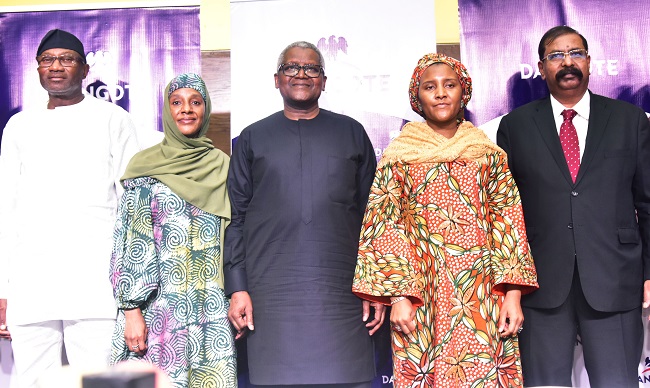
L-R: Chairman, FBN Holdings Plc, Femi Otedola; Executive Director, Operations, Dangote Sugar Refinery Plc, Mariya Aliko Dangote; President/CE, Dangote Industries Limited Aliko Dangote; Group Executive Director, Commercial Operations, Dangote Industries Limited, Fatima Aliko Dangote; Vice President, Oil & Gas, Dangote Industries Limited, Devakumar Edwin; during the World Press Conference on the expansion of Dangote Petroleum Refinery to 1.4m bpd capacity, Polypropylene production from 900,000mt to 2.4m mt per annum, further enriching the production of linear alkylbenzene a key ingredient for the production of detergent, and additional production of base oils, in Lagos on Sunday, October 26, 2025.
“This expansion reflects our confidence in Nigeria’s future, our belief in Africa’s potential, and our commitment to building energy independence for our continent and the world. It also is about confidence in Nigeria, in Africa, and in our capacity to shape our own energy future,” Dangote said. “It is the dream of President Bola Ahmed Tinubu GCFR, for Nigeria to emerge as one of the major suppliers of petroleum products in the world. And with his strong backing through his policies, we are taking on the challenge to make this happen”
According to him, the expansion reflects the group’s belief in Africa’s potential to achieve energy security and transform its economy from being an exporter of raw crude to a hub for refined petroleum products.
Dangote revealed that the expansion project would be executed over the next three years and would be financed through a mix of cash flow, public listing, and strategic investors. When completed, the refinery will surpass India’s Jamnagar Refinery, currently the world’s largest facility, cementing Nigeria’s position as a global refining hub.
He said the refinery will also expand its polypropylene production capacity from 900,000 metric tonnes to 2.4 million metric tonnes per annum, further boosting the output of linear alkylbenzene, a key ingredient in detergent manufacturing, along with additional production of base oils.
“With this expansion, the refinery transitions from producing Euro V to Euro VI fuel standards, meeting the highest global environmental benchmarks,” he said. “We will also expand our power generation capacity to 1,000 megawatts, ensuring complete operational self-sufficiency. More than 85% of our workforce will be Nigerians, with continuous investment in skills development and technology transfer. Our commitment to safety, sustainability, and local participation remains unwavering throughout every phase of the expansion.”
Highlighting the economic impact of the project, Dangote said the expansion would further strengthen Nigeria’s energy security, reduce foreign exchange outflows, and save the country billions of dollars annually that would otherwise go into importing refined products.
He estimated that the refinery’s revenue could exceed $55 billion annually, making it one of the most valuable industrial assets on the African continent.
Dangote reaffirmed plans to list a significant portion of the refinery’s shares on the Nigerian Exchange (NGX) within the next year, describing it as part of efforts to democratise ownership and allow Nigerians to share in the value creation.
“Our main listing will be here in Nigeria to give Nigerians value,” he said. “We want the Dangote Refinery to be the golden stock of the Exchange. Listing outside Nigeria is secondary to us. We want this to be a national asset in every sense. This is a step towards broader ownership and market transparency. Therefore we call on all Nigerians to seize this window, to benefit from this golden opportunity. Our long-term goal remains clear: to build Africa’s leading integrated energy and petrochemical hub, the first of its kind on the continent.”
He said the refinery’s strong cash flow, profitability prospects, and strategic positioning would make it attractive to both local and global investors.
“This expansion will create additional jobs, support thousands of SMEs, and deepen our industrial base. Our goal has never been just to refine oil, but to refine opportunities for our people,” he said. “It is a vote of confidence in Nigeria, in the reforms of President Bola Ahmed Tinubu’s administration, and in the ability of Africans to build and manage world-class infrastructure.”
He expressed gratitude to President Tinubu and the Federal Government for supporting industrialisation policies such as Nigeria’s First, Naira-for-Crude, and the One-Stop Shop initiatives, which he said have emboldened investors to take on transformative projects.
He also commended the government’s intervention in mediating recent disruptions at the refinery linked to union activity and sabotage attempts, calling it a demonstration of effective collaboration between the public and private sectors.
Despite not yet recouping the initial investment in the 650,000 bpd phase, Dangote said the group is focused on long-term transformation rather than short-term returns.
“Refining is a long-term project. We are expanding because we believe in Africa,” he said. “Without this refinery, Nigeria would still be buying dollars at ridiculous rates and depleting our reserves to import fuel.”
He emphasised that Nigeria’s pump price remains among the lowest in the region despite the refinery’s production of higher-quality, cleaner fuels that have reduced toxic dumping in the country.
Dangote emphasised that the refinery has already made a difference by stabilising local fuel supply, helping to strengthen the naira, and preventing capital flight.
“Nigerians today buy petrol at roughly half the price of what our neighbours pay, and it is even cheaper than in Saudi Arabia,” he noted. “Our product is of higher quality, meeting Euro VI standards, and it has significantly reduced the dumping of toxic fuel into our market.”
As Nigeria approaches the festive season, Dangote assured the public that there would be no fuel scarcity or price hike during the ember months, despite recent global price increases.
“In the last three days, we have witnessed an eight per cent spike in global oil prices,” he said. “But I want to assure Nigerians that the Dangote Refinery is fully committed to maintaining uninterrupted supply of petrol throughout the festive period. For the first time in many years, Nigerians can look forward to a Christmas and New Year free of fuel anxiety.”
Dangote praised the Federal and Lagos State Governments for their continued support, along with the company’s host community in Lekki and its financial and technical partners.
“This expansion is not just about capacity; it is about confidence — in our people, in our government, and in our continent,” he said. “Together, we are building a stronger Nigeria and redefining what is possible for Africa.”
He called on other investors holding refinery licences to emulate the example, urging collaboration in achieving President Tinubu’s vision of making Nigeria the refining hub of Africa.
“When Africa builds its own capacity, it builds its own destiny,” Dangote concluded.
When asked how Nigeria can effectively engage climate actors to achieve its 30% methane emission reduction target by 2030, Yusuf Kelani, Special Assistant to President Bola Tinubu on Climate Change Matters, stated, “It is tough, but we are not going to give up.”
It will be extremely challenging if Nigeria, a country with a pollution estimate of over 223 million as of 2023, or 2.7% of the total world population, produces 32 million tonnes of solid waste each year, with only about 20-30% of it being collected and properly treated. This means that 70–80% ends up in open dumps, drains, or informal disposal sites.
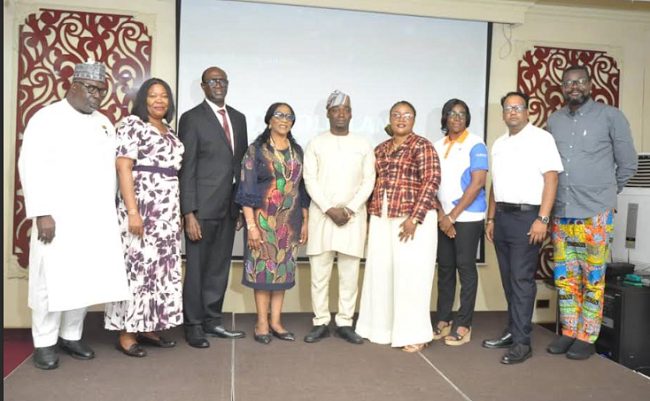
Participants at the one-day stakeholder engagement workshop on data mapping of climate actors and the inception workshop on methane emission reduction in Nigeria, hosted by the Office of the Special Assistant to the President on Climate Change Matters and SRADev Nigeria in Abuja
The danger is that poorly managed organic waste emits methane, a potent greenhouse gas (GHG) that contributes 19% of the country’s emissions. Scientifically, it has also been proven that methane is 80 times more potent than CO₂ over 20 years and accounts for approximately 20 per cent of total GHG emissions. Landfills alone constitute 11% of global methane emissions, a worrisome situation that has triggered both local and international attention.
With this clear understanding of the problem, Nigeria, as a signatory to the Global Methane Pledge, has been making efforts to deliver on its commitment of a 30% methane reduction target by 2030. One such effort is the Multi-solving Action to Methane Reduction in Nigeria (MAMRN) project, which seeks to mitigate methane emissions in the country by advocating for sustainable waste management, building policy frameworks, and enhancing capacity at both national and sub-national levels.
Kelani believes that to properly address the issue, it is important to first identify those who are working in the space to ensure effective coordination in the process. According to him, this is because many projects are being carried out in the field by many actors, but their effects are not being properly documented.
“Well, it’s about trust in the system and confidence in government efforts and activities. That’s basically the challenge,” he said during a one-day stakeholder engagement workshop his office organised in collaboration with the Sustainable Research and Action for Environmental Development (SRADev Nigeria) on Friday, October 24, 2025, in Abuja, Nigeria’s capital, to map climate actors and kick-start a conversation on how to advance dumpsite methane emission reduction across the country.
Although, many people focus more on the problems rather than the solutions whenever discussions around waste pollution are raised. Dump sites are seen as something of a threat to the community, yet they offer several empowerment opportunities in turning waste into wealth if well harnessed. The Lowering Organic Waste Methane (LOW-Methane) Initiative, which Nigeria is part of, aims to cut at least 1 million metric tonnes of annual methane emissions well before 2030 and unlock over $10 billion in public and private investment.
So, how to ensure that there’s a robust engagement within that area such that it becomes something positive is one significant question that the presidential aide strongly believes must be answered to move the country’s waste sector forward. Answers on the right technologies that will gradually put this waste into possible uses for people, especially young people, women and those who are very active within the ecosystem, are all required.
“We will continue to carry out the process and ensure that we achieve our targets,” Kelani assured, because his office, he explained, is existing for the first time. “I really wish to leave a landmark achievement in there.”
Achieving Nigeria’s methane emissions reduction ambition is truly imperative, particularly in safeguarding public health, protecting the environment, and meeting its international climate commitments.
Mallam Balarabe Lawal, Nigeria’s minister of environment, said his ministry has been promoting various mitigation agendas to tackle the problem of methane contamination in the country.
Nigeria’s updated Nationally Determined Contributions (NDCs 3.0) and Long-Term Low Emission Development Strategies, sector-specific methane guidelines, a National Action Plan on Short-Lived Climate Pollutants, and the ministry’s partnership with the Africa Policy Research Institute (APRI) are just a few of the policy initiatives the federal government has implemented to combat methane pollution.
“They provide platforms to translate actionable measures tailored to the waste management value chain, ensuring that national efforts remain cohesive, informed, and results-driven,” the minister, who was represented by Mrs. Asmau Jibril, an Assistant Director with the Department of Climate Change in the ministry, stated.
The importance of developing a landfill methane action plan for Nigeria cannot be overemphasised, according to Dr. Leslie Adogame, Executive Director, (SRADev) Nigeria, because countries like the USA, the European Union, the UK, Brazil, Canada, the United Arab Emirates (UAE), and Chile have all implemented action plans.
There is no doubt that Nigeria’s methane emission crisis can be combated if the right innovation is deployed and ecosystem created. Lagos State has proven this through initiatives such as the Land Carbon Registry and the Air Quality Monitoring Network across all local government areas.
These economic solutions clearly demonstrate that sub-national entities can deliver measurable, data-driven climate action that complements national commitments under the Global Methane Pledge and the Paris Agreement.