A concerning pattern across Nigeria and much of Africa is the belief among many government spokespersons that governance communication is public relations (PR), often laced with denial, half-truths, or outright propaganda. For many of them, their primary responsibility is to promote and defend the government at all costs.
This thinking is precisely where communication crises begin.
Governance communication is not about selling an image. It is about informing citizens, fostering transparency, explaining policies, facilitating dialogue, and strengthening institutional accountability.
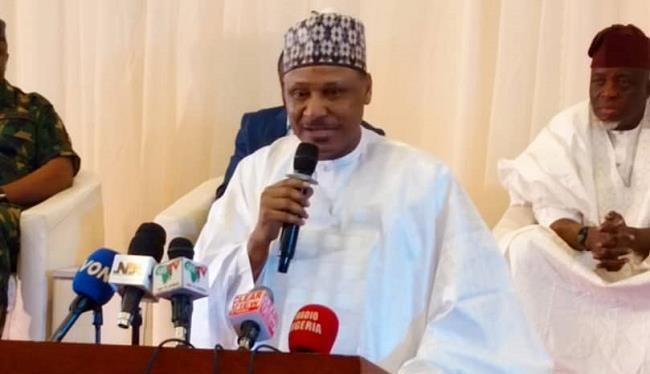
Minister of Information and National Orientation, Mohammed Idris
When communication is reduced to promotion and image management, democracy suffers. Public trust erodes, and citizens are treated as audiences to be persuaded rather than stakeholders to be engaged.
Once those entrusted with communicating governance begin to see themselves as brand managers, the focus shifts from empowering citizens with information to managing perception. That is a dangerous path and often a recipe for systemic failure.
In reality, many policy failures and development setbacks in government are not merely governance failures; they are communication failures.
In the last three months, I have had the opportunity to engage with more than 20 senior government officials in Nigeria, including political office holders, political appointees, and top public servants. These discussions revealed.
For many politicians, communication means finding individuals who can aggressively defend the government, attack the opposition, and absorb public anger, even if it requires distortion or denial.
Among many public servants, communication is still largely seen as public relations, issuing statements, managing media narratives, and projecting positive images.
What is missing in both perspectives is a fundamental understanding that communication in governance should be about dialogue, negotiation, citizen engagement, and empowerment.
This misunderstanding partly explains why governments often struggle to communicate policies effectively or build public trust around development programmes.
There is an urgent need to rethink how governance communication is understood and practiced.
We need a new generation of communication professionals who understand that communication is not merely publicity, branding, or social media activity. It is a strategic process of building trust, facilitating participation, and enabling citizens to engage meaningfully with governance.
In earlier times, when access to information was limited, denial and propaganda could sometimes succeed in shaping public perception. But in today’s information age, where citizens have unprecedented access to information, such approaches are no longer sustainable.
Modern governance communication must be built on truth, transparency, accountability, and sincerity.
Without these principles, communication will continue to deepen distrust between governments and citizens.
If the current pattern continues, the problem will not simply be a failure of political leadership, but also a failure of communication practice itself.
Because communication, when properly understood and practiced, is not merely the exchange of information, it is a foundation for development.
Dr. Audu Liberty Oseni is Director, Centre for Development Communication
Three environmental justice organisations have launched a High Court challenge to the environmental authorisation granted for Eskom’s proposed Nuclear-1 power station, arguing that the approval was granted in breach of mandatory requirements of South Africa’s environmental impact assessment laws. The proposed 4,000 MW project would be built at Duynefontein next to the existing Koeberg nuclear power station near Cape Town.
The Southern African Faith Communities’ Environment Institute (SAFCEI), Greenpeace Africa and Earthlife Africa Johannesburg describe Nuclear-1 as a “zombie” nuclear project, revived nearly two decades after the environmental approval process first began in 2007. The environmental authorisation was granted in 2017, and appeals against it were only dismissed in 2025, after an unusually prolonged appeal process.
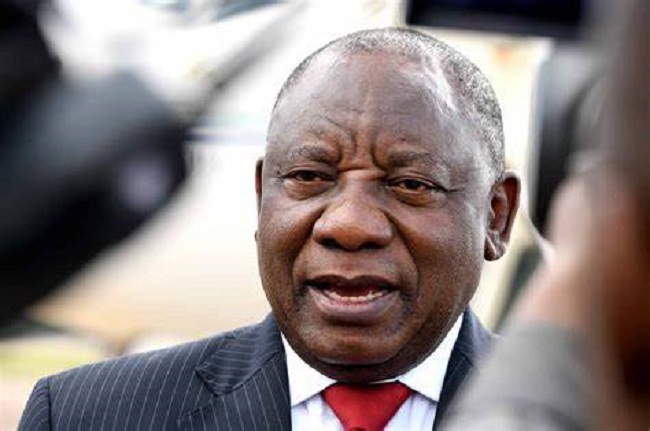
President Cyril Ramaphosa of South Africa
The organisations are concerned that nuclear projects of this scale could involve capital commitments running into the hundreds of billions of rand and potentially exceeding one trillion rand, depending on technology choices, construction costs and financing arrangements, with possible implications for electricity tariffs and taxpayers.
The application challenges both the 2017 decision by the Chief Director: Integrated Environment Authorisations, Department of Forestry, Fisheries and the environment to grant Eskom the environmental authorisation for the project as well as the 2025 decision by the Minister of Forestry, Fisheries and the Environment dismissing appeals against that approval.
The organisations argue that the environmental authorisation was granted in circumstances where mandatory requirements of South Africa’s environmental impact assessment laws were not properly complied with.
The review application is based on several grounds, including the following:
The organisations contend that decision-makers did not conduct a proper project-specific assessment of whether constructing the proposed nuclear power station at Duynefontein was necessary or desirable, relying primarily on national electricity planning policy rather than conducting the required project-specific need and desirability assessment.
The organisations argue that renewable energy technologies were not properly assessed as alternatives to the proposed nuclear power station. The environmental assessment relied on outdated assumptions about electricity demand, energy costs and the need for nuclear “base-load” power, and did not adequately consider developments in renewable energy and battery energy storage systems. According to the organisations, electricity supply needs can be met through combinations of renewable generation – such as solar and wind – supported by energy storage technologies.
The organisations contend that the option of not proceeding with the project was not meaningfully evaluated during the environmental assessment process, as required by environmental law.
The organisations argue that the environmental assessment did not adequately evaluate the potential environmental, health and socio-economic consequences of a catastrophic nuclear incident involving the uncontrolled release of radiation.
SAFCEI’s Executive Director, Francesca de Gasparis, said: “The granting of the environmental impact assessment (EIA) for the Duynefontein site seventeen years after it was originally submitted is a resurrection of a nuclear energy plan that should have been shelved more than a decade ago, in 2017, when it was originally appealed by our three organisations. What we are witnessing now is a ‘zombie’ revival of that same plan – without transparency, proper parliamentary oversight, economic justification, or meaningful public participation.”
Cynthia Moyo, Greenpeace Africa’s Climate & Energy Campaigner, emphasised: “It is fundamentally unjust to saddle South Africans and future generations with the financial risk, radioactive waste and catastrophic accident potential of a massive nuclear project when safer, quicker and more affordable renewable energy options are available today. South Africa is in the midst of a climate and economic crisis and pushing ahead with nuclear without fully accounting for its long-term impacts is reckless and irresponsible.
“Climate justice means protecting communities from unnecessary risk and debt, not locking the country into decades of costly infrastructure that benefits the few while burdening the many. This case is about drawing a clear line, our energy future must be safe, equitable and aligned with the constitutional right to a healthy environment for present and future generations.”
Lesai Seema, Director of Cullinan and Associates, said: “We are delighted to support these organisations in ensuring that decisions with long-term consequences for millions of South Africans are taken in accordance with the law. A commitment to spend billions of rands on nuclear power plants is one that must comply with national legislation and reckon honestly with its environmental, social and economic consequences for present and future generations.”
The organisations are asking the High Court to declare the environmental authorisation and the Minister’s appeal decision unlawful and to set them aside.
Following service of the founding affidavit, the case is now a matter of public record.
The Nigerian Conservation Foundation (NCF), Lagos-based environmental non-governmental organisation, has appointed Kunle Olawoyin as the new Director of Communications, Policy and Advocacy, effective March 2, 2026.
Olawoyin, who has previously served as Head of the Media and Public Affairs Unit at NCF from 2009 to 2015, will lead NCF’s communication, policy and advocacy agenda in support of the organisation 2025-2030 strategy. He will work with various teams to strengthen NCF’s public voice, influence environmental policy outcomes, shape national and continental narratives on climate change, biodiversity conservation and environmental pollution.
Kunle Olawoyin
Olawoyin is a seasoned communications and advocacy expert with a demonstrated history of managing strategic campaigns, influencing policy and advocacy at national and international levels. A trained journalist, he started his career as a cub reporter with Rhythm 93.7 FM. He has also worked with National Interest Newspapers, and National Mirror Newspapers where he gained hands-on experience in reporting, editing, and news production.
Prior to this new appointment, he has served as Media and Communications Officer at Oxfam GB and Oxfam International, before joining Save the Children International, where he held key roles including Media and Communications Manager for Nigeria, Regional Media and Communications Manager for West and Central Africa, and most recently, Media Manager at the Global Media Unit of the world leading child rights organisation.
His work has strengthened the visibility and impact of organizations he has served, and his expertise will now be leveraged to position NCF as a credible thought leader and partner in environmental conservation across Nigeria and Africa.
Olawoyin holds a Higher National Diploma in Mass Communication from The Polytechnic, Ibadan, a master’s degree in communication studies from Lagos State University, a Bachelor of Laws (LLB) from the National Open University of Nigeria, and a Master of Laws (LLM) from Nasarawa State University, Keffi. He also holds certificates in Advanced Writing and Reporting from Pan-Atlantic University among other professional certifications.
Dr. Joseph Onoja, Director General of NCF, said: “I have no doubt about Olawoyin’s capacity to deliver on this new challenge because of his depth of experience in communications, advocacy, and campaigns, combined with his prior knowledge of NCF.
“NCF, as the leader in environmental conservation in Nigeria, is at the stage where we need more committed and high skilled individuals to increase the visibility of our impacts, strengthening our public engagements and policy influencing across boards.”
The Society of Petroleum Engineers (SPE) Nigeria Council has announced that the 2026 Oloibiri Lecture Series and Energy Forum (OLEF) will take place on April 9, 2026, at the Petroleum Technology Development Fund (PTDF) Tower in Abuja. The forum will bring together regulators, operators, policymakers, investors, and industry professionals to discuss practical strategies for strengthening Nigeria’s energy sector and increasing oil production.
Speaking at a press conference in Lagos, Francis Nwaochei, FNSE, Chairman of the SPE Nigeria Council, said Nigeria must move beyond traditional production models and adopt technology-driven operations supported by disciplined investment and clear policy frameworks.
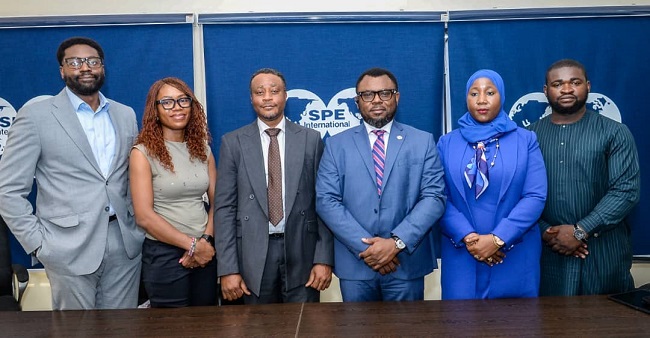
L-R: Member, Society of Petroleum Engineers (SPE) Nigeria Council, Oladipo Ashafa; Chairperson, SPE-OLEF 2026, Priscilla Enwere; Chairman, SPE, Nigeria Council, Francis Nwaochei; Vice Chairman, SPE, Nigeria Council, Effa Agbor; Secretary, SPE Lagos, Hassannah Salami and Communication & Protocol Chairman, SPE Nigeria, Chima Okorie at the pre- press conference announcing the upcoming 2026 edition of the Society of Petroleum Engineers (SPE) Oloibiri Lecture Series & Energy Forum (OLEF) held in Lagos recently
“Nigeria can reach and surpass three million barrels per day, but the era of easy production is over,” Nwaochei said.
“Progress will depend on innovation, digitalization, efficient capital deployment, and a regulatory environment that supports intelligent operations and asset optimization,” he added.
The theme of OLEF 2026 is “Beyond the Three Million Barrels Target: Harmonising Digitalisation, Capital and Policy Frameworks for Intelligent Operations and Asset Optimisation.” The forum will focus on aligning technology, financing, and regulatory policy to unlock Nigeria’s full production potential.
Despite recent improvements, Nigeria’s crude oil output remains below capacity, with implications for government revenue, foreign exchange stability, and economic confidence. Nwaochei noted that stronger production is critical to fiscal stability, domestic refining growth, gas development for power and industry, and Nigeria’s role as a reliable global energy supplier.
Discussions will also address how to maximise existing assets through improved field management, revitalisation of idle wellbores, and new field development, while strengthening indigenous operators through better access to financing, technology partnerships, and digital capabilities.
The Oloibiri Lecture Series and Energy Forum remains one of Nigeria’s leading platforms for policy dialogue and thought leadership in the energy industry. It was established in honor of Nigeria’s first commercial oil discovery in Oloibiri, Bayelsa State.
OLEF 2026 edition is designed as a working forum aimed at generating practical recommendations to inform regulatory reform, investment decisions, and national energy planning.
In global energy markets, geopolitics has a habit of repeating old lessons.
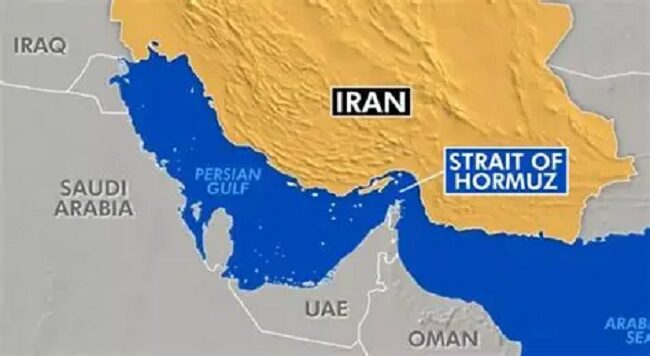
The latest crisis in the Middle East – triggered by U.S. and Israeli strikes on Iran in late February, has again exposed the fragility of the world’s oil supply chain. Iranian retaliation has effectively choked traffic through the Strait of Hormuz, the narrow maritime corridor through which roughly a fifth of global oil and liquefied natural gas passes.
Within days, tanker movements slowed sharply and markets responded with predictable speed. Brent crude climbed above $84 per barrel, its sharpest weekly gain in decades, while analysts began openly discussing the possibility of triple-digit oil prices if disruptions persist.
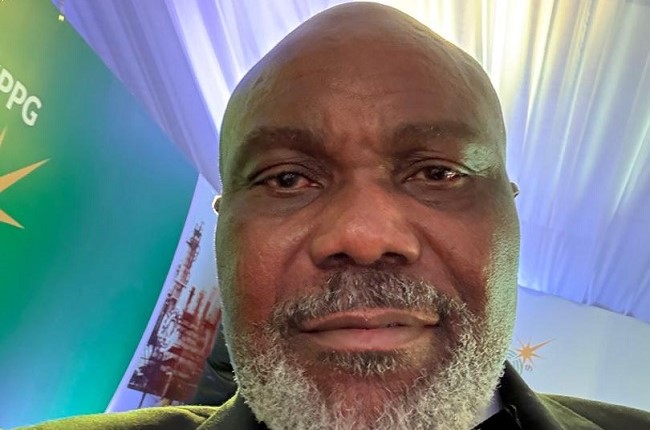
Kunle Odusola-Stevenson
For most oil-importing economies, such volatility is unwelcome news. For Nigeria, Africa’s largest crude producer, it represents something more complicated: the prospect of another sudden windfall.
Nigeria has been here before. The last time global conflict triggered such a surge in oil revenues, the outcome was not encouraging.
In 1990, Iraq’s invasion of Kuwait removed roughly 4.5 million barrels per day from world supply. Prices surged from about $17 to nearly $46 per barrel. Nigeria, producing close to 1.8 million barrels per day at the time, benefited from what economists later estimated as more than $12bn in unexpected revenue.
What became of that windfall has since entered the country’s political folklore.
An inquiry led by economist Pius Okigbo later reported that $12.4bn had flowed into opaque “dedicated accounts” outside normal budgetary oversight during the military government of General Ibrahim Babangida. By the time the panel concluded its investigation in the mid-1990s, most of the funds had disappeared.
The episode was more than a financial scandal. It symbolised a missed opportunity at a moment when Nigeria could have strengthened its economic foundations. The funds were meant to support strategic projects, including defence spending and the long-delayed Ajaokuta steel complex. Instead, the country emerged from the oil boom with little to show for it.
Three decades later, Nigeria finds itself confronting a similar moment, though under different economic circumstances.
The federal budget for 2026 assumes an oil price of roughly $65 per barrel and production of 1.84 million barrels per day. In practice, output has struggled to reach those levels. Production currently fluctuates between 1.46 and 1.58 million barrels daily, constrained by pipeline vandalism, operational disruptions and persistent oil theft in the Niger Delta.
Industry estimates suggest that as much as 400,000 barrels per day are lost to theft and sabotage, the revenue that would otherwise flow into government coffers.
Even so, the current price surge offers a potential fiscal reprieve.
If Brent prices remain near $80–$90 per barrel over the coming months and Nigeria manages to lift output modestly, and supported by deepwater developments such as the Egina field, the country could realise an additional $10–15bn in revenue over the next year.
For an economy navigating currency volatility, high debt service and stubborn inflation, such an inflow would be significant. It could strengthen foreign reserves, ease pressure on the naira and create room for targeted investment.
Yet windfalls rarely arrive without complications.
Higher oil prices also feed into domestic inflation through transport costs and imported fuel. Petrol prices, already elevated after the removal of subsidies, could rise further, placing additional strain on households.
The broader question therefore is not whether Nigeria will benefit from higher oil prices, but whether it will manage the proceeds differently this time.
Other resource dependent economies offer useful lessons.
Norway remains the benchmark. Since the 1990s it has channelled most petroleum revenues into the Government Pension Fund Global, now valued at more than $2tn. The fund invests internationally, shielding the domestic economy from commodity volatility while preserving wealth for future generations.
Chile provides another example. Through its Economic and Social Stabilisation Fund, built largely from copper revenues, the country has established clear fiscal rules that save excess earnings during boom periods and deploy them during downturns.
These models are not easily replicated, but their underlying principle is simple: commodity windfalls require institutional discipline.
Nigeria already possesses some of the necessary structures. The Nigeria Sovereign Investment Authority and the Excess Crude Account were both designed to manage surplus oil revenues. In practice, however, political pressures have often undermined their effectiveness.
A credible approach to the current windfall could follow several straightforward priorities.
First, a significant share of excess revenue should be channelled automatically into long-term savings through the sovereign wealth framework. This would help stabilise government finances and reassure investors concerned about fiscal volatility.
Second, part of the proceeds should address Nigeria’s rising debt burden. Public debt now exceeds $100bn, while debt servicing absorbs a large portion of federal revenues. Reducing foreign currency liabilities would lower financing costs and improve fiscal sustainability.
Third, the government could use the opportunity to accelerate investments that reduce structural dependence on imported fuel. Despite its status as a major crude producer, Nigeria has historically relied heavily on imported refined products. Strengthening domestic refining capacity and gas infrastructure would ease pressure on foreign exchange reserves and improve energy security.
Finally, transparency will be critical. Clear reporting on how windfall revenues are allocated and credible oversight of the process, would strengthen public trust and enhance Nigeria’s reputation among international investors increasingly attentive to governance standards.
None of these steps require radical policy innovation. What they demand is consistency.
The global context makes the stakes higher than they were in the early 1990s. Energy markets are evolving rapidly as the transition to cleaner fuels gathers pace, while geopolitical tensions continue to reshape trade flows and supply chains.
For Nigeria, the present moment may therefore represent not only a temporary fiscal boost but also one of the last major windfalls of the traditional oil era.
Thirty-five years ago, a similar opportunity slipped away.
Today, with oil prices rising again and global attention focused on energy security, Nigeria has a chance to demonstrate that it has learned from the past.
Whether it does so will matter not only to Nigerians, but also to the investors and policymakers around the world watching how Africa’s largest economy manages its most valuable resource.
Kunle Odusola-Stevenson is a Lagos-based public relations professional and communication strategist specialising in energy policy and reputation management in the oil and gas sector
The continued bombardment of Iran by the United States of America to Israel’s advantage may have again uncovered the dominance of the world’s energy system and the fragility of the least developed and oil-dependent economies. The war in the Middle East is already forcing an increase of about 10 percent on oil prices.
Also of concern is the shutdown of the Strait of Hormuz, a 38 km corridor through which about one-fifth of the world’s oil transits, and if the shutdown continues, global prices could remain above $100 per barrel. This shows that the world’s glue to fossil fuels comes with grave consequences.
Oil
The toll on Africa is immense. The continent can expect a staggering increase in fuel prices and a rise in food inflation. Nations such as Kenya, Ghana, and Uganda, which are oil-importing, will experience strain in their transportation and production sectors, while states that are oil-exporting might have temporary price spikes but that won’t help their vulnerability to the shocks of the global markets.
The reliance on fossil fuels for Africa as the main source of energy and revenue leaves the continent at the mercy of geopolitical crises beyond its borders. This undue strain and avoidable exposure are affecting fiscal decisions, social interventions, and delaying developments across the region.
This damning reality reveals a broader story: Africa’s energy independence is not impossible. The continent must know that fossil fuels and their so-called associated benefits are tools in the hands of forces beyond the continent’s control. Tension, as seen currently between the US and Iran, and supply disruptions recently observed in Venezuela, can adversely impact Africa and unsettle it. Every increase in fuel price balloons household costs and limits governments’ ability to invest in critical social services and public infrastructures.
Meanwhile, in the middle of this challenge lies a profound window. Africa has enormous renewable energy potential from the striking sun deserts of the Sahel to the vast wind waves along the coasts, and massive hydroelectric prowess in the Congo Basin and beyond. Projects like the Africa Renewable Energy Initiative (AREI) must now receive special attention from the African Union and all member states due to their potential to ensure clean energy across the region. If maximised, it can reduce Africa’s reliance on foreign fuels, facilitate energy access, and reduce the cost of power.
Beyond energy alone, investing in renewable facilities will no doubt support economic diversification as green hydrogen and other clean-tech industries have proven to provide employment, fortify domestic industries, and improve continental trade. Drifting away from a fossil-dependent economy, the continent will immune their economies from external volatility while laying the foundation for lasting growth.
Internally, Nigeria must take a pause and reflect on its growth priorities. These emerging realities and the lessons of the COVID-19 era, when oil exports were stranded in global markets should force a rethink on the government and henceforth inform policy priorities. The country must establish long-term financing instruments outside the global oil price swings that fast-track development. Depending on fossil revenues to finance public expenditures and investing percentages of fossil derivatives in speculative (frontier exploration) are no longer viable strategies, they will only expose the country to unnecessary and avoidable risk.
Ultimately, the ongoing US, Israel – Iran war should rouse Africa, as fragility to global oil shocks is not inevitable; it is a choice accepted by African leaders. Investment in sustainable industrialisation and clean energy remains the only way Africa and Nigeria can turn this period of uncertainties into an era of resilience and self-determination.
By Olamide Martins, Associate Director, Corporate Accountability and Public Participation Africa (CAPPA), Lagos, Nigeria
The Corporate Accountability and Public Participation Africa (CAPPA) has called on the Federal Government and state authorities to adopt stronger protections and more inclusive policies for Nigerian women as the world marks the 2026 edition of International Women’s Day (IWD).
In a statement issued on Sunday, March 8, 2026, the organisation said this year’s theme, “Give to Gain,” reflects the reality that women in Nigeria continue to shoulder a significant share of the labour that sustains families, communities, and the wider economy.
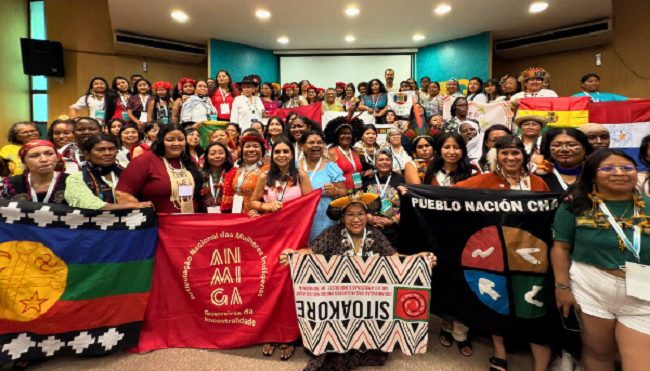
Indigenous women
CAPPA noted that across the country, women manage household resources, provide care for children and relatives, and often carry the responsibility of keeping families afloat in difficult economic conditions. Despite this central role, the organisation said many women and girls still lack access to the basic services and protections necessary for a dignified life. The group pointed out that millions of Nigerian women struggle to access safe water, sanitation, healthcare, education, and other essential services.
CAPPA also raised concern about the persistence of gender-based violence. Citing the Nigeria Demographic and Health Survey, the organisation said about 31 percent of Nigerian women aged 15 to 49 have experienced physical violence, while about 9 percent have faced sexual violence at some point in their lives. It added that more than 10,326 cases of gender-based violence were reported between January and September 2025.
At the same time, the organisation noted the growing concern around femicide in Nigeria, which has prompted advocates and civil society groups to repeatedly call on authorities to treat the killing of women as a national emergency and to strengthen both prevention and accountability measures.
Economic inequality further compounds the challenges faced by women, according to the group. CAPPA stated that data from the National Bureau of Statistics indicate that women are more likely to work in low-income or informal sectors, where job security and social protection are limited. It added that women farmers, traders, and small business owners in various communities struggle to access credit, land, and other resources needed to grow their livelihoods, while rising living costs place additional pressure on women responsible for managing household welfare.
The organisation also highlighted the low level of women’s representation in political decision-making. It stated that women currently occupy about 3.9 percent of legislative seats in Nigeria, one of the lowest rates globally. Out of 469 members of the National Assembly, only 19 are women, including 15 in the House of Representatives and four in the Senate.
According to CAPPA, Nigeria ranks 180 out of 185 countries in the Inter-Parliamentary Union global ranking for women’s parliamentary representation and remains the lowest-ranked country in Sub-Saharan Africa. The organisation added that even the few women who have broken through into political leadership still face sexism, exclusion, and the undermining of their contributions or positions as equals in male-dominated political environments.
“These realities expose a clear contradiction,” the statement said. “Nigerian women give so much to sustain society, yet many continue to live within systems that fail to guarantee their safety, health, political participation, and economic security.”
CAPPA said this year’s IWD theme, Give to Gain, should be understood as a demand for accountability, arguing that governments at all levels must recognise the contributions of women by creating conditions that allow them to live and lead with dignity.
The organisation called for stronger investment in public services such as water, healthcare, sanitation, and education, as well as stronger laws and enforcement mechanisms to prevent and respond to gender-based violence. It also stressed the need to protect civic space so that women leaders, organisers, and advocates can carry out their work without fear of intimidation or repression.
CAPPA further urged policymakers to address the unequal burden of unpaid care work through measures such as affordable childcare, paid family leave, and infrastructure improvements that reduce time poverty for women. It also called for gender responsive budgeting, improved access to credit for women entrepreneurs, and policies aimed at closing the gender pay gap.
On political participation, the organisation said legislative reforms such as the proposed Special Seats for Women Bill could help increase women’s representation and ensure that women’s voices play a stronger role in shaping national policies. It therefore called for the swift passage of the bill.
CAPPA reaffirmed its commitment to working with women across Nigeria who are organising around critical issues. According to the organisation, women’s leadership across communities continues to demonstrate that when women organise, societies move closer to justice.
“As we reflect on the theme “Give to Gain”, true progress for Nigeria lies in recognising and reciprocating the contributions of its women,” the organisation said. “Investing in women’s rights remains fundamental to building a just and sustainable future for all Nigerians.”
Waste management can be defined as the systematic collection, transportation, processing, recycling, and disposal of waste materials with the objective of minimising adverse impacts on human health and the natural environment.
Within the food service industry which encompasses restaurants, canteens, fast food outlets, roadside eateries, and institutional cafeterias, effective waste management assumes particular urgency because of the high volumes, heterogeneous composition, and rapid decomposition rate of generated wastes.
Globally, the food service sector alone contributed an estimated 290 million tonnes of food waste in 2022, representing approximately 28% of total consumer-level food waste.
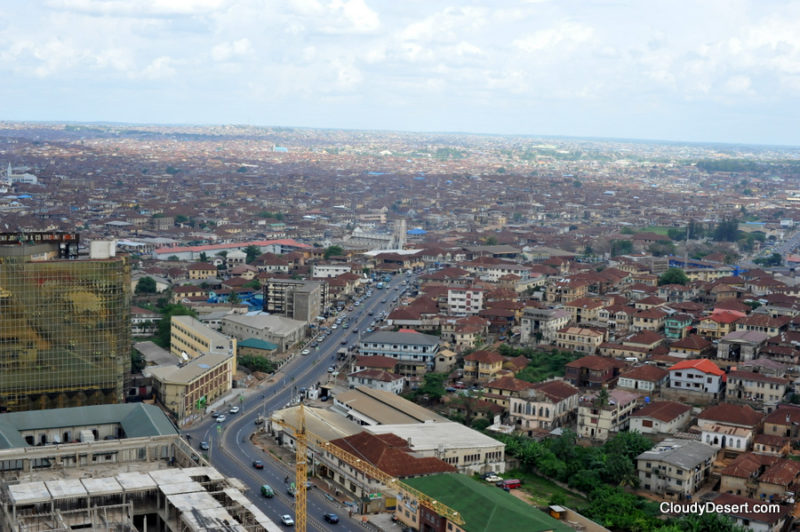
Ibadan, Oyo State, Nigeria
In Nigeria, food waste management presents a particularly complex governance challenge. The annual volume of solid waste generated nationally exceeds 25 million tonnes, with urban per capita generation averaging 0.66 kg per person per day. In restaurants, markets, and retail outlets, unsold and leftover commodities are directly converted into municipal solid waste (MSW), compounding the already strained collection and disposal systems of Nigerian cities.
Ibadan, the capital of Oyo State and the largest city in sub-Saharan Africa by geographic area, is home to a rapidly expanding food service sector. The South-West region of Nigeria, of which Ibadan is a central node, commands over 50% of the national food service market share, driven by high population density and a concentration of commercial food establishments.
Within this ecosystem, eateries of varying scales, from informal street vendors to sit-in restaurants such as Aroma Place, Eleyele, generate daily volumes of solid organic waste, recyclable packaging, non-biodegradable plastics, and liquid effluents that require systematic management. This article provides an observation of the waste management challenges and opportunities specific to this sector in Ibadan.
Types and Composition of Waste
The waste stream generated by food service establishments is heterogeneous in physical form, chemical composition, and environmental fate. The principal categories applicable to Ibadan’s eateries are Organic / Biodegradable, Recyclable Plastics & Packaging, Glass, Metal and Wastewater / Liquid Effluent.
Organic or biodegradable waste constitutes the dominant fraction of total volume of eatery waste in Nigerian urban contexts. Typical examples include vegetable and fruit peels (tomatoes, peppers, cucumbers, cabbage), food preparation scraps, cooked leftovers, bones, and rice or bean residues.
This fraction is characterised by high moisture content, low pH, and high solubility; properties that give it elevated energy content per dry mass unit but also make it a rapid vector for microbial proliferation and leachate generation. In market and restaurant settings across Africa, the unsold commodities and organic leftovers from food service operations are directly turned into MSW, bypassing any recovery or valorisation pathway.
Recyclable materials constitute the second major waste category, encompassing glass bottles and jars, metallic cans and trays, polyethylene terephthalate (PET) bottles, and diverse flexible plastic packaging including nylons and water sachets. These materials are inherently non-biodegradable and persist in the environment for decades to centuries. Despite their recyclability, recovery rates in Nigerian food service settings are negligible, primarily due to the absence of formal source-separation systems, inadequate municipal collection infrastructure, and a lack of operational incentives for material recovery.
Liquid waste, including cooking oil effluents, wash water, and food-rinse water constitutes a third, often overlooked waste stream, with the potential for significant biochemical oxygen demand (BOD) loading, aquifer contamination, and surface water eutrophication if discharged without treatment.
The quantity of waste generated by a given eatery is a function of patron volume, menu composition, portion sizing, purchasing efficiency, and waste management culture. Research on food waste in hospitality establishments across sub-Saharan Africa identifies three primary waste generation stages: pre-consumer waste (arising from ingredient preparation, trimming, and cooking), plate waste (leftover food returned from the dining area), and post-service waste (unsold prepared food at close of business).
Research demonstrates that the most common waste material at restaurants comes from three sources: ordering and inventory management errors, food preparation processes, and customer consumption behaviour.
At Aroma Place, Eleyele, a mid-scale eatery serving traditional Nigerian cuisine, observations reveal a daily waste stream dominated by organic perishables: tomato and pepper residues from soup preparation, cabbage and cucumber trimmings from salad preparation, rice and stew leftovers, and substantial volumes of cooking oil effluent. This composition is consistent with the documented dominance of biodegradable organics in the MSW fraction of south-western Nigerian urban eateries.
The high ambient temperatures characteristic of Ibadan’s tropical climate (mean annual temperature≈ 26.8°C) accelerate the aerobic and anaerobic decomposition of organic food waste, shortening the window for safe storage and intensifying the generation of malodorous volatile organic compounds and pathogen-supportive microenvironments if uncollected.
Environmental and Public Health Implications
The improper management of food waste from eateries has direct and measurable consequences for the global climate system. Organic waste deposited in open dumps or landfills undergoes anaerobic decomposition by methanogenic bacteria, producing methane (CH₄) – a greenhouse gas with a 100-year global warming potential (GWP) approximately 25 times greater than carbon dioxide (CO₂).
Improperly stored or disposed organic food waste in and around eateries creates favourable microhabitats for disease vectors and opportunistic pathogens. Open waste containers, clogged drains, and exposed organic matter attract Musca domestica (house fly), Periplaneta americana (American cockroach), and murid rodents – each capable of mechanically transmitting bacterial, viral, and parasitic pathogens to food preparation and dining surfaces.
Regulatory and Governance Framework
The Standards Organisation of Nigeria (SON) and the National Agency for Food and Drug Administration and Control (NAFDAC) additionally prescribe standards governing food handling, storage, and waste management in food-producing establishments.
At the Oyo State level, the Oyo State Environmental Protection Agency (OYSEPA) is mandated to enforce environmental compliance, including waste management obligations for commercial establishments. In practice, however, compliance levels among eateries in Ibadan remain low, largely attributable to infrequent inspections, inadequate penalties for violations, limited public awareness of regulatory requirements, and the informality of a large proportion of the food service sector.
Recommendations and Conclusion
Waste management is essential for maintaining a clean and healthy environment. As the population increases, the amount of waste produced also grows. Proper waste management helps reduce pollution of air, water, and soil.
The 3R hierarchy; Reduce, Reuse, Recycle provides the foundational conceptual framework for sustainable eatery waste management and is endorsed by the United Nations Environment Programme (UNEP) as the primary strategy for achieving SDG 12.3, which targets halving per capita food waste at the consumer and retail levels by 2030.
The effective recovery of recyclable materials – glass, metals, PET plastics, and clean packaging – from eatery waste streams requires a prerequisite: source separation at the point of generation. Without segregation of recyclables from organic waste, contamination renders both fractions unsuitable for recovery, and all materials default to mixed disposal.
Eateries in Ibadan should establish a three-bin system: an organic waste bin (green), a recyclables bin (yellow), and a residual waste bin (black). This low-cost intervention has been shown across multiple African and Asian contexts to dramatically improve material recovery rates and reduce disposal volumes.
Composting represents the most scientifically validated and practically feasible strategy for managing the dominant organic fraction of eatery waste in Ibadan. Composting is the controlled aerobic decomposition of organic matter into humus – a nutrient-rich soil amendment that enhances soil structure, moisture retention, and agricultural productivity, while eliminating the need for synthetic chemical fertilisers.
Waste management in Ibadan’s eateries, from large sit-in restaurants like Aroma Place, Eleyele, to informal street-side food vendors is a microcosm of the broader municipal solid waste governance challenge confronting Nigerian cities. Effective waste disposal also reduces harmful greenhouse gases that contribute to climate change.
Nigeria’s food service market is projected to grow at over 15% annually through 2032 which means that the waste challenge will intensify substantially without proactive intervention. Regulation, enforcement, industry self-regulation, and community engagement must advance at the same rate with this growth.
Aligning waste management practices in Ibadan’s eateries with the 3R framework and the SDG 12.3 food waste reduction target is not merely an environmental imperative it is an economic and public health necessity for a city and a sector with enormous, untapped potential for sustainable development.
By Ehiszele Mabel Isimeme, Nigerian Environmental Study Action Team (NEST) Ibadan
A non-governmental organisation (NGO), Bridge That Gap Hope for Africa Initiative (BTG), is marking the International Women’s Day 2026 (IWD) by distributing energy-efficient cookstoves to women in vulnerable communities in Kaduna State.
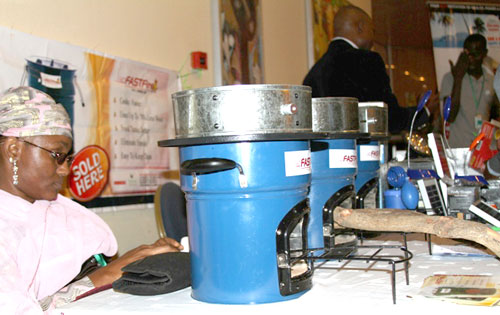
The energy-efficient cookstoves are expected to reduce charcoal use by more than 50 per cent, helping to curb tree cutting and slow deforestation.
The distribution, scheduled to commence on March 11, is targeting women in climate-affected communities in Chikun, Zaria and Zango Kataf Local Government Areas.
Clean cookstoves
Gloria Bulus, Executive Director of Bridge That Gap Hope for Africa Initiative, disclosed this in a statement issued to newsmen on Sunday, March 8, in Kaduna.
Bulus said the gesture is aimed at supporting women’s empowerment while strengthening climate resilience in underserved communities.
She explained that the intervention was part of the Women Empowerment and Climate Resilient Initiative under the Partnership for Agile Governance and Climate Engagement Programme implemented by BTG.
According to her, the project promotes community-driven climate adaptation strategies that address desertification, promote energy-efficient technologies and strengthen inclusive environmental governance.
Bulus said the initiative focused on women and vulnerable groups as key actors in climate action while improving livelihoods and strengthening adaptive capacity.
She added that the project also seeks to build long-term socio-economic resilience in communities affected by climate change.
International Women’s Day, commemorated annually on March 8, celebrates the social, economic, cultural and political achievements of women.
The 2026 celebration marks 115 years of collective advocacy and global progress toward gender equality.
Bulus said the cookstove distribution aligned with this year’s theme, “Give to Gain,” which emphasises that investing in women would lead to wider social, economic and environmental benefits.
She noted that providing clean cookstoves would help reduce indoor air pollution, lower household energy costs and promote climate-smart living.
The ED explained that the initiative would also reduce pressure on forests by limiting dependence on firewood and charcoal.
According to her, women and girls in many underserved communities bear the burden of sourcing firewood and managing household energy needs.
She said the intervention would provide safer cooking technology while enabling communities to benefit from improved health outcomes and increased time for productive activities.
Bulus said the activity formed part of BTG’s broader strategy to integrate climate action with women’s empowerment and sustainable community development.
She called on government institutions, private sector actors and development partners to deepen investments in gender-responsive climate solutions and inclusive development initiatives.
Bridge That Gap Hope for Africa Initiative is a Kaduna-based non-profit organisation committed to building sustainable communities by closing gaps in access to opportunities and basic rights among vulnerable populations.
Through grassroots programmes, the organisation supports governance, education, climate action, livelihood development, disaster risk management, peace-building, mental health support and the creation of safe spaces for women and girls.
The International Maritime Organisation (IMO) says no fewer than 3,000 vessels and 20,000 seafarers are stranded in Middle East over the ongoing war by the U.S. and Israel against Iran.
The crucial Strait of Hormuz global shipping corridor marking the entrance to the Persian Gulf, is essentially closed due to the threat of strikes from Iran and elsewhere, IMO declared.
IMO Secretary-General, Arsenio Dominguez, warned of the global “knock-on” effect from the closure of the sea lane responsible for 20 per cent of the world’s oil.
Strait of Hormuz
Dominguez disclosed that the Strait of Hormuz was closed after a tugboat assisting another vessel in the strait on Friday morning was struck killing four seafarers.
The UN shipping agency chief condemned the attack and that the overall situation was “deteriorating” and urged ships to avoid navigating in the region.
Dominguez urged member states to “find solutions through dialogue in order to de-escalate” and restore free and safe movement across the region.
UN Emergency Relief Coordinator, Tom Fletcher, further warned that the widening conflict in the Middle East could trigger far-reaching humanitarian consequences well beyond the region.
Fletcher said disruptions to key maritime routes such as the Strait of Hormuz could drive up food prices.
The UN relief chief added that the disruption could strain health systems and make humanitarian supplies harder to deliver, hitting the most vulnerable people first.