International Inner Wheel District 911 has announced plans to celebrate the 2026 International Women’s Day (IWD) with a special empowerment initiative themed “Give to Gain.”
The event takes place on Tuesday, March 10, 2026, at the Rotary Centre, 8, Ladoke Akintola Road, GRA Ikeja, Lagos.
As part of activities marking the global celebration, District 911 will implement a life-touching empowerment programme aimed at supporting five indigent widows through financial and material assistance.
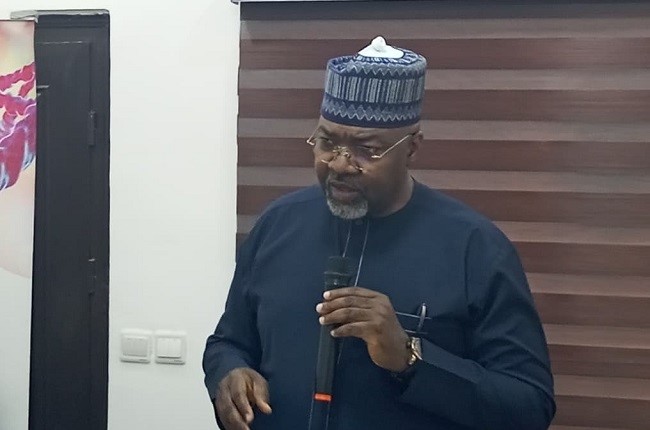
Former Deputy Governor of Lagos State and Special Guest, Alhaja Sinatu Ojikutu
The initiative reflects the organisation’s commitment to uplifting vulnerable members of society and strengthening communities through meaningful support.
A former Deputy Governor pf Lagos State, Alhaja Sinatu Ojikutu, serves as the Special Guest while the Guest Speaker of the day is Olufunke Fowler-Amba.
The celebration will also feature a high-level panel discussion addressing key issues affecting women in contemporary society.
The panel includes respected professionals and thought leaders such as Mary Obadina, Temitope Kayode-Ojo, and Oyenike Adeosun.
District Chairman, D911, Inner Wheel Member Omolola Fakeye, noted that the programme is designed to be both impactful and engaging.
Fakeye explained that the event will combine education, empowerment, and meaningful engagement for participants while reinforcing the organisation’s commitment to community development.
According to her, the initiative goes beyond dialogue by translating advocacy for women’s empowerment into practical support that directly improves lives, noting that students from different senior secondary schools will be there to learn.
International Women’s Day, celebrated annually on March 8, is a global event recognising the social, economic, cultural, and political achievements of women while also advocating for gender equality.
International Inner Wheel, one of the largest women’s service organisations in the world, is committed to promoting friendship, encouraging personal service, and fostering international understanding through humanitarian initiatives.
A new report alleges that CMOC Group Limited (CMOC), the world’s largest cobalt producer, has poisoned local air, triggered a public health crisis, broken national laws and displaced more than 10,000 people in the Democratic Republic of Congo (DRC).
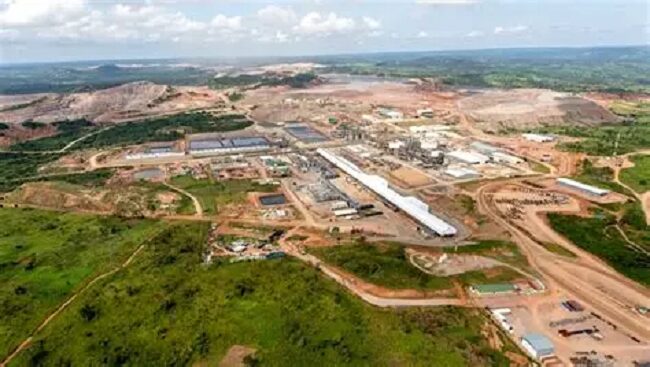
The report details how the group’s operations at the Tenke Fungurume mine, and particularly the processing of cobalt at the newly built colossal plant – the size of 500 soccer fields – have apparently driven large-scale sulfur dioxide (SO2) emissions that are at the heart of this crisis.
Since the processing facility opened in 2023, community members have suffered nosebleeds, repetitive cough, and the vomiting of blood with alarming frequency. Increases in miscarriages and birth defects have also been reported.
Tenke Fungurume Mining, DR Congo
The breakthrough investigation from the Environmental Investigation Agency US (EIA) ties the expansion of the Tenke Fungurume mine to these symptoms through large-scale analysis of medical records, independent air quality monitoring, and interviews with workers, community members and corporate insiders.
The report, Toxic Transition, from the EIA and PremiCongo also details the mine’s supply connections to several major Western automakers that source cobalt from the mine for their production of electric vehicles (EVs).
“This report shines a light on the human cost of the world’s energy transition and electric vehicle boom as automakers continue to turn a blind eye to their supply chains,” said Christian Bwenda, coordinator of PremiCongo. “We now have strong evidence of what communities have known for years: They’re the victims of the unchecked growth of the Tenke Fungurume mine.”
Alexander von Bismarck, executive director of EIA, said: “If we want the energy transition to be more than a win-lose game, we need transparent traceability of transition minerals, in particular cobalt. Under the status quo, our consumption in Global North is once again driving horrific impacts in the Global South. If we’re going to shift the source of our energy, we also have to shift our way of thinking about what the standards should be for the minerals we need.”
Booming cobalt production
The surge in global cobalt demand is driven largely by the transition to cleaner energy technologies like EVs. About 43% of the world’s cobalt ends up in EVs, which was the principal source of demand for cobalt in 2024.
In 2024, about half the world’s mined cobalt was produced by CMOC, a Chinese group, through its mining operations in the DRC. Tenke Fungurume Mining, which is owned by CMOC, operates both the Tenke Fungurume mine and the “30k” processing plant, which opened in 2023. At the plant – one of the world’s largest cobalt processing facilities – CMOC transforms copper-cobalt ore into cobalt hydroxide, which the company then sells to the world’s largest battery and battery cell manufacturers.
Evidence of community poisoning
Since 2023, community members and local civil society organisations have raised alarms about the increase in respiratory ailments and maternal health complaints connected with the new cobalt processing facilities.
EIA obtained, verified and analysed over 1,200 anonymised public health records from a clinic located close to the 30k plant. The data show that members of the local community have presented with nosebleeds, repetitive cough and the vomiting of blood at a startling rate since the processing plant opened in 2023. The data also reveal how the health crisis has persisted, spread across the populations and likely even worsened, affecting the more vulnerable individuals first before touching a broader proportion of the residents.
EIA commissioned an independent scientific study of air pollution in Fungurume from September 2024 to January 2025. Results from this study showed levels of SO2 – a toxic gas produced during the processing of copper-cobalt ore – well in excess of international standards. EIA investigators also learned from multiple sources that significant volumes of SO2 have been frequently released, that machines continued to operate after alarms sounded; and that personnel responsible for the continued operating of machines did not evacuate for fear of reprisal.
These findings contradict CMOC’s public statement about the lack of evidence regarding the serious health crisis experienced by communities, the SO2 pollution and the alleged responsibility of the company.
In response to EIA’s findings, TFM explained that all monitoring data collected in late 2024 and early 2025 indicate the absence of pollution, with SO2 concentration remaining within the applicable regulatory limit. The company further detailed that they uphold the principle that all work must be conducted safely or not at all. A company’s policy obligates any person onsite to halt unsafe work, prohibits resumption until hazards are controlled, and strictly bars retaliation. TFM’s full response is available on EIA’s website.
Clear ties to western automakers
EIA’s supply chain analysis shows that cobalt from the TFM site can be found in electric vehicles sold by major automakers including BMW, Mercedes-Benz, Peugeot and Volkswagen.
“The energy transition is critical to addressing the climate crisis, but booming demand for cobalt cannot be met at the expense of lives and livelihoods in the DRC,” said von Bismarck. “To have some of the world’s largest car brands refuse to assume even a basic level of responsibility for their supply chain is shocking.”
None of the automakers named in this report denied indirectly sourcing cobalt from TFM for their EVs production. Mercedes-Benz explained that they had initiated a dialogue with TFM based on EIA’s findings. BMW Group clarified that “if there are any indications of possible violations in our supply chains, we investigate these indications.”
Stellantis confirmed their sourcing relationship with TFM and explained that a third-party auditing partner identified multiple reports of “serious illness linked to pollution” in the area near the 30k plant. At the time of writing, EIA has not received any comment from Volkswagen regarding EIA’s findings. Full responses are available on EIA’s website.
Calls for stronger governance
The report alleges that TFM is in violation of DRC national laws on air quality and community relocation. It also notes that in June 2024, TFM became the first mine in Africa and the first Chinese-owned mine to receive the Copper Mark – an environmental, social, and governance standard focused on labour conditions and workers’ rights.
EIA’s findings raise major questions about the credibility of the Copper Mark standard, contradicting the conclusion that TFM “fully meet(s)” 100% of the 31 applicable criteria as of July 2025. At the time of writing, TFM is also being assessed by the Initiative for Responsible Mining Assurance (IRMA) standard.
The report notes that current laws and standards fall far short of what’s needed. The authors describe how existing technologies, community monitoring, ongoing third-party auditing processes, and demand-side laws can ensure greater accountability from automakers and stronger protections for communities.
“Many claim to be driven by net zero commitments and innovation, but those achievements are meaningless if they come at the expense of the health of communities and the deliberate choice not to use existing technology to improve supply chains,” said von Bismarck of EIA.
The Petroleum Products Retail Outlets Owners Association of Nigeria (PETROAN) has urged the Nigerian National Petroleum Company Limited (NNPC Ltd.) to urgently strengthen domestic refining capacity.
This is to shield Nigeria from global petroleum market shocks.
Dr Billy Gillis-Harry, National President, PETROAN, on Monday, March 9, 2026, called on the Group Chief Executive Officer, NNPC Ltd., Mr. Bayo Ojulari, to facilitate the immediate commencement of production at Nigeria’s local refineries.
Dr Billy Gillis-Harry, PETROAN’s National President
Gillis-Harry said that production at the refineries was paramount, particularly the Area five Plant at Port Harcourt Refinery and the Warri Refinery, which previously operated briefly before shutdown for profit index evaluation.
He said that this had become imperative due to the ongoing conflict involving Israel, the United States and Iran, which was pushing global petroleum prices to alarming levels.
Projecting future trends, he warned that Premium Motor Spirit (PMS) could rise close to N2,000 per litre while Automotive Gas Oil (AGO), may approach N3,000 per litre if the situation persists.
He said that sustained drone and missile attacks now threatened critical oil routes and infrastructure, creating uncertainty in global supply chains.
“With no clear end to the conflict, petroleum product prices in both international and domestic markets are expected to rise sharply in the coming days.
“Before the crisis, PMS, known as fuel sold at N774 per litre but now sells above N1,000 per litre, representing an increase of about 30 per cent.
“Diesel, previously sold at N950 per litre but has risen to N1,400 per litre and above, an increase of about 49 per cent,” he said.
Gillis-Harry said that rehabilitating Nigeria’s refineries for immediate domestic production was critical.
On local refining, he said that it would reduce exposure to international market volatility, especially as Nigeria had abundant crude oil resources under the custody of NNPC Ltd.
He said that government-owned refineries were less vulnerable to global supply disruptions compared to privately owned refineries dependent on imported crude.
The PETROAN president said that continued fuel price increases would worsen inflation, cause job losses, deepen economic hardship, increase transportation costs, and raise prices of goods and services nationwide.
“Fuel remains essential for daily mobility, while diesel is vital for manufacturing and industrial operations,” he said.
He commended President Bola Tinubu for the ongoing bold policies to reform the oil and gas sector, and called on Tinubu to direct the immediate rehabilitation and commencement of production at the government-owned refineries.
According to him, this will ultimately bring relief to citizens and stimulate economic growth.
The World Water Council has condemned attacks on water facilities and reiterates obligations under international law.
According to corroborating reports, drinking water production facilities for civilian use have been targeted in recent hours in the Middle East.
The World Water Council expresses its deep concern over these reports.
President of the World Water Council, Loïc Fauchon
In accordance with the jurisprudence of international courts, and under the Geneva Conventions and their Additional Protocols:
“It is prohibited to attack, destroy, remove, or render useless objects indispensable to the survival of the civilian population, such as foodstuffs, agricultural areas for the production of foodstuffs, crops, livestock, drinking water installations and supplies, and irrigation works […] ”
(Art. 54, Additional Protocol I to the Geneva Conventions, 1977)
Therefore, the World Water Council calls upon all parties to the conflict to fully respect their obligations under international law and to guarantee the protection of water and sanitation infrastructure, which is essential for the life of populations.
Access to safe drinking water and adequate sanitation is a fundamental human right, indispensable for life and human dignity, according to the World Water Council.
Multimedia journalist and Climate Reality Leader, Kofi Adu Domfeh, has been honoured with the Excellence in Climate Journalism and Advocacy Award.
He was among several distinguished Ghanaians recognised at the 3rd Edition of the Ghana Development Awards 2026, held in Accra and organised by The Business Executive Group.
The citation accompanying the award commended Domfeh “for exceptional leadership, innovation, partnership and enduring commitment to advancing Ghana’s development, inspiring resilience, supporting socio-economic recovery, and sustaining national progress.”
Kofi Adu Domfeh
Domfeh has dedicated more than 15 years to reporting on environmental sustainability and climate change. A two-time winner of the Africa Climate Change and Environmental Reporting Awards (ACCER), his journalism across the continent has amplified the realities of climate change while influencing policy discussions on resilience-building through adaptation and mitigation strategies. His work has also highlighted emerging opportunities in climate solutions.
Through collaborations with organisations such as the Pan-African Climate Justice Alliance (PACJA), the Africa Group of Negotiators on Climate Change, and the African Union’s TerrAfrica initiative, Domfeh has contributed to strengthening Africa’s climate narrative, advocating for greater recognition of the continent’s vulnerabilities and the need for developed nations to honour commitments on climate finance.
Currently, he serves as Head of the Science and Environment Desk at JoyNews, where he has been instrumental in launching and driving specialised programmes including the Climate Focus and Climate Evidence series. As a News Editor with the Multimedia Group on Luv FM and Nhyira FM, he leads teams in producing impactful environmental stories, particularly investigations into the devastation caused by illegal mining, widely known as galamsey, on forests, water bodies, land and biodiversity.
Domfeh also serves as Ghana Bureau Chief for Africa Climate Reports, a Pan-African online magazine dedicated to environmental sustainability and climate reporting.
He is a founding member of the Pan-African Media Alliance on Climate Change (PAMACC) and an active participant in the Africa Editors Climate Forum, where he contributes to strengthening climate journalism across the continent.
Beyond journalism, Domfeh is the founder of the Climate Livelihoods and Agriculture Platform (CLAPgh), an initiative focused on youth empowerment, environmental awareness, tree planting, and community engagement for sustainable development.
Reacting to the honour, Domfeh described the recognition as both humbling and motivating.
“The nomination for this award came as a surprise. But it is inspiring to know that people recognise the impact of the work we do, even from a small corner,” he said.
“I am currently at a stage where my focus is on empowering others, particularly young journalists, to excel. This recognition will only encourage me to stay on course because the reality of climate change surrounds us and the impact is real. Everyone must take responsibility and contribute to climate action.”
Kofi Adu Domfeh also serves as the Ashanti Regional Chairman of the Ghana Journalists Association (GJA).
The Dangote Petroleum Refinery has again increased the gantry price of Premium Motor Spirit (PMS) to N1,175 per litre.
This marked the third upward adjustment in petrol prices within seven days.
The latest revision, communicated to marketers and depot operators on Monday, March 9, 2026, raises the ex-depot price from N995 per litre (announced on Friday) by N180, representing an 18.1 per cent surge in three days.
Petrol
According to available information, the refinery also adjusted the gantry price of Automotive Gas Oil (diesel) to N1,620 per litre.
The fresh hike follows earlier adjustments that lifted gantry prices from N774 to N995 per litre last week.
The National Biosafety Management Agency (NBMA) and the National Open University of Nigeria (NOUN) have entered into a partnership to strengthen bioscience education, ensure public confidence in the use of modern technology.
The partnership was established at the Train-the-Trainers Capacity Building Programme on Biosafety, Biosecurity, Biorisk Management, Waste Management, and Community Engagement, organised in collaboration with the NOUN in Abuja on Monday, March 9, 2026.
Mr. Bello Bawa-Bwari, the Director-General (D-G) of NBMA, said that the training comes at a critical time when advances in biotechnology and life sciences are rapidly transforming research, agriculture, medicine, and environmental management.
Bello Bawa-Bwari, Director-General of National Biosafety Management Agency (NBMA)
Bawa-Bwari, who was represented by Dr Agha Ukpai Agha, the Director of Biosecurity at NBMA, said: “The Train-the-Trainer model is particularly significant.”
According to him, the model equips participants with technical knowledge and skills to disseminate what was learnt within institutions, professional networks, and communities.
“While these innovations bring tremendous opportunities for national development, they also require robust systems that ensure safety, responsibility, and public confidence in the technologies being deployed.
“As the national regulatory authority responsible for biosafety and biosecurity in Nigeria, NBMA the remains firmly committed to strengthening national capacity to effectively manage potential biological risks.
“Over the next three days, participants will engage in insightful sessions covering biosafety principles, biosecurity practices, biorisk management systems, and effective community engagement strategies.
“These areas are essential for ensuring compliance with national regulations and international best practices, while also safeguarding public health, protecting the environment, and promoting responsible research and innovation,” Bawa-Bwari assured.
Prof. Uduma Uduma, the Vice-Chancellor NOUN, said that NBMA plays a vital regulatory and advisory role in ensuring that modern biotechnology practices are conducted safely, responsibly, and in accordance with international standards.
Uduma, who was represented by Prof. Christine Ofulue, the Deputy Vice-Chancellor, Technology, Innovation and Research at NOUN, said that the gathering represented more than a formal engagement between two national institutions.
“This occasion symbolises a strategic partnership built on shared values scientific integrity, environmental sustainability, public safety, and national development.
“NOUN, as the largest Open and Distance Learning institution in West Africa, is committed to expanding access to quality education while promoting research that addresses national priorities.
“In an era of rapidly advancing biotechnology, genetic research, and modern agricultural innovations, biosafety has become a critical national and global concern.
“Hence they help prevent harm to human health, protect biodiversity, and safeguard our ecosystems from unintended consequences,” he said.
Uduma added that the Agency’s commitment to safeguarding human health, biodiversity, and the environment aligns perfectly with NOUN’s academic mission.
“As a university that is committed to flexible learning, NOUN is well-positioned to support nationwide awareness through online courses, professional development programmes, and community engagement initiatives.
“Together, we can bridge the knowledge gap and empower scientists, regulators, farmers, and students with accurate information about biosafety practices.
“Biotechnology holds immense promise for food security, healthcare advancement, and environmental sustainability.
“We are prepared to deploy our academic expertise, research infrastructure, and nationwide study centres to support joint initiatives that will strengthen biosafety and biosecurity governance in Nigeria,” the V-C said.
Prof. Andrew Agbon, the Chairman of the Joint Working Group for the training, said that, to fulfill the terms of the Memorandum of Understanding (MOU) that was signed between NOUN and NBMA on Oct. 29, 2025, it is pertinent for both institutions to know that the MoU is to establish a collaborative framework.
He said that the workshop would enhance the capacity of NOUN students, academic staff and NBMA staff through faculty internship opportunities, professional development programmes and joint initiatives of biosecurity and biosecurity.
Agbon said that the workshop objectives would create institutional capacity environment safety and security, waste management, and pollution control, other service assessments, community engagement and curriculum development.
“For us in NOUN, we need this capacity to help us strengthen the quality of training we give to our students all around the country,” he said.
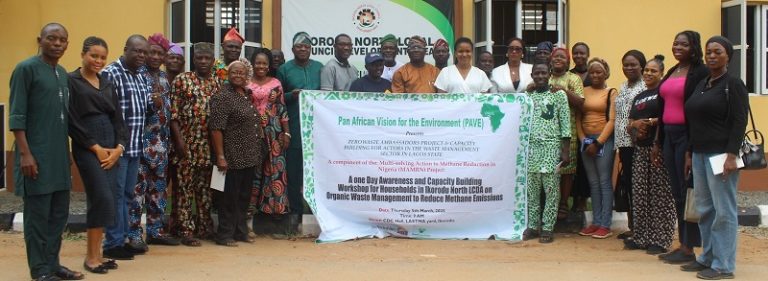
On Thursday, March 5, 2026, the Pan African Vision for the Environment (PAVE) hosted a project workshop focused on zero waste ambassadors and capacity building for those involved in the waste management sector in Lagos State.
The workshop is part of the Multi-solving Action to Methane Reduction in Nigeria (MAMRN). During the event at the Ikorodu North Local Council Development Area (LCDA), Ms. Victoria Aghaji, the Senior Programmes Manager of PAVE and Project Officer for the MAMRN project, spoke on behalf of PAVE’s President, Mr. Anthony Akpan. She emphasised that the initiative aims to instill the importance of systematic waste reduction right from the source, hence promoting the zero-waste concept.
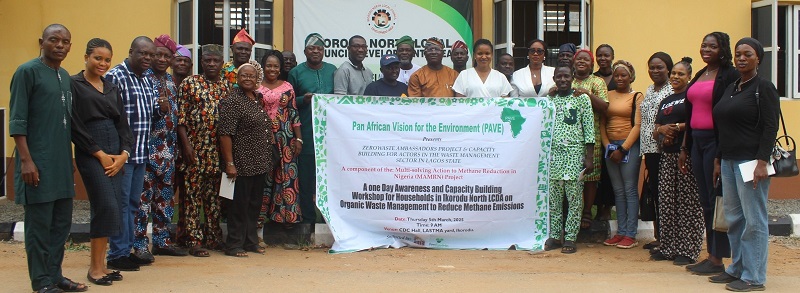
Participants at the PAVE project workshop on zero waste ambassadors
Ms. Aghaji highlighted the workshop’s relevance in addressing climate change impacts. The session, titled “A One Day Awareness and Capacity Building Workshop for Households in Ikorodu North LCDA on Organic Waste Management to Reduce Methane Emission,” stressed the significance of waste segregation to ensure nothing goes to waste.
“Created as a collaborative effort involving multiple stakeholders, MAMRN seeks to address methane emissions from organic waste by implementing community-driven, data-informed zero-waste strategies. This project highlights the crucial role of methane as a short-lived climate pollutant, emphasising the urgent need to reduce emissions through practical, inclusive, and scalable waste management solutions,” Ms. Aghaji explained.
The MAMRN project, funded by the Global Alliance for Incinerator Alternatives (GAIA) and the Green Knowledge Foundation (GKF), unites a consortium of Nigerian organisations.
Goodwill messages were delivered by representatives of various groups including the Lagos State Environmental Protection Agency (LASEPA) represented by Ms. Ogundero Adeola Christiana of the LASEPA Zonal office, Ikorodu I & II, who reiterated their enforcement roles in the protection of the environment.
Mr. Ismail Mutiu, Assistant Director, Waste-to-Energy Unit of the Lagos Waste Management Authority (LAWMA), in his goodwill message noted the importance of establishing a solid foundation to harness the waste management value chain for economic growth and development. He mentioned that the training would significantly contribute to reducing emissions.
Additionally, Prince Adeniran Ogunbanwo, the CDC Chairman of Ikorodu North LCDA, expressed his enthusiasm for the workshop.
Participants at the workshop thanked PAVE for bringing the awareness to the LCDA and pledged their commitment in the practical deployment of learnings from the workshop.
The workshop was facilitated by Mr. Philip Jakpor, Executive Director of the Renevlyn Development Initiative (RDI).
The Multi-Solving Action to Methane Reduction in Nigeria project represents a transformative step in environmental landscape.
The workshop was hosted in Lagos with both in-person and remote participation, effectively launching the project’s second phase.
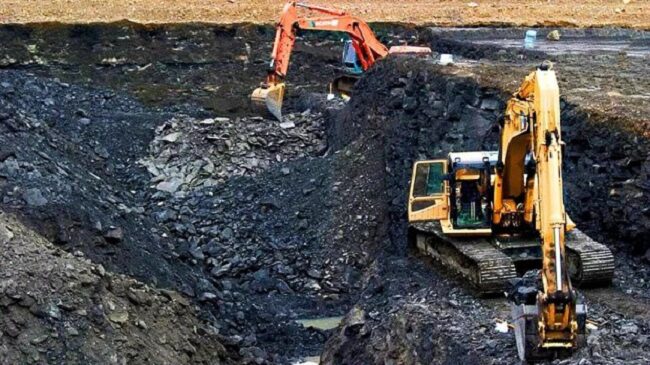
Natural bitumen, a dense, viscous, semi-solid form of petroleum composed of aliphatic and aromatic hydrocarbons, asphaltenes, resins, sulphur compounds, and trace metals constitutes a globally significant unconventional hydrocarbon resource. Nigeria’s bitumen reserves, estimated at 42.47 billion metric tons in situ, are concentrated within the sedimentary sequences of the East Dahomey (Benin) Basin in south-western Nigeria, principally within Ondo, Ogun, Lagos, and Edo states.
Ondo State alone is reported to host the world’s second-largest bitumen deposit, with a projected market value of approximately US$17 trillion. In Canadian dollar equivalents, the Alberta oil sands, the world’s largest oil sands deposit generates approximately CAN$9–10 billion annually in economic output, underscoring the transformative potential of the Nigerian reserves if responsibly developed.
Bitumen mining
Ondo State’s bitumen belt exhibits analogous characteristics: abundant resource wealth coexisting with socioeconomic marginalisation, environmental degradation, and institutional inertia. Surface-level seepages are a common phenomenon in the southern part of the state, serving as a visible indicator of the substantial reserves beneath.
Research confirms the presence of bitumen reserves across six blocks in several Local Government Areas (LGAs), including Odigbo, Irele, and Okitipupa. Specific communities where bitumen seepages have been identified and studied include Ode-Irele and Agbabu.
Geographic Distribution
The Nigerian bitumen belt is hosted within Cretaceous terrigenous sediments of the East Dahomey Basin. Within Ondo State, hydrocarbon-bearing strata occur in two principal sandy units: Horizon Y (3–26 m thick, fine-to-medium quartz sand, mean oil saturation ~12%) and the overlying Horizon X (10–22 m, sandstone–shale interbeds).
The low clay content of these units (2–7%) facilitates upward hydraulic migration of bituminous fluids through faults and fractures, generating the surface seepages documented across communities including Ode-Irele, Agbabu, Ludasa, and Idioilayo. Seepage induces measurable alteration of near-surface soil properties: research at Agbabu demonstrates significantly reduced hydraulic conductivity and increased bulk density in bitumen-impregnated soil horizons relative to unimpacted controls, with direct implications for agricultural productivity and groundwater recharge.
Multi-temporal satellite imagery analysis and GIS delineation confirm the areal concentration of bitumen deposition across six prospecting blocks in three principal LGAs: Irele (~940.5 km²), Odigbo (~609.2 km²), and Okitipupa (~590.4 km²). The technique validated extensively for hydrocarbon contamination mapping via spectral reflectance differentiation of impregnated vs. uncontaminated soils further reveals a progressive expansion of seepage extent in Ludasa and Idioilayo communities over the 30-year period 1991-2021. This temporal trajectory is consistent with ongoing geogenic hydrocarbon migration, potentially amplified by exploratory disturbance creating preferential upward migration conduits.
Environmental and Public Health Implications
Natural bitumen is a chemically complex matrix that mobilises a suite of potentially toxic elements (PTEs) into surrounding soil via leaching, volatilisation, and physical incorporation during seepage events. A 2025 geochemical study at seepage and exploration sites in Ode-Irele, employing atomic absorption spectrometry (AAS) on composite soil samples, documented concentrations of nine PTEs including manganese (Mn), iron (Fe), lead (Pb), arsenic (As), copper (Cu), zinc (Zn), nickel (Ni), chromium (Cr), and cadmium (Cd) that exceeded FEPA (1991) permissible thresholds at both site categories.
The lead concentration at exploration sites (290.00 ± 56.60 mg/kg) is particularly concerning. Global soil contamination analyses at 796,084 sampling points classify lead enrichment above 200 mg/kg as severe contamination with high potential for food chain infiltration and non-carcinogenic and carcinogenic health risk. Heavy metal accumulation in soil concurrently reduces pore connectivity and water-holding capacity, diminishing soil fertility and agricultural output, effects documented for chromium, cadmium, nickel, copper, and zinc at concentrations analogous to those measured at Ode-Irele.
Bitumen is a primary environmental source of polycyclic aromatic hydrocarbons (PAHs) – fused aromatic ring compounds produced during incomplete thermal decomposition of organic matter. PAHs are genotoxic and carcinogenic, classified by the International Agency for Research on Cancer (IARC) as Group 1 and Group 2A carcinogens. Prior studies at Agbabu, Ondo State, detected total petroleum hydrocarbons (TPH) and elevated PAH profiles in both soil and water samples consistent with geogenic petroleum-source contamination.
Research in Odigbo and Irele LGAs documents contamination of both surface and groundwater resources utilised by host communities as primary potable water sources. Manganese, iron, copper, zinc, chromium, cadmium, nickel, vanadium, and arsenic have been measured in wells and streams at concentrations exceeding FEPA and WHO drinking water guideline values.
Total petroleum hydrocarbon concentrations in wells at Ludasa have been recorded as high as 1,480 mg/L which far exceed environmental safety thresholds. A particularly hazardous hydrological phenomenon observed in the area is the post-rainfall formation of bitumen films on stream surfaces, which physically impede atmospheric oxygen exchange, suppress aquatic biodiversity, depress benthic invertebrate communities, and reduce the water body’s self-purification capacity.
Socio-Economic Impact on Resident Communities
While bitumen deposits represent a significant economic resource, exploration activities have not translated into improved livelihoods for local residents. A comprehensive study on the socio-economic effects of bitumen exploration in Southern Ondo State revealed a starkly negative picture.
This is evidence of the “resource curse”, being the empirically documented tendency for resource-abundant territories to exhibit greater poverty, weaker institutional performance, and lower economic growth than resource-poor counterparts.
A comprehensive socio-economic impact study across nine communities in Odigbo, Irele, and Okitipupa LGAs found that many residents subsist on a mean daily income of approximately US$0.67 (₦1,139) – only 31% of the World Bank’s international extreme poverty threshold of US$2.15 per day. Statistical analysis confirmed a significant negative association between bitumen exploration activities and community well-being, implying that exploration has not yielded positive livelihood outcomes for host populations.
This is consistent with the broader Nigerian experience: despite oil accounting for 95% of export earnings and 90% of government revenue over the past six decades, over 70% of Nigeria’s population lives below the poverty line, and 90% of oil revenue has historically accrued to just 1% of the population.
Adepoju et al. (2025), in the most recent peer-reviewed assessment of the Ondo State bitumen paradox, describe Agbabu, one of the most prominent bitumen communities as “socioeconomically disadvantaged,” with residents’ livelihoods dependent on subsistence farming, fishing, and tree logging in an environment visibly affected by bitumen’s environmental footprint. Research confirms that current levels of bitumen development, with BCE Greensands Nigeria Limited identified as the only active mining company in Ondo State, “have brought no change to the development of a sustainable economy in Nigeria”.
Bitumen-induced soil modification directly undermines agricultural viability: elevated bulk density and reduced hydraulic conductivity impair root penetration, drainage, and moisture availability, while elevated heavy metal concentrations in soil translate into phytotoxic conditions and measurable bioaccumulation in plant tissues.
Studies on soil–plant transfer of Mn, Zn, Cu, and Fe at bitumen-contaminated sites in the region document concentrations in edible plant parts significantly elevated relative to uncontaminated controls, constituting a dietary exposure pathway for heavy metals in dependent communities.
A critical enabling factor in the perpetuation of environmental harm without community benefit is the inadequacy of Nigeria’s regulatory framework as applied to bitumen exploration. Analysis of the Environmental Impact Assessment (EIA) Act and NESREA Act has identified structural lapses that permit exploratory activity to proceed without mandatory baseline environmental assessments, community consultation, or legally enforceable remediation obligations.
Conclusion
Ondo State’s natural bitumen belt represents a resource of unparalleled economic potential. However, the scientific evidence discussed in this article reveals that the current governance paradigm characterised by uncontrolled geogenic seepage, exploratory soil disturbance, regulatory inaction, and structural exclusion of host communities from resource revenues is generating a multidimensional crisis of environmental contamination and socio-economic marginalisation.
Heavy metal concentrations exceeding regulatory thresholds, progressive expansion of surface seepage over three decades, degradation of water resources on which vulnerable populations depend, and community incomes at one-third of the extreme poverty line collectively constitute an obvious case of environmental injustice that demands urgent, evidence-based intervention.
By Sasere Omolade Victoria, Nigerian Environmental Study Action Team (NEST), Ibadan, Nigeria
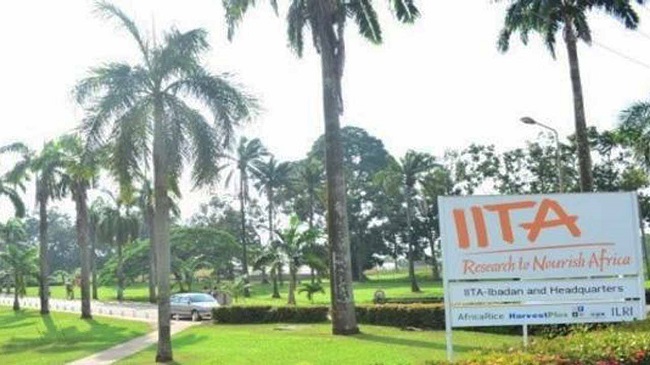
The International Institute of Tropical Agriculture (IITA) has been officially designated a Wetland of International Importance under the Ramsar Convention, recognising the ecological significance of its campus landscape and its contribution to global biodiversity, water security, and climate resilience.
The Ramsar Convention is an international treaty dedicated to the conservation and wise use of wetlands. IITA’s inclusion in the Ramsar List places its campus among globally recognised sites that are critical for maintaining ecological balance and supporting sustainable development.
IITA, Ibadan
Located in Ibadan, Nigeria, the IITA campus encompasses a unique wetland ecosystem that supports diverse plant and animal species, regulates water systems, and contributes to climate mitigation. The designation highlights the global environmental value of the site and reinforces IITA’s long-standing commitment to responsible land stewardship.
Ramsar wetland sites are designated based on nine criteria regarding their international significance in ecology, botany, zoology, limnology, or hydrology. Sites must represent rare/unique wetlands or support vulnerable species, critical life stages, or substantial waterbird/fish populations.
At least one criterion must be met to achieve designation. The Government of Nigeria designated IITA as a Ramsar Wetland of International Importance under the Ramsar Convention. The designation underscores Nigeria’s commitment to the conservation and sustainable management of wetlands in line with global environmental standards.
“This recognition reflects the ecological importance of our campus and strengthens our responsibility to manage it sustainably,” said Dr Simeon Ehui, Director General of IITA and Regional Director for Africa of CGIAR. “As a leading agricultural research institution, we are proud to demonstrate that scientific innovation and environmental conservation can coexist. The Ramsar designation affirms our commitment to advancing food systems transformation while protecting vital ecosystems.”
For almost six decades, IITA has conducted agricultural research aimed at improving food security, reducing poverty, and enhancing livelihoods across Africa. The Ramsar designation underscores the Institute’s integrated approach – where agricultural innovation operates within a protected natural landscape that supports biodiversity and climate resilience.
As a Ramsar site, IITA will continue to strengthen wetland management practices, biodiversity monitoring, and sustainable land-use planning across its campus. The Institute also aims to expand partnerships with environmental organisations, research institutions, policymakers, and development partners to advance conservation and nature-based solutions.
The designation presents new opportunities for collaboration in areas such as:
Wetland conservation and restoration
Climate-smart agriculture
Biodiversity research and conservation
Water resource management
Nature-based climate solutions
By aligning agricultural research with global environmental standards, IITA says it reinforces its position as a leader in sustainable development and ecosystem stewardship in Africa.