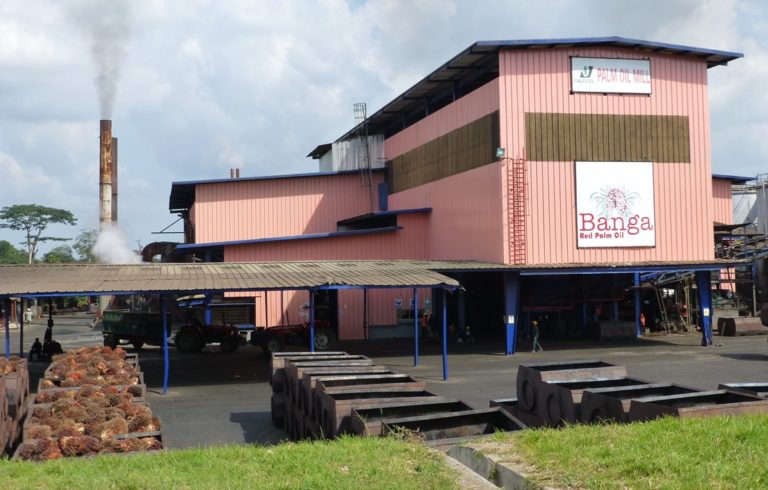
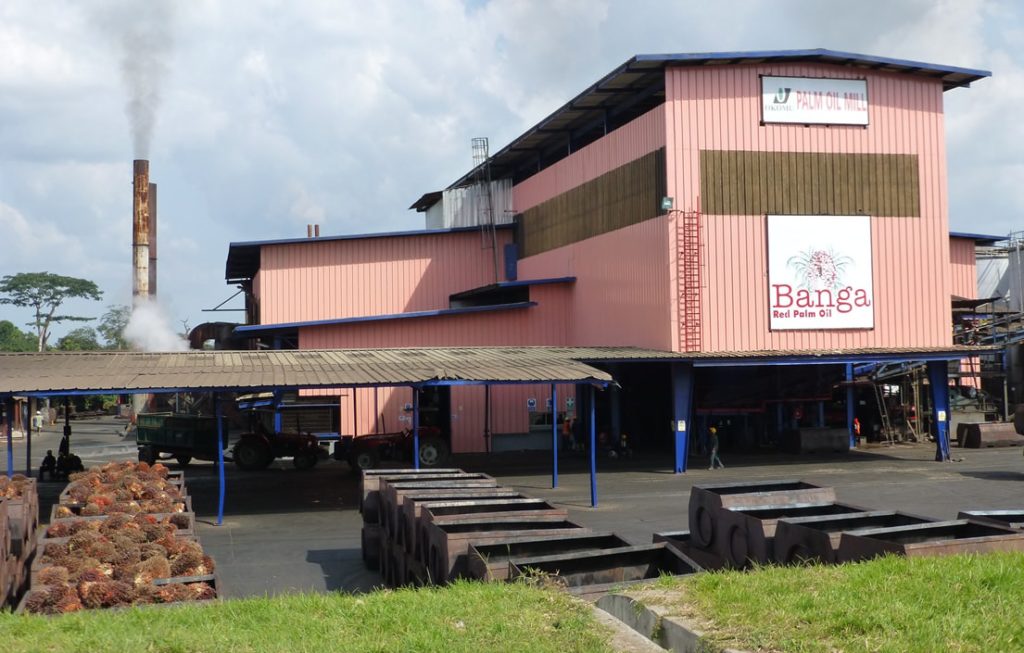
Okomu Oil Palm Company Plc and Edo State Government say they have partnered to launch a regeneration programme for the cultivation of over 3,000 forest trees in Ovia South West Local Government of the state.
Mr. Akpele Maxwell, Director of Plantation, Edo State State Forestry Commission, disclosed this on Wednesday, September 24, 2025, during an interactive session with stakeholders.
Okomu Oil Company Plc
Also involved in the regeneration programme are agricultural investment outfit (the IDH) and some communities in Ovia South West.
Maxwell said the state government was committed to protecting and restoring its ecosystem through strategic partnerships.
According to him, the initiative will roll out in phases, beginning with the planting of forest trees across Gbole-Uba Community, Paul, Magdalene, and Bisi camps as well as Osayamwen Community.
“This programme, if properly implemented, will not only regenerate depleted forests but will also improve means of livelihoods in participating communities and the state at large,” he said.
He explained that while forest areas were being replanted, existing farmers would continue farming alongside the new trees, with government assurances that their crops would not be destroyed.
Mr. Ogwu Abraham, Senior Programme Manager at IDH, noted that the project aligned with the non-profit’s mission of promoting sustainable agriculture and improving rural livelihoods.
“This partnership with Okomu Oil and the Edo government is part of our wider programme in the Okomu landscape to strengthen both farmers’ welfare and forest protection,” Abraham said.
Also speaking, Mr. Billy Ghansah, Smallholder Coordinator for Okomu Oil, highlighted the company’s commitment to conservation.
“Okomu Oil has set aside about 3,000 hectares of its concession as protected forest areas.
“Despite challenges of illegal logging and encroachment, we are confident that this new roadmap will bring all stakeholders together to safeguard forests within our concession and beyond,” Ghansah said.
Community representatives, including Alex Sese of Gbole-Uba, Dada Magdalene of Magdalene Camp, Edomie Precious of Paul Camp, and John Aghayere of Osayamwen Community pledged their support to the project.
“We are reassured that our crops will coexist with the forest trees. If everyone keeps their commitments, Edo will soon become a reference point for forest regeneration in Nigeria,” Sese said on behalf of the stakeholders.
At the close of the session, stakeholders unanimously agreed to kick-start the project with the planting of 3,000 trees, with communities taking full ownership of the regeneration effort.
The German Government has pledged to support Lagos State and other states in Nigeria in embedding climate change adaptation into their development plans.
Mr. Johannes Lehne, the Deputy Ambassador of Germany to Nigeria, disclosed this on Wednesday, September 24, 2025, in Lagos at the Sub-National Dialogue on Mainstreaming Climate Change Adaptation into State Development Plans.
German Deputy Ambassador to Nigeria, Mr. Johannes Lehne
The event was organised by the Deutsche Gesellschaft für Internationale Zusammenarbeit (GIZ) in partnership with the Lagos State Office of Climate Change and Circular Economy (LOCCE).
Lehne said that the focus on embedding climate change adaptation into development plans would be on renewable energy, institutional capacity, and sustainable infrastructure.
He said Lagos had made progress in integrating sustainability into its development strategies, stressing that Germany would provide technical expertise and financial support to expand ongoing efforts.
“We are in Lagos to participate in this seminar on the adaptation of climate change policies into subnational plans. This is a very important event and we support Lagos in this planning process.
“We congratulate the city for the progress made and we will support them with expertise and with money for further success,” he said.
The envoy highlighted solar power as a key area of partnership with Lagos.
“In Lagos, we are looking at photovoltaic systems, especially for traffic management, home solar systems and also for energy production, not only for the citizens but also for the government.
“There will be financing windows to implement this,” Lehne added.
He noted that Germany had supported Nigeria for more than 50 years across all regions, tailoring programmes to the specific needs of states from Sokoto to Lagos, Niger to Anambra, and Port Harcourt to Borno.
“Different regions face different challenges, from desertification in the North to flooding in the South, and we have designed responses accordingly.
“For us, Nigeria is a key partner in Africa’s energy transition,” he said.
Lehne also pointed to recent federal initiatives such as the carbon market activation policy, which he described as a forward-looking step that could strengthen Nigeria’s economic resilience while creating opportunities for investment in the green economy.
“This approach will help secure both economic strength and climate resilience while placing Nigeria at the forefront of Africa’s role in the global energy transition,” he said.
Dr Markus Wagner, GIZ Country Director for Nigeria and ECOWAS, said climate change was already having devastating effects across the country, making adaptation urgent.
“In Nigeria, tens of millions already experience the harsh impacts of climate change and its risks such as droughts, floods and advancing desertification.
“These realities are reminders that adaptation is not optional but urgent,” Wagner said.
He explained that while the Federal Government had taken strides through the National Development Plan (2021-2023), the National Adaptation Plan, and the Climate Change Act, much remained to be done at state levels.
“To take concrete actions, states need to develop policy frameworks that integrate climate action into their development plans and annual budgets,” he said.
He noted that GIZ was partnering with Lagos and other states to build capacity, close institutional gaps and align policies with both national frameworks and international agreements like the Paris Accord.
On his part, Mr. Sam Egube, Deputy Chief of Staff to the Lagos State Governor, said the dialogue was an opportunity for states to learn how to align development plans with climate action.
“In Lagos, we have a 30-year development plan that is secured by the people and the House of Assembly. No budget goes to the Assembly without being traced to the plan, and this keeps us on track,” Egube said.
He described Lagos as both vulnerable and strategic, noting its low-lying geography and its role as a magnet for migrants fleeing instability and climate pressures in other parts of Nigeria.
“If we do nothing, the climate situation will cost Lagos about 26 billion dollars. However, with just $8 billion, we can take action.
“That is why we are inviting partners, even though we are not waiting for them, because Lagos is already taking deliberate steps,” he said.
Egube listed ongoing state projects such as the development of deep seaports, investment in tree planting and mangrove restoration as well as food system security.
“Lagos State Government has also embarked on electric-powered water vessels under the Eco-Omi Project, and the decentralisation of emergency response systems.
“Lagos needs to be given a special status because we carry the burden of the nation.
“We are inviting partners, even though we are not waiting for partners, because we are taking deliberate steps in all our respective budgets, we are inviting partners to come.
“We talked about the Eco-Omi Project, putting almost 35 new electric-powered vessels on our waterways. We’re talking about our investment in tree planting and mangrove development, and that’s going on from time to time.
“Lagos is Nigeria’s best chance for success. It is an economic behemoth and must be treated as a national asset, not just as a state,” he said.
The two-day dialogue brought together state officials, international partners and private sector actors to design strategies for mainstreaming climate change adaptation into development plans.
They will also identify pilot projects for implementation in selected states.
Present at the event were the German Deputy Ambassador to Nigeria, Mr Johannes Lehne; stakeholders in the industry and representatives of the National Council on Climate Change (NCCC) led by its Director-General, Mrs. Omotemioye Majekodunmi.
Others are the Lagos State Commissioner for Energy, Mr. Biodun Ogunleye; Special Adviser to Lagos State Governor on Climate Change and Circular Economy, Mrs. Titilayo Oshodi; Director-General, Budget Office of the Federation, Mr. Taminu Yakubu; and the Director-General, Nigeria Governors Forum, Prof. Olalekan Yinusa, among others.
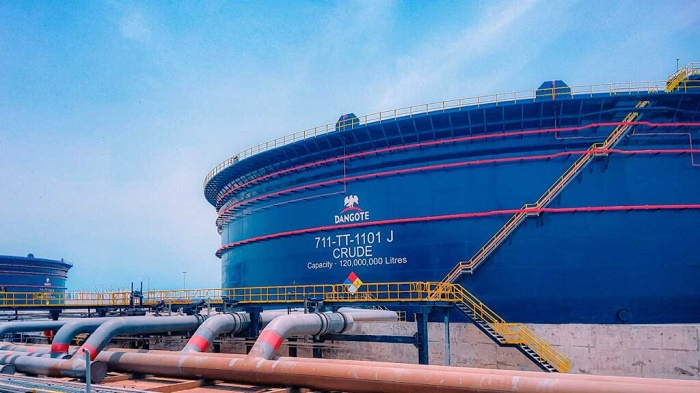
The Kano-Jigawa branch of the Manufacturers Association of Nigeria (MAN) has hailed the Dangote Refinery and Petrochemicals for its role in revitalising struggling companies in Nigeria.
According to the Association, the refinery’s intervention through the reduction of diesel prices and the steady availability of petroleum products has provided significant relief to manufacturers grappling with high energy costs.
Dangote Refinery
Speaking on the sideline of the ongoing MAN Annual Products Exhibition, taking place at Sani Abacha stadium in Kano, the branch Chairman of MAN Kano and Jigawa, Muhammad Bello Isyaku Umar, said that these measures are already helping “dying companies come back to life” by reducing production expenses, stabilising operations, and sustaining jobs.
The Association explained that access to affordable diesel is critical to the survival of many small and medium-scale industries in Nigeria, particularly those outside the national grid or in areas plagued by inconsistent power supply.
“By improving supply and easing cost pressures, the Dangote Refinery is not only supporting the survival of existing firms but also laying the foundation for industrial growth and competitiveness in the region,” he said.
MAN reiterated its commitment to partnering with the refinery and other stakeholders to strengthen the manufacturing sector, describing the Dangote Refinery as a game-changer in Nigeria’s quest for industrial sustainability and self-reliance.
He said Dangote Refinery continues to inspire confidence in the Nigeria’s manufacturing sector.
The Dangote Industries Limited is one of the major sponsors of the 2025 MAN Exhibition in Kano.
Umar said the exhibition brought together top manufacturers, entrepreneurs, policymakers, and consumers in a showcase of innovation, quality, and resilience in the nation’s economy.
He explained that the refinery would reduce the country’s reliance on imported petroleum products while supporting local manufacturing.
The MAN chairman disclosed that MAN is already exploring areas of partnership with the Dangote Refinery to enhance energy supply and strengthen industrial growth nationwide.
He commended the Dangote Group for its partnership and contribution to the growth of the Association and the country’s economy.
The chairman noted that the Dangote Group has been a consistent partner with the association for over five years, describing the company as an indispensable stakeholder in the industrial sector.
The theme of this year’s exhibition is “Made in Nigeria: Revitalising Local Industries for Economic Growth”.
According to him, no exhibition or trade fair organised by MAN is complete without the presence of Dangote products, which remain some of the most affordable, qualitative, and dependable in the market.
Umar said the exhibition brought together top manufacturers, entrepreneurs, policymakers, and consumers to showcase innovation, quality, and resilience in the nation’s economy.
The chairman commended the Dangote Refinery, describing it as a major boost to Nigeria’s economy and industrial sector.
A major feature of this year’s show was the presence of the Dangote Group, whose diverse range of products has become a household name across Nigeria and beyond.
Dangote products displayed at the event include Dangote Cement, Dangote Sugar, Dangote Salt and seasoning, and Dangote Fertiliser, among others.
Participants at the event also highlighted the role of Dangote Group in job creation, infrastructure development, and its contribution to government revenues through taxes and Corporate Social Responsibility (CSR).
During the opening ceremony, Kano State governor, Alhaji Abba Kabir Yusuf, represented by commissioner of commerce and industry, Alhaji Shehu Wada Sagagi, said the occasion was not just an exhibition of goods and services, but a bold statement that Nigeria’s future lies in production, innovation and self-reliance.
He said that, for decades, Kano has been a centre of trade and industry, and that the gathering once again affirms the state’s central role as the industrial hub of northern Nigeria.
He commended MAN for sustaining, what he described as “important platform where local producers and entrepreneurs come together to showcase their ingenuity, resilience and creativity.”
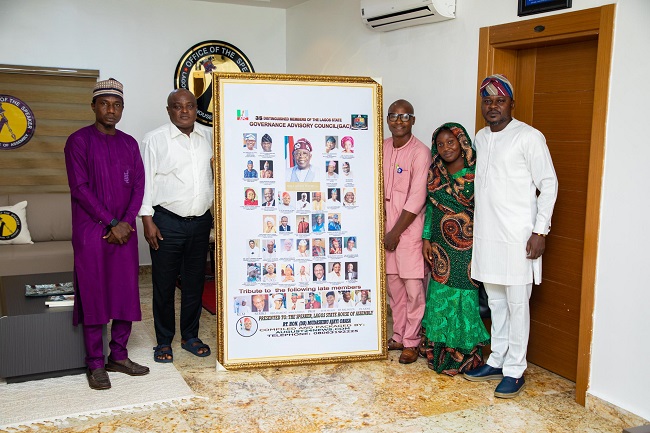
In a bid to contribute to the sterling political governance in Lagos State since the era of President Bola Ahmed Tinubu (GCFR) as the then Governor of the State, renowned political journalist and Publisher of August24news.com, Ajagbe Adeyemi Teslim, has presented a GAC Frame to the Speaker of the Lagos State House of Assembly, Dr. Mudashiru Ajayi Obasa.
GAC, which means Governance Advisory Council, is known to be the highest decision-making body in Lagos politics.
L-R: Online Editor, August24news.com Bola Ahmad; Speaker, Lagos State House of Assembly, Dr Mudashiru Ajayi Obasa; August24news.com Publisher, Ajagbe Adeyemi Teslim; Special Adviser on Media to the Speaker, Adetayo Adeshina; and Head of Graphics and Design for August24news.com, Mrs. Ojora Falilat Adejoke
The GAC was presented on Tuesday, September 23, 2025, at the office of the Speaker in Ikeja, Lagos.
The frame, which is 24 inches by 34 inches frame size, displayed the names, photographs, local governments and senatorial districts of all the 35 distinguished members of the Lagos State Governance Advisory Council (GAC).
The names include President Bola Ahmed Tinubu (GCFR), Ikeja Local Government (Lagos West); Sen. Oluremi Tinubu, Eti-Osa Local Government (Lagos Central); Gov. Babajide Olusola Sanwo-Olu, Lagos Island Local Government (Lagos Central); Gov. Babatunde Raji Fashola, Surulere Local Government (Lagos Central); Gov. Dapo Akinwunmi Ambode, Epe Local Government (Lagos East); Prince Tajudeen Oluyole Olusi (OON), Lagos Island Local Government (Lagos Central); Chairman of the GAC, Alhaji Bushura Alebiosu, Kosofe Local Government (Lagos East); Prince Rabiu Adio Oluwa, Ajeromi Local Government, (Lagos West); Femi Gbajabiamila, Surulere Local Government. (Lagos Central); Alhaji Shakira Akanbi Seriki, Epe Local Government (Lagos East); Chief M. A. Taiwo, Oshodi/Isolo Local Government (Lagos West); and Sen. Idiat Oluranti Adebule, Ojo Local Government (Lagos West).
The names also include Wale Edun, Eti-Osa Local Government (Lagos Central); Mudashiru Ajayi Obasa, Agege Local Government (Lagos West); Sen. Anthony Adefuye, Somolu Local Government (Lagos East); Alhaji Mutiu Are, Lagos Island Local Government (Lagos Central); Secretary of the GAC, DR. Qadri Obafemi Hamzat, Ifako/Ijaye Local Government (Lagos West), Sabit Adeyemi Ikuforiji, Epe Local Government (Lagos East); Sen. Ganiu Olanrewaju Solomon, Mushin Local Government (Lagos West); Sen. Adeseye Ogunleye, Kosofe Local Government (Lagos East); Chief Abiodun Ogunleye, Ikorodu Local Government (Lagos East); and Otunba Henry Oladele Ajomale, Oshodi/Isolo Local Government (Lagos West).
Others include Dr. Abayomi Finnih, Ikeja Local Government. (Lagos West); Omooba Murphy Adetoro, Eti-Osa Local Government (Lagos Central); Sen. Mikailu Adetokunboh Abiru, Ikorodu Local Government (Lagos East); Pastor Cornelius Ojelabi, Ojo Local Government (Lagos West); Alhaji Tunde Balogun, Apapa Local Government (Lagos Central); Cardinal James Omolaja Odunbaku, Ikeja Local Government (Lagos West); Chief Mrs Adejoke Orelope Adefuluire, Alimosho Local Government, (Lagos West); Asiwaju Olorunfunmi Bashorun, Ikorodu Local Government (Lagos East).
Others are Omooba Olumuyiwa Sosanya, Kosofe Local Government (Lagos East); Sen. Musiliu Olatunde Obanikoro, Lagos Island Local Government (Lagos Central); Princess Sarah Adebisi Sosan, Ojo Local Government (Lagos West); Chief Femi Pedro, Eti-Osa Local Government (Lagos Central) and Mrs. Jumoke Okoya-Thomas, Lagos Island Local Government (Lagos Central).
The frame also has a tribute segment where all the late eight members of the council were recognised.
They are Chief Mrs. Kemi Nelson, R. F. Balogun, Ambassador Rasak Demola Seriki, Oba Olatunji Hamzat, Alhaji Safiriyulahi Sumola, Chief Lanre Rasak (KLM), Prof Tunde Samuel and Chief Sunny Akinsanya Ajose of blessed memory.
Teslim said during the presentation that the idea of putting the 35 Wise Men and Women of the GAC in a large frame is to showcase their unity as well as a way of promoting their well-deserved honour.
“This will no doubt, encourage other political leaders in our state to be more dedicated in their services to our dear state in particular, the country at large and humanity as whole.
“The Frame is a great research work carried out by our Editorial Team here in August24news.com, we did this to encourage our leaders in reshaping, promoting and rebranding Lagos politics.
“After today’s presentation to the Party Chairman, we will continue to roll out the presentation to the office of the Executive Governor of Lagos State, Mr. Babajide Olushola Sanwo-olu and his Deputy, Dr. Obafemi Kadiri Hamzat, all Honourable Commissioners in the state, Federal and State Lawmakers, all the 57 Council Chairmen, some key dignitaries and other party loyalists in the state,” he said.
Receiving the Frame, Lagos Assembly Speaker, Dr Mudashiru Ajayi Obasa, thanked the team for the presentation while commending August24news.com Editorial team for the great research job particularly the Publisher, Mr. Teslim, for putting up such creativity.
Obasa said the frame would be well kept in a reserved place in his office and archives for coming generations to know their legends and political leader, even as he called for a minute’s silence to honour the late eight members of the Council.
Commenting on the GAC Frame presentation is a member of the Governance Advisory Council (GAC) who also doubles as the GAC secretary, Alhaji Mutiu Are, who described the GAC as one of the beauties of Lagos politics.
Political Analyst, Commentator and Publisher of Upshot Media, Mr. Mojeed Jamiu, commended Teslim for the initiative, adding that GAC members deserve even greater recognition, especially given their immense contribution to good governance in Lagos State.
As the September 30, 2025, deadline for the submission of new Nationally Determined Contributions (NDCs) approaches, countries have been urged to put forward updated 2030 targets and new 2035 targets that are aligned with the 1.5°C pathway.
This submission formed part of the outcome of a virtual media session held on Tuesday, September 23, 2025, by the Alliance of Small Island States (AOSIS) and the Least Developed Countries (LDC) Group.
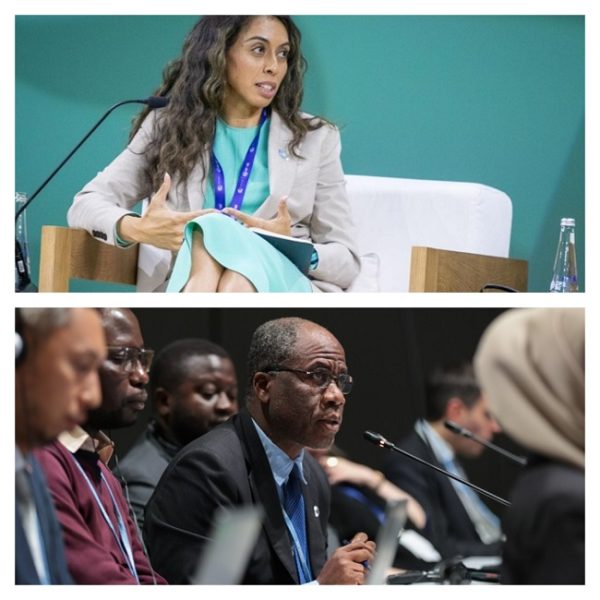
Ambassador Ilana Seid, Chair of AOSIS (top), with LDC Chair, Evans Njewa
The groups represent some of the most climate-vulnerable nations in the world, small islands facing the risk of disappearance and nearly one billion people in the least developed countries living daily on the frontlines of this crisis.
“Our uncompromising message is that the survival of our nations depends on urgent and ambitious climate action,” the groups declared, adding that a true celebration of 10 years of the Paris Agreement will be if COP30 in Belém delivers a credible plan to close the ambition gap, respond to the Global Stocktake, and put the world firmly on course to limit warming to 1.5°C.
“Anything less would be a betrayal of the world’s most vulnerable,” they stressed, calling on the European Union to seize the moment and deliver on its stated unwavering commitment to the Paris Agreement and the 1.5°C goal.
“We are disheartened to see the political damage from its indicative current range of 66.25%–72.5%, which is already lending itself to other countries, such as Australia, delivering weaker targets. The EU’s leadership role in confronting the ambition challenge ahead of COP30 is critical, not only for its own credibility, but for inspiring others, especially major emitters, to step up to secure our collective future.”
Ambassador Ilana Seid, Chair of AOSIS, said: “Every fraction of a degree matters. For our islands, exceeding 1.5°C is a point of no return. COP30 must deliver a clear and credible plan to close the ambition gap and keep the world on track for 1.5°C. Anything less would be a betrayal of the most vulnerable.”
LDC Chair, Evans Njewa, said: “For the Least Developed Countries, 1.5°C is a matter of survival, not of choice. Every delay in climate action is costing lives, livelihoods, and futures in our countries. The time for pledges has passed. We must intensify implementation.”
The groups believe that if countries at COP30 fail to deliver a credible pathway to reduce emissions and limit warming to 1.5°C, it will not merely be a missed opportunity, it will be another round of betrayal of the most vulnerable.
According to them, adaptation and finance are equally critical.
“For our countries, adaptation is not optional, it is a matter of survival. Yet the gap in adaptation finance continues to grow, and where resources exist, they too often fail to reach the communities most in need. Adaptation finance must be tripled by 2030 and delivered in ways that are predictable, accessible, and at scale. COP30 must also agree on meaningful adaptation indicators that reflect the realities of vulnerable nations, so that progress towards the Global Goal on Adaptation can be measured in ways that matter for our people.
“Implementation of the new collective quantified goal (NCQG) must respond to the scale of needs. This means anchoring the $300 billion annual commitment within the broader Baku-to-Belém $1.3 trillion roadmap, with milestones, timelines and accountability mechanisms to guarantee delivery.
“Our countries are already suffering irreversible losses from sea level rise, cyclones, floods and droughts, while climate-induced displacement continues to undermine resilience and strain scarce resources. The Loss and Damage Fund must be fully resourced and become immediately accessible prioritising our countries.”
This weekend, thousands of people took to the streets in 600 actions across 85+ countries in the global mobilisations called “Draw The Line,” demanding rights, jobs, justice, democracy, and a safe planet to live on.
On Wednesday, September 24, 2025, civil society groups are following up with an open letter to world leaders ahead of UN Secretary-General António Guterres’ Climate Summit in New York, where countries are expected to present their updated national climate plans (NDCs).
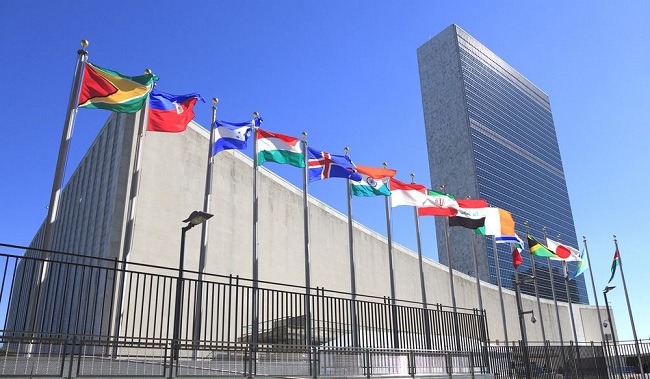
UN Headquarters, New York
Signed by 39 groups, the open letter reflects the collective civil society calls from the Draw the Line actions, stating:
“We call on countries with the greatest historical emissions and highest capacity to pay – and who have so far failed to do their fair share of global climate action – to include plans to equitably phase out fossil fuels and provide public finance for just transitions worldwide in their NDCs.”
By September 30, countries are required by the Paris Agreement to submit a 2035 emissions-reduction target, also known as National Determined Contribution (NDC). However, the general ambition is falling short of preventing worsening climate impacts that deepen inequalities and devastate communities, ecosystems, and economies.
The EU is likely to miss the deadline, while leadership is coming from emerging economies, positioning climate action as a route to resilience, investment and influence as opportunities open in global climate leadership.
Anne Jellema, Executive Director of 350.org, said: “Billions of people are already paying the price for the delay and denial of the biggest polluters. Governments must commit to phasing out fossil fuels and deliver the finance for a just transition. This is where we draw the line: Anything less is a betrayal of the Paris Agreement and of our shared future.”
Marginalised and vulnerable countries are bearing the heaviest burdens for a crisis they did not cause. The call from Draw The Line, adds Jellema, unites communities’ demands for urgent action from governments to end extractivism and stop fossil fuel expansion, deliver a fast, fair, funded, and just transition away from fossil fuels, address the injustices and inequalities driven by the current neoliberal and imperialist economic systems, and ensure a just transition to a world that protects life.
As the world gears up for COP30, Africa is amplifying its voice to address one of the most pressing and underfunded challenges of climate change: Loss and Damage. For too long, Africa has borne the brunt of climate impacts, despite contributing a minimal share to global greenhouse gas emissions. From extreme floods to devastating droughts, the continent has witnessed firsthand how climate change can wipe out years of development in a matter of days.
With the path to COP30 now set, Africa’s unified call for loss and damage finance is more urgent than ever. But the pressing question remains: will the Global North finally fulfill its commitments, or will Africa’s fight for justice be sidelined once again?
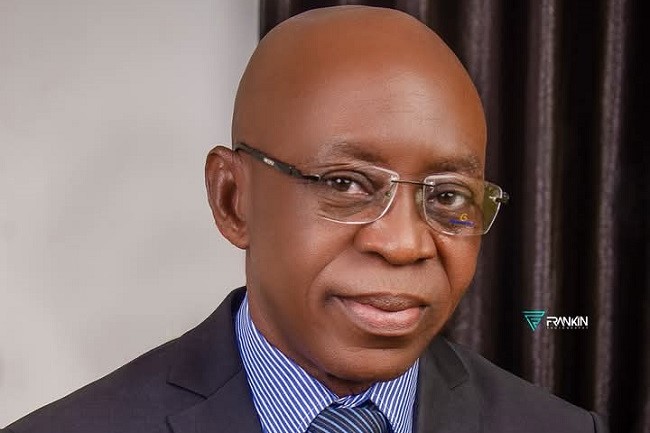
Dr Okoh Austine Sadiq, lead author end Editor of the Carbon Free Africa Network
A Unified Voice for Loss and Damage
At the Second Africa Climate Summit (ACS2) in Addis Ababa, the African Union (AU), in collaboration with the UN Economic Commission for Africa (UNECA), the African Development Bank (AfDB), and the Pan-African Climate Justice Alliance (PACJA), presented a clear and unified position for COP30. The position advocates for comprehensive financial mechanisms to address loss and damage from climate change impacts.
The loss and damage fund agreed upon at COP28 represents a historic step in recognising the severe and irreversible impacts of climate change. However, as Africa has rightly pointed out, this fund must be adequately capitalised and operationalised. The money in this fund must not only be sufficient but must be accessible to those who need it most – vulnerable communities that are often left out of traditional climate finance channels.
Who Holds the Purse Strings?
The issue of climate finance brings with it uncomfortable political economy questions. The Global North, responsible for the bulk of historical emissions, continues to hold control over the financial mechanisms designed to aid the Global South. According to the latest IPCC report, developing countries will require an estimated $1.5 trillion per year in climate finance to meet the needs of mitigation and adaptation.
Yet, the current global climate finance commitments remain a fraction of this amount, with developed nations failing to meet the annual $100 billion target they set at COP15. The question arises: How much longer can the Global South afford to wait for financial support while the Global North continues to shift the burden onto the shoulders of those least responsible for the crisis?
The Financial Mechanism: A Lifeline for Africa
For African nations, the climate finance they require extends beyond mitigation efforts aimed at reducing emissions. The true test lies in how the international community responds to the immediate and long-term losses and damages already being experienced across the continent. The impacts of climate-induced displacement, reduced agricultural productivity, and damaged infrastructure are not hypothetical – they are happening now.
African countries, particularly those in the Sahel, Southern Africa, and the Horn of Africa, face dire consequences. Losses that cannot be prevented must be compensated, and damage that cannot be repaired must be restored. These are the humanitarian and economic needs that the loss and damage fund must address.
Mitigation vs. Adaptation
The debate between mitigation and adaptation is not merely a technical issue – it is deeply political. Africa faces the immediate effects of climate change, and its need for adaptation finance is critical. However, the Global North continues to focus on mitigation, arguing that climate finance should prioritise reducing emissions. But as the Global South deals with the brutal realities of climate impacts, how can we justify spending the lion’s share of climate finance on mitigation while adaptation – so crucial to Africa’s survival – is sidelined?
Herein lies the crux of the matter. Whose mitigation is climate finance and why is it amplifying aspects that resonates with the global north? The answer to these questions is blowing in the hot winds of the Sahara Desert blowing across climate ravaged communities from North Africa to West Africa towards the Kalahari Desert. Indeed, no community is left out.
Historical Injustice
There is a growing sense of frustration in Africa about the industrial North’s insistence on focusing heavily on mitigation rather than adaptation. The focus on mitigation has been characterised as a form of chicanery, a convenient excuse for the Global North to deflect from its responsibility to fund the adaptation needs of Africa. Mitigation efforts, such as reducing global emissions, are important, but they ignore the reality on the ground in Africa. By pushing the mitigation narrative, the Global North diverts attention from the urgent needs of African nations for adaptation.
It allows developed countries to continue with emission reduction schemes where the profit from climate risks while neglecting the financial commitments they made at previous COP meetings, such as the $100 billion annually in climate finance promised to developing nations. While the Global North continues to emphasise reducing carbon footprints, the Global South – especially Africa – faces the current and catastrophic impacts of climate change. There are accusations across of some firms being risk mongers and hunger profiteers and that the whole nature of climate finance rather than solving African climate crisis has reinforced existing status.
Though slightly far-fetched but on second thought holds significant truth that must be carefully interrogated. One thing is, however, certain: it is all not well with the state of climate finance. Multilateral agencies such as UNDP and UNEP have done excellently well in this regard by improving livelihoods without increasing debt burden.
Key Demand for COP30
But loss and damage are not the only areas where African leadership is calling for immediate attention. At COP30, the AU has emphasised the need for a scaling up of investment in adaptation efforts across Africa. This includes enhancing climate resilience in vulnerable sectors such as agriculture, water, energy, and health. Adaptation is not a choice for Africa – it is an imperative for survival. The AU’s agenda for COP30 underscores the need for sustainable development with a focus on equitable financing and resilience-building. The impacts of climate change are not just a threat to the environment – they undermine the very social and economic fabric of African societies. By investing in adaptation, Africa is laying the groundwork for a more resilient future.
Whose Resilience is Adaptation Resilience, Who Benefits?
There are important questions of equity and political economy that must be addressed in scaling up investment for adaptation. Who will benefit from these investments? How will the wealth generated by adaptation and resilience-building be distributed within African nations? Will it continue to flow to the same elites who have historically benefited from climate exploitation, or will it reach the vulnerable communities who need it most? The answer to these questions will determine whether the call for adaptation is truly about resilience or just another tool for maintaining the status quo.
The Need for Justice in Climate Action
Africa’s focus on adaptation is not an opposition to mitigation; it is a call for justice. Africa does not oppose emission reductions; however, it insists that the financial resources promised for adaptation must be honoured. The Global North must prioritise adaptation because it is an immediate need for vulnerable nations. Moreover, the loss and damage fund, which was established at COP28, must be adequately capitalised and made operational to help African countries deal with the irreversible impacts of climate change.
While adaptation is undoubtedly Africa’s priority, the conversation must not be about mitigation versus adaptation – it is about both actions. Mitigation is essential for long-term sustainability, but it must not come at the expense of adaptation. Africa’s future depends on a balanced approach that allows for emission reductions while addressing the immediate survival needs of those already impacted by climate change. The Global North should invest in both mitigation and adaptation simultaneously, acknowledging that Africa is not asking for charity but for equitable access to the financial resources necessary to adapt to a changing climate.
COP30 as a Turning Point
COP30 is a turning point for global climate action. If the Global North continues to push for mitigation-first strategies, while failing to adequately fund adaptation and loss and damage, the climate justice that Africa seeks will remain elusive. However, if the Global North is willing to honor its financial commitments and shift its focus to adaptation, then COP30 could mark the beginning of a new era in climate cooperation. The political economy of climate finance has reached a critical juncture: will the global community rise to the occasion, or will Africa continue to bear the cost of a crisis it did not create?
Africa’s call for adaptation finance is a call for climate justice. The Global North must recognize that Africa’s survival depends not only on global mitigation efforts but also on financial support for resilience-building and adaptation. The time to act is now, and COP30 offers a crucial opportunity to achieve a balanced approach that meets both mitigation and adaptation needs. As the world gathers for COP30, Africa’s message is clear: no one should be left behind in the fight against climate change.
For Africa, it is not just about adapting to climate impacts – it is about recovering and thriving in the face of climate challenges. To do so, the international community must ensure that the loss and damage fund is fully capitalised, and that climate finance is scaled to meet the demands of adaptation and resilience. The world cannot afford to wait. Africa’s future depends on the actions we take today.
By Sadiq Austine Igomu Okoh, PhD, Climate Governance/Net-Zero & Energy Transition/GHG Accounting/Capacity Building Expert
Wildlife conservation group Wild Africa honours World Gorilla Day by urging all Nigerians, from policymakers to local communities, to protect the country’s last 100 Cross River gorillas collectively by supporting ongoing efforts to safeguard their populations and habitat, as well as reducing demand for commercial bushmeat that threatens them.
World Gorilla Day is celebrated annually on September 24 to raise awareness and promote conservation efforts for gorillas.
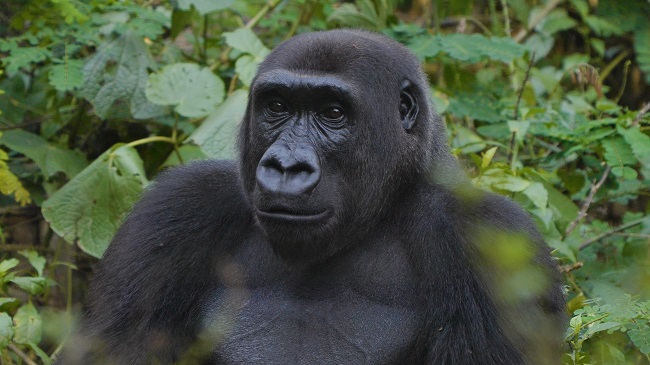
Cross River gorilla
The Cross River gorilla lives in the mountainous region between Nigeria and Cameroon, and it’s the most endangered ape species, according to the IUCN Red List of Threatened Species. It is estimated that fewer than 300 Cross River gorillas remain in the wild globally, making them the most endangered and elusive primates on Earth. Of these, an estimated 100 live in Nigeria, isolated across just three protected areas in Cross River State: Afi Mountain Wildlife Sanctuary, the Mbe Mountains, and the Okwangwo Division of Cross River National Park.
These gorillas were once thought to be extinct following Nigeria’s civil war in the 1960s. They were rediscovered in the 1980s when a small number were identified in Cameroon and Nigeria on the banks of the Cross River.
However, the gorillas face threats from poaching, habitat loss due to agricultural expansion, and population expansion. The illegal bushmeat trade, particularly hunting with wire snares set for bushmeat, which often injures gorillas, affects their survival as well.
“We must act now to protect each and every one of Nigeria’s last Cross River gorillas,” says Festus Iyorah, Nigeria Representative at Wild Africa. “The gorillas are part of our national heritage. Let us all come together to protect them, and ensure that this remarkable species continues to thrive in our country for future generations.”
While the day celebrates the global significance of these species, it also highlights a sobering reality: one of the world’s rarest great apes is nearing extinction. Protecting them is no longer a conservation goal, it is a national responsibility.
Protecting Cross River gorillas is not only about preventing extinction; it is also about preserving Nigeria’s ecological heritage and supporting long-term economic sustainability. Gorillas play a crucial role in maintaining healthy forest ecosystems. Their feeding and nesting behaviors contribute to seed dispersal and plant diversity, helping to regenerate forests.
As umbrella species, protecting them ensures the survival of many other endangered species that share their habitat. Their survival also presents a valuable opportunity for sustainable development, as gorilla-based ecotourism has the potential to generate foreign currency and support local communities.
The responsibility lies with the Nigerian government to strengthen enforcement of wildlife laws, update outdated legislation to reflect modern conservation needs, invest in habitat protection, and increase public education efforts to reduce the demand for commercial bushmeat.
While Nigeria has made legislative progress with the Endangered Species Conservation and Protection Bill 2024, which passed its third reading in the House of Representatives and is now scheduled for consideration by the Senate, the process needs to be expedited. If passed and signed into law, this stellar legislation would enhance the country’s capacity to combat wildlife crime and reduce the degradation of critical habitats for iconic species such as the Cross River gorilla.
Individuals and communities also play an important role. Public awareness and participation in conservation campaigns are key. Reducing demand for bushmeat, supporting habitat protection, and advocating for policy changes can all contribute to the conservation of these extraordinary primates.
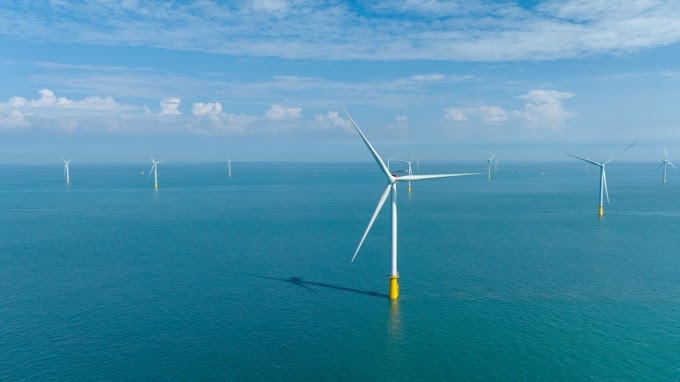
The consortium formed by TotalEnergies and RWE has been selected by the Ministry in charge of Industry and Energy in France as the winner of the Centre Manche 2 (AO8) offshore wind tender. The consortium will be responsible for designing, developing, building, and operating a 1.5 gigawatt (GW) offshore wind farm off the coast of Normandy.
Located more than 40 km off the coast of Normandy, this will be the largest renewable energy project ever developed in France. Once built, it will generate approximately 6 TWh per year and supply green electricity to the equivalent of over 1 million French households. The electricity will be sold at a competitive price of €66/MWh, as set by the tender.
The consortium will be responsible for designing, developing, building, and operating a 1.5 gigawatt (GW) offshore wind farm off the coast of Normandy
TotalEnergies will be the operator of the project, relying on its expertise in offshore wind and the management of large-scale marine energy projects. The company will continue the necessary studies to reach a final investment decision by early 2029. Electricity production is expected to begin in 2033, in line with RTE’s grid connection schedule.
Patrick Pouyanné, Chairman and CEO of TotalEnergies. said: “We are very proud to have won this tender for the construction of the largest renewable energy park in France to date. It embodies Total’s transformation into TotalEnergies in France. This project will be the largest investment made by TotalEnergies in France in decades and reflects our company’s deep commitment to our country.
“As a long-standing player in Normandy, we are determined to mobilize our expertise to ensure this project is an industrial success while securing its acceptance by the region. We will work to support the local industrial ecosystem, which has already developed skills through the first offshore wind projects currently being installed. Finally, this project strengthens our development in green electricity production to offer competitive prices to our French customers.”
As part of a strategic review of its investments, RWE has expressed the wish to exit the consortium, subject to French authorities’ approval. In any case, TotalEnergies will pursue the project, assuming all the commitments of the consortium, and will propose to bring a new partner into the project.
The project is expected to represent a €4.5 billion investment and generate significant economic benefits for the Normandy region. Up to 2,500 people will be employed during the three years of construction, and TotalEnergies has committed to offering 500,000 hours of work to apprentices and individuals in professional reintegration. TotalEnergies also plans to engage the local economic ecosystem, which has already developed expertise in offshore wind.
The project will also benefit the European industry, as TotalEnergies intends to source primarily from European suppliers, particularly for wind turbines and electrical cables.
In the coming months, a dedicated TotalEnergies team, based in Normandy, will continue the consultation work with local and regional stakeholders that began during the tender phase. It will ensure the proper integration of the project into the Normandy region, especially its coexistence with commercial fishing.
TotalEnergies will also implement crowdfunding financing that will allow local residents and authorities in the Normandy region to invest in the project and directly contribute to the energy transition of their territory. Additionally, TotalEnergies will fund a €10 million territorial fund to support initiatives in training, education, and culture in Normandy.
On environmental matters, TotalEnergies will allocate €45 million to measures aimed at avoiding, reducing, and offsetting the project’s impacts; as well as €15 million to a biodiversity promotion fund in Normandy.
TotalEnergies disclosed that it has committed to making the project exemplary in terms of recycling offshore wind farm components, with recycling, reuse, or repurposing rates of blades, towers, and nacelles equal to or greater than 95%, and 100% of generator magnets being recycled or reused.
Since 2020, while transforming its energy offer, TotalEnergies has invested more than €8 billion in France, nearly half of which has supported the energy transition of its assets and for its customers. With a renewable portfolio of 660 wind, solar, hydro, and battery storage plants, TotalEnergies meets the electricity needs of the equivalent of 1.8 million people in France, ranking among the top three renewable electricity providers in the country with over 2 GW of installed capacity. TotalEnergies supplies electricity and gas to 4.2 million residential and business customers.
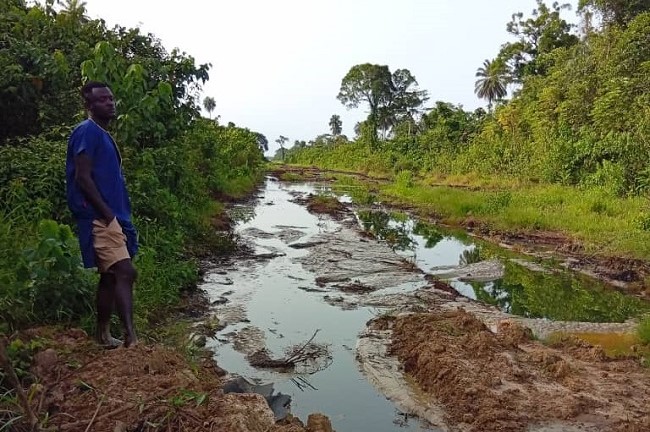
Nigerian Society for Microbiology (NSM) has urged the Federal Government to adopt microbial solutions in tackling oil spills, waste degradation and other environmental challenges.
The group made the remark in a communique signed by its president, Prof. Saleh Ado, and issued to newsmen in Calabar on Tuesday, September 23, 2025.
Oil spill
The communique was issued at the end of the 47th Annual General Meeting (AGM) of the Society at the University of Cross River (UniCross).
The society said that microbes played critical roles in bioremediation and restoration of degraded ecosystems and could be very useful to a nation like Nigeria which is still grappling with environmental challenges.
According to them, harnessing plant microbiomes is key to developing climate-smart agriculture, improving soil fertility, and enhancing food productivity.
They advocated policies that would integrate microbial innovations into national food security strategies to boost food production.
In the food safety and pubic health sector, the society said that innovative microbial control technologies, including peptide-based methods, were vital in ensuring food safety and reducing food-borne diseases.
Speaking further, they noted that microbial bio-innovations could revolutionise Nigeria’s pharmaceutical sector through the discovery of novel antibiotics, vaccines, probiotics, and microbial therapeutics.
They urged governments, industries, and research institutes to foster collaborations that translate microbial research into affordable and accessible health solutions.
The society added that industrial applications of microbes in fermentation, biofuels, waste management, and bioprocessing could boost Nigeria’s economy.
It further appealed for increased funding and private sector involvement in industrial microbiology research.
“Microbial innovations hold immense potential in healthcare delivery, agriculture, food security, environmental restoration, and industrial development.
“We call for greater investment in microbial biotechnology and entrepreneurial microbiology to promote a healthier society and sustainable economic prosperity,” they said.