26.5 C
Lagos
Tuesday, February 10, 2026
Home Blog Page 15

Boots on the Ground: The voices shaping elephant conservation in Kenya

0

The Elephant Protection Initiative (EPI) Foundation friend of the month series for the year 2026 begins with a feature on Dibblex Lesalon, a storyteller and community-led conservation expert from Kenya (a member state of the EPI since 2015).

Dibblex works for the Mara Elephant Project (MEP) as the Community Engagement & Outreach Coordinator, and he is the founder and host of the Boots on the Ground podcast, a platform dedicated to amplifying African voices for conservation, one conversation at a time.

Dibblex Lesalon
Dibblex Lesalon

To begin, could you briefly describe the work you do today?

My work currently entails conservation education, outreach activities, and working directly with communities across the Greater Mara Ecosystem to mitigate human-elephant conflict by disseminating information and knowledge on effective HEC reporting tools and techniques that aid rapid response from our ground teams.

Looking back, what was your childhood like, and did an early connection with nature play a role in shaping who you are now?

I grew up in Narok County surrounded by abundant wildlife species. Having come from a family that loves travelling, I was introduced to nature, wildlife, and people from a very young age. I was also very outdoorsy as a child, and I have very fond memories of exploring nature and being amused by it. Fast forward to my school days, I got the opportunity to study at Strathmore University, where I pursued a Bachelor of Science Degree in Tourism Management, a path that has cemented my passion for all things sustainability and community-led conservation initiatives to date.

At what point did elephants and conservation more broadly become central to your life’s work? What drew you into this space?

Having worked in the tourism and hospitality industry, I got the chance to work in very remote and wild places in Kenya, for example, the Lewa Wildlife Conservancy and the Maasai Mara, opportunities that gave me the chance to understand the direct interrelation between tourism and conservation and how they mutually go together. As a wildlife tourism-driven economy, Kenya boasts some of the world’s most iconic species, and elephants make a huge chunk of that pie.

Fast forward to when I got the opportunity to serve as Communications Officer for the Mara Elephant Project; that is when I really got a first-hand experience and good understanding of the elephant as a species, their social structures, the threats facing them, and my contribution to sharing stories that directly tell of their significance in the larger ecosystem and why their conservation matters more than ever in the 21st century.

You’re deeply involved in fieldwork. Could you tell us more about what “boots on the ground” conservation looks like in practice and what inspired you to create this platform?

I love the fact that every day, I get to experience what conservation on the ground is like. Interacting with field teams, especially the rangers, the people working on the frontlines to ensure our wildlife and wild spaces are safe and secure, is what truly motivates me. Whether it’s attending to an elephant treatment, engaging in a collaring operation, or hosting visitors who are interested in learning about elephant conservation work, the work itself is very fulfilling. Boots on the Ground Podcast is a platform that I founded, having the same mindset and belief that stories, when told correctly, can and always do inspire hearts and minds towards collective action.

I created the platform to share stories of exemplary men and women across Africa and beyond who are on the ground, putting in the work, and getting their hands in the mud, spending hours away from their families to safeguard our shared biodiversity. I am grateful for the stories we have told and keep telling, and the youthful population across the African continent is now showing a lot of interest and potential that we are ready to take up the leadership mantle, couple technology and indigenous knowledge to ensure that conservation works and that our wildlife is surviving and thriving, local communities’ livelihoods are improving, and that the wildlife economy is working and benefitting every player in the sector.

Your content strongly centers on wildlife conservation and storytelling. Do you see yourself primarily as a conservationist who communicates or a communicator whose mission is conservation?

Deep in my core, I’m driven by what I see daily, whether it is a snare that has been removed, charcoal that has been intercepted somewhere, or a poacher that has been arrested with a piece of ivory somewhere, and I feel the pain and therefore am driven by the urge to be the voice for nature. I would therefore like to believe that I am a conservationist who communicates.

It is a very interesting space to be in since I am on the ground and interacting and meeting all these challenges directly in my line of work. The content that I share by bringing in experts, who are equally passionate and, on the ground, putting in the work, resonates well with my ideals and the values that I hold dear as a pro-conservationist.

A key part of conservation is community engagement. Do you feel progress is being made in winning the hearts and minds of the communities living around the Mara?

Conservation work is very daunting; sometimes you make one big step forward, and other times you make two steps back. The biggest challenge we now face is the human-wildlife conflict, and this touches the communities we work hand in hand with. The expansion of the human footprint has brought its fair share of challenges, and the headache facing a lot of conservation organizations is how to balance the needs of people and nature and ensure coexistence and a win-win situation for both parties. Community engagement is at the core of what we do.

What I have come to appreciate is that when communities feel seen, heard, and invited to serve and make decisions, it makes work very easy for all parties involved. Equal employment opportunities, gender equality, decision-making, and equal compensation are some of the things that communities care about, and if done correctly, everyone wins and our wildlife and wild spaces remain safe and intact. The Maasai community have long been conservationists since time immemorial.

With a thriving ecotourism business and a conservation model through the creation of community conservancies, community members across the Mara are reaping benefits from tourism and conservation. Are there challenges still facing communities? Yes, there are. Are there members of the community that still feel left out? Yes, there are, but I would like to argue that there is a lot of work still to be done; there is still a lot of fundraising to do to create more opportunities for our young people and to protect some of the threatened spaces, such as the Loita forest, from destruction. There is progress, and I believe that by working more collectively, we could achieve more and better.

The Mara, with its wildlife, people, and protected areas, is globally significant yet increasingly under pressure. Looking ahead 50 years, what is your vision for the Mara’s future?

Looking ahead, I see a vibrant, safe, wildlife-rich ecosystem where conservation and tourism activities are locally run and driven. A technologically and data-driven sector where young people truly understand what it means to protect and improve what our forefathers fought so hard to protect.
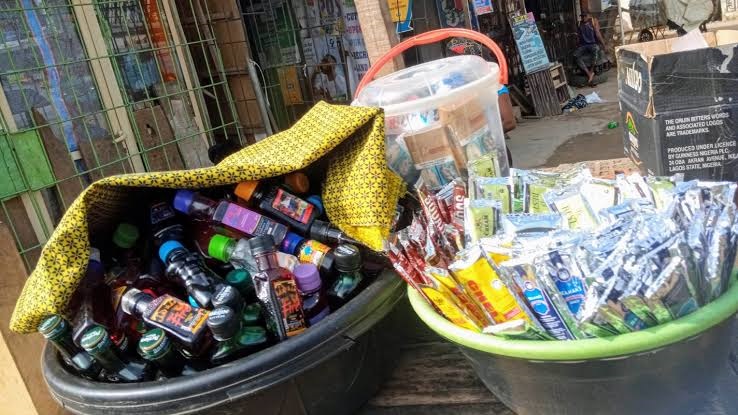

SRADeV commends NAFDAC ban on sachet alcohol, sub-200ml PET bottles

Sustainable Research and Action for Environmental Development (SRADeV Nigeria) has commended the National Agency for Food and Drugs Administration and Control (NAFDAC) for its enforcement of the ban on alcoholic beverages packaged in sachets and in PET bottles below 200ml.

The decision, according to the organisation, represents “a very bold, professional action that clearly places public health and environmental protection above narrow economic interests, and portends a major turning point for environmental health sustenance in Nigeria”.

While NAFDAC had signalled plans in previous years to ban or restrict alcoholic drinks packaged in sachets and sub-200ml PET bottles, enforcement timelines were repeatedly extended following industry pushback and resistance leading to prolonged stakeholder consultations.

Alcoholic drinks in sachet
Alcoholic drinks in sachets and small volume bottles

SRADeV believes that the renewed and firm enforcement now signals a critical policy shift that affirms that public health and environmental wellbeing must take precedence over narrow commercial interests.

“This decision reflects regulatory resolve, a commitment to evidence-based governance and a bold statement of intent from NAFDAC under the leadership of the current DG, Prof. Mojisola Christianah Adeyeye,” stated SRADeV in a statement endorsed by Dr. Leslie Adogame, the Executive Director.

Findings from SRADeV Nigeria’s Plastics Brand Audit conducted in Lagos State and many other states of the Federation, between 2019 and 2024 suggest that PET bottles remain the numberone plastic pollutant, while sachet-packaged products, including alcoholic drinks, consistently ranked as the second major source of plastic pollution in Nigeria.

These materials are predominantly single-use, difficult to recover and recycle, and disproportionately contribute to clogged drainages, flooding, and urban environmental degradation. Their prevalence in informal consumption markets further exacerbates improper disposal and leakage into waterways and coastal ecosystems.

“Continuous lobbying by industry players and plastics manufacturers must not override the public health and environmental consequences of single-use plastics. NAFDAC’s bold and responsible decision deserves national commendation as it sends a clear message that the health of Nigerians and the integrity of our environment must always come first,” said Dr. Adogame.

The National Plastic Waste Management Policy (2020) and the upcoming NESREA plastic waste regulation identify these single-use plastic such as straws, lightweight bags, sachets, bottles, for phased reduction or elimination to promote environmental sustainability. Although NESREA’s regulations to implement these policy goals has yet to be officially gazetted largely due to industry over-bearing influence, however NESREA’s ongoing regulatory focus reflects the policy’s direction on plastics and calls for synergy by both institutions.

Together with NAFDAC’s actions, although driven by public health concerns on the alcoholic drinks, this alignment across regulatory institutions highlights how deeply cross-cutting the plastic issue is, linking public health, environmental protection, waste management, and social wellbeing.

SRADeV Nigeria also notes that this policy action supports the growing global call to eliminate single-use plastics – a position that almost all the 64 African countries currently upholds, which have become a pervasive menace worldwide. From marine pollution and biodiversity loss to climate impacts and chemical exposure risks, single-use plastics pose an undeniable threat. Countries and cities across the world are increasingly prioritising reuse systems, refill models, and sustainable packaging alternatives. Nigeria must not be left behind in this global transition.

“This moment reinforces the urgent need to move away from unsustainable ‘throwaway culture’. Reuse era is no longer optional, it is a practical, climate-smart, and environmentally responsible lifestyle choice,” saidManu Hannatu Ahmadu, Communications and Outreach Officer, SRADeV Nigeria.

SRADeV Nigeria says it stands firmly with NAFDAC in this action and calls for sustained enforcement, public awareness, and complementary policies from other relevant government bodies that promote reuse, waste reduction, and environmentally sound alternatives. Protecting public health and safeguarding our environment must remain non-negotiable priorities.

NMDPRA plans to accelerate gas distribution for industrialisation

0

The Nigerian Midstream and Downstream Petroleum Regulatory Authority (NMDPRA) says it will enforce strict compliance while accelerating gas distribution to drive industrialisation and lower production costs nationwide.

Mr. Saidu Mohammed, Authority Chief Executive of the NMDPRA, made the disclosure on Friday, January 23, 2026, in Port Harcourt during an inspection of petroleum and gas facilities in Rivers State.

Mohammed said the authority was committed to engaging operators across the midstream and downstream segments while providing the necessary regulatory support to achieve desired outcomes.

NMDPRA
L-R: Chairman of Stockgap Limited, Dr Stanley Ohamarije; Authority Chief Executive, Nigerian Midstream and Downstream Petroleum Regulatory Authority (NMDPRA), Saidu Mohammed

He said the inspection of facilities formed part of the Federal Government’s commitment to the Decade of Gas initiative, aimed at maximising Nigeria’s vast gas resources.

According to him, expanding domestic utilisation requires robust distribution networks capable of delivering energy efficiently to industries and consumers.

“Distribution networks are critical to industrialisation because industries thrive when gas is available.

“Gas provides a cleaner and more efficient energy source that lowers production costs and ultimately reduces consumer prices,” Mohammed said.

He added that the Federal Government’s overarching goal was to deploy activities across the oil and gas value chain to drive industrial growth.

The NMDPRA chief said government priority was to deepen domestic gas utilisation alongside exports to strengthen the national economy.

He said the regulator would continue to support gas distributors and other midstream operators to ensure orderly expansion within transparent and clearly defined technical and commercial frameworks.

“Inspecting these facilities underscores government’s resolve to reposition the gas sector as a catalyst for industrial growth and national prosperity.

“Transparency remains central to our mandate under the Petroleum Industry Act (PIA),” he said.

Mohammed disclosed that the authority was in the process of mapping the entire country for the allocation of Gas Distribution Licences.

He said licensed gas distribution companies would operate within defined franchise areas to expand gas penetration nationwide.

According to him, where transmission pipelines are unavailable, the authority would deploy virtual gas distribution through Compressed Natural Gas (CNG).

“These operators may appear small, but they are vital to government’s aspiration of delivering gas to every corner of the country, particularly industrial hubs,” he said.

Mohammed noted that industrialisation remained key to national development and economic recovery, adding that government was working to enhance gas penetration through increased access to appliances.

He clarified that while the authority did not provide appliances such as gas cylinders, it ensured that facilities meet required standards from production to final consumption.

Mohammed warned that scarcity inevitably drove higher prices, stressing that increased supply was essential to achieving affordable energy costs.

According to him, the authority would deploy all regulatory powers granted under the PIA to support operators and ensure gas availability nationwide.

“Our goal is to deliver petroleum gas at the lowest possible cost, from production through transportation to distribution,” he concluded.

The delegation inspected facilities operated by Stockgap Fuels Limited, Matrix Petrochemical Limited and Central Horizon Gas Company Limited to assess their operational standards.

Speaking, Dr Stanley Ohamarije, Chairman of Stockgap Limited, said the company planned to inject 5 million gas cylinders into the market over the next five years.

Ohamarije said the investment would support government’s 10-million-cylinder target and deepen gas penetration, noting that Stockgap’s plant has a production capacity of 2,500 cylinders per hour.

He added that the initiative reflected the company’s commitment to improving access to gas for Nigerians and supporting national industrial growth.

On his part, Mr. Kahide Alabi, Managing Director of Central Horizon Gas Company Limited (CHGC), said the firm was expanding gas infrastructure across the country to support industrialisation under the Federal Government’s Decade of Gas initiative.

Alabi said the visit by the NMDPRA would further encourage the company to scale up gas supply to industries.

“Natural gas remains a major driver of industrial growth globally, CHGC is establishing facilities across Nigeria to support economic development,” he said.

He added that the company was expanding infrastructure to meet rising demand, attributing the progress to regulatory support through timely licences and approvals.

By Desmond Ejibas

Five ways in which education is driving environmental action

Environmental challenges are undermining the health of ecosystems, the stability of economies and the well‑being of communities worldwide. Around 3.2 billion people – roughly 40 per cent of the global population – are directly affected by land degradation, while up to $577 billion in annual global crop production is at risk from pollinator loss.

Experts agree that addressing these challenges requires not only technological solutions or policies but also informed, engaged and capable societies. 

This is where education comes in. 

Education Day
Dominican primary school students learn how to plant a sapling in a used plastic bottle as part of a broader drive, backed by the Global Environment Facility and UNEP, to raise awareness about the reuse and recycling of plastics among children and young people. Photo credit: Jack Hewson / UNEP

On January 24 each year, the International Day of Education, led by the United Nations Educational, Scientific and Cultural Organisation (UNESCO), brings global attention to education’s role in shaping a better future and achieving the 2030 Agenda for Sustainable Development.  

From classrooms to communities, and from local initiatives to global movements, here are five ways in which education is driving environmental action. 

1. Investing in students is investing in the future 

Education from an early age is important for understanding the natural world and humanity’s relationship with it. By building environmental literacy, critical thinking and problem-solving skills, schools shape informed citizens who can make environmentally responsible decisions throughout their lives.  

Initiatives like #GenerationRestoration Schools, led by the UN Decade on Ecosystem Restoration in partnership with the Foundation for Environmental Education (FEE), support schools worldwide to teach and take action for nature, enabling students to learn about the environment by taking part in hands-on ecosystem restoration projects.

2. Outside the classroom, environmental learning teaches life skills 

Beyond school grounds, non-formal means of education also play a crucial role in building environmental awareness. Things like workshops, training groups and programmes empower young people to collaborate, mobilise and tackle challenges within their communities.  

For example, the Tide Turners Plastic Challenge, part of UNEP’s Beat Plastic Pollution campaign, engages youth worldwide through existing networks. In partnership with World Scouting and Girl Guides, it has reached over 800,000 young people, showing the power of grassroots action. Opportunities such as this build leadership and life skills while driving youth-led environmental solutions. 

3. Universities are stepping up for ecosystem restoration 

By incorporating ecosystem restoration into teaching, research, operations and supply chains, universities are transforming their campuses into living laboratories for nature recovery. For example, more than 700 higher education institutions in over 100 countries are part of Nature Positive Universities, a global network dedicated to halting and reversing biodiversity loss through efforts like habitat restoration, biodiversity monitoring and sustainable infrastructure projects.

These actions improve the environments of cities and local landscapes, contributing to the development of a nature-positive future. 

4. Students already are changemakers 

Students around the world are exploring, documenting and communicating environmental challenges. Through journalism, storytelling and digital platforms, young people are sharing solutions and inspiring others to take action.  

Programmes like Young Reporters for the Environment (YRE), which partners closely with the UN Decade on Ecosystem Restoration, have been training and mentoring thousands of future environmental leaders for over 30 years. Many environmental reporters and advocates today started their journeys through YRE, where they developed skills to investigate issues, report on local challenges, and support initiatives focused on solutions.

5. Classrooms are becoming future-proof 

According to a recent analysis by the United Nations Children’s Fund (UNICEF), at least 242 million students across 85 countries had their schooling disrupted by climate crises in 2024, including heatwaves, storms, floods and droughts. In some contexts, repeated disruptions have threatened children’s right to education. 

Climate-resilient schools help protect children from extreme weather and keep learning on track. For example, in one of India’s most heat-vulnerable regions, Supriya Sahu, laureate of the UNEP Champions of the Earth Award, has introduced cooling measures and nature-based solutions to protect families and schools. Projects like the Cool Roof Project in public “green schools” lower indoor temperatures and improve learning conditions, ensuring that learning can continue. 

Grid collapses again due to system disturbance

The Ikeja Electricity Distribution Company has announced that a system disturbance was experienced on Friday, January 23, 2026, at about 12.40.

The DisCo announced this development in a public notice on its official X handle.

National grid
National grid lines

It said, ”Dear Esteemed Customers, be informed that we experienced a system outage on Friday at 12.40pm affecting all feeders.

”Efforts are currently being coordinated by the National County Centre to effect restoration of supply to all locations affected by the development.”

There was also a system collapse at 2.01 on Dec. 29, 2025, which resulted to loss of power supply across their network.

By Constance Athekame

FAO commits to early planting season toward humanitarian needs, response plan

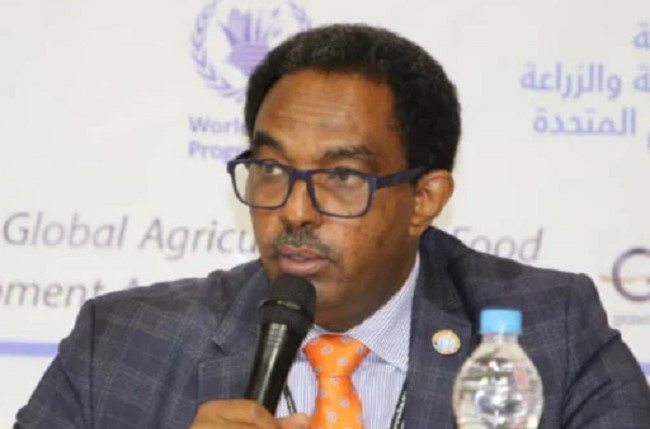
United Nations Food and Agriculture Organisation (FAO) Representative to Nigeria, Dr Hussein Gadain, has reaffirmed commitment to timely planting season to achieve the Humanitarian Needs and Response Plan (HNRP).

Gadain disclosed this while briefing newsmen on the organisation’s strategy following the recent unveiling of the 2026 Nigeria HNRP for Borno, Adamawa and Yobe (BAY) states on Thursday, January 22, in Abuja.

The introduction of the 2026 HNRP underscored the need for coordinated action to save and protect lives through humanitarian action led by the Nigerian government, supported by national organisations and international partners.

Hussein Gadain
FAO Representative in Nigeria and ECOWAS, Hussein Gadain

According to him, the HRP represents a shared commitment for all of us as a humanitarian community in the country, and particularly the communities facing the most food insecurity.

Gadain said, “As FAO, our key message today is that livelihoods are life-saving. So, saving livelihoods saves lives. When farmers receive seeds and tools on time, they are able to produce their food.

“Also, when livestock are protected and kept productive, and when communities can irrigate, even, a small plot behind their house, they will be able to produce the food they need.

“These interventions preserve dignity for us all, stabilise food access by families and reduce the need for repeated emergency assistance, especially during these difficult times where the global funding is shrinking.

“So, in 2026, for this HNRP, FAO intends to focus on timely agricultural inputs ahead of the planting season, which starts in June. We also support farmers during the dry season.”

Gadain revealed that the organisation was at present, supporting a number of farmers planting during the dry season, while promising to provide livestock health services, including feeds and livestock.

According to him, these livestock  are very good assets for rural communities, adding that such rely on them for nutrition and also as assets.

“When the dry season comes, they sell them and buy food. We focus on small-scale irrigation and water management.

“Irrigating small plot can be more than enough for families to produce food needed, especially nutritious food like vegetables, besides agricultural inputs and life support.

“We intend to do what we call cash plus package. We link the inputs with training and market access as well.

“Families need cash before they grow their food and on this, FAO will provide the cash and inputs together, while people are planting and harvesting, they have cash to buy food.

“We look forward to strengthening partnership, including farmer groups. We bring farmers together to learn from each other and train each other, and also national NGOs and government institutions,” he said.

Gadain further mentioned that the organisation would  work more closely with the food security sector to ensure coherence to make positive impact and to avoid duplication and also to drive stronger accountability to affected population.

He urged partners to front-load flexible funding, so that inputs could reach farmers on time, before the rainy season.

“This is critical to transforming humanitarian assistance into resilience building at large scale. FAO, together with our partners, especially WFP, look forward to working together to deliver more food-secure year for Nigeria.

“It does not matter how little the proportion of HNRP the agricultural component is, but the integration.

“If we work together and identify our beneficiaries together, and target them differently, we will create sustainability, and people who are going to receive repeated assistance every year will reduce,” Gadain said.

By Fortune Abang

Group flays illegal Abia granite mining, lauds govt on clean cooking plan

0

The Foundation for Environmental Rights Advocacy & Development (FENRAD), an environmental advocacy group, has condemned alleged illegal granite mining activities in Imobi Autonomous Community, Uturu, Isuikwuato Local Government Area of Abia State. The group says that it supports the peaceful protest staged by women of the community demanding urgent government intervention.

FENRAD expresses concern over reports that granite quarrying activities are being initiated without due process, community-wide consent, a valid Environmental Impact Assessment (EIA), or a Community Development Agreement (CDA), as required under Nigerian environmental and mining laws.

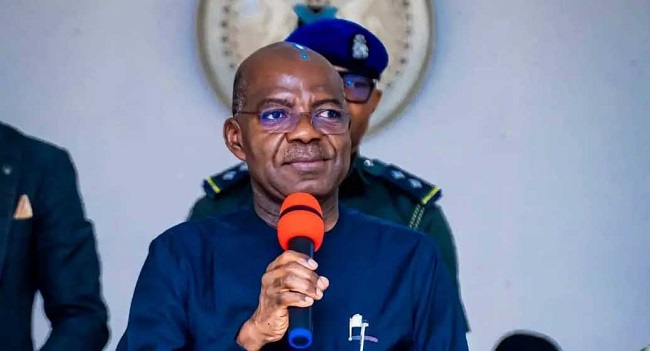
Gov. Alex Otti
Gov. Alex Otti of Abia State

Allegations of Illegal Consent and Community Exclusion

According to information available to FENRAD, a small group of individuals allegedly signed consent documents and registered a mining company without the knowledge, consent, or approval of the broader Imobi Autonomous Community, which comprises Amaedi, Amanyanwu, and Onuzo villages.

Placards displayed during the protest carried messages such as: “The consent letter was signed by improper persons and should be forfeited”, “No community development agreement, no quarry operations”, and “Lime I International Nigeria Ltd is not known to our community”.

The grievances, stated FENRAD, raise serious questions about transparency, legitimacy, and compliance with extant laws governing extractive activities in Nigeria.

Environmental and Public Health Risks

FENRAD warns that granite quarrying, if conducted without strict environmental safeguards, poses severe and irreversible environmental and health risks, including:

  1. Land degradation and loss of fertile farmlands
  2. Pollution of surface and groundwater sources
  3. Air pollution from dust particles (PM2.5 and PM10) leading to respiratory illnesses
  4. Noise and vibration impacts that may damage buildings and cause psychological stress
  5. Destruction of biodiversity and natural vegetation
  6. Public safety hazards, including blasting accidents and abandoned quarry pits

Rural communities like Imobi, which depend heavily on agriculture and natural water sources, are said to be vulnerable to these impacts.

Violation of Environmental and Mining Laws

FENRAD emphasises that under the Environmental Impact Assessment Act (Cap E12 LFN 2004) and other relevant regulations:

  1. No quarrying activity should commence without a comprehensive EIA
  2. Host communities must be fully consulted and involved
  3. A Community Development Agreement is mandatory
  4. Environmental protection and land reclamation plans must be in place
  5. Any operation carried out in violation of these provisions is illegal and subject to revocation.
  6. Position of Traditional Authority

FENRAD also notes with concern the disclosure by the traditional ruler of Imobi Autonomous Community, HRH Eze Simeon Chimezie Chukwuemeka (Imobi IV), through the community’s Secretary General, that the alleged consent was obtained without the knowledge or approval of the traditional institution or the community at large.

This development further underscores the need for immediate government scrutiny and intervention.

FENRAD’s Demands

In line with its mandate to promote environmental justice, community rights, and sustainable development, FENRAD called on:

  1. Governor Alex Otti and the Abia State Government to immediately halt all quarrying-related activities in Imobi Community pending full investigation.
  2. The Abia State Ministry of Environment and relevant regulatory agencies to verify the legality of all permits, consent letters, and company registrations associated with the proposed quarry.
  3. Enforcement of a transparent, inclusive, and community-wide consultation process.
  4. Conduct of an independent and credible Environmental Impact Assessment (EIA).
  5. Protection of Imobi people from environmental degradation, livelihood loss, and social conflict.

The group stated: “FENRAD commends the women of Imobi Autonomous Community for their peaceful, lawful, and courageous advocacy in defense of their environment, health, and future generations. Their action reflects a broader national concern over extractive activities that prioritize profit over people and the environment.

“The Foundation reiterates that development must not come at the expense of environmental sustainability, community rights, and the rule of law.”

In a related development, FENRAD has congratulated the Abia State Government on the official launch of the Abia State Clean Cooking Plan, describing it as a landmark policy initiative that reflects visionary leadership, environmental responsibility, and a strong commitment to public health and sustainable development.

FENRAD particularly commends the Abia State Ministry of Environment, with special recognition to the Department of Climate Change, for providing strategic leadership and effective coordination in the development of the Plan.

According to the organisation, the effort underscores Abia State’s proactive response to climate change, environmental degradation, and energy poverty, while promoting climate-resilient and low-emission development pathways.

The organisation applauds the Abia State Government for prioritising clean cooking solutions as a critical intervention to reduce household air pollution, curb deforestation, and address the disproportionate health impacts associated with traditional cooking methods, especially on women and children.

FENRAD noted that the Clean Cooking Plan represents a bold and timely policy instrument that aligns with Nigeria’s national development priorities and international climate and sustainable development commitments, including the Sustainable Development Goals (SDGs).

The organisation also acknowledged the vital technical and institutional support provided by the International Centre for Energy, Environment and Development (ICEED) in the development of the Plan. FENRAD stated that ICEED’s partnership ensured that the framework is evidence-based, inclusive, and responsive to local realities, while remaining fully aligned with the policy direction of the Federal Ministry of Environment and Nigeria’s National Clean Cooking Plan.

This alignment, FENRAD emphasised, strengthens policy coherence and enhances the prospects for effective and sustainable implementation.

Furthermore, FENRAD commended the inclusive, multi-stakeholder approach adopted by the Abia State Government and the Ministry of Environment, noting that it reflects a clear understanding that clean cooking is not merely an energy issue but a cross-cutting development priority that advances public health, gender equity, environmental protection, climate mitigation, and economic empowerment.

As a civil society organisation committed to environmental rights, climate justice, and sustainable livelihoods, FENRAD reaffirmed its readiness to support the Abia State Ministry of Environment and its Department of Climate Change in the implementation of the Clean Cooking Plan through community engagement, advocacy, policy monitoring, and strategic partnerships.

The organisation stressed that sustained political commitment, adequate financing, and strong institutional collaboration will be essential to translating the Plan into tangible benefits for households across both urban and rural communities in Abia State

FENRAD expressed confidence that the successful implementation of the Abia State Clean Cooking Plan would significantly improve public health outcomes, reduce environmental degradation, strengthen climate resilience, and contribute to a cleaner, healthier, and more sustainable future for the people of Abia State.

SSB tax: Should private profits supersede public health?

0

Nigeria’s shift toward a pro-health review of the tax payable by manufacturers of non-alcoholic, sweetened, and carbonated drinks, commonly known as Sugar-Sweetened Beverages (SSBs), has reached a critical moment.

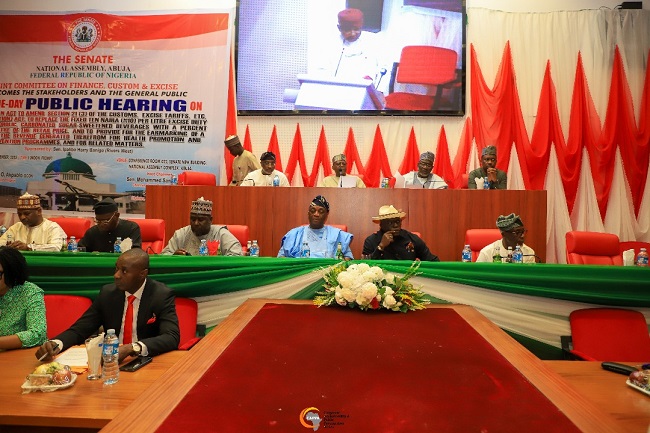
Last November, the Senate Joint Committee on Finance, Customs and Excise convened a public hearing in Abuja to consider a bill seeking to amend the existing excise duty framework for SSBs.

The bill before the National Assembly, formally titled “A Bill for an Act to Amend Section 21(3) of the Customs, Excise Tariffs, Etc. (Consolidation) Act to Replace the Fixed Ten Naira (N10) Per Litre Excise Duty on Non-Alcoholic, Carbonated Sugar-Sweetened Beverages with a Percentage Levy Based on Retail Price, and to Provide for the Earmarking of a Portion of the Revenue for Health Promotion and Disease Prevention Programmes”, marks a significant policy turning point.

SSB Tax
The Public Hearing

Sponsored by Senator Ipalibo Harry Banigo, the bill is grounded in growing medical and public-health evidence linking SSB consumption – soft drinks, energy drinks, and artificially sweetened juices – to a rising burden of non-communicable diseases (NCDs) across Nigeria.

Opening the hearing, Senate President Godswill Akpabio, represented by Senator Adeniyi Adegbonmire, captured the essence of the proposal.

“This amendment is not merely fiscal in nature; it is a public health investment strategy that aligns taxation policy with our national health priorities. It proposes a restructuring of existing excise duty on sugar-sweetened beverages (SSBs) not to impose more burden on citizens, but to redirect part of the existing revenue to finance health-related programmes and infrastructure that will improve the wellbeing of Nigerians,” he told the committee, quoting Banigo.

This framing deserves serious reflection.

Globally, SSBs are scientifically recognised as major dietary drivers of obesity, type 2 diabetes, cardiovascular diseases, childhood malnutrition, and premature death. In Nigeria, consumption of sugary drinks – particularly among children and young adults – has risen sharply. Non-communicable diseases now account for almost 30 percent of annual deaths, placing enormous strain on families and overwhelming an already fragile health system.

Nigeria has also emerged as one of the world’s fastest-growing markets for sugary drinks. Reports indicate that the average consumer drinks about six bottles weekly, spending roughly N2,500. The consequence is a growing population burdened by debilitating illnesses that were once perceived as “foreign” diseases.

The human and economic toll is staggering. Last month, the Diabetes Association of Nigeria revealed that approximately 30,000 Nigerians die annually from diabetes, while about 11.4 million live with the condition. Managing diabetes now costs between N100,000 and N120,000 monthly, well beyond the reach of most households. Heart disease, another diet-related NCD, presents an even bleaker picture. As of 2021, Nigeria had only 13 centres conducting heart surgery and about 80 heart surgeons for a population exceeding 200 million. With surgery costs rising from roughly N3 million to N5.5 million in recent years, life-saving care has become inaccessible for the majority.

To its credit, the Nigerian government acknowledged this crisis in 2021 by introducing an excise duty on SSBs through the Finance Act. By inserting Section 21(3) into the Customs, Excise Tariffs, etc. (Consolidation) Act, it imposed a N10 per litre levy on non-alcoholic, carbonated, and sweetened beverages, recognising that public-health taxation can be a life-saving tool.

However, the current tax level is far too weak to be effective.

A fixed N10 per litre duty represents a negligible fraction of the retail price of sugary drinks. In 2021, a 33cl bottle of soft drink sold for N100–N150, meaning manufacturers paid less than N3 per bottle in excise duty. Today, that same bottle costs between N350 and N500, yet the tax remains unchanged. The result is a levy that barely affects shelf prices, fails to discourage consumption, does not incentivise reformulation, and is easily absorbed by manufacturers.

This weakness is particularly troubling against the backdrop of Nigeria’s underfunded health sector. The country allocates less than five percent of its national budget to health – far below the 15 percent benchmark set under the 2001 Abuja Declaration. Patients exhaust family savings to manage diet-related illnesses, while health workers continue to emigrate due to poor conditions and inadequate funding. Like Coordinating Minister for Health and Social Welfare Prof Muhammad Ali Pate noted recently, the system is stretched to breaking point.

Even more concerning is that recent tax reforms again sidelined public health. While new development levies earmarked funds for education, technology, defence, and cybersecurity, none were allocated to health – despite declining donor support and growing disease burdens. Without sustainable domestic financing, the deterioration of Nigeria’s health system will only accelerate.

Against this backdrop, the National Assembly’s proposed amendment to the excise duty framework is not only timely but essential. A retail-price-based SSB tax would meaningfully reduce consumption and encourage manufacturers to lower sugar content, thereby reducing health risks.

Predictably, industry opposition has followed. Manufacturers warn of job losses, factory closures, and economic hardship – the same arguments historically deployed against tobacco, alcohol, and other public-health regulations. Yet international evidence consistently shows these claims to be exaggerated. Across the globe, more than 50 countries including South Africa, Mexico, the United Kingdom, Saudi Arabia, and the Philippines have implemented similar taxes with demonstrated success.

These countries have not recorded widespread job losses. Instead, companies adapt – diversifying products, reformulating drinks, and investing in healthier alternatives such as bottled water and low-sugar beverages.

What also makes the economic alarmism particularly hollow is that it is advanced by companies that continue to report strong revenues and sustained profitability in their Nigerian and African operations. Annual financial disclosures routinely show huge turnover, even amid broader economic pressures. The contradiction is as clear as daylight. An industry that remains profitable suddenly discovers economic fragility only when asked to bear modest responsibility for the public-health damage its products help drive.

More importantly, this narrow focus on corporate balance sheets by industry lobbyists obscures the real economic question. The cost of inaction is already being paid by households and the state. NCDs impose enormous losses through healthcare spending, reduced productivity, and premature death. A recent investigation estimate that Nigerians spend about N1.92 trillion annually treating such conditions. Prevention, through an effective SSB tax, is far cheaper and far smarter.

Another misleading claim is that the amendment represents a “sugar tax.” It does not. The proposed levy targets sugar-sweetened beverages, not sugar itself, and does not affect farmers, traditional foods, or local diets.

Ultimately, this debate is about political will. Governments exist to protect public welfare, not corporate profit margins. While businesses play a vital economic role, their interests cannot override Nigerians’ right to healthy lives.

Strengthening Nigeria’s SSB tax would align with global best practice and address the country’s urgent health challenges. Lawmakers now have an opportunity to show that evidence – not intimidation or misinformation – will guide public policy.

Accordingly, Nigeria should:

Adopt a strong retail-price-based excise structure, setting the levy at 50 percent of the retail price, with a minimum floor of 20 percent, in line with WHO guidance and the Bloomberg Task Force on Fiscal Policy for Health.

Earmark SSB tax revenues for public health, particularly for NCD prevention and management, to ensure sustainable health financing.

Establish a national monitoring and evaluation task force to oversee implementation, ensure compliance, and assess health and fiscal outcomes.

Nigeria cannot afford delay. As NCD rates climb and healthcare costs soar, maintaining an ineffective N10 per litre tax amounts to policy complacency. The real question is not whether the SSB tax should be strengthened, but whether public health will finally be placed above private profit.

The answer should be unequivocal.

By Robert Egbe, healthy food advocate at Corporate Accountability and Public Participation Africa (CAPPA)

WaterAid empowers volunteers in Ikorodu community to champion hygiene

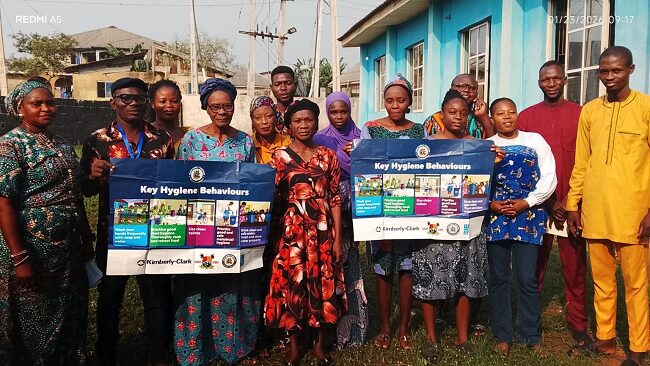
WaterAid Nigeria has trained 30 Volunteer Hygiene promoters for Maya Aladiye and Maya Olorijo communities in Ikorodu North Local Council Development Area (LCDA) of Lagos State.

The training is aimed at promoting hygiene behavioural change, as well as preventing disease outbreaks.

The three-day training, which ran from Wednesday, January 21 to Friday, January 23, 2026, also focused on hand-washing, safe water, environmental cleanliness and ending open defecation within the community.

WaterAid
Participants at the WaterAid training

Speaking at the event on Friday, Chairman of Maya Olurijo Phase Two, Mr. Victor Ologhobo, described the initiative as timely and impactful.

He said the training had improved residents’ understanding of hygiene, sanitation and disease prevention.

“Participants are now equipped to educate others and promote cleaner living environments across the community,” he said.

Also speaking, facilitator of the programme at Maya Olorijo, Mrs. Bibire Hassan, said the training aimed to introduce hygiene behavioural change, through community-based volunteers.

She disclosed that 15 volunteers were trained at Maya Olorijo, to cascade hygiene messages to households and community members.

“Continuous engagement and follow-up will ensure sustainability and long-term behavioural change,” she said.

In the same vein, facilitator of Maya Aladiye, Mr. Tosin Aremu, also said that 15 volunteers were trained on hygiene practices, including hand-washing, clean toilets, menstrual hygiene and safe drinking water.

Reacting to the training, a volunteer at Maya Aladiye, Mr. Boladele Ajasa, said the training exposed the dangers of open defecation and disease transmission.

’The knowledge gained will help improve hygiene practices and protect public health in the community,” he said.

The volunteers also held a sensitisation walk around the community, calling for hygiene behaviour change.

By Fabian Ekeruche

Ekuri Community alleges illegal logging in protected forest

0

Residents of New Ekuri Community in Akamkpa Local Government Area of Cross River State have raised concerns over alleged unauthorised logging activities in their community forest, warning that failure to address the issue promptly could heighten tension in the area.

Speaking at a press briefing in Calabar on Thursday, January 22, 2026, representatives of the community accused Ezemac International Limited of encroaching on the New Ekuri Community Forest and harvesting timber without the consent of the host community. The company is owned by Mr. Ezenwa Igwe.

Addressing journalists on behalf of the community and its traditional leadership, Dr. Martins Egot, Executive Director of Panacea for Developmental and Infrastructural Challenges for Africa Initiative (PADIC-Africa), said the forest is a community-owned asset protected by customary laws and recognised community forestry arrangements.

Ekuri Community
Ekuri Community and PADIC-Africa officials briefing the media in Calabar

He stressed that no commercial activity could legally take place in the forest without the free, prior and informed consent of the people.

Egot described New Ekuri as an internationally recognised example of community-led forest conservation, noting that the community has preserved over 33,600 hectares of rainforest for decades, opting for sustainable forest management rather than large-scale commercial logging.

According to him, the controversy began on January 12, 2026, when youths conducting routine road maintenance reportedly heard the sound of heavy machinery operating deep within the forest. He said the youths later discovered two bulldozers, an excavator and four trucks allegedly engaged in timber extraction.

“The youths acted peacefully. No worker was assaulted and no equipment was vandalised. They only requested that operations stop and that the ignition keys and batteries be handed over pending dialogue,” Egot said.

He added that the recovered items were subsequently deposited at the Apiapum Police Station for safekeeping.

The situation, however, reportedly escalated following a petition by Ezemac to the police, alleging that community leaders mobilised youths to attack workers and vandalise equipment. 

Egot said he was arrested and detained by the Zone 6 Police Command on January 13, despite maintaining that he was in Calabar and not present in the community at the time of the incident.

The community further expressed concern that while investigations were ongoing, the seized equipment was released to the company, which allegedly returned to the forest to resume operations.

According to Egot, the development angered youths in the community and required the intervention of elders to prevent a confrontation that could have degenerated into violence.

The community also alleged that the company’s activities caused significant ecological damage, including the destruction of young trees and forest corridors, adding that the environmental and economic losses were difficult to quantify.

Questions were also raised about the role of the Cross River State Forestry Commission, with the community demanding clarification on whether any permit was issued to the company, the scope of the approved operations and the royalties payable to the host community.

The people of New Ekuri said petitions had been submitted to relevant state and federal authorities and disclosed that they had received an invitation from the Cross River State House of Assembly to appear before it on January 27, 2026, over the matter.

Among their demands are the immediate withdrawal of Ezemac’s equipment from the forest, a transparent investigation into the legality of the logging activities, an independent environmental impact assessment and protection for community leaders and youths from alleged harassment.

Also speaking at the briefing, the Cross River State Director and Coordinator of the National Environmental Standards and Regulations Enforcement Agency (NESREA), Raymond Anunobi, assured the community of the agency’s commitment to enforcing environmental laws.

Anunobi said NESREA would carry out its statutory investigations and urged communities to promptly report environmental infractions, noting that collaboration with regulatory agencies would help prevent undue intimidation by law enforcement.

However, reacting to the allegations in a telephone interview, the Managing Director of Ezemac International Limited, Mr. Ezenwa Igwe, denied any wrongdoing. He insisted that the company operates legally with valid permits issued by the Cross River State Forestry Commission.

Igwe said the state government had lifted the ban on logging and maintained that Ezemac had complied with all regulatory requirements. 

He further claimed that the company has agreements with the New Ekuri community and that some community members are either employed by the company or supply timber to it.

Describing the allegations as unfounded, Igwe urged the public to verify his company’s documentation with the Forestry Commission.

By Stina Ezin, Calabar

×