Home Blog Page 127

Hardship pushed me into charcoal business, says ABU undergraduate

0

An Ahmadu Bello University (ABU) Zaria undergraduate, Joshua Christopher, said hardship pushed him into charcoal production, which has now become his main source of livelihood while pursuing his degree.

Christopher, who spoke to newsmen during a field visit to Idon Haya in Kajuru Local Government Area (LGA) of Kaduna State on Thursday, October 23, 2025, explained that he ventured into the business to sustain himself both in school and at home, in spite being aware of its environmental impact.

“I am an undergraduate student, currently running my degree programme in Chemistry at ABU Zaria, and this is what I do to sustain myself both at home and in school,” he said.
Joshua Christopher
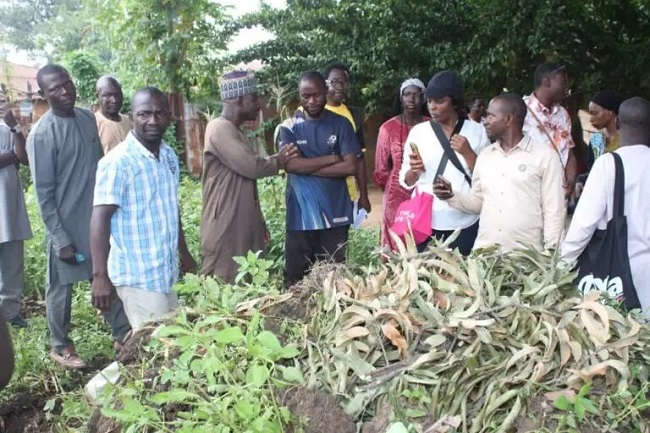
Joshua Christopher explaining the process of charcoal production

Christopher explained that charcoal production begins with cutting down trees and dividing them into logs, which are then neatly arranged, covered with soil, and burned under controlled heat.

According to him, the process can take between one and four days depending on the moisture level of the wood, and a single round of production can yield up to six bags of charcoal.

He acknowledged that deforestation was harmful to the environment but noted that economic hardship has forced many young people into the business.

“If you must deforest, then you must afforest, meaning if you cut one tree, you should plant two or three to replace it,” Christopher said.

Similarly, a 25-year-old charcoal dealer, Frank Bala, said he has been in the business for three years, describing it as moderately profitable.

Bala, who operates in Idon community, Kajuru LGA, explained that producers in the bush transport the charcoal to dealers, who then sell to retailers.

“On good days, we sell up to 50 bags, though the number varies depending on the season.

“Charcoal is cheaper during the dry season and more expensive during the rainy season because it becomes scarce,” he said.

He added that there were more than 50 charcoal dealers operating in the area, though the number fluctuates with demand.

Bala, a graduate of Agriculture, said he was aware of the negative impact of deforestation but stressed that the business provides an alternative source of income for many unemployed youths.

“I know the effects of tree cutting and deforestation, but sometimes, you have to work with what is available in your locality.

“This is better than venturing into crimes,” he said.

Bala said the security situation in Idon was relatively calm, making it easier for them to operate, though forest guards occasionally visit.

“Sometimes they come around, but we always cooperate with them and settle issues peacefully whenever necessary,” he added.

Bala appealed to the government and development partners to create alternative livelihood opportunities for young people engaged in the charcoal trade, saying such initiatives would help reduce deforestation while sustaining their income.

Meanwhile, the Kaduna State Ministry of Environment and Natural Resources has intensified operations to protect forest reserves across the state, deploying forest guards and collaborating with security agencies to tackle illegal logging and charcoal production.

The Assistant Director of Forest Resources in the ministry, Mr. Godwin Michael, said during a spot check in Kajuru that the government remained resolute in enforcing the ban on forest exploitation and promoting sustainable management of forest resources.

Michael recalled that, in 2015, the then Governor declared a state of emergency on forestry after discovering that Kaduna’s forest cover had fallen below 15 per cent, far below the internationally recommended minimum of 25 per cent.

He explained that the Keep Kaduna Green (KKG) Tree Planting Project, launched in 2016, saw over four million trees planted across the state between 2016 and 2019, but insecurity and the COVID-19 pandemic slowed progress.

“Our forest guards are handicapped because they are not armed, and most of these illegal operators come at night to cut down trees,” Michael said.

He added that the ministry has set up checkpoints in collaboration with the police to ensure compliance.

“Anyone caught with forest produce without proper documentation is arrested.

“The goods are confiscated and auctioned, and the proceeds are paid directly into the state government coffers,” he stated.

Michael further disclosed that most of the charcoal and timber entering Kaduna originate from neighbouring states such as Nasarawa, Niger, and Kogi.

“About 90 per cent of the charcoal coming into Kaduna is not from within the state,” he added.

Mr. Zakariya Naye, Divisional Forestry Officer for Kajuru LGA, identified lack of logistics and equipment as major challenges facing forest guards.

“Our major problems are lack of mobility and lack of arms.

“Without vehicles or protection, it is difficult to enter the forests and stop illegal activities,”he said.

Naye urged the government to provide the necessary support.

The field trip visit was organised by Bridge That Gap Hope for Africa Initiative (BTG), under the Women Empowerment and Climate Resilience Initiative (WECRI).

It is being implemented as part of the Partnership for Agile Governance and Climate Engagement (PACE) programme, funded by the UK International Development.

The programme focuses on building sustainable communities and enhancing climate resilience among vulnerable populations in Kaduna State.

The field trip visit and spot check were the culmination of a three-day workshop on ‘Strengthening Journalism and Reporting on Climate-related Issues’.

During the workshop, environmental experts, including Dr Joseph Onoja, the Director-General of the Nigeria Conservation Foundation (NCF), warned that deforestation contributes about 10 per cent of global greenhouse gas emissions and urged journalists to intensify climate reporting.

Similarly, Jonah Birga, an Environmental Data Analyst, presented local case studies and deforestation data for Kaduna.

He revealed that Nigeria loses approximately 350,000 to 400,000 hectares of forest annually, where urban areas, driven by high demand for charcoal, were the major contributors to the problem.

Also, Mr. Michael Simire, Publisher and Editor-in-chief of EnviroNews Nigeria, emphasided that ethical journalism recognised no “two sides” to the proven science of human-caused climate change.

He urged journalists to prioritise scientific consensus and expose misinformation, denial, and greenwashing that obstruct climate action.

He also highlighted strategies for safe and effective climate reporting, urging journalists to use FOI laws, secure tools, and inclusive storytelling.

The Executive Director of BTG, Ms. Gloria Bulus, said the organisation focuses on governance, climate change, and livelihood interventions, with strong commitment to achieving the Sustainable Development Goals (SDGs) by 2030.

Bulus explained that BTG prioritises SDG 13 on climate action, undertaking initiatives such as journalist training to enhance environmental reporting and advocacy, while also conducting community engagements to understand local environmental challenges.

She added that the organisation empowers rural women through livelihood support, pre-planting awareness campaigns, and school programmes.

Bulus emphasised that the efforts aligned with poverty reduction and the broader goals of sustainable governance and climate resilience.

By Sani Idris Abdulrahman
Govt, stakeholders commit to addressing methane emissions by 2030

0

The Federal Government of Nigeria and stakeholders have restated commitment to addressing methane emissions through a multi-pronged strategy by 2030.

Malam Balarabe Lawal, the Minister of Environment, made this known at a one-day workshop on Methane Emission Reduction in Abuja on Friday, October 24, 2025.

The workshop is a stakeholder Engagement on Data Mapping of Climate Actors and Inception Workshop on Methane Emission Reduction in Nigeria.

Malam Balarabe Lawal
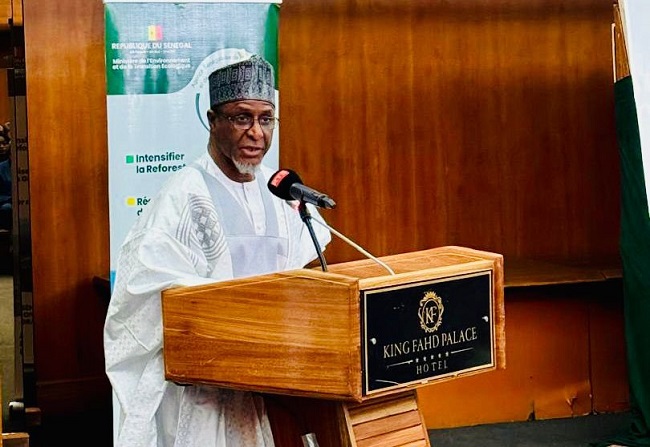
Minister of Environment, Malam Balarabe Lawal

The Project title is “Multi- solving Action to Methane Reduction in Nigeria” with focus on cities like Lagos, Abuja Jos and Benin.

Lawal, who was represented by Dr Asmau Jibril, an Assistant Director Department of Climate Change in the Ministry, said that the Nigeria has updated the Nationally Determined Contributions (NDCs) and long-term low-emission development strategies.

This, he said, would reduce heat-taped methane emissions from oil and gas operations by 60 per cent by 2030.

“Methane is a coated greenhouse gas with a global warming potential more than 80 times that of carbon dioxide over a 20-year period.”

He added that complementing these policies milestones, the Ministry established sector-specific and a national action plan to reduce the short-lived climate pollutants.

“By addressing methane emissions, particularly from Nigerian oil and gas, waste and agricultural sectors is imperative for safeguarding public health, protecting our environment and meeting our international climate commitments.

“The Department has been actively integrating methane reduction targets as shown in the

“This gathering signifies the peaceful journey to a Nigerian sustained journey towards climate resilience and sustainable development,” the Minister said.

Dr Babatunde Ajani, the General Manager of the Lagos State Environmental Protection Agency (LASEPA) said that the agency recognises that achieving Nigeria’s target of 30 per cent methane reduction by 2030 demands coordinated, sub-national participation.

“We are building an ecosystem of innovation, collaboration and climate accountability. Through initiatives such as the Land Carbon Registry, the Air Quality Monitoring Network across all local government areas.

“The economic solution, Lagos State continues to demonstrate that sub-national entities can deliver measurable, data-driven climate action that complements national commitments under the Global Methane Pledge and the Paris Agreement.

“We affirm our readiness to contribute expertise, share lessons and concrete frameworks that strengthen maintain data infrastructure, enhance dump sites management and promote cross-sectional integration across the waste, energy and agricultural value chains.

“As an agency, LASEPA remains steadfast in advancing policies and partnership that accelerate climate resilience, green jobs and environmental sustainability in Lagos and beyond,” Ajani said.

Mr. Yusuf Kelani, the Special Assistant (SA) to the President on Climate Matters, said that data mapping will give a quick access to know certain stakeholders that are actively engaged in certain areas of activities.

“There are quite a lot of empowerment opportunities in turning ‘Waste to Wealth’ and also trapping the methane and actually making use of them to regenerate other things.”

Kelani said that dump sites are seen as something of threat to the communities but we are working to put these wastes into possible uses for people, especially young people, the women and those who are very active within the ecosystem.

Also on his part, Mr. Aliyu Awal, Director, Communication and Strategy Partnership, Waste Pickers Association of Nigeria (WAPAN), said that the association was committed to partnering on converting waste into opportunity and reduce methane emissions to secure a healthier environment for all.

“This gathering is not only strategic but historic. It plays national purpose on one of the most critical contributors to climate change.

“WAPAN has introduced a groundbreaking waste pickers digitalisation app designed to formally integrate waste pickers into the national climate architecture.

“We are final on this commitment to partner with governments and development agencies to implement practical data-driven community-centred solutions that will transform waste management into visual climate action pathways,” Awal said.

Dr Leslie Adogame, Executive Director, Sustainable Research and Action for Environmental Development (SRADev) Nigeria, said that it is estimated that Nigerians produce a huge tonne of wastes.

“In most cases we are struggling as a country on how to either dispose or use the wastes most of the time disposal of wastes are being done by individuals thereby causing additional problems.

Mr. Abdulrahman Yusuf, a representative from the Abuja Environmental Protection Agency (AEPB), said that the engagement demonstrates the Federal Government’s sustained commitment to climate action and practical realisation of Nigeria’s methane reduction goals under the Global Methane Pledge.

“It also reflects a welcome emphasis on evidence-based coordination, which is critical for aligning diverse climate initiatives. Methane is one of the most potent greenhouse gases,” he said.

By Abigael Joshua

Ekpo, Mshelbila’s GECF new roles, affirm Nigeria’s competence in global gas community – NGA

0

The Nigerian Gas Association (NGA) says the emergence of Dr Ekperikpe Ekpo and Dr Philip Mshelbila in top positions at Gas Exporting Countries Forum (GECF) affirmed Nigeria’s competence within the global gas community.

Mshelbila, the Managing Director of the Nigeria Liquefied Natural Gas (NLNG), was elected as the new Secretary-General of the GECF at its 27th Ministerial Meeting held on Thursday, October 23, 2025, in Doha, Qatar.

The Minister of State for Petroleum Resources (Gas), Ekperikpe Ekpo, also emerged as the President of the 2026 GECF Ministerial Meeting.

Akachukwu Nwokedi
President of the Nigerian Gas Association (NGA), Mr. Akachukwu Nwokedi

The President of the association, Mr. Akachukwu Nwokedi, in a statement on Friday said that the twin appointments represented a major vote of confidence in Nigeria’s strategic role in shaping the global gas agenda.

Nwokedi, who is also the Africa Regional Director, International Gas Union (IGU), described the twin appointments as a resounding affirmation of Nigeria’s leadership, competence and growing influence within the global gas community.

“Both men have consistently demonstrated exceptional commitment to advancing Nigeria’s energy transition and global gas diplomacy.

“These achievements underscore the nation’s technical depth, visionary leadership and its commitment to promoting cooperation, inclusivity and stability across the gas value chain,” he said.

Nwokedi further praised Ekpo’s leadership at the Ministry of Petroleum Resources (Gas), commending his efforts in driving policies that strengthen investment, infrastructure and innovation across Nigeria’s gas sector.

“Under his stewardship, Nigeria has continued to demonstrate strong resolve in positioning gas as a catalyst for economic growth and sustainable development.

“His elevation to preside over the GECF Ministerial Meeting is a well-deserved recognition of his leadership and Nigeria’s policy direction in the global gas ecosystem,” Nwokedi said.

He also described Mshelbila’s appointment as a proud moment for the Nigerian and African gas communities, adding that his wealth of experience and steady leadership at NLNG would bring value-driven collaboration and renewed purpose to the GECF.

“Mshelbila’s appointment is a testament to excellence, consistency and technical brilliance. We are confident that his leadership will further consolidate the Forum’s role in promoting sustainable gas development and equitable energy access,” he said.

Nwokedi emphasised that Nigeria and Africa will continue to play a decisive role in driving a balanced and inclusive global energy transition.

“As a nation and as a continent, we remain committed to advancing gas as the bridge fuel for industrialisation, job creation and climate balance.

“These new global roles for Ekpo and Mshelbila reaffirm Nigeria’s standing as a trusted and forward-looking partner in the global energy dialogue,” he said.

By Emmanuella Anokam

WOFAN urges dry season farmers to build on wet season gains

The Women Farmers Advancement Network (WOFAN) has advised dry season farmers to leverage the lessons and successes recorded during the wet season to boost productivity and minimise post-harvest losses.

The Regional Agronomist for WOFAN, Dr Haruna Zakari, gave the advice in an interview in Bauchi on Friday, October 24, 2025.

Zakari said that WOFAN 2025 Wet Season Brown Field and Produce Exhibition was held in Dass Local Government area.

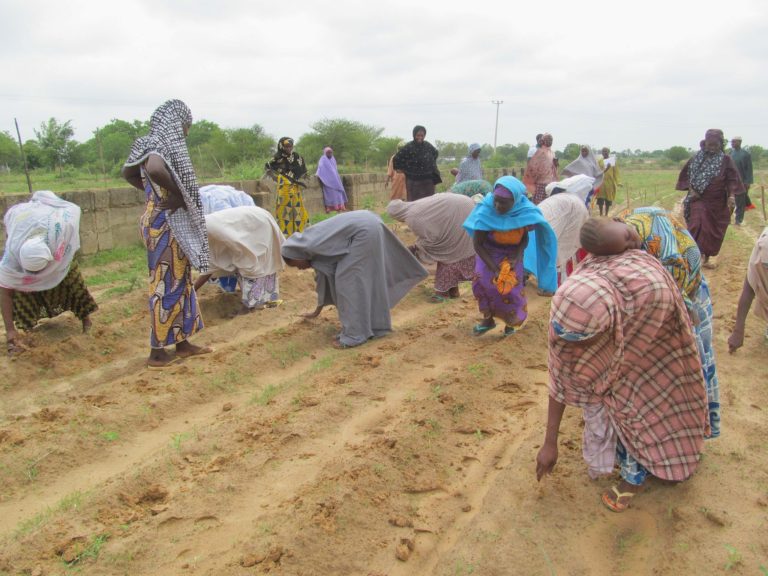
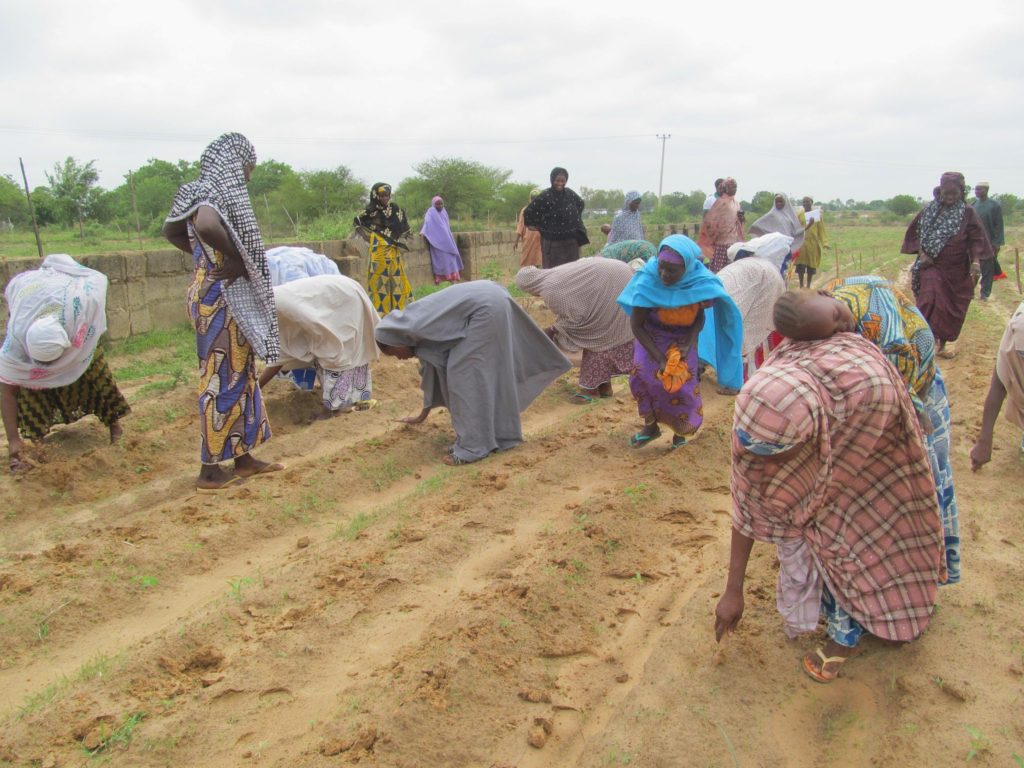
Women farmers
Female smallholder farmers

According to him, the annual Brown Field Day provides a platform to celebrate the harvest period, assess progress, and offer practical guidance for the next planting cycle.

“The essence of this occasion is what we call the Brown Field Day.

“We usually conduct this every year after the season has come to an end to mark the harvest period.

“We share with our community partners, identify with them, and look at what they have achieved based on our partnership,” Zakari said.

He urged farmers preparing for the dry season to apply improved storage and processing techniques to preserve their produce and maintain quality.

He also emphasised the importance of adopting sustainable irrigation practices and diversifying crop choices to ensure continuous income generation during the dry season.

“We assess the potentials of the harvest and provide guidance on how to enhance the harvesting process and reduce post-harvest losses on the products planted this season,” he said.

Zakari assured communities of WOFAN’s continued technical and advisory support.

He said that the brown field and produce exhibition showcased various innovations and success stories.

“This underscores WOFAN’s ongoing mission to empower women farmers, strengthen rural livelihoods, and promote sustainable agricultural practices,” Zakari said.

By Ahmed Kaigama

Weary host communities collaborate to tackle polluting oil firms

0

In the face of divestment plans of multinational oil companies in the Niger Delta especially Shell, and the transfer of assets to indigenous companies, stakeholders have called on all communities affected by oil pollution to band together to hold the multinational companies accountable for the environmental disasters caused by oil exploration, and to demand for reparations and compensation from divesting oil companies and their succeeding companies.

This was stated in a meeting of community representatives from Delta, Rivers, Bayelsa and Abia states which held in Yenagoa, Bayelsa State, with the aim of raising awareness of community members, to educate local communities on their rights and how to hold Renaissance Africa Energy Holdings and other local oil companies accountable for the continuous pollution of the Niger Delta Region, in the face of divestment by Shell and other oil multinationals.

Host communities
Participants at the meeting of community representatives from Delta, Rivers, Bayelsa and Abia states, in Yenagoa, Bayelsa State

Deputy Executive Director of the Environmental Defenders Network (EDEN), Alagoa Morris, who led the meeting, stated that the interactions and shared experiences of affected communities were necessary in order to strategise on how to collectively confront the polluters. He described the divestment of Shell as a ploy to escape the consequences of decades of environmental and human rights abuses, while operating under the guise of local oil companies.

While presenting their testimonies, Okala Precious from Elebele Community in Bayelsa State stated that the oil and gas experience of his community has been really bitter, pointing out that despite the continuous destruction of livelihoods and the near extinction of aquatic life, the succeeding company took over without any information to the people, except for a letter to one of the biggest families in the community to announce their arrival. This he described as disrespect for the community.

“The company keeps tapping our resources without an equivalent dividend to show. Our environment is highly polluted. We’re experiencing health issues like stroke even among young people. Aquatic lives have been washed off, our fishes are gone, and our soil is no longer fertile. Certain crops such as Cocoyam have gone into extinction due to environmental pollution.

“Our youths are not employed or engaged by any of these companies. The only thing that gave us joy was our power supply, but we are experiencing a decommissioning of which the generating set went bad a year ago. Even the Petroleum Industry Act (PIA) which is supposed to protect the community, prohibits us from protesting against the injustice we are experiencing,” he lamented.

Ngbar Lezin, who represented Korokoro Community in Tai LGA of Rivers State, spoke on how oil and gas exploration has affected the health and quality of life of the people in her community. She lamented that after decades of pollution by Shell, they have neglected the need to carry out a health audit of the people in the community, and a responsive medical care to cater for the multiple issues of stroke, miscarriages’, early menopause and blindness that have swept across the community.

“Shell has been operating in our land since 1958 till today with nothing to show for it. Women from the age of 20 to 30 are experiencing early menopause, and other health challenges. Peace is now a story of the past in our community due to the divide and rule system. We have two chiefs and two youth leaders in our community now. Due to the continuous crisis, all projects in the community have been put on hold. From 1958 till now, we cannot point to one Shell retiree from our community. They don’t even employ our people as casual staff. Now Shell wants to divest and leave us like that without repairing the damages they have caused,” Lezin disclosed.

On his part, Jonah Gbemre from Iwherekan/Otu-jeremi community in Delta State highlighted how even the justice system has failed the host communities, citing the landmark judgement that was given to his community in 2002 to end gas flaring. According to him, this judgement has not been acted upon 23 years later. He added that communities need to work together in the fight for justice and accountability.

“Since we have tried as an individual community to seek justice and it hasn’t worked, we need to come together as a force, just like the three farmers that won a case against Shell and fight these oil multinationals together.”

While proffering solutions on seeking accountability, EDEN’s Programme Manager on Women and Gender, Keziah Okpojo, spoke on the importance of women inclusion in climate and environmental justice system. She added that the voice of the woman who is at the forefront of the consequences of environmental pollution is vital in decision making and advocacy efforts towards seeking justice and accountability.

Comrades Akpotu Ziworitin and Sabastan Kpalaap highlighted the human and environmental rights of the people and the need to continue to speak up to uphold these rights and ensure accountability from oil companies.

Media and Communications Manager of EDEN, Elvira Jordan, spoke on the role of social media in environmental advocacy, and how communities can utilise the internet to expose the injustices of the oil and gas sector. According to her, social media provides a wide opportunity to reach the oil companies, government regulatory agencies, civil society organisations, human rights advocates and other stakeholders.

Meanwhile, EDEN, under the Global Greengrants Funds (GGF) carried out research on the impact of the operations of Shell Petroleum Development Company in Akwa Ibom, Abia, Bayelsa, Delta and Rivers states, following the divestment of Shell, which involves the transfer of ownership of equity holdings to indigenous companies.

The findings of this research were compiled into a document titled “Shell’s Awkward Divestment in Nigeria’s Niger Delta”. The document serves as an advocacy material to guide the relevant bodies and agencies on how best to ensure that host communities are not shortchanged and plunged further into more environmental degradation through the divestment process.

The Executive Director of EDEN, Barr. Chima Williams, took the advocacy efforts to the Nigeria Extractive Industries Transparency Initiative (NEITI), presenting the document to key stakeholders at NEITI including Dr. Orji Ogbonnaya Orji (Executive Secretary), Mrs. Obiageli Onuora (Director of Communications), Comr. Kola Banwo (former CSOs Representative on the NEITI Board), and Dr. Mustapha Mohammed (National Coordinator, Publish What You Pay).

Barr. Williams also presented the publications to key stakeholders at the Environmental Management Disaster Risk Reduction Institute (EMDRRI), connecting with the President and CEO of Stephen Ogboli, and also the Federal Ministry of Environment and the National Oil Spill Detection and Remediation Agency.

The engagements were geared towards advancing transparency, accountability, and stronger environmental governance for the common people of oil-bearing communities, in the face of divestment plans.

How can football clubs in Nigeria get behind the new zero-plastic incentive

0

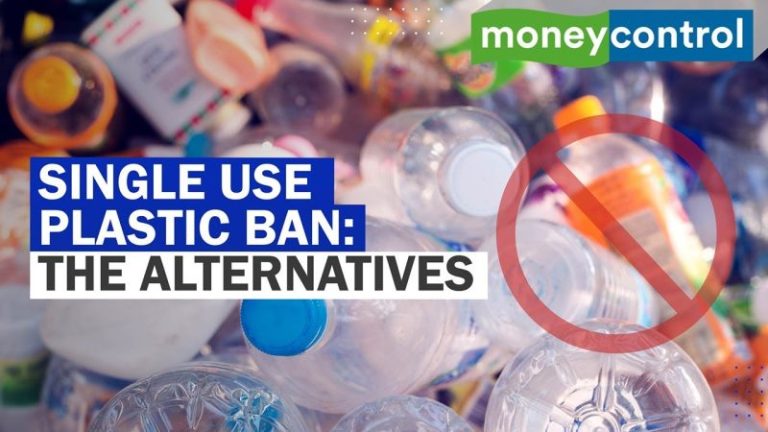
Plastic pollution is one of the world’s most pressing environmental challenges, and Nigeria, like many other nations, has been working to address its share of the issue. Finally, though, great changes are afoot, and the government has pledged to put a stop to single-use plastic by next year.

With Nigeria being such a football-mad nation, it would be great if the country’s clubs could get behind this important initiative. There’s a great opportunity for the top Nigeria Premier Football League clubs to forge partnerships with green companies.

Nigeria Set to Ban Single-Use Plastic Next Year

According to a recent report, Nigeria has introduced a nationwide ban on single-use plastic, which will be phased out over the next year. This move has come about following research highlighting that more than 70 per cent of Nigeria’s 2.5 million tonnes of annual plastic waste currently ends up in landfills.

The crackdown will be on single-use items, which are often discarded immediately without being recycled. These include things like straws and cutlery, and they will need to be replaced with sustainable alternatives. Part of the effort will involve public education on the importance of reducing plastic waste, since greater awareness is key to changing habits. This is where football clubs could come in, as they have the power to reach a massive amount of people and can easily promote green initiatives.

Could Be a Good Opportunity for Green Partnerships

Football has proven to have enormous power for good, with some of the world’s biggest leagues proving what’s possible. For instance, the Premier League in the UK is renowned for promoting equality and diversity, with various initiatives that have become synonymous with the brand. The sport is watched by so many people, and it goes way beyond the action on the pitch. Fans can learn through careful and clever brand sponsorships, along with players acting as ambassadors for good causes.

With Nigeria pursuing this ambitious step toward sustainability, football could play an important role in supporting and amplifying the initiative. The leading clubs in the division should seek out partnerships with green companies so that they can spread the word and do some good for the country.

Companies Related to Football Can Promote This Initiative

It’s not just the football clubs that can get behind the banishment of plastic from Nigeria in the years ahead. There are plenty of related industries that rely on football’s popularity that can also do their part. Betting is a huge part of the sport in Nigeria, and the rise of the online industry has enabled more people to stake on games. The best betting site in Nigeria has stated its commitment to giving back to communities, and one way to do this could be to invest in plastic collecting campaigns.

Food and drink companies involved with the sport need to get behind this drive as well. They are huge contributors to plastic waste, so they need to ensure that they are coming up with solutions to avoid using plastic in the future.

Looking ahead, a plastic-free Nigeria would be an inspiring achievement. Reaching this goal could be supported by collaboration from influential industries such as football, which can help raise awareness and inspire positive change. Clubs should do their bit and promote green initiatives in any way they can.

Ethical guide urges climate journalists to ditch false balance, protect sources, tailor messages

0

At a three-day media training workshop held from October 21 to 23, 2025, in Kaduna, Kaduna State, media professionals were presented with an urgent new ethical framework for reporting on the climate crisis, moving beyond traditional norms to counter misinformation, protect sensitive sources and effectively communicate with diverse audiences. The message was clear: climate journalism is a critical public service where the obligation is to truth, not false balance.

In his five presentations at the training workshop on “Strengthening Journalism and Reporting on Climate-Related Issues: Focus on Deforestation” a key message by Michael Simire, conference facilitator, was that a noteable challenge to conventional practice was the new awareness to be hesitant in giving a platform to climate deniers.

Kaduna
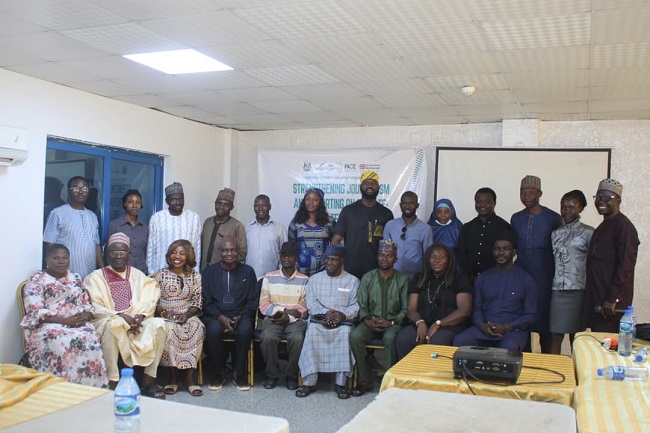
Participants at the media training workshop in Kaduna

Under workshop modules such as “Investigative Reporting Techniques”, “Ethics and Challenges in Climate Journalism” and Storytelling and Media Engagement”, Simire, an urban planner and Editor-in-Chief of EnviroNews, delivered papers on “Research methods for climate reporting”, “Using data to tell compelling stories”, “Framing messages for diverse audiences”, “Misinformation and ethical dilemmas”, and “Navigating access to sources and sensitive information.”

Simire argued that ethical journalism dictates there are not two equal “sides” to the established scientific fact of human-caused climate change. “Journalists should platform the scientific consensus and if necessary, frame denial as a political or ideological counterfactual, not a legitimate scientific debate,” he stated.

According to him, “This approach is vital to combat a coordinated ‘infodemic’ of disinformation, including outright denial, ‘climate delay’ tactics, and corporate greenwashing that undermines public trust and delays policy responses.”

He said that, complementing this, journalists were equipped with strategies for handling sensitive information and navigating barriers to access.

The presentations highlighted the risks to both data and journalists themselves, especially when investigating powerful interests like extractive industries. Best practices include using Freedom of Information (FOI) laws, building trust with community sources, and employing secure communication tools like Signal and ProtonMail to protect whistleblowers.

The ethical imperative is to minimise harm while seeking truth, ensuring that the publication of sensitive details always serves the public interest.

To ensure that stories resonate, the workshop emphasised the science of message framing. Journalists were urged to move beyond a one-size-fits-all approach by first understanding their diverse audiences, their values, priorities, and cultural contexts. Effective strategies include using positive “gain frames” (highlighting benefits of action) for hesitant audiences and precise, accessible language instead of jargon. The choice of a trusted messenger, such as a community member directly impacted by climate change, can be as important as the message itself in building credibility and connection.

A key dilemma addressed was balancing the severity of the crisis with hope. To combat audience overwhelm and “doomism,” journalists were encouraged to practice “solutions journalism,” which rigorously investigates what is working without becoming advocacy.

 Furthermore, a central pillar of ethical climate reporting is to prioritise climate justice, humanising the story by focusing on how impacts and solutions disproportionately affect marginalised, vulnerable, and Indigenous communities.

The workshop concluded by framing climate journalism as an essential public service that cuts across all beats – from economy to health.

“In an era of disinformation, upholding journalistic integrity is not just about reporting facts, but is essential for democracy and a habitable planet,” submitted the facilitator, who challenged attendees thus: “Your voice can change the world. Will you use it?”

The training was organised by the Kaduna-based not-for-profit organisation, Bridge That Gap Initiative.

By Lola Seriki-Idahosa, Kaduna

Rich countries are breaking their 1.5°C obligation, study reveals

0

Developed countries’ latest national climate plans (NDCs 3.0) expose a stark truth: those most responsible for the climate crisis are still refusing to lead its solution. A new analysis by Climate Action Network (CAN) International, a network of numerous NGOs in over 100 countries, finds that every developed economy fails all three tests of a fair and 1.5°C-aligned pathway – ending fossil fuel production, delivering public climate finance, and ensuring a just and equitable transition.

Reviewing developed countries’ NDCs against three tests, the review found that: instead of phasing out fossil fuels, most continue to subsidise or expand them; instead of honouring finance commitments, they defer and dilute them; and that references to “Just Transition” appear largely symbolic, stripped of the measures needed to protect workers, Indigenous Peoples, and communities on the frontline of change.

Fossil fuel pollution
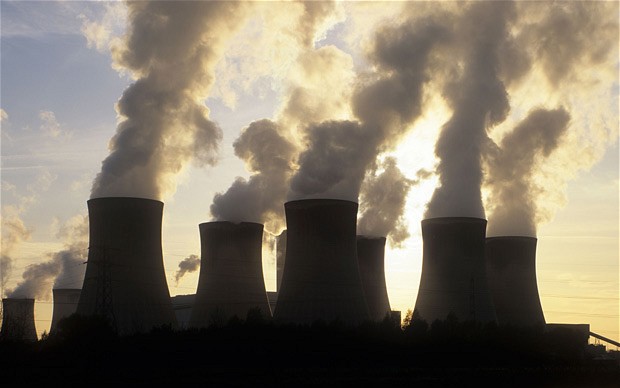
Fossil fuel pollution from a coal power station:

Among developed countries, the EU failed to submit their NDC on time, while the US submitted their NDC before withdrawing from the Paris Agreement. The EU and the US together account for over 40% of historical CO2 emissions.

Nine other G20 countries did not submit their NDCs by the end of September: Argentina, China, India, Indonesia, Mexico, Saudi Arabia, South Africa, South Korea, and Turkey. Together with the EU, they account for half of current global emissions.

Given the glaring and alarming ambition gaps across developed and G20 countries, the report calls on leaders to agree to fix NDCs that are not in line with countries’ fair shares responsibilities. Parties were urged tocommit to this at the COP30 Leaders Summit. 

Key findings from CAN’s brief

Climate finance remains under-delivered: Just two developed countries (Canada and the UK) specify climate finance volumes beyond 2025 but not beyond 2027, and none outline how they will meet their fair share obligations.

No country commits to increasing international adaptation finance; in fact, only Japan and the UK mention adaptation finance at all. None of the NDCs reference contributing to the UNFCCC Fund for responding to Loss and Damage.

No fossil fuel phase-out: Despite the clear mandate from the UAE COP28 decision, every fossil-fuel-producing developed country omits a timeline to end coal, oil, or gas production. Brazil and Russia, the only two other G20 countries that have submitted their NDCs, do not commit to phase out fossil fuels.

None of the countries that currently provide fossil fuel subsidies have committed to phasing them out completely. Every country plans or is considering using carbon offsets to achieve their targets and/or unproven and risky technologies such as carbon capture, utilisation, and storage, shifting the focus to reducing emissions from fossil fuel production rather than phasing out production itself.

Just transition and adaptation measures sidelined: Though references to a just transition are present across the majority of analysed NDCs, the phrase is often mentioned only once and is not accompanied by implementation measures, the need to address inequalities, or essential concepts such as social protection, social dialogue, or decent work.

For developed countries, just transition measures are too narrow, mainly focusing on skills training and green jobs. While several NDCs note consultations with Indigenous Peoples, none explicitly commit to upholding Free, Prior and Informed Consent or implementing the UN Declaration on the Rights of Indigenous Peoples. Only two countries analysed mention Loss and Damage in their NDCs (Canada and Brazil), and each only once. 

What CAN is calling for at COP30

At the COP30 Leaders Summit, Heads of State from rich countries must publicly commit to submitting strengthened NDCs before COP31, in line with their fair shares and reflecting their legal obligations, including those affirmed by the recent climate action ruling by the International Court of Justice. 

These revised NDCs must implement the guidance from the first Global Stocktake in line with equity and the fair shares of each country:

  1. Set whole-of-economy, time-bound fossil fuel phase-out plans in line with a 1.5°C pathway and by 2040 at the latest for developed countries;
  2. Outline contributions to the global goals on renewable energy and energy efficiency, and measures to halt and reverse deforestation and forest degradation by 2030;
  3. Embed just transition and resilience-building measures that uphold human rights and enable sustainable development within planetary boundaries, while addressing inequalities both within and between countries.

In addition, developed countries are tasked to commit to providing new, additional and grant-based finance for mitigation, adaptation, loss and damage, and just transition measures, with specific details on how they plan to align with their fair shares.

Tasneem Essop, Executive Director of Climate Action Network International, said: “This round of NDCs is an indictment, not a plan. The richest countries on Earth – those who built their wealth on fossil fuels – are still refusing to take responsibility for the damage they’ve caused. They know exactly what justice requires: a time-bound fossil fuel phase-out, predictable grant-based finance, and real Just Transition measures grounded in rights and equity. Instead, they deliver delay tactics dressed up as ambition. Without credible timelines, without money on the table, and without protection for workers and communities, these NDCs are a betrayal of 1.5°C – and of the people already living with the impacts of climate disaster.”

Jacobo Ocharan, Head of Political Strategies at Climate Action Network International, said: “NDCs that dodge production phase-out for fossil fuels, while leaning on offsets and risky emissions reduction technologies, are a recipe for overshoot and global climate injustice. We expect developed countries to lead with concrete end-dates for coal, oil, and gas – and to fund transitions with public, grant-based finance rather than debt and creative accounting.”

David Knecht, Climate expert at Fastenaktion Switzerland, added: “1.5°C-aligned NDCs are not just a technical issue about emissions reductions. Behind every weak target and climate plan are real lives, livelihoods, and ecosystems being lost to floods, droughts, and fires. Communities all over the world – especially communities in remote areas, Indigenous Peoples, women and workers – are already suffering from delayed action. Climate plans must be centered around people and nature, not preserving the profits of the polluters that caused this crisis.”

Lagos climate summit to unlock funding for Africa’s ocean sustainability – Commissioner

0

The Lagos State Government says its 2025 International Climate Change Summit (LICCS) will focus on unlocking sustainable financing and innovation to strengthen Africa’s coastal resilience and blue economy.

The Commissioner for the Environment and Water Resources, Mr. Tokunbo Wahab, said this on Thursday, October 23, at a news conference held in Lagos, ahead of the summit scheduled for Nov. 6 to Nov. 7.

Wahab said the summit, with the theme: “Blue Economy, Green Money: Financing Africa’s Coastal Resilience and Ocean Innovation,” would provide a strategic platform for governments, investors and global development partners to develop actionable solutions to climate-related challenges.

Lagos
Dignitaries during a media briefing on Lagos International Climate Change Summit on Thursday, in Lagos

“Lagos, as a coastal megacity, faces increasing threats from flooding, coastal erosion, and rising sea levels, but we are determined to turn those challenges into opportunities for economic growth and environmental sustainability.

“The summit embodies our belief that vulnerability can be transformed into vision, and that Lagos’ coastal challenges can become a source of economic and ecological strength,” he said.

Wahab said the 2025 edition would attract over 1,200 delegates from across Africa and beyond, including global chief executive officers, financiers, researchers, and young innovators, all focused on mobilising resources for Africa’s climate resilience.

According to him, the summit will highlight four key areas: the blue economy, green finance, innovation and youth empowerment, and partnerships.

He said that these are aimed at creating long-term transformation for Lagos and other African coastal cities.

Wahab described the event as an avenue to position Lagos as Africa’s climate leadership hub, ahead of the COP30 global climate conference.

“Our goal is to make Lagos the climate capital of Africa, a city that not only adapts to change but leads it,” he said.

He appreciated the support of partners such as Eko Atlantic, NIMASA, the International Finance Corporation (IFC), the African Development Bank (AfDB), and the United Nations Development Programme (UNDP), among others.

The commissioner noted the roles of its partners in advancing sustainable development in Lagos.

Wahab called on the media, private sector, and the global community to actively engage in the summit, which, he said, would serve as a launchpad for innovative financing models for Africa’s climate resilience.

“Through this summit, Lagos is sending a clear message: Africa is not waiting to be rescued; we are ready to lead,” he said.

Earlier, the Head of Corporate Communications, Eko Atlantic City, Ms. Joanna Fabikun, outlined the city’s contributions to coastal protection and environmental sustainability.

She described the city as a model for resilience against climate-induced erosion in Lagos.

Fabikun, who narrated how the city was reclaimed, said the Eko project was born out of the need to tackle the severe coastal erosion that had threatened Victoria Island and parts of Lagos for decades.

Speaking on the structure of the summit, Mr. Michael Bankole, Technical Lead for the summit, noted that the first day would feature different technical sessions and high-level panel discussions with international participation.

Bankole said this was aimed at addressing the economic, environmental, and policy implications of climate change.

“The two-day programme will have stakeholders share insights on climate financing, economic resilience, and sustainable development.

“The discussions will also focus on how to catalyse market-driven climate solutions, strengthen economic systems, and influence policy direction in line with the Federal Government’s climate adaptation agenda,” he said.

Bankole noted that President Bola Tinubu’s administration had shown commitment to addressing climate-related economic issues.

He said that the summit would complement such efforts by generating actionable strategies for implementation at the subnational level.

Also, the Director-General of the Nigerian Maritime Administration and Safety Agency (NIMASA), Dr Dayo Mobereola, assured the Ministry of the agency’s readiness to partner with it in hosting the event.

Mobereola, who was represented by the Deputy Director of the Deep Blue Project at NIMASA, Mr. Tuti Hebron, said the summit would provide opportunities for entrepreneurs to harness the vast potential of the blue economy.

He said that the platform would serve as an eye-opener to the world on what Lagos had to offer in areas such as coastal tourism, fishing, and marine resource development, as well as its potential for wealth creation and job opportunities.

By Taiye Olayemi

Paris Accord at 10: COP30 should move from commitment to action

0

Ahead of the 2025 UN Climate Change Conference, or Conference of the Parties (COP30), the Executive Secretary of the UN Framework Convention on Climate Change, Simon Stiell, is rallying stakeholders for action.

Stiell has urged countries to deliver a rapid surge in climate finance to address the impact of climate change.

COP30 will be held in Belém, Brazil, between Nov. 10 and Nov. 21.

Paris Agreement
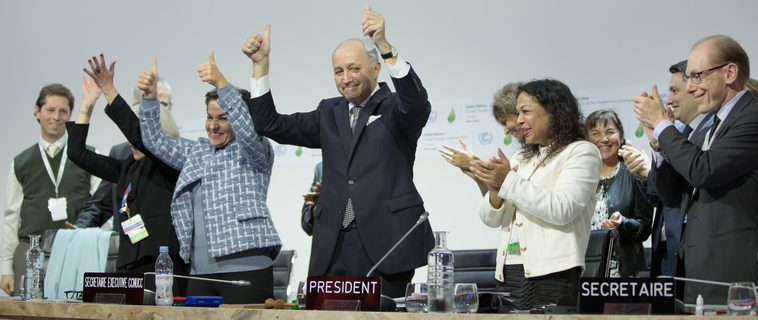
Jubilation greeted the adoption of the Paris Agreement in December 2015 in Paris, France. Photo credit: unfccc.int

Stiell warned that developing nations remained dangerously short of the resources needed to withstand worsening storms, floods, and droughts.

The UN climate chief, therefore, called for finance to “flow right now”, as delegates prepare for what is being referred to as a crunch summit for turning promises into action.

“Whether or not countries need to be prepared to cope with a changing, more unpredictable climate is hardly in question…

“Extreme weather events such as devastating wildfires, catastrophic droughts, and apocalyptic floods are making life increasingly difficult in all parts of the world.

“There are plenty of examples of effective measures that countries can take to adapt to this new normal, ranging from high sea walls to cyclone warning systems, floating homes and planting drought-tolerant crops,” he said.

In a new report detailing the progress countries are making on their national climate adoption plans (NAPs), the UN said persistent funding gaps risk derailing plans that many are attempting to implement.

Stiell said at the launch of the report in Brazil that the climate crisis is destroying lives and livelihoods in every region of the world, especially in the most vulnerable countries.

According to him, adaptation is not optional; it is essential, as it will not only protect lives but also help empower communities and countries to thrive.

The question on the lips of some climate activists is: How do vulnerable countries and regions that are the least polluters adapt when rich polluting countries have refused to fund climate action?

The Paris Agreement (also known as the Paris Accord), a legally binding international treaty on climate change adopted in 2015, was signed by 195 countries to address climate change mitigation, adaptation, and finance.

Its core goal is to hold the increase in the global average temperature to well below 2°C above pre-industrial levels and make efforts to limit the temperature increase to 1.5°C above pre-industrial levels.

However, to achieve this, it was agreed that greenhouse gas emissions must peak before 2025 at the latest and decline by 43 per cent by 2030.

Unfortunately, experts and activists warn that through a combination of poor commitment, a lack of collaboration, and inequality in terms of resources, the world is at risk of missing that crucial target.

They say the impact of climate change on developing countries, especially in Africa, is an indication that the support, funding, and awareness required for adaptation needs have been inadequate.

Yet, those three components – mitigation, adaptation and finance – seem to be exclusively within the reach of wealthy nations who, ironically, are the biggest polluters.

In 2023, Kenya hosted the first Africa Climate Summit (ACS), where President William Ruto appealed for a change in strategy in the continent’s pursuit of a sustainable solution to its climate crisis.

“For a very long time, we have looked at this as a problem. It is time we flipped it and looked at it from the other side…

“Climate action is not a Global North issue or a Global South issue. It is our collective challenge, and it affects all of us.

“We need to come together to find common, global solutions,” he said.

The summit culminated in an eleven-point call to action, now known as the Nairobi Declaration, including the operationalisation of the Loss and Damage fund as agreed at COP27.

It also called for the resolution of a measurable Global Goal on Adaptation (GGA) with indicators and targets to enable the assessment of progress against the negative impacts of climate change.

However, critics said the summit overly focused on market-driven financing mechanisms such as carbon credits, compensations, and debt forgiveness.

They said some of the points raised in the Nairobi Declaration were mere echoes of demands that developed countries have either turned a blind eye to or refused to fulfill previous commitments on.

They cited the demand for the operationalisation of the Loss and Damage fund as agreed at COP27 and the resolution of a measurable Global Goal on Adaptation (GGA).

The GGA was established at COP26 in Glasgow to enhance resilience and assist the most vulnerable communities.

However, developed countries have failed woefully to fulfill their financial commitments to vulnerable and worst-hit regions, either through the GGA or the Loss and Damage fund, or any such climate financing instrument.

In response to some of the challenges, French President Emmanuel Macron convened a Summit for a New Global Financing Pact in 2023.

The summit was aimed at finding a roadmap for easing the debt burdens of low-income countries while freeing up more funds for climate financing.

Macron presented four pillars that should underpin the new global financial pact: “First, no country should have to choose between fighting poverty and protecting the planet.

“Second, each country must follow its own path because there is no single model; third, we need to take on a public funding shock.

“And fourth, we need more from the private sector to mobilise a lot of money.”

Climate experts are worried that things have changed since Macron and other stakeholders made that commitment, as the world now faces tense geopolitical confrontations.

Copernicus Climate Change Service (C3S) confirmed 2024 to be the warmest year on record globally, and the first calendar year that the average global temperature exceeded 1.5°C above its pre-industrial level.

Some experts are already painting a pessimistic picture of COP30; saying optimism has been dampened by the rhetoric of some world leaders, especially U.S. President Donald Trump.

Jennifer Bansard of the International Institute for Sustainable Development (IISD) raised concerns.

“The multilateral diplomatic scene has been more difficult than ever in recent years.

“We also have a lot of logistical constraints for COP 30, with some delegations not sending anyone to Belém and others knowing they’re going to have reduced delegation sizes,’’ she said.

At COP29 in Baku, Azerbaijan, parties agreed to a new collective quantified goal (NCQG) on climate finance of 300 billion dollars annually to support climate action in developing countries.

Commended as a step forward compared to the previous goal of 100 billion dollars, climate activists say the NCQG still falls short of what is required to tackle climate change.

They say climate justice recognises that climate change disproportionately affects marginalised communities, who are the least responsible for causing it.

They call for solutions that address these inequities by focusing on a fair and just distribution of climate action’s burdens and benefits, with vulnerable populations at the center of decision-making.

According to the UN, fossil fuels (coal, oil, and gas) are responsible for nearly 90 per cent of global carbon dioxide emissions.

Unfortunately, they still dominate global energy production.

Yet, a recent report by IRENA, in collaboration with the African Development Bank (AfDB), indicted rich nations when it comes to just and inclusive transition to clean energy.

The report showed that Africa has been significantly left out of the energy transition, as only two per cent of global investments in renewable energy in the last two decades were made in Africa.

Some climate activists, therefore, stress that, if COP30 does not move from commitment to action 10 years after the Paris Accord, then vulnerable countries should reconsider their participation in the annual conference.

By Kayode Adebiyi, News Agency of Nigeria (NAN)