The Nigerian Institute of Town Planners (NITP) has expressed commitment to repositioning Nigeria’s towns and cities for national development through the effective implementation of the Urban and Regional Planning (URP) Law.
President of the NITP, Dr Chime Ogbonna, said this on Monday, October 27, 2025, in Abuja at a National Colloquium on the implementation of the 1992 URP Law (CAP N138, Laws of the Federation of Nigeria, 2004).
He said the institute, in collaboration with relevant stakeholders, would develop a national plan of action to reposition Nigerian urban areas through coordinated and sustainable land use planning.
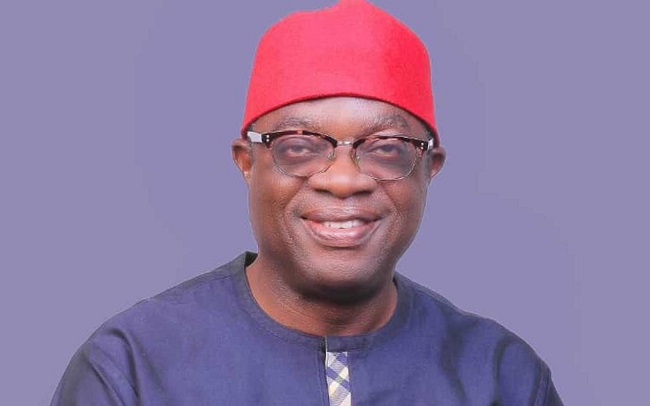
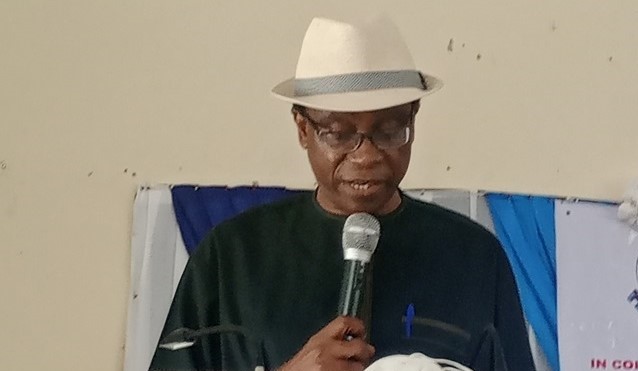
President of the NITP, Dr Chime Ogbonna,
“The preparation of appropriate land use plans at each level of governance will help integrate economic and environmental interests while mobilising resources and technical skills for infrastructure and service provision,” Ogbonna said.
He noted that some states had begun reviewing their urban and regional planning laws in line with Federal Government expectations to enhance spatial development and resource management.
Ogbonna expressed concern over the slow adoption of the URP Law, warning that poor implementation had far-reaching implications for national development and efficient land use in Nigeria.
“The Federal Government enacted the URP Law to address challenges arising from rapid population growth, uncontrolled urban expansion, inadequate infrastructure, and unregulated settlement patterns,” he said.
He added that the failure to fully implement the law across all levels of government had continued to hinder Nigeria’s economic growth and urban sustainability.
According to him, the URP Law emphasises that urban and regional planning is a residual matter under the Constitution, requiring coordinated action and integration among the federal, state, and local governments.
“It has been observed that, since the enactment of the URP Law, all levels of government are yet to adopt its major provisions to achieve the desired objectives,” Ogbonna said.
He stressed that governments at all levels must play their constitutional roles effectively and foster mutual cooperation to make Nigerian cities responsive, competitive, and efficient in the face of globalisation.
“Development experts increasingly recognise that the daunting challenges of delivering the dividends of democracy are best addressed through partnership and stakeholder collaboration,” he added.
He noted that experiences from other countries had shown that effective collaboration in urban management was key to reducing poverty and attracting foreign investment.
Ogbonna explained that the colloquium was timely, given that land was limited, fixed, and subject to competing uses, which made rational and sustainable management essential for national development.
“These unique attributes of land call for its prudent use to achieve sustainable development, economic growth, and efficient land consumption in Nigeria,” he said.
He added that the colloquium preceded the Institute’s International Annual Conference, aimed at engaging professionals in the built environment and representatives of all levels of government who were direct end users of the URP Law.
Minister of State for Petroleum Resources (Oil), Heineken Lokpobiri, says the Federal Government will fully support Dangote Refinery in achieving its 1.4 million barrels-per-day refined products target.
Lokpobiri said this on Monday, October 27, 2025, in Lagos during his welcome address at the 19th Africa Downstream Energy Week.
The theme of the event is “Energy Sustainability: Growth Beyond Boundaries and Competition”.
“I received the good news that the Dangote Refinery is expanding its capacity to 1.4 million barrels per day.
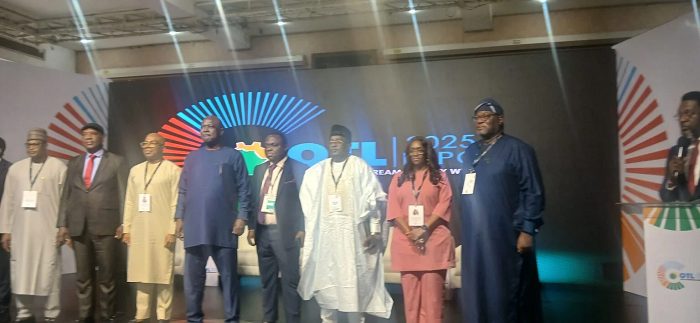
Dignitaries at the 19th Africa Downstream Energy Week in Lagos
“That will not just save Nigeria or West Africa, it will save Africa and, indeed, make an impact globally.
“The Federal Government will support him all the way to accomplishing that goal,” he said.
The minister described the refinery’s expansion plan as a major milestone for Africa’s energy independence and a validation of the government’s policy direction under President Bola Ahmed Tinubu.
Lokpobiri explained that the removal of fuel subsidy and the liberalisation of the downstream petroleum sector were key policy decisions aimed at creating a viable environment for private sector investment.
“The main reason President Tinubu announced the removal of fuel subsidy on his first day in office was because, with subsidies, the private sector could not grow.
“The downstream can only thrive when the right business environment allows private capital to flow in, invest, and maximise opportunities.
He noted that while some Nigerians initially misunderstood the policy, it has now led to a more stable and competitive petroleum products market.
“With deregulation and liberalisation, there is now healthy competition. Prices are stable, availability has improved, and products are more accessible and affordable despite challenges,” he said.
Lokpobiri stressed that if the government had not removed subsidies, Nigeria’s energy sector would be facing severe difficulties today.
The minister reaffirmed the Federal Government’s commitment to deepening investment in the oil and gas sector, saying the global conversation on energy transition is gradually shifting to a more balanced perspective that recognises the continued importance of hydrocarbons.
“The world has realised that energy transition cannot happen in a vacuum.
“Even as we pursue cleaner sources, the global economy still depends on oil and gas.
“Without substantial investment in these resources, there will be no financial capacity to fund the energy mix we all desire,” Lokpobiri noted.
Citing recent United Nations reports, Lokpobiri said the world needs to invest about $540 billion annually in oil and gas recovery and related infrastructure to meet growing energy demand and ensure global energy security.
He added that discussions on climate change and net-zero emissions remain relevant, but the realities of global population growth and consumption patterns make it clear that hydrocarbons would continue to play a central role for decades to come.
“Africa, with a population exceeding 1.4 billion people, cannot afford to ignore investment in oil and gas.
“Expanding exploration, production, and refining capacity is crucial not only for self-sufficiency but also for the continent’s economic stability,” he said.
Lokpobiri noted that Nigeria’s downstream sector is gradually stabilising following the removal of subsidies, with improved product availability and increased investor confidence.
The minister said, “Subsidy was not sustainable; it discouraged private investment and placed a heavy burden on government finances.
“What we are seeing today is a more competitive environment that promotes efficiency and private participation.”
He commended President Tinubu for taking decisive policy actions that have repositioned the downstream sector for long-term growth and sustainability.
“It takes a courageous leader to make decisions that may be unpopular today but are necessary for the country’s future,” he added.
The minister also reaffirmed that ongoing reforms in the oil and gas industry aim to ensure energy security, encourage domestic refining, and foster private sector participation across the value chain.
“We are no longer just talking about transition; we are building an energy mix that guarantees security for Africa,” Lokpobiri said.
“Every stakeholder must align with this vision to create the Africa we want.”
Also speaking, the Chairman of the Advisory Board of OTL Africa Downstream Energy Week, Mr. Adetunji Oyebanji, called for renewed collaboration, policy consistency, and innovation to drive Africa’s energy sustainability and competitiveness in a rapidly changing global landscape.
Oyebanji said that the conference underscored the need for Africa and Nigeria to look beyond conventional limits and create an energy future anchored on integration, inclusiveness, and responsible growth.
He described the OTL Africa Downstream Energy Week as a bridge between policy and practice, bringing together regulators, operators, investors, and innovators to shape the future of Africa’s downstream energy industry.
“Energy sustainability is not merely about preserving resources; it is about ensuring that our growth today does not compromise the prosperity of tomorrow.
“We must build an industry that is competitive, responsible, and adaptable to a rapidly changing global environment,” he explained.
Oyebanji, the former Chairman of the Major Energy Marketers Association of Nigeria (MEMAN), observed that the global energy sector had been undergoing major shifts, driven by geopolitical tensions, supply uncertainties, and the accelerating march toward energy transition.
He said that the conflicts in Eastern Europe and the Middle East, had kept oil markets tight, while the global push toward cleaner fuels and renewables is reshaping investment priorities.
He stressed that the continent, richly endowed with natural resources and human capital, must move beyond being just a supplier of raw hydrocarbons to becoming a hub for innovation, efficiency, and value addition.
“Africa must position itself not just as a source of energy, but as a source of innovation.
“Our growth must be sustainable, inclusive, and borderless,” he added.
The OTL Advisory Board Chairman emphasised that Nigeria remains central to Africa’s energy transformation.
The deregulation of the downstream petroleum sector, renewed focus on gas commercialisation, and expanding infrastructure, he said, have laid a foundation for long-term growth.
He, however, cautioned that sustained progress depends on policy stability, regulatory transparency, and institutional consistency.
He noted, thrive on predictability, and long-term capital inflows will only come with confidence in the regulatory environment.
Reflecting on recent developments in Nigeria’s downstream market, Oyebanji said that while the removal of fuel subsidies and market liberalisation have presented short-term difficulties, they also mark necessary steps toward building a competitive, efficient, and innovation-driven sector.
He highlighted ongoing progress in logistics optimisation, storage efficiency, and digital trading platforms as signs of renewal within the industry.
He noted, “The downstream market is evolving amid both turbulence and transformation.
“Success will depend on our ability to combine innovation with policy stability and operational efficiency.”
Oyebanji called for a new mindset where collaboration becomes the new competition, urging industry players to balance innovation with inclusiveness and competition with cooperation.
“Our capacity to grow beyond boundaries depends not only on how hard we compete but on how well we cooperate,” he said.
He added that the future of energy lies in integration, bridging hydrocarbons, renewables, and alternative energy sources, to create a system that promotes both growth and environmental responsibility.
The Delta State Ministry of Environment has re-echoed the importance of stakeholders working together to minimise greenhouse gas emissions, transition to renewable energy sources, and promote sustainable land use practices throughout the state and beyond.
Ejiro Jamani, the state Commissioner for the Environment, said that belief inspired some of the green initiatives, like tree planting, waste-to-wealth, and climate literacy, as well as environmental sanitation currently ongoing in the state.
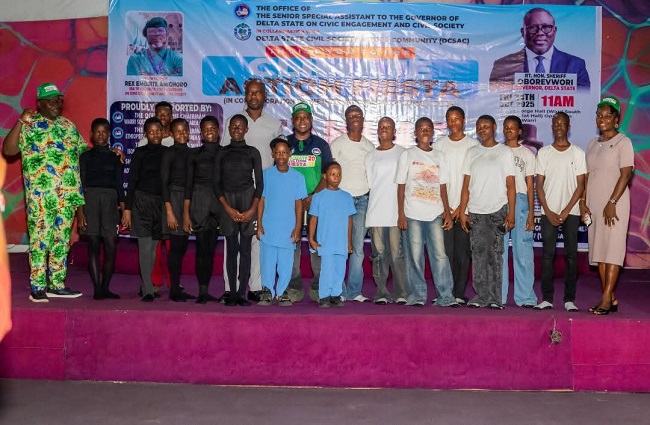
Attendees at the Climate Change Fiesta hosted by the Delta State Government’s Office of Civic Engagement and Civil Society in Warri, Delta State
Speaking on Friday, October 24, 2025, at an event organised by the Delta State Government’s Office of Civic Engagement and Civil Society in Warri as part of celebrations for this year’s International Day of Climate Action, he commended the organisers for their unwavering efforts and outstanding contributions to raising awareness of climate action, especially among young students in schools across the state.
The commissioner, represented by Mrs. Vivian Douye Briggs, told the students who came from different schools to participate in the Climate Action Fiesta that their voice, creativity, and action matter to conquer this monster because young people’s role in the fight against climate change continues to dominate the global climate dialogue.
He referred to them as the “green generation,” which will create eco-friendly communities, develop beyond fossil fuels, and hold leaders responsible for sustainability.
“Every small action adds up,” the state environment boss insists, citing the numerical strength of young people, which he described as power that, when wisely used, will make change inevitable.
In a similar spirit, Matthew Opuoru, the Delta State Governor’s special adviser on the environment, praised the various eco-initiatives being carried out by the administration of Governor Sheriff Oborevwori and urged everyone to support these efforts in order to jointly combat climate change.
He claims that the governor’s vision shows his unwavering dedication to environmental sustainability, climate action, and general growth, making the state a model of environmental stewardship and climate resilience that will encourage others to do the same.
According to Opuoru, the event emphasises the value of teamwork in advancing climate action because research unequivocally demonstrates that human activity, especially the use of fossil fuels and deforestation, releases enormous volumes of greenhouse gases into the atmosphere.
“These actions lead to rising temperatures, more extreme weather events, and devastating impacts on ecosystems and human societies,” he hinted.
Civicist Rex Anighoro, the programme’s coordinator and senior special assistant to the Delta State governor on civic engagement and civil society, praised Governor Sheriff Oborevwori as a climate champion whose leadership has resulted in substantial development across the state.
Like the previous speakers, he highlighted the need for individual and collective action in addressing the climate crisis, urging students and residents to take ownership of climate issues rather than waiting for the next man to do it.
“We must be the change we seek to see; make the difference, show a more excellent way, and raise the standards, because no one else will do it if it is not you. There is no room for waiting for the next man, if ever you are the next man. Take ownership and make our world a better place,” he advocated.
He expressed gratitude to the state’s governor for giving him the chance to work in his administration and revealed that it has tremendously empowered him, particularly with regard to global climate change issues.
Civicist Anighoro continued by explaining that the exposure has made him famous throughout the world because he will soon be recording a song with the renowned Orits Wiliki and the gifted children whose dance and music skills were all exceptional.
The climate change fiesta was designed to utilise entertainment and art in a unique way to enhance climate change education among Delta State kids. The event, themed “Taking Climate Action Now: It Begins with You”, brought together students from several schools who gave stunning presentations and participated in quizzes, dances, spoken word poetry, and musical competitions, all focused on climate change awareness.
It concluded with a call to action, encouraging the students and residents to act right away to lessen the effects of climate change and inspire further action on the issue in Delta State and elsewhere.
Nigerian civil society group, the Society for Planet and Prosperity (SPP), is convening a key engagement among African climate change stakeholders as the continent prepares for COP30 in Belém, Brazil.
Despite only 13 out of 54 African countries having submitted their NDCs 3.0, the main hindrances can be attributed to limited time, technical capacity gaps, and inadequate financing.
As countries work to close these gaps before submission, it is important to reflect on the development process, and most importantly, implementation needs. These would help shape Africa’s stance and messaging at COP30.
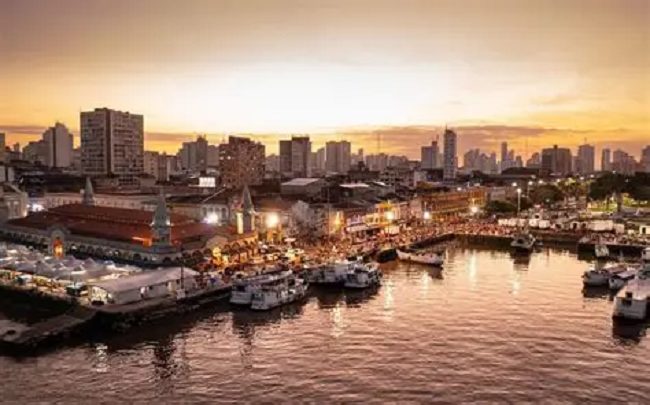
The city of Belém in Brazil is hosting COP30
SPP is therefore convening a multi-country stakeholders’ webinar to discuss the NDCs situation in Africa, with the view of interrogating how COP30 can be leveraged to advance practical efforts that will support implementation.
The event, scheduled for 11a.m West African Time on Friday, October 31, 2025, seeks to bring African stakeholders together to discuss the current landscape of national climate commitments (NDCs) in Africa, hindrances to effective implementation, the intersection between NDCs implementation and sustainable development, key messaging for COP30, etc.
Entitled “COP30: Coordinating Ambitious NDCs Development and Implementation in Africa”, the virtual webinar will feature a presentation on Africa’s current NDCs landscape, interrogate the governance framework that should guide NDCs development and implementation in the continent, highlight country, gender, and youth experiences and solutions, and recommend what should be the focus of African countries during negotiations and bilateral at COP30.
While this year has been mostly dominated by conversations on NDCS 3.0, submissions as at October 1, 2025, still leaves a gap of over 30GtCO2e. What that means is that either the remaining countries overstretch their ambitions or the 61 that already submitted retrieve theirs and increase ambition, the path to reaching expected goals will include ensuring that implementation goes beyond commitments.
Several experts have identified that exploring other options for emissions reduction can help enhance the final reduction output by 2035. Yet little has been said about supporting the conditional targets of developing countries, which can help expand targets.
This webinar seeks to discuss all of these issues while framing a message that can help guide Africa’s multilateral and bilateral engagements at COP30, recognising the key intersection between climate action and Africa’s sustainable development.
Speakers include: Prof. Chukwumerije Okereke, President, SPP (Host); Iskander Erzini Vernoit, Executive Director, IMAL Initiative for Climate and Development; Gbemisola Titilope Akosa, Executive Director, Centre For 21st Century Issues (C21st); Samuel C. Okorie, UNFCCC Santiago Network Advisory Board Member, Youth Rep; Peter Odhengo, Head of Climate Finance and Green Economy Unit, Financing Locally-Led Climate Action (FLLoCA) Programme, Kenya; Tirivanhu Muhwati, Climate Scientist in the Ministry of Environment, Climate and Wildlife, Zimbabwe; Gboyega Olorunfemi, Project Lead, SPP; and Nnaemeka Oruh, Senior Policy Analyst (Climate Change), SPP.
Aspiring participants can register to join the event here: https://shorturl.at/uLZ17
The Nigerian Meteorological Agency (NiMet) has predicted varying weather conditions, including dust haze and rainfall, across different parts of the country between Monday, October 27 and Wednesday, October 29, 2025, urging residents to stay alert.
In its weather outlook released on Sunday in Abuja, NiMet projected slight dust haze with good visibility over Borno, Zamfara, northern Kaduna, Yobe, Jigawa, Kano, and Katsina states on Monday.
The agency added that isolated thunderstorms with light rain were likely in parts of Taraba and Adamawa States during the afternoon or evening hours on Monday.
Rainfall
NiMet forecast sunny skies with patches of clouds over the central region, with prospects of isolated thunderstorms and light rain in the FCT, Nasarawa, and Kogi states later in the day.
“Cloudy conditions are expected in the southern region on Monday morning, with isolated thunderstorms and light rains over parts of Cross River, Rivers, and Akwa Ibom states.
“Later in the afternoon and evening, thunderstorms with moderate rainfall are anticipated in Imo, Abia, Ebonyi, Ondo, Osun, Lagos, Ekiti, Ogun, Edo, Bayelsa, Delta, Rivers, and Akwa Ibom states.
“On Tuesday, NiMet forecast continued slight dust haze in good visibility over northern states, while Taraba and Adamawa may experience isolated thunderstorms and light rain throughout the day.
“Sunny skies with intermittent clouds are predicted in the central region, alongside chances of early morning thunderstorms in Benue and later moderate rain across FCT, Nasarawa, and Kogi states.”
NiMet also projected cloudy skies across the southern states, with moderate rainfall over Rivers, Cross River, Ebonyi, and Akwa Ibom in the morning, intensifying later in the day.
The agency warned of possible flooding in parts of Akwa Ibom, Rivers, and Cross River states, urging local authorities to activate emergency response measures where necessary.
For Wednesday, NiMet anticipated sunny skies across the northern region, with isolated thunderstorms and light rain expected later in the day, particularly over parts of Taraba State.
“The central region will experience sunny skies with patches of clouds, while isolated thunderstorms with light rain are likely over Kogi and the Federal Capital Territory.
“In the south, cloudy conditions are expected in the morning, followed by thunderstorms with moderate rains later in the afternoon and evening across Lagos, Ogun, Rivers, Delta, and Akwa Ibom.”
NiMet reiterated a high risk of flash floods, urging motorists to exercise caution when driving in rain and for authorities in vulnerable areas to implement flood response measures immediately.
The agency also advised individuals with asthma and respiratory conditions to limit outdoor exposure due to dust particles suspended in the atmosphere over the northern parts of the country.
Airline operators were urged to obtain airport-specific weather reports from NiMet for flight planning, while the public was encouraged to follow updates via the agency’s website and communication channels.
At the European Council summit on Thursday, October 23, 2025, EU Heads of State reached a long-awaited decision on “competitiveness and the twin transition”, taking a decisive hurdle on the bloc’s 2040 climate target ahead of COP30 in Belém.
Following the EU Commission’s proposal for a 90% reduction target, European Heads of State tasked the EU Commission to “develop the necessary enabling conditions to support European industry and citizens in achieving the 2040 intermediate target”.
While Heads of State provided some additional guidance and included a revision clause, the decision marked a de facto green lighting for ministers to agree on the proposed 2040 target.
European Council summit
However, the European Union has yet to agree it’s crucial climate target.
Summit discussions centred on outlining how Europe intends to strengthen its global market position while advancing its decarbonisation agenda. Leaders debated how to reconcile industrial competitiveness, energy security, and the green transition.
This decision will shape not only the EU’s internal climate architecture but also paves the way to recover its credibility as a global climate leader, as the EU has already missed two UN deadlines to submit its enhanced Nationally Determined Contribution (NDC) under the Paris Agreement before COP30.
In a reaction to the development, Fanny Petitbon, France Team Lead, 350.org, said: “Today the EU took a major hurdle for Europe’s energy independence, green competitiveness, and climate leadership. However, the EU still has to actually agree on its new climate target and must do so urgently.
“While leaders included the option for a review later on, de facto aligning with the EU Commission proposal for a 2040 climate target sends a long-awaited signal to citizens and businesses alike that Europe is serious about scaling renewables, boosting jobs, and securing prosperity in a decarbonised future.
“The next step is for EU ministers to translate this commitment into action by submitting an updated 2035 EU climate target ahead of COP30 in Belém in line with a 72% emissions-reduction goal. The clock is ticking. Europe has shown ambition today; now it must deliver.”
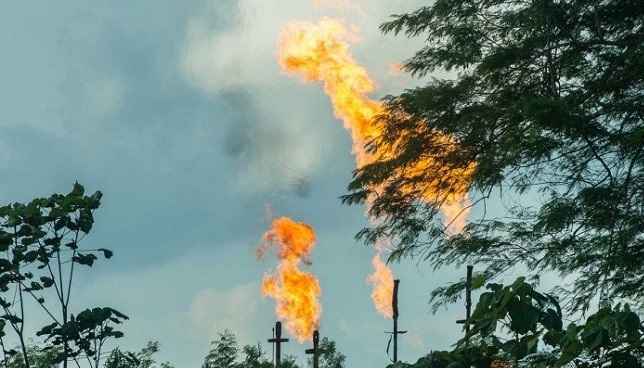
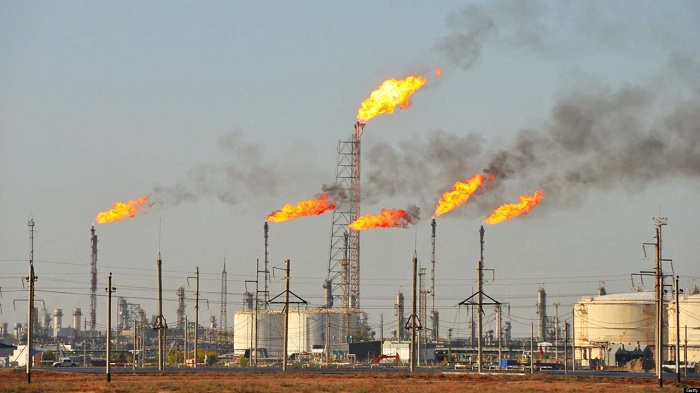
For more than 50 years, gas flaring has scarred the Niger-Delta.
Flames rent the skies, wealth is burnt, air and water poison released as a natural resource that many countries crave is wasted.
According to experts, gas flaring is a deliberate and controlled burning of natural gas; it goes hand-in-hand with oil extraction.
The root cause of gas flaring is dearth of infrastructure to capture, transport, or process the gas arising from oil extraction.
Gas flaring. Photo credit: Neil Ever Osbourne
In the process, harmful pollutants are released into the air.
As the case of Nigeria’s oil-producing riverine Niger-Delta, humans and aquatic lives are threatened.
For a region that is still underserved, industry wise, many are left aghast as flared gas is capable of powering an industrial revolution in the region.
Its multiplier effect in terms of job creation and impact on the lives of the people of the area can only be imagined.
Statistics indicate that this practice has cost Nigeria billions in lost revenue, damaged ecosystems, and deprived local communities of economic benefits.
Each year, Nigeria flares billions of cubic feet of natural gas, fueling climate change, worsening health risks, and eroding economic potential.
In spite of repeated government pledges and the inauguration of the Nigerian Gas Flare Commercialisation Programme (NGFCP), the problem persists.
To discourage gas flaring and encourage oil companies to put the gas arising from their extractive activities to good use, the Federal Government initiated the penalties for gas flaring.
However, the move has not stopped the menace even as many oil companies fail to pay the fines.
Nigeria has lost 1.4 billion dollars to unpaid gas royalties and gas flaring penalties, according to a new report by the Nigeria Extractive Industries Transparency Initiative (NEITI).
Ogbonnaya Orji, the executive secretary of NEITI, provided further insights during a roundtable event organised by BudgIT Foundation, a non-governmental organisation, on tracking energy transition costs and transparency in the budgeting.
Orji said that the situation was unfortunate.
Nigeria lost 443.8 million dollars, about N710.08 billion to gas flaring in four months, says the National Oil Spill Detection and Remediation Agency (NOSDRA)
In its gas flare report for January to April, NOSDRA stated that the value of gas flared in the first four months of the year was 19.88 per cent higher than the 370.2 million dollars, approximately N592.32 billion, lost to gas flaring in the same four-month period in 2024.
This is because marginal oil fields often produce small, scattered volumes of gas that large pipelines and LNG plants cannot profitably absorb.
For operators, it is still cheaper to burn gas than to monetise it.
Between 2022 and 2024, an average of 187 billion standard cubic feet of gas was flared annually, enough to generate 27 to 29 terawatt-hours of electricity each year.
In 2024 alone, Nigeria’s electricity generation averaged 4,000 to 4,500 megawatts, or about 35 to 40 terawatt-hours per year, this is abysmal for a country that wastes gas, a major source of electricity.
Flaring releases 14 to 15 million tonnes of carbon dioxide annually making it one of the world’s top gas flarers despite holding Africans largest natural gas reserves, increasing emissions and undermining Nigeria’s energy transition goals.
Mr Charles Deigh, an petroleum engineer and environmentalist, said Nigeria had great potential and should optmise the waste business in maximising its energy and power potential.
According to him, other countries have shown that small-scale gas-to-power plants and micro-LNG facilities can capture waste gas and turn it into electricity, fuel, and jobs; Nigeria must adapt these models to its own reality.
He said that the amount of gas flared annually between 2022 and 2024 estimated at 187 billion standard cubic feet of gas was capable of powering over 2 million homes.
Deigh said if properly utilised, flared gas could have supplied 70 to 80 percent of the generated 35 to 40 terawatt-hours per year.
However, small-scale, modular gas monetisation, supported by improved policy alignment and financial risk mitigation, offers a practical solution.
“Large LNG projects require steady, high-volume flows and marginal fields cannot deliver that; what they can support are modular technologies, micro-LNG plants that liquefy 5–50 million standard cubic feet per day for transport to power plants, factories, or export hubs.
“Equally, small gas-to-power plants can sit close to host communities, feeding mini-grids and industrial clusters; these models bring three big advantages:
“Government initiatives like the Nigerian Gas Flare Commercialisation Programme and the Petroleum Industry Act aim to address flaring by incentivising gas conversion.
However, progress has stalled due to weak community governance, currency risk, regulatory challenges in gas pricing, and slow policy recognition of informal market demand.
“The first challenge is social legitimacy; the Host Community Development Trust, created to promote local participation, has struggled with elite capture and limited transparency, without genuine community involvement, operational risks like vandalism rise, discouraging investment.
He emphasised that Greater transparency and local accountability were essential to win this fight against wastage and devalue of our gas flaring potential.
More so, Dr Cabel Nwaogwugwu ,an environmentalist, has highlighted financing as a major barrier in harnessing the gas-to-power plants industry.
“While small-scale modular plants cost less than large LNG projects, investors face significant foreign exchange risk.
“Revenues are in naira, but most loans are in dollars, creating a mismatch that threatens project viability.
“Recent interventions have helped, but funding needs still exceed available resources,” he said.
Dr Bariza Nubel, a petroleum engineer, also noted that regulatory misalignment was another challenge in the face of stabilising electricity costs through gas flaring
He explained that prices for power were set at 2.42 dollars per MMBtu to stabilise electricity costs, but approved tariffs did not reflect actual expenses.
“This gap prevents cost recovery, leads to debt, and discourages both gas supply and new investment in flare-gas generation.
“In spite of these challenges, the informal energy sector has shown strong demand for gas.
“After the petrol subsidy was removed in 2023, adoption of compressed natural gas and LPG increased for generators and transport; households, businesses, and transport unions are ready to buy gas if supply infrastructure is developed.
“This shift alters the investment landscape. Nigeria now faces a supply infrastructure challenge rather than a demand problem.
“Rapid deployment of modular, decentralised midstream infrastructure, micro-LNG plants, mini gas processing hubs, CNG trucking networks, and embedded power solutions is needed for communities and industrial clusters,” he said.
According to him, these commercially viable models are quick to deploy and well-suited to the dispersed, low-pressure flare volumes of marginal fields.
These experts agree that with supportive policies, streamlined permitting, increased CBN-backed gas infrastructure loans, and inclusive community governance, Nigeria can transform gas flaring from a liability into a driver of development.
Effective flare monetisation will result in cleaner air, more reliable electricity for local industries, job creation, and new revenue from taxes, royalties, and potential carbon credits.
The question they say is no longer if Nigeria can stop flaring gas, but how quickly it can turn this wasted resource into value.
By sharpening focus on monetisation, modular technology, and targeted risk mitigation, policymakers have a clear route to unlock growth; execution, alignment, and inclusion are now critical.
Nigeria is at a pivotal moment; with decisive action, experts say the country can transform a history of waste into one of prosperity.
Environmental activists, civil society groups, and community representatives across the Niger Delta have demanded an urgent review of Nigeria’s Petroleum Industry Act (PIA) to set a definite deadline for ending gas flaring.
The demand formed part of the resolutions from the Climate Justice Assembly held on Friday, October 24, 2025, in Benin City during the launch of “Yasunize and Ogonize the World for Socio-Ecological Wellbeing.”
The assembly was organised by the Health of Mother Earth Foundation (HOMEF).
Gas flaring
The stakeholders described the current provisions as unjust and environmentally destructive.
In a declaration signed by Mr. Stanley Egholo, Cadmus Atake-Enade, and Kome Odhomor, the groups accused the PIA of “failing the region by permitting gas flaring and unfairly blaming communities for pipeline protection.”
They called on the National Assembly to amend the law by removing the power to grant gas-flaring permits from regulatory agencies.
They called for a legislation that fix a date for ending gas flaring, allowing exceptions only for rare and clearly defined emergencies.
“Gas flaring fines should be equal to the market value of the gas and directed to host community funds,” the statement read.
“Remove community responsibility for protecting oil installations. Remove laws criminalizing community protests. Let host communities, not oil companies, control development funds,” the coalition said.
The coalition also demanded a comprehensive audit of the environmental, health, and economic impacts of oil and gas extraction across the Niger Delta.
They referenced the 2011 UNEP Report on Ogoniland, which revealed massive pollution and environmental degradation.
“The destruction across the entire Niger Delta requires immediate clean-up, restoration of damaged ecosystems, and reparations for 64 years of harm,” they said .
They further called for reforms to the Niger Delta Development Commission (NDDC), urging the government to release the commission’s forensic audit report and prosecute offenders.
“Projects must be based on community-approved needs assessments. Prioritise completing abandoned projects over starting new ones,” the resolution added.
Speaking at the event, Dr Nnimmo Bassey, Executive Director of HOMEF, said the campaign aligned with global calls for climate justice and community-centered ecological recovery.
“Continuing extraction while promoting cleaning up is total foolishness.
“The major drivers of the climate crisis are greed and convenience.
“This meeting feeds into frontline communities’ demands ahead of COP30 in Brazil.
“Although we are not expecting much from COP, we must not give up on advocacy and our demands,” Bassey said.
The HOMEF director added that the “Yasunise and Ogonise” social media campaign aims to connect local struggles for environmental justice in Africa with similar movements in Latin America and Southeast Asia.
Other speakers included Dr Osagie Obayuwana, Celestine Akpobari of Miideekor Environmental Development Initiative (MEDI), and representatives of the Edo Civil Society Coalition (EDOCSO) and Gelegele community.
Academic perspectives were shared by Dr Ofuani Sokolo of the University of Benin, who spoke on “Gender, Climate Change and Community Mobilisation.”
HOMEF’s Stanley Egholo and Cadmus Atake-Enade, discussed “Understanding NDAC Manifesto and NSAC Charters” and “Centering Community Voices for Climate Justice.”
The Health of Mother Earth Foundation (HOMEF) has commenced a campaign to halt oil extractions and ensure conservation and restoration in Ogoni in Nigeria and Yasuni in Ecuador.
HOMEF announced the commencement of the campaign in a statement on Saturday, October 25, 2025, by its Media/Communications Lead, Miss Kome Odhomor
The campaign in Nigeria and Ecuador is pioneering tools for Environmental Justice and Resilience
Director, Health of Mother Earth Foundation (HOMEF), Nnimmo Bassey
HOMEF, an ecology focused think-tank said it envisions a world where companies are held responsible for environmental damages, and communities thrive by protecting nature.
“That is the vision behind two inspiring movements gaining momentum worldwide: Ogonize and Yasunize.
“This campaign is inspired by the struggles of the Ogoni people in Nigeria, who have faced decades of environmental devastation and halted oil extraction in their territory in 1993, and the struggle of the people of Ecuador to stop oil extraction at Yasuní-ITT, one of the most biologically diverse places on Earth.
“The people of Ecuador voted massively against crude oil extraction at Yasuni ITT in a national referendum in August 2023.
“The campaign aims to advance environmental justice, protect biodiversity, and build resilience in the face of a changing climate. It is powered by people on the ground , activists, community groups, and allies around the globe who are demanding that corporations and governments clean up their mess and help communities heal.
The statement quoted Dr Nnimmo Bassey, HOMEF Executive Director and a passionate environmental activist, as saying: “Ogonize is more than a campaign; it is a fight for what is right. We want to ensure that communities impacted by environmental disasters are heard, that their land is restored, and that future generations inherit a healthy planet.
“Yasunize is about rethinking our relationship with nature. It is recognising that some places are too valuable to exploit and that we need to prioritise the health of our planet over short-term profits.”
Bassey further stated that “Together, Ogonize and Yasunize paint a picture of a world where environmental justice and sustainability are not just ideals, but realities. They challenge the status quo and insist that protecting the environment and ensuring social fairness go hand-in-hand.
“These campaigns remind us that real change comes from community-led solutions and global cooperation.” HOMEF stated.
It maintained that the advocacy focuses on making sure those responsible for environmental damage pay reparations and face legal consequences, while shielding biodiversity hotspots and indigenous territories from harmful activities,”.
HOMEF explained that the campaign is investing in the restoration of ecosystems and creating sustainable ways for affected communities to make a living, as well as encouraging the use of renewable energy.
The efforts also aim at making sure the voices of marginalised communities are heard in global environmental discussions, while creating international solidarity for countries and communities committed to protecting their natural resources.
“As the world grapples with an increasingly urgent climate crisis, the Ogonize and Yasunize campaigns offer a pathway forward.
“Governments, organisations, and individuals are invited to join the movement, stand with affected communities, and advocate for policies that prioritise justice and halt ecocide. We call on you to join this campaign for the protection of vital ecosystems and the rights of indigenous peoples,” HOMEF stated.
A Consultant Cardiologist, Dr Adisa Adams, has decried the increasing number of Nigerian young adults in their 30s being diagnosed with hypertension, describing the condition as a threat to their lives and future.
Adams, who works with the Lagos University Teaching Hospital (LUTH), made the assertion on Sunday in an interview in Lagos.
A report from the World Health Organisation shows that no fewer than 1.3 billion adults globally live with hypertension, with nearly half unaware of their condition and only one in five achieving controlled blood pressure.
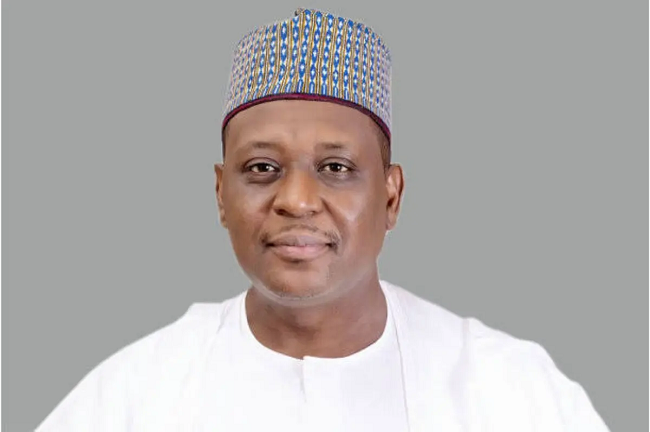
Muhammad Ali Pate, the Coordinating Minister of Health & Social Welfare
In Nigeria, the situation is dire, with studies showing that approximately 25 per cent of emergency hospital admissions in urban areas stem from hypertension-related complications such as stroke, kidney failure, and heart attacks.
Adams, who described hypertension as a silent killer, decried that it was now common among young people unlike before when majorly old people of 50 years and above were seen with hypertension.
According to him, the death of most young Nigerians can be linked to heart-related challenges caused by undetected and unmanaged hypertension.
He said, “There have been instances of young Nigerians dying with cardiovascular/heart-related diseases.
“In my earlier years of practice, high blood pressure is mostly an issue of the mature and old folk starting from 50 year, but now we see 28 to 35-year-old hypertensive patients”.
Adams, who decried the rate of sudden deaths among Nigerian young adults, blamed the development on young life mentality syndrome and lack of preventive measures among the younger people.
He added that lack of proper information and education about the disease were other contributing factors.
“The first issue with the younger generation is the false and unwise belief that they are young and thus, do not need to regularly check themselves.
“The second is the fact that they are not taking preventive measures, well as lack of public information and sensitisation about the dangers associated with hypertension and even low blood pressure,” he said.
The cardiologist advised that young adults should embrace preventive measures and lifestyle changes that could help to live healthy life, to thereby, curb the prevalence of hypertension.
He advised Nigerians to imbibe the culture of going for medical checkups from the age of 28, as absence of symptoms did not mean it wasn’t present.
“We have had some cases of young men dying of cardiac arrest during a tennis match, while jogging, and even as they went to bed.
“This could have been prevented if they knew they had heart problems.
“When you do a comprehensive health assessment, abnormalities in the body may be detected and corrected,” he said.
A Lagos-based businessman, Mr Jude Madukwe, recounted how his brother-in-law, Alex Obiora, had heart attack and died in course of watching a football match.
He explained that Obiora, aged 39, slumped in 2024 while watching the semi-final match between the Super Eagles of Nigeria and Bafana Bafana of South Africa, in the Africa Cup of Nations (AFCON), in Cote D’Ivoire.
According to him, the demise of Obiora left a big vacuum in their family, as his wife has yet to recover from the shock.
Another consultant cardiologist, Dr Ramon Moronkola, said that sudden emotional surge either extreme excitement or sadness could put a lot of pressure on the cardiovascular system of an individual.
Moronkola, who works with the Lagos State University Teaching Hospital (LASUTH), explained that underlying untreated cardiovascular health conditions could trigger causes that might lead to sudden death of an individual.
According to him, if this individual has no underlying morbidity – that’s, the heart is fine, the vessels are okay; usually it doesn’t cause much problem, but in a situation where the individual already has some malfunctions in the system, it can result to sudden cardiac attack.
“There are situations where people die suddenly during emotional surge, because that’s definitely what happened. In that situation, it can happen when an individual is extremely happy or grieved.
“Similarly, during football match, people are really tensed, there are a lot of emotional commitment/assertion; this may put a lot of pressure on individual’s cardiovascular system.
“If such individual has no underlying health conditions, it usually doesn’t cause problem, but in a situation that such individual has underlying cardiovascular disease, maybe the person is hypertensive or diabetic and he doesn’t or he knows, but not managing it well.
“With the underlying cardiovascular diseases and the person is exposed to emotional surge, he/she can develop heart attack or heart failure and die,” he said.