30.9 C
Lagos
Thursday, January 1, 2026
Home Blog Page 12

UN Climate Change renews drive to strengthen NAZCA portal for non-state climate action

0

After a decade of providing critical information on real-world climate action, the UN Climate Change Non-State Actor Zone for Climate Action (NAZCA) portal is entering a new chapter of ambition and innovation.

At COP30 in Belém, UN Climate Change unveiled the NAZCA Portal Redevelopment and Engagement Roadmap to develop a modern, data-driven platform that strengthens the role of the UNFCCC secretariat as the custodian and central repository of credible climate action data from non-party stakeholders (NPS). The redeveloped NAZCA portal will consolidate NPS information related to mitigation, adaptation and resilience, and means of implementation.

COP30
Participants at the UN Climate Change unveiling of the NAZCA Portal Redevelopment and Engagement Roadmap, at COP30

Background

Launched at COP20 in Lima, Peru, and named after the country’s iconic Nazca lines, the NAZCA portal was created to showcase climate action commitments from non-Party stakeholders and Cooperative Climate Initiatives. At COP21 in Paris, Parties formally recognised the portal, acknowledging its critical role in enhancing transparency, tracking progress, and recognising leadership across states, regions, cities, businesses, and civil society.

Since then, the portal has been expanded to include commitments, inventories, climate plans, and concrete actions, while also showcasing progress towards disclosed targets. Today, it stands at the threshold for its next phase: a strengthened, modernised user-experience, synced with the new UNFCCC Climate Data Hub, and designed to elevate transparency, ambition, and implementation of the Paris Agreement.

A new era of implementation

The roadmap presented at COP30 outlines the purpose of the redevelopment: to inform stakeholders, invite feedback, and advance a near-term vision that positions the NAZCA portal as the authoritative transparency hub for non-Party climate action. While several redevelopment elements are already underway, others remain in an exploratory phase.

At the COP30 event, UN Climate Change Transparency Manager, Vlad Trusca, highlighted that the portal’s modernised digital architecture within the UNFCCC secretariat will update its technological foundations, improve user experience, expand data accessibility, and introduce new stakeholder engagement tools – reflecting a holistic and inclusive vision for non-Party stakeholder climate action.

The roadmap also illustrates the evolution of the NAZCA portal into a comprehensive ecosystem. Planned enhancements include improved digital tools, regional engagement mechanisms, and powerful new features such as full data downloads, geospatial mapping, and domain-specific AI-driven insights.

Transparency as a foundation of transformation

In a keynote address at COP30, Manuel Pulgar-Vidal, COP21 President and former Minister of the Environment of Peru, reflected on the evolution of climate transparency – from National Communications to Nationally Determined Contributions, and now Biennial Transparency Reports – highlighting how these tools have shaped trust and awareness, particularly in the Global South.

He noted that climate governance has increasingly shifted from negotiation-driven processes towards pathways of economic transformation, with transparency mechanisms serving as crucial enablers in that transition.

Recalling its origins, Pulgar-Vidal emphasised that the NAZCA portal was created to integrate non-state actors into the formal climate space, providing visibility and legitimacy to their climate contributions. Today, he stressed, the NAZCA portal continues to embody the “spirit of Paris,” countering narratives of weaking ambition and reaffirming the importance of voluntary action within the global climate ecosystem.

NAZCA redevelopment and engagement roadmap event at COP30

A central pillar of the NAZCA portal redevelopment is the introduction of the NAZCA Network, an engagement strategy designed to bring climate action information, analysis, and recognition closer to partners. Through workshops, outreach activities, and collaborations, the Network will amplify local efforts, support peer learning, and gather feedback to inform the continuous improvement to the public-facing portal.

Complementing this engagement approach, the modernised NAZCA portal will provide enhanced digital tools, including Entity and Initiative Self-Service systems, upgraded modules for subnational actors, corporations, and cooperative initiatives, as well as country pages that link non-Party stakeholder action with national contexts.

Expert insights from CDP (formerly Carbon Disclosure Project), the Council on Energy, Environment and Water (CEEW), and the UNFCCC Regional Collaboration Centres (RCCs) highlighted the secretariat’s pivotal role in linking data, transparency and implementation through the NAZCA portal.

Clare Everett, Associate Director at CDP, noted that the multi-stakeholder nature of the portal – subnational governments, companies, and investors – provides a baseline not only for ambition, but also for localised climate action.

Vishwas Chitale, Fellow at CEEW, emphasised that showcasing real-world climate action stories in the NAZCA portal is a potentially powerful means for addressing climate risks, sharing experiences, and reaching more people who can benefit from the portal.

Andrea Camponogara, UN Climate Change RCCs’ Team Lead, added that the NAZCA portal serves as a matchmaking platform, making non-state action visible and attracting interest from investors, donors, and development banks.

A decade on, strengthening global climate action

As UN Climate Change advances this strategic redevelopment, the NAZCA portal is reaffirmed as the central repository of credible climate action data from non-Party stakeholders, spanning mitigation, adaptation, resilience, and means of implementation. By aligning with the Climate Data Hub, strengthening stakeholder engagement, and adopting an approach to enhance transparency, the NAZCA portal can help catalyse higher ambition and support implementation across the global climate action agenda.
AfricaRice, Kasetsart varsity join forces to transform Africa’s rice sector

0

The Africa Rice Centre (AfricaRice) and Kasetsart University (KU) have signed a Memorandum of Understanding (MoU) to advance research rice farming, innovation and food security across Africa. The agreement was formalised during the relaunch of the Thailand-Africa Initiative (TAI) in Bangkok, in the presence of Mr. Sihasak Phuangketkeow, Minister of Foreign Affairs of Thailand, and Yusuf Maitama Tuggar, Minister for Foreign Affairs of Nigeria.

The innovative partnership is rooted in AfricaRice’s pan-African mandate and Kasetsart University’s world-renowned Rice Science Centre to deliver cutting-edge solutions to the rice sector in Africa.

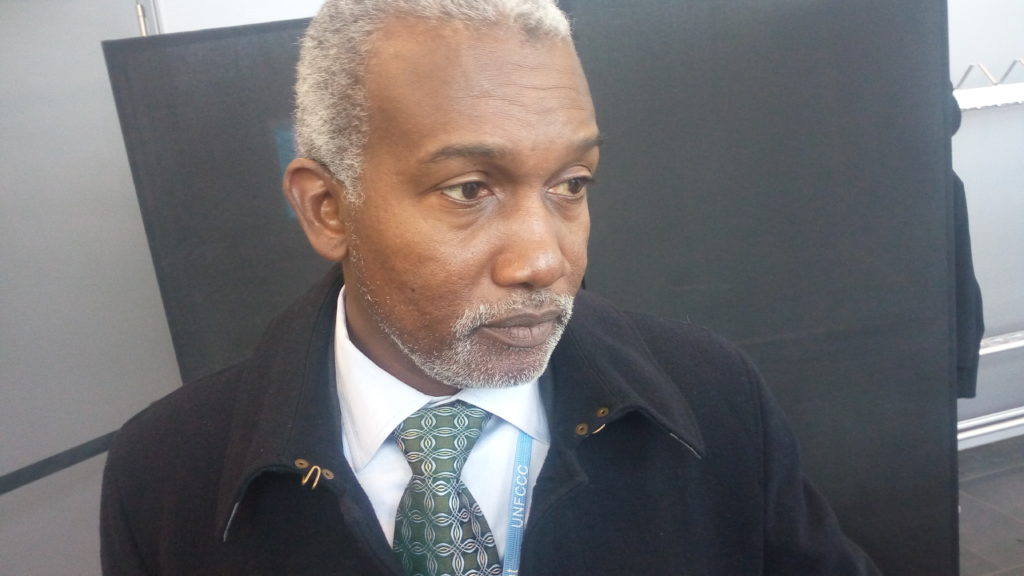
Yusuf Maitama Tuggar

Four pillars of collaboration

The partnership will focus on:

  1. Varietal development – Acceleration of climate-resilient, high-quality rice varieties through germplasm exchange, genome editing and Advanced Breeding Techniques
  2. Nutrition and Biofortification – Addressing micronutrient deficiencies through fortified rice products adapted to African markets
  3. Mechanisation – Deployment of appropriate post-harvest technologies, including the potential creation of an assembly plant in Côte d’Ivoire
  4. Capacity building – Training of African researchers, extension workers and youth through joint programmes and technical exchanges

Transforming Africa’s rice economy

This collaboration comes as African countries step up their efforts to achieve rice self-sufficiency and reduce dependence on imports. By combining AfricaRice’s regional expertise and KU’s advanced research capabilities, the partnership aims to bring tangible benefits to millions of smallholder farmers and consumers across the continent.

Dr. Baboucarr Manneh, Chief Executive Officer of AfricaRice, said: “This partnership strengthens our capacity to deliver cutting-edge rice innovations across Africa. Kasetsart University’s excellence in rice science is in line with AfricaRice’s mission to transform rice value chains and improve food and nutrition security for millions of people on the continent.”

Professor Dokrak Marod, Vice President for Research and Internationalisation at Kasetsart University, emphasised: “Kasetsart University is proud to partner with AfricaRice. Together, we will harness scientific advances to develop high-quality, climate-resilient rice varieties and technologies that support sustainable growth of the rice economy in Africa.”

A model of South-South cooperation

The MoU represents one of the flagship outcomes of Thailand’s renewed commitment to Africa under the Thailand-Africa Initiative, demonstrating how developing nations can Collaborate to address common challenges in food security and sustainable development.

Seplat Energy appoints Mohammed, Ettah as independent non-executive directors

0

The Board of Seplat Energy on Wednesday, December 17, 2025, announced the appointment of Saidu Aliyu Mohammed and Larry Ephraim Ettah as Independent Non-Executive Directors of the Company with effect from January 1, 2026. 

Following the resignation of Bello Rabiu and Babs Omotowa from the Board in April 2025 due to their appointments to the Board of NNPC Limited by the President of the Federal Republic of Nigeria, the Company embarked on the recruitment process for their replacements in line with the Board of Directors’ Succession Plan and announced the appointment of Mohammed and Ettah as Independent Non-Executive Directors of the Company.

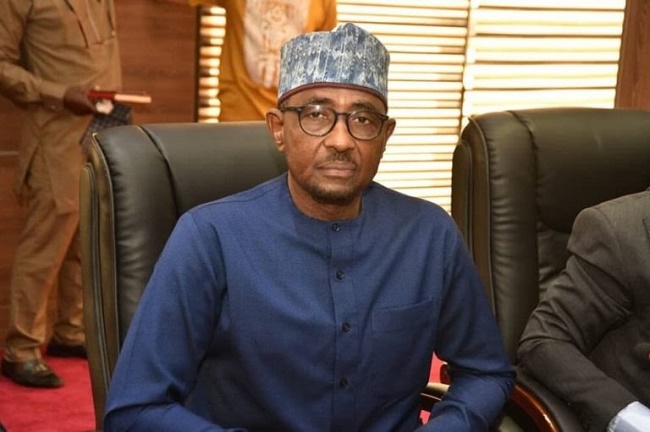
Seplat Energy
Saidu Aliyu Mohammed (top) and Larry Ephraim Ettah

Mohammed is described as a seasoned energy executive with over 37 years of experience in the oil and gas industry, specialising in natural gas development, commercialisation, and infrastructure. He served as Group Executive Director/Chief Operating Officer, Gas & Power Directorate at the Nigerian National Petroleum Corporation (NNPC), where he provided strategic leadership for major gas projects and policy frameworks, including the Gas Masterplan, Gas Network Code, and contributions to the Petroleum Industry Act (PIA).

He reportedly played a pivotal role in conceptualising and delivering critical gas infrastructure projects such as the Escravos–Lagos Pipeline Expansion, Ajaokuta–Kaduna–Kano (AKK) Gas Pipeline, and Nigeria LNG Train 7. His leadership extended to international engagements, representing Nigeria at the Gas Exporting Countries Forum (GECF) and the West African Gas Pipeline Authority.

Mohammed, an engineer, previously held top executive positions as Managing Director of Kaduna Refining and Petrochemical Company, Managing Director of Nigerian Gas Company, and chaired boards of several strategic entities, including West African Gas Pipeline Company, Nigeria LNG subsidiaries, and NNPC Retail.

He is a Fellow of the Nigerian Society of Engineers (FNSE) and the Nigerian Society of Chemical Engineers (FNSCHE), and a registered engineer with COREN. He holds a B.Eng. in Chemical Engineering from Ahmadu Bello University, Zaria.

Ettah is said to be a highly respected Nigerian business leader with nearly four decades of corporate experience. He spent 30 years at UAC of Nigeria Plc (UACN), rising from Management Trainee in 1988 to Group Managing Director/CEO, a role he held from 2007 to 2018. As CEO, he reshaped UACN’s portfolio through strategic partnerships with global firms such as Tiger Brands, Imperial Logistics, and Famous Brands. He also led key acquisitions including Livestock Feeds Plc and Portland Paints Plc, repositioning the conglomerate for sustainable growth across multiple sectors.

Following his retirement from UACN, Ettah founded Barracuda Capital Partners Ltd in 2018, where he serves as Executive Chairman. He holds several board roles, including Founding Director of Coronation Merchant Bank Ltd and Non-Executive Director of Mixta Africa Plc, and until February 2025, he co-chaired the board of LEAP Africa. He has chaired and served on the boards of several publicly listed companies and advised major consumer goods firms.

He has played influential roles in industry associations such as Nigeria Employers’ Consultative Association (NECA), Manufacturers Association of Nigeria (MAN), and Lagos Chamber of Commerce and Industry (LCCI), and contributed to national economic policy through presidential and technical advisory committees.

Ettah holds a B.Sc. in Industrial Chemistry and an MBA from the University of Benin, complemented by extensive executive education from leading global institutions including Harvard, Stanford, Oxford, INSEAD, IMD, and the University of Michigan. His international exposure, strong governance expertise, and broad sector experience underpin his reputation as a strategic, principled, and effective boardroom leader. Overall, he is recognised for his vision, leadership, and commitment to corporate excellence and economic development.

Udoma Udo Udoma, Chairman of Seplat Energy, commented: “On behalf of Seplat Energy, I am delighted to welcome Engineer Saidu Aliyu Mohammed and Mr. Larry Ephraim Ettah to the Board. Their experiences are complementary, combining extensive industry knowledge with extensive business success. We look forward to the significant contributions they will make in advancing the Company’s strategic growth objectives and driving our continued success.”

Sanwo-Olu urges inclusive investment to secure Lagos megacity future

0

Gov. Babajide Sanwo-Olu of Lagos State on Tuesday, December 16, 2025, called for sustained investment, innovation and inclusive housing delivery to secure Lagos’ future as Africa’s largest megacity.

Sanwo-Olu made the call while addressing the sixth Lagos Real Estate Marketplace Conference and Exhibition, organised by the Lagos State Real Estate Regulatory Authority (LASRERA).

He commended LASRERA for sustaining a credible platform “where ideas meet policy, capital meets opportunity, and vision meets implementation.”

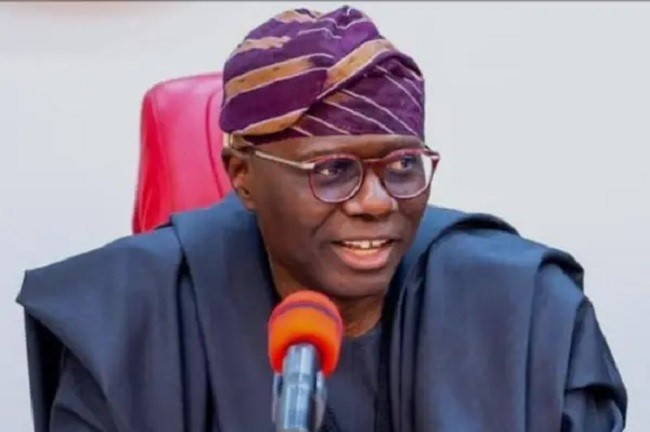
Babajide Sanwo-Olu
Gov. Babajide Sanwo-Olu of Lagos State

“The theme of this year’s conference, focusing on infrastructure, innovation and affordable housing, could not be more timely,” the governor said.

Sanwo-Olu noted strong international participation, describing it as evidence of growing global confidence in Lagos as an investment destination.

“Lagos is no longer a city of potential; it is a city of performance.

“Our presence here shows Lagos continues to command the trust and interest of the international investment community,” Sanwo-Olu said.

The governor said Lagos was already comparable to leading global cities, noting it was often compared with entire countries.

“That tells you Lagos is already a mega African city. What we are doing now is shaping how that greatness is used, inclusive, and liveable for generations,” Sanwo-Olu said.

He stressed that housing remained central to Lagos’ development agenda, describing it as a matter of dignity, productivity and social stability.

“Housing is not just about buildings; it is about human dignity, economic productivity and the city we choose to become,” he said.

Sanwo-Olu said the state was investing in integrated infrastructure, including rail, roads and waterways, to support sustainable urban growth.

“We cannot build a 21st-century megacity on 20th-century planning assumptions.

“Our investments in transport, energy, climate resilience and housing are intentional and interconnected,” he said.

The governor disclosed plans to expand transport-oriented development and deploy electric ferries to cut emissions and commuting costs.

“Our waterways transportation system will increasingly rely on electric ferries,” he said.

Sanwo-Olu said regulation was being used to strengthen the property market, with LASRERA promoting transparency, professionalism and consumer protection.

“A credible real estate market protects buyers, sustains investor confidence and supports developers on a level playing field,” he said.

He highlighted technology-driven land administration, noting digitisation would reduce transaction time and curb illegal practices.

“We are embracing innovation, including artificial intelligence, to improve governance and solve real societal problems,” he said.

Earlier, Special Adviser on Housing, Mrs. Barakat Odunuga-Bakare, said the conference aligned policy, investment and innovation in Lagos’ real estate sector.

She said the sixth edition reflected the government’s commitment to a transparent, investor-friendly and people-centred property market.

“This conference deepens conversations on sustainable urban development, affordable housing and responsible investment,” Odunuga-Bakare said.

She added LASRERA would continue strengthening regulation, protecting consumers and promoting professionalism to boost confidence.

Keynote speaker, Dr Muiz Banire (SAN), urged stakeholders to prioritise sustainability, dignity and long-term planning in urban development.

“This is not ceremonial; it demands reflection on our journey and the legacy we intend to leave,” Banire said.

He said progress should be measured by quality of life, not merely by tall buildings or wide roads.

“What matters is whether structures are sustainable, habitable and dignified,” Banire added.

Banire described Lagos as “a paradox and a promise,” citing economic strength alongside pressures from population growth.

“Cities are built on systems: roads that connect, railways that endure, housing that humanises and institutions that enforce standards,” he said.

He said cities like Singapore, Dubai and London succeeded through deliberate planning beyond political tenures.

“They designed progress and protected it with long-term visions beyond political cycles,” Banire said.

The conference was attended by policymakers, developers, investors, international partners and Deputy Governor, Dr Obafemi Hamzat.

Participants deliberated on strategies for sustainable real estate development and inclusive urban growth in Lagos.

By Aderonke Ojediran

Alleged corruption: Farouk moves to pay over N200bn bridging claims as ICPC confirms receipt of Dangote’s petition

0

The Managing Director of the Nigerian Midstream and Downstream Petroleum Regulatory Authority (NMDPRA), Ahmed Farouk, is facing intensifying scrutiny following moves to pay more than N200 billion in outstanding bridging claims to oil marketers, even as the President of Dangote Group, Aliko Dangote, has formally petitioned the Independent Corrupt Practices and Other Related Offences Commission (ICPC) over alleged corruption and abuse of office.

Industry sources say the planned payment of the claims, which reportedly cover legacy obligations for 2023, 2024 and 2025, has raised serious concerns among economists and sector analysts, particularly over the absence of verifiable data to justify a significant portion of the claims.

Aliko Dangote
Aliko Dangote

Bridging claims are government payments made to oil marketers to compensate for the cost of transporting petroleum products from depots to various parts of the country, enabling uniform pump prices nationwide. Industry analysts note that this benefit was rarely enjoyed by Nigerians as petroleum products are sold at higher rate in most parts of the country.

“In several instances, marketers submit bridging claims that do not correspond with the levies paid per litre, with discrepancies of up to 47 per cent. The current move to settle approximately N250 billion in legacy bridging claims, despite the regulator’s inability to provide empirical data to substantiate as much as 47 per cent of those claims against verified levies paid by depot owners and importers, strongly suggests the presence of irregular and potentially sinister practices.

“It is therefore imperative for the Auditor-General of the Federation to immediately halt the processing of all bridging claims until a comprehensive investigation and forensic audit are conducted to ensure that claims approved by the regulator accurately align with levies paid per litre,” a senior industry source said.

The developments come amid a corruption petition filed by Dangote to the ICPC, alleging abuse of office, corrupt enrichment and unlawful diversion of public funds by the NMDPRA chief.

In the petition dated Tuesday and submitted through his lawyer, Ogwu Onoja, SAN, Dangote urged the ICPC to arrest, investigate and prosecute Farouk for allegedly living far beyond his legitimate means as a public servant.

Meanwhile, the ICPC has confirmed receipt of the petition and assured the public that it will be investigated.

The Commission’s spokesperson, John Okor Odey, acknowledged the petition in a statement.

“The Independent Corrupt Practices and Other Related Offences Commission (ICPC) writes to confirm that it received a formal petition today, Tuesday, December 16, 2025, from Alhaji Aliko Dangote through his lawyer. The petition is against the CEO of the NMDPRA, Alhaji Farouk Ahmed. The ICPC wishes to state that the petition will be duly investigated,” he said.

Dialogue prioritises increased climate investment to address fragility, conflict

0

The Green Climate Fund’s (GCF) Sub-Regional Dialogue with Fragile and Conflict-Affected States in the Middle East has heard how well-designed climate interventions can promote stability and support sustainable recovery in such challenging contexts.

Government representatives from Iraq, Lebanon, Palestine, Syria, and Yemen highlighted the need for increased accessibility to climate finance as the key to delivering more impact on the ground in the face of escalating climate risks.

GCF is said to be fast becoming the leading source of climate finance for fragile and conflict-affected states (FCAS). In 2025, GCF committed almost half a billion dollars ($494 million) in FCAS. The Sub-Regional Dialogue is focused on increasing such investment in the Middle East.

GCF
Participants at the GCF’s Sub-Regional Dialogue with Fragile and Conflict-Affected States in the Middle East

The Sub-Regional Dialogue is being hosted by the Government of Oman in Muscat. Dr Abdullah Bin Ali Al Amri, President of the Environment Authority of Oman, in his opening remarks, said: “Oman is committed to strengthening climate governance and working with the Green Climate Fund to advance sustainable and resilient development.”

Dr Amri added that environmental sustainability is a key pillar of Oman’s National Vision 2040 and is “one of the most important strategic objectives of our country.” He concluded that the Sub-Regional Dialogue was an opportunity “to address accessibility to climate finance, which is the most critical challenge facing all of us.”

Henry Gonzalez, GCF’s Chief Investment Officer, said the Dialogue coincided with the 10th anniversaries of the Paris Agreement and GCF being an operational entity.

“We’ve achieved a lot, yet we still have a lot to do and a lot to deliver. We can only do this through our partnerships, which are the ecosystem that makes GCF’s work possible. This Dialogue reaffirms climate resilience is not only possible but achievable through collective action in fragile and conflict-affected states,” he said.

Thomas Eriksson, Director of GCF’s Department of the Eastern Europe, Central Asia, and the Middle East Region, said: “This dialogue matters because climate change and fragility reinforce each other. Inclusive governance, resilient livelihoods, green jobs, a climate-proofed, resilient private sector, and decentralised solutions, including renewable energy, can strengthen resilience, restore essential services, and support sustainable recovery. Climate finance can contribute directly to recovery and stability.”

In addition to officials from the five national governments, 20 partners are participating in the three-day Dialogue. The event focuses on in-depth country planning sessions and will explore how GCF Readiness and other support can help build a set of country-led project pipelines.

Since 2015, GCF has committed $2.85 billion in 89 projects to FCAS, to build long-term resilience, increasingly targeting the humanitarian-peace-development nexus, whilst seeking to address the challenges of climate-induced security risks and mobility more proactively. This is approximately 15 per cent of the GCF portfolio.

CITES CoP20 concludes with roadmap to enhance wildlife trade regulation, strengthen Convention’s implementation

0

Parties took decisive steps to strengthen global conservation and ensure that international wildlife trade does not drive species toward extinction. The 20th World Wildlife Conference closed on Friday, December 5, 2025, in Samarkand, Uzbekistan, concluding two weeks of deliberations that delivered a broad range of decisions on species conservation, scientific guidance, enforcement of trade measures and implementation of the Convention on International Trade in Endangered Species of Wild Fauna and Flora (CITES). 

Nearly 3,500 participants attended the Conference, also known as the 20th meeting of the Conference of the Parties to CITES (CoP20). Participants included governmental representatives from 164 CITES Parties, as well as observer organisations, media, local stakeholders and others. Over the course of the meeting, Parties reviewed 50 proposals, adopted over 350 decisions, and held 45 votes, advancing substantial work.

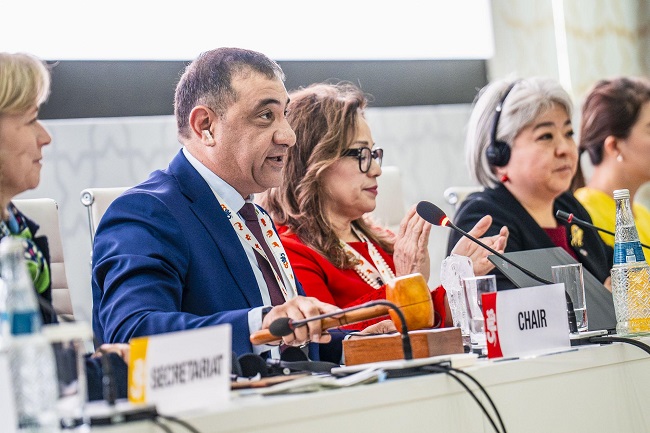
CITES CoP20
Closing Gavel at CITES CoP20 on December 5, 2025

The outcomes achieved at CoP20 not only reflect Parties’ spirit of consensus, compromise, and cooperation, but also the spirit of multilateralism to continuously strengthen CITES implementation and enforcement.

Parties reached broad agreement on a wide range of species issues. Updates to the CITES Appendices included 82 new listings – among them 50 marine species, endemic reptiles, sloths, sea cucumbers, deep-water sharks, dorcas gazelle, and multiple bird species. The Bontebok, a notable conservation success story, was removed from the Appendices following sustained population recovery. Parties also adopted formal recognition of two African elephant species – the African forest elephant (Loxodonta cyclotis) and African savannah elephant (Loxodonta africana) – aligning CITES with current science and strengthening conservation planning.

Building on this work, Parties agreed to a new genus-wide framework to reinforce conservation, management, and monitoring of all anguillid eels through a resolution and related decisions to improve trade controls and address trafficking, while retiring earlier eel-related measures. A CoP20 resolution on jaguars strengthens range-wide conservation of the species through the newly adopted Regional Action Plan, calling for stronger national legislation, coordinated law-enforcement efforts, enhanced monitoring of illegal killing and trade, and expanded international and community-based action.

Regional cooperation featured strongly at CoP20, with unified positions from Africa on vultures and mammals and from Central and South America on finches, tarantulas, and other reptiles.

At the end of the two-week meeting, CITES Secretary-General, Ivonne Higuero, reflected on the significance of the meeting, stating: “These two weeks have shaped the future of this Convention and reaffirmed its vital role in ensuring that international trade in wild animals and plants is sustainable and does not threaten their survival. Our work does not end here. What lies ahead is demanding, and success will depend on collective resolve. The momentum built in Samarkand must translate into meaningful action.”

CoP20 Alternate Chair, Mr. Alisher Salomov, Advisor to the Chairman of the National Committee of Ecology and Climate Change of the Republic of Uzbekistan, emphasised progress in Central Asian country coordination, stating: “CITES CoP20 has been a landmark event of exceptional political and environmental relevance for Uzbekistan. The Conference has demonstrated that regional cooperation can be ambitious and effective and that Uzbekistan is a reliable partner contributing strategic initiatives that gain strong and broad international support.

“The signing of the Samarkand Declaration by the countries of Central Asia is the largest conservation undertaking of its level in the region’s history and will serve as a long-term foundation for environmental governance and integrated biodiversity protection.”

Growing concern over wildlife in the exotic pet and curio trade resulted in new measures and guidance. Parties also advanced work on medicinal and aromatic plants, underscoring their cultural, livelihood, and health importance – an area expected to feature prominently in preparations for United Nations World Wildlife Day 2026.

Parties adopted enhanced measures addressing online wildlife crime, illicit financial flows, corruption, annual illegal trade reporting, and reinforced mandates for the implementation of CITES Big Cats and Tree Species Task Forces outcomes. New directives were also adopted for species facing intense pressure from wildlife crime, including totoaba, pangolins, cheetahs, Asian big cats, great apes, tortoises, and freshwater turtles.

Delegates further reaffirmed the central role and importance of the International Consortium on Combating Wildlife Crime (ICCWC), noting progress in reducing trafficking of elephants and rhinoceroses while emphasising the continued threat posed by organised criminal groups.

Parties also endorsed guidance on artificially propagated plant material, updated provisions for the management of confiscated specimens, and expansion of electronic permitting and digital traceability systems. They strengthened risk assessment tools for customs and border authorities and advanced work under the CITES and Forests framework, including renewal of the CITES Tree Species Programme. CoP20 also progressed policy discussions on zoonotic risk mitigation, cooperation with Multilateral Environmental Agreements (MEAs), enhanced translation of Resolutions and Decisions, and gender-responsive implementation.

To support this expanded programme of work for 2026-2028, Parties adopted a 6.98 per cent budget scenario.

Participation at CoP20 was notably high, with 157 credentials accepted. This broad engagement was supported in part by contributions to the Sponsored Delegates Project, which ensured wide regional representation of 109 delegates from 103 Parties.

Delegates expressed gratitude to the Government of Uzbekistan for its hospitality and operational support. Samarkand – long a crossroads of ideas and culture – provided an emblematic setting for the conference’s spirit of dialogue and cooperation. The meeting also marked farewells for several long-serving contributors to the CITES community, whose expertise and commitment have shaped the Convention over many years.

With the closing gavel of CoP20, Parties entered a critical intersessional period. The outcomes adopted in Samarkand will guide scientific, technical, and compliance work through 2028. The 80th meeting of the Standing Committee (SC80), which convened shortly after the final plenary session on 5 December, has already begun translating these mandates into the intersessional programme.

Looking ahead, Panama generously offered, and Parties accepted, the hosting of the 21st World Wildlife Conference (CITES CoP21) Panama in 2028.

NCDMB oil, gas parks near completion, set for 2026 inauguration – Official

0

The Nigerian Content Development and Monitoring Board (NCDMB) says its Nigerian Oil and Gas Parks Scheme (NOGAPS), established to boost local manufacturing through shared infrastructure and embedded power solutions, will be inaugurated in 2026.

Dr Abdulmalik Halilu, Director, Corporate Services, NCDMB, disclosed this on Monday, December 15, 2025, in Abuja while presenting an overview of the Board’s mandate and achievements at a capacity building workshop for media.

NCDMB established the NOGAPS with the primary aim of domiciling and domesticating oil and gas activities in-country by facilitating local manufacturing.

Felix Ogbe
Executive Secretary of NCDMB, Felix Ogbe

The scheme is a key part of the NCDMB’s 10-year Strategic Roadmap to increase Nigerian content in the industry to 70 per cent by 2027.

Halilu said eight oil and gas industrial parks, covering Bayelsa, Cross River, Akwa Ibom, Imo, Delta, Ondo, Abia, and Edo states were being established.

“NOGAPS in Bayelsa and Cross River states are at 90 per cent completion and due for commissioning in 2026,’’ he said

Halilu said the parks would provide infrastructure and services plots for manufacturing outfits, adding that its local content policy had evolved into a powerful tool for industrialisation, job creation and sustainable economic growth in the sector.

He said local content was designed to stop capital flight and reposition the oil and gas industry as a catalyst for national development.

According to him, exporting oil and gas services outside Nigeria amounted to exporting jobs, capital and industrialisation opportunities, a situation the Federal Government deliberately moved to reverse through local content policies.

He said the success of early local content initiatives led to the enactment of the Nigerian Oil and Gas Industry Content Development (NOGICD) Act, which institutionalised the policy and insulated it from political changes.

“The philosophy of local content is simple: what can be competitively produced in Nigeria should be produced in Nigeria, without compromising standards, pricing or project timelines,” Abdulmalik said.

He explained that the NOGICD Act assigns NCDMB two core responsibilities, namely building indigenous capacity and enforcing compliance with the Act, which contains schedules and nearly 300 performance targets.

Highlighting achievements, he cited the Nigeria LNG Train 7 project as a major success story, with over 93 per cent Nigerian workforce participation, engagement of 1,400 vendors, and significant domiciliation of fabrication, engineering and manufacturing activities.

He said capacities developed for oil and gas projects now served other sectors such as power and construction, reinforcing the sector’s multiplier effect on the economy.

On financing, he said NCDMB had deployed funds from the Nigerian Content Development Fund through intervention programmes, including single-digit interest loans for indigenous companies, asset acquisition financing and working capital support introduced during the COVID-19 pandemic.

Abdulmalik also said that NCDMB had fully automated its processes, eliminating physical visits for certifications and approvals, and placing the Board among Nigeria’s top-performing agencies on ease of doing business rankings.

Earlier, Dr Obinna Ezeobi, General Manager, Corporate Communications, NCDMB, reaffirmed its commitment to sustained engagement with the media and continuous capacity building for journalists covering the oil and gas sector.

Describing the event as a long-standing tradition which began since 2018, Ezeobi said it aimed at providing an opportunity for NCDMB to deepen relationships with the media and enhance professional competence.

He said effective communication had played a critical role in projecting Nigerian content achievements over the years, adding that the media had been instrumental in shaping public understanding of the impact of the Nigerian NOGICD Act.

According to him, the Board deliberately focuses on improving the capacity of journalists, recognising the media’s agenda-setting role and its high level of interest and influence as a key stakeholder in the oil and gas industry.

He assured media practitioners of the Board’s commitment to continuous engagement across regions where its activities have significant impact, adding that informed reporting remains critical to deepening Nigerian content development and national economic growth.

By Emmanuella Anokam

NMDPRA boss: Dangote petitions ICPC, CSO, ActionAid seek probe

0

The Chairman of Dangote Group, Aliko Dangote, has petitioned the Independent Corrupt Practices and Other Related offences Commission (ICPC) against Ahmed Farouk, Managing Director of the Nigerian Midstream and Downstream Petroleum Regulatory Authority (NMDPRA).

The petition, dated Dec 16, 2025, was received by the office of Dr Musa Aliyu, SAN, the Chairman Independent Corrupt Practices and Other Related Offences Commission (ICPC) on Tuesday in Abuja.

Dangote, in the petition, submitted through his lawyer, Ogwu Onoja, SAN, called on the ICPC to arrest, investigate and prosecute the NMDPRA boss for allegedly living far beyond his legitimate means as a public servant.

Farouk Ahmed
Chief Executive Officer of NMDPRA, Mr. Farouk Ahmed

The oil magnate in his petition accused Farouk of spending more than $7 million on the education of his four children in Switzerland.

He alleged that Farouk paid upfront for a six-month period, without any lawful source of income to justify such expenditure.

Dangote, in the petition, named the four children and the Swiss schools they attend, the amount paid for each of them, to enable the ICPC to verify the claims.

He further alleged that Farouk used the instrumentality of the NMDPRA to embezzle and divert public funds for personal gain and private interests.

He claimed the actions had fuelled public outrage and recent protests by various groups.

According to him, Farouk has spent his entire adult working life in the Nigerian public sector and could not, based on his legitimate earnings over the years, have accumulated funds close to the alleged seven million dollars used to finance his children’s education abroad.

“It is without doubt that the above facts in relation to abuse of office, breach of the Code of Conduct for public officers, corrupt enrichment and embezzlement are gross acts of corrupt practices for which your Commission is statutorily empowered under Section 19 of the ICPC Act to investigate and prosecute,” Dangote said.

He added that upon successful prosecution under the same provision of the law, the offence attracts a prison term of five years without an option of a fine

Dangote, during a press briefing in Lagos on Sunday, made some allegations against the NMDPRA boss, where he spoke on regulatory failures and alleged corruption in the downstream petroleum sector.

He stated that the allegations, if left unanswered, would continue to undermine public trust and investor confidence.

In June 2025, similar allegations were raised against Farouk by a group of protesters in Abuja, who marched to the office of the Attorney General of the Federation, Code of Conduct Bureau and ICPC, demanding his immediate resignation, alleging that he had turned his office into a personal estate.

The NMDPRA, however, debunked all the allegations, describing them as an orchestrated smear campaign based on false claims against the Chief Executive Officer and his leadership.

Meanwhile, the Environmental Rights Advocacy and Development (FENRAD) a civil society organisation (CSO), has called on Nigeria’s anti-graft agencies to investigate alleged unexplained wealth involving Mr. Ahmed.

President of Dangote Group, Alhaji Aliko Dangote, in a viral media report accused Ahmed of living above his income.

He alleged that Ahmed paid five million dollars in school fees for his children studying abroad.

Dangote is a major player in Nigeria’s lucrative oil industry with his Dangote refinery producing Premium Motor Spirit (PMS) also known as fuel for local consumption and export.

He claims that by issuing fresh fuel import licences, NMDPRA, the regulator, was undermining local crude oil refiners such as his firm.

Mr. Nelson Nwafor, Executive Director, FENRAD, in a statement issued in Abuja on Tuesday, said it was imperative for Ahmed to be investigated.

He said the allegations, though unproven, raised serious public interest concerns that require urgent scrutiny.

According to Nwafor, the allegations are too weighty to be ignored by anti-corruption agencies.

He, however, acknowledged that Ahmed remained innocent until proven otherwise.

Nwafor, therefore, urged the Economic and Financial Crimes Commission (EFCC), the Independent Corrupt Practices and Other Related Offences Commission (ICPC), among others to step into the matter.

He said the allegation should also be of interest to the Code of Conduct Bureau and Tribunal.

Meanwhile, the National Coordinator of the Centre for Fiscal Transparency and Public Integrity (CFTPI), Ibrahim Bello, has dismissed the allegations.

He said: “Our findings clearly show that Mr Farouk Ahmed has not engaged in any corrupt practice

“Rather, he has been repositioning the downstream sector to promote fairness, competition and efficiency, while ensuring that no single entity monopolises the industry to the detriment of Nigerians,” media quoted him as saying.

Similarly, ActionAid Nigeria has requested presidential engagement and an independent public review regarding allegations involving Ahmed, reinforcing accountability and transparency.

Dr Andrew Mamedu, Country Director of ActionAid Nigeria, presented the appeal in a statement released in Abuja, emphasising institutional integrity, citizen trust, and timely responses that strengthen democratic governance nationwide.

Mamedu referenced media reports alleging education expenses for four children, noting the claims remained unproven, while encouraging calm, lawful scrutiny that upheld due process, fairness, and respect for all parties involved.

Mamedu urged the Economic and Financial Crimes Commission (EFCC) and the Independent Corrupt Practices and Other Related Offences Commission (ICPC) to begin an immediate, thorough, and transparent investigation, with findings publicly disclosed.

ActionAid Nigeria commended Alhaji Aliko Dangote for responsibly raising concerns, highlighting the positive civic value of speaking up, and encouraging citizens, professionals, and businesses to report suspected wrongdoing in good faith.

He emphasised protecting whistleblowers, describing them as essential partners in safeguarding public resources, strengthening accountability systems, and fostering a culture where ethical conduct was rewarded and corruption was consistently discouraged nationwide.

Mamedu observed that the allegations invited broader reflection on governance, promoting reforms that encouraged modest leadership, verifiable incomes, and responsible stewardship, helping reduce inequality and expand opportunities for all Nigerians nationwide.

He highlighted petroleum supply concerns, supporting investment in functional local refineries to achieve fair pricing, energy security, and reduced import dependence, ensuring vulnerable Nigerians benefited from competitive, and transparent market practices.

ActionAid noted that ending impunity would strengthen democracy, restore trust in institutions, and reaffirm public service as a platform for national development, professionalism, and inclusive growth rather than personal enrichment nationwide.

The organisation encouraged prompt clarification from the official concerned, alongside strengthened asset declarations, verification, and public access, empowering citizens, legislators, and oversight bodies to collaboratively advance transparency and accountable governance nationwide.

ActionAid called on Nigerians to actively monitor public resources, engage institutions constructively, report concerns responsibly, and sustain collective demand for accountability, fairness, and effective service delivery across all levels of government.

By Isaac Aregbesola, Justina Auta and Perpetua Onuegbu

EIA vital to sustainable development, says Don

An academic, Prof. Ijeoma Vincent-Akpu, says effective Environmental Impact Assessment (EIA) remains fundamental to sustainable development, environmental protection and good governance in Nigeria.

Vincent-Akpu, immediate past Association for Environmental Impact Assessment of Nigeria (AEIAN) president, spoke in an interview on Tuesday, December 16, 2025, in Lagos.

She spoke after receiving AEIAN’s Distinguished Service Award for her contributions to the association’s growth and institutional strengthening.

Prof. Ijeoma Vincent-Akpu

Expressing gratitude, she described the award as humbling and encouraging.

“I am grateful and deeply humbled by this recognition. I thank God that the association remembered our work and deemed it fit to honour me,” she said.

She said the association was now in capable hands and would continue to grow stronger.

“I believe AEIAN is in a better place and will continue to go from strength to strength,” Vincent-Akpu said.

Speaking on EIA practice, she stressed stronger collaboration between government and professional bodies.

She said sustainability and environmental protection depended largely on proper and effective impact assessments.

“Governments must collaborate with professionals because sustainability, good governance and environmental protection are anchored on proper EIA,” she said.

Vincent-Akpu noted government efforts to strengthen frameworks, including collaboration with the World Bank on procurement and EIA training programmes.

She expressed optimism that the initiatives would improve standards in the long run.

However, she raised concerns over recurring controversies surrounding major infrastructure projects.

She said citizens often questioned whether proper needs assessments and EIAs preceded project approvals.

Vincent-Akpu lamented that EIA was sometimes treated merely as a bureaucratic requirement.

“Many people see EIA only as a means to obtain permits or funding. In reality, EIA guides proper project design, benefiting proponents, government and the environment,” she said.

She attributed poor EIAs to reluctance by public and private proponents to commit resources.

“Unfortunately, even governments sometimes find it difficult to invest in proper EIAs. This impunity is obvious in our environment,” she said.

She said public advocacy could compel adjustments, but EIAs were often conducted late or inadequately.

Advising engineers and contractors, Vincent-Akpu urged prioritisation of environmental protection and sustainability.

“EIA does not stop development; it ensures development benefits the people, protects the environment and safeguards the future,” she said.

She said proper EIAs help developers reduce costs, avoid penalties and improve project design.

“EIA protects the environment, the developer and the government. Everyone benefits,” she said.

Vincent-Akpu said sustainability required pursuing environmental, social and economic goals simultaneously.

“If one is pursued at the expense of others, everyone loses. When all three work together, society benefits,” she said.

By Fabian Ekeruche

×