

African climate justice advocates, civil society groups, and policy experts have issued a call to the Co‑Chairs and Board of the Fund for Responding to Loss and Damage (FRLD), urging them to ensure that the new global financing mechanism truly responds to the needs of vulnerable communities already suffering the devastating impacts of climate change.
In a consolidated message delivered ahead of key deliberations on the Fund’s operationalisation, the stakeholders stressed that Africa – despite contributing the least to global greenhouse gas emissions – continues to bear the brunt of climate‑induced disasters. From prolonged droughts in the Horn of Africa to destructive cyclones in Southern Africa and flooding across West and Central Africa, the continent’s losses are mounting, with limited resources to rebuild.
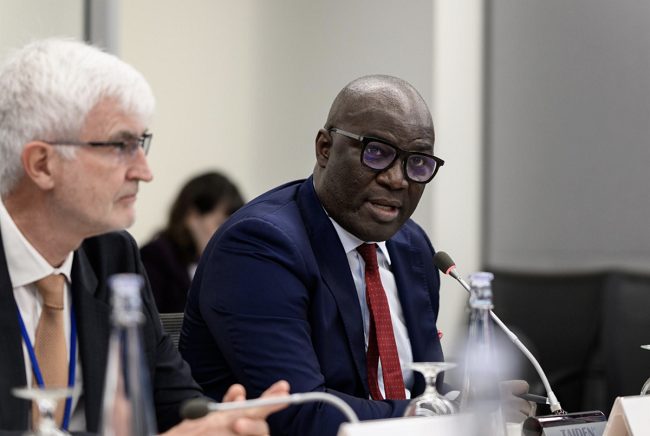
The group emphasised that the FRLD must not become “another inaccessible climate finance instrument” but rather a lifeline for frontline communities. They called for direct, simplified, and predictable access to resources, particularly for least developed countries, smallholder farmers, women, youth, Indigenous Peoples, and local governments.
Demand for Adequate and Grant‑Based Funding
A central theme of the message was the need for adequate, new, and additional finance. African representatives argued that the scale of climate‑related loss and damage far exceeds current pledges, warning that without substantial capitalisation, the Fund risks becoming symbolic rather than transformative.
They insisted that all contributions to the FRLD must be grant‑based, not loans, to avoid deepening debt burdens in already vulnerable economies. Several African countries are currently spending more on debt servicing than on climate adaptation or social services, a trend stakeholders described as “morally indefensible” in the context of climate injustice.
The message also urged the Board to adopt innovative and fair sources of finance, including taxes on fossil fuel profits, aviation, maritime transport, and financial transactions – mechanisms long championed by African negotiators as ways to ensure that major emitters and polluters pay their fair share.
Prioritising Country Ownership and Local Realities
Stakeholders stressed that African countries must have a strong voice in shaping how the Fund operates. They called for country‑driven approaches, where national institutions and local actors play a central role in identifying needs, designing interventions, and managing funds.
They warned against overly complex accreditation processes that have historically locked out African institutions from accessing climate finance. Instead, they proposed fit‑for‑purpose access modalities, including enhanced direct access and community‑based channels.
“Communities on the frontlines know their realities best,” the message noted, urging the Board to ensure that resources flow quickly to those who need them most, without bureaucratic bottlenecks.
Transparency, Accountability, and Safeguards
The African coalition also highlighted the importance of strong transparency and accountability frameworks. They called for clear reporting requirements for contributors and recipients, as well as safeguards to ensure that funded projects do not harm people or ecosystems.
They emphasised that monitoring and evaluation systems must capture not only financial flows but also the real‑world impact on vulnerable populations. This, they argued, is essential for building trust and ensuring that the Fund delivers tangible results.
A Call for Urgency and Justice
Throughout the message, African stakeholders underscored the urgency of operationalising the FRLD. With climate impacts intensifying, they warned that delays in disbursement could cost lives, livelihoods, and cultural heritage.
They framed the Fund as a matter of climate justice, noting that African communities are paying the price for a crisis they did not create. The message urged the Board to act with compassion, fairness, and a deep sense of responsibility to humanity.
“The world is watching,” the stakeholders concluded. “The decisions made today will determine whether the Fund becomes a beacon of hope for vulnerable nations – or another missed opportunity in the global response to climate change.”
As the FRLD Board continues its work, African voices are making it clear that the continent expects a Fund that is accessible, adequately financed, and grounded in justice. Their message sets a firm benchmark for what meaningful loss and damage finance must look like in practice.