

Malawi is set to host the 5th African Regional Conference on Loss and Damage from March 25 to 27, 2026, a major gathering expected to shape Africa’s response to the growing impacts of climate change.
The conference will be held under the theme “Advancing Sustainable, Equitable and Just Financing and Technical Support for Loss and Damage in Africa.”
The high-level meeting will bring together policymakers, civil society leaders, development partners, researchers, and grassroots representatives from across the continent to discuss strategies to address the rising social and economic costs of climate-related disasters.
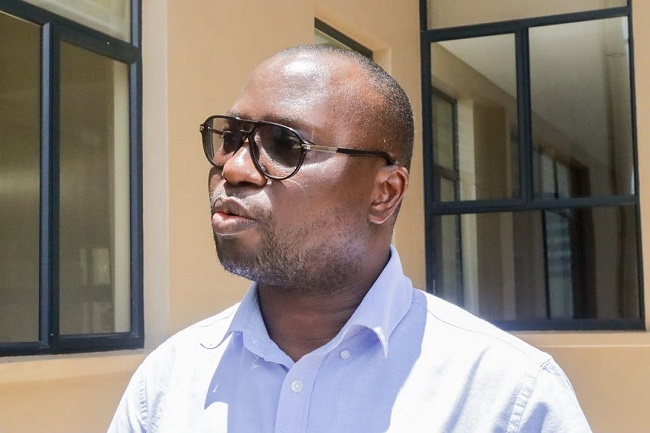
According to Julius Ng’oma, National Coordinator of the Civil Society Network on Climate Change, the conference will serve as a critical platform for strengthening Africa’s position in global climate negotiations.
“This conference will provide a platform to push for sustainable and equitable financing mechanisms for loss and damage, strengthen technical capacity to assess climate impacts, and improve access to assistance for affected countries and communities,” Ng’oma said.
Delegates are expected to develop a regional roadmap that will guide Africa’s voice in upcoming international climate negotiations.
The meeting will also produce a communiqué outlining the continent’s priorities and recommendations on loss and damage financing and technical support.
Rising climate impacts in Africa
Experts say Africa continues to experience severe climate-related shocks, including floods, droughts and extreme weather events that destroy homes, livelihoods, infrastructure and ecosystems.
Malawi has experienced significant climate-related disasters in recent years, particularly from tropical cyclones such as Cyclone Idai, Cyclone Ana, and Cyclone Gombe, which have left thousands of households displaced and caused extensive damage to infrastructure and agriculture.
Ng’oma said the conference presents an opportunity for African countries to transform shared experiences of climate disasters into coordinated action, including stronger financing mechanisms and technical support systems for affected communities.
The event is expected to strengthen collaboration among African governments, civil society organisations and development partners as the continent seeks more equitable global climate responses to the growing challenge of loss and damage.
By Abraham Bisayi, AfricaBrief