Home Blog

Association urges dialogue, strategy over charcoal export ban

The National Association of Charcoal Producers, Dealers, Exporters and Afforestation of Nigeria (NACPDEAN) has called for urgent and coordinated engagement following the recent ban on charcoal export.

The newly elected President of the association, Mr. Edu Babatunde, made the call in his acceptance speech after the election of the National Executive Committee (NEC) in Abuja on Wednesday.

Babatunde, who described his victory as a collective achievement, said it comes with renewed responsibility and a clear call to action.
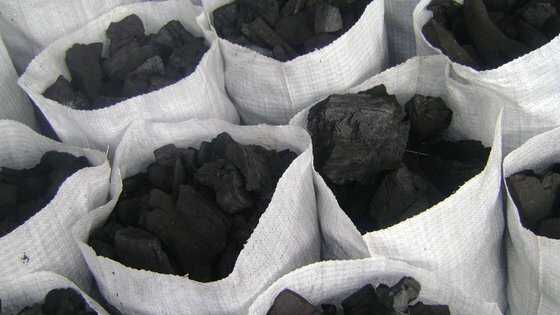
Charcoal
Charcoal

“Our industry is at a critical turning point. Recent developments, particularly the ban on charcoal export, require urgent and strategic engagement,” he said.

He urged producers, dealers, exporters and other stakeholders to unite and engage government authorities with a common voice.

According to him, the goal is not only to address immediate challenges arising from the ban, but also to establish a sustainable framework that balances economic survival with environmental responsibility.

Babatunde emphasised that a new era of strict compliance was imminent, noting that weak enforcement and unregulated activities would no longer be tolerated.

He said the association would introduce firm monitoring systems, enforce standards and ensure accountability across the industry.

The NACPDEAN president said the measures were necessary to restore credibility in the sector, protect legitimate operators and secure the long-term future of the charcoal business in Nigeria.

While underscoring the importance of enforcement, he stressed that collaboration remained critical.

“Plans are underway to deepen engagement with state governments to ensure inclusive participation and effective regulation,” he said.

He added that the association would promote afforestation initiatives, strengthen regulatory frameworks and create an enabling environment for sustainable charcoal production and export activities.

Babatunde, who was re-elected for a second term, said priority would be given to establishing and activating state chapters in Lagos, Ogun, Oyo, Kwara, Kogi and Bauchi states.

He also pledged to enforce compliance with the 2022 Federal Executive Council (FEC) resolution prohibiting foreign operators from purchasing charcoal directly at the farm gate.

“This policy is designed to protect local businesses, and we will ensure full compliance,” he said.

On deforestation, Babatunde said the association would prioritise sustainability through structured initiatives.

“All stakeholders; producers, dealers and exporters must embrace tree planting as a core responsibility. Afforestation will remain central to our strategy,” he said.

He added that the association was introducing structured economic forestry programmes across regions to ensure tree planting was both sustainable and economically beneficial to communities, states and the Federal Government.

Also speaking, Mr. Basiru Lukman, Schedule Officer in charge of the Charcoal Value Chain at the Ministry of Industry, Trade and Investment, said the ban was necessitated by the country’s growing forest deficit.

He said the measure was aimed at protecting natural resources and promoting sustainability.

Lukman urged stakeholders to take deliberate steps toward aggressive afforestation, stressing that sustainable production must remain a collective priority.

He also called for self-regulation within the subsector to ensure compliance with environmental standards and responsible business practices.

In his remarks, Dr Bello Dogondaji, General Secretary of the Federation of Agricultural Commodity Association of Nigeria (FACAN), described the election as free, fair and credible.

He said the process reflected inclusiveness, with representation from all six geopolitical zones.

Dogondaji advised the new executives to uphold unity, integrity and continuity in the discharge of their responsibilities.

The newly elected NEC includes Mr. Abdulsalami Rijana as National Deputy President, Mr. Kayode Animashaun as National Zonal Vice President (South-West), and Mr. Ojei Uche as National Secretary-General.
Plateau mine gas tragedy: Govt inaugurates 18-member probe panel

The Federal Government has inaugurated a high-level 18-member committee to investigate the Zurak Mines gas poisoning incident in Wase Local Government Area of Plateau State.

The incident, which occurred on Feb. 18, 2026, at a mining site in Kampani Zurak, left 37 people dead and 25 others hospitalised after exposure to gaseous emissions.

The Minister of Solid Minerals Development, Dele Alake, had ordered the immediate closure of the affected area, Mining Licence 11810, operated by Solid Unit Nigeria Limited pending investigations.

Plateau mine gas tragedy
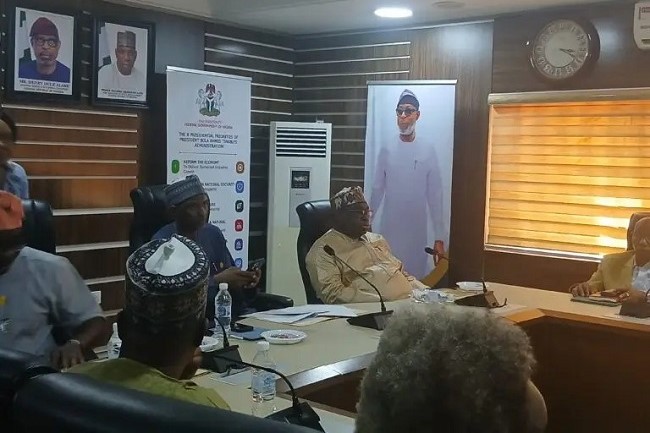
From right: The Director-General, Mining Cadastre Office, Mr. Obadiah Nkom, Mr. Faruk Yabo, Permanent Secretary, Ministry of Solid Minerals Development, and the ministry’ s Director of Special Duties, at the inauguration of a High-level Committee to investigate the Zurak Mines gas poisoning incident in Wase Local Government Area of Plateau, on Wednesday at ministry’s headquarters in Abuja

Speaking at the inauguration, Alake mandated the committee to examine technical, environmental, regulatory and community factors and submit recommendations within 21 days.

His address was read by the Permanent Secretary of the Ministry, Mr. Faruk Yabo.

He described the incident as painful and a wake-up call for strict adherence to global safety standards in mining.

Alake said the incident was rare and required a comprehensive investigation to determine its immediate and remote causes.

He said preliminary findings indicated poor safety compliance, weak regulatory enforcement, operator negligence and involvement of community youths in the ceded lease area.

The minister directed the committee to ensure transparency and make clear recommendations to prevent future occurrences.

“In view of the seriousness of this incident and the need to safeguard lives and preserve the integrity of the investigation, I wish to formally restate that Solid Unit Mining Company has been placed on immediate suspension.

“This covers all mining operations at ML 11810 and any other associated site,” he said.

He added that the suspension would remain until the investigation was concluded and recommendations adopted.

Alake said the move reflected the administration’s zero tolerance for negligence and commitment to safe mining practices, stressing that unsafe operations deter investment.

“The committee is to provide a detailed technical description of the incident, including gaseous emissions, geological conditions, ventilation status and any prior occurrences within the lease area.

“Identify technical experts engaged by the company and their role in supervision and determine minerals mined under ML 11810, transport methods and buyers.

He said the committee would also examine compliance with royalty and other statutory obligations.

Other terms of reference include reviewing security challenges in the Wase/Zurak axis, proposing regulatory safeguards for community ceding arrangements and improving financing mechanisms for regulatory agencies.

He said the committee would also review community relations, environmental compliance, as well as all statutory obligations, and would be supported administratively and technically by the ministry.

Earlier in his remarks, the Ministry’s Permanent Secretary, Faruk Yabo, said  the Zurak incident underscored the urgent need to strengthen security and safety measures at mining sites.

Yabo said the inauguration of the committee was a demonstration of the Federal Government’s resolve to safeguard lives, ensure accountability and promote sustainable mining practices.

He said the committee was expected to provide clear, evidence-based findings and actionable recommendations that would be instrumental in forestalling future occurrences.

The committee is chaired by the ministry`s Permanent Secretary and co-chaired by Mr Peter Gwom, Plateau`s Commissioner for Environment, Climate Change and Mineral Development.

Other members include the Emir of Wase, the Director-General of the Mining Cadastre Office, the Chairman of Wase Local Government Council and the GOC, 3 Division of the Nigerian Army, among others.

By Martha Agas

NCDC alerts 10 states on flood-linked cholera, disease outbreak risks

0

The Nigeria Centre for Disease Control and Prevention (NCDC) has alerted 10 states to a high risk of cholera and other disease outbreaks.

The alert follows forecasts by the Federal Ministry of Environment and the Nigerian Meteorological Agency (NiMet), which indicated that parts of Adamawa, Enugu, Kaduna, Kogi, Niger, Osun, Oyo, Plateau, Taraba and Kwara states may experience heavy rainfall and flooding between April 13 and April 17, 2026.

Dr Jide Idris, the Director-General of the NCDC, said this in a statement on Wednesday, April 15, in Abuja.

Dr Jide Idris
Director-General of NCDC, Dr Jide Idris

Idris reiterated that early action, community vigilance, and prompt care-seeking could prevent outbreaks and save lives, noting that the forecast coincides with the seasonal period when cholera cases typically begin to rise in the country, warning that flooding could worsen disease transmission.

According to him, recent surveillance data already show increasing cholera activity across multiple states, raising concern that flood conditions could accelerate outbreaks.

He explained that flooding increases public health risks by contaminating drinking water sources, disrupting sanitation systems, and exposing communities to unsafe environmental conditions.

Idris warned that, beyond cholera, other risks include malaria and other mosquito-borne diseases, infections from contact with contaminated floodwaters, injuries such as drowning and snakebites, as well as disruption of access to healthcare services.

However, he stressed that the risks remain preventable with early action and community vigilance.

He advised residents in at-risk areas to use only safe water for drinking and cooking, including boiling, chlorination, or bottled water, while also maintaining strict hand hygiene practices.

Idris further urged the public to avoid contact with floodwaters where possible, ensure proper sanitation and waste disposal, and store food safely to prevent contamination.

“Residents are also advised to sleep under insecticide-treated nets and seek immediate medical attention at the nearest health facility if they experience symptoms such as diarrhoea, vomiting, fever, or general illness,” he said.

He called on community leaders and local authorities to support environmental sanitation, drainage clearance, and the dissemination of accurate public health information to prevent outbreaks.

Idris added that it is working closely with State Ministries of Health and partners to strengthen surveillance systems and enhance preparedness for rapid response in affected areas.

State governments, he said, were also being supported to activate multisectoral response mechanisms, particularly in water, sanitation, and emergency management sectors.

Cholera is an acute diarrhoeal disease caused by drinking water or eating food contaminated with Vibrio cholerae.

It spreads quickly in areas with unsafe water, poor sanitation, and during flooding, and can cause severe dehydration and death if not treated promptly.

In Nigeria, cholera is endemic and seasonal, with outbreaks occurring almost every year, especially during the rainy and flood seasons.

The disease affects multiple states, often spreading rapidly in communities with limited access to clean water and sanitation.

Its burden is driven by unsafe water sources, poor sanitation infrastructure, flooding, and overcrowding, particularly affecting children, rural communities, and displaced populations.

While preventable and treatable, cholera continues to strain Nigeria’s health system during peak outbreak periods.

By Racheal Abujah

Senate gives NNPC April 29 deadline to explain N210trn audit queries

0

The Senate, through its Committee on Public Accounts, has given the management of Nigerian National Petroleum Company Limited (NNPCL) up till April 29, 2026, to appear before it to account for the N210 trillion flagged in audit reports from 2017 to 2023.

The committee directed the Group Chief Executive Officer (GCEO) of NNPCL, Mr. Bayo Ojulari, to appear alongside the immediate past GCEO, Mr. Mele Kyari, on the scheduled date unfailingly.

Also expected to appear are former Chief Financial Officer, Umar Ajia; Dr Bala Wunti and the external auditors of the national oil company.

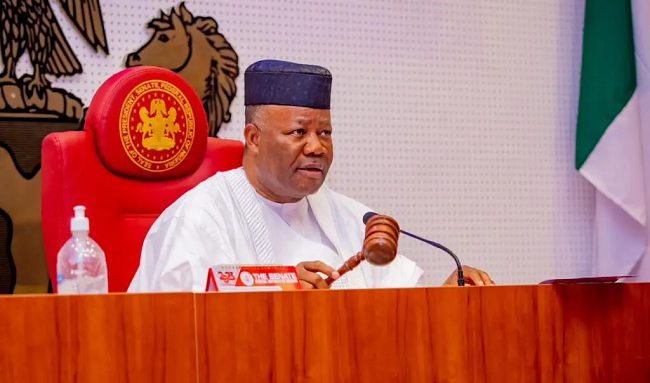
Godswill Akpabio
Senate President, Godswill Akpabio

The committee’s resolutions followed a motion moved by Sen. Osita Izunaso (Imo West) and seconded by Sen. Adams Oshiomhole (Edo North).

Chairman of the committee, Sen. Aliyu Wadada (Nasarawa West), said that the N210 trillion in question, as contained in the audit reports, must be fully accounted for by the company’s management.

Wadada said that the explanations provided by NNPCL to the 19 audit queries were unsatisfactory, noting that Nigerians deserved clear, detailed and convincing responses.

“This committee, and by extension, the Senate, is not satisfied with the blanket explanation given by NNPCL on N103 trillion, which it claimed represents liabilities.

“Liabilities have components such as retention fees, legal fees and audit fees. Specific amounts spent on each of these components must be clearly stated and explained.

“Detailed explanations are also required for the N107 trillion which NNPCL said was expended on joint venture cash calls as well as funds allegedly owed by some defunct banks whose identities were not disclosed.

“Consequently, it is resolved that NNPCL is given an additional two weeks to appear before this committee unfailingly.

“The deadline for compliance is Wednesday, April 29,” Wadada said.

Earlier, a member of the committee, Sen. Abdul Ningi (Bauchi Central), had called for the invocation of the National Assembly’s powers to compel the appearance of NNPCL officials, citing repeated failures to honour invitations.

“We must treat this matter with utmost seriousness. The strength of democracy rests significantly on the authority of the legislature.

“Unfortunately, there appears to be a growing reluctance to honour invitations from the National Assembly, leaving members feeling helpless in enforcing compliance,” he said.

By Naomi Sharang

SON partners SRADeV to advance energy efficiency for electric motors

The Standards Organisation of Nigeria (SON) in collaboration with the Sustainable Research and Action for Environmental Development (SRADeV) on Wednesday, April 15, 2026, held an inception/validation workshop on Minimum Energy Performance Standards for electric motors.

The workshop, held in Lagos, had the support of CLASP.

Speaking at the event, the Director-General, SON, Dr Ifeanyi Okeke, reaffirmed the agency’s commitment to advancing energy efficiency through new standards for electric motors in Nigeria.

Electric motors
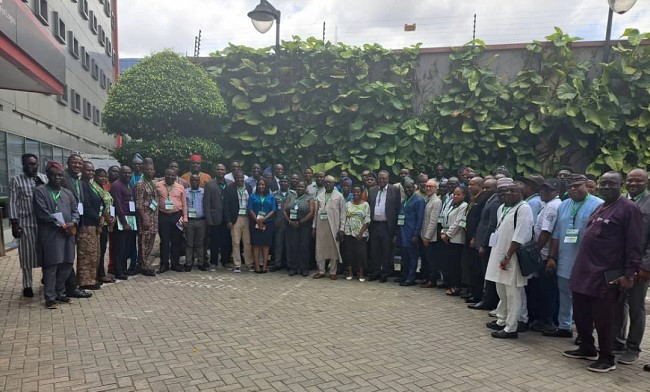
Participants at the inception/validation workshop on Minimum Energy Performance Standards for electric motors

Represented by the Head, Standards Department of SON, Mr. Yunusa Mohammed, Okeke said the initiative was supported by CLASP and SRADeV Nigeria, alongside other development partners.

According to him, the workshop builds on earlier Minimum Energy Performance Standards (MEPS) developed for lighting products in 2021 and 2024.

He noted that energy efficiency remained a cost-effective pathway to achieving Nigeria’s energy transition goals and sustainable economic growth.

Okeke said many industries still rely on outdated equipment, leading to high energy consumption and increased production costs.

He described electric motors as critical to industrial productivity, accounting for a significant share of electricity use in the sector.

He said improving motor efficiency would reduce energy waste, cut costs, and support Nigeria’s climate commitments.

He cited global estimates showing efficient motors could reduce electricity demand by up to 30 per cent and lower emissions significantly.

Okeke said SON was developing a comprehensive framework for standards, implementation, and compliance.

He added that existing MEPS for appliances would be included in the fourth phase of SON’s energy labelling scheme in 2026.

He said electric motors would be incorporated in subsequent phases to expand efficiency across industrial applications.

Also speaking, the Executive Director, SRADeV, Dr Leslie Adogame,  welcomed the participants to the workshop.

Adogame said SRADeV had over 15 years’ experience promoting environmental sustainability and supporting policy development.

He said the organisation previously supported MEPS for lighting, helping phase out inefficient technologies and reduce mercury pollution.

According to him, the lighting initiative is projected to save about $2.47 billion in energy costs by 2050.

He said electric motors were projected to consume about 8.6 terawatt-hours of electricity by 2025.

Adogame said efficient motor systems could save 3.34 terawatt-hours and avoid 1.7 million tonnes of emissions by 2050.

He described the workshop as a platform for stakeholder engagement, policy development, and validation of technical findings.

In an interview, CLASP Programme Manager, Ms. Angellah Wekongo, highlighted the organisation’s role in advancing MEPS globally.

Wekongo said CLASP provides technical support, including data analysis, modelling, and capacity building for energy policies.

She said MEPS for electric motors would reduce energy use, ease pressure on the national grid, and lower industrial costs.

According to her, the standards would improve competitiveness and support job creation through operational savings.

She added that the initiative would contribute to environmental sustainability and Nigeria’s economic development.

The workshop featured goodwill messages presented by relevant ministries, department and agencies of the government, such as Federal Ministries of Industry, Trade and Investment; Power; and Environment, as well as Energy Commission of Nigeria (ECN), Manufacturers Association of Nigeria (MAN), UNIDO and GIZ-Nigeria.

Erosion: Anambra, Enugu gear to mitigate ecological challenges

The Anambra and Enugu State Governments say they are doing everything possible to tackle erosion and other ecological problems in their states ahead of the rainy season.

The duo made the vow in separate interviews on efforts to mitigate ecological challenges especially erosion in their various states.

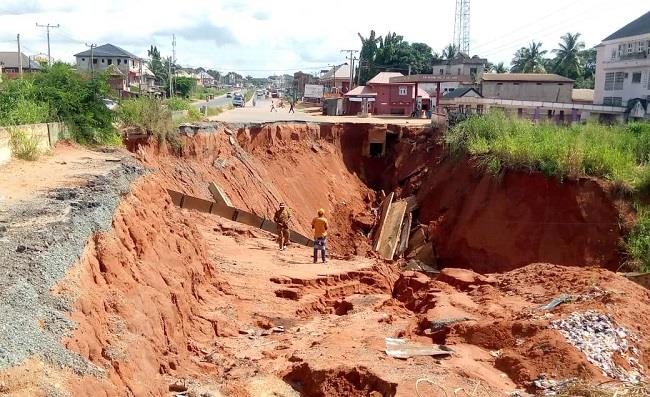
In Anambra, the Ministry of Environment disclosed that there were over 1,000 gully erosion sites across the state.

Erosion site
An erosion site in Anambra State

The Permanent Secretary in the ministry, Mr. Tochukwu Obodogha, disclosed that the state government was doing everything possible to tackle the issue with the financial resources available to it, as the menace required huge amount of money to control.

“Anambra has over 1,000 gully erosion sites and about 160 communities have been affected, out of the 179 communities in the state,” he said.

According to him, the state government is working hard to mitigate these ecological problems in our communities.

He noted that the state government had five priority development agenda, with environment as the fifth.

“This is the reason government is working very hard to mitigate the problem of erosion and heavy flooding before the next rain sets in,” he said.

The permanent secretary said that the state had concluded arrangements to deal with the issue of gully erosion and flooding together.

“Right now we are trying to clear our water ways before April 20 to help us control erosion and flooding in the state,” he said.

On the issue of ecological fund, Obodogha said that it was the Commissioner who was competent to speak on the issue.

He appealed for the Federal Government and international donors intervention as the menace of gully erosion required huge financial resources to combat.

The reelected Governor of the state, Prof. Chukwuma Soludo, has yet to form a new cabinet for his second term, after over three weeks of inauguration.

Also speaking, former Commissioner for Agriculture in the state, Dr Forster Ihejiofor, said a structured investment in bamboo and establishment of bamboo plantation clusters across the three senatorial zones in the state would reduce erosion impact across vulnerable communities.

According to him, Bamboo is “Anambra’s green gold”, with wide applications ranging from erosion control and land restoration.

“The opportunities in bamboo alone can reposition the state economically while addressing pressing environmental concerns,” he said.

On March 12, 2025, the Nigeria Climate Adaptation Erosion and Watershed Project through the European Investment Bank (NEWMAP-EIB) named the state as one of the beneficiaries of an intervention aimed at addressing erosion and land degradation challenges in Nigeria.

Mr. Anda Ayuba-Yalaks, National Project Coordinator, NEWMAP-EIB, made the disclosure when he led the Federal Project Management Unit of the project on an assessment tour of five erosion sites in the state last year.

Ayuba-Yalaks said that the intervention project would be carried out through EIB’s NEWMAP-EIB, following the payment of the state’s counterpart fund of N500 million by the state government.

According to NEWMAP,  the delegation has conducted an on-the-spot assessment of uncompleted five selected erosion sites within the state, in collaboration with Anambra government.

They visited Ndi Agu, Ikenga Ogidi, Nkpor Flyover, Ugamuma Obosi and Abagana erosion sites.

“This project is to provide long-term sustainable land degradation control measures and to provide support to the state project management unit to accelerate the project implementation.

“We will further explore best practices and interventions to mitigate the challenges of erosion in Anambra.”

Efforts to reach the NEWMAP officials in the state to ascertain the extent of implementation failed due to some bureaucracies.

In Enugu State, Mr. Ifeanyi Nwodo, Head of the Ecology Department at the State Ministry of Environment, said the government had taken steps to address environmental challenges, particularly erosion and flooding.

According to Nwodo, the state works through the Nigeria Erosion and Watershed Management Project (NEWMAP), which handles erosion-related issues.

He explained that complaints from communities were forwarded to the agency for action.

“We have an agency responsible for erosion control, and interventions have already been carried out in areas such as Udi and other communities,” he said.

Nwodo also highlighted efforts by the ecology department to mitigate flooding across the state.

He noted that, in 2025, the government conducted extensive clearing and sorting of drainages within the state capital to ensure free flow of waterways and reduced flood risks.

“In the last two years, we have received thousands of petitions from residents regarding flooding and improper channeling of water into homes. We have addressed most of these concerns,” he added.

He further stated that the state operated its own ecological fund management structure through a dedicated unit based at the Government House, which oversees the application of ecological funds.

However, a human rights lawyer, Nnadume Offorkansi, criticized the current system, describing the ecological fund as lacking accountability.

“The ecological fund, like the security fund, is open to abuse. Governors spend it as they like without accountability,” Offorkansi alleged.

He questioned the visible impact of such funds in Enugu, pointing out that the only notable intervention he had observed was along the 9th Mile-Nsukka Old Road, which he claimed was handled by the federal government rather than the state.

“Erosion is ravaging many parts of the state, yet there is little evidence of state-funded intervention,” he argued.

Offorkansi also blamed both government and society for the lack of transparency, noting that the public was often unaware of how much governors received and how the funds were spent.

He advised that governors should engage more closely with local communities through town unions and their president-generals to better identify and address ecological challenges.

“Community leaders understand the real issues on the ground. If properly engaged, they can help prioritize ecological problems such as flooding and erosion,” he said.

He cited examples of flood-prone border communities between Enugu and Anambra State, as well as erosion-affected areas like Iwollo, Oghe, and other parts of Ezeagu council area, which he said, had received little attention.

Similarly, Mr. Ozor Ugonna, Executive Director of the Rural Engagement and Development Foundation, criticised what he described as widespread mismanagement and lack of public awareness surrounding the funds.

He said that many citizens and even some professionals were unaware that ecological funds were being disbursed to states for environmental and infrastructure-related challenges.

“The coordinated answer would be no,” he said, when asked whether the funds are being effectively utilised.

 “There are no clearly designated funds that are transparently used for the purpose they were meant for.

“What we see instead is direct misappropriation. Ecological funds are intended to address pressing environmental issues such as erosion, flooding, and other natural disasters,” he said.

He argued that their impact was largely unfelt across communities.

Ugonna further criticized elected officials – including governors and members of legislative bodies, for failing to communicate with their constituents about funds secured and how they were spent.

 The executive director highlighted a broader systemic issue, alleging that a lack of accountability mechanisms allowed funds to be siphoned without scrutiny.

“The citizenry are not aware, and when people demand accountability, no one is willing to listen,” he said.

 “The system enables continuous embezzlement.”

He added that in spite of frequent reports of funds flowing from the federal level to states, there is little or no public disclosure on how the money was ultimately spent.

By Obinna Unaeze and Alex Enebeli

Dangote, Pope Leo XIV, Trump, Xi Jinping, others named in TIME 100 Most Influential People for 2026

0

Renowned African industrialist and philanthropist, Aliko Dangote, has been named among TIME Magazine’s 100 Most Influential People in the World for 2026, reaffirming his standing as one of the most successful and iconic business leaders of his generation.

Dangote joins global influential figures from multiple sectors, including political leaders such as U.S. President Donald Trump, Chinese President Xi Jinping, Israeli Prime Minister Benjamin Netanyahu, Canadian Prime Minister Mark Carney, revered Pope Leo XIV, current head of Catholic Church as well as business and technology leaders including Google CEO Sundar Pichai and YouTube CEO Neal Mohan.

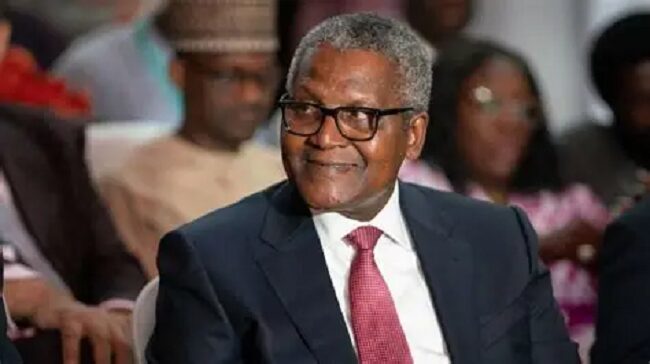
Aliko Dangote
Aliko Dangote

The annual TIME100 list, published on April 15, 2026, recognises global figures whose leadership, ideas, and actions are shaping the future across business, politics, culture, and society. Dangote’s inclusion places him alongside prominent international figures drawn from diverse spheres of global influence.

This marks Dangote’s second appearance on the prestigious TIME100 list, following his first recognition in 2014, when he was honoured for his exceptional impact on business and philanthropy. His return to the list more than a decade later underscores the consistency and scale of his influence on the global stage.

Dangote, who is being recognised for his African industrial drive, is the only Nigerian on the list and featured in the titan and innovators category. Other prominent honorees named alongside Dangote in the titan category are Reid Wiseman, Commander of the Artemis II mission to the moon; Sundar Pichai, CEO of Google and Alphabet and Neal Mohan, CEO of YouTube.

Also featuring prominently under the titan category are Michael and Susan Dell, the high-profile American tech billionaires and philanthropists best known as the founders of the Michael & Susan Dell Foundation, a global non-profit that focuses on improving the lives of children living in urban poverty. Included here also is the American designer and billionaire, Ralph Lauren, best known for founding the global lifestyle empire Ralph Lauren Corporation.

Recognised in the Pioneer category are individuals with breakthroughs in Science and Social Advocacy such Kiran Musunuru and Rebecca Ahrens-Nicklas, both of whom were cited for medical breakthroughs in genetic therapy as well as Aaron Williams, recognised for advancements in heart transplant readiness.

Influential figures recognized in global entertainment and culture include Ranbir Kapoor, prominent Indian actor; Dakota Johnson, recognized as an actress and cultural icon and Kate Hudson, included for her cultural influence.

As Founder and President of Dangote Group – Africa’s largest indigenous industrial conglomerate – Dangote has played a central role in advancing industrialisation across the continent. Under his leadership, the Group has made landmark investments spanning cement manufacturing, sugar and food processing, agriculture, infrastructure, and lately energy, significantly reducing Africa’s reliance on imports while creating millions of direct and indirect jobs.

In its citation, TIME Magazine highlighted Dangote’s vision of building African industries with local resources for global competitiveness, noting his recent investments in large‑scale energy and manufacturing infrastructure as emblematic of his long‑term commitment to Africa’s economic transformation.

Beyond business, Dangote is widely acclaimed for his philanthropic leadership through the Aliko Dangote Foundation (ADF), one of Africa’s largest private philanthropic organisations. The Foundation supports critical initiatives across healthcare, nutrition, education, disaster relief, and economic empowerment, contributing to improved outcomes for vulnerable communities across the continent.

The 2026 TIME100 recognition further reflects a broader global acknowledgement of African leadership, innovation, and enterprise, with Dangote standing as a symbol of the continent’s growing influence in shaping global economic and development narratives.

This latest honour consolidates Aliko Dangote’s legacy as a visionary industrialist and philanthropist, whose work continues to drive sustainable development, inclusive growth, and long‑term value creation- both within Africa and beyond.

Under his leadership, Dangote Group recently launched Vision 2030, with which Dangote Industries aims to transform from a regional $30 billion conglomerate into a $100 billion global powerhouse by 2030.

This strategy focuses on industrial self-sufficiency for Africa, moving the group from “regional dominance to global relevance”. 

Dangote said the roadmap to vision 2030 is divided into phases to “supercharge” the group’s expansion; with phase one spanning 2025-2028 focused on scaling existing businesses – cement, fertiliser, and energy – and optimizing assets for international competitiveness.

The Phase two running from 2028-2030 is for the deployment of new businesses and ventures into global markets to drive the final leap to the $100 billion revenue target. The Dangote Group plans to venture into steel manufacturing, power, and deep-sea ports to tackle industrial bottlenecks across Africa. 

This recognition by TIME Magazine underscores the growing global acknowledgment of African leadership and innovation, and highlights Aliko Dangote’s enduring influence as a visionary leader committed to sustainable development and inclusive growth.

The 2026 list underscores the expanding global visibility of African leadership and Dangote’s continued influence as a leading industrialist and philanthropist.

Study ranks Hawaiian monk seal most at risk of extinction from plastic pollution

 A new study released in Conservation Biology on Wednesdy, April 15, 2026, and co-authored by scientists at Ocean Conservancy, Arizona State University and Shaw Institute is said to be the first to rank marine mammals based on their vulnerability to macroplastic pollution.

Macroplastic implies any plastic piece larger than 5mm, roughly the width of a pencil eraser.

The study, A global ranking of the relative vulnerability of marine mammals to macroplastic pollution, found that Hawaiian monk seals, African manatees, Australian sea lions, vaquita porpoises, and Mediterranean monk seals are the five marine mammals most at risk of population declines from plastics ingestion or entanglement.

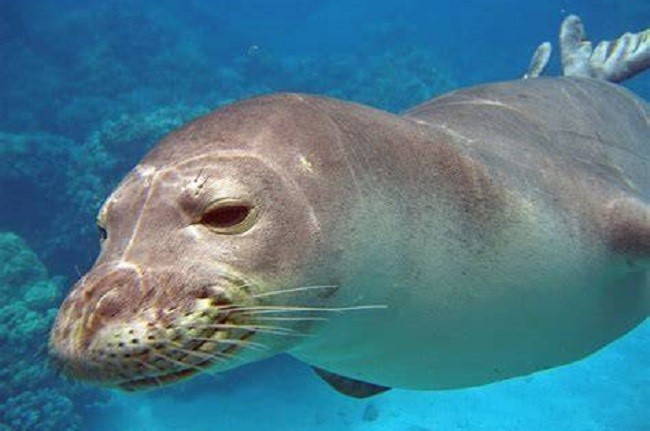
Hawaiian monk seal
Hawaiian monk seal

When the results are assessed at the level of order instead of individual species, sirenians, which include manatees and dugongs, are the most vulnerable to plastic pollution.

The International Union for Conservation of Nature (IUCN) classifies 125 species as marine mammals, of which eight were excluded from the study because they live primarily in freshwater habitats (like hippopotamuses) or live most of their life on land (like polar bears).

Of the 117 marine mammals evaluated, more than 1 in 3 are red-listed as vulnerable, endangered, or critically endangered, according to the IUCN; and of the 22 marine mammals in the highest-risk group, 17 are vulnerable, endangered, or critically endangered. 

“All marine mammals are affected by plastic pollution, but we wanted to understand: which ones should we be most worried about? Which populations are most at risk?” said Dr. Erin Murphy, Ocean Conservancy’s manager of ocean plastic research and co-author of the study. “Knowing the answer to these questions can guide our efforts and add urgency where it’s needed most.”

To get their results, the researchers scored species according to 11 different traits reflecting the animals’ likelihood of exposure, relative sensitivity to plastics, and population resilience (the ability to bounce back from stressors); then ranked their vulnerability as high, medium-high, medium, medium-low and low. 

The following specific species across mammal types and geographies landed on the highest risk list:

  1. Hawaiian monk seal 
  2. African manatee 
  3. Australian sea lion
  4. Vaquita (porpoise) 
  5. Mediterranean monk seal
  6. West Indian (Florida) manatee 
  7. Indo-Pacific bottlenose dolphin
  8. Sei whale 
  9. North Atlantic right whale
  10. Hector’s dolphin
  11. Indo-Pacific humpback dolphin
  12. Dugong 
  13. Gray whale 
  14. North Pacific right whale
  15. Irrawaddy dolphin
  16. Atlantic spotted dolphin
  17. Atlantic humpback dolphin
  18. Risso’s dolphin 
  19. Common bottlenose dolphin
  20. Baird’s beaked whale 
  21. Arnoux’s beaked whale
  22. Indo-Pacific finless porpoise

“It is not surprising that Hawaiian monk seals emerged at the top of this list because they are curious fish-eaters that have been found tangled in fishing gear,” said Murphy. “They also have a small population located near the Great Pacific Garbage Patch, exposing them to a lot of plastic. Local organizations have been conducting targeted debris removal programs to help protect the Hawaiian monk seal, and studies have shown that this has helped the population rebound. This gives us a lot of hope for how to protect the species at the top of the list.”

Murphy, alongside Ocean Conservancy colleagues, Dr. Britta Baechler and Nicholas Mallos, co-authored a complementary study published in November 2025 that quantified the extent to which a range of plastic types result in the death of seabirds, sea turtles, and marine mammals that consume them.

Drawing on data from more than 10,000 necropsies, or animal autopsies, the study found that even relatively small amounts of plastics can be deadly when ingested: ingesting less than a sixth of a soccer ball’s worth of plastics kills one in two harbor porpoises, the smallest of marine mammal species. Out of approximately 7,000 marine mammals in the study that had plastics in their guts at their time of death, 72% had consumed fishing debris, 10% soft plastics, 5% rubber, 3% hard plastics, 2% foam, and 0.7% synthetic cloth.

“You can’t fix a problem you don’t understand and that’s why Ocean Conservancy is committed to not only solving the ocean plastics crisis through prevention and cleanup but also advancing research,” said Dr. Britta Baechler, Ocean Conservancy’s director of ocean plastics research. “And it’s been energizing to see the impact our research has made, from inspiring volunteers to influencing policymakers to take action.”

An estimated 11 million metric tons of plastics enter the ocean each year, the equivalent of one garbage truck’s worth every minute. In addition to conducting original plastics research, Ocean Conservancy advocates for solutions to plastic pollution that prevent it from reaching beaches and waterways in the first place.

Ocean Conservancy has advocated for policies at the local, state, federal and international levels such as California’s SB54, Florida’s balloon release ban, the Farewell to Foam Act, the UN Plastics Treaty and more.

Makoko community rejects relocation from ancestral home, seeks inclusion in UN project

About three months since the eviction of an estimated 30,000 from the Makoko waterfront, the community says it stands firmly united to reject any forced relocation away from the ancestral home and to insist on full inclusion as the primary beneficiaries of the United Nations-supported Water Cities project.

It will be recalled that the demolition of thousands of homes and businesses at Makoko waterfront from December 2025 to January 2026 was brought to a halt through a series of demonstrations and a petition from the community to the Lagos State Governor and the Lagos State House of Assembly. Once the demolition was halted, the community was invited for a series of engagements with the Lagos State House of Assembly.

Makoko
Makoko demolition

Despite demanding a stop to the demolition, immediate humanitarian assistance and emergency shelter for the displaced, and the rebuilding of illegally demolished homes, government reportedly failed to honour the request.

“Not even the most modest form of palliatives,” community members stated, adding: “Instead, we were surprised to hear the Lagos State House of Assembly recommending that our community should be relocated to an empty land at Agbowa, the far side of Lagos State.”

They added: “We firmly reject this recommendation and insist that we should remain in our ancestral home where we have lived for well over one 100 years. This is moreso our right since the Lagos State Government has announced its intention to proceed with the Water Cities project in our community.

“The Water Cities project was first invited by we, the residents of Makoko, to help put forward an alternative to demolition to the Lagos State Government. Based on our invitation, support for the project was sought and obtained from the United Nations. The idea that we, the residents and intended beneficiaries, should now be forcibly evicted and relocated so that another group of people can come to enjoy this project is completely unacceptable.

“We are aware of some statements made by some purported leaders of Makoko that would seem to welcome the proposed relocation. We state firmly and clearly today that those purported leaders may be representatives of the Oloto Royal Family, but they do not represent Makoko community. We firmly deny their statements as we make the position of the community clear.

“Thank you to the people of Lagos State, the people of Nigeria, and the people of the world who are standing with our community today as we struggle to ensure the survival of our community.

|We appeal to the President of the Federal Republic of Nigeria, the Governor of Lagos State, all our elected leaders, and the United Nations to head our call and ensure a just outcome in line with our original demands – relief and emergency shelter for evictees in situ here at Makoko, the rebuilding of our homes, businesses and schools in situ here at Makoko, and a Water Cities project that can ultimately exemplify people-centered development despite all the destruction.”

Flood expected in 33 states, Abuja, says Minister

0

The Minister of Water Resources and Sanitation, Prof. Joseph Utsev, says no fewer than 33 states and the Federal Capital Territory (FCT), Abuja, will experience flooding in 2026, with 14,118 communities identified as high-risk nationwide.

Utsev disclosed this in Abuja on Wednesday, April 15, at the public presentation of the 2026 Annual Flood Outlook (AFO) by the Nigeria Hydrological Services Agency (NIHSA).

He said the high-risk communities are located in 266 Local Government Areas (LGAs) based on scientific forecasts and hydrological assessments.

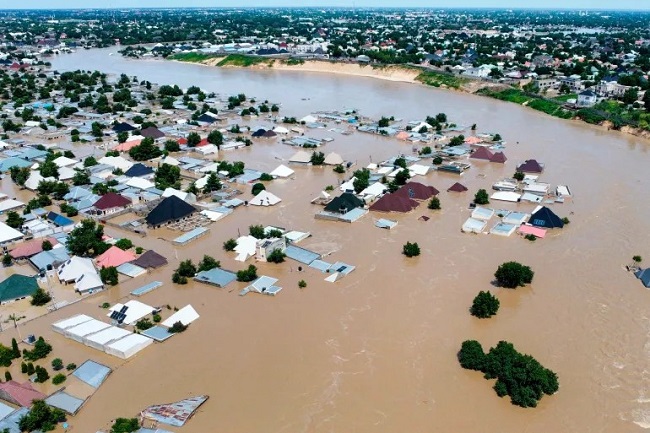
Flooding
Flooding in Nigeria

The affected states, according to him, are Abia, Adamawa, Anambra, Bauchi, Bayelsa, Benue, Borno, Cross River, Delta, Ebonyi, Edo, Enugu, Gombe, Imo, Jigawa, Kaduna and Kano.

Others include Kebbi, Kogi, Kwara, Lagos, Nasarawa, Niger, Ogun, Ondo, Osun, Oyo, Plateau, Rivers, Sokoto, Taraba, Yobe and Zamfara, including the FCT.

The minister said that 15,597 communities in 405 LGAs across 35 states would face moderate flood risk, while Ekiti remained the only state not affected.

He added that 923 communities in 77 LGAs across 24 states fell within the low flood risk category.

”States in this category include Adamawa, Anambra, Bauchi, Bayelsa, Benue, Borno, Cross River, Delta, Ebonyi, Edo, Jigawa, Kaduna, Kano, Kebbi, Kogi, Nasarawa, Niger, Ogun, Ondo, Osun, Oyo, Sokoto, Taraba and Zamfara,” he said.

He warned of possible flash and urban flooding in major cities, including Abuja, Lagos, Port Harcourt, Ibadan and Kano.

He said coastal and riverine flooding is expected in Bayelsa, Cross River, Delta, Lagos, Ogun, Rivers and Ondo due to rising sea levels and tidal surges.

”The AFO is not just a scientific report; it is a call to action. Early warning saves lives and reduces economic losses,” he emphasised.

Utsev attributed increasing flood incidents to climate variability, rapid urbanisation, inadequate drainage infrastructure and poor land-use practices.

He revealed that the Federal Government was strengthening hydrological monitoring through improved data systems, automated river gauges and advanced modelling techniques.

He added that collaboration with the Nigerian Meteorological Agency (NiMet) and the National Emergency Management Agency (NEMA) were being enhanced to improve forecast accuracy and early warning dissemination.

The minister urged state governments to integrate flood risk considerations into land-use planning, urban development and infrastructure design.

He also called for improved drainage systems, effective floodplain management and stronger community preparedness to minimise impacts.

Earlier, President Bola Tinubu, represented by the Minister of Environment, Balarabe Lawal, said flooding remained a major national challenge, with recurring incidents recorded since 2012.

Tinubu said his administration had initiated policies and programmes, including flood control projects, to address the persistent threat.

He said that the 2024 Maiduguri flood marked a turning point toward proactive flood and disaster management.

According to him, the Anticipatory Action initiative, led by the Office of the Vice-President, is strengthening early warning, preparedness and coordinated response.

Tinubu described the AFO as a key planning document guiding early action, mitigation and evacuation strategies nationwide.

He urged stakeholders to utilise the forecasts to protect lives, livelihoods and critical infrastructure.

The president also emphasised the need to harness water resources to drive economic diversification and sustainable development.

Also speaking, the Director-General of NIHSA, Umar Mohammed, said the forecast was based on comprehensive, data-driven analysis of flood-prone areas.

Mohammed said the AFO served as an early warning tool to support planning and coordinated disaster response nationwide.

He added that the agency had upgraded its forecasting system to a hybrid AI-integrated model to improve accuracy and lead time.

He also said that the Flood Dashboard now enabled real-time monitoring and dissemination of alerts to stakeholders.

He urged residents in vulnerable areas to heed early warnings and adopt preventive measures to reduce risks.

The NIHSA director general called for wider dissemination of the outlook to strengthen preparedness and resilience in communities.

He appreciated the Federal Government and development partners for their support in the preparation of the 2026 outlook.

Goodwill messages were delivered by representatives of the World Meteorological Organisation, NiMet, NEMA, the Minister of Livestock Development, Dr Idi Maiha, and other stakeholders.

By Tosin Kolade