Home Blog

The N129m question hanging over Lagos’ Obalende Underbridge Beautification Project

0

The Lagos State Government budget records show that ₦129 million was disbursed in 2025 for the landscaping and beautification of the Obalende underbridge bus park. But repeated visits by this reporter between late 2025 and April 2026 found no visible signs of work matching that scale of spending, while state officials failed to provide details of contractors, project scope, or completed deliverables.

The finding raises fresh questions as the same location is now being proposed for another major transformation project to be funded by MTN Nigeria under its corporate social responsibility initiative.

The newly announced plan, branded the Y’ELLO Bus Park, is expected to turn the Obalende Bus Stop into a modern transport hub with organised transport operations, solar-powered infrastructure, improved sanitation, and green public space.

Y’ELLO Bus Park
An impression of the Obalende Y’ELLO Bus Park

However, while the new proposal has been welcomed by many commuters and transport workers, the earlier ₦129 million reportedly spent on landscaping and beautification in 2025 remains invincible in public.

For daily users of the space, they have consistently advocated for such change in the area. 

“We’ve pushed for this development before, fought, we’ve gone back and forth, but at this point, it’s up to the government to act when they’re ready,” said Saka Balogun, a bus driver.

According to him, earlier conversations around the project stalled over execution.

“The last major argument was about who would handle it. Now, MTN said they wouldn’t hand it over to anyone; they want to execute it themselves,” he said. “There’s been no sign of construction or beautification. If work had started, we would all see it.”

Speaking further, he said commuters and transport workers are open to the new plan.

“Everybody wants development. Nobody would reject something good. For now, we are hopeful and waiting.”

What the 2025 Budget Shows

Documents from the Lagos State Ministry of Budget and Economic Planning show that ₦194.2 million was allocated for a project titled Landscaping & Beautification of Obalende Underbridge and Setback, Development of New Parks and Garden.

By the end of the fourth quarter of the 2025 budget cycle, about ₦129 million had been disbursed.

A breakdown of the spending shows that ₦60.55 million was released in the fourth quarter, while ₦23.256 million was spent in the third quarter. This suggests that roughly ₦45.227 million had already been expended during the first and second quarters of 2025.

The project fell under agencies including the Lagos State Parks and Gardens Agency (LASPARK) and the Ministry of Environment and Water Resources.

However, there is limited publicly available information on the exact scope of work completed, contractors engaged, timelines, or milestones achieved.

When contacted, the General Manager of LASPARK, Mrs. Adetoun Popoola, directed enquiries to the Lagos State Ministry of Environment and Water Resources.

She said only the ministry could respond to questions regarding the project.

“Send a letter to the Ministry of Environment. The Ministry of Environment is handling the project. They will give you any information you need on the project,” she said.

A formal letter was sent to the Commissioner for Environment and the ministry seeking clarification. As of the time of filing this report, no response had been received. Repeated calls to the commissioner also went unanswered.

What Site Visits Reveal

Multiple visits by this reporter between the end of February till April of 2026 found no clear evidence of landscaping or structural upgrades consistent with a project of that scale.

A follow-up visit on April 7, 2026, also showed no obvious beautification works of any change.

The under ridge bus park remains unchanged, still show it used to be. 

Traders and commuters expressed surprise when informed of the reported spending.

“We haven’t seen any work like that here,” said Muyibat Kareem, a trader.

“If anything was done, it didn’t show,” said a commercial driver who gave his name simply as Jimoh.

Their comments reflect a disconnect between budget figures and lived experience.

During another visit on April 19, however, a banner announcing the commencement of the Y’ELLO Bus Park project, including sponsors and projected timeline, was visible at the site.

This suggests that a fresh redevelopment effort is now being pursued possibly in May 2026, even as questions remain over the previous expenditure.

Sanitation Concerns Persist

Beyond questions of funding and timelines, commuters still face immediate environmental concerns.

Under the bridge, drainage channels remain clogged with stagnant water, plastic waste, and debris. A nearby pipe empties directly into the canal, creating a strong odour around the area.

For a location used daily by thousands of commuters, traders, and transport workers, the conditions present both discomfort and possible health risks.

Makeshift shelters also line parts of the underbridge, where some homeless residents live beside polluted water in unsafe conditions. Traders sell food nearby while commuters wait for buses only a few steps away.

When it rains, users fear the blocked drainage could overflow, disrupt movement, and expose more people to contaminated water.

A policeman stationed nearby, who requested anonymity, said the area needs basic environmental management before beautification.

“Before beautification, there is a more urgent need for basic environmental management. We can’t even breathe,” he said.

For now, Obalende remains caught between documented expenditure, proposed redevelopment, and difficult daily realities. Until officials provide clearer explanations and visible progress aligns with public records, questions over the ₦129 million spend are likely to remain.

While we continue to observe the supposed fresh redevelopment effort as indicated in the banner recently placed at the underbridge bus park, we’ll bring you an update in a follow-up story.

By Omowumi Abraham
Senate confirms Rabiu Umar as NMDPRA chief executive

The Senate on Thursday, May 7, 2026, confirmed the appointment of Rabiu Umar as Authority Chief Executive of the Nigerian Midstream and Downstream Petroleum Regulatory Authority (NMDPRA).

The confirmation followed the presentation and consideration of a report by the Senate joint committees on Downstream Petroleum Sector and Gas during plenary in Abuja.

Chairman of the Senate Committee on Downstream Petroleum Sector, Abdulrahman Kawu, said the nomination complied with provisions of the Petroleum Industry Act (PIA).

Rabiu Umar
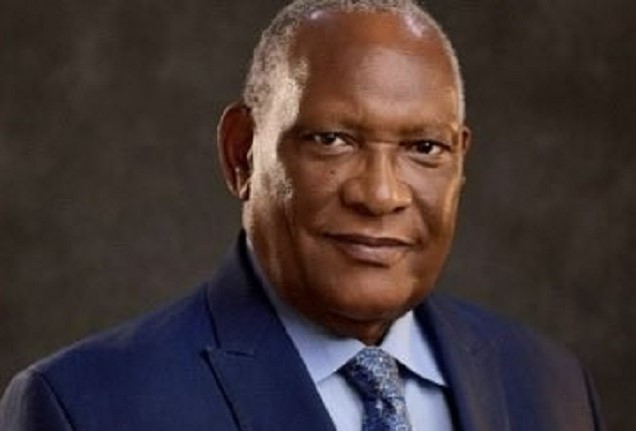
NMDPRA Authority’s Chief Executive, Rabiu Umar

Kawu said the nominee possessed the technical competence, experience, and professional knowledge required for the position, adding that no petition was received against his nomination during the screening process.

He said that the joint committees cleared Umar after reviewing his credentials, records, and other relevant documents presented before lawmakers during the confirmation exercise.

The committees subsequently recommended that the Senate confirmed Umar as Authority Chief Executive of the Nigerian Midstream and Downstream Petroleum Regulatory Authority.

The Senate, sitting as the Committee of the Whole, considered the report and formally confirmed the nomination.

The upper legislative chamber also confirmed the appointment of Francis Asogwah as a commissioner of the Nigerian Law Reform Commission (NLRC).

Similarly, the Senate confirmed seven nominees as commissioners of the National Population Commission representing different states across the federation.

Those confirmed included Kolawole Alabi from Ekiti, Nasiru Muazu from Zamfara, and Usman Tuga from Bauchi State.

Others confirmed by the Senate were Isiaka Yahaya from Kwara, Sadiq Rada from Katsina, Suleiman Umar from Jigawa, and Chiso Datijo from Sokoto State.

By Nefishetu Yakubu

France, Nile varsity inaugurate plastic recycling micro-plant in Abuja

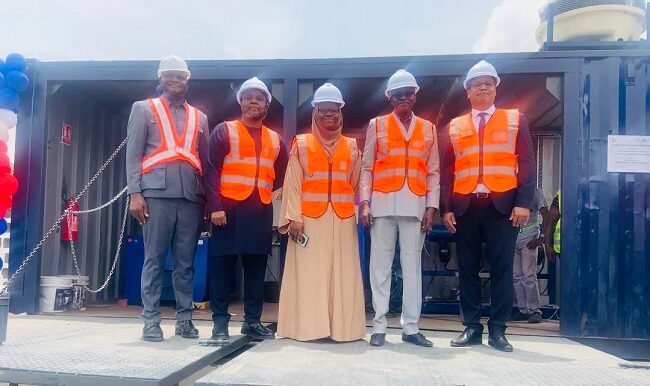
The French Embassy in Nigeria and Nile University, Abuja, on Thursday, May 7, 2026, inaugurated a plastic recycling micro-plant to promote environmental sustainability, research, and entrepreneurship.

Speaking at the commissioning ceremony in Abuja, the French Ambassador to Nigeria, Mr. Marc Fonbaustier, said the initiative reflected France’s commitment to supporting Nigerian universities in tackling plastic pollution.

Fonbaustier, who was represented by the Deputy Head of Cooperation at the Embassy of France, Mr. Pierre Andriamampianina, said the project would strengthen environmental sustainability, research, and innovation.

Nile University
French Embassy in Nigeria and Nile University officials at the inauguration of the plastic recycling micro-plant

He described the project as part of a broader global movement against plastic pollution and environmental degradation.

According to him, the inauguration marks the culmination of a partnership aimed at advancing research, innovation, and environmental responsibility within Nigerian universities.

He noted that plastic pollution had become a major global concern, citing the United Nations Conference co-chaired by France and Costa Rica in Nice in June 2025, where combating plastic pollution emerged as a key priority.

He also referenced a declaration issued by scientists during the World Health Summit in Lyon, France, on the harmful effects of plastics on global health systems.

The envoy commended Nigeria for introducing a national policy on plastic waste management in 2021 to regulate the lifecycle of plastics while promoting recycling and reuse.

“Through this project, and thanks to the efforts of everyone involved, the French Embassy and its partners have demonstrated that local action can connect with a wider global movement,” he said.

He praised students, researchers, and staff members committed to environmental sustainability, adding that the initiative would create opportunities for research, innovation, and entrepreneurship.

According to him, the micro-plant is more than a recycling facility, as it is expected to become “a centre of gravity” for ideas, applied research, and community transformation.

He added that the project would improve campus life, support the local economy through the production and sale of recycled products, and provide students with practical learning opportunities.

Using the metaphor of discarded plastic bottles transformed into useful products, he said the initiative embodied the principle that “nothing is created, everything is transformed.”

He further stressed that the partnership between France and Nigerian universities underscored the importance of investing in young people, research, and innovation to address global environmental challenges.

In his remarks, the Vice-Chancellor of Nile University, Prof. Dili Dogo, described the collaboration with the French Embassy as a demonstration of long-term commitment to education and development.

He recalled that the French Ambassador had visited the university several times in the past two years, including to commission a fabrication laboratory donated to the institution.

“During the commissioning, I said we could move further, and he replied that we must move further. That is exactly what we are doing today,” he said.

Dogo commended the French Embassy for extending its support beyond diplomacy to active involvement in Nigeria’s educational and development sectors.

He disclosed that after establishing the Fab Lab, the embassy organised training for representatives of 14 Nigerian universities on the use of fabrication laboratories.

According to him, the recycling micro-plant aligns with broader goals of environmental protection, entrepreneurship, and skills development.

“What is often seen as waste can become wealth,” he said, stressing the need for innovation in addressing environmental and economic challenges.

Dogo expressed concern over the growing problem of plastic waste across Nigerian cities and called for stronger efforts to convert waste into productive resources.

He also emphasised the role of universities in promoting vocational and entrepreneurial education capable of reducing unemployment and preparing young people for the future.

The vice-chancellor disclosed that Nile University was working toward establishing a vocational skills school to equip students with practical competencies.

He said the institution remained committed to “education for impact” and highlighted its partnerships with universities in the United States, the United Kingdom, and France.

According to him, Nile University is part of a pan-African education network with institutions across 10 countries and more than 125,000 students.

Dogo stressed that universities must become centres for solving real-world problems through innovation, research, and collaboration with industry.

He assured the French Embassy that the recycling facility would be properly utilised and maintained.

“Nile University will not disappoint the French Embassy. We will ensure that this facility serves its purpose,” he said.

The vice-chancellor also appreciated the Nigerian government, development partners, and other stakeholders for supporting the university’s growth and educational initiatives.

By Adesewa George

Adaptation Fund accredits Bhutan’s RSPN as 39th implementing entity

The Adaptation Fund (AF) has accredited the Royal Society for Protection of Nature (RSPN) of Bhutan as a National Implementing Entity (NIE) to the Fund. The decision will enable Bhutan to identify, develop, and implement AF-funded projects under the AF’s pioneering Direct Access modality that empowers country ownership in adaptation.

With this milestone, Bhutan becomes the first country in Asia-Pacific to have two accredited NIEs, RSPN and  Bhutan Trust Fund for Environmental Conservation (BTFEC). It strengthens Bhutan’s direct access to climate finance as the country faces growing risks such as glacial lake outburst floods and erratic weather patterns. It also supports implementation of Bhutan’s National Adaptation Plan (2023), which prioritises resilience across sectors.

Bhutan
Bhutan marks first country in Asia-Pacific with two National Implementing Entities

The AF Board enables countries to accredit up to two NIEs to strengthen national adaptation capacity and expertise to accelerate the response to climate change. Bhutan marks the third country to have two NIEs accredited with the Fund, following Kenya and Senegal.

RSPN is further accredited under the AF’s streamlined accreditation process – a modality designed for institutions with demonstrated specific capacity, allowing faster access to funding at smaller scales while maintaining the Fund’s core fiduciary, environmental, social, and gender standards.

Founded in 1987, RSPN is Bhutan’s oldest environmental NGO, working to conserve the country’s rich biodiversity and promote sustainable natural resource management. It has a long track record in conservation, community-based adaptation, and effective project delivery, working closely with local communities and national partners to advance environmental conservation.

The accreditation follows a rigorous assessment of RSPN’s financial management, procurement, safeguards, gender policies, and monitoring systems. The Panel along with the secretariat staff visited RSPN offices earlier this year as part of their on-site inspection, which sped up the accreditation process for the entity. A readiness grant previously granted to RSPN through the Fund had also supported improvements to key institutional systems required under the AF’s accreditation standards.

“This accreditation marks an important step in advancing Bhutan’s climate resilience and national priorities,” said Wangchuk Namgay, Director, Department of Programme Coordination and Climate Change at RSPN. “This achievement reflects the dedication of our team and the strong support of the AF and the Royal Government of Bhutan. We are committed to delivering impactful, community-driven adaptation solutions.”

“This milestone reflects the strength of the direct access approach and the role of strong national institutions in leading climate action,” said Mikko Ollikainen, Head of the AF.

“Having two NIEs in Bhutan further strengthens their national capacity in adaptation. RSPN’s commitment throughout a rigorous accreditation process shows true country ownership, and we are pleased to welcome them to the Adaptation Fund community. We are also pleased to see new NIEs accessing resources through the Fund’s streamlined accreditation process, which creates important opportunities for smaller states that may otherwise face barriers to accessing climate finance,” added Ollikainen.

NIHSA adopts AI, community reporting, insurance to tackle flooding

The Director-General of the Nigeria Hydrological Services Agency (NIHSA), Mr. Umar Mohammed, says Nigeria is strengthening its flood response through advanced forecasting tools, community-based reporting systems and a flood insurance scheme.

Mohammed said this against the backdrop of the 2026 Annual Flood Outlook (AFO), which identified 14,118 communities across 266 Local Government Areas (LGAs) in 33 states and the Federal Capital Territory as high-risk flood zones.

The report also classified 15,597 communities in 405 LGAs as moderate-risk areas, while 923 communities in 77 LGAs are projected to experience low flood impact.

Umar Mohammed
NIHSA’s Director General, Mr Umar Mohammed

According to the AFO, major urban centres, including Abuja, Lagos, Ibadan and Port Harcourt, are expected to experience flash and urban flooding due to intense rainfall, rapid urbanisation and poor drainage systems.

It added that coastal and riverine flooding could affect Bayelsa, Delta, Lagos, Rivers and Ondo states, with rising sea levels and tidal surges threatening livelihoods, ecosystems and transportation networks.

Mohammed said on Thursday, May 7, 2026, that flooding remained a recurring global challenge driven by climate change and human activities, noting that Nigeria had spent more than 15 years strengthening its predictive capacity.

“Flood is a natural disaster affecting not just Nigeria, but countries across the world, largely due to climate change and anthropogenic activities,” he said.

He said NIHSA had adopted a more technology-driven approach to flood prediction to address gaps in communication and emergency response.

The director-general said earlier assessments revealed weaknesses in transmitting flood forecasts to vulnerable communities and stakeholders, prompting reforms in technology and public outreach.

“Last year, we noticed gaps in transmitting flood forecasts to vulnerable communities and stakeholders. We identified these gaps and are working to close them,” he said.

Mohammed said the agency had deployed artificial intelligence and deep learning models trained on more than 200 years of historical flood data to improve prediction accuracy.

He added that NIHSA’s forecasting precision had risen to about 88 per cent, surpassing the World Meteorological Organisation (WMO) standard.

According to him, the agency has also upgraded its communication system from a static dashboard to a mobile application to improve real-time access to flood information.

“We migrated from a dashboard to a mobile application because of the widespread use of smartphones and social media,” he said.

Mohammed said the application integrated community-generated data through trained volunteers known as “flood marshals”, who provide real-time updates from affected communities.

“They report flooding as it happens and send information through the app for easy interpretation and response,” he said.

He explained that the system accommodated voice notes and visual inputs to overcome literacy and language barriers, allowing residents to describe flood levels in simple terms.

“They can indicate whether the water is at ankle, knee or shoulder level, which is a language everyone understands,” he said.

Mohammed said the reporting mechanism had strengthened coordination with emergency agencies such as the National Emergency Management Agency (NEMA) for prompt intervention.

“We are integrating anticipatory action with real-time response to ensure quicker emergency action,” he said.

He said the agency’s objective was to shift from reactive disaster management to preventive and anticipatory strategies aimed at saving lives and reducing economic losses.

Mohammed added that the 2026 AFO outlined strategies on risk communication, mitigation and adaptation tailored to vulnerable communities nationwide.

According to him, mitigation measures include improving river channels and clearing waterways, alongside non-structural approaches such as awareness campaigns and early warning systems.

He said the government was also exploring long-term water management solutions, including the expansion of dams and reservoirs to manage excess rainfall.

Mohammed further disclosed that NIHSA had introduced a flood insurance scheme as part of its non-structural mitigation measures.

He said the pilot scheme was designed to reduce the economic impact of flooding on affected communities.

The director-general added that Nigeria was reviewing drought patterns alongside flooding, noting that both were linked to climate variability.

“When there is excess water, we have floods; when there is shortage, we experience drought,” he said.

He disclosed that a national drought outlook was being developed for 2027.

Mohammed expressed optimism that the integration of technology, community participation and financial risk tools such as insurance would strengthen Nigeria’s resilience to climate-induced disasters.

By Tosin Kolade

Sign climate change bill into law, group urges Nasarawa gov

Nasarawa State Network on Environment and Climate Justice (NASNECJ), in collaboration with the Global Initiative for Food Security and Ecosystem Preservation (GIFSEP), has urged Gov. Abdullahi Sule to sign the climate change bill into law.

Mr. Emmanuel Envoh-Okolo, the Coordinator of the group, made the appeal on Wednesday, May 6, 2026, in Lafia, the state capital, when he visited the Commissioner for Environment and Natural Resources to solicit support.

Envoh-Okolo emphasised that signing the bill into law would make for effective governance and mitigate against the impacts of climate change in the state.

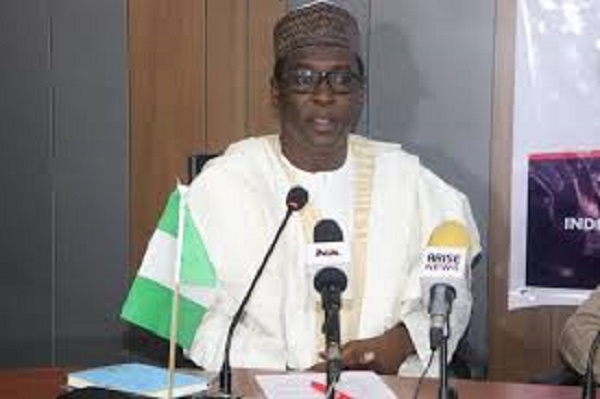
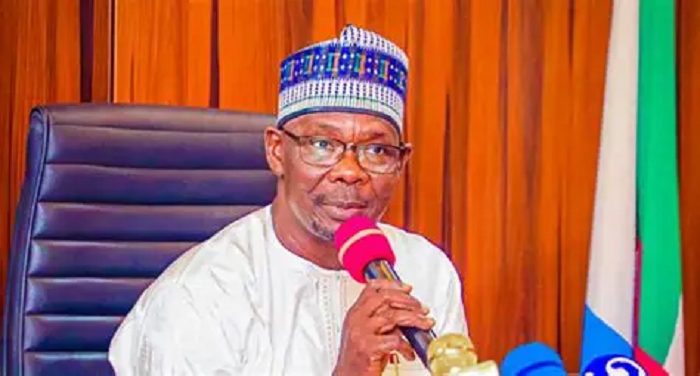
Abdullahi Audu Sule
Abdullahi Audu Sule, Governor of Nasarawa State

The climate change bill was recently passed by the Nasarawa State House of Assembly to streamline actions, adaptation and mitigation against the impacts of climate change in the state.

He added that the climate change had  received technical support from African Activists for Climate Justice and NASNECJ.

Envoh-Okolo said that the governor’s assent to the bill to become law was critical in the fight against climate change, given that Nasarawa State was among the states ravaged by the impacts of climate change in the country.

“Considering the importance we attached to the passage of this bill, we are here today to have a conversation with the ministry to see how the bill can be signed into law by the state governor.

“The Ministry being an umbrella body handling climate change-related issues like policy and programme implementation, we want to see how it can stir up the conversations and engage with the governor to ensure that the bill is assented to,” Envoh-Okolo said.

According to him, the only opportunity the state has to push for the signing of the bill is now, and failure to get the bill signed into law means that the effort made in the last five years will be wasted.

“If this legislative tenure is over, we still have to start afresh, and we do not want to start the whole of this process again.

“We are not doing anything different from what is at the national level, rather we are  basically trying to replicate what has been done at the national level.

“If this bill is eventually signed, it will give the Ministry a better opportunity to coordinate all climate actions across ministries in the state, with enormous benefit for the state,” he said.

Responding, Margaret Elayo, Commissioner for Environment and Natural Resources, said that the Sule-led  administration was committed to mitigating the impacts of climate change, adding that the bill would be assented to by governor.

Represented by Mr. Ede Yakubu, the Permanent Secretary in the Ministry, Elayo commended the group for championing the fight against climate change in the state, adding that their efforts would not be wasted.

“I commend you for the project that you are undertaking, your project is encompassing. So, I also appreciate you for that.

“The issue of climate change is universal, It’s a global phenomenon. Nasarawa state is taking it seriously. We are making frantic efforts to ensure that the impacts of climate change are mitigated.

“On the climate change bill, I want to assure you that we are going to collaborate with you to ensure that the bill is signed into law,” the Commissioner assured.

By Oboh Linus

NGOs, religious leaders advance just energy transition agenda

Secretary General, Catholic Secretariat of Nigeria, Rev. Fr. Michael Banjo, has said that effective policymaking is central to achieving a just energy transition in the country.

He said this at the GreenFaith Nigeria Multifaith and Multisectoral Forum on Nigeria’s Just Energy Transition Plan in Abuja on Thursday, May 7, 2026.

“Yet, as we move towards cleaner energy, we must not repeat the old pattern of development that benefits a few while burdening the poor.

Rev. Fr. Michael Banjo
Secretary General, Catholic Secretariat of Nigeria, Rev. Fr. Michael Banjo

“Nigeria’s energy transition must be treated not merely as an economic agenda, but as a moral and developmental responsibility.

“The theme of this forum, ‘Faith, Justice, and Power: Advancing an Inclusive Just Energy Transition in Nigeria,’ is therefore both timely and urgent.

“Energy is not a luxury. It is tied to life, health, education, work, food security, industrial growth, national stability and human dignity,” Banjo said.

He added that Nigeria was at a pivotal moment requiring energy for homes, hospitals, schools, farms, industries, small businesses and places of worship, alongside jobs and investments that expand opportunity.

Banjo said Nigeria’s energy transition should be seen not only as an economic agenda but also as a moral and developmental responsibility.

According to him, the Catholic Secretariat of Nigeria is ready to collaborate with GreenFaith to promote environmental protection and a just energy transition.

“We therefore call on government at all levels to formulate clear, consistent and just policies that protect affected communities, support small businesses, expand clean and affordable energy, and create decent jobs,” he said.

He added that such policies should ensure that no part of the country was left behind in the energy transition process.

Banjo also urged investors, development partners, financial institutions and the private sector to ensure renewable energy investments were guided by conscience.

“So that the new energy economy does not reproduce old injustices in cleaner language, but promotes local capacity, affordable financing, community ownership, skill development, transparency and accountability,” he said.

He emphasised that responsibility for environmental protection extended beyond government and institutions to individual citizens.

Banjo called on Nigerians to adopt environmentally responsible habits such as proper waste disposal, water conservation and reducing plastic and paper waste.

He also urged citizens to plant trees, keep drainages clear and avoid blocking waterways with waste or illegal structures.

“We must keep our markets, schools, churches, mosques, motor parks and public spaces clean, avoid littering them, provide proper waste bins, and maintain their surroundings,” he said.

He added that such places must be kept free from pollution and blocked drainage to protect public health and the environment.

He said the presence of GreenFaith Africa members underscored that climate and energy challenges were not only Nigerian issues but global and human concerns.

Banjo also said development must be measured not only in economic terms but by how well societies protected vulnerable populations affected by energy poverty and climate change.

He cited biblical teachings, noting that creation was a sacred trust given to humanity for responsible care and stewardship.

Banjo highlighted environmental challenges across Nigeria, including oil pollution in the Niger Delta, desertification in the North, erosion in the South-East and flooding in riverine communities.

He said those challenges showed that environmental degradation directly affected human dignity, livelihoods and security.

Banjo commended GreenFaith Africa, GreenFaith Nigeria and the Kukah Centre for promoting climate justice and interfaith collaboration.

Also speaking, Sheikh Ibrahim Lithome, a Muslim scholar and Chairman of GreenFaith Africa, said the organisation united people of different faiths to promote climate justice.

“We know that because of our activities, our selfishness, and the many things that we are doing, we have polluted the environment,” he said.

He added that religious teachings should guide efforts to address environmental challenges and energy transition.

Mr. Seyifunmi Adebote, Communication and Promotion Officer at the Embassy of Sweden, also urged religious leaders to sensitise their followers to environmental protection.

By Abigael Joshua

Expert seeks accelerated transition into cleaner energy economy

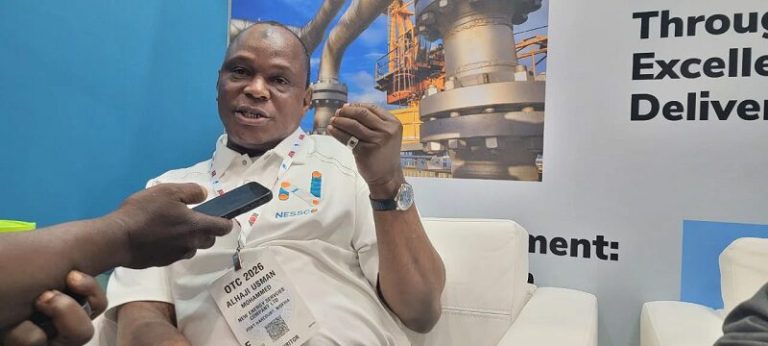
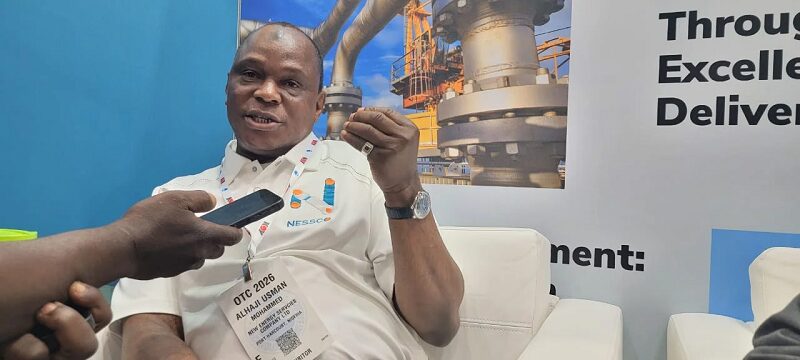
Managing Director and Chief Executive Officer, New Energy Services Company Ltd. (NESSCO), Alhaji Usman Mohammed, has urged Nigeria to accelerate its adaptation to the global energy transition to remain competitive in the evolving energy landscape.

Mohammed said this in an interview with newsmen on the sidelines of the Offshore Technology Conference 2026 in Houston, U.S., where he highlighted the growing global shift from oil to gas and cleaner energy sources.

According to him, advances in technology and rising investments in green energy are rapidly reshaping the global energy landscape.

Usman Mohammed
Managing Director and Chief Executive Officer, New Energy Services Company Ltd. (NESSCO), Alhaji Usman Mohammed

“Technology is evolving, and the world has effectively launched a revolution in green energy,.

“The focus is now shifting more towards gas development than oil, and that transition is already affecting business turnover across the industry.,” he said.

Mohammed credited Nigeria’s local content policies for supporting the growth of indigenous companies in the energy sector.

“We are a direct product of local content development.

“Many Nigerian companies today owe their growth to deliberate government policies, and the impact is visible across the industry,” he added.

Mohammed commended the Nigerian Content Development and Monitoring Board for supporting local participation in the oil and gas sector but stressed the need to improve access to funding for indigenous operators.

“The biggest challenge is funding.

“We need a dedicated energy bank, similar to the Bank of Agriculture, that will give indigenous companies access to affordable capital, especially in gas development,” the NESSCO boss said.

He also called for reforms to existing funding structures, urging the NCDMB to make its financing process more accessible to credible local firms.

“If a company is qualified to execute a contract, it should also be considered qualified to access financing,” he said.

Mohammed said NESSCO continued to expand its operations, recently securing a renewed contract through a competitive tender process and signing a new drilling rig supply agreement with a major operator.

According to him, the company has diversified from offshore facility management and crane operations into drilling and other energy services over the last decade.

“We are growing deliberately, and by this time next year, we expect major developments in the gas sector,” he said.

Mohammed also emphasised the importance of collaboration among indigenous companies, describing partnerships as critical to sustainable growth in the industry.

Drawing from his experience with international firms such as Saipem, TotalEnergies, Baker Hughes and BW Offshore, he said successful global businesses thrive on cooperation.

“No single company can do it all. Collaboration is the way forward, but it must happen naturally,” he said.

He warned against forced business partnerships, noting that trust and shared vision were essential for successful collaborations.

“Business relationships are built on trust and alignment. You cannot force companies together and expect success,” he said.

Mohammed further urged Nigerians to take responsibility for developing the country’s energy sector.

He explained, “Nobody will come from Europe or America to build Nigeria for us. The responsibility is ours.

“What government must do is create the right environment and allow indigenous companies to rise to the challenge.”

He noted that NESSCO, an engineering procurement and facility management company, previously handled about 40 per cent of all platform operations for ExxonMobil in Nigeria.

“Thre company has provided services across heavy lifting equipment deployment, crane management, valve maintenance and testing, hydraulic hose services, fabrication and recertification,’ the managing director  added.

By Yunus Yusuf

Delegates to storm Nairobi for Africa Forward Summit 2026

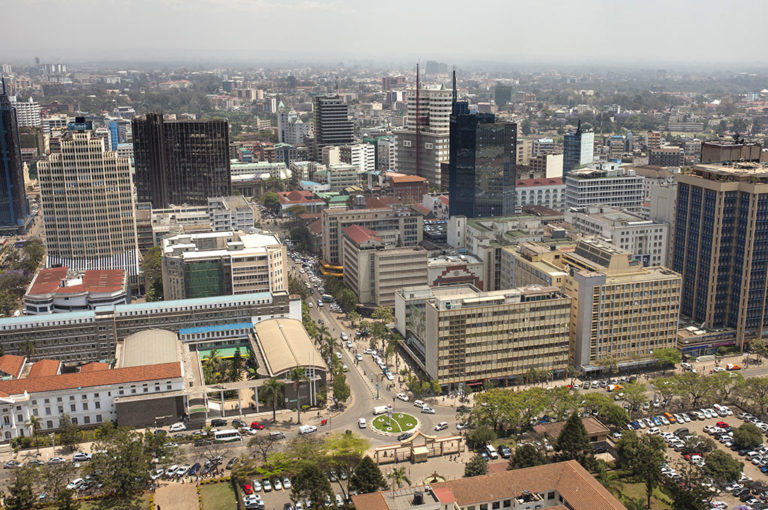
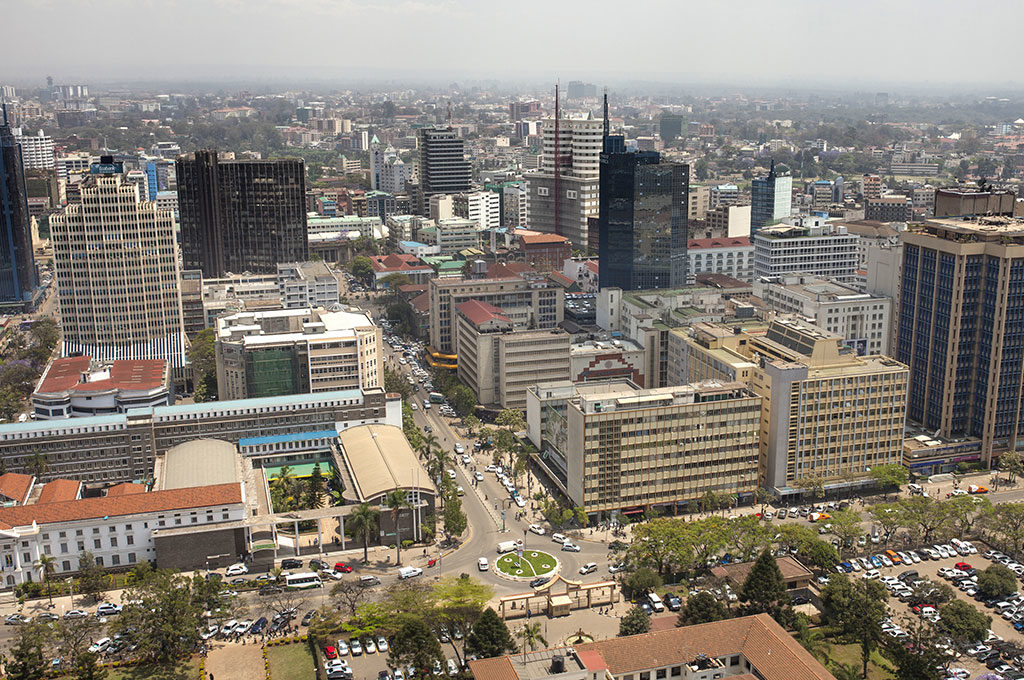
About 4,000 African and French delegates will participate in the Africa Forward Summit 2026 scheduled to take place in Nairobi, the Kenyan capital, from May 10 to 12, 2026.

The Africa Forward Summit brings together Heads of State, senior government officials, business leaders, innovators, development partners, civil society and the media to engage in high-level dialogue on Africa’s economic transformation, strategic partnerships, and sustainable development. 

Hosted jointly by Presidents William Ruto and Emmanuel Macron of Kenya and France respectively, the summit will address multiple topics in rural development, including mobilising private capital, strengthening partnerships in sustainable agriculture, developing the blue economy and more.

Nairobi Kenya
Nairobi, Kenya, will host the Africa Forward Summit 2026

The 2026 Summit will focus on strengthening Africa’s global partnerships, expanding trade and investment opportunities, and accelerating innovation across key sectors across the continent.

At a media roundtable organised by the Africa Forward Summit Secretariat, the conveners explained that the discussions would include opportunities in the blue economy, agriculture, global health and emerging prospects in artificial intelligence. 

The meeting will end on Tuesday, May 12, 2026, with the Nairobi Declaration, a landmark commitment adopted by Kenya and France which would prioritise cooperation for shared prosperity.

Govt targets November completion of coastal highway section 2

Section Two of the Lagos-Calabar Coastal Highway is expected to be completed by November 2026, while Section One is substantially completed and ready for inauguration.

The Minister of Works, Sen. Dave Umahi, disclosed this while speaking with journalists during an inspection tour of the highway project on Wednesday, May 6, in Lagos.

He said that some ongoing works, including flyovers, underpasses and interchanges being observed on the corridor, belonged to section two of the project.

Dave Umahi
Minister of Works, Sen. Dave Umahi, addressing journalists at the handover of order for reconstruction of Carter Bridge to China Civil Engineering Construction Corporation, on Wednesday in Lagos

“Some of the works you are seeing, such as underpass, overpass and the interchange, belong to section two.

“Section one does not have any flyover. You may be asking why we say it is ready while flyover construction is still ongoing. Those works belong to section two,” Umahi said.

The minister also said that about 200m of pavement had been intentionally left unfinished due to soil settlement concerns.

“We have been checking settlement there, and it is settling very fast. We do not want to take chances.

“If after two weeks we are not satisfied with the settlement, we will put flexible pavement there temporarily for one year before replacing it with rigid concrete pavement,” he said.

According to him, rigid concrete pavement does not tolerate settlement because it can crack.

Umahi said that only minor works such as shoulders and landscaping remained on section one.

He expressed satisfaction at the quality of work by the contractor, Hitech Construction Company, and praised President Bola Tinubu for initiating legacy infrastructure projects across the country.

“We are doing the same in Sokoto, Kebbi, Badagry, Oyo, Cross River, Akwa Ibom, Ebonyi, Benue, Kogi, Jos, Gombe and Biu.

“These legacy projects are spread across the six geopolitical zones, and it shows that the president is fair,” he said.

Umahi added that by November, the coastal highway construction would have reached the Ogun/Lagos border.

He noted that the highway  construction was also progressing on the Ogun/Ondo axis.

“Before this time next year, motorists will be able to drive all the way to Ondo, while work on the Edo section will  commence,” he said.

He assured Nigerians that roads constructed under the current administration were designed to last  for between 50 years and 100 years.

The Federal Controller of Works in Lagos, Mr. Olufemi Dare, said that 47km Section One of the coastal highway was 98 per cent completed.

“The remaining works within the next two weeks are mainly tree planting and walkways.

“I can confidently say that this project is completed and ready for commissioning,” he said.

The Director of Bridges and Design in the Federal Ministry of Works, Mr. Musa Saidu, said that the construction met all engineering standards of the ministry.

“As you can see, from Victoria Island to Chainage 47, engineering-wise, the project is complete.

“What remains are aesthetics such as tree planting, solar installations and about 100 metres of continuously reinforced concrete pavement awaiting settlement,” he said.

The Senior Special Assistant to the President on Community Engagement (South-West), Mrs. Moremi Ojudu, described the highway as a major economic corridor for the South West and Nigeria at large.

Similarly, the Senior Special Assistant to the President on Community Engagement (South-East), Mrs Chioma Nweze, commended the Federal Government for extending legacy infrastructure projects to the South-East.

She cited ongoing work on the Trans-Sahara Road as evidence that no geopolitical zone  was left out.

The Chairman of House of Representatives Committee on Works, Mr. Akin Alabi, described the project as a dream come true.

He recalled that the coastal highway was envisioned by Tinubu when he was Governor of Lagos State.

He commended the president, Umahi and the National Assembly for supporting the project through funding and oversight.

Also, Sen. Osita Ngwu, a member of the Senate Committee on Works, said  that initial doubts about the project had disappeared following visible progress on it.

“It is difficult for anybody to come here and not be impressed.

“This is what we call a legacy project, and I encourage Nigerians to visit and see what the government is doing,” he said.

By Lydia Chigozie-Ngwakwe