South African health authorities on Thursday, April 19, 2018 issued a malaria alert amid a rising risk of acquiring the disease both in and outside the country.
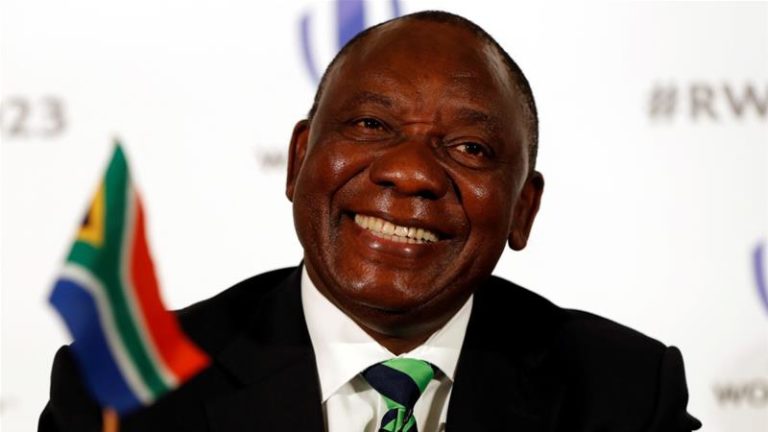
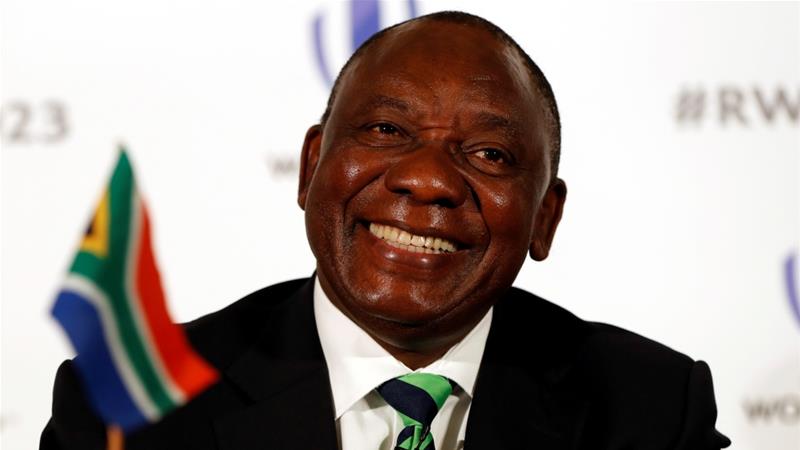
President Cyril Ramaphosa of South Africa
The National Institute for Communicable Diseases (NICD) said the total number of malaria cases has increased in three malaria-affected areas – north-eastern Limpopo, eastern Mpumalanga and northern KwaZulu-Natal.
NICD said some of the patients are likely to be travellers returning from neighbouring countries, particularly Mozambique.
The institute did not give the specific number of malaria cases.
The NICD said with the recent Easter holidays and an upcoming weekend, a substantial proportion of the South African population have returned or will shortly return from malaria-endemic destinations.
The institute said anyone who has been in a malaria risk area in the past 10 days to three weeks and who gets ill with flu-like symptoms should remember that malaria is a possibility and seek medical attention, which should include a malaria blood test, repeated if necessary.
Travellers should tell healthcare workers about travel and possible exposure, as they may forget to ask, the institute said.
Using anti-mosquito measures (nets, repellents etc.) and/or prophylactic medicines does not guarantee perfect protection from malaria, the institute cautioned.
The institute warned that delayed diagnosis of malaria often leads to more severe illness with the danger of serious complications or even death.
Symptoms of malaria include fever, chills, sweating, body pains, headache and extreme tiredness, which appear within 10 to 15 days after the ineffective mosquito bite.
This was the second malaria alert issued in South Africa since Dec. 14, 2017.
South Africa has pledged to eliminate malaria by 2018.
Malaria in the country is seasonal, with transmission occurring between September and May in geographical areas of Limpopo, KwaZulu-Natal and Mpumalanga provinces.
The global malaria community on Wednesday, April 18, 2018 urged Commonwealth leaders to make a game-changing commitment to halve malaria across the Commonwealth within the next five years. This, the community reasoned, would prevent 350 million cases of malaria and save 650,000 lives, predominately children and pregnant women who are most at risk.
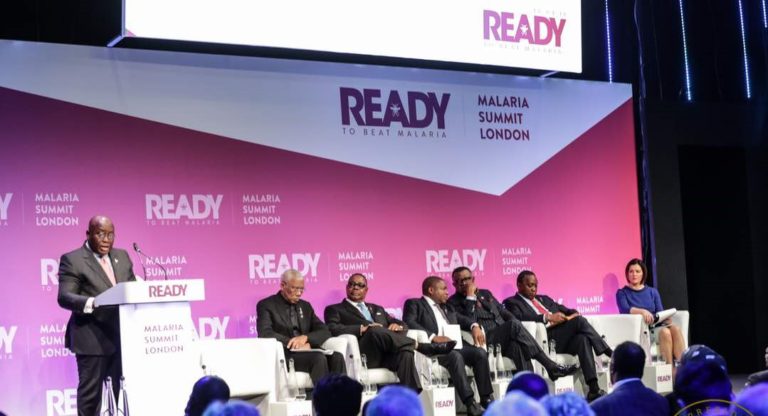
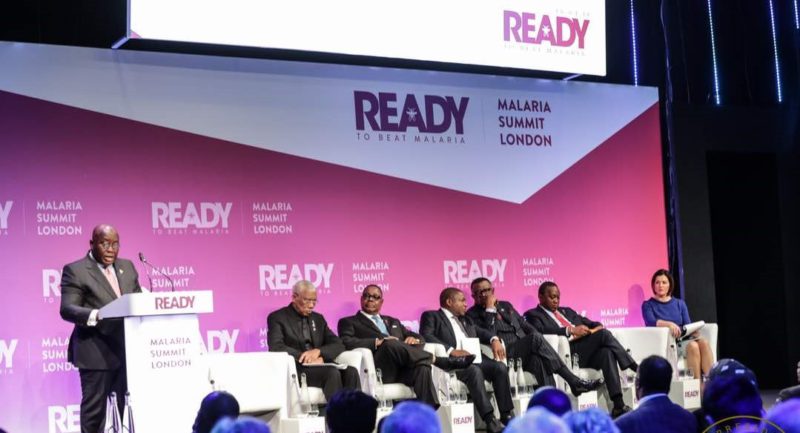
Delegates at the Malaria Summit in London
This call was made by leaders attending the Malaria Summit London 2018, co-hosted by the governments of Rwanda, Swaziland and the United Kingdom. The global Summit takes place on the eve of the Commonwealth Heads of Government Meeting (CHOGM) as the Commonwealth and its citizens are disproportionally affected by malaria – accounting for more than half of all global cases and deaths, but just one third of the world’s population.
The call for leaders to be “Ready to Beat Malaria” at the Malaria Summit profiles significant commitments from governments, businesses and philanthropists ready to catalyse progress towards a goal of halving malaria.
The Malaria Summit is being held to galvanise renewed action on the disease as progress is said to have stalled. In 2016, for the first time in a decade, the number of malaria cases in the world was on the rise and in some areas there is a resurgence, according to the World Health Organisation (WHO).
According to scientists, malaria is fighting back as the mosquito and the parasite develop resistance to the interventions used to fight them. They added that this has been compounded by a plateau in global funding for malaria since 2010, climate change, which intensifies incidences of malaria, and acute malaria outbreaks found in areas of crisis, war and conflict.
To accelerate the fight against the disease, observers believe that there needs to be better deployment of existing tools and development of new and innovative solutions. Wednesday’s commitments focus on three important areas to fight resurgence of the disease.
Increased Funding and Political Leadership
Renewed commitments to accelerate progress against this disease include:
The Global Fund to Fight AIDS, Tuberculosis and Malaria – which uses co-financing mechanisms to help incentivize and increase investment from both donors and malaria-affected countries to scale up the malaria response – will announce commitments totalling $2 billion from 46 countries affected by malaria between 2018 and 2020.
The UK Government has re-affirmed its commitment to spend £500 million a year on malaria through to 2020-21. As part of this, the UK announced a further £100 million match fund commitment to the Global Fund to match new contributions from private donors pound for pound. The UK also announced a new malaria programme in Nigeria worth £50 million which will run until 2024 and £9.2 million of new research funds to develop new triple artemisinin combination treatments.
The Bill & Melinda Gates Foundation will extend its investments in malaria by an additional $1 billion (£700 million) through to 2023 to fund R&D efforts and to reduce the burden of the disease towards ending malaria for good. As part of the announcement, the Gates Foundation also pledged £50 million in matching funds against the UK’s £100 million commitment to the Global Fund announced by Prime Minister May.
Uganda committed to establish a dedicated malaria fund – the Presidential Malaria Fund Uganda (PMFU) – to help mobilise additional resources of $785 million by 2020 to accelerate national progress against malaria.
United Nations Foundation’s “Nothing But Nets campaign” will commit to raise and provide UN partners with at least $5 million by the end of 2020 to help protect the most vulnerable populations from malaria including refugees, internally displaced persons and marginalised indigenous communities.
Accelerating Innovation
Our most effective tools (nets, sprays and treatments) in the fight against malaria are under threat from drug and insecticide resistance. The malaria parasite and the mosquitoes that carry it are evolving resistance to existing interventions – malaria is fighting back. The Malaria Summit will call for new tools to stay ahead of the disease, announcing commitments to invest in future innovations including:
GSK is committing to invest a further £175 million in its R&D efforts against malaria, including toward delivering a new single dose treatment for relapsing malaria and piloting implementation of the world’s first malaria vaccine; they anticipate these new interventions – delivered on a not-for-profit basis – will reach over three million people by 2025.
Novartis will invest more than $100 million through 2023 to advance research and development of next-generation treatments to combat emerging anti-malarial drug resistance including global clinical trials for its two new malaria drug candidates.
Five crop protection companies, BASF, Bayer, Mitsui Chemicals, Sumitomo Chemical Company & Syngenta, will launch ZERO by 40, a joint initiative supported by IVCC and the Bill & Melinda Gates Foundation, to accelerate development of innovative vector control tools and extend their commitments to help end malaria for good.
Better Data Driven Solutions
Knowing where and when to target malaria interventions is critical to accelerate progress and help prevent resurgence. Commitments will include:
The Visualise No Malaria Initiative, backed by eight leading technology companies, are committing $2.6 million in cash and in-kind resources to expand its work in Southern Africa, enabling timely visual analytics for country-level officials and health workers to support malaria elimination planning and response.
The African Leaders Malaria Alliance and the Asia Pacific Leaders Malaria Alliance will promote regional and national malaria progress tracking mechanisms, allowing leaders to easily see and respond to progress and challenges.
Other significant pledges expected to feature at the Malaria Summit include commitments from a number of Commonwealth Heads of State and Government, private sector partners as well as international organisations and civil society partners determined to reignite the fight to end malaria for good.
Theresa May MP, Prime Minister of the United Kingdom, co-hosts of the Malaria Summit said: “The UK is a proud leader in the fight against malaria, which has seen deaths cut by 60% and saved 7 million lives since 2000. We have made a major contribution to that progress, including investing £500m each year over the next three years, developing new drugs and technologies and making life-saving solutions available to millions at risk from malaria.
“But the job is not yet done. Today there are millions still at risk, economies held back and a child’s life needlessly taken every 2 minutes from this disease. This is why I am championing a new Commonwealth commitment to halve malaria across member countries by 2023.
“The UK, working in partnership across the Commonwealth and beyond, is committing to sustaining its leadership and investment in tackling malaria. We will support and incentivise others to invest in what is needed, from cutting edge research to ensuring access to malaria treatment and prevention for those most at risk.”
Bill Gates, Co-chair of the Bill & Melinda Gates Foundation who are co-convening the Malaria Summit, said: “History has shown that with malaria there is no standing still – we move forward or risk resurgence. The commitments made today, from the UK, country leadership and the private sector, show that the world is ready to beat malaria. It’s a disease that is preventable, treatable and ultimately beatable, but progress against malaria is not inevitable. We hope today marks a turning point against the disease, and that the Commonwealth takes a leading role in saving lives and ending malaria for good.”
Dr Winnie Mpanju-Shumbusho, Board Chair, RBM Partnership to End Malaria, comments: “People living in Commonwealth countries are on the frontlines of the fight against malaria, a disease that sucks the lifeblood out of communities and economies, particularly in sub-Saharan Africa. Strong leadership and investment within malaria affected countries is fundamental.
A commitment by leaders to halve malaria in the Commonwealth would help drive dramatic progress in the next five years, putting the world back on track to end malaria for good. We hope today’s Malaria Summit will mark the start of this new movement and pave the way towards ending history’s oldest and deadliest killer and save millions from this preventable disease.”
James Whiting, Executive Director of Malaria No More UK who are the Summit organisers, said: “It’s exciting to see the UK and the Commonwealth stepping up. It’s now time for the rest of the world to do the same. The coming together of governments, the private sector, philanthropists and NGOs demonstrates the determination to beat malaria.”
Seventy days before CHOGM, David Beckham launched a public facing global campaign – “Malaria Must Die, So Millions Will Live” – backed by a wide coalition of organisations and celebrities, to help build a public mandate for renewed global and collective Commonwealth action to prioritise the fight against malaria, or risk undoing decades of unprecedented progress.
Running in parallel with CHOGM 2018 and the Malaria Summit, the 7th Multilateral Initiative on Malaria (MIM) Pan African Malaria Conference will also be taking place this week in Dakar, Senegal. Thousands of scientists from more than 70 countries around the globe will gather to share the latest research in the fight against malaria and discuss best practices moving forward to end the epidemic for good.
Basel-based Swiss multinational pharmaceutical company, Novartis, has announced a five-year commitment to the fight against malaria in conjunction with the 7th Multilateral Initiative on Malaria Conference and the Malaria Summit of the Commonwealth Heads of Government meeting. Further, the company has released new African research on progress and remaining challenges toward the 2030 malaria elimination targets, together with Elimination 8 and the KEMRI-Wellcome Trust programme.
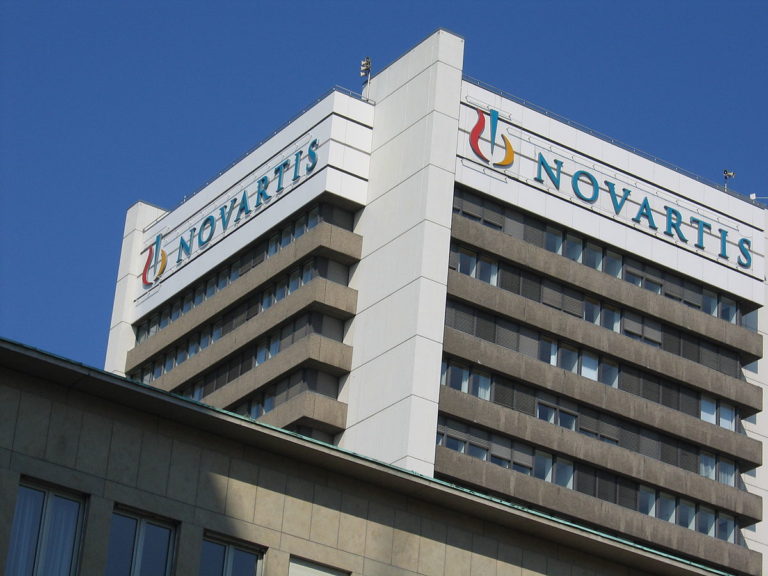
Novartis headquraters in Basel, Switzerland
Over the next five years, as part of its commitment, Novartis will invest more than $100 million to advance research and development of next-generation treatments to combat emerging resistance to artemisinin and other currently used antimalarials. The company will also implement an equitable pricing strategy to maximize patient access in malaria-endemic countries when these new treatments become available. In order to contribute to the World Health Organisation’s (WHO) target of reducing malaria-related child mortality by at least 90% by 2030, Novartis will further help expand access to pediatric antimalarials and implement healthcare system strengthening programs in four sub-Saharan countries.
“Resistance to treatment presents the biggest threat to the incredible progress that has been made in the fight against malaria in the past 20 years. We cannot afford to wait; this is why we are committing to advance the research and development of next-generation treatments,” said Vas Narasimhan, CEO of Novartis. “At the same time, we need to work to ensure that our innovation reaches those most in need, even those in the most remote locations.”
The R&D investment is meant to advance the Novartis malaria pipeline through 2023 and to complete a comprehensive global clinical trial program for our novel antimalarial drug candidates KAF156 and KAE609 (currently in Phase IIb and Phase IIa respectively). Both are from new classes of medicines that were selected for their ability to treat malaria in different ways from current therapies. The investment also includes new uses of technology to identify areas where the malaria burden is greatest. This information could then be used to support capability- and capacity-building to establish future clinical trial sites, so the medicines can be evaluated in the populations where they are most needed.
In order to enable patients in malaria-endemic countries to afford these new treatments once they become available, the company will implement an equitable pricing strategy based on socio-economic conditions of different population segments. We plan to do so in consultation with our development and funding partners and other stakeholders.
Despite the tremendous progress made in combating malaria, one child still dies from the disease every two minutes. Novartis aims to contribute to the WHO’s target of reducing malaria-related child mortality by at least 90% in 2030. In Nigeria, the Democratic Republic of Congo and at least two more countries in sub-Saharan Africa that bear the highest number of malaria-related child deaths, we plan to work with partners to help expand access to our pediatric artemisinin-based combination therapy (ACT) and drive integrated community case management (iCCM) initiatives. iCCM is recognised as a key strategy for increasing access to essential treatments and reducing child mortality from treatable conditions, such as malaria, pneumonia and diarrhea.
Novartis has been committed to the fight against malaria for the past two decades, launching the first fixed-dose ACT in 1999 and the first dispersible pediatric ACT developed in partnership with Medicines for Malaria Venture (MMV) in 2009. To date, working with partners, the company has delivered more than 850 million treatments, including 350 million pediatric treatments, without profit to malaria-endemic countries.
The new commitment launches at the same time as results from a new research study (Malaria Futures for Africa, MalaFA) across 14 countries in sub-Saharan Africa. In total, 68 African experts from governments, the research community and nongovernmental organisations expressed their views on progress and remaining challenges toward the 2030 global malaria elimination targets.
Global malaria deaths have fallen by more than 60% between 2000 and 2015. Yet respondents fear progress could stall unless national governments provide more funding and international organizations target their support more effectively.
Many experts also voiced concerns that mosquitoes were increasingly resistant to insecticides and that malaria parasites could become resistant to ACTs in the next 15-20 years. Some feared that resistance would spread faster because of expanding trade and travel between Africa and Asia, where the first signs of drug resistance are emerging. Others thought it was just as likely that resistance could emerge independently in Africa.
Respondents expressed widespread support for making better use of the currently available tools, while stressing that more emphasis should be placed on improving the delivery of existing and new interventions to fight malaria – an area currently underfunded.
The MalaFA study was commissioned by Novartis and co-chaired by Dr Richard Kamwi, Ambassador, Elimination 8 (E8), and Professor Bob Snow, of the KEMRI-Wellcome Trust programme, Kenya and University of Oxford, United Kingdom. Research advisers include Roll Back Malaria, Malaria No More UK and the African Leaders Malaria Alliance.
According to the 2017 World Malaria Report, there were 216 million cases of malaria in 2016, up from 211 million cases in 2015. The number of malaria deaths was 445,000 in 2016 vs. 438,000 in 2015. Ninety percent of malaria cases and over 90 percent of malaria deaths occur in sub-Saharan Africa. Children under 5 are particularly at risk, and malaria takes the life of a child every two minutes.
More than one hundred major global corporations are now working towards emissions reduction targets aligned with what climate science says is required to prevent dangerous global warming.
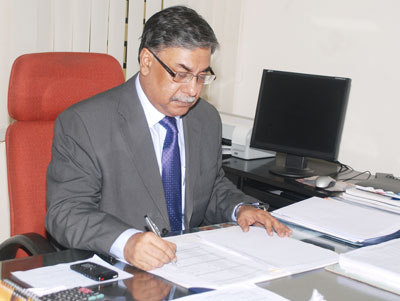
Uday Gupta, Managing Director, Mahindra Sanyo Special Steel, the first Indian as well as the first steel company to have its science-based targets approved
Announcing their new climate goals on Tuesday, April 17, 2018, Electrolux, L’Oréal and Mahindra Sanyo Special Steel are among the latest companies to have emissions reduction targets approved by the Science Based Targets initiative (SBTi), a collaboration between CDP, the United Nations Global Compact, World Resources Institute (WRI) and the World Wide Fund for Nature (WWF). The SBTi helps companies determine a pathway for reducing their emissions in line with the Paris Agreement’s goal of limiting global warming to well below 2°C above pre-industrial levels.
The 103 companies span 23 countries around the world, with the most companies headquartered in the USA (24 companies), followed by Japan (15) and the UK (11). European companies are also leading the way on science-based target setting with over half (57) of the total 103 companies from that continent.
As well as taking science-based climate action across their own operations, almost nine in ten (88%) of the 103 companies also have an approved target that covers the emissions in their value chain – their “scope 3” emissions.
On Tuesday, Mahindra Sanyo Special Steel became the first Indian as well as the first steel company to have its science-based targets approved. Its target commits it to reducing Scope 1 and 2 emissions 35% per tonne of steel produced by 2030, from a 2016 base-year. Mahindra Sanyo also commits to reducing Scope 3 emissions by 35% per tonne of steel produced by 2030, from a 2016 base-year.
Uday Gupta, Managing Director, Mahindra Sanyo Special Steel, said: “Combating climate change is among today’s most urgent global challenges, and also one of our biggest economic opportunities.
“Science-based targets align our business strategy with the goals of the Paris Agreement. While we are responsible for playing our part in preventing dangerous climate change, we also future-proof our growth and profitability by taking climate action in collaboration with our partners in the value chain. Science-based targets provide us with a clear road map for such an action plan.”
L’Oréal commits to reduce its absolute scope 1, 2 and 3 greenhouse gas emissions 25% by 2030, from a 2016 base year. In support of this goal, L’Oréal will reduce absolute scope 1 and 2 emissions at its operated sites 100% by 2025, from a 2016 base year.
Alexandra Palt, Chief Corporate Responsibility Officer, L’Oréal, said: “At L’Oréal we have been committed to fight climate change for many years, both within our company – we reduced the CO2 emissions of our production by 73%, in absolute terms, from 2005 to 2017 – and in our value chain. The validation by the Science Based Targets initiative of our new carbon reduction 2030 commitments brings us one step further in our long-term journey towards a low-carbon business model, addressing our global impacts and contributing to the 2° scenario confirmed by the Paris Agreement.”
Other companies announcing science-based targets today are Edge Environment in Australia, SGS SA in Switzerland and Tennant Company in the USA.
These companies follow other major brands including McDonald’s, Sony and Tesco to have their science-based emissions reduction targets officially validated by the SBTi. The 103 companies span 28 sectors, with food and beverage, consumer products and technology seeing the highest take-up (14, 10 and 9 companies respectively). Other sectors with companies to have set science-based targets include electric utilities, mining, construction and telecommunication.
The companies’ combined annual greenhouse gas emissions, totalling 404 megatonnes of CO2 equivalent, are equal to the annual CO2 emissions from 100 coal-fired power plants. They represent $3.4 trillion in market value, roughly equivalent to the London Stock Exchange.
Lila Karbassi, Chief, Programmes, United Nations Global Compact, one of the Science Based Targets initiative partners, said: “Today’s news shows that science-based targets are fast becoming the new normal for businesses looking to gain a competitive advantage in the transition to a low-carbon economy. It demonstrates that companies from diverse sectors worldwide are ready to deliver on the goals of the Paris Agreement and recognize the strong business imperative to do so.
“Companies that commit to setting science-based targets are showing their commitment to creating a well below 2°C world. Their action sends a strong signal to governments around the world that they can be confident in raising their own ambition.”
Meanwhile, over 270 more companies have already made a formal, public commitment to set science-based targets and are preparing targets for submission to the SBTi. In total, more than 370 companies have now joined the SBTi, at a rate of more than two companies per week since its launch in mid-2015 in the run-up to the Paris Climate Change Conference.
Momentum behind science-based target setting is expected to grow further in 2018. According to data from CDP, over 850 companies declared their ambition to set a science-based target in the next two years in their 2017 climate disclosures.
Mahindra Sanyo Special Steel’s target approval follows the challenge issued by Anand Mahindra, Chairman of the Mahindra Group, at the World Economic Forum in January 2018. Mr Mahindra called on companies worldwide to commit to the Science Based Targets initiative ahead of the Global Climate Action Summit hosted in California in September 2018. The challenge was re-issued today by the Chief Sustainability Officer of the Mahindra Group, Anirban Ghosh, at the World Business Council for Sustainable Development’s Liaison Delegate meeting in Montreux attended by counterparts from other major global businesses.
The United Kingdom of Great Britain and Northern Ireland has submitted its long-term low-emissions strategy, presenting a pathway for emissions reductions of the UK by at least 80% by 2050 compared to 1990 levels through a process of legally binding five-year caps on emissions.
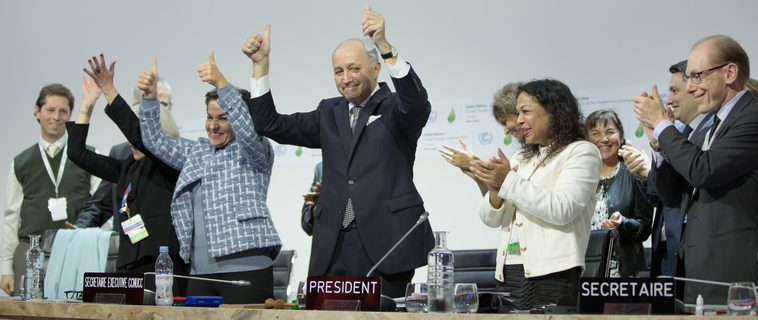
Jubilation greeted the adoption of the Paris Agreement in December 2015 in Paris, France. Photo credit: unfccc.int
The United Kingdom is the eighth Party to the Paris Climate Change Agreement to submit a long-term strategy. The other Parties include: Czech Republic, France, Benin, United States, Mexico Germany and Canada. All long-term strategies that have been submitted and published to date can be viewed here.
The United Nations Framework Convention on Climate Change (UNFCCC) COP, by its decision 1/CP 21, paragraph 35, invited Parties to communicate, by 2020, to the secretariat mid-century, long-term low greenhouse gas emission development strategies in accordance with Article 4, paragraph 19, of the Agreement.
The UNFCCC secretariat says it welcomes all efforts towards the development of long-term strategies.
As action is taken before 2020, an eye has to be kept on the future. Action today must be in service to the long-term goals enshrined in the Paris Agreement, according to the UNFCCC, adding that the Agreement is itself a global strategy for the longer term that is defined by three aims:
First, limit the average global temperature rise to well below 2°C above preindustrial levels and pursue efforts to limit this increase to 1.5°C.
Second, increase the ability to adapt to the adverse effects of climate change and foster climate-resilient and low greenhouse gas emissions development, in a manner that does not threaten food production.
Third, make financial flows consistent with a pathway toward low greenhouse gas emissions and climate-resilient development.
“This provides a clear direction for long-term development. Science states that achieving the long-term temperature goal requires global greenhouse gas emissions to peak by 2020 and be reduced to zero this century.
“To limit warming to as close to 1.5° degrees Celsius, this reduction to zero must take place around the year 2050. Given the link between economic activity, greenhouse gas emissions and the impacts of climate change, this is a signal to nations and non-state stakeholders alike.
“Without an increase in ambition and resilience, this reduction will not be achieved. And without longer term planning, there will be no clear pathway towards the zero reduction around the year 2050.”
The Paris Agreement, says the UNFCCC, encourages all Parties to formulate and publish long-term low-greenhouse gas emission strategies.
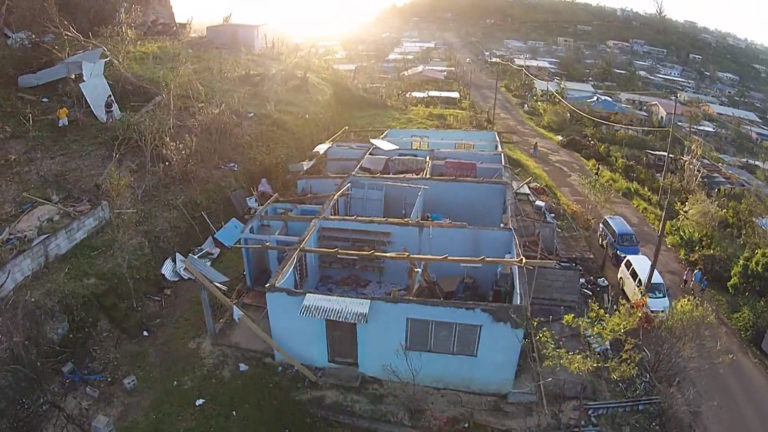
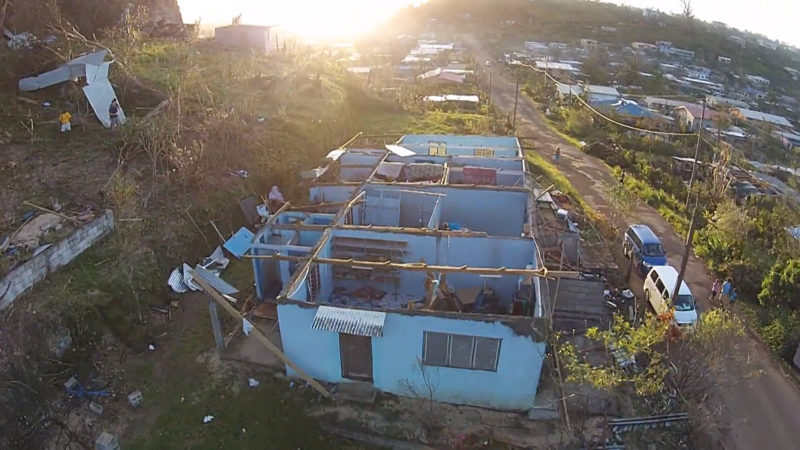
About three years after it was hit by a devastating cyclone, Vanuatu is yet to recover from the tragedy.
A drone footage of Vanuatu after Cyclone Pam struck
The Commonwealth and Heads of Governments Meeting (CHOGM) that held in London from Monday April 16 to Wednesday, April 18, 2018 should have taken place in Vanuatu. But a Category 5 Tropical Cyclone Pam that hit the South Pacific Ocean nation in 2015 put paid to that ambition.
Ralph Regenvanu, Vanuatu’s Foreign Minister, said: “This CHOGM was supposed to be held in Vanuatu. In March 2015, we experienced Category 5 tropical cyclone Pam and it caused an estimated damage of $450 million. For Vanuatu, classed by the UN as Least Developing Country (LDC), the cost of that cyclone is almost 70% of our GDP. It just meant there was no way we were going to be able to host this meeting. We are still in the process of rehabilitation and recovery.
“For Vanuatu, climate change is very real and it is something we factor into anything we do to try to develop our country.”
Regenvanu was among the five speakers on Monday at a forum courtesy of the Climate Action Network (CAN) that attempted to set expectations from leaders gathered in London for the CHOGM. They stressed the need for the biennial forum to deliver on climate change and oceans.
Other speakers are: Camilla Born (E3G Senior Policy Advisor, Climate Diplomacy), Luke Daunivalu (Fiji’s Chief Climate Negotiator and Deputy Permanent Representative to the United Nations), Philip Williamson (global oceans expert, University of East Anglia) and Mohamed Adow, Christian Aid (Global Climate Policy Lead).
Regenvanu added: “The integration of climate change, particularly response to disasters, is something we now have to mainstream in all the work we do because it is an ever present reality in everyone’s lives.
“When you are in a situation where you are an LDC and having to spend over 50% of your GDP responding to climate change events like tropical cyclones, sea level rise, change in weather patterns. We have now a cyclone season that is over six months in a year. This year alone, we’ve already had four tropical cyclones.
“The very development of the country, in terms of delivering basic services to people, is challenged by climate change.
“The UN ranks Vanuatu as the number one disaster prone country and we have held this rank for five years. There is only one thing we are champions of in the world and that’s being the champions of disasters.
“We come to CHOGM to tell the developed countries like the United Kingdom, Canada, Australia, New Zealand, the countries of the first world that there needs to be recognition of loss and damage suffered by countries like ourselves. We were contributing 0.001 percent of carbon emissions yet the effects on us are greater than for any country proportionally. It is the result of the industrialization of countries in the West.
“It really needs large economies like the UK to step up.
“It’s past time to take action. We in Vanuatu we are experiencing something that will come to all of us eventually if we don’t stop the current path we are on. We have to restructure our whole economy to be on a disaster footing all year long.”
Philip Williamson stated: “Small changes in ocean temperature can have serious effect weather patterns, marine life, distribution of fisheries, coral bleaching. Warmer temperature means less oxygen for fish and carbon dioxide means ocean acidification. Combined additional effect are occurring in the ocean, whatever we do they will get worse for a while. Now is the time for urgent action.
“I would like to emphasize net zero emissions as the core of the Paris Agreement because that is the commitment to stop putting out greenhouse gases in the atmosphere. It is will take time to have that transition, it not impossible but it is challenging.”
Mohamed Adow: “In the latest climate risk index report released by Germanwatch, it is striking that the top five most impacted countries are all Commonwealth nations including Mozambique, Dominica, Malawi, India, and Vanuatu. So this year 2018 is an important year for making progress towards the full implementation of the Paris Agreement but also more importantly for accelerating climate ambition.
“CHOGM presents a golden opportunity for the group to prove its reputation for climate leadership. This year coincides with a series important international events and processes like Talanoa Dialogue, the IPCC 1.5C report and the Global Climate Action Summit in California in September. CHOGM can support and enhance these international processes by affirming the Paris Agreement and any international; agreement related to climate change.
“CHOGM provides a unique opportunity to show that our leaders are committed to the global fight to tackle climate change and seriously engage in the climate process with commitment and integrity. The breadth of membership and spread of geopolitical experience makes the Commonwealth uniquely placed to tackle humanity’s most pressing existential threat, climate change.”
Camilla Born: “The Commonwealth Heads of Governments Meeting (CHOGM) is particularly interesting because it is largest leaders’ Summit in 2018. This is likely to be the largest leaders’ summit where there is a prominent feature on climate before the United Nations Secretary General Summit in September 2019.
“The other interesting feature about CHOGM is that it is a cooperative forum where small islands and climate vulnerable countries are the majority group. Specifically, 25 of the 53 of the Commonwealth are recognised as small island developing states.
“We see it time and time again that the vulnerable states within the commonwealth being hit by extreme weather and we see collaboration between all commonwealth states to respond to that. So it’s never one country working alone, there is much that countries cooperate on in terms of trade and economic development, which has a climate and clean and modern angle to it but there is a lot of cooperation on the impact side.”
Luke Daunivalu: “Our Presidency team is here in London in the immediate aftermath of two cyclones that have struck Fiji in the space of a few days and caused loss of life and significant economic damage. We recognise that the increasingly regular appearance of these storms is indeed an urgent reminder for us to act and we want to maximise the opportunity here in London to do exactly that.
“COP23 President Prime Minister Frank Bainimarama has come to London to urge commonwealth leaders who represent 2.4 billion of the 7.5 billion people on earth to embrace the Talanoa Dialogue and spearhead the fight for more ambitious climate action. Fiji is using its COP Presidency to press for the most ambitious target of the Paris Agreement, which is to limit the increase global warming to 1.5C above pre-industrial age. This will require net zero emissions of carbon pollution by 2050. The method chosen to reach that objective is Nationally Determined Contributions (NDCs).
“From what we have from the current commitments, they are woefully inadequate. With the current commitments, we are committing ourselves to a world in which the average global temperature is 3C degrees higher by century’s end. We are asking the Commonwealth nations to support us through the process of the Talanoa Dialogue, in our effort to increase collective ambition of NDCs and put the world on a new course.”
The United Kingdom (UK) says it will announce a new malaria programme worth £50 million in Nigeria that will run until 2024.
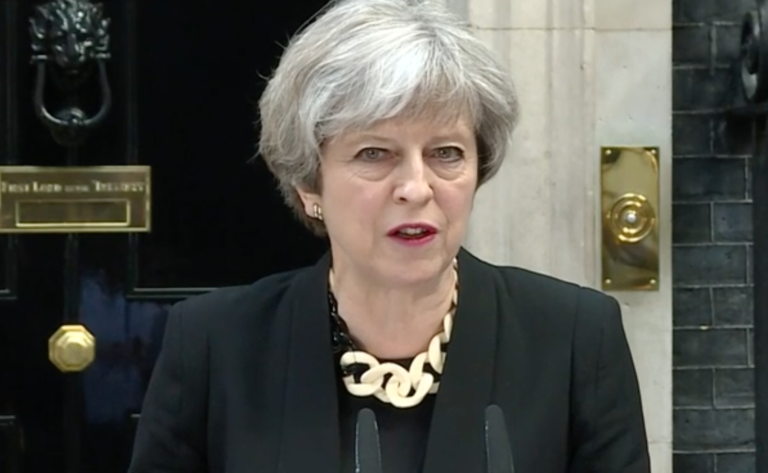
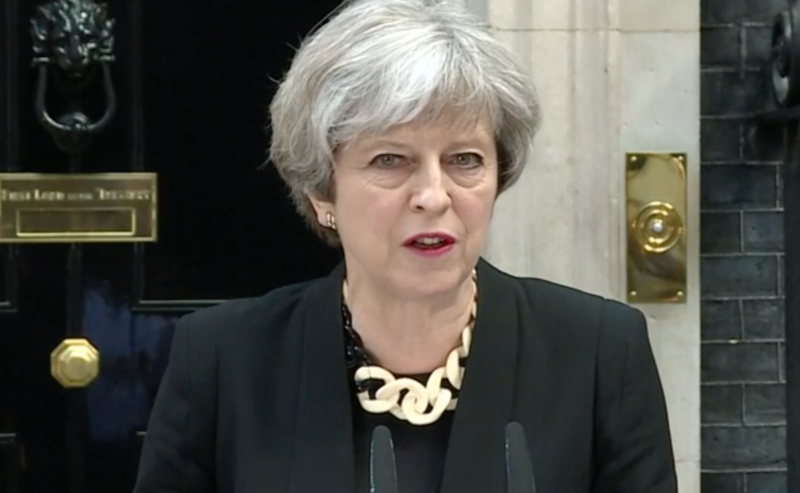
Theresa May, Prime Minister of the United Kingdom
The UK said it would also provide a £9.2 million of new research funds to develop new triple artemisinin combination treatments.
A statement issued by Ready to Beat Malaria, an NGO, said the UK Government had re-affirmed its commitment to spend £500 million a year on malaria through to 2020-21.
The statement said that the UK would also announce additional £100 million match fund commitment to the Global Fund to match new contributions from private donors pound for pound.
It said the funds were part of the Britain’s renewed commitment to accelerate progress against malaria.
The statement said the UK government would make this known at the Malaria Summit London 2018, co-hosted by the UK Government, and the Heads of State of Rwanda and Swaziland.
It said 15 Heads of State and Government from across the Commonwealth were to attend the Malaria Summit together with senior ministerial attendance and leaders from the world of business, science, civil society and international organisations.
It said the Global Fund to Fight AIDS, Tuberculosis and Malaria would also announce commitments totalling $2 billion from 46 countries affected by malaria between 2018 and 20.
According to the statement, the Bill and Melinda Gates Foundation will extend its investments in malaria by an additional $1 billion (£700 million) through to 2023.
It said the $1 billion investment was to reduce the burden of the disease towards ending malaria for good.
The statement however noted that most effective tools in the fight against malaria such as nets, sprays and treatments are under threat from drug and insecticide resistance.
“The malaria parasite and the mosquitoes that carry it are evolving resistance to existing interventions – malaria is fighting back.
“The Malaria Summit call for new tools to stay ahead of the disease, announcing commitments to invest in future innovations,’’ it said.
It said GSK is committing to invest a further $175 million in its research and development efforts against malaria.
The statement added that Novartis would invest more than $100 million through 2023 to advance research and development of next-generation treatments to combat emerging anti-malarial drug resistance.
It quoted Ms Theresa May, Prime Minister of United Kingdom, as saying: “UK is a proud leader in the fight against malaria, which has seen deaths cut by 60 per cent and saved seven million lives since 2000.
“We have made a major contribution to that progress, including investing 500million dollars each year over the next three years, developing new drugs and technologies and making life-saving solutions available to millions at risk from malaria.
“But the job is not yet done. Today there are millions still at risk, economies held back and a child’s life needlessly taken every two minutes from this disease.
“This is why I am championing a new Commonwealth commitment to halve malaria across member countries by 2023.
Bill Gates, Co-chair of the Bill and Melinda Gates Foundation who are co-convening the Malaria Summit, said: “History has shown that with malaria there is no standing still – we move forward or risk resurgence.’’
He added that the commitments made today, from the UK, country leadership and the private sector, show that the world is ready to beat malaria.
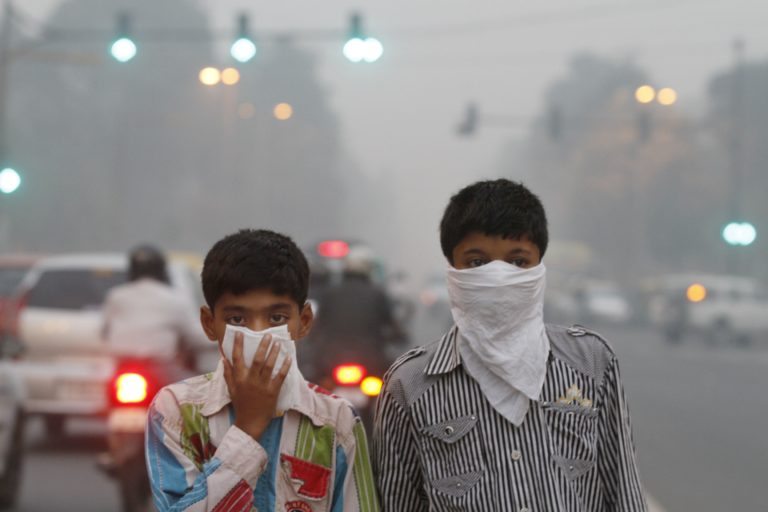
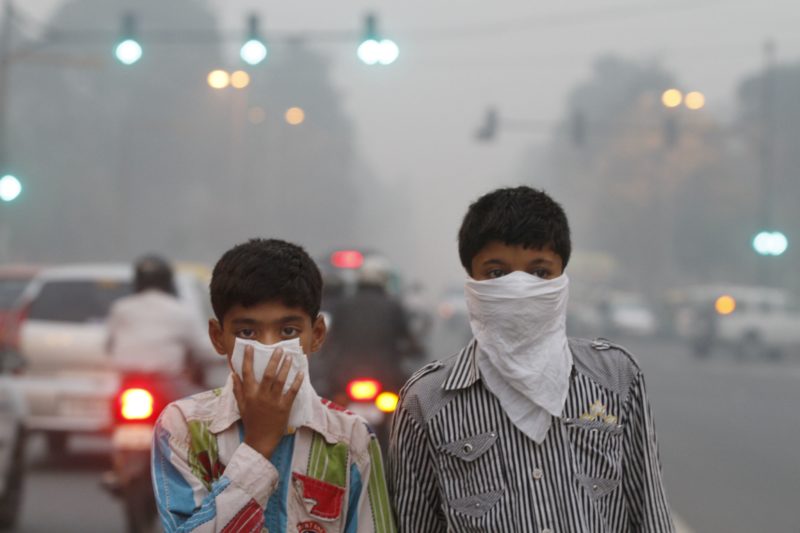
Ninety-five per cent of the world’s population breathe air polluted above the levels that the World Health Organisation (WHO) deemed safe.
Children exposed to air pollution. The WHO says that more than one in four deaths of children under five years of age are attributable to unhealthy environments
The report of a research by the Moscow-based Health Effects Institute stated on Tuesday, April 17, 2018 that the air pollution contributed to millions of deaths in 2016.
“Based on these data and knowledge of the populations in each country for 2016, 95 per cent of the world’s population lived in areas that exceeded the WHO Guideline for PM2.5, the State of Global Air report read.
PM2.5 means particulate matter less than or equal to 2.5 micrometres in aerodynamic diameter.
Worldwide exposure to ambient PM2.5 air pollution contributed to 4.1 million deaths from heart disease and stroke, lung cancer, chronic lung disease, and respiratory infections in 2016, according to the report.
Additionally, 2.6 million deaths were attributed to household air pollution.
The report also indicated that the gap between the most and least polluted air was widening, with emerging economies falling behind developed countries that had been making progress in cleaning up the air.
A not-for-profit group, Friends of the Environment (FOTE), and some stakeholders on Wednesday, April 18, 2018 urged policy makers to enforce tree felling and planting laws for a safer, cleaner and protected environment.
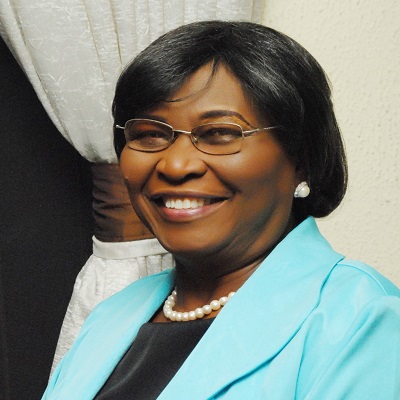
Mrs Joanne Maduka, Chairperson of FOTE
The stakeholders made the call at the FOTE stakeholders’ forum on “Popularising the Use of Liquefied Petroleum Gas (LPG)’’ as an alternative source of energy held in Abeokuta, Ogun State.
They said that the use of charcoal and firewood was harmful to women and the environment as a result of felling of trees for the purpose local fuelling.
The Ogun Commissioner for Agriculture, Mrs Adepelu Adebajo, said the ministry was totally against felling of trees without permission from the Ministry of Forestry.
Adebajo was represented by Mrs Ranmilowo Abel, a Deputy Director in the ministry under the Department of Tree Crops and Rural Development.
Dr Temitope Olaifa, from the Department of Communication and General Studies, Federal University of Agriculture, Abeokuta (FUNAAB), said that LPG usage was an apt response to climate change impact.
Olaifa said: “Ogun and others states were suffering flooding and other environmental challenges because of the indiscriminate felling of trees for firewood.
“Women should consider transiting from local methods of sourcing energy to the use of LPG for a cleaner and safer environment.’’
Prof. Helen Bodunde, Head of Communication and General Studies Department, FUNAAB, said that the drive for LPG usage was in line with the Sustainable Development Goals.
Bodunde said: “The Millennium Development Goals tried to address these areas of cleaner environment, but did not achieve 100 per cent that is why the SDG is seriously addressing it.
“It is a good thing that FOTE is aligning with the drive for a cleaner environment in line with the SDGs.
“This sensitisation is timely as majority of people in sub-Saharan Africa, majority of women live in rural areas and are not exposed to modern facilities,’’ she said.
The National Coordinator, Green Economy of Nigeria, Dr Moses Oyatokun, said at the forum that biodegradable waste would also help in the drive for alternative sourcing of fuel.
Oyatokun said LPG was environmentally friendly, cleaner and conducive and that Ogun was ready to work with FOTE as Lagos State had done.
Prof. Olubunmi Ashimolowo, Chairperson, Gender Development Initiative, an NGO, representing other NGOs at the event, said there should be proper regulation for saw millers and women who processed wood to charcoal.
Ashimolowo said: “I commend FOTE for taking the step to drive the LPG campaign.
“It is necessary to sensitise the women who process wood to charcoal and saw millers. There should be more commitment from government to enforce laws for maintenance of the environment,’’ she said.
In a paper, Ms Eseoghene Onojafe, a member of FOTE on the overview of FOTE activities on LPG and importance of tree planting, said that the campaign was on the sustainability of LPG usage.
The convener, Mrs Joanne Maduka, Chairperson of FOTE, said that plans were underway to partner with investors to mount gas plants or mini gas retail stores in these communities for the sustainability of the project.
Maduka, an engineer, said that FOTE was ready to work with government and ministries in the drive for a safer, cleaner, healthier, convenient and affordable source of cooking energy.
The News Agency of Nigeria (NAN) reports that government agencies and ministries, like the Ogun State Fire Service, Ministry of Forestry, Women Affairs and Social Development, and NGOs among others were present at the forum.
Dr Emmanuel Elege, Chairman, Prison Fellowship in Ogun, on behalf of the participants, called on the government to regulate, monitor and enforce laws against bush burning.
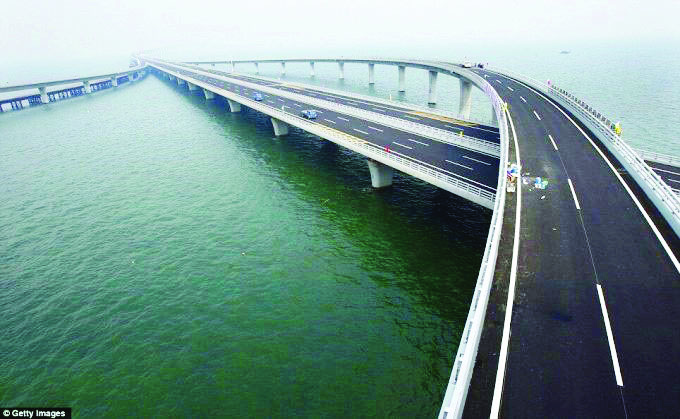
The Lagos State Government will in June award contract for the construction of the Fourth Mainland Bridge, an official said on Wednesday, April 18, 2018.
An impression of the Fourth Mainland Bridge
The state Commissioner for Works and Infrastructure, Mr Ade Akinsanya, gave the assurance at a ministerial press briefing at Alausa, Ikeja.
He said that the state was collating technical proposals and evaluating costs toward awarding contract.
Akinsanya said that committees had been set up to shop for quality contractors on the project.
“I do hope that before the end of May or June, we will announce the preferred bidder for the project.
“We are working very hard to select the appropriate and responsible contractor or partners that will execute the project.
“Before the end of the year, the project will commence,” he said.
The official said that the ministry was ready to partner with the Nigerian Society of Engineers (NSE) to ensure quality project execution in the state.
He also said that the Oshodi-Abule Egba Bus Rapid Transit (BRT) lane construction on the Lagos-Abeokuta Expressway was 55 per cent completed.
Akinsanya said that the project would be completed by October.
“The contractor is working day and night even at weekends to achieve this target.
“Bear with us, if there are inconveniences on the way; we are trying to minimise the inconveniences to accelerate the work,’’ he said.
The commissioner said that the state government was committed to quality project delivery and would address concerns of some badly constructed walkways.
“On the issue of the walkway from Cement Bus Stop, I will go and check.
“We will talk to the contractor and we will go there ourselves and verify.
“No shoddy work will be allowed; there is a specification; the contractor is required to adhere to the specification,” he said.
Mr Tobun Abiodun, Chairman, Committee on Works and Infrastructure, Lagos State House of Assembly, said that the ministry had done well in road, bridge and other constructions.
“Lagosians appreciate what the ministry is doing because they have witnessed good governance in the state,” he said.