Home Blog Page 1886

NCF takes up campaign against plastic waste pollution

0

Ahead of the World Environment Day (WED), the Nigerian Conservation Foundation (NCF) on Monday, May 28, 2018 said it was raising awareness on plastic waste pollution reduction to change the orientation of Nigerians.
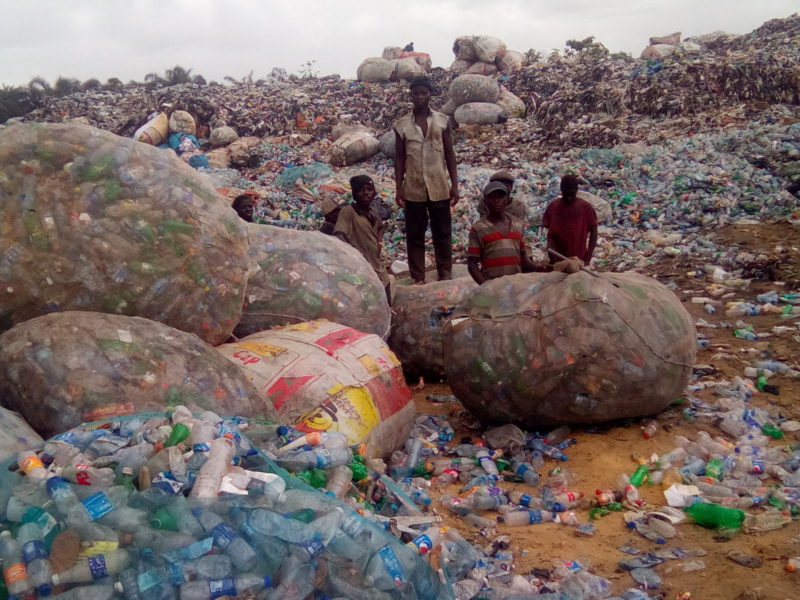
Plastic bottle scavengers
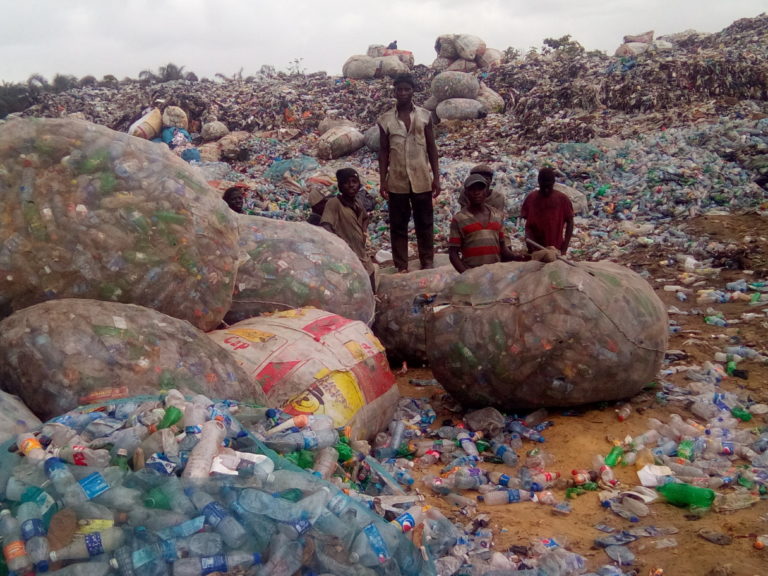
Plastic bottle scavengers and their wares at the Epe Landfill Site/EcoPark in Lagos, Nigeria

Dr Muhtari Aminu-Kano, the Director-General of the organisation, said in Lagos that the move was in commemoration of the 2018 WED with the theme: “Beat Plastic Pollution’’.

“WED is an environmental awareness programme aimed at promoting environmental education, ingenuity, teamwork and general environmental friendliness among children and youths.

“WED is used to produce environmental literate students and youths who are willing and capable of taking positive environmental actions,’’ he said in a statement.

Aminu-Kano observed that the event, over the years, has produced students and youths who were knowledgeable about their environment and had the right attitudes to situations with commitment.

He said they also had skills to work individually and collectively toward the solution of current problems and the prevention of new ones.

The NCF director-general said that plastic pollution involved the accumulation of plastic products in the environment that adversely affected wildlife, wildlife habitat and humans.

Aminu-Kano said the theme urged all stakeholders – producers and consumers as well as policy makers – to jointly explore sustainable alternatives.

He said they were also to urgently reduce the production and excessive use of single-use plastics polluting the oceans, damaging marine life and threatening human health.

He noted that the foundation had begun an advocacy to promote proper waste disposal in 17 communities and schools in Eti-Osa Local Government Area of Lagos State.

“In commemoration of the 2018 WED, NCF plans celebrating the event in form of an inter-school competition.

“There will be arts/crafts exhibition where students and groups will showcase art works/crafts made with plastics, thereby exposing their talents and creative instincts.

“Corporate organisations and Individuals are being solicited for sponsorship of this event,’’ Aminu-Kano said.

The director-general said that a World Bank survey revealed that the generation of solid wastes was tied to population, income and urbanisation.

“Although official data indicates that Lagos currently generates 13,000 tonnes per day – a figure which many stakeholders consider to be grossly understated – projections for the coming decades suggest a percentage increase.

“The United Nations Environment Programme (UNEP) reports that 80 per cent of litters are plastics, which may constitute more of foreign materials in the sea than marine mammals by year 2050.

“Overtime, this may lead to the obliteration of sea life and will alter the ecosystem and human race negatively,’’ Aminu-Kano said.

According to him, most plastic wastes came from improper disposal of refuse in drains as well as mismanagement of waste disposal due to inadequate infrastructure.

He called for all hands to be on deck to tackle the problem at the regional, national, and global levels.
World Environment Day: UN launches campaign to reduce plastic pollution

0

The United Nations has launched a global campaign to reduce plastic pollution, and is calling on people all over the world to participate via social media.

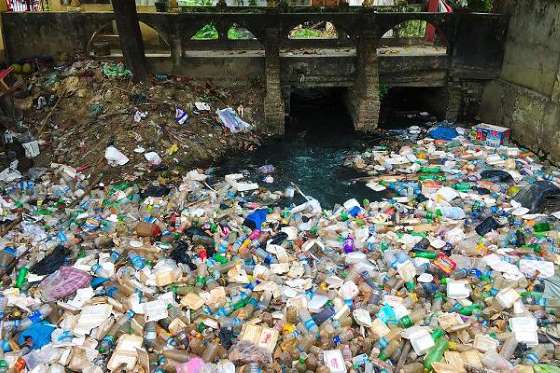
Myanmar Plastic waste
Plastic clogs up a waterway in Yangon, Myanmar

The new “Tag” campaign is part of UN Environment’s Beat Plastic Pollution initiative and has been kicked off with short videos by leaders including UN Secretary-General António Guterres, UN Environment head Erik Solheim and UN Climate Chief Patricia Espinosa.

In their videos, the leaders commit to make do without single-use plastic by highlighting one plastic item they are giving up, and tagging three people to do the same, ideally within 24 hours. The idea is the concept spread as far and wide as possible, with many people participating in the pledge ahead of the 2018 World Environment Day (June 5).

Holding a plastic stir stick in her “Tag” video, Patricia Espinosa says: “I have given up plastic sticks like this which are used for just one or two seconds to stir coffee and tea and then thrown away. Plastics are made out of oil and gas. They frequently end up in the sea and in the stomachs of marine animals, and then in our stomachs when we eat the fish.”

Replacing her plastic stick with a metal spoon, Patricia Espinosa concludes her “Tag” video with: “It’s that easy – you just replace plastic with reusable items like this and tag three people to do the same!”


Fighting plastic pollution helps reduce greenhouse gas emissions

Through the efforts of individuals and organisations around the world, the “Tag” campaign adds momentum for the international community to meet the UN’s Sustainable Development Goals and the objectives of the Paris Climate Change Agreement because a reduction in plastic use will bring about reductions in heat-trapping greenhouse gas emissions.

The fact that greenhouse gas emissions are produced during plastic manufacturing is often neglected.

Typically, the production of plastic starts with the processing of crude oil or natural gas. After being refined at a facility, components from natural gas or oil become the plastic products that are used around the globe.

A study by the Journal of Cleaner Production finds the entire lifecycle of a 1 kg plastic tray generates 1.538 kg of CO2 in emissions. The raw material manufacturing phase of plastic production contributes to the highest portion of its carbon footprint.

Plastic pollution also exists in forms outside of littered utensils, bottles and bags that end up in world´s rivers and oceans. According to the UN, during every minute, a dump truck of plastic waste is pouring to the sea and, by 2050, there will be more plastic in the ocean than fish.

So limiting the amount of CO2 and other greenhouse gas emissions, the reduction of plastic production and use will help keeping the oceans cleaner and achieving the objectives of the Paris Agreement, which is to limit the average global temperature rise to well below 2C above preindustrial levels and as close as possible to 1.5C.

UNFPA Sierra Leone converts to solar power to reduce greenhouse gas emissions

0

Nearly two weeks before World Environment Day, the United Nations Population Fund (UNFPA) turned on its new solar power system as a green step towards reducing greenhouse gas emissions, and making the office compound energy efficient. This change comes on top of energy reduction measures, such as the installation of energy efficient equipment, undertaken by the office in 2017.

Kim Eva Dickson
UNFPA Sierra Leone Representative, Dr. Kim Eva Dickson

Powered by a total of 336 solar panels and 380 batteries – security lights, air conditioning units, servers, computers – everything electrical in the office compound will now operate by solar power.

Prior to the solar power system being installed, the office was powered by diesel generators which were considered costly (approx. $197 spent per day on fuel), noisy, environmentally unfriendly, and only provided power on weekdays between the hours of 0700 – 1900.

In contrast, the new solar power system emits no sound, cost savings are projected in five to seven years, and power is now available 24 hours per day, seven days a week. The local electricity and diesel generators will only be used as a back-up when the solar power batteries need additional charging on rare cloudy days.

Speaking at the commissioning ceremony, UNFPA Sierra Leone Representative, Dr. Kim Eva Dickson, said, “The difference the new solar power system will make in our lives and the delivery of our work is enormous. We will not need to wait in the morning for someone to switch on the generator or to leave at night because we need to switch off the generator.”

Dr. Dickson added, “Our decision to make our office more energy efficient is a step in the right direction towards achieving the Sustainable Development Goal 7 for affordable and clean energy.”

In a country where only 20 percent of the population has access to electricity, 97 percent of the population cooks with firewood or charcoal, and the public power supply is unstable, UNFPA’s decision to switch to renewable energy to sustain local energy consumption is a clear example for others to replicate. This approach is deemed realistic because, in Sierra Leone, there is significant potential for the use of renewable energy, particularly solar energy and hydroelectric power.

The solar power system installation was undertaken by Enviroearth, with funds and technical advice from UNFPA Facilities Branch in New York, and in collaboration with UNFPA Procurement Services Branch in Copenhagen. Enviroearth, which has completed similar solar power installation projects in Nigeria, Tanzania, Maldives, Madagascar and Djibouti, set up the solar power system at the UNFPA office in Sierra Leone to generate a capacity of 90.72 kW in power.

The move taken by the UNFPA Sierra Leone office is also in line with the UNFPA Strategic Plan 2018-2022, in which the organisation is targeting a reduction of its greenhouse gas emissions by 10 percent over the timeframe of the strategic plan. The Sierra Leone office has made a start to achieve this goal.

Olomola’s passing: Foundation inducts award, establishes poverty alleviation centre

0

The Amos Oluwafemi Olomola Memorial Foundation, in commemoration of two years of the passing of Dr Femi Olomola, has inducted an annual award at the Government Technical College Lagos, Agidingbi-Ikeja, Lagos, for the best Tech 3 student in Graphic Design.

Femi Olomola
Late Dr Femi Olomola

Similarly, the Foundation is in the process of establishing a skills acquisition centre in Ilesha, Osun State (Femi Olomola’s hometown), aimed at alleviating poverty particularly among vulnerable groups such as women, widows and youth. The centre will focus on the acquisition of skills such as fashion design, confectionery and sugar craft, event decorations, and design appreciation.

The centre at Ilesha likewise incorporates an expansive hall that some Non-Governmental Organisations like the National Council of Women Society, International Association of Lions Clubs and Rotary Club will regularly hold their meetings and carry out some of their activities at no cost.

Lady Kunbi Olomola, Olomola’s widow, said the skill acquisition centre was informed by the need to address challenges faced by the underprivileged, and to assist widows both in line with the compassionate mien of the late Dr Olomola.

Lady Kunbi, a graphic artist and Head of Miscellaneous Department at the Government Technical College, disclosed that the newly inducted award was aimed as complementing a set of computer graphics equipment donated to the institution last year (May 31, 2017) to commemorate the one year remembrance of Dr Femi Olomola’s demise. The equipment donated includes 10 computers, one air-conditioning unit, as well as refurbishing of the Studio.

She said: “The commemoration is to actualise his (Femi Olomola’s) dream and uphold his legacy. The Foundation embarked on this project to partner with the Lagos State Government on the provision of qualitative and meaningful education, thereby adding value to learning and strengthening skills acquisition in the Graphic Arts Section of the Government technical College.”

According to her, Dr Olomola had several years ago commenced refurbishing the Computer Graphic Studio and was called to glory along the line.

Besides gifting numerous medical drugs to the Hospital where he was treated at Ogba in Lagos, the Olomola Foundation also donated two wheelchairs and a physiotherapy walker to the Department of Nephrology, Obafemi Awolowo University, Ile-Ife, Osun State.

Dr Olomola, aged 65, passed on in Lagos on May 31, 2016 after a brief illness. He was a town planner of repute in private practice and, until his death, Olomola was the President of the Nigerian Institute of Town Planners (NITP). He was a friendly, generous, cheerful and kind man. He was a good motivator, a man of integrity and embodiment of peace. He is greatly missed and the family prays he continues to rest peacefully in the blossom of our Lord God Almighty.

Kano unveils N98b five-year water plan

The Kano State Government has unveiled a five-year water development plan that would cost over N98 billion.

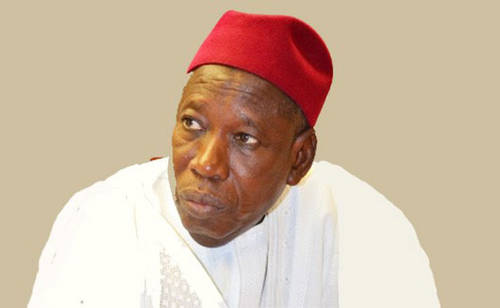
Abdullahi Ganduje
Gov. Abdullahi Ganduje of Kano State

Commissioner for Water Resources, Alhaji Usman Riruwai, who unveiled the plan at a Town Hall Meeting on Tuesday, May 29, 2018 in Kano, the state capital, said it was meant to overcome the persistent shortage of water in the metropolitan areas of the state.

The meeting was organised by the state government to celebrate this year’s Democracy Day.

Riruwai explained that the project would be funded by a consortium of foreign investors with contributions from the state and Federal Government.

The commissioner said that the Kano State Government would contribute N25 billion to the project, Islamic Development Bank N45 billion, French Development Agency N27‎ billion and European Union N21 billion.

Other donors are the Federal Government N3.5 billion, UNICEF N1.5 billion and the DFID N1 billion.

‎Earlier, the Commissioner for Education, Prof. Hafiz Abubakar, said that the state has over three million pupils and 6,000 primary schools.

The commissioner, who doubles as the Deputy Governor, said the number was the highest in the country.

He said over 2,000 teachers were sponsored for NCE certification by the state government to enhance teaching and learning.

Also, the Commissioner for Rural Development, Musa Kwankwaso, said the government is working with the World Bank to construct 500 kilometres of rural roads across the state.

He said that the project being executed under the Rural Access and Agricultural Marketing Project was to open up rural communities for enhanced social and economic development.

Zamfara expends N9.2b on 30 water projects

Governor of Zamfara State, Abdul’aziz Yari, says his administration has spent over N9.2 billion on 30 water projects across the state.

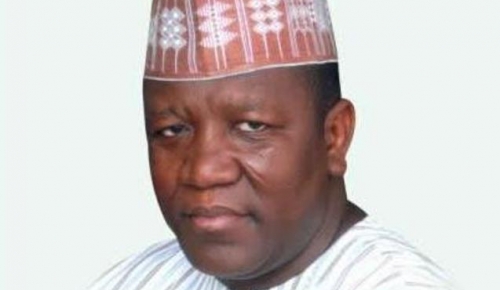
governor-yari-abubakar
Dr. Abdulaziz Yari Abubakar, governor of Zamfara State

Yari disclosed this on Tuesday, May 29, 2018 while speaking at the 2018 Democracy Day Celebration held at Zamfara Trade Fair Complex, Gusau.

He said since water was considered as a necessity of life, his administration had since inception in 2011, came up with a special water policy to address the problems of water scarcity in the state.

“We copied an underground water system from the Millennium Development Goals (MDGs) water project executed in the state and selected 30 towns and villages across the 14 local government areas of the state that benefited from project,” he said.

According to him, other sectors that the state government gave emphasis to within his seven years of stewardship are in the area of education, health, agriculture and road.

He said as education remains bedrock for future development of every society, his government have invested extensively in the sector.

“Among the projects we executed under the sector were renovation of 18 Senior and Junior Secondary Schools across the state at the cost of over N4.7 billion.

“We also spent over N3.7 billion for renovation of 112 primary schools, local government education secretaries’ offices and three Model Primary Schools in Gusau and Talata-Mafara local government areas.

“Over 20 years after the state creation, the present administration came up with a policy to establish the state university which is going to be located in Talata-Mafara; we earmarked N8 billion for the project.

“We have already secured approval from the National Universities Commission; we are making efforts to ensure that the institution takes off next year.”

Yari added that the administration had built 130 mosques and Islamic schools at the cost of over N1.6 billion, spent N6.8 billion on fertiliser and over N3.6 billion on the renovation of health facilities.

“We are making arrangement to establish three referral hospitals in Gummi, Kaura-Namoda and Tsafe towns,” he said.

The governor further said that the administration had under the period of review spent over N2.2 billion to link 218 communities with national grid and N651 million on the construction of eight fire service stations across the state.

Yari also said various projects had been executed across the 14 local government areas including the construction of 20 kilometres of township roads in each of the local councils.

By Ishaq Zaki

WHO deploys 39 personnel to control cholera outbreak in Adamawa

0

The World Health Organisation (WHO) has deployed 39 staff to contain the outbreak of cholera in Mubi North and Mubi South South Local Government Areas of Adamawa State.

Bindo Umaru Jibrilla
Governor Bindo Umaru Jibrilla of Adamawa State

A statement from Chima Onuekwe, the Health Emergencies Communication Officer of WHO, made available to News Agency of Nigeria (NAN) in Yola on Tuesday, May 29, 2018, said there  were plans to engage additional 15 ad-hoc personnel to boost the medical efforts.

The statement, which noted that 434 suspected cases had been recorded with 13 deaths as at May 26, described the development as worrisome.

It said that WHO was coordinating the response activities, including active surveillance within communities and health facilities, management of reported cases as well as daily review meeting at the Emergency Operations Centre, to ensure timely control of the outbreak.

Meanwhile, the Adamawa Commissioner for Health, Dr Fatima Atiku, said that the state was collaborating with WHO and other partners to ensure that the outbreak was contained.

Atiku said that the efforts were yielding results as indicated in the decline in the trend of case fatality ratio, which was 17 per cent as at May 12, but reduced to 3 per cent.

By Yakubu Uba

GCF, AfDB to light up Sahel under ‘Desert to Power’ programme

0

The Green Climate Fund, the African Development Bank and Africa50 investment fund are collaborating to bring solar energy to the Sahel, in support of the priority set by countries in the region.

solar
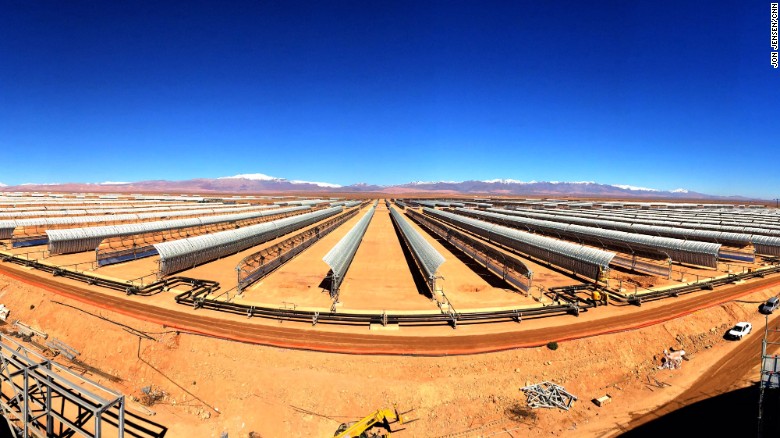
Light up the Sahel: The Noor Concentrated Solar Power (CSP) complex in Morocco is being constructed in a 30 square kilometre area outside the city of Ouarzazate, on the fringe of the Sahara desert

The three international organisations have announced that they will share ideas and resources about opportunities to make solar power available throughout the Sahel region, transforming African deserts into new sources of renewable energy.

The Desert to Power programme, initiated by the AfDB, aims to develop 10,000 MW of solar energy across the Sahel region. It is intended to provide solar generated electricity to 250 million people, including 90 million through off grid solutions, thereby enabling the development of agriculture and other economic activities.

GCF Executive Director, Howard Bamsey, highlighted the potential of Desert to Power.

“Sahel countries have identified the potential of solar power to bring green energy to people across the region. Renewable energy investment is a priority in their Nationally Determined Contributions (NDCs) under the Paris Agreement,” he added, referring to the action plans national governments are following to tackle climate change.

Mr Bamsey made the comments while signing a letter of intent detailing cooperation on the sidelines of the 2018 African Development Bank’s Annual Meeting, held in the Republic of Korea’s coastal city of Busan.

AfDB President, Akinwumi Adesina, welcomed GCF’s support to the initiative, which he said has the potential – with investment from the private sector – to become the world’s largest solar power zone.

“The Desert to Power programme will transform countries in the Sahel region by accelerating their access to energy through solar power. To realise this ambition, strong collaboration is needed. Therefore the partnership with the Green Climate Fund and Africa50 is a great milestone and will help us deliver at scale.”

Alain Ebobissé, CEO of Africa50, stated, “Africa50 is about leveraging partnerships to contribute to the continent’s growth through developing and funding high impact private and PPP infrastructure projects. This agreement allows us to leverage our project development capabilities and build a bigger pipeline of bankable projects that will provide millions of people and businesses on the continent with clean and affordable energy.”

The AfDB is promoting sustainable economic development and social progress throughout its member African countries, thereby contributing to poverty reduction. It has established Africa50 as an investment vehicle to focus on high-impact national and regional projects, mostly in the energy and transport sectors.

Africa50 is a new investment vehicle established by the AfDB, designed as an independent infrastructure fund that focuses on high-impact national and regional projects, mostly in the energy and transport sectors, with a particular emphasis on increasing the pipeline of investment-ready projects.

Menstrual Hygiene Day: Nigerians told to do away with myths, taboos on menstruation

0

Stakeholders have advised Nigerians to do away with myths and practices associated with menstruation to enable women and girls manage their monthly cycles safely.


Menstrual Hygiene
Menstrual Hygiene

They gave the advice in separate interviews with the News Agency of Nigeria (NAN) in Abuja on Monday, May 28 in commemoration of the 2018 Menstrual Hygiene Day.

Dr Priscilla Achakpa, National Coordinator, Women Environmental Programme (WEP), said that the culture of silence about menstruation was fuelling poor practices which were working against the wellbeing of women.

She said such practices included the use of unsafe materials to manage the monthly flow, adding that menstruation is an indicator of female health and vitality.

“Safe spaces for changing, cleaning and washing and drying at home, school, the market and work must be ensured for women and girls everywhere.

“This means changing the design, construction and maintenance of water, sanitation and hygiene facilities to serve a human lifecycle by age, gender and physical ability.

“Half of humanity is female. Women and girls menstruate as this enables them to have babies and reproduce humanity itself; the silence, taboos and stigma linked to menstruation violate a host of human rights.

“It is time for Nigerians to break the silence on menstruation so that women and girls can discuss the topic without fear and get the information they need about their natural physical cycle,” she said.

Achakpa said government at all levels could introduce policies to ensure that girls and women have separate private toilet facilities in schools and at workplaces.

She said such access could also include availability of essential products like clothes, pads and menstrual cups and the means to dispose of and clean them properly.

Also, the Coordinator, Alliance for Hygiene Promotion, Mr Victor Olaomi, urged government to introduce policies that would ensure that girls and women have separate, private toilet facilities in schools and at work places.

He urged community leaders to speak out against attitudes and customs which restrain menstruating women and girls from achieving their full potential.

Olaomi also called on all stakeholders to promote sanitation and hygiene, stressing that they are the drivers of health, social and economic development around the world.

“An environment that lacks sanitation and clean water is an environment where achieving other development goals is an impossible dream; the time to act is now,” he said.

Olaomi urged the media, schools, health practitioners and parents to talk about menstruation and ensure its management in order to replace shame with pride.

Mr Chris Elemewa, Head, Health and Promotion Division, National Primary Health Care Development Agency, said a lot of coordinating programmes had been conducted to address the issues of sanitation in schools.

He said that adequate sensitisation programmes are already put in place to reduce menstrual stigmatisation.

Also, Mr Tunde Aremu, Coordinator, PLAN International, an NGO, called for collaborations between the Ministries of Education and Health to promote reproductive and sexual health education in schools.

Aremu also urged private sector to support women and girls by reducing the cost of sanitary pad and also make them affordable and available.

He noted that 67 per cent of Nigeria population lack basic sanitation as half of the women and girls around the world are of reproductive age.

May 28 Menstrual Hygiene Day, also known as Menstrual Health Day, is an annual awareness day to highlight the importance of good menstrual hygiene management.

In low-income countries, girls’ choices of menstrual hygiene materials are often limited by the costs, availability and social norms.

By Tosin Kolade and Funmilayo Adeyemi

Charlevoix 2018: Why G7 should provide clear signal for climate action

0

From June 8 to 9, 2018, Canada will be hosting this year’s G7 Summit. In advance of the meeting, the Executive Secretary of UN Climate Change, Patricia Espinosa, in this piece published in the “G7 Canada: The Charlevoix Summit”, G7 members to unlock the promised and necessary funding to actualise their contribution to climate action and help the world reach the goals of the Paris Agreement

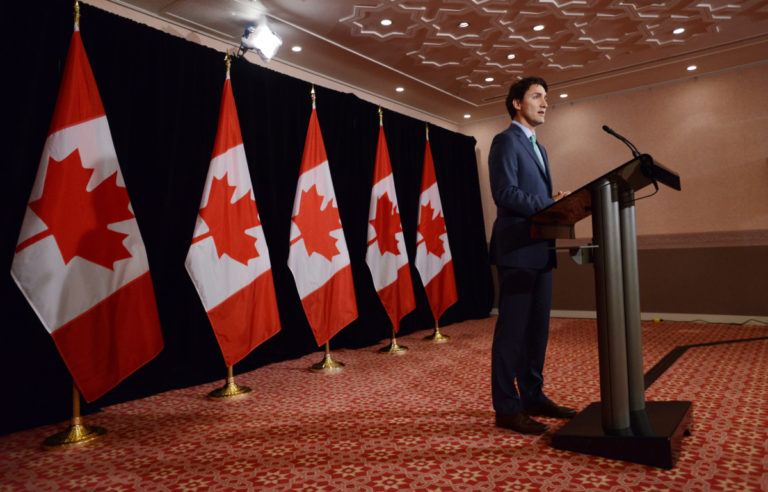
Justin Trudeau
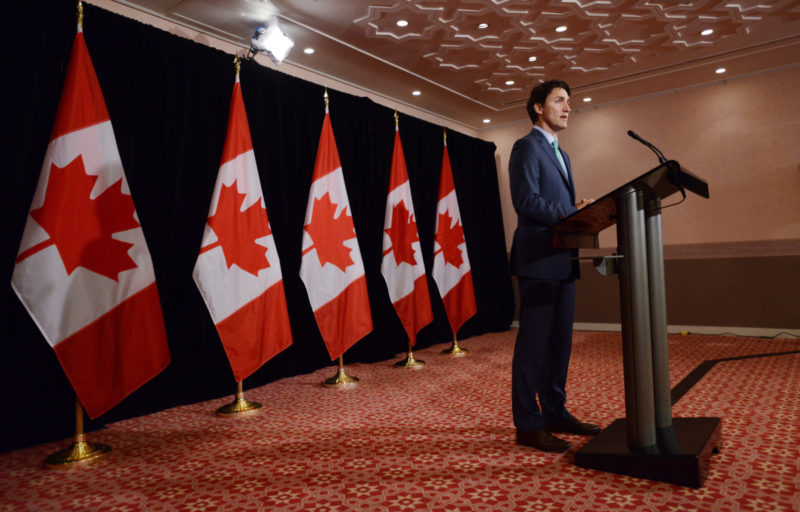
Justin Pierre James Trudeau, Prime Minister of Canada: Canada hosts the 2018 meeting of G7 leaders in Charlevoix, Quebec. Photo credit: THE CANADIAN PRESS/Sean Kilpatrick

Strong action now lays the foundation for stronger action later. Strong action now will also increase the chances of attaining the goals of the Paris Agreement, as well as reduce the cost of action in the future. Accelerating action before 2020 in all aspects of climate change action, including reducing emissions and scaling up climate finance, is critical for stronger action later.

At the UN Climate Change Conference COP23 in Germany last year, countries agreed to take stock of action before 2020, both at COP24 in Poland in 2018 as well as in 2019. This represents a good opportunity for countries to reconfirm progress on pre-2020 ambition. For G7 members – and for developed countries more broadly – taking stock also represents an opportunity to fulfil their collective pledge of mobilising $100 billion annually by 2020.

Many developing countries desperately need this support in order to make their contribution to climate action. I urge G7 members to unlock the promised and necessary funding to make this contribution possible. The contribution by developing countries will become ever more important in the future. Unlocking the promised funds will help the world reach the goals of the Paris Agreement.

The G7 is a very influential group that can make a huge contribution to stepping up climate action and ensuring that 2018 yields a successful outcome for all. The G7 has the power to raise ambition. The G7 can provide the vision to engender renewed political will. And the G7 has the leadership to ensure tangible progress and action before 2020.

A clear signal from the Charlevoix Summit would provide positive impetus for the climate change process in 2018. UN Climate Change stands ready to support all efforts by all countries towards shared success at COP24 in Katowice.