The 2018 World No Tobacco Day Commemoration went colourful in Abuja as civil society and student groups marched through the major streets of the federal capital city, demanding that government enforce the ban on smoking in public places, among a host of provisions of the National Tobacco Control Act which was signed into law in 2015.
Civil society and student groups members during the rally
Groups that participated in the march convened by the Ministry of Health and the Nigeria Tobacco Control Alliance (NTCA) include Environmental Rights Action, Cedars Foundation, Gatefield, Smoke-free Club UniAbuja and other youth groups.
Before the kick-off of the march, Dr. Malau Toma of the Ministry of Health explained that the thrust of the exercise was to sensitise the public on the dangers of tobacco and solicited their support for the NTC Act.
He also explained that the theme of the 2018 WNTD which was “Tobacco and Heart Disease” made it imperative to also make the public realise the dangers in second hand smoke, which the World Health Organisation (WHO) blamed for 600,000 deaths annually.
At the Garki ultra-modern market where the activists addressed the public in the three major languages, Akinbode Oluwafemi of the ERA/FoEN listed some of the ailments that smokers and non -smokers could become susceptible to.
Chibuike Nwanirrinaya of the NTCA also spoke in Igbo explaining that tobacco was the gateway to other substances abused by the youths such as cannabis, heroine, marijuana and in Nigeria, tramadol, among others.
At a press briefing subsequently, Hilda Ochefu of the Campaign for Tobacco Free Kids (CTFK) and Oluseun Esan of NTCA emphasised the role of government in ensuring that non-smokers are not exposed to tobacco harms.
Oluwafemi also emphasised that, to properly implement the NTC Act, the Nigerian government must establish the Tobacco Control Fund as contained in Part III of the NTC Act and commence the enforcement of the nine provisions of the Act announced by Minister of Health, Prof. Isaac Adewole in 2017. The provisions announced by the minister include ban on smoking in public places, restriction on underage access and ban of sale in single sticks, among others.
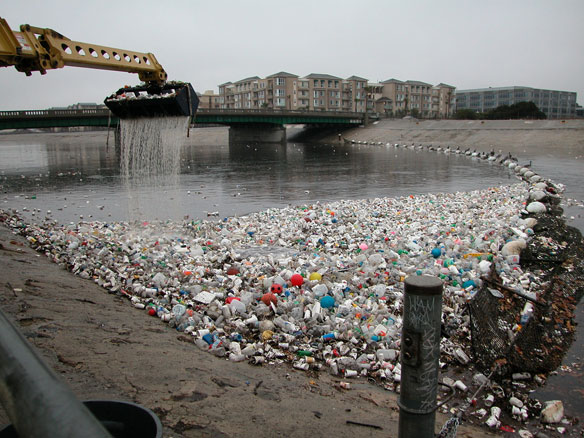
The Global Environmental Facility (GEF) on Thursday, May 31, 2018 urged the government, civil society organisations (CSOs) and relevant agencies in the environment sector to start aggressive campaigns against plastic pollution in the country.
Plastic pollution
Mrs Ibironke Olubamise, the National Coordinator of GEF Small Grant Programme (GEF-SGP), gave the advice in an interview with News Agency of Nigeria (NAN) in Abuja.
NAN reports that the 2018 World Environment Day, which has “Beat Plastic pollution’’ as its theme, will be celebrated on June 5.
Olubamise said that existing plans to tackle plastic pollution would be successful if aggressive awareness creation campaigns were executed.
“The fact remains that the use of plastics has brought much ease to our lives and living but ignorantly with much untold health consequences.
“Only if people are aware of the danger of plastic to humans and the environment will there be any willingness to do something about it.
“Due to the need for concerted efforts, the government, the CSOs and other relevant agencies ought to work together to address plastic pollution, which is one of the most important environmental challenges facing us these days,’’ she said.
She said that GEF-SGP, which is being implemented by the United Nations Development Programme (UNDP) in Nigeria, focuses its attention on the campaign, while supporting pollution-related projects with over $150,000 to support efforts to address pollution, including plastic pollution.
Launched in 2009, GEF-SGP supports non-governmental and community-based organisations in Nigeria in efforts to protect the environment, while generating sustainable livelihoods for poor and marginalised people in developing countries.
GEF-SGP is implemented by UNDP on behalf of GEF and executed by the United Nations Office for Project Services (UNOPS).
With its presence in over 25 states, GEF-SGP has executed more than 110 community-based projects, while supporting projects that would maintain equilibrium between human needs and environmental conditions.
The Youth Action on Tobacco Control and Health (YATCH) says tobacco smoking has been linked to 15 different kinds of known cancers.
Minister of Health, Isaac Adewole
Mr Seye Omiyefa, the Executive Director of YATCH, made the disclosure on Thursday, May 31 at an awareness campaign and walk to mark the 2018 World No Tobacco Day.
This year’s campaign focuses on the important link between tobacco and heart disease with the theme: “Tobacco Breaks Heart: Choose Health Not Tobacco.’’
Omiyefa said: “Tobacco use has been linked to over seven million deaths worldwide and causes a lot of deaths related to non-communicable diseases including cancers, cardiovascular diseases and stroke every year.
“Today’s marking of the World No Tobacco Day is to inform the public about the dangers of tobacco use, the abusive practices of tobacco corporations and what people can do to claim their right to health and healthy living and to protect future generations.”
According to him, there is low level of awareness on the risks that tobacco smoking constitute to the human heart.
He called on the Federal Government to expedite actions that would ensure the immediate implementation of the National Tobacco Control Act.
“More than 19,000 people die from tobacco use or second hand smoke exposure every day.
“Unfortunately, most tobacco-related deaths occur in low and middle income countries where the population is target of intensive tobacco industry marketing.
“The tobacco industry continues to aggressively promote the use of tobacco products and to conceal the dangers of tobacco use; but, we are fighting back to help prevent this ongoing devastation,” he said.
“It is shocking that with just a puff of cigarette, a smoker breathes more than 4,000 chemicals including arsenic which is used in rat poison and formaldehyde used to embark dead bodies.
“Other harmful substances found in tobacco include hydrogen cyanide used as a poison gas, ammonia used in household cleaning and phenol used in disinfectants.
“These are just a few among others and most are cancerous,” he said.
Omiyefa said that every year, Nigeria loses all cadres of manpower and all categories of statesmen to tobacco-related deaths.
“Nigeria is at risk of losing its workforce if steps are not taken to sign the Global Tobacco Control Treaty into law.
“We are also calling on government to raise taxes on tobacco products to make them less affordable.
“Cigarette is so cheap in the country, you even see minors buying it.
“To feed their insatiable hunger for profit, tobacco making companies are preying on young people in the country and they seek to lure them to a lifetime of addiction to their toxic products.
“Good business for them translates to a colossal and ever growing global public health disaster that our government must urgently act to contain,” Omiyefa said.
NAN reports that the walk started from the University of Ibadan and terminated at Ojoo.
The campaigners carried placards bearing inscriptions including “The Effects of Tobacco not only Affects you, It takes a Turn on your Friends, Family and Life” and “Smoking Affects Every Part of the Body.”
The United Nations has launched a new global coalition on health, environment and climate change to reduce the annual 12.6 million deaths caused by environmental risks, and especially air pollution. The heads of the World Health Organisation (WHO), UN Environment and World Meteorological Organisation (WMO) came together for the initiative.
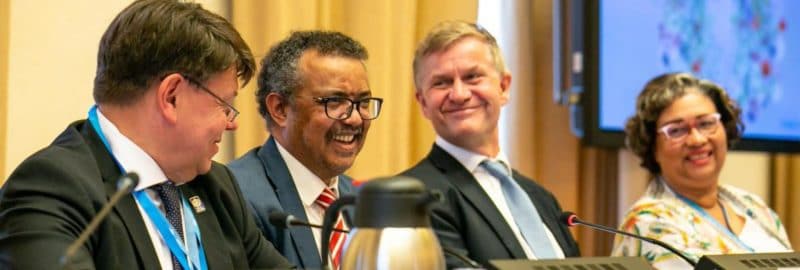
WHO Director-General, Tedros Adhanom Ghebreyesus (second left); UN Environment Executive Director, Erik Solheim (second right); and WMO chief, Petteri Taalas (left)
At the launch of the coalition last week in Geneva, WMO chief, Petteri Taalas, urged for greater urgency in implementing the Paris Agreement on climate change to keep the global temperature increase to well under 2°C by the end of this century.
Mr Taalas stressed that the world has a “30 year window of opportunity” to reduce the carbon footprint, reign in greenhouse gas emissions and to switch to clean and renewable energy in pursuit of the “win-win solution” of tackling both climate change and pollution.
He said the top challenge was in cutting emissions of carbon dioxide, the main gas driving climate change. This remains in the atmosphere and oceans for thousands of years.
Global average concentrations of CO2 in 2017 exceeded 400 ppm, and average temperatures were 1.1°Celsius above pre-industrial levels. Climate change is adversely affecting economies in developing countries, and the cost of natural disasters, in particular tropical cyclones, hit a new record last year, said Mr Taalas.
WHO Director-General, Tedros Adhanom Ghebreyesus; UN Environment Executive Director, Erik Solheim; and Taalas briefed delegates at the annual World Health Assembly on the priorities, opportunities and challenges in the months and years ahead.
“If we want to achieve Health For All, we will need to keep health costs down and that means three things: prevention, prevention, prevention,” said Dr Tedros. “We must ensure people can breathe clean air, drink clean water, and eat nutritious food.”
According to WHO figures, an estimated seven million people die prematurely every year from air pollution related diseases, including strokes and heart disease, respiratory illness and cancer. Air pollution in most major cities exceeds WHO air quality standards.
Many pollutants which damage health also harm the environment and contribute to climate change. These include black carbon from diesel engines, cooking stoves and waste incineration, and ground level ozone, which are harmful but are short lived in the atmosphere. It is estimated that reductions in short-lived climate pollutant emissions from sources like traffic, cookstoves, agriculture and industry could help trim the rate of global warming by about 0.5°C by 2050.
The urgency of combating pollution in countries including China has provided new incentives to cut greenhouse gas emissions and tackle long term climate change, said Mr Solheim.
“If we speed up on renewable energy solutions, fewer people will die from air pollution. Let’s create a pollution free environment,” he said.
WMO already closely collaborates with both the WHO and UNEP, but within the new coalition called for at COP22 in Marrakesh, WMO (through national meteorological services) will strengthen action specifically targeting health protection from environment and climate change related risks.
This will be through better provision of climate services such as seasonal outlooks and can improve management of climate-sensitive diseases like cholera and malaria, heat-health warnings against the growing problem of heatwaves, and multi-hazard early warning services against high-impact events like tropical cyclones.
The coalition begins with a joint focus on Air Quality outlining five areas of joint work. WMO’s observing network, its Sand and Dust Storm Warning, Advisory and Assessment System (SDS-WAS) and its Global Atmosphere Watch stations, which monitor the atmosphere, will be underpinning to the global drive to improve air quality mapping and monitoring.
The SDS-WAS can play an important role in knowing when and where dust storms may occur, to allow health partners to plan more effectively and benefit from WMO global atmospheric monitoring and forecasting capacity on acute episodes of hazardous air quality – such as dust storms.
The new global coalition on health, environment and climate change will seek to pool expertise and achieve greater coordination. One of the most immediate outcomes of the coalition will be a Global Conference on Air Pollution and Health, which will take place in Geneva October 30 to November 1.
The National Coordinator, Climate and Sustainable Development Network of Nigeria (CSDevNet), Mr Atayi Babs, has called for collective global poverty reduction and sustainable development strategies and actions for safe environment.
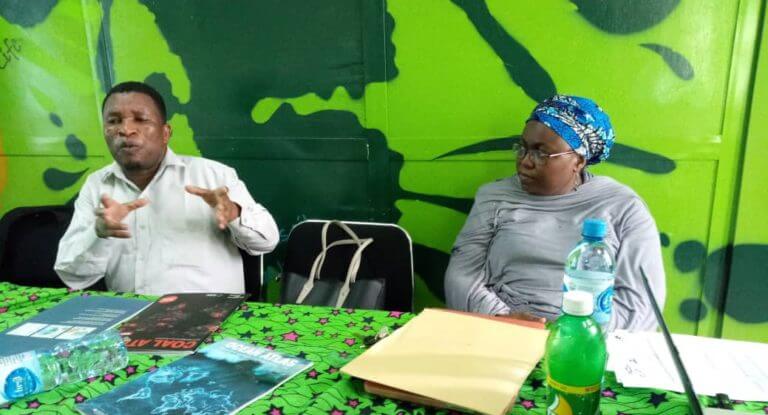
Mithika Mwenda, PACJA Secretary General (left), explaining a point while Hajiya Asmau of the Department of Climate Change in the Federal Ministry of Environment looks on
Babs made the call at the National Conference of Parties to the UN Framework Convention on Climate Change (post-COP23) Consultative workshop on Thursday, May 31, 2018 in Abuja.
COP23 is the 23rd session of the Conference of the Parties (COP) to the UN framework Convention on Climate (UNFCCC) that held last November in Bonn, Germany.
He described the workshop, with the theme: “Deepening Civil Society Engagement in the Implementation of the Paris Agreement and SDGs in Nigeria’’, as a dialogue aimed at discussing what took place at the last COP, with a view to ascertaining the gains and losses for Nigeria, as well as the roles that the civil societies played to influence better outcome in subsequent COPs.
“The outcome of the 2017 COP is to reduce the world temperature below two degrees Celsius.
“CSDevNet aspires to unify and coordinate isolated civil society efforts on climate change advocacy in Nigeria to ensure that people-centred response mechanisms are accorded desirable attention.
“As relevance as climate change is increasingly mainstreamed into national and global poverty reduction and sustainable development strategies and actions.
“We bring together with different organisations, grassroots community practitioners, federations of slum dwellers, etc to commonly promote and advocate pro-poor, climate-friendly and equity-based responses to climate change.”
Babs said the network strived to have an effective platform for Nigerian civil society organisations to share information and strategise jointly with Nigerian government and other stakeholders on climate change and sustainable development issues.
“We empower and strengthen the capacity and capability of members and other similar institutions in Nigeria by offering technical support in order to enhance the effectiveness of engagement in climate and sustainable development issues.
“To collaborate with experts in the area of research and documentation in the field of climate change and sustainable development as it affects and relates to communities in Nigeria.
“To advocate and campaign for a positive policy and legislative framework that puts into account the effects of climate change and issues related to sustainable development.
“To reduce climate change vulnerability of poor communities in Nigeria through awareness and strengthening the capacity of Nigeria’s local communities and civil society to implement community based adaptation and mitigation projects.”
Dr Peter Tarfa, Director of Climate Change, Federal Ministry of Environment, represented by Hajia Asmau of the ministry, said Nigeria would promote environmental sustainability through sustainable management of natural resources.
He said the ministry would support and initiate actions at all levels and other international conventions that Nigeria is a signatory.
Hamburg on Thursday, May 31, 2018 became the first German city to impose a partial ban on diesel vehicles as part of the country’s much-debated move to improve air quality.
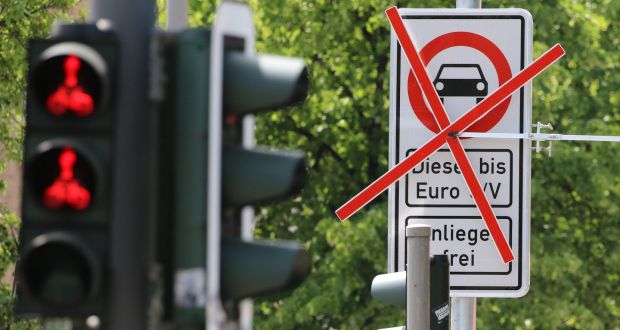
A Hamburg road sign indicates a ban for older diesel cars and trucks
The port city blocked a 600-metre stretch of the Max Brauer Allee and a 1.6-km stretch of Stresemannstrasse in the Altona-Nord district for older diesel cars and trucks from midnight (2200 GMT Wednesday).
Meanwhile, signs marking the restrictions and diversions have been put in the place over recent weeks in the Altona-Nord district.
All diesel vehicles that do not meet the Euro-6 emissions standards are affected by the Hamburg ban.
“Less than a third of the diesel vehicles registered in the city at the beginning of the year meet the standard,’’ the Federal Motor Transport Authority said.
They are exceptions to the ban however: in one of the streets affected, emergency vehicles, residents and visitors, bin lorries, delivery vans and taxis can all use the road.
The extremely limited nature of the ban has drawn criticism from environmental groups such as Greenpeace, which say it is merely window-dressing.
Pressure has been building on major German cities to improve their air quality and diesel vehicles have been a key target of the authorities due to their nitrogen oxide emissions.
The long-expected diesel bans have been closely-watched in Germany as they could carry consequences for the country’s large car-making industry, which has relied greatly on diesel-powered vehicles.
After a long-running legal battle, cities were given the green-light to impose diesel bans by a Constitutional Court decision in February.
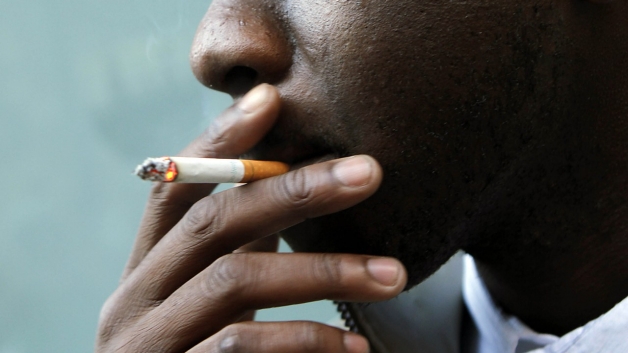
Associate Professor, Faculty of Medicine, University of Maiduguri Teaching Hospital (UMTH), Ahmed Gabdo, has cautioned parents against smoking cigarettes close to their children to safeguard their health and future development.
Smoking close to children and wards expose them to many risks and varieties of health challenges in future
Gabdo, who spoke to the News Agency of Nigeria (NAN) in Maiduguri on Thursday, May 31, 2018 as the world celebrates “No Tobacco Day”, said the warning aims at safeguarding the health of children.
Gabdo said that parents that smoke near their children and wards expose them to many risks and varieties of health challenges in future.
He said that children whose parents smoked were more prone to coughing, wheezing and asthma attacks than children whose parents do not smoke.
“They also tend to have higher rates of pneumonia and bronchitis; smoking not only impacts your cardiovascular health, but also the health of those around you, who do not smoke.
“Exposure to second hand smoke carries the same risk to a non-smoker as someone who does smoke. Other risks include stroke, heart attack and cancer, among other diseases.
“Cigarettes contain about 600 ingredients and when these ingredients burn, they generate more than 7,000 chemicals, many of which are poisonous and at least 69 of them are linked to cancer,” he said.
A smoker, Musa Bashir, who claimed he had been in the business of puffing cigarette for about 17 year, said doing so removed pain, anger and anxiety.
“I was introduced to smoking by my friend and sincerely speaking, cigarette is my closest companion.
“I enjoy smoking; especially when I eat and when I am worried, it cools off my temper.
“Doctors say there are side effects, but for all these years, it has been an immune-booster to me.
“I am thinking of quitting, but I needed a job. I need to engage myself in positive activities that will keep me away from my friends who are also smokers. That way, I can stop,” Bashir said.
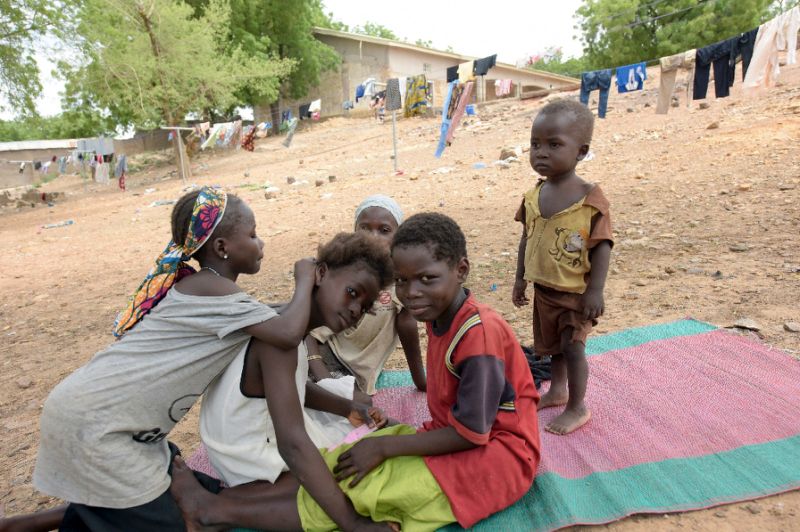
No fewer than 1.2 billion children are threatened by poverty, conflict, or discrimination against girls, Save the Children, a non-governmental organisation (NGO), said in a report.
Displaced children in a camp in Nigeria. Photo credit: Yahoo News
In its second annual “End of Childhood Index,” published recently, the London-based charity said more than 153 million children lived in countries where they faced all three threats.
The situation for children in 95 of 175 countries had improved since 2017, it added, but “conditions appear considerably worse” in about 40 countries.
The index looks at events that “rob children of their childhoods,” including malnutrition, early pregnancy, exclusion from education, child labour, child marriage and extreme violence.
Singapore and Slovenia came top in the ranking, with Norway, Finland and Sweden following. Eight of the ten last countries were in West and Central Africa, with Niger at the bottom.
The report identified 10 major trends it said required urgent action, including current levels of displacement which it said were the highest on record, and predicted rises in the number of child marriages and adolescent pregnancies.
It also said that 240 million children lived in countries affected by conflict and fragility and that 30 per cent of the countries included in the index were characterised by discrimination against girls.
“This means staggering numbers of girls worldwide face exclusion on many fronts,” it wrote, noting that complications during pregnancy and childbirth were the number one killer of girls aged between 15 and 19 worldwide.
There are around 1.1 billion smokers in the world today, the same number as at the turn of the century, according to latest data from the World Health Organisation (WHO).
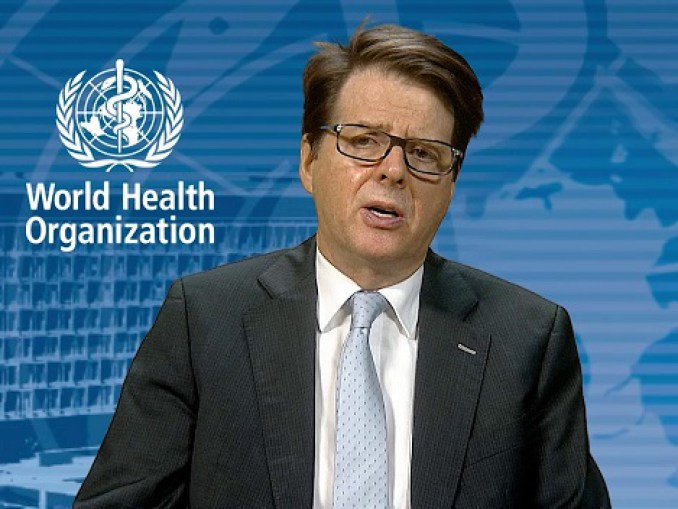
Dr Douglas Bettcher, Director, Department for the Prevention of Non-communicable Diseases at WHO
WHO’s “Global Report on Trends in Prevalence of Tobacco Smoking 2000-2025”, which coincided with World No Tobacco Day 2018, observed every May 31, warned that smoking is a habit that destroyed the hearts.
The report states: “Tobacco is the only legal drug that kills many of its users when used exactly as intended by manufacturers.
“WHO has estimated that tobacco use (smoking and smokeless) is currently responsible for the death of about six million people across the world each year with many of the deaths occurring prematurely.
“This total includes about 600,000 people that are also estimated to die from the effects of second-hand smoking.
“Although often associated with ill-health, disability and death from non-communicable chronic diseases, tobacco smoking is also associated with an increased risk of death from communicable diseases.”
The global health agency, in the report by health experts, said spreading the message that tobacco caused deadly illnesses such as heart disease and stroke helped prevent “needless” loss of life.
WHO warned that tobacco use and exposure to second-hand smoke were “major causes” of cardiovascular disease, contributing to three million deaths annually.
It said lack of awareness about the risks of tobacco use was most common in low and middle-income countries.
The report said in China, more than six out of 10 people were unaware that smoking could cause a heart attack while in India and Indonesia, more than half of all adults did not know that the habit could lead to a stroke.
Dr Douglas Bettcher, Director, Department for the Prevention of Non-communicable Diseases at WHO, said tobacco use was falling globally but it still killed more than seven million people a year.
“Progress is uneven in protecting consumers from the tobacco industry,” Bettcher said.
He explained that higher income countries were making “faster progress” than their poorer counterparts at protecting consumers, partly owing to stronger regulations.
“In spite of the apparent lack of progress in tackling the total number of smokers, the report highlighted that only one in five people smoked today, compared to more than one in four, 18 years ago.
“The decline was masked by the world’s growing population.’’
On efforts to encourage people to quit, the UN health expert warned that only around 12 per cent countries were on track to meet global targets to reduce by one-third the number of people dying from non-communicable diseases by 2030 as part of the Sustainable Development Goals agenda.
In a bid to promote a healthy heart, the WHO wanted every one of its 194 Member States to implement a series of increasingly strict tobacco control measures.
These include making indoor public and workplaces smoke-free and insisting that tobacco packaging carries warnings that demonstrate the health risks for users.
“The good news is that these deaths are preventable and we know what needs to be done,” Bettcher said.
He named Ireland and Uruguay as countries that had achieved the highest level of tobacco control before, adding that since 2007, the number of people around the world to have benefited from these measures has more than quadrupled, from one billion to five billion.
A call has been made to the Benue State Government to provide farmlands to Internally Displaced Persons (IDPs) in the state as a means of curbing imminent food shortage.
Benue State governor, Samuel Ortom
Making this call on Wednesday, May 30, 2018 in Makurdi at the Action Vision Group (AVG) and Action Innovation Group (AIG) meeting organised by Synergos, Assistant Rural Institution Gender and Youth Mainstreaming (ARIGYMO) of International Food for Agricultural Development (IFAD), Mr Fabian Asemagema, noted that there is impending food shortage in the state.
He lamented that the 2018 cropping season was at hand and many farmers in Benue were still living in IDPs because their areas were still occupied by the insurgents.
He said that as a temporary measure to tackle the imminent food shortage, the state government should as a matter of urgency provide lands to the IDPs so that they too could cultivate crops so as to prevent acute food shortage.
He also stated that the government could as well support them with all the necessary inputs since they were handicapped presently.
The Field Assistant, Synergos, Mr Raymond Jolie, who noted that the meeting was mainly aimed at finding solutions to the perceived food crisis as a result of the displacement of farmers by Fulani herdsmen in the state, also encouraged farmers to have home gardens in addition to their large scale farms because it would go a long way to check food insecurity.
Jooli further disclosed that Synergos would soon establish a Rice Incubation Centre in the state to assist processors to package the product in 1kg, 5kg up to 50kg bags to be sold within and outside Benue.
He added that they could even export the product because it would meet international standard and would also get National Agency for Food Drug and Administration Control’s (NAFDAC) approval.
Also speaking, the Chairman, Cassava Growers Association of Nigeria, Chief Igyo Ali, urged government to encourage and support farmers in LGAs where there are no attacks to cultivate massively, so as to cushion the imminent food crisis as a result of the attacks on farmers by armed Fulani herdsmen.
Speaking separately, consultant, Acefields Development Partners Limited, Mr Ushahemba Aondoakaa, and a rice farmer, Mr Fidelis Unongo, called on government to venture into massive agricultural activities since most farmers were displaced and, as such, cannot carry out agricultural activities soon.
A cassava processor, Mr Joseph Ameh, called on the government to revive the marketing boards to enable them mop up produce and store for rainy days, stressing that it was a long term measure of tackling food insecurity.