Deputy Director, Sanitation, Federal Ministry of Water Resources, Mr Emmanuel Eze, has called for collective action to end open defecation practice, saying the Federal Government alone cannot do it.
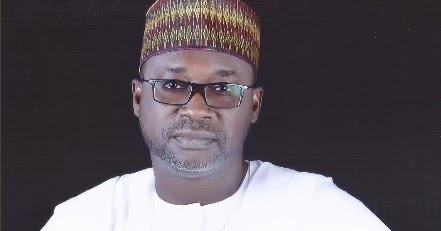
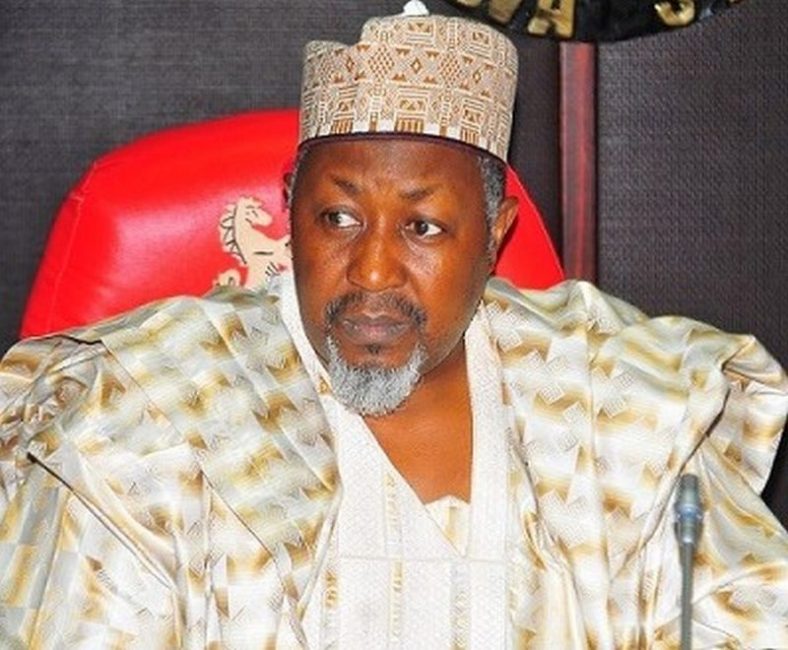
Suleiman Adamu Kazaure, Water Resources Minister
Eze, who said this at the end of a two-day Workshop on Validation of ODF Communities in Nigeria on Thursday, June 7, 2018, said that all hands must be on deck if Nigeria must meet the SDG 6 on Water and Sanitation by 2030.
He stressed that Federal Government was working to see that faeces was not seen in the open, saying this was a leading cause of food and water contamination.
According to him, part of the strategy is the development of the Partnership for Expanded Water Sanitation and Hygiene (PEWASH) Programme to implement programmes and policies to scale up access to water and Sanitation.
“Nigeria is working to see the containment of Open Defecation; faeces ought not to be seen in the open, as it remains the leading cause of food and water contamination.”
The deputy director noted that water safety plans included the citing of Water sources to at least 30 metres away from toilets, saying it was important for this practice to be adhered to.
The facilitator, Mrs Yemisi Akpa, called on all stakeholders in the Sanitation and Hygiene sector to uphold the guidelines of the Open Defecation Free (ODF) Protocol while validating ODF certified communities across the country.
She said it was important for Nigeria to scale up access to sanitation as this was a requirement for inclusive development and health promotion.
She noted that the training was an avenue to enlighten ODF Validators on what was acceptable, code of conduct and its importance.
According to her, validators are those that have been assigned the role of quality assessment, saying they must not compromise standards at any given time.
“As a validator, you must abide by the code of conducts at all time, you must dress decently, be courteous, don’t promise what you cannot give to the communities.
“You must not compromise standards at any time; this is because your name is at stake, so you must do the right thing always.”
Akpa said the overall goal of Communities Led Total Sanitation (CLTS) principle is to eliminate open defecation practice and achieving and sustaining total sanitation, saying with behaviour change, this was possible.
She however stressed the need for a collective action towards ending open defecation practice in the country, saying it would go a long way to reduce spread of preventable diseases through poor hygiene practices.
Gov. Akinwunmi Ambode of Lagos State on Thursday, June 7, 2018 called for collaboration to reverse the negative effects of climate change to preserve humanity and save future generations from jeopardy.
Governor Akinwunmi Ambode of Lagos State
Ambode, represented by the Deputy Governor, Dr Idiat Adebule, made the call at the launching of the Nigerian Green Bond Market Development Programme, organised by FMDQ OTC Securities Exchange.
The programme was in partnership with Financial Sector Deepening Africa (FSD Africa) and Climate Bonds Initiative, in Lagos.
He said the Green/Climate Bond Initiative was one of the initiatives developed to address the problems of climate change and make the planet safer for humans.
“The greatest threat to the sustainability of the planet earth is the negative effect of climate change and if nothing meaningful is done to reverse the trend, the existence of future generations will be in jeopardy.
“In the quest to save planet earth and preserve humanity, various initiatives, such as the ‘Green/Climate Bond’ initiative have been developed to address the problems of climate change.
“The initiative being launched today is one of the world fastest economic power house in West Africa and it is a window opportunity for financing of developmental projects that promote healthy and sustainable environment to make our cities livable.
“As we are aware, Lagos State is susceptible to the negative effects of climate change; we are also aware of its status and negative impact on the overall well-being and prosperity of present and future generations,’’ he said.
“This is why the state government has been in the forefront of the campaign to make the environment healthy and sustainable via implementation of eco-friendly policies and programmes.
“As a government, we will take advantage of the profitable investment opportunities and benefits presented in the Green Bond Initiative.
“We will partner with both local and foreign investors for the execution of climate friendly projects which will impact positively on the well-being and prosperity of our people.’’
Mr Joseph Okwu Nnanna, Deputy Governor, Economic Policy, Central Bank of Nigeria (CBN), said the green bond programme would pave way for development of the renewable energy sector which had huge prospects in Nigeria.
He said the green bond programme, if well-articulated and implemented, would unlock the potential of the Nigerian renewable energy sector.
“There is the need to seriously consider the option of developing the country’s renewable energy resource as Nigeria is blessed with abundant renewable resources.
“These resources range from adequate sunlight for solar power, vast land for agriculture to support bio-fuels, water, and many more.
“We cannot afford to fold our arms and watch other countries develop their renewable energy resources only to import such resources from them later.
“We must avoid the mistakes of the past in the development of our renewable energy sector and the time to start is now,’’ Nnanna said.
“We also need to develop a sustainable capital to fund this sector, this is where the green bond market development programme comes in to create an effective market for green financing with appropriate instruments to energise investment and growth of the sector.
“The CBN will continue to work tirelessly to create the enabling environment for the sustainability of the Nigerian financial system needed for the successful implementation of Nigerian Bond programme.’’
Contributing, Mr Tajudeen Yusuf, Chairman, House Committee on Capital Market and Institutions, said the initiative was an innovative idea to empower the financial market in support of the Nigerian economy.
“The National Assembly has realised that there is nowhere in the world where you will find an economy providing support that is required for the citizenry without a capital market, deepened and strategically positioned to provide the missing link.
“The growth of Dubai that we have today was made possible because the capital market played a major role in the transition. I’m glad our capital market is keying into this initiative,’’ Yusuf said.
In her presentation, entitled “The Rise of Green Bonds – Global Trends and the Opportunity for Nigeria’’, Mrs Justine Leigh-Bells, Director, Market Development, Climate Bonds Initiative, said there was the need for the collaboration of stakeholders in the capital market to drive the Climate Bond Initiative in Nigeria.
She said that such collaboration would make the nation’s economy prosper.
“The issue with climate change is a global economic issue as every country in the world, Nigeria inclusive, is going through one form of climate change problem or the other.
“The Green Bond Initiative is a high investment product that all stakeholders should be a part of.
“What we need to do is to bridge structures that will allow private investors to manage risk and understand that it is about jobs, growth and liveable cities,’’ she said.
Governor of the Upper River Region (URR) in the Gambia, Fatou Jammeh Touray, has reiterated that her office is committed to ensuring that the environment is clean and being protected from any form of emission particularly from substances produced from domestic and local industrial activities especially from cooling systems. She noted that the Government of the Gambia has environment on top of her development agenda and would endeavour to sustainably improve the environment for all.
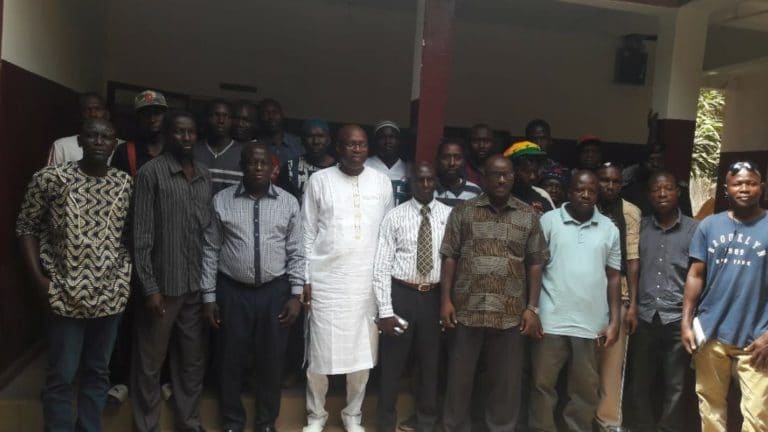
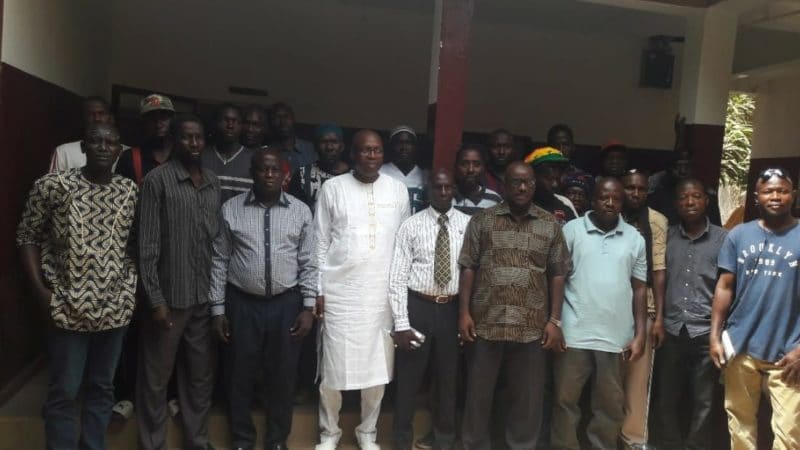
Participants at the event
She made these remarks during the opening ceremony of a four-day training workshop organised by the National Environment Agency (NEA) for refrigeration and air conditioning technicians on the handling of refrigerants, flammability and safety, held at the Basse Area Council chambers, URR. She enjoined the participants to be professional with their job and be cautious in handling flammables refrigerants that are substitute to gaseous ozone depleting substance (ODS).
“It is therefore important for you to actively participate in this capacity building training where you will discover new skills and innovations which will serve you in your profession as technicians. Try to share the new ideas you are going to discover with those that could not have the opportunity to attend,” she pointed out.
Delivering the governor’s speech on her behalf, Momodou Billo Jallow, the region’s Population Officer, posited that technicians are very important players in the phasing out of ODS and refrigerants that contribute to the warming of the earth, so they must therefore collaborate to get rid of such substances that will not only destroy the environment but threaten man’s very existence.
In his opening statement, the Director of Administration and Finance at the NEA, revealed that the training workshop came at a time when the refrigeration and air conditioning subsectors are experiencing a lot of transformation in terms of technology and the introduction of new refrigerants in a bid to replacing the ones that are ozone depleting, which are potent greenhouse gases that contribute to the warming of the earth.
Gases like Hydro-Chloro-Fluoro-Carbons (HCFC) and Hydro Fluoro-Carbons (HFC) like refrigerant 22 and HFCs used mainly in air conditioning systems and fish processing factories do not only deplete the Ozone layer but contribute to global warming consequences of which are currently being experienced in the form of heat waves, extreme cold seasons as in Europe and other parts of the world, sea level rise resulting to coastal erosion and inundation, to name but a few.
Muhammed Denton called for concerted effort in curbing negative practices in refrigeration management.
“All of us here present have a role to play in reducing the production and consumption of such refrigerants threatening our survival and our very existence on earth. As technicians and major stakeholders in the servicing sector, you should encourage end-users to convert to Ozone friendly refrigerants like R290 which is now available in our markets and can be used in our air conditioning systems. Importers also need to support us by importing such alternatives to gradually phase out the said refrigerants. This will ensure our compliance to the Montreal protocol obligations on substances that deplete the Ozone Layer,” he said.
He posited, as Article Five parties, Gambia needed to adjust to the compliance requirements of the international agreements like the Vienna Convention and the Montreal protocol on substances that deplete the Ozone Layer, whilst being committed in ensuring that new technologies are adopted for a cleaner environment.
This, he said, is a challenge all Gambians have to face and, with the usual political support from the Government of the Gambia and donor partners like the United Nations Environment Programme (UNEP), United Nations Industrial Development Organization (UNIDO) and Global Environment Facility (GEF), there is assurance of compliance as article five countries.
He said that is why the training and the ones to come would concentrate more on safety and how to handle such refrigerants because one currently used in the market are flammables. He concluded by commending UNIDO for providing funds to conduct the training and many more to come.
According to the agency’s ODS officer, Alhagie Sarr, the objectives of the training is to identify technology needs, country-specific barriers and requirements for the application of such technologies, formulation of a roadmap to promote green cooling and inter regional technology transfer. Adding on, he said it is also to promote natural refrigerants including carbon dioxide, ammonia and hydrocarbon technology and to share information on low global warming technologies.
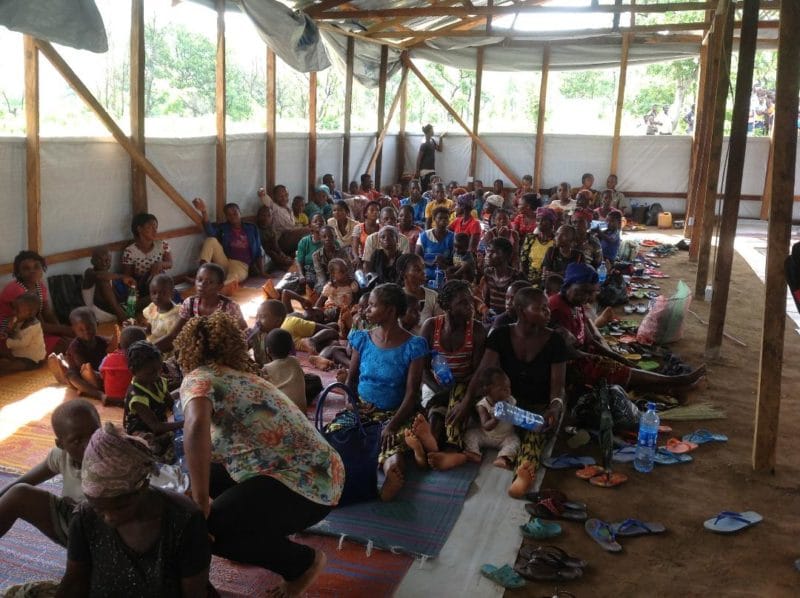
Cameroonian refugees who were staying in Abande, a Benue State border community with Cameroon, have said they were missing their natural food items.
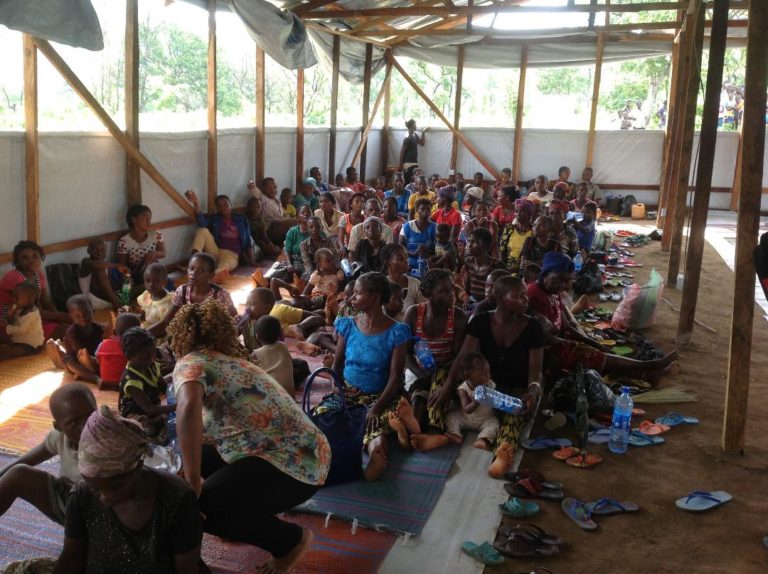
The Cameroonian refugees
The refugees, who were relocated to Anyake, Kwande Local Government Area of the state recently by the United Nations High Commission of Refugees (UNHCR) in conjunction with the Benue State Government, said they missed their natural food service, especially plantains, bananas, and cocoyam, among others.
Mrs Phoebe Aboshi, a refugee, said that though succour had come their way, they preferred their place because, there, they were eating only natural food items, whereas at their temporary settlements they would be fed with processed foods which would not be of much benefit to their bodies.
Aboshi said that their desire was for the crisis to cease so that they could go back to their permanent places of abode, stressing that there is no place like home.
She blamed the crisis that is rocking the country on marginalisation of the Anglophone citizens, stating that more opportunities including employment were given to the Francophone citizens, while the Anglophone citizens did not have such opportunities.
She further lamented that most of the mineral deposits in Cameroon were found in only the two Anglophone regions, stressing that despite the huge mineral deposits in those regions, they were completely backward as compared to the eight Francophone regions.
”It was on that basis that the Anglophone citizens decided to request for their independence and that did not go down well with the powers that be.
”We are in this situation because the Cameroonian authority is against our demand for independence and it is not ready to make life worth living for us,” she said.
Also, Mr Julius Ekwa, Josephine Aboshi and Napoleon Egumu, all refugees, said that despite what they were passing through in the hands of the Cameroonian authorities, they still preferred their place because they lack most of their natural food items in their new settlements.
They said that they preferred to eat their plantains, cocoyam among others because they were so much used to them.
The trio called on the international community to wade into the matter so that peace would be restored and they could go back to their country.
In another development, while relocating the Cameroonian refugees who fled to Nigeria, the Head of UNHCR on Relocation of the Refugees in Kwande LGA, Benue, Mr Thomas Faustini, said the relocation was necessary because Abande was less than 50km to Cameroon and it was against the International Refugee Protection Principle.
He disclosed that the international refuge protection principle insisted that refugees should not be kept less than 50km to the country where they were fleeing from, adding that adequate security and safety as well as feeding should be given to them.
He added that they would be monitoring them very closely so as to identify their challenges and tackle them.
He said that the refugees willingly accepted to the request of relocating them to a safer community, stressing that they were not coerced into accepting to relocate.
”The refugees voluntarily accepted the decision of the government and UNHCR to relocate them to a more safer and conducive environment.
”In addition to the principle, where they are staying for now is a complete dislocated area because of distance and the area was prone to flooding, hence, the need to relocate them to a more safer and conducive place,” he said.
Also, the Health Officer, State Emergency Management Agency (SEMA), Mr Terhemen Kuhe, lamented that there were no adequate health personnel officers to take care of the refugees, stressing that he alone covered three different locations where the refugees were staying.
Kuhe further lamented that it was very strenuous alternating from one location to the other, in order to render health services to the refugees because the three locations were too far apart and the terrain was very rough.
”As a result of the bad road network, it was not possible for us to make referrals and the only referral allocated to us which is the General Hospital, Adikpo was on strike,” he said.
A cross section of the refugees who spoke to press men expressed happiness that relief and succour had come their way, stating that their present situation would be far better than where they were.
”There we were staying in classes of a primary school where mosquitoes were feasting on us because some of the classes had no windows,” they said.
The Clan Head, Ityuwa in Menev District of Ikyurav-Ya, Kwande LGA of the State, Chief Moses Chile, appealed to the government to construct the only access road in the area, adding that it should also provide them with other amenities to make life worth living for them.
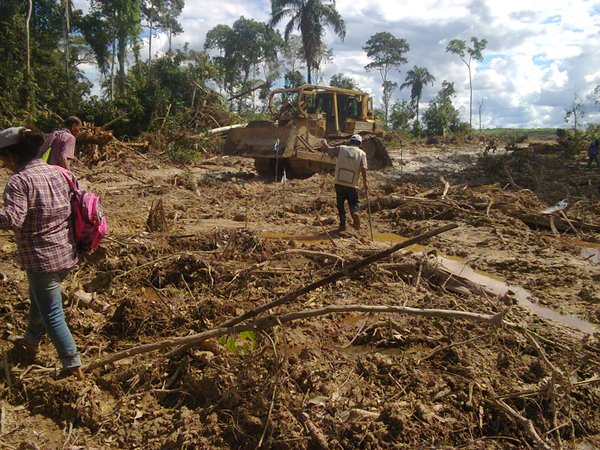
The Regional Centre of Expertise on Education on Sustainable Development (RCE) says Nigeria loses its forests at the rate of 11.1 per cent annually, making it the highest on earth.
Deforestation
Prof. Albert Olayemi, the Focal Person of the RCE, made the disclosure on Thursday, June 7, 2018 at the University of Ilorin, Ilorin, Kwara State.
He spoke while signing a document backing the Kwara House of Assembly on its proposed amendments to improve the law governing the operations of chainsaw men and the law that governs the charcoal economy in the state.
According to him, an estimated 13 million hectares of land is deforested each year in the tropical region of the world.
“There is enormous evidence on the devastating effect of deforestation and charcoal production on the environment.
“Forests are being cleared for logging, timber sale, subsistence agriculture and collection of wood for fuel which remains a problem in Nigeria,’’ he said.
The RCE focal person explained that, in Kwara, fuel wood and charcoal were the main sources of energy for many households.
“They are important sources of income and employment for the rural households.
“Also, this sector is informal, as it employs a large number of people in production and trade and contributes substantially to rural household economy,’’ he said.
On some of the effects of deforestation, the don said: “The loss of biodiversity, depletion of water resources, atmospheric pollution and environmental calamities such as acid rain, desertification and flood are some of the effects of deforestation.
“Soil erosion, soil destabilisation, migration of animal species and increase in reflected solar radiation are also effects of deforestation.
“In the light of these negative effects, the centre expresses its wholehearted support for the new initiative of the Kwara State House of Assembly’’.
He, however, disapproved of the existing effort to stop deforestation in the state, describing it as “half hearted” and “half spirited”.
“The current law enjoins fellers to plant trees as replacements for the ones felled, while there is shortage of tree seedlings in the state.
“The law is also silent on the number of trees to be planted for each tree removed,’’ Olayemi said.
According to him, RCE proposes the creation of forest reserves, conservation processes, improved rainforest management and forestation programmes as ways to combat the challenge of deforestation in Nigeria.
“The centre wants at least 10 tree seedlings planted for each tree felled.
“We also propose the establishment of plantations dedicated to charcoal production because charcoal is now an export commodity in Nigeria, with a large market in the EU, USA and Asia,’’ Olayemi said.
The News Agency of Nigeria reports that RCE centre is located inside the University of Ilorin and members include all universities operating in Kwara.
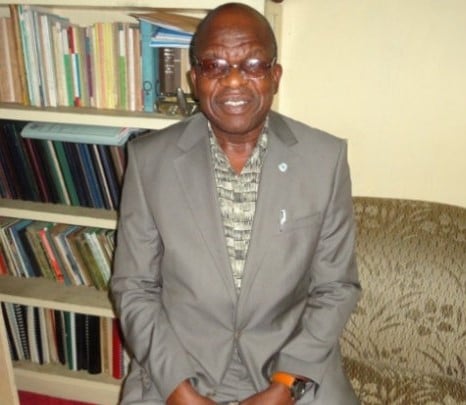
A don, Prof. Dele Olowokudejo, says that plastic pollution leads to loss of 24 billion tons of top soil annually worldwide.
Prof. Dele Olowokudejo
Olowokudejo, who is of the Department of Botany at the University of Lagos, Akoka, made the remark during the Lagos State Environmental Protection Agency (LASEPA) World Environment Day event on Thursday, June 7, 2018 in Ikeja, Lagos.
“Plastics are taking over our oceans, they are ruining our lands. Plastics pollution leads to loss of 24 billion tons of top soil every year.
“Plastic accounts for about 10 per cent of the total waste generated. Production of plastic uses about 8 per cent of the world’s oil production.
“About 500 billion plastic bags are used annually worldwide,” Olowokudejo said.
The academician, however, proposed a solution on how to surmount the problem of plastic pollution in the country, as he called for a concerted effort of all stakeholders on the environment.
“There should be a formulation of a National Policy on Plastic Waste Management, an implementation of a National Plastic Waste Recycling Programme in partnership with manufacturers and critical stakeholders.
“Individuals, families, communities, companies must agree to implement practices that reduce waste at every level.
“We must get rid of bottled water recommended for single use and buy reusable water bottles,” he said.
He further called for the enforcement of existing environmental laws and policies to curtail the impact of plastic pollution in the state.
“The enacted laws to address environmental challenges in Nigeria must be fully applied.
“The National Environmental Regulations, 2009 Prohibits persons from dropping litter (polyethene bags inclusive) on roads, public space, drainages or other undesignated places through National Environmental Standards and Regulations Enforcement Agency (NESREA).
“The issue is that implementation/ enforcement is weak,” he said.
The professor however, urged the government, regulatory bodies and other critical stakeholders to brace up in tackling plastic pollution in the country.
“We are indeed privileged to be a part of the current movements of Homo sapiens who have recognised their ecological limits and are willing to respect boundaries in order to save our planet.
“We have seen the danger signs of our destructive activities and are willing to take corrective actions. Therefore, while we should always think globally and cooperate regionally, we must continue to act locally.
“Let’s rise above plastics and the time is now,” Olowokudejo said.
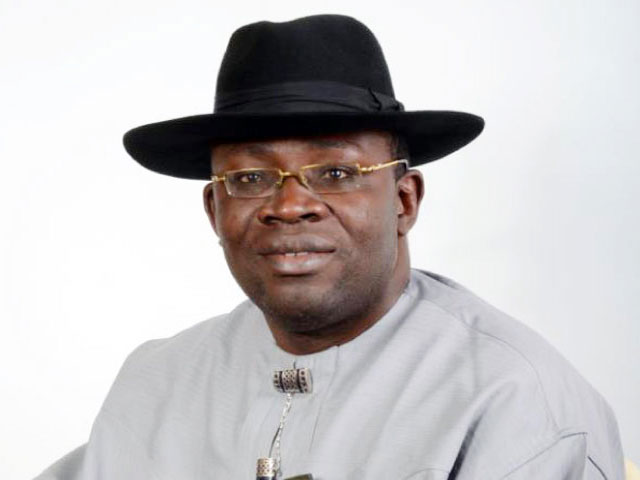
The Bayelsa State Government has announced plans to set up a task force to protect its environment by checking activities of illegal crude oil refineries in the state.
Seriake Henry Dickson, Governor of Bayelsa State
Gov. Seriake Dickson announced this at the commemoration of this year’s World Environment Day, a statement by Mr Francis Agbo, the Chief Press Secretary to the governor, said on Thursday, June 7, 2018.
Dickson said that his administration had engaged the services of internationally acclaimed forensic experts to compile the effects of prolonged oil pollution on the environment and health of the people in the state.
The News Agency of Nigeria (NAN) reports that thousands of illicit artisanal refineries located in oil communities in Bayelsa operated and discharged their waste in ways that pollute the environment.
Dickson observed that decades of oil pollution and gas flaring in the state and the Niger Delta had resulted in rising cases of health hazards, thereby shortening the people’s lifespan.
“The reports I have received from the experts describe the scenario as saddening and frightening. In due course, this report will be made public soon.
“I am hereby calling for collective efforts to reclaim and remediate the environment,’’ the governor said.
He called on residents to hearken to the call for protection of the environment, especially in the Niger Delta.
“The environment has been under severe, sustained and brutal attack by forces that we do not control.
“These forces have not only invaded the land and expropriated their property but are now threatening to exterminate the people.
“A lot of actions will be taken and we will mobilise local and international opinions on this.
“There are legislative measures that I will also call on the state assembly to undertake,’’ Dickson said.
The governor lamented the exclusion of the people from the oil and gas industry, and decried the proliferation of illegal refineries which degraded the environment and destroyed lives in the state.
He said there was no justification for illegal refineries, stressing that doing so would amount to further degrading and polluting the already compromised environment.
Dickson assured that the state government would invest in ways to reduce the use of plastic products.
He disclosed that the theme for the 2018 World Environment Day had been amended to read: “Bayelsa, Our Lives, Our Future’’ to underscore the importance of the day to the Bayelsa people.
“I fully support the indigenisation of the oil and gas industry. This is the only country in the world where, the Niger Delta, that is the source of crude is not playing host to all the refineries.
“So, there is a case to be made for economic inclusion and I am an advocate for that and I owe no apology to anyone. Whether this will take the form of oil mining leases awarded to our people, why not?
“Whether this will mean involving them in terms of citing refineries and letting them run businesses in that sector, why not?
“Whether this will mean employing our youths, who are qualified in the oil and gas industry that is ours, why not?
“The point that I am making is that this time that your environment is a ticking time bomb is not the time to resort to self-help by breaking into pipelines and making sure that more pollution takes place.
“All of us should be soldiers for the protection of the environment,’’ Dickson urged.
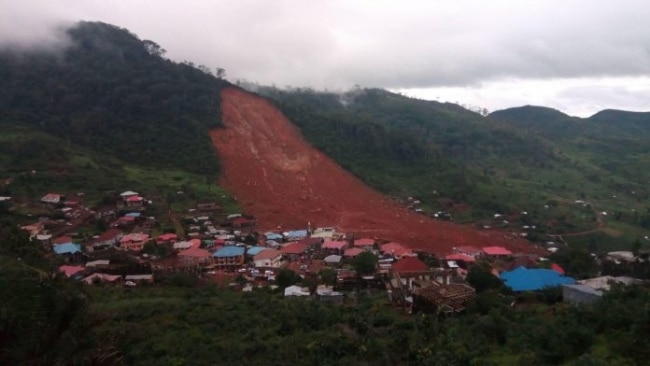
Hundreds of Freetown residents on Tuesday, June 5, 2018, the World Environment Day, came together to plant trees in the honour of the more than 1,000 people killed or missing following the devastating landslide and flooding disaster at the Mortomeh community, Regent, in the capital Freetown on August 14, 2017.
Scene of the landslide accident at Regent, Freetown, Sierra Leone
The landslide – comprising a mix of clay soil and boulders – ripped through the city of Freetown with tremendous energy, destroying everything in its path. The incident had a massive human impact, with over 6,000 people affected and caused significant destruction and damage to critical infrastructure.
The ceremony marked the launch of the National Tree Planting Day by the Government of Sierra Leone, which will see the planting of some 20,000 trees by hundreds of volunteers across the strip of land covering the disaster area to build resilience.
The event was organised to mark an important phase of the World Bank-supported Freetown Emergency Recovery Project, which is designed to support the government’s resilient recovery programme. The project aims to rehabilitate and rebuild damaged infrastructure, including remediating the landslide area and strengthening the disaster risk management and early warning capacities. This was informed by a Damage and Loss Assessment that was undertaken immediately after the disaster, supported by the World Bank and United Nations, which indicated recovery needs of more than $80 million.
“We consider the disaster and death of the over one thousand Sierra Leoneans as a painful loss of human capital and lives, which was the result of the mismanagement of our environment. The government, in collaboration with our development partners, is determined to work on the prevention of such degradation and the loss of human capital now and in the future,” said Samking Koihinah Braima, Deputy Minister of Agriculture and Forestry representing the President.
“Government takes the issues of the environment, forestry, conservation and agriculture very seriously. We therefore commit ourselves to make Sierra Leone and its environment sustainably green while equally working towards the country’s individual and collective environmental sensitive prosperity,” he added.
The first phase of the slope remediation measures was to reprofile the main slope of the landslide and recreate the existing drainage channels. Now that this phase is complete, the second phase is to re-plant the area to help hold the soils in place and reduce the surface run-off. Although the work carried out so far is reducing the instability of the slope, it remains a high-risk area.
President Julius Maada Bio recently setup a Mudslide Prevention Inter-Agency Committee to coordinate between key ministries, agencies and development partners, including the World Bank, to address the urgency of the situation with the rainy season just starting. It is with this is mind that the government is considering demarking the area as a protected memorial park, in memory for those who lost their lives and were impacted by the landslide.
“The fatal mudslides and severe floods of 2017 are stark reminders of how devastating the impacts of climate-induced hazards can be, particularly when combined with poorly planned human activities such as deforestation, encroachment within risky areas, unregulated construction of settlements on steep slopes, as well as weak monitoring and poor enforcement of environmental and land use regulations,” said Dr. Gayle Martin, World Bank Country Manager for Sierra Leone. “The World Bank is greatly encouraged by the establishment of the Mudslide Inter-Agency Committee and the development of a realistic workplan by the government to coordinate the response. The Bank stands ready to support this process in a manner that is consistent with our environmental and social safeguard policies.”
Dr. Martin urged the youths and surrounding communities to play an important stewardship role by looking after the trees and maintaining the site as a protected area for many years to come.
A Multi-City Hazard and Risk Assessments for Freetown, Makeni and Bo are close to completion. The reports will help to identify key hotspots that are highly exposed to flooding, landslides, sea level rise and coastal erosion, and provide a menu of options to manage these risks.
A windstorm has destroyed 1,536 rooms and property worth millions of naira in some communities in four local government areas of Jigawa State.
Mohammed Badaru Abubakar, Governor of Jigawa State
Alhaji Sani Yusuf, the Executive Secretary, Jigawa State Emergency Management Agency (SEMA), made this known to the News Agency of Nigeria (NAN) in Dutse, the state capital, on Wednesday, June 6, 2018.
Yusuf said the disaster, which occurred between May 3 and June 6, affected 833 people in 12 villages in Babura, Dutse, Guri, Gumel and Kiyawa local government areas of the state.
According to him, in Babura, the windstorm affected 58 persons and destroyed 84 rooms in Ajja and Dorawa villages.
In Dutse, the executive secretary said the disaster affected 273 persons and destroyed 1,247 rooms in Warwade, Saya-Saya, Sabon Gari, Jidawa, Tumballe, Sabuwar Takur and Jigawar Habu villages.
Similarly in Guri, the windstorm destroyed 543 rooms and affected 305 persons in Dayin village while in Gumel town 208 rooms were destroyed and 101 persons affected.
He further said that in Kiyawa, the disaster affected 108 persons and destroyed 228 rooms in Shuwarin village.
He added that the windstorm had rendered about 30 families homeless and destroyed several local silos containing assorted foodstuffs.
The executive secretary added that the agency was conducting an assessment of the damage caused by the windstorm in the affected communities with a view to assisting the victims.
Most districts in Northern Uganda will continue to receive much rain for the period of June, July and August, experts have said.
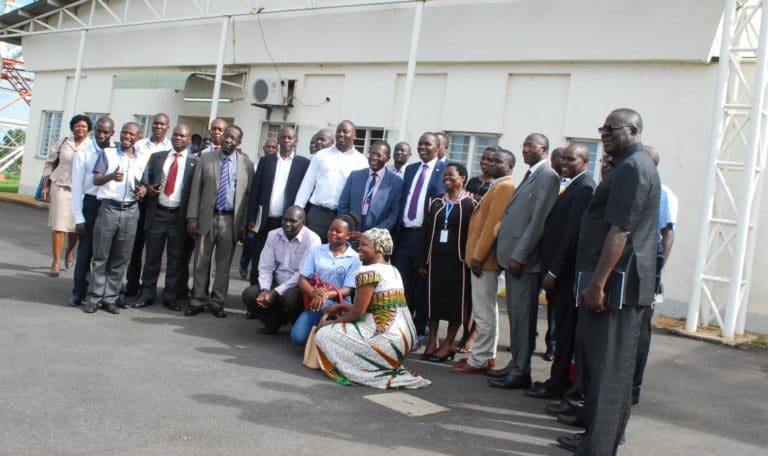
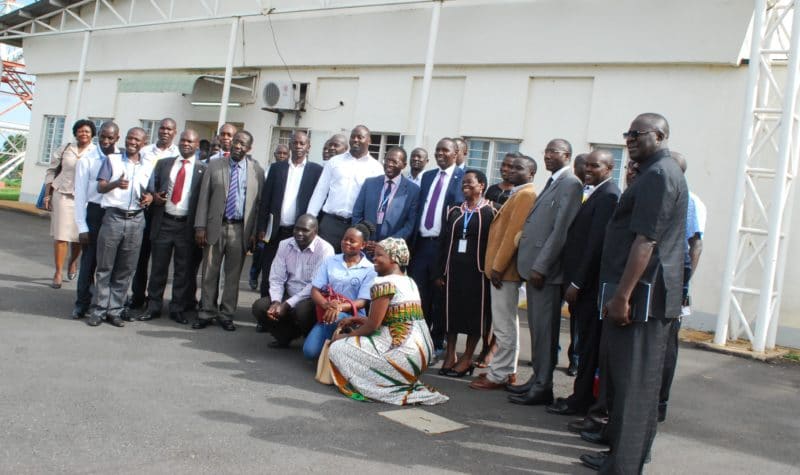
A group photo of the MPs who toured the National Meteorological Training School and other facilities
Dr. Festus Luboyera, the Executive Director of Uganda National Meteorological Authority (UNMA), said the major physical conditions that are likely to influence the weather patterns over Uganda and the rest of the east African region for the next three months would largely depend on the Indian Ocean.
He said the Neutral phase of the Indian Ocean Dipole, the El Nino-southern Oscillation which is currently neutral in an El Nino nor La Nina phase and the topographical features and large inland water bodies, would have a big influence in our rain patterns.
Dr. Luboyera was addressing the parliamentary committee on natural resources at Imperial Golf View Hotel in Entebbe.
The committee was on a familiarisation tour to understand how the authority is able to forecast and monitor weather in the country.
The MPs also toured the National Meteorological Training School to assess the school and the kind of training students receive in managing weather forecast and other climate change related issues.
The MPS were also taken to the Civil Aviation Authority control room and other towers to see how the authority manages aviation since no flight can land or take off without the authority’s clearance.
“The above considerations as well as detailed of the climatology of Uganda and scientific tools for climate change analysis have downscaled the forecast and there is an increased likelihood of near normal tending to above normal rainfall over the northern and some parts of eastern Uganda while the rest of the country is expected to experience normal to below normal rainfall punctuated with occasional light rainfalls conditions,” he said.
He said the districts of Bundibugyo, Ntoroko, Kabarole, Kyenjojo, Kyegegwa, Kamwenge, Masindi, Buliisa, Hoima and Kibaale would experience seasonal rainfall characterised by dry spells.
“The condition is expected to persist up to around mid-June when the dry conditions are expected to begin and continue until mid-July,” he said.
He added that Kisoro, Kabale, Rukungiri, Kanungu, Ntungamo, Mbarara, Kiruhura, Isingiro, Ibanda, Buhweju, Bushenyi, Mitooma, Sheema, Rubirizi and Kasese, which have been receiving seasonal rains since February, would start to experience dry spells by July.
He said they are able to promote, monitor weather and climate as well as provide weather predictions and advisories to government and other stakeholders.
He said the agency handles all climatological, hydro and agro-meteorological data which are crucial for research, study purposes, generate climate forecasts and advisories including climate change trends, projections and scenarios for different users.
MPs tours
The chairperson of the Parliamentary on Natural Resources Committee, Alex Byarugaba, said it is very important for the government to equip the authority since they also determine the weather in aviation management.
Byarugaba, who is also the MP for Isingiro South, said there is also need to harmonise with Uganda People’s Defence Force since they also have a forecast department.
Paul Isabirye, the Director, Station Networks and Observations at UNMA, said they designed , installed and maintained weather stations of all categories, making and availing weather and other relevant observations at standardised temporal scales
“A robust and functional observational network, an efficient communication system for both real time and climatological data, skilled human resource and an adequate well facilitated have been put in place to cope with advancing technologies and operational standards,” he said.
Isabirye said they have they the capacity and infrastructure to monitor both surface and space facilities, that include terrestrial and marine, manual synoptic (a branch of meteorology analysing data collected simultaneously over a wide region, for the purpose of weather forecasting), agrometeorological, hydrometeorological, rainfall stations, automatic weather stations, mobile vessels or buoys, upper air sounding, radar , satellites , aircrafts and drones.
He said that the 12 synoptic stations were equipped with smart phones which improved timely transmission of weather data to the Centre and the Global Telecommunication System for international exchange and increased the level of automated weather observations across the Country by 20 AWSs.
“We have acquired the Automatic Meteorological Message Switching System (AMSS) which is very critical in having access to global weather data,” he said.
Challenges
He however said the most Agrometeorological and Hydrometeorological stations were not functional, making their work hard to determine whether accuracy.
In addition to inadequate maintenance infrastructure; calibration equipment, spare parts warehouse, Isabirye also said the authority was faced with a huge challenge of few staff to monitor major stations.
“Out of 156 approved structures, we only have 74 field technical staff to manage all the 45 major stations in the country. This gap has affected us so much and some of our equipment and accessories have been vandalized due to lack of supervision,” he told the MPS.
Demand for accuracy
Kabale Municipality MP, Andrew Aja Baryayanga, asked the authority to be more accurate in weather predictions, saying inaccuracies affect people especially the farmers.
“I have come to know that your prediction is at 75 percent. This has a negative effect on farmers who depend on your information for planting. Make it more accurate so that farmers are not misled and make loses as a result of unpredicted dry spell,” he said.
Patrick Nsamba, the Kasenda North MP, said the authority risks not getting money as they failed in attaining the certificate of gender and equality.
“You are doing so bad on gender issues as a result we will not provide you with more funds since you have failed in this crucial part of attaining and achieving gender equality aspect as it is required by law,” he said.
Godfrey Mujuni, the UNMA Data Centre Manager, said some of the equipment they are using was outdated and asked the committee to lobby for them more funds in order to get the latest technology.
“The current equipment we are using is of that of 1896 yet weather keeps on changing. This requires us to get the latest machines and equipment to do a better job,” he said.