Home Blog Page 94

How volunteer community rangers lead the fight for Ekuri Forest, Cross River survival

0

At dawn, Festus Olory steps into the forest he has spent half his life protecting. Dressed in a faded green uniform and armed only with a machete, he joins other volunteer rangers – the Ecoguards – on patrol through the muddy paths of the Ekuri rainforest in Cross River State. They listen for the whine of chainsaws, the crack of trees about to fall, or shouts of intruders. 

Olory, 45, has done this work for 25 years without pay. “I am doing this to take care of my community,” he said. “I want to protect the forest. Like many of my colleagues who have children, I desire that my children someday see what we have spent our lives protecting.”
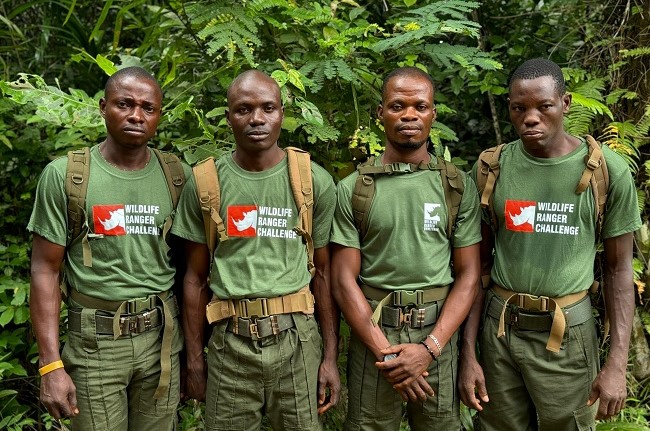
Park rangers
Park rangers

For the people of Old Ekuri and New Ekuri, two communities in Akamkpa Local Government Area, Cross River State, this 33,600-hectare forest is more than land. It is their history, their livelihood, and their legacy. But it is now under siege. 

What began in 1992 as a community-led conservation success story – the Ekuri Initiative – is today a battle of survival.  Once hailed by the United Nations and used as a model for sustainable forest management in Nigeria, the Ekuri forest is now threatened by illegal logging and poor governance. With limited government support, volunteer rangers like Olory and his team risk their lives to stop loggers from destroying one of West Africa’s last remaining rainforests.

For a country blessed with over 20 million hectares of forest cover, according to Global Forest Watch, community forest preservation is not often practised in Nigeria. But the people of Ekuri saw it for what it really is: preserving a whole ecosystem and all the gems in it, because it is the responsible thing to do.

In 1992, elders in Ekuri came together to conserve one of Nigeria’s last rainforests.

They committed to keeping 33,600 hectares of forest intact, out of sheer conviction that allowing the forest to die from mindless exploitation is tantamount to squandering the communities’ future. The elders knew that their forest, which shares a boundary with the Cross River National Park, remains one of the last homes of gorillas in Nigeria. And they were determined to protect it.

It is also a habitat for several varieties of Nigerian indigenous species, like timber, afang leaf, kola nut, bitter kola, and bush mango, all of which are being threatened by unsustainable logging, hunting, and farming.

In recognition of Ekuri’s conservative contribution and exemplary model, it was awarded the United Nations Equator Initiative Award in 2004 and later became a pilot site for the United Nations Reducing Emissions from Deforestation and Forest Degradation programme (REDD+) for maintaining its forest.

For several years, things looked promising; non-governmental organisations (NGOs) like the Nigerian Conservative Foundation (NCF) showed interest in the forest.

They made funds available for the forest, which is surrounded by trees and shrubs arranged intricately. Service of voluntary rangers known as Ecoguards was recruited, illegal loggers were kept at bay, and the forest thrived.

Sparkling streams line up different parts of the forest, causing the air to give off a fresh fragrance. Its beauty can be described as soft and breathtaking.

However, 33 years later, so much has changed. The forest is debilitated. Large trucks have now left deep tracks on the muddy roads that lead to the forest as illegal logging digs its claws into the preserved forest timbers. The duties of the voluntary Ecoguards have expanded without any incentive.

The road leading into the Ekuri forest is now completely unmotorable. Only a bike can navigate through it. Chopped timber trees sit forgotten with no plans for replanting. 

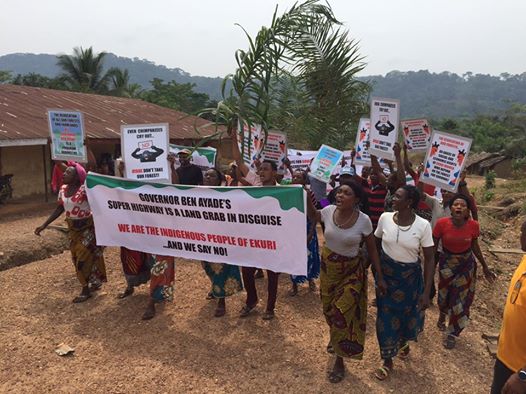
It first began in 2016, when the then-government of Cross River announced plans to build a six-lane, 260-kilometre superhighway that would link a port in the capital city of Calabar to neighbouring Benue State in the North-Central region of Nigeria.

This $3.5 billion project was to cut through some protected parts of the Ekuri forest and the National Park.

But the locals protested. Their protest, backed by international support from NGOs like the Wildlife Conservation Society, caused a short respite, even though some significant parts of the forest had already been destroyed. 

Things took a more downward turn in the years that followed. Several unauthorised logging companies sneaked into the forest to cut down timber.  

Ezemac International Company Limited, a Nigerian logging company, has been accused severally by the Ekuri people of logging timbers in large quantities from the forest without the approval of the Ekuri elders.

Ezenwa Igwe, Chief Executive Officer of Ezemac International Nigeria Limited, claimed that the state government and the Forestry Commission were aware of his logging activities because of an existing agreement. 

But Ekuri elders have refuted his claim, noting that partnering with the government without their permission is stealing. 

“There’s only so much we can do by ourselves. This is why we need the support of the government,” said Abel Egbe, clan head of New Ekuri, in an interview with this reporter.

The global timber market is valued at $58.96 billion (N84.67 trillion at N1,436 per $), fueling investors’ thirst to tap into its gains. A key raw material in the construction industry, furniture making, and charcoal production, and is highly sought after across the world. 

Egbe says conservation is a culture for any person from the Ekuri community. It is that culture that has over 20 young men giving their time, resources, and lives in the forefront of the community’s fight against illegal loggers without any form of remuneration, except occasional stipends from village elders and NGOs.

“The reason we are doing all we can to protect the forest is because we want our children and generations after them to see this forest. We want them to know that conservation is possible. Protecting what God gave us is important,” Egbe added, hope laced in his every word. 

Hope appears to be the only thing that is keeping the flame of their conservatism alive. 

Rangers at the forefront of the fight

From the moment they turn into young men, Ekuri boys are recruited into the Ecoguard squad, where they offer voluntary service in addition to their daily job, which is mainly farming of different crops like cocoa, vegetables, and plantain.

When Olory joined the Ecoguards, it was borne out of love for his people, their shared passion for protecting the Ekuri forest, and his desire to give back to a community that had helped raise him. 

That decision that began when he was 20 years old has cost him many sleepless nights spent keeping watch inside the most protected parts of the forest that are often targeted by loggers who sneak in from neighbouring communities. 

He has had to settle quarrels with his wife, who sometimes does not understand why he risks his life for what does not bring his family money. 

But Olory believes that one day his labour will be worth it. “I have hope that I’ll get rewards for my work someday, as more people take an interest in what we are doing, I believe the story will change for us,” he said.

For Friday Ettah, a 41-year-old Ecoguard who has spent more than 25 years with the ranger squad, it is the beauty of the forest that keeps him committed to protecting it, even though the work comes with no financial compensation.

Ettah, who is also a cocoa and plantain farmer, adds that he sees his involvement in the Ecoguard as a form of giving back to a community that has contributed to his farming journey. 

“Protecting the forest is a form of giving back to the community. I’m able to be a cocoa farmer because of the kindness of the village that gave me land. So what I do in the Ecoguard is a form of community service,” he said. 

These rangers walk long distances inside the forest to ensure that it is safe from poachers.

“We trek for long hours inside the forest. Sometimes we stay inside it for days without food. If only we had motorbikes and some form of communication gadgets to ease our interaction,” said Joseph Okey, a 28-year-old Ecoguard, as he showed off a small machete in his hand. 

The machete is the rangers’ only form of protection against poachers who enter the forest with better weapons.

The journey has not been easy, he says. “Sometimes we contribute money amongst ourselves just so we can have something to eat while on our patrol duty.”

Their lack of better arms holds them back in the face of threats from youths of neighbouring communities and in some cases construction companies, who enter the forest heavily armed to steal timber. 

“Because we are not well armed, we try to be careful when dealing with poachers. We usually approach them with caution.”

Globally, efforts to protect biodiversity are met with mixed reception, lack of knowledge, and poor funding. In Nigeria, the reception is extremely poor as not many people understand the concept of conservation. 

Stella Egbe, a senior conservation manager at the Nigerian Conservation Foundation, said conservative efforts are often seen in terms of quick returns, so “people are mostly not compelled to fund it”.

According to the World Bank, Indigenous peoples like the Ekuri community, who belong to the indigenous Nkokoli tribe, represent about six percent of the global population. They are crucial stakeholders and rights holders in the conservation and sustainable management of biodiversity. 

They also manage over 38 million square kilometres of land globally, which includes nearly 40 percent of all protected areas.

A recent report from Global Witness, an international NGO involved with natural resource exploitation investigations, highlighted a staggering 146 cases of homicides and kidnappings in 2024 alone, an average of three people killed or disappeared each week. 

Many of these incidents targeted individuals defending their lands against extractive industries such as logging and mining, with one-third of the victims being Indigenous peoples.

An NGO’s resilience back rangers fight 

Martins Egot, executive director of Panacea for Developmental and Infrastructural Challenges for Africa (PADIC-Africa), an NGO that oversees the affairs of the Ekuri forest, said the government has turned a blind eye to the efforts of the community, and this is taking a huge toll on them. 

“It’s a very terrible situation that we find ourselves here. We are struggling between people who are in support of conservation and those who want to make immediate gains for themselves and their families,” he said in a telephone interview. 

Egot, who is also the head of the Ecoguard squad, says he is forced to use personal funds for the welfare of the rangers. “It cost us millions to keep the Ecoguards working. It costs money to get them uniform kits, equipment, and meet their daily needs, especially when they have to spend days inside the forest.”

Although he revealed that they sometimes receive funding support from other NGOs, it is still not enough. 

“I dream that something good can happen for them because they still need more training on surveillance and patrol,” he said. 

Egot’s NGO has also actively engaged in capacity-building exercises. This has included providing training to community development groups and community-based enterprises, conducting research to better understand the challenges facing the Ekuri community, and offering community leadership training.

A state blessed by resources, divided by weak policies

Over 60 percent of Cross River is covered by natural forest, making it the only Nigerian state with so much forest cover. It is also one of the 25 biodiversity hotspots in the world. Despite this, weak policies around illegal deforestation are stripping its forest cover. 

There are no strict measures around forest preservation in Nigeria, which allows for unauthorised encroachment of conservation sites. Several policies by different governors have been declared over the years, but they are not effective enough to bring defaulters to a halt. 

For instance, according to the Cross River State Forestry Law and Regulations Act 2011, any illegally sawn wood across the state is considered an offence and will be seized. Also, all registration of forestry-related activities, such as timber and non-timber permits and farmers’ access into forest reserves, are to be reported to the Cross River State Forestry Commission for compliance. 

Despite these laid down regulations, between 2001 and 2024, the state has lost an average of 83 percent of its forests to illegal deforestation, data from Global Forest Watch shows. 

Data from Cross River State’s 2025 budget shows that N1.60 billion was allocated to the Forestry Commission in 2025, more than threefold higher than the N465.96 million allocated in 2024. 

However, “Ekuri has never received any form of government support,” said Louis Agbor, a board member of the Ekuri Initiative, raising questions about budgetary utilisation.

Attempts to contact the Cross River Forestry Commission through its website were not successful during the time of this investigation. Also, attempts to reach the Cross River Ministry of Environment through social media messaging received no response. 

An untapped opportunity awaits

In 2024, tourism accounted for 10 percent of the global economy, contributing $10.9 trillion to global gross domestic product (GDP) in the period. 

The sector supports 357 million jobs worldwide, approximately one in every 10 jobs, highlighting its central role in the labour market. 

With better financing and acknowledgement of Ekuri’s conservative efforts, the forest has the potential to become like the Lekki Conservation in Lagos, create jobs, and boost Cross River and Nigeria’s tourism economy. 

And according to the World Bank, tourism can expand markets for existing and new services that directly affect poor and isolated communities. 

Although there is no forthcoming help in sight, the men in the Ekuri rangers squad hold on to hope that someday their conservation efforts will be rewarded. They possess passion and grit for a job that tugs almost aggressively at the helm of their pockets and family relationships.

By Feyishola Jaiyesimi

This story was produced as part of Dataphyte Foundation’s Biodiversity Media Initiative project, with support from Internews’ Earth Journalism Network
NCDMB partners Renaissance, First E&P to launch Nigerian Engineering Olympiad

0

The Nigerian Content Development and Monitoring Board (NCDMB), in partnership with Renaissance Africa Energy Company Limited and First Exploration & Petroleum Development Company Limited (First E&P) recently launched the Nigerian Engineering Olympiad (NEO), an engineering competition aimed at addressing at inspiring engineering students to develop innovative projects that will solve societal problems.

The project is championed by Enactus Nigeria and has the Nigerian Society of Engineers (NSE) as key partner.

Explaining the concept, Country Director of Enactus Nigeria, Michael Ajayi, stated that the Nigerian Engineering Olympiad would inspire final-year and postgraduate engineering students to envision and build a self-reliant Nigeria driven by knowledge, innovation, and collaboration.

NCDMB
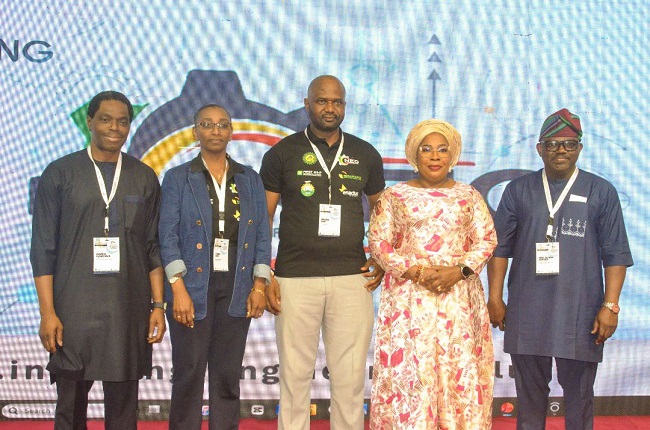
Officials at the launch the Nigerian Engineering Olympiad (NEO)

“The Nigerian Engineering Olympiad embodies our belief that innovation must be nurtured where it begins, in the minds of young engineers,” he said, adding that “by connecting academic creativity with industry realities, NEO provides the bridge that transforms knowledge into impact, and ideas into enterprise.”

In his remarks the Executive Secretary of NCDMB, Felix Omatsola Ogbe, said the programme’s theme, “Inspiring Engineering Solutions,” aligns perfectly with President Bola Ahmed Tinubu’s “Nigeria First” policy.

Ogbe highlighted that, despite Nigeria’s large population offering immense potential, the engineering sector continues to grapple with a critical skills gap. He noted a negligible percentage of engineering graduates are considered industry-ready upon graduation. He warned that this deficit has far-reaching implications, including a shortage of competent local engineers, over-reliance on expatriates, and an accelerating brain drain.

Represented by the Director of Capacity Building, Abayomi Bamidele, the NCDMB boss explained that the Olympiad complements the agency’s human capacity development initiatives, which have trained young Nigerians in petroleum engineering, digital technology, robotics, and other advanced fields.

“Our goal is to institutionalise an annual national platform that identifies, nurtures, and supports exceptional engineering talent while connecting participants to industry mentorship and commercialisation pathways,” he stated.

He added that the Board is equally committed to strengthening entrepreneurial and leadership skills to enable young engineers to thrive in the workforce or launch technology-driven enterprises.

The Minister of Youth Development, Mr. Ayodele Olawande, who was represented by Ms. Ebiho Agun, described the creativity and ingenuity of Nigerian youth as one of the country’s greatest assets in a world increasingly driven by science, innovation, and problem-solving. She noted that the Olympiad provides a vital platform for young Nigerians to expand their imagination, deepen technical expertise, and showcase excellence both locally and internationally.

Addressing the students as “the heartbeat of Nigeria’s future,” she urged participants to view the competition as an opportunity for learning, discovery, and career advancement, while reaffirming the Ministry’s commitment to expanding programmes that foster youth creativity, skills development, and mentorship.

The General Manager, Integrated Gas at First E&P, Yetunde Taiwo, said the company’s participation reflects its core values of nurturing talent, innovation, and entrepreneurship. While First E&P has long supported education at the secondary-school level, she explained, the Olympiad offers a unique opportunity to engage university-level engineering students and expose them to real-world industry challenges.

Expressing concern over the growing brain drain, Taiwo noted that many graduates emigrate due to limited opportunities to apply their skills locally, she emphasised that initiatives like the Olympiad, supported by strong government-industry collaboration, can create sustainable career pathways, help retain talent, and reassure young engineers that viable opportunities exist within Nigeria’s energy sector.

The Executive Vice Chairman of the National Agency for Science and Engineering Infrastructure (NASENI), Mr. Khalil Suleiman Halilu, represented by Amino Hamisu, hailed the Olympiad as a landmark step toward strengthening engineering excellence and advancing national technological development.

In her keynote address, the President of the Nigerian Society of Engineers (NSE), Margaret Aina Ogunsola, described the Olympiad as a “watershed moment” in bridging the gap between academia and industry. She called it a national innovation incubator designed to transform final-year engineering projects into commercially viable products through structured mentorship, prototype development, and intellectual property support. She confirmed that NSE will provide expert guidance to ensure students’ innovations meet global standards.

Africa G20: Let fossil fuels power our industrial future – African Energy Chamber

0

Ahead of the G20 Summit in Johannesburg, the African Energy Chamber calls for renewed global investment in African oil and gas to drive industrialisation, energy access and regional prosperity

As the G20 convenes in Johannesburg, the African Energy Chamber (AEC) calls for a fundamental reorientation of global energy policy – one that places African fossil fuels at the center of energy security, industrial growth and poverty alleviation. For too long, policies rooted in ideology have sidelined our continent’s vast energy potential. The time has come to “drill, baby, drill” – responsibly, strategically and to meet the energy needs of hundreds of millions of Africans who still live in darkness.

G20
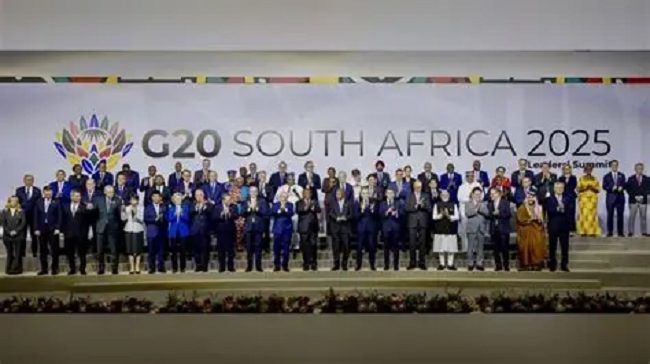
G20 Summit, South Africa

Africa holds enormous upstream potential. The AEC’s 2026 Outlook projects oil and gas production to reach 11.4 million barrels per day (bpd) by 2026, growing toward 13.6 million bpd by 2030 as exploration gains momentum in frontier basins. Africa is expected to account for roughly $41 billion in global upstream capital expenditure by 2026, driven by major projects in Mozambique, Angola and Nigeria. Licensing rounds underway or planned into 2026 – across mature markets such as Angola, Nigeria, the Republic of Congo, Equatorial Guinea, Libya and Egypt, as well as emerging frontiers including Namibia, Sierra Leone, Tanzania and South Africa – continue to attract explorers seeking new opportunities.

With proven gas reserves exceeding 620 trillion cubic feet, Africa is a critical supplier for both global gas markets and domestic energy development. Mozambique hosts multiple major LNG projects in its offshore Rovuma Basin, Senegal is advancing Phase 2 of the Greater Tortue Ahmeyim project alongside Yaakar-Teranga, and Equatorial Guinea continues to develop its regional Gas Mega Hub, connecting stranded fields to onshore gas-processing infrastructure. Libya’s re-emergence as a stable and attractive upstream environment has attracted the return of major international players.

Meanwhile, Uganda and Tanzania are progressing with the East African Crude Oil Pipeline, reflecting a regional commitment to integrated infrastructure and long-term production. In South Africa, coal remains central to energy security, even as the country pursues gas exploration and investment to complement industrial growth.

Speaking at the G20 Africa Energy Investment Forum in Johannesburg last Friday, South Africa’s Minister of Mineral and Petroleum Resources Gwede Mantashe emphasised the country’s approach: “Drill, baby, drill. We have no legal restriction on oil and gas exploration and exploitation in South Africa. If we make a breakthrough on oil and gas, our GDP will grow exponentially. Our people will never breathe fresh air in darkness.” His remarks underscore that unlocking South Africa’s fossil-fuel potential is critical not just for energy access, but for industrial development, job creation and national economic growth.

Yet despite this massive potential, restrictive global financing frameworks threaten to choke off investment where it is needed most. The World Bank’s fossil-fuel lending ban and risk-averse policies by many Western banks risk sidelining projects just as the continent requires them to support industrial clusters, domestic electrification and gas infrastructure. Restoring capital flows is a once‑in-a-generation opportunity: it will allow Africa to harness its natural resources to lift millions out of energy poverty, drive industrialization and secure its energy future, all while strengthening global energy security.

Exploration must accelerate, as it remains the cornerstone of Africa’s energy future. New upstream investment is essential for powering industrial growth, and natural gas must serve as the backbone of this transformation. The G20 should champion financing for exploration rather than penalize it, because neglecting gas condemns millions to continued energy poverty.

Around 600 million Africans currently lack electricity, while 900 million have no access to clean cooking solutions. Gas is not merely a transitional fuel – it is a lifeline for industrialization, domestic energy access and economic development. Strategic investment in gas can unlock power for cities, factories and households alike, bridging the continent to a cleaner, more productive future.

The Chamber applauds the United States for its landmark $4.5 billion financing commitment to Mozambique’s LNG project, demonstrating that G20 nations can invest in African fossil fuels responsibly and profitably. This investment proves that upstream and gas projects can deliver long-term economic growth, energy access and industrialization across Africa. Yet far more financing at this scale is urgently needed to unlock the continent’s full energy potential.

The International Energy Agency must reset its projections. Current forecasts undervalue Africa’s hydrocarbon resources and ignore the role gas can play in driving energy access, job creation and industrial capacity. The persistent stigmatisation of fossil fuels must end. Transition rhetoric alone is insufficient: meaningful action requires aligned funding, supportive policy and genuine respect for Africa’s energy priorities.

The Chamber also applauds U.S. Secretary of Energy Chris Wright’s support for LPG and clean-cooking solutions as a practical, scalable method to improve energy access. The G20 has rightly recognised LPG as a key priority area for Africa, highlighting its potential to provide immediate, reliable energy for millions of households.

But clean cooking is only one piece of the puzzle. Much more needs to be done to unlock Africa’s full energy potential. The continent deserves a comprehensive energy mix: LPG, gas-to-power, modular GTL, and large-scale natural gas development, all working together to drive industrialisation, power cities and support sustainable economic growth.

African governments are ready. Countries from Angola to Egypt, Nigeria to Senegal, and Libya to Mozambique are implementing reforms to attract capital through licensing rounds, stable fiscal terms and pragmatic regulation. We stand prepared to deliver enabling environments: local content development, cross-border infrastructure, and strategic partnerships to support long-term growth. But we need capital; we need technology; and we need a global financial system that supports development, not punishes it.

We reject calls to phase out fossil fuels under the guise of climate virtue, which only threatens Africa’s prosperity and keeps millions locked in energy poverty. Instead, we demand a just energy future powered by African resources, built by African workers and delivering tangible benefits to communities.

We call on the G20 to make fossil-fuel development a central pillar of its Africa policy, unlocking financing, dismantling ideological barriers, promoting exploration and investing in the gas infrastructure that will energise homes, industries and economies across the continent.

Lagos planners resolve to reduce building approval deficit

0

Town Planners in the employment of the Lagos State Government, under the auspices of the Ministry of Physical Planning and Urban Development, have reaffirmed their determination to reduce the persistent building approval deficit across the State through improved coordination, strengthened enforcement, enhanced staffing, and a fully digital, technology-driven planning framework.

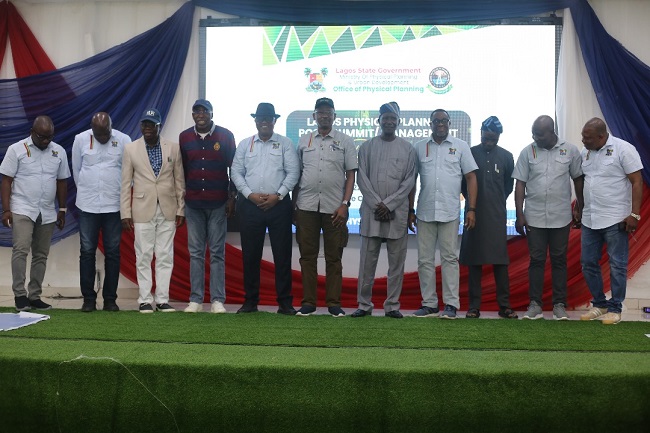
This resolution was reached at the Lagos State Physical Planning Post-Summit/Management Retreat, held recently at Jubilee Chalets, Epe, where officials from relevant Ministries, Departments and Agencies (MDAs), professionals and stakeholders met to evaluate progress made since the 2024 Lagos Physical Planning Summit and agree on sustainable planning strategies for Africa’s largest megacity.

Lagos
Dignitaries at the Lagos State Physical Planning Post-Summit/Management Retreat at Epe

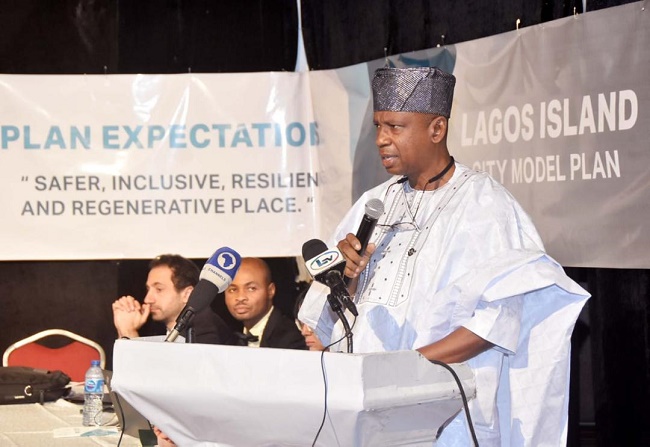
In his address to participants, the Deputy Governor of Lagos State, Dr. Kadri Obafemi Hamzat, underscored the central role of proper land-use planning in the economic prosperity, safety, and liveability of the state.

“Proper land planning is fundamental to the success of Lagos State. Citizens and developers must adhere strictly to planning regulations, while the government must ensure that its processes are transparent, fair, and efficient. We must balance vertical developments, especially along high streets, with less vertical ones on inner streets to optimise our limited land resources while preserving tradition,” the Deputy Governor stated.

He further directed that the databases of all planning-related MDAs be linked to facilitate seamless processing of development applications and improve public confidence in the planning system.

Earlier, the Commissioner for Physical Planning and Urban Development,Dr. Oluyinka Olumide, who described the retreat as a turning point for strengthening Lagos planning systems to meet the realities of rapid urbanisation and set a new benchmark for urban governance in the country, said that approval deficit was both a governance and safety concern that must be urgently addressed.

“The building approval deficit in Lagos State is not just a statistical problem; it is a development and public safety issue. This retreat marks a renewed commitment by all professionals in the system to remove bottlenecks, simplify procedures, embrace digital tools, and ensure that development is carried out strictly within the framework of the law,” he said.

He added that the Ministry would continue to strengthen regulatory institutions, invest in innovation, and improve service delivery through ongoing reforms.

The Permanent Secretary, Office of Physical Planning, Olumide Sotire, in presenting the harmonised deliverables to the Deputy Governor, emphasised the importance of data integration and institutional realignment, saying that the State was progressively repositioning its planning institutions to become more proactive, coordinated and technology-driven as the adoption of Spatial Data Infrastructure (SDI), the Lagos Land Use Classification System and the interlinking of MDA platforms would significantly reduce turnaround time and improve efficiency.

A notable highlight of the retreat was the presence and active participation of former Commissioners and former Permanent Secretaries of the Ministry, including Toyin Ayinde, Francisco Abosede, Idris Salako and Ayodele Adediran, whose contributions enriched deliberations and strengthened institutional memory. Their guidance reinforced the importance of continuity, policy consistency, and long-term vision in strengthening physical planning governance in Lagos State.

Participants, including the President Real Estate Devlopers Association of Nigeria (REDAN), Bamidele Onalaja, identified key challenges hampering effective planning, including inadequate staffing, outdated base maps, institutional overlaps, and poor public trust, which were acknowledged as major contributors to the approval backlog and unregulated developments.

Key resolutions from the retreat include full operationalisation of the Electronic Planning Permit System, restoration and modernisation of the LPPS Portal, state-wide adoption of Spatial Data Infrastructure (SDI), and fast-tracking the Lagos Land Use Classification System (208 digitally coded categories

Others are the recruitment of additional technical personnel across planning MDAs, establishment of more technical Departments in the Office of Physical Planning, and strengthening inter-agency collaboration within the Ministry, as well as Intensifying public sensitisation on the importance of obtaining planning approvals.

COP30: Kaduna women farmers lament exclusion as WISE, AWID amplify voices

0

As world leaders, diplomats and climate negotiators discussed at COP30 in Belém, Brazil, women on the frontlines of climate change in Nigeria say their realities, struggles and solutions remain missing from the global climate table.

The 2025 United Nations Climate Change Conference, also known as the Conference of the Parties to the UNFCCC (COP30), is the 30th session of the United Nations Climate Change Conference.

COP, held annually, is where the world comes together to agree on the actions to address the climate crisis, such as limiting the global temperature rise to 1.5 degrees Celsius, helping vulnerable communities adapt to the effects of climate change, and achieving net-zero emissions by 2050.

Farm visit
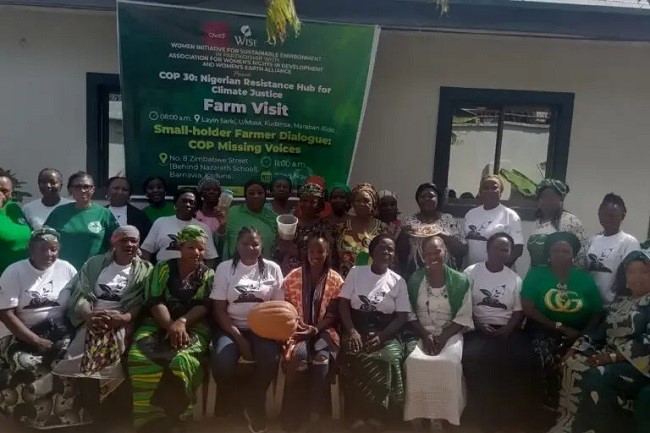
Participants at the farm visit

It was held at the Hangar Convention Centre in Belém, Brazil, from November 10 to 21, 2025.

Mrs. Olanike Olugboji-Daramola, the Founder and Executive Director of Women Initiative for Sustainable Environment (WISE), said her organisation had spent more than 20 years advancing constructive environmental ideals and strengthening women and girls to become natural resource managers, climate actors and peacebuilders.

At a farm visit and small-holder farmer dialogue organised on Saturday, November 22, 2025, in Kaduna by WISE, Olugboji-Daramola said it was troubling that those most affected by climate impacts are the least represented at major climate negotiations.

She said it was unfortunate that many rural women farmers whose livelihoods are the most disrupted by climate change were unaware that high-level climate meetings determining their futures take place annually across the world.

The founder added that the ongoing COP30 should have been a platform where women living with the daily consequences of climate change could speak for themselves, lamenting that the process had been “hijacked by big players and big corporations.”

Olugboji-Daramola said the space had increasingly become a jamboree for people with no real connection to grassroots climate realities, while women who endure extreme weather conditions, crop failure, poor yields, land loss and livelihood threats remain shut out.

She said WISE was therefore creating local spaces where women could understand global processes, articulate thei0r challenges and move from focusing on burdens to showcasing their brilliance and leadership.

The activist added that the organisation’s regenerative agriculture accelerator was helping women farmers return to organic farming practices that restore biodiversity and improve soil health.

She also said that the WISE Women Clean Cooking Training and Entrepreneurship Project had produced over 2,000 clean cooking entrepreneurs across Nigeria, including one woman from the pilot training who has become one of the country’s leading producers of energy-efficient cookstoves.

Also at the event was Joanne Kuria of the Association of Women’s Rights in Development (AWID), Kenya, who said she was visiting Nigeria for the first time to collaborate with WISE in creating alternative, people-centred climate spaces on the sidelines of COP30.

Kuria said although negotiations are taking place in Brazil, the real climate stories are unfolding in African communities where women farmers are struggling with harsher temperatures, disrupted rainfall patterns, deforestation, and shrinking farmlands.

She said the stories she heard in Kaduna were almost identical to those in Kenya, noting that African women farmers experience the same climate stresses and the same barriers to land ownership and decision-making.

She emphasised the urgent need for African women to build collective solidarity and go to global climate tables with one voice, insisting that the continent’s climate experiences and gendered impacts must be reflected in global decisions.

Rural women farmers at the gathering expressed deep frustration at being excluded from global platforms and denied opportunities to directly share their experiences.

Hajiya Asibi Hassan, Chairperson of the Sabon Gari Peace Women Multipurpose Cooperative Society, said she cultivated one hectare of beans this year and expected to harvest between seven and 10 bags, but thieves stole her entire produce.

She said if she had the opportunity to attend COP30, she would speak about insecurity, land rights, and the multiple burdens rural women face in sustaining food production.

Hassan said what troubles her most was the systemic denial of women’s right to own vast farmland in rural areas.

She said women are hardworking and capable, but cultural and structural restrictions limit their ability to farm on a larger scale.

Hassan said mechanised farming could help women achieve results equal to or better than men, but support remains inadequate.

She added that late rainfall and early cessation this year drastically reduced crop yields, and she would have used a COP platform to advise women to engage in timely cultivation, adopt soil practices that preserve moisture, and prioritise crops suited to changing climatic conditions.

She urged the Nigerian government to partner with grassroots NGOs to reach rural women with climate awareness and adaptation strategies.

Hassan also called for the return of monthly sanitation to ensure clearance of water channels, and the sanctioning or relocation of individuals who build on waterways.

Another farmer, Juliana Turaki, leader of the Gonin Gora Women Multi-Purpose Cooperative Society, said she would, if given the opportunity, use the COP platform to insist that the experiences of rural women must be prioritised in global climate decisions.

She said rural women face severe challenges when seeking farmlands, as they are often restricted to small plots, while men are given priority access.

Turaki stated that inheritance practices overwhelmingly favour male children, leaving women without land rights unless they have the resources to buy land.

She said women should be recognised as full agricultural actors and allowed to own land or be considered fairly during inheritance.

She said giving women access to land would significantly reduce their suffering and strengthen food security in rural communities already struggling with climate change.

Other women at the dialogue said the stories in Kaduna showed the urgent need to rethink climate representation and ensure that global decisions reflect the realities of those experiencing climate shocks directly.

They said while negotiations continued in Brazil, the real test of climate justice lies in amplifying their voices as grassroots women farmers and ensuring they are not left behind in designing local and global solutions.

By Sani Idris Abdulrahman

COP30: Tropical forest forever facility will tackle carbon emissions – UNEP

0

The United Nations Environment Programme (UNEP) says the recently launched Tropical Forest Forever Facility (TFFF) will cut methane emissions.

‎This is contained in a statement issued on Sunday, November 23, 2025, by the UNEP Executive Director, Mrs. Inger Andersen, on the closing of the 30th Conference of Parties in Belem, Brazil.

According to her, TFFF now stands at $6.7 billion and pursues rapid, high-impact measures such as cutting methane emissions.

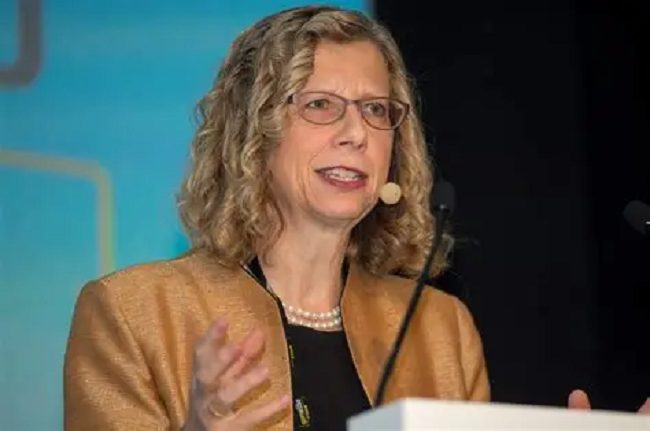
Inger Andersen
Inger Andersen, executive director of the United Nations Environment Programme (UNEP)

“The Action Agenda, the foundation to such an inclusive COP from the Brazil Presidency, saw unprecedented Indigenous Peoples leadership from the Amazon and across the world.

“This reinforced momentum is coming from all sources, including businesses, cities and regions, local communities, civil society, women, people of African descent, youth, and many more.

‎”UNEP will continue our work to support all partners who deliver the promise of the Paris Agreement, for people and for the planet,” Andersen said.

‎She explained that the talks in Belém had shown that the Paris Agreement is working and delivering results, including a call to triple adaptation finance by 2035.

‎”A Just transition mechanism to ensure the emerging green economy benefits everyone, and new dialogues on how trade can support climate-resilient economic transformation and how to integrate the protection of mountains into climate policy.

‎”UNEP science and data reinforce the significant size of the challenge ahead, but equally reinforces proven solutions exist and a pathway remains to meet our global commitments.

“No one is saying this will be easy or we are on track. We must do much more, move much faster, and stretch our collective ambition even further,” Andersen said.

‎According to her, countries should see their new national climate plans as a baseline to build on, not a ceiling for ambition.

“Keeping 1.5°C within reach requires an accelerating  era of implementation at an unprecedented rate to deliver the benefits people deserve- affordable clean energy, good jobs, clean air, and a safer, more resilient future for all.

‎”And as escalating climate impacts continue to spare no nation, we have to better finance, implement and prioritise adaptation efforts.

“But COP30 also reinforced the growing global momentum, both in and outside of the negotiating halls, to transition away from fossil fuels as agreed in Dubai at COP28, halt deforestation,” Anderson said.

By Gabriel Agbeja

NNPC declares ₦5.4tr profit after tax

0

NNPC Limited has announced its financial performance for the full year ended 2024, reporting a Profit After Tax of ₦5.4 trillion on revenue of ₦45.1 trillion. The results, shared during its earnings call with analysts, underscore a year of strong operational delivery.

Building on this performance, the Company unveiled its strategic roadmap to drive sustained growth and support Nigeria’s energy transition through 2030. The plan prioritises increased oil and gas production and outlines a $60 billion investment pipeline across the energy value chain.

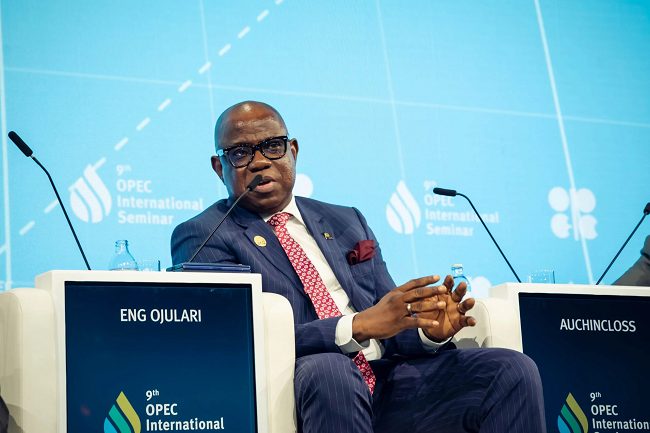
Bayo Ojulari
Bayo Ojulari, GCEO, National Petroleum Company (NNPC) Limited

2024 Financial Highlights

NNPC Limited’s results demonstrate strengthened financial resilience and enhanced operational efficiency:

  • Revenue: ₦45.1 Trillion, 88% year-on-year growth
  • Profit After Tax: ₦5.4 Trillion, 64% year-on-year growth
  • Earnings Per Share: ₦27.07, 64% year-on-year growth

“The earnings highlight the positive momentum of our ongoing transformation and the unwavering commitment of our workforce,” said Bashir Bayo Ojulari, Group Chief Executive Officer. “They offer a solid foundation for the ambitious growth ahead, in line with President Bola Ahmed Tinubu’s mandate, and reaffirm our commitment to delivering value to Nigerians.”

A Roadmap for Sustained Growth and Energy Security

NNPC Limited is accelerating investments across upstream operations, gas infrastructure, and clean energy to extend growth into the next decade. Key strategic targets include:

  • Increasing crude oil production to 2 million barrels per day (bpd) by 2027 and 3 million bpd by 2030.
  • Growing natural gas production to 10 bcf/d by 2027 and 12 bcf/d by 2030 and completing major gas infrastructure projects such as Ajaokuta-Kaduna-Kano (AKK), Escravos-Lagos Pipeline System (ELPS) and Obiafu-Obrikom-Oben (OB3) pipelines to strengthen domestic supply and regional integration.
  • Mobilising $60 billion in investments across the upstream, midstream, and downstream sectors by 2030.

“Our transformation is anchored on transparency, innovation, and disciplined growth,” Ojulari added. “We are positioning NNPC Limited as a globally competitive energy company capable of delivering sustainable returns while powering the future of Nigeria and Africa.”

NNPC Limited is Nigeria’s leading oil and gas company. Founded in 1977, the organisation underwent a major transformation in July 2022, becoming a fully commercial and profit-driven entity under the Petroleum Industry Act (PIA) of 2021. NNPC Limited plays a pivotal role across the entire oil and gas value chain, from exploration and production to refining and distribution, driving growth and energy security for Nigeria and the continent.

Group launches moot trial on environmental justice, climate impact litigation

0

The Network of University Legal Aid Institutions (NULAI) Nigeria, on Monday, November 24, 2025, flagged off a National Moot Trial Competition on Environmental Justice and Climate Impact Litigation (EJCIL).

The group said that the launch is expedient, following climate change and worsening environmental challenges in Nigeria.

The inaugural competition is tagged: “Historical Wrongs and Contemporary Remedies.”

Obololi spill
Obololi spill site

It was initiated by the International Working Group on Petroleum Pollution and Just Transition in the Niger Delta (IWG).

Speaking at the event, a founding member of the IWG, Prof. Engobo Emeseh of Aberystwyth University, UK, called for urgent action to tackle Nigeria’s environmental and climate crisis.

She identified years of oil pollution in the Niger Delta as well as Nigeria’s rising climate vulnerabilities and severe flooding, as being factors that have continued to deny communities access to justice.

According to her, the EJCIL moot competition will help to cultivate the next generation of lawyers.

“This will be by equipping emerging advocates with the skills and confidence to see, name, and challenge both historical and ongoing injustices against communities and the environment.

“By empowering young people to engage critically with the realities of environmental and climate justice, it strengthens the IWG’s mission to secure fair and long-term justice and accountability for the Niger Delta and beyond,” she said .

Also speaking, President of the Network of University Legal Aid Institutions (NULAI) Nigeria, Prof. Ernest Ojukwu (SAN), highlighted the importance of practical legal education.

According to him, the moot competition offers law students a unique chance to develop advocacy skills, while tackling real-world environmental and climate challenges.

He described the EJCIL initiative as timely, visionary and essential, for grooming lawyers equipped to drive justice and sustainability.

On his part, Dr. Pedi Obani of the University of Bradford, emphasised the role of young people in shaping environmental governance.

She said that the competition helps students to see the law not just as a tool for litigation, but as a means of transformation, accountability and community-focused justice.

Meanwhile, NULAI Executive Director, Mrs. Odi Lagi, said that the competition is open to undergraduate law students across the country.

She noted that it is designed to be inclusive and accessible to participants from all law faculties, regardless of curriculum differences.

According to her, the event comes at a critical time, when environmental and human rights issues are becoming central to global justice efforts.

The event was organised in collaboration with Gender Inclusive Climate Change Governance Initiative (GENCGOC), Human and Environmental Development Agenda (HEDA), NULAI, University of Bradford (UK), Aberystwyth University (UK) and Leigh Day (UK).

By Naomi Sharang

China’s traditional medicine industry driving global pangolin poaching – EIA

0

China’s legal domestic market for pangolin medicine products is a key driver of the global illegal trade and poaching of pangolins, a new briefing from the London-based Environmental Investigation Agency (EIA) demonstrates.

A View from the Courts – The illegal trade of pangolins in China analyses 169 Chinese court judgments involving pangolins from 2014 to June 2024, accessed through the China Judgments Online database

The judgments document the illegal trade of at least 42.7 tonnes of pangolin scales and 5,465 whole pangolins across 139 instances.

pangolins
The Pangolin. Pangolins are believed to be the world’s most trafficked mammals

All eight recognised species of pangolins were recorded in illegal trade in China, with Sunda, giant and white-bellied pangolins figuring highest in terms of instances of illegal trade where species identification was provided.

African species were seized more frequently and in higher volumes of weight than Asian species.

All eight recognised species of pangolin face high risks of extinction, with the primary threats to their survival being poaching and trade in their meat, body parts and scales.

EIA Wildlife Campaigner, Erin Chong, said: “Although our analysis of the judgments shows that Chinese authorities appear to have advanced capabilities for the investigation and prosecution of pangolin crime and that the judiciary has also played an important role in combating it, there’s no escaping the clear connection between the country’s domestic trade in pangolins for traditional Chinese medicine and the high levels of international trafficking of pangolin specimens.

“As the 20th meeting of the Conference of the Parties (CoP20) to the Convention on International Trade in Endangered Species (CITES) gets under way in Uzbekistan this week, we strongly urge China to close its legal domestic market for pangolin medicine products and conduct targeted, evidence-led campaigns to reduce demand for pangolin specimens, in line with CITES recommendations.

“Given the huge size of the trade, we also recommend that CITES Standing Committee examines whether the contribution of this legal market to the global illegal trade of pangolins deserves attention as a compliance matter affecting the implementation of the Convention.”

A View from the Courts demonstrates that in the past decade or more, China has been the primary destination for both legal and illegal international trade of pangolins.

The judgments analysed indicate that the illegal trade of pangolins in China is both organised as well as opportunistic, with multiple judgments pointing to high levels of organisation in both the smuggling of pangolins into China as well as internal distribution within the country, which the report illustrates with examples and case studies.

Seventeen countries were involved as points of origin or transit in the smuggling of pangolin specimens, with Nigeria taking the highest position in terms of volume and Vietnam the highest for the number of smuggling incidents.

Several of the judgments provide a clear link between the smuggling and illegal trade of pangolins scales and their use for medicinal purposes in China, ranging from potentially small-scale personal use to the laundering of smuggled scales into legal supplies.

And a number of cases demonstrate the involvement of individuals, websites and companies associated with the traditional medicine business in pangolin crimes and smuggling. This includes the conviction of legal representatives and other employees of pharmaceutical companies for the illegal trade of pangolins.

COP30 delivered progress, but not justice – YAF Africa Initiative

0

Youth for Adaptation Finance (YAF) Africa Initiative, in a statement on COP30 outcome, says that Africa should not have to shoulder the escalating costs of climate impacts while receiving only a fraction of the support required to respond

The Youth for Adaptation Finance (YAF) Africa Initiative welcomes the progress made at COP30 on adaptation finance. At the same time, we must emphasise that the continent’s real needs remain far beyond what current commitments will deliver.

YAF Africa Initiative

The decision to increase adaptation finance to twice its current level by 2025 and to triple it by 2035 is a meaningful shift. For many years, adaptation has consistently received a small share of global climate finance, even though African countries face some of the most severe climate impacts anywhere in the world. The recognition of this imbalance is overdue and aligns with our call for more than doubling adaptation finance.

Despite this, the new pledges still fall short of what is required. Current estimates show that Africa needs between $52 billion and $88 billion each year by 2030 just to meet its adaptation needs. Actual finance flows are far below that range. Many African economies are already losing a significant portion of their annual growth due to droughts, floods, rising temperatures, and climate-related disruptions. In this context, the promised increase, while important, does not match the scale of the challenge.

For adaptation finance to serve its purpose, it must be transparent, predictable, and delivered in forms that do not worsen debt burdens. It must be guided by the priorities set out in national adaptation plans and other country-led processes. It must also be tracked carefully to ensure that the commitments translate into real resources reaching the communities that need them.

YAF Africa Initiative also emphasizes that young people are not passive recipients of adaptation efforts. We are active contributors who shape policies, monitor implementation, and hold decision- makers accountable. The outcomes of COP30 must create space for youth-led participation and oversight, particularly as countries move toward implementing the Global Goal on Adaptation and the New Collective Quantified Goal.

As preparations begin for COP31 and COP32, we call for a finance system that actually meets the needs on the ground, recognises Africa’s specific vulnerabilities and development priorities, and ensures that adaptation receives the attention and funding it deserves.

COP30 delivered progress, but not yet justice. Africa should not have to shoulder the escalating costs of climate impacts while receiving only a fraction of the support required to respond. YAF Africa Initiative will continue to advocate for adaptation finance that reflects the urgency of the moment and the realities of the continent.