In 2025, Lagos State showcased vibrancy in infrastructure development and relentless ambition to be a mega city, among other potential.
However, the Africa’s fifth fastest-growing sub-national economy was weighed down by some urban failures, especially poor environmental sanitation.
In spite of successes recorded by the Sanwo-Olu administration in infrastructure development, agriculture, tourism and health, housing, transport and waterfront and many other areas, heaps of refuse characterised the commercial nerve centre in 2025.
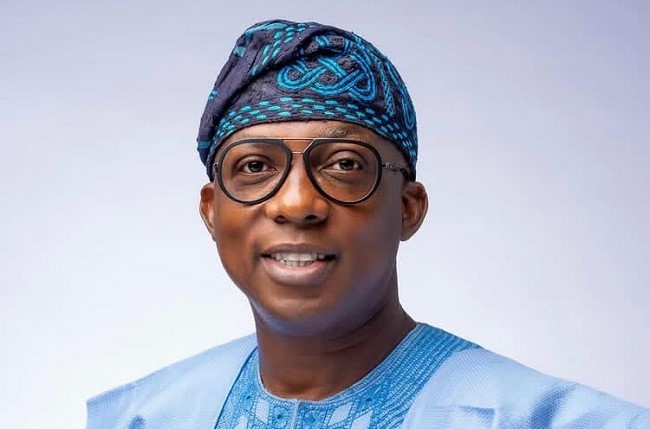
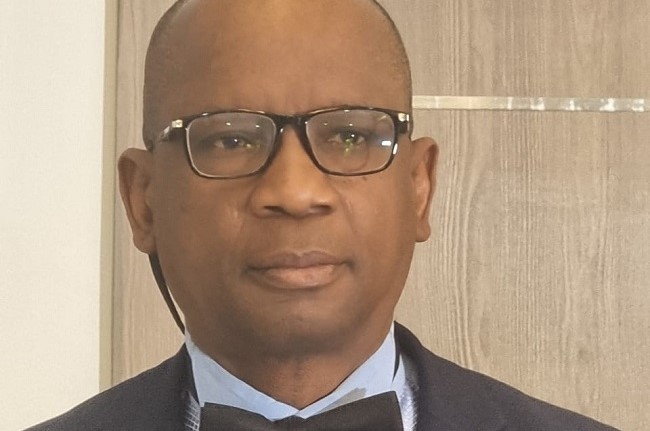
Lagos State Commissioner for the Environment and Water Resources, Tokunbo Wahab
Critics say Lagos State Ministry of the Environment and Water Resources, alongside Lagos State Waste Management Authority (LAWMA), made visible efforts in keeping Lagos clean but filth remained at the various corners of the state, frustrating its mega city moves as far as cleanliness is concerned.
On highways and inner-city roads such as Ikorodu Road, Agege Motor Road, Oshodi axis, Apapa corridor, CMS stretch, and some parts of Surulere, numerous piles of garbage and discarded waste were scattered.
By mid 2025, blocked drains repeatedly triggered flash floods at Mushin, Alimosho, Ajegunle and Lekki Phase II, with some residents expressing concern about weak enforcement and monitoring frameworks, while others blame the residents for recalcitrancy.
A teacher, Mrs. Nkechi Mba, cautioned that poor sanitation in the commercial centre could pose a health hazard, urging collective efforts in tackling it.
She appealed to Lagos residents to comply with sanitation laws and properly dispose their refuse, urging LAWMA to intensify efforts to manage waste to improve environmental sanitation.
“There should be sanitation officers checking the activities of restaurants at this point in time,” she said.
Sharing her view on Instagram, a popular content creator, Kofoworola Bamidele (Kofo_unfilterterd on Instagram), said: “Lagos deserves a cleaner, healthier environment.
“This can only be achieved through structured sanitation with regular waste collection.”
She claimed that waste collectors had not visited her community, Ayobo, in more than a month.
Bamidele called for more public education/campaigns on sanitation in schools, markets and other public places to encourage civic responsibility.
“These steps will ensure that sanitation efforts are effective, practical and sustainable.
Reacting, the Managing Director of LAWMA, Dr Muyiwa Gbadegesin, said that the authority had not relented in efforts to dispose refuse in time.
He blamed presence of heaps of refuse in some parts of Lagos on recalcitrant attitude of some residents and poor performance of some Private Sector Participation (PSP) operators.
He said that many Lagos residents failed to pay for disposal of their refuse and would not hesitate to dispose their waste indiscriminately.
“Thank you for reaching out and for sharing the photos. Those locations are being cleared routinely (daily and sometimes twice daily).
“What the pictures show is a persistent behavioural issue compounded by service gaps on those corridors.
“PSP operators assigned to parts of that axis have not performed to standard, and we are taking steps to correct that, including changing the operators where necessary.
“In addition, some residents simply don’t want to pay for waste and prefer to place their waste on road median because they know that a LAWMA truck will eventually clear it,” he said.
He gave the assurance that LAWMA was implementing strategies to tackle that issues.
“We are implementing a stop-gap arrangement with community leaders and local stakeholders to end the practice of dropping waste on the median.
“Residents will be directed to hold their waste until LAWMA-supported trucks arrive, so it can be loaded directly into the truck rather than left on the road.
“We are fabricating and deploying additional skip bins along the routes to provide proper collection points,” Gbadegesin said.
According to him, when the bins are in place, LAWMA’s waste-policing and monitoring personnel will be stationed around the points to prevent residents from dumping refuse on road medians and other wrong places, as well as ensure prompt refuse evacuation.
“Our focus this year is stronger operator accountability, better collection infrastructure on high-pressure corridors, and stricter enforcement against illegal refuse dumping so that these road medians stop becoming recurring flashpoints.
“This process will be applied to routes experiencing similar issues around the state,” Gbadegesin said.
Lagos State Commissioner for Environment and Water Resources, Mr. Tokunbo Wahab, also gave the assurance that necessary steps were being taken to address the issues.
“LAWMA and the ministry are carrying out interventions to complement the efforts of the PSP operators,” the commissioner said.
Analysts note that Lagos State has made heavy investments in waste management and introduced technology-enabled drainage mapping, urging effective implementation to close gaps.
They urge the state government to urgently evacuate heaps of refuse across the state, adequately enforce environmental sanitation laws and effectively supervise PSP operators to avoid waste management crisis and its consequences.
By Aderonke Ojediran, News Agency of Nigeria (NAN)
As Nigeria progresses deeper into the 21st century, the Marine and Blue Economy has evolved from a policy aspiration into a strategic economic pillar for diversification, food security, job creation and global maritime competitiveness.
Under the leadership of Adegboyega Oyetola as minister, the Federal Ministry of Marine and Blue Economy, established in May 2023, has made strides in policy design.
The ministry has also advanced in institutional reform and sector performance, even as key structural challenges persist.
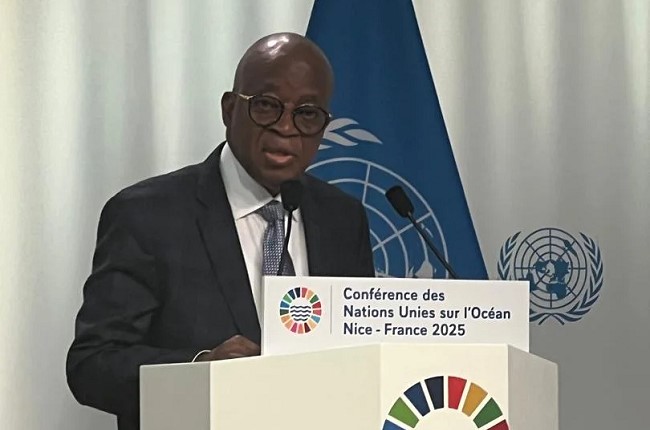
Minister of Marine and Blue Economy, Adgboyega Oyetola, addressing the United Nations Ocean Conference in Nice, France on June 10
Since its creation, the ministry has pursued the Federal Government’s agenda to unlock Nigeria’s estimated $296 billion maritime potential.
This is through sustainable ocean resource utilisation, port modernisation, coastal infrastructure and marine technology development.
A defining milestone came in 2024 when the Federal Executive Council (FEC) approved Nigeria’s first National Blue Economy Policy, providing a unified framework for fisheries, shipping, aquaculture, marine transport and ocean-based renewable energy development.
Mr. Kitack Lim, Secretary-General, International Maritime Organisation (IMO) described the policy as forward-looking and sustainable, commending Nigeria’s alignment with global maritime governance and regional development priorities.
According to the IMO, Nigeria’s maritime sector has achieved a fast-evolving measured progress in maritime security and blue economy development.
One of the most notable achievements has been Nigeria’s sustained record of zero piracy incidents in its territorial waters for over three years.
This feat is credited largely to the Nigerian Maritime Administration and Safety Agency (NIMASA) and its Deep Blue Project.
The project, coordinated under the supervision of NIMASA’s Director-General, Dr Dayo Mobereola, deploys maritime security assets, surveillance drones and coastal patrol teams that have significantly enhanced regional safety and investor confidence.
These achievements helped to position and secure Nigeria’s victory at the IMO Council, Category C, election for the 2026–2027 biennium session, reinforcing its voice in global maritime governance and international trade facilitation.
On the economic front, Nigeria’s local fish production climbed to about 1.4 million metric tonnes in 2025, up from 1.1 million tonnes in 2024, according to data from the Federal Department of Fisheries and Aquaculture.
Dr Ime Umoh, Director of Fisheries, said that the rise reflected better coordination between federal and state agencies, improved aquaculture technology and the adoption of sustainable marine farming systems supported by development partners.
However, the country still faces a fish consumption gap of about 3.6 million metric tonnes annually, requiring continued investment in fish feed production, hatchery development and small-scale aquaculture enterprises.
To boost institutional efficiency, the ministry launched the Enterprise Content Management System (ECMS) to automate workflow, enhance data management and improve transparency in service delivery.
The ECMS is a Federal Government’s initiative to be adopted by all Ministries Departments and Agencies (MDAs) to enhance swift digitalisation of the public service.
The National Assembly has also played a supportive role.
Chairman of the House Committee on Ports and Harbours, Nnolim Nnaji, confirmed ongoing legislative work on the Nigerian Port Regulatory Agency Bill to streamline overlapping mandates and strengthen competitiveness.
Stakeholders at the Nigerian Shippers’ Council (NSC) also reported massive savings of over N31 billion from port automation and data integration reforms.
They said that these have reduced leakages and improved efficiency across freight and shipping operations.
Despite the progress recorded, however, the nation’s port infrastructure remains largely outdated, with many facilities dating back more than four decades.
This contributes to cargo dwell times that exceed regional and international averages.
Dr Emeka Akabogu, a maritime lawyer and policy analyst, said that overlapping agency functions and regulatory inconsistencies in the sector continued to hinder investment and operational efficiency.
Akabogu called for a unified maritime governance framework to address regulatory fragmentation and agency overlaps in Nigeria’s maritime sector.
According to him, harmonised industry-wide maritime policy and streamlined administrative responsibilities will ensure coherence across agencies and more effective governance.
As Nigeria consolidates recent gains in maritime security, fisheries output and institutional reform, analysts note that national blue economy strategies across West Africa are shaped by differing economic priorities, resource endowments and market orientations.
According to the analysts, these set the stage for contrasting development and pathways within the subregion.
Comparatively, Ghana and Senegal have expanded export-oriented aquaculture and fish processing.
Nigeria, on the other hand, has concentrated on scaling domestic production, maritime safety and institutional reform.
Each pathway reflects different national strengths within West Africa’s blue economy.
Mr. Eugene Nweke, Head Researcher of Sea Empowerment and Research Center (SEREC) said that regional cooperation remained vital.
According to Nweke, the Gulf of Guinea Commission and ECOWAS frameworks provide platforms for shared investment, maritime security collaboration and joint environmental protection.
Dr Felicia Mogo, former IMO marine pollution consultant, emphasised the need for enhanced funding mechanisms, marine spatial planning and ocean literacy to sustain Nigeria’s current growth momentum.
Oyetola, however, insists that Nigeria’s journey “from policy to prosperity” depends on collective resolve, institutional coordination and long-term commitment across government, industry and communities.
The minister said that vision without financing remains no more than a dream.
He urged domestic and international investors to support infrastructure financing, port automation and blue economy innovation hubs.
Other maritime experts recommend incentivising private investment, accelerating deep seaport development, upgrading logistics corridors, and prioritising maritime education and research to produce a globally competitive workforce.
With Nigeria’s Marine and Blue Economy now firmly anchored in strategic planning and measurable reforms, it stands as a beacon of opportunity.
However, ts full promise will hinge on policy continuity, innovation and inclusive growth.
Mohamed Adow, Founder and Director, Power Shift Africa, regrets as “yet another ignorant and reckless act from Donald Trump” the United States’ withdrawal from the UNFCCC, the IPCC, and other global climate, trade, and scientific bodies
The US withdrawal from the UNFCCC and IPCC is yet another ignorant and reckless act from Donald Trump.
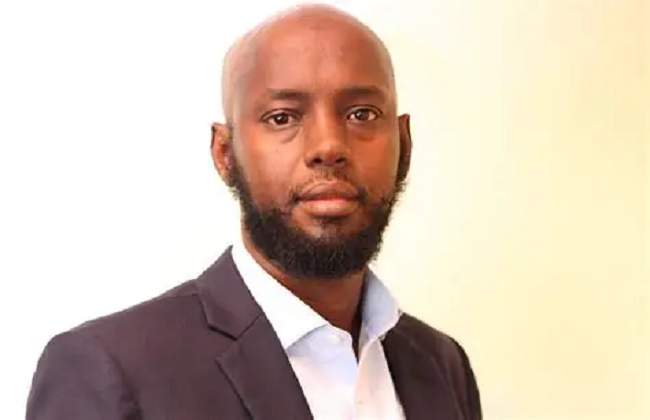
Mohamed Adow
While the US retains the right to debate and determine its own policy priorities, retreating from international climate agreements when the impacts of the climate crisis are biting harder than ever, undermines not just global solidarity, but also effective policymaking everywhere, including in Washington. Political posturing cannot alter the underlying physics of greenhouse gas accumulation, and no amount of rhetoric can extinguish wildfires, hold back floods or stop a hurricane.
Let’s be clear: this withdrawal will also harm the American people themselves. The United States faces escalating climate impacts, from catastrophic wildfires and storms to agricultural disruption and infrastructure damage. By abandoning international climate frameworks, America isolates itself from global solutions and risks being left behind as the rest of the world accelerates toward a clean energy economy that will define 21st century prosperity.
This moment, while regrettable, should serve as a clarion call for renewed unity and resolve. The climate movement is bigger than any one nation. The rest of the world, as well as cities, states and organisations within the US, must now step up with even greater determination.
African nations and the Global South will continue pushing for climate justice, demanding that wealthy polluters honour their historical responsibilities, and building the clean energy future our people deserve. We will move forward with or without American leadership, but we know that ordinary Americans, like people everywhere, deserve better than a government that turns its back on both science and their future security.
US President Donald Trump has signed an executive order withdrawing the United States from 66 international organisations (31 UN entities and 35 non-UN organisations), including the UN Framework Convention on Climate Change (UNFCCC), the 1992 treaty that underpins all global climate cooperation, and the global scientific authority Intergovernmental Panel on Climate Change (IPCC).
President Trump said that these organisations promote “radical climate policies” and global governance that “no longer serve American interests.”
While President Trump claims American taxpayers have spent billions with “little return” on global treaties and organisations, the UNFCCC’s Paris Agreement is said to have reduced projected warming by 2100 from 3.6°C to 2.7°C because of international climate cooperation.
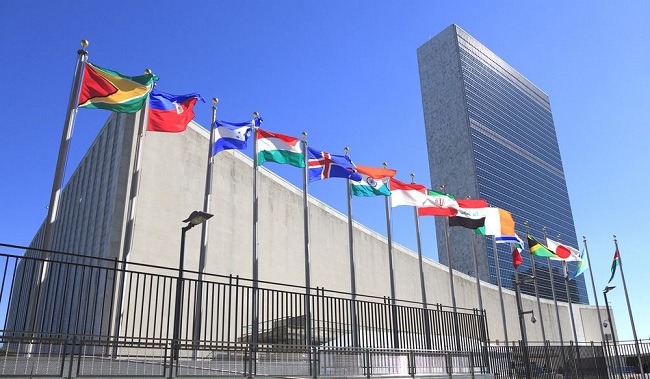
UN Headquarters, New York
According to observers, this week’s anniversary of the climate-fueled LA wildfires, which displaced 100,000 Americans from their homes, should also serve as a reminder to the US President of what climate chaos means for its own citizens.
Savio Carvalho, 350.org Managing Director for Campaigns and Networks, said: “The US is shooting itself in the foot by becoming the only country in the world unwilling to participate in humanity’s great race to save the planet and future generations. Renewable energy is fast reshaping the global economy. Walking away from the UNFCCC in a desperate attempt to cling to a dying fossil fuel era won’t bring economic strength, but weakness and isolation.
“This won’t stop us from rising up to demand that the US, the world’s largest historical emitter, fulfills its moral duty to cut its emissions and support climate-vulnerable nations. It won’t stop the more than 80 countries who showed us at COP30 that they are determined to chart a roadmap for a fossil-free future.
“President Trump cannot stop the global momentum towards clean energy and climate justice – but he is ensuring that the US loses out on billions in global climate investments and surrenders its standing as a global leader, as more businesses, governments, and frontline communities build the clean energy economy of the future.”
Fenton Lutunatabua, 350.org Programme Manager Pacific & Caribbean, said: “Global climate cooperation should not be at the mercy of the US government’s decisions, and we continue to look to our own people for true climate leadership. Despite rich nations stalling action, the Pacific has consistently championed an end to climate-destroying fossil fuels, and led the world to the historic climate ruling at the International Court of Justice.
“Now is not the time other high-polluting nations to be shirking their climate responsibilities, like the US. While those in power seek to tear the global community apart, it is more important than ever that we remain united in our fight to secure a safe and livable future for our children.”
Masayoshi Iyoda, 350.org Japan Campaigner, said: “US President Trump has crossed a line that we absolutely need to hold – not just to protect the planet, but the people, including Japanese citizens still reeling from last year’s heatwaves. But while this delivers another blow to global climate cooperation, the fact that no other country has yet followed the US’ withdrawal from the Paris Agreement shows that this unpopular move will not gain traction.
“We urge the Japanese government to exert diplomatic efforts to urge Trump to remain part of the global climate regime. This should not be used as an excuse for Japan’s own inaction on climate. We call on Prime Minister Takaichi to clearly state that Japan remains committed to the UNFCCC process and will accelerate a fast and fair transition away from fossil fuels.”
In a dramatic turn of events, President Donald Trump on Wednesday ordered the United States to withdraw from dozens of international organisations, United Nations bodies and multilateral initiatives, asserting that continued participation in them is contrary to U.S. national interests.
In a presidential memorandum dated January 7, 2026, Trump directed all executive departments and agencies to take immediate steps to end U.S. membership, participation, or funding for the listed organisations, citing the authority vested in the presidency by the Constitution and U.S. law.
The directive follows a government-wide review initiated under Executive Order 14199, issued Feb. 4, 2025, which instructed the State Department to assess U.S. involvement in international organisations, conventions and treaties.
US President Donald Trump addresses the 80th United Nations General Assembly
According to the memorandum, the Secretary of State’s findings concluded that continued engagement with the identified entities does not serve the interests of the United States.
The order applies to both non-United Nations and United Nations-affiliated organizations.
Among the non-UN bodies named are the Intergovernmental Panel on Climate Change, the International Renewable Energy Agency, the International Union for Conservation of Nature and the Freedom Online Coalition.
Several energy, environmental, governance and development-focused organisations are also included.
More than 30 UN entities are listed for withdrawal or cessation of support, including the UN Framework Convention on Climate Change, UN Women, the UN Population Fund, the UN Conference on Trade and Development and multiple UN regional economic commissions. For UN entities, withdrawal is defined as ending participation or funding to the extent permitted by law.
Trump said the review process remains ongoing and that additional actions may follow pending further findings from the Secretary of State.
The memorandum directs the Secretary of State to issue additional guidance to federal agencies to facilitate implementation and authorises publication of the directive in the Federal Register.
It also states that the action does not create any enforceable legal rights and must be carried out in accordance with existing law and available appropriations.
The move represents a significant expansion of the administration’s effort to scale back U.S. participation in multilateral institutions and international agreements.
Organisations from Which the United States Shall Withdraw
(a) Non-United Nations Organisations:
(i) 24/7 Carbon-Free Energy Compact;
(ii) Colombo Plan Council;
(iii) Commission for Environmental Cooperation;
(iv) Education Cannot Wait;
(v) European Centre of Excellence for Countering Hybrid Threats;
(vi) Forum of European National Highway Research Laboratories;
(vii) Freedom Online Coalition;
(viii) Global Community Engagement and Resilience Fund;
(ix) Global Counterterrorism Forum;
(x) Global Forum on Cyber Expertise;
(xi) Global Forum on Migration and Development;
(xii) Inter-American Institute for Global Change Research;
(xiii) Intergovernmental Forum on Mining, Minerals, Metals, and Sustainable Development;
(xiv) Intergovernmental Panel on Climate Change;
(xv) Intergovernmental Science-Policy Platform on Biodiversity and Ecosystem Services;
(xvi) International Centre for the Study of the Preservation and Restoration of Cultural Property;
(xvii) International Cotton Advisory Committee;
(xviii) International Development Law Organization;
(xix) International Energy Forum;
(xx) International Federation of Arts Councils and Culture Agencies;
(xxi) International Institute for Democracy and Electoral Assistance;
(xxii) International Institute for Justice and the Rule of Law;
(xxiii) International Lead and Zinc Study Group;
(xxiv) International Renewable Energy Agency;
(xxv) International Solar Alliance;
(xxvi) International Tropical Timber Organisation;
(xxvii) International Union for Conservation of Nature;
(xxviii) Pan American Institute of Geography and History;
(xxix) Partnership for Atlantic Cooperation;
(xxx) Regional Cooperation Agreement on Combatting Piracy and Armed Robbery against Ships in Asia;
(xxxi) Regional Cooperation Council;
(xxxii) Renewable Energy Policy Network for the 21st Century;
(xxxiii) Science and Technology Center in Ukraine;
(xxxiv) Secretariat of the Pacific Regional Environment Programme; and
(xxxv) Venice Commission of the Council of Europe.
(b) United Nations (UN) Organisations:
(i) Department of Economic and Social Affairs;
(ii) UN Economic and Social Council (ECOSOC) – Economic Commission for Africa;
(iii) ECOSOC – Economic Commission for Latin America and the Caribbean;
(iv) ECOSOC – Economic and Social Commission for Asia and the Pacific;
(v) ECOSOC – Economic and Social Commission for Western Asia;
(vi) International Law Commission;
(vii) International Residual Mechanism for Criminal Tribunals;
(viii) International Trade Centre;
(ix) Office of the Special Adviser on Africa;
(x) Office of the Special Representative of the Secretary General for Children in Armed Conflict;
(xi) Office of the Special Representative of the Secretary-General on Sexual Violence in Conflict;
(xii) Office of the Special Representative of the Secretary-General on Violence Against Children;
(xiii) Peacebuilding Commission;
(xiv) Peacebuilding Fund;
(xv) Permanent Forum on People of African Descent;
(xvi) UN Alliance of Civilisations;
(xvii) UN Collaborative Programme on Reducing Emissions from Deforestation and Forest Degradation in Developing Countries;
(xviii) UN Conference on Trade and Development;
(xix) UN Democracy Fund;
(xx) UN Energy;
(xxi) UN Entity for Gender Equality and the Empowerment of Women;
(xxii) UN Framework Convention on Climate Change;
(xxiii) UN Human Settlements Programme;
(xxiv) UN Institute for Training and Research;
(xxv) UN Oceans;
(xxvi) UN Population Fund;
(xxvii) UN Register of Conventional Arms;
(xxviii) UN System Chief Executives Board for Coordination;
Vice-Chancellor, Federal University of Technology and Environmental Sciences (FUTES), Iyin-Ekiti, Prof. Gbenga Aribisala, has reaffirmed the institution’s commitment to contributing meaningfully to national development.
Aribisala, who made this known in an interview, said that this would be through the training of highly skilled manpower in the institution.
He said that the newly-established university had commenced academic activities with about 1,500 students.
Prof. Gbenga Aribisala
“As a pioneer vice-chancellor, I feel excited, very happy that academic activities have started.
“The journey started about nine months ago and there are many hurdles to cross, milestones. We went through the National Universities Commission (NUC) verification exercise and it was successful,” he said.
Aribisala said that the university was focused on producing graduates who would position Nigeria competitively in the areas of technology and environmental sciences.
According to him, the institution’s academic programmes are designed to equip students with relevant knowledge and practical skills needed to address contemporary technological and environmental challenges facing the country.
He stated that on a national scale, the university aimed to develop human capital capable of driving innovation, sustainability and economic growth.
The vice-chancellor noted that by investing in quality education, research and capacity building, the university would play a vital role in shaping professionals who would contribute effectively to Nigeria’s development agenda.
He said that the university remained committed to excellence and collaboration, expressing confidence that its graduates would make significant impacts both locally and internationally in advancing technology and environmental sciences.
Aribisala said that the university has some of the best scholars who would bring their wealth of knowledge to bare in the discharge of their duties.
“I’m glad that in our recruitment, I have been able to recruit some of the top scholars in the Nigerian university system.
“The number 16th research scholar in Nigeria is now one of us here, one of the professors. The number 26 too is with this university. And then a lot of others that are here.
“With this, the quality of graduates who we are going to be producing from here will be the type that will be able to be a blessing in this country,” he said.
On the programmes offered by the institution, the vice-chancellor said that the management was staying focused on the mandate of the institution.
He said: “The name of the university is the Federal University of Technology and Environmental Sciences and we have stayed focused.
“We have the Faculty of Engineering and Technology; we have the Faculty of Natural and Applied Sciences; we have the Faculty of Computing; we have also the Faculty of Environmental Sciences.
“And when we are talking about computing, it’s like the future of the world.
“There’s also natural and applied sciences and then you are talking about forensic science; you are talking about Science Laboratory Technology (SLT); you are talking about animal and environmental biology; you are talking about toxicology.
“These are the latest on the list. This university will be at the forefront of developing technological gadgets with which to protect our environment,” he said.
Aribisala commended the Federal Government on the take-off grants provided for the development of the university.
“What they have for us in developing this place in take-off grants is more than other conventional universities,” he said.
Alexa News Network Limited has entered a strategic media partnership with the Niger Delta Advancement Awards to provide comprehensive coverage of the event recognising excellence across Nigeria’s oil-rich region.
The partnership positions Alexa News Network as a key media ally for NDAA 8.0, strengthening the awards’ visibility while consolidating the platform’s role in developmental narratives, accountability reporting and recognition of outstanding performance.
Jokpeme Joseph Omode, founder and CEO of Alexa News Network, described the collaboration as a strategic step toward strengthening development-focused media engagement in the Niger Delta.
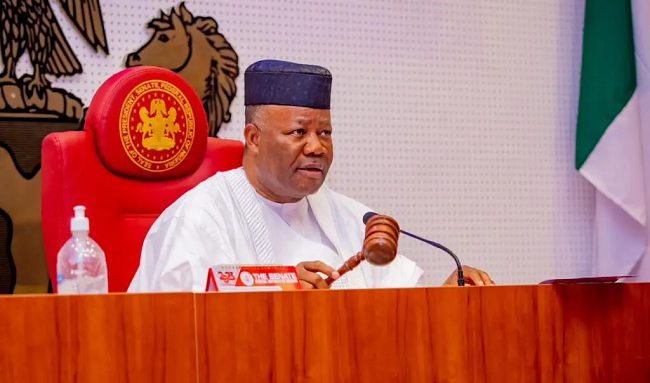
Senate President, Godswill Akpabio, Senator of the Year nominee
“Media partnerships such as this go beyond branding or event coverage; they represent a shared responsibility to document progress, interrogate challenges, and celebrate individuals and institutions that are making tangible impacts in their communities,” Omode said through the organisation.
The media outlet will provide extensive pre-event, event-day and post-event coverage, including in-depth features, nominee spotlights, interviews, analytical reports and multimedia storytelling.
The platform will also engage audiences through educational content on the awards’ significance, the voting process and broader implications for Niger Delta development.
Alexa News Network will deliver targeted awareness, real-time updates, expert analyses and post-event recaps, amplifying participation and engagement for the awards focused on good governance, innovative investments, enterprise, social justice and community development.
The NDAA 8.0 features 56 categories with 840 nominees competing for honours across the nine Niger Delta states: Ondo, Edo, Delta, Bayelsa, Rivers, Imo, Abia, Akwa Ibom and Cross River.
Oxford T. Okpalefe, president and founder of the awards, said public participation increased during the nomination phase, with over 50,000 entries received.
After nominations closed, the process moved into sorting entries, research, evaluation, stakeholder consultations and compilation of the final nominee list.
Public voting is open on the official website, where visitors can select preferred nominees in each category.
Categories span entertainment, media, business, public service and leadership. Governor of the Year nominees include Umo Eno of Akwa Ibom, Sheriff Oborevwori of Delta and Alex Otti of Abia. Senator of the Year features Godswill Akpabio of Akwa Ibom and Seriake Dickson of Bayelsa.
Traditional Ruler of the Year recognises monarchs including Ogiame Atuwatse III of Delta and Oba Ewuare II of Edo.
Man of the Year contenders include Pastor Umo Eno and Jack-Rich Tein Jr. of Rivers. Amazon of the Year celebrates women leaders such as Deaconess Tobore Oborevwori of Delta and Dr. Gloria Diri of Bayelsa.
The grand event is scheduled for Feb. 8, 2026, at The Arena Event Centre in Port Harcourt. The awards will be hosted annually in Port Harcourt unless sponsored by another state government, Okpalefe said.
Founded on principles of independent journalism with integrity, Alexa News Network has carved a distinct identity within Nigeria’s media ecosystem through its digital-first approach, investigative depth and people-centered storytelling.
Under Omode’s leadership, the platform has prioritised balanced journalism fostering understanding and positive change.
The editorial mission emphasises credible reporting, inclusive storytelling and impactful narratives that inform, inspire and unite diverse audiences.
The outlet frequently profiles initiatives driving economic empowerment, environmental stewardship, youth advancement and community peacebuilding – themes aligning with challenges and opportunities in the Niger Delta.
The collaboration marks another milestone in Alexa News Network’s mission to amplify stories that matter, promote excellence and contribute to the development narrative of the Niger Delta and Nigeria.
Floating liquefied natural gas (FLNG) is rapidly becoming a central component of Africa’s natural gas development strategy as the continent prepares for a sharp rise in energy demand and seeks faster, lower-risk routes to market.
According to the State of African Energy 2026 Outlook published by the African Energy Chamber (AEC), Africa’s natural gas demand is projected to increase by 60% by 2050, intensifying pressure on producers to bring new supply online efficiently. ‘
The report notes that Africa already hosts the world’s highest concentration of FLNG infrastructure, positioning the continent as a global testbed for floating gas solutions.
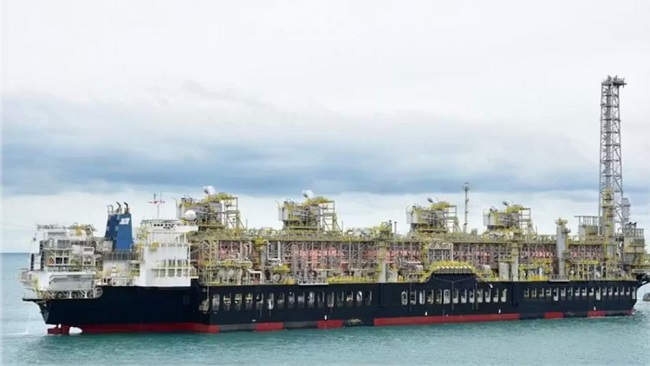
Gimi FLNG vessel
FLNG technology allows offshore gas resources to be processed and exported directly at sea, reducing reliance on extensive onshore infrastructure and mitigating security, land access and logistical risks that have delayed several traditional LNG projects across Africa.
Cameroon’s Hilli Episeyo remains Africa’s first operational FLNG facility and is widely regarded as a global benchmark after achieving production in record time. The project demonstrated the viability of FLNG in monetizing relatively small gas reserves while accelerating exports.
In West Africa, the Gimi FLNG vessel reached commercial operations in 2025 at the bp-led Greater Tortue Ahmeyim project on the maritime border of Senegal and Mauritania.
Operated by Golar LNG, the facility is the first FLNG unit in the MSGBC region and is expected to monetize up to 15 trillion cubic feet of gas over a 20-year lease period.
Additional projects are advancing elsewhere on the continent. In Gabon, Perenco is developing the Cap Lopez FLNG project, with a planned capacity of 700,000 tons per year starting in 2026.
Offshore Nigeria, UTM Offshore is progressing toward a final investment decision on a $5 billion FLNG facility at the Yoho field.
The AEC notes that FLNG’s modular and scalable design reduces upfront capital requirements and shortens development timelines.
This approach has been demonstrated by the Congo LNG project, where operator Eni brought phase two production online in 2025, just 35 months after construction began and ahead of schedule. First exports are expected in 2026.
FLNG has also proven resilient in high-risk environments. In Mozambique, security challenges in Cabo Delgado delayed several onshore LNG projects, while offshore FLNG developments such as Coral Sul, which began operations in 2022, continued largely uninterrupted.
A final investment decision for the Coral Norte FLNG project was reached in 2025.
Beyond exports, FLNG is expected to support gas-to-power projects, petrochemical development and regional energy security, contributing to broader economic growth and energy access across the continent.
However, the AEC cautions that successful deployment depends on clear regulatory frameworks, stable fiscal terms and alignment with national development strategies.
“These discussions will be central at African Energy Week 2026, where governments and industry leaders will explore how floating solutions can unlock Africa’s gas potential while managing risk and accelerating timelines,” the chamber said.
AEC Executive Chairman, NJ Ayuk, said FLNG offers African producers a pathway to faster monetization and sustainable development.
“FLNG is changing the game for African gas producers by reducing exposure to security and infrastructure risks and generating revenues that can be reinvested into broader development,” Ayuk said.
The residents of Omikunle, Yemetu, in the Ibadan North Local Government Area of Oyo State, have cried out over the government’s failure to deliver on a promised borehole after their only reliable source of water became contaminated.
Many residents said they have been waiting for a long time for the borehole, as they continue to suffer from a lack of potable water supply for their daily survival in the community.
“The government promised to provide a well, but we’ve not heard anything from them since then,” said a resident, Alhaja Falilatu Raji.
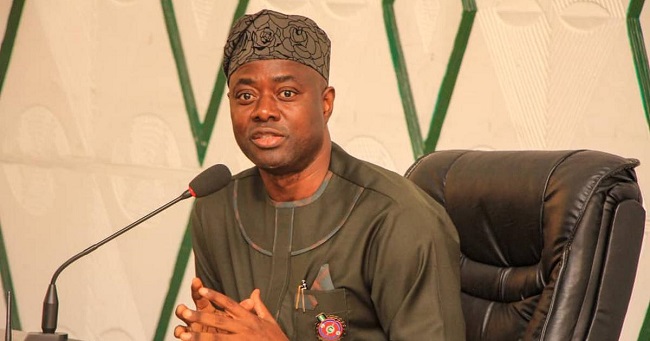
Gov. Seyi Makinde of Oyo State
“We want the government to help us build another well,” Ade Aderiyigbe also said during a visit by this reporter to the community.
How The Crisis Began
On September 6, 2025, news made the rounds about the discovery of crude oil in Yemetu.
The Oyo State Police Command also confirmed a report at about 6:50 p.m. the same day that an unusual liquid had appeared in a community well. Officers from the Yemetu Division arrived shortly after and discovered a thick, diesel-like substance inside the water source.
As residents gathered around the well, some attempted to fetch the strange liquid, but the police cordoned off the area while the Oyo State Ministry of Environment conducted tests confirming it was diesel, and not crude oil.
As a temporary measure, the Oyo State Water Corporation supplied 5,000 litres of clean water to affected households.
However, what was once a hopeful assurance that clean water would soon return has turned into deep frustration, as months have passed without a single sign of progress.
The affected well, co-owned by three wives in their 80s, who also now lack water supply, had served the community for more than two decades before suddenly turning oily and unsafe for use.
One of the wives, and the spokesperson for the three women, Alhaja Falilatu Raji Farmade, narrated their ordeals despite government promises.
She said, “We just woke up one morning to fetch water for ablution and discovered that our water had turned into something we could not comprehend – oily substances. It was surprising, so we raised an alarm. It’s been 20 years since we drilled this well, and nothing of such had happened before.”
Speaking of government intervention, the octogenarian said, “The government promised to provide a well, but we’ve not heard anything from them since then. We had to start buying water at ₦200 per washing container, also known as tub. That’s how we cook, bathe, feed, and do other necessary things that need water.”
Recounting their discomfort since the incident, Alhaja Falilatu said things have not been easy. “The well, even though privately owned by us, serves the whole community. We used to cook with it, drink, bathe, and so on. Now, the government instructed us not to drink it or use it for any purpose. They pumped out everything in the well, hoping to get fresh water, but the water remains contaminated.”
The Nation newspaper had reported on September 17 that investigators under the directives of the Oyo State Ministry of the Environment also inspected a telephone mast located less than three metres from the affected well but confirmed there was no evidence linking the facility to the contamination.
However, the owners of the mast have been directed by the ministry to provide a borehole for the community as part of their corporate social responsibility.
As to whether the mast was being purportedly regarded as the source of the contamination, Alhaji Falilatu expressed uncertainty and appealed to the government for help.
She said, “We cannot say for sure. Only the policemen and government agencies who came can confirm that. I don’t understand how it happened. The transformer beside it has been there for a long time and nothing happened until now. Getting water has been stressful for us at this age. The government should help us with a new borehole.”
The elderly women, too frail to fetch water themselves, now depend on neighbours and daily purchases of water to survive, a burden made heavier by rising costs and limited finances available to them as they cannot work again to earn an income.
‘No Alternative’
Sharing the events as they unfolded, a woman in her mid 40s, Ade Aderiyigbe, took a deep breath as she began to recount the events she witnessed.
“The very day it happened, I went there to fetch water but was told some substances had been poured into the well. Surprisingly, when I checked, the first draw was like diesel, the same as the second draw.
“Then we stopped and made a video of it that went viral and drew the attention of government agencies. When the government came, they drew out everything until it was dry. They also supplied us with a tank of water and promised to fix it, but since then, we have not heard anything from them.”
Recounting how useful the well had been and how difficult life has become without it, she said, “The well serves everyone in this community. We even drink from it, but now that there is no alternative, we’ve been left to fend for ourselves by buying water from another community. We want the government to help us build another well.”
Another resident, Motunrayo Akanji, shared her ordeal, corroborating the accounts of other witnesses.
“That day, we noticed that the surface of the water looked unusually shiny. Out of curiosity, we drew out what we thought was water, but it turned out to be pure diesel. The police later secured the well until government officials arrived. They evacuated the contaminated water and left it overnight to see if fresh water would emerge. Unfortunately, the new water that surfaced the next day was still contaminated. Since then, we have been left to our fate; the well has become completely useless.”
She further stressed: “The owners of the well are elderly women who can no longer move around, so they depend on us, their neighbours, to fetch water from another community not just for them but for ourselves as well.”
Speaking of the effort of the Oyo State Government, she said: “After the government removed the oily substances and took it away, they supplied us with water that lasted only a day. Since then, we haven’t heard anything from them.”
Another eyewitness, Kabirat Adebiyi, while expressing her distress, lamented the situation with clear frustration, saying, “It was like a miracle when we opened the well to fetch water that morning. We did not even know what it was, despite lots of speculations, until government agencies came and said it was diesel.
“We thought it was the mast beside the well, but there is no link or connection between the mast and the well. Since then, we have not been able to use the water. Despite promises made by the government to build another well for us, nothing has been done.
“Please help us to do something about it. We are tired of buying water for our daily use. I sell tomatoes, and I need a lot of water to wash them before sale. It’s not been easy,” she pleaded.
A student, Olamide Faramade, who also doubles as a resident, shared her ordeals during a brief interaction with this reporter.
“The government promised to give us water, but we have not heard anything from them. They said the diesel was from the mast close to the well. They pumped out the content and left. It has been taking a toll on me in particular as a student because I have to buy water to cook and so on and I have no choice,” she stated.
According to Chapter II, Section 20 (Environmental Objectives) of the Federal Republic of Nigeria’s Constitution, “The State shall protect and improve the environment and safeguard the water, air and land, forest and wildlife of Nigeria.” This implies that the government is responsible for ensuring safe and adequate water resources.
The Oyo State Water Corporation Edict (1977, amended 2006) also empowers the state government to provide potable water to residents.
As the government maintained silence on the stalled intervention, a call was placed to a top official in the state’s Ministry of Environment, who requested anonymity.
In his brief response, he said: “I’m not permitted to speak on this matter, but as colleagues, I can tell you this: the crude-oil claim is a rumour. It appears someone may have poured something into the well; no crude oil was discovered. I’m also not aware that the government promised them another well. However, through the Ministry and the Oyo State Water Corporation, a water tanker was provided for the community’s use.”
When asked if the mast owner had been directed to take responsibility for the well, as earlier reported by The Nation, he declined to respond, simply stating: “No comment.”
When contacted, the Oyo State Commissioner of Information and Orientation, Prince Dotun Oyelade, said he’s sure something is being done.
According to him, the government doesn’t promise something and does not fulfill it. So, if it was claimed that crude oil was discovered and it was later disclaimed, not even that would stop the governor from fulfilling its promise if it had said so.
“So the only thing I can confirm for you is to seek an audience with the Ministry of Environment or Ruwassa, the people in charge of water in Oyo State, and I will do that presently. They are the only people that can confirm it. I’m sure something is being done. I will confirm after my meetings today. If the governor promises, the governor fulfills and that’s what he’s been doing for over six years.”
In a separate interview with a water rights advocate, Gideon Adeyeni, he spoke about the contamination while sharing his experience in advocating for access to clean water.
He said, “Based on my experience over the past years advocating for access to clean drinkable water, especially in marginalised communities, contamination, aside from privatisation (of public water assets) is another means through which communities are denied access to clean drinkable water.”
The water rights advocate noted it was the government’s responsibility while also highlighting the impact on the communities.
He said, “Sometimes, as is the case here, contamination aids privatisation. It is not uncommon to find communities where the underground water has been contaminated, usually with petroleum or some other chemicals, leaking through a poorly maintained or burst pipeline or storage.
“Whichever way the underground water gets contaminated, it is the duty of the government to ensure that people have access to clean drinkable water by ensuring the prevention of such contamination or quick cleanup.
“Unfortunately, the government and its agencies have been negligent in preventing or cleaning up such contamination, leaving many marginalised communities across the country without access to clean drinkable water for a long period of time.”
Adeyeni linked contamination to privatisation, calling for resistance to water injustice. “This often leads to a situation in which communities are left at the mercy of private water providers, indicating how contamination could aid privatisation in the denial of the right to clean drinkable water.
“The denial of the right to clean drinkable water to any individual or community constitutes water injustice, and must be resisted. The way forward is for us to continue to demand water justice, that is, the fulfillment of the right to clean drinkable water for all, which means challenging water privatisation and calling out the government to prevent and clean up contamination, and thereby build the water justice movement.”
An Environmental Health Officer, Daniel Akande, raised concerns from a professional standpoint.
He said, “I must say that clean and safe water is a fundamental right, and continued exposure to petroleum-contaminated water can cause severe health challenges. So this needs urgent intervention.”
Sharing his view on who should be taking the lead in addressing this issue, Akande said the government has a legal and moral responsibility to immediately provide a replacement borehole as promised, conduct proper remediation (risk assessment) of the polluted well, and hold whoever is responsible for the contamination accountable.
He added, “The government directly or indirectly profits from the telecommunications that own the mast that is allegedly responsible for the pollution.”
The Environmental Health Officer advised the community to take proactive measures by petitioning the Environmental Health Council of Nigeria or some climate change groups or NGOs, if the local or state government is already aware of the incident and takes no sustainable measures to address the menace.
With the growing crisis of climate change, which has informed droughts in some communities, access to potable water continues to be a major concern for many, especially community dwellers who have always relied on local sources of water.
One of the most visible signs of rapid urban growth in Lagos is the increasing pressure on space. As the city expands in population, commerce, and mobility, public open areas that were originally planned for movement, safety, drainage, aesthetics, and environmental balance are gradually being taken over by unregulated activities. These areas, commonly referred to as informal spaces, now pose serious challenges to orderly urban development.
Informal spaces include road setbacks, walkways, drainage corridors, spaces under bridges, road medians, and undeveloped government land that were never intended for permanent commercial or residential use.
Commissioner for Physical Planning and Urban Development, Dr. Oluyinka Olumide
Over time, many of these spaces have been occupied for trading, parking, storage, and temporary structures without planning approval. While such uses may provide short-term livelihood opportunities, their uncontrolled expansion has long-term consequences for the city as a whole.
Across Lagos, the effects are evident: pedestrian walkways blocked by stalls, drainage channels obstructed by makeshift structures, traffic congestion worsened by roadside trading, and public spaces losing their aesthetic and environmental value. These developments undermine mobility, increase safety risks, worsen flooding, and weaken the effectiveness of urban infrastructure.
Physical planning exists to balance competing needs within limited space. It ensures that land is used in a way that supports safety, functionality, environmental sustainability, and economic growth. When informal use of space grows unchecked, that balance is lost. What emerges is not a city that works for everyone, but one where disorder becomes normalised and public interest is gradually eroded.
The Lagos State Government’s renewed focus on administering and regulating informal spaces must, therefore, be understood within this broader context. It is not an attempt to deny livelihoods or punish vulnerable groups, but a necessary step toward restoring order, protecting public infrastructure, and ensuring that the city remains liveable for present and future generations.
The Lagos State Urban and Regional Planning and Development Law, 2019 (as amended) provides a clear legal foundation for this responsibility. It assigns the Ministry of Physical Planning and Urban Development the mandate to manage land use, coordinate development, and regulate spatial activities across the State. Informal spaces, being part of the urban fabric, naturally fall within this scope.
However, regulation alone is not enough. Experience has shown that enforcement without understanding breeds resistance, mistrust, and conflict. This is why advocacy and stakeholder engagement must precede and accompany any meaningful intervention. Market associations, transport unions, community leaders, local governments, and other stakeholders all have a role to play in reshaping how public spaces are used.
Sensitisation is particularly important in helping citizens understand that public open areas are shared assets, not private extensions of individual enterprise. When road setbacks are blocked, emergency response is delayed. When drainage corridors are encroached upon, flooding worsens. When walkways disappear, pedestrians are forced onto highways, increasing accidents. These outcomes affect everyone, including those who depend on informal spaces for daily survival.
There are also economic and environmental dimensions to consider. Orderly cities attract investment, tourism, and innovation. Well-managed public spaces improve city image and quality of life. Conversely, chaotic land use increases infrastructure maintenance costs and undermines long-term development planning. In a megacity like Lagos, these costs are too high to ignore.
Importantly, regulating informal spaces does not mean eliminating informal economic activity altogether. Rather, it calls for a more structured, humane, and inclusive approach that recognises livelihoods while respecting planning standards. This may include relocation, redesignation of appropriate areas, phased implementation, and continuous dialogue with affected groups.
Cities around the world that have successfully managed growth did so by asserting planning authority while maintaining social sensitivity. Lagos, with its unique density and dynamism, must chart a similar path—one that combines law, empathy, consultation, and professionalism.
The future of Lagos depends not only on grand infrastructure projects but also on how everyday spaces are managed. Informal spaces may appear small in isolation, but collectively, they shape mobility, safety, aesthetics, and environmental health. Taking control of them is therefore not just a planning decision; it is a statement about the kind of city Lagos aspires to be.
A city that works must be planned. And a planned city must protect its public spaces.
Dr. Oluyinka Olumide is the Commissioner for Physical Planning and Urban Development, Lagos State