A Climate Justice Advocate, Mr. Oluwatobi OjuOluwa, has warned that worsening climate conditions in Nigeria are fuelling hunger, health challenges and economic instability across the country.
OjuOluwa said this in Ibadan on Thursday, January 8, 2026, while speaking on the current climate situation in Nigeria and Africa.
He noted that changing weather patterns had made rainfall unpredictable and disrupted seasonal cycles Nigerians once relied on.
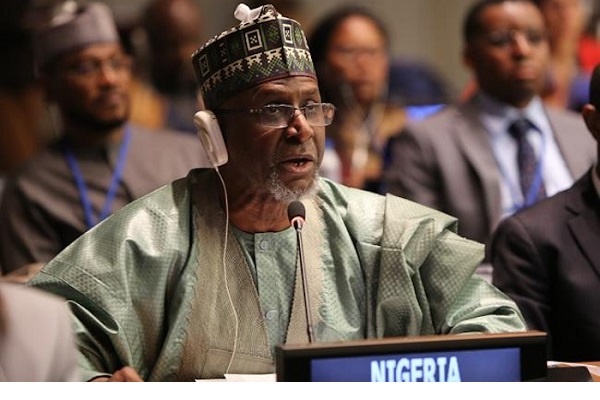
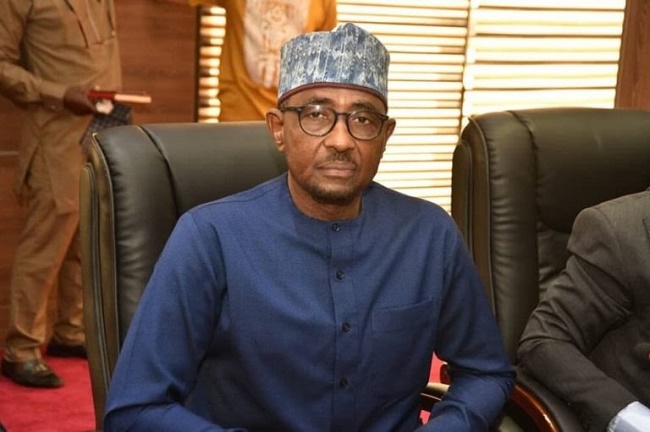
Minister of Environment, Alhaji Balarabe Lawal
He said that periods previously associated with harmattan and dry weather could no longer be clearly identified, adding that rain could no longer be predicted.
According to him, human activities such as improper waste management, bush burning, deforestation and fossil fuel exploitation are major drivers of climate change.
He added that these have far-reaching consequences for livelihoods and public health.
“If there is hunger in the land, there is economic instability.
“Aviation cannot work well because the weather is not palatable, there is food insecurity and health issues, all of which are linked to climate change,” he said.
OjuOluwa explained that climate action, captured under Goal 13 of the Sustainable Development Goals (SDGs), was central to achieving other development targets, including poverty reduction, food security and improved health outcomes.
He also pointed out that although Africa contributes less than four per cent of global emissions, the continent bears a disproportionate burden of climate impacts due to limited resources to adapt and respond.
“The government cannot do it alone. Every individual is also a government in their own space. What am I doing? What are you doing? These are the questions we must ask,” he said.
The expert called on governments, non-governmental organisations and international partners, to scale up action through funding, capacity building and grassroots engagement, particularly by empowering young people to drive climate solutions.
He expressed optimism that sustained climate action would help address hunger, poverty, health challenges and inequality, while securing a better future for coming generations.
An environmental health specialist, Dr Festus Imuk, has called for the adoption of climate -smart practices to combat the effects of climate change on agricultural productivity.
He said the government should promote drought –resistant crops, improve irrigation, integrate renewable energy, and enhance farmer education and financial access.
Imuk made the call in an interview on Thursday in Abuja.
According to him, climate change is already reducing agricultural productivity in Nigeria and threatening rural livelihoods and food security.
“The effects occur through changes in rainfall, rising temperatures, and more frequent extreme weather events.
“It cut across crops, livestock, fisheries, and farm incomes, and are especially severe because most Nigerian farming is rain-fed,” he said.
The expert said that promoting climate-smart agriculture would require developing and distributing improved seed varieties that can withstand extreme weather.
He said that crop rotation, agroforestry, and mixed farming should be encouraged to reduce risks.
“Government should further promote mulching, cover crops, and rainwater harvesting to maintain soil fertility and moisture,” he said.
The expert also called on the Ministry of Agriculture and Rural Development to align with climate change agencies for coordinated action.
“Government should also establish climate information services to alert farmers about droughts, floods, and heat waves.
“Accordingly, deforestation should be prevented while promoting sustainable land management,” he said.
Imuk said digital tools such as mobile apps for weather forecasts, pest alerts, and market prices should be encouraged for usage.
“Solar-powered irrigation and cold storage reduce emissions and improve resilience.
“Climate-friendly machinery reduces dependence on manual labour and increases efficiency,’’ he said.
UN Secretary-General, António Guterres, has expressed regrets over the decision of the White House to withdraw the United States from 35 international organisations and 31 UN entities.
Guterres, in a statement by the UN Spokesperson, Stéphane Dujarric on Thursday, January 8, 2026, in New York, said the UN has a responsibility to deliver for those who depend on the organisation.
President Donald Trump had directed the immediate withdrawal of the U.S. from some international organisations, Conventions, and Treaties that his administration considers as being contrary to the interests of the country.
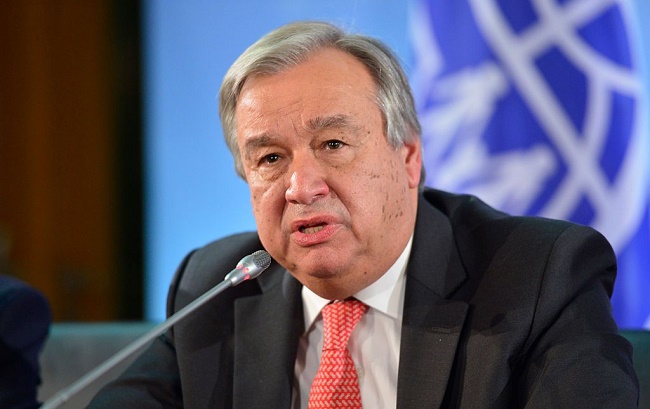
UN Secretary-General, António Guterres
In a White House Memorandum, dated January 7, 2026, Trump said that the action was the outcome of a report by the U.S. Secretary of State Marco Rubio following his Executive Order 14199 of February 4, 2025.
The Order was entitled “Withdrawing the United States from and Ending Funding to Certain United Nations Organisations and Reviewing United States Support to All International Organisations”.
Trump said that after reviewing the report of the Secretary of State, he had directed the immediate withdrawal of the U.S. from 35 non-UN and 31 UN organisations.
“I have considered the Secretary of State’s report and, after deliberating with my Cabinet, have determined that it is contrary to the interests of the United States to remain a member of, participate in, or otherwise provide support to the organisations listed in section 2 of this memorandum.
“Consistent with Executive Order 14199 and pursuant to the authority vested in me as President by the Constitution and the laws of the U.S. , I hereby direct all executive departments and agencies (agencies) to take immediate steps to effectuate the withdrawal of the United States from the organisations listed in section II of this memorandum as soon as possible.”
Trump added that “for United Nations entities, withdrawal means ceasing participation in or funding to those entities to the extent permitted by law”.
“My review of further findings of the Secretary of State remains ongoing,” the U.S. leader stressed.
Trump’s decision affects 31 UN agencies and entities.
These include the UN Population Fund (UNFPA), which supports maternal and child health, and combatting sexual and gender-based violence.
Also affected are the UN Framework Convention on Climate Change (UNFCCC), which fosters global cooperation against climate change, and the UN Democracy Fund, which funds and mentors civil society projects for democracy.
Other offices of the UN Secretariat based in New York and elsewhere, such as those dealing with children in armed conflict and ending sexual violence as a weapon of war, are also affected.
The list also includes four of the five UN regional commissions (Asia-Pacific, Western Asia, Africa, and Latin America and the Caribbean), which are key platforms for multilateral cooperation.
The United States is the largest assessed contributor to the UN, responsible for 22 per cent of the regular budget and approximately 26 per cent of the peacekeeping budget as of 2025.
While assessments for peacekeeping can exceed 26 per cent, U.S. law caps payments at 25 per cent, creating arrears.
As of January 2026, the U.S. has not paid its 2025 assessed contributions, leading to significant arrears that have reached approximately $1.5 billion, the largest of any member state.
However, UN Secretary-General said in spite of the U.S. withdrawal, the work of the UN would continue.
“As we have consistently underscored, assessed contributions to the United Nations regular budget and peacekeeping budget, as approved by the General Assembly, are a legal obligation under the UN Charter for all Member States, including the United States.
“All United Nations entities will go on with the implementation of their mandates as given by Member States,” Guterres said.
He underscored that “the United Nations has a responsibility to deliver for those who depend on us”.
“We will continue to carry out our mandates with determination,” he stressed.
Under the UN Charter, assessed contributions to the Organisation’s regular and peacekeeping budgets are approved by the General Assembly and are considered binding obligations for all Member States.
Deep beneath Nigerian soil lies a dormant giant of natural gas with huge potential to transform into kinetic force, bridging the gap between gas fields and industrial heartlands.
In the quest to leverage this huge gas reserves for regional energy security and global markets, the Nigerian National Petroleum Company Limited (NNPC Ltd.) spearheads Africa’s energy integration through the development of transcontinental gas pipeline projects to connect West African economies and link the continent to global energy markets.
The NNPC Ltd.’s current strategy centres on enhancing the sustainability of upstream production, expanding natural gas processing and transportation infrastructure and upgrading refining assets to support chemical production and premium hydrocarbon outputs.
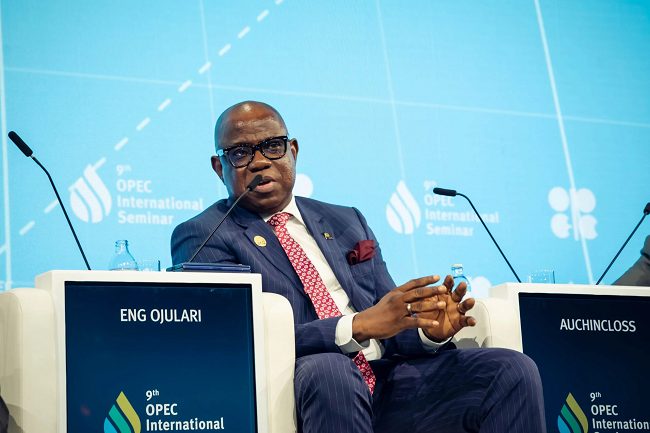
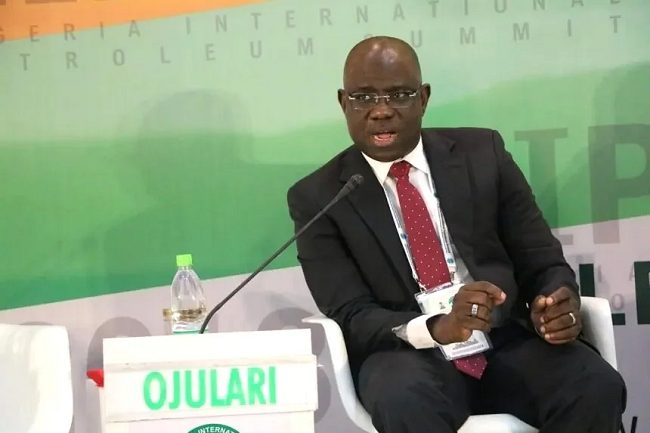
Bayo Ojulari, GCEO, National Petroleum Company (NNPC) Limited
NNPC’s major gas pipeline ventures focus on boosting domestic supply and connecting Africa to Europe.
This is primarily through the ongoing Ajaokuta-Kaduna-Kano (AKK) Gas Pipeline for internal use, and ambitious international projects like the Nigeria-Morocco Gas Pipeline (NMGP), spanning 13 West African nations and the proposed Trans-Saharan Gas Pipeline (TSGP)
This ensures the continuous supply of high-quality energy products and services, evolving into an integrated energy company with strategic investments in gas and power, aiming to harness Nigeria’s abundant gas resources and deepen its footprint both locally and abroad.
The 2.8 billion dollars AKK pipeline is a 614 km line set to boost Northern Nigeria’s economy by supplying gas to power plants and industries, and with milestones such as the River Niger crossing (technically challenging segments) completed in 2025, it is expected to be activated for export in early 2026.
Another key project is the Obiafu-Obrikom-Oben (OB3) gas pipeline, which connects eastern gas fields to western networks, facilitating nationwide supply and linking to the AKK gas pipeline.
These projects are crucial for Nigeria’s gas-to-power goals, economic growth, and industrial revival, reducing reliance on diesel and Premium Motor Spirit (PMS).
The Nigeria-Morocco Gas Pipeline, a proposed nearly 6,000-kilometer project to transport natural gas from Nigeria through 13 West African countries to Morocco, and then to Europe was proposed in a December 2016 agreement between the NNPC Ltd. and the Moroccan Office National des Hydrocarbures et des Mines (ONHYM).
In August 2017, NNPC Ltd. and ONHYM began a feasibility study for the pipeline, which is estimated to cost $25 billion, and would be completed in stages over 25 years.
Morocco is reportedly in talks with Nigeria to pursue this gas pipeline which is progressive.
The AKK project aims to strengthen Nigeria’s domestic energy network, while the Nigeria-Morocco project seeks to expand the West African Gas Pipeline (WAGP) to connect countries along the Atlantic coast and potentially extend to Europe.
Speaking at the 2025 Abu Dhabi International Petroleum Exhibition and Conference (ADIPEC) hosted by the Abu Dhabi National Oil Company (ADNOC), in Abu Dhabi, United Arab Emirate, Mr. Bashir Ojulari, Group Chief Executive Officer, NNPC Ltd. focused on deepening infrastructural development.
Under the theme, Energy. Intelligence. Impact., ADIPEC hosted an extraordinary programme of dialogue and collaboration, uniting global leaders to build resilient systems, deploy intelligent solutions and deliver the energy the world needs.
Ojulari said the flagship Nigeria–Morocco Gas Pipeline Project was central to NNPC’s continental expansion strategy, designed to connect African nations through energy infrastructure and drive industrial growth.
“The project is one of our expansion priorities. It will run from Lagos in Nigeria all the way to Morocco around the perimeter of Africa, connecting countries along the route.
“It will enable cross-border supply and off-take, supporting industrial growth along its corridor,” he said.
He assured that the gas pipeline would build on the existing WAGP network, which already linked Nigeria to Ghana, extending it first to Côte d’Ivoire and then progressively northward through other coastal nations to Morocco.
Ojulari said the infrastructure would allow each country along the corridor to feed in gas from local fields and also off-take gas to power industries and communities, creating a mutually beneficial regional gas market.
“It provides opportunities to connect all those economies. From Morocco, the system will eventually connect to Europe, opening a new energy corridor from Africa to global markets,” he added.
“The project will help monetise Nigeria’s vast gas reserves, estimated at more than 600 trillion cubic feet, while enabling other African countries with smaller reserves to participate in shared infrastructure that promotes regional development,” he said.
He said NNPC Ltd. was simultaneously advancing domestic gas initiatives including Compressed Natural Gas (CNG) for transportation and Liquefied Petroleum Gas (LPG) for households to deepen gas utilisation and reduce dependence on biomass.
“Natural gas is now a big deal in Nigeria. Our retail trucks are being converted to run on compressed natural gas. We are also expanding LPG networks across Nigeria and Sub-Saharan Africa to phase out wood and charcoal use,” Ojulari said.
He emphasised that gas development remained central to Africa’s industrial future, describing it as the continent’s “pathway to full industrialisation.”
“Gas provides revenue, creates jobs through industrial parks, and connects new businesses. For Nigeria and West Africa, it is the foundation for sustainable economic growth,” he said.
Ojulari reaffirmed NNPC’s commitment to partnerships with African and global energy stakeholders to accelerate infrastructure that will make Africa a significant player in the global gas value chain.
According to him, the NNPC Ltd. is charting a sustainable course for Africa’s energy future through technology deployment, business integration and strategic partnerships.
After a recent inspection on the AKK project, Ojulari said the NNPC had completed welding of the pipeline’s main line, including the River Niger crossing, a long-standing technical challenge that had delayed progress on the project.
He said the achievement had paved the way for connecting the pipeline early next year.
“We have been able to complete the welding of the main line of the AKK pipeline. In summer, we were able to cross the River Niger, which was a struggle for many years. With its completion, we can start making all the connections early next year,” he said.
According to Ojulari, once activated, the pipeline will deliver gas across northern Nigeria, supporting industrial and economic activities.
“This is not just about energy,” he said. “It’s about industrialization, fertiliser plants, power generation, and gas-based industries in Kaduna, Kano, Abuja and Ajaokuta. We expect to see industrial parks spring up.”
He attributed NNPC’s improved operational outlook to reforms introduced under the Petroleum Industry Act, which, he said, had repositioned the company as a commercially driven entity operating without reliance on federal allocations.
He said the completion of the AKK pipeline network would expand economic opportunities, enhance power supply and support national industrialisation efforts, contributing to improved energy and economic security.
The AKK pipeline, first conceived in 2008, is a key component of Nigeria’s strategy to harness its gas resources to drive economic growth.
The project is expected to significantly improve energy access in northern Nigeria, where persistent power shortages and weak infrastructure have constrained industrial development for decades.
On upstream investment, Mr. Udy Ntia, Executive Vice President, Upstream, NNPC Ltd., also listed major gas pipeline projects, including the Nigeria-Morocco project and links to demand centres in western and northern Nigeria, Refinery optimisation and development of hybrid partnerships for co-investment in upstream projects.
“Co-investment is the new round of financing. We are stepping in as co-investors to ensure projects are bankable and decisions are made quickly in a rapidly changing environment,” he said.
He emphasised a shift toward partnership-driven growth between National Oil Companies (NOCs) and International Oil Companies (IOCs), calling for collaboration over competition.
“IOCs are not grabbers; they are partners. We all share the same goal, which is profitability, sustainability and growth. The real question is how we can increase the size of the pie so that everyone wins,” he said.
Ntia reaffirmed that Nigeria’s upstream strategy balances energy security, profitability, and climate responsibility, ensuring the nation’s resources remain relevant in the global energy transition.
Also, this gives the country more power and better energy, creates many new jobs for people and also helps the land by using cleaner gas instead of dirty fuel.
By Emmanuella Anokam, News Agency of Nigeria (NAN)
The House has voted to advance a budget bill that would maintain funding for the National Oceanic and Atmospheric Administration (NOAA) until September 2026.
NOAA provides essential services in support of people and our planet – from tracking weather and climate, to managing ocean health and fisheries, to supporting emergency first responders.
Without federal policymakers providing strong funding for NOAA during the annual appropriations process, there is a risk these essential services could lapse.
NOAA
Jeff Watters, Ocean Conservancy’s vice president for external affairs, said: “For months, people across the country have spoken out against proposals to cut NOAA’s funding, and Congress has listened. NOAA delivers services and science that touch each and every one of us, providing immense benefits to our communities and our country. Put simply, we could not function without it.
“We can’t look at NOAA as a series of budgetary line items. It’s a cohesive whole taking care of our ocean, coastal and marine resources, and weather and climate modeling systems. Now, it’s time for the Senate to stand up for NOAA and pass this bill with NOAA’s funding intact. But this bill only gets us to September, and so it’s essential that this recognition of NOAA’s importance continues into the next round of appropriations.”
Meredith Moore, director of Ocean Conservancy’s fish conservation programme, submitted: “Some of the biggest proposed cuts to NOAA were to NOAA Fisheries. NOAA Fisheries ensures that U.S. fisheries are healthy and well-managed for the benefit of all Americans. Maintaining NOAA’s budget will help ensure that fishing communities and families can continue to enjoy healthy, sustainably caught fish.
“Without NOAA, we will lose the foundational science and management to keep seafood on Americans’ dinner plates and protect a cornerstone of many local coastal economies – from Maine and Florida to Alaska and California.”
The Trump Administration’s sweeping executive order to withdraw the United States from dozens of United Nations bodies and international organisations, as well as a treaty ratified by the United States with the advice and consent of the US Senate, is a targeted assault on multilateralism, international law, and global institutions critical to safeguarding human rights, peace, and climate justice, the Centre for International Environmental Law (CIEL) has said.
This move, for which the CIEL says the constitutionality and legal effect are questionable, was announced under the guise of protecting US interests. But CIEL insists that it does exactly the opposite.
It submits that, by divesting from global cooperation on the environment, human rights, democracy, and peace, the U.S. puts its own future, and that of the planet, at greater risk.
Rebecca Brown, President and CEO of the Centre for International Environmental Law (CIEL)
According to the group, the Executive Order represents a deliberate effort to dismantle the international infrastructure designed to uphold dignity, protect children, improve gender and racial equality, advance sustainable development, preserve the oceans, and confront the climate crisis.
“It undermines bodies that safeguard the global commons and ensure basic protections for marginalised people and those in vulnerable situations around the world, including refugees, women, children, people of African descent, and many others,” CIEL submitted.
Rebecca Brown, President and CEO of the CIEL, said: “This executive order is not just a policy shift – it is a direct assault on the multilateral system that has helped prevent conflict, advance human rights, and protect the global commons for nearly 80 years. At a time when rising seas, record heat, and deadly disasters demand urgent, coordinated action, the U.S. government is choosing to retreat.
The decision to defund and withdraw from the UN Framework Convention on Climate Change (UNFCCC) does not absolve the US of its legal obligations to prevent climate change and remedy climate harm, as the world’s highest court made clear last year. This action is simply a continuation of this Administration’s efforts to prioritise corporate interests over people and planet and flout the rule of law.
“Withdrawing from institutions designed to support global climate action does not change the stark reality of the climate crisis, rebut the irrefutable evidence of its causes, or eliminate the U.S.’s clear responsibility for its consequences. Withdrawal only serves to further isolate the U.S. to the detriment of its own population and billions around the world.”
The Chairman of Dangote Industries Limited (DIL), Aliko Dangote, through his legal representative, has filed a formal corruption petition against former Managing Director of the Midstream Downstream Petroleum Regulatory Authority (NMDPRA), Farouk Ahmed, at the headquarters of the Economic and Financial Crimes Commission (EFCC).
This move follows the withdrawal of the same petition from the Independent Corrupt Practices and Other Related Offences Commission (ICPC), a strategic decision aimed at accelerating the prosecution process.
In the petition signed by Lead Counsel Dr. O. J. Onoja (SAN), Dangote urged the EFCC to investigate allegations of abuse of office and corrupt enrichment against Mr. Ahmed and prosecute him if found culpable.
Former Chief Executive Officer of NMDPRA, Mr. Farouk Ahmed
“We make bold to state that the commission is strategically positioned along with sister agencies to prosecute financial crimes and corruption related offences, and upon establishing a prima facie case, the courts do not hesitate to punish offenders. See Lawan v. F.R.N (2024) 12 NWLR (Pt. 1953) 501 and Shema v. F.R.N. (2018) 9 NWLR (Pt.1624)337.”
Onoja further urged the commission, under the leadership of Mr. Olanipekun Olukoyede, “…to investigate the complaint of Abuse of Office and Corruption against Engr. Farouk Ahmed and to accordingly prosecute him if found wanting”.
The petition also stated that: “The commission’s firm resolve in handling this matter with dispatch is not only imperative and expedient but will also serve as a deterrent to other public officers out there with such corrupt proneness and tendencies.”
The development, it was gathered, reinforces Dangote’s commitment to transparency and accountability in Nigeria’s oil and gas sector.
It will be recalled that, on December 14, 2025, Dangote raised concerns about Mr. Ahmed’s financial dealings, alleging that the former regulator is living far beyond his legitimate means.
According to Dangote, four of Mr. Ahmed’s children attended elite secondary schools in Switzerland, incurring costs running into several millions of dollars – an expenditure that raises questions about potential conflicts of interest and the integrity of regulatory oversight in the downstream petroleum industry.
Dangote listed the schools attended by Mr. Ahmed’s children to include Faisal Farouk (Montreux School), Farouk Jr. (Aiglon College), Ashraf Farouk (Institut Le Rosey), and Farhana Farouk (La Garenne International School), noting that each child spent six years in these institutions. He estimated annual tuition, travel, and upkeep per child at $200,000, totaling approximately $5 million for their secondary education.
Additionally, Dangote alleged that Mr. Ahmed spent another $2 million on tertiary education for the four children, including $210,000 for Faisal’s 2025 Harvard MBA programme.
“Nigerians deserve to know the source of these funds, especially when many parents in Mr. Ahmed’s home state of Sokoto struggle to pay as little as ₦10,000 in school fees,” Dangote stated.
The petition calls for a comprehensive investigation to ensure accountability and restore public confidence in Nigeria’s regulatory institutions.
The Intergovernmental Panel on Climate Change (IPCC) and Intergovernmental Science Policy Platform on Biodiversity and Ecosystem Services (IPBES) have reacted to the US government’s announcement on Thursday, January 8, 2026, about its withdrawal from more than 60 UN and non-UN organisations.
In a statement, Dr. David Obura, Chair of the Intergovernmental Platform on Biodiversity and Ecosystem Services (IPBES), disclosed that the body regrets “the deeply disappointing news” of the United States’ intention to withdraw its participation in IPBES, along with over 60 other international organisations and bodies.
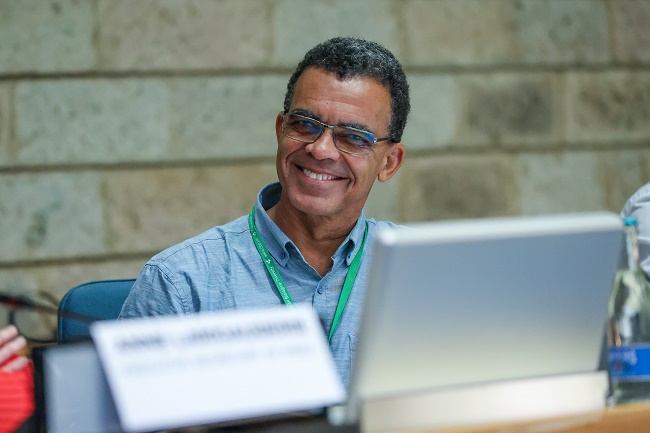
IPBES Chair, Dr. David-Obura
Obura submitted: “The United States is a founding member of IPBES and scientists, policymakers and stakeholders – including Indigenous Peoples and local communities – from the United States have been among the most engaged contributors to the work of IPBES since its establishment in 2012, making valuable contributions to objective science-based assessments of the state of the planet, for people and nature.
“The contribution of US experts ranges from leading landmark Assessment Reports, to presiding over negotiations, serving as authors and reviewers, as well as helping to steer the organisation both scientifically and administratively.
“Decision-makers in the United States – at all levels and in all spheres of society – have also been among the most prolific users of the work produced by IPBES to help better inform policy, regulations, investments and future research.
“On behalf of the global IPBES community, I want to express our sincere thanks for all these invaluable contributions, and our determination to continue exploring avenues and opportunities for future engagement.
“IPBES has not yet received any formal notification directly from Government of the United States but anticipates that the intention expressed to withdraw will mean that the United States will soon cease to be a member of IPBES.
“While it is clearly the prerogative of Governments to withdraw from global processes, like those of IPBES, it is important to remember that this does not change the science or the relevance of that science to the lives and livelihoods of people in every community, in every part of the world.
“Unfortunately, we cannot withdraw from the fact that more than 1 million species of plants and animals face extinction (IPBES Global Assessment, 2019). Nor can we change the fact that the global economy is losing as much as $25 trillion per year in environmental impacts (IPBES Nexus Assessment, 2024) or restore the missed opportunities of not acting now to generate more than $10 trillion in business opportunity value and 395 million jobs by 2030 (IPBES Transformative Change Assessment, 2024).
“The mandate of IPBES is as clear as it is important: to objectively and without prescription, provide the most credible science and evidence about biodiversity to all decision makers and actors – for better informed decisions, policy and action. Our commitment to this goal – as the whole IPBES community – remains unwavering. Science and policy for people and nature.”
The IPCC, an organisation consisting of governments that are members of the United Nations or the World Meteorological Organisation, stated that, in line with the principles governing IPCC’s work, participation in the work and processes of the IPCC is voluntary, free and open to all WMO and UN Member countries – with or without a formal announcement.
“The preparation of the scientific reports agreed by the member governments for this assessment cycle is underway. The Panel continues to make decisions by consensus among its member governments at its regular Plenary sessions. Our attention remains firmly on the delivery of these reports,” said IPCC Chair, Jim Skea.
The non-UN body adds: “The IPCC is a unique interface between science and policy. Because of the IPCC’s scientific and intergovernmental nature, its assessments of scientific knowledge related to climate change provide rigorous and balanced scientific, evidence-based actionable information to the world’s decision-makers.
“IPCC reports provide governments at all levels with scientific information to support the development of climate policies. They also deliver key scientific inputs into international climate change negotiations under the United Nations Framework Convention on Climate Change (UNFCCC).
“The IPCC is the longest-standing intergovernmental panel. It has a unique capacity to assess and synthesise the vast and exponentially growing body of scientific knowledge on climate change, its impacts, and available responses.”
The world woke to news that felt ripped from a geopolitical thriller: U.S. special forces executed a precision operation and captured Nicolás Maduro, the Venezuelan strongman who had long defied Washington. Overnight, alliances splintered, condemnations flew from Moscow and Beijing, and the United Nations struggled to navigate the political fallout.
Debates over sovereignty, head-of-state immunity, and international law have set scholars and diplomats abuzz, but for the business and energy community, the immediate drama plays out on the oil trading floor.
Nicolás Maduro’s capture
Within hours, Brent crude rocketed to $62 per barrel. Traders raced to price in potential supply disruptions, regional instability, and retaliatory actions. By January 7, prices had moderated to around $60, yet the persistent risk premium – fueled by tanker seizures, export restrictions, and geopolitical uncertainty – reminded everyone that volatility is the new normal. For investors and upstream operators, these swings are more than news: they are opportunities for strategic positioning, hedging, and portfolio recalibration.
Venezuela is not just any oil producer – it sits atop the world’s largest proven reserves, exceeding 300 billion barrels. Yet under years of mismanagement, sanctions, and economic decay, production plunged from over 3 million barrels per day to roughly 800,000. With Maduro removed, the horizon could shift dramatically. Analysts project that with targeted investment, production could rise by 500,000 barrels per day within two years.
Full-scale rehabilitation of pipelines, refineries, and offshore assets may require $100–180 billion – a monumental but lucrative challenge for forward-looking investors. The return of Venezuelan heavy crude could reshape the global supply landscape, capping prices and intensifying competition among exporters.
For Nigeria, this moment is a wake-up call. Venezuelan heavy crude directly competes with our Bonny Light and other benchmarks. Renewed competition could compress margins, reduce revenues, and challenge budget assumptions that rely on higher oil prices. Currency volatility and fiscal pressure may intensify. But while the risk is real, so too is the opportunity: the global market shakeup underscores why Nigeria must move decisively to fortify its upstream and downstream sectors, diversify energy revenue streams, and maximize domestic value creation.
The path forward is clear. In the upstream sector, Nigeria must accelerate policy reforms to attract foreign direct investment, increase exploration, and enhance production efficiency. On the downstream side, operationalising the Dangote Refinery, expanding modular refining projects, and building integrated supply chains are critical to capturing more domestic value and reducing import dependence. Beyond oil, Nigeria’s diversification into agriculture, critical minerals, technology, and manufacturing is no longer optional – it is strategic.
Enter the Nigeria International Energy Summit (NIES) 2026, set for February 2–5 in Abuja. Under the theme “Energy for Peace and Prosperity: Securing Our Shared Future,” NIES 2026 is positioned as Africa’s premier oil and gas gathering. It brings together ministers, regulators, National Oil Companies, multinational investors, and industry leaders to debate, deliberate, and drive actionable partnerships across the continent’s energy value chain.
A key focus this year will be midstream and downstream infrastructure. The summit will spotlight how Nigeria and African nations can process, refine, and consume their own resources, enhancing energy security, industrial competitiveness, and domestic wealth creation. In practical terms, discussions will explore modular and large-scale refineries, gas-to-power projects, regional pipelines, and strategic distribution networks – all under the lens of boosting investor confidence and regional trade.
The Signature Session – “Balancing Commercial Growth with National Development” – promises high-level debates on how African NOCs can leverage partnerships, technology, and capital to achieve economic resilience. For investors, this is a front-row seat to emerging opportunities: joint ventures, cross-border projects, technology integration, and new business models that position Africa as both a supplier and innovator in the global energy market.
Nigeria’s moment is now. Maduro’s capture serves as both a warning and a call to action. It reminds energy leaders and investors that geopolitical shifts can instantly reshape the global oil landscape. Those who act decisively – diversifying portfolios, investing in domestic infrastructure, and engaging with forward-looking policy frameworks – stand to gain the most. For the business community, the message is clear: navigate volatility with strategy, seize disruption as opportunity, and invest in Africa’s energy transformation.
The summit will not only provide insights but also connect capital with opportunity, offering delegates direct engagement with African ministers, regulators, NOCs, and private sector leaders. For financiers, policy shapers, and corporate executives, NIES 2026 is more than a conference – it’s the launchpad for Africa’s next energy frontier.
Maduro’s capture is history in motion. For Nigeria, it’s a reminder: adapt boldly, diversify relentlessly, and lead Africa’s energy future with confidence. The choices made in boardrooms, policymaking chambers, and forums like NIES will determine whether this geopolitical shock becomes a catalyst for growth or a cautionary tale.
By Kunle Odusola-Stevenson, Public Relations Expert & Energy Issues Commentator, Lagos
When the Federal Government approved the write-off of about $1.42 billion and N5.57 trillion in legacy debts owed by the Nigerian National Petroleum Company Limited (NNPC Ltd) to the Federation Account, it was rightly described as a landmark decision. After years of disputes, reconciliations, and contested figures, Nigeria’s most important revenue institution was, at least on paper, given a cleaner slate.
The approval, contained in a report prepared by the Nigerian Upstream Petroleum Regulatory Commission (NUPRC) and presented at the last year November meeting of the Federation Account Allocation Committee (FAAC), effectively wiped out 96 percent of NNPC’s dollar-denominated obligations and 88 percent of its naira liabilities accumulated up to December 31, 2024. It resolved long-standing balances arising from crude oil liftings, joint venture royalties, production-sharing contracts, and related arrangements.
Blaise Udunze
Judging it critically, the decision carries both promise and peril, but can be viewed from the perspective of a country desperate to restore confidence in public finance management. It offers an opportunity to reset relationships, clean up accounting records, and move forward under the Petroleum Industry Act (PIA). Yet, it also exposes deep structural weaknesses in Nigeria’s oil revenue governance, weaknesses that, if left unaddressed, could turn today’s debt relief into tomorrow’s fiscal regret.
Context matters. The debt write-off comes not during a period of revenue abundance, but at a time when Nigeria’s upstream revenue performance is under severe strain. According to the same NUPRC document, the commission missed its approved monthly revenue target for November 2025 by N544.76 billion, collecting only N660.04 billion against a projected N1.204 trillion.
Royalty receipts, the backbone of upstream revenue, tell an even starker story. It is alarming that against an approved monthly royalty projection of N1.144 trillion, only N605.26 billion was collected, leaving a shortfall of N538.92 billion. Cumulatively, by the end of November 2025, the revenue gap stood at N5.65 trillion, with royalty collections alone falling short by N5.63 trillion. These figures underscore how fragile Nigeria’s fiscal position remains, even as trillions of naira in historical obligations are being written off.
To be fair, the debts forgiven were not incurred overnight. They are the product of years of disputed remittances, lacking transparent accounting practices, and overlapping institutional roles, particularly under the pre-PIA regime. As petroleum economist Prof. Wumi Iledare has repeatedly observed, the former Nigerian National Petroleum Corporation combined regulatory, commercial, and operational functions, making revenue reconciliation cumbersome and frequently contested.
That legacy continues to haunt the system, as witnessed with the ongoing dispute between NNPC Ltd and Periscope Consulting, the audit firm engaged by the Nigeria Governors’ Forum, over an alleged $42.37 billion under-remittance between 2011 and 2017, which illustrates how unresolved the past remains. Though NNPC insists all revenues were properly accounted for as claimed, Periscope maintains that significant gaps persist, forcing FAAC to mandate yet another reconciliation exercise. This recurring pattern of audits, counterclaims, and stalemates has weakened trust in the federation revenue system and eroded confidence among states that depend on oil proceeds for survival.
Crucially, the debt write-off does not mean NNPC has turned a corner financially. Statutory obligations incurred between January and October 2025 remain on the books, amounting to about $56.8 million and N1.02 trillion. Although part of the dollar component was recovered during the period under review, the accumulation of new liabilities so soon after reconciliation raises uncomfortable questions about whether old habits are being replaced with genuine fiscal discipline.
More troubling still is what NNPC’s own audited financial statements reveal about its internal financial health. Despite recording a profit after tax of N5.4 trillion on revenues of N45.1 trillion in 2024, the company’s inter-company debts ballooned to N30.3 trillion, representing a 70 per cent increase within a single year. This is not debt owed to external creditors but largely obligations between NNPC and its subsidiaries, effectively the company owing itself.
Records show that of 32 subsidiaries, only eight are debt-free, and the rest, particularly the refineries, trading arms, and gas infrastructure units, remain heavily indebted to the parent company. There was a recurring cycle where profitable units subsidise chronically underperforming ones, and accountability steadily erodes because cash that should fund maintenance, expansion, and efficiency improvements is instead trapped in internal receivables.
The refineries offer a stark illustration whereby the Port Harcourt Refining Company alone owed N4.22 trillion in 2024, more than double its 2023 figure, while Kaduna and Warri refineries followed closely, with debts of N2.39 trillion and N2.06 trillion respectively. Despite the repeated failed turnaround maintenance with many years of rehabilitation spending, none have operated sustainably at commercially viable levels. Their continued dependence on financial support from the parent company highlights the cost of postponing difficult restructuring decisions.
And, for this reason, international observers have long warned about these structural weaknesses. One of the critics, the World Bank, has repeatedly flagged NNPC as a major source of revenue leakages. It further noted that the persistent gaps between reported earnings and actual remittances to the Federation Account. Even after the removal of petrol subsidies, the bank observed that NNPC remitted only about 50 per cent of the revenue gains, using the rest to offset past arrears. Such practices, while perhaps defensible in internal cash management terms, undermine fiscal transparency and weaken Nigeria’s macroeconomic credibility.
This is why the central issue is not the debt write-off itself, but what follows it because debt forgiveness is not reform. Without firm safeguards, it risks entrenching the very behaviours that created the problem in the first place. As Prof. Omowumi Iledare has warned, the scale and pace of the inter-company debt build-up represent a governance test rather than a mere accounting anomaly. Allowing subsidiaries to operate indefinitely without settling obligations is incompatible with the idea of a commercially driven national oil company.
The fact remains that if NNPC wants to function as a true commercial holding company under the PIA, it must enforce strict settlement timelines, restructure or divest non-viable subsidiaries, while clearly separating legacy debts from new obligations. With this, it holds subsidiary leadership accountable for cash flow and profitability. Independent, real-time audits and transparent reporting must become routine features of governance, not emergency responses triggered by controversy.
There is also a broader national implication. At a time when Nigerians are being asked to accept higher taxes, reduced subsidies, and fiscal tightening, large-scale debt write-offs without visible accountability risk undermining the legitimacy of the entire revenue system. Citizens cannot be expected to bear heavier burdens while systemic inefficiencies in the country’s most strategic sector persist.
Of a truth, the cancellation of NNPC’s legacy debts could mark a turning point in Nigeria’s fiscal governance, but only if it is not treated as its conclusion but the beginning of reform.
If discipline, transparency, and commercial accountability follow, the decision may yet help reposition NNPC as a profitable, credible, and PIA-compliant institution. If not, today’s clean slate will simply defer the reckoning until the next reconciliation, the next audit dispute, and the next fiscal crisis.
Blaise Odunze, a journalist and PR professional, writes from Lagos and can be reached via: blaise.udunze@gmail.com
The family of Princess Nwamaka Mediatrix Chigbo, an Abuja-based lawyer, is saddened to announce her brutal death at the hands of still-to-be-identified kidnappers in the Nigerian Federal Capital Territory on Monday, January 5, 2026.
Before her abduction, Barrister Nwamaka was on the phone with her sister Anthonia, who briefly interrupted the call to attend to a client. When she reverted, the barrister’s phone was still live, and Anthonia could hear her sister’s distress cry before the phone suddenly went dead and unreachable.
Anthonia alerted her elder sister, Maureen Chigbo, and other family members, who called the lawyer’s number repeatedly to reach her or her abductors to no avail.
The late Princess Nwamaka Mediatrix Chigbo
When a call finally went through, a male voice rained curses in English and Hausa language, saying: “Thunder fire you there, send N3 million or else we will kill her.” The captors gave no further details and abruptly terminated subsequent calls.
Barrister Nwamaka’s family later tried to contact the Police Force Public Relations Officer and left a text message on her phone. They were referred to two police complaint numbers.
The family equally sent a distress text and WhatsApp message to the Inspector General of Police (IGP), and also contacted the FCT Police Commissioner, who immediately linked them up to the Commander of the Scorpion Squad, in charge of kidnapping in Abuja.
The Commander later called to inform the family that the police were tracking the kidnappers, who were said to be “in motion and would likely drop the lawyer off once they might have collected the ransom.”
The kidnappers never initiated any calls, and when Nwamaka’s family members reached them through her phone for clarification on how the ransom would be paid, they only heard the lawyer screaming in pain, “I am dying. …save me, please send the money, I am dying,” before the phone finally went dead again.
The family maintained contact with the Police Commander throughout Monday night to follow up on the rescue operation.
At 4 am on Tuesday, January 6, when Maureen called the Commander, he expressed surprise that the lawyer had not called or returned home. He then promised to escalate the rescue operation.
The Commander later called to inform the family that “a lady had been found in a critical condition” and taken to an Abuja specialist hospital. He requested that Nwamaka’s picture be sent for identification purposes.
Maureen immediately took a flight from Lagos to Abuja and on reaching the hospital, saw her sister’s lifeless body in the mortuary with bruises, swollen eyes and a cracked skull, all signs of a tortured death.
The Chigbo family has met with the Police authorities, who assured them that the case was under investigation and that the culprits would be apprehended.
Nwamaka was an active member and former treasurer of the Nigerian Bar Association, Abuja, member of the International Federation of Women Lawyers, IFWL,
FIDA and Global Association of Female Lawyers, GAFA. She was a former President of Catholic Lawyers Association, Abuja.
An ardent Catholic, Nwamaka authored a book on Infant Jesus, and until death was the vice president of the Infant Jesus Association, member of the Mother of Perpetual Help Catholic Group among other religious groups.
The family expresses its gratitude to the Police for their efforts and cooperation so far, and urges the force to ensure that justice is served in Nwamaka’s case.
The family also wishes to thank Nwamaka’s friends, colleagues and well-wishers for their support and prayers. Her funeral arrangements will be announced as soon as possible.