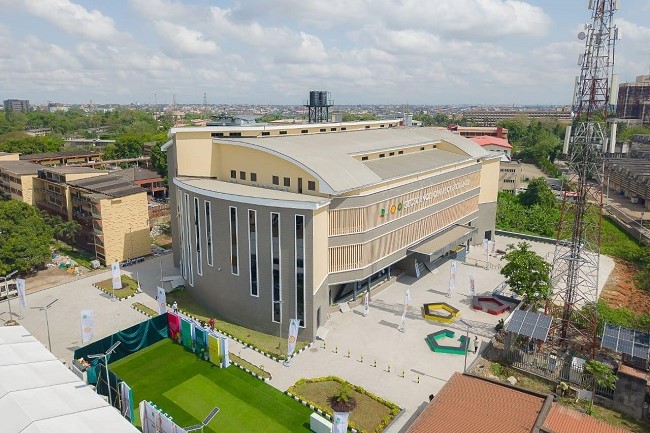
Shell Nigeria Exploration and Production Company Limited (SNEPCo) has teamed up with the Nigerian National Petroleum Company Limited (NNPC) and the Nigerian Content Development and Monitoring Board (NCDMB) to deliver a Geosciences Centre of Excellence at the University of Lagos, a world-class learning and research hub in a critical sector of the economy.
The centre which was commissioned on Friday, April 17, 2026, is an impressive five-level structure equipped with state-of-the-art learning and research facilities, including facilities for research in hydrogeology, mineralogy and environmental geology, a seismic laboratory and seismic interpretation room as well as a library and digital museum.
L–R: Chief Investment Officer, NNPC Upstream Investment Management Services Ltd (NUIMS), Mr Olanrewaju Igandan; Lagos State Honourable Commissioner for Tertiary Education, Mr Tolani Sule; Managing Director, Shell Nigeria Exploration and Production Company Limited (SNEPCo), Mr Ronald Adams; Vice‑Chancellor, University of Lagos, Professor Folasade Ogunsola; and Director, Capacity Building, Nigerian Content Development and Monitoring Board (NCDMB), Engr Abayomi Bamidele, during the inauguration of the University of Lagos Geosciences Centre of Excellence, Lagos
The facilities are designed to support undergraduate and postgraduate studies and help to reduce the reliance of the Nigerian oil and gas industry on international markets for testing, training and research.
“This Centre represents a long-term investment in Nigeria’s greatest asset – its people,” said SNEPCo Managing Director, Ronald Adams, at the ceremony.
Lagos State governor, Babajide Sanwo-Olu, who was represented by Commissioner for Tertiary Education, Tola Sule, said: “The building will create an environment where students don’t just learn by textbooks but by doing.”
Chief Upstream Investment Officer of the NNPC Upstream Investment Management Services, Olanrewaju Igandan, described the handover of the Centre of Excellence as “a testament to what can be achieved when industry, regulators and the academia work together with a shared vision for national development.”
Executive Secretary NCDMB, Felix Ogbe, was represented at the handover ceremony by Director, Capacity Building, Abayomi Bamidele. He said: “The success of this centre will not be measured by its structure, but by its impact. The number of skilled graduates produced. The quality of research it generates. The solutions it provides to industry challenges.”
The University of Lagos Geosciences Centre of Excellence is a purpose‑built facility for learning, research and industry collaboration. It was constructed and equipped by the Nigerian National Petroleum Company Limited and Shell Nigeria Exploration and Production Company Limited in partnership with the Nigerian Content Development and Monitoring Board
Vice Chancellor, University of Lagos, Prof. Folasade Ogunsola, highlighted expectations from the facility.
“It will provide advanced analytical, interpretative, and research services that meet international standards as well as offer degree programmes, customised short courses, professional certifications, and executive training programmes tailored towards the needs of industry, government agencies, and international partners,” she said.
The project, which was originally conceived in 2010, was executed by an indigenous company, 225MM Construct Limited. Students from the University of Lagos, Obafemi Awolowo University in Ile Ife, University of Ilorin and Yaba College of Technology served on internship during construction, thereby gaining technical experience and exposure to project execution.
The establishment of the Centre of Excellence is the latest milestone in a wide-ranging support for education by SNEPCo and its partners which involves award of scholarships, donation of science laboratories to secondary schools across Nigeria and the construction of E learning centres at universities in Delta, Enugu, Edo and Bayelsa states.
The Niger State Ministry of Water Resources says interventions by the United Nations Human Settlements Programme (UN-Habitat) have significantly improved water supply, sanitation and hygiene services in parts of the state.
The Permanent Secretary of the ministry, Alhaji Akilu Kuta, said this in Minna, the state capital, while assessing the impact of the agency’s projects on benefiting communities.
Kuta explained that the ministry was responsible for policy formulation, implementation and supervision of agencies under it, particularly in the delivery of water supply and sanitation services.
Gov. Mohammed Umar Bago of Niger State
He, however, noted that the sector continued to face challenges, especially theft and vandalism of facilities.
“UN-Habitat has intervened in several areas in the provision of water, as well as in the promotion of sanitation and hygiene.
“The intervention has impacted positively in towns and villages such as Gwada, Beji, Tungan Malam, Kateri and Mariga,” he said.
Kuta commended the organisation for its sustained support to the state.
Earlier, the Head of Sanitation, Niger State Water and Sewage Corporation, Hajiya Sadiya Suleiman, described Kpakungu community as densely populated with inadequate sanitation facilities.
She said the community had previously recorded frequent disease outbreaks due to poor hygiene and limited access to potable water.
According to Suleiman, the provision of solar-powered boreholes and modern toilet facilities has improved water supply and reduced open defecation.
“Before now, there was prevalence of diseases, including cholera, but with these facilities, hygiene practices have improved and disease outbreaks have reduced,” she said.
Some residents of Kpakungu also attested to the positive impact of the intervention.
Mrs. Mutiat Hussaini said infections were common in the past due to lack of access to water, but the situation had improved with the new facilities.
Similarly, Mrs. Ramat Hamza said residents now had access to clean water and functional toilet facilities.
The Ward Head of Kpakungu, Alhaji Tanko Ibrahim, said the intervention had curbed open defecation and improved overall hygiene in the area.
Another resident, Danasabe Mohammed, said the project had reduced the presence of mosquitoes and flies, while improving environmental sanitation.
He appealed for more interventions to sustain the gains recorded.
In his remarks, Ahmadu Yakubu said the community previously relied on wells and water vendors at high cost, adding that indiscriminate defecation was widespread.
Yakubu said the intervention had brought significant behavioural change, improved hygiene and reduced minor illnesses.
He added that the community actively participated in the construction of the facilities and commended UN-Habitat for the initiative.
Key stakeholders across government, civil society, and industry have called for stronger regulatory coordination and accelerated action on methane abatement in Nigeria’s oil and gas sector.
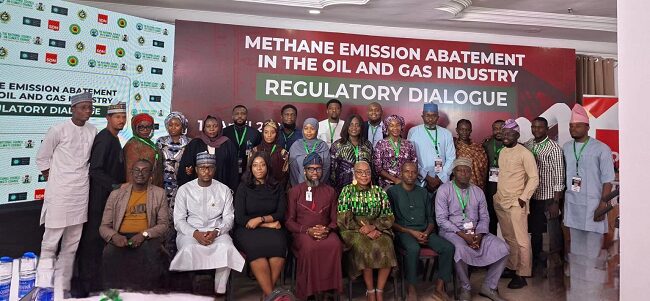
They made the call at the Methane Emission Abatement in the Oil and Gas Industry Regulatory Dialogue organised by the Stakeholder Democracy Network (SDN) and other partners on Friday, April 17, 2026, in Abuja.
The SDN Country Director, Mrs. Florence Ibok-Abasi, said the gathering marked a turning point in efforts to harmonise regulatory approaches, describing collaboration as critical to achieving meaningful climate outcomes.
Participants at the Methane Emission Abatement in the Oil and Gas Industry Regulatory Dialogue
Ibok-Abasi stressed that fragmented regulatory approaches have slowed progress in the past, noting that the current engagement aimed to align priorities, strengthen enforcement, and build lasting institutional coordination.
“We are here to align priorities, learn from our challenges, break down silos, and build genuine coordination among all stakeholders.
“Each of you brings critical knowledge; upstream expertise, midstream insights, climate policy perspective, civil society accountability, and legislative oversight. Our strength lies in bringing these together.
“Improved inter-agency cooperation is not optional; it is the foundation for better data, stronger enforcement, and credible progress toward Nigeria’s global methane pledge. We have the talent to make this work.”
Ibok-Abasi said the dialogue was the first of two, adding that a second dialogue would be reconvene to advance initiatives and collaboration that would ensure improvement of methane abatement in the oil and gas sector.
Also speaking, Dr Jude Samuelson, Head of Environment and Climate Change, SDN, highlighted methane reduction as one of the fastest and most effective strategies for tackling climate change globally.
Samuelson noted that the initiative was therefore designed to ensure regulators and operators work hand in hand to deliver measurable results.
However, he identified the high cost of methane abatement technologies as a major constraint, calling for stronger government-industry partnerships to make such solutions more accessible and scalable in Nigeria.
“One of the recommendations that SDN has is to see how the government can work with the operators to ensure that the operators afford these technologies.
“We are also interested in bringing some of the new technologies from methane emission abatement down to the country to see how the technologies could be deployed in the oil and gas sector to ensure that emissions reduce drastically.”
From the climate policy perspective, Mr. Chukwuemeka Okebugwu of the National Council on Climate Change (NCCC), said methane remained a significant contributor to global warming, particularly in oil-producing countries like Nigeria.
“The oil and gas sector is a major source of methane emissions.
“So regular dialogue helps us develop practical solutions and also identify opportunities, including converting methane into useful energy instead of wasting it,” he said.
Mr. Odafe Atebe, Technical Advisor on Health, Safety, Environment and Community, to Mr. Saidu Mohammed, Chief Executive Officer of Nigerian Midstream and Downstream Petroleum Regulatory Authority (NMDPRA), highlighted the need for methane abatement.
Atebe described methane abatement as a cost-effective pathway for Nigeria to achieve climate goals without compromising energy security.
“Fragmented approaches will not deliver the scale of impact required. We must move beyond discussions to coordinated action across the entire oil and gas value chain,” he said.
Similarly, Ibrahim Jilo, Senior Manager, Nigerian Upstream Petroleum Regulatory Commission (NUPRC), noted that while progress has been made, challenges remain in ensuring compliance across a diverse and evolving industry landscape.
Jilo emphasised the importance of tailored approaches, capacity building, and sustained engagement with operators.
From the civil society standpoint, Tengi George-Kalu of the Natural Resource Governance Institute (NRGI) urged stakeholders to ensure that methane reduction efforts translate into tangible benefits for communities affected by oil and gas operations.
“Collaboration is key to moving from policy ambition to real implementation and enforcement,” she said.
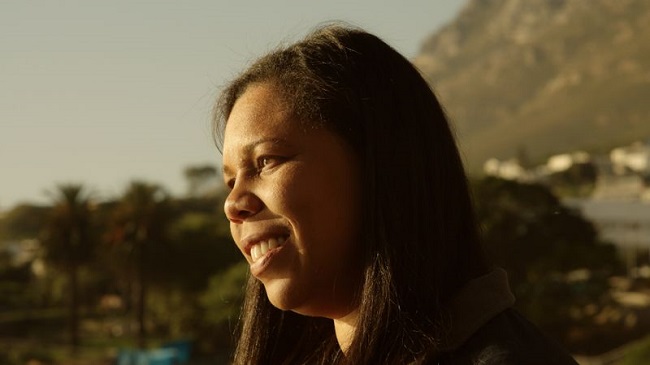
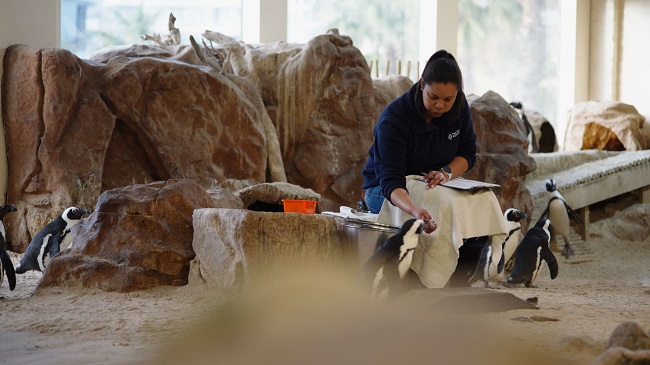
Shanet Rutgers’ passion for penguins was ignited in early 2000 when her mother took her to the Two Oceans Aquarium for the first time. Here, she witnessed African penguins being fed and told her mother, “I want to be the lady feeding the penguins.”
Slowly, this dream began to materialise.
When she was 15 years old at Kensington High School, Two Oceans Aquarium sent a letter soliciting applications for the De Beers marine biology course. This would allow a person to volunteer at the aquarium and write an exam to earn a certificate of qualification.
Shanet Rutgers, the dedicated head penguin keeper at Two Oceans Aquarium. Photo credit: @2oceansaquarium
“I sent a motivational letter and got accepted,” says Rutgers.
Instead of spending her holidays with her friends, Rutgers was at the aquarium, working alongside animals and educating guests on what she had learnt.
“I liked teaching and I like making sure everybody knows what I know. I always tell myself that if you die with all the information, it means nothing… if you can share that information with the next person, it’s something you leave behind,” says Rutgers.
Becoming a caretaker
Rutgers was persistent and applied for any job that was available at the aquarium.
“The person who was working with penguins left in 2014. They needed someone and they picked me,” says Rutgers.
In 2020, Rutgers became the head of penguin care at the Two Oceans Aquarium. She studied for an animal health diploma at UCT and graduated in 2021.
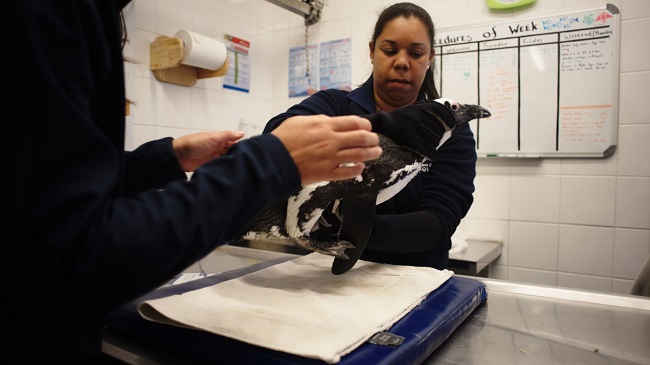
Studying animal health allowed Shanet Rutgers to work with penguins in a more hands-on way. Photo credit: @2oceansaquarium
“I was able to interact with the birds on an educational and husbandry level. But also on a clinical level. I could see if something was wrong with the bird, and interact and know exactly what was wrong with it,” she said.
Studying animal health allowed her to work with penguins in a more hands-on way, which further fuelled her passion for them. However, an animal health technician cannot prescribe anaesthesia but can work alongside a vet to perform certain procedures.
“We can provide vaccinations with a veterinarian on site,” she says.
Typical health concerns for penguins in captivity include bumblefoot, a pseudopodium that forms beneath the foot.
“It’s a little pus bump… like a bedsore. It is very painful for penguins because they’re walking on their feet. You need to have different substrates for that. So it’s very important for us as keepers to check their feet daily,” says Rutgers.
While working with penguins, it’s important to plan things the day before.
“Because we do public feeds, we have to schedule our day around it,” she says.
By 9am she is in the kitchen, de-shelling prawns and preparing squid and sardines. After this, she rakes the enclosure’s “beach”, cleans the exhibits and begins feeding the 20 African penguins and 14 rockhopper penguins.
Shanet Rutgers’ passion for penguins shines as she shares insights into their behaviours, feeding habits and the unique personalities that make them so special. Photo credit: @2oceansaquarium
“You never know what is going to happen because penguins can be unpredictable. You’ll often get a penguin who decides to fight with another penguin. This can lead to eye injuries… They also bite each other on their flippers and leave open wounds.
“No matter how well you plan your day, things like this take time,” she says.
Rapid population decline
According to the IUCN Red List, African penguins will be listed as functionally extinct by 2035, meaning there won’t be enough birds to produce a colony.
“At the aquarium, we do a lot of presentations around our penguin feed, specifically talking about the fish produce that’s a problem within South Africa, and the pollution, which affects the penguins’ natural habitat,” says Rutgers.
To take action against overfishing, the World Wide Fund for Nature (WWF) established the South African Sustainable Seafood Initiative to educate people about sustainable seafood.
Sardine populations, a staple in the African penguins’ diet, are plummeting.
“My role here is to teach as much as I can. We also have a global campaign called ‘Not On Our Watch’ to promote awareness of the African penguin and how scarce the animal is in the wild,” she says.
Not On Our Watch was launched on 1 March 2023 with a specific focus on the African penguin. The campaign is supported by several conservation organisations including WWF-SA, Endangered Wildlife Trust, South African Association for Marine Biological Research, Southern African Foundation For The Conservation Of Coastal Birds, Birdlife South Africa, African Penguin and Seabird Sanctuary, Dyer Island Conservation Trust, Animal Ocean and Nelson Mandela University.
In the early 1900s, it was estimated that 1.5 million African penguins lived on Dassen Island off the West Coast. This is where African penguins were discovered for the first time, says Rutgers.
The island was covered in guano; penguin poo.
“Guano is interesting because it helps regulate the temperatures for penguins and their eggs, which is why they dig their nests on top of guano,” says Rutgers.
The discovery of these penguins led to a demand for their eggs, then considered a delicacy. Also, guano was found to be an extremely good fertiliser, she says.
“People started harvesting the guano, which then affected the penguins’ temperature. They were left exposed to elements such as rain, wind and sun.”
This led to the colony looking for new habitats such as Robben Island, and later, Boulders Beach in Simon’s Town, where they used the rocks as a natural protection against the elements.
“Penguins started foraging for food closer to these places and began nesting sites to find a safer place because Dassen Island was being stripped,” she says.
This resulted in a significant decline in the penguin population as the journey to these new locations left them vulnerable to attacks in both the sea and on land. They were also increasingly exposed to people.
“It’s not a steady decline. It’s a rapid one, and it goes faster each year. The most recent count shows we have about 10,000 African penguins left in the wild,” says Rutgers.
Today, pollution is one of the biggest concerns for the surviving population.
“These penguins die from starvation as the few fish they manage to catch often contain microplastics, or they get caught in cable ties and plastic debris,” she says.
Education inspires change
“We need to do everything in our power to make a change… At the end of the day, we are the ones destroying the environment, not the animals,” says Rutgers.
This includes beach clean-ups, eating sustainably and living a sustainable lifestyle. But most importantly, individuals and companies should educate themselves.
“You can teach until you’re blue in the face. But it’s up to that person to take what you’ve taught them and make practical use of it,” she says.
Two Oceans Aquarium has a biodiversity management plan which involves the government and is discussed every 10 years.
“We (also) get the public on board and allow them to give comments and offer advice on how we can make changes for the African penguin,” she says.
“(Rutgers) has learnt through experience, and many years on the job, what is the best possible way to care for the aquarium’s penguin colony,” says Heather Wares, communications officer at the facility.
Rutgers is also able to share complex information in a manner whereby people of all ages can understand, says Wares.
“She leads her team with an ethos that shows a close personal relationship with the birds while remaining respectful to their status as endangered wild animals.”
Rutgers says if she can see just one child talk about the African penguin, it makes her happy.
“Then I know I’ve made a difference somewhere.”
By Liam Voorma, Daily Maverick
This article first appeared on Daily Maverick on December 14, 2023, under a partnership with Wild Africa
In recent years, countries that are signatory Parties to the Convention on International Trade in Endangered Species of Wild Fauna and Flora (CITES) are transitioning from paper-based permits to modern electronic permitting systems that enable instant verification, secure data exchange and improve the traceability of the trade in species covered by the Convention.
This digital shift helps to not only strengthen the traceability of international trade in wild species but also ensure this trade does not undermine the survival of the species in the wild.
Argentina reaffirmed its commitment to fully digitalise its electronic CITES permitting system (eCITES) during a national consultation workshop held on March 31, 2026, in Buenos Aires. The focus of the workshop was the implementation of eCITES integrated with the country’s Single Window for Foreign Trade (VUCE), a unique and national digital platform where traders can submit the trade documentation required for importing, exporting, and transit of goods.
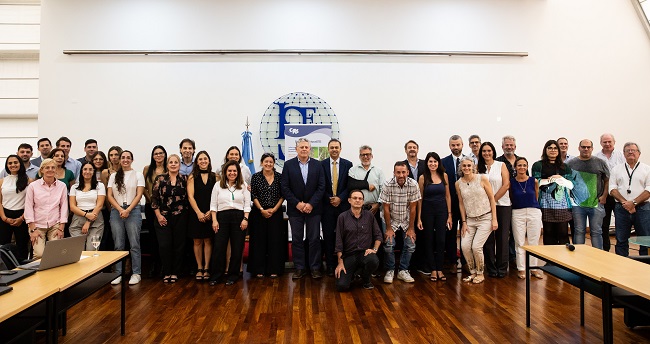
Participants at the CITES national consultation workshop in Buenos Aires
Made possible thanks to the generous financial support of Switzerland, the workshop was co-organised by the Office of the Undersecretary for the Environment of Argentina and the CITES Secretariat, hosted by the Office of Environmental Affairs (Dirección de Asuntos Ambientales, DIGMA). The main purpose of the workshop was to discuss the findings of a feasibility assessment, receive feedback and agree on recommendations for the implementation of the eCITES permit system in Argentina.
To support Argentina’s transition ahead of the workshop, the CITES Secretariat commissioned a feasibility assessment for planning and deploying an eCITES system, including a detailed Business Process Analysis (BPA) of current “as is” permitting procedures and a proposed future “to be” digital model aligned with CITES and national regulatory requirements.
The assessment highlighted that Argentina has a solid legal basis for national digital platforms, but still faces institutional, procedural and technological challenges across the application, evaluation, issuance, inspection and control of CITES permits and certificates. Key steps still rely on manual uploads, offline verification and limited human resource capacity.
The 40 workshop participants from Argentina’s CITES Management and Scientific Authorities, VUCE authority, Customs, exporters, importers and other members of the trading community agreed that integrating eCITES within the VUCE platform represents the most effective approach for this transition. The CITES Management Authority and VUCE authority decided to establish a joint project team in this regard.
Participants also remarked on the value of the workshop in kickstarting the process of deployment of the eCITES system, which is supposed to be piloted in June 2026, as well as the usefulness of the discussions for developing better understanding of the CITES permit requirements.
Acknowledging Argentina’s commitment to implement eCITES, CITES Secretary-General, Ms. Ivonne Higuero, said: “With successful eCITES implementation, Argentina’s trade in wildlife – from plants and timber to aquatic, terrestrial and bird species – will become even more transparent, sustainable, and aligned with global best practices.
“This progress reinforces our collective commitment to shared global goals for people and nature, such as the CITES Strategic Vision, Targets 5 and 9 of the Kunming–Montreal Global Biodiversity Framework on sustainable harvesting and trade of wild species and the Sustainable Development Goals, including Goal 14, Life Below Water, and Goal 15, Life on Land.”
Marking this significant next step, the Undersecretary of Environment in Argentina, Dr Fernando Jorge Brom, said: “The transition to electronic CITES permits (eCITES) represents a significant leap forward in modernising environmental management for the international trade of endangered species in Argentina. This system not only accelerates processes but also strengthens our capacity for international trade that guarantees the legal acquisition, sustainability, and traceability of traded species.”
Following the workshop, the VUCE authority, the CITES Management Authority of Argentina and the CITES Secretariat held in-depth discussions and agreed to a phased implementation approach. Argentina Customs organised a visit to Buenos Aires airport to review procedures for controlling specimens of CITES-listed species and provide valuable insight into Customs’ operational role and responsibilities.
This engagement has demonstrated that an interoperable eCITES system is feasible in Argentina and a strategic step toward enhancing inter-agency cooperation and ensuring more effective implementation of CITES regulations.
A new report led by Conservation International and IUCN, published on Wednesday, April 15, 2026, in Oryx, warns that over 40% of more than 8,500 soil‑dependent species are at risk of extinction or Data‑Deficient on The IUCN Red List of Threatened Species™.
Soil is central to human survival. Ninety‑five percent of the food humans consume depends on it, and healthy soil could store up to 27% of the carbon needed to keep global warming below two degrees Celsius. Yet despite its importance, many of the species that keep soil healthy are now at risk.
The vulnerable Orange Waxcap
“Soil sustains many of the most essential parts of human life, yet we still have not sufficiently studied the thousands of species within it,” said Neil Cox, Manager of the Biodiversity Assessment Unit, a joint initiative of Conservation International and IUCN. “This study draws attention to the dire state of many soil‑dependent species, and we hope its publication spurs the increased focus and funding needed to understand how to conserve these species.”
Key findings:
This study highlights the troubling reality that 20% of assessed soil species (at least 1,758 species) are at risk of extinction, according to the IUCN Red List;
The study also found that we lack sufficient data to determine the status of another 20% (1,722) of these assessed species;
Soil is home to about 59% of Earth’s species, yet there remains a major gap between the importance of these thousands of soil‑dependent organisms and what we know about them;
Soil biodiversity is underrepresented on the IUCN Red List of Threatened Species, the most comprehensive information source concerning the global extinction risk of species.
The knowledge gap around soil biodiversity poses a threat to one of Earth’s most vital resources. To urgently address it, the study recommends:
The establishment of an IUCN SSC Soil Biota Working Group to elevate and coordinate action on soil biodiversity;
That ties be strengthened between regional and global organisations working on soil biodiversity management;
More effective knowledge-sharing between IUCN, governments, landholders, and the public on the importance of soil conservation.
Without these species, we risk further degradation of the earth’s soil, which is vital to global agricultural production. Soil health underpins food systems worldwide, and the threat of soil degradation must be taken seriously for the sake of people, animals and the planet as a whole.
“The IUCN Red List is a vital tool for understanding the health of global biodiversity, yet most soil species remain understudied or unlisted,” said Dr Gregory Mueller, author on the paper and Chair of the IUCN SSC Fungal Conservation Committee, whose members contributed to the paper. “Soil species shape so many parts of life on this planet – for example, fungi enable plants to take in nutrients and make decomposition possible, underpinning ecosystems. It is crucial that we give all soil species the attention they deserve and work to better understand and protect them.”
“Invertebrates are critical to soil health, with their roles in nutrient cycling and improving soil structure. With healthy biodiversity at the foundation of our agricultural systems, building systems to conserve these species is essential for food security,” said Dr Axel Hochkirch, Co-Chair of the IUCN SSC Invertebrate Conservation Committee.
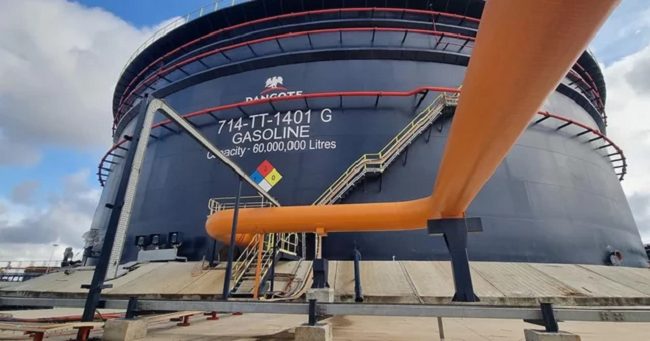
The Dangote Group is moving forward with plans to sell a 10 per cent stake in its $20 billion, 650,000-barrel-per-day refinery through a landmark Pan-African Initial Public Offering (IPO) in 2026.
Alhaji Aliko Dangote made this known during an event organised by the Atlantic Council in Washington DC, on Thursday, April 16, 2026.
He said that the share sale would support long-term investments and deepen African capital market participation.
Dangote Refinery
According to him, Dangote Petroleum Refinery and Petrochemicals FZE will pay dividends to shareholders in dollars after listing, although specific financial details of the planned offering were not disclosed.
Dangote said that the company has appointed Stanbic IBTC Capital Ltd., Vetiva Advisory Services Ltd. and FirstCap Ltd. as advisers for the proposed IPO.
He said that the share sale aligns with his broader strategy to invest about $40 billion over five years to scale operations across refining, fertiliser production and mining ventures in Africa.
Dangote said that the expansion plan includes quadrupling fertiliser output, increasing refinery capacity significantly, and establishing potash and phosphate plants in the Democratic Republic of Congo alongside copper refining projects in Zambia.
He said that 650,000 barrels-per-day refinery, Africa’s largest refinery, recently reached full operational capacity, coinciding with supply disruptions linked to tensions in the Middle East, which boosted demand for its petroleum products globally.
Dangote said that the facility has also emerged as a strategic supplier of jet fuel to Europe, reinforcing its growing relevance in international energy markets and enhancing Nigeria’s position in global refining and export chains.
Also speaking, the senior vice president of refining, chemicals and oil markets at consultancy Wood Mackenzie, Alan Gelder, said that the refinery was highly profitable.
He said that the rising export volumes and strong demand fundamentals across multiple product segments.
Gelder said that data indicated that diesel exports rose to about 79,500 barrels per day in April from 73,600 in March, while gasoline shipments declined to 50,100 barrels per day from nearly 102,400 previously.
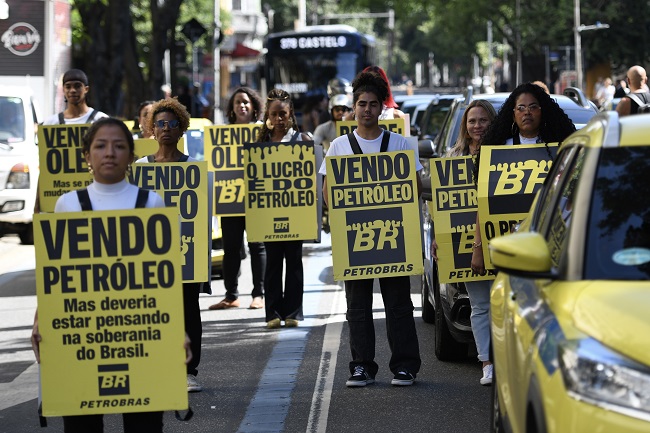
During Petrobras’s Annual General Meeting this Thursday, April 16, 2026, a group of civil society organisations protested outside the company’s building in Rio de Janeiro, Brazil, calling for a just energy transition and climate justice.
The company, which reported profits exceeding BRL 110 billion (US$ 22 billion) in 2025, is facing criticism for the contradiction of hiring numerous influencers to promote the company’s “just energy transition” while simultaneously cutting its budget for projects related to renewable energy sources.
Activists protest outside the company’s headquarters during the Annual General Meeting
In a statement released in March 2026, Petrobras president, Magda Chambriard, reinforced the company’s focus on expanding fossil fuel production: “2025 was extraordinary in terms of production. The increase in oil and gas volume allowed us to offset the effects of the drop in Brent and achieve robust financial results.”
The company’s astronomical profits are being announced less than 10 days before the start of the 1st International Conference on the Transition Away from Fossil Fuels, to be held April 24–29, 2026, in Santa Marta, Colombia. Contradictorily, Brazil is one of the leading actors at the event, as it continues to hold the Presidency of the UN Climate Conference (COP) through November of this year.
In its 2026–2030 Business Plan, Petrobras cut resources earmarked for the energy transition by 20%. The company has been out of step with the global commitments Brazil has already made to reduce emissions – maintaining plans to expand its exploration frontier toward the mouth of the Amazon River and other sedimentary basins along the country’s northern coast.
There are viable and profitable paths for Petrobras to leave fossil fuels behind. The position paper “The Petrobras We Need,” launched by the network Observatório do Clima in September 2025, proposes that Petrobras should diversify its core business and prioritize investments on low-carbon fuels instead of planning for new refineries.
“They profit billions while we pay: as taxpayers, because we fund fossil fuel subsidies and the environmental damage caused by oil and gas extraction; as consumers, in our electricity, gas and fuel bills – which consume a large share of household income; and as citizens, with public budget increasingly needing to be reallocated to deal with losses caused by climate disasters instead of basic public needs as healthcare and education,” said João Cerqueira, Director of 350.org Brazil.
“Petrobras can and must lead more effective actions for the energy transition. It needs to internalise the gravity of the climate crisis and diversify its investments, with concrete action in renewable sources – not just narrative and communications efforts,” stated Suely Araújo, Public Policy Coordinator at Observatório do Clima.
“The attacks by the United States and Israel against Iran shattered the supposed ‘energy security’ associated with fossil fuels and exposed the financial urgency of the energy transition to guarantee countries’ sovereignty. Therefore, Petrobras’s plans to expand investments in fossil fuels – especially over areas of high environmental sensitivity, such as the mouth of the Amazon River – at the expense of renewable sources and low-carbon fuels, are a risk to the company’s own long-term economic and financial viability.
“Given the role Petrobras plays in the national economy, it is crucial that the company become an energy company, truly leading a just energy transition and leaving its oil past behind,” submitted Shigueo Watanabe Jr., researcher at ClimaInfo.
The ECOWAS Bank for Investment and Development (EBID) and the Republic of Guinea have formalised a Memorandum of Understanding (MoU) to strengthen cooperation in financing priority development projects in Guinea. The agreement was signed on April 8, 2026, in Accra, on the sidelines of the 24th Annual General Meeting of the Board of Governors of EBID.
The MoU was signed by Dr. George Agyekum Donkor, President and Chairman of the Board of Directors of EBID, and Ismael Nabé, Minister of Planning, Development and International Cooperation of the Republic of Guinea.
Dr. George Agyekum Donkor, President and Chairman of the Board of Directors of EBID, and Ismael Nabé, Minister of Planning, Development and International Cooperation of the Republic of Guinea
Under the agreement, EBID will support the financing of six priority projects with a total estimated value of over €310.5 million and $387.9 million within the framework of the Guinean National Development Plan – Simandou 2040. These projects span key socio-economic sectors, including transport infrastructure, renewable energy, agriculture, food security, land administration, and public sector modernisation.
The initiatives include the development of major road infrastructure in Conakry, agricultural mechanisation and poultry value chain programmes, land cadastre modernisation, and the construction of 80 megawatts of photovoltaic solar power plants across four regions.
Speaking at the ceremony, Dr. Donkor reaffirmed EBID’s commitment to supporting Guinea’s economic transformation through strategic, high-impact investments that promote inclusive growth, resilience, and regional integration.
“This MoU marks a key milestone in Guinea’s development agenda,” said Minister Nabé. “We value EBID’s strong partnership and look forward to swift implementation of these priority projects to deliver tangible impact for the people of Guinea.”
This partnership marks a significant milestone in EBID’s role as a trusted development partner to its Member States.
The Green Connection and Natural Justice have welcomed the decision by the Supreme Court of Appeal (SCA) to defer a decision whether to grant leave to appeal and direct that a further leave to appeal application by Shell and the State be heard together with the merits of the appeal, in a consolidated hearing, in the ongoing legal challenge against offshore oil and gas exploration in Block 5/6/7 off South Africa’s south-west coast.
According to The Green Connection’s Outreach Ambassador, Neville van Rooy, “By directing that the leave to appeal application and the full appeal be heard together, the Supreme Court of Appeal has created a single, consolidated process that goes beyond procedural efficiency.
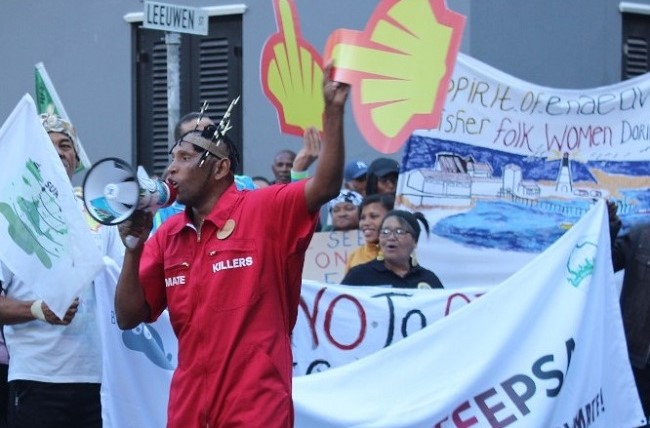
The Green Connection’s Community Outreach Coordinator, Neville van Rooy, leads the chants for ocean justice alongside coastal activists. Communities demand an end to fossil fuel exploration that threaten their livelihoods.
“It shortens the path to final accountability and ensures that the Court fully considers the substantive failures identified by the High Court – including the government’s failure to properly take into account the significant risks to the livelihoods of small‑scale fishers, and the resulting asymmetrical assessment of who bears the risks and who stands to benefit from offshore oil and gas exploration.”
“This case matters to all South Africans because it is essentially about good governance and because it will set a binding legal precedent on whether government decisions affecting the country’s environment, climate future, public finances and livelihoods must fully consider climate risks, environmental harm and meaningful public participation – or whether such decisions meet the required standards of lawfulness and accountability
“Moreover, amid a growing national debate on energy security, this case highlights a central reality of South Africa’s energy context, that local oil and gas production does not shield consumers from global market volatility. Sound governance should therefore prioritise transparent, evidence-based frameworks to model and guide South Africa’s long-term energy transition,” adds van Rooy.
Background to the Case
Following years of objections from coastal communities, small-scale fishers, civil society organisations and experts – who raised concerns about climate impacts, oil spill risks, transboundary harm and inadequate public participation – the Western Cape High Court in 2025 set aside the Environmental Authorisation granted for offshore drilling in Block 5/6/7. The Court found that the decision-making process was legally deficient, including failures to properly assess key environmental and socio-economic risks, and did not comply with the requirements of South Africa’s environmental laws.
In November 2025, the Western Cape High Court confirmed that the Environmental Authorisation for offshore drilling in Block 5/6/7 is unlawful and remains set aside, while granting the State and Shell limited leave to appeal on two issues only – the consideration of full lifecycle climate impacts and transboundary environmental harm.
After the High Court ruling, the State and Shell petitioned the Supreme Court of Appeal to expand the appeal to include additional grounds that had initially been refused permission to appeal – including failures related to public participation, socio-economic impacts and coastal law compliance. The present process before the Supreme Court of Appeal arises from that petition.
In February 2026, The Green Connection and Natural Justice filed their answering affidavit opposing efforts by the State and Shell to broaden the grounds of appeal in the Block 5/6/7 offshore drilling case. They reaffirmed that the matter concerns lawful decision making, environmental governance, climate accountability and the constitutional rights of coastal communities, and argued that the High Court had already found serious flaws in the environmental authorisation process that should not be reopened on appeal.
Key Legal Questions Before the Court
“At the heart of the case are questions about good governance and lawful decision-making. The Court must determine whether the Minister had (and considered) all the necessary and reliable information when granting the Environmental Authorisation for offshore oil and gas exploration. This includes information on environmental risks and the socio-economic importance of marine resources to coastal livelihoods.
“We contend that this information was incomplete or inadequately considered. The case also raises questions about whether communities were given meaningful opportunities to participate based on full and accurate information, and whether South Africa’s coastal and environmental laws were properly followed. These governance issues will now be considered together in a consolidated appeal process,” says van Rooy.
“Therefore, to be clear, this case is not about judges ‘deciding climate change’. It is about whether South African law was followed – specifically whether relevant climate, environmental and socio economic risks were lawfully and properly taken into account, as required,” he adds.
The matter is now progressing until the consolidated hearing of both the leave to appeal and the merits of the case, on a date still to be determined.
The Court has also directed that the related appeals brought by the State and Shell be heard together as one consolidated matter. The hearing date will be determined by the Supreme Court of Appeal, and is typically scheduled several months after the exchange of written arguments. Dates may change if there are delays, requests for extensions, or new directions by the Court.
“Importantly, the Environmental Authorisation for Block 5/6/7 remains set aside. No offshore drilling may lawfully proceed unless and until a valid authorisation is granted following a lawful process that complies with constitutional and environmental requirements,” concludes van Rooy.
The Green Connection and Natural Justice view the Supreme Court of Appeal’s decision as a vital step towards ensuring that the case is fully ventilated and that its implications for environmental governance, climate justice and coastal communities are properly considered.
The organisations and their small-scale fisher partners say they remain committed to defending South Africa’s oceans, protecting the rights and livelihoods of coastal communities, and upholding the good governance principle that decisions with long-term environmental and social consequences must withstand rigorous legal scrutiny.