32.3 C
Lagos
Thursday, February 12, 2026
Home Blog Page 52

‘Silent Conquest’ – How defiant Chinese ‘invaded’ Nigeria’s solid minerals space

0

Nigeria’s natural resources in communities in states like Zamfara, Nasarawa, Niger and Cross River are being extracted and carted away without recourse to the people and environment. Similarly, the gaps in monitoring and regulation of the solid minerals sector give the impression that government institutions are surrendering to foreign interests.

Executive Director, Renevlyn Development Initiative (RDI), Philip Jakpor, made the submission in Lagos on Thursday, December 11, 2025, in his welcome words at the official launch of Silent Conquest: The Chinese Infiltration of Nigeria’s Solid Minerals Sector, a report influenced by RDI’s work in host communities across Nigeria where sold mineral is mined.
Dele Alake
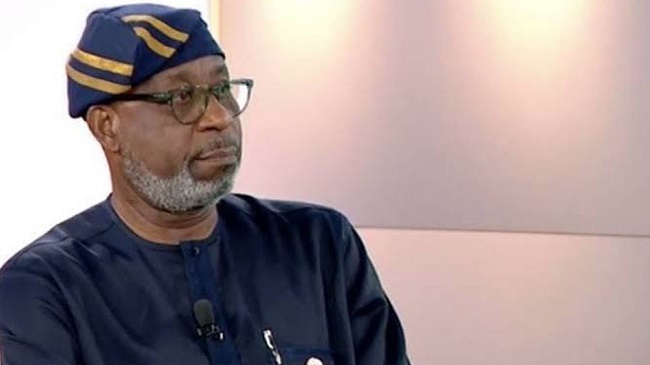
Dr Dele Alake, Minister of Solid Minerals Development

“The report reminds us that Nigeria’s solid minerals sector holds as much potentials as oil and gas and, when transparently harnessed and managed, could bring prosperity to the local communities and the nation at large.

“Unfortunately, like oil and gas, we have observed that the solid mineral sector is opaque and allows players, especially the foreign players, to extract without responsibility, leaving host communities empty handed,” stated Jakpor, co-author of Silent Conquest.

The findings, he disclosed, show that the country’s invasion, which most Nigerians fear, has already happened.

“It is the Chinese that have invaded all the spaces where solid minerals like gold and transition minerals like lithium are found. From Nasarawa to Zamfara, Niger, Kwara, Ogun and Abia to Akwa Ibom the story is the same. Not only has the sector been captured, but the players are also not ready to play by our rules. That is the bad news.”

He added: “We only get some little succor from the activities of some agencies of government like the EFCC that has been up and doing in checkmating unlicensed and illegal mining. The EFCC has been very proactive and have their hands full with arrests, prosecutions and arraignments of illegal Chinese miners and their local collaborators.

“The NSCDC has also been very active in that space. Disturbingly, we have seen some security agencies fighting each other to protect the illegal miners and the report also draws a nexus between illegal mining and terrorism currently ravaging the northern part of the country.

“The recent proposal by governors of northern Nigeria to ban mining for six months to checkmate terrorism financing should set us thinking. It should make us ask questions and the answers are in plain sight.  What we have documented in the report we are launching today is happening around us, it is happening in our communities. We read it, watch it and listen to it on radio. But if we continue to overlook or gloss over it, it will become a monster like we have seen in Nigeria’s Niger Delta where oil has become a curse.”

Samuel Orovwuje, co-author of Silent Conquest, described the event as being more than the unveiling of a report.

“It is a call to attention, a call to accountability, and ultimately, a call to action. We gather here because the future of our nation’s mineral wealth – and the dignity of our communities who live on these lands – cannot be left to chance, silence, or external interests.”

Silent Conquest, according to him, began as a simple inquiry on how Nigeria, a country blessed with vast solid minerals, has become a landscape of unchecked extraction, foreign infiltration, and institutional vulnerability.

“The answers we found were deeper and more consequential than we anticipated. What emerged was not just a narrative of illegal mining, but a story of governance failure, quiet incursions, and the gradual erosion of state authority across mineral-bearing regions.

“This work is the product of months of research, careful documentation, and the difficult task of distilling complex incidents into a coherent national story. It draws on verifiable data, policy audits, investigative reports, field accounts, and official records. At every stage, we were guided by one principle: truth must serve the public interest.

“But this launch is not about pointing fingers. It is about laying a foundation for reform.

“It is about insisting that Nigeria’s minerals do more than enrich shadow networks – that they contribute meaningfully to our economic diversification, industrial development, and collective prosperity. It is about strengthening the institutions that stand between national resources and global exploitation. And it is about ensuring that Nigeria’s sovereignty is neither negotiated nor quietly eroded under the weight of foreign interests and internal collusion.

“As we unveil Silent Conquest today, we do so with humility, clarity of purpose, and a firm belief that evidence-based work can change the direction of public policy. I extend my deep appreciation to colleagues, reviewers, researchers, civil society partners, and every institution that contributes to the ongoing struggle for transparency and accountability in our extractive sector.”

The Chinese infiltration of Nigeria’s solid minerals sector – A review

0

Silent Conquest: The Chinese Infiltration of Nigeria’s Solid Minerals Sector is a timely, rigorously compiled, and policy-relevant report that fills a critical gap in Nigeria’s extractive governance discourse.

As a reviewer, I find this work both compelling and necessary – an evidence-driven analysis that illuminates one of the most complex and least understood threats to Nigeria’s economic sovereignty: the rise of foreign-linked illegal mining networks.

The report distinguishes itself through its careful integration of official data from Nigeria Extractive Industries Transparency Initiative (NEITI) audits, enforcement records from the Economic and Financial Crimes Commission (EFCC) and the Nigeria Security and Civil Defence Corps (NSCDC), and a wide body of credible media and policy literature.

Silent Conquest
Silent Conquest

For those who were curious about China’s particular interest in Nigeria’s spat with the United States following President Donald Trump threat to use lethal force on terrorists, the answer seems not to be far-fetched. The report captures the fact that Chinese nationals have been implicated in “rent payment” in terrorist strongholds in northern Nigeria to enable them access precious minerals.

The authors demonstrate an impressive ability to connect granular field-level events to broader patterns of national security risk, environmental decline, and governance failures. This strengthens the report’s credibility and positions it as an essential reference for policymakers, regulators, civil society actors, and researchers working on extractive governance.

One of the strongest contributions of this report is its balanced tone. While the subject matter is sensitive – touching on foreign involvement, state collusion, and high-value critical minerals – the analysis remains grounded in documented facts rather than speculation. The presentation of recent arrests, institutional failures, community impacts, and legislative proceedings is thorough and responsible. The narrative highlights systemic weaknesses without losing sight of the wider implications for Nigeria’s economic diversification agenda.

Equally important is the report’s framing of illegal mining as both an economic and a national security challenge. By linking resource theft to insecurity, community grievances, and environmental impacts, the author situates illegal mining within Nigeria’s broader governance landscape. This multidimensional approach is one of the report’s key strengths.

The recommendations presented are clear, actionable, and aligned with global best practices in natural resource governance. They underscore the urgent need for legal reform, stronger enforcement architecture, and accountability mechanisms capable of addressing both internal and external drivers of illicit extraction.

In sum, Silent Conquest: The Chinese Infiltration of Nigeria’s Solid Minerals Sector is a well-researched and courageously presented contribution to ongoing national debates on resource protection. It is a work that challenges institutions to confront uncomfortable truths, strengthens public understanding of emerging threats, and provides practical pathways for reclaiming state control of Nigeria’s mineral wealth.

It is important to mention a few things about the authors of the report. I make bold to say that they are competent to write about this issue. Philip Jakpor started his work career as a journalist in 2003 reporting the environment and agriculture. Even after leaving the newsroom in 2007, he has consistently engaged the media on a host of subjects concerning the environment including in the Niger Delta and in the mining communities in the north and Sam Orovwuje is a policy analyst and independent scholar. His research interests include sustainable development goals, African political development, and decolonial theory.

I commend the Revevlyn Development Initiative (RDI) and the authors for producing a report that is not only analytical but strategic – one that should guide decision-making at the highest levels of government and among all stakeholders committed to safeguarding Nigeria’s natural resources.

It is our hope that the relevant agencies of government like the EFCC and NSCDC already confronting this menace are further strengthened and provided the needed resources to continue their good work.

Review by Babatunde Jimoh, Member, Vanguard Editorial Board

Shaping the urban climate agenda: Key takeaways from COP30

0

At COP30 in Belém, the United Nations Human Settlements Programme (UN-Habitat) played a central role in elevating the climate–urban agenda, convening the Fourth Ministerial Meeting on Urbanisation and Climate Change, co-hosting the Cities and Regions Hub, and supporting countries in advancing stronger urban alignment in their Nationally Determined Contributions (NDCs).

Through high-level engagements, technical sessions, and the launch of new knowledge products, UN-Habitat helped bring local implementation, housing, informality, multilevel governance, and urban climate finance to the forefront of global climate discussions.

COP30
COP30

The following 10 points capture the main takeaways from UN-Habitat’s engagement at COP30.

  1. Implementing the Paris Agreement depends on cities and regions. At the Fourth Ministerial Meeting on Urbanisation and Climate Change, 17 ministers, 21 governors and mayors and 30 international institutions reaffirmed that global climate goals cannot be achieved without strong local and multilevel action.
  2. Housing and informal settlements are climate priorities. For the first time at a COP, leaders acknowledged that upgrading informal settlements and improving basic services are core components of climate resilience and adaptation.
  3. The Chair of the Ministerial Meeting on Urbanisation and Climate Change set out eight areas where countries can strengthen the climate-urban agenda. These include institutionalising the Ministerial Meeting, enhancing participation of local governments in the UNFCCC process, aligning NDCs with urban realities, and advancing climate finance for city-scale implementation. The Chair also asked for countries to provide updates at the thirteenth session of the World Urban Forum in Baku in 2026.
  4. Countries demonstrate growing commitment to multilevel action by integrating clearer urban priorities into NDCs 3.0. The latest analysis from UN-Habitat shows that NDCs 3.0 now include the strongest urban alignment to date, with urban content nearly doubling and multilevel governance referenced in two-thirds of submissions.
  5. Cities and regions show strong leadership and readiness to scale action. Through 46 events and more than 200 speakers at the Cities & Regions Hub, local governments demonstrated practical solutions on heat, flooding, water security, mobility, nature-based solutions, waste, and project preparation.
  6. COP30 strengthened the case for multilevel governance as essential to effective climate implementation. Countries highlighted the value of coordination platforms and mechanisms to ensure that national ambition is matched with territorial delivery capacity.
  7. Advancing local climate finance is a pressing global priority. Ministerial discussions and the Cities & Regions Hub confirmed that more accessible pathways for city-scale projects, especially informal and vulnerable communities including access to finance, are critical to achieving global climate goals.
  8. Linking adaptation, nature, land, and people is vital. Multiple sessions at COP30 reaffirmed that nature-based solutions, resilient land use, and secure housing must be integrated into climate policy frameworks, including within the Global Goal on Adaptation.
  9. The forthcoming IPCC Special Report on Climate Change and Cities is critical to accelerate action. Countries committed to using the report to strengthen the science-policy-action interface and inform future climate planning, signalling strong demand for urban-focused evidence.
  10. UN-Habitat leaves COP30 with reinforced vigour to support countries with local climate implementation. Member States and local governments expressed that support for NDC implementation for urban and local impact is essential. New partnerships are emerging for planning, finance and implementation.

Yuletide: NMDPRA warns against panic-buying, fuel hoarding

0

The Nigerian Midstream and Downstream Petroleum Regulatory Authority (NMDPRA) in Osun State has warned residents against panic buying and storing petroleum products at home.

The agency also warned petroleum marketers against hoarding and any form of sharp practices before, during and after the Yuletide.

The NMDPRA state coordinator, Mr. Kunle Adeyemo, gave the warning while speaking with newsmen on Thursday, December 11, 2025, in Osogbo, the state capital.

Fuel subsidy removal
Fuel

Adeyemo said there is adequate supply of petroleum products in the state to meet the demand of residents before, during and after the festive period.

The NMDPRA boss noted that storing petroleum products at home could cause fire outbreaks, leading to loss of life and property.

He said the agency had put measures in place to ensure the smooth supply and distribution of petroleum products across the state.

Adeyemo said any marketer caught hoarding fuel or engaging in illegal pump adjustments would be sanctioned.

The NMDPRA boss also said the officials of the agency would continue to go around the state for monitoring and surveillance, with a view to sanction any marketer found culpable.

According to him, NMDPRA will intensify monitoring and surveillance of outlets in line with its regulatory mandate to ensure compliance with quality, quantity and safety of operations.

The NMDPRA coordinator who noted that the Federal Government had made sufficient petroleum products available to last throughout the festive season and beyond, said there was no need for panic buying or hoarding.

“Petroleum products are available in all depots around the country. Marketers should not engage in diversion, under dispensing, hoarding, adulteration or unsafe acts at retail outlets.

“Any marketer or operator caught engaging in sharp practices will be sanctioned accordingly,” he said.

Adeyemo also appealed to residents to patronise only approved, certified gas facilities in the state.

By Victor Adeoti

Stakeholders demand accountability on Nigeria’s N144trn debt to confront climate change

0

Nigeria’s total public debt was estimated to be N144.67 trillion as of the fourth quarter of 2024, a figure that many experts blamed for preventing governments at both the national and sub-national levels from investing in critical climate infrastructure and demanding accountability in borrowing practices to address the issue.

On Tuesday, December 9, 2025, at an event hosted by the Centre for Inclusive Social Development (CISD) in partnership with the Heinrich Böll Foundation (HBF) in Abuja, the stakeholders bemoaned the fact that persistent borrowing puts government instruments at risk.

They contended that, even in cases where governments must borrow, these funds should only be used to finance revenue-generating, self-liquidating, and vital infrastructure projects with clearly defined economic returns.

Debt Landscape
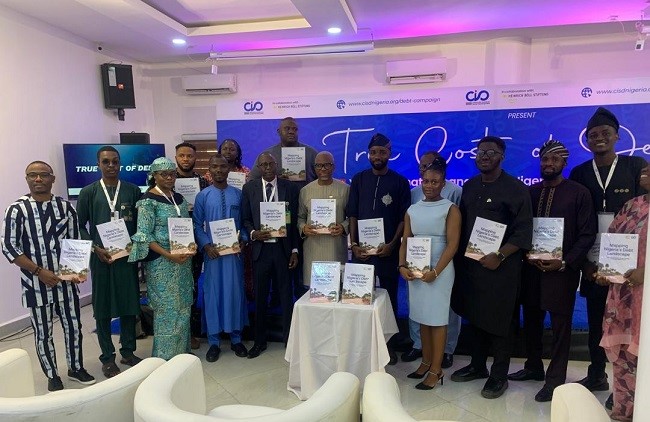
Participants at the launch of the Mapping Nigeria’s Debt Landscape: A Burden on Youth, Climate Change & National Development report in Abuja, Nigeria’s capital.

“The true cost of debts is the out-of-school child, the out-of-school girl, and that woman who has to do business and loses her life because of lack of access to basic maternal health care,” Folahan Johnson, the Executive Director of CISD, said.

Johnson evoked empathy during his speech on the event’s theme, “Youth, Climate Change, and Nigeria’s Development Crisis”, when he described the participants as elites, who represent hope for vulnerable climate victims.

He claims that the burden of debt acts as a deferred tax on women and young people, especially girls who have a higher school dropout rate because of rising costs or a lack of basic amenities. It also restricts the government’s ability to create an environment that is conducive to the growth of the private sector, denying the youth access to good jobs and limiting their long-term economic prospects.

In a similar vein, HBF’s Programme Manager, Donald Ofoegbu, highlights the significance of addressing the country’s debt situation and stresses the repercussions for those who are most at risk if the necessary action is not taken.

Ofoegbu went on to decry the high interest rate on debt and the lack of accountability and called on citizens to demand transparency in the management of public finances.

He linked the debt issue to climate disasters like the floods that affected more than 33 states across Nigeria some years back and destroyed vital national infrastructures worth over $9.12 billion. 

“Nobody is coming to save Nigeria except us. This is where we belong. This is our home. And we’re going to fix Nigeria by repair or whatever means,” he stated.

Mr. Joseph Amenaghawon, BudgIT’s Acting Country Director, complained that borrowing was not translating into development.

“The result is debt without development, leading to a cycle where the burden grows but the benefits do not,” he asserts.

According to him, loans were being used for recurrent spending rather than transformative projects, thereby excluding the role of youngsters in the climate dialogue.  

“Borrowing should build infrastructures at rising rates, systems of high use, climate-resilient communities, and a diversified and productive economy,” he noted.

The development expert submitted that a generation borrowed but did not invest, and for every loan that remains unaccounted for, a potential generation of youth is left behind.

Some of the major highlights of the event include two panel sessions and the release of a report on “Mapping Nigeria’s Debt Landscape: A Burden on Youth, Climate Change & National Development”.  

The report proposed as the way forward that addressing the crisis requires immediate, decisive action in enforcing strict fiscal discipline and implementing aggressive and efficient revenue mobilisation, as well as ensuring transparency and accountability in borrowing practices.

By Etta Michael Bisong, Abuja

Nigeria strengthens circular economy framework as E-Waste Sounding Board emerges

0

Nigeria has taken a major step towards strengthening its electronic waste governance system with the formation of the Nigeria E-Waste Sounding Board, inaugurated during a two-day stakeholder workshop on Sustainable Consumption and Production (SCOPE) held in Lagos from December 10 to 11, 2025.

The Stakeholders’ Workshop on E-Waste and Textile Waste in Nigeria, organised by the Resource and Environmental Policy Research Centre (REPRC), Environment for Development (EfD) Nigeria, brought together government agencies, academics, private-sector actors, civil society groups, and representatives of the informal recycling sector to co-create solutions to the country’s rapidly escalating e-waste challenge.

E-waste
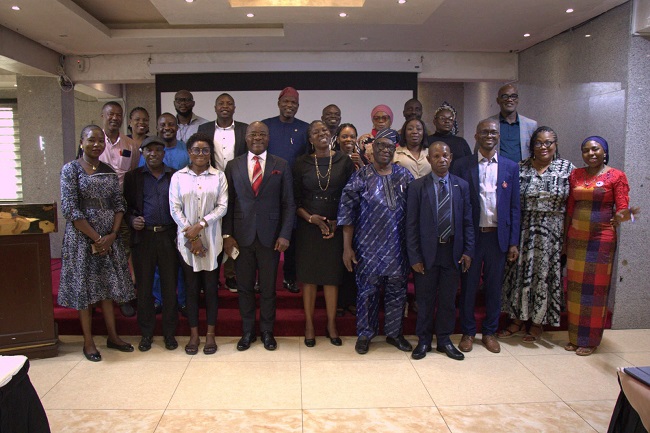
Participants at the Stakeholders’ Workshop on E-Waste and Textile Waste in Nigeria organised in Lagos

The Sounding Board, formally initiated during the opening session, is designed as a multi-stakeholder advisory platform to guide evidence-based research, validate national e-waste data needs, and strengthen coordination among actors. It will also support the implementation of Extended Producer Responsibility (EPR) systems and promote inclusive governance by formally engaging the informal sector – one of the most active yet least integrated components of Nigeria’s e-waste economy.

Highlighting the significance of the Sounding Board, Dr. Ifeoma Anugwa of REPRC/EfD Nigeria explained that the platform would serve as a bridge between research, policy, and practice, ensuring continuous collaboration long after the workshop.

Structured around five pillars – government, academia, private sector, informal recyclers, and civil society/development partners – the Board will meet twice annually, supported by quarterly virtual updates and thematic working groups on key issues such as EPR compliance, health and environmental risks, and digital monitoring of waste flows. EfD Nigeria will serve as the interim secretariat, coordinating meetings, documentation, research-policy matchmaking, and stakeholder communication.

Speaking during the opening ceremony, Professor Nnaemeka Chukwuone, Director of REPRC/EfD Nigeria, emphasised that the initiative is rooted in finding local, context-specific solutions.

“The workshop is not just about making policy – it is about local solutions,” he said, noting that Nigeria’s e-waste problem is embedded in everyday economic activities, from informal pickers at dumpsites to traders at Ikeja Computer Village, making it essential to bring all actors into the same conversation.

He described the Sounding Board as a “sandbox” for co-creation, where producers, recyclers, regulators, waste pickers, and researchers can jointly interrogate evidence, evaluate ongoing research, and develop implementable solutions that will inform national policy.

In his address, the Vice Chancellor of the University of Nigeria, Nsukka, Professor Simon Uchenna Ortuanya, reaffirmed the institution’s commitment to producing research that meaningfully informs policy and industry practice. He warned that Nigeria is facing an unprecedented surge in electronic consumption and fast fashion, both of which are generating waste streams that pose growing environmental and public health risks.

Professor Ortuanya stressed that sound science, strong institutions, and inclusive governance are essential for tackling these challenges. He emphasised that the SCOPE workshop serves a triple purpose: introducing a new research project on e-waste and textile waste, assessing Nigeria’s policy and data gaps, and establishing a multi-stakeholder mechanism – the newly inaugurated Sounding Board – to guide future engagement.

Participants at the workshop reached consensus on key operational decisions, including membership composition, meeting schedules, and EfD Nigeria’s role as secretariat. The Sounding Board is expected to produce an annual Nigeria E-Waste Policy Evidence Report, priority research agendas, and policy briefs on issues such as EPR strengthening, informal-sector integration, and environmental safeguards.

As Nigeria seeks to align its waste governance framework with regional and global circular-economy agendas, the formation of the E-Waste Sounding Board signals a significant shift toward more coordinated, inclusive, and evidence-driven action.

By Ajibola Adedoye

UK Minister meets African CEOs to advance nature finance agenda

0

The UK Minister for Nature, Mary Creagh, on Wednesday December 9, 2025, met in Nairobi with CEOs from the African Natural Capital Alliance (ANCA) to discuss progress to date and set priorities for 2026, with a particular emphasis on expanding private-sector investment in nature.

The discussions focused on the role of private capital in efforts to protect and restore Africa’s biodiversity and how innovative financing solutions can help close the global $700 billion a year gap in the investment needed to halt and reverse nature loss.

Nature Finance Agenda
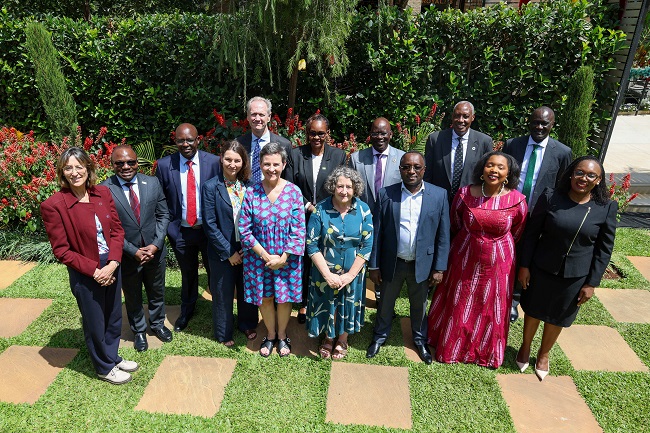
UK Minister for Nature, Mary Creagh, meets with ANCA Governing Council members Arthur Oginga (Old Mutual Holdings), Eliane Ubalijoro (CIFOR-ICRAF) and Kaddu Sebunya (AWF) alongside CEOs from ICEA Lion, KBA, Fidelity Shield and KCB

Earlier in the day, the Minister visited an EarthAcre site in the Athi/Kapiti Corridor to see how its technology enables measurable conservation outcomes and direct payments to local landowners.

ANCA Governing Council members Arthur Oginga, Eliane Ubalijoro and Kaddu Sebunya, together with CEOs from the finance and insurance sectors, shared updates on new approaches to nature finance and the increasing uptake of nature-related disclosure across African institutions.

Taking place alongside the UN Environment Assembly, the meeting underscored the rising momentum behind nature-focused investment on the continent.

The Minister’s visit to the EarthAcre Athi/Kapiti Corridor also explored how local partners are developing community-led conservation and land-management approaches.

Africa must raise factoring volumes to €240bn to support SME-led transformation – Afreximbank

0

Afreximbank has highlighted the critical importance of factoring and supply chain finance (SCF) in narrowing Africa’s Small and Medium Enterprises (SMEs) financing gap and building resilient value chains across the continent.

Speaking at Afreximbank’s annual Factoring Workshop in Abidjan, Côte d’Ivoire, Mrs Kanayo Awani, Executive Vice President, Intra-African Trade and Export Development (IAED) at Afreximbank and Member of the FCI Executive Committee, noted that although Africa’s factoring volumes have more than doubled in recent years, increasing from €21.6 billion in 2017 to €50 billion in 2024, and with nearly 200 factoring companies now operating across the continent, current activity still remains significantly below Africa’s transformative potential.

Afreximbank
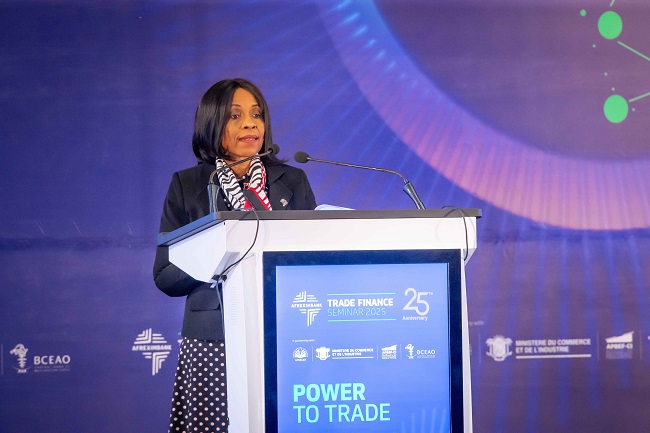
Mrs Kanayo Awani, Executive Vice President, Intra-African Trade and Export Development at Afreximbank

She said: “Although SMEs account for more than 90% of Africa’s businesses and over 60% of employment and GDP, they continue to face a financing gap estimated at US$300 billion annually.

“To catalyse SME-led growth, Africa must scale factoring volumes to at least €240 billion, equivalent to about 10% of the continent’s GDP. Achieving this will require increased financing, deeper legal reforms, expanded training and strong industry partnerships.”

Also speaking at the workshop, Mr. Neal Harm, Secretary General of FCI, said that factoring and supply chain finance are critical to unlocking SME growth in Africa, calling for practical solutions, strong partnerships, and collaborative action to turn the day’s discussions into tomorrow’s transactions.

Representing Dr Jean-Claude Kassi Brou, Governor of the Central Bank of West Afircan States (BCEAO), Mr. Charlie Dingui, Special Advisor to the National Director stressed the importance of SME financing for driving socio-economic development across UEMOA member states.

“By enabling businesses to convert their accounts receivable into immediate liquidity, factoring improves cash flow and stimulates growth, particularly in environments marked by long payment delays and collection challenges,” said Mr. Dingui.

Côte d’Ivoire presents a significant opportunity to boost economic development by expanding its factoring market. The country’s factoring and supply chain finance sector is estimated to have a potential of $5 billion, a notable prospect in an economy where the cocoa sector alone supports millions of livelihoods.

Yet only 12% of SMEs currently seek working capital from formal financial institutions, relying instead on informal sources largely due to high financing costs, perceived SME risk, strict loan requirements, and slow approval processes.

The annual Factoring workshop is part of Afreximbank and FCI’s long-standing commitment to expanding awareness and strengthening technical expertise on factoring and supply chain finance, key enablers essential to advancing the implementation of the African Continental Free Trade Area (AfCFTA).

To date, more than 5,000 delegates have been trained through over 25 capacity-building initiatives. Training is available through the Certificate of Trade Finance in Africa (COTFIA), the Afreximbank Academy (AFRACAD), FCI’s online and bespoke factoring training programmes, and the FCI Mentoring Programme.

Endangered donkeys of Sokoto: Exploring the hidden drivers of decline

0

Beneath the sprawling branches of an ancient tree in his abode in the Wurno area of Sokoto, Mallam Aliyu Hassan drifts into memories of a time when donkeys were cherished and honoured.

“My father and grandfather relied on donkeys just as I do now. They weren’t just animals; they were part of our family, part of our survival.” 

He recalled the day they acquired their first donkey, how it carried their harvest, fetched water, and kept their farm thriving. These gentle creatures once roamed freely, their brays echoing through the village, weaving a rhythm into the fabric of daily life. 

Donkey
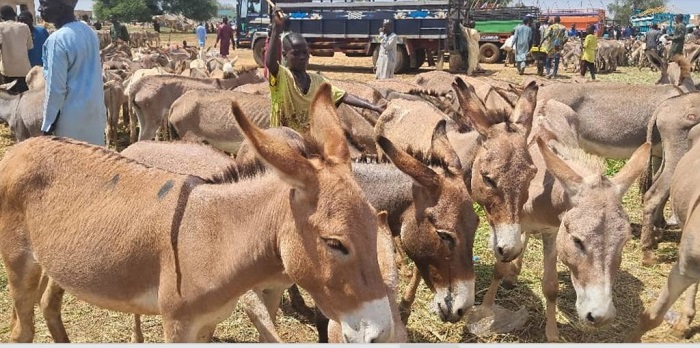
At the Illela border market, donkeys await their fate, soon to be herded into waiting vehicles for the next leg of their journey

Disappearing Donkeys

“But everything has changed,” lamented Mr Aliyu, his voice thick with nostalgia. “Now I hear stories of donkeys vanishing overnight, taken by traders. Each day, there are fewer. It pains me to see something so dear slipping away from our lives.”

Aisha Usman, a 60-year-old resident of Wurno, also reminisced about the days when donkeys hauled water from wells or carried stones and sand in town. She remembered how they were once decorated and paraded during traditional festivities, especially during Sallah and turbaning ceremonies.

“These days, it’s rare to see donkeys in those events,” she said.

A Rapid Decline: The Numbers and Causes

Over the last decade, Sokoto’s donkey population has fallen sharply, threatening both livelihoods and cultural practices. 

According to the Director of Livestock Services in Sokoto state, Abubakar Muhammad Maidawa, the numbers have dropped from more than 250,000 donkeys to about 45,000 today. “It’s a significant decline,” he said.

Despite the Nigerian government’s ban on the trade in donkey parts under its export prohibition policy, the illicit market continues to grow. The ban was meant to reduce demand for donkey hides, which are valued for their use in traditional medicine, but it has done little to stop the illegal flow into international markets.

Donkey hides, meat, and internal organs remain in high demand. Traders sell them to middlemen who then move them to countries like China, where they are used in the production of traditional medicinal products. This ongoing trade is driving the decline of Nigeria’s donkey population and raising serious animal welfare concerns, with many animals being subjected to inhumane treatment and slaughter.

The recent arrests and interception of large consignments of donkey parts across Nigeria in the past few months also indicate that the illegal trade is still very much in existence.

In the last four months, there have been several major arrests across the country. On October 15, 2025, the Adamawa/Taraba Area Command of the Nigerian Customs Service announced that its operatives intercepted 64 complete donkey skins, valued at N112.59 million, being smuggled to China through the Republic of Cameroon. In July 2025, the Nigeria Customs Service intercepted a container-load of 10,603 male donkey genitals along the Kaduna-Abuja Expressway. In June, the Nigerian Customs Service, Federal Operations Unit, FOU Zone C, Owerri, intercepted 13.6kg of dry donkey skin worth N3.6 billion in Owerri, Imo State. 

Also, between April 17 and May 17, 2024, the Nigerian Customs Service, Federal Operations Unit (FOU), Kaduna, comprising units in Kaduna, Sokoto, Kano, Jigawa, Katsina, Zamfara, and Kebbi. Niger, Kogi. Kwara and the Federal Capital Territory intercepted two consignments of donkey meat and bones, valued at N3 billion. One of the consignments was a truck with 750 sacks of donkey bones intercepted along Sokoto-Gusau road, while the other included two Canter trucks carrying dried donkey meat along Kontagora -Tegina Road in Niger State.

Fading Footprints: The Multifaceted Pressures Threatening Species

The Zonal Veterinary Officer for Sokoto Central District, Dr Bello Lawal Yahya, noted that a variety of factors are at play. Human activities and ecological changes intertwine to diminish donkey numbers. Market pressure, including illegal trade and the exploitation of donkeys for hides and meat, takes a toll. Husbandry issues, such as inadequate nutrition and poor breeding practices, hinder the regeneration of the donkey population.

Urbanisation reduces traditional donkey habitats, pushing them out of cultural practices and accelerating their decline.

“Biodiversity is dwindling as urbanisation spreads, making donkeys increasingly rare and leaving cultural practices that once relied on them to fade,” he observed.

“Festivities where donkeys were decorated are now scarcely observed, symbolising a broader decline as civilisation reduces their traditional importance.”

Expounding on diet, the vet doctor stressed how nutrition influences breeding. “Many local donkey owners in the state do not provide their donkeys with adequate care. This lack results in delayed reproductive cycles. Time stretches between foals, largely due to poor nutrition.”

Dr Yahya highlighted that nutritional imbalances cause donkeys to grow slowly and develop health problems. He explicitly stated that inadequate nutrition leads to wasting and common digestive issues like colic, which can eventually result in death.

Dr Yahya also noted that donkeys are exposed to stress and discomfort. He explained, “Donkeys often travel very long distances before accessing water, and at times, may go one or two days without any food provided by their owners. So that also causes a lot of discomfort to them.” 

Dr Yahya explained that donkeys should have the freedom to exhibit their natural behaviour; unfortunately, they do not, and should be free from stress, but are instead exposed to a range of different stresses. That alone could cause many problems for the donkey population.”

Reliance on imported donkeys, challenges to Indigenous breeds

Support for local breeds is minimal. Many donkeys are imported rather than bred locally. This raises concerns about the potential loss of indigenous genetic lines. Concerns about genetic diversity and local breed conservation arise from reliance on imported donkeys from Niger, Mali, and other countries. When communities over-depend on external sources, indigenous breed development is stifled, and they become vulnerable to market fluctuations and border restrictions.

Trade at the Illela International Market in Illela local government area of Sokoto State, neighbouring Niger Republic, shows this shift. Traders now source donkeys from neighbouring countries. In these countries, breeding is active and supported by both governments and communities.

“We get donkeys mostly from the Niger Republic, Algeria, Mali, Burkina Faso, Libya, and other countries. There is minimal stock in Sokoto, Kebbi, and Zamfara states,” disclosed Abubakar Hassan Zoromawa, Chairman of the Donkey and Horse traders’ union in Illela International Market. The market supplies nearby local markets, including Achida, Bodinga, Gudu, and Goronyo. 

Mr Zoronmawa, with three decades of experience, noted that people in the Niger Republic still rely on donkeys for transportation. Many Nigerians, however, have switched to motorcycles and vehicles.

He observed that in the Niger Republic and Mali, many, including women, actively breed donkeys. Influential people and governments there invest in the trade. In Nigeria, however, such support is rare.

The Ripple Effects: Cultural, Ecological, and Economic

The decline threatens more than just the animals. “Relying too much on imported donkeys has consequences. It stifles local breeding and harms communities’ lasting livelihoods,” said Conservation Advocate Abubakar Siddiq.

“Unchecked trade and shrinking habitats could cause trouble. Native species and local ecosystem balance are at risk.”

He also warned that imported animals may carry diseases. “These can affect local populations. Protecting local biodiversity needs careful management of imports and support for local breeds. This helps maintain balance and cultural heritage.”

Heritage Revival: Rejuvenating Indigenous Breeds

Efforts to conserve and improve indigenous breeds include government initiatives, such as artificial insemination and cross-breeding programmes. Additionally, the state government plans to protect the local donkey breed while supporting donkey-based businesses, including milk production, tourism, and transportation. By empowering local communities, it aimed to develop pastures for donkeys, ensure a steady supply of feed, and make veterinary care more accessible and affordable.

However, Dr Yahya urged greater research, increased community education, and strong enforcement of animal protection policies as necessary steps to prevent donkey extinction.

He underscored the urgent need for strict enforcement of animal protection laws to halt the decline of donkeys. He warned that waiting puts vital species at risk, as with vultures, which nearly vanished before people recognised their ecological role. 

“If we do not act now to improve our protection and care for donkeys, we will only realise our mistake when they are gone,” Dr Yahya cautioned. “We must take decisive steps today and avoid repeating the regret we feel with vultures. Let’s not wait until it is too late, act now to protect donkeys for future generations.”

By Rakiya Muhammad

This story was produced as part of Dataphyte Foundation’s Biodiversity Media Initiative project, with support from Internews’ Earth Journalism Network

After three decades of struggle, resilience: UN declares International Day of Indigenous Women & Girls

0

When the UN General Assembly officially proclaimed the International Day of the World’s Indigenous Women and Girls, it did so in recognition of centuries of their resistance, leadership, and resilience.

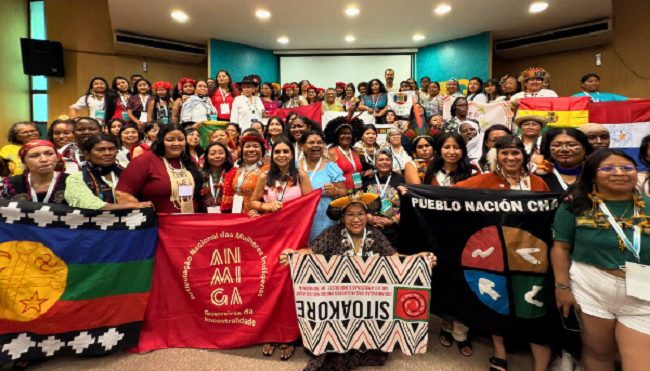
The legacy of Bartolina Sisa – an Aymara leader executed in 1782 for her brave resistance against Spanish colonisation – is at the heart of the newly internationalised commemoration for Indigenous women and girls, officially recognised on September 5. This recognition of her legacy, and the sacrifices of countless other women who fearlessly advocated for their rights, arrives at a particularly powerful moment, as it coincides with two major milestones in the modern struggle for Indigenous women’s rights: the 30th anniversary of the Beijing Declaration on Indigenous Women, commemorated at CSW69 in New York, and the 25th anniversary of the International Indigenous Women’s Forum (IIWF), celebrated in Lima in June 2025.

Indigenous women
Indigenous women

Thirty years ago, at the Fourth World Conference on Women in Beijing, Indigenous leaders like Tarcila Rivera-Zea from Peru, Victoria Tauli-Corpuz from the Philippines, Joan Carling from the Philippines and Lucy Mulenkei from Kenya successfully brought their voices to the global gender agenda.

“Being a woman and being Indigenous are not two separate identities: they are a whole that gives us the strength and vision to transform our communities,” recalls Tauli-Corpuz, whose defense of her people’s rights has led her to face threats, persecution, and attacks.

Five years after Beijing, alongside other women leaders, she founded FIMI, which today connects networks of Indigenous women across seven continents, strengthening capacities, political advocacy, and economic autonomy. Since then, women from Africa, Asia, the Americas, Europe, the Pacific, and the Arctic have converged in this “global house of Indigenous women” to defend cultural, territorial, and human rights.

Lives that Embody the Struggle

Tarcila Rivera-Zearemembers her childhood in the Peruvian Andes: a girl who grew up in extreme poverty, without access to education in her mother tongue, and who found in reading and writing a gateway to transform her life and that of her community. Today, at 74, she continues to build networks and opportunities for Indigenous women worldwide.

In the Philippines, Joan Carlinghas dedicated over three decades to protecting Indigenous communities, halting extractive projects, and resisting the marginalisation of her peoples, often risking her own life. She has been unjustly detained, falsely accused of terrorism, and threatened with death, yet she has succeeded in stopping destructive mining projects and ensuring that Indigenous women have a voice in international forums.

In Kenya, Lucy Mulenkei, a Maasai woman and journalist, has elevated environmental defense and female participation to a regional level, co-founding the Indigenous Women’s Biodiversity Network and consolidating environmental governance networks in East Africa. Her work has been recognized with multiple awards for environmental leadership and the defense of pastoralist women’s rights.

From Guatemala, Teresa Zapetabegan as her mother’s secretary in her Chatino village, learning to write to record her mother’s leadership decisions. Today, she leads FIMI globally, coordinating networks, funds, and programs to strengthen female leadership in the face of violence, territorial dispossession, and the climate crisis.

“Territorial dispossession and violence are a daily reality, but our response is not passivity; it is action. Every network, every fund we coordinate is designed to strengthen female leadership because it is in the territory where real solutions to the climate crisis are born,” states Zapeta.

These stories intertwine: women who started in different corners of the world and who, despite inequality, discrimination, and personal risks, have built a global movement that highlights the intersection of gender, Indigenous identity, and territorial rights.

Contemporary Challenges: Structural Violence, Dispossession, and the Triple Planetary Crisis

The UN’s recognition comes in a context of existential crisis, as Indigenous women continue to face existential threats related to climate change,environmental degradation, and biodiversityloss, as well as obstacles to obtaining access to food and water security. The root of these problems is intersectional discrimination, which is structural and embedded in laws and policies, affecting women based on their sex, gender, ethnicity, disability, and age.

The violent dispossession of territories, militarisation, and the criminalisation of environmental defenders are realities affecting millions of Indigenous women. These violations are often linked to extractive activities like mining and logging, which have a devastating impact on the environment, land, and waterways. In fact, sexual violence is used as a tool of warin conflict areas, and mining or logging operations increase the risk of human trafficking.

Zapeta underscores: “We are building networks of collective care and international solidarity to protect ourselves, but the majority remains unprotected.”

The UN’s recognition not only honors historical figures like Bartolina Sisa but also those who today lead struggles for climate justice, territorial protection, and human rights.

“This recognition validates decades of effort and opens a window for the world to listen to and respect our voices,” says Rivera-Zea.

Three decades after Beijing and 25 years since FIMI’s founding, these stories show that Indigenous women not only defend their territories and cultures but also inspire global solutions for social and environmental justice, reminding the world that their resistance is, at once, their strength and their legacy.

×