The Nigerian Upstream Petroleum Regulatory Commission (NUPRC) has issued permits to 28 companies under the Nigerian Flare Gas Commercialisation Programme (NGFCP), marking a significant step to end routine gas flaring and advance climate commitments.
Speaking on Friday, December 12, 2025, at the permit issuance ceremony in Abuja, the Commission Chief Executive, Mr. Gbenga Komolafe, described the development as a strategic point in Nigeria’s energy transition journey.
NGFCP, re-inaugurated in 2022, aims to eliminate routine flaring by allocating flare sites to qualified third-party companies.
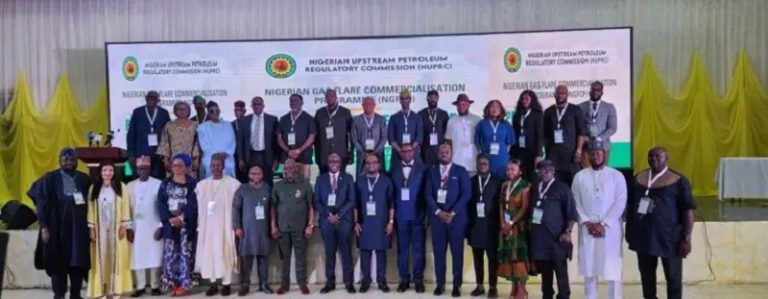
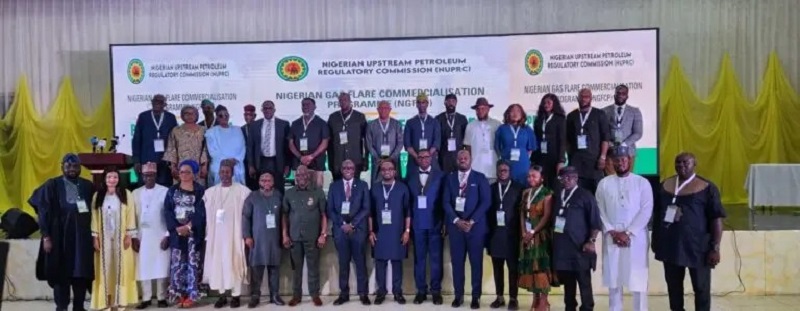
Commission Chief Executive, NUPRC, Mr Gbenga Komolafe (7th left) with awardees and dignitaries at the issuance of the Nigerian Flare Gas Commercialisation Programme (NGFCP) access permit ceremony in Abuja
This gives the companies the capacity to commercialise gas for power generation, petrochemicals, fertiliser production, Liquefied Petroleum Gas (LPG) supply, and industrial use.
Komolafe said the NGFCP remained one of Nigeria’s most important climate action initiatives, designed to convert wasted flare gas into economic value while reducing environmental impact.
He said the permits issued under the 2020–2021 flare gas commercialisation bid round signified the shift from decades of operational challenges to a commercially driven model that would enhance energy security and improve industry efficiency.
“From 300 initial expressions of interest, 139 applicants qualified for the RFP stage.
“Following a competitive and transparent evaluation process, 42 successful bidders were awarded 49 flare sites, an achievement widely recognised for its integrity and rigour.
“Today, we are pleased to announce that 28 awardees have fully executed the required suite of commercial agreements, which include the Connection Agreements, Milestone Development Agreements, and Gas Sales Agreements; and now qualify to receive the Permit to Access Flare Gas.
“These entities represent a strong blend of operational capability, financial readiness, and technological competence,” Komolafe said.
He stated that the redesigned programme had strengthened commercial viability and regulatory consistency, following disruptions caused by COVID-19 and the implementation of the Petroleum Industry Act (PIA).
Highlighting the expected impact of the programme, Komolafe stated that between 250–300 million standard cubic feet of gas currently flared daily will be captured and commercialised.
“Nigeria will cut an estimated six million tonnes of Carbon Dioxide (CO₂) emissions annually, while up to two billion dollars in new investments is anticipated.
“More than 100,000 jobs (direct and indirect) are expected to be created and about 170,000 metric tonnes of LPG will be added annually, providing clean energy access to 1.4 million households.
“Nearly three gigawatts of power-generation potential would be unlocked,” the CCE said.
He also acknowledged the support of development partners including the World Bank, Power Africa, USAID, the U.S. Department of Energy, KPMG, and several financial institutions for their technical, commercial, and capacity-building contributions.
Komolafe emphasised that the issuance of permits marks the beginning and not the end of project execution.
He urged the awardees to accelerate work on engineering, construction, financing, and commissioning, assuring them of continuous regulatory support.
“The value of this programme will be realised only through disciplined project delivery,” he said.
“Together, we will continue to advance Nigeria’s upstream petroleum sector towards greater transparency, efficiency, sustainability, and global competitiveness,” he said.
Hours after dawn on Nov. 30, 2025, workers on a routine patrol at Okomu Oil Palm Company in Edo State noticed a figure wandering alone among the trees in Extension 1 of the plantation.
At first, they thought it was a stray calf from a local livestock herd.
But as they drew closer, reality struck–a frail, dehydrated elephant calf, barely two months old, struggling to stand, its ears drooping from exhaustion.
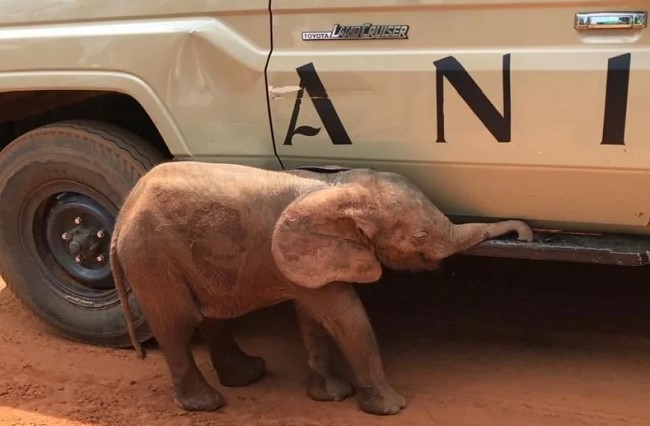
The rescued elephant calf
The discovery sent shockwaves through Edo’s conservation circle.
No one in Nigeria – parks, researchers, or wildlife responders – had ever rescued a forest elephant calf and lived.
Now, suddenly, Okomu had an orphan on its hands again.
Mr. Osaze Lawrence, Conservator of Park at Okomu National Park, provided some clarifications.
“We were told a very young elephant was found walking alone.’’
Lawrence explained that the company kept it, gave it water, and called on the authorities immediately.
“When we arrived with African Nature Investors (ANI), we picked it up and took the first step – attempting to reunite it with its herd,” he said.
ANI foundation has been in partnership with the National Park Service since, engineering a community-led model that has resuscitated the integrity of Okomu National Park.
After retrieving the calf, the conservator of the park said rangers entered deep into the elephant home range, guided only by faint noises they believed came from a nearby herd.
They placed the baby gently on the forest floor; hoping instinct would lead it back.
“At first, it walked some metres into the wild; we stepped back to see if the family would find him.
“But after two hours, there was no sign.
“Later, a bike rider called to say the small elephant had wandered onto the main road again.”
Only then did the team realise the heartbreaking truth: the calf’s mother was gone, and the reunion attempt had failed.
Returning it to the wild would mean certain death – predation, hunger, dehydration, or poaching.
“So we agreed the only humane thing was to rescue it, rehabilitate it, stabilise it, and prepare it for a future return to the wild,” he said.
The calf was moved to ANI’s R1 Base Camp, an operational facility near the park headquarters.
A makeshift rehabilitation space was prepared – quiet, isolated, and close enough to the forest to reduce stress from human presence.
But within 48 hours, the calf’s condition deteriorated.
Dr Faith Amune, a veterinarian with Okomu Oil Palm Company, provided insights.
“He had a very thin line between life and death.
“We were not prepared for it, but duty is duty; we administered emergency medication, and honestly, on that first Tuesday (Dec. 2), it looked like we were losing him,” she said.
The crisis triggered an unprecedented collaboration.
ANI quickly created an SOS WhatsApp group that linked wildlife experts within and outside Nigeria.
Messages flew across time zones – symptoms, photos, hydration levels, recommended milk formulas. Responders realised they needed hands-on expertise.
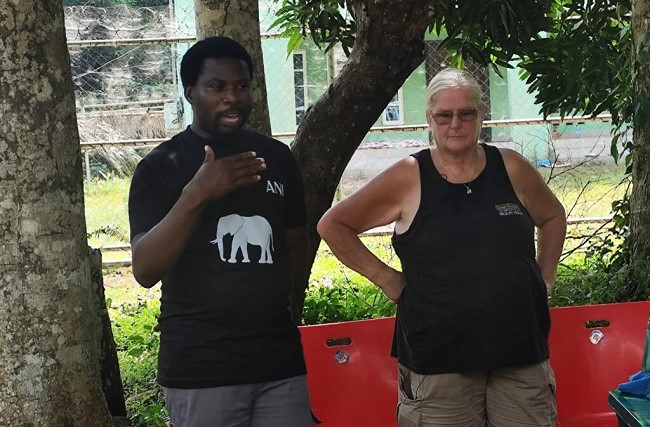
Liz O’Brien, Wildlife Rescue Specialist (right), and Peter Abanyam, ANI’s Project Manager at Okomu while educating rangers on the rehabilitation measures
When wildlife rescue technical consultant Liz O’Brien, a UK-born elephant rehabilitation specialist based in Zambia, received the alert, she acted immediately.
She has spent 15 years working across Africa – Botswana, Kenya, Tanzania, Malawi, Burkina Faso – specialising in orphaned elephants.
She knew the significance of the call; she booked the next flight.
“It is an elephant and when a baby elephant needs help, I go.
“I did not just come to save this calf; I came to train the people here; Africa cannot rely on outsiders flying in.
“The real solution is to build capacity locally.
“If they learn how to handle this one, they will manage the next,’’ she said.
On arrival, O’Brien assessed the calf and immediately began working side by side with local vets, rangers, keepers, and park managers.
She redesigned the milk formula, corrected hydration patterns, and began teaching techniques that normally take years to learn through field exposure.
Dr Adedolapo Oke, another Okomu veterinarian, acknowledged O’Brien’s impact.
“She has decades of experience; you could see immediately that she knows exactly what to do.
“For vets like us, who rarely encounter elephants, it was priceless,” Oke said.
By records, Nigeria’s elephant population has declined drastically over the past century.
From tens of thousands, forest elephants have disappeared from most states due to logging, poaching, and habitat fragmentation.
Today, the Okomu–Omo–Osse landscape hosts the last viable population of critically endangered African forest elephants in southern Nigeria.
Peter Abanyam, Project Manager for ANI at Okomu, said for years, elephants avoided the eastern corridor of the park because of human pressure.
“But recently they have started crossing again. It shows that protection efforts are working,” he said.
Abanyam believes the calf rescue symbolises a larger conservation shift: local communities are no longer passive observers – they are now participants.
Interestingly, one of the most striking developments since the rescue is how communities now perceive the park.
Abanyam recalls how the project integrated him into the community.
“They don’t even call me by my name; they call me ‘ANI’ – because they see the organisation as part of them; that sense of ownership didn’t exist five years ago.
“The awareness is strong now; people know the elephants are theirs to protect,” said ANI’s project manager.
For Lawrence, the Conservator of Park, this is the biggest sign of transformation.
To reinforce boundaries and prevent future human-elephant conflicts, stakeholders are now planning a full demarcation of the park’s southern boundary – a move involving communities, the Edo State Forestry Commission, the Edo Geographic Information System (GIS), and local governments.
“It has become urgent. As elephant numbers stabilise, they need land. If we don’t act now, conflicts will rise,” Abanyam warned.
Behind the scenes, veterinarians worked in shifts around the clock.
“The adrenaline was high; but what matters is consistency – days, weeks, months of follow-up; that is the real challenge,” Oke said.
To wildlife veterinarians, elephant calf care is one of the hardest tasks in the world.
“In global records, nearly 45 percent of rescued calves die.
“They are sensitive; the digestive system is complicated; the psychological trauma is severe,” O’Brien said.
The calf will need specialised milk for two to three years, constant monitoring, hydration therapy, environmental enrichment, and minimal human contact to avoid imprinting.
“It will take four to five years before he can be fully independent; but if you want wild animals, you keep them in the wild – not zoos.
“My hope is to reintroduce him when he’s ready,” the wildlife rescue specialist said.
For Nigeria, the experience is historic.
Dr Abdulrahman Adam, a wildlife vet who flew in from Bauchi to learn on the field, said it was his first elephant calf case.
“In Nigeria, this has never happened before. What I learned here, you cannot get in any classroom,” Adam said.
Beyond the touching story of rescue lies a deeper narrative – Okomu National Park is emerging as a model for conservation in Nigeria.
“When I came in 2022, illegal logging was everywhere.
“But with ANI’s support, we trained 40 rangers, engaged communities, and pushed logging to the barest minimum,” the conservator of the park said.
Now, the Federal Ministry of Environment, led by Balarabe Lawal, and the National Park Service under Dr Ibrahim Goni, are backing the park’s renewed momentum.
The rescue has also strengthened calls to expand protection areas. Nigeria has grown from seven national parks to seventeen, reflecting rising awareness about biodiversity conservation.
“Any community with a valuable forest can approach the National Park Service to upgrade it.
“Tourism, research, environmental benefits – it is all worth it,” Lawrence said.
Standing in the quiet rehabilitation shelter, O’Brien watched the calf sway gently on its feet – more stable, more alert, and more alive.
“We are not there yet; but we are one step on the path,” O’Brien said.
For Lawrence, Abanyam, the veterinarians, and the communities, the calf has become more than an animal; it is a symbol of what collective action can achieve.
“This is a first for Nigeria, and it shows that when the community, NGOs, government and experts come together, wildlife can survive,” Lawrence said.
Summing up the whole effort, O’Brien said, “It takes a village to raise a child; and it takes a village to raise an elephant.”
The Government of Kenya and the United Nations Convention to Combat Desertification (UNCCD) on Friday, December 12, 2025, announced that Kenya will host the next global observance of Desertification and Drought Day, to be held on June 17, 2026, under the theme “Rangelands: Recognize. Respect. Restore.”
Taking place in Kenya, the 2026 observance will highlight the central role of the world’s rangelands in climate resilience, food and water security, biodiversity conservation and the cultural identity of pastoralist and Indigenous communities.
Rangelands cover more than half of the Earth’s land surface and support the lives of two billion people, including 500 million pastoralists, who have stewarded these landscapes for generations.
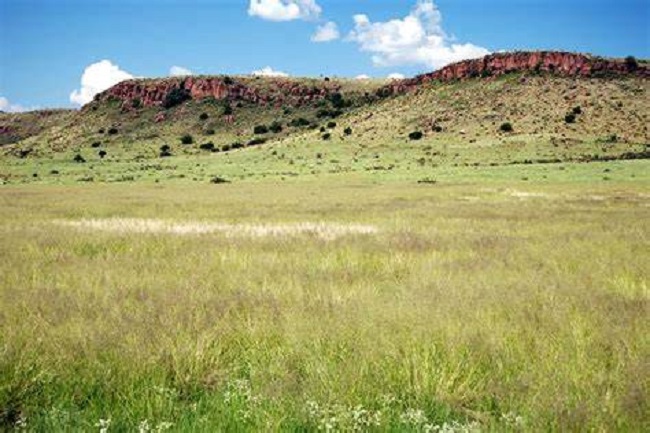
Rangeland
Kenya’s decision to host the global observance was formally announced by Cabinet Secretary for Environment, Climate Change and Forestry, Dr. Deborah Mlongo Barasa, who extended a warm invitation to the international community to join Kenya next year:
“On behalf of the Government of Kenya allow me to extend a warm invitation to all. Next year, Kenya has the honour of hosting the Global Observance of the World Desertification and Drought Day. We warmly welcome all Member States, our partners, civil society and young people to join us as we shine a global spotlight on drought resilience, land restoration and the communities whose lives and livelihoods are shaped by these challenges.”
She added that “the presence of participants will not only enrich the observance but also reaffirm our shared commitment to safeguarding the world’s drylands and supporting the people who depend on them. As we celebrate the International Year of Rangelands and Pastoralists, we hope the global community will stand with Kenya in recognizing the immense value of these landscapes and those who steward them. We look forward to welcoming you to Kenya – as we rally the world to act on drought before drought acts on us.”
UNCCD Executive Secretary, Yasmine Fouad, said: “We thank the Government of Kenya for hosting Desertification and Drought Day 2026 and for shining a spotlight on the world’s rangelands. These landscapes are vital for food, water, biodiversity and climate resilience. Kenya’s leadership comes at a crucial moment, as rangelands face increasing pressure worldwide. By recognising their value, respecting their traditional stewards and restoring rangelands back to health, we can strengthen the livelihoods of two billion people.”
She added that “up to half of the world’s rangelands are degraded, with some disappearing faster than rainforests, placing food security, water availability and pastoralist cultures at risk.”
Rangelands remain among the planet’s most undervalued ecosystems, despite their vast extent and critical importance. The degradation of these landscapes threatens biodiversity, climate regulation and the economies of countries that depend heavily on livestock production and grazing systems.
UNCCD’s recent technical assessments highlight that investing in rangeland restoration can generate returns of up to $35 for every $1 invested, due to the combined ecological and socio-economic benefits.
Coinciding with the International Year of Rangelands and Pastoralists, the 2026 Desertification and Drought Day observance will draw global attention to the need to recognise and value rangelands for the critical functions they provide, respect the traditional stewards who have cared for them for generations, and restore degraded landscapes to secure livelihoods and ecosystem services.
Through 2026 Desertification and Drought Day, countries and communities are invited to:
Recognise: rangelands’ economic contribution to national and regional economies; their role in sustaining biodiversity and wildlife; and the multiple benefits they provide, from regulating water cycles to storing carbon
Respect: pastoralists, Indigenous Peoples and local communities, whose mobility, customary governance systems and ecological knowledge are essential to maintaining the health and productivity of these landscapes
Restore: rangelands by investing in sustainable land and water management, strengthening governance, improving drought preparedness and supporting community-led restoration efforts
Desertification and Drought Day, marked every year on June 17, is the United Nations’ global moment to raise awareness of land degradation and drought, and to mobilise action to protect and restore healthy land.
Desertification and Drought Day 2026 in Kenya will be the first time in nearly a decade that the African continent will host this important global observance. Previous observances took place in Colombia (2025), Germany (2024), USA (2023), Spain (2022), Costa Rica (2021), Republic of Korea (2020), Türkiye (2019), Ecuador (2018), Burkina Faso (2017) and China (2016).
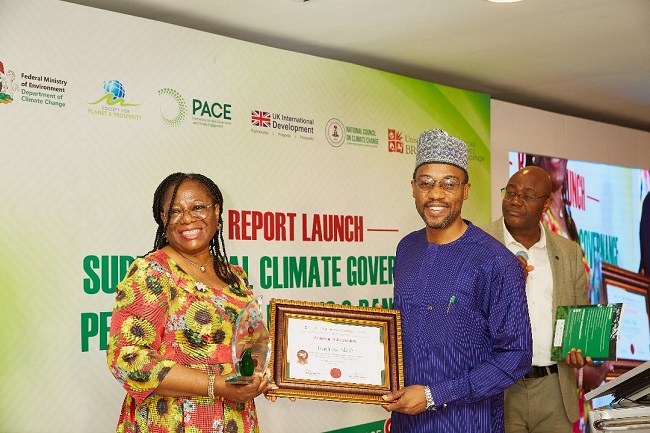
Kaduna State’s emergence as third overall in the 2025 Subnational Climate Governance Performance Rating and Ranking represents an important milestone in our climate journey. Led by the Society for Planet and Prosperity (SPP), in partnership with the Department of Climate Change of the Federal Ministry of Environment the ranking exercise recognises a simple but powerful truth: while climate change is global, its impacts – and therefore many of the solutions – are fundamentally subnational.
For Kaduna, the ranking has been more than a recognition exercise. It has functioned as a mirror, a motivator and a management tool, helping us assess where we stood, where gaps existed, and how deliberately we needed to act. In 2024, Kaduna placed 16th nationwide. In 2025, we moved 13 places upward to third position. This was neither accidental nor symbolic. It was the result of conscious, systematic effort to improve climate governance across all five dimensions assessed by the ranking.
Abubakar Buba, Commissioner for Environment and Natural Resources, Kaduna State
From the outset, we made a strategic decision to use the ranking framework as a roadmap for reform with our efforts supported by UKFCDO PACE. We focused intentionally on strengthening climate institutional arrangements; improving the status of climate policies, action plans and legal frameworks; increasing budgetary allocations; accelerating project implementation and monitoring; and improving public communication and visibility around climate action.
The results of that effort are clearly reflected in our performance. Kaduna recorded 120 points – the highest scores in Climate Institutional Arrangements, signalling the strength of our coordination structures and governance systems. We scored 50 points for budgetary allocation, placing sixth nationwide, and 50 points for online visibility, tying with the top-performing states in this category.
A defining moment in this journey was the unveiling of Kaduna’s 10-year Climate Change Policy in August 2024 – the first of its kind in Northern Nigeria. The policy commits the state to low-carbon, climate-resilient, gender- and youth-responsive development pathways. As His Excellency, Governor Uba Sani, noted at the launch, the policy is designed “to reduce emissions, enhance climate resilience, and integrate climate considerations into state planning.”
However, we recognised early that policy alone does not change lives. Implementation does. This understanding – reinforced by the assessment criteria of the ranking – led to the creation of the Kaduna Climate Change Accountability Mechanism, a multi-stakeholder framework anchored in our Open Government Partnership commitments. Through this mechanism, Technical Working Groups have been established across all 23 Local Government Areas, strengthening coordination, citizen participation and data-driven monitoring at both state and local levels.
On the ground, the impact of this governance shift is already evident.
As one of Nigeria’s leading agricultural producers, Kaduna has prioritised climate-smart agriculture and agribusiness as a pathway to resilience and job creation. Through collaboration with the Federal Government and the African Development Bank under the Special Agro-Industrial Processing Zones (SAPZ) programme, the state is modernising agricultural value chains to boost productivity, increase farmer incomes and generate youth employment. By linking climate resilience with agro-industrial development, Kaduna is reducing rural poverty while lowering vulnerability to climate shocks.
At the community level, we have paired governance reform with direct financial and skills support. In March 2025, Kaduna disbursed $25,000 in community revolving funds to ten communities for climate-smart rain-fed agriculture, complemented by green-skills training for women and youth. These interventions are enabling year-round farming, restoring degraded ecosystems and strengthening household incomes in climate-vulnerable areas.
Recognising the growing risks of rainfall variability, we also launched the Dry Season Agricultural Empowerment Programme in February 2025, distributing 10,000 solar-powered irrigation pumps to smallholder farmers, with priority given to women and other vulnerable groups. This intervention is expanding dry-season production, reducing dependence on diesel pumping, and directly improving food security and livelihoods.
Flooding remains a major climate risk in Kaduna, particularly along the River Kaduna corridor. In response, and guided by vulnerability assessments highlighted in our governance reviews, the state commenced a major drainage desilting and widening programme, covering 200,000 metres of drainage infrastructure, alongside dredging key sections of the river system. These actions are already reducing flood risks, protecting homes and safeguarding economic activity in vulnerable urban and peri-urban communities.
We have also embedded climate action within local development financing drawing from the template developed by the ranking project team. This represents a deliberate shift from top-down budgeting to community-driven development, allowing local people to identify projects that support climate adaptation, mitigation and resilient infrastructure. Looking ahead to the 2026 fiscal year, Kaduna has proposed Project 255 – a ward-level funding model allocating ₦100 million to each of the state’s 255 wards.
Environmental restoration remains a core priority. Under the Greening Kaduna Initiative, the state has committed to planting 10 million trees over four years, with more than two million already planted since 2024. These efforts – spanning urban forest restoration, green corridors, community gardens and school-based tree planting – are reducing heat stress, improving air quality and restoring degraded landscapes across the state.
Taken together, these actions demonstrate how improved climate governance translates into real economic, social and environmental outcomes: higher farm productivity, new green jobs, reduced flood risk, stronger community resilience, improved ecosystems and more inclusive development processes.
We acknowledge that challenges remain. Funding constraints and technical capacity gaps persist, and climate impacts continue to evolve. Yet we remain confident that Kaduna’s governance model is credible, investable and scalable. The progress reflected in the 2025 ranking has strengthened investor confidence and opened new opportunities for national and international partnerships.
We welcome the Subnational Climate Governance Performance Rating and Ranking not merely as a scoreboard, but as a tool for learning, accountability and continuous improvement. The governance framework provided through the ranking has helped guide our reforms while allowing us to tailor solutions to Kaduna’s specific context.
We will continue to refine our systems, deepen implementation and expand impact – guided by evidence, informed by our people and motivated by the urgency of climate change.
Kaduna’s journey to third place is not the end. It is proof that with political will, institutional reform and citizen engagement, rapid and meaningful progress is possible.
By Abubakar Buba, Commissioner for Environment and Natural Resources, Kaduna State
The United Kingdom-Nigeria Infrastructure Advisory Facility (UKNIAF), launched in 2019, is the third programme in a longer 16-year legacy of infrastructure support from the UK Government to the Government of Nigeria. On Tuesday, December 2, 2025, the programme brought together over 100 senior stakeholders from government, development partners, development finance institutions and the private sector, to reflect on the last six successful years of UKNIAF work and celebrate the close-out for this phase of UK government support.
Since its inception, UKNIAF has provided targeted technical assistance and advisory support to Federal and State institutions across the Power, Infrastructure Finance and Roads sectors, helping to embed evidence-based reforms and data-driven decision-making.
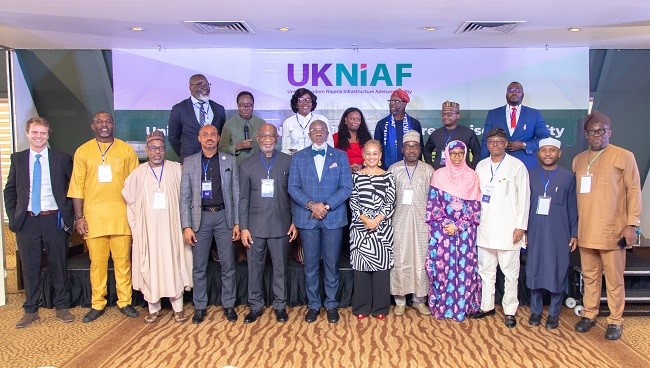
Chief Adebayo Adelabu, Minister of Power; Cynthia Rowe, Head of Development Cooperation’ Prof. Chidiebere Onyia, Secretary to the State Government; and a cross-section of guests
Through its work, the programme enabled significant finance to be mobilised and supported sector transformation in sub-national markets. It strengthened key institutions, creating a more investor-ready environment for infrastructure.
Plenary and panel sessions during the event featured senior representatives of participating ministries, departments and agencies, development partners and private actors. These discussions highlighted how institutional capacity had evolved, where reforms had taken root, and what was required to sustain momentum.
Participants emphasised the significant contributions of the programme towards supporting economic growth and improving livelihoods. In the Power sector, UKNIAF’s success was underscored in the adoption of landmark policies, enhancing regulatory capabilities and creating new markets.
Examples included the development of the country’s first Integrated Resource Plan which charts a least cost, low carbon pathway for power sector expansion; designing advanced data capabilities at the Nigerian Electricity Regulatory Commission (NERC) to monitor and manage tariffs, grid flows and outages in real time. And, enabling states to create their own electricity markets to meet their own needs and capitalise on their resources.
In the Infrastructure sector, participants welcomed UKNIAFs efforts to improve the planning, financing and delivery of bankable projects. Key examples included the mobilisation of $75m of financing from the African Development Bank to the Special Agro-Industrial Processing Zone (SAPZ) programme, through the provision of project preparation services to two states; accelerating sustainable mini-grids and solar plants by supporting the Rural Electrification Agency (REA) adopt new project models and technical standards.
And, helping to build Nigeria’s bankable project pipeline through the design of a new project preparation facility, with ₦21 billion allocated in both of the 2024 and 2025 budgets respectively for its operationalisation.
Frank Edozie, UKNIAF Team Lead, said: “UKNIAF’s close-out was not an end point, but a handover for sustained delivery. For over six years, we helped strengthen institutions with tools that make Nigeria’s infrastructure landscape more transparent, climate-smart and attractive to investors, and this legacy now sits with our partners to sustain and grow.”
Minister of Power, Chief Adebayo Adelabu, said: “The technical assistance, capacity development, and advisory services provided under UKNIAF have laid a firmer foundation for the sustainable and inclusive electricity supply industry we are building in our nation today.”
Cynthia Rowe, Head of Development Corporation for UK Foreign, Commonwealth and Development Office (FCDO) in Nigeria, added: ‘’I take great pride in the achievements of the United Kingdom Nigeria Infrastructure Advisory Facility (UKNIAF) and the strong partnership between the UK and Nigeria. Together, we have achieved milestones that once seemed far out of reach. From supporting pioneering states to take control of their electricity markets, to unlocking $75m in financing with project preparation assistance and designing Nigeria’s Climate Change Fund to attract global climate investment. Our shared success has shown what is possible’’.
Secretary to the State Government, Enugu State, Prof. Chidiebere Onyia, said: “The impact of UKNIAF is also reflected in the quality of ambassadors that have transferred the knowledge and experience from the programme into the subnational and national infrastructure delivery process leading to impact and irreversibility. UKNIAF is maybe ending as a programme, but UKNIAF’s legacy in supporting senior decision makers lives on.”
The event delivered renewed commitments from partners to sustain tools and reforms, and the dissemination and handover of knowledge products and programme outputs. It also reinforced relationships among public, private, and development actors and deepened understanding of the roles that public and private sector players can continue to play in Nigeria’s infrastructure landscape.
Participants included beneficiary clients and donor partners such as the Nigeria Governors’ Forum, the Federal Ministry of Power, the Ministry of Finance, the Nigerian Electricity Regulatory Commission, the Rural Electrification Agency, the Transmission Company of Nigeria, key state governments and other agencies.
They were joined by donor partners and Development Finance Institutions (DFI), including the African Development Bank, World Bank, International Finance Corporation (IFC), and others, alongside private sector and civil society organisations active in Nigeria’s infrastructure and energy ecosystems.
As another year ends, it’s important to reflect on Africa’s position in the global fight against smoking-related diseases. Unfortunately, the familiar pattern continues: while the rest of the world adopts modern harm reduction strategies, Africa remains significantly behind, stuck in outdated methods that don’t address current public health needs.
Across Europe, North America, and parts of Asia, safer nicotine alternatives such as nicotine pouches, e-cigarettes, heated tobacco products, and snus have been widely available for years. Their effectiveness in helping smokers reduce or eliminate exposure to the most harmful compounds in cigarette smoke is well documented. Countries such as Sweden, the United Kingdom, Japan, and New Zealand have witnessed remarkable declines in smoking rates precisely because they embraced these innovations rather than resisted them.
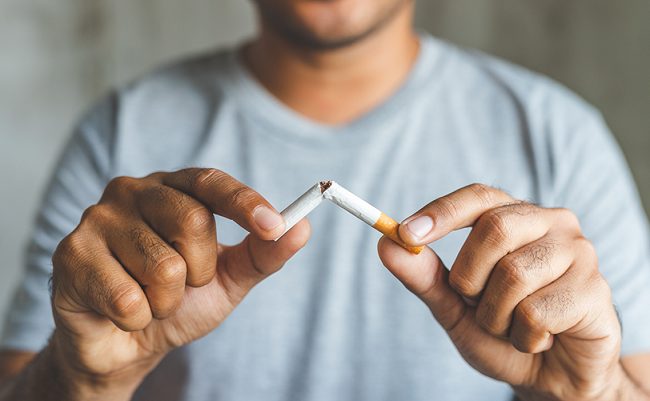
Tobacco smoking
Yet Africa continues to hesitate. Policymakers seem reluctant to accept technologies that could dramatically reduce the human toll of smoking. Instead of moving toward regulation, many governments remain stuck in debates that science has already resolved. This inaction has consequences. Every year, more than 200,000 Africans lose their lives to smoking-related illnesses; a figure that will rise unless decisive steps are taken.
In the absence of sensible regulation, the black market has flourished. Across the continent, illicit and counterfeit nicotine products are everywhere. These unregulated products have no quality checks, no age restrictions, and no safety standards. They place consumers at risk, empower criminal networks, and rob governments of revenue.
The irony is glaring: the very policies meant to “protect public health” are creating conditions that do the exact opposite. When safer alternatives are banned or excessively restricted, people do not stop using nicotine – they simply find it elsewhere, often from unsafe and illegal sources.
What is most frustrating is that the science is no longer in doubt. Safer nicotine products are not risk-free, but they are undeniably less harmful than smoking. The evidence from countries that have adopted these alternatives is overwhelming. Sweden is on track to become the world’s first smoke-free nation. Japan has experienced dramatic drops in cigarette sales since heated tobacco became available. The United Kingdom recognizes vaping as one of the most effective tools for adult smoking cessation. These examples highlight what Africa is missing: a chance to save millions of lives.
Africa cannot continue allowing misinformation, fear, and outdated thinking to shape its public health decisions. The continent needs clear, evidence-based policies that regulate safer nicotine products responsibly, ensure adult smokers have access to them, and curb the black market by bringing these products into a legal, controlled environment. Public education should be grounded in facts, not alarmist narratives, and regional cooperation should guide regulatory approaches so that no country falls behind while others move ahead.
The stakes could not be higher. Every year we delay, more lives are lost unnecessarily. Smoking remains one of Africa’s biggest yet most solvable health challenges. We already have the tools to address it – tools that have been tested and proven elsewhere. What we lack is the political courage to act.
As we turn the page on another year, I urge African leaders to recognize the urgency of this moment. The global conversation has evolved. The science is clear. Lives can be saved. Africa must not remain an observer while the rest of the world moves forward.
History will judge our decisions. Let it not be said that we had the chance to save lives and chose hesitation instead. The health of millions of Africans depends on the choices we make today.
By Joseph Magero, Campaign for Safer Alternatives (CASA)
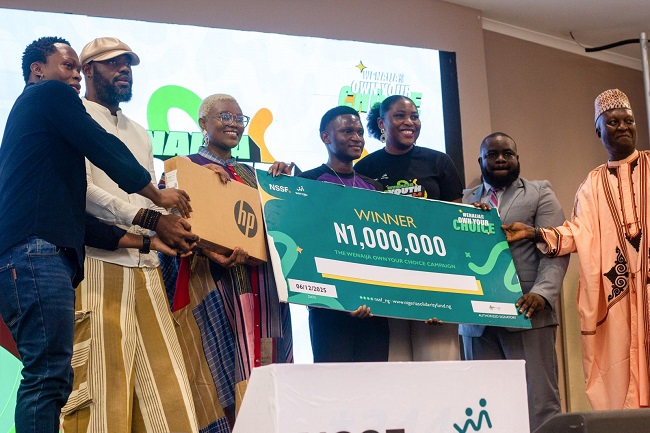
A student, Dayo Alade Daniel, has emerged winner of the 2025 WeNaija Health Advocacy Campaign receiving a prize of ₦1 million and a laptop at the WeNaija Youth Impact event organised by the Nigeria Solidarity Support Fund (NSSF) in Lagos.
Anita Nwokoji clinched the second position with ₦500,000 and a laptop, while Efaemiode Ikoi Iran placed third, taking home ₦400,000 and a laptop.
Other winners include Esther Okwumo (fourth, ₦300,000 and a laptop) and Emmanuel Shalom (fifth, ₦200,000 and a laptop).
Dayo Alade Daniel receiving a prize of ₦1 million and a laptop at the WeNaija Youth Impact event
The WeNaija Campaign, which received more than 400 entries, focused on Sexual and Reproductive Health (SRH).
The theme of the campaign is “Own Your Choice”. The key theme is the “Dangers of an Incomplete Sexual and Reproductive Health”.
Why Sexual and Reproductive Health?
Speaking at the event, Dr. Feijiro Chinye -Nwoko, Managing Director of NSSF, said the choice of the theme was driven by young people who identified SRH as one of the most pressing but least discussed health challenges they face.
“Sexual and reproductive health has become a silent crisis. Many people assume they understand it because they are older, but there is deep ignorance,” she said.
“We are seeing maternal deaths, mental health issues and premature deaths linked to SRH. The youths asked us to focus on this, and we listened.”
She said the organisation aims to build the capacity of youth participants by equipping them with accurate information and training them to champion change in their communities.
Judging the Entries – Messaging and Creativity
A judge in the competition, Mr. Ojehonmon Okugbe, said storytelling quality played a significant role in selecting the winners.
“Young people have short attention spans, so how information is packaged is just as important as the information itself,” Okugbe said
“I assessed simplicity of language, relevance of visuals, and how relatable their methods were.
“Some entries were outstandingrap, spoken word, acting. You could tell they understood the message and were passionate.”
Experts Call for Better Sex Education
Also speaking, consultant clinical psychologist, Dr. Busola Olamuymiwa, said lack of accurate SRH information is placing millions of young Nigerians at risk.
“Children as young as nine are now having sex, yet we are not giving them the information they need,” she said.
“We need proper sex education in schools, taught by professionals who are not afraid to call things by their correct names. If we don’t teach them, they learn from social media and peers, often in unsafe ways.”
She said churches, parents and community leaders also need to be more open to professional-led conversations to curb harmful misinformation.
Impact So Far
Dr Chinye-Nwoko said more than two million youths have been reached through WeNaija programmes in the last five years, including the Impact Awards and advocacy cohorts which run twice a year.
“Our goal is to reach 10 to 15 million young Nigerians. WeNaija is a platform that gives them access to data, stakeholders and opportunities to create community-level change,” she added.
Biodiversity in Europe faces an existential threat. Not only is climate change putting it under pressure, but also man-made nitrogen emissions into the atmosphere.
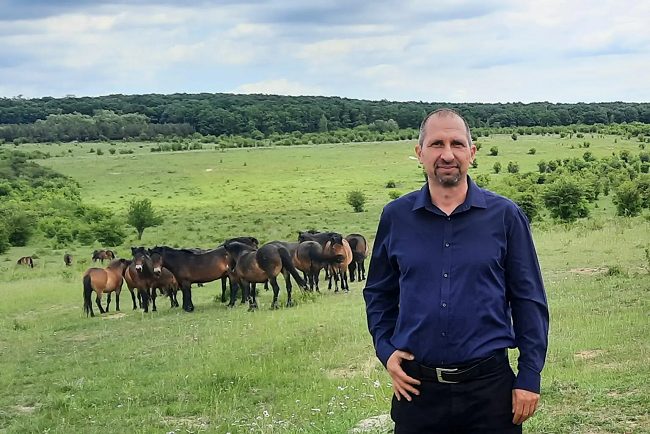
“This risk is hardly talked about, yet it is having an absolutely devastating effect on biodiversity in Europe. The species-rich nature, especially the colourful meadows and flowering grasslands, is coming under severe pressure from aggressive grasses and nitrophilous weeds due to long-term nitrogen emissions into the atmosphere. Europe’s landscape is gradually turning into a green desert,” warns Dalibor Dostal, director of the conservation organisation European Wildlife.
Dalibor Dostal, director, European Wildlife
One significant source of this negative change is nitrogen oxide emissions from internal combustion engine cars.
According to the European Environmental Agency, the road transport sector remains the largest source of nitrogen oxide (NOx) emissions and was responsible for 37% of the total NOx emissions in the EU in 2020.
“A rapid transition to electromobility is not only important for climate protection, but also for preserving biodiversity in Europe. European companies should play a key role in this. The transition to electromobility is the most important contribution of companies to their corporate social responsibility (CSR) in the field of climate protection and biodiversity,” notes Dostal in his appeal to European companies and their current approach.
In his words, it is important that companies operating across the EU approach this issue in the same responsible way in all countries. “It is unfortunate if subsidiaries of companies in Western Europe buy electric cars, but their subsidiaries in Central and Eastern Europe continue to buy cars with internal combustion engines,” said Dostal.
At the same time, it is crucial for Europe’s biodiversity that the EU maintains its ban on the production of internal combustion cars after 2035.
“Emissions of nitrogen oxides from biofuels or synthetic fuels are equal to or even higher than those of cars with diesel or petrol internal combustion engines. Whereas electric cars have zero emissions,” said Dostal, drawing an important comparison.
Studies on large fleets of cars show that real-world emissions of nitrogen oxides in conventional diesel passenger cars (Euro 5 and Euro 6) are in the hundreds of mg/km in normal operation. For example, an analysis of 149 vehicles found average emissions of 330–440 mg of NOx/km for Euro 6 diesels, depending on the type of driving, and even about 720 mg of NOx/km2 for Euro 5.
Similar values, around 350–560 mg/km, were measured in an official study by the European Commission. Overall, the average modern diesel car in real operation emits around 4–7 times more NOx than emission limits allow. Moreover, biofuel combustion engines produce 10–23% more NOx than fossil diesel.
Also, synthetic fuels have NOx emissions comparable to current internal combustion engines according to findings to date, and as such there is no lowering of dangerous nitrogen emissions. “Synthetic fuels and biofuels pose as much or more of a threat to biodiversity than fossil diesel or petrol. It is by no means a modern or clean technology. This is just a marketing ploy to prolong the use of internal combustion engines in Europe at a time when the US and China are competing to dominate the global EV market,” concluded Dostal.
While for nitrogen oxides, road transport is the largest source of emissions in the EU, for nitrogen overall, agriculture is an even more significant source, especially livestock farming and the use of artificial fertilisers on fields. While rapid change is not possible in agriculture to preserve Europe’s food security, all the necessary technologies are already available in the EU to achieve rapid improvements in the transition to electromobility.
In addition to road transport, shipping is a significant source of NOx emissions in the EU. According to a joint report by the EEA and EMSA (EMTER), maritime and inland shipping accounted for around 24% of all NOx emissions (6) in the EU in 2018.
The natural grazing of large herbivores such as European bison and wild horses can bring a slight improvement to the state of the diverse landscape. But it remains essential to move as quickly as possible to zero-emission transport, i.e. battery electric vehicles.
The Nigerian Content Development and Monitoring Board (NCDMB) has described the recent acquisition of Saipem, an Italian oil servicing firm by Marconi NG EPC, as a major boost to the Nigerian Content drive.
In May 2025, a consortium of Nigerian investors acquired Saipem from its former owners and operated as Marconi.
Dr Obinna Ezeobi, General Manager, Corporate Communications at NCDMB, stated this on Thursday, December 11, 2025, in Port Harcourt during a media tour of oil and gas facilities operated by Nigerian companies.
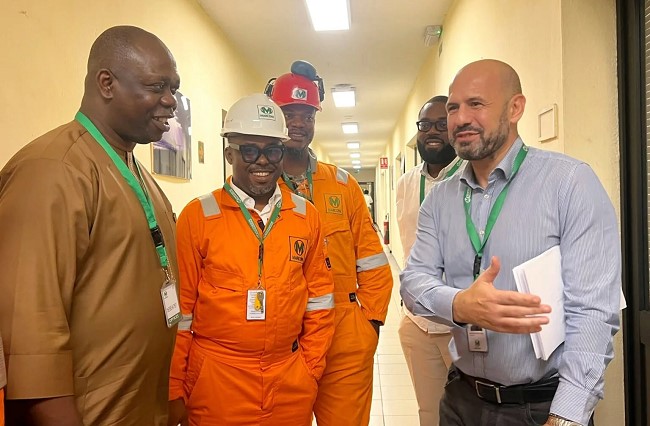
Officials of NCDMB and Marconi NG EPC during the media tour of oil and gas facilities
Ezeobi, who was speaking at Marconi’s one million square meters fabrication yard, noted that the acquisition would position the company to handle projects across all spheres of the sector.
He explained that the NOGIC Act 2010 that established NCDMB mandates the board to exclusively reserve contracts for Land and Swamp Oilfields for Nigerian companies.
“The acquisition of Saipem by Nigerian investors indicate that our efforts in promoting the participation of Nigerian companies in the oil and gas value chain is yielding enormous fruits.
“With world class facilities here run by Nigerians, the company can bid for jobs across Land, Swamp and Deepsea Oilfields,” Ezeobi said.
Conducting the media team round the facility, Dr David Editang, Nigerian Content Manager of Marconi, explained that the new owners retained the services of Nigerian experts who operated the facility for the past 15 years before the acquisition.
He said that the facility had capacity to fabricate, store and evacuate oil and gas facilities through three jetties and a helipad.
Speaking to the media after the tour, Gian Fabio Del Cioppo, Managing Director, Marconi NG EPC, said that Marconi Yard has the largest facility of its kind in West Africa, covering more than 1,000,000 sq meters logistics, secured, and positioned for project execution in the Nigeria energy space.
According to him: “It is one of the few yards in the country with assets and organisation for executing complex projects and includes a 330-meter jetty.
“It has the capacity to fabricate over 25,000 tons of heavy structures capital EPC projects, both onshore and offshore.
“Marconi has adopted a ‘one-stop-hub’ model to enhance cost efficiency, streamline interfaces, competitive with international alternatives,” he said.
Nigerian industrialist, Aliko Dangote, on Thursday, December 11, 2025, announced a N100 billion annual education support initiative, describing it as a long-term investment aimed at reducing financial barriers that drive millions of young Nigerians out of school. The programme is expected to cost more than N1 trillion over the next decade.
The Presidency praised Dangote for unveiling what is now the largest private education support programme in Nigeria, describing the initiative as a major boost to the Federal Government’s human capital development agenda.
Speaking at the launch in Lagos, Dangote said the plan will support 45,000 new students every year from 2026, rising to 155,000 beneficiaries by the fourth year and remaining at that level for ten years. In total, the scheme is projected to reach 1.3 million students across all 774 local government areas.
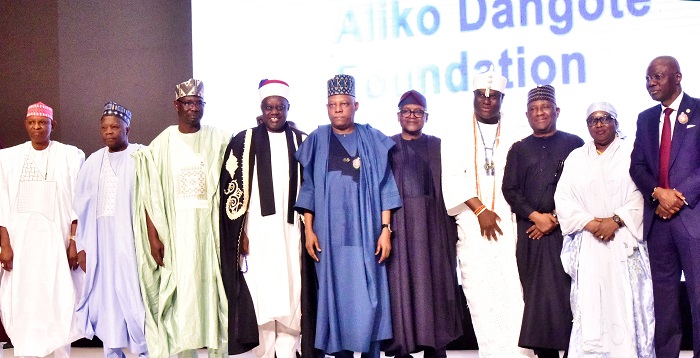
L–R: Kano State Governor, Abba Kabir Yusuf; Gombe State Governor, Muhammadu Inuwa Yahaya; Nasarawa State Governor, Abdullahi Sule; Chairman, ADF Scholarship Programme Steering Committee, Justice Sidi Bage, JSC; Vice President of the Federal Republic of Nigeria, Kashim Shettima; Chairman, Aliko Dangote Foundation, Aliko Dangote; Ooni of Ife, Oba Adeyeye Enitan Ogunwusi (Ojaja II); Chairman, BUA Group, Abdulsamad Rabiu; Deputy Governor of Kaduna State, Hadiza Balarabe; Lagos State Governor, Babajide Sanwo-Olu, at the launch of the Aliko Dangote Foundation (ADF) N100 Billion Annual Education Scholarship Initiative in Lagos on Thursday, December 11, 2025
The initiative comprises four programmes targeted at sectors where educational exclusion is most acute. Through the Aliko Dangote STEM Scholars, the programme will fund 30,000 undergraduate students annually in science, technology, engineering and mathematics (STEM) across Nigeria’s public universities and polytechnics. Beneficiaries will have their tuition aligned to actual institutional fees.
A total of 5,000 students in public technical and vocational institutions will receive support each year for tools, materials and essential training requirements through the Aliko Dangote Technical Scholars. This complements the Federal Government’s recent policy providing free tuition for TVET students.
The MHF Dangote Secondary School Girls Scholars, named after Dangote’s daughters – Mariya, Halima and Fatima – will support 20,000 public-school girls annually from JSS1 to SSS3, with continued support into tertiary education. The Foundation will prioritise states with the highest numbers of out-of-school girls.
Through the Dangote Teacher Training Programme, the Foundation will launch a large-scale teacher development scheme, beginning with 10,000 secondary-school STEM teachers in 39 government colleges attended by MHF scholars and expanding across all six geopolitical zones.
Dangote said the intervention is aimed at Nigeria’s most vulnerable learners, noting that financial hardship, not lack of talent, is the primary reason many drop out of school.
“This is not only charity. This is a strategic investment in Nigeria’s future. Every child we keep in school strengthens our economy. Every student we support reduces inequality. Every scholar we empower becomes a future contributor to national development,” he said. “Our young people are not asking for handouts. They are asking for opportunities. They are asking for a chance to learn, to grow, to compete and to succeed. And we believe they deserve that chance.”
Dangote noted that for more than three decades, the Aliko Dangote Foundation has invested heavily in health, nutrition, economic empowerment and humanitarian support across Nigeria. However, he said one guiding principle has remained unchanged: “no nation can rise above the quality of education it offers its young people.”
He described education as “the foundation on which every prosperous society is built”, calling it the most powerful equaliser and the strongest engine of social mobility. Despite this, he warned that many talented Nigerian students continue to face financial pressures that threaten to push them out of school. Their dreams, he said, are limited not by ability but by opportunity.
“We cannot allow financial hardship to silence the dreams of our young people – not when the future of our nation depends on their skills, resilience and leadership,” Dangote said.
Noting that this concern informed the Foundation’s new Education Support Initiative, Dangote stressed that the effort is intended as a starting point rather than a standalone solution. “A single organisation cannot solve Nigeria’s education challenges alone,” he said. “Government has a role. The private sector has a role. Communities and families have a role. When we work together, we can transform education – and with it, transform Nigeria’s future.”
He added that Nigeria’s progress must not be judged by the number of children left behind, but by the millions empowered and prepared for leadership. He expressed hope that the new initiative would inspire broader action across sectors.
Addressing young Nigerians directly, Dangote said: “your dreams matter. Your education matters. Your future matters. We believe in you. We are investing in you. And we are committed to ensuring that you do not walk this journey alone.”
The Foundation, he said, will use a merit-based and fully digital system for verification, disbursement and monitoring, working in partnership with NELFUND, JAMB, NIMC, NUC, NBTE, WAEC and NECO. Dangote said the focus will be on measurable outcomes including retention, completion rates and post-school impact. He noted that the vision behind the initiative is to give every deserving child the chance to learn – unfettered by cost, free to dream, and equipped to achieve.
To oversee implementation, a Programme Steering Committee has been constituted, chaired by His Highness Justice Sidi Dauda Bage, Emir of Lafia. Other members include former vice-chancellors, senior education administrators, technical advisors and representatives of the Dangote family.
Dangote also disclosed that the programme’s long-term sustainability is tied to his formal commitment to allocate 25 per cent of his wealth to the Aliko Dangote Foundation, adding that the progress on the initiative will be reviewed in 2030 as part of Dangote Group’s Vision 2030 strategy.
He commended President Bola Ahmed Tinubu’s Renewed Hope agenda in the education sector, alongside the Federal Ministry of Education, SUBEBs and state governments, for “deliberate and steady efforts” to support learners amid economic pressures.
The initiative builds on the Foundation’s existing education investments, including university hostels across several states, the Mu Shuka Iri early-learning programme in Kano – which has reached more than 10,000 children – the Aliko Dangote School for Orphan Girls in Maiduguri with an annual N500 million commitment, and a N15 billion pledge over three years to upgrade the Aliko Dangote University of Science and Technology, Wudil.
Dangote said the new scheme marks only the first phase of expanded education interventions focused on quality of learning, teacher development and modern school environments.
A population becomes a liability only when it is uneducated
Vice President Kashim Shettima said the intervention demonstrates the critical role of private-sector actors in national development. He noted that Nigeria’s demographic growth makes urgent investment in education indispensable, warning that “a population becomes a liability only when it is uneducated.”
“Alhaji Aliko Dangote, through his far-reaching philanthropy, has set in motion the single largest private-sector education support intervention in the history of this country,” Shettima said. “What he has done here today is a lesson to each of us. This is nation-building in its purest form.”
Shettima highlighted ongoing reforms under President Bola Ahmed Tinubu’s administration, including the Nigerian Education Loan Fund (NELFUND), strengthened basic education infrastructure through UBEC, expanded TETFUND interventions and accelerated technical and vocational programmes.
He said these reforms aim to improve Nigeria’s poor Human Capital Index ranking and prepare young people for a skills-driven global economy. Describing Dangote’s philanthropy as “structural and long term,” Shettima said the initiative aligns strongly with the government’s priority of expanding equitable access to education.
“No nation surpasses the aspirations of its most committed patriots,” he said. “The legacy of Alhaji Aliko Dangote reminds us that greatness is not measured by wealth but by the number of lives one lifts from the shadows into the light.”
The Vice President added that the Aliko Dangote Foundation programme will widen opportunities for thousands of learners and bolster the FG’s efforts to build a competitive workforce. He called for stronger collaboration between government, the private sector and development partners to address persistent gaps in the education system.
Education Minister Tunji Alausa described the initiative as “pure human capital development,” saying it aligns with the Tinubu administration’s education sector renewal plan of transforming Nigeria from resource-based economy to a knowledge-based economy and is significant because every local government area will benefit. He said that by the end of the first decade of the scholarship programme, an estimated 170,000 girls would have been enrolled in school through the MHF scholars alone, significantly helping to close the gender gap in education.
Lagos State Governor Babajide Sanwo-Olu, speaking on behalf of the 36 state governors, also commended the initiative and pledged the governors’ full support. He said Dangote continues to set the pace in philanthropy and national development.
“This is purposeful leadership. As a real partner in progress, he has choices, but he has chosen once again to lead with a bold and unprecedented initiative,” he said. “He has consistently shown what true philanthropy means and how wealth can become a catalyst for development. You are using your resources to lift millions, and Nigeria will remember this.”
Chairman of the Programme Steering Committee, Justice Sidi Dauda Bage, Emir of Lafia, said the scheme is unprecedented and praised Dangote’s patriotism in reinvesting his wealth to uplift other Nigerians.
“This is a remarkable challenge Alhaji Aliko Dangote has taken upon himself – the largest ever undertaken by a single individual – committing his resources to support more than 1,325,000 Nigerian students over ten years at a cost exceeding N1 trillion. This is phenomenal, remarkable and truly commendable. Tens of millions of young Nigerians will feel the impact over the next decade and beyond. The multiplier effect on our human capital, social development indicators and overall economic prosperity will be absolutely unprecedented.”
The Ooni of Ife, Oba Adeyeye Enitan Ogunwusi, Ojaja II, said Dangote’s impact in driving private-sector transformation remains unmatched, describing the new initiative as both transformational and a strategic investment in Nigeria’s future.
He recalled how the ADF had come to the aid of his community during a devastating communal conflict that resulted in the destruction of several properties.
In her virtual remarks from the United States, the United Nations Deputy Secretary-General, Amina Mohammed, said the scholarship scheme would create an enabling environment for children to learn and for families to prosper.