Home Blog Page 4

CSOs push for strengthened national systems through effective Loss and Damage finance

Civil Society Organisations (CSOs) are calling for loss and damage financing to be channelled through and strengthen national systems to ensure funds reach vulnerable communities quickly, fairly, and at scale.

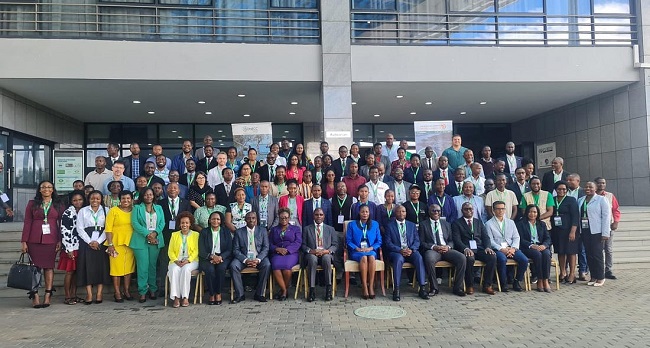
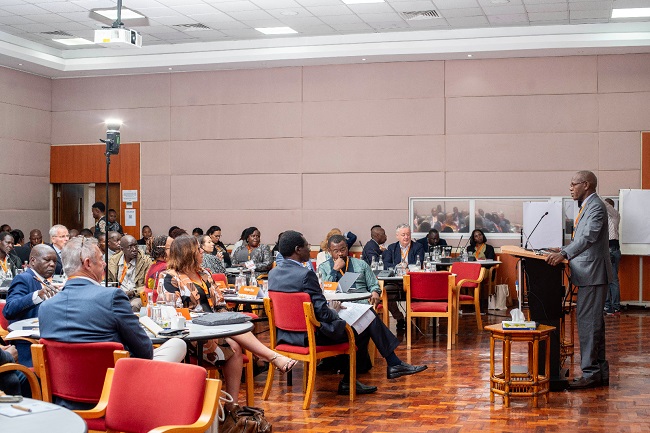
The call was made during the opening of the 5th African Regional Conference on Loss and Damage held in Lilongwe, Malawi.

Speaking at the conference, Concern Worldwide Country Director, Lucy Mwangi, emphasised that bypassing national systems risks undermining the effectiveness of climate finance interventions.
Loss and Damage
Participants of the 5th African Regional Conference on Loss and Damage

“Strengthening national systems is crucial in ensuring that funds reach those who need them most,” she said.

Mwangi noted that through the Zurich Climate Resilience Alliance, Concern Worldwide and its partners have observed that aligning global funding mechanisms with national and local systems improves delivery and accountability.

The alliance brings together governments, non-governmental organisations, academia, and the private sector to bridge the gap between global policy frameworks and community-level action.

According to Mwangi, stronger systems empower communities to take an active role in their own recovery and resilience rather than remaining passive beneficiaries.

“This combined role is essential. Without it, even well-designed funds risk failing to reach those who need them most,” she said.

She further highlighted that, in Malawi, loss and damage financing is increasingly being embedded within national and district disaster risk management systems.

Communities are actively involved in identifying risks, prioritising investments, and managing resources transparently.

One notable approach is the use of community disaster funds – locally managed pooled funds that place financial resources directly in the hands of affected populations.

“This enables rapid, decentralised disbursement, ensuring that finance reaches where loss and damage are actually experienced,” Mwangi explained.

CSOs also stressed the critical role NGOs play as intermediaries, linking communities, governments, and global financing systems to ensure effective and accountable last-mile delivery.

Mwangi has since called on stakeholders to ensure that climate finance is predictable, adequate, accessible, and timely, while also being channelled through systems capable of delivering impact at scale.

Meanwhile, findings by Development Transformation published in September 2025 indicate that climate-related budget allocations across ten countries, including Malawi, range between just 0.1 percent and 2.8 percent of national budgets – highlighting the urgent need for increased investment.

As climate shocks intensify across the region, CSOs warn that without robust and inclusive systems, loss and damage financing risks falling short of its intended impact.

By Steria Manda, AfricaBrief
Kenya steps up livestock disease detection to protect farmers, public health

Livestock diseases continue to pose a significant threat to farmers’ livelihoods, food security and public health in Kenya. Diseases such as Foot-and-Mouth, Peste des Petits Ruminants (PPR), and parasitic infections reduce productivity, limit market access, and in some cases spread from animals to humans, causing zoonotic outbreaks.

Yet many small-scale livestock producers and pastoralist farmers lack access to affordable and reliable disease testing (diagnostic) tools needed to detect these diseases early, limiting their ability to respond effectively.

Kenya
Participants at the high-level workshop on improving livestock disease detection, in Nairobi

In response to this challenge, a high-level workshop on improving livestock disease detection has convened in Nairobi, bringing together government officials, veterinarians, researchers, development partners, private sector actors and farmer representatives. The meeting was focused on practical solutions to make disease detection more accessible, affordable, and effective for livestock keepers across Kenya.

“If we are to strengthen animal health systems, then we must pay close attention to one of the most important pillars of veterinary service delivery: diagnostic capacity. Strong veterinary diagnostics are central to early disease detection, outbreak response, surveillance, food safety, and trade assurance. Without timely and reliable diagnostics, our ability to prevent and control disease is significantly weakened.

“I therefore wish to commend the ongoing efforts to strengthen Kenya’s veterinary laboratory network, improve disease reporting systems, and expand the use of innovation and technology in animal health service delivery,” said Jonathan Mueke, the Principal Secretary in the State Department for Livestock Development.

Dr. Allan Azegele, the Director of Veterinary Services, added: “Early and accurate disease detection is critical not only for protecting livestock productivity, but also for safeguarding human health and ensuring food security. By strengthening diagnostics, we can respond faster to outbreaks, reduce misuse of drugs, and guide targeted vaccination campaigns.”

The workshop has been co-organised by the Directorate of Veterinary Services (DVS) and the Transforming Animal Health Solutions and Services for Low- and Middle-Income Countries (TAHSSL) platform, operated by GALVmed, the International Livestock Research Institute (ILRI), and Clinglobal.

Its timing is said to be significant as Kenya steps up efforts to control livestock diseases and align with regional and global priorities, including the eradication of PPR by 2030 and the strengthening of One Health approaches that link animal and human health systems.

 “We are committed to partnering with governments, research institutions, and the private sector to ensure that small-scale producers have access to the tools they need to manage animal diseases effectively,” said GALVmed’s Head of Research and Development, Dr Karelle De Luca.

Discussions have focused on closing the gap between laboratory capacity and the realities faced by farmers, particularly in smallholder and pastoralist systems. Through plenary sessions and roundtable discussions, participants are identifying priority diagnostic needs, explored innovative delivery models, and co-developed a roadmap to make reliable disease testing a routine part of Kenya’s livestock health programmes.

The workshop has also underscored the importance of partnerships. Stakeholders agree that stronger collaboration between government, research institutions, the private sector, and communities is essential to build an effective disease detection and surveillance system.

“Diagnostics are the eyes of the surveillance system. By aligning efforts from county-level disease reporters to national laboratories, we can build a system that controls disease, supports trade, and safeguards public health,” said Musa Mulongo, the Programme Coordinator for the Transforming Animal Health Solutions and Services (TAHSSL)

Mueke further noted: “The transformation we seek in the animal industry sector cannot be achieved by government alone. It will require strong partnerships, sustained investment, scientific innovation, and collective commitment. I therefore urge all stakeholders present today to continue supporting the animal health sector through collaboration, innovation, and strategic investment.”

Following the workshop, a report and a roadmap outlining key actions, partnerships, and investment opportunities will be produced. By improving access to reliable disease testing, these efforts aim to keep animals healthy, strengthen farmer livelihoods, and better protect Kenya against future outbreaks that could affect both animals and humans.

AWAMN President named CityScope Africa Grand Patron

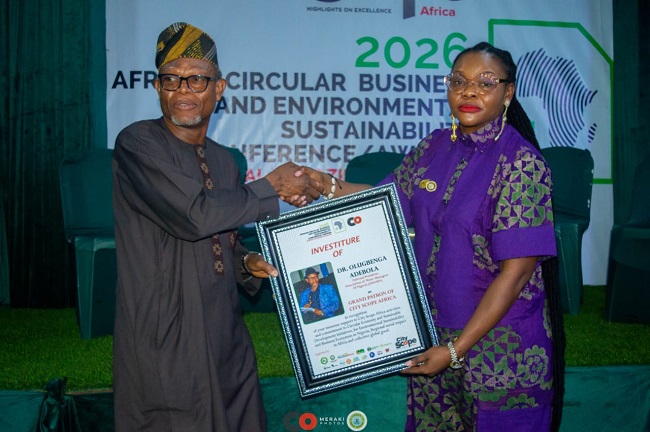
The National President of the Association of Waste Managers of Nigeria (AWAMN), Dr Olugbenga Adebola, has been inducted as Grand Patron of CityScope Africa. The induction held on Friday, March 27, 2026.

The award recognised his support for circular economy, waste management, and sustainable development initiatives across Nigeria and Africa.

The investiture certificate was presented by Prof. Chinwe Obuaku-Igwe, Special Envoy to Osun State Governor and Director-General on Climate Change and Renewable Energy.

CityScope Africa
National President of the Association of Waste Managers of Nigeria (AWAMN), Dr Olugbenga Adebola, being presented with the investiture certificate by Prof. Chinwe Obuaku-Igwe, Special Envoy to Osun State Governor and Director-General on Climate Change and Renewable Energy

Obuaku-Igwe described Olugbenga as a pillar in the sustainability ecosystem, praising his mentorship and role in enhancing its professional visibility.

The ceremony formed part of the 2026 African Circular Business and Environmental Sustainability Conference held in Abeokuta, Ogun State.

A special magazine was unveiled in honour of Ogun State Commissioner for Environment, Dr. Oladimeji Oresanya.

Oresanya received a Lifetime Achievement Award from AWAMN for his contributions to waste management and environmental sustainability.

In his remarks, Oresanya commended Dr Adebola’s impact on integrated waste management in Nigeria and West Africa over nearly three decades.

Dr. Adebola presented a paper on enabling practices, incentives, and regulatory frameworks for circular businesses at the conference.

He stressed collective responsibility for environmental protection, linking environmental conditions to human well-being.

Adebola urged government to provide incentives, long-term concessions, and infrastructure guarantees to attract private investment in circular economy models.

He also called for policy reforms, stakeholder inclusion, and the establishment of a green bank to provide affordable long-term financing.

Nnimmo Bassey: Straight from the Strait of Hormuz

0

No matter the reason for warfare the environment and the innocent end up bearing the brunt of the inevitable destruction. This fact is clearly illustrated by the several ongoing smoldering and open conflicts that have led to this season being described as one of endless conflicts and violence.

Many of these conflicts and wars have crude oil footprints, suggesting an underlying connection between energy grabbing and wars. The most glaring examples are the situations with Venezuela and Iran.In all these situations of conflict the war waged by the USA and Israel on Iran highlights many distinct concerns.

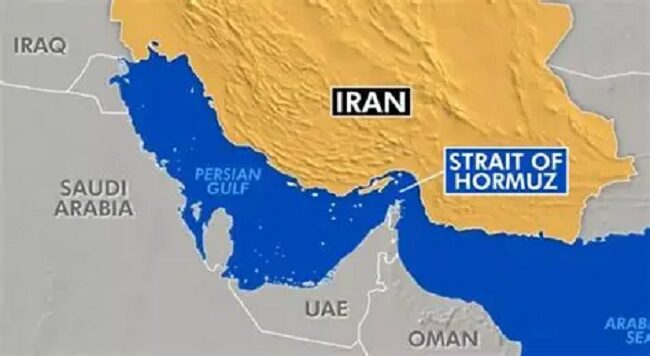
Strait of Hormuz
Strait of Hormuz

First, the shifting explanations as to why the first shots were fired suggest to some observers that crude oil and gas are major motivations. Crude oil, more than a drive for democracy, turned out to be the major reason for the assault on Venezuela.

For Iran we are told they must not develop an atomic bomb. Indeed no nation should develop atomic bombs. Reality is that there are already about 13,400 nuclear weapons in the world today and these have a combined explosive yield of more than 360,000 times than the bombs detonated at Hiroshima during the Second World War.

Second, it is much easier to find funds for destruction than for construction or building of lives. This explains why wars gulp close to $3 trillion a year while the budget for development and for tackling the climate chaos and loss of biodiversity hovers in the range of just billions of dollars. At a time when the world should be investing in climate adaptation and mitigation, funds are being gulped by the weapons industry and the oil moguls.

At a time when talks should be on how to recover our collective humanity we are hearing moans over a depletion of stocks of missiles, suicide drones and sundry weapons of mass destruction. We are seeing the bombing of civilian infrastructure, chemical factories, hospitals, and schools.

We are seeing ecocide planned, executed and bragged about without consequence. Unfortunately, one acknowledged common attribute of war mongers is that they know how to start wars but hardly ever how to end them.

This may be because they are never in the line of fire, besides those from opinion polls.The tourniquet introduced by Iran at the Strait of Hormuz should drive a strong message to every nation – that we live in a common ecosystem of interdependences.

The Strait gets shut and straightaway the world feels the shock. While the missiles fly and sorrow, blood and tears afflict the innocent, the oil companies smile to the bank alongside the players in the military industrial complex. It is estimated, U.S. oil companies may garner up to $63 billion in excess profits from the price increases this year driven by the Iran war.

Experts also estimate that the U.S. may gain additional federal revenue of approximately $600 million/day from its output of 20 million barrels of crude oil per day. With a war that may end up costing an estimated $200 billion, would oil cushion the impact of deaths and destruction?The paradoxical situation for Nigeria is that the sharp rise in the price of oil does not suggest more revenue for social services for the population.

With a poor capacity in local refining, the nation depends on the importation of refined products and is thus totally exposed to the shocks related to global oil conflicts. Privately owned Dangote Refinery that could have cushioned the shocks is forced to import crude oil due to insufficient receipts of locally extracted crude which stands at less than the nation’s OPEC quota.

Moreover, according to reports, 400,000 barrels of the 1.5 million barrels of Nigeria’s daily crude oil production goes to paying debts owed to international oil majors, banks and traders. Thus the pump price of petroleum products is translating to rising costs across board in an unregulated and evidently inefficient economic environment.

Added to the economic quagmire is the reality of the violence inflicted by crude oil extraction and refining on the environment of the Niger Delta. The region experienced an equivalent of one Exxon Valdez oil spill annually for close to 70 years. This level of violence is an undeclared war against the people and the environment.

Back in the Middle East, the explosion of missiles guided by artificial intelligence illustrate the artificiality of warfare fought without conscience and notions of accountability. It is a season of barbarism. Might is not always right. Stealth may sometimes be visible.

The shutting of the Strait of Hormuz (and possibly others) should wake the world from slumber to the essential need to phase out fossil fuels and invest in ecologically sensible alternative energy sources. The release of huge strategic reserves of oil by members of the International Energy Agency may bring a small respite, but the increasing price of oil has not appeared to abate. How much more barrels will be released when the reserves runs dry?

Moreover, experts have noted that the current energy instability introduced by the war against Iran will not easily overcome even after the last missile has exploded. Reasons for this include the huge reconstruction that will be needed to restore damaged or obliterated infrastructure and to rebuild confidence in challenged geopolitical alliances and among sectoral players.

The famous invisible hands of the market has been exposed by the apparent open manipulation of oil prices by statements made, sometimes on social media posts, by political leaders. This underscores the need for energy democracy and an end to dependence on energy resources that plungers the world into conflicts, financial turmoil, social disruptions and unimaginable destruction.

The world needs an urgent phase out of fossil fuels, not digging in and fighting over them. This is the lesson straight from the Strait of Hormuz.

Nnimmo Bassey is Director, Health of Mother Earth Foundation (HOMEF)

UN Advisory Board names 20 city leaders in zero waste

Ahead of the International Day of Zero Waste observed on Monday, March 30, 2026, 20 cities worldwide were named the inaugural 20 Cities Towards Zero Waste, an initiative led by the UN Secretary-General’s Advisory Board on Zero Waste, with support from UN-Habitat and the UN Environment Programme (UNEP).

The initiative highlights cities demonstrating ambitious and innovative approaches to reducing waste, advancing circular economy solutions, and building more sustainable, resilient, and inclusive urban systems.

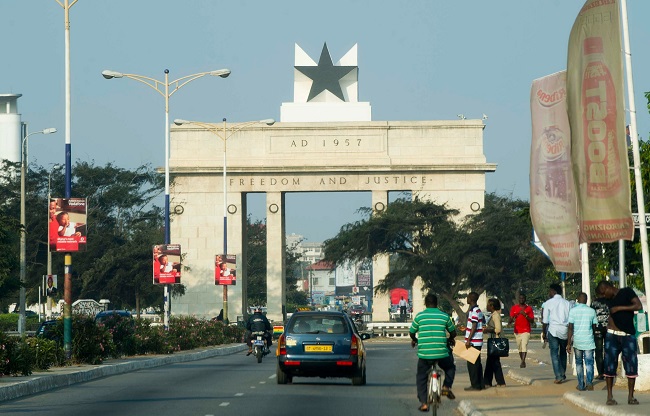
Accra
Accra in Ghana is one of the selected cities

The selected cities are:

Accra (Ghana), Bologna (Italy), Chefchaouen (Morocco), Dar es Salaam (Tanzania), Dehiwala City (Sri Lanka), Florianópolis (Brazil), Gaziantep (Türkiye), George Town (Malaysia), Hangzhou City (China), Iloilo City (Philippines), Kisumu (Kenya), Kuala Lumpur (Malaysia), Lilongwe (Malawi), San Fernando (Philippines), San Fransico (United States), Sanya City (China), Suzhou City (China), Varkala (India), City of Yokohama (Japan) and Zapopan (Mexico).

Humanity generates more than 2.1 billion tonnes of municipal solid waste annually, making cities a vital part of global efforts to tackle the waste crisis and its impacts on climate, biodiversity, public health, and livelihoods.

The 20 Cities Towards Zero Waste initiative aims to:

  • Recognise city leadership and innovation
  • Promote exchange of good practices and lessons learned
  • Inspire other cities to accelerate their transition toward zero waste
  • Support implementation of circular economy approaches at the local level

While still facing waste challenges, selected cities are implementing a wide range of solutions, including food waste prevention, organic waste management, reuse and refill systems, inclusive recycling models supporting informal workers, policies to reduce single-use products, and community engagement initiatives to drive behaviour change.

José Manuel Moller, Deputy Chair of the UN Secretary-General’s Advisory Board on Zero Waste, said: “These 20 cities matter, not because they have the best roadmaps on paper, but because they are turning ambition into action. What sets them apart is their willingness to implement real solutions, from source segregation and composting to reuse systems, informal sector inclusion, and citizen engagement.

“They are showing that zero waste is not a distant vision or a communications exercise. It is practical, local, and achievable when cities lead by example. At a time when many are still planning, these cities are proving that implementation is the real test of leadership.”

Inger Andersen, UNEP Executive Director, stated: “Solutions to pollution and waste are opportunities to reimagine our economies through innovation, circularity, and equity. From strong producer responsibility models in San Francisco (USA) and Suzhou City (China), to refill systems in Bologna (Italy), and the inclusion of waste pickers in Kuala Lumpur (Malaysia) and Zapopan (Mexico), the 20 Zero Waste Cities are proof of this.”

“We commend the leadership and commitment of their citizens, authorities and the private sector. These cities can inspire communities around the world to accelerate action against the pollution and waste crisis,” she added.

Anacláudia Rosbach, UN-Habitat Executive Director, said: “Cities are at the frontline of the zero-waste transition. Local and regional governments are managing waste systems; they are reshaping local economies, influencing consumption patterns, and advancing inclusive solutions that integrate informal workers and communities.”

“This initiative underscores the critical role of cities as implementers of change. It demonstrates how local action, when supported by strong governance and partnerships, can accelerate the change toward more resilient, circular, and inclusive urban systems,” she added.

The initiative contributes directly to the Sustainable Development Goals, particularly SDG 11 (Sustainable Cities and Communities), SDG 12 (Responsible Consumption and Production), and SDG 13 (Climate Action). The selected cities will be formally recognised in connection with the International Day of Zero Waste and showcased on global platforms to share experiences and inspire further action.

As urban populations grow, the leadership of these cities underscores the critical role of local governments in driving the transition toward a zero-waste and circular future.

Tax windfall profits, campaigners urge action on fossil fuel giants profiting from war

0

In response to G7 Energy and Finance Ministers’ and Central Bank Governors’ communiqué issued on Monday, March 30, 2026, which highlighted growing concerns about energy market volatility and its impact on the global economy, environmental campaign group, 350.org, is urging governments to go further and tackle the root cause of rising costs: fossil fuel profiteering.

The G7 meeting held online reaffirmed the need to closely monitor the impact of surging energy prices on households and markets but without action on extraordinary corporate profits, these efforts risk falling short.

TotalEnergies
TotalEnergies is said to have monopolised crude shipments from UAE and Oman, securing around 70 shipments

Recent market activity highlights the scale of the issue. Energy giant Total is reported to have monopolised crude shipments from the UAE and Oman last month, securing around 70 shipments. By stockpiling oil during escalating tensions in the Gulf, the company is estimated to have made $1 billion in profit in just one month, as Murban crude prices surged from $70 to $170 per barrel.

Analysis published this week by 350.org shows that $100 billion has been siphoned from ordinary people to oil and gas companies due to soaring energy prices. With less oil available on the market, companies like TotalEnergies are able to exert outsized control over supply, selling to the highest bidder, likely overseas markets, rather than helping ease pressure on energy bills for households already struggling with the cost of living.

Fanny Petitbon, France Team Lead, said: “It is obscene that companies like TotalEnergies are making enormous profits from war, while ordinary people’s lives are being shattered and the world faces a spiraling economic crisis. At a time of such profound human suffering, no company should be allowed to exploit chaos and conflict for financial gain. The G7’s deafening silence on these windfall profits speaks volumes, signaling a failure to hold corporate greed accountable while the rest of the world pays the price.”

Advocates are calling for coordinated international action to introduce windfall taxes on fossil fuel companies benefiting from crisis-driven price spikes. Revenues raised could be used to support vulnerable households, accelerate the transition to renewable energy, and fund recovery efforts in regions affected by conflict.

“The principle is clear: extraordinary profits made in times of crisis should be redirected for the public good, not concentrated in the hands of a few.” 

Afreximbank leads $4bn financing for Dangote Refinery with $2.5bn commitment

0

African Export-Import Bank has underwritten $2.5 billion in a $4 billion senior syndicated term loan for Dangote Petroleum Refinery and Petrochemicals, in a move aimed at strengthening the refinery’s financial position and supporting its long-term growth and expansion strategy.

The five-year facility, arranged alongside Access Bank as co-Mandated Lead Arrangers, is designed to consolidate existing debt, optimise the refinery’s capital structure and align its financing with current operational realities.

The transaction marks a significant milestone for the Dangote Refinery, Africa’s largest refining and petrochemical complex with a capacity of 650,000 barrels per day.

Dangote
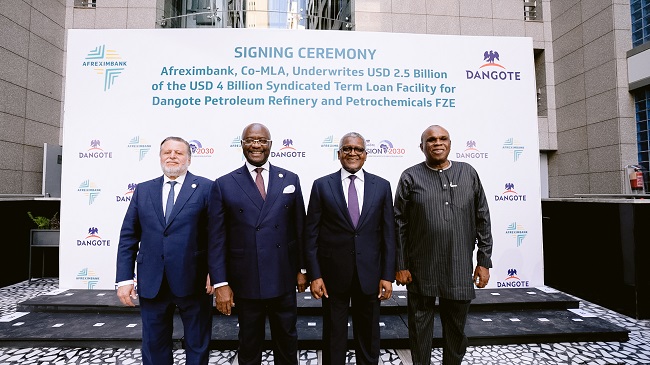
L-R: Governor, Central Bank of Egypt and Board Member, Afreximbank, Hassan Elsayed Hassan Abdalla; President and Chairman of the Board of Directors, Afreximbank, Dr George Elombi; President/Chief Executive, Dangote Industries Limited, Aliko Dangote; and former President and Chairman of the Board of Directors, Afreximbank, Prof Benedict Oramah, during the signing ceremony of the syndicated term loan facility for Dangote Petroleum Refinery & Petrochemicals in Cairo, Egypt

Afreximbank’s $2.5 billion participation represents the largest share of the syndicate, underscoring its strategic role in mobilising capital for industrial projects across the continent. The bank said the financing aligns with its mandate to promote industrialisation, reduce reliance on imported petroleum products and deepen intra-African trade.

Since refining operations commenced in February 2024, Afreximbank has played a key role in supporting the project, including providing a $1 billion working capital facility and acting as financial adviser on the Naira-for-Crude initiative, which facilitates crude procurement and product sales in local currency.

Speaking during a strategy session in Cairo, Egypt, President and Chairman of the Board of Directors of Afreximbank, George Elombi, said the bank’s continued backing reflects confidence in indigenous African enterprises.

“We take immense pride in being the single largest provider of financing to the Dangote Group. We do so primarily because Dangote is African,” he said. “When we invest in ourselves, we do more than create jobs and wealth or expand government revenues; we build a secure and resilient future for our continent”

Elombi disclosed that Afreximbank has committed about $15 billion to Dangote Group since 2015, highlighting the scale of its long-term partnership with the conglomerate.

President and Chief Executive of Dangote Industries Limited, Aliko Dangote, described the financing as a critical step in positioning the refinery for its next phase of expansion.

“This financing marks an important step in strengthening the financial foundation of Dangote Petroleum Refinery & Petrochemicals and positions the business for the next phase of its growth,” he said. “We appreciate Afreximbank’s continued support and confidence in our vision to build world-class industrial capacity that serves Nigeria, Africa and global markets.”

The syndicated loan attracted strong participation from a mix of African and international financial institutions, reflecting sustained investor confidence in the refinery as a transformative industrial asset in advancing Africa’s energy security, reducing import dependence and supporting the continent’s broader industrialisation agenda.

Cross River scales up school water projects to close gender gap

0

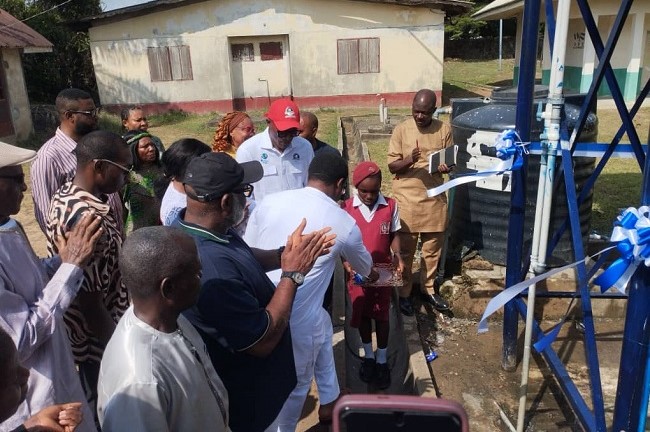
The Cross River State Government has intensified efforts to reduce gender inequality by expanding access to clean water in schools, commissioning a series of solar-powered boreholes targeted at improving the welfare and education of girls.

The initiative, unveiled in Calabar South as part of activities marking World Water Day 2026, reflects a broader strategy to address the disproportionate impact of water scarcity on women and girls.

Representing Governor Bassey Edet Otu, the Vice Chairman of the State Planning Commission, Pastor Bong Duke, said the administration is prioritising inclusive water, sanitation and hygiene (WASH) interventions to ensure that vulnerable groups, particularly schoolgirls, have reliable access to safe water.

Cross River State
Commissioning of one of a series of solar powered in boreholes in schools in Cross River State

He stressed that inadequate access to water and sanitation continues to undermine girls’ education, noting that many are forced to travel long distances to fetch water, often at the expense of their safety and school attendance.

According to him, the government’s approach goes beyond infrastructure, positioning water access as a critical enabler of health, dignity and economic opportunity.

As part of the programme, solar-powered systems were installed to upgrade existing boreholes at Edgerly Memorial Girls Secondary School and Government Girls Secondary School, Big Qua, while a new borehole with overhead tank and reticulation network was provided at Academy Primary School, Mayne Avenue.

The projects were delivered by the State Ministry of Water Resources in partnership with the Borehole Drillers Association of Nigeria (BODAN), with a focus on strengthening water supply in schools that serve large populations of girls.

Commissioner for Water Resources, Barrister Bassey Offiong Mensah, said the intervention would significantly improve hygiene conditions in schools and support safe menstrual health practices, which remain a major challenge for many girls.

Stakeholders at the event also called for sustained collaboration between government, development partners and the private sector to address funding gaps and expand WASH services to underserved communities.

In his remarks, the Permanent Secretary in the ministry, Dr Okon Ita, highlighted the daily struggles faced by girls who bear the responsibility of sourcing water for their households, warning that without deliberate policies, the inequality gap would persist.

The state government, however, reaffirmed its commitment to scaling up investments in sustainable water infrastructure to ensure equitable access for all residents.

By Stina Ezin, Calabar 

Biosafety agency detects unauthorised GMO activities, orders suspension of new GM cotton varieties

The National Biosafety Management Agency (NBMA) has disclosed that, through its regulatory surveillance and compliance-monitoring mechanisms, it identified compliance abnormalities concerning the registration of four new transgenic cotton hybrid varieties in Nigeria – MIC 561 BGII, MIC 563 BGII, BIOSEED-FIYAH CH1001, BIOSEED-FIYAH CH1002.

The agency stated that subsequent verification established that the cotton varieties were registered by the National Committee on Naming, Registration and Release of Crop Varieties, Livestock Breeds and Fisheries on March 26, 2026, without the requisite approval of NBMA, as required under the National Biosafety Management Act 2015 (as amended).

Bello Bawa-Bwari
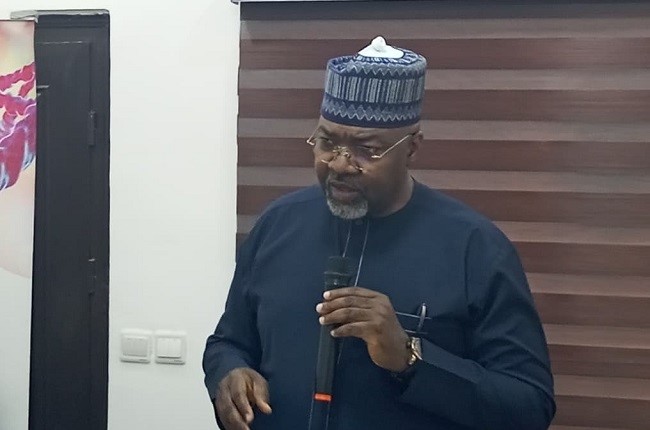
Bello Bawa-Bwari, Director-General of National Biosafety Management Agency (NBMA)

Further findings confirm that confined field trials and related activities involving these transgenic varieties were conducted without prior authorisation, inspection, or regulatory oversight by the agency.

According to NBMA, at no time did it grant any approval for the confined field trials, multi-locational trials, or commercial release of the new GM cotton varieties.

“Under the NBMA Act, it is instructive to note that no person or institution is permitted to conduct confined field trials, multi-locational trials, or the commercial release of genetically modified organisms without the explicit approval of NBMA. Any action taken outside this framework constitutes a violation of national biosafety regulations,” the agency disclosed in a statement endorsed by Gloria Ogbaki, Head, Information and Public Relations.

It added that, in response to these issues highlighted, the National Committee on Naming, Registration and Release of Crop Varieties, Livestock Breeds and Fisheries has been directed to suspend any further action on the registration and release of these varieties pending the outcome of ongoing investigations.

NBMA says it will apply all appropriate regulatory measures and sanctions as provided under the law, even as it assures all Nigerians that it is handling the matter with all seriousness.

“There is no evidence at this time of any immediate risk to public health or the environment and all necessary steps are being taken to ensure continued safety and regulatory integrity.

“The National Biosafety Management Agency remains committed to ensuring that all modern biotechnology activities in Nigeria are conducted in strict compliance with national laws and international best practices.

“The public will be kept informed as the investigations progress,” the agency declared

Minister pushes for regional gas development, collaboration as Nigeria Decade of Gas gains momentum

0

The Minister of State for Petroleum Resources (Gas), Ekperikpe Ekpo, has called for stronger regional collaboration among African nations to unlock the continent’s vast natural gas potential and address persistent energy deficits, as Nigeria Pushes Integrated Gas Market, Cross-Border Projects at Abuja Roundtable.

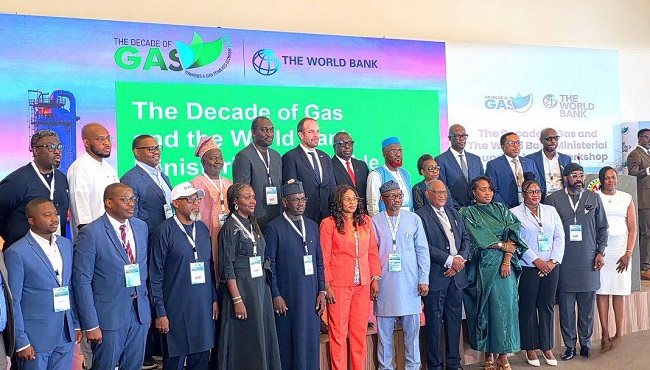
Speaking at the Ministerial Roundtable on Regional Gas Development and Cooperation in Africa, held in Abuja with participation from the World Bank, Ekpo stressed that Africa’s energy future hinges not on the abundance of its resources but on collective action and coordinated strategies.

Decade of Gas
Dignitaries at the Decade of Gas forum in Abuja

Addressing ministers, development partners, and stakeholders, the minister highlighted the paradox of Africa’s energy landscape, noting that while the continent holds over 600 trillion cubic feet of proven natural gas reserves, more than 600 million people still lack access to electricity, with millions relying on traditional fuels for cooking.

“This is not a question of resource availability, but one of coordination, infrastructure, and collective action,” he said.

Ekpo described natural gas as a critical pathway to Africa’s self-reliance, capable of driving industrialisation, expanding energy access, and strengthening economic resilience.

 However, he emphasised that no single country can unlock this potential alone, underscoring regional cooperation as the cornerstone of sustainable development.

He noted that Nigeria, with over 210 trillion cubic feet of gas reserves, is advancing its “Decade of Gas” initiative to position itself as a regional hub through partnerships with other African nations. 

He cited key cross-border projects already demonstrating the benefits of collaboration, including the West African Gas Pipeline, Trans-Sahara Gas Pipeline, Nigeria–Equatorial Guinea Gas Pipeline, and the Nigeria–Morocco Gas Pipeline.

To scale up impact across the continent, Ekpo outlined four priority areas for deepened cooperation. These include the development of regional gas supply and market frameworks, with a shift from fragmented national systems to integrated markets featuring transparent pricing, aggregated demand, and efficient cross-border trade.

The Minister also emphasised the need to expand gas-to-power and clean cooking initiatives to ensure that gas development translates into tangible benefits such as reliable electricity and improved living standards for citizens.

On financing, the minister called for innovative, climate-aligned funding models, including blended finance structures, increased private sector participation, and stronger collaboration with international partners like the World Bank.

Ekpo further stressed the importance of harmonising policy and regulatory frameworks across countries to reduce investment risks and accelerate project delivery, pointing to Nigeria’s Petroleum Industry Act as a useful reference model.

He described natural gas as Africa’s “transition fuel,” serving as a practical bridge for expanding energy access, supporting industrial growth, and lowering emissions intensity, while ensuring a just and inclusive energy transition.

The minister urged that the Abuja roundtable should move beyond discussions to deliver concrete outcomes, including clearly defined areas of cooperation, identification of priority bankable cross-border projects, and the establishment of institutional mechanisms to drive implementation.

Reaffirming Nigeria’s commitment, Ekpo said the country stands ready to collaborate, invest, and provide leadership where necessary in building an integrated African gas market.

He concluded that aligning vision, coordinating actions, and committing to shared progress would enable Africa to transform from a continent of stranded gas resources into one of integrated energy prosperity.

“The future of Africa’s energy lies not in isolated pipelines, but in connected systems, shared markets, and collective ambition,” he said.