The Environmental Health Council of Nigeria (EHCON) has declared a public health emergency over environmental diseases linked to greenhouse gas emissions nationwide.
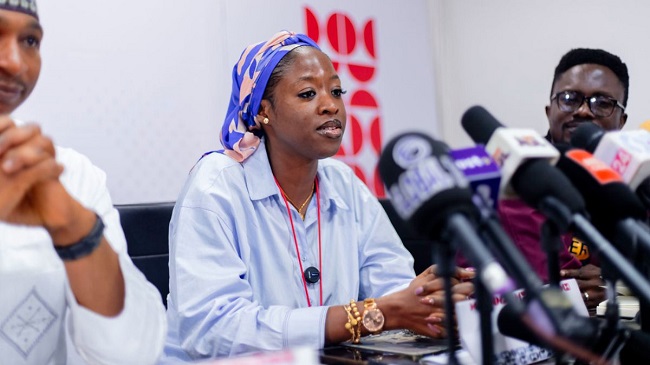
The council’s Registrar and Chief Executive Officer, Dr Yakubu Baba, confirmed this on Monday, January 19, 2026, at a news conference in Abuja.
Baba said the declaration aligned with President Bola Tinubu’s Renewed Hope Agenda to strengthen environmental public health nationwide.
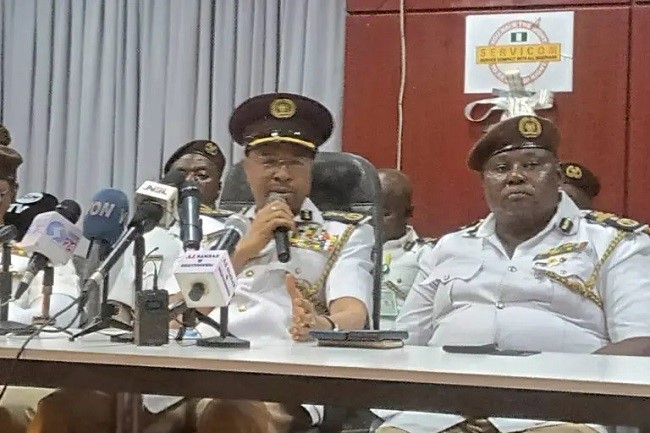
Officials of the Environmental Health Council of Nigeria (EHCON) at the news briefing in Abuja
He said EHCON was raising a national alarm over the silent but rapidly escalating burden of emission-related diseases.
According to him, environmental diseases from greenhouse gas emissions represent one of the greatest silent public health threats of this period.
“Declaring a state of emergency is not an exaggeration; it is a necessity. EHCON stands fully prepared, alongside partners, to lead this urgent response.
“The health of Nigerians today and tomorrow depends on actions taken now. We call on government, industry, communities and the media to support this initiative,” Baba added.
He said the council was also raising awareness about the health burden of combustion-engine pollution across the country.
Baba said the emergency declaration was necessary as Nigeria faces rising, preventable deaths from pollution-induced diseases daily.
He attributed the situation to unregulated reliance on combustion engines, weak emission controls, rising healthcare costs and loss of productive human capital.
Baba warned that failure to act decisively would overburden the healthcare system and undermine national development.
“Our investigations reveal environmental diseases linked to air pollution are increasing beyond the long-term public health impact of COVID-19,” he said.
He said many Nigerians who neither smoke nor drink are increasingly diagnosed with acute and chronic respiratory infections.
Baba listed associated conditions as lung and other environmentally induced cancers, cardiovascular diseases, systemic inflammation and climate-related dust exposure.
“These are linked to prolonged exposure to black carbon, particulate matter and toxic emissions from generators, heavy vehicles and industrial operations,” he said.
He added that marine engines, port activities, mining and petroleum operations worsened the largely invisible but devastating emergency.
Baba said emergency actions included intensified inspections of high-emission facilities and transport corridors, alongside mandatory compliance audits.
Other measures include sanctions under the 2024 Environmental Health Provision Rules and targeted emission-reduction interventions.
He said EHCON would deploy 70,000 environmental and public health response staff nationwide for surveillance and rapid response.
Additional measures include regulating fuel additives, mandatory emission testing for generators and vehicles, and phased restrictions on highly polluting engines.
Baba said the response would reduce pollution-related deaths, improve air quality and strengthen environmental public health governance.
He added that enhanced compliance would boost national resilience against environmental health threats.
The United Nations has called for stronger global media engagement on humanitarian crisis around the world, particularly the situation in Yemen.
The organisation said that limited international attention is hampering awareness and support, at a time when millions face deepening food insecurity, health risks and shrinking aid resources.
The UN Resident and Humanitarian Coordinator for Yemen, Mr. Julien Harneis, made the call on Monday, January 19, 2026, during a news conference on the humanitarian situation in the country.
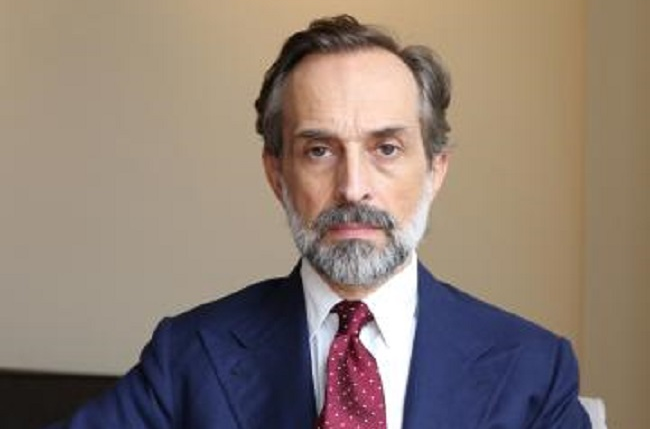
UN Resident and Humanitarian Coordinator for Yemen, Mr. Julien Harneis
He warned that the situation in Yemen is expected to deteriorate further in 2026, amid worsening food insecurity, economic pressures and reduced funding for critical services.
Harneis noted that in 2025 alone, about 19.5 million people were in need of humanitarian assistance, while the Humanitarian Response Plan was only 28 per cent funded.
He attributed the bleak outlook to economic and political decisions that were exacerbating food insecurity across all parts of Yemen.
According to him, the worsening food situation is already manifesting in rising levels of malnutrition and increased pressure on the health system.
Harneis noted that Yemen’s health system had been supported by the United Nations, in collaboration with the World Bank for the past 10 years, but warned that this support would significantly reduce.
“We’re going to see a major change there, where the health system is not going to be supported in the way it has been in the past, and that is going to have very major consequences.
“Yemeni government lacks the capacity to finance and sustain the health system, leaving the country vulnerable to disease outbreaks.
“In a country which has already seen the highest rates of measles in the world, and which has frequently had cholera epidemics, we’re going to be very vulnerable to epidemics across the country, particularly in the North,” Harneis added.
The UN official said that humanitarian operations in northern Yemen were further complicated by the detention of 73 UN personnel as well as the seizure of UN offices.
He described the detentions as part of a broader pattern, noting that staff of international NGOs, embassy workers, activists and political actors, had also been detained often without public attention.
Harneis said that UN was working with the broader humanitarian country team, including international and national NGOs, to explore how other organisations could step in to cover gaps left by the UN.
He, however, stressed that some capacities were unique to UN agencies.
“Only the UN agencies have the scale of response that is required for a country where, for example, 2,300 primary health care facilities have been supported by UN agencies.
“No INGO has the capacity to support all of that,” he said.
He acknowledged that the humanitarian community would attempt to restructure and reorganise its response, but described the current circumstances as “deeply challenging”.
On media coverage, Harneis said that while regional and Arabic-language media paid attention to developments in Yemen, there was limited access to areas outside government control.
He added that although humanitarian organisations regularly briefed the UN Security Council and the Office of the High Commissioner for Human Rights on the situation, international media engagement remained insufficient.
“The international media is not engaging with Yemen in the way that is needed now and the UN also needs to do more outreach.”
He clarified that while food insecurity was a major concern, it was not the direct cause of death.
He argued that food insecurity contributes to malnutrition, but so do poor access to clean water and lack of access to healthcare services.
According to him, when these factors combine with poor socio-economic conditions, they result in malnutrition, leading to increased mortality and morbidity, especially among children.
Harneis consequently, identified Nutrition, public health at the primary healthcare level, as well as freedom and security, as key priorities for humanitarian actors.
The Lagos State Government on Monday, January 19, 2026, said that the demolition of distressed structures would continue as part of efforts to protect lives, property and environment in the state.
Gov. Babajide Sanwo-Olu said that the exercise followed comprehensive safety assessments conducted by relevant government agencies, stressing that public safety remained top priority of his administration.
“Buildings should be 150 meters away from high tension, we have been in dialogue with the baales of these communities.
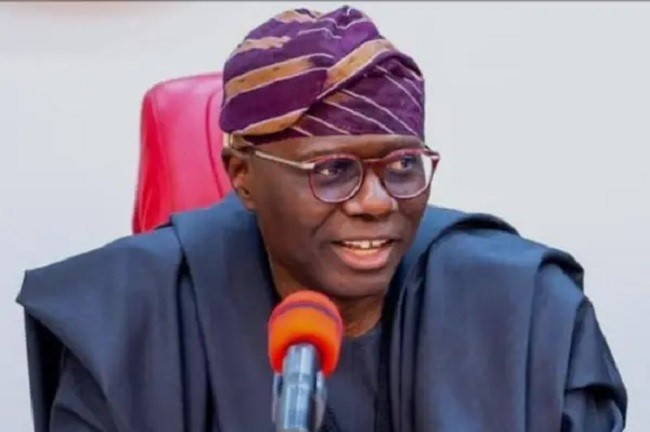
Gov. Babajide Sanwo-Olu of Lagos State
“The people crying than the bereaved are those organisations that get grants from foreign humanitarian groups, we know these things but things can’t continue like that.
“We will not hesitate to take decisive actions, including evacuation and demolition of distressed buildings, where they pose a threat to lives and public safety,” he said.
Sanwo-Olu noted that the measures were necessary to prevent avoidable disasters, especially in densely populated areas, adding that the government would continue to act proactively rather than reactively.
He appealed to residents, to cooperate with government officials and comply with safety directives, adding that such actions were taken in the collective interest of the public.
“These decisions are never taken lightly, but they are essential to protect lives and ensure the wellbeing of our people,” he said.
The governor also said that the exercise was part of a broader environmental management strategy, aimed at addressing structural failures, urban congestion and environmental risks in the state.
“Our responsibility goes beyond buildings; it includes protecting our environment and ensuring a safe, resilient and liveable Lagos for present and future generations,” Sanwo-Olu said.
The governor consequently, assured residents, that the state government would continue to strengthen environmental monitoring, and enforce building regulations.
Sanwo-Olu said that this will promote sustainable urban development, to minimise risks associated with environmental degradation.
Nigeria’s oceans, rivers, and lakes hold enormous economic promise.
However, for many citizens, the term Blue Economy remains unfamiliar, distant, and poorly understood, in spite of its growing national attention.
According to the World Bank, the Blue Economy is the sustainable use of ocean and water resources for economic growth, livelihoods, and jobs, while preserving aquatic ecosystems for future generations.
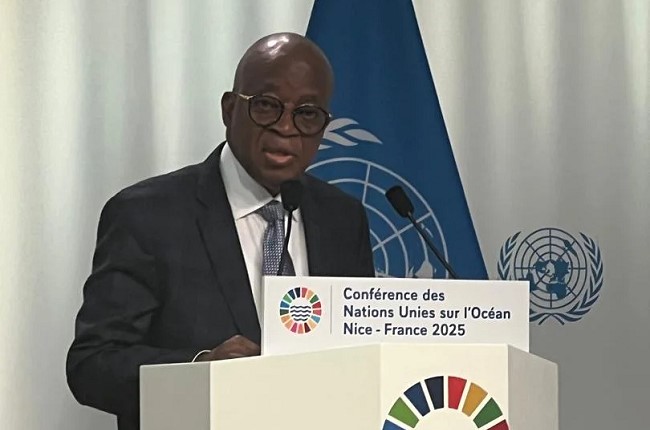
Minister of Marine and Blue Economy, Adgboyega Oyetola, addressing the United Nations Ocean Conference in Nice, France on June 10
In Nigeria, this concept spans shipping, fisheries, aquaculture, inland waterways, marine tourism, coastal infrastructure, and renewable energy.
Indeed, the blue economy represents an untapped economic frontier capable of supporting the livelihoods of millions if properly developed and understood.
Recognising this potential, President Bola Tinubu established the Ministry of Marine and Blue Economy in 2023 to coordinate maritime development and diversify the economy beyond oil.
Moreover, the Minister of Marine and Blue Economy, Adegboyega Oyetola, asserts that the sector can greatly boost non-oil revenue, reduce unemployment, and support national development if harnessed effectively.
He adds that Nigerians must understand how the blue economy affects their daily lives; from food prices to jobs and transportation.
With an extensive coastline of about 853 kilometres, alongside vast rivers and lakes, the country is strategically positioned to benefit from fisheries, coastal tourism, shipping logistics, and renewable marine energy.
Experts also note that the sector can strengthen food security through improved fisheries and aquaculture, reducing dependence on imported fish and seafood products.
Nevertheless, many Nigerians continue to overlook the riches beneath their waters, failing to see the marine sector as a pathway to shared prosperity due to lack of knowledge.
Dr Chika Eze, a maritime analyst, explains that limited public understanding remains a major obstacle.
“Many Nigerians still associate the sea only with fishing, ignoring its wider economic value.
“Consequently, Nigeria’s waters hold vast economic promise, yet many citizens remain unaware of how the blue economy can drive jobs, food security, and diversification,” he said.
Globally, the United Nations estimates that the blue economy contributes over $1.5 trillion annually, with developing countries harnessing marine resources to drive inclusive economic growth and strengthen climate resilience.
In this context, Nigeria, with its vast coastline and extensive inland waterways, is well positioned to tap into these opportunities, especially in job creation, food security, and sustainable livelihoods across coastal and riverine communities.
Fisheries and aquaculture experts emphasise that better management and investment in the sector could greatly reduce Nigeria’s reliance on fish imports while creating employment opportunities for youths and women along the value chain.
However, albeit these potential benefits, awareness gaps have slowed community participation, private investment, and youth interest in maritime careers, even as policy attention grows at the federal level.
A vox pop conducted in Abuja revealed a striking knowledge gap among ordinary Nigerians, especially young people expected to drive future economic growth.
For instance, Amina Yusuf, a 300-level sociology student at the University of Abuja, says she has heard about the blue economy but lacks in-depth knowledge of the sector and its operations.
Similarly, Samuel Okorie, a final-year economics student, described the concept as abstract.
“We study diversification, but no one really explains how the sea or rivers fit into Nigeria’s economy,” he said.
Meanwhile, a youth corps member, Blessing Danjuma, admitted she associated marine activities strictly with coastal states but lacked knowledge of Nigeria’s inland waterways, careers, and job opportunities related to the blue economy.
On a slightly brighter note, Ibrahim Sadiq, a geography undergraduate, showed some awareness.
“I think it has something to do with fishing, ships, cargos, and using water resources to boost the country’s economy,” he said.
Experts argue that this limited understanding reflects weak public education and minimal integration of maritime studies into mainstream academic and civic discourse.
Dr Emeka Akabogu, a maritime economist, notes that awareness gaps reduce youth interest, private investment, and community participation across maritime value chains.
“When people don’t understand opportunities, they can’t prepare for them or demand accountability. Therefore, awareness is as important as infrastructure,” he said.
Meanwhile, environmental analyst, Dr Funke Adebayo, warns that ignorance also fuels environmental abuse.
According to her, people protect what they understand.
“Without proper knowledge of the blue economy and the benefits of Nigeria’s waters, they continue to be dumping grounds for waste, especially plastics”.
To address this, Adebayo recommends media campaigns, simplified storytelling, documentaries, and human-interest features linking marine resources to everyday Nigerian experiences.
She also advocates for integrating blue economy studies into secondary and tertiary curricula, especially in coastal and riverine states, alongside campus seminars, debates, and innovation challenges to build early understanding and skills.
Furthermore, community outreach, town hall meetings, and partnerships with traditional institutions can help Nigerians see marine resources as assets for development rather than neglected spaces.
In addition, the supervising ministry should partner with the Nigerian Maritime Administration and Safety Agency (NIMASA), National Inland Waterways Authority (NIWA), and Nigerian Port Authority (NPA) to ensure unified messaging and visible grassroots engagement nationwide.
Ultimately, as Nigeria seeks economic diversification, unlocking the wealth beneath its waters will depend not only on policy but also on how well citizens understand, embrace, and participate in the blue economy.
Until awareness deepens, many Nigerians may continue walking past rivers and coastlines without realising the opportunities flowing quietly beneath their waters.
Nevertheless, analysts emphasise that economic gains must align with environmental sustainability to prevent pollution, overfishing, and ecosystem degradation.
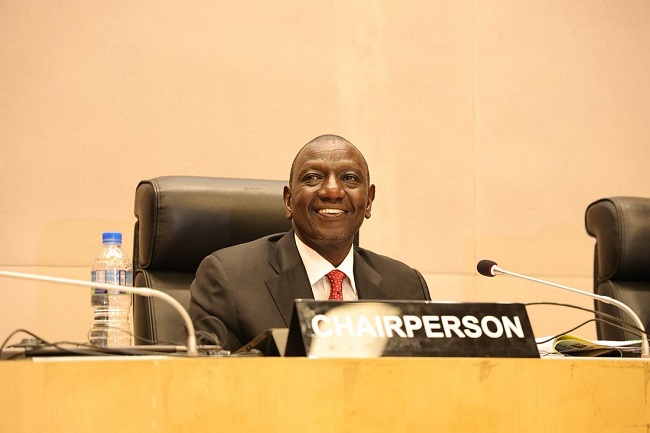
Kenya began selling a 65 per cent stake in its state oil pipeline firm on Monday, January 19, 2026, aiming to raise 106.3 billion shillings ($825 million) in its biggest-ever initial public offering.
The sale is part of a drive by President William Ruto’s government to divest from state companies to raise funds for new infrastructure and sovereign wealth funds.
It is also reducing its stake in telecoms operator Safaricom (SCOM.NR).
Kenyan President, William Ruto
The government priced the IPO in Kenya Pipeline Company at nine shillings per share, the offer documents showed. The sale will run until February 19, and the shares will be listed for trading on the Nairobi bourse on March 9.
The Kenya Pipeline IPO will be the regions biggest, topping an initial sale of Safaricom shares to the public in 2008 when the government raised 50 billion shillings.
It came amid a global recovery in equity capital markets and as stock markets hit record highs.
Equity capital markets activity totalled 738.4 billion dollars in 2025, up 15 per cent year-on-year, marking the strongest annual period for global equity capital markets activity in four years, according to LSEG data.
Just over a fifth of that was raised through equity capital markets offerings by issuers in Europe, the Middle East and Africa.
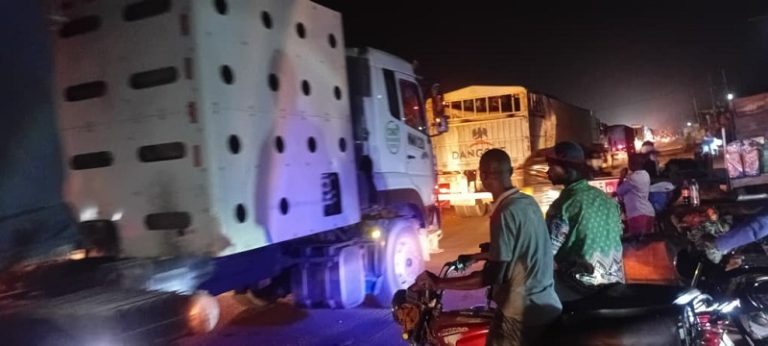
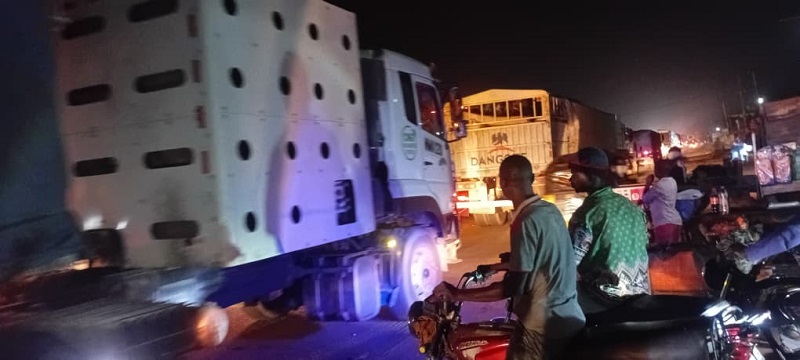
On Sunday, January 18, 2026, travellers on the Abuja-Lokoja highway were once again caught in hours-long traffic gridlock, renewing concerns about the fragility of Nigeria’s road infrastructure and the growing human and environmental cost of repeated transport failures.
Passengers travelling from Lagos and other southern states towards the north said vehicles barely moved for several hours, with some commuters reporting delays of up to eight hours, while others said they spent close to two days on the road.
The gridlock comes barely weeks after a similar congestion episode in December, when motorists and bus passengers were stranded overnight along the same corridor despite official assurances that traffic flow had been restored.
Lokoja gridlock
Lokoja in Kogi State occupies a strategic position in Nigeria’s transport network, serving as a convergence point for traffic moving between the south, north and eastern parts of the country. However, the city’s road infrastructure has long struggled to cope with increasing vehicle volumes, heavy-duty trucks and seasonal travel surges, leaving little room for diversion when disruptions occur.
For many travellers, the experience has become disturbingly familiar.
“You think it has been solved because you hear traffic has cleared, but after some time you are stuck again,” a passenger travelling north from Lagos said. “This time, some people were on the road all night.”
Beyond delays, prolonged congestion raised safety and welfare concerns, particularly as night fell. Travellers described growing anxiety over personal security, access to food and water, and uncertainty over when movement would resume.
Commercial drivers operating on the route said gridlocks in Lokoja are often triggered by a combination of broken-down vehicles, narrow road sections and the absence of functional alternative routes.
“When something goes wrong here, everything stops,” a bus driver explained. “There is no bypass, no other road to pass.”
A source familiar with operations around the corridor said a disruption linked to water infrastructure around the Ganaja axis may have contributed to the latest delays, though authorities are yet to issue an official explanation.
In past incidents, the Federal Road Safety Corps (FRSC) has attributed gridlock on the Abuja-Lokoja axis to traffic volume and obstructions, often deploying personnel to manage traffic and clear stalled vehicles.
Transport analysts, however, argue that traffic control alone cannot resolve what is essentially a structural problem.
Nigeria’s reliance on overstretched federal highways, combined with limited investment in bypasses, rail freight alternatives and long-term urban transport planning, have left key transit cities like Lokoja vulnerable to repeated congestion.
Environmental observers also warn that prolonged gridlocks increase fuel consumption and vehicle emissions, compounding environmental and climate pressures while offering no economic benefit.
As traffic gradually eased after several hours, many travellers were left with lingering questions about how long the relief would last and when permanent solutions would replace temporary fixes.
Connected Development (CODE) has launched a new project to promote transparency, accountability and domestic financing for Nigeria’s health security and epidemic preparedness.
The non-profit organisation announced in a press release signed by its communications and media relations officer, Nankpak Cirfat, on Monday, January 19, 2026, that the initiative is part of an analysis and capstone project of the Global Health Advocacy Incubator, which is supported by Resolve To Save Lives.
Titled “Tracking BHCPF NCDC Gateway Funds for Strengthening Health Security in Nigeria (Project Track – BHCPF),” the group added that the project is designed to deliver measurable outcomes, including improved transparency on Nigeria Centre for Disease Control (NCDC) gateway disbursements.
It said the programme also seeks independent evidence to support oversight and performance assessment, stronger data-driven advocacy for domestic health security financing, and a replicable accountability framework for tracking health security investments.
The statement went on to highlight that the Basic Health Care Provision Fund (BHCPF) remains the country’s primary domestic financing mechanism for strengthening the health system, and within this framework, the NCDC gateway is the only BHCPF channel that directly supports disease surveillance, outbreak response, laboratory systems, and emergency coordination.
Furthermore, it noted that, despite the introduction of BHCPF 2.0 in October 2025 by the Nigerian government, which strengthened accountability and performance expectations, public visibility into NCDC gateway disbursements and utilisation remains limited, as Nigeria’s epidemic preparedness and response capacity depends significantly on sustained domestic financing for health security.
“Increased domestic financing commitments have not been matched with transparent utilisation data, weakening performance assessment and constraining policy-relevant advocacy,” the press circular stated.
Therefore, through this initiative, CODE aims to generate actionable evidence within six months (January-June 2026) to support improved oversight, learning, and sustained investment in health security.
It went on to reveal that the Project Track BHCPF will apply CODE’s FollowTheMoney accountability methodology, combining Freedom of Information (FOI) requests, policy and guideline reviews, administrative data analysis, and a focused sub-national case study to assess preparedness outcomes.
According to the organisation, advocacy efforts will include the production of policy briefs aligned with national budget and oversight cycles, structured engagement with oversight bodies and decision-makers, and strategic media engagement to strengthen public accountability.
“This is a timely response to the critical need for transparency and accountability in how domestic resources for epidemic preparedness are utilised, and also strengthening health security is not only about funding but about accountability and learning,” said Hyeladzira Mshelia, CODE’s acting chief executive officer.
Mshelia submitted that, through Project Track – BHCPF, CODE aims to maintain its commitment to enhancing transparency, accountability, and citizen-driven oversight within Nigeria’s health sector. The initiative seeks to ensure that domestic health security financing leads to measurable outcomes in preparedness and resilience.
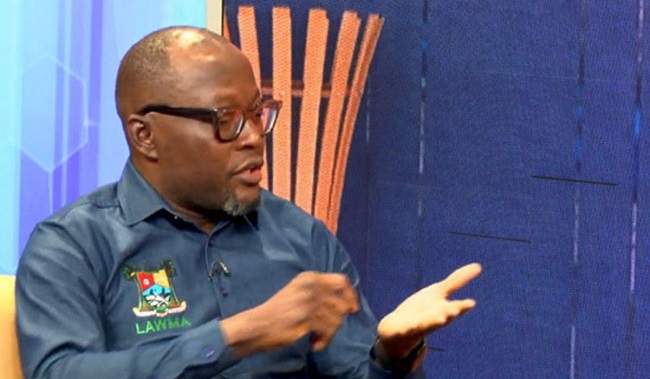
The Managing Director/Chief Executive Officer of the Lagos State Waste Management Authority (LAWMA), Dr. Muyiwa Gbadegesin, has called on residents of Lagos State to embrace responsible waste disposal practices as proper handling of waste is central to achieving a cleaner, liveable, and sustainable city.
Dr. Gbadegesin made the call on Saturday, January 18, 2026, while featuring on Sunrise Daily, a flagship programme on Channels Television, where he spoke on the realities of waste management in a rapidly urbanising city and the shared responsibilities required to keep Lagos clean and liveable.
He said that LAWMA had continued ongoing waste evacuation and management operations across the state as it was strengthening routine collection services and embarking on persistent clearing of identified flashpoints, which resulted from indiscriminate dumping and poor waste handling that continued to undermine progress in the sector.
Managing Director/Chief Executive Officer of the Lagos State Waste Management Authority (LAWMA), Dr. Muyiwa Gbadegesin
Encouraging the adoption of basic sorting practices across board, the LAWMA boss emphasised the importance of waste sorting at source, explaining that separating recyclable materials from general waste would improve collection efficiency, support recycling activities, and reduce the burden on landfill sites.
He highlighted LAWMA’s growing focus on waste recycling, noting that waste should no longer be seen solely as refuse but as a resource with economic value, adding that recycling initiatives would lead to the creation of employment opportunities, encourage private sector participation, and contribute to environmental protection.
Speaking further, he advocated adopting a circular economy approach to waste management, in which materials are recovered, reused, and recycled, offering significant economic and business opportunities while reducing environmental impact, as opposed to the prevailing linear system of collection and disposal.
Stressing LAWMA’s commitment to upholding environmental laws and ensuring accountability, Dr. Gbadegesin highlighted the impact of the authority’s enforcement efforts, noting that 400 cases of environmental infractions were prosecuted in 2025, including a recent instance in which a man caught dumping indiscriminately is now serving a jail term.
He called on residents to support these enforcement efforts by shunning indiscriminate dumping and reporting violations promptly as citizens’ cooperation remains essential to maintaining cleanliness and order across the state.
He reaffirmed LAWMA’s commitment to working with all stakeholders to strengthen waste management systems and promote a cleaner, healthier, and more resilient Lagos State.
A coalition of over 300 CSOs under the aegis of the Climate and Sustainable Development Network (CSDevNet) and partners have commended the Presidential Executive Order on the Prohibition of Exportation of Wood and Allied Products, 2025.
CSDevNet and the United Youths 4 Environmental Sustainability Initiatives (UY4ESI) welcome the Presidential Executive Order, describing it as a significant and timely policy intervention. The pair believes that, if implemented with integrity, coordination and social safeguards, the Order has the potential to slow Nigeria’s accelerating forest loss, strengthen climate and environmental governance, and advance a more just and resilient development pathway.
Wood export
In a statement made available to EnviroNews on Sunday, January 18, 2026, they described Nigeria’s forests, wetlands and other natural ecosystems as critical national assets that underpin climate regulation, biodiversity conservation, food security, livelihoods and social stability.t
The groups pointed out that heir rapid degradation; driven by commercial logging, weak regulation, cross-border trade, and the concentration of resource benefits among a few powerful actors has disproportionately affected rural and forest-dependent communities.
“These impacts are already evident in worsening floods, desertification, land degradation, habitat loss, rising food insecurity, and the increasing resource-related conflicts. In this context, the Executive Order should be understood not simply as a trade restriction; but as a climate justice and environmental security measure aimed at protecting shared ecological resources,” they submitted.
CSDevNet and UY4ESI emphasise that an export ban on its own will not stop deforestation.
“Without strong enforcement, transparent governance and coordinated action across federal, state and local levels, there is a real risk that logging pressures will shift to domestic markets, informal supply chains, and illegal cross-border routes. Past experience shows that poorly enforced bans often penalise small-scale actors while allowing large commercial interests to adapt, evade regulation or continue operations with impunity. Preventing this outcome requires deliberate policy choices that confront the political economy of timber extraction and trade in Nigeria.
“We therefore stress the urgent need for robust, fair and transparent enforcement mechanisms. This includes clear roles for Customs, port authorities, border agencies and state forestry institutions, supported by public reporting on seizures, prosecutions, and forest monitoring data.
“Enforcement must be even-handed and resistant to elite capture, ensuring that the burden of compliance does not fall disproportionately on vulnerable communities while powerful actors remain untouched. Equally important is federal – state coordination, recognising that effective forest governance depends heavily on state and local authorities. Without such coordination, the Executive Order risks uneven implementation.”
The groups noted that, beyond enforcement, the success of the policy would ultimately depend on how it addresses the livelihood and energy realities of millions of Nigerians.
“Fuelwood, charcoal production and wood-based trade remain central to household survival and cooking energy for a large segment of the population. Abrupt restrictions, without affordable and accessible alternatives, risk increasing energy poverty, household costs, and illegal markets. A just and effective transition therefore requires planned, financed, and time-bound interventions that expand access to clean cooking solutions, sustainable energy options, and climate-resilient livelihoods.”
CSDevNet National Network Coordinator, Abu Stephen, noted: “This Executive Order is an important step toward climate justice, but its impact will depend on how seriously we address implementation and equity. Protecting forests is inseparable from protecting people. Enforcement must be transparent and fair, and communities that currently depend on wood-based livelihoods must be supported with viable alternatives that are affordable, accessible and dignified.”
UY4ESI Executive Director, Musa Ibrahim, added: “This policy presents an opportunity to invest in clean energy alternatives, sustainable agriculture and local innovation. These investments are not optional; they are essential to ensuring that environmental protection goes hand in hand with improved livelihoods and long-term resilience.”
Practical alternatives, added CSDevNet and UY4ESI, already exist. For instance, UY4ESI’s community outreach and training on efficient briquette production and clean cook stoves, supported by CSDevNet demonstrate how pressure on forests can be reduced while improving household health and income.
In parallel, CSDevNet’s sustainable agriculture and soil restoration interventions show that climate-resilient livelihoods can be scaled when supported by the right policies and investments, stressed the group, adding: “What is now required is the political will and financing to move these solutions from pilot initiatives to national impact?”
CSDevNet and UY4ESI called on the federal and state governments, development partners and the private sector to treat the Executive Order as the starting point of a broader reform agenda.
“Such an agenda must integrate forest protection with clean energy access, sustainable land-use planning, livelihood diversification, and community-led conservation, underpinned by transparency and accountability.
“As civil society actors, we reaffirm our commitment to supporting implementation, monitoring outcomes, and advocating for policies that strengthen responsible environmental governance, advance climate justice and secure a resilient sustainable for Nigeria,” stated the groups.
Greenpeace continues to promote an anti-fossil fuel agenda, while relying on the very fuels they seek to eliminate, according to the African Energy Chamber
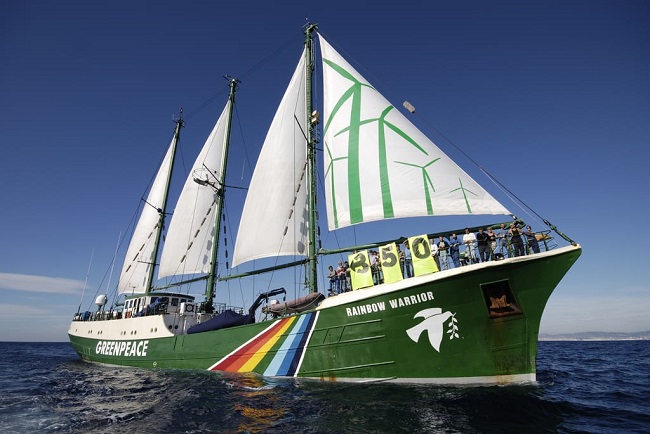
Greenpeace has announced that its Rainbow Warrior ship will dock at the V&A Waterfront in Cape Town, South Africa this January, bringing with it a quintessential example of salt-crusted irony.
Greenpeace, which actively protests against oil companies, will use petroleum-powered cars to get there, wearing synthetic, oil-based clothing while taking pictures and tweeting from phones made from critical minerals and oil – the very products of the industry they want to dismantle.
The Greenpeace “Rainbow Warrior” ship
Used as a tool to protest the very energy resources that stand to lift Africa out of energy poverty, Greenpeace is offering a “once-in-a-lifetime experience” to tour the ship. But as their ship docks in one of Africa’s harbours, one must ask: why does Greenpeace’s narrative for Africa’s energy future demand absolute restraint while its own global operations continue to rely on the very fossil fuels it insists African nations must leave in the ground?
While Greenpeace routinely urges African nations to leave their fossil resources undeveloped, its own operations underscore the impracticality of such views. The organisation’s flagship vessel Rainbow Warrior is frequently cited as a symbol of clean activism – yet its design tells a more inconvenient truth. Despite incorporating wind-assisted sails, battery systems and efficiency-focused architecture, the ship still relies on diesel-electric engines powered by marine gas oil – a refined fossil fuel – for propulsion, maneuvering and operational reliability. Greenpeace itself acknowledges that wind power merely reduces fuel consumption rather than eliminating it altogether.
This reality exposes a clear double standard: while Greenpeace accepts fossil fuels as a necessary operational compromise for its global campaigns, it simultaneously campaigns for Africa to forgo oil and gas development entirely – resources that underpin electricity access, industrialization and fiscal stability for hundreds of millions of people.
The evidence from Greenpeace’s own vessel confirms what African energy policymakers have long argued: fossil fuels remain structurally embedded in modern systems and demanding that Africa abandon them – while NGOs continue to depend on them – is neither honest nor equitable.
“A wealthy western NGO parading Africa in a fancy boat, eating caviar and goat cheese, while drinking matcha with almond milk, telling Africans to stop oil and gas is shocking to say the least. It kind of takes your breath away. It gives Chutzpah a new meaning,” says NJ Ayuk, Executive Chairman, African Energy Chamber.
With over 600 million people living without access to electricity, 900 million people living without access to clean cooking solutions and millions dying from biomass-associated health risks, the continent cannot afford to leave its oil and gas resources in the ground. But organisations such as Greenpeace continue to oppose this strategy, launching attacks on projects, deterring investments and impacting any meaningful progress to make energy poverty history.
By blocking seismic surveys in South Africa and lobbying against the East African Crude Oil Pipeline (EACOP), these foreign-funded NGOs are engaging in a form of economic sabotage. They are effectively telling Africa: “You may have the resources to power your own industrialisation, but you are not allowed to use them.” Projects such as EACOP offer a lifeline for many communities in East Africa.
The pipeline will not only transport crude from Uganda’s oilfields to international markets via Tanzania, but generate the revenue that can transform local infrastructure, power homes and develop strong, resilient economies. The same can be said for South Africa – home to significant offshore and onshore hydrocarbon resources that could, if extracted, stabilise the economy, eliminate load-shedding and power the country for decades to come.
“If fossil fuels remain necessary for Greenpeace to run its own operations, then it is neither credible nor justifiable to demand that Africa leave its resources undeveloped while millions remain without electricity, jobs or industrial opportunity,” Ayuk notes, adding “Africa needs energy to industrialise and create jobs. There is more dignity in work than in accepting foreign aid. The main goal of Greenpeace and its western funders is to keep Africa underdeveloped and in energy poverty. We must not let them.”
The next time you see a Greenpeace boat on the horizon, remember: that ship is a monument to the very industry they want to destroy. They are enjoying the fruits of the energy industry while trying to deny those same fruits to a continent that needs them most.
“The African Energy Chamber believes Africans should make their own when it comes to oil development, not foreign NGO’S. Most Africans without electricity can’t even afford the Greenpeace boat ride. Think about that,” he concludes.