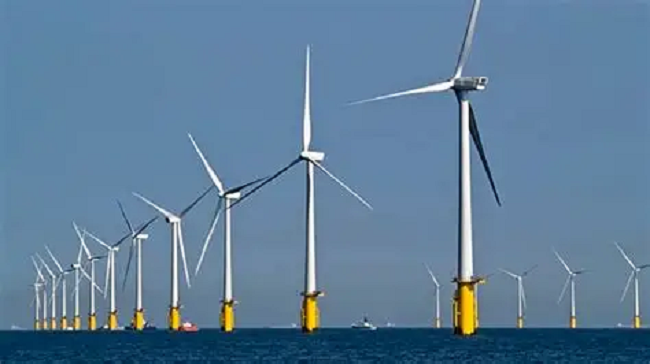
As the world observes the International Clean Energy Day on Monday, January 26, 2026, 10 European countries have committed to building an interconnected offshore wind power grid in the North Sea that is expected to provide 100GW of renewable electricity, enough to power 143 million homes.
The agreement, which involves building windfarms that connect directly to multiple nations through high-voltage subsea cables, is to be signed on Monday, September 26, in Hamburg by energy ministers from the UK, Belgium, Denmark, France, Germany, Iceland, Ireland, Luxembourg, the Netherlands and Norway.
Offshore wind power farm
It was reached less than a week after US President Donald Trump criticised European wind power at the World Economic Forum in Davos, calling windmills “losers” and claiming countries with more wind power are doing “worse.”
Last year, wind and solar energy reportedly overtook fossil fuels in the EU’s power generation mix.
While lauding the commitment of 10 European countries, environmental campaign group, 350.org, however emphasised that to clearly demonstrate climate leadership, moves to scale renewable energy for energy security and independence must be matched by an end to fossil fuel financing.
Clémence Dubois, 350.org Global Campaign Manager, said: “The Trump administration may be doing everything it can to keep the fossil fuel ‘rollercoaster’ going, but people are no longer buying tickets. Some European political leaders are beginning to recognise that energy security and economic stability won’t come from oil and gas, but rather, a renewable energy system that can lower electricity bills and can’t be switched off by dictators or disrupted by global conflicts.
“This isn’t just about switching energy sources – it’s about ending a rigged system where fossil fuel companies pocket the profits and the public picks up the bill through higher energy costs, climate disasters, and government handouts.
“Historically, oil and gas extraction in the North Sea has done a lot to fuel global heating, accounting for over nine percent of total global greenhouse gas pollution. Transforming the North Sea into a renewable energy hub would not erase that damage, but it could begin to correct it – especially if this is matched by an end to public finance for fossil fuel everywhere, and if fossil fuel companies are made accountable for the harm they’ve caused.
“Done right, it can be a powerful model of regional climate cooperation that addresses urgent economic and security concerns today, without exporting climate risk and costs to future generations and the Global South.”
Nigeria’s gas ambitions will not be delivered by policy declarations alone. They will be delivered by speed, precision and engineering ingenuity. The Agbada-67 intervention in OML 17 offers a compelling case study of how brownfield innovation can unlock stranded capacity, boost domestic gas supply and stabilise power generation, without drilling a single new well.
Re-engineering Gas Assets Accelerates Power Delivery
Nigeria has positioned gas as its transition fuel, but the challenge is delivering results. The nation lacks neither reserves nor strategies, only speed of execution. Bridging the gap between gas resources and reliable power depends less on new drilling and more on innovatively re-engineering existing assets.
Despite Africa’s largest proven gas reserves, the country still faces power shortages, industrial disruptions, and gas flaring, gaps that cannot be closed by policy intent or capital-intensive megaprojects. It requires practical, scalable engineering solutions that unlock value from existing assets, quickly, safely, and affordably.
In 2025, a rigless gas well intervention at Agbada-67 in OML 17 demonstrated what is possible when innovation meets constraint.
Through a carefully executed brownfield recompletion, the well was restarted with a gas output of approximately 45 million standard cubic feet per day (MMscf/d), contributing to a broader rise in OML 17 gas production from about 50 MMscf/d to a peak of 135 MMscf/d.
The impact was immediate: aggregate power generation across plants supplied from the eastern network increased from roughly 100 MW to over 325 MW on average, with peak generation reaching about 455 MW.
Why brownfields now matter more than ever
Nigeria’s upstream sector is undergoing a structural transition. With many international oil companies exiting, assets once developed under capital-intensive expansion models are now operated by indigenous firms facing tighter capital but greater pressure to boost production.
Historically, wells were drilled to target larger, deeper reservoirs, often bypassing shallower hydrocarbon-bearing zones. Over many decades, this approach has created a vast portfolio of completed and suspended wells, running across untapped or underutilised reservoirs. In the onshore Niger Delta alone, over 3,200 wells have been drilled, with more than 2,300 now completed or suspended.
This history presents a challenge and an opportunity, as while mature assets face declining production, targeted brownfield interventions offer a high-value, low-cost alternative to new developments.
The Agbada-67 technical approach
Agbada-67 was originally completed in a deeper gas reservoir and began experiencing water breakthrough in line with reservoir prognosis. Conventional responses would have involved drilling a new gas well at an estimated cost of about $25 million, or a full workover costing roughly $10 million.
Instead, the technical team pursued a third path: a two-stage, through-tubing recompletion – an approach that had not previously been executed in this combination on the asset.
The first stage involved a chemical water shut-off of the existing completion to enable access to a shallower reservoir. The second stage focused on recompleting the well through existing tubing, avoiding the need for a rig.
This included through-tubing perforation, reservoir stimulation using micro-emulsion breaker chemicals, isolation of the annulus from the surface with a cement packer, and the deployment of a bespoke ceramic sand screen 60 feet long, installed inside a 4½-inch tubing string at a depth of approximately 8,300 feet.
The entire operation was completed safely within 51 days.
The result was a recompleted gas well that delivered nearly double its initial production forecast, at strong reservoir pressures, and without expanding the field’s surface footprint.
Impact beyond the wellhead
For millions of Nigerians, this is not about infrastructure statistics; it is about lights staying on, hospital equipment functioning, and small businesses being able to operate without diesel generators.
This is why the significance of Agbada-67 lies not only in production numbers, but in its system-level impact.
In 2025, increased gas availability from OML 17 more than doubled supply into the eastern domestic gas network. Power plants dependent on this gas were able to ramp up generation, improving grid stability for households, hospitals, businesses, and industrial users. This is what gas monetisation looks like when it works, not as an abstract policy goal, but as electricity delivered.
Financially, the project also underscores the efficiency of brownfield innovation. The intervention cost approximately $3.5 million, around 35% of the conventional workover, and about 15% the cost of a new well. The payout period was roughly 22 days, with revenues of about $14 million generated within the first 90 days of production.
Replicability across Nigeria’s brownfields
Agbada-67 is the proof point.
Similar conditions exist across Nigeria’s mature fields, wells with existing infrastructure, declining reservoirs, and bypassed zones that can be accessed through creative recompletion strategies. The same approach is already being evaluated for nearby wells, including Agbada-68, which is expected to experience water breakthrough in the coming months.
More broadly, the lesson is clear: Nigeria does not need to wait for large greenfield projects to grow its gas supply. With the right technical mindset, regulatory support, and disciplined execution, brownfields can deliver meaningful volumes quickly and sustainably.
Aligning innovation with national priorities
Gas has been clearly identified as Nigeria’s transition fuel. Increasing domestic gas supply supports power generation, industrialisation, and emissions reduction by converting routine flares into productive use. However, delivering on this vision requires solutions that play out Nigeria’s current realities; solutions that are cost-effective, fast to deploy, and grounded in local engineering capability.
The success at Agbada-67 reflects what is possible when indigenous technical teams, working in partnership with NNPC and NUIMS, focus on practical problem-solving rather than textbook development models.
As Nigeria navigates the next phase of its energy transition, brownfield innovation should move from the margins to the mainstream of development planning. Regulators, operators, and investors all have a role to play in enabling these approaches through flexible frameworks, data transparency, and continued collaboration.
Agbada-67 shows that with the right tools and mindset, existing assets can deliver new value. The challenge now is to scale. If Nigeria is to meet its domestic gas ambitions, the future will not be built only on what we drill next, but on how intelligently we re-engineer what we already have.
Debo Adebajo is Vice President, Technical, Heirs Energies
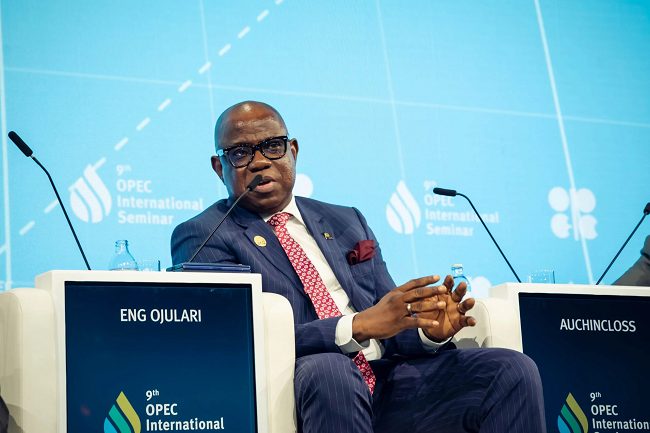
The Group Chief Executive Officer of NNPC Limited, Mr. Bashir Bayo Ojulari, will take centre stage at the 9th Edition of the Nigeria International Energy Summit (NIES) 2026, headlining a high-level, investor-focused fireside chat that underscores Nigeria’s strategic commitment to energy security, market reform, and the attraction of long-term global capital.
The session, titled “Securing Nigeria’s Energy Future,” will be held at the International Conference Centre (ICC), Abuja, as part of NIES 2026, convened under the theme “Energy for Peace and Prosperity: Securing Our Shared Future.”
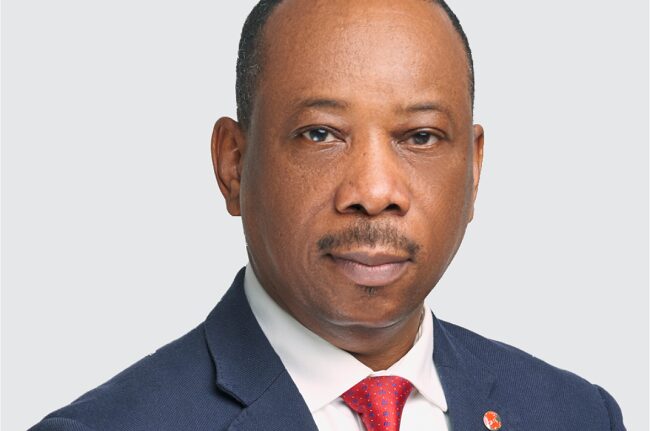
Bayo Ojulari, GCEO, National Petroleum Company (NNPC) Limited
It will be moderated by renowned energy and investment broadcast journalist, Ms. Vimbai Mutinhiri-Ekpenyong, and attended by a distinguished audience of chief executives, institutional investors, financial leaders, regulators, and energy service providers from across Africa and international markets.
“This fireside chat reflects our commitment to positioning Nigeria as a credible, reform-driven energy market where global capital, policy leadership, and commercial performance align,” said James Shindi, Chief Executive, Brevity Anderson, organisers of NIES 2026.
Positioned as one of the Summit’s flagship engagements, the fireside chat is expected to provide a candid and forward-looking examination of Nigeria’s evolving energy strategy amid global market volatility, intensifying energy transition expectations, and heightened investor scrutiny around governance, transparency, and capital discipline within national oil companies.
The conversation will frame Nigeria’s role at the heart of Africa’s energy economy and explore the strategic pressures shaping national revenue performance, energy security, and investor confidence. It will also spotlight how NNPC Limited is navigating production disruptions, refining constraints, gas supply dynamics, and asset transitions, while advancing a commercially driven transformation agenda aligned with global best practices and long-term national development goals.
Discussions are expected to span the stability and security of Nigeria’s production environment, the repositioning of refining and supply systems to strengthen market confidence and reduce import dependency, and the balancing of domestic gas needs with export commitments to support power generation and industrial growth.
The session will also examine how NNPC is supporting indigenous operators amid international oil company divestments, the policy and fiscal signals required to attract sustained investment in a transitioning global energy market, and the company’s progress in strengthening governance, capital discipline, and value delivery under the weight of national and market expectations.
“Bringing NNPC’s leadership into direct dialogue with international investors and industry leaders is central to advancing confidence, transparency, and long-term partnerships across Africa’s energy value chain,” said Kunle Odusola-Steveson, the Conference Producer.
The session will conclude with an interactive question-and-answer segment, offering investors, partners, and industry leaders the opportunity to engage directly with NNPC’s leadership on Nigeria’s energy outlook, reform priorities, and long-term investment landscape.
The Nigeria International Energy Summit is a premier global platform that convenes policymakers, industry leaders, investors, and innovators to advance dialogue, partnerships, and policy-driven solutions shaping Africa’s energy future.
The Nigerian Mining and Geosciences Society (NMGS) has urged relevant authorities to ensure mandatory geoscientific investigations before mining activity is carried out in the country.
The President of the Society, Ms. Rose Ndong, made the remark on Saturday, January 24, 2026, in Uyo, Akwa Ibom State, at a press conference which was part of activities marking the 261st National Council Meeting of NMGS.
Ndong said that such investigations would not only serve as a foundation for sustainable infrastructure development, but enhance environmental management.
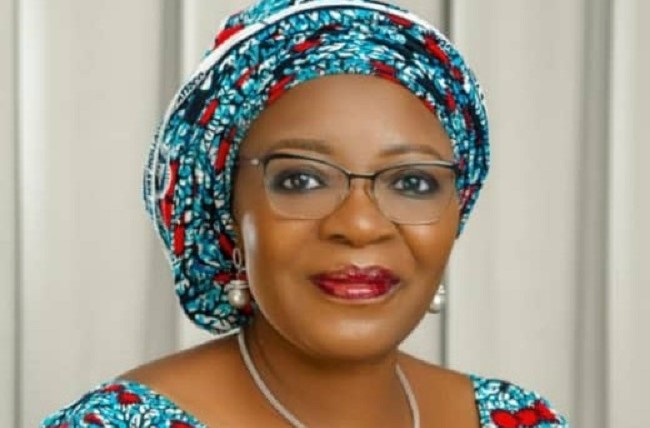
President, Nigerian Mining and Geosciences Society (NMGS), Ms. Rose Ndong
She decried the level of illegal mining activities in the country, saying that aside the economic loss Nigeria had suffered, the environmental degradation had been worrisome.
Ndong raised concerns over pushbacks from the people who engaged in such practices when confronted, and advocated more sensitisation of the public to curb the menace.
“NMGS will continue to advocate for mandatory geoscientific investigations as a foundation for sustainable infrastructure development.
“We are looking at how these minerals can be extracted safely without making it so chaotic.
“It’s not just our body, there are other bodies that are working with us as partners in sensitising people, especially women and young children that are being used in some of these areas or sites,” Ndong said.
She also added that the 61st Annual International Conference & Exhibition (AICE), Uyo 2026, would be held in March to advance geoscientific knowledge and professional practice in the country.
She said the theme of the conference would be “Optimising Efficiency, Sustainability and Resilience in Resources Management and Infrastructure Development.”
The president said that the theme reflected the urgent need to responsibly manage Nigeria’s natural resources while building infrastructure that would be safe, durable and climate-resilient.
“The Annual International Conference and Exhibition (AICE) is NMGS’s flagship event and one of the largest geoscience gatherings in Africa.
“The Uyo 2026 Conference is significant in several respects as it will provide a forum for knowledge exchange between academia, industry, and government.
“It will showcase emerging technologies and innovations in geosciences, strengthen Nigeria’s profile in global geoscientific discourse as well as support evidence-based policymaking in resources and infrastructure development,” Ndong said.
She commended Gov. Umo Eno of Akwa Ibom for the systematic transformation of statement geo-tourism assets to economic and scientific values in his Arise Agenda.
Ndong said that Akwa Ibom had demonstrated commendable commitment to geo-tourism and sustainable environmental development.
“A notable example is the ARISE Palm Resort, which harmoniously integrates natural landscapes, geological features, recreational and tourism infrastructure.
“In addition, the state’s waterfront developments, extensive coastline, beach sands, wetlands, and estuarine systems represent significant geo-tourism assets with both economic and scientific value.
“Akwa Ibom is also endowed with beach and construction sands, clay, laterite, gravel prospects, and other industrial minerals, groundwater and surface water resources,” she said.
She said the conference would provide an opportunity to scientifically showcase and promote the resources of the state to investors, researchers, and policy makers.
The National Environmental Standards and Regulations Enforcement Agency (NESREA) has launched an investigation into allegations of illegal logging in Ekuri community forests in Akamkpa Local Government Area of Cross River State.
The action followed petitions by civil society organisations, the Rainforest Resource & Development Centre (RRDC) and the Panacea for Developmental and Infrastructural Challenges for Africa Initiative (PADIC-Africa), which accused Ezemac International Limited of carrying out unauthorised logging activities in Old and New Ekuri forests.
In the petitions, RRDC, led by its Executive Director, Prince Odey Oyama, and PADIC-Africa, headed by Dr. Martins Egot, a community leader in New Ekuri, alleged that, between January 9 and 12, 2026, Ezemac deployed heavy machinery into the community forest without consent or lawful forest allocation.
Community forest: NESREA is investigating alleged illegal logging in Ekuri community forest. Photo credit: UNDP Cambodia/Chansok Lay/Oddar Meanchey
They claimed that two bulldozers, an excavator and four to five heavy-duty trucks were moved into the forest to fell mature trees within what they described as a protected ecological corridor, adding that the operations were unplanned, unsustainable and lacked valid export authorisation.
RRDC called on NESREA to carry out an urgent compliance and enforcement inspection, investigate the company’s export-related activities, and assess its compliance with the Environmental Impact Assessment Act and the NESREA Act.
The group urged the agency to impose sanctions where violations are established, warning that failure to act could undermine existing presidential directives on logging.
In a similar petition, PADIC-Africa alleged that community forest governance in Ekuri was being undermined through intimidation, claiming that law enforcement actions appeared to favour corporate interests over environmental protection and community rights.
Dr. Egot said the New Ekuri community was demanding the immediate withdrawal of all Ezemac equipment from the forest, a transparent investigation into the legality of the company’s activities, an independent environmental damage assessment, and an injunction restraining the company and its agents from accessing the forest pending the conclusion of investigations.
Confirming the investigation, the Director and State Coordinator of NESREA, Comrade Raymond Anunobi, said officials of the agency were in Cross River State on the directive of the Director-General, Prof. Innocent Barikor, to verify the allegations contained in the petitions.
“We are here to ensure that environmental laws are enforced and properly regulated. We assure Nigerians that justice will be done,” Anunobi said.
He warned that any individual or organisation found culpable would be sanctioned in line with the law, adding that NESREA had commenced its mandatory investigation process. He also urged communities and civil society groups to promptly report environmental violations to the agency to enable timely intervention.
Responding to the allegations, the Chief Executive Officer of Ezemac International Limited, Mr. Ezenwa Igwe, denied any wrongdoing, insisting that his company was not involved in illegal logging in the New Ekuri protected community forest.
“I have a permit. I generate revenue for both the state and local governments, and I employ over 180 workers across Cross River State. I operate a standard factory,” Igwe said.
He also denied logging for export, stating that all processing is done within the state. “I recycle my wood and do not take timber outside Cross River. I process my wood in Ugep where I make doors. If my operations were illegal, the Forestry Commission would not issue me documents or allow me to operate,” he added.
Meanwhile, the Cross River State House of Assembly is expected to meet with all parties on January 27, 2026, to hear from them and work towards resolving the dispute.
The Rural Electrification Agency (REA) and Lotus Bank have reached a strategic milestone in their collaboration to deepen financing for energy access across Nigeria.
Following a high-level meeting on Wednesday, January 21, 2026, the two institutions announced plans to transition from project-based support to a large-scale, dedicated financial framework.
The engagement focused on the Distributed Access through Renewable Energy Scale-up (DARES) programme.
Officials of Rural Electrification Agency (REA) and Lotus Bank at the high-level meeting
While Lotus Bank has already been active in supporting individual projects under this initiative, the new phase of the partnership will see the bank establish its own dedicated DARES financing facility.
During the session, the Managing Director of the REA, Dr Abba Aliyu, challenged the bank’s leadership to adopt a bold approach by setting a clear global funding target for the facility.
The agency emphasised the need for strong internal standards and a design that prioritizes the ability of developers to scale their operations quickly.
“That level of intentionality is exactly what the sector needs if we’re serious about moving from pilots to impact at scale,” the REA Managing Director noted.
The shift reflects a growing trend among forward-thinking Nigerian financial institutions that are increasingly viewing renewable energy as a bankable and commercially viable sector rather than strictly a social good.
Both organisations are now working toward the signing of a formal Memorandum of Understanding (MoU) to institutionalise the partnership. This agreement is expected to provide the structured capital necessary to accelerate the deployment of clean energy solutions to underserved and unserved communities nationwide.
The REA remains optimistic that this collaboration will serve as a model for other commercial banks building the necessary momentum to bridge Nigeria’s energy deficit through sustainable, private-sector-led investment.
The Nigerian Midstream and Downstream Petroleum Regulatory Authority (NMDPRA) says the prices of petrol, diesel and Liquefied Petroleum Gas (LPG) will continue to decline nationwide.
The Authority’s Chief Executive, Mr. Saidu Mohammed, stated this on Sunday, January 25, 2026, in Ogbele community, Ahoada East Local Government Area of Rivers State, during an inspection of Aradel Holdings Plc facilities.
Mohammed attributed the expected price reduction to rising supply, increased competition and sustained private sector investments in the oil and gas sector.
NMDPRA Authority’s Chief Executive, Mr. Saidu Mohammed
According to him, Nigerians are gradually moving towards affordable energy as improved supply continues to drive price stability.
“The more supply we have, the lower the price, and this is already evident as petrol has dropped from about N1,000 to N800 per litre due to competition,” he said.
Mohammed explained that the removal of fuel subsidy had allowed market forces to function properly, improving efficiency across the downstream sector.
“Sustained competition, rather than subsidies, will guaranty adequate supply of petrol and gas at affordable prices for Nigerians,” he added.
He stressed the need for additional refineries with advanced conversion capacity to produce diesel, fuel oil, naphtha, LPG and petrol.
The NMDPRA chief said Nigeria’s ambition extended beyond local consumption to exporting petroleum products to Africa, Europe and the Americas.
“However, domestic demand must first be adequately met by local operators before large-scale exports can commence,” he said.
Mohammed noted that President Bola Tinubu strongly supported a free-market economy, recalling that subsidy removal was the President’s first major policy decision.
According to him, the policy unlocked private sector participation and stimulated investments across the oil and gas value chain.
On the state-owned refineries, Mohammed said their operational conditions largely remained the responsibility of the Nigerian National Petroleum Company Limited (NNPCL).
NMDPRA, he said, was engaging NNPCL to ensure the delivery of crude oil and petroleum product to the Port Harcourt and Warri refineries reserves.
“Delivery of products to the reserves and restoring loading activities at the refineries will boost local economies and revive product distribution within host communities.
“Once product loading resumes, Nigerians will begin to feel the economic impact, even before full refinery operations,” he said.
Mohammed added that Nigeria’s economic growth depended heavily on the rapid expansion of locally owned midstream assets.
He said facilities inspected during his three-day operational tour across Rivers demonstrated that Nigerians had the capacity to design, finance, build and sustainably operate world-class energy infrastructure.
He singled out Aradel Holdings, nothing that the company had proven that Nigerians could efficiently operate a refinery sustainably without foreign operatorship.
Mohammed disclosed that Aradel’s ongoing expansion would enable the loading of petrol from its facility before the end of 2027.
“Aradel has supplied gas to Nigeria Liquefied Natural Gas (NLNG) for about 13 years, alongside also operating an 11,000-barrels-per-day refinery.
“The company also runs a virtual gas pipeline, producing compressed natural gas distributed across several parts of Nigeria,” he said.
He urged further investments in refining, noting that the Dangote Refinery alone could not meet domestic, continental and global demand.
He described the midstream sector as Nigeria’s strongest driver of economic growth, capable of stimulating manufacturing, power generation, transportation and other productive sectors.
Mohammed gave the assurance that the NMDPRA would continue to provide regulatory incentives to attract large-scale investments into the midstream sector.
Responding, Managing Director of Aradel Holdings, Mr. Adegbite Falade, thanked NMDPRA for its regulatory support and confidence in operators
Falade said the company remained committed to expanding refining capacity, commercialising gas and eliminating routine gas flaring.
“We are not overwhelmed by rising demand, as the company is already expanding its refining capacity beyond current levels.
“Aradel aims to be part of the long-term solution to Nigeria’s energy supply challenges. Nigerians should expect continued scaling, local value addition and prioritisation of domestic energy needs,” he said.
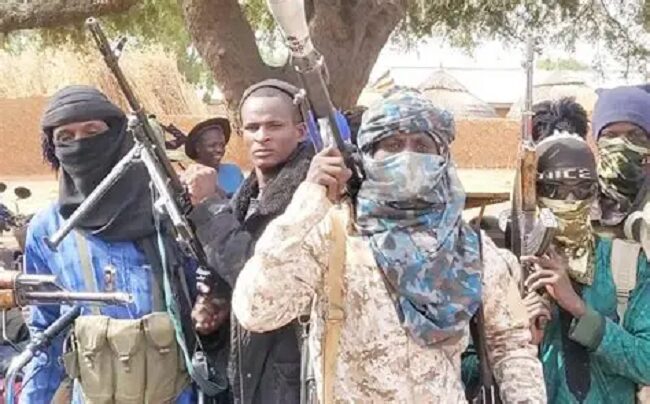
Nigeria’s efforts to negotiate with bandit groups continue to fail in achieving lasting peace, according to recent research by the Centre for Development Communication (CDC). The study focused on Otukpo in Benue State, Barkin Ladi in Plateau State, and Yagba West in Kogi State, areas heavily affected by banditry.
Through 36 interviews with men, women, youth leaders, security personnel, and NGO representatives, the research uncovered systemic weaknesses in the country’s negotiation approach.
A central finding is that Nigeria’s strategy is largely transactional. Negotiations focus on amnesty, cash payments, logistics, or temporary ceasefires, rather than addressing the root causes of violence.
Bandits
Participants explained that terminating disputes without resolving underlying issues only ensures that conflicts resurface. Youth leaders and local residents emphasised that genuine progress requires participatory negotiation processes designed by experts who place communities – not politicians – at the centre.
Communication failures further undermine the legitimacy of peace efforts. Negotiations are elite-driven, state-centric, and heavily militarised, leaving communities largely excluded. Women, farmers, pastoralists, and local mediators are rarely recognized as active peace actors.
This exclusion fosters mistrust and erodes confidence in state-led dialogue. Communities are often portrayed as passive victims, while bandits are framed solely as criminals, oversimplifying complex realities and weakening transformative peacebuilding.
The research also highlighted the neglect of indigenous knowledge systems. Traditional arbitration, inter-communal dialogue, shared resource arrangements, and culturally rooted accountability mechanisms have historically managed conflict, yet they are sidelined. Social realities such as land pressure, governance breakdown, rural marginalisation, and historical grievances are often ignored, limiting the effectiveness of negotiations.
Participants stressed that lasting peace requires more than temporary agreements. Conflict transformation demands shifts in relationships, narratives, and power dynamics. Dialogue must go beyond ending violence to repair trust, empower communities, and foster ownership of peace processes. Without participation, ceasefires collapse because they fail to address the conditions that make violence a rational choice.
Based on these findings, CDC recommends reframing negotiations as participatory processes that include women, youth, farmers, pastoralists, and local mediators in dialogue design, monitoring, and decision-making. Community narratives and social realities must guide policy reforms and locally grounded peace frameworks.
Communication should be used as a tool for inclusion and systemic change, restoring dignity, building trust, and fostering shared ownership of peace. Sustained listening platforms, dialogue, and narrative repair initiatives are essential to redefine communities as active agents of peace.
Unless these deliberate shifts are implemented, Nigeria’s banditry negotiations will continue to produce temporary ceasefires rather than achieving sustainable conflict transformation. Genuine, people-centered, and participatory communication is the missing link that can turn negotiation into long-term peace.
By Audu Liberty Oseni, Director, Centre for Development Communication
The Ekiti State Environmental Protection Agency (EKSEPA) has warned residents of the Oye-Ekiti area to desist from burning and dumping refuse in drains and waterways.
The Chairman of the agency, Mr. Bamitale Oguntoyinbo, issued the warning in an interview on Sunday, January 25, 2026, in Oye-Ekiti.
Oguntoyinbo explained that refuse dumped in drains often leads to blocked waterways, which in turn causes flooding during the rainy season.
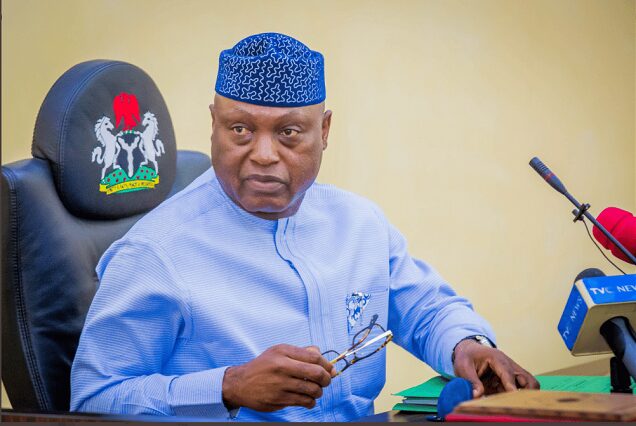
Gov. Biodun Oyebanji of Ekiti State
According to him, blocked waterways create serious problems and result in huge financial costs for both the community and the government.
Oguntoyinbo disclosed that the state government spent millions of naira on dredging waterways during the 2025 rainy season to curb flooding in various communities and towns across the state.
The EKSEPA boss advised shop owners, landlords, and caretakers to ensure that refuse from their premises is disposed of at designated dump sites.
He also urged clinics and hospitals to properly dispose of medical waste to prevent environmental and health hazards.
Oguntoyinbo stressed that dumping refuse in waterways is a bad habit that can cause flooding and negatively affect other residents during the rainy season.
He warned that anyone caught dumping refuse in drains or waterways would be arrested and made to face the wrath of the law.
The Lagos State Government has described its recent demolitions exercise in Makoko and other communities as efforts geared towards protecting live and property of the citizens.
The government said the intervention was also to ensure environmental safety and sustainable urban development across the state.
This is contained in a statement signed by the Commissioner for Information and Strategy, Mr. Gbenga Omotoso, after an engagement designed to foster dialogue between the government and residents on Sunday, January 25, 2026, in Lagos.
Makoko demolition
Omotoso described the demolitions in the affected settlements as necessary interventions aimed at preventing disasters, improving safety, and repositioning Lagos as a resilient and sustainable megacity for future generations.
Responding to criticisms describing the exercise as anti-poor, Omotoso said: “The actions were driven by safety, environmental protection and security concerns, particularly structures erected beneath high-tension power lines and along critical waterways.”
According to him, no responsible government will permit habitation under power cables or obstruction of waterways.
“The measures were preventive, not punitive, and intended to avert disasters and safeguard the long-term future of Lagos.”
Omotoso disclosed that the affected communities had been engaged for over five years, noting that laws require buildings to be at least 250 metres away from power lines.
He maintained that fallen cables into waterways could cause catastrophic disasters.
Contributing, the Special Adviser to the Governor on e-GIS and Urban Development, Mr. Olajide Babatunde, explained that the demolitions followed safety assessments and longstanding urban planning regulations.
According to him, the demolitions align with a broader urban regeneration blueprint.
He listed successful relocation such as Oko Baba, where residents were moved to modern estates, and urged adherence to planning regulations to avoid future conflicts.