The Federal Government of Nigeria has taken a decisive step to revitalise the gas industry and stabilise power generation after President Bola Tinubu authorised the settlement of N185 billion in long-standing debts owed to natural gas producers.
The move, endorsed on Wednesday, December 3, 2025, by the National Economic Council (NEC) headed by Vice-President Kashim Shettima, marked one of the most significant interventions in Nigeria’s energy sector in recent years.
The Minister of State, Petroleum Resources (Gas), Dr Ekperikpe Ekpo, in a statement on Thursday, December 4, said clearing the arrears would deliver wide-ranging benefits, beginning with restoring investor confidence in the sector.
Minister of State for Petroleum Resources (Gas), Ekperikpe Ekpo
It will be recalled that the N185 billion legacy debts, a longstanding government obligation to gas producers for past supplies, had strained cash flow and hindered operations.
The debts had discouraged further exploration and production, and reduced gas supply for power generation, thereby worsening Nigeria’s power shortages and unreliable electricity supply.
The payment to be executed through a royalty-offset arrangement, is expected to restore confidence among domestic and international gas suppliers who have long expressed concern about persistent indebtedness in the sector.
Ekpo, however, described the approval as a “decisive step towards revitalising Nigeria’s gas sector and strengthening its power-generation capacity in a sustainable manner.”
He praised Tinubu’s leadership, stating that the intervention aligned with the Decade of Gas initiative, which aims to unlock more than 12 billion cubic feet per day (bcf/d) of gas supply by 2030.
“Settling the debts is crucial to rebuilding trust between the government and gas producers, many of whom have withheld or slowed new investments due to uncertainty over payments,” he said.
Ekpo explained that improved financial stability would help revive upstream activity by accelerating exploration and production, ultimately boosting Nigeria’s gas output.
He added that increased gas supply would also boost power generation and ease the long-standing electricity shortages that continue to hinder businesses across the country.
According to the gas minister, these gains are expected to stimulate broader economic growth, as reliable energy underpins industrialisation, job creation and competitiveness.
He added that better fiscal discipline and enhanced transparency across the sector would further attract fresh investment from both local and foreign players.
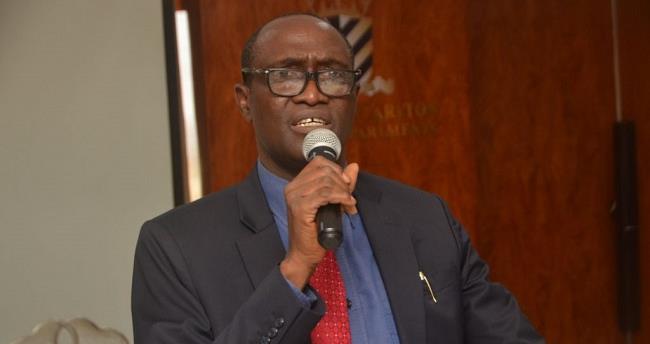
The Coordinating Director of the Decade of Gas Secretariat, Mr. Ed Ubong, said the approved plan to clear gas-to-power debts showed commitment from President Tinubu to address structural weaknesses across the value chain.
“This decision underlines the Federal Government’s determination to clear legacy liabilities and give gas producers the confidence that supplies to power generation will be honoured.
“It could unlock stalled projects, revive investor interest and rebuild momentum behind Nigeria’s transition to a gas-driven economy,” said Ubong.
Prof. Femi Ayoade of Redeemer’s University, Ede in Osun State, says funding gaps, weak infrastructure, policy limitations, skill shortages and evolving regulations are preventing Nigeria from fully benefiting from biotechnology advancements.
Ayoade, a professor of Food and Environmental Biotechnology, said this while delivering the university’s 20th Inaugural Lecture on Thursday, December 4, 3035 in Ede, Osun.
The lecture had “Biotechnology as Divine Providence: A New Paradigm for Sustainable Development and Poverty Alleviation” as its theme.
Redeemer’s University, Ede, Osun State
The don said biotechnology could be used as a tool for poverty alleviation and economic development in the country if effectively utilised.
Ayoade described biotechnology as a branch of science and a revolutionary force that is reshaping industries and improving the quality of life of millions of people across the globe.
He said biotechnology could also transform Nigeria’s agriculture, healthcare and environment if effectively utilised.
Ayoade said the government, academia and industry have to collaborate to maximise the potential of biotechnology and position Nigeria as a continental leader.
He added that biotechnology offers practical solutions to low yields and climate stress in the agricultural sector and could also help combat infectious and non‑communicable diseases through vaccines, diagnostics and therapies in the health sector.
“Biotechnology can generate industries, jobs and exports, strengthen food security and provide green technologies for sustainable growth,” he said.
Ayoade urged policymakers to foster a supportive environment that encourages biotechnology innovation, adding that the burgeoning youth population, strong agricultural base and growing research capabilities position Nigeria to benefit from biotechnological innovations.
The Edo State Government has laid claim to the disputed forest reserve between the Abere and Ajakuruma Ijaw communities in Ovia Southwest Local Government Area of the state.
Deputy Governor of the state, Mr. Dennis Idahosa, made the claim during a peace meeting with leaders of the two communities in Benin on Thursday, December 4, 2025.
In a statement by his Chief Press Secretary, Friday Aghedo, Idahosa, who is also the Chairman of the State Boundary Committee, classified the disputed territory as state-owned and not subject to communal ownership claims.
Deputy Governor of Edo State, Mr. Dennis Idahosa
The deputy governor, who declared the exclusive right of the government over the land, warned both communities to desist immediately from laying claim to the land.
According to him, documentary evidence and verified digital coordinates confirmed that the forest reserve is under the authority of the Edo State Government.
He cautioned the communities against attempting to appropriate the area or escalate tensions.
“You cannot fight over what does not belong to you.
“Documentary evidence showed that the landmass in question belonged to the state, a process verified through the use of digital coordinates.
“Whatever we have done here today is in line with the law.
“Go back to your communities and ensure that there is peace.
“Anybody that wants to foment trouble should be ready to face the wrath of the law,” he said.
Idahosa directed residents of both communities to maintain peace and abide strictly by the resolutions of the State Boundary Committee, stressing that it was criminal for any group to lay claim to a government-owned forest reserve.
The deputy governor, however, commended the Chairman of Ovia Southwest Local Government Council, Mr. Nosakhare Edobor, for preempting what he described as a looming communal crisis that could have resulted in casualties.
Earlier, the council chairman, who disclosed that the dispute had lingered for about seven months, urged all communities in the area to prioritise dialogue and lawful engagement over violence.
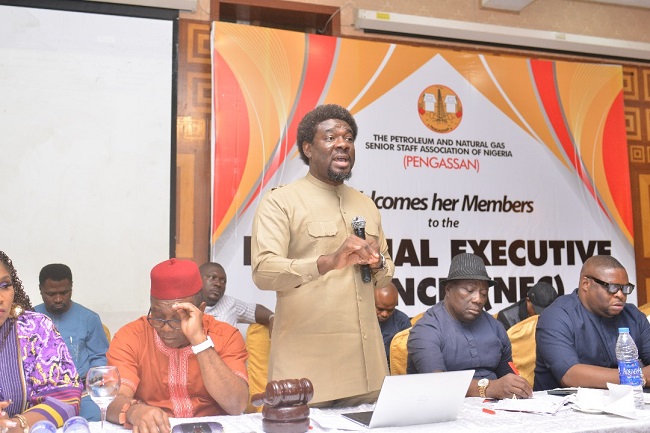
The Petroleum and Natural Gas Senior Staff Association of Nigeria (PENGASSAN) says Nigeria risks massive brain drain in the oil and gas sector due to poor remuneration.
Mr. Festus Osifo, President of PENGASSAN, said this while briefing newsmen at the end of the National Executive Council (NEC) meeting of the union on Thursday, December 4, 2025, in Abuja.
He said the sector was facing challenges arising from Naira devaluation and inflation, noting that oil and gas skills remained globally competitive.
Mr. Festus Osifo, PENGASSAN’s President
“A drilling engineer in Nigeria does the same job as one in the U.S. or Abu Dhabi,” he said.
Osifo said the union must take steps to bridge the wage gap to prevent members from leaving the country for better opportunities abroad.
“If we don’t act, the brain drain seen in other sectors will be child’s play,” he said.
He said PENGASSAN had recorded significant gains through collective bargaining across oil and gas branches.
“We signed numerous agreements across government agencies, IOCs, service and marketing sectors,” he said.
He said the agreements brought relief to members facing rising costs of living, adding that the association’s duty is to protect members’ jobs and enhance their pay.
Osifo urged companies delaying salary reviews and those foot-dragging as a result of the prevailing economic realities to do the needful.
He said the industry employed some of the nation’s best talents, making competitive pay critical to retaining skilled workers.
“This industry recruits the best. Companies must provide the best conditions,” he said.
On insecurity, Osifo urged government to take decisive action against terrorism and kidnappings across the country.
“We are tired of condemnations. government must expose sponsors and protect citizens,” he said.
He urged government at all levels to prioritise tackling insecurity through better funding and equipment for security agencies.
Osifo said PENGASSAN supported calls for state police to improve local security response, adding that decentralising policing will protect citizens better than rhetoric.
He also said economic indicators meant little, if food prices remained high and farmers could not return to farms due to insecurity.
“Nigerians want to see food on the table, not macroeconomic figures,” he said.
He urged government to coordinate fiscal and monetary policies to ensure economic gains reach households.
“Translate macro results to food on the table,” he said.
Natural Eco Capital has announced the successful validation of the No‑Objection Procedure (NOP) Manual for Green Climate Fund (GCF) projects at a two‑day capacity building and validation workshop held in Kano from December 2 to 3, 2025.
Prepared by Dr. Eugene Itua and the Natural Eco Capital team, the NOP Manual represents a milestone in Nigeria’s climate finance architecture, providing a transparent, predictable, and inclusive framework for accessing GCF resources.
The workshop, convened by the National Council on Climate Change (NCCC), brought together participants from government agencies, civil society organisations, private sector actors, academia, traditional institutions, and international partners.
Dr Eugene Itua
In her opening remarks, Teni Majekodunmi, Director‑General of the NCCC, represented by Benny Ejiofor, explained that the NOP Manual is Nigeria’s gateway to the GCF, ensuring compliance with international fiduciary, environmental, and social safeguards.
Commissioner for Environment and Climate Change, Kano State, Dr. Dahiru Muhammad Hashim, in his welcome address, showcased Kano’s progress in climate finance readiness, including the establishment of a State Platform on Climate Finance with support from the PACE–FCDO programme.
Managing Director/CEO of NIRSAL Plc, Mr. Babajide Arowosafe, represented by Abubakar Ahmed, emphasised the importance of strengthening the NOP to deliver bankable, compliant proposals, particularly in climate‑smart agriculture and rural infrastructure.
Key Outcomes
Validation of the Manual’s strategic alignment with Nigeria’s NDC 3.0 and LT‑LEDS, while noting the need for stronger mapping and quantitative GHG reduction estimates.
Endorsement of the step‑by‑step review cycle, service standards (80 days for standard projects, 100 days for high‑risk projects), and digital submission portal.
Confirmation of the 100‑point scoring matrix and the “Fatal Flaw Clause” to uphold environmental and social safeguards.
Recognition of the Manual’s emphasis on stakeholder inclusivity, with recommendations to strengthen accessibility for women, youth, persons with disabilities, and traditional institutions.
Agreement on biennial reviews of the Manual to ensure continuous improvement.
Recommendations
Participants called for:
Stronger alignment of Manual actions with NDC 3.0 and LT‑LEDS pathways.
Enhanced inclusivity and accessibility in grievance redress mechanisms.
Improved sectoral integration and institutional coordination.
Strengthened monitoring, evaluation, and learning frameworks with SMART indicators.
Nationwide training and capacity building, scaled to subnational levels and Local Government Areas (LGAs), to ensure uniform understanding and effective implementation of the NOP Manual.
Institutional support for Direct Access Entities, including sustainability reporting frameworks and risk management strategies.
Consensus
The workshop validated the NOP Manual as Nigeria’s bridge to the Green Climate Fund, providing confidence to investors, predictability to partners, and credibility to Nigeria’s climate finance architecture. Stakeholders reaffirmed their collective commitment to transparency, accountability, inclusivity, and nationwide capacity building.
The United Nations (UN) on Thursday, December 4, 2025, recognised three new World Restoration Flagships in Australia, Canada and South Africa, anchored in Indigenous Peoples and local knowledge. Announced ahead of the seventh session of the UN Environment Assembly (UNEA-7), the new initiatives support agrifood systems, biodiversity and climate goals.
Jointly led by the UN Environment Programme (UNEP) and the Food and Agriculture Organisation of the United Nations (FAO), the awards are announced under the UN Decade on Ecosystem Restoration (2021–2030). The World Restoration Flagships represent some of the most ambitious, science-based, and inclusive examples of restoration in action.
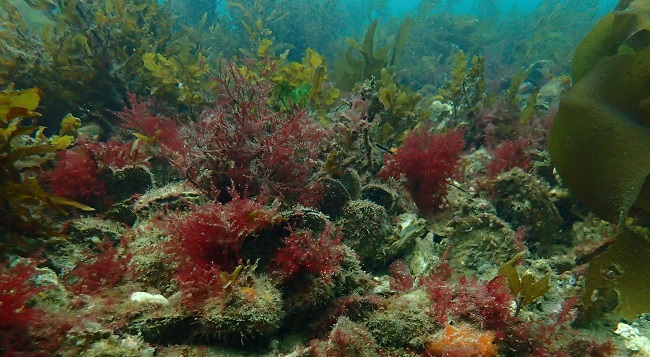
Australian oyster reef. Photo credit: Simon Branigan
“One hectare at a time, governments, communities and partners are restoring forests, grasslands, shrublands, coastlines and marine environments,” said Inger Andersen, Executive Director of UNEP. “By combining lessons from Indigenous Peoples with modern science, we are restoring damaged ecosystems. One hectare at a time.”
“Real ecosystem restoration is accomplished from the ground up,” said FAO Director-General, QU Dongyu. “With Indigenous Peoples and local communities at the center, these new Flagships demonstrate the power of partnerships that bridge ancient wisdom with modern innovation, while strengthening agrifood systems, biodiversity and food diversity, and climate resilience.”
Australia’s once-abundant shellfish reefs – comprising oysters and mussels – have become critically endangered by overharvesting, sedimentation and pollution, among others. Between 2021 and 2023, The Nature Conservancy and the Australian Government embarked on the Reef Builder programme to rebuild these vital coastal ecosystems at 13 locations around the southern coastline, in partnership with local communities. The Nature Conservancy continues this partnership-based work to restore native shellfish reefs across 30 percent of their original locations around Australia’s expansive coast by 2030.
“Shellfish reefs are natural solutions to some of our greatest conservation challenges, and Reef Builder has shown that restoring them at a national scale is not only possible – it’s transformative,” said Australia’s Minister for the Environment and Water, Senator Murray Watt. “This recognition as a UN World Restoration Flagship highlights Australia’s leadership in marine ecosystem recovery. Reef Builder is delivering real benefits for nature and communities alike; supporting local jobs, strengthening coastal resilience, and revitalising biodiversity along our shorelines.”
Shellfish reefs serve as natural ecosystem engineers, purifying water and providing habitat for hundreds of marine species. Since the initiative’s launch, it has helped remove nearly 15 tonnes of nutrient pollution, boost fish stocks, and has achieved significant biodiversity gains. The restoration project has generated over 425 jobs and $10 million by supporting over 50 small and medium sized businesses, which helps to reconnect coastal communities with nature and promote stewardship of the marine environment. This project involves the deep collaboration of many different groups, including Indigenous Traditional owners, fishers, restaurants, scientists and local communities.
Many salmon populations are in peril in Canada, with significant economic and cultural consequences – salmon hold profound spiritual value in the country, particularly for Indigenous communities. Since 2010, Parks Canada has collaborated with Indigenous Peoples and local communities on the Respectful Returns initiative, which focuses on restoring damaged rivers and streams in seven national parks along Canada’s Pacific and Atlantic coasts.
“Canada is honoured that Parks Canada’s salmon restoration initiative has been named a World Restoration Flagship by the United Nations Environment Programme. This global recognition shows what’s possible when we act boldly and work together,” said Julie Dabrusin, Minister of the Environment, Climate Change and Nature.
“Guided by Indigenous knowledge and science, Respectful Returns demonstrates the power of collaboration to restore ecosystems and renew relationships with Indigenous communities whose cultures and livelihoods are tied to salmon. More than a project, it is a blueprint for restoration worldwide – where reconciliation with Indigenous Peoples through shared stewardship and conservation go hand in hand to protect biodiversity and strengthen communities,” Dabrusin added.
By using new tools, sharing knowledge, and working together, the project has helped restore over 65,000 hectares of land and 228 kilometers of waterways. Respectful Returns has also created more than 100 jobs, supported research at three universities, and built strong partnerships with 32 organisations and communities.
The goal is to protect salmon and their habitats while strengthening the connection between people and nature. This work is helping both the environment and communities heal and grow together. In six out of the seven sites, salmon numbers have already increased.
One of South Africa’s most biodiverse yet neglected ecosystems is the native subtropical thicket. Thicket Restoration in South Africa unites over 60 initiatives across Eastern and Western Cape. The initiative aims to restore 800,000 ha by 2030.
Restoring thicket makes the soil more resilient, stores carbon and serves as fodder storage for large livestock and other large mammals during droughts, a high priority for a region that has experienced its worst drought in 100 years in 2023/24. It also provides a safe habitat for various native browser species, including black rhinos and African elephants, responding to long-term threats
Planting native species, clearing invasive plants and training communities in restoration is expected to create more than 1,000 rural jobs, improving the livelihoods of around two million people. The thicket’s revival also sequesters up to eight million tonnes of CO₂ annually, offsetting emissions equivalent to about 20 gas-fired power plants.
“The efforts that have been put into spekboom restoration will benefit future generations. We are banking for the long term,” said Luyanda Luthuli, a landscape practitioner of Living Lands, one of the organisations forming the initiative. “I am excited and hopeful for the future and for seeing the fruits of our labour towards restoring ecosystems, restoring resilience.”
Restoring ecosystems – restoring resilience
These three new World Restoration Flagships add to a growing portfolio of already 27 recognised flagships, collectively restoring over 18 million ha of diverse ecosystems worldwide, with plans to restore a total of more than 68 million ha.
The success of multiple ecosystem restoration initiatives highlights a central message of UNEA-7: restoring ecosystems is an essential pathway to strengthen resilience for people and nature, ensuring they thrive in tandem.
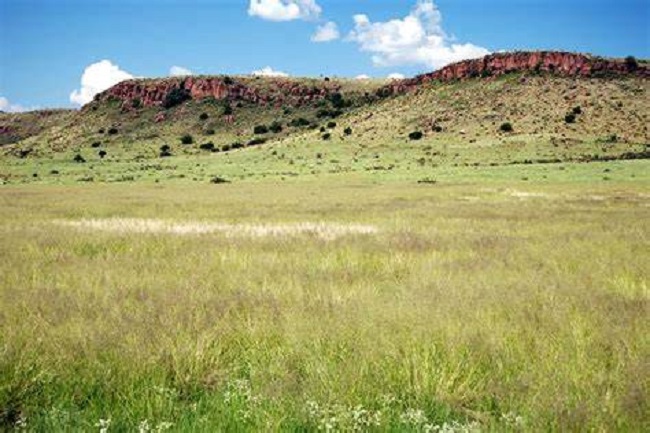
Stretching from the drylands of Latin America and Africa to the steppes of Central Asia, rangelands underpin food security, climate stability and centuries-old pastoral cultures. These vast landscapes, covering half the planet, store significant carbon, buffer climate extremes, and regulate water in some of the world’s driest regions.
Yet, despite their immense value, rangelands remain one of the planet’s most overlooked ecosystems. In several regions, they are now deteriorating faster than rainforests – with serious implications for food security, climate resilience, and rural livelihoods.
Rangeland
Restoring rangelands delivers some of the strongest returns of any ecosystem investment, with benefits reaching up to $35 for every dollar invested. These new preliminary findings of a global cost–benefit analysis conducted by the Economics of Land Degradation (ELD) Initiative were presented on Thursday, December 4, 2025, at this year’s UN Convention to Combat Desertification (UNCCD) meeting underway in Panama – the 23rd session of the Committee for the Review of the Implementation of the Convention (CRIC23).
UNCCD Chief Scientist. Barron Joseph Orr, explains: “The analysis confirms what many pastoralist communities have long known: rangelands are strategic ecological and economic assets, not marginal lands. These gains come from higher vegetation productivity, deeper carbon storage, stronger water retention, and avoided degradation.”
“The urgency is evident. Between 25 and 50 per cent of the world’s rangelands are degraded or at risk, weakening water cycles, livestock productivity, biodiversity and rural livelihoods. In regions such as the Sahel, Central Asia and parts of South America, climate pressures are already shrinking productivity and restricting pastoralist mobility – with knock-on effects for food security,” Orr said.
Mark Schauer, Senior Programme Officer with the German Development Cooperation (Deutsche Gesellschaft für Internationale Zusammenarbeit, GIZ), which coordinates the ELD Initiative, said: “Rangeland restoration makes economic and ecological sense. By strengthening the evidence base and partnering with pastoralist communities, we can help countries design investments that unlock long-term resilience.”
For more than a decade, the ELD Initiative has equipped governments with evidence on the real economic value of healthy land – and the steep losses caused by degradation. Its new discussion paper, The Business Case for Investment in Rangeland Restoration, presented at CRIC23, will be followed by a full assessment at UNCCD COP17 in Mongolia next August.
“A growing body of evidence confirms that rangelands – long dismissed as marginal or ‘empty’ spaces – are in fact central to climate action, food and water security and sustainable rural development. With the full economic assessment expected ahead of COP17, CRIC23 has strengthened the technical and political foundations needed to scale up investment in these vast, life-sustaining landscapes,” adds Schauer.
Experts stressed that effective rangeland restoration does not depend on costly engineering. It requires secure land and water rights, community-led governance and sustainable, mobility-based grazing. When pastoralists can move with seasonal conditions, vegetation rebounds faster, soils hold more moisture and carbon stocks remain stable. This approach also strengthens the resilience of Indigenous Peoples, women, youth and others whose livelihoods and cultural identities are deeply tied to rangelands.
CRIC23 takes place as countries prepare for the International Year of Rangelands and Pastoralists (IYRP) 2026, declared by the United Nations General Assembly. The IYRP is expected to bring unprecedented visibility to rangelands, pastoralists and their knowledge systems.
“Pastoralists have cared for these lands for generations. Their knowledge, mobility and stewardship are essential for restoring rangelands and building resilience. As the world prepares for the International Year of Rangelands and Pastoralists, we must ensure that pastoralist communities are not only heard but also supported as partners in climate and environmental sustainability actions,” said Enrique Michaud, Co-Chair of the IYRP Global Alliance.
“Mongolia is a nation shaped by rangelands and pastoral traditions. We know from experience that when rangelands thrive, communities thrive. As we prepare to host COP17, our one of high priorities is to elevate rangelands on the global agenda and ensure that countries have the evidence, partnerships and investment needed to restore these vital ecosystems at scale.” notes Ariuntuya Dorjsuren, Director General for International Cooperation Division of the Ministry of Environment and Climate change, NFP of Mongolia.
UNCCD is contributing to IYRP through its Rangeland Flagship Initiative and the Silk Road campaign planned for 2026, which will showcase rangeland landscapes and pastoralist cultures across the 6,000-kilometre journey spanning 10 countries. These efforts build on political momentum from COP16 in Riyadh to COP17 in Ulaanbaatar, aligning recent and upcoming COP Presidencies around elevating rangelands as a global climate and livelihood priority.
The Million Lives Collective (MLC), in partnership with the Judith Neilson Foundation (JNF), has launched a new initiative aimed at unlocking African innovation and shaping the future of urban living across West Africa. The African Cities Innovation Fund (ACIF) is set to provide catalytic support to innovators developing collaborative solutions that promote smart, healthy, equitable, and climate-resilient cities.
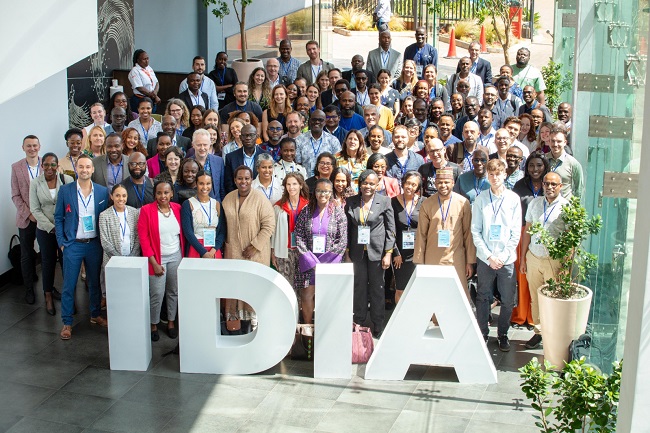
The initiative was announced during the closing plenary of the International Development Innovation Alliance (IDIA) Global Summit in Nairobi, where it was confirmed that applications for the Fund will open in Spring 2026. Through ACIF, pairs of African innovators will be eligible for flexible grants of up to $75,000 to jointly design, test, and scale solutions to pressing urban challenges.
Participants at IDIA Summit in Nairobi
“African cities are growing at a dramatic pace, creating huge opportunity, challenge and change. Ensuring that cities are places where people can thrive calls for imagination, ambition, innovation and collaboration,” said Abi Taylor, Innovation Lead at the Judith Neilson Foundation. “We’re delighted to partner with the Million Lives Collective to help innovators experiment with new partnerships and generate impact for those who need it most.”
In cities such as Accra, major urban innovations – among them master-planned communities like Appolonia City and Hope City, as well as sustainable development efforts like the Greening and Beautification Project – stand to benefit from the new Fund. Initiatives such as Abuja’s Urban Lab, which drives collaborative solutions for waste management, and Fresh Direct’s use of vertical farming in shipping containers to enhance food production and improve public spaces, also represent the types of projects that could be strengthened.
Community-driven efforts like the Participatory Slum Upgrading Programme, which supports residents in improving infrastructure in informal settlements, similarly align with the Fund’s focus.
Beyond grants, ACIF awardees will receive tailored technical assistance, including expert coaching, support in building partnerships, and opportunities to engage with global development leaders through IDIA’s Collaboration Lab, the Collaborative Scaling for Exponential Impact programme.
As the Fund prepares to launch, MLC is building a strong pipeline of proven, scale-ready innovations that can help reshape African cities. An open call for new African members is expected in January 2026.
“Across Africa, innovators, community leaders, entrepreneurs, artists, and public institutions are already reshaping urban systems—from improving transport and access to essential services to strengthening local economies and climate resilience,” said Jite Phido, Senior Programme Manager at MLC and Results for Development. “Our call for innovations aims to elevate these efforts and unlock new pathways for exponential impact through collaborative problem-solving.”
Since 2019, the MLC – drawing inspiration from IDIA member agencies – has worked to advance proven solutions to key development challenges. Collaboration grants piloted since 2022, with support from the Bayer Foundation and the Gates Foundation, have demonstrated the power of partnership in accelerating progress in areas such as health and women’s economic empowerment. ACIF builds on this foundation, offering a model for driving transformative urban change at a time of shrinking aid budgets and increasingly complex global needs.
Highlighting the relevance of the Fund, Edwin Muroki of 4Life Solutions Kenya, an alumnus of the MLC collaboration-grant program, said: “The African Cities Innovation Fund is significant because it promotes the kind of collaboration required for real urban impact. Partnerships with trusted local actors boost community trust, enable local logistics, reinforce behaviour change, and sustain quality as solutions scale across diverse African contexts. This Fund gives innovators the runway they need to expand confidently into new cities.”
African innovators working on circular production, climate-resilient infrastructure, youth mobility, digital inclusion, and community wellbeing are encouraged to register their interest on the MLC website for upcoming announcements.
Africa’s forest hornbills face growing threats from unregulated trade and habitat loss. A new CITES proposal approved on Thursday, December 3, 2025, is an important step towards better regulation and monitoring of international trade
Across the forests of West and Central Africa, hornbills play a vital role in keeping ecosystems alive. They feast on fruit and then disperse the seeds, sometimes many kilometres from where they fed, helping forests regenerate and keeping landscapes healthy. But today, a long-overdue moment of change has come to finally address a growing threat to these distinctive birds.
The African Hornbill
For years, many Asian hornbill species have been listed under the Convention on International Trade in Endangered Species of Wild Fauna and Flora (CITES). This has put limitations on the trade of these birds across international borders, helping to curb poaching. Yet no African hornbill has ever been listed, despite mounting evidence of unregulated international trade. That gap has left some of Africa’s most iconic forest hornbills increasingly vulnerable.
This year, a coalition of African countries put forward a proposal to change that. The newly adopted proposal at the CITES Conference of the Parties (CoP20) in Uzbekistan means that every species in the genera Ceratogymna and Bycanistes will now be listed in Appendix II of the convention, a step that strictly monitors and regulates international trade to ensure this threat does not jeopardise its survival.
Alex Berryman, Senior Red List Officer at BirdLife International, says that “Listing African hornbills in CITES Appendix II is a decisive step toward safeguarding these iconic birds, many of which are increasingly threatened by international trade and habitat loss. The recent 2025 uplisting of Black-casqued Hornbill from Least Concern to Near Threatened underscores the urgency of action required. This measure will enhance trade monitoring and marks a meaningful commitment by countries to the long-term conservation of Africa’s hornbills.”
Why this moment matters
In recent years, demand for hornbill skulls and casques has surged. New data shows a clear rise in online listings and international shipments, with hunters in some regions reporting that foreign buyers are now influencing local hunting. Without CITES regulation, there are no global safeguards to ensure such trade is traceable or sustainable.
At the same time, African hornbills’ reproductive methods make them exceptionally sensitive to exploitation. Females seal themselves in nest cavities for months while they raise their young, relying entirely on the male for food. When a male bird is hunted, it can mean the loss of an entire brood.
The Black-casqued Hornbill, which recently moved from Least Concern to Near Threatened on the IUCN Red List, reflects these pressures clearly. While still found across parts of West and Central Africa, its population is decreasing, with habitat loss and trade emerging as major threats. Its story has become a symbol of why stronger international protection is urgently needed for African hornbills.
A global approach for protection
The adoption of this proposal does not prevent international trade, but it will introduce vital checks and reporting requirements. It will also close a loophole that complicates the enforcement of trade in Asian hornbills: African hornbill skulls and feathers often resemble those of already-protected Asian species, making illegal trade harder to detect.
And that’s where BirdLife’s global work comes in. Across Asia, many hornbill species already benefit from CITES listings, but legal protection is only one part of the solution. Through Safe Havens, BirdLife and our national Partners work with Indigenous Peoples and local communities to safeguard nest trees, monitor breeding pairs and protect key forest habitats. This long-term approach has become one of the most effective ways to secure Asian hornbills’ future.
This CITES decision marks a turning point. It aligns global protection for many hornbills across continents and gives African countries stronger tools to monitor and manage trade. We now have an opportunity to create a safer future for hornbills across Africa and to strengthen the global efforts already underway to protect them. Most importantly, this decision will help ensure that these extraordinary birds continue to thrive.
The African Energy Chamber condemns the UK’s withdrawal of $1.15 billion from Mozambique Liquefied Natural Gas (LNG), highlighting how Western climate agendas undermine Africa’s urgent need for energy security and economic growth
The UK government’s recent decision to withdraw $1.15 billion in support from the TotalEnergies-led Mozambique LNG project is a concerning example of Western policy priorities undermining Africa’s development. Announced on Monday, December 1, 2025, the decision comes at a moment when global energy markets face unprecedented pressure. Yet, the UK appears more focused on ideological signaling rather than practical solutions to persistent energy poverty.
President Daniel Chapo of Mozambique
The Mozambique LNG project is far more than another fossil fuel venture. It represents a transformative opportunity for the continent, with the potential to deliver 13 million tons of LNG annually – powering industries, fueling domestic growth and supporting economic development in a region where millions still live without reliable electricity.
By withdrawing support, the UK has chosen to prioritise its green and “woke” agenda over African progress, focusing on counting emissions rather than taking into consideration African energy poverty and the need to prioritise energy security, affordability and sovereignty.
Security challenges in northern Cabo Delgado forced TotalEnergies to suspend operations in 2021. Since then, improved conditions have allowed the company to lift the suspension and resume planning, contingent on government approval for a revised development roadmap. Rather than recognize this progress, UK Export Finance cited ‘risks’ as justification for withdrawal – a rationale that reflects priorities driven more by political optics than by Africa’s urgent energy needs.
The same risk has been evaluated by the US, with the US Export-Import Bank moving to reapprove a loan earlier in 2025 in recognition of the improved situation on the ground. The decision to withdraw financing reflects a broader trend by the UK to follow an anti-fossil fuels agenda, one that has already put North Sea production in great decline.
The African Energy Chamber (AEC) condemns the decision to withdraw, deeming the decision as not only a setback for Mozambique but for the entire continent. The withdrawal undermines African energy security, industrial ambitions and efforts to lift millions from energy poverty. This pattern has repeated across the continent: projects delayed or blocked, investments withheld, all justified in the name of climate or security concerns, while energy poverty persists.
Africa does not need moral instruction on climate from nations that consume energy at levels far beyond the continent’s needs. What is essential are partnerships that respect African priorities, timelines and the sovereign right to develop sustainably.
“Withdrawing support from Mozambique LNG is a betrayal of Africa’s right to energy security and a slap in the face of progress for the continent’s millions living without reliable power. This moment should serve as a call to action: it serves as a stark reminder that Africa’s energy future cannot rely solely on foreign financing or conditional support.
Mozambique LNG, and projects like it across the continent, must be championed by Africans for Africans, with a focus on responsible development, job creation and the eradication of energy poverty,” states NJ Ayuk, Executive Chairman of the AEC.
The Mozambique LNG project highlights what African energy development should look like: ambitious, transformative and responsible. Gas‑liquefaction projects in Cabo Delgado are expected to create at least 10,000 direct jobs by 2025, focusing on local populations and supporting young graduates with SME development. Construction of the Mozambique LNG facility alone has been estimated to create around 5,000 jobs.
Beyond employment, LNG production and exports have already generated rising government revenues – with state LNG‑related earnings increasing by over 20% last year. Once fully operational and supported by stable financing, Mozambique LNG could deliver the energy, revenue and human capital needed to power industry, boost public services and lift communities out of energy poverty.
Africa is rich in natural resources – including its 620 trillion cubic feet of natural gas – yet these resources are too often treated by Western governments as tools of influence rather than drivers of growth. The UK’s withdrawal underscores the urgent need for Africa to develop independent financing mechanisms, attract investors who respect its priorities and strengthen regional cooperation to protect critical energy projects.
Mozambique LNG exemplifies how African energy development can create jobs, drive industrial growth and reinforce economic sovereignty. Energy security cannot be dictated by shifting foreign political priorities. Led by Africans with a focus on responsible development, projects like Mozambique LNG can deliver tangible benefits, empower communities and help eradicate energy poverty across the continent.