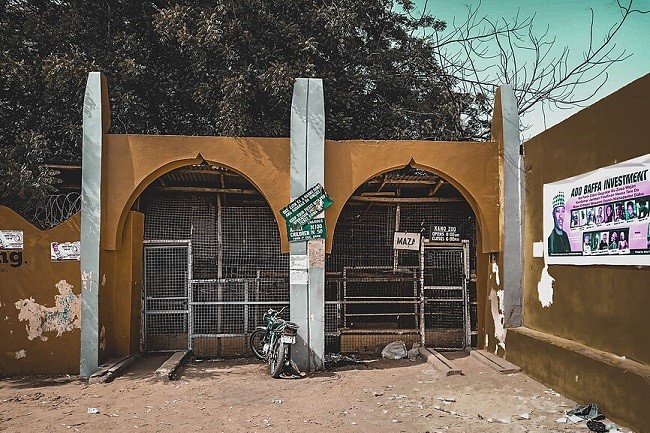
The Kano State Zoological Garden and Wildlife Management Agency (KAZOWMA) is to embark on a comprehensive multi-phase revitalisation of the 45-hectare the Audu Bako Zoological Garden into a model wildlife park.
Malam Musayyib Kawu, the newly appointed Managing Director of the agency, made this known in Kano, the state capital.
This, he said, is with the aim to boost domestic tourism and economic growth in the state.
The Audu Bako Zoological Garden
The initiative, which he said is supported by Gov. Abba Yusuf, aims to reverse the decline in visitors and turn the zoo into a premier tourist destination.
He said that improved, cleaner environment and enhanced amenities are expected to increase revenue for the state and create jobs in conservation and hospitality.
The agency, he said, would introduce new animal species and improve staff welfare to ensure efficient service delivery.
“A detailed assessment of the agency’s challenges and needs will be compiled and submitted to state government to strengthen its status as a major tourist destination,” he said.
The Audu Bako Zoological Garden, established in 1971/1972 on Zoo Road, Kano, is one of Nigeria’s premier 46-hectare wildlife parks.
It hosts over 70 species, including lions, giraffes, and elephants, acting as a key site for education, conservation, and recreation.
In recent years, the Kano Zoological Garden has faced some challenges, including inadequate funding and a lack of proper facilities for the animals
The Nigerian National Petroleum Company Limited (NNPC Ltd.) says Africa’s energy transition must be equitable and people-centred, noting that more than 600 million Africans still lack access to electricity.
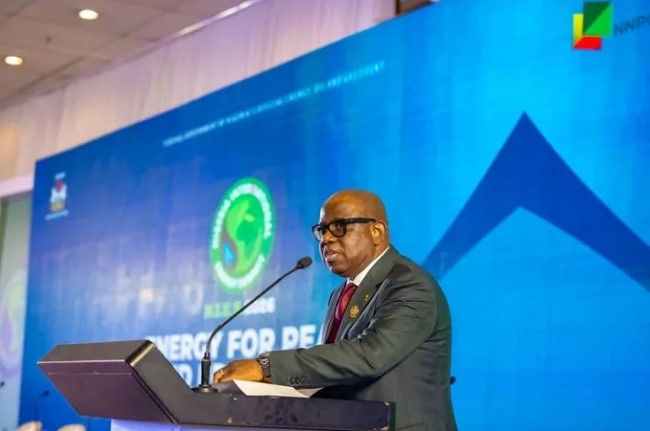
Mr. Bayo Ojulari, the Group Chief Executive Officer of NNPC Ltd., made this known while delivering an address at the Nigeria International Energy Summit (NIES) 2026.
Ojulari said that although Africa was endowed with vast energy resources, the continent continued to grapple with trilemma of accessibility, affordability and sustainability.
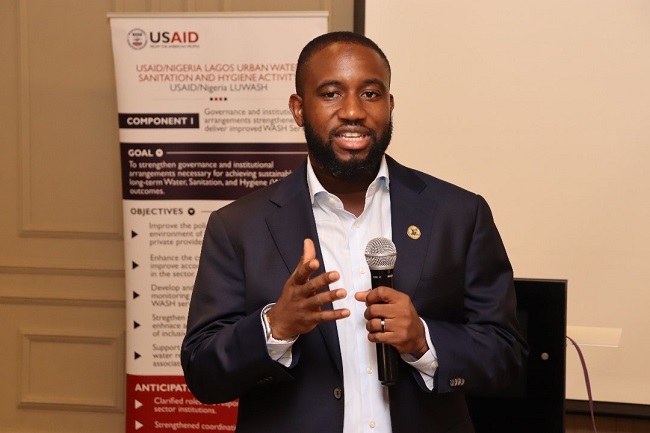
The Group Chief Executive Officer, NNPC Limited, Bayo Ojulari
According to him, Africa’s energy pathway should not be a replication of models from developed economies, given its unique developmental realities.
He said Nigeria, with over 37 billion barrels of oil and about 2.9 trillion cubic feet of natural gas, remained Africa’s strategic energy reserve holder and an emerging global energy powerhouse.
Ojulari added that Nigeria was strategically positioned to lead Africa’s energy evolution by leveraging its oil and gas resources to drive industrialisation and economic growth across the continent.
“Energy is no longer just a sector; it is the lifeblood of global peace, security and human development.
“Modern energy systems determine whether nations can thrive, industries can grow and societies can remain stable in a rapidly changing world.
“Nigeria is no longer on the margins of the global energy conversation but at the centre of Africa’s energy transformation,” he said.
Ojulari traced the link between energy and human progress, noting that oil and gas had historically powered industrial growth, created jobs and lifted nations, including Nigeria, out of poverty.
He acknowledged, however, that global energy systems were evolving due to climate concerns, technological innovation and economic pressures.
The NNPC boss highlighted recent milestones achieved by the company, including the unveiling of its Gas Master Plan and progress on key infrastructure projects such as the Obiafu-Obrikom-Oben (OB3) Pipeline, the Ajaokuta–Kaduna–Kano (AKK) Pipeline, expansion of the Escravos–Lagos Pipeline System (ELPS) and the Regional Pipeline Survey Project.
He described the projects as catalysts for economic opportunities rather than mere infrastructure assets.
According to him, NNPC Ltd. is also investing in processing facilities, digital infrastructure and workforce development to build a competitive energy economy driven by innovation, efficiency, safety and environmental responsibility.
Ojulari said the company’s ongoing transformation also involved a cultural shift anchored on accountability, performance, excellence and national service.
He attributed recent progress in the sector to reforms under the leadership of President Bola Tinubu, citing fiscal stability, policy liberalisation and improved security as factors enhancing Nigeria’s attractiveness as an investment destination.
Nigeria’s major media and journalism organisations have issued a joint call on the Federal Government and the National Assembly to urgently intervene to protect the Nigerian press from what they describe as the growing dominance of global digital platforms over the country’s information ecosystem.
In a strongly worded statement released under the banner of the Nigerian Press Organisation (NPO), the groups warned that Nigeria risks surrendering control of its democratic conversation, national cohesion, and information sovereignty to unregulated foreign technology companies if decisive action is not taken.
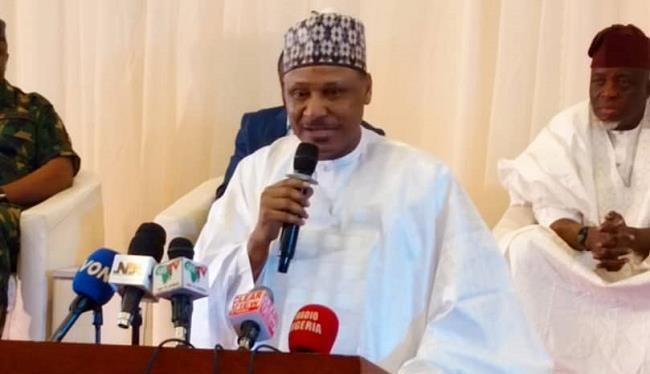
Minister of Information and National Orientation, Mohammed Idris
The NPO – comprising the Newspaper Proprietors’ Association of Nigeria (NPAN), the Nigerian Guild of Editors (NGE), the Broadcasting Organisations of Nigeria (BON), the Guild of Corporate Online Publishers (GOCOP), and the Nigeria Union of Journalists (NUJ) – described the situation as a strategic national threat, not merely an industry challenge.
According to the statement, global digital platforms now dominate Nigeria’s digital advertising market, control algorithms that determine what Nigerians see or ignore, and extract revenue offshore, while local newsrooms struggle to survive.
“This is not conventional market disruption,” the organisations said. “It is the emergence of private, transnational gatekeepers over public discourse, operating beyond the effective reach of national democratic accountability.”
The media bodies warned that the erosion of professional journalism poses serious consequences for national security, electoral integrity, social cohesion, and press freedom, noting that no counterterrorism or intelligence framework can compensate for the collapse of credible information systems.
They also stressed that press freedom cannot exist without economic viability, arguing that news organisations unable to pay salaries, fund investigations, or retain skilled professionals are, in effect, unfree – regardless of constitutional guarantees.
Drawing parallels with global responses, the NPO cited actions taken by the European Union, United Kingdom, Australia, Canada, and South Africa, where governments have introduced competition laws and bargaining frameworks to curb the dominance of digital gatekeepers and ensure fair remuneration for news content.
The organisations urged Nigeria to adopt a homegrown, legally grounded solution, either through existing digital legislation or targeted amendments, that would:
Recognise journalism as a public-interest activity
Correct extreme bargaining power imbalances
Ensure fair compensation for Nigerian news content
Preserve innovation, competition, and consumer choice
They noted that Nigeria already has capable institutions, including the Federal Competition and Consumer Protection Commission (FCCPC) and the Nigerian Copyright Commission (NCC), with statutory powers to enforce proportionate remedies and penalties where necessary.
Describing the appeal as “a call to leadership, not alarm,” the NPO warned that the cost of inaction would be borne by society at large through weakened institutions, rising misinformation, diminished public trust, and fragile national cohesion.
“Protecting the Nigerian press is not an industry rescue,” the statement concluded. “It is an investment in national stability, democratic durability, and Nigeria’s standing as a serious constitutional democracy.”
The statement was jointly signed by:
Lady Maiden Alex-Ibru, President, Newspaper Proprietors’ Association of Nigeria (NPAN)
Mr. Eze Anaba, President, Nigerian Guild of Editors (NGE)
Comrade Salihu Abdulhamid Dembos, Chairman, Broadcasting Organisations of Nigeria (BON)
Danlami Nmodu, mni, President, Guild of Corporate Online Publishers (GOCOP)
Comrade Alhassan Yahaya, President, Nigeria Union of Journalists (NUJ)
The organisations said they are ready to collaborate with the Presidency, the National Assembly, regulators, civil society, broadcasters, and technology companies to design a fair, forward-looking Nigerian framework – stressing that the moment to act is now.
Community Development Advocacy Foundation (CODAF) has urged the Lagos State Government to review the ban on cart pushers.
The CODAF position is coming on the heels of outcry that has trailed the recent ban on cart pushers (popularly known as Abokis) who engage in local waste disposal services in Lagos, with many residents expressing their aversion because over the heaps of waste in virtually every street and clogged drainages.
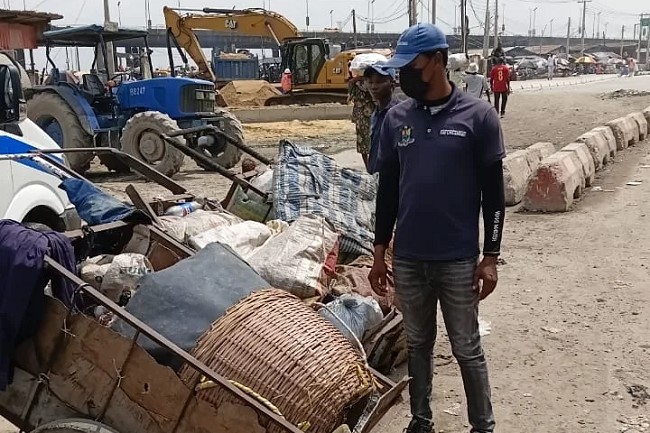
Cart pushers
For years, waste management in the state relied on a balance between Lagos State Waste Management (LAWMA) trucks and cart pushers. However, this relationship was broken when LAWMA officials began treating cart pushers as competitors rather than partners.
Despite many residents preferring cart pushers due to their affordability and reliability, the Lagos State Government made LAWMA registration mandatory and later imposed a total ban on carts. Since then, waste management challenges have intensified in Lagos and its environs, worsened by poorly maintained LAWMA trucks that frequently break down and remain off the roads for weeks.
In recent weeks, waste disposal has become a serious problem. With LAWMA trucks absent and cart pushers unable to operate due to fear of arrest, bins overflowed, estates have been overwhelmed by foul odours, and residents are left without viable waste disposal options. This situation has raised major environmental and public health concerns.
CODAF team carried out an opinion sampling of some residents on their views of the recent waste management crisis and their views regarding both cart pushers (Abokis) and LAWMA within the Ojodu Berger axis. Similar complaints were received from most of the residents interviewed.
Speaking to CODAF team, Alhaja Anike Sidikat, a provision store owner, says she prefers cart pushers to LAWMA because she can easily call any of them to dispose of her waste whenever her bin is overfilled. She described them as reliable, noting that they also help wash her waste bins thoroughly, something LAWMA does not do, as their work is often rushed.
A market woman, Mrs. Iyabode Anike Ojo, who also spoke to the CODAF team, expressed her frustration over LAWMA’s inability to dispose of waste for two weeks. According to her, this led to the entire neighbourhood experiencing unpleasant odours. She stated that visitors sometimes described the area as very dirty, which was particularly upsetting because the situation was not caused by residents’ negligence.
Mr. David Lateef also expressed his displeasure, stating that the poor operational system of LAWMA trucks has raised questions about whether the fees paid are justified. He explained that waste was left unattended on the streets for weeks, forcing many residents to invite cart pushers to help reduce the excess waste and prevent further mess.
Another interviewee, Mrs. Marcelina Greg, a market woman, voiced her frustration that LAWMA cannot meet up with waste collection schedules due to the nature of her business. She noted that her waste bins are usually filled every two days, so she relies on cart pushers who charge less and respond promptly. She added that LAWMA trucks come only once a week, which would create serious waste management issues if she depended solely on them.
On his part, Executive Director of CODAF, Richard Benin, commended the Lagos State Government for its concern for the environment, as the ban on cart pushers could also be translated as a way of ensuring proper waste disposal systems in the state.
He, however, opined that an outright ban on cart pushers without proper measures to cover the vacuum left by the cart pushers may drive the state into a worsened state of environment, as now evident in some areas like Ojodu-Berger.,.
He further stated that rather than an outright ban, the state government should tilt towards properly incorporating local waste disposal systems like the cart pushers into the state management system for better services.
He also called for proper regulation and management of LAWMA for efficiency and an accountability.
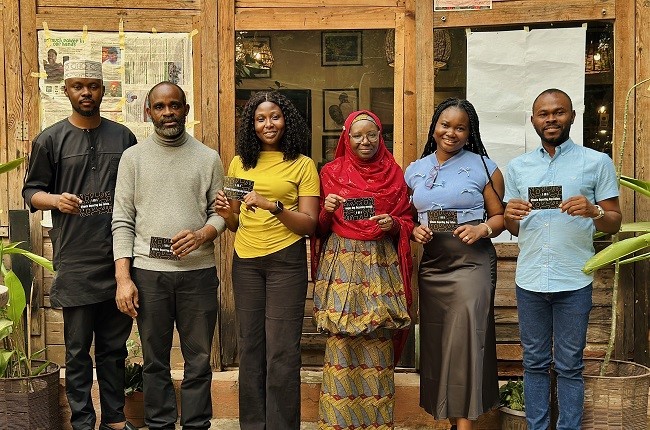
From January 29 to 30, 2026, the six journalists selected for the Climate Reporting Gap Fellowship gathered in Abuja for a pivotal in-person training. This intensive workshop, a core part of the Climate Reporting Gap Fellowship by Surge Africa and One World Media, equipped the fellows with technical expertise to execute their deep investigations into Nigeria’s climate and energy future.
The Climate Reporting Gap Initiative (CRGI) addresses the critical deficit in West African climate journalism, where increased media coverage has not been matched by rigorous, investigative scrutiny of climate responses, often relying instead on passive reporting and second-hand sources.
The six journalists selected for the Climate Reporting Gap Fellowship
Launched amid widespread disinformation and political resistance, CRGI aims to close this strategic advocacy gap by strengthening journalists’ capacity to translate complex climate data and politics into accessible, accountable narratives. By empowering media to frame climate issues as interconnected political, economic, and social processes, the initiative seeks to foster evidence-based reporting that links local realities to global dynamics, challenges misinformation, and promotes informed public discourse to drive equitable and ambitious climate action.
The training responds to a critical need: as climate impacts intensify across communities, the fellowship aims to close the gap between complex policies and lived realities. The two-day programme was designed to transform principles into practice, directly supporting the fellows’ projects through hands-on, practical sessions.
The workshop, held in Abuja as part of the overall fellowship programme, set a foundation for critical, context-driven climate journalism in Nigeria. Opening the session, Nasreen Al-Amin, Director at Surge Africa, challenged fellows to move beyond surface-level reporting by interrogating emerging geopolitical trends and questioning dominant narratives around climate and energy.
She emphasised that the fellowship exists to amplify local realities and everyday struggles, ensuring audiences understand not just that the energy transition is happening, but why, and at what social and economic cost.
The first technical session, led by Mr. Botti Isaac of Social Action Nigeria, unpacked Nigeria’s energy transition through its NDC commitments, decarbonisation pathways, the gas debate, fiscal constraints, just transition implications, and governance challenges. He underscored the disconnect between policy ambition and lived realities, urging fellows to identify gaps and hold the government accountable.
This was followed by a data journalism session with Khadijah Kareem of Dataphyte, who reframed data as a storytelling tool shaped by power, evidence, and intent.
Fellows explored how to localise, simplify, and critically interpret datasets while navigating data gaps. The rest of the programme focused on visual storytelling, concluding with reflective discussions, where fellows expressed renewed clarity, confidence, and enthusiasm, particularly around using data to tell socially relevant climate stories.
“Our goal with this programme is to witness a shift in how the energy transition discourse is conveyed, ensuring it is non-partisan to any particular sector, and that information reflects live realities of the Nigerian people, and most importantly address the policy and governance gaps that we see with Nigeria as a petro-state. The transition is necessary, but so does reporting that links local issues with regional or global expectations without discrimination and vague expectations,” said Al-Amin.
Climate Reporting Gap Initiative will build on its efforts to support independent journalists by providing a grant up to £5,000 to CRG fellows, to develop and deliver investigative stories with themes centering oil politics and energy transition as part of the overall outcomes of the Fellowship programme.
This will be technically supported by One World Media, a UK-based company serving as implementing partners for the fellowship. The Initiative itself will continue to launch numerous fellowship programmes with the core aim of advancing climate reporting and bridging communication gaps with local communities.
The Lagos Water Corporation (LWC) has begun the rehabilitation of Iju and Adiyan Water Treatment Plants to improve potable water supply across Lagos State.
The rehabilitation project, which will take eight months to complete, is titled: Rehabilitation of Iju Head works and Akute Intake Station – Lots 1, 2, and 3″. It is part of the corporation’s asset management and infrastructure renewal programme.
The project, according to a statement issued on Tuesday, February 3, 2026, by the Corporation’s Public Affairs Unit, is funded by the Lagos State Government, and is scheduled to run from February to October.
Managing Director of the Lagos Water Corporation (LWC), Muktaar Tijani
The Managing Director of LWC, Mr. Mukhtaar Tijani, in a meeting on Tuesday at the corporation’s headquarters in Ijora, Lagos, said the rehabilitation was critical to improve operational efficiency and service delivery.
Tijani, who was represented by the Executive Director, Operations, Mrs. Omolanke Taiwo, said the project, aligned with the corporation’s five-year strategic business plan, launched in December 2024.
He explained that the plan prioritised infrastructural development as a means of addressing long standing operational challenges within the water sector.
According to him, the rehabilitation focuses mainly on pump replacement and upgrades, following approval by the Governor of Lagos State, Mr Babajide Sanwo-Olu.
“This project must not be business as usual. We want all hands to be on deck to ensure timely and successful delivery,” he said.
Also speaking, the Director of Production, Mr. Agiri Mustapha, described the rehabilitation as a critical project for both the corporation and the state government.
Mustapha said past challenges associated with pump installations informed the decision to engage original equipment manufacturers with sole franchise rights.
He noted that the move was aimed at ensuring the quality, durability, and optimal performance of installed equipment.
Representatives of the contractors and manufacturers, including KSB Pumps & Valves Nigeria Ltd., Wilo Pumps Nigeria Ltd., and Springfield Electric Ltd., assured the corporation of timely and quality delivery of the project.
The corporation expressed optimism that the rehabilitation would significantly enhance operational capacity, service reliability, and access to safe drinking water for residents of Lagos State.
Africa has advanced a major step toward energy sovereignty with the official handover of the African Energy Bank (AEB) headquarters, a flagship institution created to mobilise capital for the continent’s energy priorities and reinforce Africa’s energy value chains.
The handover ceremony took place on the sidelines of the Nigeria International Energy Summit in Abuja, where the President of the African Petroleum Producers’ Organisation (APPO) and Côte d’Ivoire’s Minister of Mines, Petroleum and Energy, Mamadou Colibaly, commended Nigeria’s leadership in advancing the initiative. He further announced that the Bank is expected to commence operations in June.
“We are committed to launching this Bank no later than June. I sincerely thank our partners for providing the headquarters and office that make this take-off possible. The African Energy Bank represents Africa’s commitment to finance, develop, and secure its own energy future by Africans, for Africans,” Colibaly said.
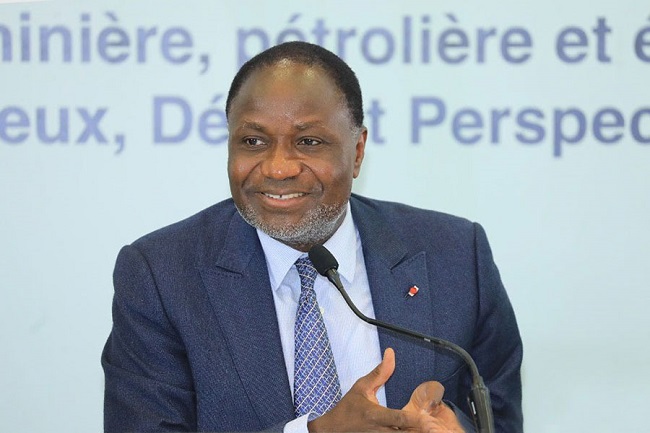
President of the African Petroleum Producers’ Organisation (APPO) and Côte d’Ivoire’s Minister of Mines, Petroleum and Energy, Mamadou Colibaly
The African Energy Bank is a joint initiative of APPO member states and the African Export-Import Bank (Afreximbank). Its core mandate is to mobilise domestic and regional capital for energy infrastructure, reduce Africa’s reliance on external financing, and align energy investments with the continent’s long-term development and industrialisation goals.
While performing the hand-over, Nigeria’s Minister of State for Petroleum Resources (Oil), Senator Heineken Lokpobiri, said: “Nigeria has met every obligation as host. The headquarters is ready, strategically located, and fully equipped and we are prepared for immediate take-off.”
The ceremony underscored a unified African resolve to take greater ownership of the continent’s abundant natural resources. By offering targeted financial instruments, the Bank will support projects across the energy value chain, including exploration, refining, renewable energy integration, and local content development, ensuring that Africa’s resources translate into tangible economic value and job creation.
Speakers at the event emphasised that the African Energy Bank is not merely a financial institution, but a cornerstone of Africa’s broader quest for economic independence and lasting energy security. The handover, they noted, signals the beginning of a new era in which Africans are determined to finance, produce, and sustain their own energy future.
The African Energy Bank is a pan-African financial institution jointly established by APPO member states and Afreximbank to provide tailored financing solutions for energy projects across Africa. The Bank aims to strengthen regional energy markets, enhance value addition, and support sustainable development through increased access to capital.
Meanwhile, the Association of Petroleum Producers’ Organisation (APPO) says African Energy Bank (AEB) is being positioned to raise about $15 billion to finance oil and gas projects in the continent of Africa by 2030.
APPO said the bank, which would begin operation fully by June in Abuja, was expected to create over 500,000 direct jobs in the local midstream.
APPO Secretary-General, Farid Ghezali, disclosed this on Tuesday in his remarks at the official opening of the 2026 edition of the Nigeria International Energy Summit (NIES) at the State House, Abuja.
African Energy Bank is a joint initiative of APPO member states and the African Export-Import Bank (Afreximbank), established with an initial capital of Five billion dollars.
Its core mandate is to mobilise domestic and regional capital for energy infrastructure, reduce Africa’s reliance on external financing, and align energy investments with the continent’s long-term development and industrialisation goals.
“The AEB will unify intra-African pricing for gas and oil, allowing our member countries to achieve savings of up to 30 per cent on their energy imports, a potential gain of 1.4 billion dollars for Africa,” he said.
Ghezali said in spite of the continent’s immense potential, Africa was facing a paradoxical and frustrating reality of exporting about 70 per cent of its crude oil and 45 per cent of natural gas, losing 15 billion dollars yearly.
He said financing remained the main bottleneck hindering the development of the continent’s strategic projects, adding that over 150 essential projects, from refineries to pipelines, such as the Ajeokuta-Kaduna-Kano (AKK) pipeline, to gas infrastructure remained blocked.
To address this anomaly, the APPO secretary-general said the African Energy Bank was designed to unlock the 200 billion needed for the continent’s midstream-downstream projects by 2030.
Ghezali disclosed that the African Energy Bank would allow the listing of shares of the national oil companies in the continent and flagship projects, such as the Dangote Refinery or the AKK Gas Pipeline.
He explained that it would also connect Africa’s certified projects to the world’s largest sovereign wealth as well as to capital markets with structured equipment and public-private partnerships.
In his remarks, the Chairman, Independent Petroleum Producers Group (IPPG), Adegbite Falade, said Nigeria must build an energy industry that could sustain itself, deliver lasting value to Nigerians through collaboration and consolidation rather than through fragmentation.
“The future of the industry lies not in the whole model of extraction and exports of the nation’s raw hydrocarbons, but it lies in creating in-country value that fuels the economy and increasingly contributes to Gross Domestic Product (GDP) growth,” he added.
Falade said since 2025 edition of the summit, Nigeria’s oil and gas industry had recorded notable progresses across the entire value chain, adding that the upstream scaled up in terms of liquid production while gas production had grown significantly.
“This growth in liquid has been supported by an increase in export pipeline availability, reduced crude losses, and stronger indigenous contribution to production.
“For the first time, indigenous producers and independents now account for more than 50 per cent of national production.
“We continue to see sustained implementation of the PIA and strengthening of sales through the issuance of relevant and appropriate executive orders.
“However, a few things still remain by way of all kinds of process stakeholders if we are to build an energy industry that is truly self-sufficient and that consistently creates value for the nation,” Falade said.
He,however, urged the Federal Government to continue to create an industry that could allow the driving and the envelope of private capital to build our industry infrastructure.
Falade said, “Without this, we will not be able to reach the massive gap in potential that we have to meet in our contribution to the nation’s GDP.
“We must reduce bureaucracy, we must streamline industry fees and related charges, just to make sure that operators remain competitive.
“Our industry today operates at a significantly elevated premium in cost relative to other non-share jurisdictions. We must address the issue of access to long-term and affordable capital.
“We must ensure policy stability and adopt competitive fiscal frameworks that support resource monetisation and stimulate interest rate growth.”
The Lagos State House of Assembly has urged the state government to immediately suspend all demolition activities at the Makoko waterfront and neighbouring communities.
Mr. Noheem Adams, chairman of the House ad-hoc committee, disclosed this during a stakeholders’ engagement with leaders from affected waterfront communities in Lagos on Tuesday, February 3, 2026.
The committee was constituted by Speaker Mudashiru Obasa following growing concerns over the demolition exercise.
Makoko demolition
The intervention followed protests staged last week by displaced Makoko residents at the assembly complex.
The protests reportedly heightened tensions and led to the arrest of some demonstrators.
Adams said the assembly resolved that all ministries, departments and agencies involved must halt demolitions in Makoko, Oko-Agbon and Shogunro with immediate effect.
“The House has requested full disclosure of the composition and mandate of the task force coordinating the exercise.
“The government must ensure transparency and include affected residents in all decision-making processes.
“The Assembly assures residents that demolitions remain suspended and compensation will be paid to those already affected,” he said.
The announcement was greeted with cheers from community representatives at the meeting.
Community leaders expressed satisfaction with the assembly’s intervention and commitment to dialogue.
An affected resident, Mr. Tomi Ipaye, described the suspension as a positive step toward resolving the crisis through constructive engagement.
A source remarked: “No compensation could ever be adequate because of the huge losses in properties, livelihoods, cultural heritage, dignity and possibly lives, but hopefully there are global best practices that could at least give them some sense of ‘justice’.”
The World Health Organisation (WHO) says it is seeking $1 billion to respond to health emergencies worldwide.
The organisation disclosed this in a statement on Tuesday, February 3, noting that it has launched the 2026 global appeal to ensure that millions living in humanitarian crises and conflicts can access health care.
It also said that, in 2025, WHO and partners supported 30 million people funded through its annual emergency appeal.
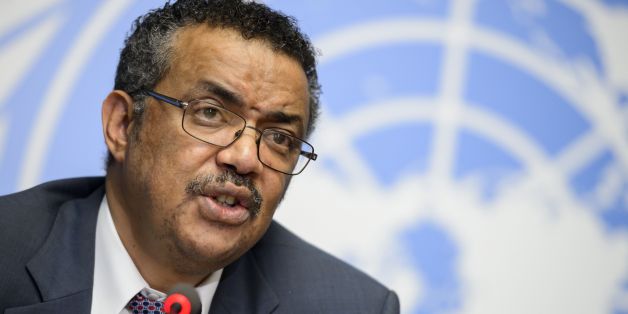
Dr Tedros Adhanom Ghebreyesus, Director-General of the World Health Organisation (WHO). Photo credit: AFP / FABRICE COFFRINI / Getty Images
”These resources helped deliver life-saving vaccination to 5.3 million children, enabled 53 million health consultations, supported more than 8,000 health facilities, and facilitated the deployment of 1,370 mobile clinics.
”The 2026 appeal seeks nearly $1 billion to respond to 36 emergencies worldwide, including 14 Grade Three emergencies requiring the highest level of organisational response.
”These emergencies span sudden-onset and protracted humanitarian crises where health needs are critical,” it said.
WHO Director-General, Dr Tedros Ghebreyesus, said that the appeal was a call to stand with people living through conflict, displacement and disaster to give them not just services, but the confidence that the world has not turned its back on them
“It is not charity. It is a strategic investment in health and security.
“In fact, access to health care restores dignity, stabilises communities and offers a pathway toward recovery,” Ghebreyesus said.
The D-G said that the 2026 appeal came at a time of converging global pressures.
He said that the protracted conflicts, the escalating impacts of climate change and recurrent infectious disease outbreaks are driving increasing demand for health emergency support, while global humanitarian financing continues to contract.
Ghebreyesus said that in 2025, humanitarian funding fell below 2016 levels, leaving WHO and partners able to reach only one-third of the 81 million people originally targeted to receive humanitarian health assistance.
”Renewed commitments and solidarity are urgently needed to protect and support the people living in the most fragile and vulnerable settings,” he said.
Ghebreyesus said that WHO’s priority emergency response areas in 2026 would include Afghanistan, Democratic Republic of the Congo, Haiti, Myanmar, the occupied Palestinian territory, Somalia, South Sudan, Sudan, the Syrian Arab Republic, Ukraine and Yemen, as well as ongoing outbreaks of cholera and mpox.
”As the lead agency for health response in humanitarian settings, WHO coordinates more than 1,500 partners across 24 crisis settings globally, ensuring that national authorities and local partners remain at the centre of emergency response,” he said.
Speaking as co-chair at the launch event, Amb. Noel White, Permanent Representative of Ireland to the United Nations Office in Geneva, said that every humanitarian crisis was a health crisis.
White said that was the reason Ireland was proud to support the WHO emergency response through unearmarked, flexible and predictable funding of the Contingency Fund for Emergencies.
Also speaking as co-chair at the event, Ms. Marita Sørheim-Rensvik, Deputy Permanent Representative of Norway to the United Nations, said that in the present day’s most complex emergencies, WHO remained indispensable, protecting health and upholding international humanitarian law.
Sørheim-Rensvik said the organisation also ensure life-saving care reached people in places where few others can operate.
”From safeguarding access to sexual and reproductive health and rights to supporting frontline health workers under immense strain, WHO’s role is vital.
”Norway calls on all Member States to strengthen support for WHO so it can continue delivering for those who need it most,” she said.
According to her, WHO and partners’ emergency response actions include keeping essential health facilities operational and delivering emergency medical supplies and trauma care.
”Others are preventing and responding to outbreaks; restoring routine immunisation; and ensuring access to sexual and reproductive, maternal and child health services in fragile and conflict-affected settings.
”Early, predictable investment enables WHO and partners to respond immediately when crises strike – reducing death and disease, containing outbreaks and preventing health risks from escalating into wider humanitarian and health security crises with far greater human and financial costs.
”While WHO and other humanitarian partners have been forced to make difficult choices to prioritise the most critical interventions, what remains are the most impactful activities.
She noted that with the requested resources, WHO could sustain life-saving care in the world’s most severe emergencies, while building a bridge towards peace.
Meanwhile, the WHO and its International Agency for Research on Cancer (IARC) say up to four in 10 cancer cases globally can be prevented.
The organisations said this in a statement on Tuesday, citing a new global analysis.
According to it, the release, issued ahead of the is ahead of World Cancer Day on Feb., 4, with theme “United by Unique”, estimates that 37 per cent of all new cancer cases in 2022, were linked to preventable causes.
Also, it said that the estimate represented 7.1 million cases worldwide.
The organisation said the study examined 30 preventable causes of cancer, including tobacco, alcohol, high body mass index, physical inactivity and air pollution.
It also considered ultraviolet radiation and, for the first time, nine cancer-causing infections.
“The findings highlight the enormous potential of prevention in reducing the global cancer burden,” the statement said.
According to the analysis, drawing on data from 185 countries and 36 cancer types, tobacco remained the leading preventable cause of cancer, responsible for 15 per cent of all new cases.
It said infections accounted for 10 per cent, while alcohol caused three per cent of new cancer cases.
It noted that lung, stomach and cervical cancers made up nearly half of all preventable cancers.
”Lung cancer was primarily linked to smoking and air pollution, stomach cancer was largely attributable to Helicobacter pylori infection, and cervical cancer was overwhelmingly caused by human papillomavirus (HPV),” it said.
Dr André Ilbawi, WHO Team Lead for Cancer Control and an author of the study, said the analysis was the first to show the extent of preventable cancer risks.
“By examining patterns across countries and population groups, we can provide governments and individuals with more specific information to help prevent many cancer cases before they start,” Ilbawi said.
She said preventable cancer was significantly higher in men than in women with 45 per cent of new cancer cases in men compared with 30 per cent in women.
“In men, smoking accounted for 23 per cent of new cancer cases, followed by infections at nine per cent and alcohol at four per cent,” she said.
“Among women globally, infections accounted for 11 per cent of new cancer cases, followed by smoking at six per cent and high body mass index at three per cent.”
Also, Dr Isabelle Soerjomataram, Deputy Head of the IARC Cancer Surveillance Unit and senior author of the study, said the report was a comprehensive assessment of preventable cancer globally.
She said it incorporated infectious causes of cancer for the first time, alongside behavioural, environmental and occupational risks.
“Addressing these preventable causes represents one of the most powerful opportunities to reduce the global cancer burden,” she said.
She said preventable cancer varied across regions and that among women it ranged from 24 per cent in North Africa and West Asia to 38 per cent in sub-Saharan Africa.
“Among men, the highest burden was in East Asia at 57 per cent and the lowest in Latin America and the Caribbean at 28 per cent,” she said.
She said the differences reflected varying exposure to risk factors, socioeconomic conditions and national prevention policies.
She said they also reflected differences in health system capacity.
“The findings underscore the need for context-specific prevention strategies that include strong tobacco control measures, alcohol regulation and vaccination against HPV and hepatitis B.
“Others include improved air quality, safer workplaces and healthier food and physical activity environments,” she said.
Soerjomataram said coordinated action across sectors could prevent millions from experiencing the burden of cancer.
She added that reducing preventable risks would also lower long-term health costs and improve population well-being.
Due to declining smoking rates, Sweden has the lowest mortality from all cancers among men in the EU and an overall cancer incidence that is 41% lower than the EU average, offering a stark contrast to Africa
Across Africa, smoking-related diseases continue to place a heavy burden on public health systems, with cancer rates rising despite decades of traditional tobacco control measures. While many countries have focused almost exclusively on abstinence-only approaches, global evidence shows that this strategy alone is not enough to reduce smoking-related harm rapidly.
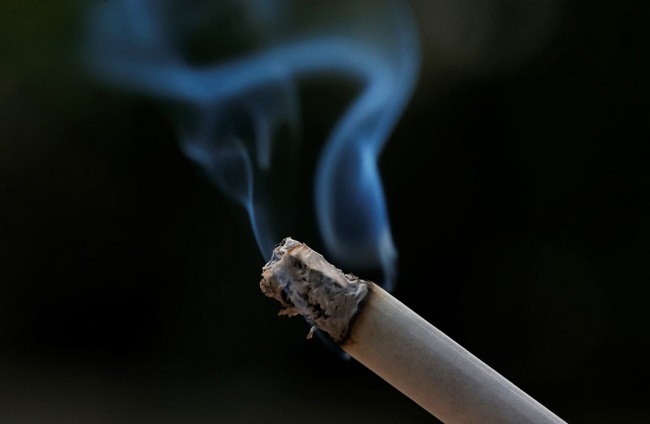
Tobacco smoking
Each year, World Cancer Day takes place on February 4. For us, it is an opportunity to spread knowledge about what can be done so that fewer people are affected by cancer and to highlight policies that are already delivering real-world results.
Sweden offers a compelling alternative. By embracing tobacco harm reduction, encouraging smokers who cannot quit to switch to significantly less harmful nicotine products, Sweden has achieved the lowest smoking rates in Europe and some of the lowest tobacco-related cancer rates. Sweden’s science-backed harm reduction policies have slashed smoking rates by 54% since 2012, reaching just 5.3%.
This progress was not driven by prohibition, but by pragmatic regulation, consumer choice, and access to safer alternatives. Accurate risk communication and proportionate regulation have helped smokers move away from combustible cigarettes, where the vast majority of smoking-related cancers originate.
Africa faces unique challenges, including widespread illicit trade, limited cessation support, and weak enforcement capacity. Replicating punitive policies without viable alternatives risks pushing consumers into unregulated black markets, worsening health outcomes. Sweden’s model shows that regulated access to safer products, combined with truthful public information, can accelerate declines in smoking while undermining illicit trade.
If African policymakers are serious about reducing cancer-causing smoking, the lesson from Sweden is clear: evidence-based harm reduction works. Adapting this proven blueprint to African realities could save millions of lives, reduce cancer rates, and deliver faster public health gains than the status quo.