Home Blog Page 2133

Sanitation: Agencies warned against neglecting shared latrines

Funding for safe, shared toilets in fast-growing developing-world cities is at risk of neglect from donors, policymakers and planners, a new journal article authored by sanitation specialists, senior economists and leading academics has warned.
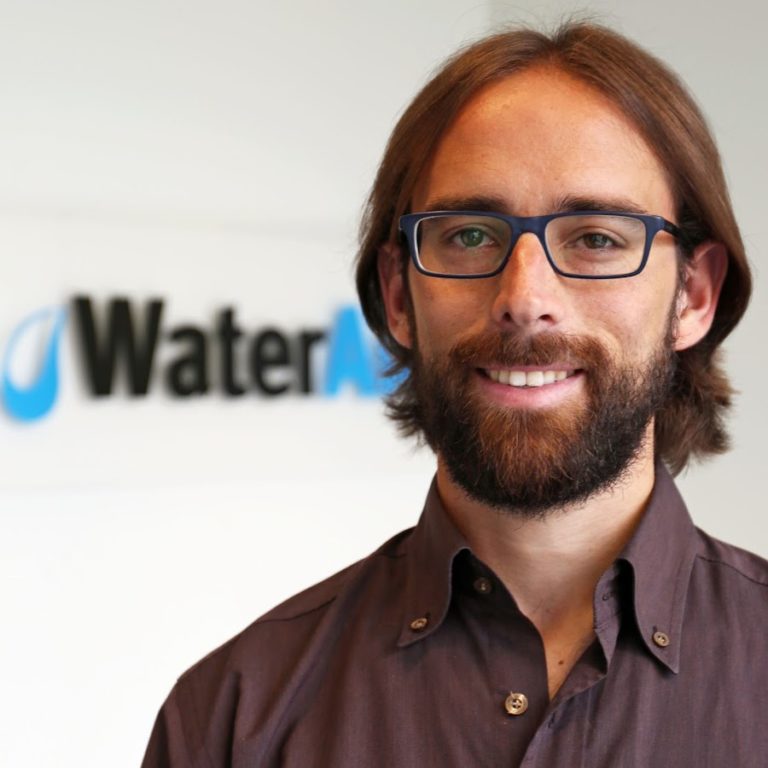
Andrés Hueso
Senior policy analyst, WaterAid, Andrés Hueso

Authors from the World Bank, WaterAid and Water & Sanitation for the Urban Poor have joined leading academics from the University of Leeds and the University of Colorado – Boulder in calling for shared toilets as an essential stepping-stone towards universal sanitation.

The UN Sustainable Development Goal 6 aspires to providing access to safely-managed sanitation for all by 2030. Safely-managed, the new ‘gold standard’ of sanitation, means not only a toilet in every household, but also ensuring human waste is properly treated so that it poses no risk to human health or the environment.

But a senior group of economists and policy analysts have warned of the risk that governments will interpret this as the only acceptable standard. The result, they warn, could be a focus on improving services to those who already have basic access to sanitation, rather than making it a priority to provide some sort of access to poor and vulnerable populations who have none.

An editorial carried in the Journal of Water, Sanitation and Hygiene for Development calls on governments, policymakers and donors to recognise the role that high-quality shared toilets can play in addressing the urgent needs of those living in dense slums, where a toilet in every household is not often an option, and warn against dwindling investment, planning and delivery of this essential step toward better health and dignity for the urban poor.

WaterAid senior policy analyst, Andrés Hueso, said: “We know that in this globalised world, one slum’s waste problem quickly becomes a much wider issue, as demonstrated during the crises of Ebola and Zika, both of which were exacerbated due to poor sanitation.

“Everyone everywhere deserves a safe, private toilet. But we know that for densely populated slums, where large families may live in single rooms and private toilets are simply not yet an option, well-designed and well-managed shared sanitation provides an essential stepping stone to dignity and better health.

“Decades ago, before household toilets became the norm, tenement outhouses and shared privies in London and New York played an important – if imperfect – role in helping to prevent disease from spreading. The governments, donors and planners in today’s ambitious and fast-growing cities in Africa and South Asia should acknowledge that well-managed shared toilets can be part of a path to further progress.”

Senior World Bank economist, Sophie Trémolet, said: “Economic returns and public health gains from interim solutions for those who are currently without sanitation can be far greater than delivering gold-standard service to a few, most of whom already have another, if less than perfect, option.

“Despite the fact that shared toilets are not currently counted as safely managed toilets in the SDG framework, we need to maintain incentives for governments, entrepreneurs and communities to invent, invest in and run appropriate shared toilet solutions as a stepping stone towards other solutions. We also need to work on developing practical ways to distinguish well-managed shared toilets from those which simply do not pass the mark. Some isolated initiatives have sprung up, such as EcoTact or Freshlife toilets in Kenya run by aspiring young entrepreneurs. We need those to become mainstream and inspire other actors to turn uninspiring assets into symbols of modernity.”

WaterAid Nigeria’s Country Director, Dr Michael Ojo, said: “Nigeria has a huge population and extremely rapid rural–urban migration; however, economic development and urban planning have not kept pace with the sheer volumes of people arriving – and being born – every day in its towns and cities. The high population density of urban areas means that diseases like cholera or Ebola can spread further and faster without sanitation and hygiene practices to block their path and an outbreak found in a slum can quickly become a city-wide, national or international epidemic.

“Everyone – no matter where they live – deserves affordable access to water, sanitation and hygiene. Yet at present rates of progress only one-third of people in sub-Saharan Africa will have a safe, private toilet by 2030. The message to consider all options of getting sanitation to everyone, including shared latrines, couldn’t be more apt particularly for a country like Nigeria.

“WaterAid has been implementing its own evolving version of community-led total sanitation (CLTS) in Nigeria since 2006 and has been contributing even more to the sanitation efforts in Nigeria with the Sustainable Total Sanitation (STS) project which seeks to progressively develop a more effective and sustainable total sanitation implementation model at a significant scale. WaterAid Nigeria launched the Water Easy Toilet (WET) – a dual model improved toilet – as part of its sanitation marketing (SanMark) approach and as a way of providing entrepreneurial opportunities and at the same time encouraging households towards uptake of latrines that meet their aspirations as part of efforts to end open defecation.

“Our analysis shows just how many nations in the world are failing to give sanitation the political prioritisation and financing required – with Nigeria featuring strongly at the top of that list. Government leaders need to increase efforts to meet their commitments to the Sustainable Development Goals, including achieving targets to reach everyone everywhere with adequate sanitation and hygiene as well as water by 2030.”

According to experts, poor sanitation increases the risk of illness, particularly in slums and informal settlements which are common at the edges of many fast-growing cities in the developing world. Globally, an estimated 289,000 children under five die each year of diarrhoeal illnesses directly linked to dirty water, poor sanitation and poor hygiene. Good sanitation is the bedrock of public health. Where poor sanitation exists, improvements in health and nutrition aren’t sustainable and children are repeatedly exposed to and at considerable risk of harm throughout their childhood.

The 17 United Nations Sustainable Development Goals agreed by world leaders in September 2015 aim to end extreme poverty and create a fairer, healthier, more sustainable world by 2030. Among them is Goal 6 that aims to ensure access to water and decent toilets for all.
Côte d’Ivoire national park taken off World Heritage ‘danger list’

0

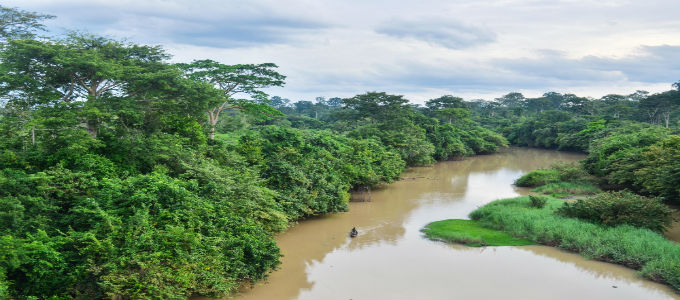
Comoé National Park in Côte d’Ivoire on Tuesday, July 4, 2017 came off the List of World Heritage in Danger, as its wildlife recovers from impacts of civil unrest. The decision follows a recommendation from the International Union for Conservation of Nature (IUCN), the official advisory body to UNESCO’s World Heritage Committee, which meets this week in Kraków, Poland.

Comoé National Park
A water body in the Comoé National Park in Côte d’Ivoire

It is said to be the first World Heritage site to be removed from the “danger list” in West and Central Africa in over 10 years, where half of the region’s 20 natural World Heritage sites are listed as “in danger”.

Species populations in Côte d’Ivoire’s Comoé National Park are on the rise, possibly for the first time in nearly 15 years, thanks to effective management of the park following a stabilisation of the political situation in 2012. An IUCN field mission earlier this year confirmed encouraging numbers of chimpanzees and elephants, which were thought to have disappeared from the park. Côte d’Ivoire has seen a decline of about 90% of its chimpanzee population since the early 1990s. Around 300 chimps and about 120 elephants are believed to live in Comoé National Park today.

“Comoé National Park serves as an inspiration, and shows that the recovery of World Heritage sites impacted by civil unrest is possible,” says Tim Badman, Director of IUCN’s World Heritage Programme. “It proves yet again that conservation action works when it is given a chance. IUCN congratulates the government of Côte d’Ivoire, and the park’s management and rangers, who have made this success possible.”

West and Central Africa boast 20 natural World Heritage sites, which are home to iconic species such as great apes, big cats, elephants and rhinos. However, due the region’s instability, 10 of these sites have been listed as “in danger”, many of them for decades. In the Democratic Republic of the Congo, all five World Heritage sites are in danger, including Africa’s oldest park, Virunga National Park, which has been facing severe threats for over 20 years, including poaching, armed conflict, oil and gas projects. The danger list contains a total of 18 natural World Heritage sites globally.

Comoé National Park, one of the largest protected areas in West Africa, was inscribed on the List of World Heritage in Danger in 2003 due to farming, illegal gold mining and poaching affecting its species populations. These threats were further exacerbated by political instability. Due to insecurity in the region, park staffers were unable to access some areas until civil unrest ended in 2012, allowing the management to regain control of the site and start carrying out conservation work.

The park now benefits from a new management plan, developed in consultation with local communities who take part in wildlife monitoring and other conservation activities. However, threats remain, including farming and artisanal gold mining taking place within the park. Such activities still pose a threat to its species’ key habitats, and continued action is needed to tackle them, according to IUCN.

“The Committee’s decision to take Comoé off the List of World Heritage in Danger serves as a recognition of the efforts carried out by the government and the Ivorian park service,” says Adama Tondossama, Director General of Office Ivoirien des Parcs et Réserves (OIPR) – the authority responsible for parks in Côte d’Ivoire. “It also points to the challenges that the site’s management faces going forward in order to maintain and enhance the achievements of these past years.”

Inscribed as a UNESCO World Heritage site in 1983, Comoé National Park contains a remarkable variety of habitats including savannas, grasslands and forests. It is home to 620 species of plants, 500 species of birds, 135 species of mammals, 35 species of amphibians and 60 species of fish. Many of the animals living in the park are listed as threatened on The IUCN Red List of Threatened Species, including the dwarf crocodile, the chimpanzee, the African wild dog and the African elephant.

Investors urge G20 on Paris accord commitments

0

Long-term institutional investors – 390 representing more than $22 trillion in assets – have written to G20 heads of state urging governments to stand by their commitments to the Paris Agreement at their upcoming Summit in Hamburg, Germany on July 7-8, 2017.

Stephanie Pfeifer
Stephanie Pfeifer, CEO of the Institutional Investors Group on Climate Change

Underscoring the urgency of action by G7 and G20 nations to implement the global climate pact and deliver their emissions reduction commitments (nationally-determined contributions), and echoing a message previously delivered to the G7, the investors called on G20 leaders to:

  • Reiterate their support for and commitment to implement the Paris Agreement, including the delivery of their own Nationally Determined Contributions in full.
  • Bring forward focused and targeted long-term climate and energy plans that will ensure their future actions align with commitments under the pact to keep global average temperature rise to well below 2°C above pre-industrial levels and preferably to 1.5 °C.
  • Drive investment into the low carbon transition through aligning climate-related policies, phasing out fossil fuel subsidies and introducing carbon pricing where appropriate.
  • Implement climate-related financial reporting frameworks, including supporting the Financial Stability Board Task Force on Climate-related Financial Disclosures’ recommendations.

“Investors are sending a powerful signal today that climate change action must be an urgent priority in the G20 countries, especially the United States, whose commitment is in question,” said Mindy Lubber, CEO and President of the sustainability non-profit organisation Ceres, which directs the Ceres Investor Network on Climate Risk and Sustainability. “Global investors are eager to open their wallets to a low-carbon future, but it won’t happen without clear, stable policy signals from countries worldwide – in particular, the US government whose waffling on the Paris Climate Agreement is hugely troubling.”

Stephanie Pfeifer, CEO of the Institutional Investors Group on Climate Change (IIGCC) in Europe, added, “Investors recognise the global transition to a low-carbon, clean energy economy is now firmly underway and they want to make well-informed decisions that help Paris Agreement signatories deliver their national commitments. Regardless of what the US administration does, it is vital that every signatory across the G7 and G20 adopts policies that drive better disclosure of climate risk, curb fossil fuel subsidies and put in place strong pricing signals sufficient to catalyse the significant private sector investment in low carbon solutions.”

Emma Herd, CEO of the Investor Group on Climate Change (IGCC) in Australia, said: “Maintaining policy commitments which drive strong growth in low carbon investment is key to tackling climate change. While the private sector can provide the investment required to build a secure, affordable and low emissions global energy system, we urge the G20 to set strong policy signals which provide the investment certainty needed to drive trillions of dollars into new clean energy investment opportunities.”

Paul Simpson, CEO of CDP, added: “The G20 must move swiftly to put in place the frameworks required to improve the availability, reliability and comparability of climate-related information, and to ensure carbon pricing signals which will drive the incorporation of climate risks and opportunities into financial assessments. That is why investors are calling on G7 leaders to prioritise rulemaking by national financial regulators to require disclosure of ‘material’ climate risks in line with the forthcoming recommendations of the Financial Stability Board’s Task Force on Climate-related Financial Disclosure (TCFD).”

“With the US clearly presenting a threat to a robust consensus for urgent worldwide climate action, now is the time for investors to make their voices heard by encouraging governments to stand firm on their individual and collective commitment to the Paris Agreement,” said Fiona Reynolds, managing director of the PRI. “Investors worldwide have come to understand the material financial risks around climate change. Certainly, at the PRI, our members have noted climate risks as their number one ESG concern.”

Shock, disappointment, grief open Wimbledon

0

It was a mix grill of emotions and expectations as shocks, grief and disappointment ruled the opening of this year’s Wimbledon Open, which served-off on Monday, July 3, 2017.

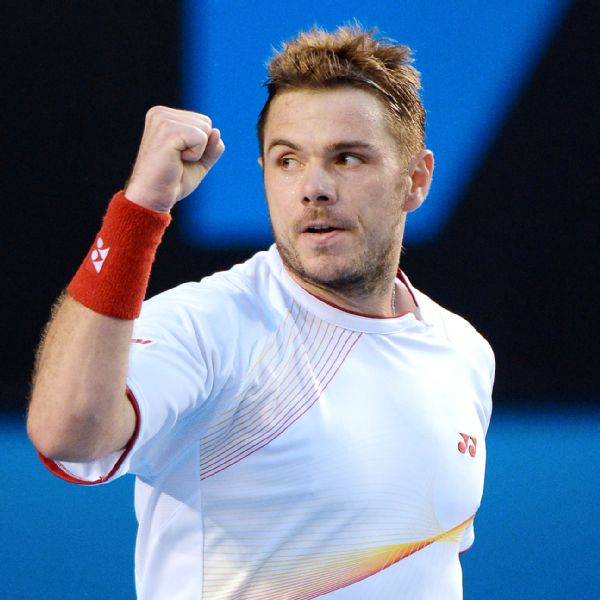
Stan Wawrinka
Fifth seed Stan Wawrinka was knocked out by Daniil Medvedev

Fifth seed Stan Wawrinka was knocked out by Daniil Medvedev in the biggest shock as he fell 6-4, 3-6, 6-4, 6-1on Centre Court.

The Russian’s victory over world number three Wawrinka came just hours after the 21-year-old moved into the world’s top 50 for the first time.

Wawrinka, having already won the Australian, French and US Open, was attempting to become only the sixth man to complete the career Grand Slam in the Open Era.

In the Women category, former Wimbledon champion, Venus Williams, broke down in tears as she was questioned by reporters about a Florida car crash that killed Jerome Barson, 78.

Williams, 37, could face a wrongful death law suit from the family of the man, after she was accused by police of being at fault for the collision.

The American produced an emphatic shot to secure a 7,-6, (9-7), 6-4 victory over 2-1 Mertens, who is playing her first Wimbledon.

Another female player, Mandy Minella from Luxembourg, revealed that she is four and half months pregnant. She made this revelation, after losing 6-1, 6-1 to Italian veteran Francisca Schiavone. The world number two is also due to play in the doubles.

On a brighter note, Britain’s Andy Murray began the defense of his Wimbledon title with a straight-set win over Kazakhstan’s Alexander Bublik 6-1, 6-4, 6-2 on Centre Court, despite an hip injury which disrupted his build-up.

The world number one will face Germany’s Dustin Brown, the man who beat Rafael Nadal in 2015 in round two.

Spanish world number two Raphael Nadal breezed past Millman 6-1, 6-3, 6-2 to record the 850th career win and came in his 50th match at Wimbledon.

He will face American world number 43, Donald Young, who was 2-1 up in three sets when opponent Denis Istomin retired.

By Felix Simire

Egypt ratifies Paris Agreement as 152nd Party

0

The Arab Republic of Egypt on Thursday, June 29, 2017 deposited its instrument of ratification of the Paris Agreement on Climate Change.

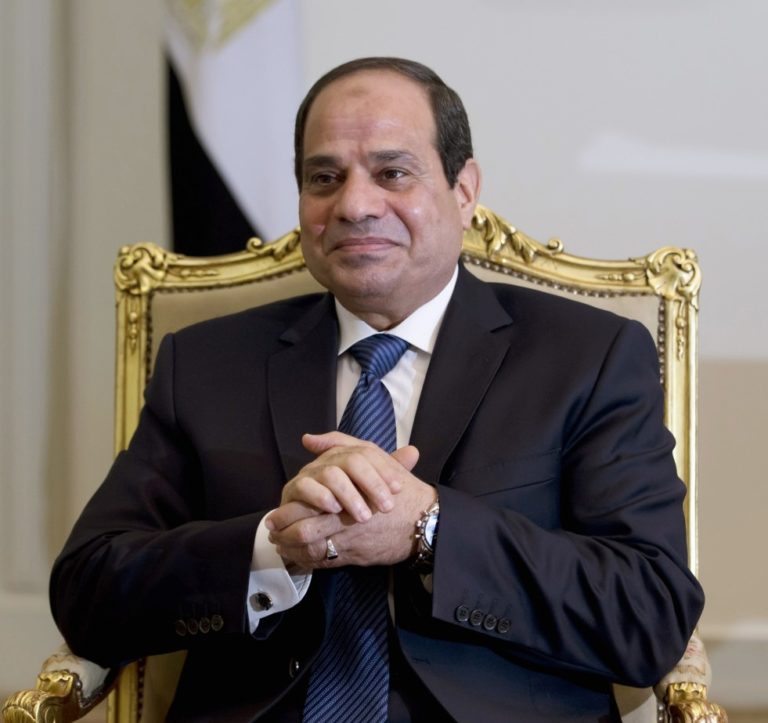
Abdel Fattah el-Sisi
Abdel Fattah el-Sisi, President of Egypt

The North African nation thus becomes the 152nd country to endorse the global treaty, after Togo, which ratified the climate accord just a day before on Wednesday, June 28 2017.

According to the United Nations Framework Convention on Climate Change (UNFCCC), Egypt’s ratification of the pact will enter into force in a month’s time on Saturday, July 29, 2017.

The Paris Agreement builds upon the Convention (UNFCCC) and – for the first time – brings all nations into a common cause to undertake ambitious efforts to combat climate change and adapt to its effects, with enhanced support to assist developing countries to do so. As such, it charts a new course in the global climate effort.

The Paris Agreement’s central aim is to strengthen the global response to the threat of climate change by keeping a global temperature rise this century well below 2 degrees Celsius above pre-industrial levels and to pursue efforts to limit the temperature increase even further to 1.5 degrees Celsius.

Additionally, the agreement aims to strengthen the ability of countries to deal with the impacts of climate change. To reach these ambitious goals, appropriate financial flows, a new technology framework and an enhanced capacity building framework will be put in place, thus supporting action by developing countries and the most vulnerable countries, in line with their own national objectives. The Agreement also provides for enhanced transparency of action and support through a more robust transparency framework.

Wilderness areas are fast declining – Report

0

New guidance launched recently by the International Union for Conservation of Nature (IUCN) urges the World Heritage Convention to better conserve wilderness areas, and large landscapes and seascapes, as they are increasingly threatened, including by climate change. It explains how this can be achieved through existing mechanisms, identifies broad gaps where new wilderness World Heritage sites might be found, and suggests innovation to help the Convention better respond to threats to wilderness.

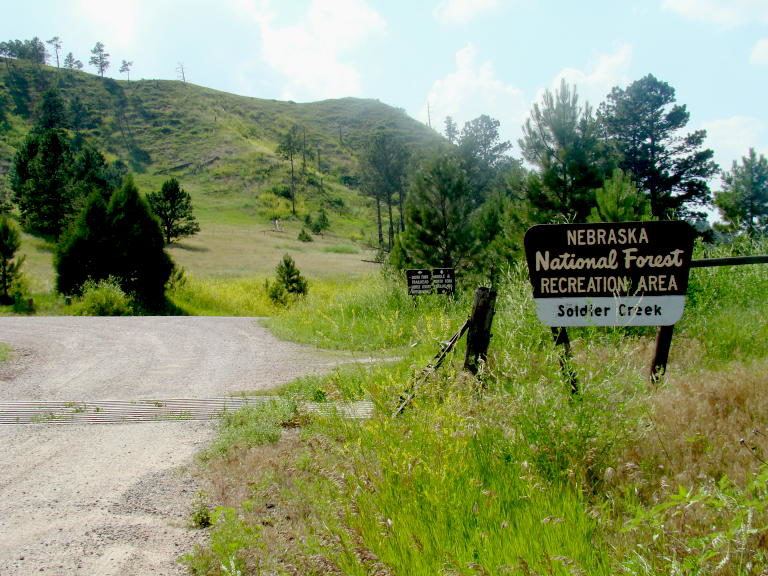
wilderness area
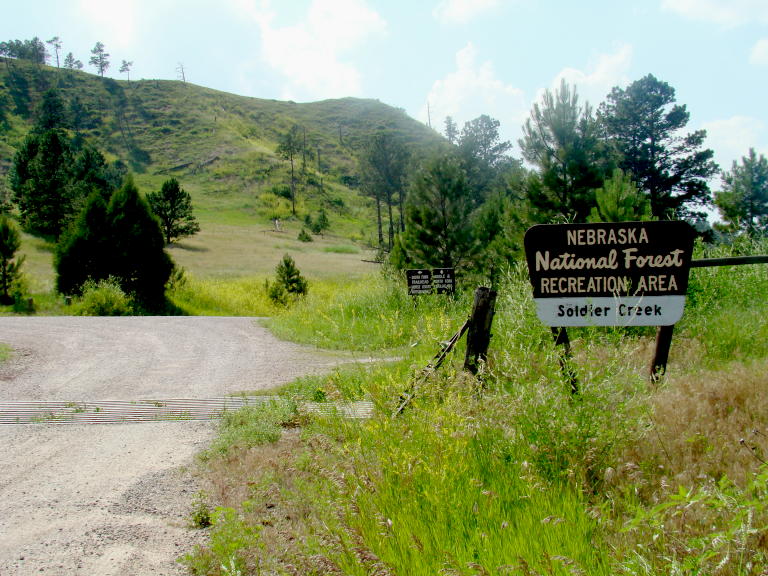
A wilderness area in the US

Wilderness areas are crucial as they protect massive carbon stocks, ensure clean freshwater supplies, and safeguard biodiversity. They are often home to Indigenous Peoples, whose livelihoods, lifestyles and worldviews are inseparable from these natural areas.

Wilderness areas are largely intact land- and seascapes which have a low human population density and are mostly free of industrial infrastructure. They help respond to climate change, for instance stocking huge amounts of carbon and serving as refuge for species which are forced to migrate due to a changing climate. They also provide livelihoods to local communities and are culturally significant, hosting sacred natural sites and indigenous territories.

However, intact areas are under severe threat from climate change. They are also continuously being cleared, degraded and fragmented, largely due to industrial activities such as oil and gas extraction, mining, logging, agriculture, construction of roads and dams. The wilderness left on land now covers less than a quarter of Earth’s total land surface.

“We have an ethical obligation to respect life on Earth and protect the last intact, wild areas left on the planet as a crucial part of our common heritage,” says Cyril Kormos, Vice Chair for World Heritage at IUCN’s World Commission on Protected Areas. “Wilderness areas provide solutions to global challenges such as climate change and biodiversity loss, and protecting these areas can also help recognise communities’ rights. The World Heritage Convention can go further to support these invaluable places.”

The report, “World Heritage, Wilderness, and Large Landscapes and Seascapes”, argues that protecting large intact land- and seascapes is a crucial strategy to address climate change and biodiversity loss, as these irreplaceable areas provide greater benefits and host more plant and animal species than smaller, more disturbed areas.

The World Heritage Convention makes a significant contribution to conserving such areas effectively. Natural World Heritage sites often include very large areas: the 238 sites currently listed for their natural values account for 8% of the total surface covered by all 200,000+ protected areas worldwide. Large natural World Heritage sites with wilderness values include iconic sites such as the Galapagos Islands in Ecuador, Yellowstone National Park in the USA and the Okavango Delta in Botswana.

However, the report explains how the World Heritage Convention can do more to protect wilderness. Providing guidance on how this can be achieved, it identifies broad gaps in wilderness coverage by the World Heritage List.

On land, natural World Heritage sites cover 1.8% of the world’s remaining wilderness area, while at sea 0.9% of marine wilderness has World Heritage status. Tropical and subtropical coniferous forests are the least represented type of wilderness represented by the World Heritage List. Only one World Heritage site, the Natural System of Wrangel Island Reserve in Russia, exists in the Arctic Ocean – the largest marine wilderness area identified by the report, with 3.3 million square kilometres, equating to half of the ocean.

The guidance strongly highlights the rights of Indigenous Peoples and their role in conserving large wilderness World Heritage sites, as many of these areas have remained ecologically intact thanks to indigenous stewardship and ownership – sometimes over millennia. Many Indigenous Peoples and local communities directly depend on large and intact natural areas for their survival, and therefore conserving these sites is critically important for sustaining their livelihoods and cultures.

To illustrate the complex relationship between humans and World Heritage sites, the guidance features fives case studies in listed wilderness areas. These include the Golden Mountains of Altai in Russia, Kakadu National Park in Australia, Manú National Park in Peru, the Okavango Delta in Botswana, and Papahānaumokuākea in Hawai‘i, USA.

The report was prepared over several years by a team of experts from IUCN and its World Commission on Protected Areas, with support from The Christensen Fund and The Pew Charitable Trusts.

The world I envison, by Ghebreyesus, new head of WHO

0

“I envision a world in which everyone can live healthy, productive lives, regardless of who they are or where they live.

“I believe the global commitment to sustainable development – enshrined in the Sustainable Development Goals (SDGs) – offers a unique opportunity to address the social, economic and political determinants of health and improve the health and wellbeing of people everywhere.”

Dr Tedros Adhanom Ghebreyesus
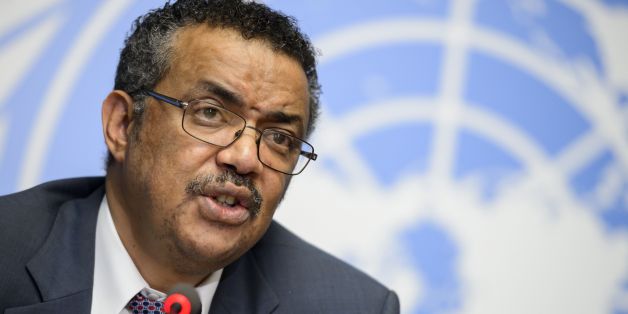
Dr Tedros Adhanom Ghebreyesus, Director-General of the World Health Organisation (WHO). Photo credit: AFP / FABRICE COFFRINI (Photo credit should read FABRICE COFFRINI/AFP/Getty Images)

Those are the vivid lines of Dr Tedros Adhanom Ghebreyesus, as he began a five-year term on Saturday, July 1, 2017 as Director-General of the World Health Organisation (WHO).

Dr Tedros previously served as Minister of Health and Minister of Foreign Affairs in Ethiopia and as Board Chair of the Global Fund and Roll Back Malaria Partnership.

The new WHO boss plans to focus on five main areas of work during his tenure. They are: achieving universal health coverage; strengthening the capacity of national authorities and local communities to detect, prevent and manage health emergencies; improving the health and well-being of women, children and adolescents; addressing the health impacts of climate and environmental change; and building a transformed, transparent and accountable WHO.

In a statement, he stressed that achieving this vision would require a strong, effective WHO that is able to meet emerging challenges and achieve the health objectives of the SDGs.

“We need a WHO – fit for the 21st century – that belongs to all, equally. We need a WHO that is efficiently managed, adequately resourced and results driven, with a strong focus on transparency, accountability and value for money,” he added.

He the vision statement, Dr Ghebreyesus emphasisied: “When people are healthy, entire communities and nations thrive – indeed, the whole world benefits. I will engage with Heads of State, Ministers across a wide range of portfolios, multilateral institutions, the UN system, civil society and the private sector to make access to health care and protection from infectious disease outbreaks a central component of the world’s security, economic and development agendas.

“This will include implementing the International Health Regulations and addressing emerging threats, such as antimicrobial resistance, climate and environmental change and non-communicable diseases. Such engagement will enable WHO and national health authorities to effectively perform their core functions, reaffirm WHO’s leadership in securing a healthier and safer world, and ultimately drive progress towards the Sustainable Development Goals.

“The right of every individual to basic health services will be my top priority. I will champion mechanisms to meaningfully listen to, learn from and engage people and communities – including migrant, displaced and disabled individuals; people living in rural, urban slum and low-income areas; and other vulnerable populations.

“This engagement – and what we learn from it – will be at the centre of our efforts to mobilise resources and hold authorities accountable for the health of all, regardless of age, gender, income, sexual orientation or religion.

“Improving global health requires effective engagement with all Member States and across multiple sectors. Under my leadership an enhanced and independent WHO will take a science-led and innovation-based approach that is results-oriented and responsive, maximises inclusive partnerships, and ensures collective priority setting with all stakeholders. In particular, I will champion country ownership, so that countries are at the table, as full and equal partners, to guide and make the decisions that will affect the health of their populations.

“WHO’s work touches hundreds of millions of lives around the world. Every programme, every initiative, every allocation of funding is so much more than a statistic or line in a budget. It is a life protected. It is a child who gets to see adulthood. It is a parent who watches their child survive and thrive. It is a community living disease free or an entire country or region that is better prepared for emergencies or disasters. This is the difference WHO can make, working hand-in-hand with Member States and global partners.”

Rapid urbanisation increasing climate risk, says report

0

Rapid urbanisation is making people more vulnerable to the impacts of climate change, according to a new UN report that highlights diverse initiatives worldwide that are bolstering the resilience of cities, towns and villages.

Jakarta
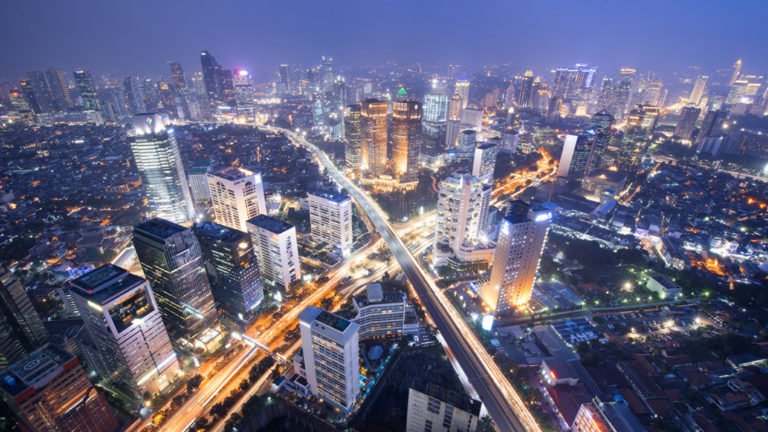
Jakarta, Indonesia

More than half the world’s population today live in cities, and another 2.5 billion people are expected to join them by 2050. The frequency of torrential rain and storm surges is on the rise in big, densely populated cities like Lagos, New York, Mumbai and Jakarta, hitting those living in marginalised, informal settlements like slums the hardest. Desertification swallows arable land needed to feed swelling urban populations. And sea level rise threatens everyone living in coastal areas, delta regions, and small-island countries.

To combat these threats to sustainable development, numerous cities have taken steps to build resilience and address the growing climate-related risks posed to inhabited areas. Through initiatives such as 100 Resilient Cities and the Global Covenant of Mayors, leaders of cities have shown commitment to work together to address climate change and its impacts. Support from global organisations such as the World Bank, ICLEI, UN-Habitat, have also made various resources available to policy-makers, practitioners and even individuals willing to take action.

The authors of the report “Initiatives in the Area of Human Settlements and Adaptation” compiled a summary of some of the most prominent global and regional initiatives that support adaptation and climate resilience in cities, towns and villages. The study is structured around the five opportunities for action offered by those initiatives: learn, access technical support, commit, finance, and unite. The report underscores the diversity of those initiatives, as well as the evolution of the services they have provided over the past decade.

Some of the inspiring global and regional initiatives focusing on urban resilience mentioned in the report are:


Learn: Urban Climate Change Research Network

A consortium of over 700 scholars and experts dedicated to climate analysis in cities, the Urban Climate Change Research Network has contributed to efforts to increase access to climate knowledge. Based at the Columbia University Earth Institute in New York (USA) since 2007, this global programme is committed to support city-level actions through projects such as global reports, an online case study docking station that stores 115 empirical experiences in cities, as well as Regional Hubs.


Access technical support: 100 Resilient Cities & the Asian Cities Climate Change Resilience Network

The 100 Resilient Cities programme was launched by the Rockefeller Foundation in 2013 as a way to select 100 cities to be provided with necessary resources in developing road maps to resilience. Support that has been provided ranges from financial and logistical guidance, expertise in strategy development, access to solutions and service providers, as well as membership to a global network of cities.

The Rockefeller Foundation, through a partnership with the European Commission and ICLEI’s network of regional secretariats, previously implemented the Asian Cities Climate Change Resilience Network in 50 cities across India, Indonesia, Thailand, Vietnam, Bangladesh, and the Philippines. It shares the 100 Resilient Cities’ mission to equip cities in building resilience to the physical, social and economic challenges of the 21st century.


Commit: Global Covenant of Mayors for Climate and Energy & the Covenant of Mayors in Sub-Saharan Africa

The Global Covenant of Mayors for Climate and Energy is the largest global coalition of cities committed to climate leadership, comprising more than 7,100 cities from 119 countries. Launched at the beginning of this year, this coalition is a merger between the existing Compact of Mayors and European Union Covenant of Mayors for Climate and Energy.

At the regional level, the Covenant of Mayors in Sub-Saharan Africa has also been funded by the European Commission in order to increase African cities’ planning capacity and provide a platform to share knowledge and best practices.


Finance: Sustainable Cities Integrated Approach Pilot

The Sustainable Cities Integrated Approach Pilot is a programme of the World Bank that aims to mobilise 1.5 billion over five years to support various urban sustainability projects in 23 cities across 11 pilot countries.  The programme is supported by a grant from the Global Environmental Facility, and will be implemented in partnership with African Development Bank, Asian Development Bank, Southern Africa Development Bank, Inter-American Development Bank, UNEP, UNDP, and UNIDO.


Unite: Global Alliance for Urban Crises  

Launched at the World Humanitarian Summit 2015, the Global Alliance for Urban Crises seeks to address challenges at the intersection of urbanisation, conflict, displacement, and climate change. More than 65 organisations had joined the alliance, with the big goal to ensure that stakeholders can work effectively in towns and cities affected by crisis.

There are fewer initiatives focusing on climate-resilience in smaller towns and villages, particularly in rural and remote areas, but the Cities and Climate Change Initiative (CCCI) is an important example on what is possible:

UN-Habitat’s CCCI is an initiative aimed at building the adaptive capacity of cities in developing countries with a focus on “pro-poor” participatory planning. Among others, the initiative supports projects to build resilience in villages in the southern part of Lao People’s Democratic Republic, as well as remote settlements such as the Solomon Islands’ capital, Honiara.

The report was presented to governments during the last Climate Change Conference in Bonn, Germany, on May, 8-18, 2017. It was prepared in collaboration with UN-Habitat, ICLEI-Local Governments for Sustainability, and the Urban Climate Change Research Network, under the Nairobi work programme – the UNFCCC Knowledge-for-Action Climate Resilience Network.

The report is part of a seven-step approach implemented by the UNFCCC’s Nairobi work programme to advance climate resilience through knowledge.

Firms launch Global Industry Alliance to support energy efficient shipping

0

Leading shipowners and operators, classification societies, engine and technology builders and suppliers, big data providers, and oil companies have signed up to a new Global Industry Alliance (GIA) to support transitioning shipping and its related industries towards a low carbon future.

IMO low carbon
Participants at the launch ceremony of the Global Industry Alliance

Thirteen companies have signed up to launch the GIA, under the auspices of the GloMEEP Project, a Global Environment Facility (GEF)-United Nations Development Programme (UNDP)-International Maritime Organisation (IMO) project aimed at supporting developing countries in  the implementation of energy efficiency measures for shipping.

Together, the GIA partners will collectively identify and develop innovative solutions to address common barriers to the uptake and implementation of energy efficiency technologies and operational measures. Focusing on a number of priority areas including energy efficiency technologies and operational best practices, alternative fuels, and digitalisation, activities likely to be undertaken or promoted by the Alliance will include, inter alia: research and development; showcasing of advances in technology development and positive initiatives by the maritime sector; industry fora to encourage a global industry dialogue; and the implementation of capacity building and information exchange activities.

The GIA was officially inaugurated on Thursday, June 29, 2017 at a launch ceremony held at the headquarters of the IMO, the United Nations specialised agency with responsibility for safety and security of shipping and the prevention of pollution from ships. The launch was held in London, United Kingdom at the margins of the first meeting of the IMO Intersessional Working Group on Reduction of GHG emissions from ships.

In his GIA launch speech, IMO Secretary-General Kitack Lim said the new alliance would help shipping to make its contribution towards greenhouse gas reduction and the mitigation of climate change, a key target for the United Nations under its Sustainable Development Goals (SDGs).

“What we are witnessing today is the formal start of a tried and tested partnership concept which has the potential to boost still further our efforts to kick-start the change that society demands and create a firm, tangible basis to transform the shipping sector for the better,” Mr Lim said.

“Under this new public-private partnership initiative, these ‘industry champions’, which come from different sectors of the industry and may have different business strategies within the same sector, are coming together to contribute to tackling the challenges of decarbonising the shipping sector.”

Following the announcement by the GloMEEP Project of its intention to establish the GIA, thirteen companies have agreed to become the founding members of the GIA, although it is expected that more companies may join the GIA even after the launch.

The 13 members that have formally committed to joining the alliance are: ABB Engineering (Shanghai) Ltd.; DNV GL SE; Lloyd’s Register EMEA; MarineTraffic; MSC Mediterranean Shipping Company S.A.; Ricardo UK Ltd; Royal Caribbean Cruises Ltd.; Shell International Trading and Shipping Company Limited; Silverstream Technologies; Stena AB; Total Marine Fuels Pte Ltd; Wärtsilä Corporation; and Winterthur Gas & Diesel Ltd.

The companies are said to be supporting the overall goals of the GIA by providing their expertise and know-how in the area of maritime fuel efficiency, as well as contributing financially towards the GIA Fund from which GIA activities will be funded.

Following the official GIA launch, the first GIA Task Force meeting was convened to discuss work modalities and kick-off the GIA work.

Superhighway: Government seeks explanation on ‘strange’ wildlife EIA mentions

0

The Cross River State Government has some explanation to do regarding a handful of fauna it claims in the proposed Superhighway Environmental Impact Assessment (EIA) report exists within its confines.

roloway monkey
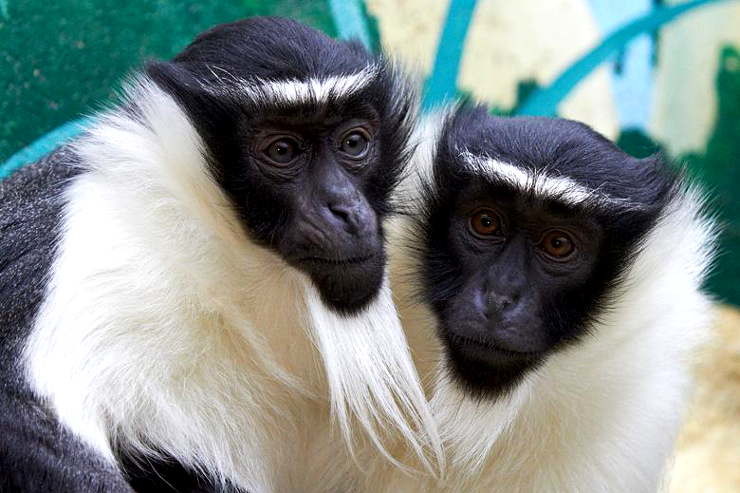
Contrary to claims by the Cross River State Government in the proposed Superhighway’s EIA, the roloway monkey (Cercopithecus roloway) is not found in Nigeria. Photo credit: Sébastien Meys, La Palmyre Zoo

In a move that appear to call the authenticity of the report to question, the Federal Ministry of Environment (FMEv) has categorically stated that such wildlife do not exist in Cross River State – some not even in Nigeria – and therefore wants state officials to address such queries in the updated report that is expected to be submitted in two weeks.

For instance government explained that the Bunbundi bat (Chalinolobus egeria) has not been recorded from Cross River and the pitch shrew (Crocidura picea) has only ever been recorded from Cameroon.

Additionally, noted the FMEv, while the long footed shrew (Crocidura crenata) has not been recorded from Nigeria, the Eisentraut’s mouse shrew (Myosorex eisentrauti) is only found on the island of Bioko.

Similarly, the forest chameleon (Chamaeleo camurunensis) – assumed to be Trioseros camerunensis is restricted to Cameroon, while the Cameroon worm lizard (Cynisca shaeferi) has not been recorded from Nigeria.

Furthermore, both the Schneider’s banana frog (Afrixalus Schneider) and the Dizangue reed frog (Hyperrolius bopeleti) have only ever been recorded from Cameroon.

Also mentioned were the Werner’s river frog (Phrynobatrachus werneri) which FMEv officials say has only been recorded in Nigeria from the Obudu Plateau, and the worm lizard (Cynisca gansi), which is said to have only ever been recorded from Okoloma village near PortHarcourt.

The FMEv wrote: “Many of the species listed in Table 6.1 such as the Indian Malimba, Sclater’s guenon and the Anambra waxbill are not present in Cross River State, though known from Nigeria.

“Appendix A2 is clearly not the work of PGM Nigeria Limited and has merely been copied from elsewhere. This is unacceptable. The list contains many species not known from Cross River such as the Niger Delta red colobus monkey (Procolobus epieni); others such as the roloway monkey (Cercopithecus roloway) are not found in Nigeria and some are not even known from Africa such as the American bullfrog (Lithobates catesbaeianus).

“There is no hedgehog (Erinaceus or Atelerix) (listed on Table 4.56) found in the rainforests of Cross River State; it likely confused with the brush-tailed porcupine.

“Table 4.60 lists threatened mammal species, but Cercopithecus erythrogaster is not found in Cross River and Cercopithecus roloway is not found in Nigeria.”

Designed to link Calabar, the state capital, to the neighboring Benue State, the $3.5 billion Superhighway will pass through biodiversity rich forests in the Ekuri community as well as the Cross River National Park (CRNP), a development observers feel will have far reaching implications for thousands of families and their livelihoods, as well as flora and fauna.