The Niger State Ministry of Health has inaugurated an 11-man committee for the training of health workers on prevention and control of cancer.
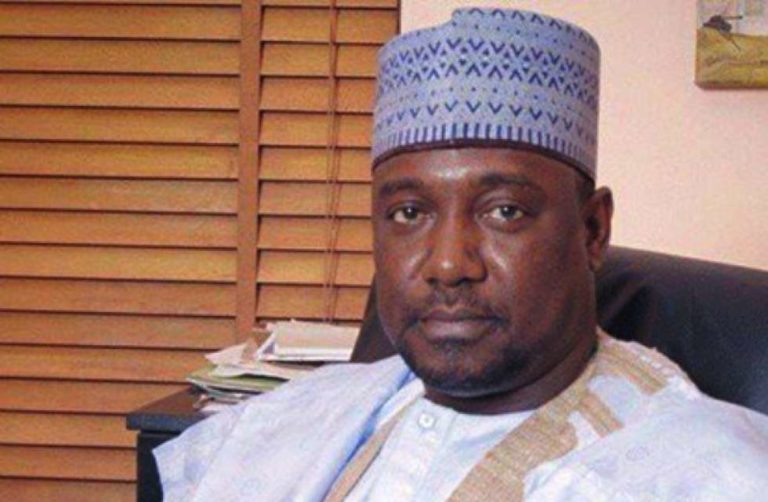
Alhaji Abubakar Sani Bello, Governor of Niger State
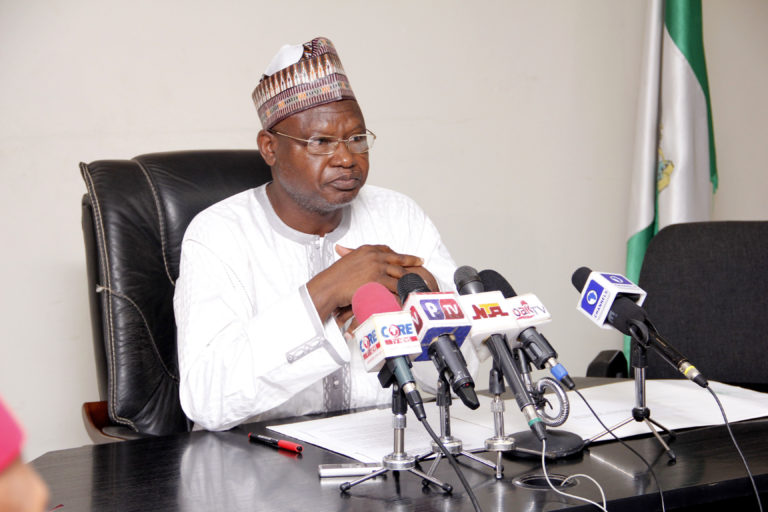
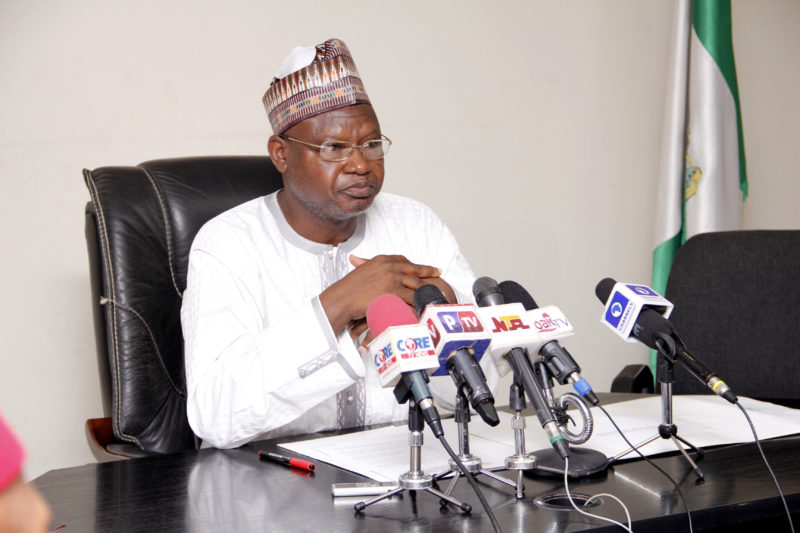
Permanent Secretary of the Ministry, Dr Muhammed Makusidi, on Thursday, December 7, 2017 in Minna, the state capital, said the action was aimed to fight the scourge of the disease in the state.
“It is obvious that there was the need for us as a state to develop our own manpower especially in the training of cancer specialist that will man the proposed cancer centre,” he said.
He explained that with the committee, a lot of modalities would be put in place to chart appropriateways especially in sensitising the people about the disease.
“You see we cannot be categorical in terms of the number of cancer patients in the state because records are not straight here.
“A large proportion of those that come down with the disease, will rather patronise spiritual healers and this does not augur well for the patient and the records,” he said.
Makusidi said that inadequate record keeping of the disease was a major constrain in the estimation of the exact burden of the disease in the state.
The world on Wednesday, December 6, 2017 committed to a pollution-free planet at the close of the 3rd UN Environment Assembly (UNEA-3) in Nairobi, with resolutions and pledges promising to improve the lives of billions across the globe by cleaning up our air, land and water.
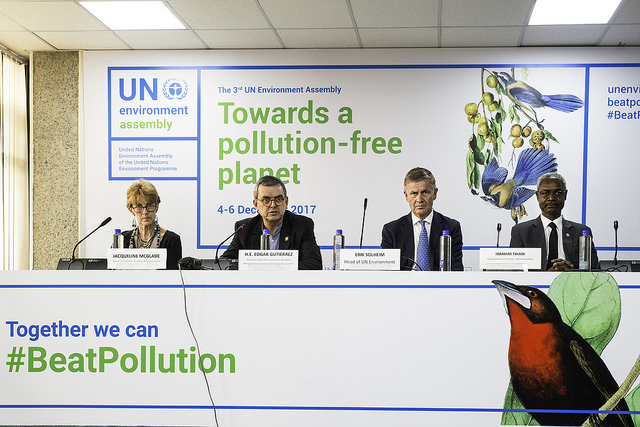
Closing Press Conference, UNEA-3 on Wednesday, December 6, 2017
If every promise made in and around the summit is met, 1.49 billion more people will breathe clean air, 480,000 km (or around 30 per cent) of the world’s coastlines will be clean, and $18.6 billion for research and development and innovative programmes to combat pollution will come online.
“The science we have seen at this assembly shows we have been so bad at looking after our planet that we have very little room to make more mistakes,” said Dr. Edgar Gutiérrez, Minister of Environment and Energy of Costa Rica and the President of the 2017 UN Environment Assembly.
“With the promises made here, we are sending a powerful message that we will listen to the science, change the way we consume and produce, and tackle pollution in all its forms across the globe.”
Over 4,000 heads of state, ministers, business leaders, UN officials, civil society representatives, activists and celebrities gathered at the summit in Nairobi, which ran for three days.
For the first time at a UN Environment Assembly, environment ministers issued a declaration. This declaration said nations would honour efforts to prevent, mitigate and manage the pollution of air, land and soil, freshwater, and oceans – which harms our health, societies, ecosystems, economies, and security.
The declaration committed to increasing research and development, targeting pollution through tailored actions, moving societies towards sustainable lifestyles based on a circular economy, promoting fiscal incentives to move markets and promote positive change, strengthening and enforcing laws on pollution, and much more.
UNEA-3 also passed 13 non-binding resolutions and three decisions. Among them were moves to address marine litter and microplastics, prevent and reduce air pollution, cut out lead poisoning from paint and batteries, protect water-based ecosystems from pollution, deal with soil pollution, and manage pollution in areas hit by conflict and terrorism.
“Today we have put the fight against pollution high on the global political agenda,” said Erik Solheim, head of UN Environment. “We have a long struggle ahead of us, but the summit showed there is a real appetite for significant positive change.
“It isn’t just about the UN and governments, though. The massive support we have seen from civil society, businesses and individuals – with millions of pledges to end pollution – show that this is a global challenge with a global desire to win this battle together.”
A large part of the impact from the assembly comes from global support. UN Environment’s #BeatPollution campaign hit almost 2.5 million pledges during the event, with 88,000 personal commitments to act.
Chile, Oman, South Africa and Sri Lanka all joined the #CleanSeas campaign during the Nairobi summit, with Sri Lanka promising to implement a ban on single-use plastic products from 1 January 2018, step up the separation and recycling of waste, and set the goal of freeing its ocean and coasts of pollution by 2030. There are now 39 countries in the campaign.
Colombia, Singapore, Bulgaria, Hungary and Mongolia joined 100 cities who were already in the #BreatheLife campaign, which aims to tackle air pollution. Every signatory has committed to reduce air pollution to safe levels by 2030, with Singapore promising to tighten fuel and emissions standards for vehicles, and emissions standards for industry.
The global momentum comes not a moment too soon, as the UN Environment report, The Executive Director’s Report: Towards a Pollution-Free Planet, lays out.
Overall, environmental degradation causes nearly one in four of all deaths worldwide, or 12.6 million people a year, and the widespread destruction of key ecosystems. Air pollution is the single biggest environmental killer, claiming 6.5 million lives each year.
Exposure to lead in paint causes brain damage to 600,000 children annually. Our seas already contain 500 “dead zones” with too little oxygen to support marine life. Over 80 per cent of the world’s wastewater is released into the environment without treatment, poisoning the fields where we grow our food and the lakes and rivers that provide drinking water to 300 million people.
There is also a huge economic cost. A recent report by the Lancet Commission on Pollution and Health says that welfare losses due to pollution are estimated at over $4.6 trillion each year, equivalent to 6.2 per cent of global economic output.
“We had two missions at this assembly,” said Ibrahim Thiaw, UN Environment’s deputy head. “One (agreeing on action) is accomplished. The second we must start tomorrow.”
Nigeria’s Minister of State for Environment, Ibrahim Usman Jibril, has pledged to make gender issues a priority in chemicals and waste management in the country.
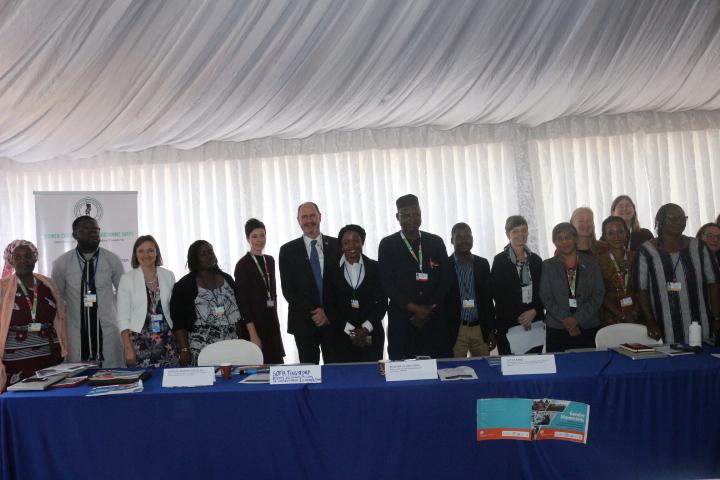
Minister of State for Environment, Ibrahim Usman Jibril, with participants at the side event at UNEA-3
He made the pledge at a side event on gender, chemicals and waste, held on the second day of the 3rd session of the United Nations Environment Assembly (UNEA 3), in Nairobi, Kenya on Tuesday, December 5, 2017.
The side event, titled: “What has gender got to do with chemicals?”, was organised by Women Engage for a Common Future (WECF) in collaboration with Women Environmental Programme (WEP), Balifokus Foundation, Women’s Major Group and International Pesticide Elimination Network (IPEN), with support from the Secretariat of the Basel, Rotterdam and Stockholm (BRS) Conventions.
How are women and men differently impacted in their health by Persistent Organic Pollutants (POPs), hazardous chemicals and waste?
How do women and men’s occupations and their roles at home and at work influence exposure to POPs, hazardous chemicals and waste?
What best practices with women and men’s leadership exist to substitute and eliminate POPs, hazardous chemicals and waste?
Presenting the result of the scoping study in Nigeria, Dr. Priscilla Achakpa of WEP said that the scoping study was conducted in January and February, 2017 in Lagos and Abuja, and included interviews and focus group discussions with relevant government ministries and agencies, waste management companies, scientists, media and civil society, a multi-stakeholder meeting and literature review.
Findings from the scoping study, she said, showed that there is high level of exposure to POPs and other harzadous chemicals whose major sources are from imported electrical and electronics equipment, pesticides, burning of municipal and plastic wastes and informal recycling. The study, she added, found that the human breast milk samples obtained from volunteer-mothers at Maitama Hospital showed high levels of chlordane, dieldrin, DDT, toxaphene, PCBs, hexabromocyclododecane (HBCD), hexachlorocyclohexane (HCH), and perfluorooctanesulfonate (PFOS).
Another shocking finding from the study was that PCB oil (Polychlorinated byphenyls), a liquid used in electrical transformers as a coolant, is used as cooking oil by some women. These, she said, are found to be the causes of genetic disorders, delayed pregnancy, birth defects, male infertility and other deleterious health conditions.
Although recognising that the Federal Government of Nigeria has taken steps to address exposure to POPs and other harzadous chemicals by women through her updated Implementation Plan of the Stockholm Convention on Persistent Organic Pollutants by sensitising women on practices that could lead to exposure to POPs, Dr. Achakpa recommended in addition that the government should:
Find alternative to chemical pesticides and insecticides
Improve waste management through deployment of appropriate technologies, improvement in waste management infrastructure and capacity building of waste management personnel.
Increase inter-sectoral coordination on chemicals and wastes including its gender dimensions
Increase law enforcement of chemicals and wastes management regulations
Design and implement programmes that will promote recycling of plastics and discourage open burning of wastes.
She concluded that exposure to chemicals has deleterious effects on human health and the environment and given the biological composition of women and children, exposure to chemicals affect them seriously. She called for a strong commitment from government to address the pollution of environment by chemicals if it must achieve the Sustainable Development Goals (SDGs).
Speaking at the event, Jibril applauded the scoping study and stated the readiness of the ministry to discuss with relevant stakeholders to ensure that the recommendations of the study are implemented to address the findings in the report.
The ministry, he said, would make gender issues a priority in designing and implementing chemicals and waste management projects and programmes. He stated that he learnt so much from the former Minister of Environment, Amina J. Mohammed, who inculcated in him the consciousness about gender.
According to him, the former Minister of Environment would always say that gender issues could be likened to a bird that cannot fly on one wing, unless it uses two wings; and so development cannot be sustainable unless different categories of people are involved and their needs taken into consideration in the planning and implementation of programmes.
The Minister of State for Environment appreciated the Secretariat of the BRS Conventions for making gender issues central to the work of the Secretariat and pledged that Nigeria, as a Signatory to these Conventions, would follow the same track.
The scoping study is part of the activities of the Secretariat of the BRS Conventions based on its Gender Action Plan that was developed in 2013 and aims to ensure that principles of gender equality are firmly embedded in the activities undertaken by the BRS Secretariat.
The scoping study was conducted by WECF in collaboration with WEP and Balifokus Foundation, with support from BRS Secretariat.
Following the deposit of the instrument of acceptance by Japan on Tuesday, December 5 2017, The Nagoya-Kuala Lumpur Supplementary Protocol on Liability and Redress to the Cartagena Protocol on Biosafety will enter into force on March 5, 2018.
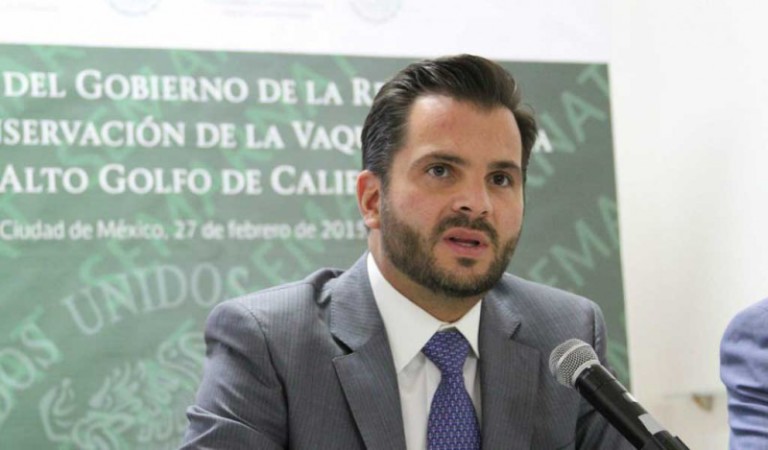
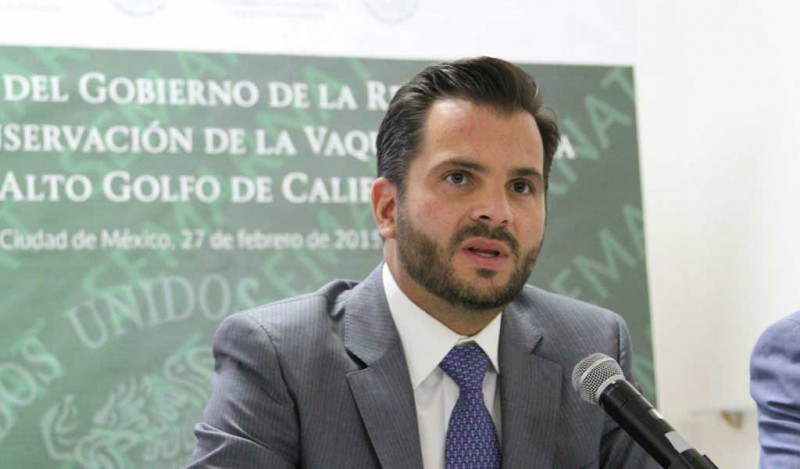
Rafael Pacchiano Alamán, Minister of Environment and Natural Resources of Mexico
Adopted as a supplementary agreement to the Cartagena Protocol on Biosafety, the Supplementary Protocol aims to contribute to the conservation and sustainable use of biodiversity by providing international rules and procedures in the field of liability and redress relating to living modified organisms. A groundbreaking international treaty, the Supplementary Protocol requires that response measures are taken in the event of damage resulting from living modified organisms, or where there is sufficient likelihood that damage will result if timely response measures are not taken. The Supplementary Protocol also includes provisions in relation to civil liability.
“The entry into force of the Nagoya-Kuala Lumpur Supplementary Protocol represents a milestone in the history of the Cartagena Protocol on Biosafety. The entry into force of this important instrument provides a key piece of the international regulatory regime applying to living modified organisms. It provides practical rules to respond to damage resulting from living modified organisms that find their origin in a transboundary movement and gives effect to the polluter pays principle,” said Mr. Rafael Pacchiano Alamán, Minister of Environment and Natural Resources, Mexico, and President of the thirteenth meeting of the Conference of the Parties to the Convention on Biological Diversity (CBD).
Dr. Cristiana Paşca Palmer, CBD Executive Secretary, said: “The forthcoming entry into force of the Nagoya-Kuala Lumpur Supplementary Protocol on Liability and Redress represents a major step towards achieving the objectives of the Strategic Plan for the Cartagena Protocol on Biosafety and towards the conservation and sustainable use of biodiversity.
“It is of great symbolic value that Japan, where the Supplementary Protocol was adopted, has deposited the decisive instrument which will trigger the entry into force of this important international instrument. I urge all Parties to the Biosafety Protocol yet to do so to ratify the Supplementary Protocol as soon as possible. I also urge Parties to the Biodiversity Convention that have not yet done so to ratify the Biosafety Protocol so that they can also become Parties to the Supplementary Protocol.”
The Supplementary Protocol will enter into force on the ninetieth day after the deposit of the fortieth instrument of ratification, accession, acceptance or approval (The instrument of approval deposited by the European Union does not count as additional to the instruments deposited by its member States (Article 18(3) of the Supplementary Protocol).
The following Parties have now ratified, accepted, approved or acceded to the Nagoya-Kuala Lumpur Supplementary Protocol: Albania, Bulgaria, Burkina Faso, Cambodia, Central African Republic, Congo, Cuba, Czech Republic, Democratic Republic of the Congo, Denmark, Estonia, European Union, Finland, Germany, Guinea-Bissau, Hungary, India, Ireland, Japan, Latvia, Liberia, Lithuania, Luxembourg, Mali, Mexico, Mongolia, Netherlands, Norway, Romania, Slovakia, Slovenia, Spain, Swaziland, Sweden, Switzerland, Syrian Arab Republic, Togo, Uganda, United Arab Emirates, United Kingdom of Great Britain and Northern Ireland, and Viet Nam.
With support from the Government of Japan, through the Japan Biodiversity Fund, the
Secretariat of the CBD is organising activities to support Parties in implementing the Supplementary Protocol at the national level.
The African Ministerial Conference on the Environment (AMCEN) has reiterated its commitment to exploring solution pathways to a cleaner and safer African environment, but the organisation requires the necessary resources to walk the talk.
President of the African Ministerial Conference on the Environment (AMCEN) and Gabonese Minister of Forest, Sea and Environment, Pacôme Moubelet-Boubeya
President of AMCEN , Pacome Moubelet-Boubeya, told environment journalists at the ongoing UN Environment Assembly in Nairobi, Kenya on Tuesday, December 5, 2017 that the organisation cannot play its role fully without the much needed finance and urged its member-states to clear their outstanding commitments to the conference.
Many of the AMCEN member-states have not been paying their annual contributions to the organisation, it was disclosed.
“We know much is expected from AMCEN and we have a clear plan of action to drive our assigned role but we also need funds to do this,” says Moubelet-Boubeya.
The President said the organisation was aware of the numerous environment and climate change challenges faced by African countries, promising to make sure they get the necessary support from AMCEN.
“Our mandate to accompany African governments, institutions provide advocacy for environmental protection in Africa, ensure that basic human needs are met adequately and in a sustainable manner is very clear,” Moubelet-Boubeya explained.
He, however, added that many obstacles lie ahead of the implementation phase of AMCEN action plan, calling on the different governments to work in tandem with the organisation for the interest of Africa.
“Africa is rich, endowed with resources. We just need to believe in ourselves and work together to get what we want,” he said.
Accordingly, the measures adopted by AMCEN in seeking solutions to environmental concerns in Africa have consistently been participatory and consultative since its inception. The President lauded the achievements of the organisation so far.
“The existence of AMCEN today impacts on the manner in which environmental issues are being handled in the region. It has among others contributed to strengthening Africa’s participation and active involvement both in global negotiations and in international agreements on the environment,” he noted.
Accordingly regular sessions of AMCEN have been convened every second year since its inception to discuss environmental and development issues.
It will be recalled that the African Ministerial Conference on the Environment (AMCEN) was established in December 1985, following a conference of African ministers of environment held in Cairo, Egypt. Its mandate accordingly is to provide advocacy for environmental protection in Africa, ensure that basic human needs are met adequately and in a sustainable manner and that social and economic development is realised at all levels.
The method adopted by AMCEN in seeking solutions to environmental concerns in Africa has been participatory involving the different stakeholders. The President said they have also been very active at the UN general assembly of high-level policy makers and global experts on environmental management.
At the opening of one of the high level sessions, Kenyan President Uhuru Kenyatta lauded the global leadership of sustainable management of the environment.
“Working together in the fight against environment abuse has become imperative. This is particularly important because we expect a more effective, efficient and responsive organisation, given the growing importance of the work to ensure a better future,” President Kenyatta said.
Taking note of the praise heaped on Kenya for its recent ban of plastic carrier bags, President Kenyatta encouraged other nations especially in Africa to also follow suit in this endeavour.
“My advice is that nations should not heed the sceptics, who say that all countries cannot protect our planet better by banning plastic carrier bags,” he said.
The International Fund for Agricultural Development (IFAD) Value Chain Development Programme (VCDP) has urged farmers in the country to adopt effective communication and knowledge sharing strategy to enhance productivity.
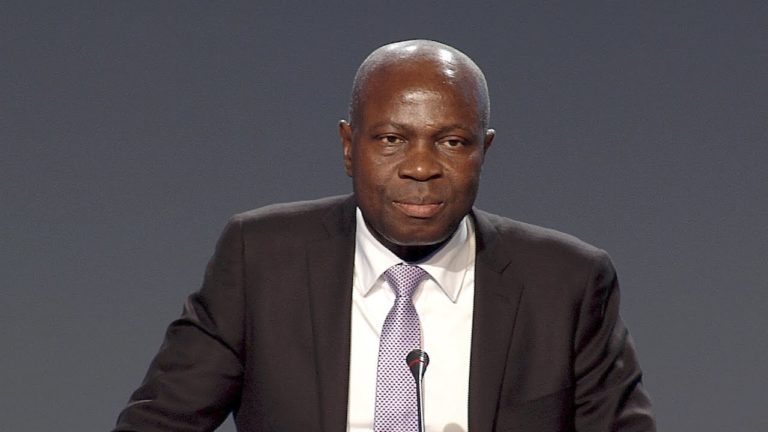
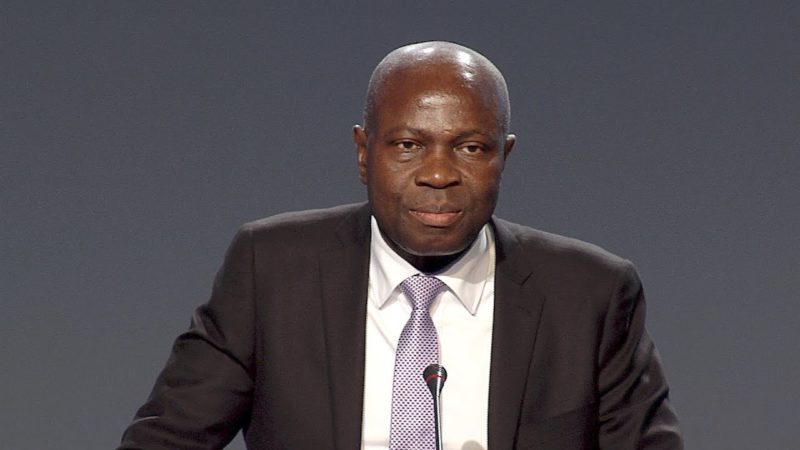
Gilbert F. Houngbo, President of the International Fund for Agricultural Development (IFAD)
Mr Emmanuel Aguncha, the State Programme Coordinator (SPC) of VCDP in Anambra State, made the call during a workshop organised for lead farmers, processors and marketers in Awka, the state capital, on Wednesday, December 6, 2017.
The coordinator urged farmers to exchange information and ideas on farming skills and new technologies in agriculture, adding that it would help in maximising productivity.
“Knowledge is power. If you are well informed, there is nothing you cannot achieve. An information or knowledge not shared is useless.
“If a farmer is doing well based on a technology or system adopted, it is imperative for such farmer to share his experience using our various communication channels for the benefit of others.”
He said the intervention of VCDP in the state had helped to boost rice and cassava production through the transfer of technologies and certified seeds as against the use of grains.
He noted that since the VCDP intervention, farmers yields had increased from one to two tons to seven or eight tons of rice per hectare.
“Same in cassava; farmers, who hitherto recorded between six to 10 tonnes now record as high as 29 to 35 tonnes,” the coordinator said.
Aguncha explained that the communication and knowledge management workshop for farmers and other stakeholders was aimed at scaling up their performance as well as implementing VCDP activities.
In a lecture, a media consultant, Mr Obinabo Nezianya, stressed the need for stakeholders in the agriculture sector to adopt effective means of communication in solving challenges.
Nezianya spoke on “The Importance of effective communication and knowledge sharing in an organisation”.
Responding on behalf of the participants, Mr Peter Emeka, the Chairman, Multipurpose Cooperative Society, Omor, in Ayamelum Local Government Area of the state, commended VCDP for organising the workshop.
Emeka said it would further encourage farmers, processors and marketers to forge a common front in boosting rice and cassava production in the state.
The News Agency of Nigeria (NAN) reports that IFAD-VCDP programme focuses on developing agricultural markets and increasing market access for smallholder farmers and small to medium-scale agro-processors.
The programme also targets increasing the volume and quality of marketable produce, especially rice and cassava by strengthening farmers’ organisations as well as supporting smallholder production.
Game-changing new research, high-tech tools, unconventional initiatives are to be presented at the Global Landscapes Forum (GLF), a gathering of 1,000 experts, scientists, government officials, NGOs and change makers. According to the organisers, cross-cutting solutions to the conservation and restoration of land and natural resources worldwide are to be highlighted
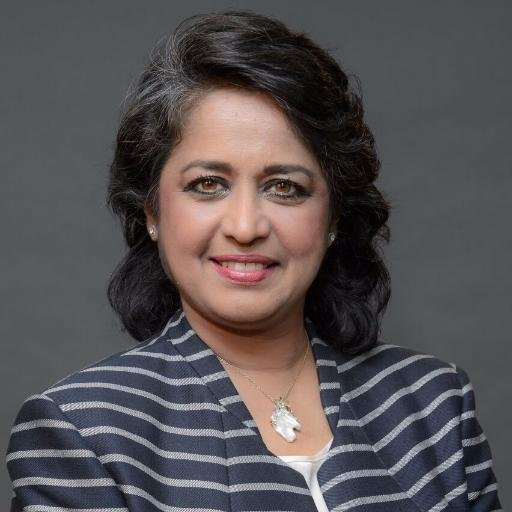
President of Mauritius, Ammenah Gurib Fakim
Cultural instigator Scott Goodson, President of Mauritius Ammenah Gurib Fakim, yogi and spiritual leader Sadhguru, and UN Environment Director General Erik Solheim are headlining a gathering in Bonn, Germany of more than 45 organisations including the World Resources Institute (WRI), The World Bank, the Food and Agriculture Organisation of the United Nations (FAO), and others dedicated to the urgent global imperative to preserve and restore natural resources – from peatlands in Indonesia to glaciers in the Peruvian Andes.
They’re coming together at the end of a year marked by mounting threats on land – under pressure from the growing global demand for commodities, the need to feed a burgeoning population, and an escalation in natural disasters. In 2017 alone, significant forest and peatland fires ripped through Indonesia, violent land rights protests rocked Brazil, destructive hurricanes leveled Caribbean islands and drastic food shortages created a crisis in East Africa.
Seeking to solve these and other land-based crises, the Global Landscapes Forum (GLF) will spotlight cutting-edge research and innovative projects across Africa, Asia, Latin America and the Pacific – leveraging everything from drones to traditional indigenous knowledge.
These include billion-dollar forest restoration projects in Latin America (Initiative 20×20) and Africa (AFR100); high-tech, real-time mapping and tracking tools that can monitor remote forests; and innovative solutions to the destruction of natural resources, such as the rebuilding of peatlands in Europe using sustainable building products.
Hosted and funded by the German government, the Global Landscapes Forum is said to be the only event of its kind devoted to treating landscapes in a holistic manner. By connecting “unusual bedfellows,” the event seeks to break traditional silos to generate novel ideas and accelerate action to ensure land use and distribution is more resilient, equitable and productive.
The GLF is the largest science-based platform on sustainable land use bringing together world leaders, climate negotiators, policy makers, development practitioners, private sector representatives, scientists, civil society and the media. Since its inception in 2013, over 25,000 stakeholders from 3,000 organisations and 110 countries have engaged with the GLF. More than just an event, it is a movement aiming to impact one billion people in the next five years.
President, Society for the Promotion of People’s Rights, Mr Williams Osaze, on Wednesday, December 6, 2017 appealed to members of the public to protect the environment for sustainable development.
Environment Minister of State, Ibrahim Usman Jibril
Osaze, who made the appeal in an interview with the News Agency of Nigeria (NAN) in Abuja, said that preserving Nigeria’s environment was a collective responsibility.
“Therefore, resources can be used in a manner that they do not do excessive harm to the environment. Nigerians should work in oneness to tackle environmental challenges; nobody is immune to any negative impact of environmental violation.
“The efforts will ensure cleaner environment for our own survival and sustainable development; whatever we give the environment is what is given to us. The condition of the environment is increasingly affecting human health.
“If the environment is filthy, it will affect us; everything centres on the environment; when environmental health is not in a good condition, humans, animals and plants health are in danger.
“Poor environmental health can cause disease outbreaks, thereby number of people dying will increase in the society,’’ he said.
Osaze said that one of the ways to protect the environmental health was to avoid waste burning around residential areas.
He said that such attitude was illegal as it releases mould spores, soot and other contaminants that could aggravate allergy, leading to respiratory problems.
The president said that planting of tree was also protecting environment, adding that trees absorbed carbon dioxide and cutting of trees without replacement lead to global warming.
Osaze said that everyone had the right to a safe and healthy environment.
“The quality of our environment affects all of us no matter where we live. The environment is our home. If it is not healthy, we will not be healthy either.
“When people abuse the environment, this affects us all. If water is polluted, if the air is full of smoke and chemicals, if food contains poisons, people, plants and animals get sick,’’ he said.
The president, however, called on relevant stakeholders, including the media, to increase awareness on the importance of tree planting and the risks associated with open burning of waste and bush burning.
Environmental degradation has emerged as a major challenge of the 21st century, threatening communities and increasing poverty. Societies across the globe have continued to suffer from a persistently unfavourable environmental degradation leading to historical climate change disasters especially among vulnerable communties, experts say.
Award presentation to the Young Champions of the Earth
In a fragile global context, innovative ideas are needed more than ever to protect and conserve the environment and fight against the effects of climate change says Erik Solheim, Executive Director, UN Environment.
It is against this backdrop that the United Nations Environment Programme (UNEP), organised a competition to select the best promising innovative environment projects by young people across the globe. Six projects were finally selected and the winners presented at the ongoing UN Environment general assembly on Tuesday, December 5, 2017.
The six winners dubbed “Young Champions of the Earth” according to UNEP officials are talented individuals between the ages of 18 and 30 with promising ideas to protect or restore the environment.
A press release from UNEP notes that the Young Champions were selected by way of an online public vote and the deliberation of a global jury. The six winners, selected from over 600 applicants are, Kaya Dorey(Canada), Eritai Kabetwei (Kiribati), Adam Dixon (UK), Liliana Pazmillo (Ecuador), Omer Badokhon (Yemen) and Mariama Mamane (Burkina Faso).
Each of the six winners will receive $15,000 in seed funding, mentoring, training to help them realise their environmental ambitions.
In a discussion at the award event, the 2017 Young Champions of the Earth shared their innovative ideas geared at creating positive environmental impact.
Panelists at the event highlighted the role of global youth in sustainable development and, more specifically, the ways and means to empower youth in decision making processes and harness their creativity to effect change and fight against growing poverty and youth unemployment.
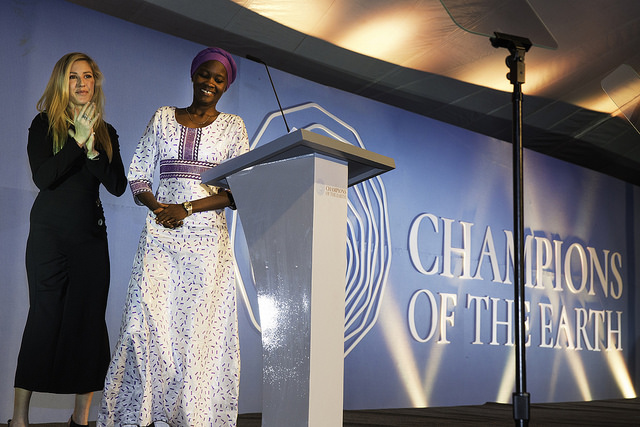
Erik Solheim, Head of UN Environment, and Ellie Goulding, UN Environment’s newest Goodwill Ambassador, joined the conversation with emphasis on what it means to be an environmentalist in 2017.
According to UNEP, the selection was very competitive with shortlisted applicants subjected to an online public vote before being considered by a global Jury comprising VICE Media Founder, Suroosh Alvi; She Leads Africa Co-founder, Yasmin Belo-Osagie; UN Environment Head, Erik Solheim; Covestro CEO, Patrick Thomas; and UN Youth Envoy, Jayathma Wickramanayake.
Apart from receiving seed-funding, the winners will also get intensive training, tailored mentorship and global publicity to help them bring their big ideas to life.
Among the winning projects is that of Mariama Mamane from Burkina Faso who wants to address the energy deficit in Africa and the devastating degradation of cropland caused by chemical fertilisers. Her project, “JACIGREEN”, offers an innovative eco-solution to the problem of water hyacinth, which, she says without controlled management, can be devastating for the environment.
Water hyacinth, she says, is an invasive alien species that grows very rapidly in the waterways of the Niger River. Although not inherently harmful, initially purifying the waterway in which it grows, water hyacinth becomes a problem once it reaches a certain maturity by suffocating aquatic life.
JACIGREEN, she says, will introduce a plant-based purification mechanism to help manage fresh water sustainably and improve access to drinking water. It will simultaneously implement a system to produce organic fertiliser (via anaerobic composting) and electricity (from biogas recovered from the water hyacinth transformation process).
Another winner, Adam Dixon, will use horticultural innovation to tackle food insecurity and habitat loss.
What began as an appreciation of gardening from joining his mother while she pottered in the backyard became a fascination with plant growth and a drive for innovation. Dixon’s Phytoponics technology enables food crops to grow in water encased in a 100 percent recyclable polymer film, improving irrigation efficiency and reducing the amount of land use needed for horticulture.
In just one year, Dixon has built his company up to the value of $2.6 million and is supplying Europe’s second largest producer of salad. Dixon’s cost-effective, rapidly deployable product is now being piloted by the World Food Programme in refugee camps to support the supply of fresh produce to thousands of people in what are often uncultivable, barren locations.
Canadian fashion designer Kaya Dorey’s unique apparel business not only delivers on sustainability but also an urban street style for a generation wanting to end wasteful consumerism of “fast fashon”. Her “conscious apparel company”, NOVEL SUPPLY Co., produces garments free from toxic dyes and synthetics, and seeks to source hemp and organic cotton as well as environmentally friendly inks. The business is based on the “closed-loop” philosophy of production, which strives for sustainability by improving economic and environmental goals simultaneously.
Ecuadorian biologist, Liliana Jaramillo PazmiñI, for her part is bringing back flora and fauna and reducing air pollution and vulnerability to natural disasters by encouraging more use of native plants in the green rooftops of the urbanised planet.
Beginning in her native city of Quito, Ecuador’s capital, a towering city with high rates of air pollution that causes inflammatory disease, Liliana has focused her research on identifying and cataloguing which native plant species are better adapted to urban environments and resilient to climate change.
As more of the world’s population inhabits dense urban environments, Liliana hopes her research into which plants can best save and serve the environment will be replicated across other urban settings.
She says she dreams of a future where the urban sprawl sees cities bursting with green life across their concrete structures.
Yemeni engineer, Omer Badokhon, is working on biogas plants which aims to improve thousands of rural livelihoods in his war-stricken homeland. Omer, who holds a degree from Hadhramout University, researched the production and purification of biogas from landfills to generate electricity as part of his studies. He quickly realised that such devices could be put to good use at a domestic level in his country, and set out to do this himself.
The devices, which will be constructed locally under Omer’s guidance, enable the rapid decomposition of domestic organic waste, thereby maximising the amount of biogas produced. He is working with a non-governmental organisation affiliated with the Green Projects Centre to build prototypes and pilot the biogas plants.
Kiribati citizen, Eritai Kateibwi, for his work on a hydroponics system that will improve human health and resilience to climate change on the low-lying island. He saw the problems caused by Kiribati’s reliance on imported, often unhealthy, food due to the challenges of growing fresh produce: diabetes, unhealthy children and a garbage problem from dealing with the packaging.
He realised that locally grown, nutritious food would reduce these problems, as well as provide entrepreneurial opportunities to the local communities. Eritai’s system, which relies on Kiribati’s abundant sunshine but uses only 10 per cent of the water of traditional crops, has already been used to produce lettuce, Chinese cabbage and tomatoes within 30 days.
He plans to use the seed financing from the award to build 200 units. Families will receive training and purchase these through micro-financing, the proceeds of which Eritai will use to build and make available more units.
Andrew Dunn of the Wildlife Conservation Society (WCS) emphasises in this treatise that the Cross River gorilla, which now seems tolerated by enlightened locals, has survived by learning to avoid humans and rarely ventures out of its forest home, except maybe when a young male is in search of a mate
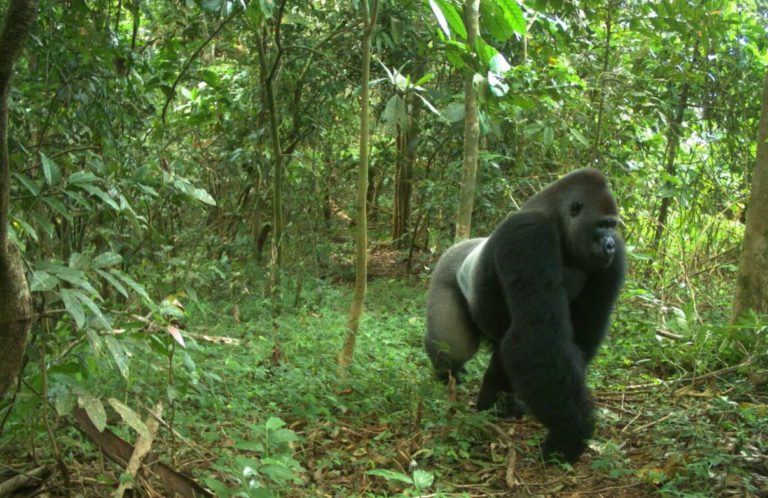
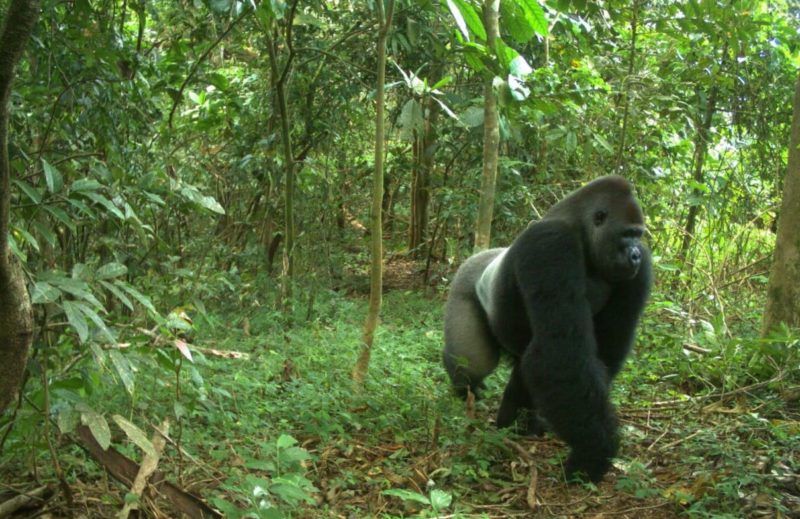
Camera trap photo of a silverback Cross River gorilla in Afi Mountain Wildlife Sanctuary
Did you know that there are four different types of gorilla known from Africa and the rarest of them all lives in Nigeria? The Cross River gorilla is restricted to the mountains of Cross River State and adjacent areas of Cameroon.
Gorillas in Nigeria only occur at three different sites: the Afi Mountain Wildlife Sanctuary, the Mbe Mountains and the Okwangwo Division of Cross River National Park. After decades of hunting and habitat loss, only 100 Cross River gorillas survive in Nigeria and a further 200 in Cameroon.
They are rarely seen, although they are sometimes photographed by researchers using camera traps. Gorillas have survived by avoiding humans and by living on the steepest most inaccessible mountain slopes. Imagine our surprise therefore when a large male gorilla was recently seen close to the villages of Ofambe and Okiro in Obudu LGA, at least 10kms outside of Afi Mountain Wildlife Sanctuary and far from any forest. Gorillas normally live in small groups composed of a large dominant male known as a silverback together with three to four females and their young.
When these young gorillas mature, they leave to join another gorilla group. Young male gorillas are known as blackbacks and their presence is not usually tolerated by the dominant silverback. Each blackback gorilla must roam the forest in search of a mate. These wanderings are very important for the long-term survival of the species, allowing for the exchange of genes between groups – provided he is successful in finding a wife!
“Roaming blackbacks do not represent a threat to humans, but may come close to villages as they attempt to cross between one forest patch to another. In the past these gorillas may have been killed, representing a significant loss to such a small population,” said Dr Richard Bergl of the North Carolina Zoo.
However, thanks to increased awareness, and to enlightened village chiefs in Ofambe (Chief Julius Ochui) and Okiro (Chief Augustine Bitte), the presence of this gorilla so close to the village has so far been tolerated by the community.
Cross River Gorilla expert, Dr. Inaoyom Imong of the Wildlife Conservation Society in Calabar, explained: “As long as the gorilla is left alone it will likely find its way back to the forest, and hopefully a wife.”
A positive outcome for conservation and the future of Nigeria’s biological heritage!