Dangote Petroleum Refinery & Petrochemicals has reassured Nigerians of its unwavering commitment to serving as a stabilising force amid recent shocks in the international oil market.
The conflict in the Middle East has led to the shutdown of some refineries and cut in refinery production across the world, which is leading to a global scarcity of petroleum products. China has reportedly banned export of gasoline and diesel.
The Dangote Refinery says it will ensure that Nigeria is insulated from these supply shocks by prioritising supply to the domestic market. It adds that this is one of the many benefits of domestic refining.
Dangote Refinery and Petrochemicals
The conflict has driven global crude and freight prices sharply higher, with benchmark Brent prices rising by about 26% within a short period to above $84.0 per barrel. In response, the refinery said it implemented a measured adjustment of N100 per litre in its ex-depot price of Premium Motor Spirit, representing an increase of about 12%.
The refinery disclosed that it has absorbed 20% of the cost escalation, for now, to cushion the domestic market. “This is despite continuing to source crude at prevailing international market prices, whether purchased locally or from foreign suppliers.”
“It is worth noting that Nigerian crude oil is more expensive than the Brent benchmark price by $3 to $6 per barrel. After adding freight of $3.50 per barrel, crude oil will be landing in our tanks between $88 and $91 per barrel. For context, crude oil was landing our tanks at about $68 per barrel when our ex-depot price was N774/litre.
“Furthermore, while we receive about five cargoes a month from NNPC which we pay for in Naira, these cargoes are priced at international market prices + Premium and fall short of the 13 cargoes which we require to support sales into Nigeria. We therefore, end up procuring foreign exchange at open market rates to pay for crude cargoes purchased from local and international traders.”
According to Dangote Refinery, the high crude cost is compounded by the fact that Nigeria upstream producers have failed to supply crude oil to the refinery as required under the PIA, forcing the organisation to source a substantial portion through international traders who charge an additional premium.
“As a private enterprise operating in a deregulated environment, Dangote Petroleum Refinery has remained responsive and has made significant sacrifices by aligning pricing with market realities to ensure sustainability, particularly as it sources all its crude at prevailing international market prices, whether locally or from foreign suppliers. Selling below cost would undermine its ability to procure crude, sustain production and guarantee uninterrupted supply to Nigerians.
“Despite these pressures, local refining at this scale continues to reduce exposure to international supply disruptions, moderate foreign exchange demand and protect the country from severe shortages during periods of global instability.
“The refinery is also accelerating deployment of Compressed Natural Gas-powered trucks to cushion the impact of global shocks, enhance nationwide distribution efficiency, reduce logistics costs and improve delivery timelines across the downstream sector. The rollout is scheduled to commence this month.
“We remain committed to transparency, operational excellence and the long-term objective of securing sustainable energy security and stability for Nigeria at an affordable cost,” submitted Dangote Refinery.
African universities and regional experts are working with Wellcome to establish new science and policy consortiums that will address the escalating public health crisis driven by climate change – saving lives and livelihoods.
Wellcome will provide an initial £40 million for two new consortiums in Southern and West Africa, with a further £20 million earmarked to set up a third consortium in Eastern Africa.
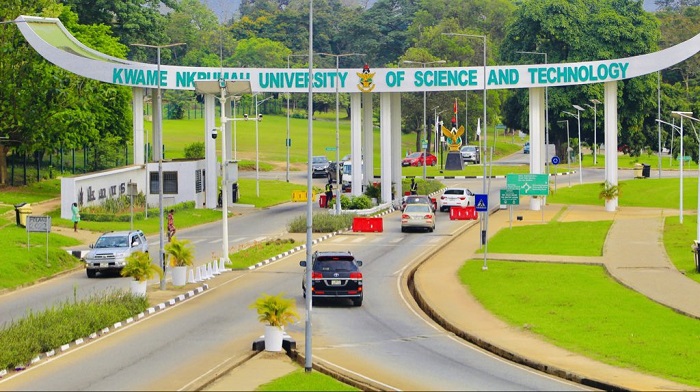
The first two regional consortiums will be led by the University of the Witwatersrand in South Africa and Kwame Nkrumah University of Science and Technology in Ghana. Scientists, policy makers and community partners will join forces to co-develop evidence-based solutions that reflect local priorities and translate rapidly into policy and practice.
The first two regional consortiums will be led by the University of the Witwatersrand in South Africa and Kwame Nkrumah University of Science and Technology in Ghana
The Southern Africa consortium will prioritise solutions that address the health and economic impacts of heatwaves and floods as well as develop high-quality data to support evidence informed action. In Western Africa, the consortium will focus on the impact of heatwaves, dust storms and drought on people’s health and nutrition to develop effective policies that also take into consideration the economic costs and benefits.
Africa is at the frontline of a rapidly warming world. Rising temperatures are driving deadly heatwaves, air pollution, worsening nutrition, and new threats to maternal and newborn health. Extreme weather events fuelled by climate change are disrupting food and water supplies and straining health systems, with marginalized communities facing the greatest burden.
Professor Charlotte Watts, Executive Director, Solutions at Wellcome, said: “Africa is on the frontline of climate change, with women and marginalised communities already suffering the worst health impacts. By supporting African science and leadership, these new consortiums will generate the evidence and locally led solutions needed to improve health and save lives – now and in the future.”
The new consortiums will strengthen scientific expertise, support innovative solutions and provide context-specific evidence to inform policies and action across Africa. Their priorities are based on pan-African frameworks and co-designed with regional partners over the past two years with a focus on health and science equity.
Dr Modi Mwatsama, Head of Capacity and Field Development at Wellcome, says: “We want to help build healthier futures for everyone, and that includes ensuring African communities have access to the data, resources and expertise they need to address the climate and health challenges ahead.
“Wellcome is committed to working with partners in Africa who are best placed to develop the regional-specific evidence that supports decision-makers and community action. Both the accelerating crisis in Africa and the capacity for new knowledge, leadership and innovation means that the consortiums have huge potential to improve health and save lives.”
Professor Matthew Chersich, University of the Witwatersrand and Southern Africa consortium lead, says: “Southern Africa faces increasingly severe extreme heat and precipitation events with large numbers of highly vulnerable people, from both socioeconomic and health perspectives. The new consortium aims to overcome the knowledge, policy and financial barriers that constrain progress with care and support services for affected communities. Using a transdisciplinary and multisectoral approach, we will address extreme heat in South Africa and Zimbabwe, and flooding in Malawi, with a focus on delivering solutions that prioritise pregnant women, children, older people and those with chronic conditions.
“We will quantify, track and cost climate-health impacts; test adaptation innovations, including anticipatory cash transfers, support for mental health resilience and complex cooling interventions; and drive step-changes in regional stakeholder coordination and policies to improve health and save lives. But, equally importantly, we will apply traditional public health measures to reducing carbon emissions, pioneering health-centred approaches to mitigation.”
Professor Philip Antwi-Agyei, Kwame Nkrumah University of Science and Technology in Ghana and Western Africa consortium, lead says: “Climate change is an escalating threat to global health and West Africa is among the most vulnerable regions due to high exposure to climate hazards, low adaptive capacity, and fragile health systems. Intensifying climate-related health risks are compounding existing inequities, straining public health systems, undermining food security and disrupting livelihoods, with GDP losses projected to rise significantly across the region.
“The current uncoordinated context-specific policies and systems pose a huge challenge in addressing the risks associated with climate change and health – particularly in respect to heatwaves, dust storms, and droughts on food systems and other health determinants in Ghana and Senegal. The Western Africa consortium based in Ghana will establish a regional approach that brings together physical and social sciences, policy and practice to ensure that evidence is readily translated into tangible actions to benefit people’s health and livelihoods.”
Dr. Adelheid Onyango, Director of the Universal Health Coverage/Healthier Populations Cluster at the World Health Organisation Regional Office for Africa, said: “Health leaders across Africa make vital decisions with limited resources, so having access to rigorous, context‑relevant evidence is essential. It ensures every investment backs interventions that truly work. These new consortiums will hopefully fill a critical gap in the climate and health field and will be an invaluable resource to WHO AFRO and decision‑makers across the region.”
Philip Kilonzo, Head of Policy, Advocacy and Communication at the Pan African Climate Justice Alliance, said: “At a time when climate deniers are slowing global action, scientific evidence serves to humanise the cause for climate justice. PACJA applauds the Science and Policy consortiums as they are strategically poised to provide evidence to leapfrog advocacy on climate justice and strengthen resilience in health sector. We appreciate Wellcome Trust for this visionary investment in climate action that will build much stronger fortress of evidence, the world urgently needs.”
The Society for Planet and Prosperity (SPP) has trained 40 teachers in the Abuja Municipal Area Council (AMAC) as part of its plan to promote climate change literacy in secondary schools across the Federal Capital Territory (FCT), Abuja.
Speaking at a workshop held in Abuja for secondary school teachers in the Federal Capital Territory (FCT) by the SPP in collaboration with the Secondary Education Board (SEB), SPP President, Prof. Chukwumerije Okereke, stated that the workshop was based on a handbook that his organisation developed in 2025 to help teachers in instructing their students and enabling them to form climate clubs in all of their schools.
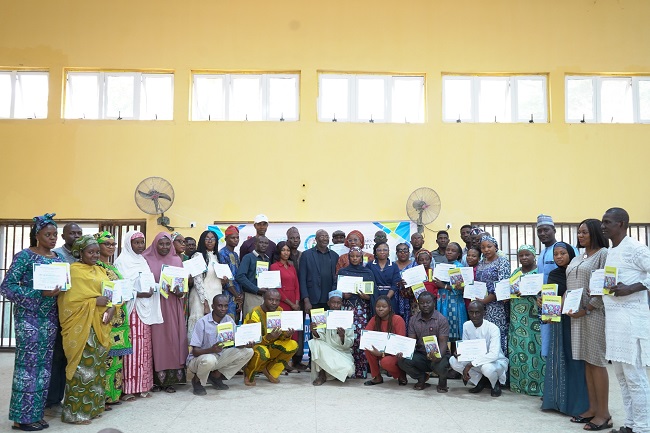
Participants at the workshop for secondary school teachers in the Federal Capital Territory (FCT) held in Abuja by the Society for Planet and Prosperity (SPP) in partnership with the Secondary Education Board (SEB).
While this exercise focuses on AMAC teachers, the SPP chief went on to explain that the project’s overall scope extends throughout the FCT.
“We are training all the teachers in Abuja and all of the FCT, but today we are starting in AMAC,” Prof. Okereke emphasised.
He hinted that the SPP was working with the Ministry of Environment’s Department of Climate Change (DCC) and the FCT SEB to raise environmental awareness, encourage young people to adopt sustainable behaviours, and address the dearth of comprehensive climate education in schools.
In a similar vein, Mr Abdullahi Zakir, the Director of Science, Technology, and Mathematics at FCT SEB, praised the event as a valuable opportunity to enhance the ability of “our teachers to understand and teach one of the most critical issues of our time – climate change.”
Zakir recalled the various hazards of climate change, including rising temperatures, erratic rainfall, flooding, and environmental degradation, and how they impact learning in schools throughout Nigeria, especially in the FCT.
“These changes,” he lamented, “directly affect our schools, our communities, and the future of our children.”
Because the knowledge and awareness they impart to their students will impact how the next generation views environmental responsibility, sustainability, and innovation, he urged educators to be aware that they are moulders of the mind and values in addition to teaching the curriculum.
“When students understand the science behind climate change and the role they can play in protecting the environment we nurture, they become responsible leaders and innovators in the future,” he asserts.
Mr. Williams Eba, Vice Principal of Academics at Government Secondary School in Tundun Wada, Zone 4, Wuse, Abuja, was another speaker at the event. He said that the training has made his school aware of some of the ecological issues and how to address them in order to maintain a sustainable environment.
China has released its 15th Five-Year Plan (2026–2030) during the country’s annual “Two Sessions” meetings, setting out economic and industrial priorities for the next five years. The plan confirms continued expansion of renewable energy and a carbon-intensity reduction target of 17%, notably lower than the previous carbon intensity target.
It however stops short of outlining the structural changes needed to put China firmly on a path toward declining emissions this decade, referring to peak instead of previous language to phase down coal.
The announcement comes as the Chinese People’s Political Consultative Conference (CPPCC) and the National People’s Congress (NPC) meet in Beijing, gatherings that traditionally set the direction for major policy priorities, including energy and climate strategy. Recent approvals of new coal power capacity, the highest in nearly a decade, highlight the gap between China’s strategic ambition and near-term implementation, a gap the 15th Five-Year Plan does not sufficiently address.
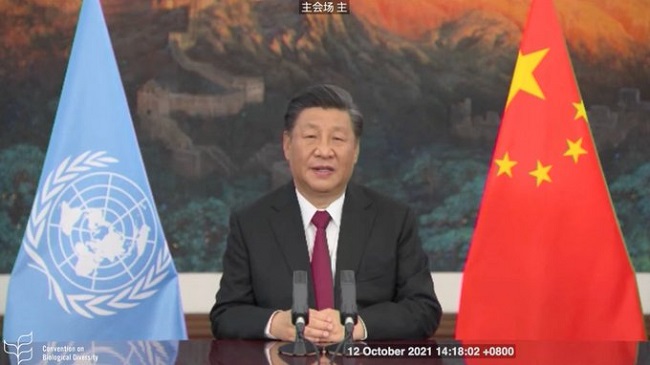
President Xi Jinping addressing the leaders’ summit of the 15th meeting of the Conference of the Parties to the Convention on Biological Diversity via a video link
The plan was widely expected to mark a clearer transition from carbon-intensity targets toward absolute emissions reductions, following China’s pledge to peak emissions before 2030. Instead, it leaves significant ambiguity about how China will translate record renewable deployment into sustained emissions cuts, particularly as coal approvals have surged to their highest level in nearly a decade.
With China responsible for roughly one-third of global emissions, it is believed that the direction set in the plan will have major implications for the world’s ability to limit warming.
Andreas Sieber, Associate Director of Policy and Campaigns at 350.org, said: “China has built more renewable energy than the rest of the world combined, but this plan still does not clearly translate that progress into a fast enough structural and deep decline in emissions. This is insufficient progress.
“Expanding wind and solar at record speed is a huge achievement, but it must now be matched with a decisive phase-down of coal and a clear pathway to absolute emissions reductions. People want clean air, stable energy prices and climate security. China’s next development phase must deliver more than clean energy growth; it must end fossil fuel expansion.”
350.org said the scale of China’s renewable rollout demonstrates that the energy transition is technologically and economically achievable but warned that continued coal expansion risks undermining global climate goals.
In September 2024, President Xi Jinping announced China’s climate target under the Paris Agreement, its Nationally Determined Contribution with binding economy-wide emission reduction target of 7-10% by 2035 from peak levels, “striving to do better
This target was widely viewed as insufficient. According to UNEP analysis, China could reduce emissions by at least 28-37% by 2035.
Year 2025 has marked a turning point: Chinese emissions have flatlined or fallen since March 2024, nearly two consecutive years, with a likely 0.3% decline in 2025, marking the first sustained stabilisation and slight fall – hence 2025 is likely to serve as the base year for Chinese emission reduction target.
However, China would be on track to glaringly miss its carbon intensity targets if it were not for revising the definition of carbon intensity to include industrial process emissions.
With estimated emissions of 15.8 Gt CO₂e in 2024, China stands as the world’s largest emitter, accounting for roughly 32% of global greenhouse gas emissions.
The World Health Organisation (WHO), together with the Pan American Health Organisation (PAHO), on Wednesday, March 4, 2026, congratulated Chile for becoming the first country in the Americas – and the second globally – to be officially verified as having eliminated leprosy disease.
Leprosy (Hansen disease) was historically recorded in Chile at the end of the 19th century on Rapa Nui (Easter Island). The disease was limited in mainland Chile, with sporadic introductions, contained through isolation and treatment measures in the Island, where the last secondary cases were managed by the late 1990s.
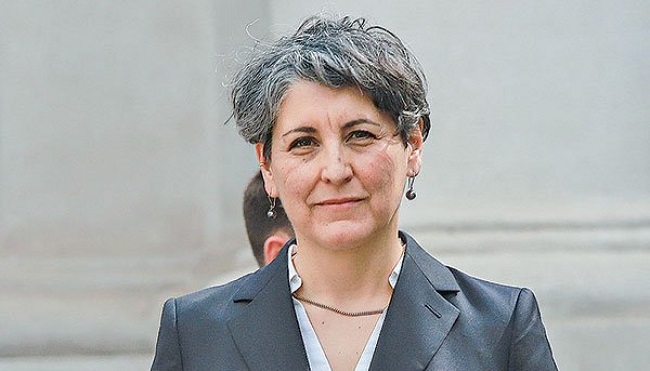
Ximena Aguilera, Chile’s Minister of Health
Since then, Chile has not reported any locally acquired case of leprosy for more than 30 years, with the last locally acquired case detected in 1993. However, the disease was never removed from the country’s public health agenda; it has remained a notifiable condition, monitored through mandatory reporting, integrated surveillance, and continuous clinical readiness across the health system.
“This landmark public health achievement is a powerful testament to what leadership, science, and solidarity can accomplish,” said Dr Tedros Adhanom Ghebreyesus, WHO Director-General. “Chile’s elimination of leprosy sends a clear message to the world: with sustained commitment, inclusive health services, integrated public health strategies, early detection and universal access to care, we can consign ancient diseases to history.”
The verification recognises more than three decades of sustained public health action, robust surveillance, long-term political commitment, and a health system that has remained vigilant even in the absence of local transmission.
“Chile’s achievement demonstrates that eliminating leprosy is achievable and requires building strong systems that can detect, respond to, and provide comprehensive care for people affected by the disease, including those living with chronic disabilities,” said PAHO Director, Dr Jarbas Barbosa. “Being the first country in the Americas to be confirmed as eliminating leprosy sends a powerful message to the Region – that diseases strongly linked to groups living in vulnerable conditions can be eliminated, contributing to interrupt the vicious circle between disease and poverty.”
At the request of Chile’s Ministry of Health, PAHO and WHO convened an independent expert panel in 2025 to assess whether elimination had been achieved and could be sustained over time. The panel conducted a thorough assessment, reviewing epidemiological data, surveillance mechanisms, case management protocols, and sustainability plans. Its findings confirmed the absence of local transmission and validated Chile’s capacity to detect and respond to future cases occurring among the non-autochthonous population.
“This is very good news and a source of great pride for our country. Chile has received verification of the elimination of leprosy disease, becoming the first country in the Americas and the second globally to achieve this recognition,” said Ximena Aguilera, Chile’s Minister of Health.
“This milestone reflects decades of sustained public health efforts, including prevention strategies, early diagnosis, effective treatment, continuous follow-up, and the commitment of health teams across the country. It also reaffirms our responsibility to maintain active surveillance and ensure respectful, stigma-free care for all,” added Aguilera.
Sustained training, surveillance and holistic care in a low-incidence setting
Between 2012 and 2023, Chile reported 47 cases nationwide, none of which were locally acquired.
Chile’s integrated model ensures early detection and comprehensive care: primary care centers serve as the entry point for suspected cases, with timely referrals to specialised dermatology services for diagnosis, treatment, and follow-up. Clinicians receive training aligned with WHO’s Towards zero leprosy strategy. The system prioritises early intervention, disability prevention, and holistic care, including physiotherapy and rehabilitation services, ensuring that anyone affected by leprosy receives continuous support for both acute and long-term health needs to promote full recovery and social inclusion.
A milestone for the Region of the Americas
Chile’s accomplishment paves the way for other nations, illustrating the impact of political will, cross-sector collaboration, and adaptive planning in low-incidence settings.
Since 1995, PAHO, in coordination with WHO, has provided multidrug therapy (MDT) free of charge to countries in the Americas, including Chile. This uninterrupted access to treatment, combined with national supply systems, has been essential to curing patients, preventing disability, and interrupting transmission.
PAHO has also supported Chile in aligning surveillance with international standards, strengthening laboratory capacity, and maintaining clinical expertise in a low-incidence context, where many health professionals may never encounter a case during their careers.
Ensuring access and coverage for everyone
Chile’s elimination of leprosy has been achieved within a broader legal and social framework that protects human rights, promotes inclusion, and prevents discrimination. National legislation guarantees equal access to health care, social protection, and disability services, ensuring that people affected by leprosy receive care without stigma or exclusion.
Chile’s mixed public–private health system, with strong regulatory oversight, further strengthens equitable access, including for migrants and other vulnerable populations.
Sustaining elimination
Aligned with WHO’s Towards zero leprosy strategy and PAHO’s Disease Elimination Initiative, Chile’s experience demonstrates that elimination is not defined solely by the absence of disease, but by a sustained health system capable of detecting, responding to, and providing holistic care whenever a case appears.
Moving into the post-elimination phase, Chile is encouraged to continue reporting to WHO, maintain sensitive surveillance, and ensure that clinical expertise is retained for future sporadic cases as well as any cases acquired outside the country. The verification panel also recommended formally designating a referral centre and leveraging WHO Academy’s online training for health workers and staff, strengthening long-term capacity and preparedness.
The global generation of waste is escalating at an unprecedented rate, driven by rapid urbanisation, population growth, and shifting consumption patterns. Worldwide, waste production was estimated at approximately 2.0 billion metric tonnes in 2016 and is projected to reach 3.4 billion metric tonnes annually by 2050.
In Nigeria alone, approximately 25 million tonnes of waste are generated in cities each year, a figure expected to double by 2040 as urban centres continue to expand. This trajectory presents a formidable governance and environmental challenge, particularly in secondary cities where institutional capacity often lags behind demographic pressure.
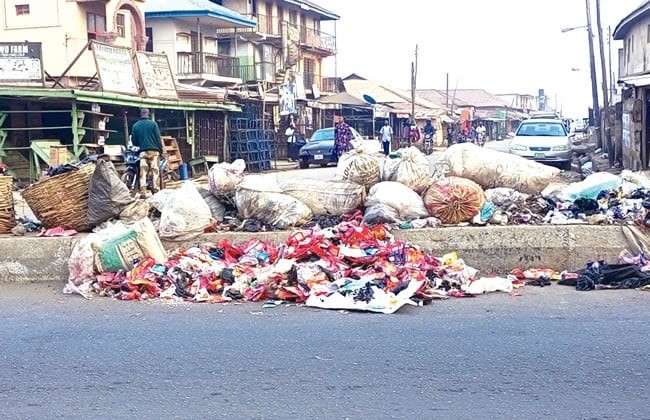
Heaps of refuse in Akure, Ondo State
Waste management in Akure, the capital of Ondo State, represents a significant environmental and public health challenge. As with many Nigerian urban centres, Akure is characterised by a heterogeneous waste stream, inadequate collection infrastructure, and limited regulatory enforcement, conditions that engender widespread indiscriminate waste disposal.
The consequences extend beyond visual blight: improper waste management has been scientifically linked to the proliferation of infectious disease vectors, deterioration of ambient air quality, contamination of surface and groundwater resources, and the emission of climate-forcing greenhouse gases.
Scale of the Problem
The waste stream in Akure is generated from a diverse array of sources, including residential households, commercial establishments, markets, educational institutions, and places of worship such as churches, mosques, and traditional ceremonial centres. This heterogeneity produces a complex mixture of materials: biodegradable organic matter, non-biodegradable synthetic polymers (polythene and plastic packaging), metals, paper, wood, and agricultural residues.
Comparatively, Studies in Uyo, Akwa Ibom State, found that over 50% of waste arriving at disposal facilities comprised recyclable materials such as plastics, metals, and paper, while organic waste constituted more than 30%. The per capita waste generation rate in that study was measured at 1.34 kg/person/day, nearly double estimates published a decade earlier, a trend attributed to urban population growth and increasing consumption of manufactured goods.
These figures are consistent with patterns documented across south-western Nigerian cities. Research on market waste in Ibadan, Oyo State, found that over 68% of market-generated waste comprised easily decomposable organic matter, with significant quantities of volatile solids and total phosphorus, indicating high nutrient leaching potential if left untreated.
In Akure, field observations confirm that biodegradable waste constitutes the dominant fraction of the waste stream. However, the non-biodegradable components particularly polythene materials and synthetic packaging are of serious environmental concern due to their persistence in the environment and their contribution to drainage blockage, soil degradation, and ecotoxicological hazards.
Disposal Practices
The methods of disposal are often unsanitary and unlawful which deviate from environmentally sound management protocols. Rather than utilising government-approved receptacles or scheduled collection points, a significant proportion of residents resort to indiscriminate dumping along roadsides, open burning in vacant plots and residential compounds, and disposal into drainage channels and watercourses.
Available data suggest that fewer than 10% of residents in certain wards of Akure employ government-approved waste bins for primary disposal which is a figure consistent with national statistics indicating that between 9% and 12% of total waste generated in Nigeria is properly recycled or incinerated.
A contributing structural factor is the irregular and unreliable service delivery by official waste management agencies. The absence of a consistent and adequate number of collection bins in markets and residential neighbourhoods, coupled with unpredictable collection schedules, compels traders and households to manage waste informally. This dynamic is not unique to Akure; similar governance-driven lapses in service delivery have been documented in urban centres across Nigeria, including Lagos, Port Harcourt, Ibadan, and Maiduguri.
Public Health Implications of Improper Waste Disposal
The public health consequences of inadequate waste management systems in Akure are both immediate and far-reaching. Uncollected waste accumulations, particularly in institutional settings such as schools and markets create ideal microhabitats for disease vectors including Anopheles mosquitoes (malaria), Periplaneta cockroaches, and murid rodents (Salmonella, Leptospira).
The standing water that pools in open dumpsites, particularly within and around non-biodegradable containers such as tyres, tins, and polythene bags, provides optimal breeding conditions for the Aedes aegypti mosquito, a primary vector for dengue fever and yellow fever.
Furthermore, the decomposition of organic waste in open dumpsites generates metabolic heat, contributing to documented localised increases in surface and ambient air temperatures in the immediate vicinity of waste accumulations. This thermal anomaly has implications for urban heat island dynamics and may exacerbate thermal stress on proximate communities.
Environmental and Health Consequences of Open Waste Burning
Open waste burning is a widespread informal disposal practice in Akure which constitutes a particularly acute environmental hazard. The combustion of heterogeneous solid waste is thermodynamically inefficient, characterised by low combustion temperatures and restricted oxygen supply. As a result, incomplete combustion generates a broad spectrum of toxic air pollutants including fine particulate matter (PM2.5), carbon monoxide (CO), nitrogen oxides (NOx), polycyclic aromatic hydrocarbons (PAHs), polychlorinated dibenzodioxins and dibenzofurans (PCDD/F), heavy metals, and black carbon (BC).
The World Health Organisation (WHO) has explicitly identified open waste burning as a major source of ambient air pollution, with documented exposure pathways including respiratory disease, skin irritation, immunological impairment, and cardiovascular conditions.
In Nigeria, research by Oguntoke and colleagues has measured ambient chemical species consistent with open burning of solid waste, confirming that this practice materially degrades urban air quality. The burning of plastic-containing waste is of particular toxicological concern, as plastics are the primary source of dioxin and halogenated compound emissions during incomplete combustion.
The cumulative atmospheric burden from routine small-scale burning events may be ecologically significant at the city scale, particularly in densely settled neighbourhoods with limited ventilation.
Systemic and Governance Failures
The persistence of inadequate waste management in Akure is not solely a function of resident behaviour but reflects deeper systemic and institutional failures. ZL Global Alliance, a firm contracted by the Ondo State Government for public waste collection and disposal, has publicly identified the non-enforcement of extant sanitation legislation as the primary structural obstacle to effective waste management in the state capital. The failure to arrest, prosecute, or impose financial penalties on individuals and entities found disposing of waste indiscriminately undermines the deterrent effect of environmental regulations and sustains a culture of non-compliance.
This enforcement gap is consistent with findings from research done on Nigerian waste management systems. Ugwuanyi and Isife identified the paucity of enforceable legal frameworks as a systemic driver of waste management failure across Nigerian urban centres.
Compounding the enforcement deficit is the declining operational capacity of private sector participants (PSPs) in Akure’s waste collection ecosystem. Although multiple PSPs were initially licensed to provide residential and commercial waste collection services, their numbers have significantly diminished due to inadequate capitalisation, specifically, an insufficient fleet of suitable trucks and compactors to service growing collection routes. This withdrawal of private sector actors has created critical gaps in service delivery, particularly in peripheral and low-income residential areas.
Recommendations and Conclusion
To address these multifaceted challenges, researchers and practitioners have proposed several measures. These include intensifying public enlightenment campaigns on the dangers of improper waste disposal, government need to make appropriate waste disposal means more available to residents, such as providing sufficient disposal bins in markets and residential areas, employing additional waste management personnel and ensuring adequate monitoring of the agencies in charge are also seen as vital steps.
Ultimately, the full enforcement of environmental waste laws and the imposition of penalties for violations are considered essential to deterring unlawful practices and ensuring a cleaner, healthier environment in Akure.
While immediate priorities centre on collection and enforcement, longer-term sustainability requires the development of waste minimisation strategies, including community-based source separation programmes and informal sector integration. Given that over 50% of waste in comparable Nigerian cities comprises recyclable materials, appropriately structured recycling schemes could simultaneously reduce disposal volumes, create employment, and generate economic value. Pilot composting programmes for organic market waste could convert a significant fraction of Akure’s waste stream into agricultural amendment materials.
In conclusion, the waste management crisis in Akure, Ondo State, is emblematic of a broader governance and infrastructural challenge confronting secondary urban centres across Nigeria and the wider Global South. The convergence of inadequate infrastructure, weak enforcement, low public compliance, and declining private sector capacity has produced a system in which indiscriminate waste disposal is the norm rather than the exception.
Addressing this crisis demands a coordinated, multi-stakeholder response that integrates legal deterrence, infrastructure investment, community engagement, and institutional accountability. In the context of Nigeria’s commitments to the United Nations Sustainable Development Goals, particularly SDG 3 (Good Health and Well-Being), SDG 6 (Clean Water and Sanitation), SDG 11 (Sustainable Cities and Communities), and SDG 13 (Climate Action), the urgency of action in Akure and cities like it cannot be overstated.
By Sasere Omolade Victoria, Nigerian Environmental Study Action Team (NEST), Ibadan
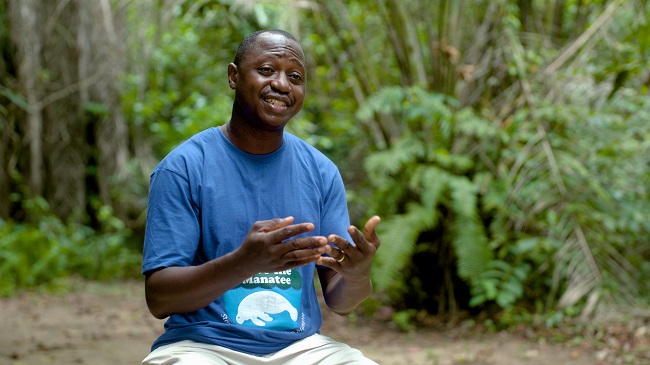
Dr Dunsin Bolaji is the African manatee’s unsung hero. His work in research, conservation and education has left a significant impact on the marine mammals sometimes known as sea cows and the people who live and work around their populations.
Dr Dunsin Bolaji received his PhD in marine sciences from the University of Lagos and has been the chief research officer for the Nigerian Institute for Oceanography and Marine Research for 15 years. Though his research has been pivotal for understanding and protecting manatee populations across west Africa and the globe, Bolaji’s work goes far beyond the scientific.
“We’ve gone to communities across the waters to educate them and to empower them on alternative livelihoods,” said Bolaji in reference to communities who hunt manatees.
The West African manatee. Manatees are large, fully aquatic, mostly herbivorous marine mammals sometimes known as sea cows. Dr Dunsin Bolaji’s work includes protecting manatee populations across west Africa
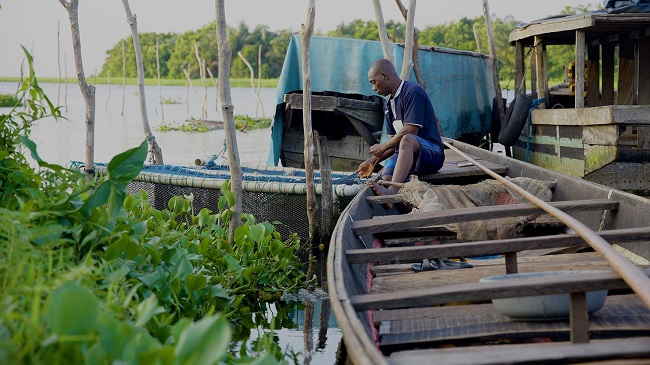
These manatee hunters build cages along the water into which manatees unsuspectingly swim and get stuck. The hunters then kill them with weapons.
To slow the hunting of these animals, Bolaji’s work has three main aims.
First, he works to educate the hunters on the beauty of manatees.
“It’s not a fast-growing population,” he explained. The gestation period for a manatee is around two years; with the rate at which they are hunted, it is impossible for the mammals to bolster their population fast enough to fight extinction. By educating hunters about this, they understand that if their work continues at this rate, future generations may not have the privilege of knowing manatees.
Nigerian marine biologist, Dr Dunsin Bolaji
Next, and most importantly, Bolaji gives the hunters an opportunity for alternative livelihoods. He teaches them how to build effective and sustainable fish cages so they can easily and successfully transition out of hunting while still earning a viable income.
“Cage culture is not new,” Bolaji said. “However, the use of cage culture as an alternative measure to conserve the manatee was first done by me.”
Now others are beginning to take these methods of presenting alternative livelihoods into more hunting areas across west Africa.
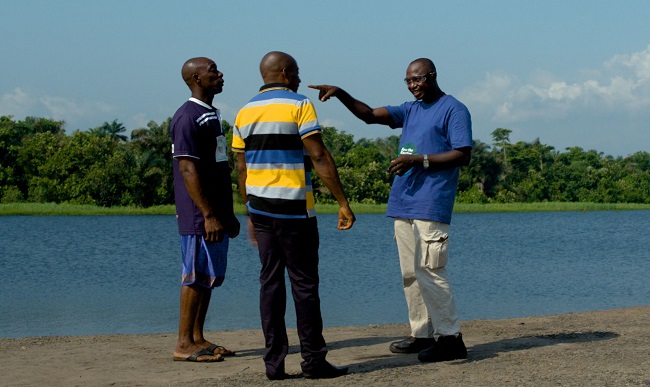
Last, Bolaji continues educating not only hunters and fishers but all community members on the importance of manatees and respecting the balance of delicate ecosystems.
Hunters build cages along the water into which manatees unsuspectingly swim and get stuck. The hunters then kill them with weapons
“I have conducted a number of outreaches in secondary schools targeting the children of these hunters, or communities that have been identified to engage in the killing of manatee… we see that these young ones get back home, educate their parents, and let them know that, one: it is not right to hunt; two: their hunting is protected by law; three: you can be jailed.”
Educating the children in these communities in addition to the adults hammers home the importance of the manatees. It increases awareness and discourages the children of hunters and their communities from doing the same.
Although hunting manatees is illegal in Nigeria, enforcement of the law falls short. The culture of silence and secrecy around hunting in certain communities makes it difficult for the police or the National Environment Standards and Enforcement Agency to make successful arrests.
Bolaji continues educating not only hunters and fishers, but all community members on the importance of manatees and respecting the balance of delicate ecosystems
But punitive results are not the most important. Although a hunter may not be fined or jailed for their impact, the manatees that they capture can sometimes be rehabilitated or released. And this alone, for Bolaji, is success.
In addition to his work in conservation and outreach, Bolaji conducts research on manatees’ habits and populations. With the donation of a single acoustic monitor, Bolaji and his team are able to get the inside scoop on manatee sounds; this allows them to understand more about the population and habits in a given area.
But the lone acoustic monitor is not enough. “Our biggest challenge is funding,” he said. “We’ve not really been able to get good grants to be able to carry out intensive work.” Without it, the research and outreach both grind to a halt. But until that happens, Bolaji will be working with and for the manatees.
“Manatees are gentle, harmless,” he said. “They are beautiful. And they have been faced with a lot.”
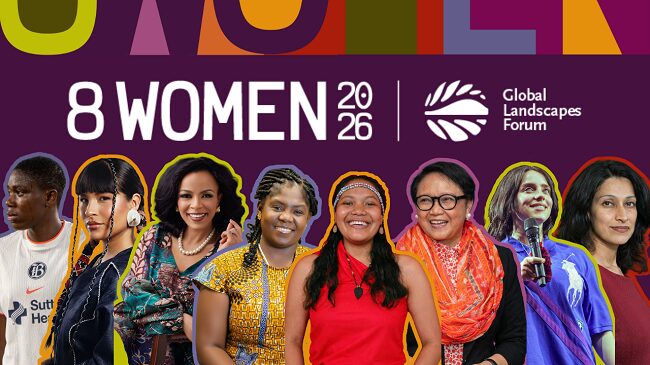
Ahead of International Women’s Day, the Global Landscapes Forum highlights women driving change from the Andes to Indonesia – from Indigenous leaders, policymakers and financial experts to artists, digital anthropologists and footballers.
A philanthropist footballer and a sustainable investment leader from Nigeria have been selected as two of the 8 Women with a New Vision for Earth 2026.
Ahead of International Women’s Day on Sunday, March 8, 2026, the Global Landscapes Forum (GLF), a knowledge-led platform and community on sustainable landscapes, has unveiled its seventh list representing the tenacity and diversity of women from Africa, Latin America and Asia.
The 8 Women with a New Vision for Earth 2026
In 2026, the GLF highlights women with passion and purpose who are speaking out and instilling action in a world where funding cuts threaten the availability of gender data for policymaking.
Women’s perspectives are generally missing from national climate plans, despite the greater risks women would face in a more severe climate crisis scenario, as reported in UN Women’s latest gender snapshot.
The 8 Women with a New Vision for Earth 2026
Alessandra Yupanqui, co-founder and editorial director of Sapiens.lat, is an Indigenous Andean storyteller from Peru who was named one of Forbes’ 30 Under 30 for social impact in 2025. She combines storytelling and journalism to speak out on sustainability and solutions with an Indigenous focus, questioning the status quo on progress and pointing to how humans must understand – and act accordingly – that humanity is part of a web of life, not its owners.
Asisat Oshoala, footballer with Al Hilal, is one of Africa’s most decorated women footballers, as well as a philanthropist and climate advocate. She began making history playing in her native country, Nigeria, then in England, China, Spain, the United States and now Saudi Arabia. Through her foundation, the Asisat Oshoala Academy, girls across Africa are breaking barriers and encouraged to become visionary leaders while playing football and taking vocational courses in areas such as digital literacy.
Billie Eilish, singer-songwriter from the United States, is an award-winning musician with a global reach who recently received an Environmental Justice Award. Using her platform, she advocates for climate action and environmental and social justice by challenging wealthy and influential people to act for the planet and using her most recent tour to raise environmental awareness and fundraise for climate causes.
Francia Márquez Mina, Vice President of Colombia, is a lawyer and social and environmental leader who has advocated for the rights of women, Indigenous Peoples and Afro-Colombians since her early years. Winner of a Goldman Environmental Prize in 2018, her leadership is rooted in courage and care. She has stood against illegal gold mining while encouraging collective action at national and international levels.
Kristel C. Quierrez, 2025 GLF Mountain Restoration Steward and co-founder of UGBON – the first Indigenous youth organization in her landscape in the Philippines – is a teacher and Indigenous leader. She defends the ancestral land of the Dumagat-Remontado people and advocates for Indigenous rights while encouraging youth to protect the Southern Sierra Madre, the country’s longest mountain range.
Payal Arora, Professor at Utrecht University and founder of the Inclusive AI Lab, is a digital anthropologist and award-winning Indian author who was listed among the 100 Brilliant Women in AI Ethics 2025. Her work centers on inclusion and equity, as she lifts the voices of often overlooked communities in the Global South and recognizes these regions as home to vibrant and innovative youth set to shape the future.
Retno Marsudi, UN Secretary-General’s Special Envoy on Water, served as the first female Minister for Foreign Affairs of the Republic of Indonesia from 2014 to 2024. While advancing the UN’s water and sanitation agenda, she advocates for women and girls who are disproportionately affected by water-related challenges, as well as for climate action, inclusive approaches, global solidarity and the transformative role of technology.
Tariye Gbadegesin, CEO of the Climate Investment Funds, is a member of the leadership councils of the Global Energy Alliance for People and Planet and the Industrial Transition Accelerator’s Mission Possible Partnership. A citizen of Nigeria and the United States, she learned firsthand how degraded wetlands and severe floods affect communities while growing up in the Niger Delta. Her work in finance taught her the power of investment to shift economies and how lasting change is built from the ground up.
Alessandra Yupanqui said: “Indigenous Peoples must be recognized as strategic partners and co-authors of solutions, not as beneficiaries. Real cooperation is built horizontally and over the long term, transferring resources, information, legitimacy, governance and decision-making spaces. In this, we need each other.”
Kristel C. Quierrez: “I want the world we live in to have unity between people and nature, with respect and balance. I want it to be treated as a living home; not to be owned, but to be cared for. As our ancestors taught us: the land, water, forests, and mountains are not just natural resources but sacred parts of our identity.”
Payal Arora: “My vision for Earth is one where justice for people and justice for the planet are inseparable. By centering historically excluded ways of knowing and living, we can move beyond narrow Western binaries of market growth versus environmental cost – and imagine futures grounded in care, continuity, and collective survival.”
Retno Marsudi: “I envision a world that puts water and women agendas at the center of policy, programs and actions. Because empowering women accelerates water solutions, and building water resilience and sustainability protects the planet.”
Tariye Gbadegesin: “I believe in livelihoods rooted in dignity – low‑carbon, resilient and fair. We have the tools to get there: smarter farming, restored ecosystems, clean energy, resilient infrastructure. The challenge now is to act boldly and scale what works.”
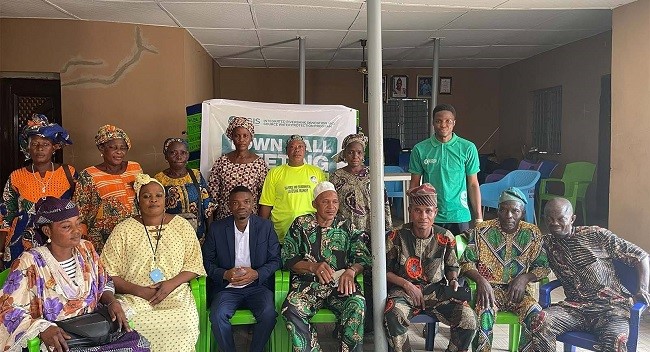
The Environmental and Green Initiative for Sustainability (EGIS) has intensified its advocacy for cleaner waterways with a community town hall held under its flagship campaign, Project-River Care. The engagement brought together residents of the Abule‑Otun Lafenwa axis, market leaders, and environmental stakeholders in Abeokuta, Ogun State, to address the escalating threat of indiscriminate refuse dumping and open defecation along local rivers, most especially, the Ogun River.
The session underscored the growing urgency to protect water bodies that serve as essential lifelines for households, agriculture, and local ecosystems. According to EGIS, the town hall marks a critical step toward mobilising grassroots action ahead of the official launch of Project-River Care in April 2026, supported by the Ogun State Ministry of Environment and the Ogun State Waste Management Authority (OGWAMA).
Participants at the Project-River Care campaign townhall meeting
Community Action at the Heart of River Protection
Speaking at the event, EGIS Executive Director, Mr. Oluwadamilare Oladotun, stressed that safeguarding rivers is central to public health and long-term environmental stability.
“Our rivers are lifelines – providing water for daily living, supporting agriculture, sustaining ecosystems, and preserving public health. When polluted or neglected, these same rivers become source of disease, environmental degradation, and economic loss. Protecting them is not optional; it is essential for a sustainable and healthy future,” he said.
Mr. Oladotun highlighted that Project-River Care is designed to empower communities with the knowledge and responsibility needed to take ownership of their environment. Through sensitisation, capacity‑building, and community-driven monitoring, residents are encouraged to adopt proper waste disposal practices, protect riverbanks, and report harmful activities.
Reinforcing EGIS’s Broader Mission
The initiative aligns with EGIS’s broader mandate to promote environmental stewardship, climate resilience, and sustainable development across Nigeria. The organisation, known for its community-centred approach and youth-focused environmental programs, continues to expand its footprint in environmental education and advocacy.
According to information from the EGIS website (egisinitiative.org), the organisation works to “build environmentally conscious communities through education, innovation, and collaborative action,” a mission reflected strongly in the Project-River Care campaign.
A Successful Town Hall and a Call to Action
Participants at the town hall expressed commitment to supporting the initiative, noting that community involvement is essential to reversing the degradation of local waterways. EGIS described the engagement as a success and emphasized that sustained collaboration with residents, government agencies, and market leaders will be crucial as the project moves toward its 2026 launch.
The organisation is urging the public to move beyond dialogue and embrace collective responsibility.
“Now is the time to act. Let us move beyond conversations and take collective responsibility for the protection of our rivers. Join EGIS in building cleaner waterways, safer communities, and a future where our environment thrives,” the statement read.
As preparations for Project-River Care continue, EGIS reaffirmed its commitment to fostering a cleaner, healthier, and more sustainable environment for all.
A lecturer at the University of Port Harcourt, Prof. Ibibia Worika, has called for stronger implementation of legal and policy frameworks to address the conflicts and environmental challenges facing the Niger Delta region.
Worika is a Professor of Comparative Petroleum and International Environmental Law and Policy at the University of Port Harcourt, Rivers State.
Worika, who is also the Director of the University’s Centre for Advanced Law Research, Faculty of Law, made the call during a stakeholders’ workshop held on Wednesday, March 4, 2026, in Port Harcourt.
Prof. Ibibia Worika
The workshop had as its theme, “Building Peace in the Fire.”
It was aimed at promoting dialogue to enhance the utilisation of legal and policy provisions.
He explained that such provisions were designed to combat extractive industry-related conflicts in the Niger Delta region.
Worika presented a paper titled “Addressing the Challenges of Hydrocarbon Mining and Related Conflicts: Towards Promoting Rights-Based Actions for Combating Climate Change in Rivers State.”
He noted that pollution and environmental degradation in the region were widespread and well documented.
According to him, the workshop deliberations focused on Nigeria and international legal frameworks that support oil extraction while safeguarding environmental responsibility and human rights.
Worika explained that although Nigeria’s Constitution did not expressly provide for enforceable environmental rights, the domesticated African Charter on Human and Peoples’ Rights contained provisions on environmental rights that courts could enforce when necessary.
He urged multinational oil companies operating in the region to comply with established international norms, including the Organisation for Economic Co-operation and Development (OECD) Guidelines and the UN Guiding Principles on Business and Human Rights.
“These companies are largely from OECD member countries. They should internalise biodiversity safety measures and other international standards in their operations in the Niger Delta,” Worika said.
The professor also urged the Federal Government to establish an environmental remediation trust fund for the Niger Delta, similar to the Hydrocarbon Pollution Remediation Project set up for Ogoniland.
He noted that while one billion dollars had been earmarked over 25 to 30 years for the Ogoni clean-up, other parts of the region suffering similar environmental damage required comparable intervention.
Worika further called for the effective implementation of the Host Community Development Trust provisions under the Petroleum Industry Act (PIA), with minimal political interference and equitable representation of host communities.
He emphasised transparency and accountability in managing the trusts, adding that communities should be fully informed about membership criteria and project implementation processes.
On the remediation of Ogoniland oil pollution, Worika advocated for greater community engagement and inclusiveness in project planning and implementation.
“I would like to see greater community engagement, especially in cases where agencies decide how and where to intervene without adequate consultation with those affected.
“That is certainly not a good approach,” Worika said.
He stressed that communities most impacted by environmental degradation should be included at the planning and design stages and integrated into the project implementation process.
According to him, while technical aspects may require specialised expertise, local residents can handle less technical tasks such as sand removal and soil excavation, thereby enhancing ownership and empowerment.
Similarly, the President of the Movement for the Survival of Ogoni People (MOSOP), Mr. Olu-Andah Wai-Ogosu, attributed rising youth restiveness and communal conflicts in Ogoni communities to poor mentorship and leadership failures.
“Our youths today are so much in a hurry. They don’t take time to understand issues before taking sides.
“They are easily swayed by short-term benefits and often fall prey to politicians,” Wai-Ogosu said.
He added that the crisis in traditional and political leadership had contributed to conflicts in the area.
He therefore urged parents and community leaders to instil discipline and moral values in young people to promote sustainable peace and development in the Niger Delta.
The workshop was organised by the Habitat Protection and Sustainable Development Initiative, in collaboration with the Centre for Advanced Law Research, Rivers State University.