Eterna Plc has reported a strong start to 2026, posting first-quarter results that highlight resilience and strategic focus in Nigeria’s competitive downstream oil and gas sector.
In its unaudited results for the period ended March 31, 2026, the company recorded revenue of ₦70.45 billion, driven by improved performance across core segments.
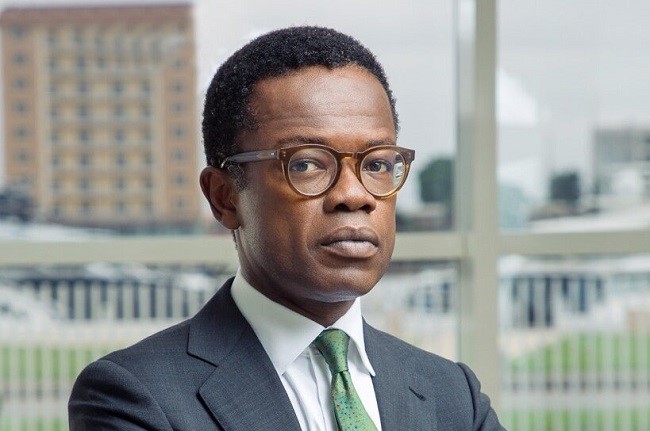
Managing Director and Chief Executive Officer, Olumide Adeosun, disclosed the results in Lagos on Friday, May 1, 2026, attributing the performance to efficiency, cost discipline and targeted growth strategies.
Managing Director and Chief Executive Officer of Eterna, Olumide Adeosun
Adeosun said profitability remained solid, with profit before tax rising to ₦1.65 billion, while profit after tax stood at ₦1.38 billion.
He added that earnings per share closed at ₦1.06, reinforcing investor confidence and reflecting a disciplined approach to value creation.
According to him, the company’s balance sheet remains strong, supported by strategic inventory investments to enhance efficiency and ensure seamless service delivery nationwide.
“The performance reflects our continued focus on operational excellence, cost discipline, and strategic expansion initiatives,” Adeosun said.
He added that Eterna was positioned to sustain growth through targeted investments in its retail network and expansion across aviation, lubricants and gas segments.
Adeosun said industry analysts viewed the results as signalling a positive outlook for the downstream sector amid evolving market conditions and regulatory reforms.
“With a clear focus on efficiency and expansion, Eterna Plc is well-positioned to consolidate gains and deliver sustainable value to stakeholders,” he said.
The company’s full unaudited consolidated financial statements for the period are available on its official website.
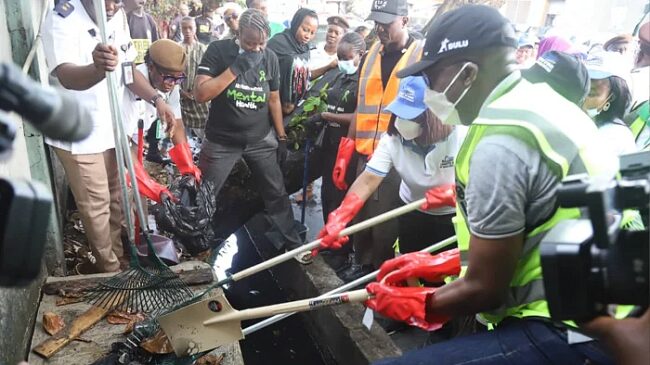
After about 10 years of suspension, Lagos State reintroduced monthly environmental sanitation on Saturday, April 25, 2026.
The exercise was more than a clean‑up; it became a social event, a reconciliation tool, and an opportunity for neighbours to connect.
In Agege and Orile‑Agege, the aftermath has been striking: cleaner streets, stronger bonds, and renewed civic pride.
Lagos Environment Commissioner, Tokunbo Wahab, Mrs. Sanwo-Olu, and residents during the exercise
For Mrs. Yemisi Ajayi, an Agege resident, the environmental sanitation day carried a heavy memory.
She once quarrelled with her neighbour over non‑payment of waste disposal bill.
“The disagreement created tension that lingered for months but we didn’t have a choice but to work hand-in-hand during Saturday’s monthly clean-up.
“At the end, we had to say ‘well done’ to each other. That simple word broke the ice,” she said.
Across Agege, similar stories unfolded. Neighbours, who had avoided each other, suddenly rediscovered friendship through shared efforts during the exercise.
Mrs. Kafayat Bashorun, a civil servant, who lives on Moricas Street, Agege, noted that sanitation days were also periods of bonding, relaxation and laughter.
“It is not all neighbours who fight; therefore, for many of us, sanitation days were periods to strike friendship.
Bashorun described the last sanitation as a mini social gathering:
“We talked about national issues, politics, football and even the prices of foodstuffs.
“An environmental sanitation period is a time to relax while working; you realise your neighbour is not just someone behind a gate but someone who shares your worries and hopes,” she said.
She also noted that children played during the period, while elders shared words of wisdom, and youths debated issues.
“The street becomes a living room and sanitation becomes a tool for connection,” she said.
According to her, many Lagos residents leave their homes early in the morning, return late at night, and spend weekends indoors except on Sundays when some of them will go to church.
“It is during sanitation that they meet their neighbours,” she said.
Mrs. Funmi Oke, a banker who lives on Oko‑Oba Road, Agege, said: “Some of us only know our neighbours because of sanitation. I work on the island, and in order to beat traffic, I leave home early and come back late.
“However, the reintroduced sanitation brought us together on Saturday and I got to know a couple that moved into the next-door months ago.”
For her, sanitation period is a rare moment of visibility for “invisible neighbours” as well as an opportunity to put faces to names and build relationships.
Another resident and trader, who wants to be addressed simply as Mr. Nedu, said he quarrelled with his neighbour last year, but worked side-by-side with him during the reintroduced monthly environmental sanitation.
“We greeted each other this morning,” Nedu, who lives at 20B, Oke‑Koto St., Agege, said.
Chief Leke Arowolo, a retired soldier, who lives at 18, Powerline Road, Orile-Agege, said: “When you sweep beside your neighbour, you realise you share the same problems and suddenly, you are not just neighbours, you are partners.”
The youth were not left out as Miss Fisayo Olabisi, a student, who lives with her parents at Mulero, Orile‑Agege, said, “I enjoy helping during clean-up. I am proud to see our street clean.”
Master Leroy Odeh, a seven‑year‑old boy, who lives with his parents on Agege Road, carried a small broom and dustpan to join in the clean-up.
“My teacher taught me that sweeping makes the house clean, and I don’t want my environment to be dirty,” he said.
His mother said that Leroy insisted on joining adults in cleaning to show that responsibility could be learned early.
Similarly, nine‑year‑old Miss Labake Yusuf, who lives with her mother on Moricas Street, Agege, joined her older siblings in packing refuse into bags during the exercise.
“If we don’t clean, everywhere will be dirty,” she said.
Analysts believe that words like those of Yusuf reflect a growing awareness among young people that sanitation is not an adult duty but a shared responsibility.
They are convinced that, by participating, children are learning discipline, teamwork, and the value of contributing to their community’s well‑being.
According to them, reintroduction of sanitation in Lagos State has proven to be more than a government directive.
“It is a social glue. The broom, rake, and shovel have turned into tools of unity, breaking down walls of isolation and fostering cooperation, an Agege resident, Mrs. Peju Aderopo, said.
Mr. Abdul‑Ganiyu Obasa, Chairman, Agege Local Government Area, had expressed satisfaction at the turnout of the residents of the council area during the exercise.
“Sanitation is not just about sweeping; it is about protecting lives and building unity,” Obasa said.
Connected Development (CODE) has unveiled its 2025 Annual Report, highlighting $177.7 billion annual financing gap for Nigeria to meet its climate obligations, while calling for reforms in global climate funding architecture.
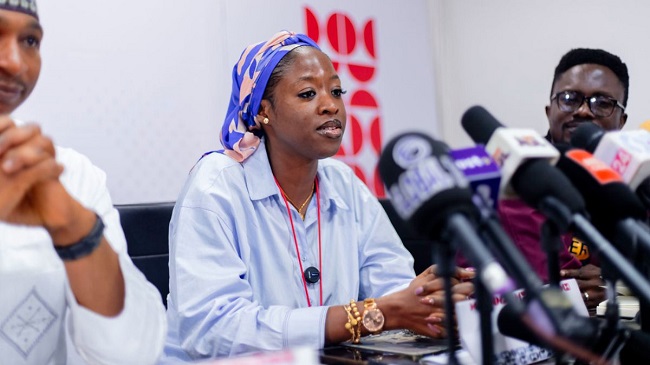
Acting Chief Executive Officer of CODE, Ms. Hyeladzira Mshelia, presented the report in Abuja on Thursday, April 30, 2026.
She said that Nigeria received $4.928 billion in climate finance over seven years, with 75 percent of the funds coming as loans.
The report, with the theme “Leading Communities to Action”, highlighted the projects the organisation had undertaken since inception such as “Follow the money” and “Climate Action”, among others.
“CODE follows the money, and in 2025, we tracked funds across 12 African countries, covering 4,772 schools, oil-producing communities in the Niger Delta and federal allocation data largely inaccessible to ordinary Nigerians,” she said.
She noted that the organisation applied its Follow The Money methodology to Nigeria’s Basic Health Care Provision Fund (BHCPF), stressing that lack of transparency in health security financing could have life-threatening consequences.
According to Mshelia, under the Adolescent Girls Initiative for Learning and Empowerment (AGILE), CODE monitored schools in Borno, Ekiti, Kaduna, Kano, Katsina, Kebbi and Plateau states.
The acting CEO said there were improvements in scholarship delivery and digital learning access, but identified gaps in school safety and disability inclusion.
“We did not stop at documentation; we triggered corrective actions because accountability without reform is ineffective,” she said.
Mshelia, added that through the Power of Voices Partnership, 119 community members in four states were trained on their rights under the Petroleum Industry Act, strengthening accountability in Niger Delta communities.
Beyond its findings, Mshelia said CODE developed a Gender-Responsive Education Sector Planning roadmap in Bauchi State and established a Civic Integrity Club in a special needs school in Cross River.
She added that the organisation expanded its footprint to 12 African countries with the launch of Follow The Money in Sierra Leone and trained more than 450 students through civic hackathons and advocacy initiatives.
Highlighting impact stories, Mshelia cited Dorathy Stephen, a participant in the Girl-Child Education Project, who was later appointed to a ministerial committee on sexual harassment in Bauchi State.
Looking ahead to the 2027 general elections, Mshelia stressed the need for strengthened civic engagement and transparency.
“Nigeria is a few months away from general elections. What happens now in terms of civic education and citizen participation will determine the quality of that election,” she said.
The event also featured a Panel Discussion Session with the theme “From Accountability to the Ballot”, where panelists looked at critical issues that could deter a credible and transparent elections.
Senior Adviser, Policy and Strategy, Office of the Speaker, House of Representatives, Chimdi Neliaku, said government must look for innovative ways to communicate its policies to the citizens for better understanding.
She added that it would close up the trust gap between the government and the citizenry.
Neliaku also urged the government to prioritise competing issues and needs of the people in order to deliver good governance.
On his part, Ibrahim Faruk, Programme Coordinator (Africa Division), Yiaga Africa, noted that one of the critical risks to election integrity was the fear that INEC officials of being partisan and the fear of bodily harm due to insecurity.
Faruk also listed fake news and the use of AI in manipulating events and issues. He, therefore, called for adequate information management to citizens, as 2027 election draws near, adding that a well-informed citizen is the most powerful citizen.
Other participants called on the media to focus on politicians and the political class to propel them into action to deliver the dividends of democracy to the people.
The event was also used to launch the Digital Mobilisation Lab, Cohort 2, which the organisation said is a structure to support democratic accountability and continued community-based monitoring.
Secretary to the Niger State Government (SSG), Abubakar Usman, on Thursday, April 30, 2026, hosted a strategic meeting with Eco Green Investment Limited and key stakeholders on the proposed Eco Green Industrial City project in Minna.
Senior government officials, technical experts, and representatives of the investment firm deliberated on modalities for establishing a climate-friendly, self-sustaining industrial hub.
Mr. Usman said the Eco Green Industrial City supports Gov. Umar Bago’s vision for Niger, focusing on economic diversification, environmental sustainability, and growth driven by private-sector investment.
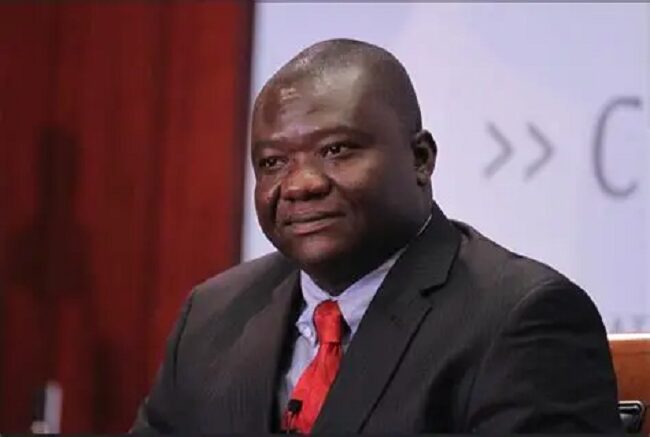
Gov. Mohammed Umar Bago of Niger State
He added that Niger remains open to investors, promising government support for a favourable environment, clear regulations, and protection for their investments.
“This administration is deliberate in its pursuit of strategic investments that will not only stimulate economic growth but also preserve our natural resources for future generations,” he said.
Aminu Takuma, Commissioner for Investment, outlined the project and the ministry’s push to make Niger a top investment destination.
Takuma said the project would combine tech-driven farming with processing facilities, creating jobs, improving food security, and growing Niger’s revenue.
He added that the project would attract millions in investments by creating a smart agri-processing hub with cutting-edge technology and eco-friendly practices.
He disclosed: “The initiative is designed to unlock multi-million-dollar investment opportunities through a smart agricultural processing ecosystem driven by modern technology and climate-conscious practices.
“Our engagement with Eco Green Investment Limited is a strategic step toward harnessing Niger State’s vast forest resources and arable land in a sustainable manner.”
The investment delegation, led by Mr. Alan Martin, reiterated strong interest in Niger, citing abundant natural resources and the state’s investor-friendly posture as key factors driving their commitment.
The proposed Eco Green Industrial City is expected to serve as a model for green industrialisation in Nigeria, incorporating environmentally sustainable practices, modern infrastructure, and innovative financing mechanisms, including carbon credit frameworks.
The Africa Centres for Disease Control and Prevention (Africa CDC) says it is investigating an unknown disease outbreak in Burundi with the deployment of experts to affected communities.
Africa CDC said that preliminary laboratory tests had so far ruled out major viral haemorrhagic fevers.
Dr Tolbert Nyenswah, Director for Pandemic Prevention, Preparedness and Response at Africa CDC, made this known on Thursday, April 30, 2026, during the agency’s weekly high-level press briefing for epidemiological week 16.
Dr Tolbert Geewleh Nyenswah, Director for Pandemic Prevention, Preparedness and Response at the Africa CDC
Nyenswah said multidisciplinary teams comprising surveillance experts, laboratory scientists, and public health specialists were deployed to a remote mountainous areas of Burundi to assess the situation and determine the cause of the outbreak.
According to him, the field team worked with international partners and national health authorities to conduct on-site investigations and collect samples for laboratory analysis.
He said although the clinical presentation of cases raised initial concerns for viral haemorrhagic fevers (VHFs), confirmatory tests conducted in national and regional reference laboratories returned negative results for the suspected pathogens.
He said that investigations are ongoing, with additional testing being carried out across Africa CDC’s network of reference laboratories to ensure comprehensive analysis and avoid missing any emerging or uncommon pathogens.
He emphasised that the response demonstrates Africa CDC’s commitment to early detection, rapid verification, and containment of disease outbreaks at the community level, in line with efforts to strengthen primary healthcare systems across the continent.
Nyenswah also highlighted the importance of cross-border collaboration and laboratory networking, stressing that regional cooperation remains critical in responding to complex and evolving public health threats.
He said that Africa CDC was reinforcing surveillance systems and supporting member states to improve outbreak preparedness and response capacities, particularly in hard-to-reach areas.
He said that further updates would be provided as investigations continue in collaboration with the Burundi Ministry of Health.
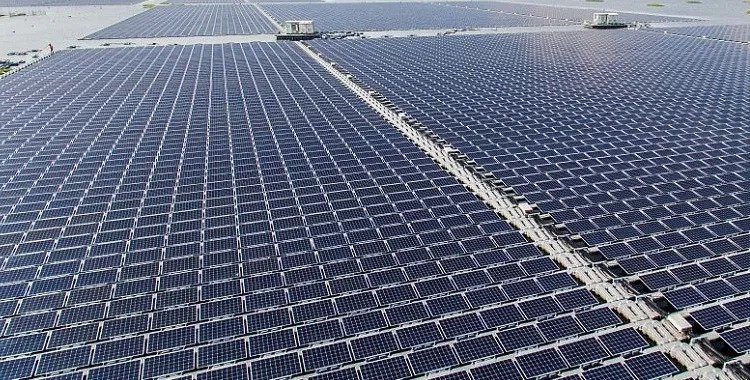
TotalEnergies, together with its partner Nextnorth, a Philippines-based renewable energy developer, announced that they reached financial close and started the construction of a 440 MWp solar power plant. Located in the City of Ilagan, Province of Isabela, the project, owned by TotalEnergies (65%) and Nextnorth (35%), will be operational by the end of 2027.
Once operational, it will produce 13.5 TWh over 20 years. More than 50% of the project’s electricity will be sold under long-term offtake agreements with two Retail Electricity Suppliers, AdventEnergy and PrimeRES, supplying commercial and industrial users seeking to decarbonise their operations. The remaining production will be sold to the national grid via its award under Round 4 of the Philippines Government’s Green Energy Auction Programme.
A solar power plant in China
With a total cost of approximately $300 million, the project is financed by three international banks, Sumitomo Mitsui Banking Corporation (SMBC), ING Bank NV (ING) and Standard Chartered (SCB). It is the largest international financing for a solar project in the Philippines to date.
“We are delighted with our partner Nextnorth to start the construction of this major solar project in Philippines, thereby contributing to the country’s goal of increasing renewables in its generation energy mix. These 440 MW will contribute to the 9 GW renewables portfolio that we are combining with Masdar through a 50/50 joint venture across nine Asian countries,” said Olivier Jouny, SVP Renewables at TotalEnergies.
“Energy security has never been more relevant for the Philippines than it is today. With rising demand and continued exposure to imported fuels, the country needs domestic, scalable, and bankable renewable capacity. Working alongside TotalEnergies, we are delivering clean, reliable power that supports communities, creates jobs, and advances the Philippines’ transition toward a more energy independent future,” said Miguel Mapa, President and CEO, Nextnorth.
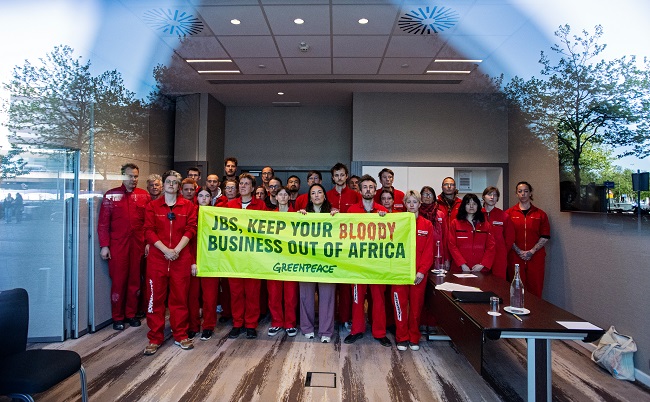
Greenpeace Netherlands has taken the first step towards legal action against meat giant JBS, demanding disclosure of information on its climate, nature and human rights impacts in order to challenge in court its business policies, including its planned $6 billion global expansion, of which almost half is for Nigeria.
Just hours later, Greenpeace Netherlands activists shut down JBS’ first shareholder meeting in the Netherlands since relocating to the country last year. Activists from across Europe disrupted the meeting at the Sheraton Hotel at Amsterdam’s Schiphol Airport, installing a banner bearing the slogan “JBS: Keep Your Bloody Business Out of Africa”, which rained fake blood over the entrance to the hotel.
Greenpeace Netherlands activists disrupt JBS Shareholders’ Meeting in Amsterdam
Inside the hotel, a 10m x 15m banner featuring JBS’ majority shareholders, Brazilian billionaires Joesley and Wesley Batista, was unveiled in the eight-story hotel atrium. Activists then entered the conference room where the meeting was taking place, leading to the suspension of the meeting.
Elizabeth Atieno, Food Campaigner at Greenpeace Africa, said: “The growth of JBS’ meat empire has been hand-in-glove with environmental destruction, colossal emissions, human rights scandals, corruption, and a lack of transparency. Now it plans to export this business model to other sub-Saharan Africa countries. As well as locking-in spiralling emissions for decades to come, JBS’ expansion in Nigeria threatens to cause irreversible environmental damage and displace smallholder farmers to line the pockets of wealthy international elites.
“Nigerians know well from the legacy of companies like Shell the destructive impact wrought by unchecked corporate power. This legal intervention affirms that corporations have obligations to transparency and human rights regardless where they operate in the world. The time of extractive industries operating with impunity on this continent is over. We must stop this new wave of destruction before it starts.”
In a legal letter delivered to the Amsterdam headquarters of JBS parent company JBS N.V. on Thursday, April 30, 2026, Greenpeace Netherlands’ lawyers set out multiple alleged breaches by JBS of Dutch law stemming from the extensive emissions and long history of environmental damage and human rights abuses linked to its business. JBS’ expansion plans risk further exacerbating these harms, it argues, raising serious concerns that expansion will be inconsistent with the company’s climate and biodiversity obligations and represent a continued breach of Dutch duty of care, which requires companies to act in line with international human rights law.
Under new legislation that allows access to data held by Dutch companies for the purpose of bringing litigation, the letter demands that JBS disclose within three weeks assessments it holds relating to the climate, nature and human rights impacts of its historic operations and its planned expansion.
Should the company fail to comply, Greenpeace Netherlands is entitled to seek the required information in the form of documents and from senior JBS figures under oath, raising the prospect of the Batista brothers being forced to testify in Dutch court.
Marieke Vellekoop, Executive Director at Greenpeace Netherlands, said: “JBS was warned that if it brought its bloody business to the Netherlands, we would do everything in our power to ensure it complies with Dutch law. Today, we are following through on that promise.
“JBS’ six billion dollar global expansion is following its usual playbook: peddling empty promises, refusing transparency and sidelining communities. Greenpeace Netherlands’ innovative legal intervention forces JBS out of the shadows, exposing its historic and ongoing destructive impacts and laying the ground for a first major climate and nature lawsuit against the predatory expansion of the global meat industry.“
In November 2024, JBS announced an agreement with the government of Nigeria for $2.5 billion investment over five years comprising the construction of six meat-processing plants. Civil society groups in Nigeria have raised serious concerns, citing environmental, health, and social risks associated with industrial animal farming, which is yet to establish a foothold in Africa.
“We have seen this before,” said Elujulo Opeyemi, Executive Director at Youth in Agroecology and Restoration Network (YARN), on behalf of Nigeria’s Climate Justice Movement. “A foreign company arrives with big promises: jobs, development, progress, and instead leaves a trail of destruction whose price communities pay for decades. The Niger Delta is our reminder of what happens when governments open the door to destructive corporations without asking the hard questions first. We are asking those questions now, and we expect answers before a single plant is built.”
There is no available evidence that JBS has conducted any environmental and social impact assessments or consultations with communities and other stakeholders in Nigeria, and efforts by civil society to gather more information via Freedom of Information requests have reportedly been ignored.
Last month, Greenpeace Africa submitted an amicus curiae brief before the African Court on Human and Peoples’ Rights arguing that allowing multinational corporations to expand without meaningful environmental safeguards constitutes a failure of the State’s duty to protect human rights. The brief points specifically to JBS’ Nigeria expansion as an example.
In June 2025, JBS concluded a decade-long effort to list shares on the New York Stock Exchange. As part of the listing, JBS reconstituted as a Dutch company, moving its headquarters from Sao Paulo to Amsterdam. Before the listing, Greenpeace International warned JBS shareholders that it would “do its part to make sure JBS operates within Dutch law”.
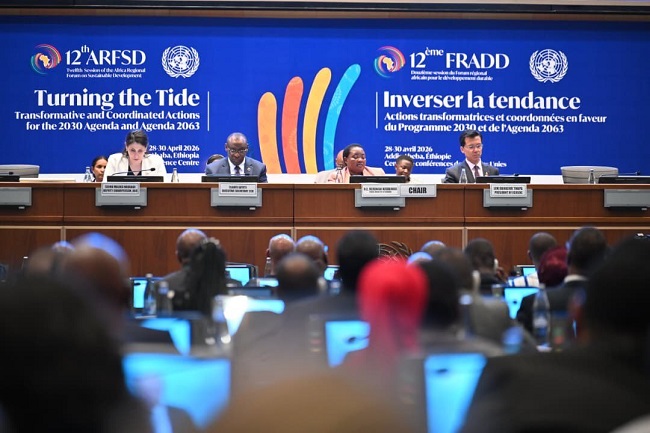
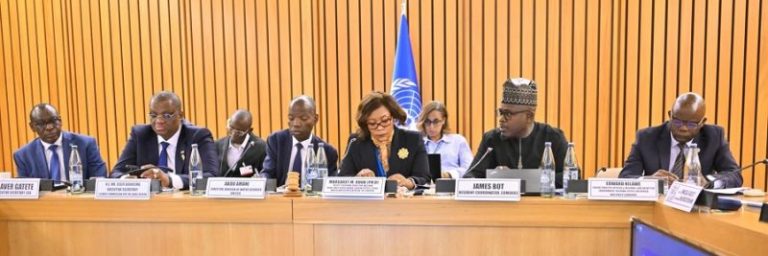
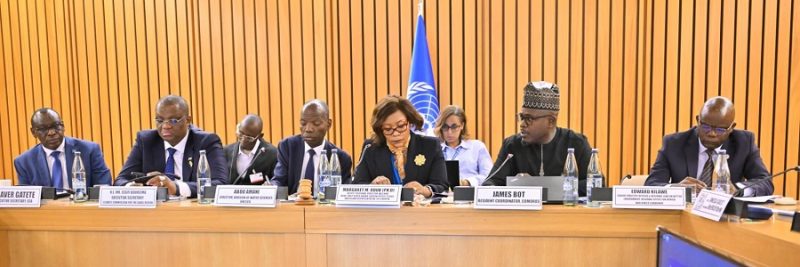
Africa’s development ambitions are not held back by a lack of vision, but by the scale, cost and structure of financing available to make them a reality, said speakers at two high-level round tables organised in the framework of the 12th African Regional Forum on Sustainable Development (ARFSD-12).
These discussions, held on the themes of scaling up transformative and coordinated actions for the 2030 Agenda and Agenda 2063, and unlocking funding for the 2030 Agenda for the 2030 Agenda, will be held in the context of the Climate Resilience and Sustainable Development in Africa, brought together ministers, representatives of continental institutions, development finance officials, climate negotiators, members of civil society and international organisations.
12th Africa Regional Forum on Sustainable Development (ARFSD-12)
A central message came back among the speakers: Africa’s challenge is not ambition, but implementation. This implementation, they stressed, requires affordable financing, stronger country systems, bankable project portfolios, reliable data, and a reformed global financial architecture that takes into account African realities.
ECA Executive Secretary and Moderator of the two sessions, Claver Gatete, said Africa must protect its investments in climate and development, even under the strong budgetary pressure. He stressed that reducing risks, whether currency, climate or policy-related, is essential to mobilising domestic and private capital.
Panellists noted that Africa continues to face a disproportionate cost of capital, due in part to weaknesses in the International Financial Architecture. Methodologies credit ratings, risk-weighting practices and capital adequacy frameworks were cited as limiting factors in investments in climate resilience, infrastructure and sustainable development.
The Minister for Foreign Affairs of Ethiopia and President-designate of the Thirty-second Conference of the Parties to the United Nations Framework Convention on Climate Change, Dr. Gedion Timothewos, set the strategic context by grounding the debate in African responsibility and global leadership.
“Africa’s experience in sustainable development continues to highlight a major challenge: the persistence of structural barriers, large financing gaps, Rising debt, declining investment and the high cost of capital are undermining hard-won development gains.
“Ethiopia’s COP32 presidency will systematically put climate action at the heart of sustainable development and poverty eradication. Implementation will be at the centre of our presidency, with institution-building and accelerated support for the development of national adaptation plans and long-term strategies,” he added.
Panelists highlighted that climate finance flows remain unbalanced, unpredictable and strongly mitigation-oriented, while resources in the form of Subsidies for adaptation, loss and damage management, and disaster risk reduction remain insufficient. This discrepancy, they argued, does not reflect the continent’s vulnerability and development needs.
Director and Head of Africa at Convergence Blended Finance, Aakif Merchant, presented strategic perspectives on the Seville Programme of Action to mobilise climate resilience and sustainable development finance, highlighting the role of blended finance in scaling promising instruments from the pilot phase to a wider scale.
Rwanda’s experience was also cited as an example of how climate resilience can be integrated into national development planning. The Rwandan Minister Minister of Environment, Bernadette Arakwiye, shared lessons learned from Rwanda’s transition from implementing fragmented projects to country-led national investment platforms aligned with national priorities clear measures, such as green budgeting, environmental funds, and strengthened institutional coordination, to align domestic and international climate finance with development priorities.
The Chair of the African Group of Negotiators on Climate Change, Antwi-Boasiako Amoah, stressed the need for equitable, predictable and accessible finance. adapted to the realities of African development, and not on the need for mere promises. In particular, he highlighted the importance of predictable and accessible financing, in the form of grants and concessional financing, to support adaptation and resilience, a just transition, addressing loss and damage, and green industrialisation.
The CEO of the Climate Investment Funds, Tariye Gbadegesin, highlighted the importance of large-scale climate finance platforms to accelerate the transition from stand-alone pilot projects to deployable solutions, capable of supporting green industrialisation and resilience across the continent. She noted growing evidence that investing in resilience, protecting food systems, water and energy supply systems, as well as the creation of businesses and jobs, generate economic returns.
World Meteorological Organisation Assistant Secretary-General, Thomas Asare, highlighted the role of climate risk data and early warning systems in innovation financial. He said this data can be integrated into instruments such as resilience bonds and debt-for-climate swaps to attract large-scale private investment.
Civil society also advocated for greater financial justice in the fight against climate change. Mithika Mwenda of the Pan-African Climate Justice Alliance (PACJA) said Africa must ensure transparent, equitable and accountable use of national and international resources, while stressing the need for subsidies in a context of declining funding.
“We must reaffirm common but differentiated responsibilities and countries’ respective capabilities under the Paris Agreement. Those who have contributed the most to the crisis and who have the greatest capacity must do more,” he said.
In the second panel, Zimbabwe’s Minister of Finance, Mthuli Ncube, stressed the importance of strengthening domestic resource mobilisation while protecting investments in climate and development. He noted that this had to be done in a context of limited fiscal space, increasing pressures on debt servicing, and the need for risk mitigation and financial innovation.
Senior Advisor to the Commissioner in the Department of Economic Development, Trade, Tourism, Industry and Minerals of the African Union Commission, Jean-Bertrand Azapmo, advocated for a coherent continental framework linking climate finance to green industrialisation and regional value chains under the African Continental Free Trade Area.
Coulibaly Abdoulaye, African Development Bank, highlighted the link between global reform and national capital formation. He said that, for systemic reforms, the Global Financial Architecture and sovereign credit systems are needed to reduce the cost of capital in Africa and enable the strengthening of domestic capital markets.
International Monetary Fund Executive Director, N’Sonde Regis, said more analysis and support is needed to help African countries mobilise more climate and development finance without increasing their debt vulnerability.
Olapeju Ibekwe, Sterling One Foundation, highlighted the contribution of philanthropic and non-state actors in strengthening accountability, mobilising partnerships and ensuring that financing translates into concrete development results.
At both panels, speakers warned that the fragmented and project-based implementation of climate and development finance limits its scale, coherence and coherence and impact. They called for integrated and programmatic approaches, aligned with national plans, the Sustainable Development Goals and Agenda 2063.
The discussions also highlighted weak domestic resource mobilisation and public financial management systems as major constraints. Low tax contributions, inefficiencies and limited capacity to secure resources have been identified as barriers to financing climate-resilient infrastructure and services.
Speakers also noted that many African countries do not have a sufficient number of investment-ready and bankable climate projects. Lack of capacity, technical constraints in project preparation, risk structuring and public-private partnerships, they said, continue to hamper the mobilisation of large-scale financing.
Underutilisation of regional and continental financing mechanisms were also highlighted. Speakers called for strengthening African financial institutions and increased use of innovative instruments such as green bonds, sustainability-linked bonds, debt-for-climate swaps, and Africa-friendly carbon market mechanisms.
The Forum stressed that data, transparency and accountability are key. They are fundamental to investor confidence, public confidence, efficiency and implementation and climate justice.
Participants called for enhanced continental coordination, including through the African Union. The AfCFTA was presented as a key platform to link financing climate change to green industrialisation, regional value chains, and structural transformation.
The panels agreed that ECA member states should strengthen domestic resource mobilisation and public financial management systems, put in place integrated and investment-ready portfolios for climate and sustainable development projects, and establish transparent national systems for monitoring climate finance and development.
ECA was invited to strengthen regional monitoring, policy coherence and monitoring of financial commitments, including by assisting member States in translating results the Fourth International Conference on Financing for Development and the Conferences of the Parties in order to develop coherent national financing strategies, implementation plans and measurable results.
Regional and continental institutions were called upon to strengthen financing mechanisms capable of mobilising massive amounts of public and private capital, while ensuring coherence between climate finance and integrated implementation of solutions in the energy, water, transport, industry, cities, health and resilience sectors
International financial institutions and development partners were called upon to support reforms of the International Financial Architecture and to provide financing Climate-enhanced, predictable and concessional measures, including adaptation, loss and damage reduction, and disaster risk reduction.
Both panels highlighted Africa’s ability to lead through reforms, innovation and accountability, as well as the need for supported leadership a well-functioning global financial system. They also stressed the importance of partners aligned with African priorities and financing that meets the requirements for climate resilience and sustainable development.
The United Nations Resident Coordinators in Africa met in Addis Ababa, Ethiopia, to discuss strategies to reduce the risk of dependence on external partners and to strengthen domestic resource mobilisation to promote sustainable development.
The meeting, held on Monday, April 27, 2026, and organised by the Economic Commission for Africa (ECA), the United Nations Development Coordination Office (UNDCO) and the United Nations Development Commission (UNDCO) of the African Union (AUC), was a preparatory event for the African Regional Forum on Sustainable Development, focusing on the African Union’s Domestic Resource Mobilisation Strategy.
Participants at the United Nations Resident Coordinators in Africa meeting in Addis Ababa
This strategy has become critical to financing Africa’s development goals, including the Second Ten-Year Implementation Plan and the 2030 Agenda. Faced with rising financing gaps and debt vulnerability, African countries must mobilise their domestic resources to achieve sustainable development.
Discussions focused on strategies to improve tax policy and administration, combat illicit financial flows, and strengthen the Public financial management – all of which are crucial to strengthen domestic resource mobilisation and support development efforts.
The role of UN Resident Coordinators was also highlighted, highlighting their importance in helping governments align their funding frameworks Agenda 2063 and the Sustainable Development Goals (SDGs).
The main obstacles preventing African countries from mobilising resources for development were identified, including structural and economic factors fragmentation of development networks and institutional weaknesses.
To address these challenges, the meeting proposed six strategic priorities: rethinking development from a political economy perspective, strengthening sovereignty African financial institution, deepening regional integration, redirecting financial resources towards transformative initiatives, strengthening tax administration systems, improving service delivery, and strengthening institutional coordination.
The discussions also highlighted the need for African countries to use development banks and national institutions to effectively mobilise national resources. The African Union Commission (AUC) and the Economic Commission for Africa (ECA) reaffirmed their strong commitment to support the implementation of these recommendations.
The Director of the Strategic Planning, Monitoring and Results Division of ECA, Mr. Said Adejumobi, representing the Executive Secretary of ECA, highlighted the crucial role of domestic resource mobilisation, noting that Africa’s previous ten-year plan failed due to lack of sufficient funding.
The AU’s Director of Strategic Planning and Implementation, Ms. Botho Kebabonye Bayendi, said that the AU and the UN share a funding framework focused on mobilising domestic resources for the realisation of the African Vision. She urged UN Resident Coordinators to support governments and strengthen coordination to deliver on commitments.
The findings and recommendations are intended to guide regional policy decisions and development initiatives, underscoring Africa’s commitment to advancing its development agenda through strong domestic resource mobilisation.
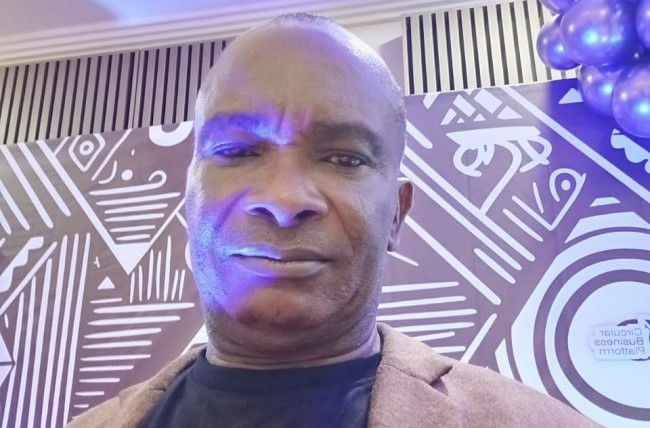
As the world celebrates Workers’ Day on May 1, 2026, informal waste pickers, operating under the aegis of the Association of Scraps and Wastepickers of Lagos State (ASWOL), said they stand in solidarity with workers across all sectors while drawing attention to their “critical yet often overlooked role in society”.
“Every day, thousands of waste pickers work tirelessly across communities, recovering recyclable materials, reducing environmental pollution, and contributing significantly to the circular economy. Despite these contributions, we continue to operate under harsh conditions – facing stigma, low income, lack of social protection, and limited access to health and safety support,” submitted Comrade Friday Oku, the ASWOL President, in a statement made available to EnviroNews.
Comrade Friday Oku, the ASWOL President
He called on government authorities, private sector stakeholders, and the general public to recognise waste picking as legitimate work.
“We urge for inclusive policies that integrate waste pickers into formal waste management systems, ensure fair compensation, and provide access to healthcare, safety equipment, and financial support,” he stated, adding:
“There can be no true sustainability without waste pickers. Our work keeps cities cleaner, reduces landfill pressure, and supports livelihoods. It is time our voices are heard, our dignity respected, and our contributions valued.”