The Federal Ministry of Water Resources is intensifying its public awareness campaign on the effects of climate change on water resources development in the country.
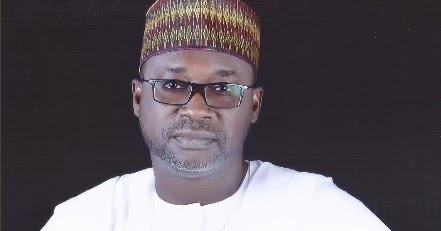
Suleiman Adamu Kazaure, Water Resources Minister
Mr Mukaila Babarinde, the Head of Climate Change Unit in the ministry, made this known in an interview with News Agency of Nigeria (NAN) in Abuja on Wednesday, January 10, 2018.
He said that geographical phenomena such as volcanic eruptions, global warming and change in weather patterns were some of the consequences of climate change.
He also said that indiscriminate drilling of boreholes could cause landslide, while industrial activities could induce changes in weather.
He said that the outcomes of climate change included diseases, premature deaths and intense droughts.
Babarinde said the impact of climate change was increasing becoming unbearable, as agricultural and cropping seasons no longer followed particular patterns.
He said that in order to address these climate change-induced challenges, there was a need to develop practical adaptation programmes that would enhance the capacity of the society to cope whenever changes occurred.
He said that this would be achieved through the training of stakeholders and people at the community levels to understand the effects of climate change.
Also speaking, Mr Richard Inyamkume, the Senior Programme Officer, Climate Change Mitigation and Adaptation Initiative (CCMAI), urged the Federal Government to initiate plans to mitigate the causes of climate change.
He said that such policy was necessary in efforts to reduce the huge negative impacts of climate change, which might affect more Nigerians in 2018 and beyond.
“Climate change impact on communities in Nigeria is relatively huge and may affect more Nigerians in the coming years, if we do not take proper steps to mitigate its causes,’’ he said.
NAN recalls that the House of Representatives recently passed a bill to provide a legal framework for mainstreaming climate change responses and actions into public policy formulation and implementation.
The bill also proposed the establishment of a council to coordinate climate change governance and support adaptation strategies, while mitigating the adverse consequences of climate change in the country.
The Zambian Government on Tuesday, January 9, 2018 placed a temporary suspension on issuance of passports and national identity cards in Lusaka, the country’s capital, following an outbreak of cholera.
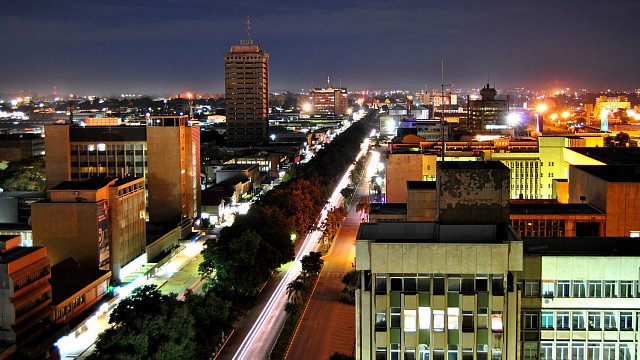
Lusaka, Zambia
Minister of Home Affairs, Stephen Kampyongo, said the suspension was necessitated by the escalating cases of cholera in the city.
According to him, the suspension is also in line with the government’s ban on public gatherings in some parts of the city.
He said the issuing office would only attend to emergency travels.
“There is no need to panic as this will be temporal to allow for efforts to prevent the spread of cholera,’’ he told reporters during a news briefing.
The cholera outbreak which mainly affected Lusaka since Oct. 2017 has prompted the government to ban public gathering as well as defer opening of schools.
According to figures from the health ministry, cholera cases in Zambia have surpassed 2,800, while the toll presently stands at 64.
Zambian President Edgar Lungu expressed optimism that the measures put in place by the government to contain the water-borne disease were adequate but highlighted the need to clean up cities to improve hygiene.
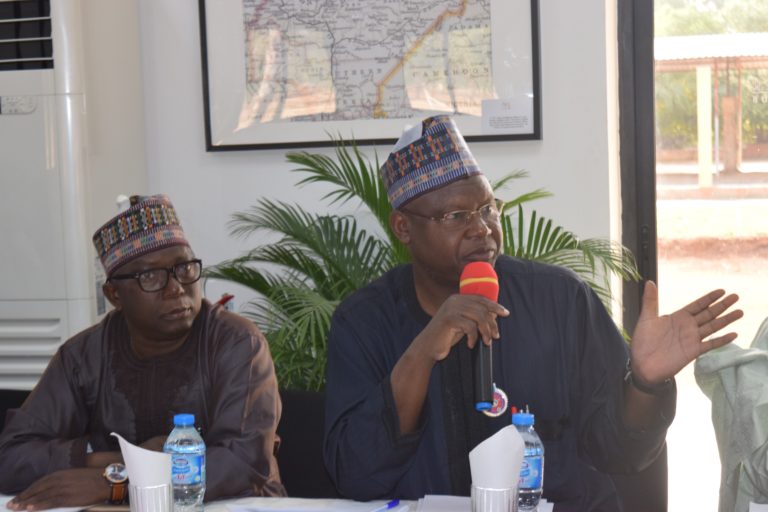
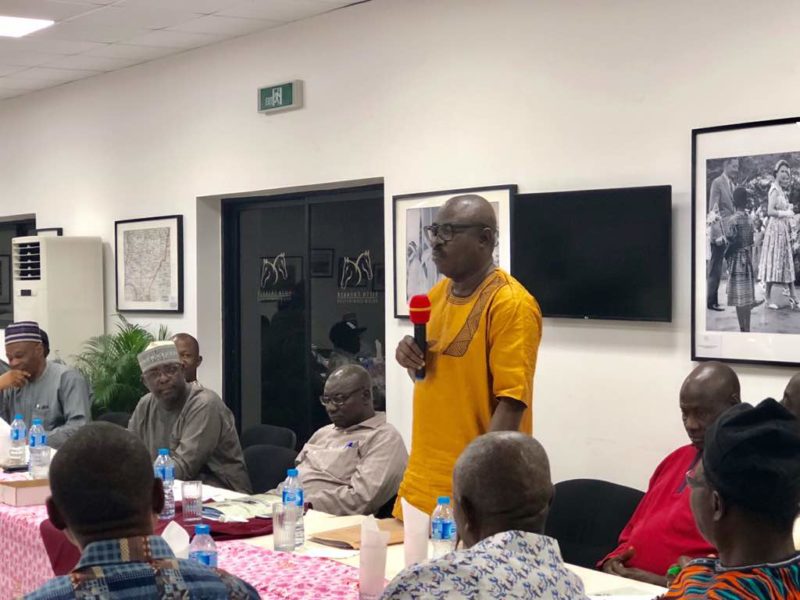
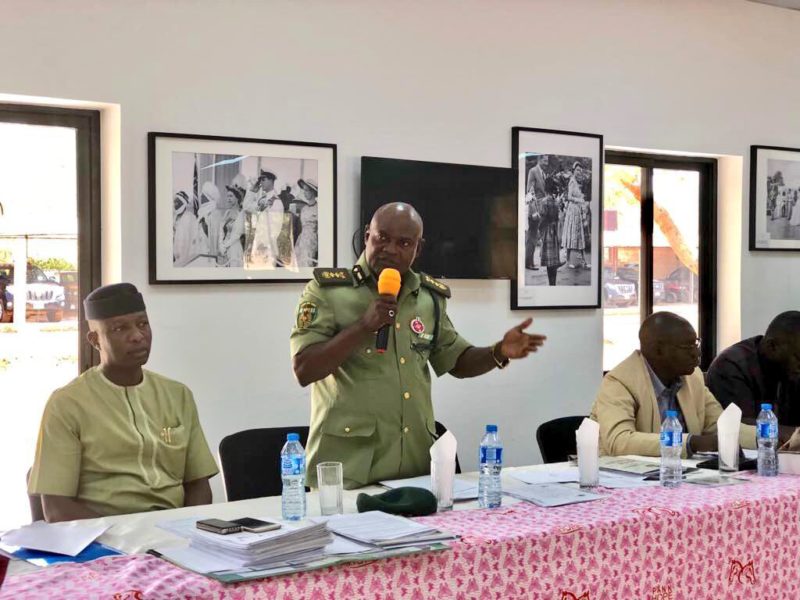
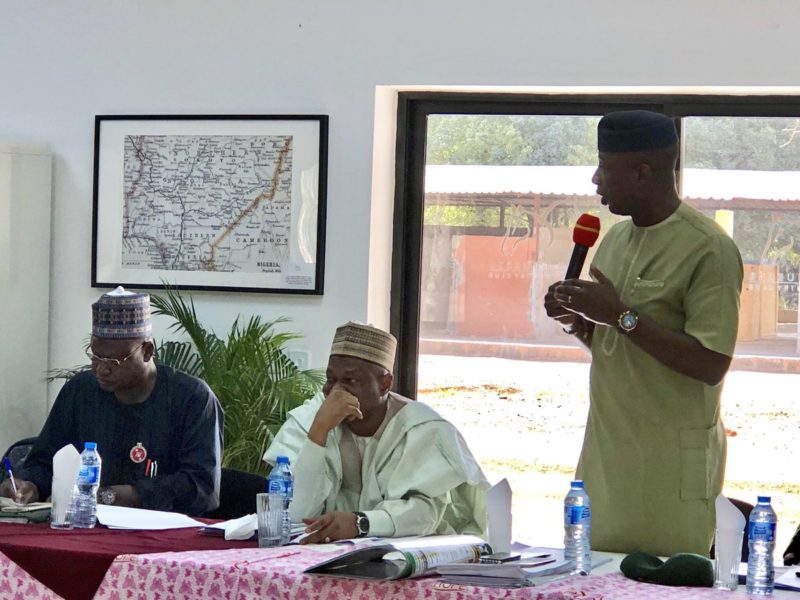
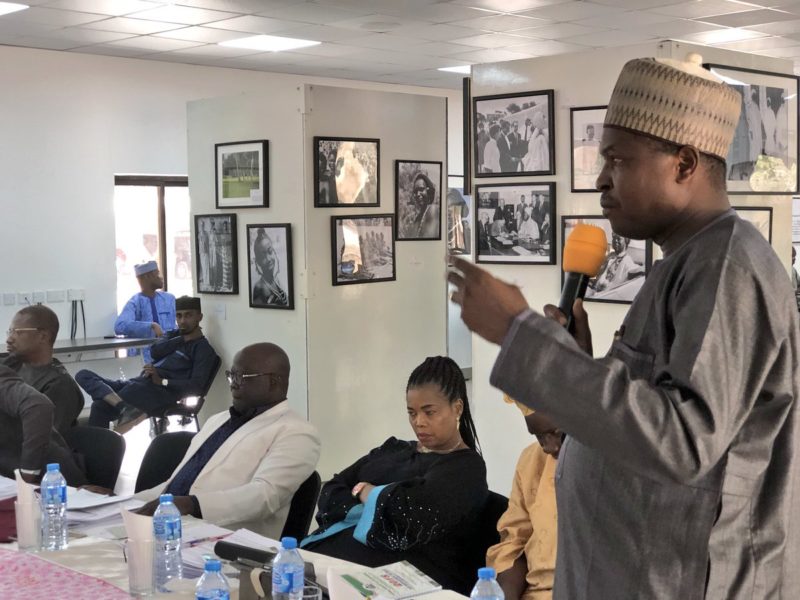
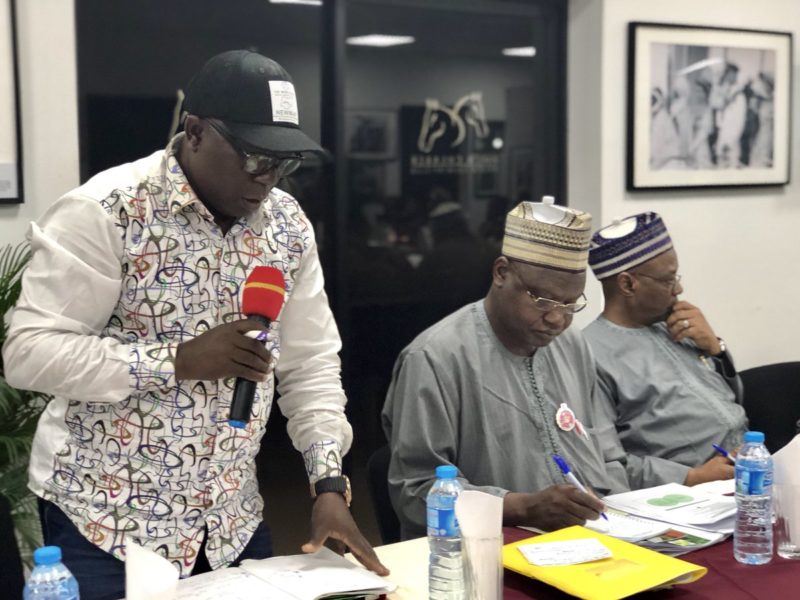
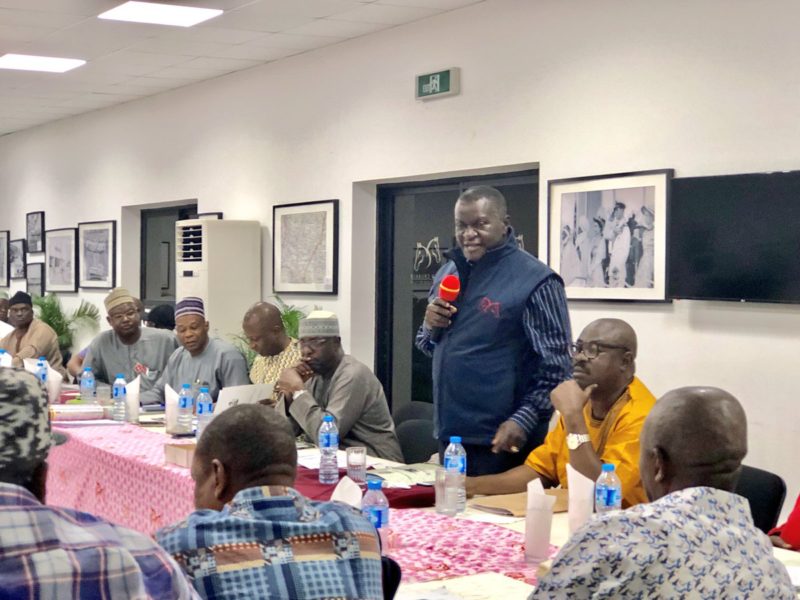
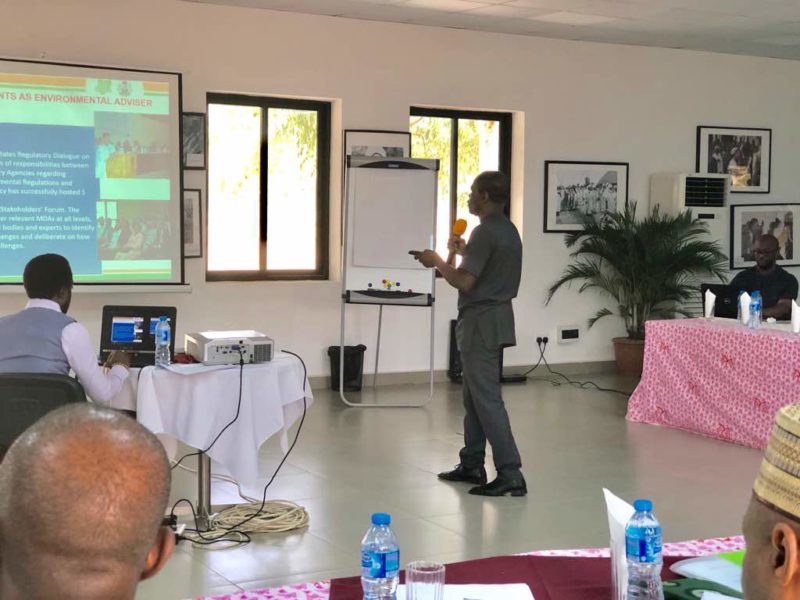
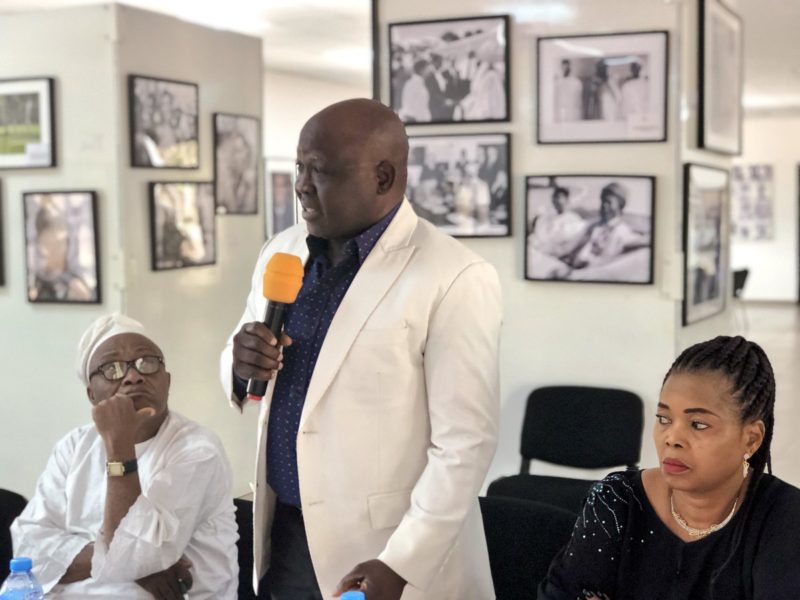
The 2018 Management Retreat for Directors and Heads of Agencies and Projects of the Federal Ministry of Environment holds in Kaduna, Kaduna State from Monday, January 8 to Wednesday, January 10, 2018.
The event has “Re-dedication to the implementation of Economic Recovery and Growth Plan (ERGP) and Nationally Determined Contributions (NDCs)” as its theme.
The retreat is being held with the aim of strategically aligning key activities of the Ministry with the ERGP as well as with the NDCs implementation as captured in the Paris Agreement, and other relevant protocols.
The retreat is likewise a strategic meeting to prepare the Ministry to work cohesively and coherently towards delivering on the mandates of the Buhari Administration for the environment sector.
Minister of State for Environment, Ibrahim Usman Jibril, speaking at the eventDirector-General and CEO of the National Biosafety Management Agency (NBMA), Dr Rufus EbegbaThe Conservator-General, National Parks Service, Alhaji Ibrahim GoniDr. Adeshola Olutunde Adepoju, Executive Director for the Forestry Research Institute of Nigeria (FRIN)Director, Department of Climate Change, Dr Peter TarfaNational Project Coordinator, Nigeria Erosion and Watershed Management Project (NEWMAP), Alhaji Salisu DahiruDirector-General, National Oil Spill Detection and Response Agency (NOSDRA), Sir Peter IdaborDirector-General, National Environmental Standard & Regulation Enforcement Agency (NESREA), Dr. Lawrence AnukamDirector, Department of Forestry. Osakuade Tolu Michael
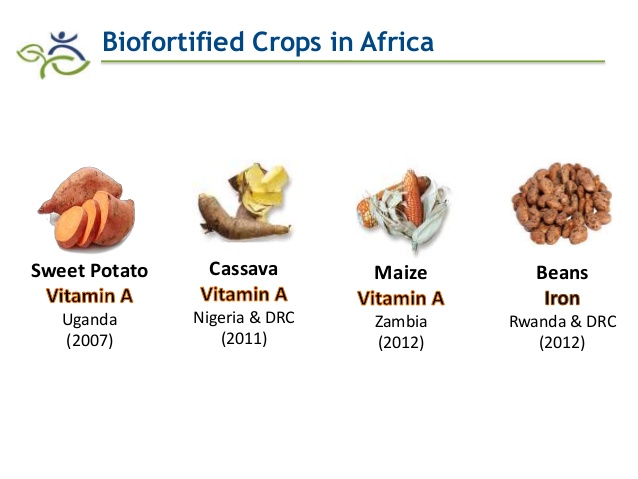
The Country Manager of Harvestplus, Dr Paul Ilona, says over one million small holder farmers grow bio-fortified food crops in Nigeria.
Bio-fortified crops in Africa
Ilona disclosed this recently in Ibadan, Oyo State, during an interview with the News Agency of Nigeria (NAN). Harvestplus is an international agriculture organisation.
He said that no fewer than six million people consumed more nutritious foods from bio-fortified crops in the country through the efforts of Harvestplus to address malnutrition.
“Our On-farm yield increases from bio-fortified crops estimated at 20 per cent over local varieties, over 8,000 persons are estimated to be employed directly or indirectly by investors in the bio-fortified sector.
“We trained over 200 extension agents now, continuously rolling out trainings on good agricultural practices and quality processing of bio-fortified products.
“We were able to include bio-fortification into four key policy documents of the Ministries of Agriculture, Health, Budget and National Planning aimed at creating enabling environment for investors.
“Also, bio-fortification was included in budgets of federal and four state governments; over 20 international and local NGOs are mainstreaming bio-fortification into their livelihood programmes,” he said.
Ilona said that the inclusion of bio-fortified foods into the Home-Grown School Feeding Programme (HGSFP) of the government was one of its latest achievements.
According to him, Harvestplus developed and released six varieties of vitamin A cassava in partnership with the International Institute of Tropical Agriculture (IITA) and the National Root Crop Research Institute in Umudike.
Ilona said that Harvestplus it also developed and released eight varieties of vitamin A maize in partnership with IITA and the Institute for Agricultural Research, Ahmadu Bello University, Zaria, Kaduna State.
The country manager said that his organisation released two varieties of orange sweet potato, rich in vitamin A, in partnership with the International Potato Centre (CIP).
He said that Harvestplus developed over 25 innovative vitamin A cassava and maize based food products, 10 of which were now fully commercialised.
“Our current advocacy efforts are led by 15 advocates in the academia, 17 traditional rulers, 21 women leaders, 25 policy makers and 26 celebrities,” he said.
Ilona described bio-fortification as a natural process different from food fortification.
“Their concepts are similar, but their applications differ. In food fortification you introduce new essential nutrients into foods, but in bio-fortification, the plant produces its nutrient directly and naturally,” he said.
NAN reports that Harvestplus improves nutrition and public health by developing and promoting bio-fortified food crops that are rich in vitamins and minerals.
It provides global leadership on bio-fortification evidence and technology; the staple crops are naturally bio-fortified and not genetically modified.
Weather and climate-related disasters cost the U.S. a record $306 billion in 2017, the third-warmest year on record, the U.S. National Oceanic and Atmospheric Administration (NOAA) said on Monday, January 9, 2018.
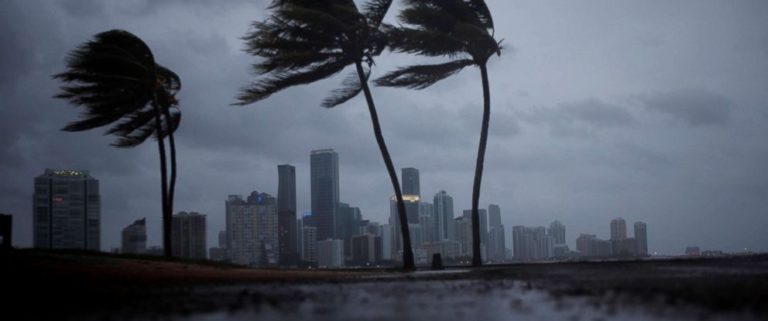
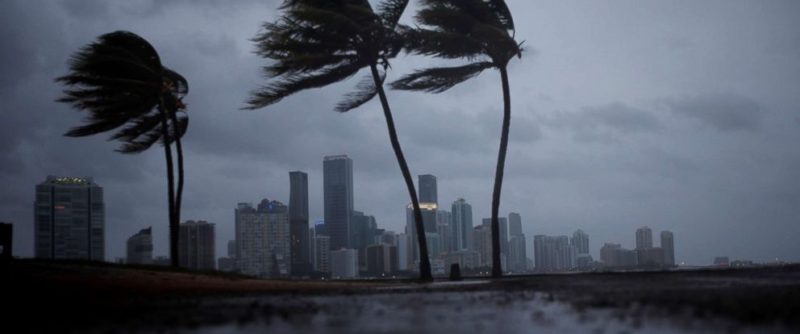
Dark clouds over the Miami skyline before the arrival of Hurricane Irma
The report from the federal agency underscores the economic risks of climate change, even as President Donald Trump’s administration casts doubts on the causes of it and has started withdrawing the U.S. from a global pact to combat it.
NOAA said western wildfires and hurricanes Harvey, Maria, and Irma contributed to making 2017 the costliest year on record.
The previous record was $215 billion in 2005, when hurricanes Katrina, Wilma, and Rita slammed the U.S. Gulf Coast.
Average annual temperatures for the contiguous U.S. were 54.6 degrees Fahrenheit (12.6 degrees Celsius), 2.6 degrees Fahrenheit above the 20th century average and the third warmest since record keeping began in 1895, following 2012 and 2016, the agency said.
Scientists have long concluded that carbon dioxide and other emissions from fossil fuels and industry are driving climate change, leading to floods, droughts, and more frequent powerful storms.
Trump’s administration has promised to boost U.S. oil, gas and coal production.
A women-only, extra-wide parking spaces appears to have sparked debate on sexism on social media in China.
A women-only parking slot in China
The parking spots at the Jiande and Tonglu highway service areas in east China’s Zhejiang Province are 1.5 times the size of normal spaces, with the color and icon indicating “women only.”
“It’s significantly larger, and I find it a very considerate design,” said Yang Xin, a female driver who recently got her driver’s license.
Weibo, China’s top microblogging site, has been awash in debate over women’s parking spaces, with many contending that the spots perpetuate the stereotype that women are bad drivers.
“This is utterly sexism. Parking depends on driving skills, not gender,” said Weibo user “youyouzizi.”
Yet many female netizens were on board with the spots, saying they just showed concern for those in need, and calling them an example of gender discrimination was an overreaction.
According to a survey on Weibo, 63.7 percent of 1,700 respondents said it was a good idea to designate female-only parking spaces.
Fang Hongying, manager of Jiande highway service area, said that the women’s only parking spots were launched in October 2017, and that driving skills were only part of the reason behind them.
“The women’s parking spaces are closer to exits and monitoring systems, which is more convenient for female drivers to take a break or go shopping in the main building, and much safer, especially at night,” she said.
“If it could be called a parking space for new drivers, the discrimination label could be shrugged off,” said Chen Jianguo, associate professor of sociology at North China Electric Power University.
A number of priority seats, corridors and subway carriages for women have appeared in public venues in Chinese cities in recent years.
Women’s security check channels have been opened at airports in cities like Beijing, Shenzhen, Wuhan and Guangzhou, as security staff explain that the special lane can improve efficiency and protect the privacy of female passengers.
Two Chinese-produced vaccines, a Bivalent Oral Poliomyelitis Vaccine (BOPV) and a Hepatitis “A” Vaccine (HAV), have received prequalification by the WHO.
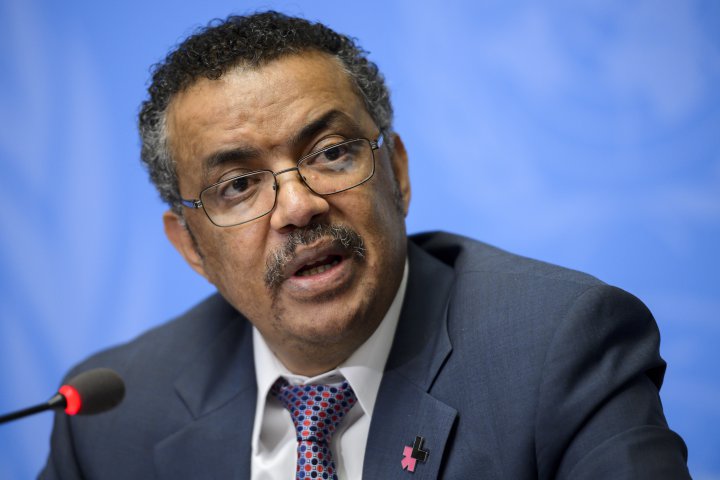
Dr Tedros Adhanom Ghebreyesus, Director General of the World Health Organisation (WHO). Photo credit: FABRICE COFFRINI/AFP/Getty Images
The move indicates that the WHO has given the vaccines its stamp of approval for the safety and efficacy, and UN procuring agencies may now source them.
Mr Fabio Scano, an officer in the WHO Representative Office in China, said: “Prequalification of BOPV is very good news for the Global Polio Eradication Initiative.
“Following the switch from trivalent OPV to BOPV in 2016, most countries are going to cure polio with the combination of inactivated polio vaccine and BOPV and China will be a sufficient supplier of this essential vaccine.”
The country now has four vaccines prequalified by the WHO.
“We are very pleased to see China’s innovation and production capacity bring lifesaving vaccines to the world through the WHO prequalification program,” said Scano.
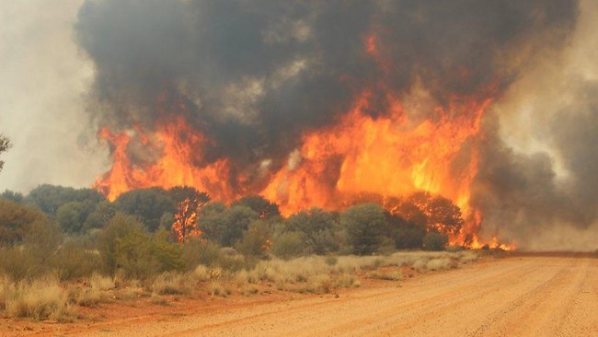
An ecologist, Mr Richard Inyamkume, says those burning bushes are retarding the nation’s agricultural production.
Bush burning
Inyamkume, who is the Senior Programme Officer, Climate Change Mitigation and Adaptation Initiative (CCMAI), an NGO, said this on Tuesday, January 9, 2017 in an interview with News Agency of Nigeria (NAN) in Abuja.
“Those who set bushes on fire around the country should know that they are deeply causing serious harm to agriculture and by extension, our national economy.
“People should be informed that whenever bushes are set ablaze, both physical and chemical properties of the soil are destroyed, particularly if the fire is intense.
“It is worthy to note that essential soil nutrients such as phosphorus, nitrogen, sulphur and others are destroyed as a result of the intense heat from the fire,’’ he said.
The ecologist said that the nutrients were supposed to make the soil fertile to support plant growth and enhance crop yields.
Inyamkume underscored the need for the citizens to collectively protect the environment so as to promote the overall well-being of the country.
“When bushes are set ablaze, soil moisture is seriously affected.
“It also further exposes the soil to erosion; so, when rains start, erosion becomes a major threat and concern to all of us.
“This is so because the soil becomes less stable whenever it is exposed to the negative impact of bush burning,’’ he said.
As Nigerians, we are no strangers to hard times, heartbreaks and raw deals. We make the best out of bad situations. We are happy even in conditions when it is actually hard to smile. We endure all, because even when we complain, we quickly forget the hurt we felt in the past. We easily move on, and leave everything to God.
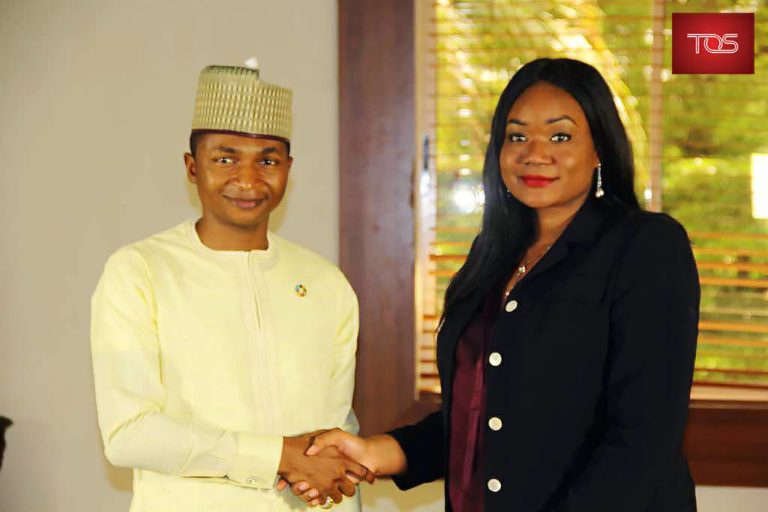
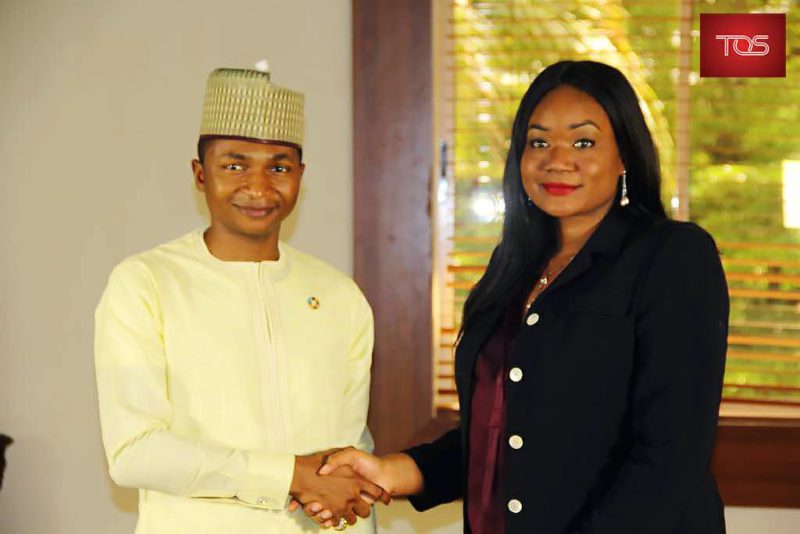
Hamzat Lawal (left) with Osasu Igbinedion
But recent happenings in the polity are testing our patience with our elected political office holders, especially the President of the Federal Republic. We find ourselves wake up with a bitter taste in our tongue and sore questions on our lips, “Is this President really our candidate or was he the candidate of his political party? Did we vote for him or his party? Could we have influenced his emergence as the party’s candidate?”
So, we have come face to face with the reality of a vague democratic process, where the tail can wag the dog!
The thinkers that gave us democracy sold it as government of the people, by the people and for the people. However, what we see is a government formed by a candidate the people may never have chosen, but was handpicked by a few influential men in a party circus characterised by horse-trading and influence peddling. A legitimate event where the winner takes all and the people get a dummy.
Enter The People’s Candidate or TPC for short. An initiative of The Osasu Show/TOS TV in collaboration with Connected Development (CODE), TPC was created for the sole purpose of maximising the democratic rights of Nigerians by returning power back to the people. It is a platform that will disrupt the biased electoral process by availing all Nigerians, irrespective of political affiliation, an opportunity to nominate and vote their preferred presidential candidates for the various political parties for the general elections in 2019.
The Independent National Electoral Commission (INEC) has scheduled the next presidential elections for February 2019. As it typically occurs during elections, a select number of party leaders in Nigeria (as opposed to millions of eligible voters) gather together to decide who emerges as the political candidates of their respective parties. The people are then left to choose between the devil and the deep blue sea during the general elections.
Nomination of candidates will end on January 1st, 2019 and the voting process will commence thereafter. The goal of the TPC initiative is to ensure the person that emerges as President in 2019 is a true reflection of the people’s wish as opposed to the idiosyncrasies of a select few party leaders.
Therefore, it is about the whole ingredients that make up the Nigerian democratic news. It is not just about whom is The People’s Candidate, but also about where is The People’s Candidate, why do we need to know The People’s Candidate, how shall we know The People’s Candidate, and what is the philosophy behind The People’s Candidate? The evolution of the Nigerian democratic process depends on the choice we make today.
We have the benefit of hindsight. In 2007, it was late President Umaru Musa Yar’Adua from PDP, handpicked by the incumbent President Olusegun Obasanjo; Muhammadu Buhari, from ANPP, whose emergence in his party was divisive leading to his exit to form CPC; Atiku Abubakar from ACN, a party he formed and financed; Orji Uzor Kalu from PPA, a party he personally formed and financed; Attahiru Bafarawa from DPP, a party he formed; Chukwuemeka Odimegwu Ojuwku from APGA, a party he formed; Chris Okotie from FDP, a party he singlehandedly formed. And so on.
The same scenario was repeated in 2011, when the front runners were the leaders of their respective parties: President Goodluck Jonathan from PDP (a party he controlled as the incumbent President of Nigeria) and President Muhammadu Buhari of CPC (a party he formed). Interestingly, these two candidates were also the two major contenders in the 2015 presidential elections, leveraging on the same dynamics that threw them up in the previous election.
At this juncture, it is important to note that the personalities behind the TPC idea give it natural failsafe possibilities. Osasu Igbinedion, a dynamic and articulate media practitioner and young philanthropist, is a diligent media activist whose work in Nigeria and across Africa has proved her immense passion and drive towards the achievement of the Sustainable Development Goals (SDGs).
She had in 2015 floated an instrumental communication vehicle, The Osasu Show (TOS), which has endeared her to the grassroots, while stamping her personal touch and finesse without diluting the fact that she radiates a competence that is conspicuously without any gender, religion or ethnic bias.
Her talk show, which runs simultaneously on AIT, BEN TV London and ITV, creates an opportunity for critical discussions on the improvement of societal perceptions and ideologies amongst politicians, aspiring young leaders, entrepreneurs, industrialists, public servants, philanthropists, and professionals in various spheres of life. The programme has been applauded for consistently providing a medium for promoting the cause of the less privileged in the society and also holding the political class to account.
The other young Nigerian is Hamzat Lawal. He is an award-winning development strategist, environmental activist and anti-corruption crusader, who co-founded Connected Development (CODE) and its flagship Follow The Money initiative. He leads the team which comprises data analysts, journalists, legal practitioners, activists, information managers, students, and academia and development consultants.
His passion for change using open data advocacy for transparency and accountability in governance led to a life-saving intervention in 2012 in Bagega, Zamfara State; and since then he has used his advocacy methods to influence government policies that positively affect the welfare of various communities across Nigeria and Africa. He continues to inspire young people to contribute towards civic engagement and good governance, while coordinating various grass root movements in the region.
In nudging fellow Nigerians towards taking their destiny in their own hands by deciding who The People’s Candidate is, TPC could naturally leverage on the CODE paradigm. CODE provides marginalised and vulnerable communities with relevant knowledge and resources to amplify their voices with independence and integrity while providing the communities with information that ushers social and economic progress.
As a country, Nigeria has come to that place where to enhance effective democratic governance and accountability, we need platforms (using various tools like mobile and web technologies) that close the feedback loop between citizens and the government. When political parties realise that the people have the power to decide who they want to fly their flags, impunity and mediocrity will become obsolete. Then, the truth will find a place in our common future.
Politics should not begin and end with winning or losing elections. It is not about big or small parties either. It is about service to the people; policies and ideologies that will serve the best interests of the greater majority of the society. It is about service and patriotism, forthrightness and accountability, honour and integrity.
The people should choose their own person who they believe embodies the ideals to stand out as The Candidate across all party platforms. Among these personalities, the best candidate shall emerge. The People’s Candidate who shall work with other Nigerians, and listen to everybody and not just the “party heavyweights”. A President who will inspire the young and vibrant upcoming politicians, establish a political incubator to breed a new generation of leaders who will do things right, maintain high ethical standards and abhor greed, avarice, selfishness and impunity.
It is my hope then, that after the 2019 elections, the objectives would have been met in order to add an enduring value to our country’s democratic experience. This is because TPC aims to reduce voter apathy and boost voters confidence; disrupt the normative behavior of a select few party leaders from dictating the people’s candidate; make the candidate selection process transparent, democratic and equitable; arouse the interest of Nigerians in the activities of government; give a voice to the masses; and engage every Nigerian in the entire value chain of the country’s political process.
By Hamzat Lawal (Activist and Co-Founder/Chief Executive of Connected Development; @HamzyCODE)
Minister of State for Environment, Ibrahim Usman Jibril, has charged Directors and Heads of Agencies and Projects in the Federal Ministry of Environment to ensure that the ministry’s vision of empowering people, taking climate action and protecting the environment align with the administration’s Economic Recovery and Growth Plan (ERGP) and Nationally Determined Contributions (NDCs) implementation as government prepares for fresh challenges in the environment sector in 2018.
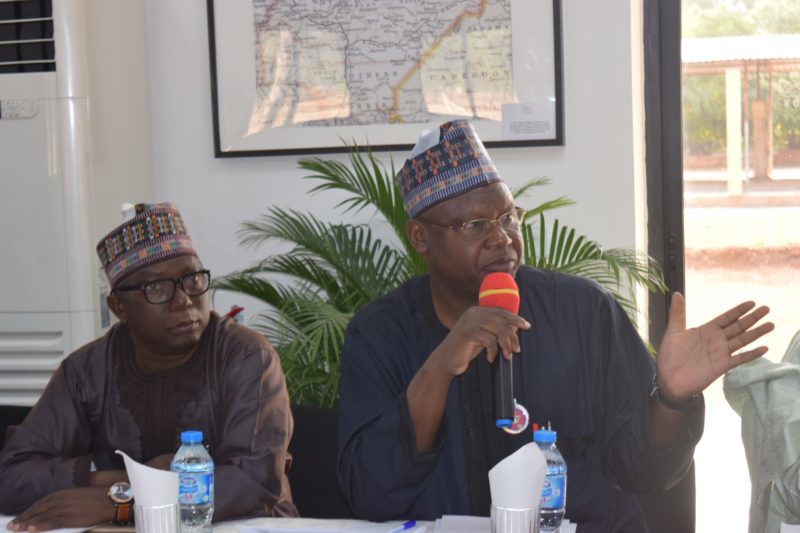
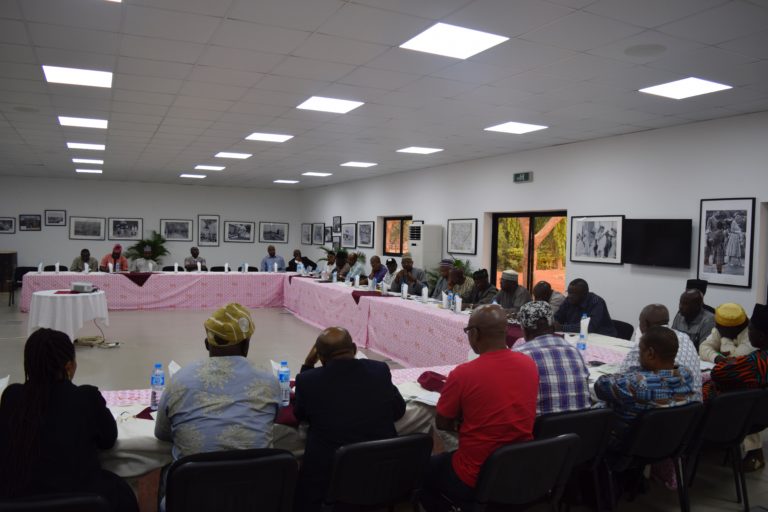
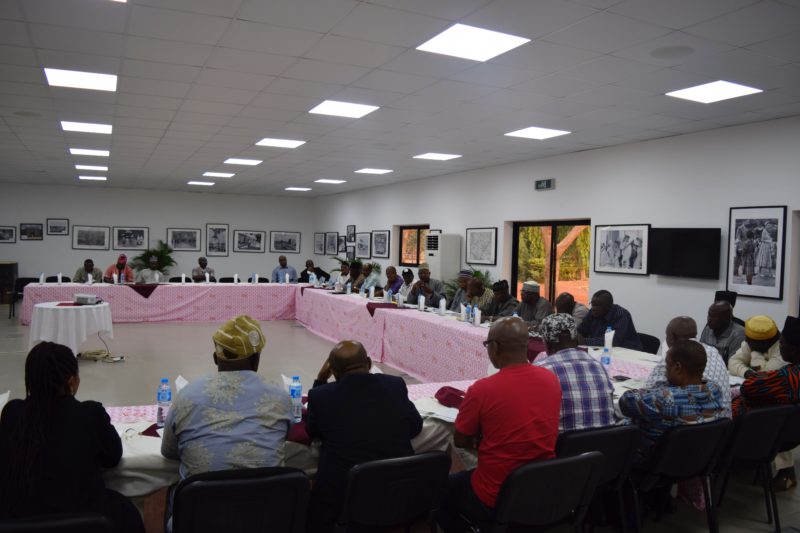
A view of participants at the retreat
Speaking at the opening of the 2018 Management Retreat For Directors and Heads of Agencies and Projects of the ministry on Monday, January 8, 2018 in Kaduna, Kaduna State, the minister wants such a focus to be in line with efforts towards achieving a sustainable environment.
The retreat has “Re-dedication to the implementation of ERGP and NDC” as its theme.
He said: “Economic growth and environmental sustainability are interlinked. World economies are shifting towards cleaner growth, and the global push toward a low-carbon, sustainable economy will produce new technologies and jobs.
“As you are all aware, Nigeria is already part of those leading this transformation by innovating at home and helping to implement low-carbon alternatives. If this is done right, it will create good jobs, grow our economy and reduce pollution. The ministry is a key participant in this environmental transformation that put people and planet at the centre.”
Jibril further stated that the ratification of three instruments including the Paris Agreement in 2017 by the President is unprecedented and shows a clear understanding of environmental issues and his commitment to address such issues.
The significance of this and to Nigeria and the implementation of NDCs, he adds, is based on the belief and commitment that climate change is not just a challenge but a historic opportunity to build a sustainable economy based on clean technology, green infrastructure and green jobs that will create sustainable growth in Nigeria.
The retreat, it was gathered, is being held with the aim of strategically aligning key activities of the ministry with the ERGP as well as with the NDCs implementation as captured in the Paris Agreement and other relevant protocols.
Officials also describe the meeting as an opportunity to re-enlighten the management on key flagship programmes of the ministry including NEWMAP, Great Green Wall, Ogoniland Clean-up, and Green Bonds, as well as other environmental regulatory programmes and projects that will ensure the empowerment of people and the protection of the planet.
The retreat, which is likewise seen as a strategic meeting to prepare the ministry to work cohesively and coherently towards delivering on the mandates of the current administration for the environment sector, holds for three days.