Home Blog Page 1946

Efforts to stop deforestation threaten indigenous peoples, local communities in DRC

0

In a new study released on Wednesday, March 14, 2018, researchers identified significant flaws in ambitious forest preservation projects underway in a densely-forested region of the Democratic Republic of the Congo (DRC), where a decision on future investment by the World Bank’s Forest Carbon Partnership Facility (FCPF ) is imminent.
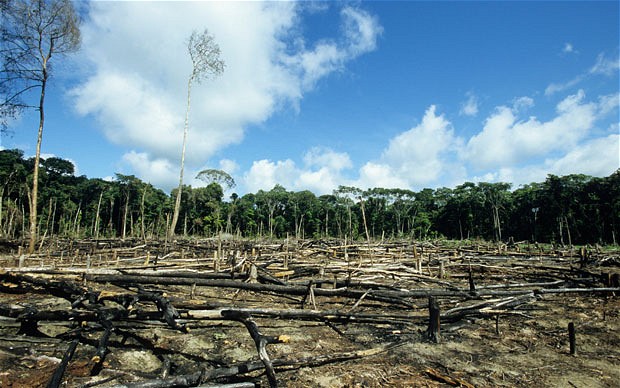
deforestation_2074483b
The international climate scheme si designed to halt forest destruction, reduce greenhouse gas emissions and reward the indigenous and other local peoples. Photo credit: telegraph.co.uk

The DRC province of Mai-Ndombe has been a testing ground for the international climate schemes designed to halt forest destruction, reduce greenhouse gas emissions and reward the indigenous and other local peoples who care for the forests and depend on them for their food and incomes.

But the new study released by the Rights and Resources Initiative (RRI) reveals that the climate funds known as REDD+ risk harming their intended beneficiaries, while failing to stop deforestation in the province where an estimated $90 million has been either dispersed or committed to projects.

“Our findings show that DRC is not yet ready for REDD+ investment,” said Andy White, coordinator of the RRI. “Our report analysed 20 existing and planned projects in DRC and concluded that projects already underway are not respecting the rights of local peoples or delivering on their goal of protecting forests. The evidence from other countries shows that REDD+ and similar payment schemes will work only if governments recognise and support community land rights.”

Citing weak recognition of community land rights in the province, as well as an environment of corruption and poor governance, the authors argue that channeling additional investments into the area for REDD+ programmes would exacerbate conflict and fail to protect the forests.

The findings come at a particularly urgent moment, as the countries that fund the World Bank’s Forest Carbon Partnership Facility (FCPF) prepare to make a decision on a payment agreement that would insert millions of dollars into REDD+ programmes in DRC.

Funders of the FCPF are planning to approve the payment agreement with DRC within the year – the final step before funds are dispersed and implementation begins. DRC, which contains the majority of the world’s second biggest tropical rainforest, would become the first country to sign a payment agreement with the World Bank under REDD+.

“If the programme in Mai-Ndombe is approved without ensuring that local peoples’ rights are respected, it would set a terrible precedent for REDD+ and make a bad situation worse,” said Alain Frechette, researcher and director of strategic analysis at RRI. “Strong indigenous and community land rights and a clear understanding of who owns forest carbon are vital prerequisites for climate finance to succeed in its goals of reducing poverty and protecting forests.”

The report also finds that projects already underway – among them those funded by Wildlife Works Carbon, Novacel, the World Wildlife Fund, and the Forest Investment Programme – have not adequately included communities in governance of the projects, nor have they made plans for benefiting the forest peoples. Instead, the authors reported, the lack of legal safeguards and accountability in the current system could channel benefits from REDD+ – legally and illegally – to private sector representatives and others with little incentive to champion forests or local peoples.

A second paper released on Wednesday by the RRI analyses the legal systems of 24 of the 50 developing countries preparing to participate in the global carbon market, revealing that only five have established national legal frameworks to regulate their trade in carbon. So far, none of the 24 countries has set up a system for sharing the benefits earned on the carbon market with local forest communities, despite evidence that the best guardians of the forests are forest peoples themselves.

“It is crucial that the 17 countries working on draft legislation regarding carbon rights – and other countries preparing to enter the carbon market – protect and enforce the rights of forests peoples,” Frechette said. “Otherwise, they risk displacing thousands of people and fueling the violence and deforestation that is usually associated with the expansion of agro-industry and mining operations.”

The DRC study, “Mai-Ndombe: Will the REDD+ laboratory benefit Indigenous Peoples and local communities?” is the first-ever to analyse the 20 climate finance projects planned or underway in the province. Home to 1.8 million people, the Mai Ndombe holds 10 million hectares of forest and the world’s largest wetland of “international importance.”

“Communities depend on the forests for their lives and livelihoods – especially rural women,” said Chouchouna Losale, vice-coordinator and programme officer for the Coalition of Women for the Environment and Sustainable Development in DRC. “Yet these projects were developed in Kinshasa before being shared with communities, that therefore did not participate in drafting these projects or give their consent to them. To succeed, these projects must include the communities that have managed these forests for generations.

Despite plans that include transforming former logging zones into conservation areas and paying locals to plant acacia trees on a stretch of degraded savannah, the projects currently underway in DRC suffer from conflicts and mismanagement. The report traces these troubles back to weak public governance and inadequate adherence to international standards. The national REDD+ steering committee has not met since it formed in 2012. Project organizers have often committed to guidelines that require safeguards and consultation with local communities, but have neglected to fully implement them.

While details of the REDD+ mechanism are still being negotiated under the United Nations Framework Convention on Climate Change (UNFCCC), more than 50 developing countries have initiated programmes to enter the carbon market. REDD+ is the only solution to forest protection laid out in the Paris Agreement; it is also included in many national plans for reducing greenhouse gas emissions.

“REDD+ was created to both halt deforestation and benefit local communities – yet the current projects inMai-Ndombe fail to address both objectives,” said Marine Gauthier, a lead author on the DRC report. “Countries engaging in REDD+ must ensure secure community land rights for Indigenous Peoples and local communities. These are fundamental to reversing the deforestation crisis and delivering long-overdue benefits to the guardians of the forest.”

The report details how projects in DRC are failing to tackle forces driving deforestation. The authors argue that the country will need to prioritise resolving land conflicts, respecting the rights of local communities and Indigenous Peoples, and enabling these communities to participate directly in REDD+ programmes to succeed.

“The people of Mai-Ndombe – whose median income is only $.24 per day – are largely to thank for keeping the world’s second largest tropical forest intact. But their success has made the province a magnet for carbon profiteers as well as timber and oil companies,” said Solange Bandiaky-Badji, director of RRI’s Africa and gender justice program. “DRC must respect its international human rights commitments, especially the tenure rights of Indigenous Peoples and local communities, as a starting point for the success of any climate finance or development initiative moving forward.”

The government of Mai-Ndombe province, located in the west of the country, officially became a province in 2015, 10 years after the national government first drew its boundaries through the forests of DRC, and one year after the implementation of DRC’s Forest Code. The Forest Code recognises the legal right of Indigenous Peoples and local communities to ownership of forest areas up to 50,000 hectares. In Mai-Ndombe, the Mushie and Bolobo communities have requested formal title to 65,308 hectares of land, but only 3,900 hectares have been legally recognised.

Over the same period, more than $90 million has been committed for 20 REDD+ projects in the province. It was expected that the estimated 73,000 Indigenous Peoples who live in Mai-Ndombe would be among the beneficiaries of these initiatives.

In the second study, RRI researchers reveal that few countries preparing to take part in REDD+ have developed the legal and regulatory frameworks required to ensure these programmes will live up to their promises. According to the report, £Uncertainty and Opportunity: The Status of Forest Carbon Rights and Governance Frameworks”, without governance in place, it’s unclear who has legal rights over the carbon.

“Critically, of the 24 countries analysed, only Brazil, Costa Rica, Ecuador, Peru and Vietnam have established national legal frameworks to regulate their trade in carbon,” said RRI’s Alain Frechette. “And, of this group, only Brazil, Costa Rica and Peru have also established legal definitions for carbon rights, demonstrating the potential for other countries to clarify these rights.”

The authors caution that the lack of clarity opens the way for major conflicts over natural resources and threatens to undermine the customary rights of Indigenous Peoples and local communities to their lands and resources.

“And, after more than a decade of engagement, the concept of carbon rights remains shrouded in legal ambiguities – separated from forest ownership or land rights – even though clear rights are essential for a system that financially rewards those who protect forests,” Frechette continued.

Scientists estimate that forests and “other natural science solutions” offer up to 37 percent of the solution needed by 2030 to keep a global temperature increase below 2°C – the target stated in the Paris Climate Agreement.  A growing body of evidence shows that indigenous and local communities – when their rights are recognised and protected – are peerless protectors of tropical forests. Increasingly, forest peoples and the forests they care for are being recognised as vital to addressing climate change, as scientists continue to report the dearth of affordable carbon capture technologies that can safely be scaled up.

“In DRC and worldwide, conflicts over agriculture, logging, livestock, mining, and conservation are mounting,” said RRI’s Coordinator Andy White. “Instead of empowering Indigenous Peoples, communities, and women in the forest communities, the REDD+ programmes in Mai-Ndombe are not adequately respecting the rights of local peoples and are failing to protect forests.”

“But all is not lost,” White added. “Countries that fund the Forest Carbon Partnership Facility have an opportunity to postpone this project until community rights are respected and the government demonstrates progress on recognition – or to cancel it altogether if DRC does not correct course. It is not too late. Recognising community land rights and engaging local communities would ensure that this grand experiment underway in the world’s remote rainforests can succeed, unlocking all of the benefits that come with strong forests and forest protectors.”
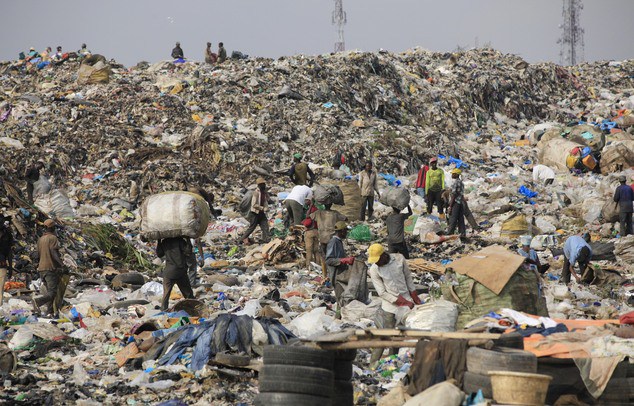
 

Fire guts Olusosun dumpsite

0

Metropolitan Lagos’ most famous dumpsite at Olusosun in Ojota has been gutted by fire, leaving residents, motorists and commuters panicky.

Olusosun dumpsite
Scavengers at the Olusosun dumpsite in Lagos

Huge fireballs and smoke could be seen far from the site, located near the old Lagos Toll Gate.

Mr Adesina Tiamiyu, the General Manager of the Lagos State Emergency Management Agency (LASEMA), told the News Agency of Nigeria (NAN) on Wednesday, March 14, 2018 that the cause of the fire outbreak was yet to be ascertained.

Tiamiyu said that what was of utmost importance was to stop the fire, so that it does not extend to the LAGBUS Terminus.

He said that the fire started around 4pm and there was no casualty.

According to him, the emergency response team, the Lagos Fire Service, the Lagos Waste Management Authority (LAWMA) were at the site to curtail the fire.

NAN reports that the Lagos State Government has said that the Olusosun and other dumpsites will be closed down, as part of the Cleaner Lagos Initiative (CLI).

The government, through an environmental utility firm, Visionscape Sanitation Solutions, has commenced the construction of the first engineered sanitary landfill in Epe, to ensure better waste management.

“Cleaner Lagos”, a Twitter handle of the Ministry of Environment, explained the possible cause of fire, saying: ”It is necessary to clarify that the fire at Olusosun dumpsite wasn’t deliberately set by the Lagos State Government or any individual. It broke out as a result of the pockets of unstable gases caused by indiscriminate dumping and further compounded by dry weather.”

By Okuanwan Offiong and Florence Onuegbu

Experts urge policy reforms to promote Africa’s green mobility

0

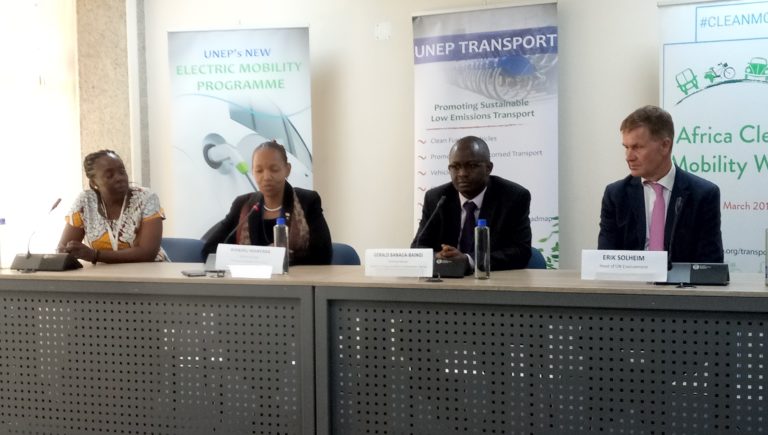
African governments should embark on policy and regulatory reforms to promote eco-friendly transportation in rapidly growing cities, experts said on Wednesday, March 14, 2018.

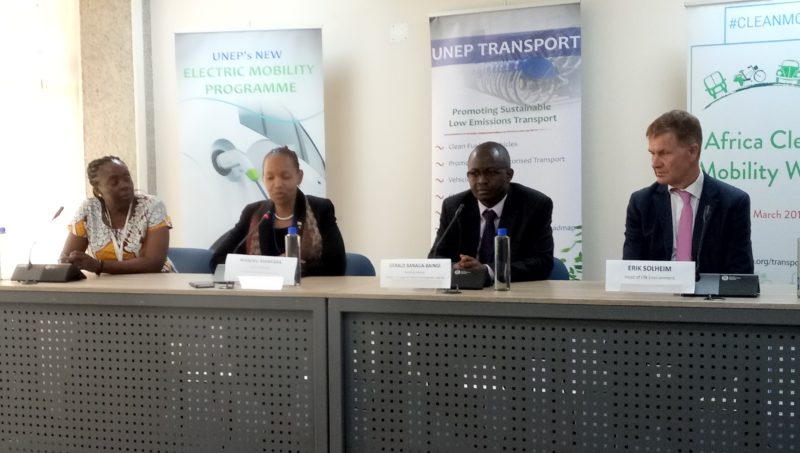
Africa Clean Mobility Week
Head of UN Environment, Erik Solheim (right), with other staffers of the UN body (Gerald Banaga-Bangi, Wanuku Manyaba and Jane Akumu) during a briefing at the Africa Clean Mobility Week, in Nairobi, Kenya

The experts attending the ongoing African Clean Mobility Week in Nairobi, Kenya agreed that African countries were ripe for a transition to greener mobility.

Pierpaolo Cazzola, an energy and transport analyst at the International Energy Agency (IEA), said a transition to low-carbon mobility in Africa is key to hasten the continent’s sustainable growth.

“There is an opportunity to scale up access to clean transport systems in Africa but there must be a conducive policy environment and infrastructure to allow that goal to be realized,” Cazzola said.

Dozens of participants including policymakers, regulators, investors and experts are attending the five-day conference to discuss strategies required to accelerate the transition to low-carbon transport.

Cazzola noted that many African countries have reaffirmed their commitment to green mobility in the light of negative impact of climate change on burgeoning cities.

“There is a reawakening in many parts of developing world including Africa, Latin America and Asia that emission-free transport has a huge economic, social and environmental value,” said Cazzola.

He urged African governments to rally behind the Electric Vehicles Initiatives (EVI) that seeks to hasten the transition to green transport in big cities.

Frank Romano, CEO of Nairobi-based solar solutions firm, Knights Energy, challenged African governments to explore innovative financing mechanisms to promote clean mobility in densely populated cities.

“A policy shift combined with innovative funding and infrastructure development could open space for electric vehicles on our roads to reduce air pollution,” said Romano.

He urged African governments and municipal authorities to address bottlenecks that have undermined rollout of eco-friendly modes of transport that includes archaic policies, under-funding and limited public awareness.

Factors liable for rise in temperature, by ecologist

0

An ecologist, Mr Habib Omotosho, says felling of trees, depletion of ozone layer, industrial air pollution and other deforestation activities are factors responsible for the rise in temperature in the environment.

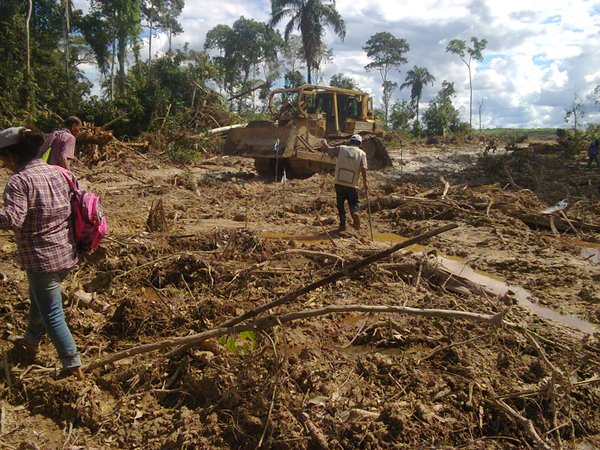
deforestation-Peru
Deforestation is said to be a root cause of rising temperatures

Omotosho, who is the National Coordinator, Environmental Advancement Initiative, an NGO, told News Agency of Nigeria (NAN) in Abuja on Wednesday, March 14, 2018 that such activities also had negative impacts on the ecosystem.

“The environmental temperature increases due to the depletion of ozone layer, industrial air pollution, deforestation activities, mechanisation of agriculture and construction activities.

“Therefore, the increase in environmental temperature creates discomfort for many people because they experience heat in their environment.
“In fact, it causes the migration of animals and the herdsmen,” the ecologist said.

Omotosho added that the displacement of animals from their habitats was partly caused by tree felling especially animals that depended on trees for survival.

According to him, the increase in noise pollution caused during falling of trees and other activities of man also lead to animals’ migration.

“Tree felling leads to shortage of foods available to animals; which forces them to migrate from region of food scarcity to that of food availability,’’ he said.

The ecologist urged the government to check tree fellers and other environmental hazards by ensuring strict enforcement of extant environmental laws in the country.

By Deji Abdulwahab

Seven years of Syria’s health tragedy

0

After seven years of conflict in Syria, the World Health Organisation (WHO) has renewed its call for the protection of health workers and for immediate access to besieged populations.

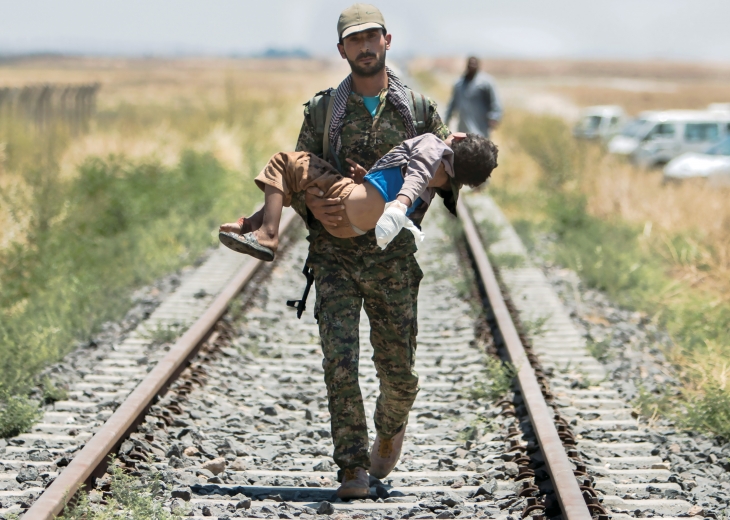
Syria
A YPG civil defence fighter carries an injured boy through the countryside outside Aleppo, Syria

Attacks on the health sector have continued at an alarming level in the past year. The 67 verified attacks on health facilities, workers, and infrastructure recorded during the first two months of 2018 amount to more than 50% of verified attacks in all of 2017.

“This health tragedy must come to an end,” said Dr Tedros Adhanom Ghebreyesus, WHO Director-General. “Every attack shatters communities and ripples through health systems, damaging infrastructure and reducing access to health for vulnerable people. WHO calls on all parties to the conflict in Syria to immediately halt attacks on health workers, their means of transport and equipment, hospitals and other medical facilities.”

Health systems are being attacked in the very places where they are needed most. An estimated 2.9 million Syrians live in UN-declared hard-to-reach and besieged locations. WHO is providing health assistance to many of these areas but lacks consistent access.

In East Ghouta, nearly 400,000 people have lived under siege for half a decade. Basic health supplies have all but run out, and there are now more than 1,000 people in need of immediate medical evacuation.

“It is unacceptable that children, women, and men are dying from injuries and illnesses that are easily treatable and preventable,” said Dr Tedros.

Critical medical supplies are also routinely removed from inter-agency convoys to hard-to-reach and besieged locations. Earlier this month, more than 70% of the health supplies intended to reach East Ghouta were removed by authorities and sent back to the WHO warehouse. The items removed are desperately needed to save lives and reduce suffering.

Seven years of conflict have devastated Syria’s healthcare system. More than half of the country’s public hospitals and healthcare centres are closed or only partially functioning and more than 11.3 million people need health assistance, including 3 million living with injuries and disabilities.

WHO is committed to ensuring that people across Syria have access to essential, life-saving healthcare. Last year, WHO delivered over 14 million treatments across the country, including through cross-border and cross-line services.

“The suffering of the people of Syria must stop. We urge all parties to the conflict to end attacks on health, to provide access to all those in Syria who need health assistance, and, above all, to end this devastating conflict,” said Dr Tedros.

Firm builds informal sector capacity on best e-waste recycling practices

0

As part of Hinckley Recycling’s responsibility to the environment and awareness campaign, it decided to include the training of scavengers – Association of Vendors of Used Computers and Allied Products (AVUCAP) – as part of its corporate social responsibility (CSR) activities.

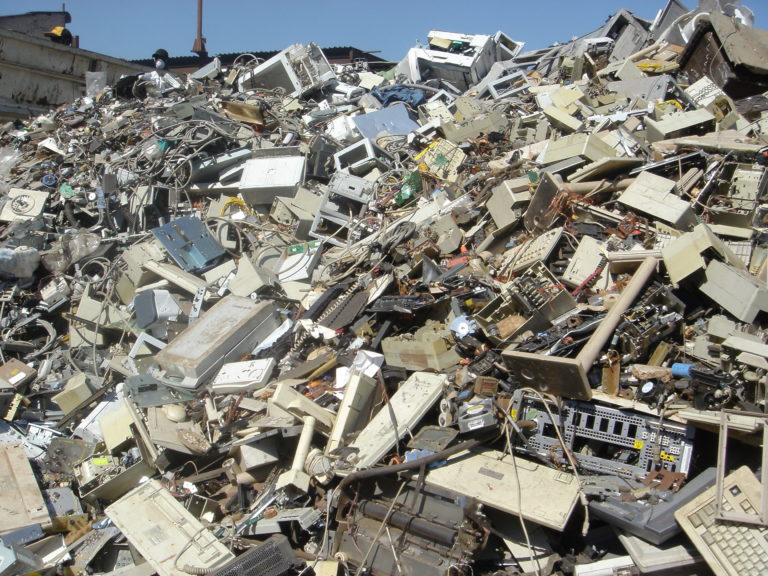
E-waste
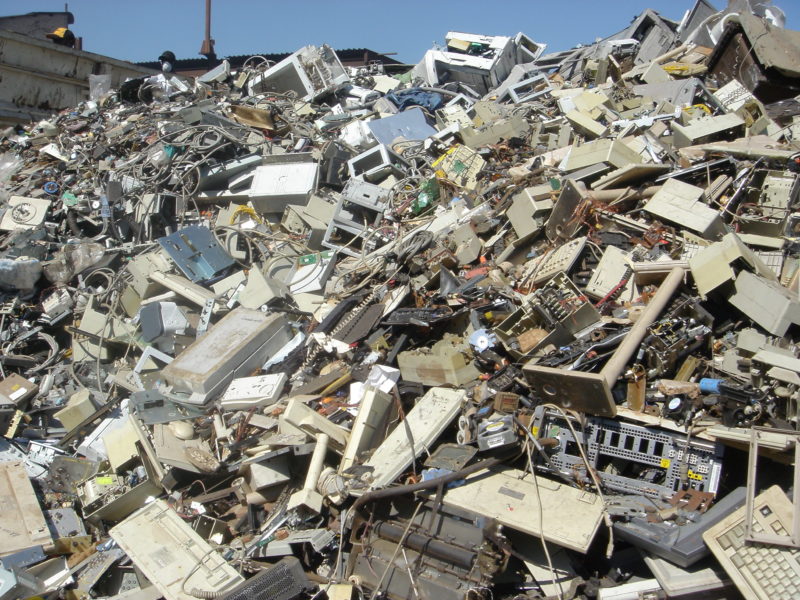
E-waste

The week-long training commenced on Monday, February 26, 2018 to Friday, March 2, 2018. Due to the hazardous nature of all electronic waste (e-waste), e-waste recycling has to be handled responsibly and conducted in the most environmentally friendly manner. Therefore, the training was centered on the best practices for E-waste recycling.

Hinckley Recycling, who began recycling operations last year, is known for the safe and responsible processing of all E-waste streams. However it of common knowledge the abundance of scavengers, truck pushers, scrap dealers or fondly called “the informal sector” in our communities. These individuals move from place to place picking-up E-waste & scrap metals from households and offices who in turn receive a kick-back for their E-waste. It is important to note that this defined daily activity is majorly the means of livelihood of these scavengers. However, visiting the dumpsites around Lagos shows the process & end-result from the E-waste collected by the scavengers.

Belinda Osayamwen, Business Development Manager for Hinckley Recycling, commented: “Because this is the only means of livelihood of these scavengers, they strive to extract as much value from the E-waste. Unfortunately in the process of value generation, they employ crude methods such as burning, smashing, hitting, cracking & even melting materials with no personal protective equipment (PPE) or wears!”

The health and environmental hazards associated with irresponsible or informal recycling cannot be over emphasised. These scavengers over a period of time suffer from respiratory tract infections, cancer, and loss of eyesight .In addition, the environment where the informal recycling takes place is inherently polluted with the hazardous fractions from the E-waste being discarded by these individuals. It goes without saying, the ripple effect of these nefarious activities in its neighbouring communities. The plants, animals, water systems & eventually the populace are affected with elements of these hazardous wastes.

Adrian Clews, Managing Director for Hinckley Recycling, commented: “The introduction of the Extended Producer Responsibility (EPR) by the Nigerian Government & OEMS will assist the Recycling companies in the country to evacuate & responsible recycle a larger number of E-waste from the households & offices as well as even give back a token to the populace”

Hinckley Recycling therefore equipped the few members of the informal sector present at the just concluded training with PPE to guide their recycling activities whilst the EPR is being established. An independent Laboratory was also on ground to run health checks and lab tests for the scavengers in a bid to further implore them to desist from the self-inflicted harm via their informal recycling activities.

It will be wholly beneficial to the whole nation, if more awareness on E-waste recycling is made to the public as well as the incorporation of the EPR Organisation to manage and subsidize the current cost that responsible recycling companies have to bear from the total processing of the hazardous & non-hazardous materials of E-waste. This will ensure a more formal process for E-waste recycling where designated recycling bins or pick-up points are made accessible to the public.

12 world leaders issue call for accelerated water action

0

A High Level Panel on Water consisting of 11 Heads of State and a Special Advisor has issued a New Agenda for Water Action, calling for a fundamental shift in the way the world manages water so that the Sustainable Development Goals (SDGs), and in particular SDG6, can be achieved. This follows a two-year mandate to find ways to accelerate solutions to the urgent water crisis.

guterres
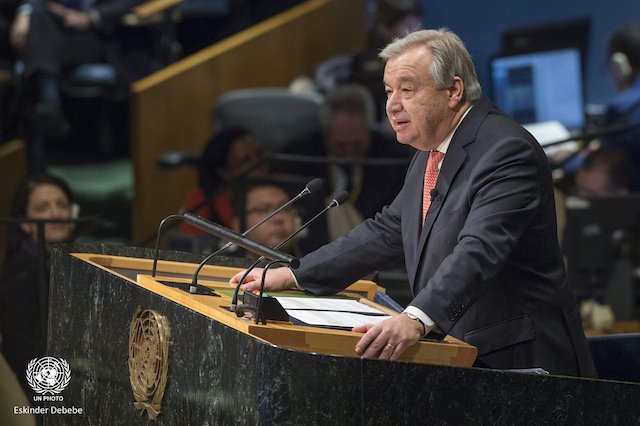
Antonio Guterres, UN Secretary General

“Making Every Drop Count: An Agenda for Water Action” presents many recommendations as part of an Outcome Report from the Panel, which was convened in January 2016 by the United Nations Secretary-General and the World Bank Group President.

“World leaders now recognise that we face a global water crisis and that we need to reassess how we value and manage water,” said UN Secretary-General, António Guterres.  “The panel’s recommendations can help to safeguard water resources and make access to safe drinking water and improved sanitation a reality for all.”

The Panel’s report found that the water crisis has many dimensions. Today, 40 percent of the world’s people are affected by water scarcity, with as many as 700 million people at risk of being displaced by intense water scarcity by 2030. More than two billion people are compelled to drink unsafe water and more than 4.5 billion people do not have safely managed sanitation services.

Women and girls suffer disproportionately when water and sanitation are lacking, affecting health and often restricting work and education opportunities. About 80 percent of wastewater is discharged untreated into the environment and water-related disasters account for 90 percent of the 1,000 most devastating natural disasters since 1990.

“The ecosystems on which life itself is based – our food security, energy sustainability, public health, jobs, cities – are all at risk because of how water is managed today,” World Bank Group President, Jim Yong Kim, said. “The work of this panel took place at the level of heads of state and government because the world can no longer afford to take water for granted.”

As part of the recommendations to address these challenges, the Panel is advocating for evidence-based policies and innovative approaches at the global, national and local level to make water management and water and sanitation services attractive for investment and more disaster-resilient. The Panel also calls for policies that will allow for at least a doubling of water infrastructure investment in the next five years.

The Panel’s report sets forth a new approach to catalyse change and build partnerships and cooperation, outlining why an integrated and inclusive approach that draws in sectors like agriculture, and other stakeholders, such as city mayors, is needed. The report makes the case that ways of working between, for example, governments, communities, the private sector and researchers, are essential.

In an Open Letter, the members of the panel conclude: “Whoever you are, whatever you do, wherever you live, we urge you get involved, and contribute to meeting this great challenge: safe water and sanitation for all, and our water resources managed sustainably. Make every drop count. It’s time for action.”

Members of the High Level Panel on Water include:

  • Mauritius (Co-Chair) – President, Mrs. Ameenah Gurib-Fakim
  • Mexico (Co-Chair) – President, Mr. Enrique Peña Nieto
  • Australia – Prime Minister, Mr. Malcolm Turnbull
  • Bangladesh – Prime Minister, Mrs. Sheikh Hasina
  • Hungary – President, Mr. János Áder
  • Jordan – Prime Minister and Minister of Defense, Dr. Hani Al-Mulki
  • Netherlands – Prime Minister, Mr. Mark Rutte
  • Peru – President, Pedro Pablo Kuczynski Godard
  • South Africa – President, Mr. Jacob Zuma(membership until February 14, 2018)
  • Senegal – President, Mr. Macky Sall
  • Tajikistan – President, Mr. Emomali Rahmon
  • Republic of Korea – Special Advisor / Former Prime Minister, Dr. Han Seung-soo.

Gurib-Fakim said: “Access to clean water and sanitation must the goal of every responsible leader in an effort to leave no one behind. Let us act in solidarity to ensure the wise and sustainable management of this precious resource.”

Nieto: “For Mexico, the High Level Panel on Water represents a historical and unprecedented
opportunity to promote the recognition of water as an essential transversal element and the basis for the development and welfare of all our Nations. This multilateral initiative stands for the commitment of worldwide leaders to foster existing efforts and generate new dynamics, promoting the water and sanitation’s SDG within the 2030 agenda.”

Turnbull: “To achieve the global goal of all people having access to safe water and sanitation by 2030 – just 12 years from now – requires leadership at all levels. Australia will continue to share internationally our experience of managing water scarcity and support poorer communities in our region to access safe water and sanitation, with a focus on women and girls.”

Sheikh Hasina: “Access to safe water improves the quality of our life and more positive behavior brings immense opportunity with this finite resource. I urge the leaders around the globe to count our call for urgent actions to understand, value, manage, and invest the best in water for the posterity to whom we owe our present.”

Áder: “Today the world faces an approaching global water crisis, which it has yet to take seriously – despite daily warning signs generated by an ever growing number of local water supply problems. We are sleepwalking towards the point at which local and regional water crises trigger a chain reaction which could have incalculable consequences for our societies and economies. The bad news is that we have ever less time to take action. The good news is that there are solutions. The outcome document of the HLPW seeks to assist in this. Let us take action before it is too late – and let us thereby make it possible for us to look our children and grandchildren in the eye.”

Al-Mulki: “Water scarcity is a critical issue that must be addressed at the international level. And we need to work together on national and regional plans to coordinate financial support and initiatives to address drought, displaced people’s impact on water security and resilience. Setting up local and large-scale projects to realise the human right to water is vital in a region suffering from instability and political conflicts. Much more emphasis is needed on the value of water and its contribution to socio-economic development and sustainability.”

Rutte: “We must work to tackle global water crises now. There is no other option. The innovative solutions of today’s creative minds can safeguard the future of generations to come. The UN High Level Panel on Water initiated the Valuing Water Leadership Coalition, to bring together global experience and leadership from the public and private sectors to change the way the world values water. Join us, and together let us build a global coalition for a water-secure world.”

Godard: “Billions of people still do not have clean running water and sewerage in their homes. This is a huge challenge for human health and arguably the greatest development challenge for the next decade. Climate change and global warming are making the water challenge much more complex: desertification, melting glaciers, floods and unpredictable weather. That is why we must fight for a sustainable environment. In order to implement the sustainable development goal N° 6 on clean water and sanitation, we need worldwide cooperation and partnerships. It is a very urgent task.”

President of South Africa, Mr. Cyril Ramaphosa: “We have a single opportunity, to change the narrative on water, by acting timeously in pursuit of a more promising future, in a better world, which should never face the scenario of the last single drop of water, in our lifetime and for generations to come.”

Sall: “With regard to the rather average performances recorded by Africa within the framework of the Millennium Development Goals, our biggest challenge today will consist in accelerating access to safely managed water, hygiene and sanitation services towards the 2030 targets. Therefore, as we are actually doing in Senegal and consistently with the call for action of the HLPW, our states have to pay more attention to allocating more financial resources to the WASH sector accordingly to its high potential impact to promote good health and eradicate poverty. We also need to better anchor our regional and national strategies in promoting IWRM to strengthen hydro-diplomacy and resilience.”

Rahmon: “For the past two decades, Tajikistan has been implementing many initiatives to advance water issues in the Global Development Agenda and advocating for the further acceleration of actions in this field. In our view, the initiatives and recommendations of the High-Level Panel on Water and International Decade for Action ‘Water for
Sustainable Development’, 2018-2028 provide solid basis in this regard. Therefore, we call upon all stakeholders to join collective efforts in this direction.”

Seung-soo: “Water-related disasters wipe out hundreds of thousands of lives and the years of nation’s development efforts in a few hours or even minutes. International community has to work together to prevent the recurrence of these tragedies by working closely to enhance preparedness and resilience.”

ERA lauds upward review of excise duty on tobacco

0

The Environmental Rights Action/Friends of the Earth Nigeria (ERA/FoEN) has commended the Federal Government over the increase of excise duty on tobacco products in the newly-announced approved amendment of excise duty rates which also affects alcohol.

kemi-adeosun
Minister of Finance, Mrs. Kemi Adeosun

Under the new dispensation, in addition to the existing 20 per cent ad-valorem rate, each stick of cigarette will attract N1 specific rate (N20 per pack of 20 sticks) in 2018, N2 specific rate per stick (N40 per pack of 20 sticks) in 2019 and N2.90k specific rate per stick (N58 per pack of 20 sticks) in 2020.

Minister of Finance, Mrs. Kemi Adeosun, said the approval was given by President Muhammadu Buhari, and would take effect from Monday, June 4, 2018 after a 90-day (three months) grace period to all local manufacturers before the commencement of the new excise duty regime.

The Finance Minister said the review of the excise duty rates for tobacco and alcohol was necessitated by the need to raise the government’s fiscal revenues and reduce the health hazards associated with tobacco-related diseases and alcohol abuse.

When implemented Nigeria’s cumulative specific excise duty rate for tobacco is 23.2 per cent of the price of the most sold brand which is still lower than Algeria, South Africa and The Gambia that have 38.14 per cent, 36.52 per and 30 per cent respectively.

In a statement issued in Lagos, ERA/FoEN described the decision to increase excise duty on tobacco as praise-worthy but urges the government to match the rates in Nigeria with that of other countries across Africa if the aims are to be achieved in record time.

ERA/FoEN Deputy Executive Director, Akinbode Oluwafemi, said: “We applaud the federal government for acceding to the popular wishes of Nigerians for tobacco products to be priced beyond the reach of our kids and the poor who are unfortunately targeted by the tobacco industry through their cheap but lethal products.”

Oluwafemi noted that while the rates are a good start, they still fall short of the more aggressive but very effective recommendations of the World Health Organisation (WHO) in Article 6 of the Framework Convention on Tobacco Control (FCTC) which is 70% excise on tobacco products.

He highlighted the fact that survey after survey, including the just-released Africa Tobacco Control Alliance Single Sticks Report and the Big Tobacco Tiny Targets Nigeria Report released last year, exposed the tobacco industry as targeting kids through the situation of points of sale near schools and other strategic locations they frequent to attract them to smoking.

“Considering the looming tobacco menace in Nigeria, it is necessary to take stringent measures to halt the deliberate marketing of tobacco products to kids. The new excise duty on tobacco products is a good start but the government can certainly do more.

“One more thing government can do is to recoup all previously unpaid taxes, tax waivers and tax grants that tobacco companies have illegally benefited under previous governments,” Oluwafemi insisted.

UNICEF wants better quality potable water for Nigerians

0

The United Nations Children’s Fund (UNICEF) on Wednesday, March 14, 2018 called on the Federal Government to provide more quality potable water to Nigerians to prevent water borne diseases.

Pernille Ironside
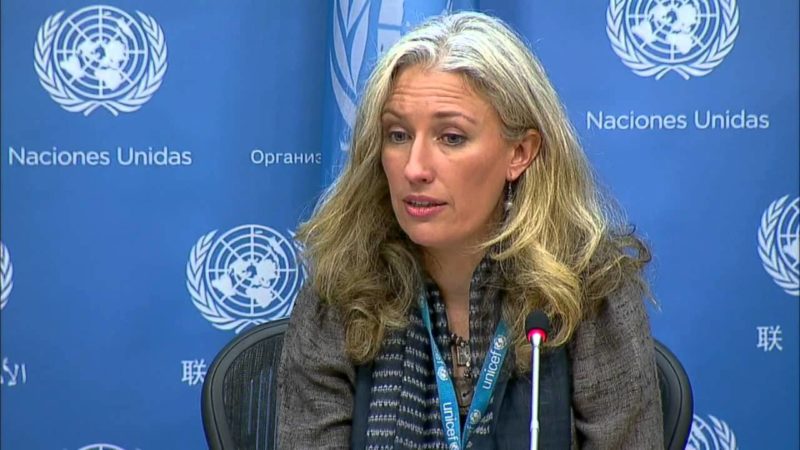
UNICEF Nigeria Acting Representative, Pernille Ironside

Mr Jurji Zaid, the UNICEF Chief of Water Sanitation and Hygiene (WASH) Nigeria, made the appeal at a media dialogue on Water Supply and Sanitation Sector Reform Project, Phase III.

The News Agency of Nigeria (NAN) reports that the forum was supported by the European Union in Jos.

Zaid alerted that about 160 million Nigerians lack access to potable quality water.

The UNICEF official quoted the figure from the 2016 to 2017 Multiple Indicator and Cluster Survey (MICS).

According to him, the survey was conducted by the National Bureau of Statistics (NBS) in conjunction with UNICEF, among other stakeholders.

NAN also reports that the dialogue was organised by the Child Rights Information Bureau of the Federal Ministry of Information and Culture in partnership with UNICEF.

Presenting a paper on “Overview of WASH situation in Nigeria’’, Zaid noted that most of the water consumed by Nigerians were from sources contaminated either by faeces and lack of proper hygiene practice, among others.

He further noted that 50 per cent of water infrastructure in the country were bad and identified these lapses as a contributing to poor access to potable water.

Zaid identified water, sanitation and hygiene as interrelated, recommending that good hygiene practice and making the nation open defecation free would ensure healthy lives for the citizens.

The WASH specialist specifically noted that 25 per cent of the populace practice open defecation, adding that open defecation in the vicinity of water sources could contaminate it thereby making the water unsuitable for consumption.

He reaffirmed that 88 per cent of water borne diseases like diarrhoea were due to lack of access to potable water.
According to him, this has resulted to rate of diarrhoea in children thereby accounting for second leading causes of under-five mortality.

Zaid also suggested use of chlorine tablet as a cost effective way of water purification.

The specialist said to ensure improved WASH in the country required the collaborative efforts of all tiers of government, private entity, community and individuals, among others.

Zaid urged leaders to show political will by ensuring adequate budgetary allocation to WASH interventions and judicious use of such resources as at when due.

“Leaders need political will to promote accessibility to WASH by ensuring judicious flow of funds from all tiers of government or meeting their counterpart funding.

“There is need for Nigeria Government to prioritise investments on WASH without that all investments by donor agencies will be wasted resources because the country will not be able to sustain such interventions.

“There is need for the government to explore the services of private sector to ensure regular monitoring, maintenance and repair of water infrastructure to forestall constant damage,” he said.

By Felicia Imohimi

The vulture decline: Hazard on human health and economy

0

The decline of vultures in Nigeria should be everyone’s concern if we understand and appreciate their importance or contributions to human health and the economy. This decline in the number of vultures is not only exacerbated by natural or climate-induced changes but chiefly driven by human-induced threat associated to belief-based use.

vultures
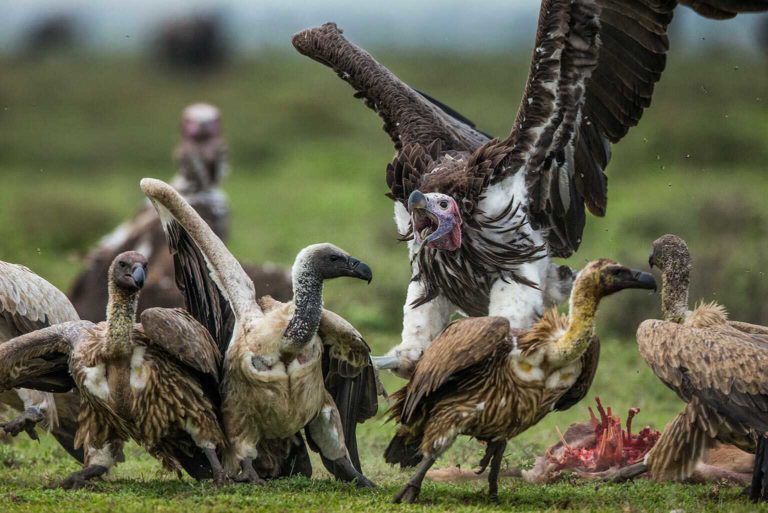
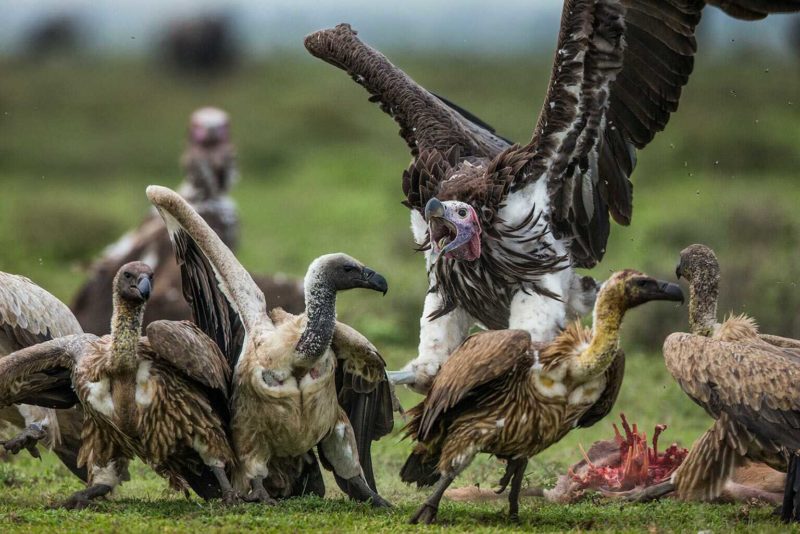
Vultures fighting over an animal carcass

Having this in mind, effort at reducing this threat associated with the 15 African-Eurasian vulture species faced with different level of conservation threat therefore needs a multi-prong approach. This approaches must combine actions on advocacy, sensitisation, policy review and capacity strengthen etc by concerned stakeholders including NGOs.

The Nigerian Conservation Foundation (NCF) Save Vulture Advocacy campaign commenced with a public lecture in 2017  using the 15th Chief S. L. Edu Memorial Lecture with the theme “Decline of Vultures: Consequences to Human Health and the Economy” delivered by the Deputy Secretary General to the United Nations, Ms. Amina J. Mohammed.

Attention is being devoted to vultures because of the alarming rate of their decline. Threats to vulture species are from humans. Vultures today are in dire situation especially outside conservation areas. They are in danger of being poisoned, especially through the deliberate poisoning of carnivores; electrocution by powerlines passing through breeding sites, direct persecution and declining food availability. Deliberate poisoning of carnivores is likely the most widespread cause of vulture poisoning. Human persecution of vultures has occurred for centuries and continues unabated. These are all human-induced threats! Among the 15 species of the African-Eurasian Vulture (with ranges across Africa, Asia, and Europe) eight species are Critically Endangered; three are Endangered; and three are Near Threatened.

Vultures play a crucial role to human health and the economy. They keep our environment free of carcasses and waste thereby restricting the spread of diseases such as anthrax and botulism etc. They are of cultural value to the Nigerian communities. They have important eco-tourism (bird watching) value. Vultures are nature’s most successful scavengers, and they provide an array of ecological, economic, and cultural services. As the only known obligate scavengers, vultures are uniquely adapted to a scavenging lifestyle. Vultures’ unique adaptations include soaring flight, keen eyesight, high sense of smell and an immune system adapted to degrading carcasses with no negative effect.

Vulture decline would allow other scavengers not properly equipped for scavenging to flourish leading to their proliferation causing bacteria and viruses from carcasses into human cities. We need to rise and prevent this from manifesting.

Ecological consequences of vulture decline include changes in community composition of scavengers at carcasses and an increased potential for disease transmission between mammalian scavengers at carcasses and human population. There have been cultural and economic costs of vulture decline as well, particularly in Nigeria.

Vultures in Nigeriaare ignorantly considered an omen of evil, therefore, the evil must be stopped. This leads many to kill vultures in the quest for averting supposedly eminent evil. Sad to know this barbaric act still exists.

In 2017, the NCF conducted a survey to wildlife markets in Ondo, Osun and Ogun states in South West Nigeria which revealed that Kano, Ibadan and Ikare are the hubs of vulture sales. Wildlife and herbs sellers visit these trade hubs to get vultures (live or dead) for their customers and users.

Vultures, it was gathered, are being used by the belief-based practitioners and other spiritualists for “Awure” – fortune charm. The survey revealed that a vulture head goes for between N12,000 and N15,000 at retail markets, a feather costs N100, while other parts cost between N500 and N2,000. The findings further showed that although a whole vulture could cost as high as N20,000 to N30,000, once the head is off, the rest of the parts may not attract much money.

Belief-based use is a major driver of vulture decline in Nigeria especially in the South West where they were assessed to be major ingredients in traditional concoction. The local markets for vulture species have soared up in multi-folds as a result of continued demand within the belief-based system. Belief-based professionals who are the users of this economically important species are currently decrying the high price of this commodity as it affects their business. However, there is a need for a change in the traditional belief system that has entrenched the cultural cocoon of the day-to-day existence of people. In trying to change this belief-based use, in 2017 NCF organised a Stakeholders’ Workshop on Illegal Wildlife Trade tagged “Save Vulture” in Ogun, Ondo, and Osun states where about 150 people participated drawn from Traditional Healers Association, Enforcement and Border Control Agencies, Wildlife Traders, Transport Union, Government MDAs (in Justice, Environment, and Forestry) and Wildlife Research Institutions .  While this workshop was an eye-opening awareness for practitioners within the illegal wildlife trade in Nigeria.

The economy of a nation or of a people is not built by trading in commodity and other allied items only, but also on a healthy environment. When an environment is healthy by ensuring that all the components are functioning properly, people are healthy and trade successfully, which has a ripple effect of imparting directly on the nation’s economy. A healthy soul is a wealthy soul and a healthy people is a healthy nation.

People need to be aware of the services vultures provide to humanity and take actions in tackling the challenges faced by vultures. Researchers need to establish a simple monitoring network for vultures. Toxic drugs that are harmful to vultures need to be eliminated. Time to save the vultures from vanishing is now! Time to be more aware of the happenings in our environment is now! And time to take bold steps to further save nature is now!

By Dr Joseph Onoja (Ag. Director General, Nigerian Conservation Foundation)