Home Blog Page 1942

Why peatlands should be protected, by Solheim

0

The Executive Director of the United Nations Environment Programme (UN Environment), Erik Solheim, has described peatlands as the one of the most unique and interesting ecosystems on the planet.
Global Peatlands Initiative
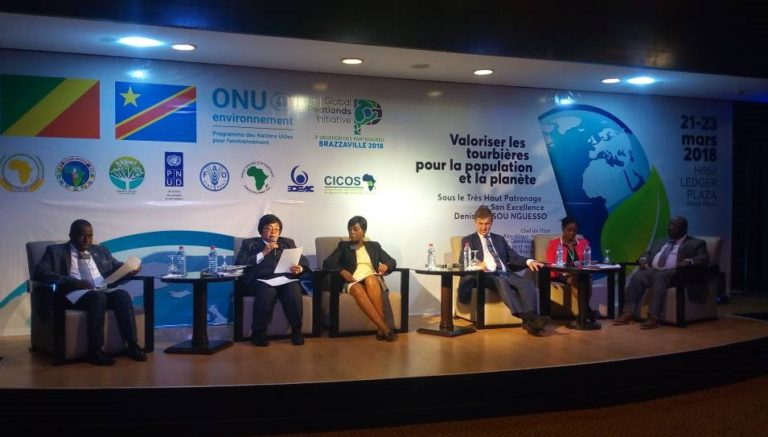
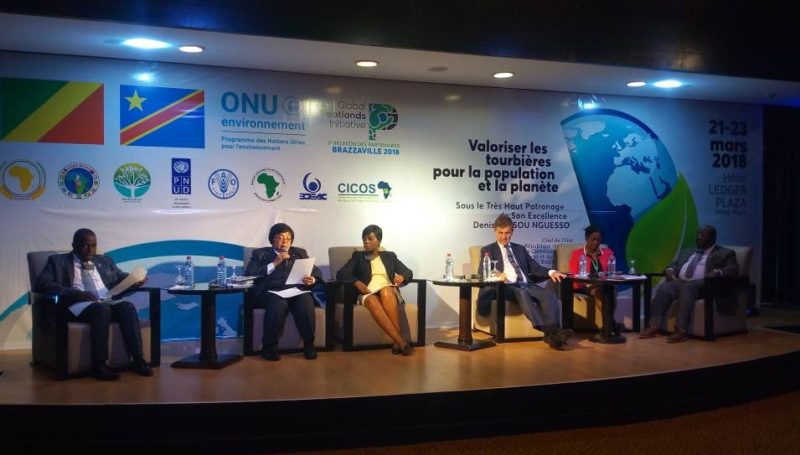
A panel discussion session during the Third Meeting of the Partners of the Global Peatlands Initiative holding in Brazzaville, Republic of Congo

Solheim made the submission on Wednesday, March 21, 2018 in Brazzaville, Republic of Congo, during the Third Meeting of the Partners of the Global Peatlands Initiative (GPI).

Peatland is land consisting largely of peat, which is a heterogeneous mixture of more or less decomposed plant (humus) material that has accumulated in a water-saturated environment and in the absence of oxygen.

The peatland is home to a number of species like the gorilla and, via eco-tourism, it is a source of income for people living there, Solheim stated, even as he justified why protecting peatland is key for the two Congos (Republic of Congo and Democratic Republic of Congo).

Besides fishery, the UN Environment boss stressed that peatlands are also a main source of water for local communities, who he advised to refrain from destroying the peatlands because of telling consequences.

“Destroying peatlands is a source of health hazard to the people, as such a step easiliy leads to fires and smoke, which are destructive to property and human health. Don’t destroy the peatland because it will come back hurting the local population through fires as it has done in South East Asia,” he said, adding that the peatland is also the greates stock of carbon on earth.

Indeed, the peatlands in the Cuvette Centrale (or Central Basin), a region of forests and wetlands in the Democratic Republic of the Congo that extends into the Republic of the Congo,  are estimated to hold about 30 billion tonnes of carbon – equivalent to more than 15 years of carbon dioxide emissions from the United States.
Global Peatlands Initiative
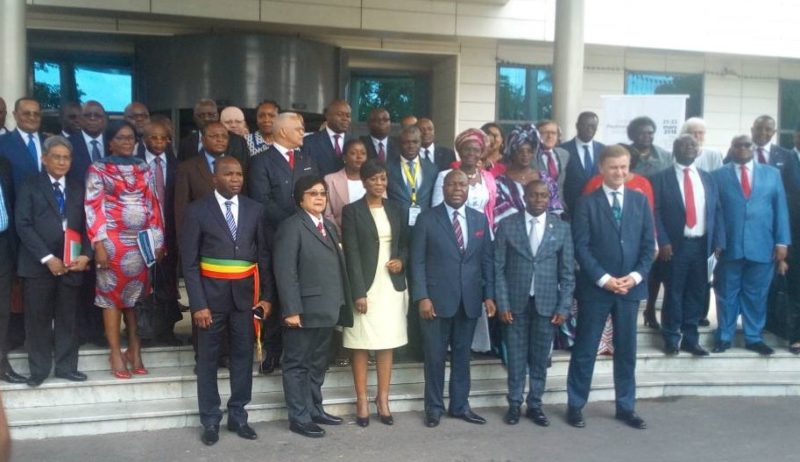
A group photograph by participants

Scientists say that the Democratic Republic of the Congo and the Republic of Congo are the second and third most important countries in the tropics in terms of peatland area and carbon stocks after Indonesia.

The near-pristine peatlands of the Congos are said to be globally signicant and are an important source of ecological stability for the entire region and home to unique animals and plants. The Congo Basin has been inhabited for more than 50,000 years and is today home 75 million people who need it for shelter, food and fresh water.

The Global Peatlands Initiative is an effort by leading experts and institutions to save peatlands as the world’s largest terrestrial organic carbon stock and to prevent it being emitted into the atmosphere. The current greenhouse gas emissions from drained or burned peatlands are estimated to amount up to five percent of the global carbon budget – in the range of two billion tonnes CO2 per year.

Partners to the Initiative are working together within their respective areas of expertise to improve the conservation, restoration and sustainable management of peatlands. In this way the Initiative will contribute to several  Sustainable Development Goals, including by reducing greenhouse gas emissions, maintaining ecosystem services and securing lives and livelihoods through improved adaptive capacity.

One of the first outputs of the Global Peatlands Initiative will be an assessment, which will focus on the status of peatlands and their importance in the global carbon cycle. It will also examine the importance of peatlands for national economies.

Global Peatlands Initiative Partners include: Democratic Republic of Congo, Republic of Congo, Republic of Indonesia, and Peru, who are the countries represented.

The international organisations are: UN Environment, Food and Agricultural Organisation of the UN, International Fund for Agricultural Development, UN Convention on Biological Diversity, RAMSAR Convention, UN Environment World Conservation Monitoring Centre, GRID-Arendal, Greifswald Mire Centre, Wetlands International, World Resources Institute, Wildlife Conservation Society, European Commission – DG Joint Research Centre Land Resources Unit, Global Green Growth Institute, International Peatland Society, International Union for Conservation of Nature, Centre for International Forestry Research, and Global Environment Centre.

The meeting comes to a close on Friday, March 23.
Nigeria-Morocco gas pipeline not in our interest, say activists

0

The Nigeria-Morocco gas pipeline has been tagged “The Wonder of Africa” but civil society groups in Africa and around the world see it as “The Wounding of Africa”. No fewer than 40 groups have jointly issued a statement, calling for the project to be called off in the interest of the peoples and the planet. Excerpt:

Trans-Saharan Pipeline
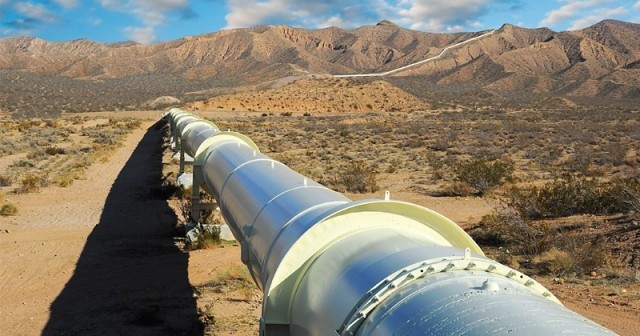
The new pipeline will take gas all the way from Escravos in Nigeria to Morocco

In December 2016, an announcement was made of a nearly 5,000 km Nigeria-Morocco offshore gas pipeline which at today’s prices will cost an estimated $20 billion. In reality, the actual costs will likely be much higher. This pipeline would be a continuation of the existing 678 km long West African Gas pipeline (WAGP) that has been in service since 2010. It aims to serve 12 countries on the African continent and some 300 million potential consumers, with a possible extension to the Europe.

We, the undersigned organisations, are concerned about this project for several reasons, including:

  1. While the acceleration of global warming exceeds all expectations and greenhouse gas emissions have set a new record in 2016, the construction of this pipeline can only go in the direction of an increase of extraction and consumption of fossil resources, the main causes of global warming.
  2. Contrary to what is often asserted, gas is not clean energy.  The methane in it is more volatile than CO2, and much more powerful in global warming potential. Moreover, the concentration of methane in the atmosphere has accelerated dangerously since 2007.
  3. The extraction, transportation and use of fossil fuels has considerable environmental implications: the disturbing effects of seismic studies on marine fauna, the use and release of various chemical substances and wastes, the risks of leaks, fires and explosions related to corrosion and navigation are additional risks to that of methane emissions. This will destroy livelihoods of millions of our people depending on fisheries in our regional waters.
  4. The section already constructed (WAGP) was done without consulting the populations who rejected the environmental impact study.
  5. It is a top-down project that does not consider the needs of the populations and the environment. They are not consulted and will not be the first beneficiaries of this pipeline. While Nigeria is Africa’s largest exporter of gas and oil, less than half of the population has access to electricity. In Benin, Togo, already served by the WAGP, barely a third of the population have access to electricity.
  6. The proposed pipeline is a project for the multinational corporations. Nigerians do not benefit from Oil exploitation in Nigeria.
  7. The energy produced will be used primarily to fuel agribusiness projects and export-oriented industrial clusters at the expense of small farmers and artisans and the satisfaction of the needs of the people.
  8. This project will be a financial sinkhole. It is likely that the forecast cost of $20 billion will be probably doubled and will lead to an exponential increase of the debt burden of our countries.

We the undersigned believe that the proposed Nigeria-Morocco gas pipeline is bad for the region, our peoples and the Planet. We say NO to the project,

Because we choose the climate in place of fossil energy,

Because we choose the health of our planet against the appetites of multinationals,

Because we refuse to pay for projects that will not bring us anything,

We say no to the Nigeria-Morocco pipeline.

Signed

  1. ATTAC Morocco
  2. Health of Mother Earth Foundation (HOMEF), Nigeria
  3. Peoples Advancement Centre, Nigeria
  4. Justica Ambiental, Mozambique
  5. Centre for Children’s Health Education, Orientation and Protection (CEE-HOPE), Nigeria.
  6. Centre for Environment, Human Rights and Development (CEHRD), Nigeria.
  7. Les Amis de la Terre Togo (ADT-Togo), Togo
  8. Jeun Chretien en Action Pour le Development (JCAD), Togo
  9. Centre for Social Studies and Development- We the People, Nigeria
  10. Oilwatch Ghana, Ghana
  11. Environmental Justice North Africa (EJNA)
  12. Green Concern for Development (GREENCODE), Nigeria
  13. Social Action, Nigeria
  14. Rainforest Resource and Development Centre (RRDC), Nigeria
  15. Lokiaka Community Development Centre, Nigeria
  16. Green Alliance of Nigeria (GAN)
  17. Struggle to Economize Future Environment (SEFE), Cameroon
  18. 350.org, Africa
  19. Gastivists, International
  20. Youth Climate Coalition, UK
  21. Platform London, UK
  22. Observatori del Deute en la Globalització (ODG), Catalunya
  23. CoalSwarm, USA
  24. Millieudefensie/Friends of the Earth Netherlands
  25. Amigos de la Tierra (FoE Spain)
  26. Oil Change International, International
  27. Corporate Europe Observatory, Belgium
  28. Association Pierre Domachal, France
  29. Ecologistas en Acción (Spain)
  30. ATTAC (France)
  31. Climáximo  (Portugal)
  32. Friends of the Earth (USA)
  33. Food & Water Europe
  34. Friends of the Earth Europe
  35. Non au Gazoduc Fos Dunkerque, France
  36. Leave it in the Ground Initiative (LINGO)
  37. Kebetkache Women Development and Resource Centre, Nigeria
  38. Egi Human Rights and Environmental Initiative, Nigeria
  39. Ikarama Women Association, Nigeria
  40. Oilwatch International

World Water Day: Lagosians insist water mustn’t be privatised

0

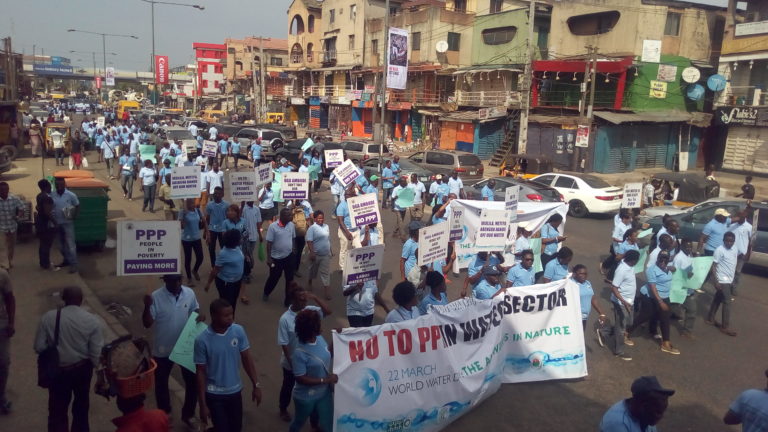
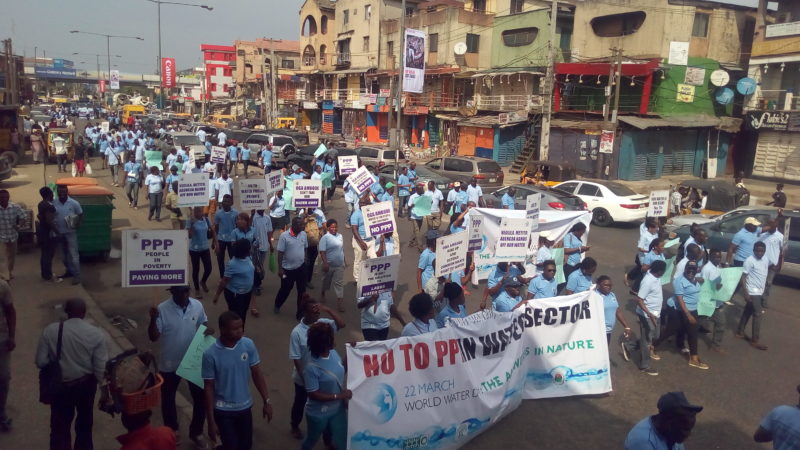
In commemoration of the World Water Day (WWD), Lagosians on Thursday, March 22, 2018 trooped out in their thousands to protest the proposed privatisation of the state’s water infrastructure by the Governor Akinwunmi Ambode government.

Water rally
A view of the protesters

World Water Day is an annual observance on March 22 by people and organisations worldwide, including all United Nations member states, to highlight the importance of freshwater. It is also used to advocate for the sustainable management of freshwater resources.

The theme for 2018 WWD is “Nature for Water” – exploring nature-based solutions to the water challenges we face in the 21st century.

Led by Environmental Rights Action/Friends of the Earth Nigeria (ERA/FoEN), Amalgamated Union of Public Corporations, Civil Service Technical and Recreational Employees (AUPCTRE), Joint Action Front (JAF), Africa Women Water Sanitation and Hygiene Network (AWASHNET), Committee for Defence of Human Rights (CDHR), Labour, Health and Human Right Development Centre (LHAHRDEV), Child Health Organisation (CHO), Climate Aid, Centre for Dignity, and Friends of the Environment, the peaceful protesters in sky blue T-shirts carried placards and sang solidarity songs.

The placards had inscriptions like “PPP is Picking Pocket of the Poor”, “Veolia, Metito, Abengoa Hands Off Our Water”, “PPP Will Lead To Job Losses”, “Oga Ambode Don’t Take Our Water Away”, and “Our Water Is Our Right, No to PPP”.

Leading activists, Achike Chude of JAF, Ayodele Akele of LHAHRDEV, Veronica Nwanya of AWASHNET, Vickie Onyekuru and others, were at the vanguard of the protest.

Chude lamented Lagos government’s plan to sell a God-given asset like water.

“We say no to privatisation. Water must be free. Government must put money into water infrastructure, so that people can have water,” he said.

For Kunle ‘Wiseman’ Ajayi, the general secretary of United Action for Democracy (UAD), if the problem is not stopped, it will stop humanity.

His words: “They want to tax everything from air, talking, laughing and even crying. That is why we must say no to privatisation of water in Lagos.”

Different Nigerian languages were used to address the crowd at Ikeja Roundabout, from where the march to Alausa started. While Angela Akunne spoke in Igbo, Onyekuru spoke in Hausa. Pidgin English and Yoruba were also used.

Akunne said “if we must pay for water in Lagos, we will be limited in the use of the commodity. Government must give us water because God has given us water free.”

At Alausa, the gate to Government House was locked, denying the protesters entry.

Speaking to Gabriel Olawale, a Department of State Services (DSS) official attached to Lagos Government House, Muali Subair, the vice president of AUPCTRE, said: “Ambode’s first assignment is to give Lagosians water because water is life.”

Chude maintained that not everything should be taxed. “We are saying capital no to water privatisation.”

It was Abdulkareem Olasheu, the Senior Special Adviser (SSA) to the Governor on Community Mobilisation, who came out to address the protesters, as the governor was reportedly out of the country.

The governor’s aide first apologised to the crowd for locking them out of “their house”, explaining that “not all protesters are organised as you are”, hence the gate should be locked. He even agreed to let the protesters in, if the promise to maintain their peaceful disposition.

He signed and received the letter entitled “World Water Day 2018: No To Privatisation In Water Sector, We Insist” on behalf of the governor and promised to relay other messages passed to him.

The last part of the letter to Ambode reads: “Your Excellency, we believe the solution to the current water crisis in Lagos is not to commodify water. We have proposed solutions in the document – Lagos Water Crisis: Alternative Roadmap for Water Sector, copies of which have been sent to relevant agencies and the office of Your Excellency.

“We are ready to work with your government. Accept the assurances of our highest regards.”

By Innocent Onwuji

World Water Day: Greenpeace seeks commitment to defend South Africans’ right to water

0

This year, South Africa will observe World Water Week under the ominous cloud of the Cape Town water crisis, and the stark reality of long-term water scarcity in South Africa and beyond its borders. The spotlight on water is at the heart of all conversations in South Africa with questions mainly being raised around sustainable water management, government’s role in the securing access of clean water for all citizens, and the future we face with alarming rates of drought and other weather extremes around the world.

Melita Steele
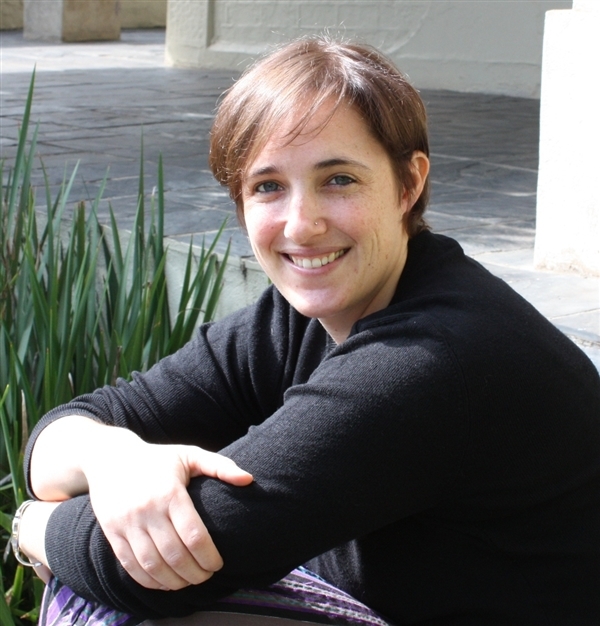
Greenpeace Africa’s Senior Climate and Energy Campaign Manager, Melita Steele

On the occasion of World Water Day, Greenpeace Africa’s Senior Climate and Energy Campaign Manager, Melita Steele, said, “Day Zero is a sign of the times. Millions of South Africans live with Day Zero every day, because they don’t have access to water. Water scarcity is a massive problem, and it is not going to go away. Greenpeace believes that the 2002 UNESCO General Comment that ‘the human right to water is indispensable for leading a life in human dignity. It is a prerequisite for the realisation of other rights’ goes to the heart of the matter.

“The days of mega water users like Eskom and coal mines having unlimited access to water at the expense of the people of South Africa must be over. We must change the narrative around water, and we must defend our right to water at all costs.

“The fact of the matter is that the water story in South Africa is not a good one. Our Department of Water Affairs and Sanitation has for all intents and purposes collapsed. Demand is going to exceed supply in the long term, and it will be difficult to close the gap. All government departments, including but not limited to the Department of Water and Sanitation, must put water at the centre of decision making, and must firmly prioritise water for people over business and profits.”

According to the South African Human Rights Commission, there has been an increase in complaints relating to the right to water between 2012 and 2016, which is tied to insufficient or lack of basic service delivery. This is likely to worsen unless people’s right to water is protected and put first. Water is a basic human right.

In the recent report, “A delicate balance: Water scarcity in South Africa”, it is indicated that as the forces of climate change, urbanisation, population growth and industrialisation collide in SA there needs to be a comprehensive and aggressive push from the South African government to restore balance to the water sector. With this responsibility comes an important opportunity. This makes it clear that a fundamental shift related to water is required to avoid devastating consequences in the future.​

Biotech pioneers, Rittmann and van Loosdrecht, win 2018 Stockholm Water Prize

0

Professors Bruce Rittmann and Mark van Loosdrecht are named the 2018 Stockholm Water Prize Laureates for revolutionising water and wastewater treatment.

Water Prize
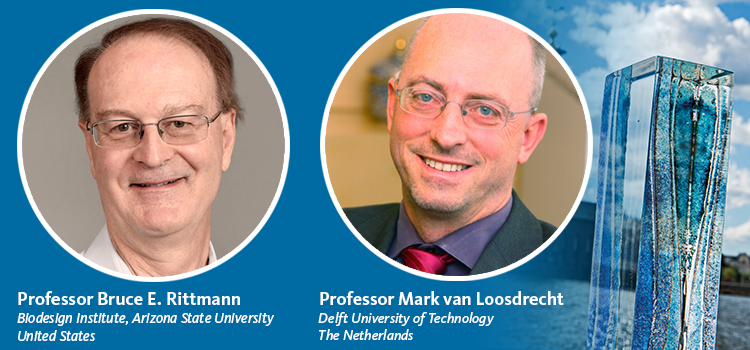
Bruce Rittmann and Mark van LoosdrechtBy revolutionising microbiological-based technologies in water and wastewater treatment, Professors Mark van Loosdrecht and Bruce Rittmann have demonstrated the possibilities to remove harmful contaminants from water, cut wastewater treatment costs, reduce energy consumption, and even recover chemicals and nutrients for recycling.

Their pioneering research and innovations have led to a new generation of energy-efficient water treatment processes that can effectively extract nutrients and other chemicals – both valuable and harmful – from wastewater.

Mark van Loosdrecht is Professor in Environmental Biotechnology at Delft University of Technology, The Netherlands. Bruce Rittmann is Regents’ Professor of Environmental Engineering and Director of the Biodesign Swette Center for Environmental Biotechnology at the Biodesign Institute, Arizona State University, USA.

On receiving news of the prize, Professor van Loosdrecht said: “I’m very excited and pleased! This is a recognition not just of our work but of the contributions microbiological engineering can make to the water sector”

In its citation, the Stockholm Water Prize Nominating Committee recognises Professors Rittmann and van Loosdrecht for “pioneering and leading the development of environmental biotechnology-based processes for water and wastewater treatment. They have revolutionised treatment of water for safe drinking, and refined purification of polluted water for release or reuse – all while minimising the energy footprint”.

The professors’ research has led to new processes for wastewater treatment currently being used around the globe. “Traditionally, we have just thought of pollutants as something to get rid of, but now we’re beginning to see them as potential resources that are just in the wrong place,” says Professor Rittmann. In his research he has studied how microorganisms can transform organic pollutants to something of value to humans and the environment. “We’re in the middle of a paradigm shift, with more and more focus on how we can create resources, using microbial systems,” he says.

Professor van Loosdrecht’s work echoes this sentiment. His research has led to increasingly common wastewater treatment processes that are less costly and more energy efficient than traditional methods.

“With current technology, you can already be energy neutral and there is a lot of research on how to become energy positive. Especially in developing countries with unstable electricity supply and limited access to funding, this is very important. If we could build a wastewater plant that is self-sufficient in energy, that would make sewage plants feasible in many more places,” says Mark van Loosdrecht.

“Together, Professors Rittmann and van Loosdrecht are leading, illuminating and demonstrating the path forward in one of the most challenging human enterprises on this planet – that of providing clean and safe water for humans, industry, and ecosystems,” says SIWI’s Executive Director, Torgny Holmgren.

H.R.H. Crown Princess Victoria of Sweden will present the prize to Professors Rittmann and van Loosdrecht on behalf of H.M. King Carl XVI Gustaf of Sweden, Patron of Stockholm Water Prize, at a royal award ceremony on 29 August 29, 2018, during World Water Week in Stockholm, Sweden.

Nigerian youth initiative, others win maiden UN SDG Action Awards

0

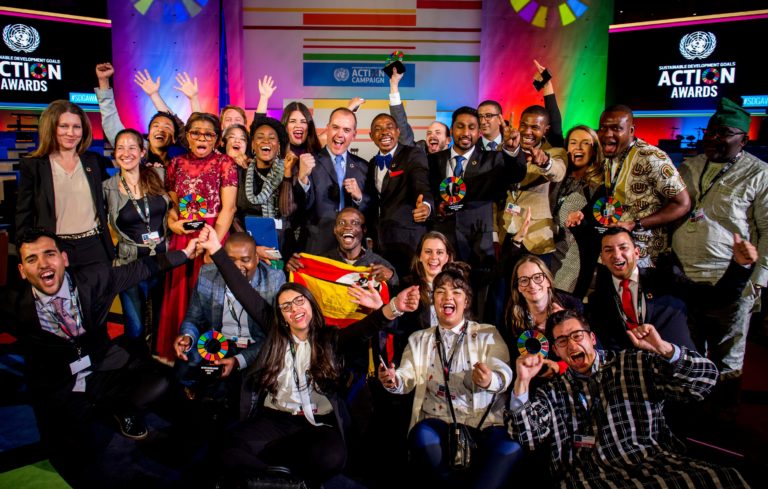
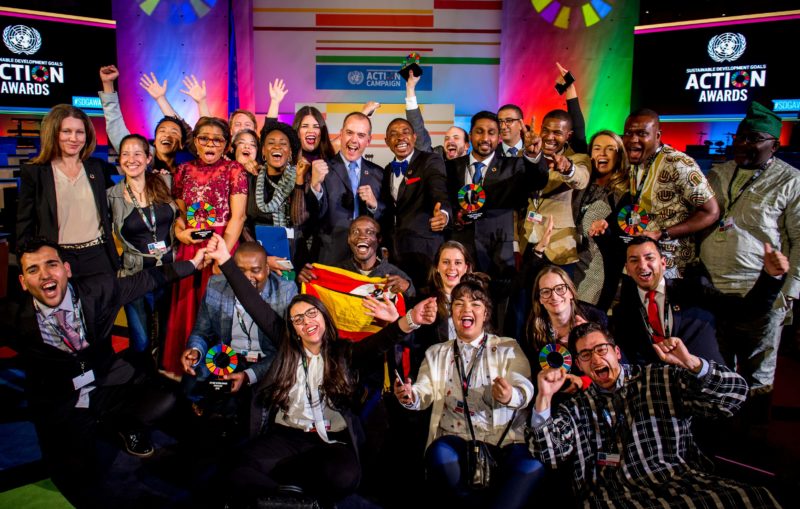
Nigerian anti-corruption awareness campaigner, the Creative Youth Initiative Against Corruption (CYIAC) Corruption Busters (CCB), and seven other organisations are winners of the first United Nations SDG Action Awards. According to the UN SDG Action Campaign, the development demonstrates the extraordinary momentum towards achieving the Sustainable Development Goals (SDGs) in different corners of the earth.

United Nations SDG Action Awards
Winners of the first United Nations SDG Action Awards

The awards ceremony was held in tandem with the second edition of the Global Festival of Action for Sustainable Development in Bonn, Germany, and honoured initiatives in the categories of communicator, connector, includer, innovator, mobiliser, storyteller, and visualiser.

The CYIAC anti-corruption awareness campaign “CYIAC Corruption Busters (CCB)”, which was in the “Innovator” category, targeted the general public in Nigeria to draw attention to corrupt practices associated with their everyday life and its unimaginable negative impact on individuals and society.

“So far, it has reached over one million people through the CCB TV channel, social media engagement and ‘Corruption Busters goes to School’, a special school programme,” says founder of the organisation, Foluke Michael.

Mitchell Toomey, Global Director of the UN SDG Action Campaign, said: “These are ‘Action’ Awards because we need more than words: our winners dared to believe and act for change. They are perfect examples of the wonderful work that’s happening around the world led by thousands, if not millions, of people.”

The other awardees include: People’s Choice Award: Road to Rights – Sri Lanka; Visualiser: Global Goals for Local Impact / Open Institute – Kenya; Storyteller: Daughters of Bangladesh – UK/Bangladesh; Mobiliser: SDG Youth Morocco – Morocco; Includer: Youth Power Accountability Advocates / Restless Development – Ghana; Connector: Unreasonable Goals – USA; and Communicator: SDG Voices – City of Ghent, Belgium.

The winning initiatives are fighting corruption in Nigeria, mobilising Belgians to implement the SDGs in their daily lives, empowering children through photography and digital skills in Bangladesh, promoting human rights education in Sri Lanka and much more. Evidencing the multi-sectoral engagement to achieve the SDGs, the winners span over private and public sectors, as well as civil society and grassroots movements.

Over 700 nominations from 125 countries in seven continents were submitted. An expert judging panel evaluated submissions against the degree to which actions were deemed to be transformative, inclusive and impactful.

In addition, an open vote was held on the website of the UN SDG Action Campaign where visitors could rate their favorite among the 38 finalists to win the People’s Choice Award.

“Great solutions for the world’s challenges can come from anywhere. We hope everyone is inspired by these stories and consider submitting their nominations for future Awards. These are the first winners of a community that will continue to grow,” said Toomey.

‘MY World 360°’ launched, to empower SDG journalism

0

At the ongoing Global Festival of Action in Bonn, the United Nations SDG Action CampaignDigital Promise Global, and Oculus have announced a new partnership and the launch of the MY World 360° project.

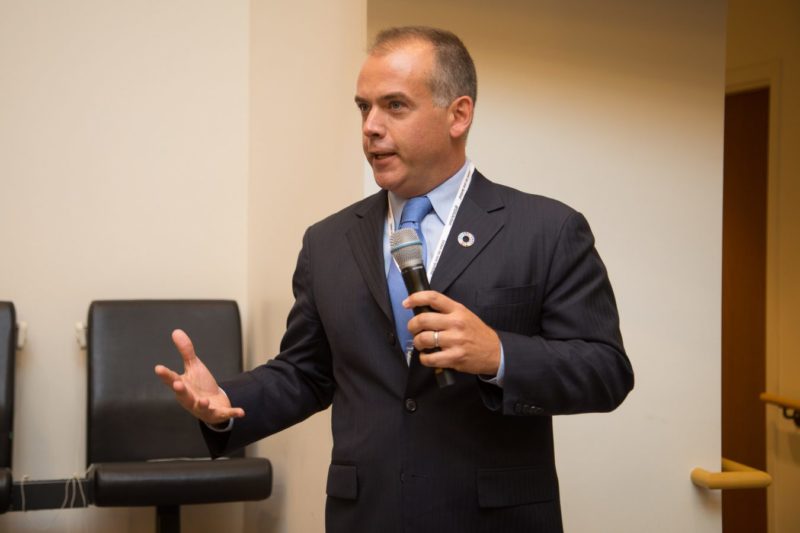
Mitchell Toomey
Mitchell Toomey, Director of the United Nations SDG Action Campaign

The partnership, it was gathered, reflects a shared commitment to the idea that immersive technologies like virtual reality hold potential for experiential storytelling that spurs learning and action. MY World 360° invites young people worldwide to develop digital skills and create 360° media as a way to share their perspectives and advance positive action toward the UN’s Sustainable Development Goals (SDGs).

MY World 360° ultimately aims to increase participation through a new expressive and immersive medium by young people and marginalised groups, and promote awareness and understanding of the Sustainable Development Goals (SDGs).

Engaging young people through a powerful learning experience to help them build new digital skills for a purpose, the programme is open to global submissions, with additional activity planned in Germany, India, and the United States.

“The Sustainable Development Goals are an open call for all people to join together to create a more sustainable and equitable world,” said Mitchell Toomey, Director of the United Nations SDG Action Campaign. “MY World 360° will empower young people with the language to describe challenges, the skills to document the SDGs in a local context and the knowledge to influence and make change. This will equip young people with the tools to have open dialogue with decision makers in their communities, hopefully inspiring the collaborative action needed to achieve the goals.”


Pilot Countries
Oculus, Digital Promise Global, and the UN SDG Action Campaign also announced that MY World 360° will launch national pilot programmes in Germany and India. A limited number of German and Indian schools and youth organisations, they added, would receive 360° video production equipment from Oculus, as well as targeted support from local media mentors.

In Germany, implementing partners for the national pilot include schools and youth organisations affiliated with the UNESCO Associated Schools Network and UNICEF. The implementing partner for the national pilot in India will be UNESCO’s Mahatma Gandhi Institute of Education for Peace.


Programme Origin
Since 2016, Oculus, the virtual reality company, has partnered with Digital Promise Global, a non-profit organisation working to spur innovation in education, through the 360 Filmmakers Challenge. Bringing virtual reality production tools to classrooms and youth organisations across the United States, the programme has engaged over 2,000 students and over 20 awarded youth-produced films.

From 2012 through 2015, the UN SDG Action Campaign coordinated the MY World 2015, the UN Global survey that ensured 9.7 million people’s sustainable development priorities were included in the creation of the Sustainable Development Goals. The MY World 2030 project will continue to shine a light on people’s personal experiences around the world, ensuring they have a platform to have their say. MY World 360° will join a suite of storytelling projects which include the Humans of MY World, as well as immersive films promoted through UNVR.

The MY World campaign, the success of UNVR, and the youth-produced media from the 360 Filmmakers Challenge caused Oculus, Digital Promise Global, and the UN SDG Action Campaign to develop the idea for a global campaign for youth-produced 360° media for SDG awareness and action.

“Giving people the resources they need to highlight the issues they care about has been a goal of our partnership with Digital Promise Global, and we’re thrilled to be working with the UN SDG Action Campaign this year,” said Parisa Zagat, Head of Oculus Policy Programmes. “By expanding this work internationally through this new initiative we hope to encourage even more young people to think about how technology can help them raise awareness for causes they believe in.”

“We are excited to partner with Oculus and the UN SDG Action Campaign to help young people around the world develop their digital skills,” said Karen Cator, President and CEO of Digital Promise Global. “By using emerging technology, more learners can bring their ideas and experiences to life in new and powerful ways.”


How to Participate
MY World 360° offers tools and resources to help participants learn about the SDGs, and to develop the skills needed to capture, edit, and share 360° media to represent their perspectives and their communities in an immersive and compelling way. Youth participants from around the world are eligible to contribute immersive media, including photography and film, to the open call for submissions to MY World 360°.

Concern as Poland enacts law to crack down on protesters at COP24

0

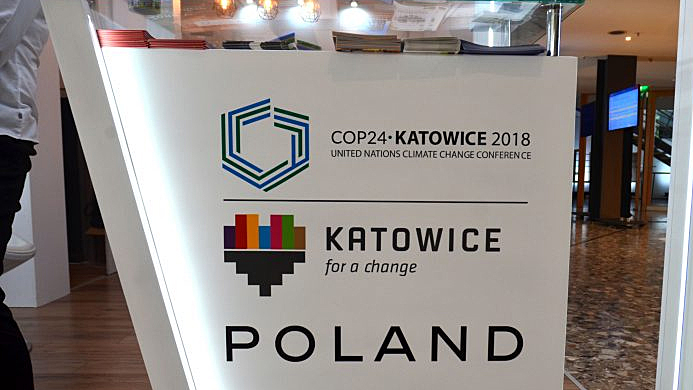
Some 116 civil society organisations (CSOs) and allies globally appear concerned over an apparent crackdown by the Polish Government on protests at the 24th Session of the Conference of the Parties (COP24) to the United Nations Framework Convention on Climate Change (UNFCCC) scheduled to hold from December 3 to 14, 2018 in Katowice, Slaskie, Poland.

COP24
The city of Katowice in the Slaskie Province, Poland, will host the UNFCCC COP24 in December, 2018

In a bid to actualise its intention, the Polish parliament has reportedly passed a Bill that will prevent environmental rights defenders to protest against detrimental climate change policies.

The legislation is “On specific solutions related to the organisation of the session of the Conference of the Parties to the United Nations Framework Convention on Climate Change in the Republic of Poland”.

Noelene Nabulivou, Diva For Equality and Pacific Partnerships on Gender, Climate Change, and Sustainable Development, from Fiji says, “We are concerned that the climate negotiations will be a farce if they are conducted in an atmosphere of fear, threat and intimidation. People of the Pacific are already facing loss and damage to ourselves and our environment. Meanwhile we are working to change social, economic and environmental models that are damaging people and the planet. So the last thing we want to see at this time is a roll back on state commitments to civic freedom and climate change action.”

The bill, says Neha Gupta of the Asia Pacific Forum on Women, Law and Development (APFWLD) in a statement, will give power to the Polish government to subject human rights defenders to state-led surveillance including access and storing all personal information.

The APWLD is a network of over 200 organisations and activists working in 27 countries in the Asia Pacific region. It works at the intersection of climate change and women’s human rights among other issues.

“I have participated and protested at COP before and never felt threatened. I am deeply concerned that environmental defenders, especially indigenous women, urban poor and rural women human rights defenders from every region of the world who plan to participate in COP24 this year in Poland will face great risks,” says Alma Sinumlag, Cordillera Women’s Education Action Research Center (CWEARC), Philippines.

According to Gupta, 2017 was the deadliest year for environmental human rights defenders, where at least 197 human rights defenders were killed for protecting their land and resources. “If patriarchal, authoritarian governments make this trend a norm, then 2018 could be an even worse year for human rights defenders and their communities,” he adds.

Sascha Gabizon, WECF International, based in the Netherlands, says, “The Bill infringes on the European Convention of Human Rights and sets a dangerous precedent that undermines the basic human rights and fundamental freedoms outlined therein, particularly the right to freedom of peaceful assembly, association and of speech.”

The civil society organisations demand the Polish government to repeal the “harmful” Act, reminding the Government of Poland to uphold their legal and human rights obligations as set out in the European Convention of Human Rights and International Covenant on Civil and Political Rights.

“We also urge the United Nations, Fiji Presidency of 2017, Talanoa Dialogue and Constituencies take action to redress this issue urgently,” adds Gupta.

Radio Report: Open defecation in Lagos

0

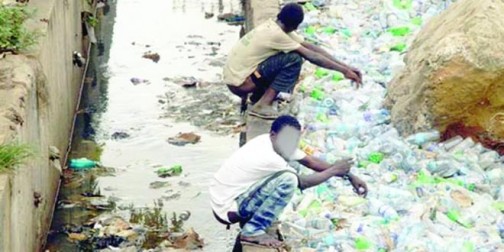
Despite adopting a new waste management system known as the Cleaner Lagos Initiative, many areas in the Lagos metropolis remain an eyesore, with all manners of wastes, particularly discarded empty bottles, sachets and human wastes, littering the landscape as well as blocking drainage channels; even as heaps of refuse dot the landscape.

While concerned residents expect the drivers of the new waste management system to do the needful by maximally deploying resources to sanitise the environment in the shortest period, they have called for urgent action against open defecation which they observed has taken a more worrisome dimension of recent.

Against this backdrop, Correspondent Innocent Onoh takes a look at certain aspects of open defecation practised in Lagos and their consequences.


Radio Report: Lagosians want answers to weather challenges on World Meterological Day

0

With the observance of the World Meterological Day on March 23, 2018, governments, relevant agencies and  institutions in at least 191 member nations, including Nigeria, are expected to host different activities such as seminars, symposia, meetings, road walks and others, aimed at finding solutions to world’s contemporary weather and climatic challenges.

In the spirit of the celebration, Lagos residents are seeking answers and solutions to peculiar weather challenges in the state, especially the hot weather they are currently experiencing.

Correspondent Innocent Onoh takes it from here.